Buy Duphaston Online - Order Dydrogesterone 10mg Original Abbott Brand for Pregnancy Support & HRT

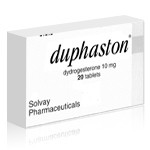
Duphaston is the original Abbott brand of dydrogesterone 10 mg tablets - a unique oral progestogen occupying a distinctive position in gynecological pharmacology as the only widely-used retroprogesterone derivative. Manufactured by Abbott Laboratories (originally developed by Solvay Pharmaceuticals before Abbott acquisition), Duphaston has been continuously prescribed for over 60 years since its introduction in 1961 and remains the preferred oral progestogen across Europe, Asia, Latin America, and Eastern Europe for a comprehensive range of gynecological conditions and pregnancy support indications.
Dydrogesterone possesses a uniquely favorable pharmacological profile that distinguishes it from other progestogens available on the market. As a stereoisomer of natural progesterone with retro-structural configuration, dydrogesterone provides highly selective progesterone receptor activity without the androgenic, estrogenic, glucocorticoid, or mineralocorticoid side effects associated with many synthetic progestins. This selectivity translates to superior tolerability with minimal metabolic effects, no impact on lipid profiles, no clinically significant impact on glucose metabolism, and no undesirable virilizing effects on female patients or their fetuses during pregnancy therapy.
Duphaston addresses an exceptionally broad clinical spectrum including threatened miscarriage, recurrent pregnancy loss, luteal phase insufficiency, endometriosis, premenstrual syndrome, secondary amenorrhea, irregular menstrual cycles, dysfunctional uterine bleeding, dysmenorrhea, and as the progestogen component in hormone replacement therapy for postmenopausal women. The 10 mg tablet strength enables flexible dosing across all indications from 10 mg daily for HRT to 40 mg loading followed by 10 mg every 8 hours for threatened miscarriage.
Duphaston is available in five pack sizes - 20, 30, 40, 50, and 100 tablets - accommodating different treatment protocols from short cyclic courses through extended long-term therapy. The 50-tablet pack is the bestseller reflecting the most common monthly cyclic dosing regimens. Each Duphaston tablet contains 10 mg pure dydrogesterone in Abbott's original quality-controlled formulation trusted by gynecologists worldwide for pregnancy support and menstrual disorder management.
Free prescription
Discrete packaging
Have questions?
Quality Assurance

Dydrogesterone exhibits pure progestogenic activity without androgenic, estrogenic, glucocorticoid, or mineralocorticoid effects - distinguishing it from most other synthetic progestins that have secondary hormonal activities. This selectivity translates to superior tolerability profile including no impact on lipid metabolism, no androgenic effects on the mother or fetus during pregnancy therapy, and no adverse effects on glucose tolerance. Oral bioavailability approximately 28 percent with peak plasma concentration at 0.5-2.5 hours. Duphaston is manufactured by Abbott Laboratories following pharmaceutical manufacturing standards ensuring precise 10 mg dydrogesterone content per tablet.
- Recurrent Pregnancy Loss: Two or more consecutive miscarriages requiring luteal phase support in future pregnancies;
- Habitual Abortion: Historical term for recurrent early pregnancy loss requiring hormonal supplementation during subsequent gestation;
- Luteal Phase Insufficiency: Inadequate corpus luteum progesterone production during second half of menstrual cycle affecting implantation;
- Endometriosis: Painful gynecological condition where endometrial tissue grows outside the uterine cavity causing pelvic pain;
- Premenstrual Syndrome: Cyclic physical and emotional symptoms occurring in the week before menstruation from hormonal fluctuations;
- Secondary Amenorrhea: Absence of menstruation for three or more months in previously menstruating reproductive age women;
- Dysfunctional Uterine Bleeding: Abnormal heavy or irregular menstrual bleeding without underlying organic pelvic pathology;
- Irregular Menstrual Cycles: Menstruation occurring at unpredictable intervals due to hormonal imbalance affecting normal ovulation;
- Dysmenorrhea: Painful menstrual cramping caused by uterine contractions during monthly bleeding episodes affecting daily activities;
- Oligomenorrhea: Infrequent menstruation with cycles longer than 35 days indicating ovulatory dysfunction and hormonal imbalance;
- Hormone Replacement Therapy: Postmenopausal estrogen supplementation requiring progestogen opposition to protect the uterine lining from hyperplasia;
- Endometrial Hyperplasia Prevention: Prevention of abnormal uterine lining overgrowth from unopposed estrogen exposure during hormone therapy;
- IVF Luteal Support: Progestogen supplementation during assisted reproductive technology cycles supporting embryo implantation and early pregnancy;
- Infertility from Luteal Defect: Difficulty conceiving associated with inadequate luteal phase progesterone affecting endometrial receptivity for implantation;
- Menstrual Disorders: Broad category of cycle irregularities including timing frequency and flow abnormalities responding to hormonal regulation;
- Anovulatory Cycles: Menstrual cycles occurring without ovulation causing progesterone deficiency and cycle irregularities requiring hormonal support;
- Breakthrough Bleeding: Unscheduled uterine bleeding occurring between expected menstrual periods during hormonal therapy or contraceptive use;
- Progesterone Deficiency: Insufficient natural progesterone production affecting fertility menstrual regularity and pregnancy maintenance in reproductive age women;
- Pregnancy Support Therapy: Hormonal supplementation during high-risk early pregnancy to reduce miscarriage risk and support gestation continuation.
- Improves Successful Pregnancy Outcomes: Higher live birth rates in women with recurrent pregnancy loss receiving early progestogen therapy;
- Endometriosis Pain Relief: Reduces pelvic pain dysmenorrhea and dyspareunia from endometriosis through continuous progestogen suppression;
- Regulates Menstrual Cycles: Restores predictable monthly bleeding patterns through cyclic progestogen administration in irregular cycle disorders;
- Reduces PMS Symptoms: Improves mood physical comfort and cyclic complaints during luteal phase in premenstrual syndrome therapy;
- Restores Fertility: Improves conception outcomes in women with documented luteal phase insufficiency through progesterone supplementation;
- No Androgenic Effects: Zero virilizing effects on mother or female fetus unlike many other synthetic progestin therapies;
- No Estrogenic Activity: Pure progestogen effect without estrogen related breast tenderness fluid retention or thromboembolic risk;
- No Glucocorticoid Activity: Zero adrenal suppression or immune related effects during short or long term dydrogesterone therapy;
- Weight Neutral Therapy: Does not cause weight gain unlike many synthetic progestins causing significant fluid retention and appetite changes;
- Neutral Lipid Profile: No adverse impact on HDL LDL cholesterol or triglyceride levels during long term hormone therapy;
- Neutral Glucose Metabolism: No clinically significant effect on blood sugar insulin sensitivity or diabetes control during therapy;
- Oral Tablet Convenience: Easy oral administration avoiding vaginal or injectable progesterone alternatives during pregnancy support and cycle therapy;
- Restores Ovulatory Cycles: Reestablishment of normal ovulation in women with anovulation improving fertility and cycle regularity;
- Endometrial Protection HRT: Prevention of endometrial hyperplasia during postmenopausal estrogen replacement therapy protecting uterine lining safely;
- Reduces Heavy Bleeding: Controlled menstrual flow in dysfunctional uterine bleeding through cyclic hormonal balance restoration and endometrial stabilization;
- Safe During Pregnancy: Only oral progestogen widely approved for pregnancy support indications with over 60 years safety experience;
- Excellent Tolerability Profile: Minimal side effects compared to other progestogen therapies for gynecological conditions and pregnancy support;
- Original Abbott Brand Quality: Manufactured by Abbott Laboratories original brand identity with pharmaceutical quality standards trusted worldwide;
- Better Quality of Life: Successful pregnancy support endometriosis pain relief and cycle regularization dramatically improve quality of life.
Generic Duphaston (Dydrogesterone 10 mg) Medication guide:
Duphaston (Dydrogesterone 10 mg) represents the original Abbott Laboratories brand of dydrogesterone - a uniquely valuable oral progestogen with retroprogesterone chemical structure providing highly selective progesterone receptor activity without androgenic, estrogenic, glucocorticoid, or mineralocorticoid side effects. Originally developed by Solvay Pharmaceuticals and introduced in 1961, dydrogesterone has over 60 years of continuous clinical experience across Europe, Asia, Latin America, and Eastern Europe. Following Abbott Laboratories acquisition of Solvay Pharmaceuticals in 2010, Duphaston has been produced by Abbott under the original brand identity. Available in the 10 mg tablet strength with flexible dosing across multiple gynecological indications including threatened miscarriage, recurrent pregnancy loss, endometriosis, hormone replacement therapy, premenstrual syndrome, secondary amenorrhea, dysfunctional uterine bleeding, and luteal phase insufficiency. This comprehensive medication guide covers every aspect of Duphaston therapy including retroprogesterone chemistry, selective progesterone receptor mechanism, pharmacokinetics, all approved indications, dose-specific dosing protocols for each indication, contraindications, pregnancy considerations, drug interactions, and long-term therapy considerations for gynecological management.
💊 Introduction to Duphaston
Duphaston is a prescription oral medication containing dydrogesterone 10 mg as its active ingredient in tablet form. Dydrogesterone is a unique oral progestogen with distinctive retroprogesterone chemical structure that distinguishes it from all other synthetic progestins currently available in gynecological pharmacology. Dydrogesterone was originally developed by Solvay Pharmaceuticals in the late 1950s and introduced clinically in 1961 - establishing over 60 years of continuous clinical experience worldwide. Following Abbott Laboratories acquisition of Solvay Pharmaceuticals in 2010, Duphaston has been continuously manufactured by Abbott under the original brand identity maintaining consistent pharmaceutical quality standards.
Duphaston occupies a distinctive position in gynecological therapeutics due to its unique pharmacological profile. As a stereoisomer of natural progesterone with specific retro-structural configuration, dydrogesterone provides highly selective progesterone receptor agonism without the secondary hormonal activities that characterize most other synthetic progestins. This selectivity translates to a superior tolerability profile with no androgenic effects, no estrogenic activity, no glucocorticoid effects, no mineralocorticoid activity, no significant impact on lipid metabolism, no clinically significant effects on glucose tolerance, and no negative impact on cardiovascular parameters.
The clinical spectrum of Duphaston is exceptionally broad. Approved indications include threatened miscarriage, recurrent pregnancy loss, luteal phase insufficiency, endometriosis, premenstrual syndrome, secondary amenorrhea, irregular menstrual cycles, dysfunctional uterine bleeding, dysmenorrhea, oligomenorrhea, and as the progestogen component in hormone replacement therapy for postmenopausal women. Duphaston is uniquely positioned as one of the very few oral progestogens with established efficacy and safety data supporting use during pregnancy for threatened and recurrent miscarriage.
Duphaston is available on rxshop.md in five pack sizes - 20, 30, 40, 50, and 100 tablets - accommodating different treatment protocols from short cyclic courses through extended long-term therapy. The 50-tablet pack is the most popular size reflecting typical monthly cyclic dosing regimens for cycle regulation and endometriosis therapy.
🏭 Abbott Laboratories Manufacturer Heritage
Abbott Laboratories Credentials
Abbott Laboratories credentials:
- Founded 1888 in Chicago, Illinois USA - over 130 years pharmaceutical heritage
- Global pharmaceutical leader operating in 160+ countries worldwide
- US FDA-inspected manufacturing facilities serving American regulatory market
- EU-GMP certification serving European market with highest quality standards
- WHO-GMP certification for international market distribution
- Established Products Division maintaining heritage brands like Duphaston
- Extensive gynecology portfolio including hormonal therapies and reproductive health products
- 2010 Solvay Pharmaceuticals acquisition - obtained Duphaston brand rights and continued manufacturing
- Global distribution network ensuring worldwide Duphaston availability
Solvay Pharmaceuticals Original Development
Duphaston was originally developed by Solvay Pharmaceuticals - a Belgian-Dutch pharmaceutical company that established significant gynecological therapeutic portfolio during the 20th century. Solvay Pharmaceuticals developed and marketed Duphaston as their flagship gynecological product for over 40 years before the Abbott acquisition. The transition to Abbott ownership in 2010 was designed to preserve the Duphaston brand identity and manufacturing quality while providing broader global distribution through Abbott expansive international network.
Manufacturing Quality Standards
Duphaston manufacturing quality features:
- Original brand manufacturing - not generic reformulation
- Consistent 10 mg dose accuracy per tablet
- Bioequivalent to historical Solvay formulation
- Pharmaceutical-grade excipients
- Rigorous quality control testing per Abbott standards
- Batch-to-batch consistency ensuring predictable clinical effects
- Extended stability data supporting shelf life reliability
- International pharmacopeia compliance across markets
📜 Dydrogesterone Historical Development
Historical Timeline
| Year | Development Milestone |
|---|---|
| Late 1950s | Dydrogesterone synthesized by Solvay Pharmaceuticals research |
| 1961 | First clinical introduction as Duphaston in European markets |
| 1960s-1970s | Establishment as leading oral progestogen across Europe |
| 1980s-1990s | Extensive clinical research validating pregnancy safety indications |
| 2000s | Femoston (dydrogesterone plus estradiol) launched for HRT |
| 2008 | Voluntary withdrawal from US market (commercial reasons, not safety) |
| 2010 | Abbott Laboratories acquired Solvay Pharmaceuticals - obtained Duphaston brand |
| 2010-Present | Continued Abbott manufacturing with global distribution expansion |
| Present Day | Over 60 years continuous clinical use worldwide - available in 100+ countries |
US Market Withdrawal Explanation
Duphaston US market status:
Duphaston was voluntarily withdrawn from the US market in 2008 by Solvay Pharmaceuticals for commercial reasons - not safety concerns. The withdrawal was driven by market factors including limited US insurance coverage for the branded product and increasing generic progestin competition. Dydrogesterone continues to be widely prescribed and considered first-line progestogen therapy across Europe, Asia, Latin America, Middle East, and Eastern Europe.
Key clarifications:
- No FDA safety action - voluntary commercial withdrawal only
- Continued approval in European Union, UK, Russia, India, and worldwide
- Over 60 years safety data supporting continued global use
- Preferred progestogen in international gynecology guidelines
- WHO-recognized essential progestogen for reproductive health
🧬 Understanding Progestogens Class
Progestogen Class Overview
Progestogen categories:
- Natural progesterone: Micronized progesterone identical to endogenous hormone
- Progesterone derivatives: Dydrogesterone (retroprogesterone), medroxyprogesterone acetate
- 19-nortestosterone derivatives: Norethindrone, levonorgestrel, gestodene (androgenic activity)
- Spirolactone derivatives: Drospirenone (anti-mineralocorticoid activity)
- 19-norprogesterone derivatives: Nomegestrol acetate, trimegestone
Dydrogesterone Position Within Class
| Activity | Dydrogesterone | Other Synthetic Progestins |
|---|---|---|
| Progestogenic activity | Strong selective agonist | Variable |
| Androgenic activity | None | Often present |
| Estrogenic activity | None | Sometimes weak |
| Glucocorticoid activity | None | Present in MPA |
| Mineralocorticoid activity | None | Present in some |
| Metabolic effects | Neutral | Variable adverse |
| Pregnancy safety | Established safe | Most contraindicated |
🧪 Retroprogesterone Chemistry
Chemical Structure
Dydrogesterone has the chemical formula C21H28O2 with molecular weight approximately 312.4 g/mol. Chemically, dydrogesterone is a retroprogesterone stereoisomer of natural progesterone - meaning it has the same molecular formula and same atomic connections as progesterone but with specific stereochemical differences that provide enhanced oral bioavailability and receptor selectivity.
Retro Structural Configuration
Dydrogesterone retro structural features:
- Beta-hydrogen at position 9 (progesterone has alpha-hydrogen) - inverted stereochemistry
- Beta-methyl at position 10 - opposite orientation from natural progesterone
- Additional 6-7 double bond - not present in natural progesterone
- Retro suffix indicates inverted stereochemistry
- Same essential 3-keto-4-ene structure preserving progesterone receptor binding
- Enhanced oral bioavailability compared to natural progesterone
- Modified metabolism resistant to first-pass hepatic degradation
- Selective receptor binding without cross-reactivity to other steroid receptors
Advantages of Retro Structure
- Enhanced oral absorption compared to natural progesterone
- Improved oral bioavailability approximately 28 percent versus much lower for natural progesterone
- Resistance to hepatic first-pass metabolism providing consistent plasma levels
- Selective progesterone receptor binding without off-target hormonal effects
- No metabolic conversion to androgenic or estrogenic metabolites
- Predictable oral therapy with consistent dose-response relationships
- Active metabolite 20-alpha-DHD retains progestogenic activity
🔬 Mechanism of Action
Cellular Mechanism
Dydrogesterone mechanism at cellular level:
- Selective progesterone receptor binding: Binds PR-A and PR-B isoforms with high affinity
- Receptor activation: Ligand-receptor complex undergoes conformational change
- Nuclear translocation: Activated complex moves into cell nucleus
- DNA binding: Binds progesterone response elements on target genes
- Gene transcription: Regulates transcription of progesterone-responsive genes
- Protein synthesis: Modulates production of proteins mediating progesterone effects
- Tissue-specific effects: Different tissues express different response patterns
- Selective activity: No cross-reactivity with androgen, estrogen, glucocorticoid, or mineralocorticoid receptors
Endometrial Effects
- Secretory transformation: Converts proliferative endometrium to secretory state
- Endometrial receptivity: Prepares endometrium for embryo implantation
- Endometrial stabilization: Reduces breakthrough bleeding in unstable endometrium
- Endometrial hyperplasia prevention: Opposes estrogen-stimulated proliferation during HRT
- Withdrawal bleeding: Induces controlled bleeding when discontinued cyclically
- Endometriosis suppression: Reduces ectopic endometrial tissue activity
Pregnancy Support Effects
Pregnancy-supportive effects of dydrogesterone:
- Uterine muscle relaxation: Reduces uterine contractility protecting early pregnancy
- Immunomodulation: Supports maternal immunological tolerance of fetus
- Cytokine balance modulation: Shifts Th1/Th2 balance toward pregnancy-favorable state
- Endometrial receptivity support: Maintains decidualization for placental attachment
- Vascular support: Supports placental blood flow development
- Corpus luteum insufficiency compensation: Provides progestogenic activity when luteum inadequate
🔬 Pharmacokinetic Profile
| Parameter | Value | Clinical Significance |
|---|---|---|
| Oral bioavailability | Approximately 28 percent | Higher than natural progesterone |
| Time to peak (Tmax) | 0.5-2.5 hours | Rapid onset of action |
| Half-life dydrogesterone | 5-7 hours | Twice daily dosing generally needed |
| Half-life active metabolite (DHD) | 14-17 hours | Extends effective duration of action |
| Protein binding | Moderate | No SHBG binding |
| Metabolism | Hepatic | Primary metabolite DHD retains activity |
| Elimination | Renal (primarily) | Kidney function affects clearance |
| Elimination timeline | Complete within 72 hours | No accumulation with standard dosing |
| Steady state | Rapid - within 3 days | Quick therapeutic effect assessment |
🧠 Understanding Progesterone Physiology
Natural Progesterone Physiological Role
Progesterone physiology overview:
- Produced primarily by corpus luteum after ovulation
- Placental production during pregnancy after week 8-10
- Adrenal cortex minor production as steroid precursor
- Blood levels: Under 1 ng/mL follicular; 5-25 ng/mL luteal; increasing during pregnancy
- Primary role: Endometrial preparation and pregnancy maintenance
- Reproductive functions: Menstrual cycle regulation, ovulation preparation, embryo implantation
- Non-reproductive roles: Neurosteroid activity, immune modulation, thermogenic effect
Menstrual Cycle Progesterone Levels
| Cycle Phase | Progesterone Level | Function |
|---|---|---|
| Follicular (days 1-14) | Very low (under 1 ng/mL) | Estrogen-dominant proliferative endometrium |
| Ovulation (day 14) | Beginning rise | Corpus luteum begins production |
| Luteal (days 14-28) | 5-25 ng/mL peak day 21 | Secretory endometrium prepares for implantation |
| Menstruation | Drops (luteum regresses) | Withdrawal bleeding without pregnancy |
| Early pregnancy | Continues rising | Corpus luteum maintained by hCG |
| Pregnancy weeks 8-10 | Placental takeover | Placenta becomes primary source |
| Late pregnancy | 100-300 ng/mL | Maintains pregnancy prevents contractility |
🎯 Pregnancy-Related Indications
- Threatened Miscarriage
- Vaginal bleeding during early pregnancy with viable fetus indicating pregnancy loss risk. Dydrogesterone provides progestogenic support supplementing corpus luteum function. Studies demonstrate reduced miscarriage rates with prompt therapy. Standard dosing: 40 mg loading dose then 10 mg every 8 hours until symptoms resolve, then continued through first trimester.
- Recurrent Pregnancy Loss
- History of two or more consecutive miscarriages requiring luteal phase support in subsequent pregnancy. Dydrogesterone from confirmation of pregnancy through 20 weeks gestation supports pregnancy continuation. Standard dosing: 10 mg twice daily from ovulation through first trimester or as prescribed.
- Luteal Phase Insufficiency
- Inadequate corpus luteum progesterone production leading to shortened luteal phase, early pregnancy loss, or infertility. Standard dosing: 10 mg twice daily from ovulation through cycle day 25.
- In Vitro Fertilization Luteal Support
- Progestogen supplementation during IVF cycles supporting embryo implantation and early pregnancy. Standard dosing: 30 mg daily divided doses from embryo transfer through 10-12 weeks gestation.
🌸 Gynecological Indications
- Endometriosis
- Painful gynecological condition with endometrial tissue outside the uterine cavity causing dysmenorrhea, dyspareunia, chronic pelvic pain, and infertility. Standard dosing: 10 mg two to three times daily continuously or from cycle days 5-25.
- Premenstrual Syndrome
- Cyclic physical and emotional symptoms occurring in luteal phase before menstruation. Standard dosing: 10 mg twice daily from cycle days 12-26.
- Secondary Amenorrhea
- Absence of menstruation for three or more months. Standard dosing: 10 mg twice daily for 10 days combined with estrogen therapy for cycle induction.
- Dysfunctional Uterine Bleeding
- Abnormal heavy or irregular menstrual bleeding without underlying organic pelvic pathology. Standard dosing: 10 mg twice daily for 5-7 days to arrest bleeding, then cyclic days 11-25 for maintenance.
- Irregular Menstrual Cycles
- Menstruation at unpredictable intervals due to hormonal imbalance. Standard dosing: 10 mg twice daily from cycle days 11-25 for 3-6 cycles.
- Dysmenorrhea
- Painful menstrual cramping caused by uterine contractions. Standard dosing: 10 mg twice daily from cycle days 5-25 for 3-6 cycles.
- Oligomenorrhea
- Infrequent menstruation with cycles longer than 35 days. Standard dosing: 10 mg twice daily from cycle days 11-25.
🌸 Hormone Replacement Therapy Indications
- Postmenopausal HRT Endometrial Protection
- Postmenopausal women receiving estrogen require progestogen opposition to prevent endometrial hyperplasia and endometrial cancer risk. Standard dosing: 10 mg daily continuous or 10 mg for 14 days per calendar month with cyclic estrogen.
- Perimenopausal Cycle Regulation
- Perimenopausal women with irregular cycles and heavy bleeding benefit from cyclic progestogen therapy. Standard dosing: 10 mg twice daily from cycle days 11-25.
- Endometrial Hyperplasia Treatment
- Simple endometrial hyperplasia without atypia treated with progestogen therapy inducing endometrial regression. Standard dosing: 10 mg two to three times daily continuously or cyclically per specialist protocol.
👤 Ideal Patient Selection
Duphaston most appropriate for:
- Women with threatened miscarriage requiring progestogen support during viable early pregnancy
- Women with recurrent pregnancy loss history requiring luteal supplementation
- Women with documented luteal phase insufficiency affecting fertility or pregnancy
- Endometriosis patients requiring continuous progestogen suppression
- Women with premenstrual syndrome affecting quality of life
- Women with secondary amenorrhea requiring cycle induction
- Women with dysfunctional uterine bleeding requiring endometrial stabilization
- Women with irregular menstrual cycles requiring regulation
- Postmenopausal women on estrogen therapy requiring endometrial protection
- Women with progesterone deficiency confirmed by clinical evaluation
- IVF patients requiring luteal phase support
- Patients preferring oral progestogen over vaginal or injectable alternatives
- Patients requiring weight-neutral progestogen without androgenic side effects
- Patients with metabolic concerns benefiting from neutral metabolic progestogen
🚫 Contraindications
Absolute Contraindications
- Hypersensitivity to dydrogesterone or tablet excipients
- Known or suspected progestogen-dependent malignancy
- Undiagnosed vaginal bleeding - requires diagnostic evaluation first
- Severe liver dysfunction - Dubin-Johnson syndrome, Rotor syndrome, active liver disease
- Missed abortion - non-viable pregnancy with retained products
- Ectopic pregnancy - dydrogesterone does not treat and may delay diagnosis
- Porphyria - progestogens may exacerbate
- History of jaundice or severe pruritus during pregnancy
- Herpes gestationis history
- Deterioration of otosclerosis during previous pregnancy
Precautions
Use with caution in:
- Depression history: Monitor mood during therapy
- Migraine history: Rare exacerbation reports
- Cardiovascular disease: Minimal effects but monitoring appropriate
- Diabetes mellitus: No significant glucose effects but standard monitoring
- Breast disease history: Standard breast health monitoring
- Uterine leiomyomas: May affect fibroid activity minimally
Special Warning: Dydrogesterone vs Other Progestins
Unlike synthetic progestins derived from 19-nortestosterone (norethindrone, levonorgestrel, norgestrel), dydrogesterone has no androgenic activity and no cardiovascular concerns associated with those classes. Dydrogesterone should NOT be confused with medroxyprogesterone acetate (MPA) which has different pharmacological profile and different safety concerns.
💉 Comprehensive Dosing Protocols
Indication-Specific Dosing Table
| Indication | Standard Dose | Duration |
|---|---|---|
| Threatened Miscarriage | 40 mg loading, then 10 mg every 8 hours | Until symptoms resolve, continue through first trimester |
| Recurrent Pregnancy Loss | 10 mg twice daily | From ovulation through 20 weeks gestation |
| Luteal Phase Insufficiency | 10 mg twice daily | From ovulation through cycle day 25 |
| IVF Luteal Support | 30 mg daily divided doses | From embryo transfer through 10-12 weeks |
| Endometriosis | 10 mg 2-3 times daily | Continuous or cycle days 5-25 for 6+ months |
| Premenstrual Syndrome | 10 mg twice daily | Cycle days 12-26 for 3-6 cycles |
| Secondary Amenorrhea | 10 mg twice daily | 10 days combined with estrogen |
| DUB (arrest) | 10 mg twice daily | 5-7 days to arrest bleeding |
| DUB (maintenance) | 10 mg twice daily | Cycle days 11-25 for 3-6 cycles |
| Irregular Cycles | 10 mg twice daily | Cycle days 11-25 for 3-6 cycles |
| Dysmenorrhea | 10 mg twice daily | Cycle days 5-25 for 3-6 cycles |
| Oligomenorrhea | 10 mg twice daily | Cycle days 11-25 |
| HRT Continuous | 10 mg daily | Continuous with continuous estrogen |
| HRT Cyclic | 10 mg daily for 14 days | 14 days per calendar month with cyclic estrogen |
| Endometrial Hyperplasia | 10 mg 2-3 times daily | Continuous or cyclic per specialist |
Administration Guidelines
- Take tablets whole with water
- May be taken with or without food
- Space doses evenly through the day for twice or three times daily regimens
- Take at approximately the same times each day
- Do not double dose if missed - resume next scheduled dose
- Continue therapy for prescribed duration - do not discontinue without medical advice
- Pregnancy indications continue as prescribed through first trimester or as directed
- Cyclic indications follow specific cycle day schedule per prescription
- Report unexpected bleeding patterns during therapy
- Maintain regular follow-up appointments
📊 Clinical Effectiveness Data
| Indication | Response Data |
|---|---|
| Threatened miscarriage - pregnancy continuation | Significantly improved vs placebo in studies |
| Recurrent pregnancy loss - live birth rate | Substantial improvement with early progestogen support |
| Endometriosis pain relief | Substantial reduction in dysmenorrhea and chronic pelvic pain |
| Cycle regulation success | Predictable withdrawal bleeding in over 90 percent |
| HRT endometrial protection | Equivalent to other progestogens with better tolerability |
| Dysfunctional bleeding control | Effective bleeding arrest and cycle regulation |
| PMS symptom improvement | Modest to substantial improvement in cyclic complaints |
| IVF pregnancy outcomes | Equivalent to vaginal progesterone with better acceptability |
| Discontinuation from side effects | Lower than most other synthetic progestin therapies |
| Long-term safety data | Over 60 years continuous global use |
⚠️ Side Effects
Common Side Effects
- Nausea: Occasional - typically mild
- Headache: Occasional
- Breakthrough bleeding: May occur during initial cycles
- Breast tenderness: Occasional - typically mild
- Abdominal discomfort: Occasional
- Migraine or migraine-like headache: Uncommon
- Depression or mood changes: Uncommon
- Dizziness: Uncommon
- Skin reactions: Rare - typically mild
- Fatigue: Uncommon
- Menstrual disturbances: Possible early in therapy
Rare Serious Adverse Events
Seek immediate medical attention for:
- Severe allergic reactions: Angioedema, difficulty breathing, throat swelling
- Severe skin reactions: Erythema multiforme, angioneurotic edema
- Signs of liver dysfunction: Jaundice, dark urine, severe abdominal pain
- Severe depression or suicidal thoughts
- Severe or persistent migraine
- Visual disturbances
- Sudden onset severe headache with neurological symptoms
- Unusual bleeding patterns during therapy
- Suspected ectopic pregnancy signs during pregnancy therapy
Comparative Tolerability
Dydrogesterone tolerability advantages:
- No weight gain unlike many synthetic progestins
- No fluid retention unlike some progestin classes
- No androgenic side effects (no acne, no hair changes, no voice changes)
- No estrogenic effects when used alone
- No adrenal effects
- Neutral cardiovascular profile
- Neutral lipid metabolism
- Neutral glucose metabolism
- No sedation unlike natural progesterone (neurosteroid effects)
- Lower discontinuation rates in clinical comparison studies
🔄 Drug Interactions
| Drug/Substance | Interaction |
|---|---|
| Rifampicin | CYP3A4 induction may reduce dydrogesterone effectiveness |
| Phenytoin, carbamazepine | CYP450 induction may reduce dydrogesterone levels |
| Barbiturates | Enzyme induction may reduce effectiveness |
| St Johns Wort | Herbal enzyme induction may reduce levels |
| Ketoconazole, itraconazole | CYP3A4 inhibition may increase levels |
| Grapefruit juice | Potential CYP3A4 inhibition - clinical significance minimal |
| Estrogens | Standard combination for HRT - not adverse interaction |
| SSRIs | No significant interaction reported |
| Antihypertensives | No significant interaction reported |
| Diabetes medications | No significant impact on glucose control |
🤰 Pregnancy-Specific Considerations
Unique Pregnancy Safety Position
Dydrogesterone pregnancy safety features:
- Over 60 years pregnancy safety data - extensive worldwide use
- No teratogenic effects demonstrated in large clinical databases
- No androgenic effects on female fetus development
- Widely used in Europe for threatened and recurrent miscarriage
- WHO-recognized for pregnancy support indications
- Recommended in international guidelines for progestogen during pregnancy
- Extensive safety monitoring confirming lack of adverse fetal effects
Postpartum and Lactation
- Dydrogesterone passes into breast milk in small amounts
- Effects on nursing infant not fully established - use with caution during lactation
- Non-breastfeeding postpartum use follows standard indications
- Alternative therapies may be considered during lactation
🛡️ Special Populations
- Reproductive Age Women
- Primary target population. Comprehensive gynecological evaluation required for accurate diagnosis before therapy. Consider fertility goals in treatment planning.
- Pregnant Women
- Approved indications during pregnancy include threatened miscarriage and recurrent pregnancy loss. Extensive safety database over 60 years supports use. Discontinue if miscarriage complete or ectopic pregnancy diagnosed.
- Postmenopausal Women
- Standard indication for endometrial protection during estrogen replacement therapy. Continuous or cyclic dosing depending on HRT regimen. Regular gynecological monitoring recommended.
- Perimenopausal Women
- Common indication for cycle regulation, heavy bleeding management, and transition symptoms. Cyclic dosing establishes predictable bleeding patterns.
- Adolescents
- Use for menstrual disorders, dysfunctional uterine bleeding, or dysmenorrhea when clinically indicated. Pediatric gynecology consultation recommended.
- Diabetic Patients
- No significant impact on glucose metabolism - suitable for diabetic women. Standard diabetes management continues unchanged.
- Cardiovascular Disease Patients
- Neutral cardiovascular profile - suitable for women with cardiovascular risk factors. No adverse impact on lipids or blood pressure documented.
- Endometriosis Patients
- Continuous or cyclic dosing depending on pain severity and treatment goals. Long-term therapy typically required. Multi-modal approach with gynecology specialist.
- IVF Patients
- Oral alternative to vaginal or injectable progesterone for luteal support. Coordinated with reproductive endocrinology protocols. Continue through 10-12 weeks gestation after positive pregnancy test.
- Hepatic Impairment
- Severe hepatic impairment contraindicated. Mild-moderate impairment - dose adjustment may be needed. Monitor liver function.
- Renal Impairment
- Standard dosing generally appropriate. Severe renal impairment - dose adjustment consideration.
📦 Storage and Handling
- Store at room temperature below 30°C (86°F)
- Protect from direct sunlight and moisture
- Keep tablets in original blister packaging
- Keep out of reach of children and pets
- Do not use past expiration date
- Do not share medication with others
- Return unused medication to pharmacy for proper disposal
- Store in dry area - avoid humid bathrooms
👨⚕️ When to Contact Your Doctor
- Severe allergic reactions: angioedema, difficulty breathing, throat swelling
- Severe skin reactions: rash, hives, blistering
- Signs of liver dysfunction: jaundice, dark urine, severe abdominal pain
- Severe depression or mood changes
- Severe or persistent migraine
- Visual disturbances
- Sudden onset severe headache with neurological symptoms
- Suspected ectopic pregnancy signs during pregnancy therapy
- Unusual heavy or prolonged vaginal bleeding
- Complete miscarriage while on threatened miscarriage therapy
- Persistent breakthrough bleeding not resolving
- Suspected pregnancy while on non-pregnancy indication
- Time for scheduled follow-up appointments
- Starting new medications potentially interacting
- Considering pregnancy or contraception changes
- Persistent side effects affecting daily activities
- Consideration of dose adjustment
- Long-term therapy review appointments
🌟 Key Takeaways
Essential points about Duphaston therapy:
- Duphaston is original Abbott Laboratories brand dydrogesterone 10 mg tablets
- Solvay Pharmaceuticals originally developed - Abbott acquired 2010 - continuously since 1961
- Unique retroprogesterone stereoisomer of natural progesterone
- Highly selective progesterone receptor agonism
- No androgenic, estrogenic, glucocorticoid, or mineralocorticoid activity
- Metabolically neutral - no weight gain, no lipid effects, no glucose effects
- Over 60 years continuous clinical experience worldwide
- Available in 100+ countries as preferred oral progestogen
- US market withdrawal 2008 for commercial reasons - not safety concerns
- Established pregnancy safety - one of few oral progestogens for pregnancy support
- Approved for threatened miscarriage, recurrent pregnancy loss, luteal phase insufficiency
- Approved for endometriosis, PMS, secondary amenorrhea, cycle irregularities, DUB, dysmenorrhea
- Approved for HRT endometrial protection in postmenopausal women
- Approved for IVF luteal support
- Standard 10 mg dosing across most indications with flexible frequency
- Take with or without food
- Excellent tolerability compared to other synthetic progestins
- Low discontinuation rates in clinical studies
- Suitable for women with diabetes, cardiovascular disease, or metabolic concerns
- Available in 5 pack sizes (20, 30, 40, 50, 100 tablets)
- 50-tablet pack most popular reflecting standard monthly cyclic dosing
Important Medical Disclaimer: This medication guide provides general information about Duphaston (Abbott Laboratories original brand dydrogesterone 10 mg tablets) and does not constitute individualized medical advice. Every patient situation is unique and requires evaluation by a gynecologist or qualified healthcare provider before starting progestogen therapy. Duphaston requires comprehensive gynecological workup to establish diagnosis and appropriate indication before therapy initiation. Pregnancy indications require confirmed viable pregnancy assessment excluding ectopic pregnancy or missed abortion. Threatened miscarriage therapy requires ultrasound confirmation of viable pregnancy. Recurrent pregnancy loss evaluation should include comprehensive workup for underlying causes. HRT use requires baseline breast and gynecological evaluation with regular monitoring. Endometriosis therapy typically requires long-term treatment with multidisciplinary specialist coordination. Report severe allergic reactions, signs of liver dysfunction, severe depression, severe migraine, visual disturbances, or suspected ectopic pregnancy immediately. Contraindicated in undiagnosed vaginal bleeding requiring diagnostic evaluation first. Contraindicated in progestogen-dependent malignancy, severe liver dysfunction, missed abortion, and ectopic pregnancy. Duphaston has extensive pregnancy safety data over 60 years supporting approved pregnancy indications - use during pregnancy only for prescribed indications. Not extensively studied during breastfeeding - use during lactation with caution and prescriber guidance. Long-term endometriosis or HRT therapy requires periodic reassessment with gynecology specialist. If you experience concerning symptoms contact your healthcare provider promptly. The information provided here should complement but never replace direct professional medical guidance from your gynecologist.
Duphaston — Frequently Asked Questions
-
What is Duphaston?
Duphaston is a synthetic hormone medication used to treat a range of conditions related to progesterone deficiency, including menstrual disorders, infertility due to luteal phase insufficiency, and specific cases of miscarriage. -
How does Duphaston work?
It mimics the action of natural progesterone, a key hormone in regulating menstruation and pregnancy, helping to correct hormonal imbalances and support the endometrium (uterine lining). -
What conditions is Duphaston used to treat?
Duphaston is used for irregular menstrual cycles, dysmenorrhea (painful periods), endometriosis, infertility due to luteal phase problems, threatened or habitual miscarriage, and as part of hormone replacement therapy (HRT). -
How should I take Duphaston?
The dosage of Duphaston depends on the individual's condition and prescription. It's typically taken once or twice daily, starting from a specific day of the menstrual cycle or pregnancy, as advised by a healthcare provider. -
Can Duphaston help me get pregnant?
Duphaston can be used to treat infertility caused by luteal phase insufficiency by preparing the uterine lining for pregnancy and supporting early pregnancy. -
Does Duphaston prevent miscarriage?
It's prescribed to support early pregnancy in women with a history of recurrent miscarriages due to progesterone deficiency, potentially helping to prevent miscarriage. -
Are there any side effects of taking Duphaston?
Side effects can include mild gastrointestinal symptoms, dizziness, or allergic reactions. Severe side effects are rare but should be reported to a healthcare provider.
See all Duphaston questions (32)
More Women's Health Medications