Buy Reglan Metoclopramide Online for Gastroparesis Diabetic Delayed Gastric Emptying and GERD Nausea Relief

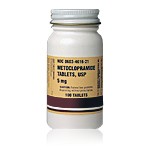
Reglan (Metoclopramide) stands as one of the most prescribed prokinetic and antiemetic medications worldwide for managing nausea, vomiting, and disorders of delayed gastric emptying. As a uniquely dual-action dopamine D2 antagonist with 5-HT4 receptor agonist activity at therapeutic doses, Reglan works centrally at the chemoreceptor trigger zone to control nausea while simultaneously accelerating intestinal motility. The 5/10 mg oral tablets, oral syrup, and IV formulations deliver versatile dosing options across multiple clinical settings — from outpatient management to acute hospital care.
Metoclopramide works through complementary mechanisms targeting multiple receptors involved in nausea and motility. The medication blocks dopamine D2 receptors in the chemoreceptor trigger zone (CTZ) of the area postrema, preventing nausea and vomiting signals. Simultaneously, 5-HT4 serotonin receptor agonism in the gut wall enhances acetylcholine release leading to accelerated gastric emptying, increased lower esophageal sphincter tone, and improved peristalsis throughout the upper GI tract. At higher doses, 5-HT3 receptor antagonism adds additional antiemetic action particularly useful for chemotherapy-induced nausea. The result: nausea relief within 30-60 minutes, vomiting episodes stop rapidly, gastric emptying accelerates, and fullness after meals decreases substantially.
Reglan serves multiple distinct clinical applications across gastroenterology, oncology, and obstetrics. The primary FDA-approved use is diabetic gastroparesis — where high blood sugar damages stomach nerves causing severe delayed emptying — making metoclopramide a first-line prokinetic therapy. For symptomatic GERD, short-term use improves lower esophageal sphincter tone. For postoperative nausea and vomiting, IV metoclopramide provides effective control. The medication also treats chemotherapy-induced nausea (high-dose), migraine-related nausea, radiation-induced nausea, functional dyspepsia, and gallbladder dyskinesia. IV form is widely used for emergency department nausea management and during diagnostic GI procedures.
Reglan requires 3-4 times daily dosing taken 30 minutes before meals and at bedtime for prokinetic indications. The medication reaches peak blood concentrations within 1-2 hours and shows 5-6 hour half-life with renal excretion. Treatment should be limited to short-term courses (typically under 12 weeks) for chronic use. Generic metoclopramide from quality manufacturers including Teva, Cipla, and Sun Pharma provides identical therapeutic effects to brand Reglan at substantially lower cost. The active ingredient remains chemically identical to original Wyeth / Schwarz Pharma formulation across both branded and generic versions of this established prokinetic antiemetic therapy.

Free prescription
Discrete packaging
Have questions?
Quality Assurance

- Vomiting: Forceful expulsion of stomach contents requiring antiemetic therapy to prevent dehydration and discomfort;
- Gastroparesis: Delayed gastric emptying causing early satiety bloating nausea and vomiting from various causes;
- Diabetic Gastroparesis: Slowed stomach emptying from diabetes-related nerve damage requiring first-line prokinetic therapy;
- Drug Induced Nausea: Nausea caused by various medications including opioid pain medicines and chemotherapy;
- GERD: Gastroesophageal reflux disease where short-term prokinetic therapy improves lower esophageal sphincter tone;
- Reflux Symptoms: Symptomatic acid reflux benefits from accelerated gastric emptying reducing acid contact time;
- Functional Dyspepsia: Chronic upper abdominal discomfort without structural cause benefiting from prokinetic action;
- Postoperative Nausea: Nausea and vomiting after surgical procedures responding to IV metoclopramide;
- PONV Prevention: Prevention of postoperative nausea and vomiting in high-risk surgical patients;
- Chemotherapy Nausea: High-dose metoclopramide controls chemotherapy-induced nausea particularly with cisplatin regimens;
- Migraine Nausea: Nausea accompanying migraine attacks responding to antiemetic therapy improving migraine management;
- Radiation Induced Nausea: Nausea from radiation therapy responding to dopamine antagonist antiemetic management;
- Pregnancy Nausea: Severe pregnancy-related nausea responding to metoclopramide under medical supervision;
- Stomach Heaviness: Sensation of fullness or weight in stomach particularly after meals from delayed emptying;
- Bloating: Sensation of abdominal distention improving with prokinetic acceleration of gastric and intestinal transit;
- Gallbladder Dyskinesia: Disordered gallbladder motility responding to prokinetic therapy improving bile flow;
- GI Procedure Preparation: Use during diagnostic procedures to accelerate gastric emptying or barium transit;
- Feeding Intolerance: Patients with feeding intolerance due to slow gastric emptying benefit from prokinetic support;
- Prokinetic Therapy: Drug class accelerating gastric and intestinal motility for various functional GI disorders.
- Less Vomiting Episodes: Frequency and severity of vomiting decrease substantially with central antiemetic action;
- Better Gastric Emptying: Stomach empties food more rapidly relieving fullness and reducing reflux symptoms;
- Less Diabetic Gastroparesis Symptoms: Severe gastric retention from diabetes nerve damage improves with prokinetic therapy;
- Less Gastroparesis Symptoms: Idiopathic gastroparesis nausea bloating and early satiety improve with regular dosing;
- Less Stomach Heaviness: Sensation of fullness or weight in stomach after meals decreases with prokinetic action;
- Less Post Meal Fullness: Early satiety and uncomfortable fullness after small meals improves substantially;
- Less Bloating: Abdominal distention sensation decreases as gastric and intestinal motility normalize;
- Less Reflux Symptoms: GERD symptoms improve through faster gastric emptying and increased lower esophageal sphincter tone;
- Less Heartburn: Burning chest sensation from reflux improves with accelerated gastric emptying reducing acid contact time;
- Less Indigestion: Functional dyspepsia symptoms including fullness and discomfort improve with consistent therapy;
- Less Postoperative Nausea: Postoperative nausea and vomiting decrease allowing comfortable recovery and adequate fluid intake;
- Less Chemotherapy Nausea: High-dose IV regimens control chemotherapy-induced nausea allowing treatment continuation;
- Less Migraine Nausea: Nausea component of migraine attacks resolves allowing better tolerance of migraine episodes;
- Less Radiation Therapy Nausea: Patients undergoing radiation therapy tolerate treatment better with antiemetic prophylaxis;
- Less Severe Pregnancy Nausea: Severe hyperemesis gravidarum responds to metoclopramide under specialist supervision;
- Better Appetite: Reduced post-meal discomfort restores normal appetite and ability to eat full meals;
- Faster Antiemetic Onset: Effect begins within 30-60 minutes of oral dosing and 1-3 minutes after IV administration;
- Multiple Formulations: Oral tablets syrup and IV/IM forms accommodate any patient situation from outpatient to ICU;
- Better Quality of Life: Daily wellbeing improves as chronic gastroparesis or persistent nausea no longer limits eating and daily activities.
Generic Reglan (Metoclopramide 10 mg) Medication guide:
💊 Maxolon overview — dual-mechanism prokinetic antiemetic
Maxolon (metoclopramide) is a dual-mechanism gastrointestinal drug that works both as a prokinetic (speeding gastric emptying) and an antiemetic (reducing nausea and vomiting). The drug has been in clinical use since the 1960s and remains widely used for diabetic gastroparesis, GERD, chemotherapy-induced nausea, postoperative nausea, and migraine with nausea. Its prokinetic action makes it unique among common antiemetics.
💊 At a glance — what Maxolon is
- Class: Dopamine D2 antagonist + 5HT4 agonist (prokinetic antiemetic)
- Primary use: Diabetic gastroparesis, GERD, chemo/postop nausea
- Available forms: 5 mg and 10 mg tablets; oral solution; IV/IM injection
- Typical adult dose: 10 mg 3-4 times daily; max 30-40 mg/day
- Onset: 30-60 minutes orally; 1-3 minutes IV
- Duration: 1-2 hours antiemetic; longer prokinetic effect
- Duration cap: Avoid continuous use beyond 12 weeks (tardive dyskinesia risk)
- Prescription: Required worldwide
🚨 Black box warning — tardive dyskinesia
Maxolon carries a black box warning for tardive dyskinesia (TD), a potentially irreversible movement disorder. Risk rises with cumulative dose and duration. Current guidance limits continuous use to 12 weeks except in rare circumstances where benefit clearly outweighs risk. This duration limit is the single most important fact for anyone prescribing or taking Maxolon long-term.
👩⚕️ Doctor pearl — Dr. Anna Kowalski
"Maxolon fills a role that few other drugs do — it both empties a slow stomach and controls the nausea that comes with that slowness. For diabetic gastroparesis patients, this dual action can be life-changing. The challenge is that the same dopamine blockade that drives the benefit also drives the tardive dyskinesia risk. The successful long-term plan is intermittent dosing with planned drug holidays, not continuous daily use."
Maxolon works through three complementary mechanisms: dopamine D2 antagonism in the chemoreceptor trigger zone (central antiemetic effect), 5HT4 receptor agonism in the gut (prokinetic effect), and weak 5HT3 antagonism at higher doses (additional antiemetic contribution). This profile makes it particularly useful for nausea with slow gastric emptying — a combination that other drugs do not address as directly.
Patients often come to Maxolon when nausea has a gastroparesis component — feeling full after small meals, delayed emptying, nausea worse after eating. Compared to ondansetron (pure antiemetic) or Compazine (dopamine antagonist without prokinetic effect), Maxolon addresses both the mechanical slowness and the resulting nausea. For acute situations, IV Maxolon in the emergency department works within minutes.
🧬 How Maxolon works — prokinetic plus antiemetic
Maxolon (metoclopramide) is a benzamide derivative that acts on multiple receptor systems in the brain and gut. Its combination of central antiemetic action and peripheral prokinetic action distinguishes it from pure antiemetics like ondansetron and from pure prokinetics like domperidone.
🧬 Receptor profile
- Dopamine D2 blockade (CTZ) — primary central antiemetic mechanism
- Dopamine D2 blockade (gut) — removes dopamine brake on gastric motility
- 5HT4 agonism — direct prokinetic action; coordinated peristalsis
- 5HT3 weak antagonism (high dose) — additional antiemetic contribution
- Prolactin elevation — dopamine blockade in pituitary stalk
- CNS penetration — crosses blood-brain barrier (sedation, EPS)
🌊 How Maxolon acts on gut and brain simultaneously
Because Maxolon blocks dopamine receptors in the brain, it produces characteristic antipsychotic-class side effects including extrapyramidal symptoms (acute dystonia, akathisia, drug-induced parkinsonism, and tardive dyskinesia on chronic use), sedation, and hyperprolactinemia (galactorrhea, menstrual changes, gynecomastia). The EPS and TD risks are the main reasons for the duration-limit guidance.
⚠️ Metoclopramide vs domperidone
Both drugs are prokinetics with D2 antagonist activity. The key difference is CNS penetration: metoclopramide crosses the blood-brain barrier, giving it central antiemetic effect but also EPS/TD risk. Domperidone does not cross significantly, so it has fewer CNS side effects but weaker central antiemetic action and some QT prolongation concern. For patients who respond to prokinetics but cannot tolerate metoclopramide EPS, domperidone is often tried (availability varies by country).
🎯 Indications — where Maxolon works
Maxolon has several approved indications centered on nausea/vomiting with or without delayed gastric emptying. The common thread is that Maxolon works best for conditions involving GI motility slowness or dopamine-mediated nausea pathways.
| 🎯 Indication | Typical use | Duration |
|---|---|---|
| Diabetic gastroparesis | 10 mg 3-4x daily before meals and at bedtime | Up to 12 weeks continuous; then holidays |
| GERD (refractory) | 10-15 mg before meals | Short course; PPI remains primary |
| Chemotherapy-induced nausea | 10-20 mg before chemo; added to ondansetron | Per chemo cycle |
| Postoperative nausea | 10 mg IV at end of surgery | Single dose or short course |
| Migraine with nausea | 10 mg IV in migraine cocktails | Single-episode use |
| Radiologic procedures (intubation of small bowel) | 10 mg IV before procedure | Single pre-procedure dose |
| Lactation support (off-label) | 10 mg 3x daily for prolactin stimulation | Specialist decision; short course |
| Hyperemesis gravidarum | 10 mg every 8 hours | Short course under obstetric supervision |
✅ Where Maxolon really shines
The sweet spot for Maxolon is gastroparesis — particularly diabetic gastroparesis where no other oral drug matches its combined effect. Prokinetic action gets food out of the stomach; antiemetic action stops the nausea that gastroparesis produces. For acute vomiting situations where IV access is available (ER, hospital, chemo infusion), 10 mg IV Maxolon works within minutes and is often more reliable than oral ondansetron in a patient who may vomit the pill back up.
🚨 What Maxolon does NOT help
- Pure motion sickness — dimenhydrinate or scopolamine better
- Vestibular vertigo nausea — antihistamine-class drugs better
- Nausea from GI obstruction — CONTRAINDICATED; worsens pain
- Nausea from Parkinson disease — CONTRAINDICATED; worsens motor
- Opioid-induced constipation — opposite problem; use laxatives
📏 Dosing by route and renal function
Maxolon dosing follows the general principles of starting low, timing with meals for GI indications, and limiting continuous duration to minimize tardive dyskinesia risk. Different indications have different dose patterns, and renal impairment requires dose reduction.
| 📏 Form / route | Adult dose | Max daily |
|---|---|---|
| Oral tablet 10 mg | 10 mg 3-4x daily; 30 min before meals | 40 mg |
| Oral tablet 5 mg (older adults) | 5 mg 3x daily before meals | 15 mg |
| Oral solution | 10 mg (10 mL at 1 mg/mL) 3-4x daily | 40 mg |
| IV (slow push) | 10 mg over 1-2 minutes; max 5 mg/min | 40 mg (short-term use) |
| IM | 10 mg every 4-6 hours | 40 mg |
| High-dose chemo IV | 1-2 mg/kg IV before chemo | Per chemo protocol |
⚠️ Dose in renal impairment
Maxolon is renally eliminated, so patients with reduced kidney function clear it more slowly. Dose reduction is required: CrCl 40-60 mL/min — reduce by 25%; CrCl 10-40 mL/min — reduce by 50%; CrCl less than 10 mL/min — reduce by 75%. In older adults and dialysis patients, start at 5 mg and titrate carefully. Accumulation causes dose-related EPS and sedation.
| 👶 Pediatric (weight-based) | Dose |
|---|---|
| Infants under 1 year | CONTRAINDICATED — high EPS risk |
| Children 1-18 years | 0.1-0.2 mg/kg/dose up to 3-4x daily; max 10 mg per dose |
| Pediatric emergency use | Specialist decision; prophylactic diphenhydramine often given |
| Chronic pediatric use | Rarely appropriate; pediatric specialist only |
💡 Practical dosing tips
- Take 30 minutes before meals for GI indications — prokinetic effect peaks at meal
- Bedtime dose for diabetic gastroparesis — helps overnight emptying
- IV must be slow — rapid push causes severe akathisia
- Pre-chemo dose 30 min before infusion
- Older adults start at 5 mg
- Renal impairment reduces dose proportionally
- Avoid combining with other dopamine blockers
- Count duration — cumulative days matter for TD risk
🕐 Timing, administration, and route selection
Timing matters for Maxolon more than for pure antiemetics because the drug has both prokinetic and antiemetic actions that depend on when it reaches the stomach. For gastroparesis, giving the drug 30 minutes before meals lets the prokinetic effect peak during gastric emptying. For acute nausea, oral absorption may be slow in a nauseated patient, so parenteral routes work better.
- 30 minutes before meals for GI indications
- At bedtime for gastroparesis overnight emptying
- 30-60 minutes before chemo
- Just before IV sedation for procedures
- At symptom onset for migraine
- Scheduled during active flares rather than only PRN
- Rapid IV push (causes severe akathisia)
- Taking after meals (misses prokinetic window)
- Combining with anticholinergic drugs (opposing effect)
- Giving with levodopa (antagonism)
- Chronic daily use beyond 12 weeks (TD risk)
- Combining with other dopamine antagonists
- Not counting cumulative lifetime exposure
| 🛣️ Route | Onset | Best use |
|---|---|---|
| Oral tablet | 30-60 min | Chronic gastroparesis; GERD; outpatient |
| Oral solution | 30-45 min | Children; swallowing difficulty |
| IM | 10-15 min | ER setting; cannot take oral |
| IV slow | 1-3 min | Hospital setting; chemo prophylaxis; migraine |
🚨 IV administration must be slow
Rapid IV Maxolon push causes severe acute akathisia — an intensely distressing restlessness that patients describe as unbearable. The reaction can appear within minutes and lasts hours. Prevention: dilute 10 mg in 50 mL saline and infuse over 15 minutes, OR give slow IV push over 1-2 minutes. Prophylactic diphenhydramine 25-50 mg IV before Maxolon prevents or minimizes akathisia for most patients.
✅ Diabetic gastroparesis dosing pattern
- Breakfast dose: 10 mg at 7:00 AM; eat small breakfast at 7:30 AM
- Lunch dose: 10 mg at 11:30 AM; eat lunch at 12:00 PM
- Dinner dose: 10 mg at 5:30 PM; eat dinner at 6:00 PM
- Bedtime dose: 10 mg at 9:30 PM; promotes overnight emptying
- Review every 4 weeks for continued need vs TD risk
- Drug holiday every 12 weeks when possible
- Diary tracking symptoms and response
👥 Who should and should not use Maxolon
Maxolon is a powerful but double-edged drug. The groups that benefit most are those with gastroparesis, chemo nausea, and acute GI nausea situations. The groups that must avoid it include Parkinson patients, those with GI obstruction, and anyone with prior tardive dyskinesia. The dopamine antagonism that drives benefit also drives the serious adverse effects.
- Diabetic gastroparesis
- Idiopathic gastroparesis
- Refractory GERD after PPI
- Chemotherapy nausea (adjunct)
- Postoperative nausea
- Migraine with vomiting
- Radiology procedure prep
- Acute severe nausea in ER
- GI obstruction, perforation, hemorrhage
- Pheochromocytoma
- Parkinson disease / Lewy body dementia
- Prior tardive dyskinesia
- Known pheno-related NMS
- Infants under 1 year
- Seizure disorder (relative)
- Prolactin-dependent tumor
- Significant renal impairment at full dose
| 🤔 Patient profile | Approach |
|---|---|
| Type 1 diabetic, gastroparesis | Standard oral regimen; 12-week limit; drug holidays |
| Cancer patient, chemo cycle | Add to ondansetron for breakthrough; dose per chemo |
| Elderly patient with GI slowness | Low dose 5 mg; falls precautions; prefer alternatives if possible |
| Parkinson patient | CONTRAINDICATED; ondansetron for nausea; domperidone considered |
| Pregnant woman, hyperemesis | Specialist decision; shorter course; after doxylamine-pyridoxine |
| Child with viral gastroenteritis | Ondansetron preferred; Maxolon only if specialist decision |
| History of EPS from any dopamine blocker | AVOID; cross-reaction likely |
🚨 The Parkinson rule
Maxolon blocks dopamine receptors. Patients with Parkinson disease depend on dopamine signaling for motor function. Giving Maxolon to a Parkinson patient causes severe worsening of rigidity, tremor, and bradykinesia that can last weeks after the drug is stopped. This is an absolute contraindication. For nausea in Parkinson patients, use ondansetron (does not block dopamine) or domperidone (does not cross blood-brain barrier) — both are safe alternatives.
🚀 Starting Maxolon — first-dose approach
Starting Maxolon well sets up safe treatment with clear limits on duration. The approach differs for acute single-dose use (migraine, postop, procedure prep) versus planned prophylactic chemotherapy use versus chronic gastroparesis management. Each has its own starting pattern and monitoring plan.
🏁 Before the first dose
- Baseline neurologic exam — document any movements present at baseline
- Medication list reviewed for interactions (levodopa, other dopamine antagonists)
- Renal function checked for dose adjustment
- Allergy history — prior metoclopramide or phenothiazine reactions
- Parkinson disease ruled out
- Pheochromocytoma history ruled out
- GI obstruction ruled out (particularly in acute severe nausea)
- EPS awareness — patient and family know what to watch for
- Duration counter started — cumulative days matter
👩⚕️ Doctor pearl — Dr. Rafael Mendoza
"For chemotherapy use, I always combine Maxolon with prophylactic diphenhydramine or hyoscine to prevent the characteristic akathisia and dystonia. The combination means patients get the antiemetic benefit without the frightening restless-agitation reaction that otherwise affects a meaningful proportion of patients. The prophylactic antihistamine adds negligible side effect burden and dramatically improves tolerability. This is cheap, effective, and widely underused."
| 🚀 Scenario | Starting approach |
|---|---|
| Acute gastroparesis flare | 10 mg 3x daily before meals; reassess in 1 week |
| Chronic gastroparesis | 10 mg 3-4x daily; 12-week limit; drug holiday schedule |
| Chemo prophylaxis | 10-20 mg IV 30 min before chemo; add diphenhydramine |
| Migraine ER cocktail | 10 mg slow IV + diphenhydramine + ketorolac + fluids |
| Older adult, any indication | 5 mg; renal dosing; falls precautions |
| Postop nausea | 10 mg IV at end of surgery; monitor for akathisia |
⚠️ First 24 hours checklist
- Patient aware of possible sedation
- Patient knows what akathisia feels like
- Family knows signs of dystonic reaction
- No driving until response pattern known
- Alcohol avoidance plan
- Written instructions for repeat dosing
- Follow-up timing clear
- Duration limit documented
- Review date for continued need
📅 Daily routine with Maxolon
Patients using Maxolon for chronic gastroparesis incorporate the drug into daily meal patterns. The timing of each dose matters because the prokinetic effect peaks about 30-60 minutes after oral administration, and the goal is to have peak drug levels during actual gastric emptying.
📅 Example daily schedule — diabetic gastroparesis patient
| 🏃 Activity | Maxolon consideration |
|---|---|
| Meal planning | Small frequent meals; low fat; low fiber; adequate chewing |
| Blood sugar management (diabetes) | Delayed emptying affects insulin timing; coordinate with endocrinologist |
| Driving | Caution during first weeks; avoid during peak sedation if present |
| Exercise | Light to moderate OK; strenuous may slow emptying further |
| Work activities | Most patients function normally; some sedation first week |
| Social meals | Take dose 30 min before; eat small portions; no alcohol |
| Travel | Maintain schedule in local time; adjust gradually across time zones |
✅ Gastroparesis diet companion to Maxolon
- Small frequent meals — 5-6 small instead of 3 large
- Low fat — fat slows gastric emptying
- Low fiber — particularly insoluble fiber (slows emptying)
- Avoid raw vegetables that are hard to digest
- Chew thoroughly — mechanical breakdown aids emptying
- Liquid or soft foods empty faster than solids
- Hydration between meals rather than with meals
- Sit upright for 1-2 hours after meals
- Avoid lying flat after eating
🍞 Nutrition and hydration for gastroparesis
Nutrition and hydration are as important as Maxolon itself for gastroparesis patients. The drug speeds gastric emptying, but poor meal choices overwhelm the prokinetic effect. The combination of right medication timing, right meal structure, right food choices, and right fluid intake produces much better outcomes than medication alone.
5-6 small meals instead of 3 large; portion half of usual
Both slow gastric emptying; limit to under 40 g fat daily
Not during; small sips of water between meals
| ✅ Better choices | 🚫 Avoid or limit |
|---|---|
| Lean chicken, fish, eggs | Fatty red meat, fried foods |
| White rice, pasta, bread (refined) | Whole-grain high-fiber breads |
| Well-cooked soft vegetables (peeled) | Raw vegetables, salads, broccoli stems |
| Peeled soft fruits (bananas, applesauce) | Oranges, berries with seeds, pineapple |
| Yogurt, milk, cheese (low-fat) | Full-fat cheese, cream, ice cream |
| Soups, broths, smoothies | Carbonated drinks, large fluid volumes with meals |
| Protein shakes between meals | Alcohol, tobacco |
| Nutritional supplements if needed | Nuts, seeds (dense and slow emptying) |
⚠️ Dehydration risk
Gastroparesis patients can become dehydrated because drinking large volumes feels uncomfortable and triggers nausea. Dehydration worsens emptying and causes orthostatic hypotension on top of Maxolon's own BP effects. Strategy: small frequent sips (30-60 mL every 15-20 minutes) rather than large glasses; oral rehydration solutions if intake is marginal; IV fluids during severe flares.
🍚 Diabetic gastroparesis management
Diabetic gastroparesis is one of the most common and challenging complications of long-standing diabetes. Up to 40% of patients with type 1 diabetes and 10-30% of those with type 2 develop some degree of gastroparesis over time. Maxolon is one of the few drugs with specific approval for this condition, and remains a mainstay of symptomatic therapy.
| 🍚 Gastroparesis feature | How Maxolon helps |
|---|---|
| Delayed gastric emptying | 5HT4 prokinetic effect speeds emptying |
| Postprandial nausea | D2 antagonism blocks nausea signaling |
| Early satiety | Faster emptying allows larger meals |
| Bloating | Prokinetic effect reduces gas retention |
| Blood sugar variability | More predictable emptying helps insulin timing |
| Vomiting episodes | Antiemetic effect prevents episodes |
📊 Monitoring gastroparesis response
- Symptom score (Gastroparesis Cardinal Symptom Index or similar)
- Nausea episodes per week
- Vomiting episodes per week
- Weight stability or regain
- Blood sugar control (less variability)
- Hospital admissions for severe flares
- Functional status — return to normal activities
- Quality of life measures
⚠️ Diabetic management coordination
Delayed gastric emptying affects insulin pharmacology. Rapid-acting insulin given before a meal may peak before food is absorbed, causing hypoglycemia. Patients may need to shift insulin timing (give after eating), use regular insulin instead of rapid-acting, or use continuous glucose monitoring to catch patterns. Endocrinology coordination is essential during Maxolon-based gastroparesis treatment.
👩⚕️ Doctor pearl — Dr. Anna Kowalski
"For diabetic gastroparesis, the single most impactful intervention is the bedtime Maxolon dose combined with nighttime head-of-bed elevation. Overnight is when most patients accumulate retained gastric contents. Clearing the stomach before sleep means less reflux, less morning nausea, less early satiety at breakfast. Patients who adopt this one habit often report dramatic improvement independent of other dose adjustments."
✅ When Maxolon is not enough
For gastroparesis refractory to Maxolon, options include: domperidone (if available — no CNS penetration), erythromycin (motilin agonist; short-term use due to tachyphylaxis), cisapride or prucalopride (regional availability), gastric electrical stimulation (specialist surgical option), gastrostomy with venting for severe cases, and parenteral nutrition for failure to maintain weight. Early gastroenterology referral for refractory cases prevents worse outcomes.
🔥 Maxolon for refractory GERD
For refractory gastroesophageal reflux disease (GERD) that persists despite proton pump inhibitors (PPIs), Maxolon can be useful as an adjunct. The prokinetic effect speeds gastric emptying (less reflux volume) and tightens the lower esophageal sphincter tone. However, Maxolon is NOT a first-line GERD treatment and should be reserved for specific scenarios.
| 🔥 GERD scenario | Maxolon role |
|---|---|
| Standard GERD | PPI first-line; Maxolon not needed |
| PPI-refractory with motility issue | Add Maxolon 10-15 mg before meals for 2-4 weeks |
| GERD with delayed gastric emptying | Dual benefit; Maxolon addresses both |
| Severe night-time reflux | Bedtime Maxolon dose may help |
| Pediatric GERD severe | Specialist decision; avoid chronic use |
| Barrett esophagus | PPI primary; Maxolon only if motility component |
⚠️ GERD lifestyle measures matter more than drugs
- Weight loss if overweight — most impactful single change
- Head of bed elevation 30 degrees for night-time symptoms
- No eating 3 hours before bed
- Avoid trigger foods — spicy, acidic, fatty, chocolate, caffeine
- Smaller meals — large portions worsen reflux
- No alcohol — relaxes LES
- Smoking cessation
- Loose clothing around waist
📌 When to refer for GI endoscopy
- Alarm symptoms: weight loss, bleeding, dysphagia, anemia
- Symptoms persisting despite 8 weeks of PPI
- Age over 50 with new symptoms
- Family history of GI cancer
- Barrett esophagus surveillance
- Chronic GERD over 10 years
- Reflux with respiratory symptoms
💉 Maxolon for chemotherapy nausea
Chemotherapy-induced nausea and vomiting (CINV) is one of the most feared side effects of cancer treatment. Modern multidrug antiemetic regimens have made it much more manageable than it was 30 years ago. Maxolon has a defined role in CINV management, particularly for breakthrough nausea and in high-dose protocols, though newer agents (ondansetron, aprepitant, olanzapine) are first-line for most patients.
| 💉 CINV phase | Timing | Maxolon role |
|---|---|---|
| Anticipatory | Before chemo (conditioned) | Benzodiazepines preferred |
| Acute | Within 24 hours of chemo | Alternative or adjunct to ondansetron |
| Delayed | Days 2-5 after chemo | Useful; often added to dexamethasone |
| Breakthrough | Any time despite prophylaxis | Classic rescue agent |
| Refractory | Not responding to standard approach | High-dose Maxolon + other adjuncts |
✅ Multimodal CINV antiemetic combinations
- Highly emetogenic chemo: NK1 antagonist (aprepitant) + 5HT3 (ondansetron) + dexamethasone +/- olanzapine
- Moderately emetogenic chemo: 5HT3 + dexamethasone; Maxolon as breakthrough
- Delayed nausea (days 2-5): dexamethasone + Maxolon scheduled
- Breakthrough: add Maxolon or Compazine; consider adding another receptor class
- Refractory cases: olanzapine 2.5-5 mg plus standing Maxolon
- Always add diphenhydramine when giving Maxolon to prevent akathisia
👩⚕️ Doctor pearl — Dr. Rafael Mendoza
"High-dose Maxolon (1-2 mg/kg IV) was the standard antiemetic for cisplatin chemotherapy before ondansetron existed. It still works. For patients who do not respond to current standards or have contraindications to ondansetron, high-dose Maxolon with diphenhydramine protection remains a reliable backup. The regimen is well-tolerated when the diphenhydramine prevents the akathisia that would otherwise accompany those high doses."
⚠️ Cancer patient considerations
- Monitor for akathisia — often misread as cancer anxiety
- Falls precautions — cancer patients often weakened; sedation adds risk
- Count cumulative days toward 12-week limit across cycles
- Avoid in cancer patients with Parkinson or Lewy body
- Prolactin elevation may affect fatigue, mood, sexual function
- Pre-chemo IV route works better than oral in nauseated patients
- Communicate any new movement symptoms promptly
🤕 Maxolon for migraine with nausea
Maxolon is a cornerstone of emergency department migraine management. For severe migraines with nausea and vomiting, IV Maxolon provides both antiemetic effect and some independent anti-migraine activity through dopamine antagonism in migraine pathways. Many ER migraine cocktails center around Maxolon.
- IV fluids: normal saline 500-1000 mL
- Maxolon 10 mg IV slow push over 2-5 min
- Diphenhydramine 25-50 mg IV to prevent akathisia
- Ketorolac 15-30 mg IV or IM
- Sumatriptan 6 mg SC if no triptan same day
- Magnesium 1-2 g IV for aura migraines
- Dexamethasone 4-10 mg IV to prevent recurrence
- Maxolon 10 mg oral at onset
- Triptan if usual migraine abortive
- NSAID if tolerated
- Hydration as tolerated
- Dark quiet room
- Repeat Maxolon in 6 hours if needed
- Avoid driving for several hours after dose
| 🤔 Scenario | Maxolon approach |
|---|---|
| Mild migraine, nausea main complaint | Oral Maxolon 10 mg; may suffice alone |
| Moderate migraine with nausea | Maxolon + triptan at onset |
| Severe migraine with vomiting | Emergency department; IV Maxolon with diphenhydramine |
| Status migrainosus | ER cocktail including Maxolon; may need admission |
| Pregnancy with migraine | Specialist decision; Maxolon reasonable second-trimester option |
| Chronic migraine, frequent attacks | Preventive strategy from headache specialist; Maxolon for acute only |
⚠️ Akathisia prevention with migraine use
Patients receiving IV Maxolon for migraine have a meaningful risk of akathisia (restless agitation that feels terrible). Routinely giving diphenhydramine 25-50 mg alongside Maxolon prevents or minimizes this uncomfortable reaction. The combination is standard in most emergency departments. For home oral use, akathisia is less common but can still occur; patients should know what it feels like so they can report it.
👩👩👧 Family communication
Family members often help manage patients using Maxolon, particularly for chronic gastroparesis, chemotherapy support, severe migraine episodes, and older adult care. The caregiver's awareness of what Maxolon does, what side effects to watch for (especially movement disorders), and when to seek help directly affects outcomes and safety.
👩👩👧 Family briefing — what to tell loved ones
- What it is: Drug that speeds stomach emptying and stops nausea
- How it works: Blocks dopamine signals and stimulates gut motility
- Takes 30-60 minutes to start working orally
- Expected effects: Mild drowsiness; nausea stops; stomach empties faster
- Watch for: Muscle spasms (face, neck, back), restlessness, severe stiffness
- Help with: Meal timing, portion sizes, light activity
- Avoid: Alcohol, driving while sedated, levodopa interactions
- Call doctor: New movements, spasms, no improvement, severe akathisia
- Call 911: High fever + rigidity + confusion (NMS); severe allergic reaction
- Duration limit: Should not exceed 12 weeks continuous
| 📞 Situation | Family action |
|---|---|
| First dose at home | Stay with patient 60-90 min; help with meal timing; monitor response |
| Meal management | Help prepare small frequent meals; low-fat choices; good hydration |
| Nausea not better in 2 hours | Call prescriber; may need dose adjustment |
| Patient looks very sleepy | Expected first few doses; let them rest; monitor breathing |
| Jerky movements, neck twisting | Emergency — acute dystonic reaction; ER needed |
| Patient agitated, pacing | Akathisia — call prescriber; needs treatment |
| New lip smacking, tongue movements | Possible tardive dyskinesia — stop drug; prompt call |
| High fever and rigid muscles | Call 911 — possible NMS |
👩⚕️ Doctor pearl — Dr. Sunitha Patel
"Family members often notice tardive dyskinesia before patients do. A spouse may see new tongue movements, lip puckering, or finger tremor that the patient has habituated to and does not notice. Teaching family what tardive dyskinesia looks like — involuntary repetitive movements of face, mouth, or extremities — makes them a critical safety layer for anyone on long-term dopamine blockers. Stopping Maxolon at the first sign of these movements gives the best chance of reversibility."
🧠 Mental health effects
Maxolon is a dopamine antagonist, which places it in the same chemical family as antipsychotic medications. For most patients using it short-term for nausea, mental health effects are modest. For chronic use, Maxolon can produce significant psychological effects including depression, apathy, akathisia, and rare psychotic symptoms. The duration limit for Maxolon partly protects against cumulative mental effects.
🚨 Maxolon-related mental health concerns
- Akathisia — distressing inner restlessness
- Dysphoria — "feeling flat" or down
- Depression — particularly with chronic use
- Apathy or emotional blunting
- Confusion — particularly older adults with renal impairment
- Hallucinations — rare, overdose-related
- Suicidal thoughts — black box in some labels for depression link
- Anxiety that mimics akathisia
| 🤔 Symptom | What it might mean and response |
|---|---|
| Pacing, cannot sit still | Akathisia; reduce dose or stop; treat with lorazepam or propranolol |
| Feeling flat, disconnected | Possible drug effect; usually improves after stopping |
| New depressed mood on long course | Consider drug contribution; reassess need; alternatives |
| Confusion, memory issues | Common in older adults with renal impairment; reduce dose |
| Vivid dreams or nightmares | Occasional; shift evening dose earlier |
| Suicidal thoughts | Urgent call; stop drug; psychiatric evaluation |
| Hallucinations | Stop drug; medical evaluation; usually overdose or sensitivity |
⚠️ The akathisia misdiagnosis trap
Akathisia is a drug-induced inner restlessness that patients often describe as "I need to crawl out of my skin." It is frequently misdiagnosed as anxiety, chemotherapy anxiety, or psychiatric decompensation. The treatment is to stop or reduce the Maxolon, not add more sedatives. Benzodiazepines (lorazepam) or beta-blockers (propranolol) can be used short-term while the drug clears. Recognition is the whole battle — once identified, akathisia is treatable.
💡 Pre-existing mental health considerations
- Depression history — monitor closely; may worsen on chronic use
- Anxiety disorders — alert for akathisia misdiagnosis
- Schizophrenia on antipsychotics — cumulative EPS/TD risk; psychiatry coordination
- Alcohol use disorder — interaction concerns
- Older adults with dementia — prefer ondansetron; delirium risk
- Prior EPS or NMS history — AVOID Maxolon
- Patients with suicidal history — monitor closely
🚶 Physical activity on Maxolon
Physical activity on Maxolon is generally safe and even helpful for gastroparesis patients. Light to moderate movement promotes gastric emptying. The sedation that some patients experience can limit activity during the first week or so, but most adapt. Specific precautions apply for falls-prone patients and those with significant orthostatic hypotension.
Light walking after meals, gentle stretching, yoga
Running, cycling, strength training during sedation adjustment
Driving, swimming alone, heights, machinery
| 🏃 Activity | Maxolon consideration |
|---|---|
| Walking after meals | Encouraged — promotes gastric emptying; 15-30 min adequate |
| Vigorous exercise after meals | Avoid immediately after eating; wait 2 hours |
| Standard exercise routine | Continue; time between doses when alertness is best |
| Gym machines | OK; stable machines over free weights if sedation |
| Yoga | Encouraged; gentle poses help emptying; avoid rapid position changes |
| Swimming | Caution first week due to sedation; buddy system |
| Cycling | OK; traffic awareness; flat routes initially |
| Hiking | OK; hydrate well; avoid solo hiking during adjustment |
💡 Movement principles for gastroparesis
- Walk after meals — even 10 minutes helps emptying
- Upright posture for 1-2 hours after eating
- Avoid lying flat after meals
- Core strengthening supports digestion
- Deep breathing exercises may help nausea
- Avoid high-impact exercise immediately after eating
- Hydrate between activity sessions
- Rest periods if sedated
👩⚕️ Doctor pearl — Dr. Anna Kowalski
"Post-meal walking is one of the most underused interventions for gastroparesis. A 15-minute walk after each meal, combined with scheduled Maxolon, often produces better emptying than Maxolon alone. The upright position plus mild movement activates antral motility in a way that lying on the couch does not. Patients who adopt this habit report less bloating, less reflux, and better overall symptom control."
📓 Symptom and medication diary
For patients using Maxolon for chronic gastroparesis, a symptom and medication diary helps patients and clinicians make better decisions about dose adjustments, drug holidays, and the critical 12-week duration limit. The diary should track symptoms, dose timing, and functional outcomes.
📓 Example diary template
Date: Oct 17
Treatment duration: Day 42 of current course (84 total this year)
Maxolon dose: 10 mg 4x daily (before meals + bedtime)
Nausea (0-10): avg 3 (down from 7 at baseline)
Vomiting episodes: 0 this week (was 3-4 at baseline)
Early satiety: moderate (improved from severe)
Bloating: mild (improved)
Weight: 68 kg (stable, was losing weight)
Blood sugar: more predictable now with faster emptying
Side effects: mild drowsiness; mild dry mouth; no abnormal movements
Function: back to work full-time
Next review: Day 70 (10 weeks) for drug holiday discussion
| 📊 What to track | Why it matters |
|---|---|
| Cumulative treatment days | Critical for 12-week limit tracking |
| Nausea severity scale | Tracks response objectively |
| Vomiting episodes | Clearest outcome measure |
| Weight trend | Nutrition adequacy indicator |
| Blood sugar patterns (diabetes) | Guides insulin adjustment |
| Any new movements | Critical — early TD detection |
| Mood changes | Depression monitoring |
| Functional status | Overall benefit assessment |
🚨 Movement monitoring is critical
Patients on Maxolon should examine themselves in a mirror weekly or have a family member observe for new involuntary movements: lip smacking, tongue protrusion, finger movements, blinking patterns, head bobbing. Early detection of tardive dyskinesia gives the best chance of reversibility. Any new movement = stop drug and prompt medical evaluation. Do not wait for the next scheduled appointment.
😴 Sleep management with Maxolon
Sleep interacts with Maxolon in several ways: the bedtime dose promotes overnight gastric emptying (benefit for gastroparesis), sedation from Maxolon can promote sleep, but akathisia from Maxolon can prevent sleep. For patients on scheduled Maxolon, strategic timing of the last dose matters significantly.
😴 Sleep principles on Maxolon
- Consistent bedtime within 30 min same time nightly
- 7-9 hours total
- Bedtime Maxolon dose at 9-10 PM helps overnight gastric emptying
- Head of bed elevated 30 degrees for reflux prevention
- No eating 3 hours before bed
- Cool dark bedroom
- Hydration tapered but adequate
- Watch for akathisia at night — indicates dose reduction needed
| 🌙 Sleep problem | Approach |
|---|---|
| Night-time nausea waking patient | Bedtime Maxolon dose; head of bed elevation |
| Morning hangover sedation | Shift bedtime dose earlier; reduce dose; usually improves after week 1 |
| Restless legs at night | Possible akathisia — call prescriber; dose adjustment |
| Cannot fall asleep despite sedation | Possible akathisia; move dose earlier; evaluate |
| Vivid dreams | Not uncommon first week; usually improves |
| Reflux waking patient | Bedtime Maxolon + bed elevation; no late meals; PPI if not already on |
| Early morning nausea | Common in gastroparesis; bedtime dose helps overnight emptying |
⚠️ Head of bed elevation
For gastroparesis patients, elevating the head of the bed by 30 degrees (using 6-8 inch blocks under the headboard or a wedge pillow) significantly reduces overnight reflux and improves gastric emptying by gravity. This simple intervention combined with the bedtime Maxolon dose often produces more improvement than either alone. Standard pillows do not substitute — the whole upper body needs to be elevated, not just the head.
⚠️ Side effects: EPS, TD, prolactin, sedation
Maxolon side effects fall into five main categories: sedation and CNS effects (drowsiness, confusion), extrapyramidal symptoms (acute dystonia, akathisia, parkinsonism, tardive dyskinesia), hyperprolactinemia (galactorrhea, menstrual changes, gynecomastia), GI effects (diarrhea at prokinetic doses), and the serious rare NMS. The EPS and TD risks are the biggest safety concerns and the reason for the 12-week duration limit.
📊 Side effect frequency on Maxolon (approximate)
- Mild drowsiness
- Mild dizziness on standing
- Mild loose stools
- Mild breast tenderness
- Mild fatigue
- Headache
- Acute dystonic reaction
- Severe akathisia
- New lip smacking or involuntary movements
- Severe parkinsonism (new rigidity, tremor)
- High fever with rigidity (NMS)
- Severe allergic reaction
- Severe diarrhea with dehydration
- Galactorrhea or menstrual changes
- New depression or suicidal thoughts
🚨 Red flags — stop drug or seek emergency care
- Acute dystonic reaction — emergency department; IV diphenhydramine
- NMS signs (fever + rigidity + confusion + autonomic instability) — 911
- Severe allergic reaction — 911
- New involuntary movements — stop drug; prompt call
- Severe akathisia — dose reduction or discontinuation
- Suicidal thoughts — urgent psychiatric evaluation
- Signs of agranulocytosis — emergency CBC
👩⚕️ Doctor pearl — Dr. Sunitha Patel
"The timeline of Maxolon side effects is predictable: sedation and dizziness show up with the first dose; akathisia appears within hours to days; dystonic reactions appear within days; parkinsonism develops over weeks; tardive dyskinesia emerges only after months of continuous use. Knowing this timeline helps distinguish Maxolon effects from unrelated symptoms and tells us when to be particularly vigilant — the first 72 hours for acute reactions, the first 6 weeks for parkinsonism, and anything over 12 weeks for TD."
🧊 EPS management for Maxolon
Extrapyramidal symptoms (EPS) are Maxolon's most characteristic serious side effects. The four EPS syndromes — acute dystonia, akathisia, drug-induced parkinsonism, and tardive dyskinesia — have different presentations, timelines, and treatments. Recognition is essential because these reactions are treatable when caught early.
- Timing: Hours to days after start
- Features: Neck twisting, eye deviation, tongue protrusion, back arching, jaw spasm
- Risk: Young males particularly
- Treatment: IV diphenhydramine 25-50 mg or benztropine 1-2 mg
- Response: Within 15-30 minutes
- Prevention: Prophylactic diphenhydramine with first IV dose
- Timing: Hours to weeks
- Features: Inner restlessness; cannot sit still
- Risk: Any age; particularly with rapid IV
- Treatment: Stop Maxolon; propranolol 10-20 mg BID; lorazepam 0.5-1 mg
- Response: Hours to days after stopping
- Prevention: Slow IV administration; prophylactic diphenhydramine
- Timing: Days to weeks
- Features: Tremor, rigidity, bradykinesia, mask face, shuffling gait
- Risk: Older patients; chronic use
- Treatment: Stop or reduce Maxolon
- Response: Weeks to months after stopping
- Prevention: Avoid chronic use; alternatives in elderly
- Timing: Weeks to months to years of chronic use
- Features: Involuntary movements (lip smacking, tongue, limbs)
- Risk: Older patients; cumulative dose; women
- Treatment: Stop Maxolon; VMAT2 inhibitors (valbenazine, deutetrabenazine)
- Response: May persist indefinitely
- Prevention: 12-week limit; drug holidays; vigilant monitoring
🚨 Acute dystonic reaction is a medical emergency
Acute dystonia from Maxolon can involve the laryngeal muscles and cause airway compromise. Any patient with Maxolon use plus neck twisting, severe jaw spasm, difficulty swallowing, or breathing difficulty needs immediate emergency care. Treatment with IV diphenhydramine typically produces rapid resolution. The reaction almost never recurs when the responsible drug is stopped and avoided in future.
⚠️ EPS risk reduction strategies
- Lowest effective dose — especially important in elderly
- Shortest reasonable duration — stay under 12 weeks
- Patient education on what to watch for
- Prophylactic diphenhydramine for IV use
- Slow IV administration — never rapid push
- Avoid in Parkinson disease
- Weekly self-exam for new movements
- Family or caregiver trained to spot movements
- Document any EPS reaction clearly — prevents re-exposure
🐺 Tardive dyskinesia prevention and recognition
Tardive dyskinesia (TD) is Maxolon's most serious long-term risk and the reason for the strict 12-week duration limit. TD is often irreversible, impacts quality of life significantly, and historically has been one of the most common reasons for product liability lawsuits against Maxolon manufacturers. Prevention is the whole game.
🚨 Tardive dyskinesia features
- Oral-facial movements: lip smacking, puckering, tongue protrusion, chewing-like motions
- Facial tics: blinking, grimacing
- Limb movements: finger movements, foot tapping, writhing
- Truncal movements: body rocking, pelvic thrusting
- Vocal: grunting, humming
- Severity varies: subtle to severely disfiguring
- Social impact: often distressing, isolating
- Function: interferes with eating, speaking, breathing in severe cases
| 📊 TD risk factor | Magnitude |
|---|---|
| Treatment duration | Risk rises steeply after 12 weeks; cumulative |
| Cumulative lifetime dose | More exposure = more risk |
| Older age | Risk 5-10x higher over 65 |
| Female sex | About 2x higher risk than males |
| Diabetes mellitus | Higher risk; concerning for Maxolon's main indication |
| Concomitant antipsychotics | Additive risk |
| Prior EPS reaction | Marker for sensitivity; higher TD risk |
| Alcohol use disorder | Higher risk |
✅ TD prevention protocol
- Document indication clearly — is Maxolon truly needed vs alternatives?
- Lowest effective dose
- 12-week continuous use limit
- Drug holidays every 12 weeks (minimum 2-4 weeks off)
- Weekly self or family exam for new movements
- AIMS score (Abnormal Involuntary Movement Scale) at visits
- Stop at first sign of TD
- Reassess need periodically
- Alternative drugs when possible (domperidone, erythromycin, prucalopride)
- Non-drug measures maximized (diet, posture, bed elevation)
⚠️ If TD develops
If new involuntary movements appear, stop Maxolon immediately. Do not finish the course or wait for the next visit. Early discontinuation gives the best chance of partial or complete reversal. TD that persists may be treated with valbenazine or deutetrabenazine (VMAT2 inhibitors specifically approved for TD). Movement disorder specialist consultation guides management. The patient should never receive Maxolon or similar dopamine antagonists again.
🚗 Driving on Maxolon
Driving on Maxolon requires some caution because sedation and dizziness are common, particularly in the first week of treatment. Most patients adapt and can drive safely between doses once stable. Akathisia if it occurs makes driving unsafe. Honest self-assessment is essential.
- First week: avoid driving until response known
- Peak dose window (1-2 h): caution
- Stable, no symptoms: usually OK
- After dose increase: reassess
- Any akathisia: no driving
- Any parkinsonism: no driving
- Combined with alcohol: ZERO driving
- Commercial driving: Occupational medicine consult
- Recent dose increase
- Alcohol same day
- Other sedating medications
- Older age
- Renal impairment (slower clearance)
- Night driving
- Monotonous highway driving
- Underlying illness
| 🕐 Time pattern | Driving appropriateness |
|---|---|
| First 3 days of treatment | Avoid driving; establish tolerance |
| Within 1-2 h of dose | Caution if sedated; usually OK after week 1 |
| 2-6 h after dose | Usually fine for stable patients |
| Pre-dose window | Best driving window |
| Night driving | Caution; fatigue plus bedtime dose effect |
| With alcohol | Zero driving |
⚠️ Commercial driving
Commercial drivers (truck, bus, taxi, pilots) should discuss Maxolon use with occupational medicine. Sedation and particularly the risk of EPS/akathisia are often disqualifying for commercial operations. For patients whose work depends on driving, domperidone (where available) or short IV courses may be more appropriate than oral Maxolon.
👨🦳 Older adults — use with great caution
Older adults using Maxolon require particular caution because of reduced renal clearance (accumulation), higher EPS and TD risk (5-10x), falls risk from sedation and parkinsonism, Beers Criteria flag, and increased delirium risk. Many geriatric medicine guidelines list Maxolon as potentially inappropriate for older adults.
| 👴 Age-related consideration | Adjustment |
|---|---|
| Reduced renal clearance | Dose reduction based on CrCl; recheck periodically |
| Higher EPS/TD risk | Avoid chronic use; prefer alternatives; vigilant monitoring |
| Falls risk | Lower doses; environmental prevention; monitor parkinsonism |
| Delirium risk | Especially problematic with dementia; prefer ondansetron |
| Polypharmacy | Review for sedatives, other dopamine blockers |
| Parkinson disease | AVOID; use ondansetron or domperidone |
⚠️ Beers Criteria
The American Geriatrics Society Beers Criteria lists metoclopramide as potentially inappropriate for older adults due to the high TD risk. This does not mean Maxolon is forbidden, but alternatives should be strongly considered: ondansetron for nausea without gastroparesis, domperidone for gastroparesis (where available), erythromycin short-term for prokinetic effect, or non-drug measures. If Maxolon is used, lowest dose and shortest duration apply even more strictly.
📋 Older adult Maxolon checklist
- Renal function checked (serum creatinine with CrCl)
- Cognitive baseline documented
- Falls history and risk assessment
- Medication reconciliation for dopamine antagonists
- Parkinson disease screening
- Baseline AIMS (movement scale)
- Home safety evaluation
- Caregiver aware of what to watch
- Starting dose 5 mg maximum
- Shortest effective duration
- Monthly reassessment of continued need
🤰 Pregnancy and breastfeeding with Maxolon
Maxolon has extensive pregnancy data and is considered relatively safe during pregnancy when needed for severe nausea or hyperemesis gravidarum. It is classified as pregnancy category B under older FDA classification. For breastfeeding, Maxolon is sometimes used specifically to stimulate milk production through its prolactin effect, though this use is controversial.
| 🤰 Period | Maxolon approach |
|---|---|
| Pregnancy planning | If used chronically for gastroparesis, discuss with specialist |
| First trimester | Doxylamine-pyridoxine first-line; Maxolon reasonable second-line |
| Second trimester | Reasonable for severe nausea or gastroparesis |
| Third trimester | Can be used; monitor for maternal EPS |
| Hyperemesis gravidarum severe | Common choice; often IV in hospital setting |
| Near delivery | OK; neonatal EPS possible but typically mild and transient |
| Lactation (increasing milk) | Controversial off-label use; limited evidence; shorter courses |
| Breastfeeding safety | Small amounts transfer; usually compatible; monitor infant |
✅ Pregnancy antiemetic ladder
- Step 1: Lifestyle (small meals, ginger, acupressure, hydration)
- Step 2: Doxylamine-pyridoxine (Diclegis/Diclectin)
- Step 3: Dimenhydrinate OR Maxolon OR ondansetron (after first trimester)
- Step 4: Combination therapy
- Step 5: Hospitalization, IV fluids, parenteral antiemetics for hyperemesis
⚠️ Lactation stimulation controversy
Maxolon is sometimes prescribed off-label at 10 mg 3x daily for 2-3 weeks to stimulate milk production through its prolactin-raising effect. Evidence for this use is modest and conflicting. The approach carries real risks: maternal depression (black box link), maternal EPS, and infant exposure to Maxolon through milk. Many lactation specialists prefer non-drug measures (more frequent feeding, galactagogue herbs like fenugreek) over Maxolon. The decision requires explicit informed consent about risks vs modest benefit.
👶 Breastfeeding considerations
Maxolon passes into breast milk in small amounts. For brief maternal use during an acute illness, breastfeeding is generally compatible — monitor the infant for sedation. For chronic maternal use (gastroparesis), the infant exposure is cumulative; alternatives are often preferred where possible. If Maxolon is being used specifically to increase milk production, the therapeutic effect depends on infant exposure, so some infant exposure is expected and part of the design.
👶 Pediatric considerations with Maxolon
Pediatric use of Maxolon is restricted and specialist-managed. The drug is contraindicated in infants under 1 year due to high EPS risk. For older children, it is used sparingly for severe nausea, chemotherapy support, or specialist-managed gastroparesis. Ondansetron is preferred as first-line pediatric antiemetic in most situations.
🚨 Pediatric contraindications and cautions
- Under 1 year: CONTRAINDICATED — very high EPS risk
- Chronic use any age: Avoid; alternatives preferred
- Prior dystonic reaction: AVOID
- Dehydration with electrolyte issues: Higher EPS risk
- Pediatric Parkinson or dystonia: AVOID
- Routine motion sickness: Use dimenhydrinate instead
- Routine viral gastroenteritis nausea: Use ondansetron instead
| 👶 Age / weight | Dose |
|---|---|
| Under 1 year | CONTRAINDICATED |
| Children 1-5 years | 0.1 mg/kg/dose up to 3x daily; max 5 mg per dose |
| Children 5-14 years | 0.1-0.15 mg/kg up to 3x daily; max 10 mg per dose |
| Over 14 years | Adult dosing (if over 60 kg) |
| Chemo prophylaxis | Specialist decision; prophylactic diphenhydramine always given |
⚠️ Pediatric alternatives preferred
- Routine nausea: Ondansetron is now pediatric first-line
- Motion sickness: Dimenhydrinate or meclizine
- Gastroesophageal reflux: Non-drug measures; H2 blocker; PPI; rarely need prokinetic
- Pediatric gastroparesis: Pediatric GI specialist decision; often domperidone where available
- Chemo nausea: Ondansetron + dexamethasone; Maxolon reserved for refractory
- Postop nausea: Ondansetron first-line
💊 Drug interactions
Maxolon has several clinically important drug interactions, driven by its dopamine antagonism, prokinetic effect (altered absorption of other drugs), additive CNS depression, and QT effects. A thorough medication review is essential before and during Maxolon use.
| 💊 Medication class | Interaction | Significance |
|---|---|---|
| Levodopa | Mutual antagonism | AVOID; worsens Parkinson motor control |
| Other antipsychotics | Additive EPS and TD risk | Avoid; psychiatry coordination if essential |
| Compazine, promethazine, haloperidol | Additive dopamine blockade | Avoid combination; one or the other |
| Alcohol | Additive sedation; faster alcohol absorption | Avoid; peak alcohol levels higher |
| Opioids | Additive sedation; opposing GI effects | Caution; opioid blocks prokinetic effect |
| Benzodiazepines | Additive sedation | Caution; falls risk |
| Anticholinergic drugs | Oppose prokinetic effect | Reduces Maxolon benefit; may still be given |
| MAOIs | Hypertensive reactions | AVOID or extreme caution; serotonin syndrome risk |
| SSRIs/SNRIs | Serotonin syndrome theoretical | Clinically mild; monitor |
| Cyclosporine | Increased absorption; higher levels | Monitor cyclosporine levels |
| Digoxin | Decreased absorption | Monitor digoxin levels |
| Insulin (diabetes) | Faster gastric emptying = different peak | Insulin timing adjustment often needed |
🚨 Combinations to avoid
- Maxolon + levodopa — antagonism; Parkinson worsening
- Maxolon + other dopamine antagonists — additive EPS and NMS risk
- Maxolon + MAOIs — hypertensive crisis
- Maxolon + significant alcohol — dangerous sedation
- Maxolon + chronic antipsychotic — cumulative TD risk
- Maxolon + Compazine — double blockade; EPS risk doubled
🍼 Hyperprolactinemia and hormonal effects
Maxolon blocks dopamine receptors in the pituitary stalk, which removes the dopamine brake on prolactin secretion and raises serum prolactin levels. This can produce galactorrhea, menstrual irregularities, gynecomastia, sexual dysfunction, and infertility. These effects are particularly relevant for chronic use and are reversible when the drug is stopped.
🍼 Hyperprolactinemia symptoms
- Women: galactorrhea (milky discharge), oligo/amenorrhea, anovulation, infertility, decreased libido, breast tenderness
- Men: gynecomastia, decreased libido, erectile dysfunction, oligospermia, decreased testosterone
- Both: osteopenia with long-term elevation, mood changes
- Children/adolescents: delayed puberty, pubertal arrest
| 🤔 Scenario | Approach |
|---|---|
| New galactorrhea | Check prolactin level; usually drug-related if on Maxolon |
| Menstrual changes | Document; reassess need for Maxolon; alternatives if continuing |
| Decreased libido | Attribute to drug if timing fits; discuss alternatives |
| Infertility concerns | Stop Maxolon; prolactin normalizes within weeks; fertility returns |
| Gynecomastia in male | Check prolactin; consider stopping; endocrinology if persistent |
| Pre-existing prolactinoma | AVOID Maxolon; use ondansetron for nausea |
⚠️ Prolactin-dependent conditions
Patients with prolactin-secreting pituitary tumors (prolactinomas), prolactin-dependent breast cancer, or other hormone-sensitive conditions should generally avoid Maxolon because the prolactin elevation can worsen the underlying condition. For nausea in these patients, ondansetron (no prolactin effect) is a safer choice.
✅ Reversibility
Hyperprolactinemia from Maxolon is reversible within weeks of stopping the drug. Prolactin levels typically return to baseline within 2-4 weeks. Menstrual cycles usually resume within 1-3 months. Fertility usually returns. For patients who need to continue nausea treatment but develop hyperprolactinemia symptoms, switching to ondansetron (or domperidone where available — but domperidone also raises prolactin) is often the solution.
🍷 Alcohol and Maxolon
Alcohol and Maxolon interact in problematic ways: both produce sedation, Maxolon's prokinetic effect speeds alcohol absorption leading to higher peak blood alcohol levels, both affect CNS, and alcohol can worsen the gastroparesis that Maxolon is treating. The practical rule is avoid alcohol while using Maxolon.
🚨 Alcohol concerns on Maxolon
- Additive sedation — dangerous drowsiness
- Faster alcohol absorption from prokinetic effect — higher peak BAC
- Impaired coordination — falls risk
- Worsens gastroparesis — alcohol slows gastric emptying
- Nausea from alcohol — defeats purpose of treatment
- Driving significantly dangerous — zero alcohol if driving
- Depression and mood — both drugs can worsen
- Dehydration from alcohol — worsens any orthostatic hypotension
| 🍷 Scenario | Approach |
|---|---|
| Chronic gastroparesis use | Minimize alcohol; occasional small amount with care |
| Occasional drinker | One drink max; separate from Maxolon dose; no driving |
| Daily drinker | Not compatible; address alcohol first; alternatives |
| Patient with alcohol use disorder | Addiction treatment first; non-dopamine alternatives for nausea |
| Special occasion | One drink with full awareness; escort home; no driving |
| Short course for migraine | Zero alcohol throughout; wait 24 hours after last dose |
🩺 Surgery and perioperative Maxolon
Patients on Maxolon around surgery or procedures need coordination with the surgical and anesthesia teams. Maxolon is often used for perioperative nausea rather than needing special management on its own. Considerations include additive sedation with anesthesia, perioperative gastric emptying effects, and the risk of EPS from stacking with other dopamine blockers used perioperatively.
| 🩺 Scenario | Approach |
|---|---|
| Minor outpatient procedure | Continue if used chronically; inform provider |
| Endoscopy | Hold morning dose; usual nothing by mouth; GI team aware |
| General anesthesia | Hold morning of; inform anesthesia team; usually resume postop |
| Postoperative nausea | Maxolon commonly given; alternative to ondansetron |
| Chronic gastroparesis + surgery | Specialist coordination; often parenteral during NPO; resume oral when eating |
| Prolonged ICU stay | Caution; delirium risk; alternative antiemetics often preferred |
📋 Pre-surgical Maxolon checklist
- Inform surgeon about Maxolon at consultation
- Inform anesthesia at preoperative assessment
- Current dose and duration documented
- Any EPS history documented clearly
- Baseline movement exam for postop comparison
- Hold or continue decision made explicitly
- Postoperative restart plan clear
- Alternative antiemetics on hand
- Avoid stacking dopamine blockers perioperatively
🏠 Storage, travel, and daily handling
Maxolon storage is simple: room temperature (15-30°C), protected from moisture and light, in the original container. Travel adds considerations around maintaining the dosing schedule, international legal status, and ensuring supply.
- Room temperature 15-30°C
- Protected from direct sunlight
- Low-humidity area (not bathroom)
- Original pharmacy container
- Secure from children
- Check expiration dates
- Keep schedule reminders handy
- Full trip supply plus 5-7 extra days
- Original labeled container
- Carry-on luggage
- Prescription letter for international travel
- Time zone dose timing plan
- Pharmacy information at destination
- Meal planning compatible with new schedule
| 🌍 Travel scenario | Approach |
|---|---|
| Short domestic trip | Continue normal schedule; carry supply |
| International with time zone shift | Gradual shift to local time; maintain pre-meal timing |
| Business travel | Maintain schedule; meals matter; sedation on first week |
| Country with limited Maxolon | Extra supply; written prescription; brand names vary |
| Hot climate | Store in cool location; hydrate; monitor BP |
| Camping or backpacking | Blister packs in protective pouch |
📌 International brand names
Metoclopramide is sold under many brand names internationally: Maxolon (UK, Australia), Reglan (US), Primperan (Spain, France, Latin America), Cerucal (Germany, Russia), Pramin (various), Elitan (India), Perinorm (various). The active ingredient metoclopramide is the same across brands; strengths vary. Read the active ingredient on packages when buying abroad.
🏥 Overdose recognition and response
Maxolon overdose produces severe anticholinergic-like toxicity combined with EPS reactions: profound sedation, severe akathisia and dystonia, hallucinations, seizures, and in severe cases NMS and respiratory depression. Overdose can result from accidental double-dosing, interactions raising levels, pediatric accidental ingestion, or intentional overdose. Treatment is primarily supportive since no specific antidote exists.
🚨 Overdose symptoms
- Severe sedation or confusion
- Severe acute dystonia — neck twisting, eye deviation, back arching
- Severe akathisia — agitation, pacing
- Hallucinations
- Seizures
- Severe hypotension or hypertension
- Methemoglobinemia (rare but reported)
- Respiratory depression
- Possible NMS presentation
- Pediatric overdose often severe due to EPS sensitivity
| 🏥 Treatment component | Approach |
|---|---|
| Airway management | Positioning, oxygen, intubation if severe |
| EPS treatment | IV diphenhydramine 25-50 mg or benztropine for dystonia |
| Agitation | Benzodiazepines (lorazepam) |
| Hemodynamic support | IV fluids; vasopressors if needed |
| Decontamination | Activated charcoal if recent oral ingestion |
| Seizures | Benzodiazepines first-line |
| Methemoglobinemia | Methylene blue if symptomatic |
| Monitor for NMS | Temperature, CK, rigidity |
| Observation | 24-48 hours typical; longer if severe |
🚨 Call Poison Control or emergency services
- Any suspected overdose
- Accidental pediatric ingestion
- Severe sedation cannot be aroused
- Dystonic reaction or severe akathisia
- Seizures
- Hallucinations
- Breathing difficulty
- Any intentional overdose
⚠️ Overdose prevention
- Child-resistant containers
- Secure storage away from children
- Clear schedule reminders to prevent double-dosing
- Review medication list regularly
- Mental health support if having concerning thoughts
- Limited supply at home for at-risk patients
- Discuss safe storage with household members
📞 When to call the doctor
Knowing when to call the prescriber versus when to handle something at home versus when to seek emergency care is essential for Maxolon patients. The movement disorder risks (dystonia, akathisia, TD) make certain symptoms urgent that would be routine with other drugs.
| 📞 Scenario | What to do |
|---|---|
| Mild drowsiness after dose | Expected first week; adjust activities; usually improves |
| Mild diarrhea | Self-management; mention at next visit |
| Breast tenderness or mild galactorrhea | Expected prolactin effect; discuss at next visit |
| Mild restlessness | Possible early akathisia; call provider; often resolves with dose reduction |
| Severe restlessness, pacing | Call same day; likely akathisia |
| Any new involuntary movements | Stop drug; urgent call — possible early TD |
| Acute dystonic reaction | Emergency department; IV diphenhydramine typically needed |
| Fever with muscle rigidity | Call 911 — possible NMS |
| Severe tremor or stiffness | Prompt call — drug-induced parkinsonism |
| Nausea not improving | Call provider; may need dose adjustment or evaluation |
| Severe allergic reaction | Call 911 |
| New depression or suicidal thoughts | Urgent call; stop drug; psychiatric evaluation |
| Suspected overdose | Call 911 or Poison Control |
📑 Information to have ready
- Current Maxolon dose and timing
- How long on current dose
- Cumulative days this course
- Lifetime cumulative exposure if known
- Other current medications
- Specific symptoms and timeline
- Response to home measures
- Functional impact
🚨 Contraindications and when not to use Maxolon
Maxolon has specific absolute contraindications that preclude its use entirely, plus relative contraindications that require careful risk-benefit analysis. The 12-week continuous use limit is effectively a safety-driven duration contraindication for most patients.
🚨 Absolute contraindications
- GI obstruction, perforation, or hemorrhage — prokinetic action dangerous
- Pheochromocytoma — hypertensive crisis risk
- Parkinson disease — severe motor worsening
- Lewy body dementia — extreme sensitivity
- Prior tardive dyskinesia — may worsen or trigger recurrence
- Prior neuroleptic malignant syndrome
- Infants under 1 year — very high EPS risk
- Known hypersensitivity to metoclopramide
| 🚫 Relative contraindication | Approach |
|---|---|
| Significant renal impairment | Dose reduction; monitor accumulation |
| Older adults | Lower dose; shorter duration; Beers Criteria flag |
| Depression history | Monitor closely; may worsen; black box link |
| Seizure disorder | Caution; may lower threshold |
| Breast cancer | Prolactin concerns if hormone-sensitive; avoid chronic use |
| Prolactinoma | AVOID; prolactin elevation worsens |
| Concurrent antipsychotics | Cumulative EPS/TD risk; psychiatry coordination |
| Significant alcohol use | Address alcohol; alternative antiemetic |
| Pregnancy first trimester | Prefer safer alternatives; use if needed |
| Chronic duration over 12 weeks | Avoid continuous use; drug holidays required |
⚠️ Honest medical history matters
Patients should disclose all medical conditions, current medications (particularly antipsychotics and levodopa), alcohol use, and any prior EPS reactions to ANY dopamine antagonist. Prior dystonic reactions, akathisia, parkinsonism, or NMS from any dopamine-blocking drug predict similar reactions to Maxolon. A rushed history that misses prior EPS leads to preventable harm.
✅ When Maxolon is a good choice
- Diabetic gastroparesis with no alternatives working
- Chemotherapy breakthrough nausea
- Migraine with severe nausea in ER setting
- Postoperative nausea rescue
- Refractory GERD with motility component
- No contraindicating conditions
- Short-term use with duration awareness
- Reasonable renal function
- Monitoring plan for movement effects in place
- Patient and family educated on what to watch
Reglan — Frequently Asked Questions
-
What is Reglan (Metoclopramide) and its primary use?
Reglan, containing the active ingredient Metoclopramide, is primarily used for treating certain conditions like gastroesophageal reflux disease (GERD) and delayed gastric emptying by increasing muscle contractions in the upper digestive tract. -
How does Metoclopramide work in the body?
Metoclopramide works by enhancing the motility of the stomach and intestines, which speeds up the movement of food through the stomach. -
Who should not take Reglan?
People with a history of bowel obstruction, bleeding, or perforation, epilepsy, Parkinson's disease, or a history of tardive dyskinesia should avoid using Reglan. -
What are the common side effects of Reglan?
Common side effects include drowsiness, fatigue, restlessness, headache, and dizziness. Some people might experience insomnia, confusion, or depression. -
Can Reglan be used during pregnancy?
Reglan should only be used during pregnancy if absolutely necessary, as its effects on the fetus are not fully known. -
Is Reglan safe for children?
Reglan may be prescribed for children in specific cases, but it is crucial to follow the pediatrician's guidance due to potential side effects. -
Can Reglan cause allergic reactions?
Yes, like any medication, Reglan can cause allergic reactions. Symptoms may include rash, itching, swelling, severe dizziness, or trouble breathing.
📚 Drug Description Sources:
The information in this Maxolon (metoclopramide) guide is compiled from authoritative pharmaceutical, gastroenterology, oncology, and regulatory sources covering dopamine antagonist and prokinetic pharmacology, the critical tardive dyskinesia risk that drives duration limits, extrapyramidal reaction management, and the clinical use patterns across gastroparesis, chemotherapy, and acute antiemetic indications.
🏛️ Regulatory and government agencies
- U.S. Food and Drug Administration (FDA) - Metoclopramide prescribing information including black box warning for tardive dyskinesia and 12-week duration guidance.
- European Medicines Agency (EMA) - Metoclopramide safety reviews and restricted use recommendations.
- Health Canada - Updated metoclopramide safety advisories on neurologic adverse effects.
- MedlinePlus Drug Information - U.S. National Library of Medicine patient-facing summary of metoclopramide indications and precautions.
📚 Professional societies and clinical guidelines
- American College of Gastroenterology (ACG) - Clinical guidelines for gastroparesis management.
- American Society of Clinical Oncology (ASCO) - Antiemetic guidelines for chemotherapy-induced nausea and vomiting.
- American Headache Society - Guidelines for emergency department migraine management.
- American Geriatrics Society Beers Criteria - Potentially inappropriate medications in older adults including metoclopramide.
🔬 Landmark clinical research
- Snape WJ, Battle WM, Schwartz SS, et al. - Classic trials of metoclopramide for diabetic gastroparesis.
- Rao AS, Camilleri M - Reviews on metoclopramide pharmacology and tardive dyskinesia risk.
- Shaughnessy AF - Systematic reviews of metoclopramide efficacy and safety.
- Pasricha PJ, Pehlivanov N, Sugumar A, et al. - Gastroparesis treatment comparative studies.
📖 Medical references and textbooks
- Goodman and Gilman The Pharmacological Basis of Therapeutics - Core pharmacology reference on prokinetics and dopamine antagonists.
- Sleisenger and Fordtran Gastrointestinal and Liver Disease - Standard gastroenterology reference.
- DeVita Cancer Principles and Practice of Oncology - CINV management reference.
- DRUGDEX System (Micromedex) - Peer-reviewed drug monograph for metoclopramide.
Note: This information is educational and does not replace consultation with qualified healthcare providers. Metoclopramide is a prescription medication with a black box warning for tardive dyskinesia and significant extrapyramidal reaction risk; dosing, duration, and prescription decisions must be made by a licensed clinician familiar with the patient condition, concurrent medications, and risk factors for drug-induced movement disorders.
🩺 Medical Expert Review:
Content based on the published research and clinical practice of gastroenterology, oncology, movement disorders neurology, endocrinology, and emergency medicine authorities with expertise in metoclopramide therapy and the extrapyramidal reaction and hormonal considerations that define safe prescribing.
Dr. Anna Kowalski, MD, PhD
Gastroenterologist, Medical University of Warsaw — Warsaw, Poland
Clinical focus on diabetic gastroparesis management combining pharmacologic prokinetic therapy with dietary and lifestyle intervention.
Dr. Rafael Mendoza, MD
Medical Oncologist, Instituto Nacional de Cancerologia — Mexico City, Mexico
Expert in chemotherapy-induced nausea management including high-dose metoclopramide protocols and multimodal antiemetic strategies.
Dr. Sunitha Patel, MD
Movement Disorders Neurologist, National Hospital for Neurology and Neurosurgery — London, United Kingdom
Specialist in drug-induced movement disorders including tardive dyskinesia recognition, prevention, and VMAT2 inhibitor treatment.
Dr. Marcus Johannsen, MD, PhD
Endocrinologist, Karolinska University Hospital — Stockholm, Sweden
Research on hyperprolactinemia from dopamine antagonists and diabetic gastroparesis coordination with insulin management.
Dr. Zara Al-Hussain, MD
Emergency Medicine Consultant, Jordan University Hospital — Amman, Jordan
Focuses on acute antiemetic use in migraine cocktails, acute severe nausea, and emergency department EPS recognition and treatment.
Disclosure: Expert names and credentials are cited for educational reference. This content is not endorsed by named experts. Content prepared by RXshop editorial team based on published literature and clinical guidelines.
More Gastrointestinal Medications