Buy Aldara Imiquimod Cream Online for Genital Warts Actinic Keratosis and Superficial Basal Cell Carcinoma


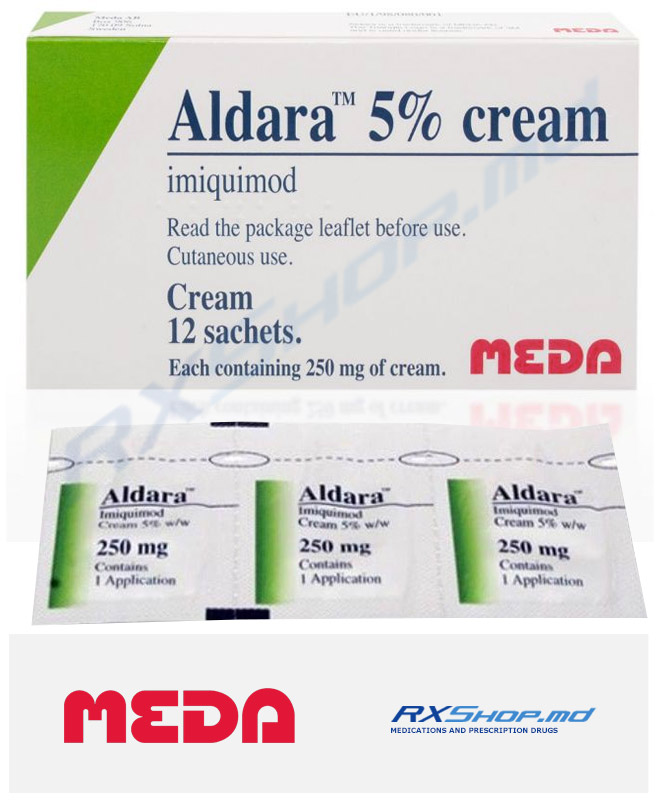
Aldara (Imiquimod) stands as the most prescribed topical immune response modifier worldwide for treating external genital warts caused by human papillomavirus (HPV), actinic keratosis, and superficial basal cell carcinoma. As a uniquely self-applied topical cream, Aldara works not by directly killing pathogens or cells, but by activating the patient's own innate immune system to recognize and eliminate HPV-infected wart tissue and abnormal skin cells. The 5% cream in single-use packets delivers consistent immune activation across millions of patients globally — offering a non-surgical alternative to cryotherapy, laser, and excision for many lesions.
Imiquimod works as a selective Toll-Like Receptor 7 (TLR7) agonist — binding receptors on dendritic cells, macrophages, and other innate immune cells in the skin. This activation triggers the local release of interferon-alpha, interleukin-6, interleukin-12, tumor necrosis factor-alpha, and other antiviral and antitumor cytokines. The cytokine cascade recruits and activates cytotoxic T-lymphocytes and natural killer cells that attack HPV-infected keratinocytes and abnormal cells, while creating antiviral memory that may reduce recurrence after treatment ends. The result: genital wart clearance in 50-70% of patients, actinic keratosis clearance in 45-50%, superficial BCC clearance in 75-80%, and reduced recurrence rates versus mechanical destruction alone.
Aldara serves three FDA-approved clinical indications. For external genital and perianal warts (condyloma acuminata) caused by HPV types 6 and 11, the cream is applied 3 times weekly at bedtime for up to 16 weeks. For actinic keratosis on face and scalp — precancerous sun-damaged skin lesions — daily application for 2-week cycles clears most lesions. For superficial basal cell carcinoma in appropriate candidates, 5-times-weekly application for 6 weeks provides non-surgical treatment option. Off-label uses include some forms of cervical intraepithelial neoplasia, extramammary Paget's disease, and vulvar intraepithelial neoplasia under specialist care.
Aldara requires topical application — pea-sized amount per lesion area, rubbed in until absorbed, left on for 6-10 hours, then washed off with mild soap and water. The 3-times-weekly schedule for warts (alternating days) provides immune activation with recovery periods. Generic imiquimod from quality manufacturers including Glenmark (Imiquad), Cipla, and Sun Pharma provides identical therapeutic effects to brand Aldara at substantially lower cost. The active ingredient remains chemically identical to original 3M / Bausch formulation across both branded and generic versions of this established topical immune modifier therapy.


Free prescription
Discrete packaging
Have questions?
Quality Assurance

- HPV Warts: Warts caused by human papillomavirus types 6 11 and others responding to immune modulation;
- External Genital Warts: Visible warts on external genitalia treated topically with immune response modifier;
- Perianal Warts: HPV-caused warts in perianal area responding to topical immune-activating therapy;
- Condyloma Acuminata: Medical term for genital warts caused by HPV requiring immune-mediated topical clearance;
- Anogenital Warts: Combined genital and perianal HPV warts treated together with topical imiquimod cream;
- HPV Skin Infection: Symptomatic skin manifestation of human papillomavirus infection in external genital area;
- Actinic Keratosis: Precancerous sun-damaged skin lesions on face scalp requiring immune-mediated clearance;
- Solar Keratosis: Alternative name for actinic keratosis from chronic UV sun exposure;
- Precancerous Skin Lesions: Skin abnormalities at risk of progressing to squamous cell carcinoma requiring treatment;
- Sun Damaged Skin: Chronic UV exposure damage including actinic keratoses benefiting from immune therapy;
- Basal Cell Carcinoma: Superficial form of most common skin cancer treatable with non-surgical immune modifier;
- Superficial BCC: Superficial basal cell carcinoma in candidates appropriate for non-surgical topical therapy;
- Non Melanoma Skin Cancer: Certain superficial non-melanoma skin cancers responsive to topical immune activation;
- Non Surgical Wart Treatment: Topical alternative to cryotherapy laser or excision for genital wart management;
- Recurrent Genital Warts: Genital warts that return after surgical destruction benefiting from immune-mediated therapy;
- Cervical Intraepithelial Neoplasia: Off-label use for selected cases of HPV-related cervical dysplasia under specialist care;
- Vulvar Intraepithelial Neoplasia: Off-label use for vulvar HPV-related dysplasia in selected patients with specialist supervision;
- Self Applied Topical Therapy: Patient-applied topical cream allowing home treatment without office procedures;
- Immune Response Modifier: Therapeutic class activating innate immune system against viral and abnormal cells.
- Better HPV Clearance: Local HPV viral burden decreases through immune-mediated elimination of infected keratinocytes;
- Less Genital Wart Recurrence: Immune-mediated clearance creates antiviral memory reducing recurrence versus surgical destruction;
- Less Perianal Warts: HPV-caused perianal lesions respond to topical application with no surgical intervention required;
- Better Antiviral Immune Response: Local innate immunity activates through TLR7 stimulation releasing interferon and cytokines;
- Less Actinic Keratosis Lesions: Precancerous sun-damaged lesions clear in 45-50% of patients with 2-week cycles;
- Less Superficial BCC Lesions: Superficial basal cell carcinoma clears in 75-80% of appropriately selected patients;
- Less Skin Cancer Progression: Treatment of actinic keratoses prevents progression to squamous cell carcinoma;
- Better Skin Appearance: Treated skin areas regain normal appearance as warts and abnormal cells clear;
- Non Surgical Treatment Option: Alternative to cryotherapy laser excision or curettage for many treatable lesions;
- Less Scarring: Topical immune therapy avoids surgical scars that mechanical wart destruction may leave;
- Better Cosmetic Outcomes: Skin texture and pigmentation typically restore better than after destructive treatments;
- Better Self Application Convenience: At-home application avoids repeated office visits for procedures;
- Less Procedure Pain: Topical application avoids pain of cryotherapy laser or surgical wart removal;
- Better Treatment Privacy: Home self-treatment maintains privacy for sensitive condition like genital warts;
- Less Systemic Effects: Under 1% systemic absorption means minimal whole-body side effects versus oral therapies;
- Better Treatment Tolerance: Patients tolerate weeks of self-application with manageable local skin reactions;
- Better Sun Damage Treatment: Field treatment addresses visible lesions and surrounding subclinical actinic damage;
- Three Times Weekly Convenience: Alternating-day application schedule for warts fits weekly routines easily;
- Better Quality of Life: Daily wellbeing improves dramatically as embarrassing genital warts or precancerous lesions clear.
Generic Aldara (Imiquad 5% 250 mg) Medication guide:
📌 What Aldara Is and How Imiquimod Activates Immunity
Aldara is the brand name for imiquimod 5 percent cream, a topical immunomodulator that activates the local immune system to attack HPV-infected skin, actinic keratosis lesions, and superficial basal cell carcinoma. Approved by the FDA in 1997, Aldara works through Toll-like receptor 7 agonism, triggering local interferon-alpha release and a Th1-dominant immune response that clears abnormal skin cells.
💊 What Aldara treats
FDA-approved indications for Aldara 5 percent cream:
- External genital and perianal warts (condyloma acuminata) in adults - HPV-driven anogenital lesions
- Actinic keratosis (AK) on the face and scalp - sun-induced precancerous lesions
- Superficial basal cell carcinoma (sBCC) in adults - the most limited form of skin cancer, specifically on trunk, neck, extremities (not face)
Beyond these approved indications, dermatologists use imiquimod off-label for molluscum contagiosum, common warts, and selected other skin lesions (Sections 5-7).
🧬 How Aldara differs from other topical therapies
🎯 An immunomodulator, not a cytotoxic drug
Unlike podophyllotoxin (which directly destroys wart tissue) or 5-fluorouracil (which kills rapidly dividing cells), Aldara does not kill lesions directly. Instead it activates the body's own immune cells to recognize and destroy abnormal cells. This is why Aldara therapy produces visible local inflammation as the immune response ramps up, and why responders often develop long-lasting clearance through immune memory - the body learns to recognize and suppress similar lesions in the future.
🏆 Clinical outcomes at a glance
| Indication | Typical complete clearance | Treatment duration |
|---|---|---|
| External genital warts | 50-70% | Up to 16 weeks |
| Actinic keratosis (face/scalp) | 45-55% complete clearance; 70%+ partial | 16 weeks (two 4-week cycles) |
| Superficial basal cell carcinoma | 75-85% at 12 weeks | 6 weeks daily |
| Molluscum contagiosum (off-label) | Variable | Variable |
🧴 Formulation and strengths
Topical imiquimod is available as:
- Aldara 5 percent cream - single-use sachets (250 mg of cream each); for all three approved indications
- Zyclara 3.75 percent cream - lower-strength formulation approved 2010 for daily actinic keratosis dosing (Section 12)
- Generic imiquimod 5 percent cream - widely available since patent expiry; same formulation
- Pump dispenser or sachets depending on manufacturer and country
⚠️ What Aldara does not treat
🚫 Not for these conditions
- Internal HPV disease - urethral, vaginal, cervical, anal canal, rectal warts (surface imiquimod does not reach these)
- Nodular or morpheaform BCC - these deeper forms require surgical excision
- Squamous cell carcinoma - imiquimod does not reliably clear invasive SCC
- Melanoma - not an imiquimod indication
- Infectious skin conditions - bacterial, fungal
- Open wounds or broken skin - not for application there
- Mucosal surfaces - cream formulation is for keratinized skin, not mucosa
💚 What makes Aldara useful
Key advantages that keep imiquimod in widespread dermatologic use:
- Self-applied at home - no procedure needed
- Immune memory often prevents recurrence
- Produces visible response - clients can see therapy working
- Non-scarring in most cases (unlike surgical excision)
- Covers field disease (multiple lesions in an area, not just visible ones)
- Reasonable cost with generic imiquimod
- Decades of safety and efficacy data
- Established place in multiple dermatologic and HPV guidelines
🧬 Aldara for External Genital and Perianal Warts
External genital and perianal warts (condyloma acuminata) are the original and most common FDA-approved indication for Aldara. The lesions are caused by human papillomavirus (HPV) types 6 and 11 in most cases - the low-risk HPV strains that produce visible warts without causing cancer. Aldara works by activating local immunity to clear infected keratinocytes.
🧬 What external genital warts are
Condyloma acuminata typically appear as:
- Soft, flesh-colored or pink raised bumps
- Cauliflower-like clusters when multiple
- Flat lesions on moist surfaces
- Single or multiple, from millimeters to several centimeters
- Painless usually, but can itch or bleed with trauma
- Commonly located on vulva, penis, scrotum, perianal area, groin
HPV types 6 and 11 account for approximately 90 percent of visible genital warts. These are low-risk HPV types - they do not cause cervical, anal, or oropharyngeal cancer, but they are highly transmissible through sexual contact.
🛒 Aldara dosing for genital warts
📅 Three times per week dosing
- Frequency: 3 times per week (Monday-Wednesday-Friday or Tuesday-Thursday-Saturday pattern)
- Timing: at bedtime; cream remains on skin for 6-10 hours
- Washing: wash the area with soap and water in the morning after each application
- Duration: continue until warts clear, up to 16 weeks maximum
- Response assessment: at 4-week intervals
- If no response at 8 weeks: consider alternative therapy
🧴 How to apply correctly
- Wash hands with soap and water before and after application
- Clean the wart area with mild soap and water; pat dry
- Open a single-use sachet; apply thin layer of cream to each wart
- Rub in gently until cream disappears into the skin
- Do not cover with occlusive dressings
- Discard the opened sachet - do not save for reuse
- Wash hands immediately after application
- Leave cream on for 6-10 hours (overnight)
- In the morning, wash the treated area with mild soap and water
- Do not apply more cream than needed to cover visible warts
📊 Expected response pattern
| Time point | What to expect |
|---|---|
| Week 1-2 | Local redness and mild irritation often begin; this signals immune activation |
| Week 2-4 | Local reaction may peak; some clients see partial wart reduction |
| Week 4-8 | Progressive wart clearance in responders |
| Week 8-16 | Complete clearance in approximately 50-70 percent of clients |
| Beyond 16 weeks | Consider alternative therapy if no meaningful response |
| Post-clearance | Immune memory often prevents recurrence in treated area |
🏆 Clinical trial outcomes
🎯 Edwards 1998 pivotal trial
The pivotal randomized trial by Edwards et al. (Archives of Dermatology 1998) established the efficacy of imiquimod 5 percent cream for external genital warts. Among 311 clients, complete clearance occurred in 50 percent of women and 37 percent of men by week 16, compared to 11 percent and 4 percent with vehicle. Recurrence over 12 weeks post-clearance was low (approximately 13 percent), reflecting the immune memory benefit of imiquimod compared to purely destructive therapies.
👩⚕️ Who is a good candidate
Aldara is particularly suitable for:
- Small to moderate wart burden amenable to home-based application
- Clients preferring self-applied therapy over clinic procedures
- Discrete anatomic locations easily accessible for application
- Clients who have failed or declined destructive therapies
- Clients where immune memory benefit matters (recurrence-prone cases)
- Avoidance of pain compared to cryotherapy or electrocautery
- Avoidance of scarring compared to surgical excision
🚨 When Aldara may not be ideal
- Very large or extensive wart burden - consider procedural therapy first
- Internal lesions (urethral, vaginal, cervical, anal canal) - Aldara does not reach these
- Immunocompromised clients - response may be reduced
- Clients who cannot tolerate local inflammatory reactions
- Clients requiring rapid clearance (sexual partner protection, planned surgery)
- Pregnancy - caution; alternative therapies often preferred
- Hard-to-reach anatomic sites
🤝 Partner notification and prevention
🤝 Partner considerations
Clients being treated for genital warts should be informed that HPV transmits sexually. Current sexual partners should be examined; condoms reduce but do not eliminate transmission risk. HPV vaccination (Gardasil 9) prevents infection with the HPV types that cause warts and cancers but does not treat established infection. Clients should be aware that warts can clear while HPV remains in the body, so recurrence or transmission to new partners remains possible.
☀️ Aldara for Actinic Keratosis Precancerous Skin Lesions
Actinic keratosis (AK) is a precancerous skin condition caused by cumulative sun damage, most commonly on the face, scalp, ears, forearms, and backs of hands. Aldara 5 percent cream is FDA-approved for treating AK on the face and scalp. The field therapy approach treats both visible lesions and surrounding sun-damaged skin containing subclinical AK.
☀️ What actinic keratosis is
Actinic keratosis presents as:
- Rough, scaly patches on sun-exposed skin
- Pink, red, flesh-colored, or brownish lesions
- Often easier to feel than to see (sandpaper texture)
- Flat or slightly raised
- Single or multiple (field disease common)
- Typically 2-6 mm diameter
- May itch or feel tender
- Found predominantly on balding scalp, face, ears, forearms, backs of hands
🤔 Why actinic keratosis matters
⚠️ Precancer with squamous cell carcinoma risk
Individual actinic keratosis lesions have a low annual risk of progressing to squamous cell carcinoma (approximately 0.1 to 1 percent per lesion per year). But clients with multiple AK (field disease) carry substantial cumulative risk over years. Treatment aims to clear visible AK, reduce the field of sun-damaged skin, and lower the long-term squamous cell carcinoma risk.
🛒 Aldara dosing for AK
Standard Aldara 5 percent regimen for actinic keratosis of the face and scalp:
- Frequency: 2 times per week (Monday and Thursday, or similar pattern)
- Timing: at bedtime; cream remains on skin for 8 hours
- Treatment area: contiguous area of up to 25 square centimeters (approximately the size of face area or scalp patch)
- Duration: 16 weeks total treatment
- Washing: wash the treated area with mild soap and water in the morning
- Response assessment: 8 weeks after completing therapy (sun damage clearance continues)
- If needed: a second 16-week course after a rest period
📊 Alternative Zyclara dosing for AK
Zyclara 3.75 percent cream offers an alternative schedule for actinic keratosis:
- Daily application for 2 weeks
- 2 weeks off (rest period)
- Daily application for 2 more weeks
- Total duration: 6 weeks of actual treatment over 8 weeks calendar
- Shorter overall course than Aldara 5 percent 16-week schedule
- Full-face treatment possible (up to 200 square centimeters)
- See Section 12 for Zyclara-Aldara comparison
🎯 What makes imiquimod unique for AK
🛡️ Field therapy and immune memory
Imiquimod treats both visible AK and surrounding sun-damaged skin that contains subclinical lesions. This field therapy approach addresses the whole area rather than just individual visible lesions. Immune memory from imiquimod therapy may provide ongoing surveillance in the treated field, reducing new AK development compared to purely destructive therapies like cryotherapy that treat only visible lesions.
📊 Clinical response
| Outcome | Aldara 5% (16 weeks) | Zyclara 3.75% (6 weeks) |
|---|---|---|
| Complete clearance | 45-55% | 35-40% |
| Partial clearance (75%+ reduction) | 70-75% | 60-65% |
| Lesion count reduction (median) | 83% | 81% |
| Durable response at 12 months | Approximately 70% | Approximately 70% |
| Local reactions (expected) | Common - redness, scaling | Common but milder on average |
🔄 Comparison with other AK therapies
| Therapy | Approach | Advantages |
|---|---|---|
| Cryotherapy | Freeze individual lesions | Fast, visible, procedural |
| 5-Fluorouracil cream | Cytotoxic cream daily | Field therapy; shorter duration; stronger inflammation |
| Imiquimod (Aldara/Zyclara) | Immunomodulator cream | Field therapy; immune memory; longer-lasting clearance |
| Ingenol mebutate | Topical cytotoxin | Short course; FDA withdrawn 2020 due to cancer concern |
| Photodynamic therapy | Light-activated topical | Office-based; large field; cosmetically favorable |
| Diclofenac gel | NSAID topical | Milder reaction; long course (90 days) |
| Tirbanibulin | Microtubule inhibitor | Short 5-day course; newer approval |
👩⚕️ Clinical decision framework
When Aldara is a reasonable AK choice:
- Multiple lesions in a defined field (field therapy benefit)
- Face or scalp location (on-label)
- Client preferring home-based therapy
- Avoidance of office procedures (cryotherapy, PDT)
- Durable clearance desired (immune memory)
- Previously good tolerance of topical therapy
- Minimal immunocompromise
When alternatives may be preferred:
- Few isolated lesions - cryotherapy is simpler
- Hyperkeratotic lesions - cryotherapy or curettage first
- Clients unable to tolerate local reactions
- Rapid clearance needed - cryotherapy or 5-FU shorter
- Immunosuppressed clients at high AK recurrence risk
- Hyperkeratotic AK on extremities (not FDA-approved location)
🩺 Aldara for Superficial Basal Cell Carcinoma Treatment
Superficial basal cell carcinoma (sBCC) is the most limited form of skin cancer, confined to the uppermost layer of the skin without deeper invasion. Aldara is FDA-approved for sBCC on the trunk, neck, arms, and legs - specifically excluding the face, where more aggressive BCC subtypes and cosmetic concerns favor surgical treatment.
🩺 What superficial basal cell carcinoma is
Superficial BCC presents as:
- Pink to red, slightly scaly patches
- Well-circumscribed borders
- Often thread-like raised margin on close inspection
- Flat or minimally raised
- Usually 1-3 cm diameter
- Multiple lesions possible, especially in sun-exposed areas
- Commonly on upper back, chest, shoulders, extremities
- May be mistaken for eczema, psoriasis plaque, or Bowen disease
🔬 Biopsy confirmation required
🔬 Diagnosis must be confirmed before Aldara therapy
Imiquimod should only be used for BCC when the diagnosis is histologically confirmed by biopsy and the subtype is specifically superficial. Nodular, infiltrative, morpheaform, and other invasive BCC subtypes require surgical excision (standard excision or Mohs surgery). Using imiquimod on an incorrectly diagnosed or deeper BCC risks apparent clearance of the surface while the deeper component continues to grow. Mohs surgery remains the gold standard for most primary BCC.
🛒 Aldara dosing for superficial BCC
- Frequency: 5 times per week (daily Monday through Friday with weekends off)
- Timing: at bedtime; cream remains on skin for 8 hours
- Duration: 6 weeks total
- Treatment area: lesion plus 1 cm margin of surrounding normal-appearing skin
- Washing: wash the treated area with mild soap and water in the morning
- Response assessment: 12 weeks after completing treatment (allow inflammation to settle)
- Biopsy for persistent lesions: confirm clearance or persistence
🏆 Clinical outcomes
🎯 Geisse 2004 and subsequent studies
The pivotal Geisse et al. trial established imiquimod efficacy for superficial BCC with a 75 percent complete histologic clearance rate at 12 weeks after completing a 6-week daily regimen. Longer-term follow-up studies show 5-year clearance rates around 60-70 percent, which is lower than surgical excision (over 95 percent) but acceptable in appropriate clinical scenarios.
📊 Response rates by location
| Location | Approximate clearance | Comment |
|---|---|---|
| Trunk | 75-85% | Approved location; good response |
| Shoulders | 75-80% | Approved; good response |
| Upper arms | 75-80% | Approved |
| Lower extremities | 65-75% | Approved; slightly lower response |
| Face | N/A | NOT approved; use Mohs surgery |
| Multiple lesions | Variable | Each lesion treated separately or in field |
👩⚕️ When Aldara is appropriate for sBCC
Reasonable candidates for imiquimod sBCC treatment:
- Histologically confirmed superficial BCC subtype
- Trunk, neck, or extremity location (not face)
- Client declines or cannot have surgical excision
- Multiple lesions where surgery would be impractical
- Cosmetic concern about surgical scar
- Client willing to accept lower cure rate than surgery
- Reliable follow-up to confirm clearance and monitor for recurrence
- Client able to apply cream and tolerate expected local reactions
🚨 When surgery is preferred
🏥 Surgical excision or Mohs preferred
- Facial BCC - imiquimod not approved for face
- Non-superficial BCC subtypes (nodular, morpheaform, infiltrative)
- Recurrent BCC after prior therapy
- High-risk BCC (large, aggressive histology, perineural involvement)
- Immunocompromised clients - reduced imiquimod efficacy
- Clients requiring definitive one-time treatment
- BCC on high-risk locations (nose, ears, lips, eyelids)
📅 Follow-up and surveillance
After imiquimod therapy for sBCC:
- Wait 12 weeks post-treatment for inflammation to settle
- Clinical examination for persistent lesion
- Biopsy if any suspicious residual tissue remains
- Regular dermatologic follow-up (every 6-12 months initially)
- Surveillance for new BCC in sun-damaged skin (field cancerization)
- Sun protection counseling to prevent future lesions
- Prompt evaluation of any new or changing lesion in treated area
💡 Clinical bottom line for sBCC
Aldara offers a non-surgical option for appropriate superficial BCC with acceptable but inferior cure rates compared to surgical excision. It is particularly useful when surgery is impractical, declined, or cosmetically problematic. Diagnosis must be histologically confirmed as superficial subtype, location must be non-facial, and follow-up must be reliable. For most primary BCC on the face, Mohs micrographic surgery remains the gold standard.
📋 Off-Label Aldara Uses in Dermatology Practice
Beyond its three FDA-approved indications, Aldara is used off-label for a variety of dermatologic conditions. These uses are supported by case series, small trials, and clinical experience rather than large pivotal trials. Off-label imiquimod is more common in specialist dermatology practice than in primary care.
📋 Common off-label uses
| Condition | Rationale | Evidence level |
|---|---|---|
| Molluscum contagiosum | Immune-mediated viral clearance | Several controlled trials; see Section 6 |
| Common warts (verruca vulgaris) | HPV immune clearance | Case series; Section 7 |
| Flat warts (verruca plana) | HPV immune clearance | Case series; Section 7 |
| Bowen disease (SCC in situ) | Immune clearance of in situ SCC | Case series; off-label |
| Lentigo maligna | Melanoma in situ immune clearance | Case series; adjunct to surgery |
| Vulvar intraepithelial neoplasia (VIN) | HPV-driven precancer | Trials; off-label |
| Anal intraepithelial neoplasia (AIN) | HPV-driven precancer | Trials; off-label |
| Keloids and hypertrophic scars | Immune modulation | Mixed evidence |
| Extramammary Paget disease | Immune clearance | Case reports |
| Mycosis fungoides (patch stage) | Immune activation | Case series |
🤔 Why these off-label uses exist
🎯 Shared mechanisms with approved uses
Most imiquimod off-label uses rely on the same mechanism as approved indications: local activation of innate and adaptive immunity against viral infections (molluscum, warts), HPV-driven precancers (VIN, AIN, Bowen disease), and selected cutaneous malignancies. Where the lesion is accessible to topical application and the condition has an immunoresponsive component, imiquimod may provide benefit even without specific FDA approval.
👩⚕️ Bowen disease (SCC in situ)
Bowen disease is squamous cell carcinoma confined to the epidermis - a precursor to invasive SCC. Imiquimod use:
- Case series show clearance rates of 70-85 percent
- Typical dosing: 5-7 times per week for 6-16 weeks
- Alternative to cryotherapy, 5-fluorouracil, PDT, or surgical excision
- Confirms diagnosis by biopsy before starting
- Follow-up biopsy recommended if any lesion persists
- Particular interest for Bowen on extremities (where surgical healing poor)
🎨 Lentigo maligna
Lentigo maligna is melanoma in situ on sun-damaged skin, typically on the face in elderly clients. Imiquimod has been studied as:
- Adjunct therapy after Mohs or wide excision (field treatment of subclinical disease)
- Primary therapy when surgery is impractical
- Daily application for 12 weeks
- Response rates 50-80 percent in case series
- Not a substitute for surgical treatment of invasive melanoma
- Expert dermatology or dermato-oncology supervision essential
- Risk of residual disease requires close long-term surveillance
💜 Vulvar and anal intraepithelial neoplasia
VIN and AIN are HPV-driven precancerous lesions of the vulva and anal canal. Imiquimod use:
- Multiple trials support off-label use for high-grade VIN and AIN
- Clearance rates 50-80 percent
- Typical dosing: 2-3 times weekly for 12-16 weeks
- Alternative to surgical excision, laser ablation, or 5-fluorouracil
- Preserves anatomy and function better than surgical approaches
- Gynecologic or colorectal specialist supervision for AIN
- Close follow-up with colposcopy or anoscopy
- Recurrence common; long-term surveillance needed
🌫️ Keloids and scars
Postoperative imiquimod application has been studied for prevention of keloid recurrence after excision:
- Starting imiquimod to surgical wound margins after keloid excision
- Daily or alternate-day for 8 weeks
- Mixed evidence - some studies show benefit, others no clear advantage
- Less effective than intralesional corticosteroid injection for most keloids
- Interest in combination with other modalities
- Not standard of care currently
🚨 Important off-label considerations
⚠️ Off-label use principles
- Specialist dermatologic or oncologic supervision for off-label use
- Clear diagnosis before treatment (biopsy confirmation)
- Discuss evidence quality with the client
- Document rationale and informed consent
- Set clear follow-up and response assessment timeline
- Have alternative therapy plan if imiquimod fails
- Insurance coverage may vary for off-label use
- Monitor for both response and expected inflammatory reactions
💡 Clinical takeaway
The breadth of off-label imiquimod use reflects both its distinctive immune-activating mechanism and clinician comfort with topical therapy. Most off-label uses are reasonable when expertly supervised, applied to appropriate lesions, and backed by informed consent. For primary care encounters, the three FDA-approved indications (external genital warts, actinic keratosis of face/scalp, superficial BCC on trunk/extremities) represent the standard imiquimod uses.
👶 Aldara for Molluscum Contagiosum in Pediatric Cases
Molluscum contagiosum is a common pediatric viral skin infection causing small pearly bumps, often on the face, trunk, extremities, and genital area. It is caused by the molluscum contagiosum virus (a poxvirus) and typically resolves spontaneously over months to years. Aldara off-label is one of several treatment options for persistent or problematic molluscum.
👶 What molluscum contagiosum is
Characteristic features of molluscum lesions:
- Small dome-shaped bumps 2-5 mm diameter
- Pearly white or flesh-colored
- Central umbilication (small dimple at center)
- Often multiple lesions, clustered or scattered
- Painless usually
- Can itch; may become red if irritated or inflamed
- Common sites in children: face, trunk, armpits, extremities
- In adults, often genital area (sexually transmitted in that location)
- In immunocompromised, can be extensive and large
🔄 Natural history
⏳ Usually self-resolving
Molluscum contagiosum typically resolves spontaneously within 6-18 months in healthy children as the immune system clears the virus. Individual lesions resolve over weeks; new lesions may appear during that period. Because of this favorable natural history, observation without treatment is a reasonable first-line option for mild cases. Treatment is pursued for cosmetic concern, social or school issues, autoinoculation prevention, or in genital locations.
🛒 Aldara off-label dosing for molluscum
Reported pediatric imiquimod dosing for molluscum (off-label):
- Standard regimen: 3 times per week at bedtime, applied to each lesion
- Duration: up to 12-16 weeks
- Response assessment: 4-week intervals
- Alternative: daily application for shorter periods
- Washing: in the morning after each application
- Not for infants under 1 year except specialist supervision
🚨 Important pediatric considerations
⚠️ FDA 2007 safety communication on pediatric molluscum
In 2007, after review of pediatric imiquimod molluscum trials, the FDA concluded that imiquimod did not demonstrate clear efficacy over placebo for pediatric molluscum contagiosum. The agency does not endorse the molluscum indication. Dermatologists continue to use imiquimod off-label for selected cases but routine pediatric use is less common than it once was. Alternative therapies (cantharidin, curettage, cryotherapy, berdazimer sodium gel) are often preferred.
👩⚕️ Alternative molluscum treatments
| Therapy | Approach | Considerations |
|---|---|---|
| Observation | No active treatment | Appropriate for mild cases; natural resolution |
| Cantharidin | Office-applied blistering agent | Common pediatric choice; minimal pain |
| Curettage | Mechanical removal | Fast; requires topical anesthesia |
| Cryotherapy | Liquid nitrogen freezing | Painful; limits pediatric use |
| Imiquimod (Aldara) | Immune activation | Off-label; evidence mixed in pediatrics |
| Berdazimer sodium gel | Nitric oxide-releasing topical | FDA approved 2024 for molluscum |
| Topical cidofovir | Antiviral | Compounded; immunocompromised cases |
| Potassium hydroxide | Keratolytic | Available OTC in some markets |
🛡️ When imiquimod makes sense for molluscum
- Numerous lesions where mechanical treatment is impractical
- Facial lesions where scarring must be avoided
- Immunocompromised clients with extensive molluscum
- Previously failed other therapies
- Adult genital molluscum where immune memory may help prevent recurrence
- Client preference for home-applied therapy
- Specialist dermatologic supervision available
👶 Pediatric safety considerations
When using imiquimod off-label in children:
- Specialist pediatric dermatologic supervision
- Avoid in infants under 1 year except specialist settings
- Lower frequency may reduce local reactions
- Expect inflammatory reactions - these signal immune activity
- Monitor for excessive irritation that may delay healing
- Discuss realistic timeline with family (weeks to months)
- Account for self-resolution baseline in treatment decision
- Consider cost and insurance coverage for off-label use
💡 Clinical bottom line for molluscum
Imiquimod has an uncertain role in pediatric molluscum contagiosum. The FDA has not endorsed the molluscum indication after reviewing trials. Clinical use continues in specialist dermatology for selected cases, particularly extensive or immunocompromised cases. For most children with mild to moderate molluscum, observation or cantharidin are first-line approaches, with imiquimod reserved for cases where these are inadequate or impractical.
🧴 Aldara in Common Warts and Flat Warts Off-Label
Common warts (verruca vulgaris) and flat warts (verruca plana) are both HPV-driven skin conditions that are sometimes treated with imiquimod off-label. Response rates vary considerably based on wart location, duration, and immune competence of the client.
🧴 Common warts (verruca vulgaris)
Common warts typical features:
- Rough, raised, flesh-colored or grayish papules
- Often with characteristic black dots (thrombosed capillaries) on close inspection
- Hands and fingers most common location
- Also occur on knees, elbows, feet (plantar warts)
- HPV types 1, 2, 4, 27, 29 most common causes
- Can be single or multiple
- May spread via autoinoculation to adjacent skin or distant sites
- Spontaneous resolution within 2 years in approximately 65 percent of children
🛒 Imiquimod off-label for common warts
- Dosing: 3-5 times per week, usually at bedtime
- Duration: 12-16 weeks
- Response rate: variable, generally lower than for genital warts (30-60 percent)
- Why response is lower: common warts are on thicker keratinized skin (palms, fingers, soles) where cream penetration is reduced
- Combination approach: salicylic acid or paring down the wart surface first improves penetration
- Occlusion: sometimes used off-label to enhance penetration
- Not FDA-approved for this use; specialist dermatologic judgment
🏃 Plantar warts
🧴 Why plantar warts resist topical therapy
Plantar warts (on the soles of the feet) are notoriously difficult to clear with any topical therapy. The thick stratum corneum of the sole severely limits penetration of imiquimod, 5-fluorouracil, salicylic acid, and other agents. Treatment typically requires regular paring down of the hyperkeratotic surface before each application, prolonged courses, and often combination with other modalities (cryotherapy, salicylic acid, duct tape, cantharidin). Imiquimod response for plantar warts is poor as monotherapy.
🧴 Flat warts (verruca plana)
Flat warts features:
- Small (2-5 mm), smooth, flat-topped papules
- Flesh-colored, pink, or slightly brown
- Often numerous (dozens to hundreds in some clients)
- Common on face, hands, legs (especially after shaving)
- HPV types 3, 10 most common
- More common in children and young adults
- Spread readily via shaving (Koebner phenomenon)
- Spontaneous resolution common but may take years
🛒 Imiquimod off-label for flat warts
- Dosing: 3-5 times per week at bedtime
- Duration: 8-16 weeks
- Response rate: often better than for common warts (40-70 percent)
- Why better response: facial and smooth skin allows better cream penetration
- Field treatment: multiple lesions can be treated with cream over the whole area
- Cosmetic benefit: avoids scarring from procedures on face
- Reserved for: cosmetically significant, persistent, or spreading flat warts
👩⚕️ When imiquimod is reasonable for non-genital warts
Scenarios where off-label imiquimod makes clinical sense:
- Facial flat warts - cosmetic benefit; avoids scarring
- Persistent warts after failure of standard therapies
- Multiple scattered warts impractical for individual procedures
- Immunocompromised clients with extensive warts
- Children where procedures cause distress
- Clients declining procedural options
- Recurrence after prior clearance
- Specialist dermatologic involvement
🔄 Alternative non-genital wart therapies
| Therapy | Target | Comment |
|---|---|---|
| Salicylic acid | Common and plantar warts | First-line for most common warts; home application |
| Cryotherapy | Common, plantar warts | Office procedure; repeated sessions |
| Cantharidin | Common, flat, molluscum | Office-applied blistering; good for pediatric |
| Duct tape occlusion | Common warts | Home therapy; evidence mixed |
| Imiquimod | Various warts (off-label) | Immune mechanism; longer duration |
| 5-FU with salicylic acid | Common, flat warts | Compounded; off-label |
| Pulsed dye laser | Facial, periungual warts | Office procedure |
| Curettage | Discrete lesions | Office procedure with anesthesia |
| Candida antigen injection | Common warts | Immunotherapy; good evidence |
🚨 Why common wart off-label imiquimod use is modest
Several reasons limit imiquimod common wart use:
- Lower response rates than for genital warts (thicker skin barrier)
- Established effectiveness of salicylic acid first-line
- Procedural options widely available
- Insurance coverage limited for off-label use
- Length of treatment needed (12-16 weeks)
- Local reactions can be intense in sensitive clients
- Spontaneous resolution rate relatively high in children
💡 Clinical bottom line for non-genital warts
Off-label imiquimod has a modest role in common and flat warts. First-line therapy is usually salicylic acid or cryotherapy. Imiquimod is reasonable for cosmetically concerning facial flat warts, extensive wart disease, and selected persistent cases under specialist dermatologic care. For plantar warts specifically, imiquimod penetration is poor and procedural therapy is usually preferred.
🧪 How Imiquimod Activates Toll-Like Receptor 7
Imiquimod activates Toll-like receptor 7 (TLR7), a pattern recognition receptor in the endosomal compartment of plasmacytoid dendritic cells, monocytes, and other innate immune cells. Understanding this mechanism explains both the therapeutic action and the predictable local inflammatory reactions clients experience.
🧪 What Toll-like receptor 7 does
TLR7 is part of the innate immune pattern recognition system. Its natural function:
- Detects single-stranded viral RNA in endosomes
- Expressed primarily in plasmacytoid dendritic cells, monocytes, macrophages, and B cells
- Triggers rapid interferon-alpha and inflammatory cytokine release
- Alerts the broader immune system to viral invasion
- Bridges innate and adaptive immunity
- Part of the antiviral early warning system
🧬 How imiquimod mimics viral activation
🎯 Synthetic agonist of a viral sensor
Imiquimod is a small-molecule synthetic TLR7 agonist. It penetrates skin, enters local immune cells, and binds TLR7 in the endosomal membrane. The receptor interprets this binding as if it had detected viral RNA. The result is rapid activation of the antiviral response: interferon-alpha release, chemokine signaling, immune cell recruitment, and T-cell priming. The therapy essentially tricks the immune system into treating the HPV-infected or precancerous lesion as an active viral infection worth clearing aggressively.
📊 Downstream signaling cascade
| Step | What happens |
|---|---|
| 1. Imiquimod penetrates skin | Reaches local dermal immune cells |
| 2. Enters cells via endosomes | Binds TLR7 in endosomal membrane |
| 3. MyD88 adapter recruited | Signaling cascade begins |
| 4. IRAK and TRAF6 activated | Downstream kinase cascade |
| 5. NF-kB and IRF7 activated | Transcription factors enter nucleus |
| 6. Interferon-alpha and cytokines produced | Large-scale innate activation |
| 7. Chemokines released | Recruits more immune cells |
| 8. Dendritic cells mature | Antigen presentation to T cells |
| 9. Th1 response generated | Cell-mediated immunity (Section 10) |
| 10. Target cells cleared | HPV-infected, AK, or sBCC cells destroyed |
🛡️ What makes TLR7 agonism effective here
Why targeting TLR7 produces useful dermatologic therapy:
- HPV infections normally evade immune recognition - TLR7 activation forces local response
- Actinic keratosis cells carry UV-induced mutations immune cells can target
- Superficial BCC cells express antigens that immune cells can clear
- Interferon-alpha has direct antiviral activity against HPV
- Cytokine environment supports adaptive immune memory formation
- Field treatment reaches both visible lesions and subclinical disease
💥 Why local inflammation is expected
🔥 Visible immune activation is the point
Clients applying Aldara should expect local inflammation: redness, swelling, scaling, crusting, and sometimes erosions at the treatment site. This is not an allergic reaction or complication - it is the direct consequence of successful TLR7 activation and local cytokine release. Clients who develop no reaction are often non-responders. Clients with moderate to strong reactions typically have the best clearance outcomes. Section 21 covers how to distinguish expected inflammation from excessive reactions.
🧪 Pharmacokinetics of topical imiquimod
Important properties for clinical use:
- Minimal systemic absorption through intact skin
- Peak serum levels approximately 0.1-3.5 ng/mL after extensive AK or sBCC treatment
- Essentially undetectable serum levels for small genital wart applications
- Metabolized hepatically to inactive forms
- Does not meaningfully interact with other medications pharmacokinetically
- Half-life after topical application variable; local tissue levels sustained for hours
- Degree of absorption increases with disrupted skin barrier or large treatment areas
🚫 Why oral imiquimod does not exist
Imiquimod is only used topically because:
- Oral administration would cause systemic cytokine release syndrome
- Flu-like symptoms would be severe and intolerable
- Fever, myalgia, headache from systemic interferon-alpha release
- Topical delivery concentrates the immune activation at the target site
- Minimal systemic exposure keeps therapy tolerable
- Related oral TLR7 agonists have been studied for other indications with narrow therapeutic windows
💡 Clinical implications of the mechanism
Understanding TLR7 activation helps explain:
- Why response takes weeks (immune activation and clearance take time)
- Why local inflammation is expected and even reassuring
- Why durable clearance is common (immune memory develops)
- Why immunocompromised clients respond less well
- Why combination with destructive modalities can be synergistic
- Why systemic flu-like symptoms can occur with large-area treatment
- Why rest periods between cycles are reasonable
🛡️ Interferon Alpha Release and Antiviral Response
The interferon-alpha response is the most important cytokine effect of imiquimod and the direct source of its antiviral activity. Understanding what interferon-alpha does explains why Aldara clears HPV warts and why clients can develop flu-like symptoms during large-area treatment.
🛡️ What interferon-alpha does naturally
Interferon-alpha (IFN-alpha) is a type I interferon produced primarily by plasmacytoid dendritic cells. Its natural roles:
- Direct antiviral activity in neighboring cells (through activation of antiviral protein kinases)
- Upregulation of MHC class I expression (making cells visible to T cells)
- Activation of natural killer (NK) cells
- Dendritic cell maturation and T-cell priming
- Th1 immune response polarization
- Antiproliferative effect on infected and transformed cells
- Chemokine signaling to recruit more immune cells
🧬 How imiquimod triggers IFN-alpha release
🌟 The IRF7 pathway
TLR7 activation by imiquimod leads to phosphorylation of the transcription factor IRF7, which translocates to the nucleus and drives massive transcription of type I interferons. Plasmacytoid dendritic cells are particularly rich in TLR7 and IRF7, making them the dominant interferon-alpha producers in response to imiquimod. Local tissue IFN-alpha concentrations rise substantially, creating the antiviral and cytotoxic environment that clears HPV warts and precancerous lesions.
📊 What IFN-alpha does to HPV-infected cells
Interferon-alpha has multiple effects on HPV-infected keratinocytes:
- Inhibits HPV E6 and E7 oncogene expression - the two viral proteins that drive wart and precancer growth
- Restores p53 and Rb function - tumor suppressors that HPV E6 and E7 normally neutralize
- Triggers apoptosis in infected cells
- Upregulates MHC class I - infected cells become visible to T cells
- Activates antiviral protein kinases (OAS, PKR, Mx proteins)
- Blocks viral replication at multiple steps
🌡️ IFN-alpha and local inflammation
The local inflammation clients experience during Aldara therapy reflects IFN-alpha and co-released cytokines:
- Redness (erythema) - vasodilation from inflammatory mediators
- Swelling (edema) - increased vascular permeability
- Scaling and crusting - keratinocyte apoptosis and surface disruption
- Itching or burning - neuropeptide release from inflamed skin
- Erosions in intense reactions - immune-mediated cell destruction
- These signs typically correlate with therapeutic effect
🌡️ IFN-alpha and systemic flu-like symptoms
🌡️ When systemic absorption produces flu-like symptoms
Interferon-alpha is the same cytokine that causes flu-like symptoms during viral infections. When Aldara treats large skin areas (extensive AK, large sBCC, or genital warts in sensitive sites), enough IFN-alpha may reach the systemic circulation to produce fever, chills, myalgias, headache, and fatigue. This is why large-area treatment should be done cautiously and why some clients require dose reduction or treatment interruption. Section 22 covers systemic effects in detail.
🧬 Other cytokines released with IFN-alpha
Imiquimod triggers release of additional pro-inflammatory and antiviral cytokines:
| Cytokine | Role |
|---|---|
| IFN-gamma | Activates macrophages; supports Th1 response |
| TNF-alpha | Pro-inflammatory; recruits immune cells |
| IL-1 | Fever and inflammation signaling |
| IL-6 | Acute-phase response; immune activation |
| IL-8 | Neutrophil chemotaxis |
| IL-12 | Drives Th1 polarization |
| IP-10 (CXCL10) | Recruits activated T cells |
| MIP-1 alpha, beta | Immune cell chemotaxis |
🤔 Why timing of response matters
The sequence of IFN-alpha-driven response takes time:
- Imiquimod applied topically
- TLR7 activation and IFN-alpha release within hours
- Local immune cell recruitment over days
- T-cell priming over 1-2 weeks
- Clearance of HPV-infected cells over weeks
- Development of immune memory over the treatment course
- Sustained clearance after therapy stops due to memory response
💡 Clinical significance of understanding IFN-alpha
Why this matters for clients and prescribers:
- Local inflammation is expected, not an adverse reaction
- Systemic flu-like symptoms are predictable, not idiosyncratic
- Response takes weeks because immune activation and clearance take time
- Durable clearance reflects immune memory, not residual drug effect
- Immunocompromised clients respond less well because they cannot mount full IFN response
- Pregnancy caution reflects systemic IFN exposure risk to fetus
- Autoimmune disease activation possible via systemic IFN effects
🧠 The Th1 Cell-Mediated Immunity Cascade
Imiquimod activates a Th1-dominant cell-mediated immune response - the type of immunity that fights viruses and intracellular pathogens. This differs from Th2 responses (allergy, antibody-mediated) and is key to clearing HPV-infected cells, actinic keratosis, and superficial BCC.
🧠 Th1 vs Th2 - what is the difference
| Feature | Th1 response | Th2 response |
|---|---|---|
| Dominant cytokines | IFN-gamma, IL-2, TNF-alpha | IL-4, IL-5, IL-13 |
| Effector cells | Cytotoxic T cells (CD8+), macrophages, NK cells | B cells, eosinophils, mast cells |
| Target | Viruses, intracellular pathogens, tumor cells | Parasites, allergen defense |
| Mechanism | Cell-mediated killing of infected or transformed cells | Antibody-mediated and allergic response |
| Relevant diseases | HPV, actinic keratosis, cancer immunity | Allergy, asthma, parasitic infection |
| Imiquimod promotes | This pathway | Not favored |
🧬 How imiquimod drives Th1 polarization
🎯 IL-12 as the Th1 driver
Imiquimod-activated dendritic cells secrete IL-12, which binds receptors on naive T cells and polarizes their differentiation toward the Th1 lineage. These Th1 cells produce IFN-gamma, which further activates macrophages and cytotoxic T cells. The result is a cell-mediated immune response specifically targeted at HPV-infected keratinocytes, mutated AK cells, and sBCC cells. This mechanism directly explains why imiquimod clears lesions - it marshals the exact type of immunity most effective against viral and precancerous skin disease.
📊 The Th1 effector cascade
Once Th1 polarization occurs, multiple downstream effects clear lesions:
- Cytotoxic CD8+ T cells directly kill infected or transformed keratinocytes
- IFN-gamma upregulates MHC class I on all cells, making them easier for T cells to recognize
- Macrophages activated to phagocytose dying cells and debris
- Natural killer cells recognize and kill cells with downregulated MHC (HPV-infected cells often downregulate MHC)
- Local chemokine gradient continues recruiting immune cells
- Memory T cells develop for long-term surveillance
🔄 Why immune memory matters
🔄 Durable clearance through memory T cells
Successful Th1 responses generate memory T cells specific for HPV antigens, AK-mutated cells, or sBCC tumor antigens. These memory cells persist in the treated field and provide ongoing immune surveillance for months to years. This explains why imiquimod clearance tends to be more durable than destructive therapies: cryotherapy or 5-FU kill visible lesions but do not create antigen-specific memory. Immune memory is why imiquimod recurrence rates for genital warts are relatively low and why some AK fields remain clear long after treatment.
🤔 What this means clinically
- Durable response: lower recurrence than destructive therapies
- Field effect: memory cells patrol beyond the originally treated lesion
- Delayed response: Th1 generation takes time (weeks)
- Immunocompromise limits response: HIV, transplant, chemotherapy clients respond less well
- Autoimmune activation possible: Th1 cytokines can flare existing autoimmune disease
- Visible inflammation reflects immune engagement: no reaction often means no response
🛡️ Imiquimod and tumor immunity broadly
The success of imiquimod in dermatology helped validate the broader concept of cancer immunotherapy:
- Demonstrated topical immune activation could clear tumors
- Contributed to understanding of innate immune drug targets
- TLR agonist research continues for cancer vaccines and adjuvants
- Checkpoint inhibitor era builds on the principle that immune activation can clear malignancy
- Topical imiquimod remains a model of localized immune therapy
👩⚕️ Immunocompromise and reduced response
🛡️ Immune competence matters for imiquimod response
- HIV-positive clients - reduced CD4 counts limit Th1 response
- Transplant clients on immunosuppressants - calcineurin inhibitors blunt T-cell response
- Chemotherapy clients - cytotoxic effects reduce immune cell populations
- Chronic corticosteroid users - impaired immune activation
- Biologic therapy on TNF inhibitors - response variable
- Primary immunodeficiencies - minimal response expected
- Alternative therapies often preferred in these populations
💡 Clinical bottom line on immunology
Imiquimod works by activating a specific, well-characterized immune pathway. Its Th1-dominant mechanism explains both its clinical benefits (durable clearance, field effect, memory) and its limitations (requires immune competence, produces inflammation, can activate autoimmunity). This mechanistic understanding guides clinical selection, counseling, and management.
📏 Aldara 5 Percent Cream Standard Strength Dosing
Aldara 5 percent cream is the standard imiquimod formulation used for all three FDA-approved indications. It is supplied as single-use sachets containing 250 mg of cream (sufficient for a treatment area of up to 25 square centimeters). The strength and sachet system shape every aspect of practical use.
📏 Standard dosing by indication
| Indication | Frequency | Duration | Treatment area |
|---|---|---|---|
| External genital warts | 3 times per week at bedtime | Up to 16 weeks | Visible warts only |
| Actinic keratosis (face/scalp) | 2 times per week at bedtime | 16 weeks | Up to 25 cm² field |
| Superficial BCC (trunk/extremity) | 5 times per week at bedtime | 6 weeks | Lesion + 1 cm margin |
🛒 Sachet system
📦 Why single-use sachets
Aldara is supplied in single-use foil sachets containing 250 mg of cream each. One sachet treats an area up to approximately 25 square centimeters. Opened sachets must be discarded after use - the cream is not stable or sterile for subsequent application. This system ensures accurate dosing per application, maintains stability, and prevents contamination. For large treatment areas, multiple sachets may be used in a single application. Pump-dispenser alternative formulations exist in some markets.
🧴 How much cream to apply
Correct amount per application:
- Genital warts: thin layer sufficient to cover each visible wart; do not apply to surrounding normal skin unnecessarily
- Actinic keratosis: cover the designated field of up to 25 square centimeters evenly
- Superficial BCC: cover the lesion plus 1 cm of surrounding normal-appearing skin
- Rub in gently until the cream disappears into the skin
- Excess cream is not more effective and may increase irritation
- Discard the sachet after single use regardless of how much cream remains
📊 Dose range across indications
| Indication | Doses per week | Total weeks | Total applications |
|---|---|---|---|
| Genital warts | 3 | Up to 16 | Up to 48 applications |
| Actinic keratosis | 2 | 16 | 32 applications |
| Superficial BCC | 5 | 6 | 30 applications |
🤔 Why the frequency differs by indication
📊 Tailored to lesion biology
- Genital warts (3x/week) - HPV-infected keratinocytes clear with moderate immune activation; mucosal and genital skin is thin and reactive, limiting tolerable frequency
- Actinic keratosis (2x/week) - facial skin is sensitive; lower frequency over longer duration (16 weeks) accumulates immune pressure gradually
- Superficial BCC (5x/week) - tumor clearance requires more intensive immune activation; truncal skin tolerates higher frequency; shorter overall course (6 weeks)
🛒 Important application rules
- Wash hands before and after each application
- Clean the area with mild soap and water first; pat dry
- Thin layer only - more is not better
- Rub in gently until cream disappears
- Do not cover with occlusive dressings
- Leave on for 6-10 hours (overnight)
- Wash off in the morning with mild soap and water
- Avoid applying to broken skin, mucous membranes, or near eyes
- Discard sachet after single use
- Store at room temperature, protected from light
👩⚕️ Dose adjustments and interruptions
Flexibility in dosing is appropriate when:
- Severe local reactions: pause until inflammation settles, then resume at reduced frequency
- Treatment-free rest periods: common with AK (16 weeks on, assessment, possible 2nd cycle)
- Systemic flu-like symptoms: reduce frequency or interrupt briefly
- Significant pigment changes: discontinue and reassess
- Pregnancy: discontinue (Section 30)
- New systemic illness: pause until recovered
🌡️ Storage and handling
- Store at room temperature 20-25 degrees Celsius (68-77 Fahrenheit)
- Protect from freezing
- Keep sachets in original packaging until use
- Keep out of reach of children
- Dispose of used sachets in household trash (not down drains)
- Expired product should be discarded
- Do not use if sachet appears damaged or has leaked
⚖️ Zyclara 3.75 Percent Compared to Aldara Standard
Zyclara 3.75 percent cream is the lower-strength imiquimod formulation approved by the FDA in 2010, primarily for actinic keratosis daily dosing. The lower concentration enables full-face treatment at daily frequency without excessive local reactions, offering an alternative to the Aldara 5 percent 16-week schedule.
⚖️ Head-to-head comparison
| Feature | Aldara 5% | Zyclara 3.75% |
|---|---|---|
| Concentration | 5 percent imiquimod | 3.75 percent imiquimod |
| FDA approved uses | Genital warts, AK face/scalp, sBCC | Actinic keratosis (face/scalp) |
| AK dosing | 2 times per week for 16 weeks | Daily for 2 weeks, off 2 weeks, daily for 2 more weeks |
| Total treatment period | 16 weeks | 8 weeks (6 of treatment) |
| Treatment field size | Up to 25 cm² | Up to 200 cm² (full face or scalp) |
| Dosing frequency | Twice weekly | Daily during active cycles |
| Local reaction intensity | Can be intense | Generally milder per application |
| Clearance rate (AK) | 45-55% complete | 35-40% complete |
| Supply | Single-use sachets | Pump dispenser |
🏆 What Zyclara offers that Aldara does not
🎯 Full-face field treatment in a shorter calendar
- Larger treatment area (up to 200 cm² vs 25 cm²) - entire face or scalp can be treated at once
- Shorter overall duration (8 weeks vs 16 weeks)
- Daily dosing schedule is simpler than Monday-Thursday pattern for many clients
- Pump dispenser rather than single-use sachets - different user experience
- Rest period (weeks 3-4) allows the skin to recover before second cycle
- Milder local reactions on average due to lower concentration
🛒 Zyclara dosing schedule for AK
Standard 2-week-on, 2-week-off, 2-week-on protocol:
👩⚕️ When to choose Zyclara over Aldara for AK
- Field disease covering most of the face or scalp - Zyclara allows larger treatment area
- Preference for daily dosing schedule over Monday-Thursday pattern
- Shorter total treatment duration preferred
- Prior intolerance to Aldara 5 percent intensity - lower strength may be tolerated
- Pump dispenser preferred over sachets
- Need to treat scalp or entire forehead region
🏆 When Aldara 5 percent remains preferable
- Genital warts - only Aldara is FDA-approved; Zyclara is AK-only
- Superficial BCC - only Aldara is approved
- Small discrete AK fields - 25 cm² sufficient and Zyclara is overkill
- Monday-Thursday schedule preferred over daily dosing
- Insurance or availability favoring one formulation
- Previously successful Aldara use
📊 Clinical trial outcomes for Zyclara in AK
Pivotal Zyclara AK trials showed:
- Complete clearance in 35-40 percent of clients at 8 weeks post-treatment
- Partial clearance (75 percent+ lesion reduction) in 60-65 percent
- Median lesion count reduction approximately 81 percent
- Durable clearance at 12 months approximately 70 percent in responders
- Less intense local reactions on average than Aldara 5 percent
- Similar systemic effect profile to Aldara 5 percent
🔄 Switching between formulations
🔄 If one formulation does not work
Non-response or intolerance to one imiquimod formulation does not necessarily predict the other. A client who could not tolerate Aldara 5 percent twice weekly may tolerate Zyclara 3.75 percent daily if the per-dose intensity is the problem. A client who had modest Aldara response may benefit from a different schedule. However, true non-responders generally will not benefit from switching formulations - the underlying immune response is simply inadequate, and alternative modality (cryotherapy, 5-FU, PDT) is appropriate.
💡 Clinical bottom line on formulation choice
For actinic keratosis of the face and scalp, both formulations work. Zyclara 3.75 percent offers larger field treatment and shorter calendar at daily dosing; Aldara 5 percent offers twice-weekly dosing over 16 weeks with slightly higher complete clearance rates. For genital warts and superficial BCC, only Aldara 5 percent is approved. For primary care, familiarity with Aldara 5 percent across all three indications is practical; dermatology practice uses both formulations based on specific case considerations.
🌙 Aldara Application Timing Bedtime Rule and Morning Washing
Correct application timing is essential for Aldara effectiveness. The combination of bedtime application, overnight contact, and morning washing is designed to maximize local immune activation while minimizing cumulative exposure and allowing skin recovery between doses.
🌙 Why bedtime application
🌙 The practical reasons
- Overnight contact gives 6-10 hours of skin exposure for drug penetration
- Minimal disturbance - lying still during sleep reduces smearing or wiping off
- Avoids clothes contact during daytime activity
- Lower sun exposure on treated skin (minimizes photosensitivity)
- Privacy for genital wart treatment
- Morning routine provides consistent time to wash off
- Local reactions less noticeable if intense inflammation develops overnight
🕚 The 6-10 hour contact window
Aldara should remain on the skin for approximately 6-10 hours:
- Minimum 6 hours typically sufficient for immune activation
- Maximum 10 hours before wash-off is recommended
- Shorter contact (under 6 hours) may reduce effectiveness
- Longer contact (over 10 hours) increases irritation without clinical benefit
- For sensitive skin, 6 hours may be preferable to 8-10
- Specific contact time can be adjusted by prescriber based on tolerance
🧴 Morning washing routine
Standard morning procedure:
- Wash hands with soap and water first
- Wet the treated area with warm water
- Apply mild soap (unscented, non-abrasive)
- Gently wash - do not scrub
- Rinse thoroughly with warm water
- Pat dry with a soft towel (do not rub)
- Apply moisturizer if local inflammation is present (fragrance-free, hypoallergenic)
- Do not apply other topical products to the treatment area during therapy
- Avoid harsh soaps, abrasives, or exfoliants
🚫 Common timing mistakes
🚫 Avoid these patterns
- Applying Aldara during the day and washing off at bedtime (loses the overnight benefit)
- Leaving cream on for more than 10 hours (increases irritation)
- Washing off within 1-2 hours (insufficient contact time)
- Covering with occlusive dressings or bandages (increases absorption, raises systemic exposure)
- Applying immediately after shower when skin is wet and highly permeable
- Using harsh soaps or scrubs in the morning
- Combining with other topical actives (retinoids, acids, bleaching agents) on same area
- Sexual activity during treatment with cream on treated area (irritation to partner)
- Sunlight exposure to treated skin during active therapy
☀️ Sun protection during therapy
Treated skin is more sun-sensitive during and after Aldara therapy:
- Avoid direct sun exposure to treated area during active treatment
- Use broad-spectrum sunscreen SPF 30 or higher on uncovered areas when outdoors
- Wear protective clothing over treated area if possible
- Avoid sunlamps and tanning booths
- Sun protection remains important after treatment ends while skin heals
- Long-term sun protection reduces future AK and BCC risk - make it a habit
🛒 Application on different body sites
| Site | Specific considerations |
|---|---|
| Face | Avoid eyes, nostrils, and lips; use thin layer |
| Scalp | Part hair to access scalp directly; wear old pillowcase |
| Trunk | Standard application; wear old sleep clothes |
| Extremities | Standard application; cover with loose clothing after application |
| External genital warts | Apply only to visible warts; avoid internal surfaces |
| Vulvar warts | Can be applied to external vulvar skin; not internal |
| Perianal warts | Apply around external anus; not inside anal canal |
| Scrotal warts | Apply with care to delicate skin |
🤔 What if the dose is accidentally washed off early
If the treated area is washed sooner than intended:
- Within 1-2 hours: can reapply for remaining intended time
- After 3-6 hours: do not reapply; count as completed dose
- During shower: pat dry and resume routine
- Do not double-dose to compensate
- Return to scheduled application next dose day
💡 Clinical takeaway on timing
The bedtime application plus morning washing routine is designed around skin biology and practical lifestyle factors. Deviating from the standard timing (duration too short or too long, daytime application, missing wash-off) reduces effectiveness or increases irritation. Clients who struggle with the schedule should discuss adjustments with their prescriber rather than modifying the regimen on their own.
📅 Aldara Three Times Weekly Genital Warts Schedule
The three-times-weekly schedule for genital warts is the result of careful dose-finding trials that balanced immune activation sufficient for wart clearance against tolerable local reactions. Understanding why this specific schedule matters helps clients maintain adherence and recognize appropriate treatment patterns.
📅 Standard genital warts schedule
📅 Three nonconsecutive nights
- Monday - Wednesday - Friday pattern, or
- Tuesday - Thursday - Saturday pattern
- At bedtime each application night
- Leave on 6-10 hours; wash off in morning
- Rest days between applications allow skin recovery
- Continue until warts clear, up to 16 weeks maximum
🤔 Why three times weekly and not daily
Research during imiquimod development explored multiple dosing frequencies:
- Daily dosing for genital warts: led to intense local reactions, treatment interruptions, and reduced tolerability
- Twice weekly: insufficient immune activation for reliable clearance
- Three times weekly: optimal balance of efficacy and tolerability
- Rest days between applications allow immune cells to deliver effector function without accumulating damage
- Lower frequency with longer duration was more effective than higher frequency with early discontinuation
📊 Expected progression during 16 weeks
| Week | Expected findings |
|---|---|
| Weeks 1-2 | Mild local redness often begins; warts may feel slightly inflamed |
| Weeks 2-4 | Local reaction may peak; some warts may begin visibly shrinking |
| Weeks 4-8 | Progressive wart reduction in responders; some clients show complete clearance of individual warts |
| Weeks 8-12 | Continued clearance; new warts may still appear or old warts persist |
| Weeks 12-16 | Final response; approximately 50-70% achieve complete clearance |
| Post-therapy | Immune memory may continue clearing residual HPV; recurrence typically within 12 weeks if going to recur |
💡 What applications feel like over time
Typical sequence of local reactions:
- First few applications: often minimal reaction; immune cells not yet activated at site
- Weeks 2-3: immune activation builds; local redness and tingling develop
- Weeks 3-6: often the most intense local reactions; expect redness, swelling, crusting, sometimes erosions
- Weeks 6-10: reactions may plateau or diminish as warts clear
- Weeks 10-16: generally milder reactions once warts have cleared
- Post-therapy: skin typically heals within 2-4 weeks after last application
🛑 When to pause or adjust the schedule
🛑 Pause for
- Severe local reactions causing significant discomfort or functional impairment
- Erosions or ulcerations in the treated area
- Secondary bacterial or fungal infection
- Significant systemic flu-like symptoms (fever, chills, severe myalgias)
- Pregnancy diagnosis during therapy
- New systemic illness
Pause typically 7-14 days; resume at scheduled frequency when inflammation settles. Consider reducing to twice weekly if reactions remain intense.
👩⚕️ Response assessment at 4-week intervals
Standard review timeline:
- Week 4: initial response check; expected local reaction confirming immune activation
- Week 8: significant partial clearance expected in responders
- Week 12: substantial clearance expected; consider continuing or switching if no response
- Week 16: endpoint; complete clearance in 50-70%; alternative therapy if persistent warts
- Week 20 (4 weeks post-therapy): assess for durable clearance and any new lesions
- Week 24-28: late recurrence assessment; most recurrences happen within 12 weeks post-therapy
🔄 When to switch to alternative therapy
Consider alternative wart therapy if:
- No response at 8 weeks (no reduction in wart burden)
- Intolerable side effects despite dose adjustment
- Secondary infection recurring
- Rapidly expanding wart disease despite therapy
- Client preference for faster clearance
- Immunocompromised clients with poor response
- Partner notification needs rapid clearance
Alternatives include cryotherapy, podophyllotoxin, trichloroacetic acid (TCA), surgical excision, electrocautery, laser ablation, or sinecatechins ointment.
💡 Clinical bottom line on genital wart dosing
The three-times-weekly schedule is both evidence-based and practical. Clients should expect:
- Visible local reaction confirming the drug is working
- Response taking weeks to appear
- Complete clearance in roughly 50-70 percent
- Potentially switching to alternative if no response at 8-12 weeks
- Low recurrence rate due to immune memory in responders
- Partner evaluation and HPV vaccination discussion as part of care
🔄 Aldara Daily Dosing for Actinic Keratosis Cycles
Actinic keratosis treatment with Aldara 5 percent follows a specific 2-times-per-week schedule for 16 weeks. Second treatment cycles are common when initial clearance is incomplete, and daily cycling approaches with Zyclara 3.75 percent offer an alternative pattern. Understanding how AK dosing differs from genital warts and sBCC helps clients choose and adhere to appropriate therapy.
📅 Standard Aldara 5 percent AK schedule
📅 Twice weekly for 16 weeks
- Monday - Thursday pattern, or Tuesday - Friday, or similar twice-weekly spacing
- At bedtime, left on for 8 hours, washed off in morning
- Treatment area: up to 25 square centimeters on face or scalp
- Duration: 16 continuous weeks
- Rest after therapy: 8 weeks before assessing final response (inflammation needs to settle)
- Second cycle: possible after 4-week rest if initial clearance is incomplete
🔄 Why 16 weeks and not shorter
The 16-week duration reflects:
- Field disease (not just visible lesions) needs time for immune recognition and clearance
- Lower twice-weekly frequency requires longer total exposure
- Trial data showed shorter durations missed partial responders who continued improving
- Facial and scalp skin tolerates lower frequency better than daily dosing
- Immune memory development benefits from prolonged exposure
- Local reactions can be managed over a long gentle course better than intensive short course
📊 Expected response timeline for AK
| Week | Expected findings |
|---|---|
| Weeks 1-2 | Mild erythema may begin; subclinical AK lesions start becoming visible as red patches |
| Weeks 3-6 | Local reaction intensifies; crusting and scaling of AK lesions |
| Weeks 6-10 | Peak inflammation; many AK lesions visibly resolving |
| Weeks 10-16 | Continued clearance; mild reactions persist |
| Weeks 17-24 (post-therapy) | Inflammation settles; final clearance assessed at 8 weeks post-treatment |
| Months 6-12 post-therapy | Immune memory may continue clearing subclinical AK |
🤔 What subclinical AK means
🔬 Field disease unmasking
An interesting feature of imiquimod AK therapy is that subclinical lesions become visible early in treatment. The immune activation triggered by imiquimod inflames both visible AK and surrounding sun-damaged skin containing histologic AK that is not yet clinically apparent. Clients often see more red spots at week 3-4 than they had before starting therapy. This is the drug uncovering and treating latent disease - these spots then clear along with the originally visible AK by the end of treatment. The appearance of previously-hidden lesions is a signal of effective field therapy, not a worsening of disease.
🛒 Second treatment cycles
A second 16-week cycle is reasonable when:
- Initial response was partial (over 50 percent reduction but not complete clearance)
- New AK lesions appear in the field after initial treatment
- Client tolerated the first cycle without excessive reactions
- Alternative therapies have been considered and still make imiquimod appropriate
- At least 4 weeks have passed since inflammation settled from the first cycle
- Field benefit justifies another course
🔄 Alternative cycling approaches
Some dermatologists use off-label cycling patterns for Aldara 5 percent AK:
| Approach | Pattern | Rationale |
|---|---|---|
| Standard | 2x/wk x 16 weeks | FDA-approved; proven |
| Shorter cycles | Daily x 2 weeks, off x 2 weeks, daily x 2 more weeks | Mirrors Zyclara pattern using 5% strength |
| Weekend only | Fri-Sun x 16 weeks | Lifestyle convenience for working clients |
| Field extension | Treat broader field at reduced frequency | Off-label for extensive field disease |
| Pulsed quarterly | 4-6 weeks every 3-6 months | Maintenance for AK-prone skin |
Off-label cycling should be discussed with a dermatologist and tailored to the individual's lesion burden, skin tolerance, and prior response patterns.
📊 Complete vs partial clearance
🎯 What success looks like
- Complete clearance: all visible AK lesions resolved; approximately 45-55% achieve this
- Partial clearance (75%+ lesion reduction): majority of lesions resolved; approximately 70-75% achieve this
- Any clearance: at least some lesions resolved; vast majority
- Median lesion count reduction: approximately 83%
- Durable clearance at 12 months: approximately 70% of initial responders
🛡️ Combining with other AK therapies
Sequential or combination AK treatment is reasonable:
- Cryotherapy for hyperkeratotic lesions first, then imiquimod field therapy
- Imiquimod followed by photodynamic therapy for refractory lesions
- 5-Fluorouracil in some fields, imiquimod in others
- Curettage of discrete persistent AK after imiquimod course
- Rotation of modalities for AK-prone clients requiring repeated treatment
- Sun protection as the universal co-therapy
👩⚕️ Long-term AK management
AK is often a chronic disease requiring ongoing surveillance and periodic therapy:
- Initial field clearance with imiquimod or alternative
- Dermatologic examination every 6-12 months
- Spot treatment of individual new lesions as they appear
- Periodic field therapy courses (every 1-3 years in high-risk clients)
- Aggressive sun protection to slow new lesion development
- Address other risk factors (immunosuppression, chronic UV exposure)
- Biopsy any lesion with suspicious features (SCC progression)
💡 Clinical bottom line on AK dosing
Aldara 5 percent twice weekly for 16 weeks is the standard approved schedule. The therapy requires patience - response develops over weeks and months, and apparent worsening at week 3-4 (subclinical lesion emergence) is actually a sign of effective field treatment. For clients needing shorter calendar or larger field, Zyclara 3.75 percent offers the daily cycling alternative. For most AK-prone clients, periodic field therapy over years combined with sun protection and surveillance manages the chronic disease.
🏛️ The History of Imiquimod from 3M to Sanofi
Imiquimod was discovered through chemical screening at 3M Pharmaceuticals in the 1980s and launched as Aldara in 1997. The product passed through 3M, Graceway Pharmaceuticals, Medicis, and ultimately to Valeant/Bausch Health, while Zyclara development continued under Graceway. The imiquimod molecule has outlived most of its corporate owners.
🇺🇸 The 3M discovery story
The imiquimod program at 3M Pharmaceuticals began in the early 1980s:
- Mid-1980s: 3M chemists investigated imidazoquinoline compounds for antiviral activity
- Imiquimod synthesized and found to have unique immunomodulatory properties
- Mechanism discovery: identification of TLR7 as the molecular target came later, published Testerman et al. 2002
- Clinical development: initial focus on HPV-driven genital warts
- Edwards et al. 1998 pivotal trial: established external genital wart efficacy
- FDA approval 1997: external genital warts in adults
- FDA approval 2004: actinic keratosis on face and scalp
- FDA approval 2004: superficial basal cell carcinoma on trunk and extremities
- 2010: Zyclara 3.75% approved for actinic keratosis daily dosing
🏛️ Corporate history
| Era | Owner | Milestone |
|---|---|---|
| 1980s-2006 | 3M Pharmaceuticals | Discovery, development, launch, first expansion of indications |
| 2006 | Graceway Pharmaceuticals | 3M divests pharmaceutical business; Graceway acquires imiquimod portfolio |
| 2010 | Graceway | Zyclara 3.75% launched |
| 2011 | Medicis Pharmaceutical | Graceway sold to Medicis after bankruptcy |
| 2012 | Valeant Pharmaceuticals | Medicis acquired by Valeant |
| 2018 | Bausch Health | Valeant renamed to Bausch Health; continues as Aldara/Zyclara owner |
| Generic era | Multiple manufacturers | Generic imiquimod 5% available since patent expiry; drives most prescribing |
🏆 Why imiquimod has endured
🎯 A distinctive mechanism with multiple uses
Despite passing through five corporate owners over three decades, imiquimod has remained in widespread clinical use. The key reasons: it has a unique mechanism (first topical TLR7 agonist in dermatology), it covers three distinct FDA-approved indications (genital warts, AK, sBCC), and it offers a home-based alternative to procedural therapies. The generic era has made imiquimod affordable, further sustaining use beyond brand marketing.
🔬 Scientific contributions
The imiquimod program contributed to pharmaceutical science beyond its direct clinical use:
- Identified TLR7 as a therapeutic target - prior to this, TLR agonists were not commercial drugs
- Validated topical immunomodulation - showed local immune activation could clear lesions without systemic therapy
- Opened TLR agonist development - subsequent TLR7, TLR8, TLR9 agonists are now being explored for cancer immunotherapy and vaccine adjuvants
- Advanced understanding of HPV immunity - imiquimod's success demonstrated that HPV warts could be cleared via immune activation rather than destruction
- Contributed to cancer immunotherapy foundation - the broader checkpoint inhibitor era builds on principles imiquimod validated
🌍 Global availability
Imiquimod 5 percent cream is available in most countries worldwide:
- United States: Aldara (brand) and generic imiquimod
- European Union: Aldara (brand) and generic imiquimod across member states
- United Kingdom: Aldara and generic
- Canada: Aldara and generic
- Australia: Aldara and generic
- Latin America, Asia, Middle East: various brand names and generics
- Zyclara 3.75%: more limited distribution than Aldara 5%
📈 Current market position
Imiquimod remains a widely used dermatology medication:
- Standard of care for external genital warts (self-applied option)
- Established place in AK field therapy alongside 5-fluorouracil
- Reasonable option for superficial BCC on trunk and extremities
- Off-label use in multiple other dermatologic conditions
- Generic availability keeps cost accessible
- No major safety signals have emerged since launch - decades of reassuring experience
💡 Legacy
Imiquimod's historical significance extends beyond its direct uses. It demonstrated that drugs could successfully activate immune pathways to clear disease, a principle that now defines modern cancer immunotherapy. Topical TLR7 agonism remains a model of localized immune therapy, and newer agents (resiquimod, newer TLR7/8 agonists) build on the foundation imiquimod established. For dermatology specifically, Aldara represented a shift from purely destructive wart and lesion therapy to immune-mediated clearance - a paradigm that has shaped the field for over 25 years.
⚖️ Aldara vs Podophyllotoxin Condylox for Genital Warts
Podophyllotoxin (Condylox) is the other main self-applied topical treatment for external genital warts. Choosing between Aldara and podophyllotoxin depends on wart characteristics, client preference, and tolerance expectations.
⚖️ Head-to-head comparison
| Feature | Aldara (imiquimod) | Condylox (podophyllotoxin) |
|---|---|---|
| Mechanism | Immune activation (TLR7 agonist) | Direct cytotoxic antimitotic |
| How warts clear | Immune cells destroy infected cells | Direct arrest of cell division; necrosis |
| Formulation | 5% cream | 0.5% solution or 0.15% gel |
| Dosing | 3 times per week at bedtime | Twice daily for 3 consecutive days, then 4 days off; repeat up to 4 cycles |
| Duration | Up to 16 weeks | Up to 4 weeks (4 cycles) |
| Clearance rate | 50-70% | 45-70% |
| Recurrence rate | Lower (immune memory benefit) | Higher (no memory effect) |
| Local reactions | Expected inflammatory response | Direct chemical burn; blistering |
| Pregnancy | Caution; FDA category C | Contraindicated absolutely |
| Pain | Mild to moderate | Can be significant with each cycle |
| Self-applied | Yes | Yes |
| Prescription required | Yes | Yes |
| Cost | Moderate (generic available) | Low to moderate |
🏆 When Aldara is preferred
🎯 Aldara advantages
- Lower recurrence rate due to immune memory
- Larger total wart area can be treated per application
- Less pain during therapy
- Treats subclinical HPV in surrounding skin
- Better for extensive wart burden
- Approved for actinic keratosis and sBCC also
🏆 When podophyllotoxin is preferred
🎯 Podophyllotoxin advantages
- Faster clearance when it works (weeks vs months)
- Shorter total duration (up to 4 weeks vs 16 weeks)
- Visible immediate action (necrosis of treated wart)
- Lower cost in some markets
- Clear therapeutic endpoint (wart disappears)
- Suitable for small discrete warts
🛒 Podophyllotoxin dosing details
Standard Condylox regimen:
- Solution 0.5%: apply with cotton applicator twice daily for 3 consecutive days
- Then 4 days off to allow skin recovery
- Up to 4 weekly cycles maximum
- Gel 0.15%: similar cycle schedule with gel instead of solution
- Treat only visible warts - do not apply to surrounding normal skin
- Wash hands immediately after application
- Expect blistering and necrosis of treated warts within days
🚨 Important differences in client experience
| Client experience | Aldara | Condylox |
|---|---|---|
| What happens visibly | Gradual inflammation and clearance over weeks | Rapid necrosis of treated wart within days |
| Peak discomfort | Weeks 3-6 of therapy | Days 2-5 after each application cycle |
| Treatment-free weekends | Yes (3x/week schedule) | Yes (4-day rest between cycles) |
| Partner contact considerations | Avoid sex with cream on treated skin | Avoid during active necrosis phases |
| Response assessment | Monthly check | Weekly cycle check |
| When to switch if not working | 8-12 weeks | 4 weeks (completed cycles) |
👩⚕️ CDC and clinical guideline positioning
The CDC Sexually Transmitted Infections Treatment Guidelines list both as acceptable self-applied options:
- Patient-applied options: Aldara (imiquimod 5% cream), Condylox (podophyllotoxin 0.5% solution/gel), sinecatechins ointment (Veregen 15%)
- Provider-administered options: cryotherapy, trichloroacetic acid (TCA), surgical excision, electrocautery, laser
- Choice depends on: wart size, location, number, client preference, pregnancy status, prior response, cost, and tolerance
- Combined approaches: sometimes used sequentially (e.g., cryotherapy for bulky lesions, imiquimod for field treatment)
🤔 Choosing between them in practice
Simple decision framework:
- Few discrete warts, want fast clearance: podophyllotoxin
- Many warts or extensive field disease: imiquimod
- History of recurrence after prior wart therapy: imiquimod (immune memory benefit)
- Pregnant client: neither; use cryotherapy or TCA under medical supervision
- Immunocompromised client: podophyllotoxin may be more reliable than imiquimod
- Can tolerate discomfort for faster results: podophyllotoxin
- Prefers gentler protracted course: imiquimod
💡 Clinical bottom line
Both Aldara and Condylox are effective self-applied options for external genital warts with comparable clearance rates. Aldara has lower recurrence due to immune memory but takes longer. Condylox works faster but recurrence is more common. Choice is driven by wart characteristics, client preference, and tolerance expectations rather than efficacy alone. For either agent, success rates of 50-70 percent mean 30-50 percent of clients need alternative therapy at some point.
⚖️ Aldara vs Cryotherapy Liquid Nitrogen Freezing
Cryotherapy with liquid nitrogen is the most common office-based treatment for external genital warts, actinic keratosis, and selected skin lesions. The comparison with Aldara reveals two fundamentally different approaches: rapid destruction vs gradual immune clearance.
⚖️ Head-to-head comparison
| Feature | Aldara (imiquimod) | Cryotherapy (liquid nitrogen) |
|---|---|---|
| Mechanism | Immune activation; cell-mediated clearance | Freezing destroys lesion tissue directly |
| Setting | Home self-application | Office procedure |
| Session duration | Minutes per application | Minutes per freeze session |
| Total treatment time | Up to 16 weeks | Single to multiple sessions over weeks |
| Visible result | Weeks to months | Immediate (blister forms within hours) |
| Clearance rate (genital warts) | 50-70% | 70-90% in some trials |
| Clearance rate (AK) | 45-55% complete | Very high for individual lesions |
| Recurrence rate (warts) | Lower (immune memory) | Higher (no memory effect) |
| Pain | Mild inflammation | Sharp burn during freeze; sore after |
| Scarring | Rare | Possible, especially pigment changes |
| Pregnancy | Caution | Safe |
| Office visit requirement | No | Yes |
| Cost per episode | Prescription cost | Office visit + procedure fee |
❄️ How cryotherapy works
❄️ Direct cellular destruction by freezing
Liquid nitrogen is sprayed onto the lesion using a cryogun or applied with a cotton-tipped applicator. The lesion freezes to around -196 degrees Celsius for 10-30 seconds depending on target. Ice crystal formation within cells causes membrane disruption and cell death. Over the following days, a blister forms, then crusts over, and the dead tissue sloughs. Healing takes 2-4 weeks typically. One or two freeze-thaw cycles per session; multiple sessions may be needed for complete clearance.
🏆 When cryotherapy is preferred over Aldara
- Few discrete warts or AK lesions amenable to individual freezing
- Fast clearance needed (partner protection, planned surgery, event)
- Pregnancy - cryotherapy is safe; Aldara requires caution
- Clients who prefer office procedures over home therapy
- Immediate visible result desired
- Hyperkeratotic AK - freezing penetrates thick lesions that topicals struggle with
- Follow-up access limited - one procedure vs 16-week schedule
- Clients who do not tolerate inflammatory reactions
🏆 When Aldara is preferred over cryotherapy
- Numerous warts or large field disease - imiquimod covers field
- Previously had cryotherapy with recurrence - immune memory may help
- Cosmetically sensitive location - lower scarring risk
- Darker skin tones - lower risk of permanent hypopigmentation
- Client prefers home therapy over office visits
- Long travel distance to clinic
- Repeated recurrence patterns suggest immune mechanism may help
- Needle or procedure anxiety
🎨 Pigment changes
🎨 Hypopigmentation risk with cryotherapy
Cryotherapy can cause permanent hypopigmentation at the treated site, particularly in clients with darker skin tones. Melanocytes are more sensitive to cold than keratinocytes, so freezing can kill pigment-producing cells selectively. This appears as a white patch where the lesion was. The risk is higher in Fitzpatrick skin types IV-VI (darker skin). For visible areas and darker skin tones, imiquimod may be cosmetically preferable. Imiquimod itself can also cause pigment changes (Section 23) but the pattern differs.
🔄 Combining both therapies
Sequential or combined use is reasonable:
- Cryotherapy for bulky lesions, then imiquimod for field treatment
- Imiquimod first, then cryotherapy for persistent individual lesions
- Alternating cycles for recurrent disease
- Specialist dermatologic judgment for combination approaches
- Document each modality's response to inform future care
📊 Comparative outcomes in trials
Direct head-to-head trials comparing Aldara and cryotherapy for genital warts:
- Short-term clearance similar or favoring cryotherapy
- Long-term clearance (6-12 months) often favors imiquimod due to lower recurrence
- Client preference studies: variable; often depends on prior experience
- Pain scores favor imiquimod
- Convenience scores vary by lifestyle
- Overall both are effective; clinical factors drive choice
👩⚕️ Procedure logistics for cryotherapy
What cryotherapy sessions involve:
- Office visit; no special preparation needed
- Clinician identifies target lesions
- Protective barriers around normal skin
- Liquid nitrogen application via spray or cotton-tipped applicator
- 10-30 seconds freeze per lesion
- Second freeze-thaw cycle for warts or thick AK
- Post-procedure instructions (keep clean, expected blistering, when to return)
- Follow-up in 2-4 weeks for additional lesions or incomplete response
- Typical total clinic visits: 1-4 for most cases
💡 Clinical bottom line
Cryotherapy and Aldara represent two different clinical approaches to the same problem. Cryotherapy is faster, more visible, and office-based; Aldara is slower, home-based, and uses immune memory for durable clearance. For discrete lesions, cryotherapy is often first choice; for field disease, numerous lesions, or recurrence-prone cases, Aldara offers mechanism-based advantages. Both have established places in dermatologic and HPV care; selection is clinical rather than hierarchical.
⚖️ Aldara vs 5-Fluorouracil for Actinic Keratosis
5-Fluorouracil (5-FU) is the other main topical field therapy for actinic keratosis. The comparison with Aldara highlights two different mechanisms (direct cytotoxic vs immune activation) that reach the same clinical goal through different patient experiences.
⚖️ Head-to-head comparison
| Feature | Aldara (imiquimod) | 5-Fluorouracil (Efudex, Carac, Fluoroplex) |
|---|---|---|
| Mechanism | TLR7 immune activation | Pyrimidine antimetabolite; blocks DNA synthesis |
| How AK clears | Immune cells clear mutated cells | Direct cytotoxic killing of rapidly dividing cells |
| Dosing (AK) | 2x/week for 16 weeks | Twice daily for 2-4 weeks |
| Total duration | 16 weeks | 2-4 weeks |
| Formulation | 5% cream | 0.5% cream (Carac), 1% solution/cream (Fluoroplex), 5% cream (Efudex) |
| Clearance rate (AK) | 45-55% complete | 50-60% complete at 4 weeks course |
| Local reaction intensity | Moderate; builds over weeks | Can be severe; rapid onset within days |
| Durability of clearance | Immune memory may help | Direct action; no immune memory |
| Field effect | Yes | Yes - treats subclinical AK |
| Pregnancy | Caution | Contraindicated (teratogen) |
| Cost | Moderate (generic) | Low (very old generic) |
🧪 How 5-fluorouracil works
🧪 Pyrimidine antagonist cytotoxic
5-Fluorouracil is a pyrimidine analog that gets incorporated into DNA and RNA, blocking normal nucleotide synthesis and killing rapidly dividing cells. Topical 5-FU is selectively more toxic to abnormal cells (AK, SCC in situ, superficial BCC) that are dividing more rapidly than surrounding normal skin. The result is direct destruction of visible and subclinical AK lesions over a short treatment course of 2-4 weeks.
🛒 5-FU dosing options for AK
Several formulations and schedules are available:
- Efudex 5% cream: twice daily for 2-4 weeks (standard high-dose regimen)
- Fluoroplex 1% cream: twice daily for 2-6 weeks (lower dose)
- Carac 0.5% cream: once daily for up to 4 weeks (gentlest regimen)
- Pulse dosing: shorter courses used sequentially (off-label)
- Combined with calcipotriene: enhances efficacy in some studies
- Combined with imiquimod: investigational combination approaches
📅 Treatment timeline differences
| Day | Aldara 5% | 5-FU 5% |
|---|---|---|
| Day 1 | First application | First application |
| Days 2-7 | Minimal visible change | Mild erythema may begin |
| Days 7-14 | Mild erythema starts | Significant inflammation; AK lesions become more visible |
| Days 14-21 | Moderate inflammation | Peak inflammation; crusting and necrosis of AK lesions |
| Days 21-28 | Continuing inflammation | Final applications; lesions crusting over |
| Week 4-8 | Continuing treatment | Healing phase; inflammation settling |
| Week 8-16 | Continuing treatment and assessment | Fully healed; clearance assessment |
| Post-treatment | Assessment at 8 weeks after week 16 | Assessment at 4-8 weeks after end |
🏆 When 5-FU is preferred over Aldara
🎯 5-FU advantages
- Shorter treatment duration (2-4 weeks vs 16 weeks)
- Lower cost (very old generic)
- Faster calendar completion
- Large field coverage on face, scalp, arms, backs of hands
- Can treat extremities (off-label for Aldara)
- Strong evidence base from decades of use
- Hyperkeratotic AK responds better than to imiquimod
🏆 When Aldara is preferred over 5-FU
🎯 Aldara advantages
- Immune memory for durable clearance
- Milder day-to-day experience over longer timeframe
- Potential for recurrence prevention
- Clients unable to tolerate 5-FU intensity
- Prior failure of 5-FU
- Lower per-application discomfort
- Also approved for sBCC (combined management)
- Also approved for genital warts
📊 Head-to-head trial data
Direct comparison trials of imiquimod vs 5-FU for AK:
- Complete clearance generally similar at trial endpoints
- 5-FU tends to show faster clearance within trial timeframe
- Long-term durability (over 1 year) slightly favors imiquimod
- Lower local reaction scores on 5-FU in some trials (depends on dose)
- Client preference variable; depends on willingness to tolerate intense short course vs milder prolonged course
- Both substantially outperform placebo
🏥 Combination approaches
🤝 5-FU + calcipotriene combination
Research by Rotemberg, Pandya, Choi et al. showed that combining 5-fluorouracil with calcipotriene (a vitamin D analog) in a short 4-day treatment course produced superior AK field clearance and may reduce long-term SCC risk. The calcipotriene induces thymic stromal lymphopoietin (TSLP) which enhances the immune response to 5-FU-killed cells. This combination approach is now gaining traction and represents an interesting bridge between the direct cytotoxic (5-FU) and immune-activating (imiquimod) paradigms.
👩⚕️ Choosing in practice
Simple decision framework for AK:
- Discrete few lesions: cryotherapy
- Face/scalp field with time for 16 weeks: imiquimod
- Face/scalp field needing shorter course: 5-FU
- Face field with recurrence-prone pattern: imiquimod for memory benefit
- Extremity AK: 5-FU (Aldara not approved for extremities)
- Hyperkeratotic AK: cryotherapy first, then topical
- Cost-sensitive: 5-FU generic
- Tolerance concerns: lower-dose Carac 0.5% 5-FU or Aldara at reduced frequency
💡 Clinical bottom line
5-FU and Aldara are both effective AK field therapies with comparable clearance rates. 5-FU works faster through direct cytotoxicity; Aldara works more gradually through immune activation. The 5-FU + calcipotriene combination is an emerging approach that may offer superior clearance. For specific indications, 5-FU is often first-line because of shorter calendar and lower cost; Aldara is a reasonable alternative, particularly for recurrence-prone patterns where immune memory may help.
🩹 Common Side Effects of Aldara Imiquimod Cream
Aldara has a distinctive side effect profile dominated by expected local inflammatory reactions that reflect successful immune activation. Understanding what is normal, what is excessive, and what is a true safety concern helps clients and prescribers navigate therapy appropriately.
📊 Common side effects (over 10 percent)
| Side effect | Approximate frequency | Expected or concerning |
|---|---|---|
| Local erythema | Nearly universal in responders | Expected - signals immune activity |
| Local scaling or flaking | Very common | Expected |
| Local itching or burning | Very common | Expected (manageable) |
| Local edema (swelling) | Common | Usually expected |
| Local crusting | Common | Usually expected during active treatment |
| Local tenderness | Common | Usually expected |
| Headache | 5-10% | Mild usually; sometimes signals systemic effect |
| Fatigue | 5-10% | Usually mild |
📊 Less common side effects (1-10 percent)
| Side effect | Approximate frequency |
|---|---|
| Local erosion or ulceration | 5-10% depending on indication |
| Local pain | 5-10% |
| Flu-like symptoms | 2-5% |
| Myalgias | 2-5% |
| Fever | Under 5% |
| Lymphadenopathy near treatment site | Under 5% |
| Pigment changes (hypo or hyperpigmentation) | Variable |
| Dizziness | Under 5% |
| Nausea | Under 5% |
| Vaginal or vulvar irritation (genital use) | Common for that indication |
🚨 Uncommon but serious side effects
🚨 Stop Aldara and seek evaluation for
- Severe local pain or extensive ulceration beyond expected inflammation
- Secondary bacterial infection of treated area (increasing redness, pus, warmth)
- High fever (over 38.5 degrees Celsius / 101.3 Fahrenheit)
- Severe flu-like symptoms impairing function
- Severe myalgias or arthralgias
- Unexplained systemic illness during treatment
- Signs of autoimmune disease activation (joint pain, rash elsewhere, oral ulcers)
- Visual changes (if treating facial lesions near eyes)
- Significant pigment changes
- Allergic reaction (hives, swelling of face/tongue, breathing difficulty)
- New or worsening skin lesions beyond the treated area
🤔 Expected vs excessive local reaction
Distinguishing therapeutic inflammation from problematic reactions is essential:
| Finding | Expected (continue) | Excessive (pause or adjust) |
|---|---|---|
| Erythema | Localized to treatment area | Spreading beyond treatment area |
| Scaling | Mild to moderate | Massive sloughing |
| Erosion | Small, few, pinpoint | Large, deep, confluent |
| Pain | Mild tenderness, itching | Severe pain impairing function |
| Crusting | Localized to lesions | Thick, extensive, fissured |
| Discharge | Minimal clear fluid | Pus, foul odor (infection) |
| Fever | Low-grade, briefly | High, persistent |
| Systemic symptoms | Mild flu-like, days | Severe, prolonged |
🌡️ Managing local reactions
Approaches to tolerate the expected inflammation:
- Fragrance-free moisturizer in the morning after washing (CeraVe, Vanicream, Cetaphil)
- Cool compresses for discomfort
- Avoid harsh soaps, retinoids, acids, exfoliants on treated area
- Petroleum jelly on severely dry or crusted areas during rest days
- Loose clothing over treated area
- Avoid sun exposure to treated area
- Oral analgesic (acetaminophen) if needed for discomfort
- Topical corticosteroid only if specifically recommended by prescriber (can blunt therapeutic response)
- Pause treatment for 1-2 weeks if severe; resume at reduced frequency
🚨 Secondary bacterial or fungal infection
Treated skin barrier disruption can allow infection. Warning signs:
- Increasing redness beyond the treatment area
- Yellow or green discharge or pus
- Warmth and swelling
- Foul odor
- Fever with local worsening
- Expanding tenderness
- Streaking redness extending from site (lymphangitis)
Infection requires topical or systemic antibiotic therapy and temporary interruption of imiquimod.
📅 Timing of adverse events
Side effect timing patterns:
- Days 1-7: minimal reaction usually; some clients feel mild warmth or tingling
- Weeks 2-3: visible local reactions begin
- Weeks 3-8: peak local reactions; systemic effects most likely
- Weeks 8-16: often milder as lesions clear
- Post-treatment: inflammation settles over 2-6 weeks
- Months-years: no significant long-term adverse effects documented
👩⚕️ When side effects require discontinuation
Discontinuation is warranted for:
- Severe or extensive erosions that will not heal
- Secondary infection requiring systemic antibiotics
- Severe systemic flu-like symptoms impairing function
- Autoimmune disease activation
- Significant allergic reaction
- Pigment changes causing cosmetic concern
- Pregnancy diagnosis
- Progression of underlying lesion (biopsy needed to rule out missed diagnosis)
💡 Clinical bottom line on side effects
Local inflammation is the expected and desired consequence of imiquimod therapy. Clients should be educated that visible redness, scaling, and crusting signal effective treatment, not drug injury. Serious adverse events are uncommon but require recognition and prompt action. The low rate of serious systemic effects reflects the minimal systemic absorption of topical imiquimod from most treatment areas.
🔥 Local Skin Reactions and the Expected Inflammatory Response
Local skin reactions during Aldara therapy are not side effects in the traditional sense - they are the direct visible result of successful immune activation. Clients who understand this often tolerate therapy better than those who interpret inflammation as drug damage. This section covers what to expect, how to manage, and when to be concerned.
🔥 The expected inflammatory sequence
🔥 Inflammation signals immune action
Imiquimod activates local immunity. Immune cells arrive at the treated area and release cytokines. Blood vessels dilate (redness). Vascular permeability increases (swelling). Infected or abnormal cells are killed (crusting, erosion). The skin surface is disrupted (scaling, flaking). Local nerves become sensitized (itching, tenderness). These findings are the therapy working. Clients who develop no reaction at all are often non-responders.
📊 What reactions mean
Specific findings and their clinical significance:
- Erythema (redness): vasodilation from inflammatory mediators; near-universal in responders
- Edema (swelling): increased vascular permeability; common; usually mild
- Scaling or flaking: increased keratinocyte turnover and apoptosis; expected
- Crusting: dried exudate over areas of killed tissue; expected over AK or warts specifically
- Erosions or small ulcers: localized tissue destruction; common with sBCC or dense wart treatment
- Vesicles: fluid-filled blisters; uncommon; may indicate intense reaction
- Itching: local inflammatory neuropeptide release; common
- Burning or tingling: nerve irritation from inflammation; common
- Pain: tissue damage and inflammation; variable
🛡️ How to manage expected reactions
Supportive care that does not reduce therapeutic effect:
- Morning washing with mild soap and water (as prescribed)
- Fragrance-free moisturizer after washing (CeraVe, Vanicream, Cetaphil)
- Cool compresses for discomfort
- Petroleum jelly on dry crusts or erosions during rest days
- Loose clothing over treated area
- Avoid sun exposure to treated area during active therapy
- Avoid harsh soaps, retinoids, acids on treated area
- Oral acetaminophen for discomfort (does not interfere with immune activation)
- Oral antihistamine for severe itching if needed
🚨 What makes a reaction excessive
🛑 Features suggesting excessive reaction
- Reaction extends well beyond the treatment area
- Deep erosion or ulceration not limited to the lesions being treated
- Severe pain impairing sleep, movement, or daily function
- Signs of secondary infection (pus, foul odor, warmth, streaking)
- Confluent sheets of necrotic tissue
- Fever accompanying local reaction
- Severe systemic symptoms (headache, myalgia impairing function)
- Mucosal involvement (if treating adjacent to mucosa)
- Vision problems if treating near eyes
- Any reaction features inconsistent with inflammation at target
🛑 When to pause treatment
Reasonable scenarios for pausing therapy for 7-14 days:
- Reaction more intense than can be managed with supportive care
- Erosions that need time to re-epithelialize
- Severe discomfort affecting sleep or daily function
- Secondary infection requiring treatment
- Systemic flu-like symptoms impairing function
- Need for an upcoming event (social, work, surgical)
- Prescriber-advised pause for any reason
🔄 Resuming after pause
When resuming after a pause:
- Wait until inflammation substantially settles (typically 1-2 weeks)
- Consider reduced frequency (e.g., twice weekly instead of three times)
- Extend treatment duration proportionally if needed
- Monitor for recurrent intensity
- Discuss any need for formulation switch (Aldara 5% to Zyclara 3.75% for AK)
- Continue supportive measures
- Document pause duration and reason
👩⚕️ Should corticosteroids be used
🤔 Steroids blunt therapeutic effect
Topical or systemic corticosteroids suppress the immune activation that imiquimod relies on. Routine use of steroids to manage local reactions reduces therapeutic effectiveness. For severe reactions, pausing imiquimod is generally preferable to adding steroids. In selected cases where therapy must continue (for example, time-constrained treatment of extensive sBCC), limited short-course steroid use under dermatologic supervision may be appropriate, with understanding that it reduces efficacy.
🎨 Appearance after treatment
What the treated area looks like at completion:
- Residual erythema that fades over weeks to months
- Possible mild hypopigmentation or hyperpigmentation (Section 23)
- Smoother skin texture if lesions have cleared
- Occasional thin atrophic scars if erosions were deep
- Rare keloid formation in predisposed clients
- Final cosmetic result assessed at 3-6 months post-treatment
💡 Client education matters
Preparing clients for expected reactions improves adherence:
- Explain that inflammation is the drug working, not drug injury
- Show photos of expected reactions if available
- Describe the typical timeline (reactions peak weeks 3-6)
- Teach supportive care (moisturizer, washing, avoiding irritants)
- Clarify when to call (fever, infection signs, severe pain)
- Set expectations for duration of reactions after treatment ends
- Reassure that minimal reaction may indicate non-response, not avoidance of side effects
- Provide written care instructions
💡 Clinical bottom line on local reactions
Expected local inflammation is the signature feature of imiquimod therapy. Client education transforms what might seem like a tolerability problem into evidence of effective treatment. Supportive care manages most expected reactions without compromising efficacy. True excessive reactions require pause and reassessment but are uncommon with correct dosing. Understanding this distinction is central to successful imiquimod therapy.
🌡️ Systemic Flu-Like Symptoms on Aldara Therapy
Systemic flu-like symptoms on Aldara therapy result from interferon-alpha and inflammatory cytokines reaching the systemic circulation. These effects are more common with large treatment areas, intensive dosing (sBCC schedule), and clients prone to robust immune responses. Recognizing and managing systemic effects helps keep therapy on track.
🌡️ What systemic effects look like
🌡️ The imiquimod cytokine syndrome
- Low-grade fever (usually under 38.5 degrees Celsius)
- Chills or feeling cold
- Myalgias (muscle aches)
- Headache
- Fatigue
- Malaise
- Arthralgias (joint aches)
- Lymphadenopathy in nodes draining the treatment area
- Loss of appetite
🤔 Why systemic effects happen
Topical imiquimod produces local cytokine release that is largely contained to the skin. However:
- Large treatment areas release more cumulative cytokine
- Disrupted skin barrier (erosions, extensive AK, large sBCC) increases systemic absorption
- Interferon-alpha reaches systemic circulation and binds receptors in other tissues
- IFN-alpha is the same cytokine responsible for flu symptoms during viral infections
- Hypothalamic set point affects produce fever
- IL-1, TNF, IL-6 release contribute to malaise and fatigue
- Draining lymph nodes activate as immune cells migrate from treatment area
📊 Who is more likely to experience systemic effects
| Factor | Risk |
|---|---|
| Large treatment area | Higher |
| sBCC 5x/week schedule | Higher than AK or warts |
| Multiple sites treated | Higher |
| Disrupted skin barrier | Higher |
| Robust baseline immune function | Higher |
| Prior sensitivity to other immune modulators | Higher |
| Younger age | Higher |
| Immunocompromised client | Paradoxically lower |
| Older client | Lower baseline reactivity |
⏰ When systemic effects appear
Timing pattern of flu-like symptoms:
- Hours after application: minimal usually
- 12-24 hours after application: peak systemic effects if going to occur
- Day of application + next day: most common timing
- Treatment-free days: effects usually resolve
- Peak intensity: typically weeks 2-6 of treatment course
- Later weeks: often milder as reaction stabilizes
💊 Managing systemic effects
Approaches to tolerate flu-like symptoms:
🛒 Supportive management
- Acetaminophen 500-1000 mg every 6-8 hours as needed for fever and aches
- Ibuprofen or NSAIDs if not contraindicated
- Adequate hydration (water, soups, electrolyte drinks)
- Rest during peak symptom periods
- Light activity rather than complete bed rest
- Reduce frequency of imiquimod if symptoms are severe
- Pause treatment for 1 week if symptoms impair function
- Resume at lower frequency after symptom resolution
🚨 When to seek medical evaluation
Medical evaluation warranted for:
- High fever (over 38.5 degrees Celsius / 101.3 Fahrenheit)
- Severe myalgias impairing function
- Severe headache (sudden, severe, new)
- Vomiting or dehydration
- Signs of secondary infection at treatment site
- Confusion or altered mental status
- Significant lymphadenopathy with other systemic symptoms
- Chest pain or shortness of breath
- Severe fatigue preventing daily activity
- Any symptom concerning the client regardless of category
🛑 When systemic effects require discontinuation
🛑 Stop and reassess for
- Fever over 39 degrees Celsius not responding to acetaminophen
- Severe systemic illness impairing daily function
- Signs of autoimmune disease activation (joint pains elsewhere, rash, oral ulcers)
- Severe or recurrent flu-like syndrome despite dose reduction
- Signs of serious infection (sepsis, cellulitis, lymphangitis)
- Allergic reactions beyond local inflammation
- Unexplained severe fatigue
- Significant weight loss during therapy
🔄 Dose reduction strategies
If systemic effects are tolerable but troublesome:
- Reduce frequency (3x/week to 2x/week; 5x/week to 3x/week)
- Treat smaller areas per application
- Use lower-strength formulation (Zyclara 3.75% instead of Aldara 5% for AK)
- Extend duration proportionally if dose is reduced
- Consider sequential rather than concurrent multi-site treatment
- Discuss with prescriber - do not self-reduce without guidance
👩⚕️ What systemic effects do not mean
- They are not an allergic reaction or sign of true drug intolerance
- They do not predict long-term adverse effects
- They often correlate with good therapeutic response
- They do not require immediate termination of therapy
- They do not require intravenous or hospital treatment unless severe
- They typically resolve on rest days and do not accumulate
- They are expected cytokine effects, not idiosyncratic reactions
🛡️ Clients at special risk
Caution and closer monitoring for systemic effects in:
- Clients with pre-existing autoimmune disease (lupus, rheumatoid arthritis, psoriasis)
- Clients with inflammatory conditions (inflammatory bowel disease, uveitis)
- Clients on biologic therapies that modulate immune function
- Clients with cardiac disease (fever and tachycardia may be problematic)
- Clients with chronic fatigue syndromes
- Clients with HIV (altered immune response)
- Elderly clients with multiple comorbidities
- Clients unable to describe symptoms clearly (young children, cognitively impaired)
💡 Clinical bottom line on systemic effects
Systemic flu-like effects on Aldara reflect successful immune activation reaching beyond the treatment site. They are usually manageable with supportive care and often tolerate well. Dose reduction or treatment pauses handle most problematic cases. True severe or persistent systemic effects require medical evaluation and often prompt reconsideration of imiquimod therapy. Client education and anticipation of possible systemic effects improve adherence and outcome.
🎨 Depigmentation and Pigment Changes After Aldara Use
Pigment changes after Aldara treatment are relatively common and sometimes permanent. Understanding what causes them and who is at higher risk helps clients make informed treatment choices, particularly for cosmetically visible locations and darker skin tones.
🎨 Types of pigment changes
| Pigment change | Description | Permanence |
|---|---|---|
| Hypopigmentation | Lighter than surrounding skin | Can be permanent |
| Hyperpigmentation | Darker than surrounding skin | Often temporary; can be permanent |
| Post-inflammatory hyperpigmentation (PIH) | Dark marking after inflammation resolves | Usually fades over months to years |
| Depigmentation (full loss) | Complete pigment loss (vitiligo-like) | Can be permanent |
| Mottled appearance | Mixed hypo and hyper pigmentation | Variable |
🔬 Why imiquimod affects pigment
🧬 Immune-mediated melanocyte damage
Imiquimod activates Th1 cell-mediated immunity, which can target not only HPV-infected keratinocytes and precancerous cells but also melanocytes (the pigment-producing cells). Case reports and case series describe vitiligo-like depigmentation that persists after treatment ends. The mechanism parallels autoimmune vitiligo: immune attack on melanocytes with their functional loss. The risk is greater in clients with underlying autoimmune susceptibility or vitiligo family history.
📊 Risk factors for pigment changes
- Darker skin tones (Fitzpatrick types III-VI) — more visible contrast with any pigment change
- Underlying vitiligo — higher risk of imiquimod-induced depigmentation
- Family history of vitiligo — genetic predisposition
- Autoimmune disease history — thyroid autoimmunity, type 1 diabetes
- Intense local reactions — more inflammation increases pigment change risk
- Prolonged treatment courses — cumulative risk
- Treatment of larger areas
- Cosmetically visible locations — face, hands — where even small changes are noticed
⏰ When pigment changes appear
Timing patterns:
- During active treatment: inflammation may obscure pigment changes
- Weeks 4-8 post-treatment: pigment changes become visible as inflammation settles
- Months 3-6 post-treatment: final pigment pattern typically evident
- Hyperpigmentation often fades over 6-24 months in lighter-skinned individuals
- Hypopigmentation often persists and may be permanent
- True depigmentation rare but typically permanent
👩⚕️ Risk mitigation strategies
Approaches to reduce pigment change risk:
- Patient selection: careful counseling for darker skin tones about pigment risks
- Treat visible location only: minimize spread to adjacent cosmetically important skin
- Consider alternative therapies for cosmetic locations (cryotherapy may have different pigment risks)
- Shorter treatment duration when possible
- Lower frequency dosing for sensitive clients
- Monitor pigment during treatment: discontinue if concerning changes develop
- Sun protection: strict photoprotection reduces post-inflammatory hyperpigmentation
- Alternative for autoimmune patients: imiquimod may trigger pigment loss in susceptible individuals
🏃 Managing established pigment changes
For clients who develop concerning pigment changes:
- Hyperpigmentation: hydroquinone, tretinoin, azelaic acid, or chemical peels can help
- Hypopigmentation: topical calcineurin inhibitors (tacrolimus, pimecrolimus) occasionally help
- Narrowband UVB phototherapy: for persistent hypopigmentation if clinically appropriate
- Camouflage makeup: cosmetic concealment
- Dermatologic referral: specialist management for persistent concerns
- Sun protection: ongoing to prevent further contrast
- Realistic counseling: some pigment changes do not fully reverse
🚨 Vitiligo-like depigmentation
⚠️ A specific concern worth discussing
Case reports describe clients developing vitiligo-like depigmentation after imiquimod therapy. This can occur at the treatment site, in surrounding skin, or (rarely) at distant sites. The depigmentation often persists and may be permanent. Clients with existing vitiligo, family history of vitiligo, or autoimmune disease are at higher risk. For cosmetic locations in these clients, imiquimod should be discussed carefully or alternative therapy considered.
🎨 Cosmetic considerations by location
| Location | Pigment change concern |
|---|---|
| Face | High cosmetic concern; visible to others |
| Hands | High cosmetic concern; often visible |
| Neck and chest | Moderate concern; visible with some clothing |
| Trunk | Lower cosmetic concern; usually covered |
| Extremities | Variable; cosmetic concern depends on area |
| Genital | Private but functionally and personally important |
| Scalp | Hair cover may conceal but visible if balding |
👩⚕️ Counseling considerations
Pre-treatment discussion should cover:
- Possibility of pigment changes (hyper, hypo, or depigmentation)
- Risk higher in darker skin tones
- Risk higher with family history of vitiligo
- Changes may persist after treatment ends
- Alternative therapies with different pigment profiles
- Documentation of baseline pigment with photographs if available
- Willingness to accept cosmetic risk in exchange for clearance
- Monitoring plan during therapy
💡 Clinical bottom line on pigment
Pigment changes are an important consideration for imiquimod therapy, particularly in cosmetically visible locations and darker-skinned clients. Pre-treatment counseling, careful patient selection, and monitoring during therapy reduce the chance that pigment outcomes become a source of regret. For clients at high risk of depigmentation, alternative therapies deserve serious consideration.
🍷 Alcohol and Aldara What Is Safe to Drink
Aldara is a topical medication with minimal systemic absorption, so pharmacokinetic interactions with alcohol are minimal. However, alcohol can affect wound healing, exacerbate flu-like symptoms, and interfere with the overall treatment experience.
🍷 Pharmacologic interaction - minimal
- Topical imiquimod produces minimal systemic drug levels
- No clinically significant metabolic interaction with alcohol
- Alcohol does not reduce imiquimod topical effectiveness
- Imiquimod does not alter alcohol metabolism
- No acute dangerous reaction between the two
- At standard topical dosing and moderate drinking, no pharmacologic concern
🤔 Clinical interaction - modest
🤔 Why some alcohol caution still applies
- Alcohol can exacerbate flu-like symptoms from systemic imiquimod absorption
- Alcohol affects immune function potentially reducing therapeutic response
- Alcohol may slow wound healing in treated areas
- Alcohol increases flushing adding to erythema appearance
- Alcohol can affect sleep quality during nocturnal application period
- Heavy alcohol use affects HPV immune clearance in genital wart contexts
- Alcohol use disorder may indicate broader health risks worth addressing
📊 Alcohol effects on Aldara indications
| Condition | Alcohol effect |
|---|---|
| Genital warts | Heavy use may impair immune clearance of HPV |
| Actinic keratosis | Alcohol does not directly worsen; sun protection matters more |
| Superficial BCC | Alcohol has limited direct effect; healing may be slower |
| Molluscum | Minimal direct effect |
| Flu-like symptoms | Alcohol worsens headache, nausea, dehydration |
| Wound healing | Heavy use slows re-epithelialization |
| Sleep quality | Alcohol disrupts REM sleep during overnight application |
🛑 Severity-stratified guidance
- Routine topical imiquimod for small AK or genital warts: moderate alcohol usually acceptable; avoid during peak systemic symptoms
- Large-area sBCC or extensive AK treatment: minimize alcohol; systemic effects more common
- Active flu-like symptoms from treatment: avoid alcohol until symptoms resolve
- Active erosions or infected treatment sites: avoid alcohol to support healing
- Genital warts with HPV concern: minimize alcohol to support immune clearance
- Alcohol use disorder: address with specialist alongside imiquimod therapy
🎯 Practical patient guidance
- Moderation per standard health guidelines (max 2 drinks/day for men, 1 for women)
- Avoid alcohol on days with significant flu-like symptoms
- Hydrate well if drinking
- Avoid alcohol within hours of imiquimod application to minimize sleep disruption
- Minimize or avoid during peak symptom weeks (weeks 3-6)
- Avoid during active wound healing phases
- Report alcohol use honestly to prescriber for individualized guidance
👩⚕️ Alcohol and immune function
🎯 Heavy alcohol suppresses immunity
Chronic heavy alcohol use suppresses both innate and adaptive immune function. Imiquimod relies on robust immune responses to clear HPV, AK, and sBCC lesions. Clients with heavy alcohol use may have reduced imiquimod response through impaired cytokine production, T-cell dysfunction, and reduced immune memory formation. For genital wart therapy specifically, where HPV clearance depends on cell-mediated immunity, alcohol use pattern may affect outcomes.
🏥 Alcohol and the three main indications
Specific considerations for each indication:
- Genital warts: HPV clearance depends on Th1 immune response; heavy alcohol can impair this
- Actinic keratosis: direct alcohol effect modest; sun exposure is a much bigger risk factor
- Superficial BCC: healing may be delayed by alcohol; recurrence risk may be modestly affected
- Multiple sites or extensive disease: alcohol can compound flu-like symptoms
💡 The common-sense principle
For most clients on imiquimod, moderate alcohol consumption during treatment is acceptable and does not require strict avoidance. Clients experiencing significant systemic effects should limit or avoid alcohol during those periods. Heavy alcohol use affects immune function broadly and may reduce imiquimod response, particularly for HPV-driven conditions. For clients with alcohol use concerns, addressing the alcohol is clinically important beyond the imiquimod question.
🔗 Aldara Drug Interactions and Combined Topical Therapy
Aldara has very few significant drug interactions because topical imiquimod produces minimal systemic drug exposure. The main interaction concerns involve combined topical therapy on the same area and theoretical interactions with systemic immunomodulators.
🤔 Why systemic interactions are minimal
🧪 Topical formulation with minimal absorption
Topical imiquimod produces minimal systemic plasma levels: approximately 0.1-3.5 ng/mL after extensive AK or sBCC treatment, and essentially undetectable with small genital wart applications. This means pharmacokinetic drug interactions through CYP enzymes, protein binding, or renal clearance are rarely clinically significant. Clients taking multiple systemic medications generally do not need dose adjustments or special precautions when adding topical imiquimod.
📊 What interactions have been documented
| Interaction type | Significance | Management |
|---|---|---|
| Other topical therapies on same area | High local interaction | Separate application areas or alternate days |
| Systemic corticosteroids | Blunt therapeutic response | Avoid routine use during active therapy |
| Topical corticosteroids on same area | Blunt therapeutic response | Avoid during active treatment |
| Biologic immunosuppressants | Reduced imiquimod response | Consider alternatives; dermatologic supervision |
| Chemotherapy | Reduced imiquimod response | Delay imiquimod until chemo completed |
| Oral calcineurin inhibitors | Reduced imiquimod response | Discuss with transplant/dermatologic specialist |
| Interferon therapy (systemic) | Potential additive cytokine effects | Specialist supervision |
| Live vaccines | Theoretical interference | Separate by 4 weeks when possible |
| Oral HPV vaccine (does not exist) | N/A | HPV vaccines are injectable |
🛑 Combined topical therapy
The most practical interaction concern is combining topical products on the same skin area:
🚨 Avoid these combinations on the same area during active therapy
- Topical corticosteroids - suppress the immune response imiquimod requires
- Topical retinoids (tretinoin, adapalene) - compound irritation
- Topical calcineurin inhibitors (tacrolimus, pimecrolimus) - immunosuppressive opposing effect
- Alpha hydroxy acid, salicylic acid, glycolic acid products - compound irritation
- Benzoyl peroxide - excessive irritation
- Harsh exfoliants or scrubs
- Topical antineoplastics (5-FU, mechlorethamine) - unless specifically combined by prescriber
- Topical antifungals or antibacterials - generally not needed and can confuse response assessment
🤝 Sequential combination approaches
Some combinations are used sequentially or in planned alternation:
- Imiquimod then 5-fluorouracil cycles: for refractory AK fields (specialist use)
- Cryotherapy first, then imiquimod field: common approach for mixed lesion types
- Photodynamic therapy then imiquimod: investigational for AK and sBCC
- Imiquimod around surgical excision: for lentigo maligna (off-label specialist use)
- Alternating dosing weeks for mixed modality field therapy
- Specialist dermatologic judgment for combination therapy
💊 Interactions through immune modulation
Immunomodulatory medications may reduce imiquimod response:
- Oral corticosteroids - routine daily use blunts T-cell responses
- Methotrexate - immunosuppressive dose can reduce response
- Azathioprine, mycophenolate - transplant-level doses reduce response
- Cyclosporine, tacrolimus (oral) - calcineurin inhibition reduces T-cell activation
- Biologics (TNF inhibitors, IL-17, IL-23 blockers) - variable effect on imiquimod response
- Checkpoint inhibitors - theoretically synergistic but no established combination protocols
- JAK inhibitors - block cytokine signaling that imiquimod relies on
🛡️ Vaccination considerations
💉 Vaccination during imiquimod therapy
- Routine inactivated vaccines (flu, Tdap, HPV, pneumococcal): generally safe during imiquimod therapy
- Live vaccines (MMR, varicella, yellow fever): theoretical concern; separate from active imiquimod course by 4 weeks when possible
- HPV vaccination (Gardasil 9) specifically: not an interaction; actually complementary (Section 27)
- COVID-19 vaccines: no evidence of interaction; routine administration
- Immunosuppressed clients: standard immunosuppressed vaccine schedules apply
🤔 Supplement and OTC considerations
Common supplements and OTC products:
- Multivitamins, standard supplements: no interaction
- Vitamin D, calcium: no interaction
- Vitamin C: no interaction (and may be immune-supportive)
- Echinacea or immune-boosting supplements: theoretical immune activation overlap; limited evidence
- Omega-3 fatty acids: no interaction
- St. John wort: no significant interaction
- CBD and cannabis: no established interaction
- Probiotics: no interaction
👩⚕️ Pre-prescription checklist
Before starting Aldara, review for:
- Topical products currently used on intended treatment area
- Systemic corticosteroid or immunosuppressant use
- Chemotherapy or biologic therapy
- Vaccination schedule
- Autoimmune disease history (potential activation risk)
- Transplant history (reduced response expected)
- Pregnancy status (Section 30)
- Prior response to imiquimod or similar topical therapies
- Prior autoimmune reactions to any medications
- Supplements with immune-active ingredients
💡 Clinical bottom line on interactions
Imiquimod's topical formulation makes systemic drug interactions minimal. The main interaction concerns are concurrent topical therapies on the same area (avoid most co-applications) and systemic immunosuppression (reduces therapeutic response). For clients on complex medication regimens, imiquimod is generally safe to add; for immunosuppressed clients, response may be reduced and alternative therapies may be more reliable.
⏰ Onset Peak and Duration of Aldara Response
Aldara has a distinctive response timeline different from directly cytotoxic therapies. Understanding when effects appear, peak, and persist helps clients adhere to therapy and set realistic expectations about outcomes.
⏰ Response timeline overview
| Phase | Timeframe | What happens |
|---|---|---|
| Immediate activation | Hours after application | TLR7 activation; cytokine release begins |
| Early immune recruitment | Days 1-7 | Immune cells migrate to treatment site |
| Visible local reaction | Weeks 1-3 | Erythema and inflammation develop |
| Peak immune activation | Weeks 2-6 | Strongest local reactions; immune cell populations expanding |
| Progressive lesion clearance | Weeks 4-16 | Lesions visibly shrink or clear |
| Memory formation | Weeks 6-16 | Memory T cells develop in treated field |
| Post-treatment healing | Weeks 1-8 after end | Inflammation resolves; final appearance emerges |
| Durable response | Months to years | Immune memory may continue clearing residual disease |
📊 Response rates by indication at endpoint
🏆 Complete response expectations
- External genital warts: 50-70% complete clearance at week 16
- Actinic keratosis (face/scalp): 45-55% complete clearance at week 8 post-treatment
- Superficial basal cell carcinoma: 75-85% complete clearance at week 12 post-treatment
- Partial responders: often continue to improve over months post-therapy
- Non-responders at midpoint: unlikely to clear with continued therapy
🤔 Why response is gradual
Several factors slow the visible response:
- Immune recognition takes time (T cells must be primed against specific antigens)
- Clonal expansion of antigen-specific T cells requires days to weeks
- Effector T cells must migrate to and infiltrate the lesion
- Target cells die progressively rather than all at once
- Dead cell clearance and tissue remodeling take weeks
- Pigment and texture recovery proceeds slowly
- Subclinical disease clearance (field effect) may continue after treatment ends
🔄 Immune memory and durability
🛡️ What memory provides
After successful imiquimod therapy, antigen-specific memory T cells persist in the treated area and surrounding skin. These cells provide ongoing immune surveillance: they recognize and respond rapidly to any residual HPV, AK precursor cells, or sBCC cells that remain or attempt regrowth. This is why imiquimod recurrence rates are lower than destructive therapies - the lesion is not just physically removed but immunologically remembered.
📊 Recurrence rates after clearance
| Condition | Recurrence after imiquimod clearance | Recurrence after cryotherapy |
|---|---|---|
| External genital warts | Approximately 10-20% at 12 weeks | Approximately 20-40% at 12 weeks |
| Actinic keratosis field | New AK rate reduced in treated field | New AK rate higher without field benefit |
| Superficial BCC | 5-year recurrence approximately 15-25% | 5-year recurrence surgical excision under 5% |
Imiquimod recurrence rates are lower than cryotherapy but higher than surgical excision for sBCC. The trade-off: non-surgical, home-applied, lower cosmetic morbidity vs lower long-term cure.
🤔 What makes a non-responder
Clients who do not respond typically have:
- Minimal or no local reaction during treatment (inadequate immune activation)
- Immunocompromise (HIV, transplant, chemotherapy)
- Autoimmune suppression or systemic immunomodulatory therapy
- Deep or widespread disease beyond what topical can reach
- Non-adherence to the dosing schedule
- Incorrect application (insufficient contact time, washing off early)
- Wrong diagnosis (lesion not actually HPV, AK, or sBCC)
- Thick keratinized skin limiting penetration (plantar warts)
🔄 When to switch therapy
Reasonable timing for therapeutic reconsideration:
- Genital warts: no response at 8-12 weeks (of 16-week course)
- Actinic keratosis: minimal reaction at week 4-6; consider switch
- Superficial BCC: no apparent inflammation by week 3-4 of 6-week course
- Partial response: can often continue full course and reassess at endpoint
- Progression during therapy: immediate switch and reassessment of diagnosis
- Severe intolerance: switch regardless of response
🏥 Long-term follow-up
Standard follow-up intervals:
- End of treatment: assess acute response and tolerability
- 4-8 weeks post-treatment: inflammation settling; initial clearance assessment
- 12 weeks post-treatment: final clearance determination
- 6 months: durable response check; new lesion assessment
- 12 months: annual check; sun protection reinforcement
- Longer-term for sBCC: yearly dermatologic examination; surveillance for new BCC
- For AK-prone clients: dermatologic follow-up every 6-12 months
- For genital warts: client self-examination; return for new lesions
💡 Clinical bottom line on timing and response
Aldara therapy requires patience. Response develops over weeks to months. Visible local inflammation signals the drug is working, not that it is damaging the skin. Non-responders are usually identified at midpoint (no reaction, no lesion change) and should switch to alternative therapy. Responders often experience durable clearance thanks to immune memory - one of imiquimod's distinctive advantages over purely destructive therapies.
💉 HPV Vaccination and Aldara Prevention Context
HPV vaccination with Gardasil 9 prevents infection with the HPV types that cause genital warts and most HPV-related cancers. For clients being treated with Aldara for established warts, understanding how vaccination complements treatment is important for both personal health and prevention of future HPV disease.
💉 What Gardasil 9 covers
Gardasil 9 is the current nonavalent HPV vaccine protecting against:
- Low-risk types (cause warts): HPV 6, HPV 11
- High-risk types (cause cancers): HPV 16, 18, 31, 33, 45, 52, 58
- Collectively prevents approximately 90 percent of HPV-related cancers
- Approximately 90 percent of genital warts (6 and 11 together)
- Also prevents cervical, vulvar, vaginal, anal, oropharyngeal, and penile HPV-driven cancers
🤔 Does Aldara work on vaccinated clients
📊 Vaccination prevents; Aldara treats established disease
Gardasil 9 prevents acquisition of covered HPV types but does not treat established infection. Clients already infected with HPV 6 or 11 before vaccination can still develop warts. Aldara treats established warts regardless of vaccination status. For a client with existing warts who has not been vaccinated, both are complementary: Aldara treats the current warts, and HPV vaccination prevents acquisition of other HPV types in the future.
📊 HPV vaccination recommendations
| Age | Recommendation |
|---|---|
| 11-12 years | Routine HPV vaccination (2 doses, 6-12 months apart) |
| Starting at 9 years | Can begin earlier |
| 13-26 years | Catch-up vaccination (2 or 3 doses depending on starting age) |
| 27-45 years | Shared clinical decision-making; vaccination may still provide benefit |
| Over 45 years | Not routinely recommended; discuss with provider |
| Immunocompromised | 3-dose schedule regardless of age |
| Previously treated for genital warts | Still candidate for vaccination against other HPV types |
| Pregnancy | Delay vaccination until after pregnancy |
🛡️ Why vaccination still matters for Aldara users
🛡️ Vaccination prevents future HPV types
- Current wart may be from one HPV type; vaccine covers 9 types
- Prevents acquisition of high-risk types that cause cancer
- Protects against new wart-causing exposure
- Protects partners
- Reduces lifetime HPV-related cancer risk substantially
- May support immune clearance of existing lesions through broader immune activation
- Safe to administer alongside Aldara therapy
📊 Impact of widespread vaccination
HPV vaccination has substantially reduced genital wart incidence where coverage is high:
- Australia (first country with national HPV vaccination program): over 90 percent reduction in genital warts in young women
- UK, Scandinavia, Canada: substantial reductions in both wart and cervical disease
- US: progressive reduction in HPV-driven disease as vaccination rates rise
- Lower incidence of all HPV-related conditions in vaccinated cohorts
- Clients born after widespread vaccination programs expected to need less Aldara and alternative wart therapy over their lifetimes
👩⚕️ Vaccination strategy during Aldara therapy
For a client currently being treated with Aldara for genital warts:
- Confirm HPV vaccination status
- If unvaccinated and eligible (under 45), discuss vaccination
- Vaccination can be given concurrent with Aldara therapy
- Standard schedule applies (2-3 doses depending on age and immune status)
- Vaccination does not cure current infection but prevents future acquisition
- Partners can be vaccinated if eligible
- Children in the household should be routinely vaccinated at age 11-12
- Document vaccination for ongoing records
🤝 Partner considerations
- Current sexual partners should be examined for warts
- Partner vaccination (if eligible age) reduces transmission bidirectionally
- Condom use reduces but does not eliminate HPV transmission
- Clients should understand that HPV may transmit even with wart clearance
- Discuss sexual activity during active Aldara treatment (cream can be irritating to partner)
- Resume sexual activity after wart clearance; use condoms as part of safer sex
📅 Cancer screening alongside
Beyond vaccination, HPV-related cancer screening remains important:
- Cervical cancer screening: Pap smears and HPV testing per age-appropriate guidelines
- Anal cancer screening: for immunocompromised clients and MSM at high risk
- Oropharyngeal cancer awareness: no established screening but symptoms warrant evaluation
- Clinical examination: dermatologic or gynecologic examination for new wart lesions
- Partner screening: consider for ongoing exposure
🌍 Barriers to vaccination
Common reasons clients have not been vaccinated:
- Vaccinated as children before Gardasil 9 (consider catch-up)
- Vaccination not available or not recommended at the time
- Access barriers (cost, availability, provider knowledge)
- Misinformation about vaccine safety
- Age at diagnosis (if over 45, routine vaccination not recommended)
- Specific contraindications (prior anaphylactic reaction, severe acute illness)
💡 Clinical bottom line on HPV vaccination and Aldara
HPV vaccination and Aldara work on different aspects of HPV disease: vaccination prevents infection with specific HPV types, Aldara treats established lesions. For clients being treated with Aldara who are eligible for vaccination, both should be pursued. The combination provides immediate treatment of current disease and prevention of future HPV-related conditions including cancers. Clinicians treating genital warts have an important opportunity to initiate or complete HPV vaccination series for eligible clients.
🕚 What to Do If You Miss an Aldara Application
Missed Aldara applications are common with the long treatment courses (6-16 weeks). The handling depends on the specific indication and how late you remember. Topical immunomodulators are generally forgiving of occasional missed doses.
⏰ Missed dose management by indication
| Scenario | Action |
|---|---|
| Remember same evening within a few hours | Apply as planned; wash off at normal morning time |
| Remember next morning before washing time | Skip; application overnight contact already missed |
| Realized missed next scheduled day | Continue with that scheduled day; do not double |
| Multiple missed days in a row | Resume scheduled frequency; extend total course if needed |
| Illness causing pause | Resume when recovered; discuss with prescriber |
| Travel disruption | Resume on return; adjust end date accordingly |
| Occasional miss | Minimal clinical impact |
| Frequent misses | Reconsider schedule, reminders, or indication |
💡 Why Aldara is forgiving
🔄 Immune memory bridges gaps
Immune cells recruited by earlier doses remain active for days to weeks. A single missed application rarely resets the response. The ongoing immune memory and cytokine environment bridge gaps between applications. However, chronically irregular dosing reduces cumulative immune activation and may lead to incomplete clearance. The three-times-weekly schedule for genital warts gives adherence buffer because every other day is a non-dosing day already.
🛒 Missed dose by schedule type
Specific considerations:
- Genital warts (3x/week): miss one dose - continue schedule; extend by one week if several missed
- AK (2x/week): miss one dose - continue schedule; add missed week at end if several missed
- sBCC (5x/week): miss one dose - resume next day; if several missed, extend course accordingly
- Zyclara daily cycles: miss one day during active cycle - skip and continue; miss multiple days consider extending cycle
🕚 Strategies for consistent dosing
Approaches to improve adherence:
- Phone alarm at bedtime for application nights
- Pill reminder apps with topical medication option
- Place cream and supplies in visible location (bedside, bathroom)
- Consistent routine (brush teeth, apply cream, go to bed)
- Weekly refill planning so sachets or pump available
- Calendar marking for the full treatment schedule
- Family member reminder if comfortable
- Written treatment schedule from prescriber
- Document each application in a diary
🚫 Do not do these
🚫 Avoid
- Doubling up to make up for missed doses (increases irritation without clinical benefit)
- Applying more cream than instructed
- Covering with occlusive dressings to compensate
- Extending contact time beyond 10 hours
- Treating larger area than instructed
- Combining with other topical treatments to compensate
- Discontinuing therapy without discussion simply because of missed doses
- Panicking over isolated missed doses
🔄 Extending the treatment course
If several applications are missed, consider extending:
- Add one treatment week per every 3-4 missed applications
- Maintain original frequency and dose
- Discuss significant extensions with prescriber
- For AK, maximum 20-week courses possible with specialist supervision
- For genital warts, maximum 16 weeks is label recommendation but longer courses used off-label
- For sBCC, strict 6-week approved course; adjust end date rather than extend indefinitely
🛡️ Common disruptions and how to handle them
| Disruption | Approach |
|---|---|
| Vacation or travel | Pack cream in checked baggage with ice pack if hot climate; continue schedule |
| Short-term illness (cold, flu) | Can continue if feeling able; pause 1 week if severe |
| Surgery or medical procedure | Discuss with prescriber; often pause for perioperative period |
| Significant stress or life event | Short pause acceptable; resume when able |
| Running out of medication | Avoid - plan refills ahead; brief gap of 1-3 days acceptable |
| Severe local reaction | Pause 1-2 weeks; resume at reduced frequency |
| Partner illness or domestic issues | Short pause acceptable |
| Pregnancy diagnosis | Discontinue; discuss with prescriber (Section 30) |
👩⚕️ Document missed doses
Keeping a simple diary helps:
- Date and time of each application
- Area treated and sachet or pump count used
- Any reactions or symptoms noticed
- Missed applications and reason
- Any dose adjustments made with prescriber
- Follow-up appointments and findings
💡 Clinical takeaway on missed doses
Occasional missed Aldara applications have minimal clinical impact and do not require making up or doubling. Chronically irregular dosing reduces effectiveness and may require extending the treatment course or reconsidering therapy. The 2-3 times weekly schedules for AK and warts give some adherence buffer. For clients struggling with adherence, discussion with prescriber about causes (side effects, lifestyle, comprehension) is more useful than attempting to compensate individually.
🍼 Pediatric Aldara Use and Molluscum Specific Dosing
Aldara use in children is relatively limited. The FDA approvals are age-specific, and pediatric safety considerations differ from adult use. For molluscum contagiosum specifically (a common pediatric indication), imiquimod use has been complicated by trial data that did not demonstrate clear efficacy over placebo.
👶 FDA-approved pediatric uses
| Age | Approved indications |
|---|---|
| Children under 12 | No FDA approval for Aldara |
| Adolescents 12-17 | External genital and perianal warts (approved) |
| Any pediatric age | Molluscum contagiosum: NOT approved; off-label (Section 6) |
| Any pediatric age | Actinic keratosis: not applicable (AK is adult disease) |
| Any pediatric age | Superficial BCC: not applicable (sBCC rare in children) |
| Any pediatric age | Common warts: off-label (Section 7) |
👶 Pediatric genital warts
⚠️ Pediatric genital warts need thorough evaluation
Genital warts in children require careful evaluation of transmission source. In young children, perinatal transmission from mother during childbirth is common and benign. In older children and adolescents, consider sexual activity (voluntary or involuntary) as a possible source. Child protective services evaluation may be indicated depending on circumstances. Imiquimod can treat the warts, but the clinical workup addresses the broader picture before focusing solely on topical therapy.
🛒 Pediatric dosing considerations
When imiquimod is used in children (approved or off-label):
- Standard adult dosing frequency for the indication (3 times weekly for warts, 2 times weekly for molluscum off-label)
- Smaller treatment area appropriate to body surface area
- Parent or caregiver application may be needed for younger children
- Reduce frequency if local reactions are intense (common in children)
- Pediatric dermatology or specialist supervision especially for off-label use
- Child's ability to tolerate local reactions and the treatment process
🤔 Pediatric molluscum specific considerations
Despite not being FDA-approved for pediatric molluscum (Section 6 covers this), imiquimod is sometimes used off-label:
- Extensive molluscum where other therapies impractical
- Facial lesions where scarring must be avoided
- Immunocompromised children with large wart burden
- Previously failed cantharidin, cryotherapy, or curettage
- Family preference for home-applied therapy
- Specialist pediatric dermatologic supervision
- Realistic expectations about mixed trial evidence
🚨 Pediatric safety concerns
⚠️ Children at increased systemic effect risk
- Larger body-surface-area to treatment-area ratio means systemic absorption may be relatively higher
- Flu-like symptoms more impactful in children (missed school, discomfort)
- Local reactions can be intense on pediatric sensitive skin
- Difficulty tolerating prolonged therapy affects adherence
- Pediatric dermatologic specialist involvement recommended
- Monitor growth and development during chronic therapy
- Avoid routine use in infants under 1 year without specialist supervision
👩⚕️ Alternatives for pediatric molluscum and warts
Pediatric alternatives often preferred:
- Observation: molluscum self-resolves in most children; observation is first-line for mild cases
- Cantharidin: office-applied blistering agent; minimal pediatric distress
- Curettage: office procedure with topical anesthesia
- Salicylic acid: home therapy for common warts
- Berdazimer sodium gel: FDA approved 2024 for molluscum; newer option
- Cryotherapy: office procedure (can be distressing for younger children)
- Potassium hydroxide: OTC in some markets; keratolytic
📊 Specific pediatric dosing scenarios
| Scenario | Approach |
|---|---|
| Adolescent 12-17 with genital warts | Standard 3x/week adult regimen |
| Child 5-11 with extensive molluscum | Specialist pediatric dermatology; reduced frequency |
| Child with cosmetic facial common warts | Specialist assessment; consider alternatives first |
| Immunocompromised pediatric with HPV warts | Specialist care; may need alternative modalities |
| Infant with extensive molluscum | Usually observation; alternative modalities if needed |
| Child with lentigo maligna (very rare) | Highly specialized care; imiquimod rarely appropriate |
👩⚕️ Family counseling
When imiquimod is used in children, discussion should cover:
- Expected local inflammation during therapy
- Realistic timeline (weeks to months for response)
- Possible systemic flu-like symptoms
- What constitutes a worrying reaction warranting pause
- Application procedure (hands washed, thin layer, discard sachet)
- Follow-up schedule
- Alternative therapies if imiquimod not tolerated or ineffective
- Realistic clearance expectations
- Monitoring plan for pigment changes or persistent reactions
🏥 Hospitalization not required
Pediatric imiquimod use is entirely outpatient:
- Home application by family
- Office visits for assessment and reassurance
- No injections, procedures, or hospital visits
- Specialist referral for difficult cases
- Pediatric dermatologic subspecialty expertise available for complicated situations
💡 Clinical bottom line on pediatric use
Aldara in pediatrics is a limited therapeutic option. For adolescent genital warts (12-17), it is FDA-approved and reasonable. For pediatric molluscum contagiosum and non-genital warts, imiquimod is off-label and other options (observation, cantharidin, berdazimer) are usually preferred. Pediatric safety considerations, local reaction intensity, and realistic efficacy data should inform decisions. Specialist pediatric dermatologic consultation is appropriate for most pediatric imiquimod decisions.
🌱 Pregnancy and Breastfeeding with Aldara Imiquimod
Aldara in pregnancy and breastfeeding requires careful consideration. Topical imiquimod produces minimal systemic absorption, but the drug is FDA Pregnancy Category C and animal studies at high doses have shown some effects. Clinical practice typically avoids imiquimod during pregnancy where alternatives are available.
🌱 Pregnancy classification
- FDA old category: C (animal studies suggest risk; human studies insufficient)
- Animal data: no teratogenic effect at pharmacologic doses but systemic high-dose studies showed some fetal effects
- Human experience: limited systematic data; case reports and small series
- No clear teratogenic signal but data are limited
- Preferred approach: avoid during pregnancy when alternatives are available
🤰 Genital warts during pregnancy
🤰 Pregnancy-specific considerations for genital warts
- Warts may grow faster during pregnancy (immune changes, blood supply)
- Delivery considerations: large warts may obstruct delivery
- Vertical transmission: HPV can transmit perinatally, rarely causing laryngeal papillomatosis
- Treatment options: TCA, cryotherapy, surgical excision all safe in pregnancy; imiquimod and podophyllotoxin generally avoided
- Postpartum treatment: often appropriate to defer imiquimod until after delivery and breastfeeding
- Partner counseling: continue standard discussions
🏥 Stepwise approach to genital warts in pregnancy
Standard pregnancy wart management:
☀️ Actinic keratosis during pregnancy
AK is not typically urgent during pregnancy:
- AK rarely progresses rapidly
- Defer imiquimod and 5-FU to postpartum period
- Cryotherapy of individual bothersome lesions acceptable
- Photodynamic therapy generally avoided
- Resume routine AK care after delivery and breastfeeding
- Sun protection remains important
🩺 Superficial BCC during pregnancy
Superficial BCC is slow-growing:
- Can usually be deferred to postpartum period
- Surgical excision possible if urgent concern
- Imiquimod typically avoided during pregnancy
- Post-delivery dermatologic management
- Standard BCC follow-up resumed after breastfeeding
👶 Breastfeeding
👶 Breastfeeding compatibility uncertain
Topical imiquimod produces minimal systemic levels, so excretion into breast milk is likely minimal. However, systematic breastfeeding data are limited. Standard clinical practice is to avoid treating the breast or nipple area during breastfeeding, and to use alternative therapies for other sites when possible. For small discrete lesions that cannot wait, careful imiquimod use with pumping and discarding milk during peak absorption may be an option under medical supervision. Discuss with lactation consultant and prescriber.
👩⚕️ If pregnancy is diagnosed during therapy
Approach if pregnancy is discovered during active Aldara treatment:
- Discontinue imiquimod immediately
- Document the pregnancy and prior exposure
- Consult obstetric care
- Reassure that pregnancy exposure to topical imiquimod has not clearly been linked to adverse outcomes
- Standard pregnancy care and screening
- Dermatologic follow-up for the underlying condition postpartum
- Consider pregnancy-safe alternatives if the condition requires treatment
🛡️ Preconception planning
For clients planning pregnancy who are on or considering imiquimod:
- Complete therapy before conception when possible
- Allow 1-2 months of washout before trying to conceive (precautionary)
- Discuss any ongoing dermatologic needs with prescriber
- Consider alternative therapies compatible with pregnancy planning
- HPV vaccination before pregnancy if eligible
- Address other dermatologic conditions that may be affected by pregnancy
📊 Risk-benefit summary
| Scenario | Imiquimod approach | Preferred alternative |
|---|---|---|
| Pregnancy, small genital warts | Avoid; defer | Observation or TCA |
| Pregnancy, large obstructive warts | Avoid | Surgical excision |
| Pregnancy, AK | Avoid; defer | Observation; cryotherapy if urgent |
| Pregnancy, sBCC | Avoid; defer | Observation; surgical if urgent |
| Breastfeeding, non-breast area small lesion | Caution; specialist supervision | Alternative therapy preferred |
| Breastfeeding, breast or nipple area | Avoid | Alternative therapy |
| Preconception, treatment needed | Complete before conception | Delay elective treatment |
💡 Clinical bottom line for pregnancy and breastfeeding
Imiquimod is generally avoided during pregnancy and breastfeeding when alternatives are available. Topical absorption is minimal and no clear teratogenic signal has emerged, but limited systematic data support caution. For most pregnancy clinical scenarios, pregnancy-compatible alternatives (observation, TCA, cryotherapy, surgical excision) are preferred. Postpartum, imiquimod can be considered for appropriate indications, with caution about breast or nipple area application during breastfeeding.
🕰️ Elderly Clients and Aldara Safety Considerations
Elderly clients are the most common users of Aldara for actinic keratosis and superficial basal cell carcinoma. Both conditions are driven by cumulative sun exposure and prevalent in clients over 60. Elderly-specific considerations help balance effective treatment with tolerability and realistic outcomes.
🕰️ Why elderly use is common
The three Aldara indications affect elderly disproportionately:
- Actinic keratosis: cumulative UV damage over decades; prevalent in clients 60+
- Superficial basal cell carcinoma: similar UV-driven; peaks in 60-80 age range
- Genital warts: can affect any age including elderly; may be newly acquired or chronic
- Elderly often have multiple AK lesions requiring field therapy
- Previous skin cancer history increases new BCC risk requiring surveillance
🤔 Elderly-specific considerations
🕰️ Factors specific to elderly
- Thinner skin: more fragile; may develop deeper erosions
- Reduced immune function: may blunt therapeutic response
- Multiple comorbidities: may affect tolerance and healing
- Polypharmacy: generally not a drug interaction concern (topical) but overall medication burden matters
- Cognitive status: application and self-management may need caregiver support
- Mobility and dexterity: may affect application quality
- Longer healing time: slower resolution of local reactions
- Sun exposure history: extensive AK fields may require multiple cycles
📊 Elderly-specific effects
| Effect | Elderly | Younger adults |
|---|---|---|
| Local inflammation intensity | Often similar or milder | Can be intense |
| Systemic flu-like symptoms | Less common | More common |
| Treatment response rate | Approximately 10-15% lower | Standard |
| Local tolerability | Good overall | Variable |
| Pigment changes | Can occur | Can occur |
| Secondary infection risk | Modestly higher (thinner skin) | Lower |
| Healing time post-treatment | Longer | Faster |
| Need for second cycle | Common for AK field disease | Less common |
🛒 Dosing in elderly
- Standard adult dosing for each indication is appropriate
- No specific dose reduction required for age alone
- Consider lower frequency if intense local reactions develop
- Shorter courses initially may be more tolerable
- Second cycles often needed for extensive AK field disease
- Caregiver assistance for application when manual dexterity or cognition limited
- Clear written instructions and schedule for home therapy
- Family involvement in treatment plan if appropriate
👩⚕️ Managing elderly on multiple therapies
Elderly clients often have other skin conditions and medications:
- Avoid combination with other topical actives (retinoids, acids, bleaching agents)
- Review systemic immunosuppressants that reduce response
- Chronic corticosteroid use may blunt therapeutic effect
- Monitor concurrent dermatologic conditions (eczema, psoriasis)
- Coordinate with primary care for comorbidities
- Fall risk assessment if systemic effects cause weakness
- Nutritional and hydration status especially if flu-like symptoms develop
- Delirium monitoring if cognitive baseline fragile
🛡️ Immunocompromised elderly considerations
⚠️ Elderly with reduced immunity
Many elderly clients have immunosenescence (age-related immune decline) or are on medications that reduce immune function. These factors can blunt the imiquimod therapeutic response. For elderly transplant recipients, chronic steroid users, or those on biologics, discuss realistic expectations and consider whether procedural therapy (cryotherapy, Mohs surgery) might be more reliable than immune-based treatment.
🏥 AK field therapy in elderly
Specific approach for elderly with extensive AK fields:
- Assess the total field burden and functional status
- Discuss realistic outcomes - complete clearance may be lower than younger clients
- Choose Aldara 5% twice weekly for 16 weeks or Zyclara 3.75% cycles
- Set expectations for second cycle if needed
- Provide written schedule and application instructions
- Involve caregiver if dexterity or memory is limited
- Follow-up at 4-week intervals
- Assess tolerance and modify as needed
- Address sun protection as ongoing lifelong care
- Consider rotation with other field therapies (5-FU, PDT) if recurrent
🩺 Superficial BCC in elderly
Decisional considerations for sBCC in elderly:
- Life expectancy and functional status: consider in treatment decision
- Lesion location: non-facial on trunk/extremities approved for Aldara
- Surgical candidacy: some elderly are excellent surgical candidates; Mohs is standard
- Client preference for home therapy: valid consideration
- Follow-up reliability: must be able to return for assessment
- Multiple BCC: imiquimod may be impractical if numerous widespread lesions
- Prior BCC history: increased likelihood of future BCC regardless of treatment
🏥 Comorbidity considerations
| Condition | Impact on Aldara use |
|---|---|
| Diabetes | Delayed healing; monitor for infection |
| Chronic kidney disease | No specific concern (topical) |
| Heart failure | Fever/systemic effects may be problematic |
| Dementia | Caregiver application essential; adherence challenging |
| Immunocompromise | Reduced therapeutic response |
| Transplant recipient | Reduced response; procedural therapy often preferred |
| Autoimmune disease | Caution; may activate (Section 32) |
| Chronic steroid use | Blunts therapeutic response |
👩⚕️ Family and caregiver involvement
Supportive care may need to involve:
- Caregiver application for clients with reduced manual dexterity
- Written and verbal instructions with photographs when helpful
- Follow-up appointment reminders
- Monitoring for excessive local reactions
- Nutritional support during systemic effect periods
- Transportation to dermatologic follow-up
- Addressing cognitive decline that affects self-management
- Discussion of goals of care in frail elderly
💡 Clinical bottom line for elderly
Elderly clients are the primary consumers of Aldara for AK and sBCC. Standard dosing is appropriate, with awareness that response may be modestly lower and healing slower. Caregiver support may be needed for application and adherence. For significant immunosuppression or complex comorbidities, procedural therapies may be more reliable. Overall, Aldara is well-tolerated in elderly and represents a reasonable home-based alternative to office procedures when appropriate.
🛡️ Autoimmune Disease and Aldara Use with Caution
Autoimmune disease and Aldara use is one of the most important risk considerations in prescribing. Imiquimod activates immune pathways that can trigger or exacerbate autoimmune conditions. Clients with underlying autoimmunity require careful risk-benefit assessment.
🛡️ Why autoimmune disease matters
⚠️ Immune activation can trigger autoimmune disease
Imiquimod's TLR7 agonism produces potent cytokine release including interferon-alpha. Type I interferons are implicated in multiple autoimmune diseases (lupus, Sjogren syndrome, dermatomyositis). Topical imiquimod has been linked to flares of underlying autoimmune disease and even new autoimmune disease onset in rare cases. Careful assessment is important before starting therapy in anyone with autoimmune history.
📊 Autoimmune conditions of specific concern
| Condition | Risk from imiquimod |
|---|---|
| Systemic lupus erythematosus (SLE) | Significant - IFN-alpha drives SLE; use caution or avoid |
| Discoid lupus | May flare at treatment site |
| Psoriasis | Can flare or new-onset; often at treatment site |
| Vitiligo | Can trigger depigmentation at or beyond treatment site |
| Rheumatoid arthritis | May flare joint symptoms |
| Sjogren syndrome | IFN-driven; use caution |
| Dermatomyositis | IFN-driven; use caution |
| Multiple sclerosis | IFN-beta is MS therapy; IFN-alpha may be problematic |
| Inflammatory bowel disease (Crohn, UC) | Mixed effects; monitor |
| Autoimmune thyroid disease | Can flare |
| Pemphigus or pemphigoid | Case reports of exacerbation |
| Scleroderma | Caution; IFN-driven |
🚨 Reported autoimmune complications
Published case reports and case series describe:
- Lupus flare at treatment site and systemically
- Psoriasis exacerbation or new-onset
- Vitiligo development at treated area (Section 23)
- Subacute cutaneous lupus development
- Dermatomyositis-like reactions
- Autoimmune hepatitis (rare)
- Autoimmune thyroiditis flares
- Rheumatoid arthritis flares
- Multiple sclerosis exacerbations
👩⚕️ Pre-treatment assessment for autoimmune history
Thorough history should cover:
- Known autoimmune disease (ask specifically)
- Family history of autoimmune disease
- Prior unexplained inflammatory conditions
- Prior autoimmune reactions to medications
- Current immunomodulatory medications
- Baseline symptoms that could reflect subclinical autoimmunity (joint pains, rash patterns, dry eyes/mouth, muscle weakness)
- Laboratory abnormalities suggesting autoimmunity (ANA, inflammatory markers if obtained)
- Pigment conditions (vitiligo at any site)
🛡️ Risk-benefit for specific conditions
🎯 High-risk scenarios
- Active lupus: avoid imiquimod; use alternatives
- Severe or systemic psoriasis: discuss with dermatologist; often avoid
- Family history of vitiligo in cosmetically sensitive location: discuss alternatives
- Multiple sclerosis: discuss with neurologist
- Autoimmune hepatitis: avoid without hepatologic input
- Previous imiquimod-triggered autoimmune reaction: avoid
- Multiple concurrent autoimmune conditions: avoid
🛑 Monitoring during therapy in autoimmune clients
For clients with autoimmune disease who proceed with imiquimod:
- Baseline documentation of underlying disease activity
- Close monitoring at 2-4 week intervals
- Watch for new systemic symptoms
- Discontinue immediately if autoimmune disease flares
- Alternative therapy if autoimmune activation occurs
- Specialist dermatologic or rheumatologic input
- Low threshold for discontinuation
- Documentation of informed consent about risks
🔄 If autoimmune disease flares during therapy
Management if autoimmune activation occurs:
- Discontinue imiquimod immediately
- Specialist consultation (rheumatology for SLE, dermatology for psoriasis)
- Treat the autoimmune flare per standard guidelines
- Do not restart imiquimod
- Consider alternative therapy for the original indication (cryotherapy, surgery, PDT)
- Monitor for prolonged autoimmune disease activity
- Caution with future TLR agonist exposure
- Document reaction clearly in medical record
🤔 Immunosuppressive therapy caveat
🔄 Autoimmune on immunosuppressants: different situation
Clients with autoimmune disease who are well-controlled on immunosuppressive therapy are in a complex situation. The immunosuppressants may blunt the imiquimod response, reducing both benefit and risk. However, imiquimod could theoretically overcome the suppression and trigger flare. Decisions should be individualized with input from the specialist managing the autoimmune disease and the prescriber for imiquimod. Alternative therapies may be more predictable.
🛡️ HLA-B51 and Behcet-like reactions
Rare case reports describe:
- Oral and genital ulceration remote from treatment site
- Uveitis
- Reactive arthritis
- Behcet-like inflammatory pattern
- May be related to HLA-B51 or similar susceptibility
- Not routine but rare
💡 Clinical bottom line on autoimmune disease
Underlying autoimmune disease is a significant consideration for Aldara use. Topical imiquimod can trigger flares or de novo autoimmune reactions through its interferon-alpha and cytokine release. For clients with active autoimmune disease, alternative therapies (procedural, non-immune-based topical) are often preferable. For clients with past autoimmune disease in stable remission, careful risk-benefit discussion and close monitoring during therapy are essential. Specialist input is appropriate for borderline decisions.
🚫 Who Should Not Take Aldara Contraindications List
Aldara is generally well tolerated for its approved indications in appropriately selected clients. However, specific situations require avoidance, and modern practice recognizes several contraindications and cautions beyond those historically listed. Comprehensive review before starting therapy is essential.
🚫 Absolute contraindications
🚫 Do not use Aldara in these clients
- Known hypersensitivity to imiquimod or any cream excipient
- Prior severe allergic reaction to imiquimod or similar topical
- Prior severe autoimmune flare triggered by imiquimod
- Active severe autoimmune disease at risk of exacerbation
- Pregnancy (relative contraindication; avoid where alternatives available)
- Children under 12 for most indications (varies by indication)
- Mucosal surfaces (not formulated for mucosal use)
- Internal lesions (urethral, vaginal, cervical, anal canal)
- Nodular, morpheaform, or infiltrative BCC (only superficial BCC appropriate)
- Invasive squamous cell carcinoma
- Melanoma (except specialist-supervised lentigo maligna off-label)
⚠️ Relative contraindications and major cautions
Use with caution or alternative in:
- Pregnancy and breastfeeding — prefer alternatives (Section 30)
- Autoimmune disease history — risk of flare (Section 32)
- Vitiligo or family history of vitiligo — depigmentation risk in cosmetic locations
- Immunocompromised clients — reduced response; alternatives may be more reliable
- Chronic systemic corticosteroid use — blunts response
- Transplant recipients — reduced response; procedural therapy often preferred
- Chemotherapy or biologic therapy — variable effect on response
- Children under 12 for most indications — limited data
- Lesions on hair-bearing scalp with active hair follicles — may affect follicle function
- Darker skin tones — cosmetic pigment concerns in visible locations
- Previously failed imiquimod course — low likelihood of response to retrial
- Expected poor adherence — procedural therapy more reliable
- Active skin infection at treatment site — treat infection first
🤔 Lesion-specific contraindications
| Lesion | Appropriate for Aldara | Inappropriate |
|---|---|---|
| External genital wart | Yes (approved) | Internal urethra, vagina, cervix, anal canal |
| Actinic keratosis | Face/scalp (approved); extremities off-label | Hyperkeratotic AK (cryotherapy first); questionable diagnosis (biopsy) |
| Superficial BCC | Trunk/extremities (approved) | Face (use Mohs); recurrent BCC; non-superficial subtypes |
| Molluscum | Off-label; mixed evidence | Routine use discouraged |
| Common wart | Off-label | Plantar warts (poor response) |
| Lentigo maligna | Off-label; specialist only | Invasive melanoma |
| Bowen disease | Off-label | Invasive SCC |
| Keloid prevention | Off-label; mixed evidence | Routine use not supported |
🏥 Location-specific contraindications
- Eyes or periorbital skin: avoid; risk of ocular irritation
- Lips: avoid; mucosal involvement risk
- Nostrils: avoid; mucosal irritation
- External ear canal: avoid
- Face for sBCC: use Mohs surgery (not FDA-approved for Aldara)
- Nipple and areola during breastfeeding: avoid
- Internal mucosa: not formulated for mucosal use
- Open wounds or broken skin: avoid until healed
- Infected skin: treat infection first
- Hair-bearing scalp with active hair concerns: specialist judgment
🚨 Red flag symptoms requiring evaluation
Before starting Aldara, these features warrant deeper workup:
- Rapidly growing or changing lesions — biopsy for diagnosis
- Bleeding or non-healing lesions — rule out invasive cancer
- Pigmented lesions — evaluate for melanoma risk
- Pain disproportionate to appearance — investigate
- Lesions with ulceration or necrosis at baseline — biopsy
- Deeper BCC subtypes — refer for surgery
- Lymphadenopathy near lesion — investigate for invasive disease
- Multiple family members with skin cancer — consider genetic syndromes
- Unexplained systemic symptoms alongside skin lesion
🔄 When alternatives are preferred
Modern practice often favors alternatives over Aldara in:
- Facial sBCC: Mohs surgery
- Nodular or morpheaform BCC: surgical excision
- Discrete AK lesions: cryotherapy
- Hyperkeratotic AK: cryotherapy or curettage
- Pregnancy warts: cryotherapy or TCA
- Immunocompromised clients: procedural therapy
- Autoimmune disease: alternatives per Section 32
- Vitiligo-prone with cosmetic sites: alternatives considered
- Clients unable to tolerate local reactions: office procedure
- Short timeline needed: cryotherapy, 5-FU, surgical
👩⚕️ Pre-prescription checklist
📋 Before starting Aldara
- Confirmed appropriate indication
- Correct diagnosis of the lesion (biopsy if any uncertainty)
- Red flag symptoms excluded
- Pregnancy and breastfeeding status assessed
- Autoimmune disease history reviewed
- Vitiligo history and family history
- Immunocompromising medications or conditions
- Target lesion location appropriate (approved for indication)
- Realistic client expectations about response and local reactions
- Alternative therapies considered and discussed
- Clear treatment schedule and duration
- Follow-up appointment scheduled
- Warning signs explained
- Written care instructions provided
🏥 Final clinical judgment
Aldara is a well-established and useful dermatologic therapy for appropriate indications in appropriately selected clients. The key to good practice includes clear indication, correct diagnosis, careful risk-benefit assessment for pregnancy/autoimmune/immunocompromise, realistic client expectations, and appropriate monitoring. For clients where contraindications exist or alternatives are better matched, procedural options (cryotherapy, Mohs surgery), other topical modalities (5-fluorouracil, podophyllotoxin, trichloroacetic acid), or photodynamic therapy may be preferred. The clinician's role is matching the right therapy to the right lesion in the right client.
Aldara — Frequently Asked Questions
-
What is Aldara (Imiquimod)?
Aldara, containing Imiquimod, is a topical cream used to treat certain skin conditions like genital warts, certain types of skin cancer, and actinic keratosis. -
How does Aldara work?
It works by stimulating the immune system to fight against abnormal skin growths. -
What conditions is Aldara approved to treat?
Aldara is used for external genital and perianal warts, superficial basal cell carcinoma, and actinic keratosis. -
Can Aldara cure genital warts?
It helps in treating genital warts, but it does not cure the human papillomavirus (HPV) that causes warts. -
How is Aldara applied?
Apply a thin layer to the affected area and rub in gently. Follow specific instructions about frequency and duration of use. -
What are the side effects of Aldara?
Common side effects include redness, itching, burning, pain, and irritation at the application site. -
Can Aldara be used on all skin types?
Yes, but individuals with sensitive skin should use it cautiously.
📚 Drug Description Sources:
The information in this Aldara guide is compiled from authoritative pharmaceutical, dermatologic, and regulatory sources covering imiquimod topical immunomodulator therapy since its FDA approval in 1997, the three main indications (external genital warts, actinic keratosis, superficial basal cell carcinoma), and the clinical placement of imiquimod against alternative topical and procedural therapies in dermatology and HPV care.
🏛️ Regulatory and Government Agencies
- FDA Prescribing Information - Aldara (imiquimod 5 percent cream) - official US label covering external genital warts, actinic keratosis, and superficial basal cell carcinoma indications and dosing
- FDA Prescribing Information - Zyclara (imiquimod 3.75 percent cream) - lower-strength formulation approved 2010 for actinic keratosis daily dosing
- EMA Imiquimod Scientific Discussion - European Medicines Agency marketing authorization documents for topical imiquimod across EU member states
- CDC Sexually Transmitted Infections Treatment Guidelines - current recommendations placing imiquimod among self-applied genital wart therapies
📚 Professional Societies and Clinical Guidelines
- American Academy of Dermatology Guidelines on Actinic Keratosis - position of topical imiquimod against 5-fluorouracil, cryotherapy, and photodynamic therapy
- AAD Guidelines on Basal Cell Carcinoma - imiquimod role in superficial BCC where surgical excision is impractical
- European Dermatology Forum Actinic Keratosis Guideline - stepwise approach and dose cycling with imiquimod
- ASCCP Lower Genital Tract HPV Management Guidelines - cervical, vaginal, vulvar, and anal condyloma treatment including topical imiquimod
🔬 Landmark Clinical Research
- Edwards et al. - Imiquimod for external genital warts Archives of Dermatology; the pivotal randomized trial that established 72 percent clearance versus vehicle
- Lebwohl et al. - Imiquimod 5 percent for actinic keratosis JAAD; established the Mondays-Wednesdays-Fridays treatment schedule for AK
- Geisse et al. - Imiquimod for superficial basal cell carcinoma Journal of Investigative Dermatology; validated the 6-week daily regimen
- Testerman et al. - TLR7 agonism by imiquimod Journal of Leukocyte Biology; established the molecular target and interferon-alpha induction mechanism
📖 Medical References and Textbooks
- Bolognia Dermatology - imiquimod chapters covering mechanism, HPV wart treatment, nonmelanoma skin cancer, and off-label dermatologic uses
- Fitzpatrick Dermatology in General Medicine - comprehensive coverage of topical immunomodulator therapy and actinic keratosis management
- Goodman and Gilman - The Pharmacological Basis of Therapeutics - Toll-like receptor pharmacology and topical immunomodulators
- UpToDate - Imiquimod clinical use for external genital warts, actinic keratosis, and superficial BCC - continuously updated evidence-based reference
Note: This information is educational and does not replace consultation with qualified dermatologic and sexual health providers. Topical imiquimod therapy requires accurate diagnosis of the target lesion, exclusion of invasive disease, and clinician guidance on application site, duration, and expected local reactions.
🩺 Medical Expert Review:
Content based on the published research and clinical practice of dermatology and sexually transmitted infection authorities with particular expertise in HPV-related anogenital disease, actinic keratosis field therapy, superficial basal cell carcinoma management, and the clinical use of Toll-like receptor agonist immunomodulators across dermatologic and gynecologic practice.
Prof. Mark G. Lebwohl, MD
Waldman Professor and former Chair of Dermatology, Icahn School of Medicine at Mount Sinai — New York, New York
Prof. Lebwohl is one of the most published dermatologists in the United States and a central figure in actinic keratosis field therapy research. He led the pivotal trials establishing the Monday-Wednesday-Friday imiquimod schedule for AK and has authored multiple AAD position statements on nonmelanoma skin cancer. His comparative work on topical 5-fluorouracil, imiquimod, ingenol, and photodynamic therapy defines modern field treatment choices.
Prof. Diane S. Berson, MD, FAAD
Clinical Associate Professor of Dermatology, Weill Cornell Medical College — New York, New York
Prof. Berson is a nationally recognized dermatologist with particular expertise in HPV-associated skin disease, external genital warts, and topical immunomodulator therapy. Her published work on imiquimod efficacy, treatment protocols, and patient counseling for condyloma care has informed both dermatologic and gynecologic practice. She serves on multiple national dermatology editorial boards and advisory committees.
Prof. Hensin Tsao, MD, PhD
Clinical Director MGH Melanoma Center; Professor of Dermatology, Harvard Medical School — Boston, Massachusetts
Prof. Tsao directs the Melanoma and Pigmented Lesion Center at Massachusetts General Hospital and is a leading authority on nonmelanoma skin cancer biology and basal cell carcinoma management. His research informs when imiquimod is appropriate for superficial BCC and when surgical excision, Mohs micrographic surgery, or radiation remain necessary. Author of numerous AAD and NCCN BCC guideline contributions.
Prof. Daron G. Ferris, MD
Professor of Obstetrics and Gynecology, Medical College of Georgia at Augusta University — Augusta, Georgia
Prof. Ferris is one of the foremost authorities on HPV diagnosis, colposcopy, and anogenital wart management in the United States. He has published extensively on imiquimod and alternative wart therapies, served on ASCCP guideline committees, and contributed to the development of HPV vaccination recommendations that now shape primary prevention alongside imiquimod treatment of established disease.
Prof. Alexander J. Stratigos, MD, PhD
Professor and Chair of Dermatology, National and Kapodistrian University of Athens; Andreas Sygros Hospital — Athens, Greece
Prof. Stratigos chaired the European Dermatology Forum and EADO Basal Cell Carcinoma Clinical Practice Guidelines and has published extensively on nonmelanoma skin cancer management. His European perspective complements US-focused guidelines and informs the global clinical placement of topical imiquimod for superficial BCC and actinic field therapy where surgical treatment is impractical or declined.
Disclosure: Expert names and credentials are cited for educational reference. This content is not endorsed by the named experts. Content prepared by the RXshop editorial team based on published literature, FDA and EMA regulatory documents, dermatology guidelines, and HPV care recommendations current at the time of writing.
More Genital Warts Treatment Medications