Buy Periactin (Cyproheptadine) Online — Multi-Purpose Antihistamine for Allergy, Appetite & Serotonin Syndrome

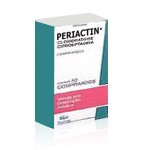
Periactin is one of the most versatile antihistamine medications in clinical use — a first-generation H1-antihistamine with the unique additional property of significant antiserotonergic activity, giving it a broad spectrum of clinical applications that extend well beyond standard allergy treatment. The active ingredient is Cyproheptadine, FDA-approved since 1961, used not only for allergic conditions but also as a clinically important appetite stimulant, migraine preventive agent, and as an established antidote for serotonin syndrome.
Periactin works through dual receptor blockade: it antagonises H1-histamine receptors throughout the body (providing classical antihistamine effects on allergic symptoms) AND blocks 5-HT2 serotonin receptors in the central nervous system (producing the antiserotonergic effects that drive its diverse off-label uses). This dual mechanism gives Cyproheptadine a distinctive clinical profile that no purely H1-blocking antihistamine can match.
For allergic conditions, Periactin is FDA-approved for the symptomatic relief of allergic rhinitis, vasomotor rhinitis, allergic conjunctivitis, mild uncomplicated urticaria, and as an adjunct in the treatment of anaphylactic reactions after epinephrine. It is particularly effective for cold urticaria, a condition where standard non-sedating antihistamines often fail.
The non-allergy uses of Cyproheptadine are equally important in modern clinical practice. Appetite stimulation is one of the most frequent off-label applications, particularly in children with failure to thrive, anorexia nervosa, and in elderly patients with poor oral intake. The drug's antiserotonergic action at 5-HT2 receptors in the hypothalamus reduces satiety signals and increases food intake. Periactin is also a cornerstone treatment for serotonin syndrome — a potentially life-threatening reaction to serotonergic medications.
Beyond these uses, Cyproheptadine is widely used off-label for pediatric migraine prevention, SSRI-induced sexual dysfunction, certain cases of Cushing's disease, and even nightmares in PTSD. This broad therapeutic profile makes Periactin one of the most flexible medications in clinical practice.
Periactin is available as 4 mg tablets and 2 mg/5 mL oral syrup for pediatric and adult use. The standard adult dose is 4 mg 2-3 times daily, with weight-based pediatric dosing supporting use in children. Common side effects reflect its first-generation profile — drowsiness, dry mouth, increased appetite, and weight gain — though the sedation and appetite effects are often therapeutic rather than unwanted in many of its indications.
Free prescription
Discrete packaging
Have questions?
Quality Assurance

- Vasomotor Rhinitis: For non-allergic nasal symptoms triggered by environmental or unknown irritants, where dual antihistamine-antiserotonergic mechanism is particularly useful;
- Allergic Conjunctivitis: For symptomatic relief of allergic eye itching, redness, and tearing as part of systemic allergy therapy;
- Mild Urticaria: FDA-approved for mild uncomplicated hives, with sedating effect providing additional nighttime symptom relief;
- Cold Urticaria: Particularly effective for cold-induced hives where standard non-sedating antihistamines often fail — one of Cyproheptadine's signature indications;
- Anaphylaxis Adjunct: As an adjunct to epinephrine and other primary treatments in anaphylactic reaction management;
- Failure To Thrive: Off-label appetite stimulant for children with poor weight gain due to chronic illness, neurodevelopmental conditions, or unexplained anorexia;
- Appetite Stimulation: For patients with anorexia nervosa, cancer cachexia, or geriatric weight loss requiring pharmacological appetite enhancement;
- Serotonin Syndrome: An established antidote for serotonin syndrome caused by overdose, drug interactions, or excessive serotonergic medication exposure;
- Pediatric Migraine: Off-label preventive therapy for chronic migraine in children and adolescents with documented benefit in multiple studies;
- SSRI Sexual Dysfunction: Off-label antidote for sexual side effects of SSRI antidepressants through 5-HT2 receptor blockade;
- Cushings Disease: Historical and selective modern use as medical adjunct through hypothalamic effects;
- PTSD Nightmares: Off-label nighttime use for trauma-related nightmares through combined sedating and antiserotonergic effects;
- Carcinoid Symptoms: For symptomatic management of serotonin-related symptoms in selected carcinoid tumour patients;
- Serotonin Toxicity: Emergency department use for management of recreational drug-induced serotonergic toxicity from MDMA and similar substances;
- Cluster Headache: Used selectively as preventive adjunct in cluster headache management;
- Coital Headache: Off-label prevention of coital headache through antiserotonergic mechanism;
- Dumping Syndrome: For post-gastrectomy dumping syndrome where serotonergic mechanisms contribute to symptoms.
- Less Hives: Reduces wheal formation, redness, and itching in chronic and acute urticaria;
- Less Allergic Symptoms: Calms sneezing, runny nose, and other classical allergy symptoms throughout the day;
- Better Appetite: Increased appetite and food intake — therapeutic effect in patients with anorexia, cachexia, or weight loss;
- Weight Gain Support: Supports healthy weight gain in failure to thrive, cancer cachexia, and elderly weight loss;
- Less Migraines: Documented reduction in childhood and adolescent migraine frequency with prophylactic use;
- Better Sleep: Sedating effect supports falling asleep faster and improving sleep quality, particularly with nighttime itching or nightmares;
- Less Restlessness: Calming effect reduces restlessness and emotional reactivity;
- Less Nightmares: Reduces trauma-related nightmares in PTSD through combined sedation and serotonin blockade;
- Calmer Mood: Steady calming effect through sedating antihistamine action;
- Rapid Oral Onset: Symptom relief begins within 30-60 minutes of oral dosing;
- First Generation Antihistamine: Classical antihistamine with strong sedating and anti-itch properties beyond modern non-sedating agents;
- Multi Purpose Antihistamine: Treats allergy, appetite, migraine, and serotonin conditions in one medication — rare therapeutic versatility;
- Antiserotonergic Antihistamine: Unique dual H1 and 5-HT2 receptor antagonism not found in other widely-used antihistamines;
- Appetite Stimulant: One of few medications with established clinical use for failure to thrive, anorexia, and cachexia;
- Pediatric Appetite Therapy: Liquid syrup formulation supports failure to thrive treatment in children and toddlers;
- Serotonin Syndrome Antidote: Featured in emergency medicine protocols and toxicology guidelines for serotonin syndrome management;
- Pediatric Migraine Preventive: One of few pediatric-friendly migraine preventives with documented benefit in childhood migraine prevention;
- Cold Urticaria Treatment: Particularly effective for cold-induced hives where standard non-sedating antihistamines often fail;
- Generic Cyproheptadine: Affordable generics across multiple international manufacturers expand global access;
- Apetamin Equivalent: Same Cyproheptadine molecule as the popular Apetamin appetite-stimulant brand;
- Cyproheptadine Syrup: 2 mg/5 mL oral suspension supports accurate weight-based dosing in infants and children;
- Geriatric Appetite Support: Useful in elderly patients with weight loss and poor oral intake from chronic illness;
- Cancer Cachexia Adjunct: Nutritional support adjunct in cancer-related weight loss — sometimes preferred over megestrol;
- SSRI Side Effects Antidote: Off-label option for SSRI-induced sexual dysfunction in patients unwilling to discontinue antidepressant therapy;
- PTSD Nightmare Therapy: Off-label nighttime use for trauma-related nightmares through combined mechanisms;
- Carcinoid Symptom Management: Symptomatic relief in serotonin-secreting carcinoid tumours — specialist application;
- Non Controlled Antihistamine: No abuse potential — useful for long-term appetite stimulation or symptom management without prescription monitoring;
- Multiple Daily Dosing: 2-3 daily doses allow individualised regimens for different indications — sleep, mealtimes, or specific symptom triggers;
- Tablet and Syrup: Flexibility across patient age, swallowing ability, and dose precision requirements;
- Long Clinical History: Over 60 years of clinical use since 1961 with extensive safety characterisation;
- Daytime Caution: Sedating effect requires care when driving or operating machinery, especially when initiating therapy;
- Stable Storage: No refrigeration required — practical for home, school, travel, and humanitarian settings;
- Globally Available: Widely stocked in international markets in both branded and generic forms.
Generic Periactin (Cyproheptadine 4 mg) Medication guide:
💊 What is Periactin (Cyproheptadine) and what it treats
Periactin is the brand name for cyproheptadine hydrochloride, a first-generation antihistamine with a notably unique pharmacological profile. Unlike newer non-sedating antihistamines (Claritin, Clarinex) or modern intranasal steroids (Flomist), Periactin works through three different receptor systems: it blocks histamine H1 receptors, serotonin 5-HT2 receptors, and muscarinic acetylcholine receptors. This multi-action profile gives Periactin therapeutic value across five distinct clinical indications, far beyond what typical antihistamines treat.
What Periactin treats - both approved and well-established off-label uses
- 🤧 Allergic rhinitis (hay fever) - the FDA-approved use
- 🌹 Chronic urticaria - hives lasting more than 6 weeks
- ❄️ Cold urticaria - a special form responsive to cyproheptadine
- 🍽️ Appetite stimulation - in underweight children and adults (off-label but widely used)
- 🧠 Pediatric migraine prevention - established prophylactic role
- 🤢 Cyclic vomiting syndrome in children - NASPGHAN guidelines
- ⚠️ Serotonin syndrome antidote - emergency treatment of moderate-severe cases
- 💧 Various rarer uses - Cushing's disease, SSRI-induced sexual dysfunction
- Active ingredient: cyproheptadine hydrochloride
- Drug class: first-generation H1 antihistamine with antiserotonergic activity
- Original developer: Merck
- FDA approval: 1961 (over 60 years of clinical use)
- Tablets: 4 mg
- Syrup: 2 mg per 5 mL
- Pediatric approval: from age 2
- Onset of action: 30 minutes to 1 hour
- Half-life: ~8 hours (multiple daily doses needed)
- Notable feature: weight gain and increased appetite - therapeutic in some contexts, side effect in others
- Notable feature: significant sedation
Why Periactin is fundamentally different from typical antihistamines
- 1. Multi-receptor pharmacology: blocks histamine AND serotonin AND acetylcholine receptors. Most antihistamines block only histamine.
- 2. Therapeutic uses beyond allergy: appetite stimulation, migraine prevention, serotonin syndrome treatment, cyclic vomiting syndrome - none of these are addressed by Claritin or Zyrtec.
- 3. First-generation profile: sedating, anticholinergic, weight-promoting - which can be advantages or disadvantages depending on what you are treating.
Key features summarised
- Over 60 years of clinical use since FDA approval in 1961
- Available globally including OTC in many countries
- Pediatric approved from age 2 for allergic conditions
- Multiple formulations: tablet and pleasant-tasting syrup
- Affordable generic in essentially all markets
- WHO Essential Medicines List for pediatric undernutrition in some country lists
- Indispensable in emergency medicine as serotonin syndrome antidote
What Periactin is NOT good for
- Patients who need non-sedating treatment - sedation is significant
- Drivers and machine operators during daytime use
- Patients trying to lose weight - it stimulates appetite
- Elderly with cognitive concerns - on Beers Criteria for inappropriate elderly use
- Patients with glaucoma, severe BPH, urinary retention - anticholinergic effects
- Acute severe anaphylaxis - requires epinephrine first
- As long-term first-choice for mild allergies - 2nd-gen non-sedating antihistamines preferable
Periactin is one of the most pharmacologically interesting drugs in the antihistamine family because of how many distinct uses it has accumulated over six decades. While newer non-sedating antihistamines have largely replaced it for routine allergy treatment, Periactin remains uniquely valuable for several specific situations: stimulating appetite in undernourished children, preventing migraines in pediatric patients, treating cyclic vomiting syndrome, and reversing serotonin syndrome. Understanding what Periactin uniquely offers helps clarify when it is the right choice.
🧬 Why Periactin is multi-action - histamine plus serotonin plus cholinergic
What truly distinguishes Periactin from typical antihistamines is its simultaneous blockade of three different receptor systems. Most antihistamines (Claritin, Zyrtec, Allegra, Clarinex) are designed to be as selective as possible for the histamine H1 receptor alone. Cyproheptadine takes the opposite approach: it deliberately blocks histamine, serotonin, and acetylcholine receptors at clinically meaningful doses. This multi-receptor activity is what gives Periactin its diverse therapeutic uses.
The three receptors blocked by Periactin
| Receptor blocked | What this gives Periactin | Clinical use |
|---|---|---|
| Histamine H1 receptor | Anti-allergy effect | Allergic rhinitis, urticaria |
| Serotonin 5-HT2 receptor | Antiserotonergic effect | Serotonin syndrome antidote; appetite stimulation; migraine prophylaxis; CVS |
| Muscarinic acetylcholine receptor | Anticholinergic effect | Reduces secretions, contributes to sedation; also causes side effects |
Why blocking serotonin matters - the key differentiator
Serotonin is a major neurotransmitter and signaling molecule involved in:
- Appetite regulation - serotonin in hypothalamus signals satiety; blocking it stimulates appetite
- Migraine pathophysiology - serotonin receptors involved in migraine attacks
- Vomiting reflex - 5-HT2 antagonism reduces vomiting
- Mood regulation - though Periactin's effect on mood is minimal
- Smooth muscle in blood vessels and gut
By blocking these receptors, Periactin can treat conditions that pure antihistamines cannot touch.
The history of "antihistamine plus more"
Periactin was developed in the late 1950s as Merck researchers explored variations on antihistamine chemistry. They discovered that certain modifications produced compounds that blocked not just histamine but also serotonin receptors. When clinical use revealed unexpected effects (weight gain, mood effects in some patients, anti-migraine activity), researchers recognised this as a useful multi-action drug. The FDA approval in 1961 covered allergic conditions, but the broader uses developed organically through clinical observation over the following decades.
Comparison with selective antihistamines
| Feature | Selective antihistamines (Claritin, Allegra) | Periactin (cyproheptadine) |
|---|---|---|
| H1 blockade | Strong, selective | Strong |
| 5-HT2 blockade | Negligible | Significant |
| Muscarinic blockade | Negligible | Significant |
| Sedation | Minimal | Significant |
| Appetite effect | Usually none | Increase (therapeutic for some) |
| Anti-migraine effect | No | Yes (5-HT2 mediated) |
| Serotonin syndrome antidote | No | Yes |
| Dry mouth, urinary retention | Minimal | Common |
Both an advantage and a disadvantage
Periactin's multi-receptor activity is what makes it uniquely useful AND what makes it harder to tolerate:
- Appetite stimulation: therapeutic for undernourished children, undesirable for many adults
- Sedation: useful for nocturnal symptoms, disabling for daytime function
- Anti-migraine effect: valuable prophylactic for children, but other prophylaxis works for adults
- Serotonin antagonism: life-saving in serotonin syndrome, problematic if patient needs serotonergic drugs
- Anticholinergic effects: dry mouth, constipation, urinary retention - usually unwanted
Comparison with hydroxyzine (Atarax)
Hydroxyzine is another first-generation antihistamine often compared with cyproheptadine. Important differences:
- Hydroxyzine: H1 + anxiolytic effect; sedating; no significant serotonin or appetite effects
- Cyproheptadine: H1 + serotonin + cholinergic; sedating; significant appetite effects
- Different niches: hydroxyzine for anxious patients with allergies; cyproheptadine for appetite/migraine/serotonin syndrome
Periactin's value comes not from being a better antihistamine than modern alternatives - it isn't - but from doing things that selective antihistamines simply cannot do. The simultaneous blockade of histamine, serotonin, and acetylcholine receptors creates a unique therapeutic profile that addresses specific clinical needs (pediatric appetite, migraine prophylaxis, serotonin syndrome reversal, CVS prophylaxis) where its multi-action profile is precisely what is needed.
🌍 Where Periactin is available globally
Periactin (cyproheptadine) is one of the most globally accessible medications in the antihistamine family. Available since 1961 and now available as inexpensive generic in essentially every pharmaceutical market, cyproheptadine reaches patients worldwide under multiple brand names and is included in many national pediatric formularies.
Major brand names by region
| Region | Brand names | Status |
|---|---|---|
| United States | Periactin (original); generic cyproheptadine | Prescription |
| UK | Periactin | Prescription |
| EU | Periactin, Periactinol, Peritol | Varies by country |
| Russia, Eastern Europe | Peritol, Cyproheptadine | Often OTC |
| India | Practin, Ciplactin, Cyheptine | OTC widely |
| Latin America | Periactin, Apetiton, Heptasan | OTC in many countries |
| Africa | Periactin, various generics | Widely OTC |
| Southeast Asia | Periactin, Cyproatin, Heptan | Mostly OTC |
| Australia | Periactin (generic available) | Prescription |
| Generic name | Cyproheptadine | Consistent internationally |
Why such variable OTC status?
- Developed countries (US, UK, Australia): typically prescription due to side effect profile in elderly, drug interaction potential, and weight gain concerns
- India, Latin America, Asia, Africa: often OTC because cyproheptadine is widely used for pediatric appetite stimulation in undernutrition
- WHO Essential Medicines context: in malnutrition-prevalent regions, easy access matters more than tight prescription control
- The medication is genuinely safe when used appropriately; OTC vs Rx reflects local healthcare priorities rather than safety differences
The pediatric appetite stimulation connection
Cyproheptadine's widespread OTC availability in many developing regions reflects its established role in pediatric appetite stimulation:
- India and South Asia: cyproheptadine syrup is one of the most commonly purchased pediatric medications
- Sub-Saharan Africa: routine use for undernourished children
- Latin America: traditional use across multiple generations
- WHO recognition: included on essential medicines lists in many developing countries for pediatric malnutrition
- This is different from how Western countries typically use the drug
Available formulations
| Formulation | Strength | Use |
|---|---|---|
| Tablet | 4 mg | Adults and older children |
| Syrup | 2 mg per 5 mL | Children; flexible dosing |
| Combined formulations | With vitamins, minerals | Common in pediatric appetite products |
Cost
- Generic cyproheptadine is very affordable in virtually all markets
- One of the cheapest antihistamines globally
- Monthly supply for chronic use typically very low cost
- Even branded Periactin remains reasonably priced
- Pediatric syrup particularly affordable in developing markets
For travelers
| Travel consideration | Approach |
|---|---|
| Going from Western country to developing world | Easily replaceable OTC at most destinations |
| Returning to country requiring prescription | Bring documentation |
| International work or relocation | Check local regulations; ask for "cyproheptadine" |
| Pediatric travel with medication | Syrup form for children; carry-on luggage |
Cyproheptadine is one of the most universally available antihistamines globally. The pattern of OTC in developing regions and prescription in developed countries reflects different healthcare priorities rather than safety concerns. The medication is highly affordable, with multiple formulations and brand names across world markets. For patients needing cyproheptadine, finding it is rarely a problem regardless of location.
📜 Cyproheptadine history - 1961 to today
Cyproheptadine has one of the longest clinical histories of any drug discussed in this product catalogue. Developed by Merck Sharp and Dohme in the late 1950s and approved by the FDA in 1961, cyproheptadine has accumulated more than six decades of clinical use. Its history is interesting because the drug's most important uses today were largely discovered through clinical observation rather than designed in advance.
The development era (1950s-1961)
- Late 1950s: Merck chemists synthesise variations of antihistamine compounds
- Cyproheptadine identified: blocks histamine but also has unexpected serotonin antagonism
- Preclinical testing: confirms multi-receptor activity
- Clinical trials: tested for allergic conditions
- 1961: FDA approval as Periactin for allergic rhinitis and chronic urticaria
- Early years: marketed primarily as an antihistamine
Discovering the other uses (1960s-1980s)
| Era | Discovery |
|---|---|
| 1960s | Patients on Periactin gain weight - appetite-stimulating effect observed |
| 1965-1970 | First reports of cyproheptadine for migraine prophylaxis, especially in children |
| 1970s | Cyproheptadine becomes standard pediatric appetite stimulant in many countries |
| 1970s | Use in Cushing's disease (anti-pituitary effects) reported |
| 1980s | Recognition as serotonin syndrome antidote based on 5-HT2 antagonism |
| 1980s | Use for SSRI-induced sexual dysfunction reported |
| 1990s-2000s | Cyclic vomiting syndrome treatment role established |
| 2005 | Boyer EW publishes definitive NEJM review on serotonin syndrome including cyproheptadine antidote use |
The serotonin syndrome story
In 2005, Dr. Edward Boyer and colleagues published "The Serotonin Syndrome" in the New England Journal of Medicine - a paper that established the modern clinical framework for this potentially fatal condition caused by serotonergic drug interactions. The paper included cyproheptadine as the recommended pharmacological antidote for moderate-severe cases. This use of a 40-year-old antihistamine in emergency medicine demonstrated how a multi-action drug can find unexpected critical applications.
The pediatric appetite role in global health
While Western medicine has largely moved past cyproheptadine for routine allergy treatment (favouring non-sedating alternatives), it remains a workhorse in pediatric medicine in many developing countries:
- WHO Essential Medicines guidance: cyproheptadine is listed for pediatric undernutrition in many countries
- India: among the most commonly prescribed pediatric medications
- Sub-Saharan Africa: routine in undernutrition management
- Latin America: traditional use across generations
- This represents a clinical use that wasn't envisioned in 1961 but has become globally important
The pediatric migraine prevention role
Beginning in the 1970s and consolidating through subsequent decades, cyproheptadine became one of the most-prescribed prophylactic agents for childhood migraine:
- Pediatric headache specialists like Dr. Andrew Hershey at Cincinnati Children's have published extensively on cyproheptadine for this use
- Pediatric Migraine Treatment Trial (CHAMP) 2017 reviewed migraine prophylaxis in children
- Often first-line in young children due to tolerability vs alternatives
- Pediatric advantage: less long-term concern than amitriptyline or topiramate in young patients
- Still widely used today in pediatric headache clinics globally
Why cyproheptadine wasn't replaced like other 1st-gen antihistamines
When non-sedating antihistamines like loratadine arrived in 1993 and Claritin OTC in 2002, most first-generation antihistamines lost their place in routine allergy treatment. But cyproheptadine survived because:
- Unique non-allergy uses: appetite, migraine, serotonin syndrome, CVS - second-gen antihistamines can't do any of these
- 5-HT2 antagonism: not just a side effect but a therapeutic mechanism
- Pediatric niche: well-tolerated in children for specific indications
- Affordable generic: extremely low cost in essentially every market
- Decades of safety data: pharmacovigilance never identified serious unexpected risks
Today and tomorrow
Sixty-plus years after FDA approval, cyproheptadine has:
- Settled into specific clinical niches where multi-action profile is needed
- Stable presence in essentially every country
- Continued research on new applications occasionally appears
- No major safety concerns have emerged from long-term use
- Generic competition keeps it affordable
- Indispensable in emergency medicine for serotonin syndrome
- Standard pediatric use in many regions for appetite and migraine
Cyproheptadine's history illustrates how a drug's most important clinical uses sometimes emerge through observation and gradual recognition rather than being designed from the start. The 1961 FDA approval covered allergic conditions - the only use envisioned at the time. The migraine prevention, appetite stimulation, serotonin syndrome antidote, and CVS roles all developed through clinical experience over the following decades. This is why a 60+ year old drug remains relevant and continues to be widely used.
🔬 How Periactin works - three receptor mechanisms
Periactin's effects are explained by its simultaneous blockade of three distinct receptor systems: histamine H1 receptors, serotonin 5-HT2 receptors, and muscarinic acetylcholine receptors. Each blockade contributes to particular therapeutic effects and particular side effects. Understanding the three mechanisms helps clarify what Periactin does and why it affects so many different body systems.
Mechanism 1 - Histamine H1 receptor blockade
- Blocks histamine at H1 receptors throughout the body
- Reduces allergic symptoms: sneezing, itch, runny nose, hives
- Crosses blood-brain barrier easily (unlike non-sedating 2nd-gen antihistamines)
- Blocks brain H1 receptors that maintain wakefulness, causing sedation
- This is the "antihistamine" part of Periactin's profile
- Effect onset: within 30-60 minutes
- Duration: 4-6 hours per dose
Mechanism 2 - Serotonin 5-HT2 receptor blockade
- Blocks serotonin at 5-HT2 receptors
- Appetite stimulation: 5-HT2 receptors in the hypothalamus normally signal satiety; blocking them increases appetite
- Migraine prophylaxis: 5-HT2 receptors involved in migraine pathophysiology
- Anti-vomiting effect: 5-HT2 antagonism reduces the vomiting reflex - basis for cyclic vomiting syndrome use
- Serotonin syndrome reversal: in serotonin toxicity, blocking 5-HT2 receptors helps reverse symptoms
- Cushing's disease effect: 5-HT2 antagonism reduces ACTH secretion in some cases
- Sexual function effect: blocking serotonin can reverse SSRI-induced sexual dysfunction
Mechanism 3 - Muscarinic acetylcholine blockade
- Blocks acetylcholine at muscarinic receptors
- Dry mouth: reduced saliva production
- Dry eyes: reduced tear production
- Constipation: reduced gut motility
- Urinary retention: especially men with BPH
- Blurred vision: pupil dilation effects
- Increased heart rate: minor effect
- Reduced sweating: in some patients
- Confusion in elderly: anticholinergic burden
The three mechanisms - therapeutic vs side effect
| Mechanism | Therapeutic effect | Side effect |
|---|---|---|
| H1 blockade | Anti-allergy | Sedation |
| 5-HT2 blockade | Appetite, migraine, serotonin syndrome, anti-vomiting | Weight gain in unwanted contexts |
| Muscarinic blockade | Reduces nasal secretions; helps in allergic rhinitis | Dry mouth, constipation, urinary issues |
Pharmacokinetics
| Parameter | Value |
|---|---|
| Absorption | Well absorbed orally |
| Time to peak | 1-3 hours |
| Half-life | ~8 hours (range 1-4 in some pharmacokinetic models) |
| Dosing frequency | 2-3 times daily for therapeutic effect |
| Metabolism | Liver, CYP-mediated |
| Excretion | Renal as metabolites |
| Crosses blood-brain barrier | Yes - explains sedation and central effects |
| Crosses placenta | Yes |
| Passes into breast milk | Small amounts |
Effect timing across a single dose
| Time after dose | What is happening |
|---|---|
| 30 minutes | Drug absorbed; effects beginning |
| 1-2 hours | Peak antihistamine effect; sedation noticeable |
| 2-4 hours | Sustained effect across all three mechanisms |
| 4-6 hours | Effects beginning to wane |
| 6-8 hours | Half-life; next dose typically due |
Periactin's diverse therapeutic uses all trace back to its simultaneous action at three different receptor systems. The H1 blockade gives the antihistamine effect, the 5-HT2 blockade gives the appetite stimulation/migraine/serotonin syndrome reversal, and the muscarinic blockade contributes to nasal secretion reduction plus much of the side effect profile. This multi-mechanism design - intentional or accidental - is what makes Periactin different from any selective antihistamine.
🤧 Periactin for allergic rhinitis and hay fever
Allergic rhinitis (hay fever) is the original FDA-approved indication for Periactin since 1961. However, Periactin is no longer first-line treatment for typical allergic rhinitis - newer non-sedating antihistamines like Claritin and Zyrtec have largely replaced it for routine use. Periactin retains a place for specific situations: patients with severe nasal symptoms not controlled by 2nd-gen antihistamines, patients who need a sedating effect (poor sleep due to symptoms), or as part of multi-medication regimens.
How Periactin works for allergic rhinitis
Through its combined H1 blockade (anti-allergy) and muscarinic blockade (anti-secretion), Periactin addresses multiple allergic rhinitis symptoms:
| Symptom | Mechanism that helps | Effectiveness |
|---|---|---|
| Sneezing | H1 blockade | Good |
| Itching (nose, throat, eyes) | H1 blockade | Good |
| Runny nose | H1 + anticholinergic | Very good |
| Watery eyes | H1 + anticholinergic | Good |
| Nasal congestion | Modest from H1; little from other | Modest |
| Sleep disruption | Sedation helps | Good (sedation as advantage) |
Standard dosing for allergic rhinitis
| Age | Dose |
|---|---|
| Adults | 4 mg three times daily (range 4-20 mg/day) |
| Children 7-14 years | 4 mg two or three times daily (max 16 mg/day) |
| Children 2-6 years | 2 mg two or three times daily (max 12 mg/day) |
| Under 2 years | Not approved; use alternatives |
When Periactin may be preferable for allergic rhinitis
- Severe nocturnal allergy symptoms: sedating effect helps sleep
- Poor response to 2nd-gen antihistamines: multi-mechanism may help
- Runny nose dominant: muscarinic blockade reduces secretions
- Comorbid migraine: dual benefit for AR + migraine prevention
- Pediatric patients with sleep disruption from allergies
- When low cost is critical: cheap generic available globally
Why 2nd-gen antihistamines are usually preferred
| Issue | Periactin | 2nd-gen (Claritin etc.) |
|---|---|---|
| Sedation | Significant | Minimal |
| Dosing frequency | 2-3 times daily | Once daily |
| Driving safety | Impaired | Generally preserved |
| Anticholinergic effects | Common | Minimal |
| Cognitive function | Reduced | Preserved |
| Appetite/weight effect | Increases | Minimal |
| Elderly safety (Beers) | Flagged - avoid | Not flagged |
How to take Periactin for allergic rhinitis
- Three times daily is standard for sustained effect
- Tablet or syrup - both work; choose by patient preference
- With or without food - take with food if stomach upset
- Best to take with water
- Avoid evening dose if insomnia avoidance critical - but evening dose helps sleep
- Effects begin within 30-60 minutes
- Daily continuous use through allergy season for steady control
Combination therapy
| Combination | When useful |
|---|---|
| Periactin + intranasal steroid (Flomist) | Severe persistent symptoms |
| Periactin + saline rinses | High exposure days |
| Periactin alone at night | Plus daytime 2nd-gen antihistamine |
| Avoid Periactin + other sedating drugs | Additive sedation |
Pediatric allergic rhinitis
- Approved from age 2
- Syrup widely used in pediatric allergy practice
- Pleasant taste for acceptance
- Often dosed at bedtime when sedation is acceptable or helpful
- School-age children: morning dose may cause classroom drowsiness; consider non-sedating alternative
- Some pediatric advantage: combined appetite stimulation in undernourished children with allergies
For routine allergic rhinitis in adults and older children, modern non-sedating antihistamines like Claritin and Zyrtec are preferred over Periactin due to better tolerability. Periactin retains value for specific scenarios: severe nocturnal symptoms benefiting from sedation, patients with comorbid migraine or appetite needs, pediatric cases where syrup is helpful, and situations where its very low cost matters. The original 1961 indication remains valid but Periactin is no longer the default choice.
🌹 Periactin for chronic urticaria
Chronic urticaria - recurring hives lasting more than 6 weeks - is the other major FDA-approved indication for Periactin since 1961. While modern non-sedating antihistamines (cetirizine, fexofenadine, desloratadine) are first-line per EAACI guidelines, cyproheptadine plays a specific role for certain urticaria patients, particularly those not adequately controlled on standard 2nd-gen antihistamines or those with comorbid features like cold urticaria (covered separately).
Why Periactin works for urticaria
Chronic urticaria involves multiple mediators including histamine. Periactin addresses:
- Histamine release: H1 blockade reduces itching and wheal formation
- Serotonin involvement: 5-HT2 blockade may add benefit in some patients
- Mast cell mediated processes: indirect benefit
- Anxiety component: sedation may help patients with stress-triggered urticaria
- Cold urticaria specifically: cyproheptadine has demonstrated particular efficacy
Standard dosing for chronic urticaria
| Age | Dose |
|---|---|
| Adults | 4 mg three times daily (may go to 4 mg four times daily) |
| Children 7-14 years | 4 mg two to three times daily |
| Children 2-6 years | 2 mg two to three times daily |
| Maximum daily dose | 0.5 mg/kg/day in children; 32 mg/day in adults |
Where Periactin fits in modern urticaria treatment
| Step | First-line | Periactin role |
|---|---|---|
| 1 | Non-sedating antihistamine | Usually NOT used here |
| 2 | Same antihistamine 4x dose | Alternative option |
| 3 | Omalizumab | May be used as adjunct |
| 4 | Cyclosporine | For refractory |
Notable: Periactin is not in the main EAACI urticaria ladder. It is used in specific situations: cold urticaria, comorbid migraine, breakthrough nocturnal symptoms, or where sedation is acceptable/beneficial.
When Periactin is particularly useful in urticaria
| Situation | Periactin advantage |
|---|---|
| Cold urticaria | Particularly effective; covered in next section |
| Severe nocturnal itch | Sedation breaks itch-scratch cycle for sleep |
| Stress-triggered urticaria | Sedation calming effect helps |
| Patient who lost weight from itch | Appetite stimulation as bonus |
| Severe urticaria with comorbid migraine | Treats both |
| Refractory to 2nd-gen at high dose | Different mechanism may help |
| Cost limited setting | Very affordable globally |
Combining Periactin with non-sedating antihistamines
- Daytime: Claritin or Zyrtec (non-sedating)
- Bedtime: Periactin 4 mg
- Result: full daytime function plus night sedation/itch coverage
- Particularly helpful for patients with severe nocturnal symptoms
- Discuss with prescriber before combining multiple antihistamines
The remission perspective
Chronic urticaria has natural remission patterns:
- 50% of patients achieve remission within 1 year
- ~80% within 5 years
- Periactin maintains quality of life while waiting for natural resolution
- Continue treatment as long as symptoms persist
- Test-stops periodically (every 3-6 months) to check if condition has remitted
For most chronic urticaria patients, modern non-sedating antihistamines are first-line per international guidelines. Periactin's specific advantages emerge in particular situations: cold urticaria (where it is genuinely first-line), severe nocturnal symptoms benefiting from sedation, patients with comorbid migraine or appetite needs, and refractory cases requiring different mechanism. The combination strategy (daytime 2nd-gen + bedtime Periactin) can be particularly effective for severely affected patients.
❄️ Periactin for cold urticaria - the niche allergy use
Cold urticaria is a specific form of physical urticaria where hives, itching, and sometimes systemic symptoms develop when the skin is exposed to cold air, cold water, or cold objects. While newer antihistamines work for many cold urticaria patients, cyproheptadine has a particularly well-established role in this condition. For some patients with cold urticaria, Periactin is considered the most effective single agent.
What cold urticaria is
- A physical urticaria - triggered by physical stimulus rather than allergen
- Trigger: cold air, cold water, cold drinks, ice, air conditioning, cold food
- Symptoms: hives, itching, swelling at sites of cold contact
- Onset: within minutes of cold exposure
- Severity: ranges from mild local hives to severe systemic reactions
- Dangerous scenarios: swimming in cold water can cause systemic reaction with hypotension
- Duration: typically lasts years; may resolve spontaneously
- Often affects: young adults; women more than men
Why cyproheptadine works particularly well for cold urticaria
While the exact mechanism is not fully understood, several theories explain Periactin's specific efficacy in cold urticaria:
- Combined H1 + 5-HT2 blockade: cold urticaria involves more than just histamine
- Mast cell stabilization: indirect effect through serotonin pathways
- Anticholinergic component: may modulate skin vascular response to cold
- Historical clinical observation: dermatologists noticed superior response in cold urticaria patients
- Multiple case series over decades support this specific use
Dosing for cold urticaria
| Age | Dose |
|---|---|
| Adults | 4 mg three times daily (titrate to effect) |
| Maximum | May go to 4 mg four times daily (32 mg/day) |
| Children 7-14 | 4 mg two to three times daily |
| Children 2-6 | 2 mg two to three times daily |
Daily preventive use - the right approach
For cold urticaria, Periactin works best when used continuously:
- Take Periactin daily regardless of cold exposure on any given day
- Effect builds with continuous use
- As-needed use is ineffective
- Particularly important in cold seasons (autumn through spring in temperate climates)
- Some patients can reduce or stop in warm months
- Reactivate before cold weather returns
Cold exposure precautions even on Periactin
- Avoid swimming in cold water: even on Periactin, large surface cold exposure can trigger severe systemic reaction
- Never swim alone: if you must swim, in moderate water only with supervision
- Carry epinephrine auto-injector: prescribed for patients with systemic reactions history
- Avoid sudden cold exposure: even brief immersion in cold water
- Be cautious with cold drinks/foods: can cause oral angioedema
- Air conditioning blasts: can trigger reactions
- Dress warmly in cool weather
Diagnosis - the ice cube test
Cold urticaria is diagnosed by:
- Clinical history: hives appearing within minutes of cold exposure
- Ice cube test: ice cube applied to forearm for 4-5 minutes
- Positive result: wheal develops on rewarming
- Acquired cold urticaria: most common form
- Familial cold autoinflammatory syndrome: genetic; doesn't respond to antihistamines
- Allergy specialist: should confirm diagnosis
Treatment alternatives
| Treatment | Effectiveness |
|---|---|
| Cyproheptadine (Periactin) | Often the most effective single agent |
| Cetirizine (Zyrtec) | Often effective; first-line alternative |
| Levocetirizine (Xyzal) | Effective |
| Doxepin | Antidepressant with antihistamine activity |
| Omalizumab | For severe refractory cases |
| Cold desensitization | Specialized programs; limited centres |
Living with cold urticaria on Periactin
- Daily Periactin as preventive foundation
- Warm clothing in cold weather
- Avoid swimming pools below 25°C
- Lukewarm beverages rather than ice cold
- Pre-warm cold environments (heated car, warm jackets)
- Inform others about your condition and emergency response
- Medical alert bracelet recommended for severe cases
- Emergency epinephrine with patient at all times for severe cases
Cold urticaria represents one of the specific clinical situations where Periactin remains a preferred first-line treatment, often more effective than modern non-sedating antihistamines. The combination of H1 + 5-HT2 + muscarinic blockade addresses the multi-mediator nature of cold urticaria better than selective H1 blockers alone. Daily continuous use combined with appropriate cold avoidance allows most patients to live relatively normally with this challenging condition.
🍽️ Periactin for appetite stimulation
One of Periactin's most well-known uses - though not formally FDA-approved for this indication - is appetite stimulation. The weight gain and increased appetite that occur as side effects of Periactin's serotonin receptor blockade have been harnessed therapeutically for over half a century. This use is particularly important in pediatric undernutrition globally and is one of the reasons cyproheptadine remains widely prescribed even as newer antihistamines have replaced it for routine allergy use.
How Periactin stimulates appetite
- Serotonin (5-HT) is a satiety signal in the brain
- 5-HT2 receptors in the hypothalamus tell the body "you are full"
- By blocking 5-HT2 receptors, Periactin removes this satiety signal
- Result: increased hunger; food more appealing; larger meals
- Combined with antihistamine effect: some patients also notice reduced nausea
- Weight gain follows increased food intake
- Effect develops over days to weeks of consistent use
Clinical situations where appetite stimulation matters
| Patient situation | Periactin role |
|---|---|
| Pediatric undernutrition | Major global use; widely prescribed in developing countries |
| Picky eaters with poor weight gain | Common pediatric use |
| Failure to thrive | When other causes ruled out |
| Cancer cachexia | Adjunct treatment |
| HIV-related wasting | Older use; less now with modern HIV treatment |
| Eating disorders recovery | Anorexia recovery; controversial; requires specialist |
| Chronic illness with anorexia | Various chronic conditions |
| Elderly weight loss | Use with caution due to Beers Criteria |
Pediatric appetite stimulation - the most common use
In many developing countries, cyproheptadine is one of the most-prescribed pediatric medications:
- India: standard pediatric prescription for "poor appetite"
- Sub-Saharan Africa: routine in undernutrition management
- Latin America: traditional use across generations
- Often combined with vitamins, minerals in pediatric multi-products
- Studied in multiple RCTs showing weight gain benefit
- Cost-effective for resource-limited settings
Dosing for appetite stimulation
| Age | Dose for appetite |
|---|---|
| Children 2-6 years | 2 mg twice daily (in syrup form) |
| Children 7-14 years | 4 mg twice daily |
| Adolescents and adults | 4 mg three times daily |
| Best timing | Before meals; bedtime dose helps morning appetite |
What to expect
- Week 1: increased hunger noticed; sedation may dominate initially
- Week 2-4: appetite consistently increased; eating larger portions
- Month 1-3: measurable weight gain in undernourished patients
- Beyond 3 months: continued use varies by clinical situation
- Weight gain rate: typically 0.5-1 kg per month in responding pediatric patients
- If no weight gain after 8 weeks: consider stopping
Important limitations of cyproheptadine for appetite
- Periactin treats SYMPTOM, not CAUSE of weight loss
- Important to identify underlying problem first (medical, dental, psychological, social)
- Not appropriate for patients with eating disorders without specialist supervision
- Not a treatment for being naturally thin
- Weight gained is partly fat, not just lean mass
- Effects often diminish after several weeks of continuous use
- Stopping may lead to weight loss again if underlying cause untreated
- Not a substitute for proper nutrition counselling and meal planning
Adult use for appetite
Adult appetite stimulation use is less common but exists:
- Cancer cachexia: as part of multi-modal approach
- HIV-related wasting: historically common, less now
- Severe depression with anorexia: occasionally
- Anorexia nervosa recovery: controversial; specialist only
- Eating disorders: NOT recommended as first-line
- Cystic fibrosis: in children/adolescents with poor weight gain
Side effect considerations for appetite use
| Side effect | Impact |
|---|---|
| Sedation | Initially significant; often improves over 1-2 weeks |
| Dry mouth | May interfere with eating; hydrate |
| Constipation | Anticholinergic effect; high fiber/fluid |
| School drowsiness | May affect classroom performance in children |
| Driving impairment | In adults using for appetite |
Cyproheptadine for appetite stimulation represents one of the most globally significant uses of this drug. In many regions of the world, it is the primary use - far exceeding its role as an antihistamine. For undernourished children in resource-limited settings, the combination of effectiveness, low cost, multiple formulations, and decades of safety data makes Periactin an important tool. For adult appetite stimulation, the use is more selective and requires balancing benefits against side effects.
🧠 Periactin for migraine prevention in children
Pediatric migraine prophylaxis is one of Periactin's most established non-allergy uses. Cyproheptadine has been studied for preventing childhood migraines since the 1960s and remains a first-line option for young children, particularly those under age 8 where alternatives have more concerning side effect profiles. Pediatric headache specialists worldwide continue to use cyproheptadine for this indication.
Why cyproheptadine works for migraine prevention
- Serotonin (5-HT) is heavily involved in migraine
- 5-HT2 receptors participate in trigeminal nerve activation and vascular changes
- Cyproheptadine blocks 5-HT2, reducing migraine pathways
- Multiple older antihistamines with 5-HT2 activity (pizotifen, methysergide) were used for migraine
- Cyproheptadine has best tolerability profile of these in children
- Antihistamine component may help associated nausea
Pediatric migraine prophylaxis dosing
| Age | Starting dose | Maintenance |
|---|---|---|
| Children 2-6 years | 2 mg at bedtime | 2-4 mg/day (twice daily) |
| Children 7-12 years | 4 mg at bedtime | 4-8 mg/day (twice daily) |
| Adolescents | 4 mg at bedtime; can increase | 8-12 mg/day |
| Maximum | 0.5 mg/kg/day or 32 mg/day | Lower if effective |
How long until migraine prevention works
- Week 1-2: build up dose; sedation may dominate initially
- Week 2-4: tolerance to sedation develops; therapeutic dose established
- Week 4-8: migraine frequency begins to decrease
- Month 2-3: peak benefit; assess effectiveness
- If 50% reduction in migraine frequency: continue treatment
- If no benefit by month 3: consider alternative prophylactic
- Continue for 6-12 months if effective, then attempt taper
Pediatric migraine prophylaxis comparison
| Medication | Notes |
|---|---|
| Cyproheptadine | Often preferred in young children; sedating; affordable |
| Amitriptyline | Effective; more side effects; sleep effects |
| Topiramate | FDA approved 12+ years; cognitive side effects |
| Propranolol | Beta blocker; consider asthma history |
| Flunarizine | Calcium channel blocker; some markets only |
| CGRP antagonists | Newer; adult-focused; expensive |
Why cyproheptadine is often preferred for young children
- Safer side effect profile than amitriptyline at young ages
- No cognitive effects like topiramate
- Pleasant syrup formulation for young children
- Decades of pediatric use with established safety
- Affordable
- Single bedtime dose often sufficient
- Pediatric neurology familiarity
Limitations and considerations
- Weight gain is common: counsel families
- Sedation initially: usually improves with time; bedtime dosing helps
- Effectiveness is modest: typically 30-50% reduction in attack frequency
- Tolerance may develop: some patients lose benefit over months
- Not for acute attacks: this is prophylaxis only; acute migraine needs different drugs
- Adolescents may not prefer: weight gain socially difficult; consider alternatives
- 2017 CHAMP trial: showed mixed results for pediatric migraine prophylaxis overall
Combining with other migraine treatments
- Acute treatments separate: ibuprofen, sumatriptan for attacks
- Avoid combining Periactin with other sedating prophylactics
- Combination with non-pharmacological: sleep hygiene, hydration, regular meals, headache diary
- Trigger avoidance: just as important as medication
- Magnesium and riboflavin supplements: can be combined safely
Treatment duration and tapering
- Effective treatment: continue 6-12 months
- If migraine frequency low for several months: attempt gradual taper
- Taper over 2-4 weeks: not abrupt stop
- If migraines return: resume at effective dose
- Many children outgrow migraine with age
- Some need cycling through prophylactics over years
For young children with frequent migraines, cyproheptadine remains one of the most-used prophylactic agents globally. The combination of pediatric safety, palatable syrup, affordability, and modest effectiveness for migraine prevention makes it appropriate for children under 8-10 years where alternatives have more concerning side effects. For adolescents, other options often work better, but Periactin remains in the toolkit. Pediatric headache specialists like Dr. Andrew Hershey at Cincinnati Children's continue to research and recommend cyproheptadine for appropriate patients.
🤢 Periactin for cyclic vomiting syndrome
Cyclic vomiting syndrome (CVS) is a rare but extremely distressing condition characterised by repeated episodes of severe nausea and vomiting that occur in cycles, often lasting hours to days, followed by symptom-free intervals. The condition primarily affects children but can persist into adulthood. Cyproheptadine is a first-line prophylactic agent for CVS in children under 5 years per NASPGHAN (North American Society for Pediatric Gastroenterology) guidelines.
What cyclic vomiting syndrome is
- Episodes of severe nausea and vomiting lasting 1 hour to days
- Separated by symptom-free periods of days, weeks, or months
- Stereotyped pattern: each episode similar to previous
- Often triggered by: stress, infections, certain foods, sleep deprivation, menstrual cycle
- Associated symptoms: pallor, lethargy, abdominal pain, headache
- Onset typically in childhood (median age 5)
- Affects ~2% of children at some point
- Linked to migraine: many children with CVS develop migraine later; family history common
- Episodes can require hospitalisation for IV fluids in severe cases
Why cyproheptadine works for CVS
The connection between cyclic vomiting syndrome and the serotonin system explains cyproheptadine's role:
- CVS is in the "migraine spectrum" - shares mechanisms with migraine
- Serotonin involvement: 5-HT2 receptors participate in CVS pathophysiology
- Cyproheptadine's 5-HT2 antagonism reduces CVS episode frequency
- Anti-nausea effect: 5-HT2 blockade reduces vomiting reflex
- Anti-migraine mechanism: similar to its migraine prophylaxis use
- Pediatric tolerability: well-tolerated in young children where CVS is most common
NASPGHAN treatment recommendations
| Age | First-line prophylactic |
|---|---|
| Under 5 years | Cyproheptadine (Periactin) |
| 5-12 years | Amitriptyline OR cyproheptadine |
| Over 12 years | Amitriptyline or other adult agents |
Dosing for CVS
| Age | Cyproheptadine dose |
|---|---|
| Children 2-5 years | 2 mg at bedtime; can split to twice daily |
| Children 6-12 years | 2-4 mg twice daily |
| Maximum daily dose | 0.25-0.5 mg/kg/day |
| Duration | At least 4-6 months trial |
What to expect from treatment
- Weeks 1-4: medication building up; initial episodes may still occur
- Month 2-3: episode frequency typically decreasing
- Month 3-6: peak benefit; assess full response
- If 50% reduction in episode frequency: continue treatment
- If episodes shorter or less severe: also counts as response
- Some patients achieve complete remission on treatment
- Continue for 6-12 months minimum if effective
- Then consider tapering to assess if still needed
Managing acute CVS episodes
Cyproheptadine is for PREVENTION, not for treating active episodes. Active episodes require:
- IV fluids if severe vomiting
- Ondansetron or other antiemetic for acute nausea
- Triptans if migraine-spectrum and age-appropriate
- Sedation in some cases (lorazepam)
- Hospital admission if dehydration severe
- Periactin continued during episodes for prophylaxis maintenance
The CVS-migraine connection
- Family history of migraine: 50-80% of CVS children have family history
- CVS often evolves: many CVS children develop migraine in later childhood/adulthood
- Shared mechanism: serotonin/5-HT2 involvement
- This is why migraine prophylactics like cyproheptadine work for CVS
- This is why screening for migraine triggers helps CVS management
- Same lifestyle measures help both conditions
Lifestyle measures for CVS
- Adequate sleep: regular sleep schedule
- Regular meals: avoid skipping meals
- Hydration: maintain regular fluid intake
- Stress management: stress is a common trigger
- Trigger identification: keep diary of episodes
- Food triggers: chocolate, cheese sometimes implicated
- Early intervention: at first sign of episode
Prognosis
| Time course | Outcome |
|---|---|
| CVS often improves with age | Many children outgrow it by adolescence |
| Some persist as adults | Adult CVS exists; different mechanisms |
| Many develop migraine | Adult migraine often follows childhood CVS |
| With good treatment | Quality of life can be significantly improved |
For young children with cyclic vomiting syndrome, cyproheptadine is the NASPGHAN-recommended first-line prophylactic. The combination of 5-HT2 antagonism (addressing CVS pathophysiology), pediatric safety, palatable syrup, and decades of clinical experience makes it appropriate for this distressing condition. Most families see meaningful reduction in episode frequency and severity within 2-3 months of starting treatment, with continued benefit through extended treatment periods.
⚠️ Periactin for serotonin syndrome - the antidote use
Serotonin syndrome is a potentially life-threatening condition caused by excessive serotonergic activity in the central nervous system, typically resulting from combinations of serotonergic medications (SSRIs, SNRIs, MAOIs, certain other drugs). One of Periactin's most critically important uses is as the pharmacological antidote of choice for moderate-to-severe serotonin syndrome. This life-saving role was solidified by the landmark 2005 New England Journal of Medicine review by Dr. Edward Boyer and colleagues.
What serotonin syndrome is
- Caused by excessive serotonergic activity in the central nervous system
- Triad of features: mental status changes + autonomic instability + neuromuscular abnormalities
- Severity range: mild discomfort to life-threatening
- Most cases from: drug combinations or overdose
- Onset: typically within hours of triggering drug
- Mortality: untreated severe cases can be fatal
- Treatment is supportive + antidote (cyproheptadine) for moderate-severe
How serotonin syndrome develops
Excessive serotonin activity comes from combining or overdosing on serotonergic drugs:
| Drug class | Common examples |
|---|---|
| SSRIs | Fluoxetine, sertraline, paroxetine, citalopram |
| SNRIs | Venlafaxine, duloxetine |
| MAOIs | Selegiline, phenelzine, linezolid |
| Tricyclics | Amitriptyline, clomipramine |
| Triptans | Sumatriptan, rizatriptan |
| Opioids | Tramadol, fentanyl, meperidine |
| Other | St. John's wort, MDMA, dextromethorphan, cocaine |
Recognition of serotonin syndrome
- Mental status: confusion, agitation, anxiety, restlessness, hallucinations
- Autonomic: hyperthermia, sweating, tachycardia, hypertension, mydriasis
- Neuromuscular: clonus, hyperreflexia, tremor, rigidity
- GI: diarrhea, nausea, vomiting
- Severe cases: seizures, hyperthermia greater than 40°C, rhabdomyolysis
- Differential diagnosis: neuroleptic malignant syndrome, anticholinergic toxicity, malignant hyperthermia
Cyproheptadine as antidote
- Cyproheptadine is a 5-HT2 antagonist
- Serotonin syndrome involves excessive 5-HT2 activation
- Blocking 5-HT2 reverses the excessive serotonergic effect
- Symptomatic improvement typically within hours
- Allows time for offending drugs to clear
- No other oral medication works as specifically
Cyproheptadine antidote dosing
| Step | Dose |
|---|---|
| Loading dose (adult) | 12 mg orally initially |
| Then | 2 mg every 2 hours until improvement |
| Maintenance | 8 mg every 6 hours until symptoms resolve |
| Pediatric | 0.25 mg/kg/day in divided doses (max 12 mg/day) |
| Route | Oral or NG tube (no IV formulation available) |
| Duration | Continue until symptoms resolved + 24 hours after offending drug stopped |
The complete serotonin syndrome treatment approach
- Stop all serotonergic drugs immediately
- Supportive care: IV fluids, cooling, blood pressure management
- Benzodiazepines: lorazepam for agitation, clonus, hyperthermia
- Cyproheptadine: for moderate-severe cases not responding to step 1-3
- Intensive care: severe cases need ICU monitoring
- Mechanical ventilation: severe respiratory cases
- Active cooling: external cooling for hyperthermia
- Monitor: vitals, mental status, CK for rhabdomyolysis
Mild cases and prevention
For mild serotonin syndrome:
- Stop offending drugs: often sufficient
- Supportive care: hydration, rest
- Cyproheptadine may not be needed
- Symptoms resolve: typically within 24-72 hours of stopping drugs
Prevention of serotonin syndrome
- Avoid serotonergic drug combinations when possible
- Especially avoid: SSRI + MAOI (within 14 days of each other)
- Patient education: avoid OTC dextromethorphan with SSRIs
- Avoid St. John's wort with prescription serotonergic drugs
- Drug interaction screening by pharmacist
- Linezolid antibiotic: avoid with SSRIs
- Tramadol caution with SSRIs
Importance for emergency departments
- Should be available in all emergency departments
- Hospital pharmacies typically stock for this purpose
- Toxicology consult often involved in severe cases
- Critical care medicine familiar with its use
- The 2005 Boyer NEJM review remains the standard reference
- Lifesaving use for a serious condition
Cyproheptadine's role as the pharmacological antidote for moderate-severe serotonin syndrome represents one of the most important applications of this 60+ year old drug. The 2005 Boyer NEJM landmark paper established the modern treatment framework, and cyproheptadine remains the recommended antidote where pharmacological reversal is needed beyond supportive care. This life-saving use in emergency medicine is far removed from Periactin's antihistamine origins but represents one of its most crucial contemporary roles.
💧 Other uses - Cushing disease and sexual dysfunction
Beyond its main indications (allergy, appetite, migraine, CVS, serotonin syndrome), Periactin has accumulated several other clinical uses over six decades. These are less common but worth knowing because they illustrate the breadth of cyproheptadine's multi-receptor activity. Most of these uses are off-label and used in specialized clinical situations rather than routine practice.
Cushing's disease and ectopic ACTH syndromes
- Cushing's disease: excess cortisol from pituitary ACTH overproduction
- 5-HT2 receptors in pituitary participate in ACTH regulation
- Cyproheptadine 5-HT2 blockade can reduce ACTH secretion in some patients
- Dose: typically 24 mg/day in divided doses
- Results variable: helps some patients, not others
- Not first-line: surgery and other treatments preferred
- Adjunct role: as part of multi-drug regimens
- Endocrinologist supervision required
SSRI-induced sexual dysfunction
| Aspect | Details |
|---|---|
| The problem | SSRIs commonly cause anorgasmia, reduced libido, ED |
| Why cyproheptadine helps | 5-HT2 antagonism counteracts SSRI serotonergic effect on sexual function |
| Use pattern | PRN 1-2 hours before sexual activity (4-12 mg) |
| Effectiveness | Variable; some patients respond, others not |
| Concerns | May partially reverse SSRI's antidepressant effect |
| Status | Off-label; psychiatrist supervision |
Carcinoid syndrome
- Carcinoid tumors secrete serotonin and other vasoactive substances
- Symptoms: flushing, diarrhea, bronchospasm, heart disease
- Cyproheptadine can help with serotonin-mediated diarrhea and flushing
- Dose: 4-8 mg three to four times daily
- Adjunct treatment: usually combined with somatostatin analogues (octreotide)
- Particularly helpful for diarrhea
- Specialist oversight: oncology/endocrinology
Anorexia nervosa - controversial role
- Theoretical appeal: stimulates appetite
- Some older studies showed weight gain in anorexia patients
- Not first-line: psychological treatment is primary
- May actually worsen: weight gain without addressing underlying psychology can be distressing
- Specialist-only use: eating disorder team
- Not recommended in most modern eating disorder protocols
- Cyproheptadine should NOT be used self-prescribed for weight gain in this population
Nightmares from PTSD
- 5-HT2 antagonism may reduce nightmares in PTSD
- Dose: 4-12 mg at bedtime
- Limited evidence: small studies only
- Prazosin usually first-line for PTSD nightmares
- Cyproheptadine alternative: when prazosin not tolerated
- Sleep effects bonus: sedation helps sleep onset
Cocaine and amphetamine withdrawal
Cyproheptadine has been studied for stimulant withdrawal:
- 5-HT2 antagonism may reduce stimulant craving
- Some research support in cocaine use disorder
- Not standard treatment
- Specialty addiction medicine use only
Cyproheptadine in spinal cord injury
- Spinal cord injury patients often have severe spasticity
- 5-HT2 receptors in spinal cord involved in spasticity
- Cyproheptadine may reduce spasticity in some cases
- Adjunct: usually combined with baclofen, tizanidine
- Rehabilitation medicine use
- Variable effectiveness
Histamine intolerance / mast cell activation
- Some patients with chronic mast cell disorders use cyproheptadine
- Combined H1 + serotonin blockade may help
- Off-label use for mast cell activation syndrome (MCAS)
- Specialty allergy/immunology guidance
Migraine in adults
While cyproheptadine is most associated with pediatric migraine, adult migraine use exists:
- Adult migraine prophylaxis: when other agents fail
- Not first-line: many better-tolerated options
- Dose: 4 mg at bedtime escalating
- Sedation often limiting in adults
- Pediatric headache specialists familiar with this use
Histamine-mediated diarrhea
- Conditions like systemic mastocytosis
- H1 + 5-HT2 blockade reduces histamine and serotonin diarrhea
- Specialty use
- 4-8 mg multiple times daily
What cyproheptadine is NOT useful for
- Sleep aid for non-allergic insomnia (better options exist)
- General anxiety (hydroxyzine better choice)
- Depression (it's not an antidepressant)
- Routine weight gain in normal-weight individuals
- Body building for muscle weight gain
- Pain (no analgesic activity)
- Routine allergy in adults (2nd-gen preferred)
Cyproheptadine's diverse off-label applications reflect its multi-receptor activity finding clinical utility across many conditions involving serotonin pathways. These specialty uses (Cushing's, carcinoid, SSRI sexual dysfunction, PTSD nightmares, spasticity) represent the long tail of clinical experience accumulated over 60+ years. None are routine, but each represents a valid clinical situation where Periactin offers something specific. Specialist supervision is appropriate for these less common uses.
🍴 Why Periactin causes appetite increase - the mechanism explained
The appetite-stimulating effect of Periactin is not just a side effect - it is a specific pharmacological action that has been well-studied and is the basis for cyproheptadine's use in pediatric undernutrition. Understanding the mechanism helps explain why this effect occurs reliably, what to expect, and why it persists differently in different patients.
The serotonin-appetite connection
- The hypothalamus integrates appetite and satiety signals
- Serotonin is one of the major satiety neurotransmitters
- 5-HT2C receptors in hypothalamus signal "you are full, stop eating"
- 5-HT2 receptor activation normally REDUCES food intake
- Drugs that activate 5-HT (some antidepressants, fenfluramine) reduce appetite
- Drugs that block 5-HT2 increase appetite
- Cyproheptadine blocks 5-HT2, removing satiety signal, increasing hunger
The molecular cascade in plain terms
| Step | What happens |
|---|---|
| 1. Normal state | After eating, serotonin signals satiety; you stop wanting food |
| 2. Cyproheptadine action | Blocks 5-HT2 receptors so satiety signal doesn't fully register |
| 3. Brain interpretation | "I'm still hungry" sensation persists despite eating |
| 4. Behavioral effect | Eat larger portions; want food sooner after meals |
| 5. Caloric intake | Total daily calories increase |
| 6. Weight gain | Follows excess caloric intake over weeks |
Additional contributing mechanisms
- Antihistamine effect: histamine also influences appetite; H1 blockade contributes
- Reduced nausea: H1 and 5-HT2 antagonism reduce nausea, making eating more pleasant
- Sedation effect: relaxed state may make eating more enjoyable
- Anticholinergic effects: minor contribution
- Combined effect: more than any single mechanism
What the appetite effect feels like
- Hungry feeling more often: between meals and even after eating
- Food more appealing: cravings for previously uninteresting foods
- Larger portion sizes: eat more before feeling full
- Faster return of hunger: want next meal sooner
- Particular cravings for carbohydrates/sweets: in some patients
- Reduced ability to skip meals: hard to ignore hunger
Time course of the appetite effect
| Time | Appetite stage |
|---|---|
| Day 1-3 | Sedation dominant; appetite effect modest |
| Week 1 | Increasing hunger noticed |
| Week 2-4 | Established consistent appetite increase |
| Month 1-3 | Peak weight gain phase |
| Month 3-6 | Often plateaus; tolerance may develop |
| Beyond 6 months | Variable; some patients lose appetite effect |
Why appetite effect varies between patients
- 5-HT2 receptor density: varies between individuals
- Baseline appetite drive: those with mild appetite gain more from cyproheptadine
- Age: pediatric patients often show more weight gain
- Body composition: lean individuals may gain more
- Concurrent medications: stimulants may blunt effect
- Underlying disease: cachexia harder to reverse than picky eating
- Genetic factors: serotonin receptor polymorphisms
Tolerance to appetite effect
- Some patients notice appetite effect fades after months
- Mechanism unclear: receptor downregulation possible
- Strategies: drug holidays, alternate-day dosing
- Pediatric appetite use: typically time-limited courses (3-6 months)
- Re-trial later may restore effect
The dietary side - making appetite stimulation work
- Nutritious calorie-dense foods: not just snacking
- Protein-rich meals: support lean weight gain
- Regular meal schedule: build hunger expectation
- Appealing food presentation: take advantage of food interest
- Family meals: social context helps
- Hydration: but not large fluid volumes before meals
- Avoid filling drinks before/during meals
When appetite stimulation is unwanted
The appetite mechanism that helps undernourished patients is unwanted in:
- Overweight patients taking Periactin for allergies
- Body-conscious adolescents
- Patients with eating disorders not yet stable
- Athletes managing weight class
- Anyone trying to lose weight
For these patients, alternative antihistamines without appetite effects are preferred.
Periactin's appetite stimulation is a specific pharmacological action of 5-HT2 receptor blockade in the hypothalamus, supplemented by histamine receptor effects and reduced nausea. The effect is reliable, develops over days to weeks, and persists with continued use though tolerance may emerge. For patients who need weight gain (undernourished children, cancer cachexia), this is a valuable therapeutic effect. For patients who don't, it is an undesirable side effect that often leads to medication switch.
😴 Why Periactin causes sedation
Sedation is the most common side effect of Periactin, affecting the majority of patients to some degree. Unlike modern non-sedating antihistamines (Claritin, Clarinex, Allegra) which are deliberately designed to avoid brain penetration, cyproheptadine readily crosses the blood-brain barrier and blocks histamine H1 receptors that maintain alertness. Understanding why sedation occurs - and what to do about it - helps patients use Periactin successfully.
Why first-generation antihistamines sedate
- Histamine in the brain: maintains wakefulness and arousal
- Brain H1 receptors: when activated, you feel alert
- Cyproheptadine crosses blood-brain barrier: easily reaches brain
- Blocks brain H1 receptors: alertness signal reduced
- Result: drowsiness, reduced cognitive sharpness
- Newer antihistamines (Claritin, Allegra): designed not to cross blood-brain barrier
- This is the fundamental difference between 1st-gen (sedating) and 2nd-gen (non-sedating)
Multiple mechanisms contribute
| Mechanism | Contribution to sedation |
|---|---|
| H1 blockade in brain | Main mechanism - reduces wake-maintaining histamine |
| Muscarinic blockade | Contributes to drowsiness and cognitive slowing |
| 5-HT2 effects | Some additional sedating effect |
| Cumulative | More sedation than histamine blockade alone would predict |
How sedating is Periactin compared to other drugs
| Medication | Sedation rate |
|---|---|
| Diphenhydramine (Benadryl) | 40-60% |
| Hydroxyzine (Atarax) | 30-50% |
| Cyproheptadine (Periactin) | 30-40% |
| Cetirizine (Zyrtec) | 12-15% |
| Loratadine (Claritin) | 8% |
| Desloratadine (Clarinex) | 6% |
| Fexofenadine (Allegra) | 2-3% |
The time course of sedation
| Time | Sedation profile |
|---|---|
| 30 min - 1 hour | Initial drowsiness begins |
| 1-3 hours | Peak sedation |
| 3-6 hours | Sustained moderate sedation |
| 6-8 hours | Gradually wearing off |
| First 1-2 weeks | Most intense; daily life affected |
| After 2-4 weeks | Tolerance develops; less daytime impact |
Tolerance to sedation
- Important characteristic: brain adapts to chronic antihistamine
- Sedation decreases with continued daily use over 1-2 weeks
- Allergy/migraine effects persist: tolerance only to sedation
- Most patients: less sedated after 1 month of use
- Stopping and restarting: full sedation returns
- Inconsistent use: defeats tolerance development
Practical strategies for managing sedation
| Strategy | When useful |
|---|---|
| Bedtime dosing | Single daily dose at night |
| Start low dose | Increase gradually as tolerated |
| Daily continuous use | Allows tolerance development |
| Avoid alcohol | Additive sedation |
| Caffeine consideration | Modest counter-stimulant |
| Adequate sleep | Reduces baseline tiredness |
| Consider alternative | If sedation persistently disabling |
Sedation as therapeutic advantage
- Severe nocturnal itch: sedation breaks itch-scratch cycle
- Sleep disrupted by allergies: helps sleep through symptoms
- Chronic urticaria with night flares: helps sleep
- Cold urticaria: sedation aspect generally tolerable
- Pediatric appetite stimulation: bedtime dose helps sleep
- Pediatric migraine prophylaxis: bedtime dose convenient
When sedation is intolerable
- Professional drivers
- Heavy machinery operators
- Surgeons and other professionals needing alertness
- Students during exam periods
- Elderly with cognitive concerns
- Patients with sleep apnea
For these patients, alternative non-sedating antihistamines are usually preferred.
Periactin's sedation reflects its 1960s-era design before brain penetration was understood as something to avoid. The H1 receptors in the brain that maintain alertness are deliberately not spared. For most patients, the sedation is significant in the first 1-2 weeks but decreases with tolerance development through continuous daily use. Strategies (bedtime dosing, gradual buildup, daily continuous use) help most patients adapt. For situations where sedation is unwanted, modern alternatives exist.
📋 Standard Periactin dosing for adults
Periactin adult dosing varies by indication. The most common regimen is 4 mg three times daily for allergic conditions, but doses range from low (4 mg at bedtime for appetite or sleep-related issues) to high (32 mg/day for serotonin syndrome antidote). Understanding the appropriate dose for each indication helps achieve effectiveness while minimizing side effects.
Dosing by indication - adults
| Indication | Adult dose | Notes |
|---|---|---|
| Allergic rhinitis | 4 mg three times daily | Standard antihistamine dose |
| Chronic urticaria | 4 mg three to four times daily | Can titrate up |
| Cold urticaria | 4 mg three to four times daily | Daily continuous use |
| Appetite stimulation | 4 mg three times daily | Before meals; some prefer once daily |
| Migraine prophylaxis | 4 mg at bedtime, titrate up | Up to 8-12 mg/day |
| Serotonin syndrome antidote | 12 mg loading then 2 mg q2h | Up to 32 mg/day; emergency use |
| SSRI sexual dysfunction | 4-12 mg PRN 1-2 hours before activity | Off-label PRN use |
| Cushing's disease | 24 mg/day divided | Specialty endocrinology |
| Maximum total daily | 32 mg/day | All adult indications |
Adjustments for organ function
- Mild renal impairment: no adjustment usually needed
- Moderate-severe renal impairment: reduce dose or extend interval
- Hepatic impairment: reduce dose; metabolism slowed
- Elderly: typically start with half adult dose
- Concurrent CNS depressants: consider lower starting dose
- Anticholinergic-sensitive conditions: lower doses preferred
Maximum daily dose limits
| Population | Maximum daily |
|---|---|
| Healthy adults | 32 mg/day |
| Adults with renal/hepatic impairment | Lower; specialist guidance |
| Elderly (over 65) | 16 mg/day or less; avoid if possible |
| Pediatric weight-based | 0.5 mg/kg/day |
What time of day to take Periactin
- Three times daily regimen: with meals or 8 hours apart
- Sedating effect strongest: shortly after each dose
- Bedtime-only dosing: for migraine prophylaxis, appetite, urticaria
- Allergy dosing: spread across day for symptom coverage
- Avoid evening dose if it causes morning grogginess
- With food: reduces stomach upset
Starting Periactin - what to expect
- Day 1-3: sedation prominent; allergy/migraine effects beginning
- Week 1: sedation moderating; treatment effects building
- Week 2-4: sedation tolerance developing; full treatment effect
- Beyond 4 weeks: established response; assess effectiveness
- No titration needed for standard adult dose
- Some indications (migraine, polyps) benefit from gradual buildup
Long-term use considerations
- Generally safe for long-term use
- Tolerance to sedation develops
- Effectiveness usually maintained for primary indication
- Appetite effect may diminish over months
- Periodic assessment: still needed? Lowest effective dose?
- Test-stops: every 6-12 months for non-allergy indications
- Drug holidays: can be used to reduce cumulative exposure
Practical dosing tips
- Tablet or syrup: choose based on preference
- Syrup easier to titrate for fine dose adjustments
- With water: standard
- Take consistently: same times daily
- Don't skip doses: builds inconsistent effect
- Don't double dose: increases side effects without benefit
- Set phone alarm: for multi-dose regimens
Periactin adult dosing is flexible but follows clear patterns by indication. The standard 4 mg three times daily for allergy is well-established, while specific indications use different regimens (bedtime-only for migraine prophylaxis, high-dose for serotonin syndrome antidote, divided doses for Cushing's). For chronic use, finding the lowest effective dose and managing the sedation profile through bedtime dosing or tolerance development are the keys to successful treatment.
👶 Periactin pediatric dosing by age and indication
Periactin is one of the few sedating antihistamines still widely used in pediatric practice, and remains FDA-approved from age 2. Pediatric dosing varies significantly by age and indication, and proper weight-based dosing is essential. The syrup formulation (2 mg per 5 mL) provides flexibility for accurate pediatric dosing.
Weight-based vs age-based dosing
- Weight-based: 0.25 mg/kg/day in divided doses (preferred precise approach)
- Age-based: standardized doses by age group (convenient for routine use)
- Maximum 0.5 mg/kg/day: should not be exceeded
- Most pediatric uses: lower end of dose range
- Migraine prophylaxis: may use higher
- Always cap at adult max: 32 mg/day
Pediatric dosing by age - allergic conditions
| Age | Dose | Syrup volume (2 mg/5 mL) |
|---|---|---|
| Under 2 years | Not FDA approved | Use alternatives |
| 2-6 years | 2 mg twice or three times daily | 5 mL per dose |
| 7-14 years | 4 mg twice or three times daily | 10 mL per dose (or tablet) |
| Maximum 2-6 years | 12 mg/day | 30 mL/day |
| Maximum 7-14 years | 16 mg/day | 40 mL/day |
Pediatric dosing for appetite stimulation
| Age | Dose for appetite |
|---|---|
| 2-6 years | 2 mg twice daily (5 mL syrup) |
| 7-14 years | 4 mg twice daily |
| Best timing | Before main meals to maximize hunger effect |
| Duration | Typically 4-12 weeks then reassess |
Pediatric dosing for migraine prophylaxis
| Age | Starting dose | Target dose |
|---|---|---|
| 2-6 years | 2 mg at bedtime | 2-4 mg/day divided |
| 7-12 years | 4 mg at bedtime | 4-8 mg/day divided |
| Adolescents | 4 mg at bedtime | 8-12 mg/day |
Pediatric dosing for cyclic vomiting syndrome
| Age | CVS prophylaxis dose |
|---|---|
| 2-5 years | 2 mg at bedtime; can split to twice daily |
| 6-12 years | 2-4 mg twice daily |
| Maximum | 0.25-0.5 mg/kg/day |
Syrup vs tablet for children
| Age | Preferred | Notes |
|---|---|---|
| 2-5 years | Syrup | Cannot swallow tablets |
| 6-8 years | Syrup or quarter tablet | Depends on swallowing ability |
| 9-12 years | Tablet or syrup | Either works |
| 13+ years | Tablet | More convenient |
Pediatric administration tips
- Syrup has pleasant flavor: most children accept it
- Mix with small amount of water if needed
- Don't mix with full bottle of juice: child may not finish
- Bedtime dosing: minimizes daytime sedation
- Same time daily: helps adherence
- If missed dose: skip and resume; don't double
- For appetite use: give 30 min before meals
Monitoring pediatric Periactin use
- Growth/weight tracking at routine visits
- School performance: watch for sedation impact
- Behavioral changes: irritability or paradoxical excitation rare
- Effectiveness: track migraine frequency, weight gain, allergy symptoms
- Side effects: ask specifically about dry mouth, constipation
- Adherence: most important factor
Special pediatric situations
| Situation | Approach |
|---|---|
| School-age with allergies | Consider non-sedating alternative for school days |
| Toddler with severe sleep-disrupting allergies | Bedtime syrup dose helpful |
| Underweight child with mild allergies | Combined benefit - allergy + appetite |
| Adolescent with weight concerns | Consider non-appetite-stimulating alternative |
| CVS young child | NASPGHAN first-line; bedtime syrup |
Periactin pediatric dosing is well-established with decades of experience. The 0.25 mg/kg/day starting point and 0.5 mg/kg/day maximum provide safe boundaries, while age-based standard doses give convenient routine use. The syrup formulation makes accurate pediatric dosing practical from age 2. For each indication, specific dosing patterns reflect what works best clinically. Sedation is the main practical concern, often addressed through bedtime dosing.
🚀 How quickly Periactin starts working
Periactin's onset of action varies dramatically by which therapeutic effect you are looking for. Antihistamine effects begin within 30-60 minutes, while serotonin-mediated effects (appetite stimulation, migraine prevention, CVS prophylaxis) take days to weeks to develop fully. Understanding these different time courses helps set appropriate expectations for each indication.
Onset by effect type
| Effect | Onset time | Peak effect |
|---|---|---|
| Antihistamine (allergy symptoms) | 30-60 minutes | 1-3 hours |
| Sedation | 30 minutes | 1-2 hours |
| Anticholinergic effects | 30-60 minutes | 2-3 hours |
| Appetite increase | 1-2 weeks for noticeable effect | 2-4 weeks |
| Weight gain | Several weeks | 2-3 months |
| Migraine frequency reduction | 4-6 weeks | 2-3 months |
| Cyclic vomiting syndrome | 4-8 weeks | 3-6 months |
| Serotonin syndrome reversal | 1-2 hours | 4-6 hours |
| Cold urticaria suppression | Within hours of first dose | Continuous use needed |
Why such varied time courses
- Receptor blockade effects (antihistamine, anticholinergic, sedation): work immediately once drug reaches receptors
- Adaptive effects (appetite, weight gain, migraine prevention): require neurochemical adaptation over weeks
- Behavioral effects (eating more): require pattern of eating behavior to change
- Outcome effects (weight gain): require accumulation over time
- Prophylactic effects (migraine, CVS prevention): need to wait for next episode to assess
The Periactin time course across the day
| Time after single dose | What is happening |
|---|---|
| 15-30 minutes | Drug being absorbed |
| 30-60 minutes | Antihistamine effect begins; sedation noticed |
| 1-3 hours | Peak plasma; peak antihistamine and sedation |
| 3-6 hours | Sustained effect; effects beginning to wane |
| 6-8 hours | Half-life; next dose due |
| 8+ hours | Effects waning if not redosed |
Setting expectations by indication
- For allergic symptoms: notice difference same day
- For appetite stimulation: noticeable in 1-2 weeks; weight gain over months
- For migraine prevention: 4-6 weeks before assessing effectiveness
- For cyclic vomiting: 2-3 months full trial
- For sleep due to itch: same night
- For cold urticaria: within days of starting
- Don't conclude "it doesn't work" for slow-onset effects too early
If Periactin seems not to work
| Concern | Possible explanation |
|---|---|
| No immediate effect for allergy | Wait 1-2 hours; check at next dose |
| No appetite increase in week 1 | Normal - takes 1-2 weeks |
| No weight gain in month 1 | May need diet support; reassess at 8 weeks |
| Migraine continues after 2 weeks | Too early - wait 6-8 weeks |
| No effect after 2-3 months | Consider non-response; discuss alternative |
Multiple daily doses - why three times daily?
- Half-life ~8 hours: short for once-daily dosing
- Steady-state plasma levels require multiple daily doses
- Continuous receptor occupancy needed for antihistamine effect
- Three times daily: standard for sustained therapeutic effect
- Some indications tolerate once daily (migraine prophylaxis, appetite at bedtime)
- Skipping doses: receptor occupancy drops; effects fluctuate
Daily continuous use vs as-needed
- Allergic rhinitis: daily through allergy season
- Chronic urticaria: daily continuous
- Cold urticaria: daily continuous through cold seasons
- Appetite stimulation: daily continuous; assess at 2-3 months
- Migraine prophylaxis: daily continuous
- CVS: daily continuous
- Serotonin syndrome: short course during emergency
- SSRI sexual dysfunction: PRN before sexual activity
Periactin works on different time scales for different effects - immediate for receptor-mediated effects (allergy, sedation) and gradual for adaptive effects (appetite, migraine prevention). Setting appropriate expectations by indication prevents premature discontinuation. For most chronic indications, 2-3 months represents a fair trial before concluding effectiveness or non-response.
🚨 Periactin Side Effects Overview
Periactin has a significant side effect profile reflecting its first-generation antihistamine nature and multi-receptor activity. Unlike modern non-sedating antihistamines that have minimal side effects, cyproheptadine reliably causes sedation, dry mouth, weight gain, and various anticholinergic effects in most patients. Understanding the realistic side effect spectrum helps patients prepare for treatment and recognize when adjustments are needed.
🔔 Side effect zones (quick reference)
Green zone - expected, manageable
What helps: often improves with tolerance; bedtime dosing helps sedation. |
Yellow zone - monitor
Best move: contact prescriber; dose adjustment or alternative may help. |
Red zone - seek care
Action: stop drug; emergency evaluation. |
📌 Most common side effects with frequency
| Sedation/drowsiness | 30-40% (very common) |
| Increased appetite | ~50% (intended effect for some) |
| Weight gain | 15-30% with chronic use |
| Dry mouth | 10-20% |
| Constipation | 5-10% |
| Dizziness | 5-10% |
| Blurred vision | 2-5% |
| Headache | 5-8% |
| Nausea | 2-5% |
| Urinary retention | Less than 5% |
📋 Comparison with other antihistamines
| Side effect | Periactin | Atarax | Claritin |
|---|---|---|---|
| Sedation | 30-40% | 30-50% | 8% |
| Dry mouth | 10-20% | 20% | 2-5% |
| Appetite increase | 50% | Minimal | Minimal |
| Weight gain | 15-30% | 5-10% | Minimal |
| QT prolongation | Minimal | Yes (2015 EMA) | None |
| Anticholinergic effects | Significant | Significant | Minimal |
| On Beers Criteria | Yes | Yes | No |
Time course of side effects
| Time | What to expect |
|---|---|
| Day 1-3 | Sedation dominant; some dry mouth |
| Week 1-2 | Adaptation; appetite increase begins |
| Week 2-4 | Tolerance to sedation; established appetite effect |
| Month 1-3 | Weight gain phase; established side effects pattern |
| Long-term | Stable; periodic reassessment |
Pediatric side effects
- Sedation: prominent initially; tolerance helps
- Weight gain: very common; therapeutic if undernourished, problem if not
- Increased appetite: usually goal
- School performance: may be affected by sedation
- Behavioral: rarely paradoxical excitation
- Dry mouth: common
- Constipation: encourage fiber/fluids
Rare serious effects
- Severe allergic reaction to cyproheptadine itself
- Anticholinergic toxidrome (high doses)
- Acute angle-closure glaucoma
- Severe urinary retention
- Seizures (mostly with overdose)
- Hepatic dysfunction (rare)
- Hemolytic anemia (very rare)
- Stevens-Johnson syndrome (very rare)
🟢 Common Periactin side effects - sedation appetite dry mouth
The common side effects of Periactin are reliable consequences of its multi-receptor pharmacology. Unlike modern non-sedating antihistamines where most patients have minimal side effects, almost everyone taking Periactin experiences some degree of sedation, appetite stimulation, and anticholinergic effects. Understanding what to expect and how to manage these effects is essential for successful treatment.
The most common Periactin side effects
| Side effect | Frequency | Mechanism |
|---|---|---|
| Sedation/drowsiness | 30-40% | Brain H1 blockade |
| Increased appetite | ~50% | 5-HT2 antagonism in hypothalamus |
| Weight gain | 15-30% | Consequence of increased appetite |
| Dry mouth (xerostomia) | 10-20% | Muscarinic blockade |
| Constipation | 5-10% | Anticholinergic gut effect |
| Dizziness | 5-10% | CNS effects |
| Blurred vision | 2-5% | Anticholinergic eye effect |
| Headache | 5-8% | Various mechanisms |
Sedation - the most common
- Bedtime-only dosing when possible
- Start with single bedtime dose, add daytime if needed
- Tolerance develops over 1-2 weeks
- Stay consistent with daily use - inconsistent use defeats tolerance
- Limit alcohol - additive sedation
- Limit other sedating drugs when possible
- Maintain caffeine if usually used
- Ensure adequate sleep
- If persistent disabling sedation: alternative medication
Appetite and weight gain - therapeutic vs side effect
| Patient situation | Appetite effect status |
|---|---|
| Undernourished child | Therapeutic - reason to use Periactin |
| Cancer cachexia | Therapeutic |
| Normal-weight adult with allergies | Side effect - often unwanted |
| Overweight patient | Significant side effect |
| Adolescent self-conscious | Side effect affecting compliance |
| Athlete | Side effect - weight class issues |
Managing dry mouth
- Drink water frequently throughout day
- Sugar-free gum or candy: stimulates saliva
- Saliva substitutes: OTC products available
- Lip balm: for chapped lips
- Dental hygiene: dry mouth increases dental caries risk
- Regular dental visits: especially for long-term users
- Humidifier at bedtime: helps overnight
- Avoid drying foods/drinks: alcohol, excessive caffeine
Managing constipation
- Increase fiber intake: fruits, vegetables, whole grains
- Increase fluid intake: especially water
- Regular exercise: stimulates gut motility
- Stool softeners: if needed (docusate, polyethylene glycol)
- Avoid constipating drugs: opioids, iron supplements unnecessarily
- Probiotic foods: may help some patients
- Don't ignore: severe constipation can lead to impaction
Day-by-day expectation
| Day | Typical experience |
|---|---|
| Day 1 | Sedation prominent; some dry mouth |
| Day 2-3 | Adapting to sedation; appetite slightly increased |
| Day 4-7 | Sedation more tolerable; clear appetite increase |
| Week 2 | Significant tolerance to sedation |
| Week 3-4 | Established pattern; possible early weight gain |
Quick problem-solving
| Side effect | First step | When to escalate |
|---|---|---|
| Sedation | Bedtime dosing; wait for tolerance | Disabling after 2 weeks |
| Weight gain | Diet awareness; portion control | More than 5 kg gain |
| Dry mouth | Water, sugar-free gum | Severe dental issues |
| Constipation | Fiber, fluid, exercise | Severe or persistent |
| Dizziness | Rise slowly; check BP | Falls; significant orthostatic |
| Blurred vision | Adjust to it; usually mild | Severe; eye pain |
Children's common side effects
- Sedation: prominent; manage with bedtime dosing
- Weight gain: usually therapeutic goal
- Increased appetite: usually goal
- School performance: monitor; switch to school days non-sedating if needed
- Behavior changes: rare paradoxical excitation
- Generally well-tolerated across pediatric use
Why side effects are so common
- Brain penetration: by design
- Multi-receptor activity: 3 systems = 3 side effect patterns
- Lack of selectivity: 1960s pharmacological design
- Modern alternatives: deliberately avoid these effects
- Trade-off: side effects are price for unique therapeutic profile
Periactin's common side effects are predictable consequences of its first-generation antihistamine pharmacology and multi-receptor activity. Most patients experience sedation, appetite stimulation, and some anticholinergic effects. Many of these are manageable through bedtime dosing, dietary awareness, hydration, and tolerance development. For patients where side effects significantly impact quality of life, modern alternatives with cleaner profiles are appropriate. For those who benefit from cyproheptadine's unique therapeutic profile, the side effects are usually acceptable.
💧 Less common and rare Periactin side effects
Beyond the common side effects, Periactin has a range of less common but important side effects that patients should know about. Most are uncommon and many are mild, but some require prompt recognition and medical attention. The anticholinergic effects in particular can be problematic in older adults and patients with specific conditions.
Less common documented side effects
| Side effect | Frequency | Mechanism |
|---|---|---|
| Urinary retention | 2-5%; higher in elderly men | Anticholinergic |
| Confusion (elderly) | 5-15% in elderly | Anticholinergic CNS effect |
| Tachycardia | 1-3% | Anticholinergic cardiac |
| Palpitations | 1-3% | Multiple mechanisms |
| Orthostatic hypotension | 1-3% | Alpha-blocking activity |
| Tinnitus | Less than 1% | Unclear |
| Skin rash | Less than 1% | Allergic reaction to drug |
| Photosensitivity | Rare | Skin response |
| Excessive sweating reduction | 2-5% | Anticholinergic |
| Heat intolerance | Less common | From reduced sweating |
| Restlessness (children) | Rare paradoxical | CNS individual response |
| Diarrhea (paradoxical) | Less than 1% | Uncommon |
| Liver enzyme elevation | Rare | Hepatic effect |
| Cholestatic jaundice | Very rare | Idiosyncratic hepatic |
| Bone marrow suppression | Very rare | Idiosyncratic |
The anticholinergic toxicity spectrum
Anticholinergic effects from cyproheptadine cluster as:
- Peripheral: dry mouth, blurred vision, dry eyes, constipation, urinary retention, tachycardia, reduced sweating
- Central: drowsiness, confusion, memory impairment, in extreme cases: agitation, hallucinations
- Severity: dose-dependent
- Vulnerable populations: elderly, those on multiple anticholinergic drugs
- Mnemonic: "blind as a bat, mad as a hatter, red as a beet, hot as a hare, dry as a bone"
Acute angle-closure glaucoma risk
- Anticholinergic effect dilates pupil
- Pupillary dilation can precipitate acute angle-closure glaucoma in susceptible eyes
- Symptoms: severe eye pain, blurred vision, halos around lights, nausea, vomiting
- Ophthalmologic emergency: requires immediate treatment
- Pre-existing narrow angles: contraindication for Periactin
- Open-angle glaucoma: not the same concern; usually safe
- Family history of glaucoma: ask before starting
Urinary retention
- Anticholinergic effect on bladder
- Reduces bladder contractility
- Especially problematic in elderly men with BPH (enlarged prostate)
- Can precipitate acute urinary retention requiring catheterization
- Symptoms: inability to urinate, lower abdominal pain
- Watch for: difficulty starting stream, incomplete emptying, decreased flow
- If retention develops: stop drug; medical evaluation
Rare serious side effects
- Anticholinergic toxidrome: at very high doses or in vulnerable patients
- Severe hypersensitivity: anaphylaxis
- Cholestatic jaundice: hepatic problems
- Hemolytic anemia: very rare blood reaction
- Aplastic anemia: extremely rare
- Stevens-Johnson syndrome: very rare skin reaction
- Seizures: at very high doses or in seizure-prone patients
- Heatstroke: in hot weather due to reduced sweating
Heat-related concerns
- Anticholinergic effect reduces sweating
- Reduces heat dissipation
- Increases heatstroke risk in hot conditions
- Especially concerning: athletes, outdoor workers, elderly in summer
- Precautions: hydrate well, avoid heat exposure during hot weather
- Recognize heatstroke: confusion, very high body temperature, dry skin
Effects on specific populations
| Population | Specific concerns |
|---|---|
| Elderly | Beers Criteria flagged; cognitive effects; falls risk |
| Men with BPH | Urinary retention risk |
| Glaucoma history | Closed-angle risk |
| Asthma patients | May reduce ciliary clearance; mild concern |
| Cardiac patients | Tachycardia consideration |
| Children | Paradoxical excitation rare; weight monitoring |
Discontinuation effects
- No withdrawal syndrome at standard doses
- Symptoms gradually return if underlying condition active
- Appetite normalizes over days to weeks
- Weight may stabilize or slowly decrease
- Sedation gone immediately after last dose
- Restart anytime if needed
- Long-term high doses: gradual taper sometimes recommended
While common side effects (sedation, appetite, dry mouth) affect most Periactin users, the less common side effects are unusual but can be serious. Anticholinergic effects are particularly important to recognize in vulnerable populations (elderly, men with BPH, glaucoma patients). The rare serious reactions (anticholinergic toxidrome, severe hypersensitivity, hepatic problems) require prompt recognition and medical attention. Patient education about what to watch for helps catch problems early.
🚫 Periactin Contraindications and Warnings
Periactin has a more extensive list of contraindications than modern non-sedating antihistamines, reflecting its first-generation pharmacology with sedating and anticholinergic effects. The contraindications cluster around anticholinergic vulnerabilities, age extremes, and specific drug interactions. Understanding when Periactin should not be used helps ensure safe treatment.
🚫 Absolute contraindications (do not use)
- Known hypersensitivity to cyproheptadine or any components
- Neonates and premature infants
- Children under 2 years
- Nursing mothers (relative; see breastfeeding section)
- Patients with narrow-angle (closed-angle) glaucoma
- Stenosing peptic ulcer
- Pyloroduodenal obstruction
- Bladder neck obstruction
- Symptomatic prostatic hypertrophy
- Acute asthma attack
- MAOI use (within 14 days)
- Elderly debilitated patients
🟡 Relative contraindications (use with caution)
- Elderly patients (Beers Criteria caution)
- History of cardiovascular disease
- Hypertension
- Hyperthyroidism
- Diabetes mellitus
- Chronic asthma (between attacks)
- Open-angle glaucoma
- Renal impairment
- Hepatic impairment
- Pregnancy (discuss with obstetrician)
- Seizure disorder
- Concurrent CNS depressants
🟢 NOT contraindications
- Healthy adults under 65
- Children age 2 and older
- Mild renal impairment
- Mild liver impairment
- Most psychiatric conditions (with care for sedation)
- Most cardiac conditions
- Patients on most prescription medications
- Diabetes (with monitoring)
- Most cancer patients (when appetite stimulation needed)
The MAOI interaction - critical safety
- MAOIs: phenelzine, tranylcypromine, isocarboxazid, selegiline
- Plus linezolid antibiotic (has MAOI activity)
- Concurrent use: prolonged and intensified anticholinergic effects
- Can precipitate hypertensive crisis
- 14-day washout: required after MAOI before starting cyproheptadine
- 14-day washout: after cyproheptadine before starting MAOI
- Patients on MAOI: should not use Periactin
Decision guide - should you use Periactin?
| Patient situation | Recommendation |
|---|---|
| Healthy adult with allergies | Consider: 2nd-gen non-sedating often preferred |
| Child 2+ with allergies and appetite issues | Proceed: combined benefit |
| Pediatric migraine prophylaxis | Proceed: appropriate first-line in young children |
| CVS young child | Proceed: NASPGHAN first-line |
| Serotonin syndrome | Proceed: life-saving antidote |
| Cold urticaria | Proceed: often most effective |
| Elderly with allergies | Avoid: Beers Criteria; use 2nd-gen |
| Man with BPH | Avoid: urinary retention risk |
| Closed-angle glaucoma | Contraindicated |
| Patient on MAOI | Contraindicated |
| Pregnant patient | Caution: limited safety data; alternatives preferred |
| Underweight child needing appetite | Proceed: established appropriate use |
| Patient on SSRI | Caution: see SSRI section; usually compatible |
What to disclose before starting Periactin
- Complete medication list (especially MAOIs, SSRIs, sedatives)
- Glaucoma history (closed vs open angle)
- Urinary symptoms or BPH
- Cardiovascular disease history
- Asthma history
- Seizure history
- Hyperthyroidism
- Diabetes
- Allergies to medications
- Pregnancy or planning
- Breastfeeding
- Alcohol use patterns
- Driving and work requirements
- Weight gain concerns
The age 2 minimum explained
- FDA approval starts at age 2
- Anticholinergic effects particularly concerning in infants
- Risk of CNS depression with respiratory compromise
- Neonates and premature infants: ABSOLUTE contraindication
- Antihistamine alternatives for infants exist (Clarinex from 6 months)
- Off-label use under 2: not recommended
Periactin has more contraindications than modern non-sedating antihistamines, reflecting its anticholinergic and sedating profile. The absolute contraindications (glaucoma, BPH, MAOI use, age extremes) are specific and well-defined. The relative contraindications require clinical judgment about balance of benefit and risk. For most adults with healthy organ systems and no specific vulnerabilities, Periactin is safe to use when its unique therapeutic profile matches the clinical need. For elderly patients particularly, modern alternatives are generally preferred.
🤰 Periactin during pregnancy
Periactin during pregnancy is generally avoided when alternatives exist. Pregnancy safety data for cyproheptadine is limited compared to newer non-sedating antihistamines. The FDA pregnancy category C designation reflects this uncertainty. For pregnant women requiring antihistamine treatment, loratadine or cetirizine have far more extensive pregnancy safety data and are usually preferred over Periactin.
What we know about Periactin in pregnancy
- FDA pregnancy category C (older classification)
- Limited human pregnancy data compared to newer antihistamines
- Animal studies: some teratogenic effects at very high doses
- Decades of inadvertent pregnancy exposure: no clear pattern of major birth defects identified
- Crosses placenta: fetal exposure
- Most experts recommend avoiding when other options exist
- Particular avoidance: first trimester
Pregnancy antihistamine preference ranking
| Antihistamine | Pregnancy preference |
|---|---|
| Loratadine (Claritin) | Most extensive data; first choice |
| Cetirizine (Zyrtec) | Extensive data; well-tolerated |
| Chlorpheniramine | Older drug; long pregnancy history |
| Desloratadine (Clarinex) | Less data; loratadine preferred |
| Fexofenadine (Allegra) | Moderate data |
| Cyproheptadine (Periactin) | Limited data; avoid if possible |
| Hydroxyzine (Atarax) | Avoid first trimester |
Trimester-specific considerations
| Trimester | Periactin status |
|---|---|
| First trimester | Avoid - alternatives strongly preferred |
| Second trimester | Caution - only if benefit clear |
| Third trimester | Caution - same principles |
| Near term / labor | Avoid - anticholinergic effects on newborn |
Specific concerns in pregnancy
- Anticholinergic fetal effects: theoretical concern
- Maternal sedation: affects daily functioning
- Increased appetite/weight gain: complicates pregnancy weight management
- Constipation: worsens pregnancy-related constipation
- Limited data on serotonergic effects during fetal development
- Near term: potential newborn anticholinergic effects (tremors, feeding issues)
If pregnancy occurs while on Periactin
- Don't panic: no clear teratogenic pattern documented
- Don't stop abruptly without consulting obstetrician
- Discuss with obstetrician: switch to safer alternative if continued treatment needed
- Document exposure for prenatal care team
- Consider transition: loratadine or cetirizine if antihistamine still needed
- Standard prenatal monitoring: usually sufficient
Pediatric migraine prevention during pregnancy
For mothers with pediatric children on Periactin for migraine prophylaxis - if mother becomes pregnant:
- Mother's pregnancy doesn't affect child's treatment
- Pregnancy in adolescent on Periactin: discuss with obstetrician
- Generally switch to alternative prophylactic during pregnancy
Special situations
| Situation | Approach |
|---|---|
| Pregnant with severe cold urticaria | Discuss specialist - cyproheptadine may be necessary |
| Pregnant with chronic migraine | Non-pharmacological approaches preferred; specialist consult |
| Inadvertent first trimester exposure | Document; routine prenatal care |
| Pregnant with allergic rhinitis | Switch to loratadine |
| Pregnant nauseous patient | Not for this use; pregnancy-specific antiemetics |
For pregnant women requiring antihistamine treatment, loratadine (Claritin) has the most extensive pregnancy safety data and is usually preferred over Periactin. Periactin is generally avoided in pregnancy due to limited data and theoretical concerns. If alternatives are inadequate or specific indications require cyproheptadine, careful discussion with the obstetrician about benefit-risk balance is essential. Inadvertent exposure during pregnancy does not require pregnancy termination but warrants documentation and standard prenatal monitoring.
🤱 Periactin during breastfeeding
Periactin is generally not recommended during breastfeeding. Cyproheptadine passes into breast milk in small amounts, but the more important concern is that it can reduce milk supply through anticholinergic effects and potentially affect the nursing infant through sedation. Most lactation references advise against cyproheptadine when alternatives exist.
What we know about Periactin in breastfeeding
- Cyproheptadine passes into breast milk in small amounts
- Anticholinergic effects can reduce maternal milk production
- Infant exposure may cause sedation, feeding difficulty, weight gain
- LactMed (NIH database): classifies as having safer alternatives
- Hale's Lactation Risk Category: L3 (limited data; caution)
- AAP: prefers other antihistamines during breastfeeding
- Manufacturer label: contraindicated during breastfeeding
Lactation comparison among antihistamines
| Antihistamine | Breastfeeding compatibility |
|---|---|
| Loratadine (Claritin) | L1 - safest; preferred |
| Cetirizine (Zyrtec) | L2 - well-tolerated |
| Fexofenadine (Allegra) | L2 - probably safe |
| Desloratadine (Clarinex) | L2 - probably safe |
| Cyproheptadine (Periactin) | L3 - caution; alternatives preferred |
| Diphenhydramine (Benadryl) | L3 - use with caution |
| Hydroxyzine (Atarax) | L3 - use with caution |
Specific concerns during breastfeeding
- Milk supply reduction: anticholinergic effects can reduce production
- Important especially: early breastfeeding establishment
- Infant sedation: drug passes into milk
- Feeding difficulty: sedated infant may not feed well
- Infant weight gain effect: 5-HT2 antagonism may affect appetite
- Anticholinergic effects on infant: dry secretions, constipation possible
- Neonates particularly vulnerable
Practical recommendations
| Breastfeeding situation | Recommendation |
|---|---|
| Mother needs antihistamine | Use loratadine or cetirizine; avoid Periactin |
| Mother needs migraine prophylaxis | Discuss with neurologist; alternatives available |
| Already on Periactin when nursing begins | Switch to alternative if possible |
| Specific indication requires Periactin | Consider stopping breastfeeding or use lowest dose with infant monitoring |
| Cold urticaria postpartum | Try cetirizine first; specialist if not effective |
| Established breastfeeding with abundant supply | Less supply concern but still avoid if possible |
If Periactin is necessary during breastfeeding
- Use lowest effective dose
- Take after breastfeeding: maximum time before next feed
- Monitor infant carefully: sedation, feeding, weight gain
- Monitor milk supply: pump records, infant weight
- Pediatrician aware: of maternal medication
- Consider stopping breastfeeding if long-term Periactin essential
- Specialist consult: for complex situations
Postpartum cold urticaria
One specific situation worth discussing:
- Postpartum women sometimes develop cold urticaria
- Cyproheptadine is most effective for cold urticaria
- Breastfeeding mothers face this dilemma
- Cetirizine: try first for cold urticaria during breastfeeding
- If cetirizine inadequate: specialist discussion about benefit-risk
- Cold avoidance measures: extra important during breastfeeding
Monitoring nursing infant
| What to watch | Concerning signs |
|---|---|
| Feeding | Poor latch, decreased intake, sleeping through feeds |
| Sleep | Excessive sleepiness, difficult to wake |
| Weight gain | Below expected curve |
| Behavior | Unusual irritability or lethargy |
| Wet diapers | Decreased output |
| Stooling | Constipation |
For breastfeeding mothers requiring antihistamine treatment, loratadine and cetirizine are preferred over Periactin. The combination of potential milk supply reduction, infant exposure to a sedating drug, and the existence of safer alternatives makes Periactin a last-resort choice during breastfeeding. For specific indications where cyproheptadine is essential (like refractory cold urticaria), discuss thoroughly with prescriber and pediatrician about risk-benefit balance and monitoring approaches.
👶 Periactin in infants and children
Periactin is FDA-approved from age 2 and has decades of established pediatric use across multiple indications: allergic conditions, appetite stimulation, migraine prophylaxis, and cyclic vomiting syndrome. The pleasant-tasting syrup formulation makes accurate pediatric dosing practical. Despite the availability of newer non-sedating antihistamines for routine allergies, cyproheptadine remains uniquely valuable for specific pediatric situations.
Why Periactin still has a place in pediatric practice
- Multi-purpose: one drug for allergies + appetite + sleep
- Appetite stimulation: valuable for underweight children
- Migraine prophylaxis: better tolerated than alternatives in young children
- CVS first-line: NASPGHAN recommendation
- Pleasant syrup: good acceptance by children
- Cost: very affordable globally
- Familiar to pediatricians: decades of experience
- Sedation can help: nocturnal symptoms, severe itch
Pediatric uses by age
| Age | Common pediatric uses |
|---|---|
| Under 2 years | Not approved; use alternatives |
| 2-5 years | Appetite stimulation, CVS, allergy (with caution), early migraine prevention |
| 6-11 years | Migraine prevention, allergy, appetite, CVS, cold urticaria |
| 12-17 years | Migraine, urticaria, allergy if needed |
The pediatric appetite use - context matters
- Genuine pediatric undernutrition: Periactin clearly helpful
- Failure to thrive evaluation: cyproheptadine considered when other causes ruled out
- Picky eaters of normal weight: more controversial; address behavioral causes first
- Cancer cachexia in children: appropriate adjunct
- Cystic fibrosis: helpful for weight gain
- Eating disorders: specialist-only; not first-line
- Family/cultural normal variation: not an indication
Practical pediatric administration
| Step | Instruction |
|---|---|
| 1. Use measuring device | Calibrated oral syringe; not kitchen spoons |
| 2. Read precise volume | At eye level for accuracy |
| 3. Administer slowly | Into cheek pouch for young children |
| 4. Follow with sip | Water or juice if needed |
| 5. Same time daily | Build routine |
| 6. Don't mix with bottle | Child may not finish whole bottle |
Sedation in school-age children
- Morning daytime dose: may cause classroom drowsiness
- Bedtime-only dosing: minimizes school impact
- Tolerance develops: less issue after 1-2 weeks
- Watch grades, behavior: in first weeks
- Communicate with school: about medication if needed
- If persistent school issue: switch to non-sedating alternative for daytime
- Combined approach: bedtime Periactin + daytime non-sedating
Growth and weight monitoring
- Height/weight at every visit
- For appetite stimulation: track weight gain progress
- For other indications: monitor weight gain side effect
- Growth velocity: ensure normal
- Adjust treatment: if excessive weight gain
- Nutritional counseling: alongside medication
- BMI tracking: in older children
Long-term pediatric use
- Safe for years of pediatric use at appropriate doses
- No effect on intellectual development documented
- No effect on puberty
- No tolerance to therapeutic effects usually
- Periodic reassessment: still needed? Step-down possible?
- Many children outgrow the indication
- Drug holidays: can attempt every 6-12 months
Pediatric special situations
| Situation | Approach |
|---|---|
| ADHD with stimulants | Stimulants reduce appetite - Periactin may help |
| Asthma comorbid | Generally safe; some anticholinergic concern |
| Autism spectrum | Sometimes used for sleep + appetite issues |
| Developmental delays | Standard dosing; watch for sedation |
| Adolescent with weight concerns | Discuss expected weight effect |
| Combined CVS + allergy | Periactin treats both |
For children with specific indications - underweight with poor appetite, pediatric migraine, cyclic vomiting syndrome, cold urticaria, or severe allergic symptoms with sleep disruption - Periactin remains valuable. The combination of pediatric safety, palatable syrup, multi-indication effectiveness, and affordability makes it appropriate for these specific situations. For routine allergic rhinitis in school-age children, non-sedating alternatives are usually preferred to avoid classroom drowsiness.
👴 Periactin in older adults - the Beers Criteria caution
Periactin is flagged on the Beers Criteria for inappropriate medication use in older adults. The American Geriatrics Society identifies cyproheptadine as a medication that generally should be avoided in patients 65 and older due to anticholinergic burden, sedation, falls risk, and cognitive effects. For elderly patients, modern non-sedating antihistamines are strongly preferred for any allergy treatment.
The Beers Criteria explained
- American Geriatrics Society Beers Criteria: identifies potentially inappropriate medications for elderly
- Cyproheptadine is flagged for elderly patients
- Reasons: high anticholinergic activity, sedation, falls risk, cognitive impairment risk
- Recommendation: avoid in adults 65 and older
- All first-generation antihistamines are similarly flagged
- Strong recommendation: high quality of evidence
Why elderly are particularly vulnerable
| Vulnerability | Why important |
|---|---|
| Brain anticholinergic burden | Cognitive impairment, dementia risk |
| Confusion | Acute disorientation, delirium risk |
| Sedation | Falls, hip fractures, injuries |
| Falls risk | Major cause of disability in elderly |
| Urinary retention | Especially elderly men with BPH |
| Reduced clearance | Higher plasma levels at standard doses |
| Multiple medications | Cumulative anticholinergic burden |
| Glaucoma history | More common in elderly |
The anticholinergic cognitive concern
- Cumulative anticholinergic exposure linked to increased dementia risk
- Recent large studies: regular anticholinergic use 50% higher dementia risk
- Multiple anticholinergic drugs together: additive risk
- Years of use: cumulative effect
- Periactin contributes to anticholinergic burden
- Especially concerning with other anticholinergics (urinary, GI, psychiatric drugs)
Better alternatives for elderly
| Elderly need | Preferred alternative |
|---|---|
| Allergic rhinitis | Loratadine, fexofenadine (non-sedating, no anticholinergic) |
| Chronic urticaria | Cetirizine, levocetirizine |
| Sleep aid | Sleep hygiene; melatonin; trazodone if needed |
| Appetite stimulation in elderly | Mirtazapine often preferred; oral nutritional supplements |
| Migraine | CGRP inhibitors, beta-blockers (with cardiac caution) |
| Cold urticaria | Cetirizine; specialist consult |
When Periactin may still be necessary in elderly
- Serotonin syndrome antidote: emergency use - benefits clear
- Severe carcinoid syndrome: specialty oncology use
- Severe weight loss when other approaches failed
- Refractory cold urticaria when no alternative works
- Cushing's adjunct: endocrinology specialty use
In these cases: lowest effective dose, careful monitoring, cognitive assessment regularly.
If Periactin must be used in elderly
| Strategy | Rationale |
|---|---|
| Start with half adult dose | Reduced clearance in elderly |
| Maximum 16 mg/day | Reduce dose ceiling |
| Bedtime only | Limit daytime sedation/falls |
| Falls prevention | Bedrails, lighting, removing rugs |
| Cognitive monitoring | Watch for confusion onset |
| BPH symptoms check | Urinary retention risk |
| Eye pressure check | Glaucoma risk |
| Drug interaction review | Cumulative anticholinergic burden |
Family conversations about Periactin in elderly
- Watch for confusion onset: report to prescriber promptly
- Falls risk: especially if living alone
- New onset urinary problems: medication may be cause
- Memory concerns: may be drug-related
- Better alternatives exist: discuss with prescriber
- Don't continue out of habit: review whether still needed
For older adults, Periactin is generally inappropriate per Beers Criteria due to anticholinergic burden, sedation, and falls risk. For routine allergy treatment in elderly, modern non-sedating antihistamines (loratadine, fexofenadine) are dramatically safer choices. Periactin may still be appropriate for specific situations where its unique benefits clearly outweigh risks, but this requires careful evaluation, lowest effective dose, and ongoing monitoring. For most elderly patients prescribed cyproheptadine for allergies, a switch to a non-sedating alternative is reasonable to discuss with the prescriber.
🫀 Periactin with kidney or liver impairment
Periactin requires dose adjustment in moderate-to-severe renal and hepatic impairment. Unlike some medications with extensive impairment data, cyproheptadine's behavior in organ disease is somewhat extrapolated from pharmacology rather than dedicated studies. Conservative dosing with close monitoring is the standard approach for patients with significant organ impairment.
Renal impairment considerations
| Renal function | Periactin dose |
|---|---|
| Normal (CrCl > 80) | Standard dose |
| Mild impairment (CrCl 50-80) | Standard dose |
| Moderate impairment (CrCl 30-50) | Reduce dose 25-50% |
| Severe impairment (CrCl < 30) | Reduce dose 50%; consider alternative |
| Hemodialysis | Reduced dose; not removed by dialysis |
Hepatic impairment considerations
| Hepatic function | Periactin dose |
|---|---|
| Normal | Standard dose |
| Mild impairment (Child-Pugh A) | Cautious standard dose |
| Moderate impairment (Child-Pugh B) | Reduce dose; cautious use |
| Severe impairment (Child-Pugh C) | Avoid if possible; major reduction if must use |
Why these adjustments matter
- Hepatic metabolism: most cyproheptadine cleared by liver CYP enzymes
- Renal excretion: metabolites cleared by kidneys
- Hepatic impairment: slower metabolism, higher plasma levels
- Renal impairment: metabolite accumulation
- Both impair: increased side effect risk at standard doses
- Sedation worse: in elderly with declining organ function
- Anticholinergic effects amplified
Practical considerations for organ-impaired patients
| Patient situation | Approach |
|---|---|
| Mild diabetic nephropathy | Standard dose with monitoring |
| Advanced CKD on hemodialysis | Reduced dose; coordinate with nephrologist |
| Chronic hepatitis | Standard if mild; reduce if moderate |
| Cirrhosis | Avoid in severe; reduce if moderate |
| Alcoholic liver disease | Sedation concern with alcohol; avoid |
| Post-transplant patient | Coordinate with transplant team; many drug interactions |
Monitoring on adjusted dosing
- Effectiveness: at lower doses
- Side effects: any increase at standard dose
- Sedation: prominent at higher plasma levels
- Anticholinergic effects: worse with accumulation
- Organ function: periodic labs
- Mental status: confusion warns of toxicity
For patients with mild renal or hepatic impairment, Periactin can usually be used at standard doses with monitoring. Moderate-severe impairment requires dose reduction and careful clinical observation. Severe impairment generally warrants choosing an alternative medication when one exists. The combination of organ impairment and elderly status particularly raises concerns about cumulative anticholinergic and sedating effects.
🍷 Periactin and food alcohol and daily life
Periactin has significant lifestyle implications due to its sedating profile and anticholinergic effects. Unlike modern non-sedating antihistamines that allow normal daily life with few restrictions, cyproheptadine requires specific attention to alcohol use, driving, exercise, food intake, and various daily activities. Understanding these effects helps patients use the medication safely.
Alcohol and Periactin
- Significantly additive sedation: both depress CNS
- Increased impairment: judgment, reflexes, coordination
- Falls risk: combined sedation
- Driving: even small amounts of alcohol dangerous
- Recommendation: avoid alcohol while on Periactin
- If alcohol unavoidable: minimal amounts only; not before driving
- Heavy alcohol use: avoid Periactin entirely
Driving and operating machinery
- Driving impairment: documented at therapeutic doses
- Reaction time slowed: especially first 1-2 weeks
- Initial period: avoid driving until you know your response
- Tolerance development: many patients drive after 2-4 weeks of consistent use
- Professional drivers: discuss with prescriber; alternative often needed
- Pilots: generally disqualifying
- Heavy machinery: avoid initially
- Bedtime-only dosing: helps preserve daytime driving safety
Food and Periactin
| Aspect | Consideration |
|---|---|
| With or without food | Either works |
| Stomach upset | Take with food helps |
| Dry mouth during meals | Soft moist foods easier |
| Appetite stimulation | Before meals maximizes effect |
| Constipation | High fiber foods, adequate fluid |
| Grapefruit juice | No significant interaction |
Exercise considerations
- Reduced exercise tolerance: sedation, dry mouth
- Hydration extra important: anticholinergic reduces sweating
- Heatstroke risk: in hot weather exercise
- Cardiovascular effects: minor tachycardia possible
- Coordination effects: high-risk sports may be problematic
- Competitive athletes: weight gain may affect class
- WADA status: not banned in competition
Sleep and bedtime routine
| Sleep aspect | Periactin effect |
|---|---|
| Sleep onset | Faster (sedation) |
| Sleep quality | Generally improved if symptoms disrupted sleep |
| Morning grogginess | Common; improves with tolerance |
| Bedtime dosing | Strategic for many uses |
| REM sleep | Some reduction possible |
| Sleep apnea concern | Use with caution in OSA |
Vacation, travel and weather
- Carry on plane: never checked luggage
- Hot climates: reduced sweating, dehydration risk - hydrate well
- Cold climates: if cold urticaria - extra precautions
- Long flights: sedation may help sleep but causes morning grogginess
- Time zone changes: maintain dosing schedule
- International travel: cyproheptadine widely available globally
- Tropical destinations: heatstroke risk; limit sun
Hot weather precautions
- Anticholinergic effects reduce sweating
- Body cannot cool itself effectively
- Heatstroke risk increases on Periactin
- Especially concerning: athletes, outdoor workers, elderly
- Preventive measures: hydration, light clothing, cool environments, avoid midday heat
- Watch for heatstroke signs: confusion, very high temperature, dry hot skin
- Children playing outside: monitor in hot weather
Work and school considerations
| Situation | Approach |
|---|---|
| Office worker | Bedtime dose; watch productivity |
| Manual labor | Sedation safety concern |
| Professional driver | Usually not appropriate |
| Healthcare worker | Watch alertness for patient safety |
| Student | Bedtime dose; watch grades |
| Stay-at-home parent | Sedation may help; coordinate with partner |
Smoking and substance use
- Smoking: no direct interaction but increases health risks generally
- Cannabis: additive sedation; avoid
- Caffeine: may partially counter sedation; helpful in moderation
- Recreational drugs: dangerous combinations possible
- Cocaine, MDMA: dangerous serotonergic interactions
Periactin requires more lifestyle adjustment than modern non-sedating antihistamines. The main concerns are alcohol avoidance, careful driving (especially initially), hot weather precautions, exercise modifications, and attention to work/school performance during the adjustment period. For patients whose lifestyle requires full alertness and physical performance, non-sedating alternatives are often better choices. For those who benefit from cyproheptadine's unique therapeutic profile, these lifestyle adjustments are usually manageable with planning.
🔄 Periactin with other medications - the SSRI warning
Periactin has several clinically important drug interactions that reflect both its multi-receptor pharmacology and its first-generation antihistamine sedating profile. The most critical interactions involve MAOIs (contraindicated), SSRIs (theoretical antagonism), CNS depressants (additive sedation), and other anticholinergic drugs (cumulative burden). Understanding these interactions helps patients use the medication safely.
The SSRI interaction question
- SSRIs increase serotonin activity in brain
- Cyproheptadine blocks 5-HT2 serotonin receptors
- Theoretical concern: cyproheptadine may reduce SSRI antidepressant effect
- Clinical evidence: mixed - some patients fine, some have reduced SSRI effect
- Cyproheptadine actually used for SSRI-induced sexual dysfunction (using this antagonism)
- Practical approach: avoid combining if possible; monitor mood if combined
- Acute serotonin syndrome treatment: cyproheptadine is the antidote
MAOI - the absolute contraindication
- MAOIs prolong cyproheptadine effects: especially anticholinergic
- Can precipitate hypertensive crisis
- Intensified anticholinergic toxicity: dangerous
- Examples of MAOIs: phenelzine, tranylcypromine, isocarboxazid, selegiline
- Linezolid antibiotic: has MAOI activity; same concern
- 14-day washout: required between MAOI and cyproheptadine
- Absolute contraindication: concurrent use
Anticholinergic drug interactions
| Drug class | Cumulative anticholinergic effect |
|---|---|
| Other 1st-gen antihistamines | Additive; avoid combining |
| Tricyclic antidepressants (amitriptyline, nortriptyline) | Significant additive; use lowest doses |
| Urinary anticholinergics (oxybutynin, tolterodine) | Avoid combination |
| Antipsychotics with anticholinergic activity | Increased side effects |
| Antiparkinsonian anticholinergics (benztropine) | Significant additive |
| Antispasmodics (dicyclomine) | Additive constipation, dry mouth |
| Some muscle relaxants | Sedation plus anticholinergic burden |
CNS depressant interactions
- Alcohol: major additive sedation; avoid
- Benzodiazepines (Xanax, Ativan, Valium): significantly increased sedation
- Opioids: additive sedation, respiratory depression risk
- Sleep medications: additive effect
- Sedating antidepressants (trazodone, mirtazapine): additive sedation
- Some antiepileptics (phenobarbital, gabapentin): additive
- Muscle relaxants: additive sedation
Common medications - safety with Periactin
| Medication | Safety |
|---|---|
| Antibiotics (most) | ✅ Generally safe |
| Linezolid (MAOI activity) | 🚫 Avoid combination |
| Acetaminophen, ibuprofen | ✅ Safe |
| Blood pressure medications | ✅ Generally safe |
| Statins | ✅ Safe |
| Diabetes medications | ✅ Safe (monitor weight effect) |
| Thyroid medications | ✅ Safe |
| Anticoagulants | ✅ Safe |
| Asthma inhalers | ✅ Safe |
| Birth control pills | ✅ Safe |
| PPIs (omeprazole) | ✅ Safe |
| SSRIs (Prozac, Zoloft) | 🟡 Theoretical reduction in SSRI effect |
| TCAs (amitriptyline) | 🟡 Additive anticholinergic |
| MAOIs | 🚫 Contraindicated |
| Sedatives | 🟡 Additive sedation |
What to tell your prescriber
- All prescription medications
- Over-the-counter medications
- Herbal supplements (St. John's wort - serotonergic!)
- Vitamins and minerals
- Recreational substances
- Alcohol use patterns
- Recent antibiotic courses (linezolid)
- Antidepressant history
- Anticholinergic medications (urinary, etc.)
- Cardiac medications
Before surgery
- Inform anesthesia team: about Periactin
- Anticholinergic effects relevant: to anesthesia
- Sedation effects: may prolong recovery
- Most surgeries: continue Periactin
- Discuss with surgeon: for elective procedures
- Stopping before surgery: usually not needed
Periactin has more clinically significant drug interactions than modern non-sedating antihistamines. The MAOI interaction is an absolute contraindication. The SSRI interaction is theoretical but worth monitoring. The additive sedation with CNS depressants and anticholinergic burden with other anticholinergic drugs are practical concerns. For patients on complex medication regimens, careful review with pharmacist or prescriber is essential before adding Periactin.
🆚 Periactin vs Atarax - two first-generation comparison
Both Periactin (cyproheptadine) and Atarax (hydroxyzine) are first-generation antihistamines with sedating profiles, but they have distinct pharmacological profiles and different clinical niches. Comparing them helps clarify when each is the better choice.
Side-by-side comparison
| Feature | Periactin (cyproheptadine) | Atarax (hydroxyzine) |
|---|---|---|
| FDA approval | 1961 | 1956 |
| Mechanism | H1 + 5-HT2 + muscarinic | H1 + anxiolytic (limbic) |
| Adult dose | 4 mg 3x daily | 25-100 mg up to 4x daily |
| Pediatric youngest | 2 years | 6 months |
| Sedation | 30-40% | 30-50% |
| Anxiolytic effect | No | Yes (significant) |
| Appetite effect | Significant increase | Minimal |
| Weight gain | Common | Less common |
| Migraine prophylaxis | Yes (pediatric) | No |
| Cyclic vomiting | Yes | No |
| Serotonin syndrome antidote | Yes | No |
| Anxiety treatment | No (insomnia from sedation only) | Yes (primary use) |
| QT prolongation | Minimal | Yes (2015 EMA warning) |
| Beers Criteria | Yes (avoid in elderly) | Yes (avoid in elderly) |
Where Periactin has advantages
- Appetite stimulation needed (undernutrition, cachexia)
- Pediatric migraine prophylaxis
- Cyclic vomiting syndrome
- Serotonin syndrome treatment (only antidote)
- Cold urticaria
- Patient has cardiac concerns (no QT prolongation)
- Allergy with appetite issues in same patient
Where Atarax has advantages
- Anxiety treatment needed (not appetite)
- Severe itch with anxiety (atopic dermatitis)
- Preoperative sedation
- Acute allergic reactions with anxiety component
- Insomnia from anxiety
- Weight gain undesirable
- Pediatric age <2 years (Atarax from 6 months)
Side effect comparison
| Side effect | Periactin | Atarax |
|---|---|---|
| Sedation | 30-40% | 30-50% |
| Dry mouth | 10-20% | 20% |
| Appetite increase | ~50% | 5-10% |
| Weight gain | 15-30% | 5-10% |
| QT prolongation | Minimal | Yes (EMA 2015) |
Switching between Periactin and Atarax
- No washout period needed
- Different doses so direct substitution doesn't apply
- Different uses so switch decision depends on indication
- For chronic urticaria: can interchange
- For anxiety with itch: Atarax better
- For appetite issues with allergy: Periactin better
Both are first-generation sedating antihistamines, but they serve different clinical purposes despite some overlap. Periactin's serotonin antagonism gives it unique uses (appetite, migraine, CVS, serotonin syndrome antidote, cold urticaria). Atarax's anxiolytic activity gives it unique value for anxiety-related conditions. For routine allergy treatment, both share the limitations of 1st-gen antihistamines (sedation, anticholinergic effects). The choice depends on what comorbidities or specific therapeutic effects beyond H1 blockade are needed.
🆚 Periactin vs Claritin and Clarinex - 1st vs 2nd generation
The comparison between Periactin (first-generation, multi-action) and modern 2nd-generation antihistamines (Claritin, Clarinex, Zyrtec, Allegra) illustrates the dramatic evolution of antihistamine pharmacology over six decades. For routine allergy treatment, 2nd-gen is almost always preferred. Periactin's continued use is mostly for its unique non-allergy indications.
The fundamental class difference
| Feature | Periactin (1st-gen) | Claritin/Clarinex (2nd-gen) |
|---|---|---|
| Generation | 1st | 2nd / 3rd |
| FDA approval | 1961 | 1993 / 2001 |
| Receptor selectivity | Multi-receptor (H1 + 5-HT2 + muscarinic) | H1 only (highly selective) |
| Brain penetration | Crosses easily | Poorly |
| Sedation | 30-40% | 6-8% |
| Dosing | 3x daily | Once daily |
| Anticholinergic | Significant | Minimal |
| Appetite/weight | Significant | Minimal |
| Driving impairment | Yes | Minimal |
| Cognitive effects | Yes | Minimal |
| Beers Criteria | Flagged | Not flagged |
| Non-allergy uses | Many (appetite, migraine, CVS, etc.) | Only allergy |
| Cost | Very affordable | Very affordable |
For routine allergic rhinitis
- Once daily vs 3x daily
- No sedation vs significant sedation
- No driving impairment
- No weight gain
- No anticholinergic effects
- Safe in elderly
- Suitable for school-age children on school days
- Same effectiveness for allergic rhinitis
When Periactin might still be considered for allergy
| Specific situation | Why Periactin |
|---|---|
| Allergy + underweight child needing appetite stimulation | Combined benefit |
| Severe nocturnal allergy disturbing sleep | Sedation helps sleep |
| Cold urticaria | Often more effective |
| Refractory urticaria to 2nd-gen | Different mechanism may help |
| Allergy + comorbid migraine | Treats both |
The combination approach
For some patients with severe allergies, combining works well:
- Daytime: Claritin or Clarinex (non-sedating, full function)
- Bedtime: Periactin 4 mg (sedation helps sleep, anti-itch)
- Result: full coverage with daytime alertness
- Caution: cumulative antihistamine burden
- Discuss with prescriber: not standard but used
Side effect comparison
| Side effect | Periactin | Claritin | Clarinex |
|---|---|---|---|
| Sedation | 30-40% | 8% | 6% |
| Dry mouth | 10-20% | 3% | 3% |
| Appetite increase | ~50% | Minimal | Minimal |
| Weight gain | Common | Minimal | Minimal |
| Anticholinergic | Significant | Minimal | Minimal |
For routine allergic rhinitis or chronic urticaria, 2nd-generation antihistamines (Claritin, Clarinex, Zyrtec, Allegra) are dramatically better choices for most patients - same effectiveness with vastly fewer side effects. Periactin's relevance in modern allergy treatment is limited to specific situations where its multi-action profile is needed (cold urticaria, comorbid migraine, comorbid appetite issues) or where its sedation is wanted (severe nocturnal symptoms). For typical allergy treatment, choose 2nd-gen.
🆚 Periactin vs other appetite stimulants
When appetite stimulation is the goal, Periactin is one option among several. The choice depends on patient age, underlying cause of weight loss, comorbidities, and side effect considerations. Understanding the alternatives helps clarify when Periactin is the right appetite stimulant choice.
Major appetite stimulants comparison
| Drug | Mechanism | Best use |
|---|---|---|
| Cyproheptadine (Periactin) | 5-HT2 antagonism | Pediatric undernutrition; first choice in children |
| Megestrol acetate | Progestin | Cancer cachexia; HIV wasting |
| Mirtazapine | Antidepressant with appetite effect | Depression with appetite loss; elderly |
| Dronabinol | Cannabinoid receptor | Cancer, HIV; adult use |
| Olanzapine | Antipsychotic with appetite effect | Anorexia nervosa adjunct |
| Anabolic steroids | Anabolic effect | Cancer cachexia (specialist) |
| Oxandrolone | Anabolic steroid | Burns, severe undernutrition |
| Oral nutritional supplements | Direct caloric intake | All patients |
Where Periactin has advantages
- Pediatric undernutrition: established first-line in children
- Comorbid allergy: dual benefit
- Comorbid migraine: triple benefit
- Cold urticaria: combined
- Cost is concern: very affordable
- Syrup available: pediatric flexibility
- Patient tolerates sedation: not a barrier
Where alternatives are better
| Situation | Better choice |
|---|---|
| Cancer cachexia adult | Megestrol or dronabinol |
| Depression + appetite loss | Mirtazapine (treats both) |
| HIV wasting | Megestrol; modern HAART reduces wasting |
| Elderly with weight loss | Mirtazapine (Periactin Beers-flagged) |
| Anorexia nervosa | Specialized eating disorder treatment (multidisciplinary) |
| Severe burns | Anabolic steroids |
| Sedation undesired | Megestrol |
Specific comparison points
| Feature | Periactin | Megestrol | Mirtazapine |
|---|---|---|---|
| Pediatric use | Yes (from 2) | Adults only | Some pediatric off-label |
| Sedation | Significant | Minimal | Significant |
| Thromboembolism risk | None | Yes (DVT risk) | None |
| Cost | Very low | Moderate | Low (generic) |
| Antidepressant effect | None | None | Significant |
| Anti-allergy | Yes | No | No |
The nutrition-first principle
- Identify underlying cause of weight loss first
- Nutritional counseling is foundation
- Oral nutritional supplements often first
- Address medical causes: thyroid, GI issues, depression
- Dental and chewing issues: in elderly
- Psychosocial factors: depression, isolation
- Medication side effect: ruling out drug causes
- Cyproheptadine should not be first response to "they don't eat enough"
For pediatric undernutrition, Periactin remains an appropriate first-line choice with established safety and efficacy. For adult appetite stimulation, alternatives (megestrol, mirtazapine, dronabinol) often offer better targeted profiles depending on the underlying cause. The most important principle is that appetite stimulants are adjuncts to addressing underlying causes and providing nutritional support, not replacements for these fundamental approaches.
🆚 Periactin vs other pediatric migraine prophylaxis
For pediatric migraine prevention, Periactin is one of several established options. The choice depends on the child's age, comorbidities, side effect tolerance, and migraine pattern. Understanding the alternatives helps clarify where Periactin fits in pediatric headache treatment.
Pediatric migraine prophylaxis options
| Medication | Age preference | Key features |
|---|---|---|
| Cyproheptadine (Periactin) | Especially under 8-10 | Sedating, appetite, syrup available |
| Amitriptyline | Adolescents and older children | Established efficacy; sedation, anticholinergic |
| Topiramate | 12+ years (FDA approved) | Cognitive effects; weight loss |
| Propranolol | School-age and older | Beta-blocker; avoid in asthma |
| Flunarizine | Varies; not all markets | Calcium channel blocker |
| Valproate | Older children/adolescents | Effective but multiple side effects |
| CGRP antagonists | Newer; limited pediatric data | Adult focused; expensive |
| Magnesium, riboflavin | All ages | Supplements; well-tolerated |
Where Periactin has advantages for pediatric migraine
- Young children (under 8-10): better tolerated than alternatives
- Underweight child: combined appetite + migraine benefit
- Comorbid allergy: combined treatment
- Cyclic vomiting also present: treats both
- Sleep disrupted by migraine: sedation helps
- Pleasant syrup: good acceptance
- Cost limited: very affordable
- No cardiac concerns (unlike propranolol)
- No cognitive effects (unlike topiramate)
Where alternatives are better
| Situation | Better choice |
|---|---|
| Adolescent, weight concerned | Topiramate (causes weight loss) |
| School performance critical | Beta-blockers or supplements |
| Comorbid depression | Amitriptyline (treats both) |
| Comorbid hypertension | Propranolol (treats both) |
| Severe refractory migraine | CGRP antagonists if eligible |
| Mild to moderate | Magnesium + riboflavin first |
Side effect comparison
| Side effect | Periactin | Amitriptyline | Topiramate |
|---|---|---|---|
| Sedation | Significant | Significant | Less |
| Weight gain | Common | Common | Weight loss |
| Cognitive effects | Mild | Mild | Significant ("topa-stupids") |
| Cardiac concerns | Minimal | Some | No |
| Drug interactions | Moderate | Many | Some |
| Kidney stones | No | No | Yes |
Pediatric migraine treatment progression
- Step 1: lifestyle measures (sleep, hydration, regular meals, trigger avoidance)
- Step 2: magnesium + riboflavin supplementation
- Step 3: pharmacological prophylaxis based on age/comorbidities
- Step 4 (young children): cyproheptadine often first
- Step 4 (older children): amitriptyline or propranolol
- Step 5: switch agents if first fails
- Step 6: specialist consultation for refractory
- Step 7: newer agents (CGRP) in severe cases
2017 CHAMP trial considerations
- 2017 CHAMP trial: amitriptyline vs topiramate vs placebo in pediatric migraine
- Result: no significant difference from placebo
- Implication: high placebo response in pediatric migraine
- Cyproheptadine not tested in this trial
- Clinical experience still supports cyproheptadine in young children
- Modest effect expected from any agent
- Combined approach: medication + lifestyle most effective
For young children (under 8-10), Periactin remains a reasonable first-line prophylactic with pleasant syrup formulation and acceptable safety profile. For older children and adolescents, alternatives often have better risk-benefit profiles depending on comorbidities (amitriptyline for depression, topiramate for weight loss desire, propranolol for hypertension). The modest efficacy of all pediatric migraine prophylactics (per CHAMP trial) emphasizes the importance of combining medication with lifestyle measures.
📅 If you miss a dose of Periactin
Periactin has a relatively short half-life (~8 hours) requiring multiple daily doses, which makes missed doses more impactful than for once-daily medications. However, occasional missed doses are usually well-tolerated without significant problems. Understanding the right approach helps maintain effective treatment.
The general rules
- If less than 2 hours late: take it now
- If 2-4 hours late: take it now if doesn't affect next dose
- If close to next dose: skip missed; take next on schedule
- If forgot whole day: resume normal schedule next day
- Never double-dose to make up
- Don't take 2 doses close together - additive side effects
Different scenarios
| Scenario | What to do |
|---|---|
| Forgot morning, remembered at lunch | Take it now; afternoon and evening doses as scheduled |
| Forgot afternoon, remembered at dinner | Take it; evening dose may be combined or delayed |
| Forgot bedtime dose | Skip; resume in morning |
| Forgot whole day | Resume normal schedule |
| Missed 2-3 days | Resume; symptoms may flare temporarily |
| Missed week+ | Restart; for migraine/CVS prophylaxis, takes weeks to restore full effect |
Why doubling up is harmful
- Additive sedation: dangerous when driving
- Additive anticholinergic effects: dry mouth, constipation worse
- Doesn't improve treatment
- Increases side effect risk
- Wastes medication
What happens with missed doses by indication
| Indication | Impact of missed dose |
|---|---|
| Allergy | Symptoms may return within hours |
| Urticaria | Itch/hives may flare |
| Cold urticaria | Vulnerability to cold returns |
| Appetite stimulation | One day rarely matters; consistency matters for weeks of effect |
| Migraine prophylaxis | One day rarely triggers attack; consistency matters |
| CVS prophylaxis | Major concern if leading to episode; resume promptly |
Building adherence with multiple daily doses
- Phone alarms for each dose
- Pill organizer: with multiple compartments per day
- Link to daily routines: meals, brushing teeth
- Smartphone medication apps
- Family support: reminders
- Daily log: visual tracking
- Single bedtime dose: if appropriate for indication, simpler
No withdrawal effects
- No withdrawal syndrome
- No rebound symptoms beyond underlying disease return
- Appetite normalizes within days
- Sedation gone within 24 hours
- No taper needed for typical use
- Long-term high-dose: gradual taper sometimes recommended
- Restart anytime
Travel
- Pack adequate supply: short half-life means missing means symptom return
- Carry on plane: never checked
- Time zone changes: gradually shift dosing schedule
- International availability: usually findable
- Prescription documentation: helpful
If you stop and want to restart
| Indication | Restart approach |
|---|---|
| Allergy | Standard dose; effects within day |
| Urticaria | Standard dose |
| Appetite stimulation | Standard dose; appetite returns over 1-2 weeks |
| Migraine prophylaxis | Standard dose; benefit returns over 4-6 weeks |
| CVS | Standard dose; protection rebuilds over weeks |
Periactin's three-times-daily dosing requires more attention to adherence than once-daily medications. Occasional missed doses are usually well-tolerated, but consistency matters most for the slow-onset effects (appetite, migraine prevention, CVS prophylaxis). For acute effects (allergy, sedation, urticaria), missed doses bring quick symptom return. There is no withdrawal syndrome, so stopping is safe when needed. Build sustainable routines, use reminders, and don't panic about occasional misses.
🧊 Storing Periactin safely
Periactin storage requirements are straightforward and similar to most antihistamines. The medication is stable at room temperature in original packaging. Both tablet and syrup formulations have specific considerations, with the syrup requiring extra attention to child safety due to its sweet flavor and potential appeal to children.
Standard storage requirements
- Temperature: room temperature 15-25°C; do not freeze
- Humidity: dry place; tablets sensitive to moisture
- Light: protect from direct sunlight
- Original packaging: keep tablets in blister or bottle
- Out of reach of children: ESPECIALLY syrup
- Child-resistant cap: for syrup bottle
- Shelf life: 2-3 years tablets; 2 years syrup unopened
- After opening syrup: typically 6 months
Temperature considerations
| Temperature | Effect on Periactin |
|---|---|
| Below 0°C | Avoid; syrup may freeze |
| 15-25°C | Ideal |
| 25-30°C | Acceptable |
| Above 30°C | Avoid prolonged exposure |
| Above 40°C | Discard if exposed |
Tablet storage
- Original bottle or blister: maintains stability
- Bedroom or kitchen drawer: cool, dry locations
- Not bathroom: humidity affects tablets
- Not refrigerator: condensation forms
- Pill organizer: only for current week's supply
- Check tablets: discoloration or crumbling indicates problem
Syrup storage - extra precautions
- Sweet flavor: appealing to children
- Child-resistant cap: ALWAYS replace tightly
- High shelf: out of reach
- Locked cabinet: if children in home
- Mark opening date: track shelf life after opening
- Original bottle: don't transfer to unmarked containers
- Discard expired: even small amounts can affect children
- Accidental ingestion: contact poison control immediately
Storage do's and don'ts
| Do | Don't |
|---|---|
| Bedroom or kitchen storage | Bathroom storage |
| Original packaging | Transferring tablets to other containers |
| Cool dry place | Hot car or sun-exposed locations |
| Out of children's reach | Leaving syrup accessible |
| Check expiry periodically | Using past-expiry medication |
| Mark syrup opening date | Using opened syrup beyond manufacturer period |
Travel with Periactin
- Carry on plane: never checked luggage
- Bring extra week: backup supply
- Original packaging: customs documentation
- Prescription label: if traveling internationally
- Cool bag: for hot tropical travel
- Syrup volume: may be limited by liquid rules; small bottles
- Generic name "cyproheptadine": universally recognized
- OTC in many countries: replacement easy
Signs of medication deterioration
- Tablets: discoloration, crumbling, unusual odor
- Syrup: discoloration, particles, separation, unusual smell
- Past expiration date: discard
- Damaged packaging: discard if questionable
- Stored in extreme conditions: discard if exposed
- Opened syrup past use period: discard
Disposal of expired or unused Periactin
- Pharmacy take-back program: first choice when available
- Drug collection events: many communities
- Household trash: mix with absorbent material; seal in bag
- Don't flush: down toilet or sink
- Remove personal information from prescription label
- Syrup: pour into absorbent material first; discard bottle
- Particular care to keep from children during disposal
Accidental overdose
- Call poison control immediately: keep number visible
- USA: 1-800-222-1222
- UK: 111 (NHS)
- Other countries: local emergency services
- Don't induce vomiting unless specifically instructed
- Symptoms of overdose: severe drowsiness, confusion, hallucinations, anticholinergic effects, possible seizures
- Bring container to emergency department
- Treatment: supportive; physostigmine for severe anticholinergic toxicity
Periactin storage is straightforward - room temperature, dry place, original packaging, out of children's reach. The syrup formulation requires particular attention to child safety due to its sweet flavor. With reasonable care, Periactin maintains effectiveness through its stated shelf life. Always check for signs of deterioration before use, and dispose of expired or unused medication safely to prevent accidental ingestion by children.
Periactin — Frequently Asked Questions
-
What is Periactin, and what conditions does it treat?
Periactin is an antihistamine used to treat allergic reactions, including hay fever and allergic dermatitis. -
How does Periactin work in the body?
Periactin blocks the effects of histamine, a natural substance in the body that causes allergy symptoms. -
Is Periactin available over the counter?
Periactin is typically available with a prescription, and its use should be supervised by a healthcare professional. -
Can Periactin be used for weight gain?
Periactin is sometimes prescribed to stimulate appetite and weight gain, particularly in individuals with appetite disorders. -
What is the recommended dosage of Periactin?
Dosage varies, but a common starting dose is 4mg, taken three times a day. Follow your doctor's instructions. -
Can Periactin be used in children?
Periactin is approved for use in children, but the dosage should be determined by a healthcare provider based on the child's weight. -
Does Periactin cause drowsiness?
Drowsiness is a common side effect of Periactin. Avoid activities requiring alertness until you know how it affects you.
See all Periactin questions (30)
📚 Drug Description Sources:
📚 Drug Description Sources
The clinical information for cyproheptadine on this page draws on a broader evidence base than typical antihistamines because Periactin has multiple distinct uses beyond allergy treatment. Sources include regulatory approvals for allergic indications, peer-reviewed evidence for pediatric migraine prophylaxis, established protocols for serotonin syndrome management, and clinical guidelines for cyclic vomiting syndrome and appetite stimulation. Approved in 1961, cyproheptadine has over six decades of clinical use across these diverse indications.
- U.S. Food and Drug Administration (FDA) - cyproheptadine approved in 1961 for allergic conditions; Periactin original NDA
- European Medicines Agency (EMA) - long-standing European approval and pharmacovigilance
- Health Canada - Therapeutic Products Directorate
- UK MHRA - Medicines and Healthcare products Regulatory Agency
- TGA Australia - Therapeutic Goods Administration
- PMDA Japan - Pharmaceuticals and Medical Devices Agency
- WHO Pharmacopoeia - quality standards for cyproheptadine
- National Pediatric Formularies - various country pediatric dosing references
- American Academy of Pediatrics - guidance on pediatric migraine prophylaxis including cyproheptadine
- American Headache Society - pediatric headache management guidelines
- NASPGHAN (North American Society for Pediatric Gastroenterology, Hepatology and Nutrition) - cyclic vomiting syndrome treatment recommendations
- Boyer EW et al, NEJM 2005 - landmark review on serotonin syndrome including cyproheptadine antidote use
- Hershey AD et al - foundational research on cyproheptadine in pediatric migraine prevention
- Society of Critical Care Medicine - protocols for serotonin toxicity management
- WHO Essential Medicines List - cyproheptadine listed for pediatric appetite stimulation in undernutrition
- Indian Academy of Pediatrics - recommendations on appetite stimulation in pediatric malnutrition
- Goodman and Gilman's Pharmacological Basis of Therapeutics - foundational reference on antihistamines and antiserotonergic agents
- UpToDate - clinical decision support across indications
- DynaMed - peer-reviewed clinical reference
- Cochrane Library - systematic reviews including pediatric migraine prophylaxis
- Drugs and Lactation Database (LactMed) - NIH-maintained breastfeeding safety data
- Pediatric Lexi-Drugs - pediatric dosing reference
- Martindale: The Complete Drug Reference - comprehensive global drug information
- FDA pharmacovigilance database (FAERS) - ongoing adverse event monitoring since 1961
🩺 Medical Expert Review:
👨⚕️ Medical Expert Review Panel
The Medication Guide content for Periactin reflects published research and clinical guidance from recognised authorities across the diverse indications where cyproheptadine is used: pediatric migraine, serotonin syndrome management, cyclic vomiting syndrome, pediatric appetite/nutrition, and allergic disease. Because Periactin spans several specialties, the review panel includes experts from each major application area.
Endowed Professor of Pediatrics and Neurology and Director of the Headache Center at Cincinnati Children's Hospital. One of the world's leading authorities on pediatric headache and migraine prophylaxis, with extensive publications on cyproheptadine as a preventive therapy in children. Past President of the American Headache Society and contributor to pediatric migraine treatment guidelines.
Professor of Emergency Medicine at Harvard Medical School and toxicology specialist. Lead author of the landmark 2005 New England Journal of Medicine review "The Serotonin Syndrome" that established the modern clinical framework for diagnosis and treatment, including the role of cyproheptadine as a serotonin antagonist antidote in moderate-to-severe cases.
Professor of Pediatric Gastroenterology and Director Emeritus of the Cyclic Vomiting Syndrome Program at Children's Wisconsin. Lead author of NASPGHAN consensus guidelines for cyclic vomiting syndrome in children, which include cyproheptadine as a first-line prophylactic agent for young children. One of the world's most cited authorities on this rare but serious condition.
Professor of Pediatrics and Neurology and former Chair of Pediatrics at Eastern Virginia Medical School. Internationally recognized researcher on pediatric headache disorders, with major publications on prophylactic treatments including cyproheptadine. Member of the American Academy of Neurology guideline panel for pediatric migraine management.
Professor of Pediatrics at the Federal University of Rio de Janeiro. Lead researcher on pediatric appetite stimulation and growth in undernourished children, with multiple randomized controlled trials examining the role of cyproheptadine. Contributor to Latin American pediatric nutrition guidelines.
Note: this panel reflects published evidence and guidance from the listed authorities; it does not imply individual endorsement of this specific medication guide.
More Allergy Medications