Buy Albenza (Albendazole) Online - Powerful Anthelmintic Generic for Parasitic Worms and Intestinal Infections

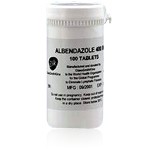
Albenza (Albendazole) stands as one of the most effective broad-spectrum anthelmintic medications for eliminating intestinal and tissue parasitic worm infections in both children and adults. As a benzimidazole carbamate, Albenza works by selectively damaging parasitic worm metabolism while sparing human cells, providing reliable single-dose or short-course treatment for the world's most common parasitic infections. The 200/400 mg oral tablets deliver potent anti-parasitic action with decades of clinical use across hundreds of millions of patients globally.
Albendazole works by selectively binding to parasitic worm beta-tubulin, preventing microtubule polymerization in worm cells. This disrupts essential cellular processes including glucose uptake, energy production, and cellular structure, causing parasite paralysis, glycogen depletion, and ultimate death within 2-7 days. The medication shows selective affinity for parasitic over mammalian tubulin, providing strong efficacy with minimal host toxicity. The result: worm clearance rates above 90% for most common nematode infections, complete cyst regression in 60-90% of hydatid cases, and resolution of neurocysticercosis lesions over months of treatment.
Albenza serves as first-line therapy across the most common human parasitic worm infections. For pinworm (Enterobius vermicularis) the medication provides single-dose cure with second dose at 2 weeks. For roundworm (Ascaris), hookworm (Ancylostoma, Necator), whipworm (Trichuris), and Strongyloides infections, short courses eliminate intestinal worms restoring nutrition and energy. For more serious systemic infections including neurocysticercosis (pork tapeworm in brain), hydatid disease (Echinococcus cysts in liver and lungs), cutaneous larva migrans, filariasis, and giardiasis, longer treatment courses provide curative or substantial reduction in disease burden.
Albenza offers convenient oral dosing taken with fatty food for optimal absorption (food increases bioavailability 5-fold). The medication reaches peak blood concentrations within 2-5 hours of dose with food, and active metabolite albendazole sulfoxide shows 8-12 hour half-life. Generic albendazole from quality manufacturers including Cipla, Sun Pharma, and Mankind provides identical therapeutic effects to brand Albenza at substantially lower cost. The active ingredient remains chemically identical to original GlaxoSmithKline formulation across both branded and generic versions of this established anthelmintic therapy.


Free prescription
Discrete packaging
Have questions?
Quality Assurance

- Parasitic Worms: Common helminth infections including roundworms hookworms pinworms whipworms and tapeworms;
- Intestinal Parasites: Wide range of worm and protozoan parasites affecting human digestive tract causing chronic symptoms;
- Pinworm Infection: Most common worm infection in children causing anal itching especially worse at night;
- Roundworm Infection: Ascaris lumbricoides infection affecting billions worldwide causing abdominal pain and nutritional deficiency;
- Hookworm Infection: Ancylostoma or Necator infection causing iron deficiency anemia through intestinal blood loss;
- Whipworm Infection: Trichuris trichiura causing chronic diarrhea anemia and growth impairment in children;
- Tapeworm Infection: Cestode infections including pork beef and fish tapeworms causing nutritional deficiency;
- Threadworm Infection: Strongyloides stercoralis causing persistent intestinal infection sometimes for decades;
- Strongyloidiasis: Medical term for threadworm infection requiring complete eradication to prevent hyperinfection;
- Neurocysticercosis: Pork tapeworm cysts in brain causing seizures and headaches requiring prolonged antiparasitic therapy;
- Hydatid Disease: Echinococcus tapeworm cysts in liver lungs and other organs from contact with infected dogs;
- Echinococcosis: Medical term for hydatid disease requiring extended albendazole therapy alongside surgery when feasible;
- Giardiasis: Intestinal protozoan infection from contaminated water causing chronic diarrhea and malabsorption;
- Larva Migrans: Skin or visceral larva migration from animal hookworm infection causing itchy serpiginous skin tracks;
- Filariasis: Threadlike worm infection affecting lymphatic system causing elephantiasis in tropical regions;
- Pediatric Worm Infections: Safe and effective treatment for children over 2 years for common worm infections;
- Worm Infection Prevention: Mass deworming programs in endemic areas reducing community worm burden;
- Travel Acquired Parasites: Treatment for parasitic infections acquired during travel to tropical or developing regions;
- Anthelmintic Therapy: Anthelmintic drug class treatment for eliminating parasitic worm infections systemically.
- Less Parasitic Infection: Complete elimination of parasitic worms in most infected patients with proper dosing;
- Less Pinworm Symptoms: Anal itching especially nighttime resolves within days of treatment for entire family;
- Less Abdominal Pain: Cramping pain bloating and discomfort from worm infections resolve as parasites die;
- Less Worm Diarrhea: Chronic loose stools from whipworm strongyloides or giardia infections resolve completely;
- Less Nighttime Anal Itching: Sleep-disrupting perianal itching from pinworm migration stops within first week;
- Better Nutrition Absorption: Intestinal nutrient absorption improves dramatically as worms no longer steal vitamins;
- Less Hookworm Anemia: Iron deficiency anemia from chronic intestinal blood loss reverses after worm elimination;
- Better Iron Status: Hemoglobin levels rise as hookworm blood loss stops and iron stores rebuild;
- Better Child Growth: Children with chronic worm infections regain normal growth and weight gain after treatment;
- More Energy: Fatigue from chronic worm infections improves as nutrition and iron status normalize;
- Less Cysticercosis Brain Lesions: Brain cysts from pork tapeworm regress over months of consistent therapy reducing seizures;
- Less Hydatid Cyst Volume: Echinococcus cysts shrink in 60-90% of cases after extended treatment courses;
- Less Larva Migrans Skin Tracks: Migrating skin tracks from animal hookworm larvae heal as larvae are killed;
- Less Filariasis Symptoms: Lymphatic worm infection symptoms improve through reduced worm load;
- Less Giardia Symptoms: Chronic diarrhea bloating and malabsorption from giardiasis resolve with treatment;
- Less Family Transmission: Treatment of all household members prevents pinworm reinfection cycles;
- Safe For Children: Safe and effective treatment for children over 2 years requiring deworming;
- Short Course Convenience: Most infections cured with single dose or short 3-day course fitting any family schedule;
- Better Quality of Life: Daily wellbeing improves dramatically as chronic GI symptoms fatigue and nutritional deficits resolve.
Generic Albenza (Albendazole 400 mg) Medication guide:
💊 What Albenza Is Broad Anthelmintic
Albenza is the American brand name for albendazole, a broad-spectrum anthelmintic that has been the backbone of parasitic worm treatment for four decades. It came out of SmithKline Beecham labs in the late 1970s, entered veterinary use first, and by the mid 1990s had FDA approval for two human indications: neurocysticercosis and hydatid disease.
What makes it stand out is the width of parasites it hits. Tapeworm larvae in the brain, hydatid cysts in the liver, roundworms in the gut, hookworms, whipworms, pinworms, some tissue-invading larvae, and a few protozoa (Giardia, microsporidia) all fall within its range. Very few anthelmintics cover that much ground with one molecule.
🧬 Drug class basics
Chemically, albendazole is a benzimidazole carbamate, in the same family as mebendazole, thiabendazole and flubendazole. All benzimidazoles work by binding parasite tubulin, but they differ in how well the human body absorbs them. Albendazole absorbs poorly on an empty stomach; a fatty meal boosts blood levels roughly fivefold. Section 14 goes into detail on why that matters.
💡 Key point: parent albendazole is a prodrug. The liver rapidly converts it into albendazole sulfoxide, and the sulfoxide is what actually kills the parasite. That is why the drug reaches tissues like the brain, cyst fluid and muscle even though the parent molecule barely gets into the bloodstream.
📋 What Albenza is approved for
The FDA label lists two indications: neurocysticercosis (brain cysts from Taenia solium) and hydatid disease (cysts from Echinococcus granulosus). Both are tissue-invasive parasitic diseases that older anthelmintics could not treat well.
Actual clinical use is much wider. Guidelines and textbooks routinely recommend albendazole for the intestinal roundworms (ascaris, hookworm, whipworm), pinworm, cutaneous larva migrans, trichinellosis, giardiasis when metronidazole is not tolerated, microsporidiosis in HIV, and combination regimens for filariasis. WHO uses it as the principal drug in global soil-transmitted helminth control.
💊 Available forms
In the United States, Albenza comes as 200 mg film-coated tablets. The standard 400 mg adult dose is two tablets. Outside the US, 400 mg tablets and chewable pediatric versions are common, and WHO deworming kits distribute chewable 400 mg tablets designed for kids from age two.
🌍 Global public health role
Albendazole is one of the most donated medications in history. GlaxoSmithKline has been sending hundreds of millions of tablets a year through WHO for soil-transmitted helminth and lymphatic filariasis programs since 1998. School-age children in endemic regions get treated annually or twice yearly with a single 400 mg dose. Very few drugs have been given to that many people.
🚫 What Albenza does not treat
Wrong drug for these infections
Albendazole has no activity against bacteria, viruses, fungi, malaria, amebiasis, leishmaniasis, trypanosomiasis or schistosomiasis. It is not a general "de-worm" for everything - it targets nematodes, cestodes and a narrow slice of protozoa. Do not take it for a viral cold, a bacterial infection or diarrhea of unclear cause.
Regulatory status matters too. In the US and most of Europe, Albenza is prescription-only. In many endemic regions albendazole is available over the counter for deworming. FDA lists it as pregnancy category D based on animal embryotoxicity - Section 28 covers pregnancy use in detail.
Bottom picture: Albenza is a broad-spectrum anthelmintic that handles both simple intestinal worms with a single 400 mg dose and complex tissue-invasive disease with prolonged weight-based regimens. The rest of this guide walks through each parasite it treats, how it is dosed, what to watch for and how to take it safely.
🧠 Albenza for Neurocysticercosis Brain Cysts
Neurocysticercosis, usually shortened to NCC, is what happens when the larval stage of the pork tapeworm (Taenia solium) ends up in the human brain. Globally it is the single biggest infectious cause of adult-onset seizures, and Albenza is the main drug used to kill the viable cysts.
🧠 How the cysts get there
The path is fecal-oral. A person swallows Taenia eggs from food, water or hands contaminated by a human tapeworm carrier. The eggs hatch in the intestine, the larvae cross the gut wall and travel through the bloodstream, and some of them settle in brain tissue where they form small fluid-filled cysticerci. Cysts can also lodge in muscle or eye.
💡 Key point: the pig is not needed for a human to get neurocysticercosis. Undercooked pork gives you the adult tapeworm in the intestine (taeniasis). Swallowing eggs from another person is what gives you the brain cysts.
🔬 What NCC looks like clinically
Presentation depends on where the cysts sit and how the immune system reacts to them. Seizures are the most common symptom, showing up in about 70 percent of symptomatic cases. Other features include persistent headache, focal neurological deficits, hydrocephalus from cysts blocking cerebrospinal fluid flow, and rarely a syndrome of encephalitis with many degenerating cysts at once.
Many people carry cysts without symptoms and get diagnosed when a CT or MRI is done for something else.
📊 Diagnostic categories that shape treatment
NCC is not one disease. Location and cyst status decide whether cysticidal therapy helps at all:
- Parenchymal cysts sit inside brain tissue. Viable ones respond to albendazole; calcified ones are already dead and do not.
- Extraparenchymal disease (subarachnoid, intraventricular, spinal, ocular) is harder. It needs longer therapy, higher doses and often a shunt or surgery.
- Viable vs degenerating vs calcified - only the first two are worth treating with drugs.
MRI is the workhorse imaging test. Cysticercosis serology (EITB Western blot) supports the diagnosis when imaging is not definitive.
💊 Where Albenza fits
Albendazole is preferred over praziquantel for most NCC because it reaches cerebrospinal fluid and cyst walls at higher concentrations. Current IDSA and ASTMH guidelines recommend cysticidal therapy for viable parenchymal cysts and, in a combined regimen with praziquantel, for patients with more than two viable cysts or subarachnoid disease.
📏 Standard NCC dosing
| Parameter | Detail |
|---|---|
| Albendazole dose | 15 mg/kg/day divided into two doses (max around 1200 mg) |
| Duration - parenchymal | 10 to 14 days, sometimes extended to 30 days |
| Duration - subarachnoid | 28-day courses, often repeated over months |
| Corticosteroid | Dexamethasone 0.1-0.4 mg/kg/day started before or with albendazole |
| Antiepileptic | If prior seizures; typically levetiracetam |
| Combination with praziquantel | 50 mg/kg/day when more than two viable cysts |
🚨 When NOT to start Albenza in NCC
Do not use cysticidal therapy in these scenarios
- Only calcified cysts on imaging - already dead, treatment does nothing
- Untreated hydrocephalus - place a shunt first
- Cysticercotic encephalitis - inflammation is already severe, killing more cysts makes it worse
- Ocular cysticercosis without ophthalmology clearance - risk of vision loss
- Uncontrolled cerebral edema - stabilize first
💡 Practical note: before starting albendazole for NCC, every patient needs a funduscopic exam. Ocular cysts kill the retina if inflammation spikes from cysticidal therapy.
📈 What outcomes look like
Trials from the Lima group and others show that albendazole roughly halves seizure recurrence and clears 30 to 60 percent of viable cysts per treatment cycle. Combination therapy with praziquantel improves those numbers further in patients with multiple cysts. Seizure medication often continues for one to two years after cyst resolution, guided by neurology follow-up.
Neurocysticercosis remains a leading preventable cause of adult epilepsy in Latin America, sub-Saharan Africa, South Asia and immigrant communities in higher-income countries. Coordinated care between infectious disease, neurology and neurosurgery is the standard of care.
🎯 Albenza for Hydatid Liver Lung Disease
Hydatid disease - the medical term is cystic echinococcosis - is a slow-growing infection caused by the larval stage of Echinococcus granulosus, a small tapeworm of dogs. In humans the parasite forms fluid-filled cysts, most often in the liver but also in the lung and other organs. Albenza is central to modern management, whether used alone, before surgery, after surgery or as an adjunct to a percutaneous procedure.
🐕 How infection happens
Dogs eat infected sheep or livestock offal, harbor the adult tapeworm in their intestine and shed eggs in feces. Humans pick up the eggs through contact with dog fur, contaminated water, or unwashed produce. Eggs hatch in the gut, larvae cross the gut wall, and they lodge in tissues where they grow into cysts over years.
💡 Key point: hydatid cysts grow slowly - millimeters per year. Many people discover them incidentally on a scan done for something else, long after the initial exposure. Symptoms arise from pressure on nearby structures or from complications like rupture.
📍 Where cysts end up
- Liver - about 70 percent of cases
- Lung - roughly 20 to 25 percent
- Spleen, kidney, bone, brain, muscle - less common
- Multiple organs in advanced disease
🔬 Symptoms and complications
Small cysts are silent. Larger ones cause right upper quadrant pain (liver), cough or hemoptysis (lung), or a palpable mass. Cyst rupture releases parasite antigens and can trigger anaphylaxis. Cysts can also become infected with bacteria or communicate with the biliary tree causing jaundice.
📊 WHO-IWGE cyst classification
The Brunetti-led WHO working group classified cysts into stages that drive management:
- CE1 - active unilocular; usually responds to medical therapy
- CE2 - active with daughter cysts; harder to treat
- CE3a and CE3b - transitional stages
- CE4 - inactive; usually just watched
- CE5 - inactive calcified; usually just watched
🛠️ Four treatment approaches
Modern hydatid management picks from four options depending on cyst stage, size and location: surgery, PAIR (puncture, aspiration, injection of scolicidal, reaspiration), medical therapy with albendazole, or watch and wait for inactive cysts. Individual cases can move between approaches over time.
💊 Where Albenza fits in each approach
Albendazole is used across the four scenarios:
- Small uncomplicated CE1 cysts - as primary therapy for cure
- Before surgery or PAIR - to reduce cyst viability and prevent secondary echinococcosis from spillage
- After surgery - one month if clean, three to six months if spillage occurred
- Inoperable or multi-cyst disease - long-term suppression
- Alveolar echinococcosis (a different, more aggressive Echinococcus species) - often lifelong therapy
📏 Standard hydatid dosing
| Parameter | Detail |
|---|---|
| Adult dose | 400 mg twice daily with fatty meals |
| Weight-based option | 15 mg/kg/day divided |
| Historical cyclic pattern | 28 days on, 14 days off, three to six cycles |
| Modern continuous approach | Increasingly preferred; sustained pressure on the parasite |
| Pre-surgical | 1 to 3 months before operation |
| Post-surgical | 1 month if no spillage, 3 to 6 months if spillage |
| Alveolar disease | Continuous, often years or indefinite |
📈 Response assessment
Ultrasound is the follow-up tool for liver cysts, at 3, 6 and 12 months and then annually. Signs of parasite death include cyst shrinkage, membrane detachment, solidification of the contents and calcification of the wall. Serology stays positive for years after cure and cannot be used to declare success.
Cure rates with albendazole alone for small CE1 cysts run around 30 to 40 percent. Combining with PAIR or timing surgery when the cyst has shrunk gets better results. CE2 cysts (daughter cysts) respond less well and often need surgery.
🚨 Anaphylaxis risk
Rupture is an emergency
A hydatid cyst that ruptures spontaneously or during a procedure spills antigen into the peritoneum, pleura or bloodstream. This can trigger anaphylaxis and seed secondary echinococcosis in surrounding tissues. Careful surgical technique plus peri-procedural albendazole is the standard preventive approach.
Alveolar echinococcosis, caused by E. multilocularis, is a different animal. It grows like a slow cancer, is often unresectable at diagnosis, and needs continuous albendazole for years or life. Referral to a specialized center is standard.
Hydatid disease is a long-haul diagnosis. Follow-up runs into years, and imaging surveillance continues even after cure to catch reactivation or new cysts.
🪱 Albenza for Ascaris Roundworm Infections
Ascariasis is infection with Ascaris lumbricoides, the largest roundworm that lives in humans - adult females can reach 40 centimeters. It infects around 800 million to 1.4 billion people worldwide and is one of the three main soil-transmitted helminths that Albenza is designed to treat.
🪱 About the parasite
Ascaris eggs live in soil contaminated by human feces. A person swallows them on unwashed produce, in dirty water, or off hands. Eggs hatch in the intestine, the larvae cross the gut wall, migrate through the bloodstream to the lungs, climb the bronchial tree, get swallowed back down and mature into adults in the small intestine. Adult worms live one to two years, producing thousands of eggs a day.
🔬 Clinical picture
Most infections are asymptomatic. Heavy worm burdens cause abdominal pain, poor appetite, nausea and visible passage of worms in stool or occasionally in vomit. In children, chronic heavy infection stunts growth.
The larval migration through the lungs can produce a brief eosinophilic pneumonitis called Loeffler syndrome - cough, wheeze and pulmonary infiltrates a couple of weeks after infection.
🚨 Serious complications
Heavy worm burden emergencies
- Intestinal obstruction from tangled worm masses
- Biliary ascariasis - worm entering the common bile duct
- Pancreatitis when a worm blocks the pancreatic duct
- Appendicitis-like presentation from a worm in the appendix
- Rarely intestinal perforation
📏 Standard ascariasis dosing
| Scenario | Regimen |
|---|---|
| Standard adult and child over age 2 | 400 mg single dose |
| Heavy infection | 400 mg daily for three days |
| Mass drug administration | 400 mg once annually or twice yearly |
| Children 12 to 23 months in MDA | 200 mg single dose |
📈 How well it works
Single-dose albendazole cures ascariasis in over 95 percent of cases and cuts egg output nearly to zero even in the residual few percent that are not fully cured. It is one of the most reliable single-dose treatments in all of infectious disease.
💡 Practical tip: the fatty-meal rule matters less here than it does for tissue infections. Ascaris lives in the gut lumen, so parent albendazole reaches it directly. A regular meal is fine.
⚖️ Alternatives
Mebendazole 500 mg once, pyrantel pamoate 11 mg/kg, and ivermectin 200 mcg/kg all treat ascaris effectively. Albendazole is preferred when the same patient likely has mixed infections (hookworm, whipworm) because it hits all three with one dose.
🗺️ Biliary ascariasis
An adult worm can migrate up the biliary tree, blocking the common bile duct or entering the pancreatic duct. This shows up as severe right upper quadrant pain, jaundice or acute pancreatitis. Endoscopic retrograde cholangiopancreatography (ERCP) is used to fish the worm out, followed by albendazole to kill remaining worms.
🌍 Public health context
WHO deworming programs target ascaris as one of the three main soil-transmitted helminths. School-age children in endemic zones get 400 mg annually or twice yearly. Preschool children and pregnant women (after the first trimester) are also included in expanded programs. Section 9 goes into program details.
🚿 Why sanitation matters as much as drugs
Drug treatment kills the worms in one person but does not stop transmission. Eggs keep coming from every other infected person in the community, and reinfection is the norm in endemic areas within months of treatment. Latrines, safe water and hand hygiene are what make deworming last.
🔄 Follow-up
For an individual client with clear symptoms, a stool exam two to four weeks after treatment confirms cure if symptoms persist. Symptomatic improvement usually happens within days as the worms die and pass. Retreatment is easy and safe if needed.
💡 Key point: passing a dead worm in stool after treatment is normal and expected in heavy infections. It is not a sign of a problem - it is a sign the drug is working.
Ascariasis is one of the easiest parasitic infections to treat: one dose, over 95 percent cure, minimal side effects, and Albenza is central to that story.
🪱 Albenza for Hookworm and Threadworm Infections
Hookworm infection is one of the most damaging soil-transmitted helminthiases because the adult worms feed on blood in the small intestine. Chronic infection causes iron-deficiency anemia, and in children and pregnant women that anemia hits hard. Albenza is one of two first-line treatments, with the exact regimen varying by worm burden.
🪱 The two hookworms of humans
Two species cause almost all human infections:
- Necator americanus - dominant in the Americas, Africa and much of Asia
- Ancylostoma duodenale - found around the Mediterranean, the Middle East and parts of Asia
Both are small (roughly one centimeter), both live attached to the small intestinal wall, and both feed on blood.
👟 How infection happens
Infective larvae live in warm moist soil contaminated with human feces. They penetrate intact skin, usually through bare feet, migrate through the bloodstream to the lungs, climb the bronchial tree, get swallowed and mature in the small intestine. The migration through skin can leave an itchy rash called ground itch.
💡 Key point: hookworm infection is preventable by wearing shoes. That is a public health message that saves more anemia than any single dose of anthelmintic.
🩸 Clinical impact - the anemia problem
Each adult hookworm consumes roughly 0.03 to 0.25 mL of blood per day. Multiply that by dozens or hundreds of worms and by years of infection, and the result is chronic iron-deficiency anemia. Children fall behind in growth and cognitive development. Pregnant women face worse maternal and fetal outcomes. Adults report fatigue, pallor and reduced work capacity.
📏 Standard hookworm dosing
| Scenario | Regimen |
|---|---|
| Standard single-dose | 400 mg once |
| Heavy infection | 400 mg daily for three days |
| Mass drug administration | 400 mg once annually or twice yearly |
| Iron replacement | Oral iron for 3 to 6 months to correct anemia |
⚠️ Efficacy is lower than for ascaris
Cure rates run 70 to 80 percent single-dose
Hookworm is harder to kill than ascaris. Single 400 mg doses clear roughly 70 to 80 percent of infections. Three-day regimens push that higher for heavy infections. Some regions report declining cure rates, which raises the question of early anthelmintic resistance - an active area of surveillance.
💉 Iron replacement is part of treatment
Killing the worms stops further blood loss but does not fix the anemia that already exists. Oral iron for three to six months restores stores. Severe anemia may need intravenous iron or transfusion. In children, cognitive recovery follows iron repletion, not just deworming.
🪱 Strongyloides - a different beast
Strongyloides stercoralis is often lumped together with hookworm as a "threadworm" because the larvae look similar, but the biology is different. Strongyloides can autoinfect, meaning the person stays infected for decades without new external exposure. It also causes a life-threatening hyperinfection syndrome when the immune system is suppressed - by steroids, HTLV-1, transplant or chemotherapy.
💡 Practical rule: screen for Strongyloides in anyone from an endemic region before starting corticosteroids or immunosuppression. Missing this diagnosis and then giving steroids can be fatal.
💊 Treating Strongyloides
Ivermectin 200 mcg/kg on days 1 and 2 is first-line and clearly better than albendazole. Albendazole 400 mg twice daily for seven days is an alternative when ivermectin is not available. For hyperinfection, ivermectin daily until larvae are undetectable, often with albendazole added.
😺 Cutaneous larva migrans
Dog and cat hookworm larvae can penetrate human skin but cannot mature. They wander in the epidermis leaving a serpiginous itchy track known as creeping eruption. Common in travelers who walked barefoot on beaches. Albendazole 400 mg daily for three to seven days clears it. Ivermectin as a single dose is an alternative.
🚒 Screening in newcomers
Refugees and immigrants from endemic regions in Africa, South Asia and Latin America often receive empirical treatment for the common intestinal parasites - albendazole for STH, ivermectin for Strongyloides, and praziquantel for schistosomiasis. This screening reduces long-term complications and is standard practice in many resettlement clinics.
🔄 Follow-up
Stool exam two to four weeks after treatment if symptoms persist. Full blood count and iron studies at 3 to 6 months to track anemia recovery. Prevention is the long-term answer: footwear in endemic zones, sanitation, and repeat deworming if reinfection risk stays high.
🪲 Albenza for Whipworm and Pinworm Treatment
Whipworm and pinworm sit at opposite ends of a spectrum. Whipworm is the hardest of the soil-transmitted helminths to kill; pinworm is one of the easiest but the most annoying to eradicate from a household. Albenza treats both, but the strategy differs.
🪱 Whipworm basics
Trichuris trichiura is a small nematode that lives in the human large intestine and cecum. Around 400 to 500 million people carry it worldwide. Transmission is fecal-oral through soil contamination.
🔬 What whipworm does
Light infections are silent. Heavy infections cause chronic diarrhea, abdominal pain and in severe pediatric cases the classic Trichuris dysentery syndrome - bloody mucous diarrhea, growth failure, finger clubbing and rectal prolapse from constant straining. Chronic infection stunts growth and cognitive development in children.
⚠️ Whipworm resists single-dose treatment
Cure rates only 30 to 50 percent single-dose
Trichuris is the hardest STH to eradicate with a single 400 mg dose of albendazole. Egg reduction is better than cure, but many people stay infected. Three-day regimens (400 mg daily for three days) substantially improve outcomes, and adding ivermectin or oxantel pamoate pushes cure rates higher in trials.
📏 Whipworm dosing options
| Scenario | Regimen |
|---|---|
| MDA single-dose | 400 mg once (limited cure rate) |
| Clinical treatment | 400 mg daily for three days |
| Heavy infection | 400 mg daily for three to five days plus ivermectin |
| Dysentery syndrome | Multi-day therapy plus nutritional support |
🪲 Pinworm - the family disease
Enterobius vermicularis is a small white nematode that lives in the cecum and colon. It is the most common human worm in temperate climates including the United States and Europe. Nearly every case shows up as a child with anal itching at night.
🌙 Why pinworm spreads so easily
Adult female worms migrate to the perianal skin at night and lay eggs there. The eggs become infective within a few hours. Scratching transfers them to hands, fingernails, bed linens and clothing. From there they go into mouths and back into the intestine. Household transmission is the rule, not the exception.
💡 Key point: pinworm eggs survive for weeks on hard surfaces, in bedding and on clothing. Treating one child without treating the household and washing the linens is a recipe for the itching to come right back.
🔍 Pinworm diagnosis
The classic test is the tape test: clear adhesive tape pressed briefly to the perianal skin first thing in the morning, before bathing. Female worms lay eggs at night, so morning is when they show up. Doing the test on three consecutive mornings improves sensitivity. Standard stool ova and parasite tests miss pinworm because the eggs are on skin, not in stool.
Empirical treatment is reasonable when the story is classic - a school-age child with nighttime anal itching, no other symptoms, and a household member with the same complaint.
💊 Pinworm treatment
Two doses of albendazole 400 mg (200 mg for children under two), given two weeks apart, cure pinworm. The second dose catches larvae that hatched from eggs already deposited. All household members take both doses at the same time.
🧺 The household plan
- Everyone in the household takes 400 mg the same day
- Wash all bedding, pajamas, towels and stuffed animals in hot water
- Vacuum bedrooms and living areas
- Keep fingernails short
- Frequent hand washing, especially before meals and after toilet
- Discourage nail biting and thumb sucking in kids
- Repeat the drug dose and the laundry two weeks later
💡 Practical rule: skipping the second dose is the single most common reason pinworm comes back within a month.
⚖️ Alternatives for pinworm
Mebendazole 100 mg once, repeated in two weeks, works equally well. Pyrantel pamoate is available over the counter in many countries as a single dose with a two-week repeat. Choice depends on availability, cost and whether the child also has other intestinal worms.
🏫 Institutional outbreaks
Schools, daycare centers and residential facilities occasionally see wider outbreaks. Coordinated treatment of affected children plus household plus environmental cleaning breaks the cycle. Notification to families supports coordinated action.
💀 Rare complications
Pinworm can occasionally cause vulvovaginitis in girls (from migration to the vagina), appendicitis-like symptoms, or granulomatous inflammation from ectopic worms. Standard treatment plus symptomatic care handles nearly all of it.
Whipworm and pinworm bracket the difficulty range of intestinal worm treatment. One takes days of dosing and sometimes combination therapy; the other takes two doses and a load of laundry. Albenza covers both.
⚙️ How Albenza Works Against Parasites
Understanding how albendazole works helps make sense of everything else in this guide: why fatty meals matter, why the drug is slow, why it targets parasites but spares humans, and why some infections need weeks of treatment while others need one dose.
🧬 The molecular target
Albendazole binds to parasite beta-tubulin, a protein that assembles into microtubules inside cells. Microtubules are the internal scaffolding and transport network of every eukaryotic cell. Without them, cells cannot maintain shape, cannot transport proteins internally, and cannot divide properly.
⚡ What happens when microtubules stop working
Once tubulin is blocked, a chain of consequences hits the parasite:
- Glucose uptake at the worm surface fails
- Glycogen stores drain
- ATP production collapses
- Secretion of vital proteins stalls
- Cellular integrity breaks down
- The worm becomes paralyzed and eventually dies
💡 Key point: albendazole does not kill worms instantly. It starves them. That is why treatment courses last days for gut worms and weeks or months for tissue infections - the parasite needs time to run out of energy.
👤 Why humans are spared
Human tubulin has a slightly different binding pocket than parasite tubulin. Albendazole binds parasite tubulin roughly 25 to 400 times more tightly than human tubulin. That selectivity is the reason side effects are relatively modest despite the drug hitting a protein present in every cell. It also explains why toxicity does show up at high doses over long periods - the human protein is not immune to binding, just much less sensitive.
🔬 The prodrug story
Swallowed albendazole itself does almost nothing. It has to reach the liver, where enzymes (mostly CYP3A4 and flavin monooxygenases) convert it into albendazole sulfoxide. Sulfoxide is the active anthelmintic. Further metabolism turns sulfoxide into an inactive sulfone that is cleared by the kidneys.
This matters because:
- Anything that induces CYP3A4 (phenytoin, carbamazepine, rifampin) lowers sulfoxide levels and can reduce efficacy
- Anything that inhibits it (dexamethasone, cimetidine) raises levels - useful in NCC where dexamethasone is used anyway
- Fatty meals boost absorption of the parent drug so more of it reaches the liver to be converted
🗺️ Tissue penetration
Albendazole sulfoxide gets to places most drugs struggle to reach. It crosses the blood-brain barrier well enough to treat cysticerci, penetrates the fibrous wall of hydatid cysts, reaches muscle for trichinellosis, and gets into bone. That tissue distribution is what makes it the drug of choice for tissue-invasive parasitic disease.
💡 Practical implication: gut worms only need parent albendazole, which reaches them through the intestinal lumen. Tissue infections need sulfoxide, and sulfoxide levels depend on absorption plus liver conversion plus the fatty meal boost. This is why the fatty-meal instruction matters so much more for NCC and hydatid than for a single-dose pinworm treatment.
⚖️ Compared with mebendazole
Mebendazole is chemically similar and works the same way. It absorbs even less well and stays mostly in the gut lumen. That makes it fine for intestinal worms but poor for tissue infections. Albendazole beats it for NCC, hydatid disease, trichinellosis and CLM because the sulfoxide metabolite actually reaches those tissues.
🥚 Effect on parasite eggs
Albendazole is ovicidal for many nematode eggs, reducing environmental contamination in addition to killing adult worms. In mass drug administration this contributes to public health impact even before individual cure rates - fewer eggs mean fewer new infections.
🧪 Why protozoa are mostly off-limits
Most protozoa have tubulin structures dissimilar to helminth tubulin. Two exceptions - Giardia and microsporidia - have benzimidazole-sensitive tubulin, so albendazole works against them. Malaria, amebiasis, leishmaniasis and trypanosomiasis do not respond.
💉 Why bacteria and viruses do not respond
Bacteria do not have eukaryotic microtubules; their equivalent proteins are structurally different. Viruses have no independent metabolism at all. Albendazole has no antibacterial or antiviral activity whatsoever. Do not use it for infections outside the parasite spectrum.
⚠️ Resistance signals
Emerging concern
Veterinary anthelmintic resistance is well established in livestock parasites. Human resistance is not clinically confirmed but reduced cure rates in some MDA programs, especially against hookworm and whipworm, raise the alarm. Mutations in parasite beta-tubulin have been detected. Monitoring continues and combination regimens are one of the strategies being trialed.
💡 Bottom picture: albendazole is a slow-acting, selective inhibitor of parasite tubulin. Its prodrug conversion, tissue penetration and long list of susceptible species are all downstream of that single mechanism. Every dosing decision in this guide flows from those pharmacology basics.
⚖️ Albenza vs Mebendazole Anthelmintic Comparison
Albendazole and mebendazole are the two workhorse benzimidazoles in human medicine. They share the same mechanism and a similar safety profile, but they differ in absorption, tissue penetration and preferred uses. Understanding which to pick is easier once the differences are clear.
🧬 Shared foundation
Both bind parasite beta-tubulin. Both starve worms of glucose by disrupting microtubule-dependent uptake. Both are cheap, widely available and generally well tolerated. Both are on the WHO Model List of Essential Medicines. From a mechanism standpoint they are cousins, not competitors.
📊 Head-to-head
| Feature | Albendazole | Mebendazole |
|---|---|---|
| Oral bioavailability | Low but boosted 5x by fatty meal | Very low, less food-dependent |
| Active form | Sulfoxide metabolite | Parent drug primarily |
| Tissue penetration | Good - reaches CSF, cyst fluid, muscle | Limited - mostly intestinal |
| Neurocysticercosis | First-line | Alternative, less used |
| Hydatid disease | First-line | Alternative |
| Intestinal roundworm | Excellent | Excellent |
| Pinworm | Excellent | Excellent |
| Hookworm | Good, similar | Good, similar |
| Whipworm single-dose | Modest | Modest |
| US availability | Widely available | Available, historic supply issues |
| Global MDA use | Predominant | Also used |
🎯 When albendazole is the better pick
- Neurocysticercosis - albendazole sulfoxide reaches cerebrospinal fluid at treatment levels; mebendazole barely gets there
- Hydatid disease - sulfoxide penetrates cyst fluid
- Trichinellosis - reaches encysted larvae in muscle
- Cutaneous larva migrans
- Strongyloidiasis when ivermectin is not available
- Broad-spectrum mass drug administration - preferred in WHO programs
- Mixed tissue and intestinal disease
📍 When mebendazole is reasonable
- Isolated intestinal nematode infections where either drug would work
- Pediatric pinworm in countries where mebendazole is the traditional first choice
- Cost or formulary preferences
- Concern about systemic side effects (mebendazole has less systemic absorption)
- Local supply chain reasons
📏 Dosing comparison
| Infection | Albendazole | Mebendazole |
|---|---|---|
| Ascariasis | 400 mg once | 500 mg once or 100 mg BID x 3 days |
| Hookworm | 400 mg once or x 3 days | 500 mg once or 100 mg BID x 3 days |
| Trichuriasis | 400 mg daily x 3 days | 100 mg BID x 3 days |
| Enterobiasis | 400 mg, repeat at 2 weeks | 100 mg, repeat at 2 weeks |
| Trichinellosis | 400 mg BID x 8-14 days | Higher-dose multi-day therapy |
💉 Safety profile
Both drugs are well tolerated in short courses. Prolonged therapy carries a slightly higher hepatic and hematologic monitoring load with albendazole because more of it reaches the systemic circulation. Mebendazole with less absorption has fewer laboratory abnormalities. Both are FDA pregnancy category D based on animal embryotoxicity.
🌍 Cost and availability
Both are affordable in most regions. GSK donations keep albendazole flowing into WHO deworming programs at scale. Mebendazole had supply issues in the US market for years but generic availability improved. Local pharmacy stock is often what actually decides which one gets used.
🤝 Not combined with each other
Albendazole and mebendazole are essentially never given together - same mechanism, no synergy, more side effects for no gain. Either one is instead combined with mechanistically different partners: praziquantel for cestodes, ivermectin for whipworm and Strongyloides, diethylcarbamazine for filariasis.
🔬 Other benzimidazoles
Thiabendazole is an older benzimidazole with higher toxicity, largely retired. Flubendazole is used in a few countries and resembles mebendazole. Fenbendazole and other veterinary benzimidazoles show up in social media claims about various diseases but are not approved for human use and are not covered here.
🧪 New combination directions
Investigational combinations like albendazole plus oxantel pamoate for whipworm and triple therapy for lymphatic filariasis (ivermectin plus diethylcarbamazine plus albendazole, called IDA) are pushing efficacy higher and may reduce the risk of resistance building up against any single drug.
✅ The practical answer
💡 Practical rule: if the infection is intestinal-only, use whatever your pharmacy stocks. If tissue is involved - brain, muscle, cyst - albendazole is the first choice. If mass programs are the context, albendazole is what WHO ships, and there is no reason to change that.
The decision between the two benzimidazoles rarely needs to be complicated. Match the drug to the parasite location and the practical context, dose correctly, follow up, done.
🌍 Albenza in Global Mass Deworming
Albenza is one of the most widely distributed medications in the history of medicine. Not for its cost or novelty but because global public health decided decades ago that a cheap effective anthelmintic given to hundreds of millions of people every year was the way to control soil-transmitted worms in endemic regions.
📦 Scale of distribution
GlaxoSmithKline has donated hundreds of millions to over a billion albendazole tablets annually since 1998 through WHO programs. That donation runs alongside similar large-scale donations of ivermectin (for onchocerciasis and filariasis) and praziquantel (for schistosomiasis). Together they form the backbone of neglected tropical disease control.
🎯 What the programs target
- Soil-transmitted helminths - Ascaris, hookworm, Trichuris
- Lymphatic filariasis - combined with ivermectin or diethylcarbamazine
- Selective use in onchocerciasis programs
The umbrella term is preventive chemotherapy - treating whole populations at risk without individually diagnosing each person, on the assumption that the prevalence is high enough and the drug safe enough that mass treatment does more good than harm.
📋 WHO strategy
WHO recommends mass drug administration in areas where STH prevalence exceeds 20 percent. Once yearly for moderate prevalence, twice yearly for high prevalence. Target populations:
- Preschool children ages 12 to 59 months
- School-age children ages 5 to 14 - the main target
- Adolescent girls and women of reproductive age
- Pregnant women after the first trimester in high-prevalence areas
- Occupational groups with heavy exposure
📏 The regimen
Single 400 mg albendazole (200 mg for children 12 to 23 months), repeated annually or twice yearly. Chewable tablets for young children. No individual diagnosis needed. Delivery is often through schools with teachers or community health workers.
📈 Documented public health impact
- Reduced Ascaris and hookworm prevalence in treated communities
- Reduced hookworm-related anemia in adolescent girls and pregnant women
- Improved growth in some studies, mixed results in others
- Reduced disability-adjusted life years lost to STH
- Contribution to lymphatic filariasis elimination in multiple countries
🧪 The cognitive-outcomes debate
Contested benefit
Several large randomized trials and Cochrane reviews questioned whether mass deworming reliably improves child growth, cognition or school attendance. Public health voices responded that measured effects on worm burden and anemia are real, cost-effectiveness supports the programs, and heavy individual infections clearly benefit. The debate is ongoing, but the programs continue.
🌍 Lymphatic filariasis elimination
The Global Programme to Eliminate Lymphatic Filariasis combines albendazole with either ivermectin (Africa) or diethylcarbamazine (Americas and Asia). Multiple countries have been validated as having eliminated LF as a public health problem. A newer triple therapy called IDA - ivermectin, diethylcarbamazine and albendazole - has better macrofilaricidal activity and is being rolled out where safe to use.
🔬 DeWorm3 and community-wide MDA
Historic programs focus on school-age children because they carry the heaviest worm burdens and are easy to reach. The DeWorm3 studies, led by Judd Walson at the University of Washington, test whether treating whole communities can actually interrupt STH transmission rather than just reduce morbidity. Results will shape the next generation of WHO recommendations.
💬 Delivery
Common delivery channels:
- School-based distribution by teachers or nurses
- Community drug distributors in adult programs
- Integration with vitamin A supplementation
- Integration with routine childhood immunization campaigns
- Antenatal care visits in some settings
✅ Safety at scale
Hundreds of millions of doses distributed with an excellent safety profile. Common minor side effects - abdominal pain, headache - are self-limited. Serious adverse events are rare. The safety record is what makes mass administration without individual medical evaluation acceptable public health policy.
💧 WASH and the limits of drugs
Deworming reduces worm burden in the treated person but does not stop transmission. Eggs keep coming from the environment. Sanitation, safe water and hand hygiene - the WASH agenda - are what make gains stick. Programs that combine anthelmintic distribution with WASH infrastructure investments do better in the long run.
⚠️ Resistance surveillance
Sentinel-site monitoring of cure rates and egg reduction rates is the early warning system for anthelmintic resistance. Concerning declines have been reported in hookworm and whipworm in some settings. Rotation of drugs, combination regimens and investment in newer molecules like tribendimidine are all part of the response.
💡 Bottom picture: Albenza is one of the biggest tools global health has ever built for parasitic disease control. It is not a silver bullet - it needs sanitation, monitoring and continued research to keep working. But the scale of distribution and the measured impact make it a genuine success story of the last three decades.
📏 Albenza Dosing by Parasite Type
Albenza dosing varies more than most drugs. A single 400 mg tablet cures a pinworm; a 30-day weight-based twice-daily course clears brain cysts. The right dose depends entirely on which parasite is being treated and where it lives.
📋 Dosing at a glance
| Indication | Dose | Duration |
|---|---|---|
| Ascariasis | 400 mg | Single dose |
| Hookworm | 400 mg | Single dose or 3 days |
| Trichuriasis (whipworm) | 400 mg daily | 3 days |
| Enterobiasis (pinworm) | 400 mg | Single dose, repeat at 2 weeks |
| Strongyloidiasis (alternative) | 400 mg twice daily | 7 days |
| Cutaneous larva migrans | 400 mg daily | 3 to 7 days |
| Trichinellosis | 400 mg twice daily | 8 to 14 days |
| Giardiasis (alternative) | 400 mg daily | 5 days |
| Microsporidiosis | 400 mg twice daily | 2 to 4 weeks |
| Hydatid disease | 400 mg twice daily | 28-day cycles or continuous |
| Neurocysticercosis | 15 mg/kg/day divided BID | 10 to 30 days |
| Lymphatic filariasis | 400 mg with ivermectin or DEC | Annual single dose |
💊 Standard tablet form
In the US Albenza comes as 200 mg film-coated tablets. The standard 400 mg dose is two tablets. Some regions have 400 mg tablets and chewable pediatric versions. Take with a meal - fatty meal for tissue infections, any meal for gut worms.
🧒 Pediatric dosing
- Under 12 months - not routine MDA; individual clinical decisions only
- 12 to 23 months - 200 mg single dose in mass programs
- 24 months and older - 400 mg standard STH dose
- NCC and hydatid - 15 mg/kg/day weight-based, twice daily
🧮 Weight-based tissue dosing
For NCC and hydatid disease, dose is 15 mg/kg/day divided into two doses. Adults over 60 kg typically get the fixed 400 mg twice daily. Maximum daily dose in most protocols is 800 to 1200 mg. Some NCC regimens go to the higher end for extensive subarachnoid disease under specialist care.
📅 Cyclic vs continuous hydatid dosing
The historical hydatid regimen was 28 days on, 14 days off, repeated three to six times. The rest periods were originally about safety concerns. Modern practice increasingly uses continuous dosing with lab monitoring, which the WHO-IWGE consensus now supports. Both approaches work.
🧠 NCC duration by location
- Parenchymal cysts - 10 to 14 days standard, sometimes extended to 30 days
- Subarachnoid or racemose NCC - 28-day courses, often repeated over months or years
- Higher cumulative doses with prolonged treatment
- Individual response and imaging guide duration
🫀 Hepatic impairment
Cautious dosing needed
Severe liver disease can cause sulfoxide accumulation and raises hepatotoxicity risk. There is no fixed dose reduction rule, but monitor liver enzymes closely and consider extended dosing intervals. Some clinicians avoid albendazole in advanced cirrhosis and choose alternative approaches when possible.
🧫 Renal impairment
Albendazole and sulfoxide are barely excreted by the kidneys. Standard dosing across all CKD stages, including dialysis. This is one of the simpler adjustments in the drug.
🤰 Pregnancy dosing
Category D consideration
Albendazole is FDA pregnancy category D based on animal embryotoxicity. Avoid in the first trimester. WHO permits single-dose STH treatment in the second or third trimester in high-prevalence regions. Tissue disease is individualized with obstetrics. Section 28 covers pregnancy in detail.
🍝 Meal timing summary
- Tissue infection (NCC, hydatid, trichinellosis) - always with a fatty meal
- Intestinal-only - any meal works
- Consistent timing supports adherence during multi-week courses
🕛 Once vs twice daily
Twice daily dosing for tissue infections keeps sulfoxide levels steadier and improves penetration into cyst walls and CSF. Single-dose regimens are enough for intestinal worms because parent drug reaches them directly.
🤝 Combination dosing
- NCC with praziquantel - albendazole 15 mg/kg/day plus praziquantel 50 mg/kg/day
- NCC with dexamethasone - dexamethasone 0.1-0.4 mg/kg/day
- LF with ivermectin - albendazole 400 mg plus ivermectin 200 mcg/kg
- LF with DEC - albendazole 400 mg plus diethylcarbamazine 6 mg/kg
- Whipworm plus ivermectin - albendazole 400 mg daily x 3 days plus ivermectin 200 mcg/kg
💡 Practical rule: intestinal worms - short and simple. Tissue disease - long, weight-based, with a fatty meal, and often combined with a second drug and a steroid. The rest of this guide walks through the daily practicalities.
🚀 Starting Albenza Therapy First Steps
Starting Albenza correctly saves problems later. The workup is small for a single-dose deworming and much bigger for a 30-day neurocysticercosis course. Match the effort to the therapy.
🔍 Diagnosis first
Individual clinical use should be based on an identified infection. Options depending on the target:
- Stool ova and parasites for intestinal worms
- Tape test for pinworm (stool O and P misses pinworm)
- Imaging (MRI, CT, ultrasound) for tissue disease
- Serology for cysticercosis and echinococcosis
- Direct visualization of worms (endoscopy, surgery)
Mass drug administration is the one exception - it deliberately treats without individual diagnosis, based on population prevalence.
📋 Workup for simple intestinal disease
Not much needed:
- Stool test or direct worm identification
- Full blood count if anemia is suspected
- Pregnancy status in women of reproductive age
- Medication list and allergy history
- Prior anthelmintic exposure
🧠 Pre-treatment workup for NCC
Neurocysticercosis needs a serious baseline:
- Brain MRI to characterize cyst number, location and viability
- Funduscopic exam to rule out ocular cysticercosis (contraindication)
- Hydrocephalus assessment - shunt first if present
- EEG if seizure disorder
- Cysticercosis serology - EITB Western blot preferred
- Stool exam for Taenia - eliminate any adult tapeworm the person is carrying
🫀 Pre-treatment workup for hydatid
Ultrasound is the first-line imaging test for liver hydatid. CT or MRI for lung, brain or bone. WHO-IWGE cyst classification guides the choice of therapy. Serology supports the diagnosis but false negatives happen, and it cannot be used to track response.
🧪 Baseline labs for prolonged therapy
- Complete blood count with differential
- Comprehensive metabolic panel
- Liver enzymes (ALT, AST, alkaline phosphatase, bilirubin)
- Creatinine
- Pregnancy test in women of reproductive age
- Baseline eosinophil count
🚨 Contraindication screen
Do not start Albenza if any of these apply
- Hypersensitivity to albendazole or other benzimidazoles
- First trimester of pregnancy (unless emergency)
- Ocular cysticercosis without prior ophthalmology treatment
- Untreated hydrocephalus in NCC
- Cysticercotic encephalitis - cysticidal therapy makes it worse
🤰 Reproductive counseling
Women of reproductive age need a negative pregnancy test before starting prolonged therapy and effective contraception during treatment and for at least one month after. This is a category D drug - counseling is not optional. Section 28 covers pregnancy considerations in detail.
💊 Medication reconciliation
Review every medication and supplement before starting. Key interactions to flag:
- CYP3A4 inducers (phenytoin, carbamazepine, rifampin) reduce sulfoxide levels
- Dexamethasone increases sulfoxide levels - useful in NCC where it is co-prescribed
- Cimetidine also boosts levels
- St. John wort reduces levels
💬 Setting expectations with the client
- Duration - single dose vs weeks vs months
- Meal instruction - fatty meal for tissue infections
- Common side effects - headache, abdominal pain, nausea
- Serious side effects to report (Sections 17 and 18)
- Follow-up plan for labs and imaging
- Realistic response timeframe
👨👩👧 Household and contact assessment
Pinworm requires household treatment. Ascariasis and hookworm in endemic settings benefit from household screening. A confirmed Taenia carrier in the family of an NCC patient must be treated to remove the source. Public health notification applies to some infections.
🏥 Pre-treatment steps specific to NCC
- Control seizures with an antiepileptic drug if any prior history
- Address hydrocephalus first - shunt if needed
- Start corticosteroid before or with albendazole
- Ophthalmology clearance for retinal cysts
- Coordinated care with infectious disease and neurology
📝 Documentation
Record the indication, baseline studies, dosing plan, expected duration, monitoring schedule and counseling provided. That structure supports adherence, safety and handoffs between clinicians.
💡 Practical rule: a well-scoped start is what makes a smooth course. Skimping on baseline labs or contraindication screening in a prolonged tissue therapy is what causes preventable problems weeks in.
👀 First few days
Watch for early reactions in the first days. Allergic reactions show up early if they show up at all. NCC patients need close monitoring for worsening headache or new seizures reflecting the inflammatory response to dying cysts - this is what the steroid is there for.
📈 Response Assessment During Albenza Treatment
Response assessment during Albenza treatment is straightforward for gut worms and slow for tissue infections. Setting expectations early makes the follow-up experience less anxious for the client and more accurate for the clinician.
⏱️ Timeline expectations
Two very different clocks are running:
- Intestinal worms - symptoms improve in days, eggs clear in weeks
- Tissue infections (NCC, hydatid) - imaging changes over months, sometimes years
💩 Intestinal worm response
Fast and usually definitive. Symptomatic improvement within days. Dead worms sometimes pass in stool during the first week. Stool O and P clearance at two to four weeks. Anemia recovery over months alongside iron replacement. Growth catch-up in kids over months to a year.
👩👧 Pinworm follow-up
The second dose at two weeks catches larvae hatched from residual eggs. Simultaneous household treatment plus environmental cleaning breaks the transmission cycle. Reinfection is possible - a second course clears it if symptoms return.
🧠 NCC response
Slow imaging changes:
- Baseline MRI characterizes cyst number, location and viability
- Follow-up MRI at 3 to 6 months assesses cyst response
- Cyst resolution is progressive over months
- Calcification can replace some cysts and indicates parasite death
- Seizure control tracks separately from cyst status
- Annual imaging until stable
📈 NCC cyst response patterns
Cysts can resolve completely, calcify (dead), persist unchanged, or occasionally enlarge transiently from inflammation. Imaging distinguishes these patterns. Persistent viable cysts sometimes call for a second cysticidal course after a rest interval.
🫀 Hydatid response assessment
Ultrasound follow-up at 3, 6 and 12 months and then annually. Signs of successful treatment:
- Cyst shrinkage
- Membrane detachment (the "water lily" sign)
- Solidification of contents
- Calcification of the wall
- Stage transition from CE1 or CE2 toward CE4 or CE5
Large cysts and CE2 disease (daughter cysts) respond more slowly. Some cysts do not respond to drug alone and need surgery or PAIR.
🧪 Why serology is not a follow-up test
Antibodies persist for years
Cysticercosis and echinococcosis antibodies stay positive for years after successful treatment. Serology cannot confirm cure. Imaging is the primary response measure. Rising titers can hint at failure or reinfection but always need clinical context.
🩸 Eosinophil trend
Eosinophils are usually elevated at baseline with parasitic infection. They may bump higher transiently early in therapy as parasites die and release antigen, then trend down over months toward normal. Persistently elevated eosinophils after therapy suggests reinfection, treatment failure or an unrelated cause.
✅ Clinical improvement markers
- Improved appetite and energy
- Weight gain in undernourished clients
- Resolution of abdominal pain
- Reduced seizure frequency in NCC
- Recovery from anemia in hookworm
- Growth catch-up in children
- Return of cognitive function
🚨 Warning signs during treatment
Contact the team for any of these
- Severe worsening of NCC symptoms - more seizures, severe headache, focal deficits
- Signs of hydatid cyst rupture - anaphylaxis, sudden severe pain
- Yellow skin or dark urine - hepatotoxicity
- Unusual bruising or bleeding - cytopenia
- Fever with sore throat - possible neutropenia
- Severe rash or blistering
🤔 Interpreting worsening in NCC
Some worsening of headache or transient symptoms during NCC treatment reflects the expected inflammatory response to dying cysts. Corticosteroids control this. Severe worsening always needs re-evaluation - and cysticercotic encephalitis is a scenario where cysticidal therapy should not have started in the first place.
🛑 When to stop
- Intestinal infection - stop at the end of the prescribed course
- Tissue infection - continue until imaging response and clinical improvement
- Serious toxicity - stop and reassess
- Individual assessment for each client
📅 Extending therapy
- Persistent viable NCC cysts - repeat course after months
- Subarachnoid NCC - prolonged combination therapy over years
- Inoperable hydatid - long-term suppression
- Alveolar echinococcosis - often lifelong therapy
📆 Follow-up interval planning
Simple worms - single follow-up at two to four weeks if needed. Tissue disease - regular visits with labs and imaging every one to three months during active therapy, then longer intervals. Long-term surveillance is standard for tissue infections.
💡 Practical rule: the follow-up rhythm should match the biology. Treat a gut worm and forget it. Treat a brain cyst and expect months of visits.
💊 How to Take Albenza Tablets
Taking Albenza correctly is not complicated but it does have a few rules that matter, especially for tissue infections where every dose needs to actually reach the parasite.
💊 Standard administration
Swallow the tablets whole with a glass of water. Two 200 mg tablets equal the standard 400 mg dose. Take with food - a fatty meal for tissue infections, any meal for intestinal worms. Crushing or chewing the standard tablets is fine when swallowing is difficult.
🍫 Chewable pediatric formulation
Chewable 400 mg tablets are available in some regions and are the WHO-preferred format for mass drug administration in kids. Chew thoroughly before swallowing. Safe for children old enough to chew, usually from about age two.
🥄 Crushing and dispersing
Standard tablets can be crushed and mixed with a small amount of soft food - applesauce, yogurt, jam. Useful for young children or clients who cannot swallow whole tablets. Take the whole mixture right away; do not store crushed medication.
🍝 Meal timing by indication
- Tissue infection (NCC, hydatid, trichinellosis) - fatty meal is essential
- Intestinal worm - any meal works
- Single-dose MDA - meal preferred but the public health effect does not require it
- Pediatric MDA - typically given with food
🕛 Once vs twice daily
Simple intestinal worms take a single dose or once daily. Tissue infections take twice daily. Space twice-daily doses about 12 hours apart - morning and evening meals work well. Consistent timing keeps sulfoxide levels steady.
🍳 What counts as a fatty meal
Practical high-fat options:
- Whole milk, cheese, yogurt
- Eggs with butter
- Avocado, nut butters, handful of nuts
- Meat with visible fat or fatty fish
- Olive oil in cooking or salad dressing
- Butter with bread or vegetables
Studies used around 40 grams of fat to show the fivefold absorption boost. Aim for a substantial fat-containing meal, not calorie counting.
⏰ Consistent daily habit
Take at similar times daily. Morning meal for once-daily; morning and evening meals for twice-daily. Missed doses are more common on irregular schedules. Set a phone alarm for prolonged courses. Pair the dose with a routine that already exists - coffee, breakfast, bedtime.
🚫 What NOT to do
Avoid these mistakes
- Do not double up if a dose is missed
- Do not stop early for NCC or hydatid without team input
- Do not take on an empty stomach for tissue infections
- Do not skip household treatment for pinworm
- Do not use expired tablets
- Do not share the medication with someone else who thinks they have a worm
🔗 Interaction timing
- Antacids - not typically a timing issue
- Grapefruit juice - modest CYP3A4 interaction, not usually relevant in practice
- Enzyme inducers (phenytoin, carbamazepine, rifampin) - keep them but expect lower sulfoxide levels
- Dexamethasone - boosts sulfoxide levels; this is intentional in NCC combination
Section 20 goes through interactions in detail.
📦 Storage between doses
Room temperature, dry, out of reach of children and pets. Do not store in the bathroom - the humidity is a problem for tablet stability. Section 33 covers storage details.
📒 Tracking progress
- Pill count remaining
- Days on treatment
- Pill organizer for weekly view
- Calendar marking
- Simple journal for prolonged courses
🤢 Nausea management
Nausea is common in the first days. Taking with food reduces it. Small frequent meals, ginger tea, peppermint can help. An antiemetic is fine if needed. Report severe or persistent nausea. It usually settles after the first few doses.
🧒 Pediatric administration tips
- Chewable formulation when available
- Crushed tablet in applesauce, yogurt or ice cream
- Flavored liquid vehicles
- Pair with breakfast as a fixed daily routine
- Positive reinforcement for kids on prolonged therapy
- Supervised administration - watch the whole dose go down
💡 Practical rule: take with breakfast (and dinner if twice daily), include some fat, finish the prescribed course even after symptoms improve. That covers 90 percent of what matters.
🍝 Albenza with Fatty Meal Absorption
The fatty-meal rule is the single most important patient behavior that changes how well Albenza works for tissue infections. It raises plasma sulfoxide levels roughly fivefold. That is bigger than most drug interactions and matters more than almost any other dosing tweak.
🔬 Why fat matters
Albendazole is highly lipophilic and poorly water-soluble. Dietary fat triggers bile secretion, which forms mixed micelles that dissolve the drug and carry it across the intestinal wall. Without dietary fat most of the drug never gets absorbed and just passes through.
📈 Magnitude of the effect
- Roughly fivefold rise in plasma sulfoxide concentrations
- Substantially higher tissue penetration
- Higher cyst fluid concentrations in hydatid disease
- Better CSF levels in neurocysticercosis
- Improved response rates for tissue infections
🎯 When fat matters most
For tissue infections. Neurocysticercosis, hydatid disease, trichinellosis, cutaneous larva migrans, microsporidiosis all need adequate tissue drug levels. Prolonged therapy amplifies the difference. Every dose without a fatty meal is a partial dose.
🍛 When fat matters less
- Ascaris, hookworm, pinworm, whipworm all live in the gut lumen
- Parent albendazole reaches them without needing to be absorbed systemically
- A regular meal is enough
- Fat still helps modestly but is not critical for cure
- Single-dose MDA in the field works with any meal
📏 How much fat
Studies that demonstrated the fivefold enhancement used meals with roughly 40 grams of fat. More fat probably does not add much; less still helps. The practical target is a substantial fat-containing meal, not a calorie calculation. If a normal breakfast has eggs, butter, cheese or milk, that is enough.
🍽️ Practical fatty meal ideas
- Breakfast - eggs with butter, cheese omelet, avocado toast, whole-milk yogurt with nuts
- Lunch - sandwich with cheese and meat, salad with olive oil dressing, avocado wrap
- Dinner - meat or fatty fish with butter or olive oil, cheese-topped vegetables
- Snack option - handful of nuts, cheese and crackers, peanut butter
- Vegetarian - avocado, nuts, seeds, olive oil, cheese, eggs
🕜 Timing precision
Take the dose during or right after the fatty meal. Not an hour before, not several hours later. Bile flow peaks with the meal, and that is when the drug needs to be in the intestine to catch the wave of micelle formation.
🛑 When fatty meals are hard to eat
Practical workarounds
Some clients cannot tolerate fat (acute pancreatitis, gallbladder issues, food intolerances). Take albendazole with whatever meal is possible - some absorption is better than none. Discuss with the medical team; dose adjustments or extended courses may compensate. If the underlying condition can be addressed, absorption returns.
🔴 Biliary obstruction
Biliary obstruction - whether from a hydatid cyst, gallstones or any other cause - impairs bile secretion. Fat malabsorption follows. Albendazole absorption drops. If the obstruction can be relieved (ERCP, drainage, surgery), do that first when possible. Otherwise expect reduced systemic drug levels and plan monitoring accordingly.
🍇 Grapefruit juice
Grapefruit juice inhibits CYP3A4 modestly, which can raise albendazole sulfoxide levels a bit. The practical effect is small and not something to recommend actively. The fatty meal approach is simpler and more reliable.
💉 Cimetidine
Cimetidine (H2 blocker) inhibits albendazole metabolism and raises drug levels inside hydatid cysts. Some historical protocols added cimetidine to boost delivery to cysts. It is not standard modern practice - the fatty meal approach handles most of what cimetidine was meant to do.
🌍 MDA context
Mass distribution is typically not tied to meals. Effective for intestinal STH regardless of what the child ate that morning. Simplicity beats optimization at population scale. Individual tissue infection treatment is a different game.
👩⚕️ Individualized counseling
For NCC or hydatid disease, take a few minutes to actually discuss what the person eats. Barriers to fatty meals matter - vegetarian diets, low-income food access, cultural food patterns. Suggest realistic sources of fat. Follow up on adherence at the next visit.
🥗 Nutritional counseling
- Undernourished clients may need dietary support
- Cultural food patterns matter
- Resource considerations are real
- Practical meal planning helps
- Weight monitoring during prolonged therapy is useful
✅ The bottom line
💡 Practical rule: tissue infection - always with a fatty meal. Intestinal-only - any meal. A fatty meal boosts drug levels fivefold; that is a bigger effect than almost any other single change. It is the single easiest thing a patient can do to make treatment work better.
🍷 Albenza and Alcohol During Therapy
Alcohol during Albenza therapy is a question of duration and dose more than a simple yes or no. A single-dose deworming will tolerate an evening drink. A three-month hydatid course over a liver already stressed by parasitic cysts is a different situation.
🫀 The main concern
Albendazole can cause liver enzyme elevations and rarely more serious hepatotoxicity. Alcohol is directly toxic to the liver. The two stressors add up. Combined heavy alcohol use with a prolonged albendazole course raises the risk of clinically significant liver injury.
🕛 Short course vs prolonged therapy
- Single-dose MDA - minimal hepatotoxicity risk; moderate alcohol is unlikely to cause problems
- Three-day intestinal treatment - limit alcohol as a sensible precaution
- Prolonged therapy for NCC or hydatid - abstain or substantially limit
- Continuous long-term therapy - abstinence or minimal use recommended
⚖️ Practical recommendations
Short courses can tolerate moderate alcohol but avoid heavy drinking. Prolonged tissue therapy warrants abstinence or occasional light drinking. Preexisting liver disease is a hard reason to avoid alcohol entirely. Individual context matters.
🧪 Monitoring adjusted for alcohol
More frequent labs if alcohol continues
Clients who continue to drink during prolonged albendazole need more frequent liver enzyme monitoring. Alcohol history should influence the monitoring plan. Abstinence during therapy is the simplest way to keep the risk down.
🧠 Alcohol and NCC
NCC patients are usually on a multi-drug cocktail - albendazole, praziquantel, dexamethasone and an antiepileptic drug. Alcohol adds hepatotoxicity, lowers seizure threshold, and interacts with antiepileptics. Best avoided during treatment.
🫀 Alcohol and hydatid disease
Most hydatid cysts are in the liver. Adding alcohol stresses an already compromised organ, and hydatid treatment runs for months. Abstinence during active therapy is the standard recommendation. Individual decisions can follow after treatment completes.
🚫 Metronidazole caution
Absolute alcohol avoidance
If albendazole is combined with metronidazole (giardiasis, some other indications), absolute alcohol avoidance during treatment and for 48 hours after metronidazole applies. The disulfiram-like reaction is severe - flushing, nausea, vomiting, tachycardia. Not albendazole-specific but relevant when regimens overlap.
🤝 Praziquantel combination
Praziquantel adds hepatic metabolism burden. NCC combination therapy - albendazole plus praziquantel plus corticosteroid - with alcohol on top is a substantial pileup of hepatic stressors. Abstain during treatment.
🧒 Recovery context
Broader recovery from parasitic disease matters too. Alcohol impairs nutrition, hurts iron absorption (a problem after hookworm anemia), and interferes with catch-up growth in children. Even outside the pharmacology, sustained heavy drinking during recovery is counterproductive.
🌍 Cultural context
Alcohol discussion needs cultural sensitivity. Some clients abstain entirely; some drink socially; some come from traditions where a family gathering means shared drinks. Realistic conversations about relative risks and monitoring options work better than blanket prohibitions.
🥂 Occasional light drinking
Weddings, holidays, family gatherings happen. A single drink during a short course is probably fine. Discussing timing, spacing from the dose, and individual liver function helps. Do not turn this into an all-or-nothing rule if the therapy is short.
🚨 Warning signs to stop drinking
Stop drinking and seek attention for
- Yellow skin or eyes
- Dark urine
- Right upper quadrant pain
- Unusual fatigue with nausea
- Confusion or altered mental status
- Easy bruising or bleeding
✅ After therapy
Liver enzymes typically normalize within weeks of finishing albendazole. Reassess before resuming regular drinking. For clients with underlying liver disease, individual long-term planning is a bigger conversation.
🎯 Chronic hydatid follow-up
Inoperable hydatid disease or alveolar echinococcosis mean continuous or lifelong therapy. Chronic alcohol use over that horizon adds cumulative hepatic risk that is genuinely serious. Extended discussion is warranted.
💡 The practical summary
Match the alcohol conversation to the treatment duration. Short course - sensible moderation. Prolonged therapy - abstain or minimal. Underlying liver disease - abstain. Combined regimens - stricter. Individual conversation with the team beats a blanket rule.
⚠️ Common Albenza Side Effects Overview
Albenza has a strong safety record at population scale but the profile of side effects changes with duration. A single 400 mg dose is barely noticeable to most people. A 30-day tissue course puts hepatic and hematologic monitoring on the table. This section walks through what to expect and what to watch.
👍 Overall tolerability
Hundreds of millions of mass-treatment doses distributed with excellent safety. Most short-course therapy is well tolerated. Side effects tend to be mild and self-limited. Prolonged therapy is where active monitoring matters.
🤧 Common short-term side effects
- Headache - common, usually self-limited
- Abdominal pain - especially with heavy worm burden as parasites die
- Nausea and vomiting
- Diarrhea
- Dizziness
- Fever
- Fatigue
📆 Side effects with prolonged therapy
Extended treatment adds concerns:
- Reversible alopecia - hair thinning; resolves after treatment stops
- Elevated liver enzymes - covered in Section 17
- Bone marrow suppression - covered in Section 18
- Anaphylaxis - rare, particularly relevant in hydatid cyst rupture
- Skin reactions including Stevens-Johnson syndrome (very rare)
- Renal changes - uncommon
💀 Reactions from dying parasites
Antigen release response
Dying parasites release antigens that trigger inflammation. In NCC this can worsen headache and seizures - corticosteroids prevent it. In heavy STH the reaction shows up as transient abdominal pain and diarrhea. In hydatid it can occasionally cause rash or a serum sickness-like picture.
🧠 NCC-specific reactions
Cyst inflammation during NCC treatment can cause worsening headache, new seizures or focal deficits. Corticosteroids control most of it. Severe reactions call for higher steroid doses or temporary albendazole interruption. This is exactly why Section 21 details the dexamethasone combination.
🚨 Serious adverse effects
Rare but important
- Severe hepatotoxicity - rare, more likely with prolonged use
- Agranulocytosis or aplastic anemia - very rare
- Anaphylaxis - particularly during hydatid treatment
- Stevens-Johnson syndrome - very rare
- Acute renal failure - rare
- Severe NCC inflammatory response
📊 Approximate frequency
| Side effect | Approximate rate |
|---|---|
| Headache | Up to 10 to 15 percent with prolonged therapy |
| Abdominal pain | Up to 10 percent |
| Elevated liver enzymes | 15 to 20 percent with prolonged therapy |
| Reversible alopecia | Up to 2 percent with prolonged therapy |
| Leukopenia | 1 to 2 percent |
| Severe hepatotoxicity | Under 1 percent |
| Agranulocytosis | Very rare |
| Anaphylaxis | Very rare |
🌍 MDA program experience
Real-world safety data at scale is reassuring. Hundreds of millions of doses distributed with common minor side effects and vanishingly rare serious adverse events. That track record is what supports mass distribution without individual medical evaluation.
💊 Managing common side effects
Simple approaches usually work:
- Headache - acetaminophen (avoid NSAIDs during heavy worm burden that may already have GI irritation)
- Nausea - small frequent meals, ginger, antiemetic if needed
- Abdominal pain - reassure, usually improves after the first days
- Fever - acetaminophen
🚨 When to seek attention
Contact the team for
- Yellow skin or eyes
- Dark urine or pale stools
- Right upper quadrant pain with nausea
- Severe worsening headache
- New or worsening seizures in NCC
- Fever with sore throat (neutropenia concern)
- Unusual bruising or bleeding
- Severe rash or blistering
- Breathing difficulty or facial swelling
- Signs of anaphylaxis in hydatid disease
📅 Side effects by treatment duration
- Single-dose MDA - minimal; some abdominal pain
- Three-day courses - similar; slight increase
- Two to four week courses - liver enzymes commonly rise
- NCC 30-day courses - full monitoring plan needed
- Hydatid cycles or continuous - cumulative effects; monitoring is critical
🔄 Continuing despite side effects
Mild side effects usually do not require stopping. Moderate liver enzyme elevations may allow continuation with closer monitoring. Severe reactions require stopping and reassessing. This is individual judgment based on how much of the course remains and how important cure is for the specific parasite and patient.
📆 Long-term safety after treatment
No known long-term consequences after standard courses. Alopecia reverses over months. Liver enzymes normalize. Bone marrow function recovers. No signal of increased cancer risk in decades of use. Once treatment is done, the drug is out of the system and life goes back to normal.
💡 Practical summary: Albenza is well tolerated for most people, most of the time. The short courses are almost invisible in terms of side effects; the long courses have real but manageable risks that active monitoring picks up early.
🧪 Albenza Liver Function Monitoring Labs
Liver enzyme monitoring is the single most important safety step during prolonged Albenza therapy. Hepatotoxicity is the most common serious side effect and the one most likely to force a change in treatment. Active surveillance catches it early.
🫀 Why monitor the liver
Albendazole is extensively metabolized by the liver. Sulfoxide can accumulate with prolonged dosing. Liver enzyme elevations show up in 15 to 20 percent of extended courses. Progression to serious hepatotoxicity is rare but does happen. Monitoring is what catches it before it becomes clinically severe.
🧪 Baseline assessment
Before starting extended therapy, get:
- ALT (alanine aminotransferase)
- AST (aspartate aminotransferase)
- Alkaline phosphatase
- Total bilirubin
- Albumin
- Prothrombin time or INR if advanced liver disease is suspected
📆 Monitoring schedule
Match the intensity to the therapy duration.
| Regimen | Baseline | During | End |
|---|---|---|---|
| Single MDA | Not required | Not needed | Not needed |
| Three-day intestinal | Not required | Not needed | Not needed |
| NCC 10 to 14 days | Yes | End | Yes |
| NCC 30 days | Yes | Day 14 | Yes |
| Hydatid first month | Yes | Every 2 weeks | Yes |
| Hydatid extended | Yes | Monthly | Yes |
| Continuous therapy | Yes | Monthly initially | Regularly |
📊 Interpreting elevations
- Grade 1 - up to 3x upper limit of normal (ULN); usually continue with more monitoring
- Grade 2 - 3 to 5x ULN; individual judgment, close monitoring
- Grade 3 - 5 to 20x ULN; consider stopping temporarily
- Grade 4 - over 20x ULN; stop albendazole
- Any elevation with jaundice, symptoms or coagulopathy - stop and evaluate
🤔 Decision framework
Mild elevations - continue with closer monitoring, especially near the end of the course. Moderate elevations - individual judgment based on remaining duration and how important the treatment is. Severe elevations - stop, evaluate for other causes, consider resumption at a lower dose after normalization if the infection still needs treating.
🚨 Symptoms of hepatotoxicity
Contact the team immediately for
- Yellow skin or eyes
- Dark urine
- Pale or clay-colored stools
- Right upper quadrant pain
- Nausea, vomiting, poor appetite
- Unusual fatigue
- Confusion (advanced)
- Bruising or bleeding suggesting coagulopathy
⚠️ Risk factors for hepatotoxicity
- Preexisting liver disease
- Concurrent alcohol use
- Other hepatotoxic drugs - high-dose acetaminophen, methotrexate, statins
- Combination anthelmintic therapy (praziquantel)
- Corticosteroids paradoxically raise sulfoxide levels - relevant in NCC
- Older age
- Malnutrition
- Very prolonged therapy
🔄 Managing enzyme elevations
Stepwise:
- Mild rise - continue with more frequent monitoring; address other hepatotoxic factors first (alcohol, unnecessary medications)
- Moderate rise - consider dose reduction or a brief pause
- Severe rise - stop albendazole, evaluate for alternative causes, resume cautiously after normalization if the infection still requires treatment
🔬 Differential diagnosis
Do not assume every elevation is drug toxicity. Consider:
- Viral hepatitis A, B, C, E
- Alcohol
- Other medications
- Herbal supplements
- Nonalcoholic steatohepatitis
- Autoimmune hepatitis
- Hydatid disease of the liver itself can cause elevations
🔙 Resuming after hepatotoxicity
Enzymes typically normalize within two to eight weeks of stopping. Resumption at a reduced dose is possible if the infection still needs treatment. Close monitoring on rechallenge. Some clients tolerate lower doses without recurrence; others need alternative agents.
🎯 Underlying liver disease
Careful approach in cirrhosis
Compensated cirrhosis may tolerate albendazole with active monitoring. Decompensated disease is a much bigger risk. Alternative approaches - surgery for hydatid, alternative agents where possible - may be preferred. Hepatology consultation is standard for these decisions.
🏗️ Liver hydatid confuses the picture
Hydatid disease of the liver itself can cause enzyme elevations. Baseline abnormal enzymes are common when a cyst is the reason for treatment. Serial trends are more informative than absolute values. Imaging correlation helps distinguish drug effect from disease progression.
💉 Hepatitis vaccination
Hepatitis A and B vaccination before starting prolonged therapy is a good baseline protection. Consider it in travelers, immigrants from endemic regions, and occupational exposure clients. Standard adult vaccination guidelines apply.
📝 Documentation
Track baseline values, trends during therapy, symptoms, concurrent hepatotoxic exposures, and actions taken. Structured records support the individual client and future clinicians who inherit the case.
💡 Practical rule: for anything longer than a couple weeks of albendazole, baseline liver enzymes plus a mid-course check are cheap insurance. Symptoms of hepatotoxicity beat trends - if the client feels sick, act on it.
🩸 Albenza Blood Count Monitoring Labs
Bone marrow suppression is the second serious side effect that monitoring during prolonged Albenza therapy is designed to catch. Cytopenias are rare but consequential when they happen.
🩸 The concern
Albendazole can affect the rapidly dividing cells of the bone marrow. Leukopenia, thrombocytopenia and rarely pancytopenia have been reported. Mechanism ties back to microtubule disruption, which affects mitosis. Prolonged high-dose therapy raises the risk.
📊 Frequency of cytopenias
- Mild leukopenia - 1 to 2 percent of prolonged therapy
- Mild thrombocytopenia - similar
- Substantial neutropenia - under 1 percent
- Agranulocytosis - very rare
- Aplastic anemia - extremely rare but reported
🧪 Baseline assessment
Complete blood count with differential before extended therapy. Baseline abnormalities identified - parasite-related eosinophilia and anemia are common findings that make later interpretation easier.
📆 Monitoring schedule
- Short courses (1 to 14 days) - not required unless symptoms appear
- NCC 30 days - baseline and end of course
- Hydatid cycles - every two weeks the first month, monthly after
- Continuous therapy - monthly
- Any concerning symptom - check regardless of scheduled interval
📏 What to watch
| Parameter | Attention threshold |
|---|---|
| White blood cell count | Under 3000/mcL |
| Absolute neutrophil count | Under 1500/mcL |
| Hemoglobin | Significant drop from baseline |
| Platelet count | Under 100,000/mcL |
| Eosinophils | Should trend downward with response |
🚨 Symptoms of cytopenias
Contact the team for
- Fever with sore throat or mouth sores - neutropenia
- Unusual infections
- Easy bruising or bleeding - thrombocytopenia
- Bleeding gums or nosebleeds
- Blood in stool or urine
- Extreme fatigue with pallor - anemia
- Petechiae or purpura
🔄 Managing cytopenias
Stepwise. Mild abnormalities - continue with closer monitoring. Moderate cytopenias - consider dose reduction or brief interruption. Severe cytopenias or clinical symptoms - stop, evaluate other causes, hematology consultation. Recovery is usually complete after stopping.
⚠️ Risk factors for cytopenias
- Prolonged high-dose therapy
- Preexisting bone marrow dysfunction
- Concurrent bone marrow-suppressive drugs
- Prior chemotherapy
- HIV or other immunocompromise
- Nutritional deficiency
- Older age
🔙 Recovery patterns
Bone marrow typically recovers within two to eight weeks after stopping the drug. Complete recovery is expected in most cases. Severe scenarios like agranulocytosis or aplastic anemia may need specialized hematology management. Permanent effects are very rare.
🐙 Eosinophilia interpretation
Eosinophilia is expected at baseline in parasitic infection. Trends matter:
- Baseline elevated - parasite-related
- Transient rise early - dying parasites
- Progressive decline over months - response to treatment
- Complete normalization - months
- Persistent eosinophilia after therapy - reconsider diagnosis, check adherence, or look for reinfection
🫀 Hydatid baseline anemia
Advanced hydatid disease can cause anemia from chronic inflammation, iron sequestration or blood loss. Distinguish it from drug-induced anemia by trend and by iron studies. Address nutritional causes when identified.
🩸 Hookworm anemia recovery
- Iron-deficiency anemia from hookworm improves after treatment
- Oral iron for three to six months
- Full recovery over months
- Different mechanism from drug-induced anemia
- Iron studies help clarify
🧠 NCC multi-drug complexity
NCC patients are on albendazole, praziquantel, corticosteroid and antiepileptic. Steroids raise WBC. Antiepileptics can cause various cytopenias. Interpretation requires attention to the whole regimen and prior baseline.
🤝 Combining anthelmintics
- Albendazole plus praziquantel - both have some bone marrow potential
- Monitoring more frequent
- Individual variation
- Ivermectin - modest bone marrow effect
- Full review of concurrent hepatotoxic and myelotoxic drugs
🤒 Fever during therapy
Time-sensitive evaluation
Fever during prolonged albendazole therapy warrants prompt CBC. Not routine viral illness dismissal. Empirical antibiotics if febrile neutropenia is severe. This is the scenario where monitoring pays off - catching it before sepsis takes hold.
🔙 Rechallenge
Mild cytopenia - can consider resumption at lower dose with close monitoring. Severe cytopenia like agranulocytosis - usually avoid rechallenge. Alternative agents or surgical approaches may be needed. Hematology consultation for complex cases.
💡 Practical rule: baseline CBC before any albendazole course longer than two weeks. Repeat monitoring during hydatid cycles and continuous therapy. Fever plus prolonged therapy triggers a same-day count.
🧠 Albenza Headache and Neurological Notes
Headache and neurological considerations during Albenza therapy have three overlapping sources: the drug itself, the inflammatory response to dying cysts in NCC, and the underlying disease. Sorting them out is part of managing NCC well.
🧠 Headache as a plain side effect
Headache is reported in up to 10 to 15 percent of clients on prolonged albendazole. Usually mild, self-limited, dose-related to some extent. Responds to acetaminophen. Not typically a reason to stop therapy.
🤔 Headache in NCC clients specifically
Multiple causes overlap
In NCC, headache during therapy can reflect drug side effect, cyst inflammatory response, raised intracranial pressure, or the underlying disease. Careful assessment distinguishes them, and the management differs a lot depending on which one is at work.
🔥 Inflammatory response from dying cysts
- Cyst degeneration releases antigens
- Local brain inflammation follows
- Cerebral edema increases
- Headache worsens transiently
- Corticosteroids prevent and treat it
- Peaks in the first week of therapy
💊 Corticosteroid coverage
Standard NCC protocol includes dexamethasone (0.1 to 0.4 mg/kg/day) started before or with albendazole and continued through cysticidal treatment. Section 21 covers dosing detail. Reduces headache, prevents seizure worsening, dampens cyst inflammation.
🚨 Warning headaches
Immediate attention for
- Severe worsening headache
- Sudden thunderclap headache
- Headache with vomiting
- Headache with focal neurological deficit
- Headache with visual changes
- Headache with altered consciousness
- Headache with new seizures
- Headache with fever
🔴 Raised intracranial pressure
Severe headache worse in the morning or lying flat, projectile vomiting, visual changes, altered consciousness - these signs suggest raised intracranial pressure. Emergency evaluation. This can reflect hydrocephalus or severe inflammation. Stop albendazole pending evaluation.
⚡ Seizure scenarios
- Prior NCC seizures - antiepileptic drug during and after therapy
- New seizure during therapy - reassess for progression or inflammation
- Worsening frequency - inflammatory response, adjust steroid
- Breakthrough seizures - check drug levels and adherence
- Post-treatment duration - individual decisions on when to discontinue antiepileptic
🤝 Antiepileptic interactions
Phenytoin, carbamazepine and phenobarbital induce CYP3A4 - reducing albendazole sulfoxide levels. Levetiracetam has minimal enzyme induction and is preferred in NCC when possible for exactly this reason. Individual regimen selection matters.
💫 Dizziness and vertigo
Dizziness is reported in some clients. Usually mild and self-limited. Avoid driving or hazardous activities if dizziness is present. Severe, persistent dizziness or dizziness with other neurological symptoms needs evaluation for other causes.
💢 Migraine considerations
Migraine sufferers may have increased headache frequency during therapy. Continue usual migraine management. Avoid pain medication overuse. Trigger identification and avoidance matter. Report substantial pattern changes.
💊 Pain medication choices
Acetaminophen is the usual first choice. NSAIDs are acceptable but consider hepatic effects and GI issues, especially with heavy worm burden already irritating the gut. Avoid escalating to opioids without evaluation.
📋 Neurologic examination during therapy
- Baseline deficits documented before treatment
- Periodic reassessment during the course
- New deficits require prompt evaluation
- Improvement over time is typical
- Neurology follow-up integrated throughout
🧠 Meningismus considerations
Rule out infectious meningitis
Neck stiffness, fever and headache during NCC treatment can reflect inflammatory meningitis from cyst response or infectious meningitis. Lumbar puncture may be needed. Distinguish and treat as appropriate. Corticosteroids for inflammatory cause.
👁️ Visual changes
New visual changes during NCC therapy are an emergency. Ocular cysticercosis, raised intracranial pressure with papilledema, or ischemic events all need workup. Emergency ophthalmology and neurology evaluation. May require stopping albendazole.
😪 Cognitive effects
Cognitive changes during NCC treatment can come from multiple sources:
- Underlying NCC itself
- Corticosteroid effects on mood and cognition
- Antiepileptic side effects
- Sleep disruption from headache
- Post-ictal states after seizures
Individual assessment sorts through the possibilities.
🔙 Post-therapy recovery
Most headaches resolve after completing therapy. Persistent headache warrants reevaluation for ongoing disease, medication effects or unrelated causes. Long-term neurologic prognosis is good with successful NCC treatment.
💡 Practical rule: in NCC, headache during treatment is often the steroid dose telling you something. If corticosteroid is at target and symptoms are worsening substantially, do not just power through - reassess.
🔗 Albenza Drug Interactions Full Overview
Drug interactions with Albenza cluster around one central point: CYP3A4 metabolism. Drugs that induce it lower sulfoxide levels and can reduce efficacy. Drugs that inhibit it raise levels and can add toxicity or, in the case of dexamethasone in NCC, be actively useful.
🧬 Metabolism basics
Albendazole gets converted to sulfoxide by CYP3A4 and flavin monooxygenases in the liver. Sulfoxide is further metabolized to inactive sulfone. Drugs that modify CYP3A4 activity change sulfoxide exposure, which changes both efficacy and side effect risk.
🔼 Drugs that raise sulfoxide levels
- Dexamethasone - raises levels by about 50 percent
- Cimetidine - raises levels; historical use in hydatid
- Ritonavir short-term - inhibits CYP3A4
- Ketoconazole, itraconazole - raise levels
- Grapefruit juice - modest rise
- Praziquantel - modest interaction
🔻 Drugs that reduce sulfoxide levels
CYP3A4 inducers reduce efficacy
- Phenytoin - substantial reduction, matters in NCC
- Carbamazepine - substantial reduction, matters in NCC
- Phenobarbital - substantial reduction
- Rifampin - substantial reduction
- Efavirenz - reduces levels
- St. John wort - reduces levels
- Ritonavir chronic - actually induces after long-term use
💊 Dexamethasone - beneficial interaction
Dexamethasone raises albendazole sulfoxide levels by roughly 50 percent. In NCC, where dexamethasone is co-prescribed anyway to control cyst inflammation, this is a helpful synergy rather than a problem. Section 21 covers the combination in detail.
🧠 Antiepileptic drug interactions
Enzyme induction reduces albendazole
Phenytoin, carbamazepine and phenobarbital reduce albendazole sulfoxide levels substantially. That is a concern in NCC where both drugs are needed. Levetiracetam has minimal enzyme induction and is preferred as the antiepileptic in NCC when possible.
💉 HIV medications
- Efavirenz reduces albendazole levels
- Ritonavir has complex effects - inhibition short-term, induction long-term
- Integrase inhibitors - minimal interaction
- Tenofovir, emtricitabine - no substantial interaction
- Infectious disease consultation for HIV clients needing prolonged albendazole
💉 Cimetidine
Historical protocols added cimetidine to boost drug levels within hydatid cysts. Not standard modern use - the fatty meal approach handles most of what cimetidine was meant to do. Cimetidine is still a valid enhancer if the fatty meal is not sufficient.
🤝 Praziquantel combination
Praziquantel may modestly reduce albendazole sulfoxide levels through CYP3A4 competition. Effect is variable and typically does not require dose adjustment. Both drugs benefit from fatty meals. The combination is standard for NCC with multiple cysts.
🧪 Warfarin
Albendazole may modestly affect warfarin metabolism. Monitor INR - baseline, then every one to two weeks initially. Dose adjustment sometimes needed. Direct oral anticoagulants have fewer interactions and may be preferred for long-term albendazole users.
💉 Antimalarials
Chloroquine, mefloquine and artemisinin combinations have minimal interaction with albendazole. Travelers can take both simultaneously. Continue standard dosing of each.
💉 Immunosuppressants
Tacrolimus and cyclosporine can have metabolic and safety interactions with albendazole. Mycophenolate less so. Transplant clients with parasitic disease need individual management with transplant medicine involvement and level monitoring for the immunosuppressant.
☠️ Anticancer therapy
Additive bone marrow suppression
Cytotoxic chemotherapy plus albendazole means additive bone marrow suppression risk. Timing and monitoring both matter. Oncology coordination is essential. Alternative anthelmintic approaches are sometimes preferred to keep chemotherapy on schedule.
💉 Statins
- Both hepatically metabolized
- Additive liver enzyme concerns during prolonged therapy
- Monitor liver function
- Continue the statin unless substantial hepatotoxicity develops
✅ Common medications typically fine
Antihypertensives, diabetes medications, thyroid hormone, most antidepressants, common antibiotics, NSAIDs and acid suppression all continue during albendazole therapy without specific interaction concerns.
🌿 Herbal supplements
- St. John wort - substantial CYP3A4 induction, reduces albendazole
- Milk thistle - possible hepatic effects
- Traditional anthelmintic herbs - may interact or add liver burden
- Disclose all supplements before starting
👩⚕️ Medication review
Full review before starting includes the medication list, OTC drugs, supplements, alcohol history, interaction assessment, dose adjustment or monitoring plans, and pharmacist involvement when useful.
📋 Systematic approach
NCC clients need particular attention to antiepileptic selection. Hydatid clients on warfarin or immunosuppressants need level monitoring. HIV and transplant clients need specialist coordination. The interaction load is manageable but real.
💡 Practical rule: full medication review before every prolonged albendazole course. Swap phenytoin for levetiracetam when possible in NCC. Recheck the list at each visit as new medications get added.
💊 Albenza with Dexamethasone Corticosteroid Combination
Combining Albenza with dexamethasone is a standard part of NCC management. Corticosteroids do two useful things at once: they prevent the inflammatory response to dying cysts, and they paradoxically raise albendazole levels through a metabolic interaction. The combination is intentional, not just convenient.
🧠 Why steroids in NCC
Dying cysts release antigens that trigger brain inflammation. Without steroid coverage, this can worsen headache, precipitate new seizures, produce focal deficits, and cause cerebral edema. Corticosteroids blunt the inflammatory response and let cysticidal therapy proceed safely.
💊 Standard regimen
- Dexamethasone is most commonly used
- Dose - 0.1 to 0.4 mg/kg/day divided
- Timing - start one to two days before albendazole
- Duration - continue throughout the cysticidal course
- Taper - gradual reduction after albendazole finishes
- Alternative - prednisone at roughly 6 to 7x the dose equivalent
⚖️ Paradoxical pharmacokinetic bonus
Dexamethasone raises albendazole sulfoxide levels by about 50 percent. This is not the typical CYP3A4 induction effect - here dexamethasone appears to inhibit certain elimination pathways for sulfoxide. Whatever the exact mechanism, the practical result is more drug at the parasite. Considered beneficial in the NCC context.
🧰 Alternative corticosteroids
- Dexamethasone - long-acting, good brain penetration, standard choice
- Prednisone - alternative when dexamethasone is unavailable
- Methylprednisolone - IV for severe presentations
- Hydrocortisone - too short-acting, not appropriate
📉 Taper after cysticidal therapy
Gradual reduction over one to two weeks after albendazole ends. Individual pace based on symptoms and imaging. Rapid discontinuation risks rebound inflammation. Some clients need longer tapers for symptomatic control.
⚠️ Corticosteroid side effects
Common issues during NCC treatment:
- Elevated blood glucose - monitor especially in diabetes
- Weight gain and fluid retention
- Mood changes and irritability
- Insomnia
- GI upset and appetite changes
- Increased infection susceptibility
- Muscle weakness
- Osteoporosis with prolonged use
💉 Blood sugar monitoring
Diabetes considerations
Corticosteroids substantially raise blood glucose. Diabetic clients need enhanced monitoring during NCC treatment and often adjustments to insulin or oral agents. Non-diabetic clients can develop transient hyperglycemia - monitor accordingly.
🦠 Infection risk
Steroids suppress immune function. Vigilance for infections during NCC treatment matters. Address dental issues before starting. Vaccinations complete before starting where possible. Fever during therapy triggers evaluation for infection.
💉 GI protection
Steroid plus other risk factors (age, NSAID use, prior ulcer) is a reasonable indication for a PPI or H2 blocker. Not universal but common practice for prolonged corticosteroid courses in NCC.
📆 Adrenal suppression
- Corticosteroids over about three weeks suppress the adrenals
- Taper appropriately at the end of therapy
- Stress-dose steroids for illness or surgery during and shortly after therapy
- Medical alert bracelet during suppression period
- Reassess adrenal function after taper
🤝 Triple therapy with praziquantel
For NCC with multiple parenchymal cysts, standard is albendazole plus praziquantel plus dexamethasone. Better outcomes than single-agent therapy. More complex monitoring load. Section 22 covers the drug combination in detail.
📅 Duration of steroid use
- Parenchymal NCC 10 to 14 days - steroids throughout plus one to two week taper
- Extended NCC therapy - steroids throughout treatment
- Subarachnoid NCC - prolonged high-dose steroids over months
- Cysticercotic encephalitis - high-dose steroids without albendazole
- Post-therapy tapering guided by imaging and symptoms
🫀 Hydatid disease is different
Corticosteroids are not routine for hydatid disease. Used for allergic reactions to cyst spillage or specific circumstances. Peri-operative or peri-PAIR steroid use in some protocols. Individual assessment.
💪 Trichinellosis
Trichinellosis with muscle inflammation - corticosteroids are indicated to control symptomatic muscle pain. Prednisone 30 to 60 mg daily typically. Paradoxically boosts albendazole levels as in NCC. Tapering after acute phase.
🌍 Filariasis
Loa loa or heavy microfilaremia scenarios - corticosteroids help prevent Mazzotti-like reactions from combined therapy. Selective use based on parasite burden.
✅ The coordinated approach
Corticosteroids during NCC therapy are essential and beneficial. Standard dexamethasone protocol. Monitor for steroid side effects. Taper after treatment. Individual approach for prolonged or complex cases.
💡 Practical rule: if a client has NCC and steroids are not part of the plan, ask why. The default answer is "start dexamethasone before albendazole, taper after."
🤝 Albenza with Praziquantel Combination Therapy
Albenza combined with praziquantel is the standard multi-drug regimen for neurocysticercosis with more than a couple of viable cysts. Both drugs kill parasites through different mechanisms, so combining them hits the parasite harder than either alone.
🧬 Why combine two drugs
Albendazole disrupts parasite tubulin. Praziquantel damages the parasite membrane and drives calcium into the cell. Different mechanisms produce additive or synergistic parasite killing. The combination clears more cysts per course than either drug alone.
📋 NCC combination protocol
- Albendazole 15 mg/kg/day divided twice daily (max around 1200 mg)
- Praziquantel 50 mg/kg/day divided three times daily
- Dexamethasone 0.1 to 0.4 mg/kg/day
- Duration 10 to 14 days for parenchymal disease
- Antiepileptic if seizure history
🔬 Evidence base
Randomized trials from the Garcia group in Lima established the combination advantage for NCC with more than two viable cysts. Cyst resolution improved from about 30 to 40 percent with albendazole alone to about 60 to 70 percent with combination therapy. Included in current IDSA and ASTMH guidelines.
🎯 When combination is indicated
- More than two viable parenchymal cysts
- Subarachnoid NCC - often preferred approach
- Failure of single-agent therapy
- Severe or complex presentations
- Coordinated specialist care
💊 Single-agent scenarios
Single viable cyst - albendazole monotherapy is typical. One or two cysts have similar outcomes with monotherapy or combination. Combination benefit is clearest when three or more viable cysts are present. Individual assessment per IDSA guidelines.
🫀 Hydatid combination
- Not routine for uncomplicated hydatid
- Considered for large or multiple cysts
- Peri-surgical to reduce cyst viability further
- Adjuvant after cyst spillage
- Alveolar echinococcosis sometimes considered
🪲 Intestinal tapeworm - praziquantel alone
For adult tapeworm infections in the gut (Taenia solium, Taenia saginata, Diphyllobothrium latum, Hymenolepis), praziquantel single dose 5 to 10 mg/kg is first-line, not albendazole. Different biology, different drug.
🐟 Schistosomiasis
Schistosoma species respond to praziquantel monotherapy. Albendazole has no activity. In endemic regions where schistosomiasis and STH coexist, both drugs get used - one for each parasite - but they are not really a "combination" in the mechanistic sense.
🔬 Pharmacokinetic interaction
Praziquantel may modestly reduce albendazole sulfoxide levels through CYP3A4 competition. Effect is variable and does not typically require dose adjustment. Both drugs benefit from fatty meals for absorption.
⚠️ Combined side effects
- Additive GI effects - nausea and abdominal pain more common
- Additive hepatic effects - closer liver monitoring warranted
- Additive headache, especially in NCC
- Praziquantel-specific drowsiness and malaise
- Enhanced inflammatory response in NCC from more cyst killing
📏 Praziquantel dosing detail
Praziquantel 50 mg/kg/day divided into three doses. Take with food. Complete a simultaneous 10 to 14 day course with albendazole. Not typical for intestinal cestodes, where a single dose suffices.
💰 Cost and access
Both drugs are affordable in most regions. Praziquantel is used in schistosomiasis programs at scale. Compatible with NCC combination without cost being a major barrier in most settings.
🚫 Contraindications to combination
Additional caution scenarios
- Cysticercotic encephalitis - avoid all cysticidal therapy
- Untreated hydrocephalus - manage first
- Ocular cysticercosis without pretreatment
- Severe hepatic impairment - individual assessment
📋 Monitoring combined therapy
- Baseline and end-of-therapy liver enzymes
- Complete blood count
- Neurologic monitoring during the course
- Steroid tolerance
- Follow-up imaging at 3 to 6 months
🔄 Retreatment considerations
Follow-up imaging showing persistent viable cysts warrants consideration of retreatment. Combination can improve outcomes. Individual assessment based on cumulative toxicity. Multiple courses are feasible in selected clients.
👨⚕️ Specialist coordination
NCC combination therapy calls for infectious disease and neurology involvement. Hydatid disease benefits from hepatobiliary or thoracic surgery consultation and interventional radiology for PAIR procedures. Coordinated care improves outcomes.
💡 Practical rule: if the MRI shows three or more viable cysts, combination therapy is the default. Coordinate with a center that has experience if the case is complex.
⏰ What to Do If Miss Albenza
Missed Albenza doses matter more or less depending on what you are treating. A missed pinworm dose is easy to fix. A missed dose in the middle of hydatid cycles has cumulative effects. Simple rules apply to both.
📌 The basic rule
Take a missed dose as soon as you remember, with a meal if possible. If it is close to the next scheduled dose, skip and continue the normal schedule. Never double up. Keep the daily habit consistent.
💊 Single-dose regimens
- Ascariasis - if forgotten, take it the same day or the next
- Pinworm first dose - take it and adjust the second dose timing
- MDA program - if missed, wait for the next campaign
- Not a major issue for the public health effect
📅 Three-day courses
Whipworm and hookworm three-day regimens - complete all three days. If one dose is missed, take it when you remember and continue the schedule. Do not skip a missed dose in a short course. Effectiveness depends on completing the therapy.
🧠 NCC courses
- Take the missed dose when remembered
- Space subsequent doses appropriately
- Do not double up
- Report substantial missed doses to the team
- Consider extending the course if multiple doses were missed
🫀 Hydatid missed doses
Isolated missed doses in prolonged hydatid therapy have minimal impact. Frequent misses reduce cumulative exposure and can undermine cure. Address adherence barriers proactively. A regular schedule paired with meals supports success.
🤢 Vomiting after a dose
- Vomited within 30 minutes of the dose - repeat
- Vomited within one hour - individual judgment
- Vomited after one hour - drug likely absorbed; do not repeat
- Persistent vomiting - contact the team
✈️ Travel and time zones
Shift the schedule to local meal times. Bring the bottle in carry-on. Have prescription documentation. Do not skip doses because of travel. Continue the prescribed course.
📆 Adherence strategies
For prolonged courses:
- Weekly pill organizer
- Alarm at meal times
- Pair with a fixed routine
- Bedside placement for morning dose
- Family reminders
- Simple journal for tracking
🔄 Cyclic hydatid regimens
The historical 28-days-on 14-days-off pattern makes missed doses during the "on" period concerning. The rest period is intentional - do not extend it. Modern continuous therapy avoids the on/off scheduling problem.
👩👧 Household coordination for pinworm
- Household treatment is simultaneous
- If any household member skips, coordinate to complete
- Second dose at two weeks is equally important
- Household approach breaks the transmission cycle
- Consistent execution supports cure
🤔 Signs of inadequate therapy
Reassess if
Persistent symptoms after therapy can mean missed doses, reinfection, resistance, or a wrong diagnosis. Repeat the stool O and P. Follow up with serology or imaging. Consider retreatment or an alternative approach. Ask directly about adherence.
🚨 Substantial missed doses
Multiple missed doses during prolonged therapy - contact the medical team. Extension of therapy or dose adjustment may be needed. Do not just add the missed doses at the end. Individual assessment.
📦 Refill continuity
- Refill before running out
- Prolonged courses - request multiple refills
- Mail-order for long-term therapy
- Do not extend the interval waiting for a refill
- Contact the team if supply issues arise
📝 Tracking
For prolonged therapy, a simple journal or app tracking doses confirms adherence, identifies missed-dose patterns, helps the team troubleshoot barriers, and provides an objective record at follow-up visits.
🚧 Adherence barriers
Common issues:
- Side effects - nausea, headache
- Complex regimen with other drugs
- Difficulty getting fatty meals
- Financial cost
- Cognitive impairment
- Depression or apathy
Address the underlying barrier rather than blaming the client.
✅ The consistent daily habit
💡 Practical rule: take with the same meals daily. Simple routines reduce misses. Family or caregiver support helps. Structured tracking supports complex regimens. Complete the prescribed course - most treatment failures are actually adherence failures.
📊 Albenza Monitoring During Extended Treatment
Extended Albenza courses need active monitoring across several axes - labs, symptoms, imaging, adherence and drug interactions. This section pulls together the pieces from Sections 17, 18 and elsewhere into one management framework.
📅 What counts as extended
Anything beyond two weeks of albendazole. NCC courses, hydatid cycles, alveolar echinococcosis continuous therapy, trichinellosis and microsporidiosis all qualify. Each needs a monitoring plan matched to duration.
🗺️ Monitoring framework
- Clinical symptoms - improvement or worsening
- Side effects - hepatic, hematologic, neurologic
- Laboratory studies - liver enzymes, complete blood count
- Imaging response - cyst evolution
- Adherence - dose completion
- Concurrent medications - new interactions
📏 Laboratory schedule
| Duration | Labs frequency |
|---|---|
| NCC 2 weeks | Baseline plus end |
| NCC 30 days | Baseline, day 14, end |
| Hydatid first month | Baseline plus every 2 weeks |
| Hydatid extended | Monthly |
| Alveolar continuous | Monthly initially, less often when stable |
| Post-therapy | 2 to 4 weeks to confirm normalization |
🧪 Standard panel
Complete blood count with differential. Liver enzymes (ALT, AST, alkaline phosphatase, bilirubin). Creatinine. Pregnancy test in women of reproductive age. Additional tests based on comorbidities and interactions.
🗣️ Symptomatic monitoring
- Nausea, abdominal pain, appetite
- Headache pattern and severity
- Neurologic symptoms in NCC
- Seizure frequency
- Skin changes, hair loss
- Bruising or bleeding
- Fever or infection signs
- Weight changes
📷 Imaging schedule
NCC brain MRI at 3 to 6 months post-treatment initially, then annually until stable. Hydatid ultrasound at 3, 6 and 12 months, then annually for years. Alveolar disease is under continuous surveillance often for life.
📈 Cyst evolution patterns
- NCC resolution - progressive over months
- NCC calcification - indicates cyst death
- Hydatid CE1 to CE4 transition - success signal
- Hydatid membrane detachment - water lily sign
- Solidification of cyst contents
- Progressive shrinkage
- Partial or non-response - reassess plan
🔗 Medication review during therapy
Periodic reassessment during prolonged therapy. New medications may be added by other clinicians. Review interactions. Monitor for new hepatotoxic agents. Reassess corticosteroid dose. Adjust antiepileptics if NCC. A pharmacist review helps.
📉 Corticosteroid taper monitoring
- Symptomatic monitoring during taper
- Watch for rebound inflammation
- Adrenal function considerations
- Adjust taper pace if symptoms return
💰 Cost of monitoring
Extended therapy monitoring adds cost. Insurance and access considerations vary. Discuss laboratory frequency with the team. Balance safety with practical feasibility. Mail-order or telemedicine for some follow-ups helps.
🚨 Emerging concerns
Contact the team promptly for
- Substantial worsening of symptoms
- Signs of hepatotoxicity
- Bleeding or bruising
- Unusual infections
- New neurologic symptoms
- Severe rash
- Signs of hydatid cyst rupture
📆 Follow-up visits
- Weekly or biweekly early in therapy
- Monthly during stable therapy
- Post-therapy at 3, 6, 12 months
- Long-term surveillance for tissue disease
- Telemedicine for stable phases
📝 Records
Document therapy course - indication, dosing, duration, laboratory trends, imaging response, side effects, medications. Supports handoffs and future decisions on continuation or discontinuation.
🎯 Alveolar echinococcosis
- Often lifelong therapy
- Continuous rather than cyclic
- Progressive imaging surveillance
- Transplantation consideration in severe cases
- Specialized center referral
- Psychosocial support
🛑 Discontinuation criteria
NCC - completion of prescribed course with imaging response. Hydatid - imaging response over 6 to 12 months. Alveolar disease - often continued long-term. Serious toxicity requires stopping. Individual balance of benefits and risks.
💡 Practical rule: extended therapy needs a written monitoring plan at the start. If the plan is not clear at day one, it does not get followed through months of treatment.
🧒 Albenza in Children Pediatric Deworming
Albenza is used more in children than in any other age group globally. WHO deworming programs treat hundreds of millions of school-age children every year. Individual clinical use in kids follows the same principles as in adults with age-appropriate dosing.
🌍 Pediatric deworming at scale
Albendazole is the backbone of global pediatric deworming. Chewable formulations facilitate administration. Established safety across pediatric age groups. WHO recommends preventive chemotherapy for children in endemic regions.
📋 Age-based dosing
- Under 12 months - individual assessment only, not routine MDA
- 12 to 23 months - 200 mg single dose in MDA programs
- 24 months and older - 400 mg standard STH dose
- NCC and hydatid - 15 mg/kg/day weight-based
- Pinworm - 400 mg standard from age 2
🏫 School-age deworming
School-age children (5 to 14) are the main target of global deworming. Single 400 mg dose annually or twice yearly depending on regional prevalence. School-based distribution works well. Supervised administration in some programs.
👶 Preschool considerations
- Preschool (1 to 4 years) is a target of expanded programs
- Integration with vitamin A and immunization
- Chewable or crushed tablet in food
- 200 mg for 12 to 23 months
- 400 mg from 24 months onward
- Growth and development monitoring
🍼 Infants under one year
Individual assessment
Infants under 12 months have limited MDA data. Individual clinical use for confirmed heavy infection is reasonable. Not routine deworming. Weight-based dosing when needed. Consult pediatric specialists for complex situations.
🧠 Pediatric neurocysticercosis
Same approach as adults with weight-based dosing:
- Albendazole 15 mg/kg/day divided twice daily
- Corticosteroid coverage with dexamethasone
- Antiepileptic drug for seizures
- Combination with praziquantel for multiple cysts
- Coordinated pediatric infectious disease and neurology
🫀 Pediatric hydatid disease
- 15 mg/kg/day up to 800 mg
- Cyclic or continuous therapy
- Enhanced monitoring in children
- Growth and development follow-up
- Coordinated pediatric care
👩👧 Pinworm household approach
Pinworm typically shows up in children - itching, sleep disruption, school absences. Household treatment simultaneously with 400 mg single dose (200 mg under age 2), repeat in two weeks. Environmental cleaning. School coordination.
🍬 Administration methods
- Chewable tablets - preferred formulation for MDA
- Crushed tablet in food - alternative
- Mixed with soft food - applesauce, yogurt, jam
- Supervised administration - ensures the whole dose gets swallowed
- Positive reinforcement for repeated dosing
🤒 Side effects in children
Similar to adults. Common issues - headache, abdominal pain, nausea. Generally well tolerated in mass programs. Serious side effects rare. Monitor as for adults during prolonged therapy. Parents report unusual symptoms to the team.
📈 Growth impact of parasitic infection
- Heavy STH infections impair growth
- Cognitive development affected in chronic infection
- Deworming supports catch-up growth
- Iron replacement for hookworm anemia
- Nutritional support complements deworming
🌏 Immigrant and refugee children
Children from endemic regions - CDC and other programs recommend empirical albendazole for STH, ivermectin for Strongyloides, and praziquantel for schistosomiasis. Reduces long-term health complications. Individual assessment.
👩 Adolescent considerations
- Adolescent girls of reproductive age - pregnancy screening
- Contraception counseling if applicable
- Adult dosing for teens
- Independence in medication management
- School-based deworming continues
🧪 Cognitive outcomes debate
Ongoing discussion
Some large trials questioned cognitive benefit of mass deworming. Others show benefit particularly in heavy infection. Public health continues the programs despite the debate because worm burden reduction and anemia benefit are real. Individual heavy infections clearly benefit from treatment.
✅ Safety in children
Hundreds of millions of pediatric doses distributed. Safety profile supports mass administration without individual medical evaluation. Serious adverse events rare. Continued pharmacovigilance.
💬 Parent education
- Purpose of deworming
- Administration instructions
- What to expect - some abdominal discomfort
- Warning signs to report
- Prevention through sanitation and hygiene
- Household approach for pinworm
💡 Practical rule: pediatric Albenza is safe, effective and widely used. Chewable formulations and crushed tablet techniques handle the swallowing problem. Parents doing the household work make pinworm treatment stick.
🤒 Sick Days and Illness on Albenza
Sick days during Albenza therapy call for practical judgment - continue the drug through most illness, watch for interaction with the illness itself, and know when a fever means "check the blood count today."
🤒 Standard illness
Colds, flu, minor infections - continue Albenza normally. Take with a meal as usual. Systemic illness does not typically require stopping. Watch for symptom overlap with drug side effects.
🤢 Vomiting and GI upset
- Vomiting within 30 minutes of the dose - repeat
- Continuous vomiting - hold and contact the team
- Cannot take with a fatty meal - hold if illness is prolonged
- Hydration priority during illness
🌡️ Fever during prolonged therapy
Neutropenia concern
Fever during prolonged Albenza therapy warrants prompt evaluation. Complete blood count within 24 hours. Rule out neutropenia. Empirical antibiotics if febrile neutropenia. Not a routine viral illness to dismiss.
🤔 Distinguishing drug side effect from illness
Nausea, headache and fatigue can be side effects or illness. New symptoms during prolonged therapy warrant reassessment. Sometimes both are happening at the same time.
🫀 Viral hepatitis exposure
Additional hepatic burden
Viral hepatitis exposure or infection during Albenza therapy is a substantial cumulative hepatic stressor. Enhanced monitoring. Consider holding albendazole during active hepatitis. Hepatology consultation.
💉 Antibiotics during Albenza
- Illness needing antibiotics - typically continue albendazole
- Assess cumulative hepatotoxicity risk
- Metronidazole - absolute alcohol avoidance
- Rifampin - substantially reduces albendazole levels
- Individual assessment
🏥 Hospitalization
Hospitalization for other reasons - continue Albenza if oral intake is possible. Hold if NPO. Bring the bottle to hospital. Notify the team about ongoing therapy. Resume when eating.
🚫 NPO status
- No IV albendazole available
- Hold during NPO period
- Resume when oral intake permitted
- Short interruption manageable for most therapy
- Extended NPO - address with the team
🧠 Illness triggering neurologic symptoms
NCC clients particularly
Illness triggering seizures or worsening neurologic symptoms in NCC clients needs urgent evaluation. Could be inflammatory response, medication levels affected by illness, or unrelated cause. Do not dismiss.
💉 Corticosteroid stress dose
Adrenal suppression concern
NCC clients on prolonged corticosteroids need stress-dose steroids for illness or surgery. Do not just skip. Adrenal insufficiency is a real risk. Coordinated management with primary care.
🔙 Recovery from illness
When illness resolves, resume normal Albenza schedule. Missed doses during illness - address with the team for prolonged courses. Reassess adherence and side effects.
🚨 Signs requiring team contact
During illness contact for
- Fever with sore throat or mouth ulcers
- Yellow skin or dark urine
- Bruising or bleeding
- Persistent vomiting
- Severe abdominal pain
- Signs of anaphylaxis in hydatid disease
- Worsening neurologic symptoms in NCC
- Severe rash or blistering
🐀 Anaphylaxis emergency
Sudden facial swelling, difficulty breathing, rash, low blood pressure in hydatid disease clients - possible cyst rupture with antigen release. Emergency treatment - epinephrine, antihistamines, corticosteroids. Emergency medical care.
🤝 Sick days on combined therapy
- NCC clients on multiple drugs cannot simply skip components
- Coordinate with the team
- Priority - antiepileptic drug continuity
- Steroid stress dose if applicable
- Individual assessment
💉 Vaccinations during therapy
Standard vaccines continue during Albenza therapy. Live vaccine considerations apply when on corticosteroids in NCC. Pneumococcal and influenza important for steroid-treated clients. Section 27 covers vaccination.
🍞 Nutrition during illness
- Cannot eat fatty meal - modest reduction is acceptable
- Any meal is better than no meal for absorption
- Bland options with some fat when tolerated
- Hydration priority
- Resume normal diet when recovered
💡 Practical rule: standard illness - keep going. Fever during prolonged therapy - CBC same day. NCC symptoms getting worse during a viral illness - urgent evaluation. Anaphylaxis with a known hydatid cyst - emergency care.
💉 Vaccinations While Taking Albenza Notes
Vaccinations continue during Albenza therapy. The drug itself has no vaccine interactions. The only wrinkles are corticosteroid coverage in NCC (live vaccines then need caution) and a couple of practical points about hepatitis vaccination.
💉 Vaccine safety
Albendazole itself does not affect vaccine responses. All standard vaccines can be received during therapy. Continue albendazole normally around vaccination. Individual vaccination schedule maintained.
📋 Standard adult vaccinations
- Influenza - annual
- COVID-19 - per current guidance
- Tdap - every 10 years
- Pneumococcal - age 65 and older or high-risk
- Zoster - age 50 and older
- Hepatitis A and B - before prolonged albendazole for baseline liver protection
🧬 Corticosteroid considerations
NCC clients on steroids
High-dose corticosteroids (over 20 mg prednisone equivalent daily) mean live vaccines are avoided during treatment and for three months after taper. Inactivated vaccines are fine but may have reduced response. Plan vaccinations before starting a prolonged NCC course when possible.
🚫 Live vaccines during steroids
Avoid during high-dose steroid
- MMR
- Varicella
- Live zoster (Zostavax) - Shingrix inactivated is fine
- Yellow fever
- Oral typhoid, oral polio
- Nasal influenza (FluMist)
- BCG
✅ Inactivated vaccines fine
- Injectable influenza
- COVID-19
- Tdap
- Pneumococcal (both PCV and PPSV)
- Shingrix (inactivated zoster)
- Hepatitis A and B
- HPV
- Injectable typhoid
🫀 Hepatitis vaccines especially useful
Prolonged albendazole stresses the liver. Hepatitis A and B vaccination before starting supports baseline protection. Reduces added hepatic risk from vaccine-preventable hepatitis. Consider it in immigrants, travelers or occupational exposure clients.
🕛 Timing
- Take albendazole at the usual time
- Receive vaccine any time
- Post-vaccine symptoms - continue the drug
- Do not delay vaccine series unnecessarily
- Consider vaccination before starting prolonged therapy
🤒 Post-vaccine symptoms
Fever, aches, injection site pain are common. Continue Albenza normally. Acetaminophen preferred over NSAIDs during heavy worm burden. Usually resolves in one to two days.
✈️ Travel vaccinations
- Hepatitis A - standard for travel to endemic regions
- Injectable typhoid preferred over oral
- Yellow fever - live; avoid if on corticosteroids
- Rabies - inactivated; fine
- Japanese encephalitis - inactivated; fine
- Travel clinic consultation
🧒 Pediatric immunization
WHO deworming programs often integrate with childhood immunization campaigns. Albendazole plus vitamin A plus routine vaccines together. Cost-effective delivery. No interference with vaccine responses.
🧬 Vaccine response in parasitic disease
- Chronic parasitic infections modestly modify immune responses
- Deworming may modestly improve vaccine responses
- Nutritional recovery supports immunity
- Effect variable and typically small
- Standard vaccination schedule applies
💉 Immunocompromised considerations
HIV clients on Albenza plus antiretrovirals get standard vaccination schedule with immunocompromise adjustments. Transplant recipients need individualized approach with the transplant team. Live vaccines generally avoided.
🧪 Anti-cysticercus vaccine
- Pig vaccination (TSOL18) for Taenia solium is available
- Human anti-Taenia vaccine under investigation
- Not currently available for human use
- Prevention through pig control and sanitation
🐕 Rabies post-exposure
Rabies post-exposure prophylaxis proceeds normally during Albenza therapy. Inactivated vaccine. Rabies immune globulin unaffected. Life-saving intervention does not wait for an anthelmintic.
💡 Practical rule: Albenza itself does not change vaccination decisions. NCC steroids do - avoid live vaccines during and for a few months after high-dose steroid coverage. Get hepatitis A and B done before starting prolonged therapy.
🤰 Albenza in Pregnancy Category D
Albenza in pregnancy is FDA category D based on animal embryotoxicity. That looks scary on paper but the human data are more reassuring, and WHO permits use in the second and third trimester for public health deworming in endemic regions. Individual decisions balance the drug risks against the disease being treated.
🤰 Pregnancy category
Albendazole is FDA pregnancy category D. Animal studies at high doses show embryotoxicity and teratogenicity. Human data are limited but not consistently harmful. The formal category prompts caution but does not close the door on all use.
🔴 First trimester avoidance
Highest-risk window
The first trimester is the organogenesis period. Avoid albendazole where possible. If a parasitic infection needs immediate treatment, individual risk-benefit assessment with obstetrics. Consider deferring treatment until the second trimester when feasible.
🟡 Second and third trimester
- WHO recommends deworming in high-prevalence regions
- Public health benefit outweighs individual risk
- Single-dose STH treatment
- Individual assessment for tissue disease
- Coordinated obstetric care
🌍 WHO pregnancy deworming
Single 400 mg albendazole dose for pregnant women in high-STH prevalence regions after the first trimester. Hookworm anemia particularly benefits. The balance is between drug risk (small) and untreated hookworm anemia (substantial for mother and fetus).
📊 Human data
- Inadvertent early exposure - not a consistent teratogen signal
- MDA program pregnancy exposure data reassuring
- Individual case reports without a clear pattern
- Formal contraindication maintained despite reassuring data
- Cautious interpretation continues
💊 Alternatives in pregnancy
Pyrantel pamoate is the preferred anthelmintic during pregnancy in many contexts. Less systemically absorbed. Effective for pinworm, roundworm and hookworm. Consider pyrantel first when treatment is needed in early pregnancy.
🧠 Neurocysticercosis in pregnancy
- Defer cysticidal therapy until after delivery when possible
- Seizure control is the priority during pregnancy
- Antiepileptic drug management with maternal-fetal medicine input
- Individual assessment with obstetrics and infectious disease
- Postpartum cysticidal therapy is often reasonable
- Emergency cysticidal therapy occasionally needed for severe disease
🫀 Hydatid disease in pregnancy
Individualized
Symptomatic hydatid disease during pregnancy - individual assessment. Stable cysts can often wait until postpartum. Growing or complicated cysts get a case-by-case risk-benefit discussion. Surgery considerations. Coordinated care essential.
🚫 Contraception counseling
Women of reproductive age on prolonged albendazole need effective contraception during therapy and for at least one month after completion. Individual contraceptive counseling. Reproductive planning discussion.
🧪 Pregnancy testing
- Pregnancy test before starting prolonged therapy
- Repeat testing during long-term therapy
- Contraception counseling
- Emergency contraception discussion if applicable
- Coordinated approach
🤔 Inadvertent early exposure
Albendazole exposure in early pregnancy discovered later - stop the drug immediately. Discuss with obstetrics and, if concerning, genetics. Human data are reassuring but formal assessment is appropriate. Not a typical indication for pregnancy termination.
🍞 Iron and nutrition during pregnancy
- Hookworm anemia is a substantial concern
- Deworming reduces iron-deficiency anemia
- Iron supplementation continues
- Adequate nutrition throughout pregnancy
- Improved fetal outcomes with treatment in endemic regions
👶 Postpartum
Postpartum - many parasitic infections are tolerable while waiting to treat, and now the drug can be given safely. Individual assessment with breastfeeding considerations. Section 29 covers breastfeeding. Timing of treatment matched to feeding plan.
📆 Pre-conception planning
- Complete needed anthelmintic therapy before conception when possible
- Screen for parasitic infections in immigrant populations
- Effective contraception during prolonged therapy
- Consider timing of NCC or hydatid therapy
- Coordinated approach
👩⚕️ Obstetric consultation
Parasitic infections during pregnancy call for coordinated obstetric care. Infectious disease consultation. Individual risk-benefit assessment. Documentation of decisions. Follow-up monitoring.
🚨 Emergency use
Life-threatening scenarios
Life-threatening parasitic disease during pregnancy - albendazole gets used despite the pregnancy category. Emergency priorities can override standard cautions. Individual decisions with maternal-fetal medicine.
💡 Practical rule: avoid the first trimester where possible. WHO permits single-dose STH treatment in the second and third trimester in endemic regions. Alternative anthelmintics like pyrantel are preferred where they work. Tissue disease is usually deferred to postpartum. Coordinate obstetric care.
🍼 Breastfeeding While Taking Albendazole Notes
Breastfeeding while taking Albenza is generally acceptable. Only small amounts pass into breast milk and infant systemic exposure is minimal. Most scenarios continue breastfeeding through therapy.
🍼 Albendazole in breast milk
Albendazole and sulfoxide transfer into breast milk in small amounts. Estimated infant dose is roughly 1 percent of the maternal weight-adjusted dose. Systemic exposure of the infant is minimal. Generally considered acceptable during breastfeeding.
📚 LactMed classification
- Considered acceptable during breastfeeding
- Single-dose administration is low concern
- Extended courses reasonable with monitoring
- No documented infant harm at maternal therapeutic doses
- Standard pediatric monitoring
🕛 Single-dose vs prolonged therapy
Single-dose STH treatment - minimal infant exposure; continue breastfeeding normally. Prolonged therapy for NCC or hydatid - individual assessment, but generally acceptable with pediatric monitoring. Discussion with the breastfeeding team.
👶 Infant monitoring
- Watch for GI upset, poor feeding
- Unusual fussiness
- Weight gain patterns
- Skin changes
- Report unusual symptoms to pediatrician
- Standard pediatric visits
📆 Postpartum deworming
Postpartum is often the ideal time for previously deferred anthelmintic therapy. STH treatment supports maternal iron recovery and long-term health. Single-dose treatment is fully compatible with breastfeeding.
💊 Concurrent medications
- NCC combined therapy needs multi-drug breastfeeding review
- Individual assessment for each drug
- Corticosteroids generally acceptable
- Antiepileptic considerations vary by drug
- Praziquantel acceptable
🧠 NCC in breastfeeding mothers
Breastfeeding NCC clients requiring cysticidal therapy - individual assessment with pediatric input. Most cases can proceed with breastfeeding continuation. Alternative feeding is rarely necessary. Discussion of options.
🫀 Hydatid disease in breastfeeding
- Prolonged therapy needs a discussion
- Individual risk-benefit assessment
- Standard pediatric monitoring
- Alternative approaches (surgery, PAIR) may allow shorter drug exposure
- Coordinated care
🕜 Timing
No specific need to time albendazole around feeds. Milk transfer is minimal regardless of timing. Continue normal drug schedule and normal breastfeeding pattern. Simple approach.
🍼 Milk supply
- Albendazole does not affect milk supply
- Continued breastfeeding supported
- Nutritional recovery for the mother matters
- Iron replacement for hookworm anemia continues
- Adequate maternal calories
💊 Alternative anthelmintics
Options during breastfeeding include pyrantel pamoate (less systemic absorption), mebendazole (similar to albendazole), and ivermectin (considered acceptable). Individual selection based on the target parasite.
🌍 MDA in lactating women
Mass drug administration programs typically include lactating women. Single 400 mg dose. No breastfeeding interruption. Benefit for maternal and household health.
🚒 Immigrant and refugee mothers
- Screening protocols include breastfeeding mothers
- Empirical STH treatment acceptable
- Continued breastfeeding
- Household approach for other parasites
- Coordinated care
👩⚕️ Pediatrician discussion
Reassurance and monitoring
Discuss with the pediatrician if there are concerns. Reassurance about minimal infant exposure is appropriate. Standard infant monitoring continues. Report unusual symptoms. Continued breastfeeding is supported.
✅ Overall assessment
Albenza during breastfeeding is generally acceptable. Minimal expected infant exposure. Continue breastfeeding through therapy for most scenarios. Standard pediatric monitoring. Complex regimens get individualized review.
💡 Practical rule: a nursing mother needing a single dose of albendazole for pinworm or STH keeps nursing. A mother on a prolonged NCC or hydatid course keeps nursing too, with pediatric monitoring. Alternative agents exist if preferred.
🩺 Albenza Around Procedures and Surgery
Albenza around procedures and surgery matters most for hydatid disease, where peri-operative albendazole is a standard part of preventing spillage-related complications. For other scenarios the drug usually continues through elective surgery with practical adjustments.
🏥 Hydatid surgery approach
Standard hydatid disease surgery includes peri-operative albendazole to reduce cyst viability, minimize the risk of secondary echinococcosis from any spillage, and improve overall surgical outcomes.
📅 Pre-operative regimen
- Duration - 1 to 3 months before surgery
- Dose - 400 mg twice daily with fatty meals
- Continuous or cyclic per WHO-IWGE recommendations
- Reduces cyst viability
- Simplifies surgery and improves outcomes
🕛 Post-operative regimen
Duration depends on surgical findings. Clean uncomplicated resection - one month post-op. Spillage or complications - three to six months post-op. Follow-up imaging every 6 to 12 months for years to catch secondary disease.
💉 PAIR procedure
- Puncture-Aspiration-Injection-Reaspiration
- Percutaneous under imaging guidance
- Effective for many CE1 cysts
- Pre-PAIR albendazole - 4 hours to 7 days before
- Post-PAIR albendazole - one month standard
- Reduces secondary echinococcosis risk
🐀 Anaphylaxis risk
Cyst spillage preparation
Cyst spillage during surgery or PAIR can trigger anaphylaxis from antigen release. Epinephrine, antihistamines and corticosteroids ready at hand. Careful surgical technique. Peri-operative albendazole reduces viability and reduces risk.
🩺 General surgery approach
Elective surgery for unrelated reasons during Albenza therapy - typically continue the drug. Take morning of surgery with sips of water if allowed. Or hold and resume when eating. Notify the anesthesia team.
🚨 Emergency surgery
- Continue Albenza when possible
- Hold during NPO period
- Resume when eating
- Assess hepatic function post-op
- Anesthesia team notification
🧠 NCC neurosurgery
Ventriculoperitoneal shunt for NCC hydrocephalus. Ventricular endoscopy for intraventricular cysts. Cyst excision for large mass effect. Peri-operative cysticidal therapy per neurosurgery protocols. Corticosteroid coverage.
👁️ Ophthalmology
Ocular cysticercosis is different
Ocular cysticercosis is a contraindication to cysticidal therapy without prior ophthalmology treatment. Inflammatory response risks vision loss. Address ocular disease surgically first. Then systemic anthelmintic if needed.
💉 Endoscopic procedures
- Colonoscopy - continue drug
- Upper endoscopy - continue drug
- ERCP for biliary ascariasis - retrieve the worm plus anthelmintic
- Bronchoscopy - continue drug
- Standard bowel prep considerations
🗺️ Biliary ascariasis procedure
Ascaris in the bile duct - ERCP for worm removal. Albendazole after the acute event resolves to eradicate remaining worms. Coordinated GI care.
🧠 Intestinal obstruction surgery
- Heavy ascariasis with occasional obstruction
- Conservative management may resolve mild cases
- Surgical exploration for perforation or ischemia
- Anthelmintic timing sometimes delayed to avoid mass migration
- Coordinate with surgery
🦷 Dental procedures
Dental procedures - continue Albenza. No procedure-related concerns. Corticosteroid coverage for adrenal-suppressed clients (NCC) if the procedure is extensive.
🧪 Peri-operative liver monitoring
- Baseline liver enzymes before surgery
- Post-op liver function assessment
- Multiple stressors - drug plus anesthesia plus procedure
- Increased vigilance for hepatotoxicity
- Adjust monitoring frequency
🩸 Bleeding concerns
Albendazole does not affect surgical bleeding. Not held for bleeding concerns. If concurrent warfarin - INR monitoring and adjustment. Modest bone marrow effects are theoretically possible in prolonged therapy but not usually a surgical issue.
🔙 Post-operative resumption
- Resume Albenza when eating and drinking
- Standard dosing
- Take with fatty meal for tissue infections
- Continue home routine
- Communication with the team about resumption
💡 Practical rule: hydatid surgery is planned around albendazole coverage before and after. Most other surgery just needs a brief hold if NPO and resumption when eating. Ocular NCC is the one absolute "no cysticidal therapy first" scenario.
🔄 Switching Anthelmintics and Combining Agents
Switching anthelmintics or combining them addresses treatment failure, resistance concerns and specific indications where a single agent is not enough. Albenza is often part of the solution, sometimes as the switch target, sometimes as the base drug in a combination.
🤔 Why switch or combine
Reasons include treatment failure, drug intolerance, resistance concerns, broader coverage needs, mixed infections, specific parasite advantages of alternative agents, and pregnancy or breastfeeding considerations that favor a different drug.
💊 Common alternative agents
- Mebendazole - intestinal nematodes
- Pyrantel pamoate - pinworm, roundworm; safer in pregnancy
- Ivermectin - Strongyloides, filariasis, whipworm
- Praziquantel - cestodes, schistosomes
- Nitazoxanide - Giardia, cryptosporidium
- Tribendimidine - investigational broad-spectrum
⚖️ Switching to mebendazole
Mebendazole shares the benzimidazole mechanism. Less systemic absorption. Effective for intestinal nematodes. A reasonable alternative when albendazole is not available or not tolerated. Similar efficacy for most gut worms.
🤰 Switching to pyrantel
- Different mechanism - neuromuscular blockade in parasites
- Effective for pinworm, roundworm and hookworm
- OTC in many regions
- Poor systemic absorption - safer in pregnancy
- Single-dose regimens
🐕 Switching to ivermectin
Ivermectin is the preferred drug for Strongyloides. Also treats filariasis, onchocerciasis, scabies and some ectoparasites. Complementary to albendazole with a different mechanism (glutamate-gated chloride channels).
🤝 STH combinations
- Albendazole plus ivermectin - improves whipworm cure
- Albendazole plus oxantel pamoate - promising trials
- Albendazole plus praziquantel - schistosomiasis co-infection
- Multiple mechanisms reduce resistance risk
🌍 Filariasis combinations
Filariasis elimination combines albendazole with either ivermectin (Africa) or diethylcarbamazine (Americas and Asia). Recent triple therapy called IDA (ivermectin + diethylcarbamazine + albendazole) shows better macrofilaricidal activity where it is safe to use.
🧠 NCC combination therapy
Albendazole plus praziquantel for multiple cysts. Section 22 covers detail. Improved cure rates. More monitoring. Specialist coordination.
🔬 Treatment failure assessment
Not automatically drug failure
Persistent infection after standard therapy warrants systematic evaluation - adherence, meal timing, correct diagnosis, alternative or resistant parasites, reinfection. Structured evaluation before changing the drug avoids unnecessary swaps.
🔄 Rechallenge options
- Extended albendazole course (three days vs one)
- Repeat dosing after two to four weeks
- Combination with a different-mechanism agent
- Alternative anthelmintic entirely
- Reassess the diagnosis
🫀 Hydatid approach flexibility
Hydatid treatment can move between medical therapy, PAIR, surgery and watch-and-wait based on response. Not every case follows one approach for the duration. Individual assessment of ongoing options. Specialist consultation matters.
🛑 Deprescribing when appropriate
- Completed indicated course for intestinal or NCC infection
- Sustained hydatid response confirmed on imaging
- Long-term surveillance without ongoing drug
- Serious toxicity requiring discontinuation
- Alveolar disease - individualized long-term decisions
📅 Continuous vs cyclic therapy
Modern hydatid therapy increasingly uses continuous dosing rather than 28-days-on 14-days-off. WHO-IWGE now supports continuous when tolerated. Both approaches work.
⚠️ Resistance considerations
Human anthelmintic resistance is not clinically confirmed but concerning signals from MDA programs push the field toward combination therapy and new molecules. Ongoing surveillance and research.
🧪 Newer combination trials
- Higher single doses of albendazole
- Novel benzimidazole derivatives
- Emodepside for onchocerciasis
- Combination with immune modulators
- Various optimization strategies
💰 Cost-effective decisions
Individual choice depends on availability and cost. Albendazole is widely donated for MDA. Other agents may be preferred based on local resources. Coordinated with public health context.
💡 Practical rule: assess failure carefully before switching drugs. Combination therapy has clear indications (multiple NCC cysts, filariasis) but is not a default. Rotate agents where resistance signals appear.
🚫 Albenza Contraindications When to Avoid
Contraindications tell you when not to use Albenza. Some are absolute; others are relative and depend on the individual balance. Screening for them at the start avoids preventable harm.
🚫 Absolute contraindications
Do not use Albenza if
- Hypersensitivity to albendazole or other benzimidazoles
- First trimester of pregnancy (unless emergency)
- Untreated ocular cysticercosis - risk of vision loss
- Cysticercotic encephalitis - treatment makes it worse
- Untreated hydrocephalus in NCC - manage first
⚠️ Relative contraindications
Careful assessment required
- Severe hepatic impairment
- Preexisting bone marrow dysfunction
- Untreated calcified NCC only - not effective
- Enzyme inducer therapy without dose adjustment
- Simple intestinal disease in pregnancy where alternatives work
- Non-target parasites - wrong indication
💀 Hypersensitivity
Prior anaphylaxis or severe hypersensitivity to albendazole or other benzimidazoles (mebendazole, thiabendazole) means avoiding the whole class. Cross-reactivity is common. Alternative anthelmintics - pyrantel, ivermectin, praziquantel - work.
🧠 Cysticercotic encephalitis
A severe inflammatory response to many simultaneously degenerating cysts. Cysticidal therapy makes it worse. High-dose corticosteroids only. Wait for inflammation to settle before considering cysticidal drugs at all.
👁️ Ocular cysticercosis
The inflammatory response to a dying retinal cyst risks permanent vision loss. Address ocular disease surgically first. Then systemic anthelmintic if needed. Ophthalmology screening before every NCC cysticidal therapy.
🌊 Untreated hydrocephalus
NCC with hydrocephalus - shunt or endoscopic management first. Cysticidal therapy without addressing hydrocephalus can worsen raised intracranial pressure. Coordinated neurosurgical care.
🤰 Pregnancy
First trimester pregnancy - avoid where alternatives exist. WHO permits second/third trimester for STH treatment in endemic regions. Individual assessment for tissue disease. Section 28 covers detail.
🫀 Severe hepatic impairment
Potential sulfoxide accumulation and enhanced hepatotoxicity risk. Individual assessment. Alternative anthelmintics or surgical approaches may be preferred. Hepatology consultation is standard.
🩸 Preexisting bone marrow dysfunction
Prior cytopenias, chemotherapy history or aplastic anemia risk raise concern for bone marrow suppression. Individual assessment. Alternative anthelmintics considered. Enhanced monitoring if albendazole is essential.
🔗 Drug interaction contraindications
- Concurrent enzyme inducers without adjustment - reduced efficacy
- Rifampin during TB treatment - substantial reduction
- High-dose methotrexate - potential enhanced toxicity
- Section 20 covers interactions in detail
🚫 Wrong indication
Do not use albendazole for
Viruses, bacteria, fungi, most protozoa (Giardia and microsporidia are exceptions), schistosomiasis, calcified NCC only. Wrong indication is a contraindication. Accurate diagnosis before initiating therapy.
👁️ Cautions requiring monitoring
- Older adults - enhanced hepatotoxicity risk
- Malnutrition - individual assessment
- Immunocompromise - vigilance for infections
- Concurrent alcohol - hepatotoxicity concern
- Combination hepatotoxic drugs
- Long-term therapy without documented indication
🔍 Screening before initiation
- Confirmed appropriate indication
- Contraindications assessed
- Pregnancy status for reproductive-age women
- Concurrent medications reviewed
- Baseline laboratory assessment for prolonged therapy
- Ocular screening for NCC candidates
🚨 Emergency use
Serious contraindications may get overridden in emergencies. Individual risk-benefit assessment. Life-threatening parasitic disease. Coordinated specialist care. Documentation of the decision.
🔙 Rechallenge after adverse events
Prior mild adverse events - rechallenge with monitoring is often possible. Severe hepatotoxicity or serious cytopenia - individual decision, often avoided. Alternative agents preferred. Specialist consultation.
📝 Documentation
- Document allergies and adverse reactions
- Alert future clinicians
- Medical alert bracelet if severe reaction
- Pharmacy alerts
- Update medication list
💡 Practical rule: absolute contraindications are short and clear - hypersensitivity, first trimester, ocular NCC, cysticercotic encephalitis, untreated hydrocephalus. Relative ones are more common and depend on the individual balance. Screening at the start prevents most avoidable harm.
📦 Storage Travel and Long-term Care
The last section covers the practical odds and ends - how to store the drug, how to travel with it, and how the long-term follow-up works for tissue-invasive infections that keep asking for attention long after the drug course is over.
📦 Standard storage
Store Albenza at room temperature (68 to 77 degrees F or 20 to 25 C). Protect from moisture. Keep in the original container. Away from children and pets. Do not store in the bathroom or the car glove compartment.
🏡 Storage practical tips
- Original bottle preferred
- Cool dry location
- Kitchen cabinet away from the stove and sink
- Away from direct sunlight
- Check expiration dates
- Refill early for prolonged courses
✈️ Travel considerations
Carry-on luggage. Original bottle with pharmacy label. Enough for the trip plus an extra week. Prescription documentation for international travel. A doctor letter for unusual regimens or controlled substances also traveling with the client.
🌏 Time zone changes
- Small changes (two to three hours) - shift immediately
- Larger changes - gradual over two to three days
- Take with local meal times
- Do not skip due to travel
- Bring adequate supplies
📅 Long-term follow-up for tissue disease
NCC and hydatid disease need long-term follow-up after therapy. Imaging at 6 and 12 months, then annually. Detect persistent viable cysts. Consider retreatment for progressive disease. Surveillance runs into years.
🧠 NCC long-term surveillance
- Post-treatment MRI at 3 to 6 months
- Annual imaging until stable
- Continued antiepileptic drug management
- Seizure freedom assessment
- Antiepileptic discontinuation decisions
- Neurology visits
🫀 Hydatid long-term surveillance
Ultrasound at 3, 6 and 12 months, then annually for years. Signs of response or reactivation. Alveolar disease has continuous surveillance often for life. Recurrence risk stretches decades after apparent cure.
💰 Cost and refill
- Short courses - one prescription usually enough
- Long-term therapy - multi-month prescriptions
- Mail-order pharmacy for chronic supply
- Cost varies substantially by region
- Insurance authorization for extended therapy
- Never run out
🚨 Signs to escalate long-term
Contact the team for
- Recurrent symptoms after apparent cure
- Growing cysts on surveillance imaging
- New seizures in NCC clients
- New parasite exposure
- Immigration from endemic areas
- Any concerning new symptoms
🚿 Preventing reinfection
Prevention is essential for lasting cure. Safe water, sanitation, hand hygiene, food safety, footwear in endemic regions, avoiding raw or undercooked pork (Taenia), dog contact hygiene (Echinococcus). Environmental measures complement anthelmintic therapy.
👶 Pediatric growth follow-up
- Growth catch-up after heavy STH infection
- Anemia resolution with iron supplementation
- Cognitive assessment in chronically infected children
- School attendance and performance
- Nutritional support
- Regular pediatric visits
🌎 Occupational and travel exposure
Travelers to endemic regions, occupational exposure (agriculture, veterinary), and immigrants from endemic areas have ongoing risk. Periodic screening is reasonable. Empirical treatment for high-risk exposure is sometimes considered.
🗺️ Post-treatment support
- Nutritional recovery
- Iron replacement completion
- Physical activity restoration
- Educational catch-up in children
- Cognitive function reassessment
- Psychosocial support if needed
🎯 Chronic hydatid management
Some hydatid disease needs long-term or lifelong therapy. Alveolar echinococcosis particularly. Individual management. Quality of life considerations. Coordinated care. Referral to specialized centers when available.
📌 Summary of key points
Albenza essentials
- Benzimidazole anthelmintic; broad-spectrum
- Standard 400 mg dose for simple intestinal worms
- 15 mg/kg/day for tissue infections (NCC, hydatid)
- Fatty meal essential for tissue infections - fivefold absorption boost
- Single dose for pinworm (repeat at 2 weeks) and ascariasis
- Three-day courses for whipworm and cutaneous larva migrans
- Prolonged therapy for NCC and hydatid disease
- Corticosteroid coverage for NCC
- Combination with praziquantel for multiple NCC cysts
- Category D in pregnancy - individualized use
- Monitor liver and blood counts during prolonged therapy
- Prevention through sanitation stops reinfection
- Long-term surveillance for tissue disease
💡 Practical rule: a good Albenza course has the right diagnosis, the right dose for the right duration, a fatty meal for tissue infections, monitoring matched to the treatment length, and follow-up planned in advance. That framework covers 90 percent of what makes anthelmintic therapy actually work.
Albenza has been the backbone of parasitic disease treatment for four decades because it does what few other drugs can - one molecule treats a huge range of parasites in a huge range of patients across the world. Used correctly, it is one of the reliable success stories of infectious disease pharmacology.
Sources
📚 Clinical Guidelines
- WHO Guideline for Preventive Chemotherapy for Soil-Transmitted Helminthiases (2017)
- IDSA/ASTMH Guidelines for Neurocysticercosis Treatment (Garcia et al., 2018)
- WHO-IWGE Expert Consensus for Echinococcosis (Brunetti et al., 2010)
- CDC Parasites - Recommendations for Treatment of Helminth Infections
🔬 Peer-Reviewed Research
- Lancet Infectious Diseases - albendazole in neurocysticercosis trials
- Clinical Infectious Diseases - hydatid disease treatment outcomes
- PLOS Neglected Tropical Diseases - mass deworming program evaluations
- American Journal of Tropical Medicine and Hygiene - efficacy studies
🏛️ Regulatory and Public Health
- FDA Prescribing Information for Albenza (albendazole)
- WHO Model List of Essential Medicines - anthelmintics section
- WHO 2011 Preventive Chemotherapy Anthelmintic Guidelines
- CDC DPDx - Laboratory Identification of Parasites
👨⚕️ Professional Societies
- Infectious Diseases Society of America (IDSA)
- American Society of Tropical Medicine and Hygiene (ASTMH)
- International Society for Neglected Tropical Diseases (ISNTD)
- WHO Department of Control of Neglected Tropical Diseases
Expert Review
This Albenza guide was reviewed by physicians and researchers who have published extensively on parasitology, tropical infectious diseases, neurocysticercosis trials and echinococcosis management.
Peter J. Hotez, MD, PhD
Dean of the National School of Tropical Medicine, Baylor College of Medicine; co-director, Texas Children Hospital Center for Vaccine Development
Dr. Hotez has published on neglected tropical diseases, hookworm vaccine development and global access to anthelmintics. His group works closely with WHO on soil-transmitted helminth control.
Hector H. Garcia, MD, PhD
Professor of Neurology and head of the Cysticercosis Unit, Universidad Peruana Cayetano Heredia, Lima
Dr. Garcia has led clinical trials that shaped modern neurocysticercosis therapy and co-authored the IDSA/ASTMH treatment guidelines. His Lima group continues to publish trials of combination anthelmintic regimens.
Enrico Brunetti, MD
Associate Professor of Infectious Diseases, University of Pavia; member of the WHO Informal Working Group on Echinococcosis
Dr. Brunetti co-authored the WHO-IWGE Expert Consensus on the diagnosis and treatment of cystic and alveolar echinococcosis, the reference framework for modern hydatid disease care.
Theodore E. Nash, MD
Former Head, Gastrointestinal Parasites Section, National Institute of Allergy and Infectious Diseases, NIH
Dr. Nash spent decades at the NIH studying cysticercosis therapeutics. His work defined the practical approach to parenchymal and subarachnoid neurocysticercosis dosing.
Judd L. Walson, MD, MPH
Professor of Global Health, University of Washington; principal investigator of the DeWorm3 program
Dr. Walson leads implementation science for large-scale deworming and has published trials on community-wide mass drug administration for soil-transmitted helminths using albendazole.
Albenza (Albendazole 400mg) is a broad-spectrum benzimidazole anthelmintic providing effective treatment against virtually all major helminth (parasitic worm) infections affecting humans worldwide. Originally developed by SmithKline Beecham (now GlaxoSmithKline) and approved for veterinary use in 1975 before human FDA approval in 1996, albendazole revolutionized parasitology as the first orally active broad-spectrum anthelmintic effective against both intestinal nematodes and tissue-invading cestodes. The World Health Organization includes albendazole on its List of Essential Medicines as fundamental to mass deworming programs treating over 1 billion people worldwide. The version sold on rxshop.md is manufactured by both GSK Pharma India (the originator brand) and Cipla Limited as bioequivalent generic under WHO-GMP quality standards. This comprehensive medication guide covers every aspect of Albenza therapy from parasitic infection pathophysiology through pharmacology, correct administration, hepatic monitoring requirements, side effects, drug interactions, and special population considerations for optimal treatment outcomes.
🪱 Introduction to Albenza

Albenza is a prescription oral medication containing albendazole 400 mg as its active ingredient in tablet form. Albendazole (chemical name methyl [5-(propylsulfanyl)-1H-benzimidazol-2-yl]carbamate, molecular formula C12H15N3O2S, molecular weight 265.3 g/mol) is a benzimidazole carbamate anthelmintic in the same chemical class as mebendazole, fenbendazole, and thiabendazole. Originally developed by SmithKline Beecham (now GlaxoSmithKline) as an animal anthelmintic in 1975, albendazole received human FDA approval in 1996 establishing itself as one of the most important medications in global parasitology.
Related benzimidazole anthelmintics include mebendazole (Vermox — poorer absorption, primarily intestinal), fenbendazole (veterinary use), thiabendazole (older agent with more side effects), and triclabendazole (Egaten — fascioliasis specialist). Albendazole distinguishes itself with superior systemic bioavailability, broader tissue distribution enabling effective treatment of extraintestinal parasites, and excellent activity against both nematodes and cestodes. The versions sold under the Albenza brand name on rxshop.md are manufactured by GSK Pharma India (the originator manufacturer) and Cipla Limited, both established Indian pharmaceutical manufacturers with WHO-GMP certifications and extensive international export experience.
Albenza is supplied as 400 mg film-coated tablets designed for oral administration. Standard dosing varies dramatically by parasite type — ranging from single 400 mg dose for pinworm infections to 800 mg daily for 28-day cycles for neurocysticercosis and 800 mg daily for months for hydatid disease. The World Health Organization lists albendazole as an essential medicine used in mass drug administration programs deworming over 1 billion people annually for soil-transmitted helminth control in endemic regions. Because prolonged high-dose therapy for serious systemic parasitic infections carries risk of hepatotoxicity and bone marrow suppression, extended treatment courses require laboratory monitoring.
🔬 Understanding Parasitic Worm Infections
Understanding parasitic helminth infections helps appreciate why albendazole broad-spectrum activity makes it uniquely valuable in treating these globally significant diseases.
Major Categories of Human Helminths
Three major categories of parasitic worms:
- Nematodes (roundworms): Cylindrical worms including intestinal (ascaris, hookworm, whipworm, pinworm) and tissue-dwelling forms (filariae, trichinella)
- Cestodes (tapeworms): Flat segmented worms including intestinal (Taenia, Diphyllobothrium) and tissue-invading forms (cysticercosis, echinococcosis)
- Trematodes (flukes): Leaf-shaped flatworms causing schistosomiasis, fascioliasis, paragonimiasis (albendazole limited activity)
Common Nematode Infections
- Ascariasis (Ascaris lumbricoides): Most common human worm infection; 800+ million affected globally; large roundworm up to 30 cm
- Hookworm (Necator americanus, Ancylostoma duodenale): 500+ million affected; causes iron deficiency anemia through blood ingestion
- Whipworm (Trichuris trichiura): 400+ million affected; heavy infections cause dysentery and rectal prolapse
- Pinworm (Enterobius vermicularis): Most common in developed countries; primarily affects children; causes perianal itching especially at night
- Strongyloidiasis (Strongyloides stercoralis): Chronic infection with autoinfection cycle; can be life-threatening in immunocompromised patients
- Filariasis (Wuchereria, Brugia species): Vector-borne tissue nematodes causing lymphatic obstruction and elephantiasis
- Cutaneous larva migrans: Skin infection from animal hookworm larvae
- Visceral larva migrans (Toxocara): Larvae migrating through internal organs
- Trichinellosis: From undercooked pork; muscle invasion
Common Cestode Infections
- Neurocysticercosis (Taenia solium): Larval cysts in brain from pork tapeworm eggs; leading cause of adult-onset seizures in endemic regions
- Cystic echinococcosis (Echinococcus granulosus): Hydatid cysts in liver, lungs; from dog tapeworm eggs
- Alveolar echinococcosis (Echinococcus multilocularis): Aggressive tissue-invading cysts
- Intestinal taeniasis: Adult tapeworms in intestines from Taenia solium (pork), Taenia saginata (beef)
- Hymenolepiasis (Hymenolepis nana): Dwarf tapeworm; common in children
- Diphyllobothriasis (Diphyllobothrium latum): Fish tapeworm; can cause B12 deficiency
Consequences of Parasitic Infections
- Malnutrition: Impaired nutrient absorption and worm competition for nutrients
- Iron deficiency anemia: Especially from hookworm blood ingestion
- Growth stunting in children: Chronic nutritional deficits
- Cognitive impairment: Reduced school performance and IQ deficits
- Chronic diarrhea: With heavy intestinal infections
- Intestinal obstruction: Heavy ascariasis particularly
- Rectal prolapse: Heavy whipworm infections
- Seizures: From neurocysticercosis
- Blindness: From ocular cysticercosis or onchocerciasis
- Elephantiasis: Chronic filariasis lymphatic obstruction
- Fatal hyperinfection: Strongyloidiasis in immunocompromised patients
- Death: From complications of hydatid rupture, cerebral cysticercosis, or hyperinfection
🧬 Chemistry and Pharmacology of Albendazole
Albendazole has the chemical formula C12H15N3O2S with molecular weight approximately 265.3 g/mol. It is a substituted benzimidazole carbamate with a propylthio side chain at the 5-position of the benzimidazole ring. The parent drug undergoes rapid first-pass hepatic metabolism to the active metabolite albendazole sulfoxide which produces most of the anthelmintic activity.
Anthelmintic Mechanism of Action
Albendazole mechanism against parasitic worms:
- Selective beta-tubulin binding: Albendazole sulfoxide binds preferentially to helminth beta-tubulin subunits at a site not present in mammalian tubulin
- Microtubule polymerization inhibition: Prevents assembly of microtubules from tubulin subunits in worm cells
- Cytoskeleton disruption: Absence of intact microtubules destroys cellular architecture
- Impaired glucose uptake: Loss of microtubule-dependent glucose transport starves parasite of energy
- Glycogen depletion: Parasite unable to maintain energy stores
- Vesicle transport failure: Impaired secretory functions
- Parasite immobilization and death: Occurs over days to weeks
- Larvicidal activity: Also effective against larval stages and eggs of many parasites
Selective Toxicity for Parasites
Albendazole safety profile depends on selective binding to parasitic beta-tubulin over mammalian tubulin:
- Structural differences: Parasitic beta-tubulin has different amino acid sequence at drug-binding site compared to mammalian tubulin
- Binding affinity: Approximately 400-fold higher affinity for parasitic vs mammalian tubulin
- Concentration-dependent selectivity: Doses effective against parasites well below mammalian toxicity threshold
- Rapid parasite exposure: High local concentrations in gut lumen and tissues where parasites reside
- Result: Effective anthelmintic action with acceptable human safety profile at standard doses
Pharmacokinetic Profile
| Parameter | Value | Clinical Significance |
|---|---|---|
| Oral bioavailability | Poor and variable (under 5% fasted) | High local intestinal exposure |
| Bioavailability with fatty meal | Increases 5-fold with high-fat food | MUST take with fatty meal for systemic infections |
| Peak plasma concentration (Tmax) | 2-5 hours (as sulfoxide metabolite) | Active metabolite peaks |
| Parent drug half-life | Under 1 hour (rapidly metabolized) | Extensive first-pass metabolism |
| Sulfoxide metabolite half-life | 8-12 hours | Supports twice-daily dosing |
| Protein binding | Approximately 70 percent | Moderate protein binding |
| Metabolism | Hepatic (CYP3A4, FMO) | Some drug interactions |
| Tissue distribution | Excellent - CSF, cysts, bile | Effective for tissue parasites |
| CSF penetration | Approximately 40% of plasma | Adequate for neurocysticercosis |
| Cyst penetration | Concentrates in hydatid cyst fluid | Effective for echinococcosis |
| Elimination | Biliary (major) and renal (minor) | Enterohepatic recirculation |
| Duration of effect | Days to weeks for parasite death | Slow parasite kill kinetics |
🎯 Approved Indications
Primary FDA Approved Indications
- Neurocysticercosis caused by Taenia solium larvae
- Hydatid disease caused by Echinococcus granulosus larvae
Broader Clinical Uses
- Ascariasis: Roundworm intestinal infection
- Enterobiasis (pinworm): Most common pediatric worm infection
- Trichuriasis (whipworm): Chronic large intestine infection
- Hookworm infections: Both Necator and Ancylostoma species
- Strongyloidiasis: Sometimes as alternative to ivermectin
- Taeniasis: Adult tapeworm infections
- Hymenolepiasis: Dwarf tapeworm
- Giardiasis: Alternative to metronidazole for giardia intestinalis
- Cutaneous larva migrans: "Creeping eruption" skin infection
- Visceral larva migrans: Toxocariasis
- Lymphatic filariasis: Mass drug administration programs
- Trichinellosis: During acute intestinal phase
- Capillariasis: Various tissue-invading capillaria species
- Gnathostomiasis: Tissue-migrating nematode from raw fish
- Microsporidiosis: In immunocompromised patients
Global Health Applications
World Health Organization mass drug administration programs:
- Soil-transmitted helminth control: Annual or biannual mass treatment in endemic communities
- Lymphatic filariasis elimination: Combined with ivermectin or DEC
- School-based deworming: Global initiative reaching hundreds of millions of children
- Preventive chemotherapy: Even without individual diagnosis in endemic regions
- Global impact: Over 1 billion treatments annually contributing to reduction of neglected tropical diseases
Ideal Patient Selection
Albenza therapy is appropriate for:
- Patients with confirmed parasitic worm infections
- Empirical treatment of suspected pinworm in children with typical symptoms
- Travelers returning from endemic areas with suggestive symptoms
- Family members of confirmed pinworm cases (often treated together)
- Patients with neurocysticercosis based on imaging and serology
- Hydatid disease patients requiring medical management alone or as surgical adjunct
- Mass drug administration participants in endemic regions
- Patients with cutaneous or visceral larva migrans
- Patients over 2 years old (safety established in older children)
- Patients able to comply with prescribed duration especially for systemic infections
- Patients able to have monitoring blood tests if extended therapy needed
🚫 Critical Contraindications
Absolute Contraindications
Albenza is absolutely contraindicated in:
- Known hypersensitivity to albendazole or any benzimidazole compound
- Hypersensitivity to related benzimidazoles (mebendazole, thiabendazole)
- First trimester of pregnancy: Teratogenicity concern in animal studies
- Severe hepatic impairment: Metabolism dependent on liver function
Relative Contraindications and Cautions
Use with caution in:
- Pregnancy second and third trimester: Only if benefits clearly outweigh risks
- Breastfeeding: Discuss with pediatrician; may need to hold breastfeeding
- Children under 2 years: Limited safety data
- Retinal cysticercosis: Treatment may cause vision damage from inflammatory response
- Elevated baseline liver enzymes: May worsen; monitor closely
- Pre-existing bone marrow suppression: May cause pancytopenia
- Concurrent hepatotoxic medications: Additive risk
- Cerebral cysticercosis with elevated intracranial pressure: Corticosteroids and anticonvulsants often required simultaneously
- Ocular cysticercosis: Surgical removal preferred over medical treatment
- Concurrent grapefruit juice consumption: May increase drug levels
Pre-Treatment Assessment for Neurocysticercosis
Critical pre-treatment considerations for neurocysticercosis:
- Ophthalmologic examination: Rule out ocular cysticercosis before starting
- Corticosteroids concurrent: Prevent worsening inflammation as cysts die
- Anticonvulsants ready: Manage seizures triggered by cyst inflammation
- Neurosurgical consultation: If hydrocephalus, giant cysts, or intraventricular cysts
- Not appropriate for calcified inactive cysts: No parasite to kill
💉 Dosage and Administration
Standard Dosing by Indication
Recommended Albenza dosing by parasite:
- Pinworm (Enterobiasis): Single 400 mg dose; repeat in 2 weeks
- Ascariasis, Hookworm, Trichuriasis: Single 400 mg dose
- Strongyloidiasis: 400 mg once daily for 3-7 days
- Taeniasis (adult tapeworm): 400 mg once daily for 3 days
- Cutaneous larva migrans: 400 mg daily for 3-7 days
- Visceral larva migrans (Toxocariasis): 400 mg BID for 5 days
- Giardiasis: 400 mg once daily for 5 days
- Neurocysticercosis: 15 mg/kg/day (max 800 mg) in 2 divided doses for 8-30 days
- Hydatid disease: 400 mg BID with fatty meals for 28 days, repeat cycles with 14-day intervals (usually 3 cycles)
- Lymphatic filariasis (MDA): 400 mg single dose with ivermectin or DEC
Administration Guidelines
- Take WITH FOOD - preferably HIGH-FAT MEAL for systemic infections (neurocysticercosis, hydatid disease)
- Fatty meal increases absorption 5-fold — critical for tissue parasites
- Intestinal parasite treatments: Can be taken with or without food (intestinal action doesn't require systemic absorption)
- Tablets may be crushed or chewed for children who cannot swallow whole
- Take at same time daily when multiple doses
- Complete full course even if symptoms resolve
- For pinworm: Treat entire household simultaneously; repeat treatment 2 weeks later to catch newly hatched worms
- Hygiene measures: Wash bed linens and clothing in hot water; trim fingernails; frequent hand washing
- Corticosteroids may be added for neurocysticercosis and hydatid disease to prevent inflammatory reactions
- Anticonvulsants may be added for neurocysticercosis to prevent seizures
- Monitor for side effects especially with prolonged therapy
- Blood tests as directed for extended treatment courses
Pinworm Household Management
Comprehensive pinworm control strategy:
- Treat entire household at same time - all members receive medication
- Repeat dose 2 weeks later to eliminate newly hatched worms (eggs resistant to first dose)
- Wash all bed linens, pajamas, towels in hot water on treatment days
- Vacuum thoroughly especially bedrooms and playrooms
- Trim fingernails short and scrub with brush
- Wash hands frequently especially after using toilet and before eating
- Shower in morning to wash eggs deposited overnight around anus
- Change underwear daily during treatment period
- Discourage nail biting and thumb sucking in children
- Keep fingers away from mouth to prevent reinfection
📊 Clinical Effectiveness Data
| Metric | Response Data |
|---|---|
| Ascariasis cure rate (single dose) | 95+ percent |
| Pinworm cure rate (single dose + repeat) | 90-100 percent |
| Hookworm cure rate (single dose) | 80-90 percent |
| Whipworm cure rate (single dose) | 30-70 percent (repeated dosing may be needed) |
| Giardiasis cure rate | 85-95 percent with 5-day course |
| Neurocysticercosis cyst resolution | 75-85 percent with proper protocol |
| Hydatid disease response (cystic echinococcosis) | 30-70 percent depending on cyst characteristics |
| Onset of parasite death | Days to weeks for intestinal; weeks to months for tissue |
| Comparison vs mebendazole | Superior for most single-dose intestinal treatments |
| Comparison vs ivermectin | Different spectrum; often combined for filariasis programs |
| Impact on childhood growth | Deworming improves growth trajectory in endemic areas |
⚠️ Common Side Effects
Albendazole is generally well-tolerated for short courses treating intestinal parasites. Side effect frequency and severity increase substantially with prolonged high-dose therapy for tissue parasites.
Short-Course Treatment Side Effects (Single or Few Doses)
Common effects with brief treatment:
- Headache: Most common; usually mild and transient
- Abdominal pain: Mild epigastric discomfort
- Nausea: Usually mild
- Dizziness: Occasional
- Vomiting: Uncommon
- Diarrhea: Sometimes from parasite death and expulsion
- Elevated liver enzymes: Transient in some patients
- Rash: Uncommon
- Fatigue: Occasional
Prolonged Treatment Side Effects (Neurocysticercosis, Hydatid Disease)
More common with extended courses:
- Elevated liver enzymes: Up to 15 percent of patients
- Reversible hepatocellular liver injury
- Reversible hair loss (alopecia): Can be significant
- Bone marrow suppression: Neutropenia, thrombocytopenia
- Fever: Sometimes from parasite death and inflammatory response
- Seizures: In neurocysticercosis from cyst inflammation
- Meningeal signs: From neurocysticercosis treatment
- Chronic gastrointestinal symptoms: With months of treatment
⚠️ Serious Adverse Events
Serious Reactions Requiring Immediate Action
Seek immediate medical attention for:
- Signs of severe allergic reaction: facial swelling, difficulty breathing, hives, anaphylaxis
- Signs of hepatotoxicity: jaundice, dark urine, right upper abdominal pain, unusual fatigue
- Signs of pancytopenia: unusual bruising, bleeding, severe fatigue, fever, infections
- Signs of aplastic anemia: extreme fatigue, easy bruising, frequent infections
- Severe skin reactions: Stevens-Johnson syndrome, toxic epidermal necrolysis
- New neurological symptoms during neurocysticercosis treatment: seizures, weakness, vision changes
- Signs of hydatid cyst rupture: severe abdominal pain, anaphylactic reaction
- Ocular symptoms during treatment: vision changes, eye pain (retinal cysticercosis complication)
- Severe headache with vomiting: possible intracranial pressure elevation
Hepatotoxicity Monitoring
Laboratory monitoring for prolonged therapy:
- Baseline before therapy: Liver function tests (AST, ALT, bilirubin), CBC with differential
- Every 2 weeks during first month of extended therapy
- Monthly thereafter during continued therapy
- Discontinue if AST/ALT rise above 2-3x upper limit of normal
- Discontinue for bone marrow suppression: WBC under 1000, platelets under 50,000
- Post-therapy: Confirm normalization
Cysticercosis-Specific Reactions
Neurocysticercosis treatment can trigger serious complications from inflammatory reactions to dying cysts:
- Elevated intracranial pressure: Especially with multiple large cysts
- Seizure exacerbation: Requires concurrent anticonvulsants
- Cerebral edema: May require corticosteroids
- Cranial nerve dysfunction: From inflammation around brainstem cysts
- Hydrocephalus worsening: From ventricular cysts
- Retinal detachment: If ocular cysticercosis missed at baseline evaluation
🔄 Drug Interactions
| Drug/Substance | Interaction |
|---|---|
| Dexamethasone and other corticosteroids | Increased albendazole sulfoxide levels 50% - often used together for neurocysticercosis |
| Cimetidine | Increases albendazole sulfoxide levels significantly |
| Praziquantel | Increases albendazole sulfoxide levels; can be used in combination |
| Ritonavir, saquinavir (HIV protease inhibitors) | May reduce albendazole levels through CYP3A4 induction |
| Phenytoin, carbamazepine, phenobarbital | CYP3A4 induction may reduce albendazole levels |
| Grapefruit juice | May increase albendazole levels through CYP3A4 inhibition |
| Theophylline | Albendazole may induce theophylline metabolism |
| Warfarin | Monitor INR - potential effect on anticoagulation |
| Other hepatotoxic drugs | Additive liver toxicity risk with prolonged use |
| Bone marrow suppressing drugs | Additive myelosuppression risk |
🛡️ Special Populations
- Pregnancy - First Trimester
- CONTRAINDICATED. Animal studies show embryotoxic and teratogenic effects. Delay treatment until after first trimester if possible. Pregnancy testing recommended before treatment in women of childbearing potential.
- Pregnancy - Second and Third Trimester
- Use only if clearly needed. Category C. WHO permits use during mass drug administration in pregnant women in second and third trimesters given benefits typically outweigh risks in endemic areas. Discuss with obstetrician.
- Lactation
- Small amounts pass into breast milk. Discuss with pediatrician. Some experts recommend brief interruption of breastfeeding during treatment, particularly with prolonged therapy.
- Pediatric Population (Over 2 Years)
- Well-established safety for children over 2 years. Standard adult dosing used for most parasitic infections. Tablets can be crushed or chewed for young children. Common indication in children including pinworm and soil-transmitted helminths.
- Pediatric Under 2 Years
- Limited safety data. WHO allows use in mass drug administration programs starting at 12 months of age when benefits outweigh risks. Individual assessment needed.
- Elderly Patients
- No specific dose adjustment for age. May have higher risk of hepatotoxicity with prolonged therapy due to reduced hepatic reserve. Enhanced monitoring recommended.
- Hepatic Impairment
- Severe impairment - avoid or use with extreme caution. Mild to moderate impairment - use with close monitoring. Baseline and periodic LFTs essential.
- Renal Impairment
- No dose adjustment needed. Primary elimination is hepatic, not renal.
- Immunocompromised Patients
- Enhanced infection risk requires prompt treatment. Strongyloides hyperinfection can be fatal. Monitor for opportunistic parasitic infections. Consider extended therapy for some infections.
- Patients with Ocular Cysticercosis
- Surgical removal preferred over medical treatment. Medical treatment can cause vision loss from inflammatory response to dying intraocular cysts. Ophthalmology consultation essential before treating neurocysticercosis.
- Patients with Extensive Neurocysticercosis
- Multi-specialty care needed. Corticosteroids and anticonvulsants often required simultaneously. Neurosurgical consultation for complications like hydrocephalus. Baseline neuroimaging documentation.
- Travelers and Returned Travelers
- Common indication for empirical or targeted parasitic infection treatment. Different geographic areas have different endemic parasites. Travel medicine consultation useful for optimal management.
🔬 Comparison with Other Anthelmintics
| Anthelmintic | Best For | Advantages | Limitations |
|---|---|---|---|
| Albendazole (Albenza) | Broad spectrum - intestinal and tissue | Widest spectrum; effective vs cysticercosis and hydatid | Prolonged therapy toxicity |
| Mebendazole | Intestinal nematodes | Well-tolerated; long history | Poor absorption limits tissue use |
| Ivermectin | Strongyloides, filariasis, scabies | Single dose; excellent for strongyloidiasis | Not effective for most intestinal worms |
| Praziquantel | Cestodes, trematodes | Excellent for schistosomiasis and adult tapeworms | Not effective for nematodes |
| Pyrantel pamoate | Pinworm, ascaris, hookworm | OTC available; well-tolerated | Narrower spectrum |
| Thiabendazole | Historical use | Broad spectrum | More side effects; less used now |
| Diethylcarbamazine (DEC) | Lymphatic filariasis | Specific for filariasis | Narrow spectrum; contraindicated with onchocerciasis |
🌍 Global Health and Public Health Impact
Albendazole in global health programs:
- WHO Essential Medicines List: Fundamental to global deworming programs
- Mass Drug Administration (MDA): Over 1 billion treatments annually worldwide
- School-based deworming: Millions of children benefit from periodic treatment
- Soil-transmitted helminth control: Ascaris, hookworm, whipworm control initiatives
- Lymphatic filariasis elimination: WHO Global Programme to Eliminate Lymphatic Filariasis (GPELF)
- Preventive chemotherapy strategy: Reducing disease burden without individual diagnosis
- Neglected tropical disease control: Central role in WHO NTD roadmap
- Economic impact: Improves school attendance, worker productivity in endemic regions
- Child growth improvement: Better nutrition status and cognitive development
- Anemia reduction: Especially in hookworm-endemic regions
- Poverty reduction: Improved health enables economic development
📦 Storage and Handling
- Store at room temperature between 15°C and 30°C (59°F and 86°F)
- Protect from light and moisture - keep in original packaging
- Do NOT store in bathroom due to humidity
- Keep cap tightly closed when not in use
- Keep out of reach of children
- Do not use if tablets appear discolored, cracked, or damaged
- Do not use past expiration date
- Tablets may be crushed or chewed for children who cannot swallow whole (unlike enteric-coated medications)
- Return unused or expired medication to pharmacy for proper disposal
- Never share medication with others
- Traveling: Keep in carry-on bag; take extra supply for prolonged trips
- Ordering ahead: Order refills accounting for 10-21 day shipping to prevent therapy gaps especially for long courses
👨⚕️ When to Contact Your Doctor
- Signs of severe allergic reaction: facial swelling, difficulty breathing, hives
- Signs of hepatotoxicity: jaundice, dark urine, right upper abdominal pain, unusual fatigue
- Signs of bone marrow suppression: unusual bruising, bleeding, severe fatigue, fever
- Severe skin reactions or rash
- New neurological symptoms during neurocysticercosis treatment: seizures, weakness, vision changes
- Severe abdominal pain (possible hydatid cyst rupture)
- Ocular symptoms: vision changes, eye pain
- Severe headache with vomiting
- Symptoms of infection while on prolonged therapy
- Missed doses during multi-day treatment
- Symptoms persisting after treatment (possible treatment failure)
- Recurrence of symptoms after apparent cure
- Suspected pregnancy during treatment
- Time for scheduled blood tests during extended therapy
- Difficulty completing prescribed course due to side effects
- New medications that may interact with albendazole
- Family members with suggestive symptoms (may need concurrent treatment)
- Return to travel destinations with endemic parasites
- Any new severe symptoms during treatment
🌟 Key Takeaways
Essential points about Albenza (albendazole 400mg) therapy:
- Albenza is GSK Pharma India and Cipla generic albendazole 400 mg tablets
- Benzimidazole carbamate anthelmintic with broadest spectrum among available anthelmintics
- Mechanism: selectively binds parasitic beta-tubulin disrupting microtubule polymerization and energy metabolism
- Effective against: nematodes (intestinal and tissue), cestodes (intestinal and tissue-invading), some protozoa (giardia)
- Primary FDA indications: neurocysticercosis and hydatid disease (echinococcosis)
- Broader uses: ascariasis, pinworm, hookworm, whipworm, strongyloidiasis, taeniasis, giardiasis, larva migrans
- WHO Essential Medicine for mass drug administration in endemic regions
- Take WITH FATTY MEAL for systemic infections - absorption increases 5-fold
- Intestinal parasites: Can take with or without food (intestinal action doesn't require systemic absorption)
- Standard dosing varies dramatically by parasite: single 400 mg for pinworm to 800 mg BID for months for hydatid disease
- Pinworm management: treat entire household; repeat 2 weeks later; hygiene measures critical
- Neurocysticercosis: requires corticosteroids and anticonvulsants concurrently; rule out ocular involvement first
- Contraindications: hypersensitivity to benzimidazoles, first trimester pregnancy, severe hepatic impairment
- Short-course side effects: mild - headache, abdominal pain, nausea
- Prolonged therapy risks: hepatotoxicity, bone marrow suppression, alopecia
- Monitoring required for extended courses: baseline and periodic LFTs and CBC
- Tablets can be crushed or chewed for young children
- WHO permits use during pregnancy second/third trimester in mass drug administration when benefits outweigh risks
- Cure rates exceed 90 percent for common intestinal nematodes with single-dose treatment
- Global public health cornerstone for reducing parasitic disease burden worldwide
Important Medical Disclaimer: This medication guide provides general information about Albenza (albendazole 400 mg) and does not constitute individualized medical advice. Every patient situation is unique and requires evaluation by a qualified healthcare provider. Parasitic infections often require diagnostic confirmation through stool examination, serology, imaging, or biopsy before treatment. Do not use Albenza without physician evaluation. Neurocysticercosis treatment requires multi-specialty care including neurology and ophthalmology consultation to rule out ocular involvement before treatment - retinal cysticercosis can cause vision loss from inflammatory response. Corticosteroids and anticonvulsants are typically required concurrently for neurocysticercosis. Hydatid disease often requires surgical intervention alongside medical treatment. Prolonged high-dose therapy carries risk of hepatotoxicity and bone marrow suppression requiring baseline and periodic laboratory monitoring including liver function tests and complete blood counts. First trimester pregnancy is contraindicated due to teratogenicity concerns. Take with high-fat meal for systemic infections to ensure adequate absorption. Report immediately any signs of severe allergic reaction, hepatotoxicity, bone marrow suppression, severe skin reactions, or new neurological symptoms during treatment. Family members of pinworm cases should be treated concurrently. Complete full prescribed courses even if symptoms resolve early. The information provided here should complement but never replace direct professional medical guidance.
Albenza — Frequently Asked Questions
-
What is Albenza (Albendazole)?
Albenza is a medication used to treat various parasitic worm infections. It belongs to the class of drugs known as anthelmintics. -
What types of infections does Albenza treat?
It treats infections like hydatid disease, neurocysticercosis, and common worm infections like roundworms, hookworms, and pinworms. -
How does Albenza work?
Albendazole works by inhibiting the microtubules of worms, causing their immobilization and death. -
How should I take Albenza?
Take it as prescribed by your doctor, usually with food. -
Can Albenza cure hydatid disease?
It is effective in treating hydatid disease, often in combination with surgery. -
Is Albenza effective for neurocysticercosis?
Yes, it's used to treat infections caused by pork tapeworm, including neurocysticercosis. -
Can children take Albenza?
Yes, but dosage may vary based on weight and age.
See all Albenza questions (33)
More Gastrointestinal Medications