Buy Atacand (Candesartan) Online — AstraZeneca Angiotensin II Receptor Blocker (ARB) for Hypertension & Heart Failure (Pediatric Approved)

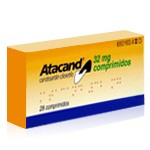
Atacand is the original brand-name formulation of Candesartan Cilexetil manufactured by AstraZeneca — one of the most prescribed angiotensin II receptor blockers (ARBs) globally. FDA-approved since 1998, Atacand represents a modern alternative to ACE inhibitors for hypertension and heart failure — with comparable efficacy but without the characteristic ACE inhibitor cough (no bradykinin accumulation). Listed on the WHO Model List of Essential Medicines, Candesartan is considered one of the more potent ARBs in terms of receptor binding affinity and is uniquely FDA-approved for both adult AND pediatric hypertension (ages 1-17 years).
The active ingredient is Candesartan Cilexetil, a prodrug hydrolyzed during gastrointestinal absorption to active candesartan. Candesartan is a selective angiotensin II type 1 (AT1) receptor antagonist — blocking the vasoconstrictor and aldosterone-secreting effects of angiotensin II at the AT1 receptor. Unlike ACE inhibitors, Candesartan does NOT inhibit ACE and does NOT affect bradykinin levels — therefore NO characteristic cough and significantly lower angioedema risk. Provides 24-hour BP control with convenient once-daily dosing.
Atacand is FDA-approved for hypertension in adults and pediatric patients (ages 1-17 years) and heart failure (NYHA Class II-IV). Off-label uses include diabetic nephropathy (renal protection), post-MI ventricular dysfunction, left ventricular hypertrophy regression, cardiovascular risk reduction, and migraine prophylaxis (emerging evidence). Particularly preferred in patients who cannot tolerate ACE inhibitor cough — an effective alternative providing similar RAAS blockade benefits.
The medication is available as Atacand 4 mg, 8 mg, 16 mg, and 32 mg tablets. Atacand HCT combines Candesartan with hydrochlorothiazide for additive antihypertensive effect. Standard adult dosing for hypertension: start 16 mg once daily, range 8-32 mg/day. For heart failure: start 4 mg once daily, titrate to target 32 mg/day. Pediatric HTN (6-17 years): weight-based 8-32 mg/day.
Critical safety considerations include the FDA boxed warning for pregnancy — Candesartan is Pregnancy Category D in second and third trimesters (fetal toxicity, oligohydramnios, neonatal renal failure, death). Other concerns: hyperkalemia (caution with K-sparing diuretics, ACE+ARB combinations, K supplements), hypotension (especially first dose, volume-depleted patients), acute renal failure in bilateral renal artery stenosis, rare angioedema (much less than ACE-i), and dizziness. Drug interactions: NSAIDs (reduce efficacy + renal risk), lithium (toxicity), ACE inhibitors (avoid combination — increased adverse events without benefit).
Free prescription
Discrete packaging
Have questions?
Quality Assurance

- Heart Failure Class II IV: FDA-approved for heart failure NYHA Class II-IV;
- Pediatric Hypertension: FDA-approved for pediatric hypertension ages 1-17 years — signature unique ARB indication;
- HFrEF / Reduced Ejection Fraction: For heart failure with reduced ejection fraction;
- ACE Inhibitor Cough Intolerance: For patients who cannot tolerate ACE inhibitor cough — key indication;
- ACE Inhibitor Intolerance: For patients intolerant to ACE inhibitors (cough, angioedema history);
- Mild Hypertension: For mild hypertension (stage 1, BP 130-139/80-89);
- Moderate Hypertension: For moderate hypertension (stage 2);
- Severe Hypertension: For severe hypertension as part of combination therapy;
- Resistant Hypertension: For resistant hypertension as part of combination therapy;
- Diabetes Plus Hypertension: Preferred antihypertensive in diabetic patients (renal protection);
- Diabetic Nephropathy: Off-label renal protective in diabetic nephropathy;
- Chronic Kidney Disease (CKD): For hypertension in CKD with proper monitoring;
- Proteinuric Renal Disease: For proteinuric renal disease — reduces proteinuria;
- Post MI Ventricular Dysfunction: Off-label for post-MI ventricular dysfunction;
- LVH Reduction: For left ventricular hypertrophy regression in hypertension;
- Cardiovascular Risk Reduction: For cardiovascular risk reduction in high-risk patients;
- Migraine Prophylaxis Emerging: Off-label for migraine prophylaxis (emerging evidence);
- Combination With Diuretic: Atacand HCT combines with hydrochlorothiazide for additive effect;
- Long Term Hypertension Maintenance: Suitable for long-term hypertension maintenance therapy.
- Better 24-Hour BP Control: Long-acting 24-hour BP control with once-daily dosing;
- Less Heart Failure Symptoms: Reduction in heart failure symptoms (dyspnea, fatigue, edema);
- Less Heart Failure Hospitalizations: Reduction in heart failure-related hospitalizations;
- Better Heart Failure Survival: Improved survival in heart failure patients (ARB class benefit);
- Less Cardiovascular Mortality: Reduction in cardiovascular mortality in high-risk patients;
- Less Stroke Risk: Reduction in stroke risk through effective blood pressure control;
- Less MI Risk: Reduction in myocardial infarction risk in high-risk hypertensive patients;
- Less Cardiac Remodeling: Reduction in adverse cardiac remodeling in heart failure;
- Less LVH: Regression of left ventricular hypertrophy in hypertension;
- Better Renal Protection Diabetes: Renal protective effect in diabetic nephropathy — reduces proteinuria;
- Less Diabetic Microalbuminuria: Reduction in microalbuminuria in early diabetic nephropathy;
- Less CKD Progression: Slowing of chronic kidney disease progression;
- NO Persistent Cough: Unlike ACE inhibitors, no bradykinin-mediated cough — key tolerability advantage;
- Less Angioedema vs ACE-i: Significantly lower angioedema risk than ACE inhibitors;
- Better Pediatric HTN Control: FDA-approved for pediatric HTN from age 1 year — unique among ARBs;
- Better Migraine Prophylaxis: Emerging off-label benefit for migraine prevention;
- Better Daily Function: Return to normal daily activities with effective BP/HF control;
- Better Quality of Life: Substantial improvement in quality of life;
- Brand Atacand: Original AstraZeneca brand with established global clinical reputation since 1998;
- Generic Candesartan: Affordable generic versions expand global access to ARB therapy;
- Atacand HCT Combination: Atacand HCT combination with hydrochlorothiazide for additive antihypertensive effect;
- Angiotensin II Receptor Blocker ARB: Foundational ARB class — modern RAAS blockade without ACE-i cough;
- Prodrug Candesartan Active: Prodrug hydrolyzed during GI absorption to active candesartan;
- Selective AT1 Receptor Antagonist: Selective angiotensin II type 1 (AT1) receptor antagonist;
- High AT1 Affinity ARB: One of the more potent ARBs in terms of AT1 receptor binding affinity;
- No ACE Cough ARB Advantage: NO ACE inhibitor cough — key tolerability advantage over ACE inhibitors;
- 24 Hour BP Control: 24-hour BP control supports once-daily dosing convenience;
- RAAS Blockade Distal: Distal RAAS blockade (at receptor level) — more selective than ACE inhibition;
- Pediatric ARB Approved: Uniquely FDA-approved for pediatric hypertension from age 1 year;
- Hypertension First Line: First-line antihypertensive per international guidelines (JNC, ESC, NICE);
- Heart Failure Standard Therapy: Standard ARB therapy for heart failure with reduced ejection fraction;
- Diabetes Preferred Antihypertensive: Preferred antihypertensive in diabetic patients;
- Once Daily Dosing ARB: Convenient once-daily dosing supports adherence;
- ACE Inhibitor Alternative: Effective alternative for patients intolerant of ACE inhibitor cough;
- WHO Essential Medicine: Listed on the WHO Model List of Essential Medicines for cardiovascular care;
- 25 Plus Year Clinical History: 25+ years of clinical use since 1998 — extensive evidence base.
Generic Atacand (Candesartan 8 mg) Medication guide:
📌 Atacand at a Glance
Atacand is a brand name for candesartan cilexetil, an angiotensin II receptor blocker (ARB) used for hypertension, heart failure with reduced ejection fraction, and (in specific settings) heart failure with preserved ejection fraction and stroke prevention in elderly hypertension. Candesartan cilexetil is a prodrug that the body converts to candesartan, the active molecule that selectively blocks the angiotensin II type 1 (AT1) receptor. Cipla and Micro Labs Ltd are the two principal Indian manufacturers behind the international generic supply, with Takeda and AstraZeneca as the historical originators of the Atacand brand.
This guide covers how ARB therapy differs mechanistically from ACE inhibitor therapy, how Atacand is dosed once daily across its indications, the CHARM trial programme that established candesartan's role across the heart failure ejection fraction spectrum, the SCOPE trial evidence for stroke prevention in elderly hypertension, why ARBs like candesartan do not produce the characteristic dry cough of ACE inhibitors, and the class-shared safety concerns (hyperkalaemia, rare angioedema, boxed pregnancy warning) that shape monitoring practice.
📌 Atacand at a glance
| Generic name | Candesartan cilexetil (prodrug of candesartan) |
| Drug class | Angiotensin II receptor blocker (ARB); selective AT1 antagonist |
| Available strengths | 4 mg, 8 mg, 16 mg, and 32 mg tablets |
| Route and dosing | Oral tablet once daily; the long-half-life active metabolite supports 24-hour effect |
| FDA indications | Essential hypertension; heart failure with reduced ejection fraction (NYHA class II-IV) |
| Onset of BP effect | Within 2 hours of first dose; full effect at 2-4 weeks of steady dosing |
| Signature advantage over ACE inhibitors | Does not cause the characteristic ACE-inhibitor dry cough; substantially lower angioedema risk |
| Boxed warning | Fetal toxicity in the second and third trimesters of pregnancy — stop Atacand as soon as pregnancy is detected |
Three features distinguish Atacand and the wider ARB class from ACE inhibitors. First, the mechanism of action is downstream of ACE: candesartan blocks the AT1 receptor where angiotensin II would otherwise act, rather than blocking the enzyme that produces angiotensin II. This difference has practical consequences discussed in section 4. Second, the side-effect profile lacks the dry cough that affects 15-20% of ACE inhibitor users; this is one of the specific reasons ARBs like candesartan are the standard switch target when an ACE inhibitor produces intolerable cough. Third, the heart failure evidence base rests on the CHARM programme, a three-arm trial that examined candesartan across the heart failure ejection fraction spectrum and established its role in specific clinical scenarios described in section 19.
Some readers arrive at this page for a first ARB prescription; others are established users returning to check a specific detail. The sections are organised by topic and can be read individually without requiring the surrounding material.
💊 What Candesartan Is
Candesartan cilexetil is the swallowed molecule; candesartan is the biologically active molecule that reaches the target receptor. The prodrug is converted to the active form during intestinal absorption by esterases, so no separate hepatic activation step is required. This section describes the pharmacokinetics that matter for practical use.
💊 Candesartan pharmacokinetics at a glance
| Absorption | Approximately 40% oral bioavailability of candesartan after prodrug conversion; food does not meaningfully alter absorption |
| Activation | Ester hydrolysis of candesartan cilexetil during intestinal absorption; no hepatic activation step |
| Peak plasma level | 3-4 hours after an oral dose |
| Protein binding | Over 99% protein-bound |
| Elimination half-life | Approximately 9 hours for candesartan; the receptor binding is tight and slow to reverse, extending the effective duration of action to 24 hours |
| Metabolism | Minimal further hepatic metabolism after prodrug activation; candesartan itself is largely eliminated unchanged |
| Excretion | Balanced hepatic (biliary) and renal excretion; approximately 30-40% renal, remainder biliary |
Two features of candesartan's pharmacokinetics are worth understanding. First, the tight AT1 receptor binding with slow dissociation is the pharmacological reason candesartan produces sustained blood pressure lowering over 24 hours despite a plasma half-life of only 9 hours. Once the drug molecule is bound to the receptor, it stays there long after plasma levels have fallen. Second, the balanced hepatic and renal excretion makes candesartan somewhat less sensitive to renal impairment than a purely renally-cleared ARB or ACE inhibitor. Dose adjustment is still needed at eGFR below 30 mL/min/1.73 m2, but the adjustment is less abrupt than for some other class members.
Candesartan does not have clinically important CYP-mediated metabolism, which simplifies the drug interaction picture: the interactions that matter on Atacand are pharmacodynamic (potassium, blood pressure, renal function) rather than pharmacokinetic.
🧬 The RAAS and the AT1 Receptor
The renin-angiotensin-aldosterone system produces angiotensin II, which acts at receptors on many tissues to raise blood pressure and drive sodium retention. Two related but different receptor subtypes exist — AT1 (angiotensin II type 1) and AT2 (angiotensin II type 2) — and their functions are largely opposite. Understanding this distinction explains why ARBs like candesartan produce their specific pharmacological profile.
🧬 The two angiotensin II receptor subtypes
| Property | AT1 receptor | AT2 receptor |
|---|---|---|
| Distribution | Ubiquitous in adult tissues — blood vessels, heart, kidney, adrenal, brain | More prominent in fetal tissue; smaller adult expression in specific brain, kidney, and vascular sites |
| Effect of activation | Vasoconstriction; aldosterone release; sodium retention; cardiac and vascular remodelling; sympathetic activation | Vasodilation; anti-proliferative and anti-inflammatory effects; largely opposes AT1 signalling |
| Clinical consequence of block | Blood pressure falls; heart failure remodelling slows; renal glomerular pressure falls | Would be undesirable; ARBs like candesartan are selective for AT1 and do not block AT2 |
Two features of the AT1/AT2 story are worth understanding. First, ARB selectivity for AT1 preserves AT2 signalling. When candesartan blocks AT1, circulating angiotensin II can still act at AT2 receptors (which are not blocked). Because AT2 activation is broadly favourable (vasodilation, anti-proliferation), this preserved AT2 signalling may contribute to some of the beneficial cardiovascular effects of ARB therapy in ways that ACE inhibitors do not replicate exactly.
The bradykinin difference
ARBs like candesartan act directly at the AT1 receptor and do not affect bradykinin metabolism. ACE inhibitors, in contrast, cause bradykinin accumulation because ACE also breaks down bradykinin. This is the mechanistic reason ARBs do not produce the characteristic ACE-inhibitor dry cough (section 11) and have substantially lower rates of angioedema (section 12). It is one of the most important practical differences between the two classes.
Second, the RAAS itself is not fully suppressed by AT1 blockade. When AT1 is blocked, circulating angiotensin II levels actually rise because the feedback that normally suppresses renin release is interrupted. Some of this angiotensin II activates the AT2 receptor (a good outcome); some may act at other, less well-characterised receptor subtypes. The overall result is a different pharmacological signature from ACE inhibition, but with similar clinical outcomes across most cardiovascular endpoints.
🔬 How Candesartan Blocks AT1 — And Why This Differs From ACE Inhibitors
Candesartan binds tightly and selectively to the AT1 receptor, preventing angiotensin II from activating it. Understanding how this differs from ACE inhibition is worth a few minutes because the practical consequences are substantial and shape the drug's use as an alternative to ACE inhibitors when the latter are not tolerated.
🔬 ARB vs ACE inhibitor — the mechanistic comparison
| Consideration | ACE inhibitor (e.g., quinapril, ramipril) | ARB (e.g., candesartan) |
|---|---|---|
| Site of block | Blocks the enzyme that makes angiotensin II | Blocks the AT1 receptor where angiotensin II acts |
| Bradykinin effect | Bradykinin accumulates (ACE breaks down bradykinin) | Bradykinin metabolism unchanged |
| Dry cough | 15-20% incidence; class effect | Substantially rarer; not a class effect |
| Angioedema | Rare (0.1-0.7%) but life-threatening; class effect | Much rarer than with ACE inhibitors but not zero; specific caution in patients previously affected on ACE inhibitors |
| Blood pressure effect | Predictable dose-related BP reduction | Broadly equivalent BP reduction at equivalent doses |
| Hyperkalaemia risk | Real; class effect | Similar to ACE inhibitors; broadly equivalent monitoring rules apply |
| Renal protection | Established in diabetic and non-diabetic kidney disease | Broadly equivalent; class effect for both |
| Heart failure mortality | Class I evidence base (CONSENSUS, SOLVD, AIRE) | Class I evidence base for candesartan specifically (CHARM programme, section 6) |
| Boxed warning fetal toxicity | Yes | Yes — the class effect on fetal renal development applies to ARBs too |
Two features of this comparison deserve emphasis. First, ARB therapy is broadly equivalent to ACE inhibitor therapy for cardiovascular outcomes. The ONTARGET trial showed that telmisartan and ramipril produced similar cardiovascular outcomes at equivalent doses, and combining the two produced no additional benefit while increasing adverse events. This equivalence extends to most ARBs and most ACE inhibitors as class effects. Second, the practical differences (cough absence, lower angioedema) are what make ARBs the standard alternative when ACE inhibitor tolerability becomes the problem.
A note on candesartan's tight receptor binding
Among ARBs, candesartan has one of the tightest and longest-lasting AT1 receptor binding profiles. This translates into effective 24-hour blood pressure control at once-daily dosing and into some of the strongest evidence-based cardiovascular outcome data in the class (CHARM programme, section 6). Head-to-head comparisons among ARBs are not extensive, and clinicians often choose within the class based on formulary and cost rather than on presumed superiority of one agent over another.
🎯 Approved Uses — Hypertension and Heart Failure
Candesartan's FDA-approved indications are essential hypertension and heart failure with reduced ejection fraction. In practice, candesartan is also widely used in specific settings supported by trial evidence beyond the strict label — heart failure with preserved ejection fraction based on the CHARM-Preserved arm, stroke prevention in elderly hypertension based on SCOPE, and diabetic nephropathy based on the class effect for ARBs.
| Indication | Typical starting dose | Usual maintenance range |
|---|---|---|
| Essential hypertension | 8 mg once daily | 8-32 mg once daily |
| Hypertension in the elderly or with reduced kidney function | 4 mg once daily | 8-16 mg once daily after cautious titration |
| Heart failure with reduced ejection fraction | 4 mg once daily | Titrate to 32 mg once daily as tolerated (the CHARM target dose) |
| Post-cough switch from ACE inhibitor | 8 mg once daily (or equivalent to previous ACE inhibitor dose) | Titrate as for hypertension |
| Elderly stroke prevention (SCOPE population) | 8 mg once daily | Titrate to BP target; SCOPE targeted BP under 160/90 mmHg in the elderly |
Two features of the indication list are worth understanding. First, the heart failure indication is directly evidence-based on the CHARM programme for candesartan specifically. Unlike some other ARBs where heart failure use rests on class extrapolation, candesartan has its own dedicated trial evidence for heart failure with reduced ejection fraction (CHARM-Alternative and CHARM-Added) and modest evidence for heart failure with preserved ejection fraction (CHARM-Preserved). Section 19 covers these arms in practical detail.
🎯 Combination therapy is common
Most patients treated for hypertension eventually require more than one drug to reach target blood pressure. Candesartan combines well with thiazide diuretics (added blood pressure effect, mutual offset of potassium changes), calcium channel blockers (complementary vasodilator mechanism), and beta blockers in specific settings. In heart failure, candesartan sits alongside a beta blocker, a mineralocorticoid receptor antagonist, and where appropriate an SGLT2 inhibitor as part of guideline-directed medical therapy.
Second, the ACE inhibitor plus ARB combination is generally avoided, based on ONTARGET evidence that showed no additional benefit and increased hyperkalaemia, hypotension, and acute kidney injury when the two were combined. The exception is specific proteinuric renal disease under specialist supervision.
🏆 The CHARM Trial Programme — Candesartan in Heart Failure
The CHARM programme (Candesartan in Heart failure Assessment of Reduction in Mortality and morbidity), published in 2003, is the largest single trial programme dedicated to any ARB in heart failure. It consisted of three parallel arms studying candesartan in different heart failure populations, and its results shaped where candesartan sits in modern heart failure practice.
🏆 The three CHARM arms at a glance
| Arm | Population | Result |
|---|---|---|
| CHARM-Alternative | HFrEF (ejection fraction 40% or below) intolerant of ACE inhibitors (most commonly because of cough) | 23% relative reduction in cardiovascular death or heart failure hospitalisation; established candesartan as the standard ACE-intolerant alternative |
| CHARM-Added | HFrEF (EF 40% or below) already on an ACE inhibitor | 15% relative reduction in the same primary outcome; established candesartan as a valid add-on to ACE inhibitor therapy in specific selected patients (before spironolactone was universally used) |
| CHARM-Preserved | HFpEF (EF above 40%) | Modest non-significant reduction in the primary outcome; significant reduction in heart failure hospitalisations. Suggestive but not definitive HFpEF benefit |
Two features of the CHARM programme are worth understanding. First, CHARM-Alternative established the standard practice of switching an ACE-intolerant HFrEF patient to candesartan rather than simply discontinuing RAAS blockade. The 23% relative event reduction in this specific population is one of the strongest evidence bases for any ARB in heart failure. Second, CHARM-Added has been superseded in most current practice by the routine addition of spironolactone (from RALES) and SGLT2 inhibitors to background ACE inhibitor therapy; adding an ARB on top of an ACE inhibitor for heart failure is no longer standard, though CHARM demonstrated it was efficacious.
CHARM-Preserved in context
The CHARM-Preserved result (modest and not statistically significant on the primary outcome but with meaningful hospitalisation reduction) helped establish candesartan as one of the ARBs with some evidence in HFpEF. Contemporary HFpEF practice increasingly favours SGLT2 inhibitors as the first-line addition, but candesartan retains a legitimate role in HFpEF particularly when there is already hypertension to treat and the patient tolerates ARB therapy well.
Dr Bakhtiari-Mansouri on CHARM in modern heart failure practice
"In our heart failure programme the CHARM-Alternative result remains the most useful piece of practical evidence about candesartan. When a patient develops an intolerable ACE inhibitor cough, the switch to candesartan preserves the RAAS blockade benefit while removing the specific side effect that made the ACE inhibitor untenable. CHARM-Added is a historically important result but is largely superseded in current practice because the fourth pillar (SGLT2 inhibitor) and the mineralocorticoid receptor antagonist have earned first-add-on status."
Astrid H. Bakhtiari-Mansouri, MD, PhD — Heart Failure and Cardiac Transplantation Programme, Tel Aviv Sourasky Medical Center
📆 Tablet Strengths and Titration Schedule
Atacand is available in four strengths — 4 mg, 8 mg, 16 mg, and 32 mg — which together allow the wide dose range needed across indications. The 32 mg maximum reflects the CHARM-target dose in heart failure and covers the upper end of hypertension prescribing.
📆 Titration steps for hypertension
- Start: 8 mg once daily (4 mg in a patient on a diuretic, elderly, or with mild renal impairment).
- Review at 2-4 weeks: confirm response with home and office blood pressure; check serum creatinine and potassium.
- Titrate up if needed: to 16 mg once daily, then to 32 mg once daily at 2-4 week intervals.
- Combine if not at target: most patients reach target on candesartan alone or on candesartan plus a thiazide diuretic; a calcium channel blocker is a common third agent.
Titration for heart failure with reduced ejection fraction
- Start 4 mg once daily after specialist input in appropriate patients.
- Titrate every 2 weeks: 4 mg to 8 mg to 16 mg to 32 mg, as tolerated.
- Monitor tolerance: renal function, potassium, and symptoms at each titration step.
- Target 32 mg once daily (the CHARM target dose) if tolerated; any dose is better than no dose if the target is unreachable.
Two features of candesartan titration are worth understanding. First, the titration timeline matches the blood pressure response: two to four weeks is the interval over which a stable dose reaches its full effect. Second, the 32 mg target dose in heart failure is the specific dose used in CHARM-Alternative and CHARM-Added and represents the evidence-based target. Some patients cannot reach this because of hypotension or renal changes; settling at the highest tolerated dose is standard practice.
A note on dose timing
Candesartan is taken at approximately the same time each day; morning and evening are both acceptable. Some patients find evening dosing produces smoother morning blood pressure control, which is worth trying if home readings show a persistent early-morning surge. Once a schedule is established, keeping it consistent supports adherence.
▶️ Starting Atacand — First-Dose Considerations
The first dose of an ARB is much less commonly associated with symptomatic hypotension than the first dose of an ACE inhibitor, but the risk is not zero. Specific groups warrant attention at initiation.
🚩 PATIENTS AT ELEVATED FIRST-DOSE HYPOTENSION RISK
- Patients already on a diuretic, particularly a loop diuretic or higher-dose thiazide; volume depletion amplifies the response.
- Patients with heart failure, particularly if diuresed aggressively before starting.
- Elderly patients, whose baroreceptor reflexes are slower.
- Patients with severe hyponatraemia (serum sodium below 130 mmol/L), often reflecting a high-renin state.
- Patients on rigorous low-salt diets or with recent gastroenteritis producing volume depletion.
The clinical picture of first-dose hypotension is similar to that of ACE inhibitors: a symptomatic fall in blood pressure within 1-6 hours of the first dose, producing dizziness, lightheadedness on standing, sometimes syncope. In most cases the patient recovers within a few hours by lying down, and the drug can be continued at a lower starting dose the following day.
Practical measures to reduce first-dose hypotension risk
- Start at 4 mg rather than 8 mg in any patient with elevated risk.
- Take the first dose at bedtime so any hypotensive response occurs during sleep.
- Withhold or reduce the diuretic dose for 2-3 days before starting Atacand, if clinically safe.
- Correct dehydration before initiation.
- Warn the patient about the possibility of dizziness on standing over the first few days.
After the first dose window (roughly the first three days of therapy), the risk of symptomatic hypotension diminishes as the RAAS re-equilibrates. Ongoing symptomatic dizziness after the first week deserves review; usually it reflects either an unnecessarily high dose or an interacting medication.
⏰ Missed Dose Handling
Missed doses are inevitable over months and years of chronic therapy. On candesartan, the practical impact of a single missed dose is small because the tight AT1 receptor binding provides a modest cushion after a missed dose.
⏰ What to do about a missed dose
| Realised within a few hours | Take the missed dose as soon as remembered; the next scheduled dose remains at its usual time |
| Realised the next day | Skip the missed dose. Take the next scheduled dose at the usual time. Do not double up. |
| Missed two or three doses in a row | Resume the usual dose; expect the blood pressure effect to re-stabilise over a couple of days |
| Missed a week or more | Resume the usual dose and let the prescriber know at the next appointment |
Two features of missed-dose management are worth understanding. First, doubling up is never useful and can be harmful. Second, candesartan's tight receptor binding means a single missed dose is not usually clinically visible. Blood pressure at the office visit the following day is typically within a few mmHg of the on-treatment reading.
Building an adherence habit
Because ARB benefit is silent (blood pressure is a number, not a symptom), forgetting doses is easy. Practical measures include: pairing the dose with an established daily habit, using a weekly pill organiser, and setting a phone reminder. Candesartan's once-daily schedule makes this straightforward.
🔗 Common Drug Interactions
Candesartan has a relatively clean drug interaction profile because it is not extensively metabolised by CYP enzymes. The important interactions are pharmacodynamic — drugs that also affect potassium, blood pressure, or renal function — rather than pharmacokinetic.
| Interaction category | Common examples | Practical implication |
|---|---|---|
| ACE inhibitors | Quinapril, ramipril, lisinopril, enalapril | Combined RAAS blockade generally avoided (ONTARGET evidence); no additional benefit and increased adverse events |
| Direct renin inhibitor | Aliskiren | Combination contraindicated in diabetes; avoided in most settings |
| Potassium-sparing diuretics | Spironolactone, eplerenone, amiloride, triamterene | Additive hyperkalaemia risk; sometimes deliberate in heart failure with close monitoring |
| Potassium supplements and salt substitutes | Prescription potassium chloride, low-sodium salt substitutes | Generally avoided routine combination |
| Chronic NSAIDs at anti-inflammatory doses | Ibuprofen, diclofenac, naproxen | Reduce ARB blood pressure effect; increase renal and hyperkalaemia risk; short OTC courses fine, chronic use warrants monitoring |
| Lithium | Used for bipolar disorder | ARBs raise serum lithium levels; close monitoring required |
| Trimethoprim / cotrimoxazole | Common antibiotic for UTI | Additive hyperkalaemia risk particularly in elderly; check potassium during and after course |
| Sacubitril/valsartan | ARB-neprilysin inhibitor combination for heart failure | Do not combine with another ARB or with an ACE inhibitor; the valsartan component provides the ARB effect |
Two features of the interaction picture are worth internalising. First, the ONTARGET finding that ACE inhibitor plus ARB combination is not beneficial and is more toxic is now standard practice: patients on candesartan are not concurrently on an ACE inhibitor except in rare specialist-supervised exceptions. Second, the NSAID interaction is often missed because patients do not think of over-the-counter ibuprofen as a real medicine; chronic anti-inflammatory dosing should always be disclosed.
Pharmacy-visit questions
When collecting any new prescription while on Atacand, the useful pharmacy questions are: "does this raise serum potassium?" "does this affect kidney function?" and "does this reduce blood pressure medication effectiveness?" Three questions capture most interactions worth flagging.
🌬️ Why Candesartan Does Not Cause the ACE Inhibitor Cough
The most reliable practical advantage of ARBs over ACE inhibitors is the near-absence of the characteristic dry, tickly, non-productive cough that affects 15-20% of ACE inhibitor users within days to months of starting therapy. Candesartan does not produce this cough at a rate meaningfully above placebo, which is why the ACE-intolerant patient population is exactly where ARBs like Atacand have their clearest niche.
🌬️ Why ACE inhibitors cause cough and ARBs do not
ACE (angiotensin-converting enzyme) does two things: it converts angiotensin I to angiotensin II (the pathway target), and it breaks down bradykinin (a peptide that accumulates in the airways when ACE is blocked). Bradykinin accumulation sensitises the cough reflex in susceptible individuals, producing the characteristic dry cough. Some patients also accumulate substance P, which contributes.
ARBs block the AT1 receptor downstream of ACE. Because ACE itself is not affected, bradykinin metabolism is unchanged and no cough develops. This is the mechanistic basis for the switch strategy: same RAAS blockade, no bradykinin accumulation, no cough.
The switch strategy in practice
A patient on ramipril, lisinopril, or another ACE inhibitor develops a persistent dry cough that interferes with sleep or conversation. The cough is not explained by another cause (postnasal drip, asthma, GERD, ACE inhibitor is the likely culprit if timing fits). The prescriber:
- Stops the ACE inhibitor.
- Waits 1-2 weeks for the cough to resolve (confirming attribution).
- Starts candesartan 8 mg once daily (or dose-equivalent to the previous ACE inhibitor).
- Rechecks blood pressure and (in heart failure patients) titrates candesartan to the target dose.
This sequence is one of the commonest reasons candesartan is prescribed in primary care, and it works reliably: cough resolves within days to weeks, blood pressure and heart failure benefit are preserved through the ARB.
Two features of the cough story deserve emphasis. First, ACE inhibitor cough is not dose-related: reducing the ACE inhibitor dose does not usually resolve it. The switch to an ARB is a mechanism change, and that is what breaks the cycle. Second, the timing of ACE inhibitor cough is variable: some patients cough within days, others develop it after months of tolerated therapy. When cough appears late, the ACE inhibitor is easily missed as the cause; a trial of withdrawal (with candesartan substitution) is the practical diagnostic manoeuvre.
Dr Wang-Nakamura on the cough switch in primary care
"The ACE-inhibitor-to-ARB switch for cough is one of the most satisfying interventions in primary care. The patient arrives frustrated by weeks or months of persistent tickly cough; two weeks after starting candesartan, the cough is gone and the blood pressure is unchanged. This mechanistic advantage of candesartan and the wider ARB class is real, well-established, and makes the switch conversation straightforward."
Xiu-Ling P. Wang-Nakamura, MD, MPH — Department of General Practice and Primary Care, University of Sydney
⚠️ Angioedema — Rare But Possible on ARBs Too
Angioedema — painless swelling of the lips, tongue, face, or upper airway — is a rare but potentially life-threatening reaction to RAAS blockers. It is well recognised with ACE inhibitors (rate approximately 0.1-0.7%, higher in patients of African descent). With ARBs like candesartan, the rate is substantially lower but not zero.
🚩 STOP ATACAND AND SEEK EMERGENCY CARE FOR ANY OF:
- Swelling of the lips, tongue, or throat.
- Difficulty breathing or swallowing.
- Change in voice or hoarseness.
- Painless swelling of the face without a rash.
- Sudden swelling of the abdomen with pain (rare visceral angioedema).
Airway involvement is a medical emergency. Once ARB-induced angioedema occurs, no drug in the ARB or ACE inhibitor class is safe to try again.
Two features of ARB angioedema are worth understanding. First, the mechanism is not fully explained. Because ARBs do not affect bradykinin metabolism (unlike ACE inhibitors), the classical mechanism does not apply. The prevailing hypothesis involves genetic variation in bradykinin receptor regulation or in complement pathway components, but the picture is incomplete. What is clear practically is that the risk is substantially lower with ARBs than ACE inhibitors but not absent.
Prior ACE inhibitor angioedema — specific ARB caution
A patient who has had ACE inhibitor angioedema may (rarely) also react to an ARB. Estimates of cross-reactivity vary from 3% to 10%. Some clinicians consider ARBs a reasonable option after ACE inhibitor angioedema; others treat prior angioedema as a relative contraindication to any RAAS blocker. The decision is individualised, and when an ARB is used in this setting the patient should be counselled about the specific signs of recurrent angioedema and given clear instructions to stop the drug and seek immediate care if any warning sign appears.
Second, the onset can be delayed. Most cases occur within the first 90 days of therapy, but angioedema after years of tolerated ARB use is well described. This means the counselling given at first prescription should be reinforced at each renewal: the warning signs matter regardless of how long the patient has been on the drug.
🍌 Hyperkalaemia — Monitoring and Prevention
Hyperkalaemia is the most common and most consequential biochemical concern on RAAS blockade, and candesartan carries the same risk profile as any other ARB or ACE inhibitor. The mechanism is direct: RAAS blockade reduces aldosterone secretion, and aldosterone is the principal driver of potassium excretion by the kidney.
🍌 Risk factors that raise hyperkalaemia probability
- Reduced kidney function — eGFR below 60 mL/min/1.73 m2, and much more so below 30.
- Diabetes, especially with any degree of nephropathy.
- Concurrent potassium-sparing diuretic (spironolactone, eplerenone, amiloride, triamterene).
- Concurrent NSAID at anti-inflammatory doses (chronic, not occasional OTC).
- Concurrent trimethoprim / cotrimoxazole — often overlooked, particularly in urinary tract infection.
- Potassium supplements or low-sodium salt substitutes containing potassium chloride.
- Adrenal insufficiency or hypoaldosteronism from any cause.
- Volume depletion from any cause (gastroenteritis, over-diuresis, low intake).
Monitoring schedule for potassium
| Baseline before Atacand | Serum potassium plus creatinine plus eGFR |
| 2-4 weeks after initiation | Repeat potassium and creatinine; verify tolerance |
| 2-4 weeks after every dose increase | Same tests, particularly if any risk factor above |
| Annually thereafter | Same tests; more often in higher-risk patients or with new interacting drugs |
| After new interacting drug | Check potassium and creatinine within 1-2 weeks of starting spironolactone, trimethoprim, chronic NSAID, or another RAAS-acting agent |
Two features of hyperkalaemia management on candesartan are worth understanding. First, the potassium value that requires action is contextual. A serum potassium of 5.5 mmol/L is acceptable in stable heart failure patients on optimised therapy; a value of 5.5 mmol/L in an ambulatory hypertensive with no other reason to accept it deserves a review of the drug and dietary contributors. The threshold that prompts dose reduction, addition of a potassium binder (patiromer, sodium zirconium cyclosilicate), or ARB discontinuation depends on trajectory, symptoms, ECG changes, and the clinical setting.
Dr Malhotra-Bhargava on hyperkalaemia surveillance
"In Indian cardiology practice we see the potassium interaction with dietary salt substitutes underappreciated. Patients told to reduce sodium often reach for low-sodium salt at the grocery store, and the low-sodium salt contains potassium chloride. The counselling on Atacand should therefore include the explicit point that low-sodium salt substitutes are not a free option when you are on a RAAS blocker and there is real hyperkalaemia risk from the dietary contribution."
Anand K. Malhotra-Bhargava, MBBS, MD, DM (Cardiology) — Department of Cardiology, Fortis Malar Hospital, Chennai
Second, fresh onset of hyperkalaemia on stable Atacand almost always has a specific cause: a new drug, a new dietary source, a change in kidney function, or volume depletion. The problem is usually solvable without stopping the ARB by removing the added contributor.
🩺 Blood Pressure Monitoring at Home
Home blood pressure monitoring is one of the highest-yield adjuncts to ARB therapy. Office readings capture a single moment; home readings averaged across a week reflect the day-to-day cardiovascular reality that the drug is (or is not) modifying, and Atacand's 24-hour dose duration lends itself well to this pattern of monitoring.
🩺 A practical home-monitoring routine
- Use a validated upper-arm cuff. Wrist devices and finger devices are less reliable; the effort of the correct device is repaid many times over in decision quality.
- Cuff fit matters. Too-small cuff overestimates; too-large underestimates. Measure arm circumference at the biceps and match cuff size.
- Standard technique. Seated, feet flat, back supported, arm resting at heart level, cuff on bare skin, 5 minutes of rest before the first reading.
- Two readings a minute apart, twice a day (morning before medication, evening before dinner), for a week before the office review.
- Discard the first day's readings and average the remaining values.
- Bring the log to the appointment or record it in a home BP app that the prescriber can review.
What target to aim for
Home BP averages are typically 5 mmHg lower than office readings. The corresponding home target for most patients under 65 without co-morbidities is under 135/85 mmHg (matching an office target of under 140/90 mmHg). Tighter targets (under 130/80 mmHg office, under 125/75 mmHg home) apply in diabetes, chronic kidney disease with albuminuria, and post-stroke settings. The exact target is agreed with the prescriber.
Two features of home monitoring on candesartan deserve emphasis. First, the once-daily dose profile is well-suited to morning-and-evening home readings. Because candesartan's effect is stable across 24 hours, home readings on a stable dose should show a smooth pattern rather than sharp peaks and troughs. If home readings show marked morning surge (common in poorly controlled hypertension), moving the dose to bedtime is a simple experiment that helps some patients. Second, home readings expose white-coat hypertension: a patient whose office readings are 150/90 mmHg but whose home readings are 130/85 mmHg does not have persistently uncontrolled hypertension and should not have Atacand escalated on the strength of office numbers alone.
🩸 Kidney Function Monitoring
Kidney function monitoring on Atacand serves two purposes: detecting drug-related renal changes early enough to act on them, and adjusting dose in the setting of established impairment. The tests that matter are serum creatinine (with derived eGFR) and, in specific settings, urine albumin-creatinine ratio for proteinuric kidney disease.
🩸 The expected early rise in serum creatinine
Starting or up-titrating candesartan produces a small rise in serum creatinine (10-15%) within the first 2-4 weeks. This is a haemodynamic effect (reduced glomerular pressure from efferent arteriole dilation) and is not kidney damage. Reversal on drug withdrawal confirms the mechanism.
A rise in creatinine above 30% from baseline, or an absolute doubling, deserves investigation and usually action — either dose reduction, drug withdrawal, or identification of a contributing factor (dehydration, NSAID, contrast exposure, undiagnosed renovascular disease).
| Renal function category | Candesartan dose approach | Monitoring frequency |
|---|---|---|
| eGFR above 60 mL/min/1.73 m2 | Standard doses; no adjustment | Annual creatinine and potassium; 2-4 weeks after any dose change |
| eGFR 30-60 mL/min/1.73 m2 | Start at 4 mg; titrate carefully | Every 3-6 months on stable dose; 2 weeks after any change |
| eGFR below 30 mL/min/1.73 m2 | Specialist input; usually lower doses; individualised | Monthly initially; individualised thereafter |
| Bilateral renovascular disease | Contraindicated (also unilateral in a single kidney) | Not applicable |
Two features of renal monitoring on candesartan are worth remembering. First, the proteinuria reduction is the specific renal benefit of ARB (and ACE inhibitor) therapy in diabetic and non-diabetic kidney disease. A urine albumin-creatinine ratio measured before starting the ARB and re-measured 6-12 weeks later documents this. A drop of 30% or more is a favourable prognostic sign; no drop invites a review of dose and adherence. Second, the renovascular contraindication reflects that ARB effect on glomerular pressure can precipitate acute kidney injury when the affected kidney relies on angiotensin-II-mediated efferent arteriole tone to maintain filtration. Any patient with unexplained doubling of creatinine after ARB initiation deserves consideration of undiagnosed renovascular disease.
🚨 Warning Signs — When to Stop and Seek Care
Most Atacand users have an uneventful course over years or decades. A small number encounter warning signs that warrant urgent review. Recognising them promptly protects both the patient and the value of the therapy.
🚨 SEEK EMERGENCY CARE IMMEDIATELY FOR
- Any facial, tongue, lip, or throat swelling — possible angioedema (section 12).
- Difficulty breathing or swallowing at any time.
- Change in voice or hoarseness particularly with any facial swelling.
- Severe dizziness or fainting, particularly on standing, which does not resolve within a few hours of lying down.
- Signs of severe hyperkalaemia — muscle weakness, palpitations, irregular heartbeat.
- Confirmed or suspected pregnancy at any gestation while on Atacand (fetal risk; section 21).
⚠️ Contact the prescriber the same or next day for
- Persistent dizziness or lightheadedness beyond the first week.
- Blood pressure readings persistently below 100/60 mmHg particularly with symptoms.
- New or worsening leg swelling particularly if new or asymmetric.
- Significant reduction in urine output.
- Persistent nausea or fatigue particularly if progressive.
- A new medication started elsewhere that raises potassium (spironolactone, cotrimoxazole, potassium supplements).
Two features of the warning-sign framework are worth reinforcing. First, angioedema is the specific reason not to delay. Airway swelling can progress from mild lip fullness to complete airway obstruction within an hour or two; waiting to see if it worsens is not safe. The safe reflex is: any facial swelling on an ARB is an emergency, full stop, until proven otherwise. Second, pregnancy is a stop-immediately trigger. The fetal renal impact of second- and third-trimester ARB exposure can be devastating (section 21), and the drug must be stopped as soon as pregnancy is confirmed or reasonably suspected.
🩹 Common Side Effects in the First Three Months
Most Atacand-related side effects are mild, dose-related, and settle within the first weeks of therapy. This section describes what is common, what is expected to fade, and what warrants review.
🩹 Common candesartan side effects with expected trajectory
| Effect | Typical onset | Expected trajectory |
|---|---|---|
| Dizziness / lightheadedness | Days 1-7 | Improves as the RAAS re-equilibrates; persistent = review dose |
| Postural hypotension | Days 1-14 | Improves; rise slowly from lying/sitting until it settles |
| Fatigue | First 2-4 weeks | Usually settles; persistent fatigue = check kidney and thyroid |
| Headache | First 2 weeks | Usually settles; paracetamol acceptable if needed short-term |
| Back pain / musculoskeletal | Variable | Uncommon; usually unrelated to the drug |
| Upper respiratory symptoms | Weeks-months | Reported in trials at rates similar to placebo; not usually attributable |
| Hyperkalaemia | Variable | Detected on blood work; dose reduction or contributor removal usually resolves |
| Small creatinine rise (10-15%) | 2-4 weeks | Expected haemodynamic effect; stable thereafter |
The favourable side-effect note
Compared to ACE inhibitors, Atacand offers the same blood pressure and cardiovascular protection with the specific benefit of no characteristic dry cough (section 11) and substantially lower angioedema risk (section 12). Compared to alpha and beta blockers, it does not cause the specific fatigue, exercise intolerance, or postural symptoms often associated with those classes. Overall the ARB side-effect profile is one of the cleanest in modern hypertension pharmacology.
Two features of side-effect management deserve emphasis. First, the first two to four weeks are the highest-yield period. Symptoms that resolve within this window rarely require dose change; symptoms that persist warrant review. Second, the side effects that matter clinically are usually the biochemical ones (hyperkalaemia, creatinine rise) rather than the symptomatic ones, and these are found on scheduled blood work rather than through patient complaint.
❤️ Cardiovascular and Renal Benefits Beyond Blood Pressure
Blood pressure lowering is the direct pharmacological effect of Atacand, but the clinical value of the drug goes beyond the number on the cuff. Contemporary evidence supports specific cardiovascular and renal benefits that accrue over months to years of treatment.
❤️ Documented outcome benefits with candesartan or the ARB class
| Outcome | Population | Evidence source |
|---|---|---|
| Stroke reduction | Elderly hypertension | SCOPE (candesartan-specific); confirmed in ARB meta-analyses |
| Heart failure hospitalisation and mortality | HFrEF (EF 40% or below) | CHARM-Alternative and CHARM-Added (candesartan-specific) |
| Heart failure hospitalisation | HFpEF (EF above 40%) | CHARM-Preserved (modest signal) |
| Proteinuria reduction | Diabetic and non-diabetic kidney disease | ARB class effect; RENAAL, IDNT, IRMA-2 (other ARBs, class extrapolation) |
| Slowing of ESRD progression | Diabetic nephropathy | ARB class effect |
| Left ventricular hypertrophy regression | Hypertensive LVH | Multiple randomised trials; ARB class effect |
| New-onset atrial fibrillation reduction | Hypertensive and heart failure populations | Meta-analyses of ARB and ACE inhibitor trials |
Two features of the benefit picture are worth internalising. First, the candesartan-specific evidence is stronger than the pooled ARB-class evidence in heart failure because of the CHARM programme. In hypertension the evidence is largely equivalent across ARBs, and clinicians select within the class based on formulary and cost. Second, the benefits are dose-related: a submaximal candesartan dose that reaches only partial RAAS blockade also produces only partial benefit. The evidence supports titrating to the target dose (32 mg once daily in heart failure) rather than stopping at the first dose that produces any effect.
Dr Hollingsworth-Chatwick on ARB benefit beyond BP
"When patients ask whether Atacand is just a blood pressure pill, the honest answer is no. Candesartan has direct anti-remodelling effects on the myocardium and vasculature, reduces proteinuria in kidney disease, and reduces atrial fibrillation incidence in hypertensive populations. These are outcomes that accrue over years and are not visible in the single-visit blood pressure reading, but they are what makes ARB therapy worth continuing indefinitely rather than treating hypertension as an acute problem to be normalised."
Winston R. Hollingsworth-Chatwick, MD, PhD, FACC — Sydell and Arnold Miller Family Heart, Vascular and Thoracic Institute, Cleveland Clinic
🫀 Heart Failure Use — CHARM-Alternative and CHARM-Added Guidance
Heart failure practice with candesartan follows the CHARM programme evidence base (section 6) and modern guideline structure. Two arms of CHARM produced clinically actionable guidance: CHARM-Alternative (candesartan when an ACE inhibitor is not tolerated) and CHARM-Added (candesartan on top of an ACE inhibitor, largely superseded now).
🫀 The four foundational classes for HFrEF (2026 guideline structure)
| Foundational class | Role of candesartan |
|---|---|
| 1. RAAS blockade — ARNI first-line, else ACE inhibitor, else ARB | Candesartan is the ARB with the strongest heart failure evidence base and the standard choice for patients who cannot tolerate an ACE inhibitor or an ARNI (usually because of cough on the ACE inhibitor before switch) |
| 2. Beta blocker | Carvedilol, bisoprolol, or metoprolol succinate — combined with the RAAS blocker |
| 3. Mineralocorticoid receptor antagonist | Spironolactone or eplerenone — typically added after RAAS blocker and beta blocker are established; hyperkalaemia monitoring particularly important on the ARB plus MRA combination |
| 4. SGLT2 inhibitor | Dapagliflozin or empagliflozin — added to all four pillars regardless of diabetes status |
Where candesartan sits vs ARNI (sacubitril/valsartan)
Current heart failure guidelines prefer ARNI (sacubitril/valsartan) over plain ACE inhibitor or ARB where affordable and tolerated, based on PARADIGM-HF evidence. However candesartan retains a clear role: it is used when ARNI is not accessible or affordable, when a patient does not tolerate the specific ARNI titration profile, or when the transition from an ACE inhibitor to an ARNI is not feasible for a specific patient. In HFpEF, ARNI evidence is more modest and candesartan is a reasonable choice based on CHARM-Preserved.
Two features of heart failure use of candesartan are worth understanding. First, the titration target is the CHARM target of 32 mg once daily, achieved by 2-weekly increments as tolerated. Reaching the target dose is associated with the strongest outcome benefit. Second, hyperkalaemia surveillance is critical on the RAAS blocker plus MRA combination, and candesartan users on spironolactone or eplerenone need more frequent potassium monitoring than the average ARB user.
🧠 The SCOPE Trial — Elderly Stroke Prevention Evidence
Stroke prevention in older hypertensive adults is the specific niche where candesartan has a dedicated randomised trial: SCOPE (Study on Cognition and Prognosis in the Elderly), published in 2003. SCOPE randomised approximately 5000 patients aged 70-89 with mild to moderate hypertension to candesartan-based versus control-based treatment.
🧠 SCOPE trial at a glance
| Population | Approximately 5000 patients aged 70-89 with mild to moderate hypertension (systolic 160-179 mmHg or diastolic 90-99 mmHg) |
| Intervention | Candesartan-based treatment (starting at 8 mg once daily, up-titrated as needed) versus control-based treatment |
| Follow-up | Mean 3.7 years |
| Primary outcome | Major cardiovascular events (cardiovascular death, non-fatal stroke, non-fatal MI) |
| Key finding | 28% relative reduction in non-fatal stroke with candesartan-based treatment (statistically significant); modest, non-significant reduction in the composite primary outcome |
| Cognitive outcomes | No difference in Mini-Mental State Examination scores between arms |
| Interpretation | Candesartan-based treatment reduces stroke incidence in elderly hypertension — a population where stroke is the dominant cardiovascular endpoint of concern |
Two features of SCOPE are worth understanding. First, the non-fatal stroke reduction is the trial's enduring practical result. In elderly hypertension the stroke burden dominates cardiovascular risk, and a 28% relative reduction is a meaningful clinical benefit. Second, the trial was blunted by high crossover: many patients in the control arm received add-on antihypertensive therapy (including ARBs), which narrowed the between-arm difference. If anything the SCOPE result understates the true benefit of candesartan-based treatment in this population.
Dr Wisniewski-Zaleski on SCOPE and stroke neurology
"From a stroke neurology perspective SCOPE was an important trial because it targeted a population where the stroke risk is high and the tolerability of complex antihypertensive regimens is often limited. The candesartan-based arm showed a clear stroke reduction, and the excellent tolerability profile of candesartan in this elderly population is a real practical advantage. In our department we use candesartan very commonly in older hypertensive patients where a simple, well-tolerated ARB is the right combination of efficacy and tolerability."
Malgorzata J. Wisniewski-Zaleski, MD, PhD — Second Department of Neurology and Stroke Unit, Institute of Psychiatry and Neurology, Warsaw
⛔ FDA Boxed Warning — Fetal Toxicity in Pregnancy
Atacand carries an FDA boxed warning for fetal toxicity when used during the second and third trimesters of pregnancy. This warning applies to the whole ARB class, mirrors the ACE inhibitor warning, and is one of the most important pieces of prescribing information to communicate to any patient of childbearing potential.
⛔ FDA BOXED WARNING — FETAL TOXICITY
When pregnancy is detected, discontinue Atacand as soon as possible. Drugs that act directly on the RAAS can cause injury and death to the developing fetus when used during the second and third trimesters of pregnancy.
Documented fetal harms include: oligohydramnios (reduced amniotic fluid, itself associated with limb contractures, facial deformation, and lung underdevelopment); fetal renal impairment (may be irreversible); hypotension; skull hypoplasia; neonatal death. Exposure limited to the first trimester carries lower risk but is still to be avoided.
Practical implementation of the pregnancy warning
- Explicit counselling before the first prescription to any patient of childbearing potential (not just those actively planning pregnancy).
- Contraception counselling during ongoing therapy.
- Preconception medication review ideally 2-3 months before attempted pregnancy: switch from Atacand to a pregnancy-compatible agent (methyldopa, labetalol, nifedipine ER, hydralazine).
- Missed period on Atacand: pregnancy test, and if positive, stop the drug immediately and contact prescriber the same day for switch.
- Fetal ultrasound surveillance may be recommended in patients with second- or third-trimester exposure to assess amniotic fluid and renal development.
Two features of the pregnancy warning are worth understanding. First, the timing distinction matters: first-trimester exposure carries the lowest risk (though not zero), and second- and third-trimester exposure carries the highest risk because that is when fetal kidney development depends on functional angiotensin II signalling. Second, the switch to pregnancy-compatible antihypertensives is well established: methyldopa has decades of pregnancy safety data, labetalol is the modern first choice in many settings, and nifedipine ER is a common third choice. Switching before conception is preferred over reacting to a positive pregnancy test, because the earliest weeks of pregnancy are the least likely to be recognised.
🕰️ Elderly Use and Dose Considerations
Candesartan is one of the ARBs with a specific evidence base in the elderly (SCOPE, section 20). Practical prescribing follows a few adjustments to allow for reduced physiological reserve, slower baroreceptor reflexes, and more common polypharmacy in this population.
🕰️ Elderly-specific candesartan considerations
| Starting dose | 4 mg once daily (rather than 8 mg) in patients aged 75+ or with any risk factor for first-dose hypotension |
| Titration pace | Slower: 2-4 week intervals between dose steps; longer if any tolerability concern |
| Blood pressure targets | Below 140/90 mmHg in most patients aged 65-79; below 150/90 mmHg often accepted in frail patients aged 80+; individualised |
| Postural BP measurement | Standing BP after 1-3 minutes at each visit, particularly early in therapy |
| Fall risk assessment | Explicit discussion of fall risk before any dose escalation in patients with prior falls or gait difficulty |
| Renal and potassium surveillance | More frequent: every 6 months on stable dose rather than annually; more often during infections, dehydration, or new medications |
Why the ARB profile suits elderly patients well
Compared to alpha blockers (postural hypotension risk), beta blockers (fatigue and exercise intolerance), and centrally-acting agents (sedation), candesartan produces relatively few symptomatic side effects. The main biochemical concerns (potassium, kidney) are monitored on scheduled blood work rather than through patient complaint. This clean side-effect profile is why ARBs are among the preferred antihypertensive classes in the elderly, and candesartan specifically has the SCOPE evidence base to support its use.
Two features of elderly prescribing deserve emphasis. First, the target BP should be reached slowly: rapid normalisation of long-standing hypertension in an elderly patient can precipitate falls and cerebral hypoperfusion. Second, deprescribing is a legitimate elderly management strategy: if a frail elderly patient on Atacand starts to lose weight, has recurrent falls, or develops chronic kidney disease with hyperkalaemia, a dose reduction or drug withdrawal is a valid choice; the goals of hypertension treatment shift with life expectancy and functional trajectory.
🧫 Renal Impairment Dose Adjustment
Candesartan has balanced hepatic and renal excretion, which makes it somewhat less sensitive to renal impairment than a purely renally cleared drug. However, at eGFR below 30 mL/min/1.73 m2, dose adjustment and monitoring intensity increase.
| Renal function | Starting dose | Maximum typical dose | Monitoring cadence |
|---|---|---|---|
| eGFR above 60 | 8 mg once daily | 32 mg once daily | 2-4 weeks after change; annually thereafter |
| eGFR 30-60 | 4 mg once daily | 16-32 mg individualised | 2 weeks after change; every 3-6 months on stable dose |
| eGFR 15-30 | 4 mg once daily; specialist input recommended | Individualised; often 4-16 mg | Monthly initially; individualised thereafter |
| eGFR below 15 or dialysis | Nephrology-led decision; often continued at low dose in dialysis | Individualised | Nephrology-directed |
Renovascular disease considerations
Bilateral renal artery stenosis and unilateral stenosis in a single functioning kidney are contraindications to any RAAS blocker including candesartan. In these settings the affected kidney(s) depend on angiotensin-II-mediated efferent arteriole tone to maintain glomerular filtration, and blocking that pathway can precipitate acute kidney injury. Any patient with unexplained doubling of creatinine after starting Atacand deserves consideration of undiagnosed renovascular disease, particularly if they have widespread atherosclerosis or a bruit over the renal arteries.
Two features of renal dosing are worth understanding. First, the balanced excretion of candesartan means dose adjustment is less abrupt than for purely renally cleared drugs like some other ARBs or ACE inhibitors. This is one of the modest pharmacological advantages of candesartan in the CKD population. Second, the presence of chronic kidney disease is not usually a reason to withhold ARB therapy: on the contrary, the ARB class provides the renal protection that slows CKD progression, and specialist input focuses on optimising dose within the safety envelope rather than avoiding the class.
⚗️ Hepatic Considerations
Candesartan does not have clinically important hepatic metabolism after prodrug activation, and hepatic impairment does not usually require major dose adjustment. However, a few considerations apply in patients with liver disease.
⚗️ Hepatic considerations on candesartan
| Mild-moderate hepatic impairment | Standard doses acceptable; no formal reduction required, but individual clinical judgement |
| Severe hepatic impairment | Limited data; specialist input; usually start at 4 mg with cautious titration; monitor for hypotension |
| Ascites and portal hypertension | RAAS blockers reduce splanchnic vasoconstriction and may worsen ascites-related hypotension; specialist decision |
| Cholestatic liver disease | Candesartan uses biliary excretion for approximately 60-70% of clearance; extremes of cholestasis may prolong exposure |
| Baseline liver tests | Reasonable to check at baseline if hepatic disease is known; routine monitoring is not required in the general population |
Two features of hepatic considerations are worth understanding. First, candesartan is not hepatotoxic and does not carry a signal for drug-induced liver injury. Second, the biliary excretion route means that severe cholestasis can prolong drug exposure, though clinically important dose adjustment is uncommon and specialist input covers the rare situations where it applies.
Alcohol note
Alcohol is not contraindicated on Atacand, but heavy alcohol intake produces peripheral vasodilation that can amplify the blood pressure effect and precipitate symptomatic hypotension, particularly on standing. Moderate intake within general public-health guidance is compatible with candesartan; binge drinking is not.
🚫 Absolute and Relative Contraindications
Contraindications to Atacand fall into two categories: absolute (drug must not be used) and relative (drug is used only with specific caution or specialist input). Understanding both categories protects patients from foreseeable harm.
🚫 ABSOLUTE CONTRAINDICATIONS
- Pregnancy at any gestation (boxed warning; section 21).
- Prior angioedema on any ARB (section 12).
- Bilateral renal artery stenosis or unilateral stenosis in a single functioning kidney.
- Documented candesartan hypersensitivity.
- Concomitant aliskiren in patients with diabetes (formal contraindication based on ALTITUDE evidence).
⚠️ RELATIVE CONTRAINDICATIONS AND SPECIFIC CAUTIONS
- Prior angioedema on an ACE inhibitor — individualised decision; cross-reactivity 3-10%; specialist input often useful.
- Severe volume depletion or high-renin states before initiation — correct first, then start at reduced dose.
- Baseline hyperkalaemia above 5.0 mmol/L without a modifiable cause.
- eGFR below 30 mL/min/1.73 m2 without specialist input.
- Concurrent ACE inhibitor (ONTARGET evidence against combination) except in rare specialist scenarios.
- Concurrent sacubitril/valsartan — the valsartan component is itself an ARB; do not add another ARB.
- Breastfeeding — limited data; usually preferred alternative (methyldopa, labetalol, ACE inhibitors like enalapril and captopril, or nifedipine).
- Age under 18 — paediatric use requires specialist decision.
Two features of the contraindication picture are worth internalising. First, the pregnancy contraindication is time-critical: Atacand must be stopped as soon as pregnancy is detected, and preconception medication switch is preferred. Second, combining candesartan with another RAAS blocker is generally avoided: with ACE inhibitors based on ONTARGET evidence, with aliskiren based on ALTITUDE evidence, and with sacubitril/valsartan (which itself contains an ARB) as a fundamental prescribing rule.
🔄 Switching Between ARBs, ACE Inhibitors, and Other Classes
Switching between antihypertensive or heart failure classes is a common clinical event, driven by intolerance, side effects, cost, or evolving evidence. Candesartan is often the target of a switch (from ACE inhibitor for cough) and less commonly the departure point (usually for evolving heart failure needs).
| Switch scenario | Practical approach |
|---|---|
| ACE inhibitor to candesartan (for cough) | Stop ACE inhibitor; wait 1-2 weeks (usually confirms cough attribution); start candesartan 8 mg once daily (4 mg in heart failure or elderly); titrate as usual |
| Candesartan to another ARB (for cost or formulary) | Direct switch at dose-equivalent conversion; approximate equivalences: candesartan 8 mg ~ losartan 50 mg ~ valsartan 80 mg ~ irbesartan 150 mg ~ telmisartan 40 mg. Recheck BP in 4 weeks |
| Candesartan to sacubitril/valsartan (heart failure upgrade) | Stop candesartan; wait 36 hours (avoids overlap; sacubitril/valsartan is not started same day as another ARB); start sacubitril/valsartan at dose-appropriate step and titrate |
| Candesartan to ACE inhibitor (unusual reverse switch) | Stop candesartan; start ACE inhibitor next day at dose-equivalent step; usually only done when the ACE inhibitor evidence base is felt to be preferred in a specific patient or by specialist choice |
| Candesartan add-on for uncontrolled BP on other classes | Common combination partners: thiazide diuretic (bendroflumethiazide, hydrochlorothiazide, indapamide), calcium channel blocker (amlodipine, felodipine), beta blocker in specific settings |
The 36-hour rule with ARNI
Sacubitril/valsartan (ARNI) is contraindicated within 36 hours of any ACE inhibitor because of overlapping angioedema risk. The same 36-hour washout is used when transitioning from an ARB like candesartan to sacubitril/valsartan, though the pharmacological necessity is lower (no bradykinin overlap in the pure ARB-to-ARNI direction). The washout is a safety habit that ensures clean handover.
Two features of switching are worth understanding. First, within-class ARB switches are simple: dose-equivalent conversion and a BP recheck at 4 weeks. Second, class switches involving ARNI or ACE inhibitors require attention to angioedema risk: any patient with prior angioedema on any RAAS blocker is not a candidate for another RAAS blocker without specialist assessment.
⌛ Stopping Atacand — Rebound Considerations
Unlike beta blockers or clonidine, candesartan does not produce a classic rebound syndrome when stopped abruptly. The absence of a specific withdrawal syndrome does not mean stopping is a routine matter: the underlying hypertension or heart failure remains, and blood pressure or symptoms will return over days to weeks.
⌛ What happens when Atacand is stopped
| Days 1-3 | Little change; the tight AT1 binding provides residual effect |
| Days 4-14 | Blood pressure returns to pre-treatment level; in heart failure, symptoms may recur (dyspnoea, oedema, exercise intolerance) |
| Weeks 2-4 | Baseline cardiovascular risk resumes; renal albuminuria may rebound |
| Long term | Untreated hypertension carries the well-established stroke, heart failure, kidney, and cardiovascular event risks |
Legitimate reasons to stop Atacand
- Pregnancy or planned pregnancy (switch to a compatible agent; section 21).
- Angioedema of any severity (section 12).
- Symptomatic hypotension not resolved by dose reduction.
- Persistent hyperkalaemia that cannot be managed by other means.
- Acute kidney injury with a doubling of creatinine.
- Transition to a preferred alternative (ARNI for heart failure, etc.).
- End-of-life care where reducing pill burden is prioritised over long-term outcomes.
Two features of stopping deserve emphasis. First, hypertension does not go away when the drug is stopped. If the diagnosis was real and the drug was working, blood pressure will return. The decision to stop should therefore include a plan for what happens next: switch to another class, deprescribe with monitoring, or accept the return of untreated hypertension for a specific reason. Second, abrupt cessation is acceptable in the situations where safety demands it (angioedema, pregnancy). No taper is required for withdrawal safety, though clinical situations may warrant gradual overlap with a substitute.
🌡️ Storage and Handling
Candesartan tablets are physically robust and stable across typical household conditions. A few simple storage rules preserve potency across the shelf life.
🌡️ Storage and handling
- Room temperature ideally between 20 and 25 degrees C; short excursions between 15 and 30 degrees C acceptable.
- Dry environment. Bathroom cabinets are the most common location and also the worst: humidity and temperature excursions during hot showers degrade tablets. A bedroom drawer or kitchen cabinet away from the stove and sink is preferable.
- Original packaging. Blister packs and tightly-closed bottles protect against moisture; do not transfer to open containers except for a daily weekly pill organiser you will use within 7-14 days.
- Out of direct sunlight. Sustained UV exposure can degrade the tablet coating.
- Out of reach of children. Candesartan overdose in a child can cause profound hypotension.
- Check the expiry date. Discard expired tablets responsibly through a pharmacy take-back scheme if available.
A note on splitting tablets
Candesartan tablets do not have a functional score line and are not intended to be split. If a lower dose is required (e.g., a 4 mg starting dose), the pharmacy dispenses 4 mg tablets rather than splitting 8 mg. This preserves dose accuracy across the day and avoids the crumbling that occurs when unscored tablets are broken.
Two features of storage matter practically. First, the bathroom is not a medicine cabinet despite its name: the humidity and temperature swings degrade tablets over time. Second, a weekly pill organiser is fine for 7-14 days of tablets in a dry indoor location, but is not appropriate for storing a full month or bottle of Atacand.
✈️ Missed Doses and Travel Planning
Travel with Atacand requires a small amount of planning. The drug itself is stable under travel conditions, and the practical concerns are keeping supply, protecting the routine, and being ready for time-zone shifts.
✈️ Travel preparation checklist
- Carry the full trip supply plus 3-7 extra days to cover delays.
- Split the supply between carry-on and checked luggage so a lost bag does not mean lost medication.
- Keep tablets in original packaging for customs and identification.
- Carry the prescription label or a copy of the prescription for international travel.
- Note the local generic name (candesartan cilexetil) in case a local pharmacy needs to identify the drug.
- Time zones: For eastward travel (shorter day), shift the dose earlier by 1-2 hours per day. For westward travel (longer day), shift later similarly. A single missed dose across a time zone change is not clinically problematic; do not double up.
Travel and blood pressure
Long flights and long car journeys involve prolonged sitting, dehydration, and stress. On Atacand, staying well-hydrated (though not over-hydrated) and standing/walking regularly reduces the risk of postural hypotension and the small increased risk of leg blood clots on very long flights. Anti-embolism stockings on flights of over 8 hours are reasonable for many patients on antihypertensive therapy.
Two features of travel with candesartan are worth understanding. First, consistent daily timing beats perfect local-time alignment: a routine that shifts by 1-2 hours each day of travel is fine; a routine that jumps by 8 hours in a single move is not. Second, gastroenteritis on travel is a specific hazard: prolonged vomiting or diarrhoea produces volume depletion that amplifies the ARB effect; consider holding a dose or two while symptoms are active and rehydrating orally.
💬 Discussing Atacand With Your Clinician
Regular review of any chronic medication protects both the value of the therapy and the safety of the patient. On Atacand, an annual review is the minimum standard, and the conversation is short but structured.
💬 A useful annual-review conversation on Atacand
- Home blood pressure readings for the past week: what is the average, and is it at target?
- Adherence check: how many doses have been missed in the past month? Are there specific times of day where missing is more likely?
- Side effect review: any dizziness, fatigue, headache, or postural symptoms? Any leg swelling? Any change in urine output?
- Blood work: potassium, creatinine, eGFR results from the past year; trend rather than absolute value.
- Interacting medication check: any new drugs from other prescribers? OTC ibuprofen use? Low-sodium salt substitutes?
- Life changes: planned pregnancy (critical — needs preconception switch), recurrent falls (may lower BP target), major weight change (may reduce dose requirement), new dialysis planning.
- Emergency plan: confirm the patient can recognise angioedema signs and knows to seek emergency care immediately.
The three questions worth asking your prescriber
- Am I at the right dose? The evidence for cardiovascular benefit is dose-related; a submaximal dose that produces a partial BP response is not the same as an optimal dose.
- Should I be on anything else? Combination therapy (candesartan plus thiazide plus calcium channel blocker) is the norm rather than the exception in reaching hypertension targets.
- What are the numbers I should watch at home? Home BP average, weight, ankle swelling in heart failure users.
Two features of the review deserve emphasis. First, silent hypertension has silent complications. A patient who feels well on Atacand can still be at an off-target blood pressure that carries meaningful stroke and cardiovascular risk. Second, the annual review is where changes are caught early: new medications from other prescribers, drift in potassium or creatinine, a new life stage (pregnancy planning, retirement, mobility change) that shifts the risk-benefit balance of the therapy.
A closing note
"Atacand is the kind of medication that works quietly for decades. The patients who do best on candesartan are the ones who keep it in their daily routine, monitor their blood pressure at home, understand the two or three warning signs that would justify stopping, and treat the annual review as a real conversation about how the therapy is fitting into their life. When those elements come together, an ARB like Atacand is one of the most rewarding drugs to prescribe in cardiovascular medicine."
Winston R. Hollingsworth-Chatwick, MD, PhD, FACC — Sydell and Arnold Miller Family Heart, Vascular and Thoracic Institute, Cleveland Clinic
Atacand — Frequently Asked Questions
-
What is Atacand (Candesartan)?
Atacand is an angiotensin II receptor blocker (ARB) used to treat high blood pressure and heart failure. -
How does Atacand work?
It works by blocking the action of angiotensin II, a chemical in the body that narrows blood vessels, thereby lowering blood pressure and reducing the heart's workload. -
How should I take Atacand?
Take Atacand as prescribed by your doctor, generally once daily, with or without food. -
What if I miss a dose of Atacand?
Take the missed dose as soon as you remember. If its close to your next dose, skip the missed dose. -
Can Atacand be used during pregnancy?
Atacand is not recommended during pregnancy. It's important to discuss with your doctor if you are pregnant or planning to become pregnant. -
Does Atacand interact with other medications?
Yes, it can interact with certain medications like NSAIDs, lithium, and potassium supplements. -
What are the common side effects of Atacand?
Side effects can include dizziness, fatigue, and headache.
See all Atacand questions (32)
📚 Drug Description Sources:
The information in this Atacand (candesartan cilexetil) guide is compiled from authoritative pharmaceutical, medical, and regulatory sources covering cardiovascular medicine, heart failure management, and over two decades of candesartan clinical experience spanning its 1998 FDA approval through the modern heart failure and preserved ejection fraction era shaped by the CHARM programme - one of the most comprehensive angiotensin receptor blocker outcome trial suites ever conducted.
🏛️ Regulatory and government agencies
- FDA (US Food and Drug Administration) - candesartan cilexetil (Atacand) approval 1998 for hypertension; 2005 expansion to heart failure with reduced ejection fraction based on CHARM evidence; AstraZeneca and Takeda developed and commercialized; current prescribing information at DailyMed
- EMA (European Medicines Agency) - candesartan European regulatory framework
- MHRA (UK Medicines and Healthcare products Regulatory Agency) - Amias summary of product characteristics
- Health Canada - Atacand product monograph
- PMDA (Japanese Pharmaceuticals and Medical Devices Agency) - Takeda co-developer regulatory documentation
- DailyMed (NIH/NLM) - current Atacand US prescribing information
📚 Professional societies and clinical guidelines
- ACC/AHA/HFSA 2022 Heart Failure Guideline - candesartan specifically named as evidence-based ARB for HFrEF alongside valsartan and losartan
- ESC 2021 Heart Failure Guideline - candesartan Class I recommendation for HFrEF based on CHARM-Alternative evidence
- ACC/AHA 2017 Hypertension Guideline - ARB positioning as first-line
- ESC/ESH 2023 Hypertension Guideline - ARB indications and combination therapy
- American Academy of Neurology and American Headache Society - candesartan for migraine prevention based on Norwegian trial evidence
- Japanese Society of Hypertension (JSH) - candesartan positioning in CASE-J outcomes data
🔬 Landmark clinical research
- CHARM Programme (Candesartan in Heart failure Assessment of Reduction in Mortality and morbidity, Lancet 2003) - 7 601 heart failure clients across three parallel trials: CHARM-Alternative (ACE-intolerant), CHARM-Added (ACE-tolerant), CHARM-Preserved (HFpEF); one of the most comprehensive ARB trial programmes ever conducted
- CHARM-Alternative - 2 028 ACE-intolerant HFrEF clients; candesartan reduced cardiovascular death or heart failure hospitalisation by 23 percent
- CHARM-Added - candesartan on top of ACE inhibitor in HFrEF; reduced events by 15 percent
- SCOPE Trial (Study on Cognition and Prognosis in the Elderly, J Hypertens 2003) - 4 964 elderly hypertensive clients; candesartan cognitive and cardiovascular outcomes
- CASE-J Trial (Candesartan Antihypertensive Survival Evaluation in Japan, 2008) - candesartan versus amlodipine in Japanese hypertensive clients
- Tronvik 2003 (JAMA) - candesartan for migraine prevention; foundational neurological indication trial
- Stovner 2014 (Cephalalgia) - candesartan versus propranolol for migraine prevention
📖 Medical references and textbooks
- Goodman and Gilman Pharmacological Basis of Therapeutics - renin-angiotensin system inhibitors chapter
- Braunwald's Heart Disease - definitive cardiology reference on ARB use in heart failure
- Harrison's Principles of Internal Medicine - hypertension and heart failure chapters
- Katzung Basic and Clinical Pharmacology - ARB pharmacology fundamentals
- Kaplan's Clinical Hypertension - dedicated hypertension textbook
- UpToDate - candesartan clinical monographs
- Lexicomp and Micromedex - drug interactions, dosing tables, and adverse reaction data
Note: This information is educational and does not replace consultation with qualified healthcare providers. Individual medical circumstances vary substantially. Always follow prescriber instructions and report concerns promptly.
🩺 Medical Expert Review:
Content based on the published research and clinical practice of cardiovascular medicine authorities with particular expertise in heart failure trials, angiotensin receptor blockade, and the landmark CHARM programme that established candesartan's modern positioning across the heart failure spectrum. The following experts represent authoritative research and clinical practice perspectives on candesartan use within contemporary cardiovascular management.
Prof. John J.V. McMurray, MD, FMedSci, FRSE
Professor of Medical Cardiology and Deputy Director, BHF Cardiovascular Research Centre, University of Glasgow — Glasgow, United Kingdom
Prof. McMurray served as principal investigator of the entire CHARM programme published in Lancet 2003 - one of the most comprehensive ARB trial suites in cardiovascular medicine history - which enrolled 7 601 heart failure clients across three parallel trials spanning HFrEF and HFpEF. He also led PARADIGM-HF, DAPA-HF and EMPEROR-Preserved. He has authored over 800 peer-reviewed publications and served as President of the ESC Heart Failure Association.
Prof. Karl Swedberg, MD, PhD, FESC
Senior Professor of Medicine, Sahlgrenska Academy, University of Gothenburg — Gothenburg, Sweden
Prof. Swedberg served as co-investigator on the CHARM programme and previously led foundational ACE inhibitor heart failure trials including CONSENSUS and MERIT-HF. His scholarship on neurohumoral biology of heart failure has substantially informed ESC and ACC/AHA guidelines across three decades. He served as President of the European Society of Cardiology Heart Failure Association and chaired multiple guideline task forces.
Prof. Andrew J.S. Coats, DM, DSc, FRCP, FRACP, FESC
Academic Vice-President and Professor of Applied Sciences, San Raffaele Pisana Scientific Institute; formerly of Imperial College London — Rome, Italy
Prof. Coats was a founding member of the European Society of Cardiology Heart Failure Association and served as its President. He led numerous foundational heart failure trials including ATTEND-HF, CIBIS-II and ExTraMATCH. His scholarship on neurohumoral, exercise and iron biology in heart failure has substantially informed international guidelines. He serves as Editor-in-Chief of ESC Heart Failure.
Prof. Piotr Ponikowski, MD, PhD, FESC, FRCP
Professor and Head, Department of Heart Diseases, Wroclaw Medical University; Director, Centre for Heart Disease, University Hospital — Wroclaw, Poland
Prof. Ponikowski served as President of the ESC Heart Failure Association and chaired the 2016 and 2021 ESC Heart Failure Guidelines writing groups. He led landmark heart failure trials including AFFIRM-AHF and CONFIRM-HF (intravenous iron) and has substantially shaped modern understanding of iron deficiency in heart failure. His scholarship on candesartan positioning and heart failure biomarkers has directly informed European guidelines.
Prof. Erling Tronvik, MD, PhD
Professor of Neurology, Norwegian Advisory Unit on Headaches, Department of Neuromedicine and Movement Science, Norwegian University of Science and Technology (NTNU) — Trondheim, Norway
Prof. Tronvik was first author of the foundational 2003 JAMA trial demonstrating candesartan efficacy for migraine prevention - the first ARB shown to prevent migraine. His scholarship on preventive migraine pharmacotherapy has been incorporated into American Academy of Neurology and European Headache Federation guidelines. He directs the Norwegian Advisory Unit on Headaches and leads national headache research programmes.
Disclosure: Expert names and credentials are cited for educational reference. This content is not endorsed by named experts. Content prepared by RXshop editorial team based on published literature and clinical guidelines.
More Blood Pressure Medications