Buy Motilium (Domperidone) Online - Prokinetic Antiemetic Generic for Nausea Vomiting and Gastroparesis

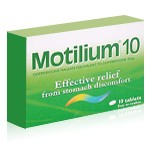
Motilium (Domperidone) stands as one of the most prescribed prokinetic and antiemetic medications in Europe, Canada, and other markets for relieving nausea, vomiting, and disorders of delayed gastric emptying. As a uniquely peripherally-acting D2 dopamine receptor antagonist, Motilium works directly on the chemoreceptor trigger zone and intestinal smooth muscle without crossing the blood-brain barrier, providing effective antiemetic action without the central nervous system side effects (extrapyramidal symptoms, sedation) common to other dopamine blockers. The 10 mg tablets and oral suspension deliver consistent symptom control with decades of clinical use.
Domperidone works through selective blockade of dopamine D2 receptors in two key locations. In the chemoreceptor trigger zone (CTZ) located outside the blood-brain barrier in the area postrema, dopamine blockade prevents nausea and vomiting signals. In gastrointestinal smooth muscle, the medication enhances gastric and small bowel motility by removing dopamine's inhibitory effect on acetylcholine release. The peripherally-acting nature comes from limited blood-brain barrier penetration, avoiding the centrally-mediated dystonias and tardive dyskinesia of metoclopramide. The result: nausea relief within 30-60 minutes, vomiting episodes stop, gastric emptying accelerates, fullness after meals decreases, and patients with chronic dyspepsia regain comfort.
Motilium serves multiple distinct clinical applications across gastroenterology. For functional dyspepsia and post-prandial fullness, the prokinetic action accelerates gastric emptying providing relief. For diabetic gastroparesis — where high blood sugar damages stomach nerves causing severe delayed emptying — domperidone is a first-line therapy. For nausea and vomiting from medications, migraine, gastroenteritis, or chemotherapy, the antiemetic action provides rapid relief. For Parkinson's disease patients, the medication uniquely treats levodopa-induced nausea without worsening Parkinson's symptoms (unlike metoclopramide). Off-label uses include milk supply enhancement in breastfeeding mothers and GERD adjunct therapy.
Motilium requires 3 times daily dosing taken 15-30 minutes before meals for optimal prokinetic effect. The medication reaches peak blood concentrations within 30-60 minutes and shows 7-9 hour half-life. Generic domperidone from quality manufacturers including Cipla, Sun Pharma, and Torrent provides identical therapeutic effects to brand Motilium at substantially lower cost. The active ingredient remains chemically identical to original Janssen / Johnson & Johnson formulation across both branded and generic versions of this established prokinetic antiemetic therapy.


Free prescription
Discrete packaging
Have questions?
Quality Assurance


- Vomiting: Forceful expulsion of stomach contents requiring antiemetic therapy to prevent dehydration and discomfort;
- Gastroparesis: Delayed gastric emptying causing early satiety bloating nausea and vomiting from various causes;
- Diabetic Gastroparesis: Slowed stomach emptying from diabetes-related nerve damage requiring prokinetic therapy;
- Functional Dyspepsia: Chronic upper abdominal discomfort without structural cause benefiting from prokinetic action;
- Indigestion: Upper abdominal discomfort with fullness bloating and acid sensation responding to prokinetics;
- Stomach Heaviness: Sensation of fullness or weight in stomach particularly after meals from delayed emptying;
- Post Meal Fullness: Excessive fullness sensation after eating from slow gastric emptying causing early satiety;
- Bloating: Sensation of abdominal distention from gas or delayed emptying improving with prokinetic therapy;
- Heartburn: Burning chest sensation from acid reflux which improves with faster gastric emptying;
- GERD: Gastroesophageal reflux disease where prokinetic therapy adjunct may help acid clearance;
- Acid Reflux: Backward flow of stomach acid into esophagus reducing through accelerated gastric emptying;
- Upper Abdominal Pain: Epigastric pain from gastric stasis and slow digestion responding to prokinetic action;
- Hiccoughs: Persistent intractable hiccoughs responding to dopamine antagonist therapy;
- Digestive Atony: Decreased intestinal motility and tone improving with peripheral dopamine receptor blockade;
- Migraine Nausea: Nausea accompanying migraine attacks responding to antiemetic therapy improving overall migraine management;
- Parkinsons Disease Nausea: Levodopa-induced nausea in Parkinsons treatment without worsening motor symptoms;
- Chemotherapy Nausea: Adjunctive antiemetic for chemotherapy-induced nausea particularly delayed phase;
- Lactation Support: Off-label use to increase milk supply in breastfeeding mothers through prolactin elevation;
- Prokinetic Therapy: Drug class accelerating gastric and intestinal motility for various functional GI disorders.
- Less Vomiting Episodes: Frequency and severity of vomiting decrease substantially with prokinetic antiemetic action;
- Better Gastric Emptying: Stomach empties food more rapidly relieving fullness and reducing reflux time;
- Less Gastroparesis Symptoms: Diabetic and idiopathic gastroparesis symptoms improve with sustained prokinetic therapy;
- Less Stomach Heaviness: Sensation of fullness or weight in stomach after meals decreases with prokinetic action;
- Less Post Meal Fullness: Early satiety and uncomfortable fullness after small meals improves substantially;
- Less Bloating: Abdominal distention sensation decreases as gastric and intestinal motility normalize;
- Less Heartburn: Burning chest sensation from reflux improves through faster gastric emptying;
- Less Reflux Symptoms: GERD symptoms improve as prokinetic action reduces acid contact time with esophagus;
- Less Upper Abdominal Pain: Epigastric pain from gastric stasis decreases as stomach motility normalizes;
- Less Indigestion: Functional dyspepsia symptoms including fullness and discomfort improve with consistent therapy;
- Better Appetite: Reduced post-meal discomfort restores normal appetite and ability to eat full meals;
- Less Migraine Nausea: Nausea component of migraine attacks resolves allowing better tolerance of migraine episodes;
- Less Parkinsons Treatment Nausea: Levodopa-induced nausea decreases without worsening underlying Parkinsons motor symptoms;
- Less Chemotherapy Nausea: Delayed chemotherapy-induced nausea episodes decrease with adjunctive prokinetic therapy;
- No Central Nervous System Effects: Peripheral action avoids extrapyramidal symptoms and tardive dyskinesia of metoclopramide;
- Less Persistent Hiccoughs: Intractable hiccoughs respond to dopamine antagonist effect of domperidone;
- Better Lactation Support: Off-label milk supply enhancement for breastfeeding mothers through prolactin elevation;
- Three Times Daily Convenience: Tablets taken 15-30 minutes before meals provide prokinetic effect at digestion times;
- Better Quality of Life: Daily wellbeing improves as chronic dyspepsia gastroparesis or nausea no longer limits eating and daily activities.
Generic Motilium (Domperidone 10 mg) Medication guide:
💊 What Motilium and Domperidone Are
Motilium is the original Janssen brand name for domperidone, a dopamine D2 receptor antagonist first synthesized in 1974 and licensed clinically in Europe shortly thereafter. Unlike older dopamine antagonists such as metoclopramide, domperidone was designed to stay out of the brain - and in that peripheral restriction lies both the strength and the oddity of the drug. It controls nausea and accelerates gastric emptying without producing the movement-disorder side effects that limit metoclopramide use, but the same mechanism also gives it a cardiac safety profile that has shaped its regulatory status across the world.
🎯 What domperidone does
Domperidone blocks dopamine D2 receptors in the chemoreceptor trigger zone outside the blood-brain barrier and on peripheral GI neurons that control antral and small-bowel motility. The result is reduced nausea and accelerated gastric emptying without central antidopaminergic effects. The clinical footprint reflects this.
| Setting | Role of domperidone |
|---|---|
| Diabetic and idiopathic gastroparesis | Reduces nausea, vomiting, bloating; accelerates gastric emptying |
| Functional dyspepsia (postprandial distress) | First-line prokinetic in Europe; modest benefit |
| GERD with impaired motility | Adjunct to PPI when symptoms persist |
| Chemotherapy and radiotherapy nausea | Adjunct option in standard regimens |
| Parkinson disease levodopa nausea | Preferred over metoclopramide because it does not cross BBB |
| Lactation induction | Off-label; elevates prolactin via peripheral pituitary effect |
🌍 An unusual regulatory map
Domperidone is approved for routine clinical use across the European Union, UK, Canada, Australia, most of Latin America and much of Asia. It has never been approved for commercial sale in the United States because of cardiac safety concerns. US clients with refractory gastroparesis can obtain it only through an FDA Investigational New Drug program with cardiac screening and monitoring. This split is unusual - most widely used GI drugs are available similarly in major markets - and it is central to the modern story of how domperidone is used.
💊 How Motilium is supplied
Standard adult formulations are 10 mg tablets, orally disintegrating tablets, and in some markets a 1 mg/mL oral suspension for children. Suppositories (30 or 60 mg) are available in several European countries for clients who cannot take oral medication. IV domperidone was withdrawn in the mid-1980s after cardiac arrhythmia reports with intravenous administration - a decision that preceded and partially predicted the oral safety concerns that emerged later.
🗺️ How this guide is organized
The next ten sections cover each clinical indication (gastroparesis, functional dyspepsia, reflux, chemotherapy nausea, Parkinson disease, opioid nausea, chronic constipation, infant reflux, lactation induction). Sections 12 to 16 cover mechanism, dosing and formulations. Sections 17 to 20 cover the regulatory history and cardiac safety story - what the EMA 2014 review changed, why QT prolongation matters, and who is at highest risk. The last thirteen sections handle side effects, interactions, special populations and switching to alternatives.
🍭 Diabetic Gastroparesis Motilium Treatment
Diabetic gastroparesis is delayed gastric emptying in a client with diabetes, in the absence of mechanical obstruction. It affects roughly 5 to 10 percent of long-standing diabetics and produces nausea, vomiting, early satiety, bloating and erratic blood glucose control. Domperidone is one of the small handful of prokinetic agents with established benefit in this setting.
🎯 The clinical problem
Vagal nerve dysfunction from chronic hyperglycemia disrupts the coordinated antral contractions that normally empty solid food from the stomach. Clients present with postprandial fullness, variable nausea, retching, vomiting of undigested food hours after eating, and unpredictable blood glucose because insulin dosing can no longer be matched to delayed carbohydrate absorption. Severe cases develop weight loss, malnutrition and dehydration.
📊 Where domperidone fits
| Severity | Approach |
|---|---|
| Mild - occasional symptoms, no weight loss | Dietary modification (small frequent meals, low-fat, low-fiber); glycemic optimization |
| Moderate - persistent symptoms affecting daily life | Add prokinetic: metoclopramide (US first-line) or domperidone (EU/Canada first-line) |
| Severe - refractory to prokinetic | Combination therapy, antiemetics, jejunal feeding tube, gastric electrical stimulation |
| Metoclopramide intolerance or contraindication | Switch to domperidone |
💊 Dosing in diabetic gastroparesis
Standard adult dosing is 10 mg three times daily, 15 to 30 minutes before meals, with an optional fourth dose at bedtime for nocturnal symptoms. The EMA 2014 restrictions capped routine dosing at 10 mg three times daily (30 mg/day) and limited standard courses to one week; chronic gastroparesis use beyond this requires individualized specialist decision-making and cardiac monitoring.
🔬 What the evidence shows
Patterson et al. 1999 and multiple subsequent trials demonstrated that domperidone improved gastric emptying times and reduced symptoms comparable to metoclopramide, with substantially fewer extrapyramidal side effects. Head-to-head comparisons favor domperidone on tolerability. The ACG 2022 guideline positions domperidone as a reasonable alternative to metoclopramide for clients who cannot tolerate the central side effects of the latter.
🤝 Beyond prokinetic therapy
Gastroparesis management is multimodal. Glycemic control is central because hyperglycemia itself slows gastric emptying. Dietary modification (small, frequent, low-fat, low-fiber meals; liquid supplements) often helps more than any single drug. Erythromycin at motilin-agonist doses is a short-term prokinetic alternative. Antiemetics (ondansetron, scopolamine) manage symptomatic nausea. Severe refractory cases consider jejunal feeding, pyloric therapies, or gastric electrical stimulation. Domperidone is a reliable workhorse but rarely the whole answer.
🫁 Idiopathic Gastroparesis Domperidone Use
Idiopathic gastroparesis is delayed gastric emptying without diabetes, prior surgery, medication cause or identifiable neuromuscular disorder. It is more common than diabetic gastroparesis in referral populations, affects women disproportionately, and often follows a viral illness in young adults. Clinically it looks similar to diabetic gastroparesis but the management emphasis shifts somewhat.
🎯 The clinical picture
Nausea, vomiting, early satiety, postprandial bloating and epigastric pain are the dominant complaints. Weight loss is less common than in severe diabetic cases. A substantial subset of clients give a history of a viral gastrointestinal illness months to years before symptoms began, suggesting a post-infectious neuropathy of the enteric nervous system. Overlap with functional dyspepsia is extensive and the diagnostic distinction depends on formal gastric emptying studies.
📊 Treatment approach
| Approach | Role in idiopathic gastroparesis |
|---|---|
| Dietary modification | First step; small frequent low-fat meals |
| Prokinetic therapy (domperidone, metoclopramide, erythromycin) | Mainstay symptomatic control |
| Antidepressants (TCA, mirtazapine) | Address visceral hypersensitivity and functional overlap |
| Antiemetics | Symptomatic adjuncts |
| Pyloric therapies (botulinum toxin, G-POEM) | Selected refractory cases |
| Gastric electrical stimulation | Severe refractory cases |
💊 Domperidone in idiopathic cases
Standard dosing is the same as in diabetic gastroparesis: 10 mg three times daily before meals, titrated to effect. Idiopathic clients are often younger and more sensitive to extrapyramidal effects from metoclopramide, making domperidone a particularly attractive option. The response rate is similar across diabetic and idiopathic subtypes. Many clients cycle through prokinetic agents - domperidone, metoclopramide, erythromycin - looking for the best personal match of efficacy and tolerability.
🤔 The functional overlap
Rome IV criteria distinguish gastroparesis (confirmed delayed emptying) from functional dyspepsia with postprandial distress syndrome (similar symptoms, normal emptying). The pharmacologic approach overlaps substantially - prokinetics help both - but the long-term trajectory and response patterns differ. Many clients labeled with idiopathic gastroparesis on a single study would meet functional dyspepsia criteria on repeat testing. The clinical lesson is that the labels are less important than the therapeutic trial.
🌍 Where domperidone sits internationally
European and Canadian gastroenterologists use domperidone as a first-line prokinetic for idiopathic gastroparesis. US gastroenterologists reach for metoclopramide first (because domperidone is not FDA-approved for commercial sale) and consider domperidone through IND when metoclopramide fails or is poorly tolerated. The clinical outcomes between these two approaches are similar; the regulatory barriers differ.
🍜 Functional Dyspepsia Motilium Role
Functional dyspepsia is one of the most common functional GI disorders worldwide, affecting roughly 10 percent of adults. Rome IV defines two subtypes - postprandial distress syndrome (early satiety, postprandial fullness) and epigastric pain syndrome - that often overlap. Prokinetic therapy including domperidone has a modest but real role, particularly in the postprandial distress subtype.
🎯 When prokinetics help
Postprandial distress syndrome is thought to reflect impaired gastric accommodation and antral motility. Prokinetics address this physiology directly. Epigastric pain syndrome overlaps more with visceral hypersensitivity and inflammatory signaling and responds less consistently to prokinetic therapy; PPIs, antidepressants and cognitive behavioural approaches dominate here. Domperidone sits firmly on the postprandial distress side of this split.
📊 European treatment hierarchy
| Step | Approach |
|---|---|
| 1. H. pylori test-and-treat | Eradication improves a subset of clients |
| 2. Lifestyle and dietary modification | Smaller meals, reduced fat, avoid identified triggers |
| 3. PPI 4-8 week trial | Reasonable regardless of subtype |
| 4. Prokinetic (domperidone or metoclopramide, where approved) | Particularly for postprandial distress |
| 5. TCA or mirtazapine | Address pain and visceral hypersensitivity |
| 6. 5-HT1A agonist (buspirone) or acotiamide | Enhance accommodation in refractory cases |
💊 Dosing for functional dyspepsia
Standard dosing is 10 mg three times daily before meals, same as in gastroparesis. A trial of 4 to 8 weeks is typical before judging response. Many clients report meaningful but incomplete symptom improvement; a smaller subset respond dramatically. The EMA 2014 restrictions limited routine prescribing to one week, but ongoing clinical practice in functional dyspepsia often involves longer courses with individualized risk-benefit discussion.
🔬 What the trials show
Meta-analyses of prokinetic therapy in functional dyspepsia show a modest but consistent benefit over placebo. The Cochrane review on prokinetics for functional dyspepsia found a number-needed-to-treat of around 6 to 8 for meaningful symptom improvement. Domperidone performs similarly to metoclopramide with better tolerability. The modest effect size is a honest reflection of a complex syndrome where no single mechanism explains all cases.
🤝 Combining with other therapies
Domperidone combines well with PPIs and with the dietary and lifestyle components of functional dyspepsia management. Combining it with antidepressants (TCA, mirtazapine) requires attention to QT prolongation risk because several antidepressants prolong QT and the risk is additive. For most clients the combination is used cautiously with ECG baseline and periodic reassessment.
🔥 Reflux and Prokinetic Domperidone Use
Gastroesophageal reflux disease (GERD) is primarily a problem of impaired lower esophageal sphincter function and acid exposure, treated principally with proton pump inhibitors and H2 blockers. Domperidone has a secondary role as a prokinetic adjunct when the clinical picture suggests impaired gastric emptying contributing to the reflux load.
🎯 The physiology linking motility to reflux
Not all reflux is just a sphincter problem. A subset of clients have delayed gastric emptying that prolongs the time food sits in the stomach, raises intragastric pressure, and increases transient lower esophageal sphincter relaxations. In these clients, PPI alone treats the acid but does not address the retention driving the reflux episodes. Adding a prokinetic agent can help.
📊 Where domperidone fits
| Clinical picture | Approach |
|---|---|
| Classical GERD (heartburn, regurgitation) | PPI alone, lifestyle modification |
| GERD plus postprandial fullness, bloating | PPI plus prokinetic (domperidone or metoclopramide) |
| Nocturnal reflux despite PPI | PPI timing optimization; H2 blocker at bedtime; consider prokinetic |
| GERD with gastroparesis on gastric emptying study | PPI plus prokinetic; dietary modification |
| Non-erosive reflux disease | PPI; prokinetic marginal benefit |
💊 Dosing in GERD
Standard dosing when used for GERD is 10 mg three times daily before meals. Clinical trials in GERD show modest additional benefit over PPI alone, concentrated in clients with a motility component to their reflux. The EMA 2014 restrictions did not specifically endorse ongoing GERD use, which has pushed European practice toward shorter courses with reassessment and targeting clients most likely to benefit.
🔬 The evidence picture
Meta-analyses of prokinetics added to PPI in GERD show a modest incremental benefit in reducing regurgitation and postprandial symptoms, with the clearest effect in clients with objective evidence of impaired gastric emptying. Routine addition of a prokinetic to every PPI prescription is not supported; targeted use in the right subgroup is.
🤔 When not to use domperidone for reflux
Reflux without a motility component responds adequately to PPI alone and adding domperidone exposes the client to cardiac risk without meaningful benefit. Erosive esophagitis is managed principally with higher-dose PPI, not prokinetics. Barrett esophagus is managed with surveillance and PPI, not prokinetics. The prokinetic add-on is a targeted therapy for a specific clinical subset, not a general enhancement of GERD care.
💊 Chemotherapy Induced Nausea Motilium
Chemotherapy-induced nausea and vomiting (CINV) is treated primarily with 5-HT3 receptor antagonists (ondansetron, palonosetron), NK1 receptor antagonists (aprepitant), corticosteroids (dexamethasone) and newer agents. Domperidone has a secondary role as a dopamine antagonist antiemetic, particularly in regimens where metoclopramide would be used but has been poorly tolerated.
🎯 Where domperidone fits in modern CINV care
The modern three- or four-drug prophylactic regimen for highly emetogenic chemotherapy (5-HT3 antagonist plus NK1 antagonist plus dexamethasone, with or without olanzapine) handles the majority of CINV without needing dopamine antagonists. Domperidone - and metoclopramide - come in as rescue antiemetics for breakthrough nausea and in less-emetogenic settings where the full prophylactic stack is not justified.
📊 Dosing for CINV
| Setting | Role |
|---|---|
| Minimally emetogenic chemotherapy | Oral domperidone as prophylactic option |
| Low to moderately emetogenic chemotherapy | Add 5-HT3 antagonist; domperidone as rescue |
| Highly emetogenic chemotherapy | Full three- or four-drug stack; domperidone as rescue |
| Delayed emesis | Dexamethasone, aprepitant; domperidone for breakthrough |
| Anticipatory nausea | Benzodiazepines, behavioural therapy; not domperidone territory |
💀 Cardiac safety during chemotherapy
Overlapping cardiac risk
Many oncology clients are on QT-prolonging drugs (ondansetron, methadone, certain targeted therapies, azole antifungals). Several receive electrolyte-depleting regimens. Adding domperidone in this context raises cumulative QT prolongation risk. ECG baseline, electrolyte repletion and dose minimisation apply. For many clients, 5-HT3 antagonists plus NK1 antagonists provide adequate control without needing domperidone, which simplifies the risk profile.
💊 Standard dosing
Standard adult dosing in oncology use is 10 mg three or four times daily, timed around chemotherapy delivery and continued through the acute phase. Suppositories (30 or 60 mg) are useful for clients unable to take oral medication during active emesis. The EMA 2014 restriction to one-week courses fits most CINV scenarios, which are typically short and tied to specific chemotherapy cycles.
👨⚕️ Oncology team coordination
Oncology regimens are highly structured and antiemetic choices are usually made by the treating team as part of chemotherapy protocols. Domperidone where used fits into institutional preferences and NCCN or MASCC-ESMO guidelines. Clients should not self-initiate or stop domperidone in the context of ongoing chemotherapy without discussing with the oncology team.
🧠 Parkinson Disease Nausea Management
Parkinson disease therapy with levodopa and dopamine agonists frequently causes nausea, particularly at treatment initiation. Treating that nausea presents a specific problem: most antiemetics block central dopamine receptors and would therefore oppose the therapeutic effect of the Parkinson drugs themselves. Domperidone is the preferred antiemetic in this setting because it does not cross the blood-brain barrier at therapeutic doses.
🎯 The therapeutic dilemma
Levodopa, pramipexole, ropinirole, apomorphine and other Parkinson therapies all boost central dopamine signaling to compensate for degenerating nigrostriatal neurons. The same dopamine spillover produces nausea by stimulating the chemoreceptor trigger zone. Blocking the trigger zone with a central dopamine antagonist (metoclopramide, prochlorperazine) stops the nausea - and worsens the parkinsonism. This is why movement disorders specialists avoid these drugs in Parkinson clients.
📊 Where domperidone fits
| Scenario | Approach |
|---|---|
| Levodopa initiation nausea | Domperidone 10 mg TID starting 2-3 days before levodopa; often needed only for first few weeks |
| Apomorphine therapy | Domperidone recommended before and during apomorphine use for refractory motor fluctuations |
| Chronic Parkinson nausea | Lowest effective dose domperidone with periodic reassessment |
| Alternative | Ondansetron (not dopamine antagonist); non-pharmacologic measures |
💊 Dosing in Parkinson disease
Standard dosing is 10 mg three times daily, taken 15 to 30 minutes before each levodopa dose. For apomorphine initiation, domperidone 20 mg three times daily for 2 days before and 2 days after starting apomorphine is a classical regimen. Many clients need domperidone only during the initial weeks of levodopa therapy and can taper off as tolerance to the nausea develops.
💀 The cardiac consideration in Parkinson clients
Age-related QT risk
Parkinson disease is a condition of older adults - exactly the group where domperidone cardiac risk is highest. Baseline ECG before starting, electrolyte review, and reassessment of ongoing need beyond the initial nausea phase all apply. Many clients can taper off domperidone after a few weeks when levodopa nausea subsides, which minimises long-term cardiac exposure.
🤝 Movement Disorder Society guidance
The Movement Disorder Society and most national Parkinson guidelines specifically endorse domperidone over metoclopramide and other central dopamine antagonists for nausea in Parkinson disease. This is one of the rare clinical settings where domperidone has a clear mechanistic advantage over its alternatives, and where the drug remains firmly recommended despite the broader cardiac safety concerns.
🔄 What else is avoided
Metoclopramide, prochlorperazine, promethazine and most antipsychotics are avoided in Parkinson disease because they all block central dopamine receptors and worsen motor symptoms. Ondansetron is an alternative antiemetic in Parkinson clients when domperidone is contraindicated by cardiac disease. Mirtazapine and trimethobenzamide have smaller roles. The toolkit is narrow precisely because so many standard antiemetics are off the table.
💉 Opioid Induced Nausea Control
Opioid analgesics cause nausea in roughly a quarter to a third of clients, particularly at initiation. The mechanism involves direct stimulation of the chemoreceptor trigger zone, slowing of gastric emptying, and vestibular sensitization. Domperidone addresses the first two components directly and is a reasonable antiemetic choice where available.
🎯 The opioid-nausea pattern
Opioid-induced nausea is usually worst in the first several days of therapy and often resolves with tolerance over a week or two. Clients may also develop delayed gastric emptying from opioid effect on the enteric nervous system, which prolongs the nauseous period and compounds the problem. Antiemetic therapy during this bridging window helps clients maintain adequate analgesia without being limited by nausea.
📊 Where domperidone fits
| Scenario | Approach |
|---|---|
| Short-course postoperative opioid use | Ondansetron typically first-line; domperidone as alternative |
| Cancer pain with chronic opioid | Domperidone or metoclopramide; ondansetron where available |
| Opioid initiation nausea in palliative care | Domperidone 10 mg TID for first 1-2 weeks, then reassess |
| Chronic opioid plus gastroparesis-type nausea | Domperidone addresses both motility and nausea components |
| Opioid-induced vestibular nausea (positional) | Antihistamines or scopolamine; domperidone less specific |
💊 Standard dosing
Standard dosing for opioid-related nausea is 10 mg three times daily, 15 to 30 minutes before meals and before opioid doses when possible. Suppositories are useful for clients who cannot keep oral medication down during active emesis. The one-week EMA restriction fits most opioid-initiation scenarios because tolerance usually develops in that timeframe; longer use in chronic cancer pain or palliative care requires individualized decision-making.
💀 Cardiac risk in opioid co-prescription
Methadone and QT prolongation
Methadone prolongs QT in a dose-dependent manner. Combining methadone with domperidone creates additive QT prolongation risk and can trigger torsades. For methadone clients needing an antiemetic, ondansetron also prolongs QT; haloperidol has similar concerns. Trimethobenzamide, mirtazapine or non-pharmacologic approaches become more attractive in this specific combination.
🤝 Multimodal approach
Opioid-induced nausea often improves faster with dose rotation (switching from one opioid to another), route change (parenteral to transdermal), or adding non-opioid analgesic components that reduce the opioid requirement. Antiemetic therapy including domperidone bridges the first weeks of adaptation but is not a substitute for optimising the underlying opioid regimen.
🚽 Chronic Constipation Limited Role
Domperidone has a limited role in chronic constipation. The drug accelerates upper-GI motility (gastric emptying and small-bowel transit) but has no meaningful effect on colonic transit, which is where chronic constipation lives. This is one of the areas where domperidone is sometimes considered and usually not helpful.
🎯 Why upper-GI prokinetics do not fix constipation
Chronic idiopathic constipation and slow-transit constipation are predominantly colonic motility problems. D2 antagonism accelerates antral and small-bowel motility through peripheral mechanisms that do not meaningfully reach the colon. Clinical trials of domperidone in chronic constipation have shown little benefit over placebo. The exceptions are specific conditions where upper-GI dysmotility contributes.
📊 When upper-GI prokinetics might help
| Setting | Role of domperidone |
|---|---|
| Chronic idiopathic constipation | Not recommended |
| Opioid-induced constipation | Peripheral mu-antagonists (naldemedine) or osmotic laxatives preferred |
| Gastroparesis with associated constipation | Domperidone for upper-GI symptoms; separate laxative regimen for colon |
| Systemic sclerosis with GI dysmotility | Domperidone for upper-GI; prucalopride for colon |
| Diabetic enteropathy | Multi-targeted approach including domperidone for upper-GI dysmotility |
🚽 What actually works for constipation
Standard chronic constipation management uses dietary fibre and fluid, osmotic laxatives (polyethylene glycol, lactulose), stimulant laxatives (senna, bisacodyl), chloride channel activators (lubiprostone), guanylate cyclase agonists (linaclotide, plecanatide) and prucalopride (a selective 5-HT4 agonist with colonic prokinetic effect). The treatment hierarchy does not include domperidone.
🔄 Prucalopride versus domperidone
Prucalopride is sometimes confused with domperidone because both are prokinetics marketed in Europe. The two drugs act differently: domperidone is a D2 antagonist with upper-GI effects, prucalopride is a selective 5-HT4 agonist with colonic effects. Prucalopride is the appropriate choice for chronic idiopathic constipation; domperidone is the appropriate choice for upper-GI dysmotility. They are not interchangeable.
🏥 Mixed-motility disorders
Some clients have combined upper- and lower-GI dysmotility - systemic sclerosis, chronic intestinal pseudo-obstruction, diabetic autonomic neuropathy with widespread GI involvement. These clients may be on domperidone for upper-GI symptoms and prucalopride, laxatives or other agents for colonic symptoms simultaneously. Specialist supervision is standard, and ECG monitoring applies given the multiple potentially QT-affecting medications involved.
👶 Infant Reflux Motilium Controversy
Domperidone for infant gastroesophageal reflux has been a long-running clinical controversy. European pediatric practice has used it for decades; the evidence base is thin; and the cardiac safety concerns that drove the 2014 EMA review apply particularly to vulnerable pediatric populations. Current practice has moved substantially away from routine use.
👶 The clinical scenario
Infant gastroesophageal reflux is extremely common - most healthy babies spit up frequently in the first six months and the vast majority outgrow it without intervention. A smaller subset develop pathologic reflux with feeding refusal, weight loss, esophagitis or recurrent respiratory symptoms. Historically, pediatricians in European and other markets prescribed domperidone for these cases alongside positional and feeding changes.
🤔 What the evidence actually shows
Systematic reviews of domperidone for infant reflux show limited and inconsistent benefit. Studies are small, often open-label, with heterogeneous endpoints. The modest benefit demonstrated in some trials does not clearly justify use given the alternatives (positional modification, thickened feeds, acid suppression in selected cases) and the cardiac safety signal. The ESPGHAN 2018 pediatric GERD guideline and other recent recommendations have moved away from routine domperidone use in infants.
💀 Why pediatric cardiac risk matters
Vulnerable population
Infants have immature cardiac conduction, immature drug metabolism, and in some cases congenital long QT syndrome that is undetected before a QT-prolonging drug is given. Case reports of sudden infant death with domperidone exposure in the 2000s - including an infant case series that contributed to the EMA review - produced justified caution. Pediatric use requires baseline ECG, careful dose calculation and close monitoring where it is used at all.
📊 Current practice
| Infant reflux presentation | Current approach |
|---|---|
| Physiologic reflux, thriving infant | Reassurance, positional changes; no medication |
| Reflux with mild feeding issues | Thickened feeds, smaller frequent feeds; reassurance |
| Pathologic reflux with weight loss or esophagitis | H2 blocker or PPI trial under specialist supervision |
| Refractory cases | Pediatric gastroenterology; domperidone considered only in selected cases |
👩⚕️ Specialist involvement
Current pediatric guidelines consistently recommend that any pharmacologic therapy for infant reflux - particularly domperidone - be prescribed and monitored by a pediatric gastroenterologist rather than at primary care level. This reflects both the diagnostic nuance (ruling out other causes of symptoms) and the safety considerations that limit casual prescribing.
🔁 The parent conversation
Parents often arrive at consultation expecting medication for their reflux baby because of previous clinical traditions or online information. The honest conversation includes that most infant reflux resolves without medication, that domperidone has limited evidence in this setting, and that cardiac safety concerns apply particularly to this population. For most infants, positional modification, thickened feeds and reassurance are more valuable than drug therapy.
🍼 Lactation Induction Off-label Use
Domperidone is widely used off-label as a galactagogue - an agent that increases breast milk production. The mechanism relies on peripheral dopamine antagonism at the anterior pituitary, which raises prolactin levels and stimulates lactation. It is not FDA-approved for this indication anywhere in the world, but is widely prescribed in Canada, UK, Australia and other EU-aligned markets by lactation consultants and family physicians.
🎯 When domperidone is considered
The core indication is induced or re-established lactation in clients whose milk supply is inadequate despite optimal breastfeeding mechanics and frequent effective milk removal. Candidates include adoptive mothers establishing lactation, mothers who stopped nursing and want to resume, mothers of premature infants with establishment difficulties, and mothers with persistent low supply despite non-pharmacologic optimization. It is not a first-line response to perceived low supply - most of those cases improve with better breastfeeding support rather than medication.
📊 Dosing for lactation induction
| Scenario | Typical regimen |
|---|---|
| Low supply in established lactation | 10 mg three times daily; adjust based on response |
| Induced lactation (adoptive) | 10 mg three or four times daily; combined with pumping protocol |
| Re-induced lactation | 10 mg three times daily plus pumping |
| Maximum typical dose | 20 mg four times daily (not routinely needed) |
| Discontinuation | Taper rather than abrupt stop to minimise supply drop |
🚫 Important role of non-pharmacologic support
Domperidone does not substitute for effective milk removal. Clients maximising supply with domperidone should also have optimised feeding mechanics, pumping schedule, hydration, nutrition and rest. The galactagogue effect without ongoing milk removal is modest at best. Lactation consultant input is essential; drug therapy alone is rarely the answer.
💀 Safety considerations for the mother
Cardiac screening before galactagogue use
Lactation induction is a long-course off-label use in healthy young women. Baseline cardiac history, family history of sudden death, and ECG review are appropriate before starting. The risk is low in otherwise healthy adults at the doses used but is not zero. Avoid in clients with cardiac disease, family history of long QT, electrolyte abnormalities or concomitant QT-prolonging drugs.
👶 Infant exposure through milk
Domperidone passes into breast milk at concentrations roughly 0.1 to 1 percent of maternal plasma. Infant exposure through milk is therefore very low. Case reports of infant cardiac events attributed to maternal domperidone exposure through milk are rare and typically involve additional risk factors. The LactMed database considers maternal use acceptable with monitoring.
👩⚕️ FDA position
The FDA has issued a Public Health Advisory warning against domperidone importation for lactation use based on concerns about safety and the lack of regulated manufacturing oversight for US-sold product. This has not stopped the practice but has shaped how clients and clinicians access the drug. Canadian and UK supply through appropriate medical channels remains the standard route.
🧬 Peripheral Dopamine Receptor Blockade
Domperidone is a peripheral dopamine D2 receptor antagonist. Everything about its clinical profile - what it treats, what it does not, what side effects it has, what safety concerns limit it - follows from where in the body it acts and where it does not.
🧬 The receptor action
Dopamine normally serves two inhibitory functions in the GI tract. In the stomach, it reduces antral contractions and slows gastric emptying. In the chemoreceptor trigger zone, it transmits nausea signals from blood-borne stimuli to the vomiting centre. In the anterior pituitary, it suppresses prolactin release. Domperidone blocks the D2 receptors at all three sites simultaneously.
| Site of action | Clinical effect of D2 blockade |
|---|---|
| Gastric antrum and small bowel | Accelerated gastric emptying; prokinetic effect |
| Chemoreceptor trigger zone (outside blood-brain barrier) | Reduced nausea and vomiting from blood-borne stimuli |
| Anterior pituitary (outside blood-brain barrier) | Raised prolactin; galactorrhea; galactagogue effect |
| Lower esophageal sphincter | Modest increased tone |
| Striatum (behind blood-brain barrier) | Not reached at therapeutic doses |
🛡️ The peripheral restriction
Metoclopramide, prochlorperazine and other classical dopamine antagonists cross the blood-brain barrier and reach the striatum, where D2 blockade produces extrapyramidal side effects - acute dystonia, parkinsonism, tardive dyskinesia. These effects limit the practical use of metoclopramide and make it dangerous in Parkinson disease and the elderly. Domperidone was engineered to stay out of the brain, and in that peripheral restriction lies its therapeutic advantage.
💀 What happens outside the brain
The chemoreceptor trigger zone is in the area postrema at the floor of the fourth ventricle - a region deliberately exempted from the blood-brain barrier so it can sample blood for toxins. Domperidone reaches this zone through the bloodstream and blocks nausea signals arising from blood-borne drugs, metabolic abnormalities and other stimuli. The pituitary stalk is similarly exempt; domperidone reaches it and raises prolactin.
🤔 Why cardiac effects nonetheless occur
The peripheral restriction keeps domperidone out of the brain but not out of the heart. Cardiac myocytes are reached through the normal circulation. At supratherapeutic doses - and in some clients at therapeutic doses with specific risk factors - domperidone blocks the hERG potassium channel in cardiac tissue, prolonging QT and raising the risk of torsades. This cardiac story is covered in detail in Sections 18 to 20.
💡 Core principle: domperidone is a selective tool. It acts where dopamine normally slows the gut and triggers nausea. It stays out of the brain, which spares movement disorders. It reaches the heart, which creates the cardiac safety concern.
🛡️ Why Domperidone Avoids the Brain
The reason domperidone does not cross the blood-brain barrier at therapeutic doses is not an accident of the molecule but a specific biological barrier - the P-glycoprotein efflux pump at cerebral capillary endothelial cells. Understanding this mechanism explains both why domperidone is safe neurologically and why specific drug interactions can breach that safety.
🛡️ How the barrier works
Blood-brain barrier endothelial cells express P-glycoprotein (MDR1/ABCB1), an ATP-dependent efflux transporter that pumps lipophilic drugs out of brain tissue back into the bloodstream. Domperidone is a P-glycoprotein substrate. Any molecule that enters cerebral endothelium is actively pumped out before it can reach brain parenchyma. The net CNS exposure to domperidone at therapeutic doses is minimal.
🔬 What the brain CT studies showed
Positron emission tomography studies with radiolabeled dopamine antagonists have confirmed that domperidone produces less than 10 percent occupancy of striatal D2 receptors at therapeutic doses, compared with over 50 percent occupancy for metoclopramide at equivalent gastric emptying effect. This is the molecular basis for the much lower extrapyramidal side effect burden of domperidone.
📊 Factors that can breach the barrier
| Factor | Mechanism |
|---|---|
| P-glycoprotein inhibitors (ketoconazole, verapamil, cyclosporine, ritonavir) | Reduce efflux, allow CNS accumulation |
| Genetic polymorphisms in ABCB1 | Variable baseline P-gp function |
| Very high doses | Saturate efflux capacity |
| Immature blood-brain barrier (neonates) | Incomplete P-gp expression; higher CNS exposure |
| Advanced age with disrupted BBB | Possible increased CNS exposure in some clients |
👶 The neonatal exception
Neonates have incompletely developed P-glycoprotein function at the blood-brain barrier, which theoretically allows higher CNS exposure to domperidone. Combined with their vulnerability to cardiac effects, this is one of the biological reasons neonatal and infant use is approached cautiously.
💀 What about the cardiac risk
The cardiac risk is unrelated to the blood-brain barrier. Cardiac myocytes are reached through normal circulation; there is no analogous efflux pump restricting cardiac exposure. The hERG channel blockade that produces QT prolongation is a property of the drug on cardiac tissue, not of its distribution. This is why domperidone can be neurologically safe (because of the BBB) and cardiac-concerning (because the heart has no equivalent protection).
🤔 Clinical implications
Clients on strong P-glycoprotein inhibitors - specific antifungals, protease inhibitors, cyclosporine, verapamil - potentially have higher-than-expected CNS exposure to domperidone, which can produce extrapyramidal effects normally absent at therapeutic doses. More importantly, these interactions also raise plasma domperidone concentrations and amplify the cardiac QT risk. Section 25 covers the interaction landscape in detail.
📏 Motilium 10 mg Standard Dosing
Domperidone dosing is anchored at 10 mg three times daily for most adult indications, with the EMA 2014 restrictions capping routine daily totals at 30 mg and courses at one week. Specific indications adjust this baseline. This section pulls the practical dosing together.
📏 Adult dosing by indication
| Indication | Dose | Timing |
|---|---|---|
| Diabetic gastroparesis | 10 mg TID (up to QID with bedtime dose) | 15-30 min before meals |
| Idiopathic gastroparesis | 10 mg TID | Before meals |
| Functional dyspepsia | 10 mg TID | Before meals |
| GERD adjunct | 10 mg TID | Before meals |
| Levodopa-induced nausea | 10 mg TID | 15-30 min before levodopa doses |
| Apomorphine therapy initiation | 20 mg TID for 2 days before and after start | Scheduled |
| Chemotherapy-induced nausea | 10 mg TID-QID | Around chemotherapy delivery |
| Opioid-induced nausea | 10 mg TID | Before meals and opioid doses |
| Lactation induction (off-label) | 10 mg TID (sometimes QID) | Combined with pumping/feeding |
🔢 The EMA 2014 ceiling
30 mg/day, one week
The 2014 EMA review set routine prescribing at maximum 30 mg daily and courses of up to one week. Longer or higher-dose use is permitted where clinical need justifies it, but should include individualized risk-benefit discussion, baseline ECG, and periodic reassessment. Chronic gastroparesis and lactation induction routinely exceed this restriction with specialist supervision.
👩⚕️ Renal and hepatic adjustments
Domperidone is metabolized primarily by CYP3A4 in the liver and excreted largely as metabolites in bile and urine. Severe hepatic impairment is a contraindication because the drug accumulates. Mild to moderate hepatic impairment warrants dose reduction. Severe renal impairment extends the dosing interval - typically to twice daily rather than three times daily - because renal clearance of metabolites is slowed.
🍟 Food and administration
Domperidone is best taken 15 to 30 minutes before meals because its prokinetic effect is tied to meal-stimulated gastric motility. Taking it with or after food reduces absorption modestly and times the drug effect poorly. Clients should swallow tablets with water; orally disintegrating formulations can be used in situations where water is not available.
🧓 Elderly dosing
Older adults should start at the standard 10 mg TID rather than higher doses. Age-related reduction in renal and hepatic clearance means plasma levels can be higher than in younger clients at the same dose, which combined with age-related baseline QT prolongation and higher prevalence of QT-affecting co-medications raises cardiac risk. Section 20 covers elderly use in detail.
💊 Tablets Suspension and Suppository Formulations
Domperidone formulations are chosen based on route tolerability during active symptoms, client age, and the specific clinical scenario. Oral tablets dominate everyday use; suppositories matter for acute vomiting; the oral suspension is the standard pediatric form where domperidone is prescribed for children.
💊 Available formulations
| Formulation | Strength | Primary use |
|---|---|---|
| Film-coated tablet | 10 mg | Standard adult oral dosing |
| Orally disintegrating tablet | 10 mg | Clients with swallowing difficulty; convenient for nausea |
| Oral suspension | 1 mg/mL | Pediatric use; weight-based dosing |
| Suppository (adult) | 30 mg, 60 mg | Active vomiting; cannot keep oral down |
| Suppository (pediatric) | 10 mg, 30 mg | Pediatric gastroenterology where oral not tolerated |
🚫 What is no longer available
Intravenous domperidone was marketed briefly in the early 1980s and was withdrawn after reports of ventricular arrhythmia with rapid infusion. Several decades later this withdrawal reads as an early warning signal for the cardiac safety concerns that eventually reached oral formulations. There is no modern IV domperidone; parenteral prokinetic needs are met with IV metoclopramide where appropriate.
🤔 Choosing between tablet and suppository
For most clients and indications, the oral tablet is appropriate. Suppositories are useful when clients are actively vomiting and cannot keep tablets down - acute gastroparesis flares, chemotherapy-induced vomiting, migraine-associated nausea with vomiting. Suppository dosing is higher than oral because rectal bioavailability is lower, but the absolute dose numbers (30 or 60 mg) look larger than familiar oral doses - this is not an escalation of therapy, just a route-based conversion.
👶 Pediatric suspension considerations
Pediatric domperidone is dosed by weight (typically 0.25-0.5 mg/kg per dose, three or four times daily, maximum 2.4 mg/kg/day) using the 1 mg/mL suspension. Accurate measurement with a syringe is essential - kitchen spoons are not adequate. Pediatric use is specialist-directed per the EMA restrictions, with cardiac screening before extended use.
🌍 Regional variations
Brand and generic availability varies by country. Motilium is the Janssen original brand; generic domperidone 10 mg is widely available in markets where the drug is approved. The orally disintegrating tablet (Motilium Instant, Motilium M) is popular in Europe and Asia. Suppositories are standard in France, Belgium, Italy and several other European markets but less commonly stocked in UK and Nordic countries where oral and ODT dominate.
⏱️ Onset Duration and Meal Timing
Domperidone starts to work within 30 to 60 minutes of an oral dose and provides prokinetic and antiemetic effect for 6 to 12 hours. Those numbers set the practical dosing rhythm and explain the three-times-daily schedule that dominates clinical use.
⏱️ Onset and peak
Peak plasma concentration occurs 30 to 90 minutes after an oral dose on an empty stomach. Food modestly delays and reduces peak absorption, which is why dosing is typically scheduled before meals rather than with them. The prokinetic effect on gastric motility is evident within an hour; the antiemetic effect from chemoreceptor trigger zone blockade is similarly rapid.
🕛 Half-life and dosing interval
Domperidone has an elimination half-life of about 7 to 9 hours in healthy adults. Three-times-daily dosing (every 8 hours) produces reasonable steady-state coverage with gaps that do not usually produce symptomatic breakthrough. Twice-daily dosing is possible for mild indications; four-times-daily dosing adds a bedtime dose for nocturnal symptoms in gastroparesis.
🍟 Timing with meals matters
| Scenario | Timing |
|---|---|
| Standard dosing | 15-30 min before meals |
| Levodopa nausea | 15-30 min before each levodopa dose |
| Nocturnal gastroparesis symptoms | Add dose at bedtime |
| Breakthrough symptoms | Can be taken reactively but less effective than scheduled |
🤔 What to expect from early response
For acute nausea indications, antiemetic effect should be evident within an hour. For gastroparesis and functional dyspepsia, meaningful symptomatic improvement typically develops over the first week to two weeks of regular dosing. A client who sees no benefit after two weeks of adequate dosing is unlikely to respond further and should be considered for alternative therapy.
🔙 Course length considerations
The EMA 2014 restriction limits routine prescribing to one week. For nausea and vomiting of acute causes, this fits most scenarios. For chronic indications (gastroparesis, functional dyspepsia, lactation induction), ongoing use continues under medical direction with periodic reassessment. The question is not whether chronic use is permitted but whether the ongoing benefit continues to justify the cardiac risk - a question that is revisited every few months rather than answered once.
🚨 When to stop and reassess
No response after a 2-4 week trial at adequate dose, development of QT prolongation on monitoring ECG, new QT-affecting medications added to the regimen, or clinical change in cardiac status all warrant reassessment and possible discontinuation. Clients should know not to continue domperidone indefinitely without regular medical review.
🇺🇸 US FDA Approval Status Explained
Domperidone has never been approved for commercial marketing in the United States. This is unusual - most widely used prokinetic and antiemetic drugs are available in all major markets - and understanding the regulatory history clarifies why US clients and clinicians interact with the drug differently from European counterparts.
🏛️ The regulatory timeline
| Year | Event |
|---|---|
| 1974 | Domperidone synthesized by Janssen |
| Late 1970s | Approved and marketed across Europe for nausea, vomiting and GI motility |
| 1980s | IV formulation withdrawn after cardiac arrhythmia reports with rapid infusion |
| 1985 and later | Multiple NDA submissions to FDA for oral use declined based on cardiac safety data |
| 2004 | FDA Public Health Advisory warning against importation for lactation induction |
| 2007 onward | FDA Investigational New Drug program allows severe gastroparesis clients to obtain domperidone under cardiac screening protocol |
| 2014 | EMA restricts European use after new pharmacovigilance data |
🚫 Why the FDA declined approval
The decision was based on cardiac arrhythmia data that emerged from the withdrawn IV formulation and from post-marketing surveillance in Europe. The FDA concluded that oral domperidone did not demonstrate a benefit profile sufficient to justify the cardiac risk given the availability of alternative antiemetics and prokinetics (metoclopramide, ondansetron, erythromycin) with different safety profiles. European regulators reached a different balance and allowed approval, which is the main reason for the regional disparity.
🏛️ The FDA IND program
Access for severe gastroparesis
US clients with severe gastroparesis who have failed or cannot tolerate standard therapies can obtain domperidone through a physician-sponsored Investigational New Drug (IND) application. Requirements include documented failure of other prokinetic therapy, baseline ECG and electrolyte screening, informed consent about cardiac risks, and periodic cardiac monitoring. The program is restrictive compared with European access but provides a legitimate pathway for clients who genuinely need the drug.
🌍 Importation and personal supply
US clients sometimes obtain domperidone from Canadian or international pharmacies. The FDA has historically applied enforcement discretion to personal small-quantity importation of foreign-approved prescription drugs for individual use, but has issued specific warnings against domperidone importation for lactation induction because of the lack of appropriate medical supervision in such use cases.
🤔 What US clients should know
Clients considering domperidone in a US context should discuss with their physician whether an IND application is appropriate for their situation, whether alternative therapies have been adequately tried, and what the baseline cardiac screening would involve. Self-directed importation is a legally gray area with no medical supervision and no quality assurance for the imported product.
🇪🇺 EMA 2014 Cardiac Safety Review
The 2014 European Medicines Agency pharmacovigilance review is the defining regulatory event of the modern domperidone era. The review restricted labeled indications, capped dose and course length, and set the current risk-management framework used across EU and EU-aligned markets.
🔬 What triggered the review
Pharmacovigilance data accumulating from the late 2000s identified a signal of serious ventricular arrhythmia and sudden cardiac death associated with domperidone use. Case-control studies (particularly Van Noord et al. 2010) and population pharmacoepidemiology analyses showed increased risk at higher doses, in older adults, and in clients on QT-prolonging co-medications. The signal was consistent enough and the drug was widely prescribed enough that the EMA committee undertook a formal review.
📊 What the 2014 restrictions put in place
| Area | Restriction |
|---|---|
| Approved indications | Limited to nausea and vomiting; GERD and functional dyspepsia indications removed from label |
| Maximum dose | 30 mg/day in adults (lower for pediatrics) |
| Course length | Up to one week for routine prescribing |
| Age restrictions | Prescription-only in all age groups; strict pediatric dose caps |
| Contraindications added | Severe hepatic impairment, moderate-to-severe cardiac disease, concurrent QT-prolonging drugs, concurrent strong CYP3A4 inhibitors |
| Formulations | IV formulation already withdrawn; higher-strength oral products removed in several markets |
👨⚕️ What the review did not do
The review did not withdraw domperidone from the market. The committee concluded that benefits continue to outweigh risks for nausea and vomiting indications when used appropriately. Chronic use for gastroparesis, Parkinson disease nausea, and lactation induction continues at prescriber discretion with informed consent about cardiac risks and appropriate monitoring. The restrictions tightened routine prescribing without removing the drug from clinical practice.
🎯 What changed in daily practice
The main practice shifts
European clinicians moved to shorter default course lengths, lower default doses, more careful baseline cardiac screening before chronic use, and expanded reassessment at follow-up visits. Many clients previously on chronic domperidone for GERD or functional dyspepsia had therapy reviewed and sometimes discontinued or switched to agents without cardiac risk. The 2014 restrictions successfully reduced inappropriate chronic use while preserving access for clients who need the drug.
🌍 Harmonisation across markets
Canada, UK, Australia and most EU-aligned markets updated their product labeling in parallel with the EMA review. The restrictions are therefore broadly consistent across markets outside the US. Clients traveling or relocating between these jurisdictions will find similar prescribing patterns and warnings.
🩸 Domperidone QT Prolongation Warning
The cardiac safety concern that limits domperidone use centers on QT interval prolongation leading to torsades de pointes, polymorphic ventricular tachycardia, ventricular fibrillation and sudden cardiac death. The mechanism is hERG potassium channel blockade in cardiac myocytes; the clinical risk depends on dose, age and co-medications.
🎯 The mechanism
Cardiac repolarization depends on potassium efflux through the hERG channel. Drugs that block hERG prolong the ventricular action potential, which lengthens the QT interval on ECG and raises the risk of early afterdepolarizations that can trigger torsades. Domperidone blocks hERG at concentrations reached in plasma at clinical doses, particularly at the upper end of the dose range.
📊 Risk factor landscape
| Risk factor | Effect on QT risk |
|---|---|
| Dose above 30 mg/day | Risk rises; EMA restriction based on this |
| Age above 60 | Age-related baseline QT prolongation; higher plasma levels |
| Female sex | Baseline longer QT than male |
| Hypokalemia, hypomagnesemia | Lower threshold for torsades at any QT |
| Congenital long QT syndrome | Dramatic amplification of risk |
| Other QT-prolonging drugs | Additive; many antiemetics, antidepressants, antipsychotics, methadone |
| CYP3A4 and P-glycoprotein inhibitors | Raise plasma domperidone; raise risk |
| Structural heart disease | Lower threshold for arrhythmia |
| Bradycardia, heart block | Lower threshold for torsades |
🔬 What the quantitative data show
The Van Noord 2010 Dutch case-control study documented an approximately 1.6-fold increased risk of serious ventricular arrhythmia or sudden cardiac death at any domperidone exposure, rising substantially at doses above 30 mg/day and in older adults. Absolute risk remained low in healthy younger adults but rose meaningfully in high-risk subgroups. Subsequent pharmacovigilance analyses have broadly confirmed this pattern.
📋 Pre-treatment screening
Before starting domperidone
For clients where chronic or higher-dose use is anticipated: review cardiac history and family history of sudden death; check baseline ECG for QT interval; assess electrolytes (potassium, magnesium); review all concomitant medications for QT or CYP3A4 interactions; discuss cardiac warning signs the client should report. Routine short-course use at low doses in healthy adults does not uniformly require ECG, but screening is prudent for any extended use.
🚨 Warning signs during treatment
- Syncope or near-syncope
- Palpitations
- Chest pain
- New dyspnea
- Any seizure-like episode
Any of these should prompt immediate discontinuation and medical evaluation. The risk is not just QT prolongation on paper - it is torsades translating to syncope or arrest. Early recognition and discontinuation prevents progression in most cases.
🧓 Elderly Clients and Domperidone Risk
Older adults are the population at highest baseline risk from domperidone cardiac toxicity. Age-related changes in drug metabolism, baseline QT prolongation, higher prevalence of QT-affecting co-medications and structural heart disease, and reduced physiologic reserve all compound. The EMA 2014 review paid particular attention to this population and the practical implications are substantial.
🧓 Why age raises risk
| Factor | Effect on domperidone cardiac risk |
|---|---|
| Reduced hepatic CYP3A4 activity | Higher plasma domperidone at same dose |
| Reduced renal metabolite clearance | Longer half-life |
| Age-related baseline QT prolongation | Narrower safety margin |
| Polypharmacy with QT-affecting drugs | Common; raises cumulative risk |
| Structural heart disease prevalence | Reduces threshold for torsades |
| Electrolyte abnormalities (diuretics, PPIs) | Common in older adults; lower torsades threshold |
📊 Practical adjustments for older adults
Baseline ECG is reasonable before starting domperidone in anyone over 60, particularly for extended use. Review of all current medications for QT-affecting agents (methadone, haloperidol, ondansetron, erythromycin, azole antifungals, certain antidepressants, antiarrhythmics) catches most interaction risks. Electrolyte status should be reviewed - diuretic use with hypokalemia or hypomagnesemia is a common amplifier of cardiac risk.
🚨 Dose and course considerations
Lowest effective dose, shortest course
Standard adult doses (10 mg TID, 30 mg/day) are appropriate for most older adults when domperidone is clinically needed. Higher doses require specific justification and additional monitoring. Course length should be kept to what is actually needed - the EMA one-week restriction is a reasonable baseline that is often sufficient for acute nausea indications. Chronic use for gastroparesis in older clients requires individualized risk-benefit reassessment at each follow-up visit.
🤔 When to avoid domperidone in older adults
- Known congenital or acquired long QT syndrome
- Baseline QTc above 450 ms (men) or 470 ms (women)
- Significant structural heart disease (post-MI, cardiomyopathy, severe valvular disease)
- Chronic kidney disease stage 4-5 without dose adjustment
- Severe hepatic impairment
- Concurrent methadone or other high-QT drugs
- Hypokalemia or hypomagnesemia that cannot be corrected
🔄 Alternatives in older adults
Ondansetron also prolongs QT but is often the next-line antiemetic choice in older adults; the risk profile is somewhat better understood. Mirtazapine at low doses has antiemetic properties without QT prolongation and is useful for chronic nausea in cancer and palliative care. Scopolamine patch is useful for motion-related nausea. Trimethobenzamide and antihistamines (promethazine, dimenhydrinate) are alternatives with different side effect profiles. None of these are perfect substitutes, which is why domperidone retains a role - but the comparative risk-benefit shifts in older clients.
🚫 Common Side Effects of Motilium
Beyond the cardiac safety concerns that dominate the clinical conversation, domperidone has a predictable spectrum of ordinary side effects. Most are related to the mechanism (dopamine antagonism, prolactin elevation) and resolve with dose reduction or discontinuation.
📊 Common side effects
| Side effect | Approximate rate | Mechanism |
|---|---|---|
| Dry mouth | 5-15% | Peripheral autonomic |
| Headache | 5-10% | Vascular |
| Breast tenderness, galactorrhea | 5-10% (more in women) | Prolactin elevation (Section 22) |
| Menstrual irregularity | 5-10% | Prolactin elevation |
| Loss of libido | Reported | Prolactin elevation |
| Fatigue | Reported | Variable |
| Abdominal cramping | Occasional | Prokinetic effect |
| Rash, urticaria | Under 1% | Hypersensitivity |
| Extrapyramidal effects | Rare at therapeutic doses | Minor CNS penetration |
| Cardiac arrhythmia | Rare but serious | hERG blockade (Section 19) |
🍼 The prolactin effects
Elevated prolactin from pituitary D2 blockade is the most distinctive side effect profile of domperidone, affecting both the direct therapeutic use (as a galactagogue) and its unwanted side effect profile in other clients. Women on domperidone for gastroparesis or functional dyspepsia may develop breast tenderness, galactorrhea or menstrual irregularity. Men may develop gynecomastia or reduced libido. Section 22 covers hyperprolactinemia in detail.
🧠 Extrapyramidal effects are rare
Despite being a dopamine antagonist, domperidone produces far fewer extrapyramidal effects than metoclopramide because of its limited CNS penetration. Isolated case reports of acute dystonia and tardive dyskinesia with domperidone exist but are uncommon. Clients with risk factors (prior extrapyramidal reactions, dopamine-depleting medications, immature or disrupted blood-brain barrier) have slightly higher risk, and standard caution applies.
🚨 Serious but rare effects
Discontinue and seek care
- Syncope, palpitations, chest pain (cardiac - see Section 19)
- Severe allergic reactions including angioedema
- Acute dystonic reaction or neuroleptic malignant syndrome (rare)
- Severe diarrhea or abdominal pain
- Vision changes or seizure
🔙 Managing common side effects
Dry mouth usually resolves with hydration and dose timing adjustment. Mild headache tolerates and often adapts over days. Prolactin-related effects respond to dose reduction or discontinuation; if the drug is clinically needed, modest symptomatic effects may be tolerated with awareness. Severe or persistent prolactin symptoms warrant switching to a non-prolactin-raising alternative. Section 32 covers the switch to metoclopramide and other alternatives.
🍼 Hyperprolactinemia and Galactorrhea
Prolactin elevation is the most distinctive endocrine effect of domperidone and the mechanism behind its off-label galactagogue use. In clients taking the drug for GI indications, the same mechanism produces unwanted hyperprolactinemia with breast tenderness, galactorrhea, menstrual changes and sexual effects.
🎯 How domperidone raises prolactin
Prolactin secretion from the anterior pituitary is normally held in check by hypothalamic dopamine traveling through the hypothalamic-pituitary portal circulation. The anterior pituitary sits outside the blood-brain barrier, so domperidone reaches it readily. D2 blockade at pituitary lactotrophs removes dopaminergic inhibition and prolactin levels rise. Peak prolactin elevation occurs within hours of starting therapy and persists through the course.
📊 Clinical consequences
| Effect | Who | Approximate rate |
|---|---|---|
| Breast tenderness | Women more than men | 5-10% |
| Galactorrhea (milk-like discharge) | Women, occasionally men | 5-10% |
| Menstrual irregularity, amenorrhea | Premenopausal women | 5-10% |
| Loss of libido | Both sexes | Reported, variable rate |
| Erectile dysfunction | Men | Occasional |
| Gynecomastia | Men on prolonged therapy | Rare |
| Infertility from suppressed ovulation | Women on chronic therapy | Possible |
🤔 When effects are predictable
Prolactin elevation is roughly dose-related and more pronounced on long courses. Short OTC-level or acute therapeutic use (one-week course for nausea) rarely produces clinically important symptoms. Chronic use (gastroparesis, functional dyspepsia, lactation induction) is where symptomatic hyperprolactinemia becomes common. Women are affected more frequently and more severely because the reproductive consequences are more clinically evident.
🔬 Monitoring
Clients on prolonged domperidone therapy do not routinely need serum prolactin monitoring unless symptoms develop. If symptomatic hyperprolactinemia is suspected, a prolactin level clarifies whether the drug is responsible. Levels of 50-100 ng/mL are typical with domperidone therapy; levels substantially higher than this suggest a pituitary adenoma or other cause rather than drug effect alone.
🔙 What to do about hyperprolactinemia symptoms
If symptoms are mild and the drug is clinically important, continuation with awareness is reasonable. If symptoms are moderate or clinically significant, options include dose reduction (sometimes effective), switching to a different prokinetic or antiemetic (metoclopramide also raises prolactin but through central mechanisms; ondansetron does not), or discontinuing domperidone entirely. Prolactin levels and symptoms usually normalise within 1 to 2 weeks of stopping the drug.
🍼 The galactagogue angle
The same prolactin elevation that is unwanted in some clients is the therapeutic goal in off-label lactation induction. Clients using domperidone to support lactation are deliberately targeting this effect, and the dose and course length considerations are entirely different (Section 11 covers this). Among women planning to breastfeed anyway, mild galactorrhea on prokinetic domperidone can be a convenient coincidence; in women not nursing, it is an unwanted side effect that often prompts discontinuation.
🍷 Alcohol and Domperidone Interaction
Domperidone does not have a classical pharmacokinetic interaction with alcohol - there is no acetaldehyde reaction and no major shared metabolic pathway. But the clinical scenarios where domperidone and alcohol come together deserve some thought because of the underlying indications.
🍷 What happens if someone drinks on domperidone
At therapeutic doses, moderate alcohol does not produce an acute drug interaction with domperidone. There is no CNS additive effect because domperidone does not meaningfully cross the blood-brain barrier. There is no shared enzyme inhibition. Clients taking standard domperidone for acute nausea and consuming moderate alcohol will not have an acute drug interaction event.
💀 Where the combination still matters
- Alcohol itself slows gastric emptying and causes nausea; drinking while treating gastroparesis undermines the therapeutic effect
- Alcohol worsens reflux by relaxing the lower esophageal sphincter; drinking while treating GERD with domperidone defeats the purpose
- Alcohol can prolong QT at high doses or with chronic heavy use, adding to domperidone cardiac risk
- Clients with hepatic impairment from chronic alcohol use clear domperidone less effectively, raising plasma levels and cardiac risk
- Lactation-induction clients should avoid alcohol anyway for infant exposure reasons; the question is moot
🤔 What matters more than the direct interaction
Clients should know that alcohol can worsen the underlying condition being treated and can indirectly amplify cardiac risk in high-use settings. For standard therapeutic use with moderate alcohol intake, no explicit prohibition applies - but the broader health picture usually favours moderation.
🏥 Chronic heavy alcohol use
Hepatic clearance concern
Clients with alcohol-related hepatic impairment metabolize domperidone more slowly. Plasma levels rise at the same dose, which translates to higher QT prolongation risk. Severe hepatic impairment is a contraindication to domperidone. Clients with early or mild alcohol-related liver disease can take domperidone with dose reduction and monitoring, but the overall picture usually calls for addressing the alcohol use.
👩⚕️ Practical advice
For a standard client taking domperidone for a short course of nausea or on a stable gastroparesis regimen, moderate alcohol (one to two drinks on an occasion) is clinically acceptable from a drug-interaction standpoint. For long-term use in older adults, in clients with cardiac risk factors, or in those with liver disease, alcohol moderation becomes more important as part of overall risk management.
🔗 Domperidone Drug Interactions Overview
Domperidone has an active interaction profile dominated by two pathways: CYP3A4 inhibitors or inducers affecting plasma levels, and QT-prolonging drugs that stack pharmacodynamically with the hERG blockade. The second pathway is particularly important because many commonly prescribed drugs prolong QT and the risk is additive.
📊 Interactions by mechanism
| Mechanism | Example drugs | Effect |
|---|---|---|
| Strong CYP3A4 inhibition | Ketoconazole, itraconazole, clarithromycin, ritonavir | Raise plasma domperidone 2-3 fold; raise cardiac risk |
| Moderate CYP3A4 inhibition | Erythromycin, fluconazole, diltiazem, verapamil | Modest rise in plasma levels |
| CYP3A4 induction | Rifampin, carbamazepine, phenytoin, St Johns wort | Lower plasma domperidone; reduced efficacy |
| P-glycoprotein inhibition | Quinidine, verapamil, cyclosporine, azoles | Higher CNS and cardiac exposure |
| QT prolongation additive | Methadone, ondansetron, haloperidol, ciprofloxacin, SSRIs (citalopram), tricyclics | Cumulative torsades risk |
| Electrolyte depletion | Loop and thiazide diuretics, PPI, laxative abuse | Lower torsades threshold |
| Bradycardia | Beta blockers, non-dihydropyridine CCBs, digoxin | Lower torsades threshold |
🎯 The high-priority interactions
Avoid or use with extreme caution
Strong CYP3A4 inhibitors (ketoconazole, itraconazole, voriconazole, clarithromycin, erythromycin, HIV protease inhibitors) are contraindicated with domperidone in current EMA labeling. Clients needing both will typically have domperidone discontinued for the duration of the interacting drug or switched to an alternative prokinetic without this interaction.
💀 QT-prolonging drug combinations
Methadone, haloperidol, ondansetron, ciprofloxacin, moxifloxacin, azithromycin at high doses, citalopram at doses above 20 mg, tricyclic antidepressants, class I and III antiarrhythmics all prolong QT. Combining any of these with domperidone creates additive risk. For many clients the cumulative risk is clinically acceptable with monitoring; for high-risk clients the combination should be avoided.
🤝 Interactions that are not meaningful
Domperidone does not interact meaningfully with warfarin, DOACs, most ACE inhibitors and ARBs, statins, metformin, insulin, most antihypertensives, levothyroxine, oral contraceptives, iron supplements or most antibiotics outside the CYP3A4-inhibiting macrolides. The interaction landscape is focused rather than diffuse - clients can usually take domperidone with the bulk of their medications without concern as long as the specific interacting drugs listed above are reviewed.
👩⚕️ Medication review
Clients starting domperidone should have a brief medication reconciliation covering: antifungal use, antibiotic use (specifically macrolides and quinolones), antidepressants and antipsychotics, methadone, antiarrhythmics, HIV therapy, cardiac medications, and herbal supplements. Pharmacist review catches most interactions that matter and allows adjustment before cardiac events become a possibility.
⚠️ CYP3A4 Inhibitors and Motilium
CYP3A4 inhibitors are the most clinically important category of drug interaction with domperidone because they raise plasma levels and therefore amplify both efficacy and cardiac risk. Several commonly used drug classes fall into this group, and the interactions range from manageable to firmly contraindicated.
🧬 Why CYP3A4 matters so much
Domperidone is extensively metabolized by CYP3A4 in the liver, with hydroxylation producing inactive metabolites. Inhibition of CYP3A4 reduces metabolism, raises plasma concentrations and extends half-life. Because domperidone has a dose-dependent QT prolongation effect, raising plasma levels through enzyme inhibition raises cardiac risk even if the oral dose is unchanged.
📊 CYP3A4 inhibitors by strength
| Strength | Example drugs | Impact on domperidone |
|---|---|---|
| Strong | Ketoconazole, itraconazole, voriconazole, posaconazole, clarithromycin, telithromycin, nefazodone, HIV protease inhibitors (ritonavir, lopinavir) | 2-4 fold rise in plasma; contraindicated |
| Moderate | Erythromycin, fluconazole, diltiazem, verapamil, cimetidine, grapefruit juice | Modest rise; use with caution and dose adjustment |
| Weak | Ciprofloxacin, cranberry juice, some SSRIs | Clinically insignificant usually |
🚫 Antifungal interactions
Azole antifungals are particularly important because they are frequently prescribed for weeks to months for serious fungal infections, and the dose and duration create meaningful cumulative exposure. Fluconazole for a one-dose vaginal candidiasis treatment is clinically trivial. Itraconazole for aspergillosis over months is a major interaction. The practical answer is usually to pause domperidone for the duration of antifungal therapy or switch to a non-interacting antiemetic.
🚫 Macrolide interactions
Clarithromycin and erythromycin inhibit CYP3A4 and both independently prolong QT. The combination with domperidone is particularly concerning because of this double hit on cardiac risk. Azithromycin has less CYP3A4 effect but still prolongs QT independently and should be used carefully. Clients on domperidone needing a macrolide should consider doxycycline, amoxicillin or other non-interacting alternatives where the indication allows.
🚫 Protease inhibitor interactions
Ritonavir-boosted HIV regimens produce substantial CYP3A4 inhibition that would raise domperidone levels dramatically. Clients on these regimens who need an antiemetic should use ondansetron (which has its own QT concerns but a better-defined profile), metoclopramide, or ginger-based or behavioural approaches depending on severity.
🍇 Grapefruit juice
Yes it matters
Grapefruit juice inhibits intestinal CYP3A4 and raises domperidone plasma levels. For chronic use, clients should either consistently avoid grapefruit juice or consistently include it (which allows dose titration against the actual steady-state exposure). Intermittent grapefruit exposure produces unpredictable swings. Current labeling advises avoidance.
👩⚕️ Practical approach
Any new antibiotic, antifungal or antiviral prescription in a client on chronic domperidone deserves a brief interaction check. Many of the problem combinations can be avoided by alternative drug selection, by temporary domperidone pause, or by switching to an antiemetic without CYP3A4 interactions. The specific choice depends on what is driving the need in each case.
⏰ Missed Dose and Overdose Advice
Scheduled dosing is the norm for domperidone and missed doses are a common question. Overdose is less common but has a specific cardiac profile worth knowing because management differs from most drug overdoses.
⏰ Missed doses
For scheduled three-times-daily dosing, a missed dose is taken when remembered if it is within a few hours of the scheduled time; otherwise it is skipped and the next regular dose taken at the usual time. Doubling the next dose is not recommended because it raises plasma peaks into the range where cardiac risk becomes elevated, without providing meaningful additional benefit.
💀 Overdose pattern
| Scenario | Typical presentation |
|---|---|
| Accidental pediatric ingestion | Vomiting, drowsiness, QT prolongation possible |
| Therapeutic error (adult) | Headache, dry mouth, mild CNS effects, QT changes possible |
| Intentional ingestion | QT prolongation, torsades, syncope, cardiac arrest |
| Elderly accidental overdose with CYP3A4 inhibitor | Prolonged QT prolongation; arrhythmia risk extended |
🚨 Overdose management
Cardiac-focused approach
Domperidone overdose management is primarily a cardiac monitoring problem, not a classical sedative overdose. Activated charcoal within an hour of ingestion for substantial amounts. Continuous ECG monitoring with attention to QT interval, QRS width and T-wave morphology. Electrolyte correction - potassium above 4.0, magnesium above 2.0. Magnesium sulfate IV for torsades. Isoproterenol or overdrive pacing for refractory torsades. Monitoring should extend 24 hours or longer because of the long half-life. There is no specific antidote.
👶 Pediatric accidental ingestion
Children who ingest adult-strength domperidone tablets can reach plasma levels that produce cardiac effects quickly. The combination of relatively higher weight-based exposure, immature P-glycoprotein, and vulnerability to cardiac arrhythmia makes pediatric accidental ingestion a specific concern. Poison control contact and ED evaluation with ECG are standard for any suspected pediatric overdose, with observation duration based on amount ingested and clinical picture.
🤔 CNS effects in overdose
At massive overdoses, P-glycoprotein saturation allows CNS entry and extrapyramidal symptoms can develop - dystonia, parkinsonism, altered consciousness. Severe cases have required intensive supportive care. These are rare presentations and the cardiac effects usually dominate clinical management.
🕛 Why monitoring is prolonged
Domperidone has a half-life of 7 to 9 hours in healthy adults, longer in older adults and those with hepatic impairment or CYP3A4 interactions. Cardiac effects can emerge or recur hours after ingestion. Standard poison centre protocols recommend at least 24 hours of continuous ECG monitoring after significant overdose, extending longer if QT prolongation is documented or if other QT-affecting factors are present.
📆 Long Term Motilium Monitoring
Chronic domperidone use for gastroparesis, functional dyspepsia or lactation support requires an ongoing monitoring plan that balances the symptomatic benefit against the cardiac and endocrine risks. The structure differs by indication but shares core elements.
📆 What chronic use looks like
Gastroparesis clients may be on domperidone for years. Lactation-induction clients typically for months. Functional dyspepsia use is more variable - some clients cycle on and off based on symptoms, others take it continuously. Levodopa-induced nausea often resolves within weeks of levodopa initiation and allows discontinuation. The monitoring plan should match the expected duration.
🔬 Core monitoring elements
| Element | Baseline | Follow-up frequency |
|---|---|---|
| Clinical response assessment | Yes | Every 1-3 months, then annually when stable |
| Current medication review (QT, CYP3A4) | Yes | Each visit |
| Electrolyte review (potassium, magnesium) | Yes | Every 6-12 months, or when diuretic use changes |
| ECG for QT interval | Yes for chronic use | Annually, or more often if risk factors change |
| Prolactin level if symptomatic | No routine | If galactorrhea, menstrual change or sexual effects develop |
| Reassessment of ongoing need | N/A | Every 6-12 months |
🤔 Signals to reassess
- Loss of previously stable symptomatic benefit - consider disease progression, drug tolerance, or need for different therapy
- Development of new QT-affecting medication - review combined risk
- New cardiac diagnosis or electrolyte abnormality
- Hepatic function change
- Age-related change in overall cardiac risk
- Development of symptomatic hyperprolactinemia
- New pregnancy or lactation plans
🔁 Periodic drug holiday
Some clinicians use a periodic drug holiday approach - stopping domperidone for 1-2 weeks every 6-12 months to assess whether the drug is still clinically necessary. For gastroparesis clients, symptoms often return within days to weeks and confirm ongoing need. For functional dyspepsia clients, some find that symptoms do not recur and the drug can be discontinued. For lactation support, stopping while continuing effective pumping tests whether supply has become self-sustaining.
🚨 Immediate discontinuation triggers
Stop and reassess
- Syncope, palpitations or chest pain
- New prolonged QT on ECG
- Serious new QT-affecting medication required
- Severe electrolyte abnormality that cannot be corrected
- Severe hyperprolactinemia symptoms
- Pregnancy (depending on indication)
- New diagnosis of hepatic failure
👨⚕️ Who should manage chronic use
Chronic domperidone use for gastroparesis is typically managed by gastroenterology. For Parkinson disease, movement disorders specialists. For lactation induction, lactation consultants with physician support. The common thread is specialist awareness of the drug profile and willingness to reassess therapy regularly rather than renewing prescriptions indefinitely without clinical review.
🧒 Pediatric Domperidone Dosing
Pediatric use of domperidone has narrowed substantially since the 2014 EMA review. Where it is used, dosing is weight-based, specialist-supervised and reserved for specific indications where benefit is likely to outweigh the small but non-trivial cardiac risk in children.
🎯 When pediatric use is appropriate
Current pediatric indications are narrow: specialist management of chronic nausea and vomiting from gastroparesis, chemotherapy-induced nausea, management of established feeding intolerance in infants under pediatric gastroenterology direction, and selected refractory GERD cases where behavioural and acid-suppressing measures have failed. Routine use for infant physiologic reflux, uncomplicated gastroenteritis, or motion sickness is not recommended.
📊 Weight-based pediatric dosing
| Age/weight | Dose |
|---|---|
| Neonates and infants under 1 year | Avoid routine use; specialist decision for specific indications |
| 1-6 years (10-25 kg) | 0.25 mg/kg per dose, 3 times daily; max 1 mg/kg/day |
| 6-12 years (25-35 kg) | 0.25-0.5 mg/kg per dose, 3 times daily; max 1.5 mg/kg/day |
| Over 12 years and over 35 kg | 10 mg three times daily (adult dose) |
| Overall cap | Pediatric maximum 2.4 mg/kg/day where used in gastroenterology |
💀 Why pediatric cardiac risk is particular
Vulnerability factors
Children have age-specific cardiac vulnerabilities: congenital long QT syndrome that may be undetected before drug exposure, immature cardiac repolarization in neonates and infants, and immature P-glycoprotein function that can allow higher-than-adult CNS exposure. Case reports of pediatric cardiac events with domperidone, including the infant case series that contributed to the EMA 2014 review, drive the current conservative approach.
👶 Infant and neonate use
Infant use for feeding intolerance, severe GERD, or short bowel-related dysmotility is specialist territory - typically pediatric gastroenterology in a hospital or tertiary centre. Baseline ECG, careful dose calculation using measured oral suspension (not estimated spoon doses), and close monitoring are standard. Many of the historical infant reflux indications have been reconsidered as described in Section 10.
🤔 Older children and adolescents
Children over 12 and 35 kg are dosed essentially as adults. Younger children on scheduled dosing for gastroparesis or chemotherapy nausea need weight-based calculation and periodic reassessment as weight changes. Transitional-age clients (12-18) with chronic gastroparesis may be on adult-equivalent dosing with the same monitoring plan used in adults - periodic ECG, electrolyte review, cardiac history review.
👩⚕️ Who should prescribe
Pediatric domperidone should be prescribed and monitored by pediatric gastroenterology or specialist pediatric teams, not routinely at primary care level. The clinical judgment, dosing calculation, screening protocols and cardiac monitoring required are substantially different from standard adult prescribing.
🤰 Domperidone During Pregnancy
Domperidone use in pregnancy is uncommon but comes up in specific scenarios - persistent nausea and vomiting of pregnancy refractory to standard antiemetics, continuation of pre-pregnancy gastroparesis therapy, or Parkinson disease therapy in pregnancy. The evidence base is limited but reassuring at standard doses, with the usual pregnancy caution applied.
👶 Category and evidence
Domperidone is Pregnancy Category B in most jurisdictions - animal studies have not shown teratogenicity at human-equivalent doses, but human data are limited. Available observational data from registries covering several thousand first-trimester exposures have not shown a consistent teratogenicity signal. The limited exposure data overall mean the recommendation is cautious rather than enthusiastic.
📊 Common pregnancy scenarios
| Scenario | Approach |
|---|---|
| Mild to moderate nausea and vomiting of pregnancy | Pyridoxine-doxylamine first-line; ondansetron second-line; domperidone not typical |
| Severe hyperemesis gravidarum | Multi-agent regimen; domperidone a reasonable addition in specific cases |
| Pre-pregnancy gastroparesis on domperidone | Continue with specialist supervision; benefit of controlled gastroparesis outweighs theoretical fetal concern |
| Parkinson disease in pregnancy | Domperidone preferred over metoclopramide for levodopa nausea |
| Prevention or treatment of post-cesarean nausea | Ondansetron or metoclopramide typically; domperidone less used |
💀 Cardiac considerations in pregnancy
Pregnancy itself is associated with modest QT prolongation and plasma volume changes that affect drug distribution. Combining domperidone with these physiologic changes and with any QT-affecting antiemetics (ondansetron is also QT-prolonging) requires attention. Baseline ECG at pregnancy diagnosis for clients continuing chronic domperidone is reasonable.
💧 What matters more than drug choice
Severe nausea and vomiting in pregnancy with inability to maintain hydration is a significant maternal and fetal issue. IV rehydration, electrolyte correction (particularly for hyperemesis gravidarum where potassium and chloride losses are substantial), and thiamine supplementation to prevent Wernicke encephalopathy all come before specific antiemetic drug choice. Domperidone has a role as part of a multi-agent regimen in severe cases but is not a first-line stand-alone intervention.
👩⚕️ Discussion with the obstetric provider
Any pregnant client with ongoing or planned domperidone use should discuss the risk-benefit with the obstetric provider. For acute use in later pregnancy with brief exposure, concerns are modest. For first-trimester or chronic use through pregnancy, individualized discussion including the limited human data and the specific indication is appropriate.
🎯 Postpartum transition
Clients on chronic domperidone before pregnancy who need to continue through pregnancy often continue into the postpartum period, where the drug coincidentally supports lactation while treating the primary GI indication. Section 30 covers the breastfeeding and milk transfer picture in detail.
🍼 Breastfeeding and Motilium Milk Transfer
Domperidone in breastfeeding has two angles: safety for the nursing infant when a mother is on domperidone for her own GI indication, and off-label galactagogue use where the therapeutic goal is to raise maternal milk supply. Both are addressed by the pharmacokinetics of milk transfer, which turn out to be favourable.
🍼 How much reaches the infant
Domperidone passes into breast milk at concentrations roughly 0.1 to 1 percent of maternal plasma. For a nursing infant consuming typical daily volumes, the resulting daily dose is well under 0.1 percent of the weight-adjusted maternal dose. This is a very low exposure in absolute terms.
📊 Clinical compatibility assessments
| Resource | Classification |
|---|---|
| LactMed (NIH) | Compatible with breastfeeding; infant exposure very low |
| Hale Medications and Mothers Milk | L1 (compatible); extensively studied |
| Academy of Breastfeeding Medicine | Discusses galactagogue use; monitoring recommended |
| WHO Essential Medicines resources | Compatible with lactation |
👶 What to watch for in the infant
Reports of adverse effects in nursing infants of mothers taking domperidone are rare and typically involve additional risk factors (concurrent QT-prolonging medications in the mother, pre-existing infant cardiac disease). Routine monitoring for excessive sedation, feeding changes or unusual symptoms is prudent but intensive investigation is not needed in the absence of specific concerns.
🚨 Specific pediatric cardiac concerns
For infants with known cardiac risk factors
Infants with known cardiac disease, congenital long QT syndrome, or family history of sudden infant death deserve more careful consideration before maternal domperidone exposure. For most healthy term infants of healthy mothers at therapeutic doses, the exposure through milk is clinically unimportant and routine use is acceptable.
🍼 The galactagogue use case
Off-label use for lactation induction turns the exposure question around: the therapeutic goal is maternal prolactin elevation, and infant exposure to the drug through milk is an acceptable byproduct. Dosing is typically 10 mg three times daily. Section 11 covers galactagogue use in detail. Infant monitoring during maternal galactagogue therapy is similar to monitoring during maternal gastroparesis therapy - low-intensity, with attention to any unusual symptoms.
👩⚕️ Discontinuation and infant exposure
If maternal domperidone is discontinued, milk concentrations fall rapidly as the drug clears over the following day. Nursing can continue uninterrupted during both treatment and discontinuation phases. Mothers do not need to pump and discard or interrupt feeding around standard-dose domperidone use.
📋 Practical takeaways
- Standard-dose maternal domperidone is compatible with breastfeeding
- Infant exposure through milk is very low in absolute and clinical terms
- Routine infant cardiac screening is not required
- Infants with pre-existing cardiac vulnerability warrant more careful consideration
- Galactagogue use is well-established practice with centuries of informal and decades of formal experience
- Pump-and-discard around dosing is not necessary
📦 Storage and Prescription Status
Domperidone is a prescription medication in all markets where it is approved. Storage requirements are straightforward and the main practical questions involve cross-border access given the unusual regulatory map.
📦 Storage requirements
| Formulation | Storage |
|---|---|
| Tablets and ODT | Room temperature (15-30°C), original blister, protected from moisture and light |
| Oral suspension | Room temperature; shake well before each use; discard after labeled shelf life |
| Suppositories | Store below 25°C; some products recommend refrigeration in hot climates to prevent softening |
🏛️ Prescription status by region
Domperidone is prescription-only everywhere it is approved. There is no over-the-counter domperidone in any major market. This differs from loperamide, metoclopramide (OTC in some markets historically), and many other GI drugs. The prescription-only status is consistent with the cardiac safety profile and supports the pre-treatment screening and periodic reassessment that chronic use requires.
🌍 Regional availability
- Approved and widely prescribed - European Union, UK, Canada, Australia, New Zealand, Mexico, Brazil, Argentina, Chile, South Africa, India, Pakistan, most Asian markets
- Available but with recent restrictions - EU/UK/Canada under the 2014 EMA framework; shorter default courses, chronic use with specialist oversight
- Not commercially approved - United States (available only through FDA IND program for severe gastroparesis)
✈️ Travel considerations
Clients on chronic domperidone traveling internationally should carry their medication in original packaging with the pharmacy label, carry a brief physician letter stating the diagnosis and prescription, and bring enough for the trip plus a buffer. Replacement abroad is straightforward in most markets where domperidone is approved. US clients traveling with domperidone obtained through IND or international pharmacy should carry appropriate documentation.
👶 Child safety storage
Store securely
Accidental pediatric ingestion of adult-strength domperidone can produce cardiac effects at relatively small doses. Store in child-resistant packaging, in high locations, away from food and candy. Blister packaging helps; bottles need child-resistant caps engaged. Pediatric suspension bottles should be kept out of child reach because the volume ingested in accidental scenarios can be substantial.
👒 Disposal
Unused domperidone should be returned to a pharmacy take-back program where available. Household disposal mixed with coffee grounds or cat litter in a sealed container is acceptable per FDA guidance. Flushing is discouraged. For clients discontinuing chronic domperidone, leftover supply should be kept out of reach of children until properly disposed of.
💰 Cost and generics
Generic domperidone is widely available in all markets where the drug is approved and is substantially less expensive than branded Motilium. Clinical efficacy and safety are equivalent. For chronic therapy where cost compounds over months to years, generic selection is standard practice.
🚫 Motilium Contraindications and Warnings
Domperidone contraindications and precautions reflect the cardiac safety profile that defines its modern use. The current EMA labeling - adopted broadly in Canada, UK, Australia and other EU-aligned markets - sets a specific contraindication list and a longer precaution list.
🚫 Absolute contraindications
Do not use domperidone
- Known domperidone hypersensitivity
- Pituitary tumor (prolactinoma)
- Mechanical GI obstruction, perforation or hemorrhage
- Severe hepatic impairment (Child-Pugh C)
- Known QT prolongation or congenital long QT syndrome
- Clinically significant electrolyte disturbances (hypokalemia, hypomagnesemia) uncorrected
- Underlying cardiac disease (severe heart failure, structural heart disease)
- Concurrent strong CYP3A4 inhibitors (ketoconazole, itraconazole, voriconazole, posaconazole, clarithromycin, erythromycin, telithromycin, HIV protease inhibitors)
- Concurrent QT-prolonging medications (methadone, certain antiarrhythmics, haloperidol at high doses)
⚠️ Warnings and precautions
| Condition | Consideration |
|---|---|
| Age over 60 | Baseline ECG, electrolyte review, lowest effective dose, careful co-medication review |
| Moderate hepatic impairment | Dose reduction and monitoring |
| Severe renal impairment | Extended dose interval (BID rather than TID) |
| Concurrent moderate CYP3A4 inhibitors (verapamil, diltiazem, fluconazole) | Use with caution; consider dose reduction |
| Diuretic use with electrolyte depletion risk | Monitor and correct potassium, magnesium |
| Pregnancy | Risk-benefit discussion; limited human data |
| Pediatric use | Specialist supervision; weight-based dosing |
| Breastfeeding | Compatible; monitor infant |
💀 Overdose summary
Domperidone overdose management is dominated by cardiac monitoring. QT prolongation, QRS widening, torsades de pointes, syncope and sudden cardiac arrest are the primary concerns. There is no specific antidote. Continuous ECG monitoring, electrolyte correction, magnesium for torsades, isoproterenol or overdrive pacing for refractory torsades, and extended observation (24 hours or longer given the long half-life) form the standard approach. Section 26 covers overdose in detail.
🤝 What to tell your pharmacist and physician
Clients being prescribed domperidone benefit from a brief medication reconciliation covering: cardiac history and family history of sudden death; all current prescription and OTC medications; herbal supplements; current antifungal, antibiotic or antiviral use; pregnancy or breastfeeding status; and the indication for the drug. Pharmacist and physician review catches the interactions and precautions that matter and allows appropriate decision-making before therapy starts.
👨⚕️ When to involve a doctor during therapy
Any client on domperidone who develops syncope, palpitations, chest pain, severe headache or new neurologic symptoms should discontinue the drug and seek evaluation. Section 19 covers cardiac warning signs; Section 33 covers broader indications to seek care. For routine side effects (mild dry mouth, galactorrhea on prolonged use, mild headache), reassessment at the next scheduled follow-up is adequate.
🔄 Switching to Metoclopramide Alternative
Metoclopramide is the main alternative to domperidone within the dopamine antagonist prokinetic class. The two drugs have overlapping clinical uses but different pharmacology, side effect profiles and regulatory status. Understanding when switching between them makes sense helps clients and clinicians use each appropriately.
⚖️ Head-to-head comparison
| Feature | Domperidone (Motilium) | Metoclopramide (Reglan) |
|---|---|---|
| Mechanism | Peripheral D2 antagonist | Central and peripheral D2 antagonist; 5-HT4 agonist |
| CNS penetration | Minimal | Substantial |
| Extrapyramidal effects | Rare | Common; dystonia, parkinsonism, tardive dyskinesia |
| Cardiac QT risk | Clinically important | Lower than domperidone |
| Prolactin elevation | Significant | Significant |
| FDA approval | No (IND program only) | Yes, with black box warning for tardive dyskinesia |
| EU approval | Yes with 2014 restrictions | Yes with 2014 restrictions (course length) |
| Typical duration | Short course; chronic with monitoring | Short course only (5 days to 12 weeks maximum) |
🔄 When switching from domperidone to metoclopramide
Switch considerations include:
- Cardiac risk factor development (significant QT prolongation, new QT-affecting medication required)
- Severe hepatic impairment emerging
- Need for IV therapy (metoclopramide has IV formulation; domperidone does not)
- US client in setting where domperidone IND is unavailable
- Severe electrolyte abnormality precluding domperidone
🔄 When switching from metoclopramide to domperidone
Switch considerations include:
- Extrapyramidal effects developing on metoclopramide
- Parkinson disease where metoclopramide is contraindicated
- Depression or anxiety affected by metoclopramide central effects
- Approaching metoclopramide duration limit (12 weeks maximum per labeling) with ongoing need
- Tardive dyskinesia risk accumulation
- Elderly client with movement disorder concerns
💀 The tardive dyskinesia concern
Metoclopramide signature risk
Tardive dyskinesia is a potentially irreversible movement disorder from chronic dopamine antagonism in the striatum. Metoclopramide carries an FDA black box warning for this risk, which rises with duration above 12 weeks and in older women. Domperidone essentially does not cause tardive dyskinesia because of its peripheral restriction. Clients who need chronic prokinetic therapy and are at high risk for tardive dyskinesia (elderly women, chronic use) are often better suited to domperidone despite its cardiac profile.
🤔 Other alternatives
Beyond the D2 antagonist class, specific antiemetic and prokinetic roles exist for erythromycin (motilin agonist; short-term prokinetic for gastroparesis), 5-HT3 antagonists (ondansetron for antiemetic without prokinetic effect), prucalopride (5-HT4 agonist with colonic prokinetic effect, limited gastric effect), and newer gastroparesis agents (relamorelin, in development). These are not direct domperidone substitutes but expand the toolkit for refractory clients.
🤝 Practical switch mechanics
Switching between domperidone and metoclopramide does not require tapering of the discontinued drug. The new drug can be started the next day at an appropriate dose. For clients transitioning from metoclopramide back to domperidone because of extrapyramidal effects, those effects usually resolve within days to weeks of metoclopramide discontinuation; tardive dyskinesia takes longer and sometimes does not fully resolve. For transitions from domperidone to metoclopramide because of cardiac concerns, prior ECG and electrolyte status review supports safer initiation.
Motilium — Frequently Asked Questions
-
What is Motilium (Domperidone)?
Motilium is a medication that contains the active ingredient Domperidone. It's primarily used to treat nausea, vomiting, and gastrointestinal issues. -
How does Motilium work?
It works by increasing the movements or contractions of the stomach and intestines, and by blocking dopamine receptors in the brain, which helps reduce feelings of nausea. -
What conditions does Motilium treat?
It's used for nausea and vomiting, gastroparesis, and symptoms of bloating, fullness, and heartburn. -
Can Motilium be used to increase milk supply?
While it's sometimes used off-label for increasing lactation, this is not a universally approved use and should be discussed with a healthcare provider. -
Is Motilium safe during pregnancy?
The safety of Motilium during pregnancy is not fully established. It should be used only if clearly necessary and prescribed by a doctor. -
Can children take Motilium?
Its use in children depends on the child's weight and the condition being treated. Always consult a pediatrician before use. -
What is the recommended dosage for Motilium?
The dosage varies based on the condition and patient age. Typically, adults take 10 mg three to four times daily.
See all Motilium questions (33)
📚 Drug Description Sources:
The information in this Motilium (domperidone) guide is compiled from authoritative pharmaceutical, medical, and regulatory sources covering gastroparesis management, prokinetic therapy, functional dyspepsia, chemotherapy-induced nausea, off-label lactation induction, and the cardiac safety signals that reshaped domperidone labeling and availability in the last decade.
🏛️ Regulatory and government agencies
- FDA (US Food and Drug Administration) - domperidone never approved for commercial sale in the United States; 2004 Public Health Advisory warned clinicians against importing domperidone for lactation induction after cardiac safety concerns; limited Investigational New Drug (IND) program for severe refractory gastroparesis
- EMA (European Medicines Agency) - 2014 Pharmacovigilance Risk Assessment Committee review following reports of ventricular arrhythmia and sudden cardiac death; EU-wide restriction to nausea and vomiting only at the lowest effective dose for the shortest duration (typically no more than one week)
- WHO (World Health Organization) - domperidone on national essential medicines lists in several EU and Latin American countries; included in guidance on diabetic gastroparesis in resource-limited settings
- Health Canada - Motilium Product Monograph with cardiac warnings; approved for gastroparesis and symptomatic management of upper GI motility disorders
- MHRA (UK) - alignment with EMA 2014 restrictions; cardiac warning in product information
- Therapeutic Goods Administration (Australia) - domperidone prescription product with analogous restrictions and warnings
📚 Professional societies and clinical guidelines
- American College of Gastroenterology Clinical Guideline on Gastroparesis (Camilleri et al. 2022) - domperidone discussed as a reasonable alternative to metoclopramide for clients with contraindications to the latter, available through IND in the US
- Rome IV Diagnostic Criteria for Functional Gastrointestinal Disorders - gastroparesis and functional dyspepsia definitions anchoring the modern treatment paradigm
- European Society of Neurogastroenterology and Motility (ESNM) guidelines - gastroparesis management with prokinetic therapy including domperidone
- British Society of Gastroenterology guidance on gastroparesis - prokinetic use including domperidone in UK clinical practice
- Academy of Breastfeeding Medicine Clinical Protocol on Galactagogues - evidence review of off-label domperidone use for induced or re-induced lactation
- Movement Disorder Society guidance on symptomatic therapy in Parkinson disease - domperidone preferred over metoclopramide for levodopa-induced nausea
🔬 Landmark clinical research
- Laduron and Leysen 1979 (Janssen Pharmaceutica) - original pharmacology work identifying domperidone as a peripherally restricted dopamine D2 antagonist with limited CNS penetration
- Van Noord et al. 2010 (Drug Safety) - landmark Dutch case-control study documenting increased risk of serious ventricular arrhythmia at daily doses above 30 mg and in older adults
- Johannes et al. 2010 pharmacovigilance analysis - cardiac risk pattern that triggered the EMA 2014 review
- Hondeghem 2013 hERG channel work - defined the hERG potassium channel blockade mechanism underlying domperidone QT prolongation
- Patterson et al. 1999 gastroparesis trial - established domperidone efficacy for diabetic and idiopathic gastroparesis
- Hale and Rowe lactation pharmacology research - pharmacokinetic data behind off-label galactagogue use
- Parkman gastroparesis treatment research - decades of work at Temple University anchoring the modern prokinetic treatment hierarchy
- Tack and Boeckxstaens functional dyspepsia trials - defined where prokinetic therapy including domperidone fits in Rome IV functional disease
📖 Medical references and textbooks
- Sleisenger and Fordtran Gastrointestinal and Liver Disease - gastroparesis, functional dyspepsia and prokinetic therapy chapters
- Harrison Principles of Internal Medicine - gastroparesis evaluation and management
- Goodman and Gilman Pharmacological Basis of Therapeutics - dopamine receptor pharmacology and antiemetic chapters
- Katzung Basic and Clinical Pharmacology - prokinetic agents including the D2 antagonist mechanism and the P-glycoprotein limitation on CNS entry
- Hale Medications and Mothers Milk - detailed lactation safety data on domperidone, including the galactagogue use case
- UpToDate - domperidone monograph and topic reviews on gastroparesis, functional dyspepsia and galactagogues
- Lexicomp and Micromedex - comprehensive drug interactions, cardiac risk factors and dose adjustments
- Rome IV Functional Gastrointestinal Disorders textbook - formal diagnostic framework underlying the clinical indications
Note: This information is educational and does not replace consultation with qualified healthcare providers. Individual medical circumstances vary substantially. Always follow prescriber instructions and report concerns promptly.
🩺 Medical Expert Review:
Content based on the published research and clinical practice of gastroenterology, GI motility, functional bowel disease, and lactation pharmacology authorities with particular expertise in gastroparesis management, functional dyspepsia, prokinetic therapy, and the cardiac safety profile of domperidone at higher doses and in older adults. The following experts represent authoritative research and clinical practice perspectives on Motilium use across more than four decades of clinical experience.
Prof. Henry P. Parkman, MD
Professor of Medicine and Director, GI Motility Laboratory, Temple University Lewis Katz School of Medicine — Philadelphia, USA
Prof. Parkman is one of the most prolific gastroparesis researchers in the US. He directs the NIH-sponsored Gastroparesis Clinical Research Consortium and co-authored the 2022 ACG gastroparesis guideline that defined the modern role of domperidone as a prokinetic alternative to metoclopramide for clients with movement-disorder contraindications.
Prof. Jan Tack, MD, PhD
Professor of Medicine and Head of the Translational Research Center for Gastrointestinal Disorders (TARGID), KU Leuven — Leuven, Belgium
Prof. Tack has shaped the Rome IV criteria for functional gastrointestinal disorders and conducted the pivotal trials on prokinetic therapy in functional dyspepsia and gastroparesis. His work on gastric accommodation, postprandial distress and the role of 5-HT4 and D2 antagonists anchors the European clinical approach to domperidone.
Prof. Michael Camilleri, MD
Atherton and Winifred W. Bean Professor; Professor of Medicine, Pharmacology and Physiology, Mayo Clinic — Rochester, USA
Prof. Camilleri led the 2022 ACG clinical guideline on gastroparesis and has published extensively on gastric emptying measurement, prokinetic pharmacology and the comparative effectiveness of metoclopramide, domperidone and newer agents. His work defines where each prokinetic sits in the modern treatment algorithm.
Prof. Guy E. Boeckxstaens, MD, PhD
Professor of Gastroenterology and Head of Translational Neurogastroenterology, KU Leuven University Hospital — Leuven, Belgium
Prof. Boeckxstaens has published extensively on neural control of gut motility, post-infectious functional dysmotility, and the pharmacology of prokinetic agents. His translational work provides much of the mechanistic foundation for how domperidone and related D2 antagonists are used in both reflux and gastroparesis.
Prof. Thomas W. Hale, PhD, RPh
Professor Emeritus of Pediatrics, Texas Tech University Health Sciences Center; Executive Director, InfantRisk Center — Amarillo, USA
Prof. Hale is the author of Medications and Mothers Milk, the standard reference on drug use during lactation. His pharmacokinetic work on milk transfer underpins the off-label use of domperidone as a galactagogue and provides the evidence base clinicians rely on when weighing risk and benefit in nursing clients.
Disclosure: Expert names and credentials are cited for educational reference. This content is not endorsed by named experts. Content prepared by RXshop editorial team based on published literature and clinical guidelines.
More Gastrointestinal Medications