Buy Singulair (Montelukast) Online — Merck Leukotriene Receptor Antagonist (LTRA) Oral Tablet for Asthma & Allergic Rhinitis

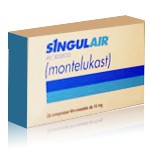
Singulair is the original brand-name formulation of Montelukast Sodium — the world's most widely prescribed leukotriene receptor antagonist (LTRA) and a foundational oral asthma controller medication. Developed by Merck/MSD and FDA-approved since 1998, Singulair is uniquely the only major oral controller for asthma — offering a tablet alternative to inhaled controllers for patients with inhaler technique difficulties, pediatric patients (chewable and granule formulations), or those with concomitant allergic rhinitis. Listed on the WHO Model List of Essential Medicines.
The active ingredient is Montelukast Sodium, a selective cysteinyl leukotriene receptor (CysLT1) antagonist. Montelukast blocks the action of cysteinyl leukotrienes (LTC4, LTD4, LTE4) — potent inflammatory mediators released by mast cells and eosinophils. By blocking the CysLT1 receptor, Montelukast reduces airway inflammation, bronchoconstriction, mucus secretion, and vascular permeability. Onset is gradual (days to weeks) for full effect. The oral route makes Singulair particularly valuable for patients with inhaler-technique difficulties.
Singulair is FDA-approved for asthma maintenance therapy from age 12 months, exercise-induced bronchoconstriction in adolescents and adults, seasonal allergic rhinitis (ages 2+), and perennial allergic rhinitis (ages 6 months+). Off-label uses include eosinophilic esophagitis, chronic urticaria adjunct, and pediatric viral wheezing. Particularly useful for patients with asthma + allergic rhinitis combination.
The medication is available as Singulair 10 mg adult tablets, 4 mg and 5 mg chewable tablets (pediatric), and 4 mg oral granules (infants/very young children). Standard dosing: adults 10 mg once daily in the evening; 6-14 years 5 mg chewable once daily; 2-5 years 4 mg chewable once daily; 12-23 months 4 mg oral granules once daily; allergic rhinitis 6+ months: 4 mg oral granules.
Critical safety considerations include the FDA boxed warning (added 2020) for serious neuropsychiatric events — depression, suicidal thoughts and behavior, anxiety, agitation, sleep disturbances, nightmares, and hallucinations. Patients and caregivers must be alert for mood/behavior changes and report immediately. Additional concerns: liver enzyme elevations, hypersensitivity reactions, very rare Churg-Strauss syndrome (eosinophilic vasculitis), and drug interactions with phenobarbital and rifampin (CYP induction reduces Montelukast levels). Reserve for patients without good alternatives after the 2020 boxed warning.
Free prescription
Discrete packaging
Have questions?
Quality Assurance

- Pediatric Asthma 12 Months: FDA-approved for pediatric asthma from age 12 months (oral granules);
- Pediatric Asthma 2 5 Years: For pediatric asthma ages 2-5 years (4 mg chewable);
- Pediatric Asthma 6 14 Years: For pediatric asthma ages 6-14 years (5 mg chewable);
- Adolescent Adult Asthma: For adolescent and adult asthma (10 mg tablet 15+ years);
- Mild Persistent Asthma: For mild persistent asthma as monotherapy or adjunct to ICS;
- Moderate Persistent Asthma: For moderate persistent asthma as adjunct to ICS;
- Exercise Induced Bronchoconstriction (EIB): FDA-approved for EIB in adolescents and adults;
- Seasonal Allergic Rhinitis: FDA-approved for seasonal allergic rhinitis (ages 2+);
- Perennial Allergic Rhinitis: FDA-approved for perennial allergic rhinitis (ages 6 months+);
- Asthma Plus Allergic Rhinitis: Particularly valuable when both conditions are present (single drug for both);
- Aspirin Sensitive Asthma: Off-label particular benefit in aspirin-sensitive asthma (Samter's triad);
- Inhaler Technique Difficulty: For patients unable to use inhalers correctly (children, elderly, disability);
- Nocturnal Asthma Symptoms: For nocturnal asthma symptoms (evening dosing);
- ICS Adjunct Therapy: As adjunct to inhaled corticosteroid (ICS) controller therapy;
- Asthma Steroid Sparing: For oral steroid-sparing in chronic asthma;
- Eosinophilic Esophagitis: Off-label for eosinophilic esophagitis (limited evidence);
- Chronic Urticaria Adjunct: Off-label adjunct for chronic urticaria (with antihistamines);
- Pediatric Viral Wheezing: Off-label for pediatric viral wheezing episodes;
- Long Term Asthma Maintenance: Suitable for long-term asthma maintenance (with proper monitoring for neuropsychiatric effects);
- Maintenance NOT Rescue: For MAINTENANCE only — NOT a rescue medication for acute attacks.
- Less Asthma Exacerbations: Reduction in asthma exacerbation frequency;
- Better Lung Function: Improvement in FEV1 and peak flow measurements;
- Less Nocturnal Symptoms: Reduction in nighttime asthma symptoms (evening dosing);
- Better Sleep: Improved sleep quality through reduced nocturnal symptoms;
- Less Daytime Symptoms: Reduction in daytime asthma symptoms;
- Less Rescue Inhaler Use: Reduction in need for short-acting rescue inhalers (SABA);
- Better Exercise Tolerance: Improved exercise capacity through bronchodilation;
- Less Exercise-Induced Bronchoconstriction: FDA-approved EIB reduction;
- Less Allergic Rhinitis Symptoms: FDA-approved reduction in seasonal and perennial allergic rhinitis symptoms;
- Less Nasal Congestion: Reduction in allergic rhinitis nasal congestion;
- Less Sneezing: Reduction in allergic rhinitis sneezing;
- Less Nasal Itching: Reduction in nasal itching from allergic rhinitis;
- Better Daily Function: Return to school, work, and normal activities;
- Less School Absences: Reduction in school absences in pediatric asthma patients;
- Better Pediatric Asthma Control: Approved pediatric use from 12 months;
- Single Drug for Two Conditions: Single medication treats both asthma AND allergic rhinitis simultaneously;
- Better Aspirin-Sensitive Asthma Control: Particular benefit in aspirin-sensitive asthma;
- Better Inhaler-Difficulty Patient Outcomes: Effective alternative for patients with inhaler technique difficulties;
- Better Quality of Life: Substantial improvement in quality of life with effective asthma control;
- Better Adherence Oral Tablet: Once-daily oral tablet supports excellent adherence in chronic therapy;
- Brand Singulair: Original Merck/MSD brand of Montelukast with established global clinical reputation since 1998;
- Generic Montelukast: Affordable generic versions expand global access to oral asthma controller therapy;
- Leukotriene Receptor Antagonist LTRA: Foundational LTRA class — oral alternative to inhaler-based asthma controllers;
- CysLT1 Receptor Antagonist: Selective CysLT1 cysteinyl leukotriene receptor antagonist;
- Cysteinyl Leukotriene Blockade: Blocks LTC4, LTD4, LTE4 inflammatory mediators released by mast cells and eosinophils;
- Oral Tablet Format: Oral tablet format — UNIQUE among asthma controllers (all others are inhalers);
- Inhaler Alternative: Valuable inhaler alternative for patients with inhaler-technique difficulties;
- Pediatric Granules Format: 4 mg oral granules format for infants and very young children (12 months+);
- Pediatric Chewable Tablets: 4 mg and 5 mg chewable tablets for pediatric asthma management;
- Earliest Pediatric Asthma Controller: FDA-approved from 12 months — one of earliest pediatric asthma controllers;
- Once Daily Convenience: Once-daily evening dosing supports excellent long-term adherence;
- Dual Asthma Allergic Rhinitis: Treats both asthma AND allergic rhinitis with single medication;
- Aspirin Sensitive Asthma Standard: Standard therapy in aspirin-sensitive asthma (Samter's triad);
- Exercise Induced Bronchoconstriction Maintenance: Long-term EIB controller (vs single-dose SABA pre-exercise);
- WHO Essential Medicine: Listed on the WHO Model List of Essential Medicines;
- 25 Plus Year Clinical History: 25+ years of clinical use since 1998 — foundational LTRA with extensive global experience.
Generic Singulair (Montelukast 4 mg) Medication guide:
📌 Singulair Oral LTRA at a Glance
Singulair is the original brand name for montelukast sodium, an oral tablet taken once a day to prevent airway inflammation in asthma, to relieve nasal and eye symptoms in allergic rhinitis, and to prevent exercise-induced bronchoconstriction. It works by blocking a specific inflammatory messenger called cysteinyl leukotriene D4 at its receptor on airway and nasal tissue. Because it is a pill rather than an inhaler, Singulair has an outsized role for patients who cannot coordinate inhaler technique reliably, who dislike inhaler devices, or who need convenient control of allergic symptoms as well as asthma.
On this page you will find how the drug actually works, when clinicians use it, how the different formulations are dosed for adults and children, and most importantly what the FDA boxed warning about mood and behavior changes means for you or your child in practical terms. The information here follows the montelukast prescribing information, the March 2020 FDA Drug Safety Communication, the GINA and ARIA guidelines, and peer-reviewed randomised trials.
📌 Singulair at a glance
| Generic name | Montelukast sodium |
| Drug class | Leukotriene receptor antagonist (LTRA), selective for CysLT1 |
| Route | Oral (tablet, chewable, granules) — not an inhaler |
| Adult strength | 10 mg film-coated tablet, once daily in the evening |
| Pediatric strengths | 5 mg chewable, 4 mg chewable, 4 mg oral granules |
| Indications | Asthma prophylaxis, allergic rhinitis (seasonal and perennial), exercise-induced bronchoconstriction |
| Onset | Some effect within 24 hours; assess response at 2-4 weeks |
| Boxed warning | Serious neuropsychiatric events including depression, suicidal ideation, agitation, sleep disturbance |
Because Singulair is used across such a wide age range — from a 12-month-old infant with mild asthma right through to an 80-year-old with allergic rhinitis — the sections that follow are organised by topic rather than by age. If your interest is limited to one formulation, use the section titles as a table of contents. If you want the full picture before starting the medicine, we recommend reading straight through, because the boxed-warning material in section 11 depends on understanding the mechanism and indications discussed earlier.
💊 Montelukast — What This Medicine Is
Singulair is a brand name that Merck registered in 1998 when the U.S. Food and Drug Administration approved the drug for the maintenance treatment of asthma in adults and paediatric patients aged six years and older. The active molecule inside the tablet is montelukast sodium, a chemically simple small molecule that survives passage through the stomach and small intestine and enters the bloodstream in high proportion. Since the original Merck patents expired, montelukast has become one of the most widely manufactured generic respiratory medicines in the world, and Indian producers such as Cipla and Sun Pharmaceutical Industries supply large volumes of it to regulated markets under their own trade names as well as under the shared generic label.
Calling montelukast an oral asthma medicine is technically correct but incomplete. Its full description in modern respiratory practice is a leukotriene receptor antagonist, and its regulatory approvals span three distinct clinical territories that are worth naming up front so the rest of this guide makes sense:
- 🍃 Chronic asthma control
- Regular daily use to reduce airway inflammation, cut the frequency of daytime and night-time symptoms, and reduce reliance on rescue bronchodilators. Not a rescue medicine; it will not open an airway that is already tightening.
- 🌸 Allergic rhinitis relief
- Reduction of runny nose, nasal congestion, sneezing, itching, and eye symptoms in patients with seasonal or perennial allergic rhinitis, either alone or alongside an intranasal steroid or a second-generation antihistamine.
- 🏃 Exercise-induced bronchoconstriction prevention
- A single dose taken at least two hours before physical exertion, used by patients whose airways narrow during or after exercise. Distinct from the daily asthma use described above.
A useful mental shortcut is to think of Singulair as an oral controller. It sits alongside inhaled corticosteroids in the controller category of asthma medicines, not alongside albuterol or terbutaline in the reliever category. That framing determines everything about how it is prescribed, how quickly you should expect to feel a difference, and what happens if you miss a dose — topics we return to in later sections.
🧬 The Leukotriene Pathway Simplified
To use Singulair well and to understand why the boxed warning exists, it helps to spend two minutes on the biology of leukotrienes. Leukotrienes are a family of inflammatory signalling molecules made by white blood cells — principally mast cells and eosinophils — when they detect an allergen or an irritant. They are derived from arachidonic acid, a fatty acid found in the membranes of nearly every cell in the body, and they are synthesised through a chain of enzymes that starts with 5-lipoxygenase and ends with the release of cysteinyl leukotrienes into the surrounding tissue.
The three cysteinyl leukotrienes that matter clinically are named LTC4, LTD4, and LTE4. They travel short distances from the cell that made them and lock into a receptor on the surface of nearby cells — particularly airway smooth muscle cells, blood vessel walls in the airway lining, and mucus-secreting cells in both airway and nose. When these receptors are activated, three things happen almost simultaneously:
The three effects of cysteinyl leukotrienes at their receptor
- Bronchoconstriction. Airway smooth muscle contracts, narrowing the calibre of the bronchi. The effect is fast — measurable within minutes — and it is more potent, milligram for milligram, than histamine.
- Vascular leak and mucosal oedema. Small blood vessels in the airway and nasal lining become leaky, so fluid seeps into the tissue and swells it. In the nose this reads as congestion; in the airway it reads as a tighter, wetter tube.
- Increased mucus production. Goblet cells and submucosal glands step up their output. In asthma this thickens the airway plugs already forming; in allergic rhinitis this drives the runny nose.
The single receptor responsible for all three effects is called CysLT1, and this is the receptor that montelukast blocks. By occupying CysLT1 and preventing the natural leukotrienes from docking, montelukast interrupts the signal before any of the three downstream consequences can occur. Notably it does not block the enzymes that make leukotrienes, so the leukotrienes are still produced — they simply cannot deliver their message. This distinction matters when you look at the safety profile, because the drug does not shut down the whole inflammatory system the way a corticosteroid does; it silences one specific channel.
There is a second receptor called CysLT2, mainly on blood vessel walls and some immune cells, which montelukast does not block. Whether CysLT2 activity contributes to residual symptoms in patients who respond only partially to Singulair is an active area of pharmacological research, and it is one reason a subset of patients feels only modest benefit from the drug.
🔬 How CysLT1 Blockade Actually Works
The pharmacological label for montelukast is precise: it is a selective, orally active, high-affinity antagonist of the CysLT1 receptor. Every word in that label is doing work. Selective means it prefers CysLT1 over other leukotriene receptors and over unrelated receptors, so it does not scramble signalling in tissues that have nothing to do with allergy or asthma. Orally active means the molecule survives digestion and reaches the bloodstream intact, which is unusual for peptide-like signalling blockers and is one of the drug's main advantages over injectable biologics. High-affinity means one molecule of montelukast holds tightly to the receptor for a long time, which is the property that allows once-daily dosing.
The pharmacokinetic profile follows a predictable pattern that clinicians rely on when they counsel patients on timing:
| Peak blood level | Around 3-4 hours after an oral dose in adults; 2-2.5 hours after the chewable in children |
| Bioavailability | Approximately 64% for the 10 mg film-coated tablet; food does not meaningfully alter absorption |
| Protein binding | Over 99% bound to serum albumin |
| Metabolism | Extensive hepatic metabolism, principally via CYP2C8 with contributions from CYP3A4 and CYP2C9 |
| Elimination half-life | 2.7 to 5.5 hours in healthy young adults |
| Excretion | Almost entirely biliary; less than 0.2% of a dose appears in urine as parent drug |
A short half-life combined with high receptor affinity might seem contradictory — how can a drug leave the bloodstream in a few hours yet control symptoms for a full day? The answer is that receptor occupancy outlasts blood levels. Once a montelukast molecule binds CysLT1, it stays put long after the free drug in plasma has fallen. The receptor is, in effect, blocked for the interval between doses even though the drug itself is largely cleared by morning. This is why evening dosing works for adult asthma: peak plasma levels arrive during the late evening and overnight hours when airway inflammation is naturally at its worst, and residual receptor occupancy carries the effect into the following day.
The exclusively hepatic metabolism has a practical consequence. Kidney impairment, even severe kidney impairment, does not change montelukast handling and no dose reduction is needed. Moderate hepatic impairment (Child-Pugh Class A or B) also does not require dose adjustment in the product labelling. Only more severe hepatic impairment, which is uncommon in the outpatient asthma population, calls for caution — a topic we return to in the safety section.
📋 Approved Uses Across Ages
Because Singulair covers three separate clinical territories, it is easy to get lost in what exactly the drug is licensed for and by what age. The table below summarises the U.S. FDA-approved indications and the minimum age for each formulation, so you can quickly see whether the medicine is being used within its licensed scope for the person taking it. In some countries the EMA and national regulators approve slightly different age thresholds, and the language on the local carton takes priority over any general summary.
| Indication | Minimum age | Typical formulation |
|---|---|---|
| Chronic asthma, prophylactic and control | 12 months | Oral granules for infants; chewables for children; 10 mg tablet for adolescents and adults |
| Seasonal allergic rhinitis | 2 years | 4 mg granules or chewable for children; 10 mg tablet from adolescence onward |
| Perennial allergic rhinitis | 6 months | Oral granules for infants; chewables for children; 10 mg tablet from adolescence onward |
| Exercise-induced bronchoconstriction prevention | 6 years | 5 mg chewable for younger patients; 10 mg tablet from age 15 |
A subtle but important point about the boxed warning: the 2020 FDA action narrowed the risk-benefit judgement for allergic rhinitis alone. The FDA now advises reserving Singulair for allergic rhinitis in patients who cannot tolerate or do not benefit from other treatments — typically an intranasal corticosteroid or a second-generation oral antihistamine. The asthma indications were not withdrawn, but the FDA emphasised that even for asthma the neuropsychiatric risk should be weighed against alternatives.
Nothing about the table above prevents off-label use, and clinicians sometimes prescribe montelukast for aspirin-exacerbated respiratory disease, chronic urticaria that has not responded to antihistamines, or bronchopulmonary dysplasia in premature infants. Those uses are not part of the licensed scope described here and do not carry the same evidence base.
🌬️ Asthma Prophylaxis — The Original Indication
Asthma prophylaxis was the original indication behind the 1998 approval, and it remains the single largest reason clinicians prescribe montelukast today. The word prophylaxis is important: it means the drug is taken every day to prevent symptoms, not taken during a symptom episode to reverse it. That places Singulair firmly in the controller category alongside inhaled corticosteroids, not in the reliever category alongside short-acting beta-agonists like albuterol or salbutamol.
Randomised controlled trials during the drug's registration programme established three consistent effects when montelukast is taken as monotherapy in patients with mild persistent asthma:
🌲 What montelukast does when it works
- A modest but consistent improvement in morning peak expiratory flow, typically in the range of 20 to 40 litres per minute compared with placebo over 12 weeks.
- A reduction in the number of days requiring rescue beta-agonist use, on the order of one fewer rescue day per week for responders.
- A meaningful reduction in night-time awakenings caused by cough or wheeze, which is often the change patients notice first.
Head-to-head trials against low-dose inhaled corticosteroids consistently show that inhaled steroids produce a larger effect on lung function and on exacerbation rates when averaged across a population. That is why every major guideline — GINA, NAEPP, the British Thoracic Society — positions inhaled corticosteroids as the preferred controller for persistent asthma at any severity level. Montelukast is positioned as an alternative controller for patients who cannot or will not use an inhaler, or as an add-on to an inhaled corticosteroid when the inhaler alone is not enough.
The picture is different for patients with an allergic-rhinitis component, who often report that a single evening tablet controls both their nasal symptoms and their mild asthma more comfortably than juggling separate treatments. Trial data from mixed asthma-rhinitis populations show larger effect sizes than trials in asthma alone, partly because the pathophysiology is more leukotriene-driven and partly because adherence to a once-daily tablet is much better than adherence to a twice-daily inhaler in patients who dislike inhalers.
Real-world practice reflects that split. Adult patients with mild persistent asthma whose airway disease is heavily overlapped with allergic rhinitis are the ones most likely to be offered Singulair as first-line monotherapy. Adult patients with moderate or severe asthma without prominent allergic features are far more likely to be offered an inhaled corticosteroid first and to receive montelukast, if at all, as an add-on rather than as the sole controller.
🌸 Allergic Rhinitis — Seasonal and Perennial
Allergic rhinitis divides neatly into two clinical patterns: seasonal, driven by tree, grass, or weed pollens that appear at predictable times of year, and perennial, driven by dust mite, animal dander, cockroach, or mould antigens that are present year-round. Singulair holds approvals for both patterns, and the practical implications differ enough to be worth spelling out.
In seasonal allergic rhinitis, patients typically start montelukast a few days before the expected pollen peak and continue through the season. Placebo-controlled trials in seasonal disease show consistent reductions in a composite score of sneezing, runny nose, nasal congestion, and nasal itching, with the largest effect on nasal congestion — a symptom that responds poorly to oral antihistamines because histamine is not its main driver. Ocular symptoms such as itching, tearing, and redness also improve modestly.
⚖️ How Singulair compares with other rhinitis treatments
Intranasal corticosteroids remain the most effective single class for allergic rhinitis and produce a larger reduction in every measured symptom than montelukast when they are used correctly. Second-generation oral antihistamines act faster on itch, sneeze, and runny nose but do less for congestion. Singulair sits between these two, with a particular niche for patients who cannot tolerate a nasal spray, who have a nasal congestion pattern that antihistamines do not touch, or who need to cover both asthma and rhinitis with a single evening pill.
In perennial allergic rhinitis, treatment is longer term and evening dosing tends to matter more because nasal symptoms are often worst at night and on waking. Data from dust-mite-driven perennial disease show that montelukast can be layered on top of an intranasal steroid to catch residual symptoms rather than being used instead of it. In practice most allergists reserve montelukast for perennial rhinitis when the more effective options have been tried and have fallen short.
The 2020 boxed warning changed how FDA and clinicians now think about allergic rhinitis specifically. The FDA advised that for allergic rhinitis alone, the risk-benefit balance often favours other treatments first and that montelukast should be reserved for patients who cannot tolerate or who do not respond to those alternatives. That advice does not apply to asthma, where the drug retains a broader role, and it does not mean the drug should not be used for rhinitis — only that the conversation about it should be a considered one.
🏃 Exercise-Induced Bronchoconstriction Prevention
Exercise-induced bronchoconstriction is airway narrowing that occurs during or shortly after physical exertion, most obviously during cold-weather exercise, endurance sports, or activities with high minute-ventilation such as running and cycling. It is caused in part by the drying and cooling of the airway lining as large volumes of air move rapidly across it, which triggers mast cells to release leukotrienes among other mediators. Because leukotrienes are directly involved, blocking them with montelukast has a rational mechanism of action against this specific problem.
The exercise-induced bronchoconstriction indication is different from the asthma-control indication in two important ways. First, the drug is taken at least two hours before planned exercise, not simply on a daily evening schedule. Second, patients who already take montelukast every evening for asthma control should not add a second dose before exercise — the daily dose already provides receptor blockade. A separate pre-exercise dose is only used when montelukast is being used for exercise-induced bronchoconstriction as a stand-alone indication.
Practical timing rules for exercise-induced bronchoconstriction
| Dose interval before exercise | At least 2 hours; do not repeat within 24 hours |
| Adult and adolescent dose | 10 mg tablet, aged 15 years and older |
| Paediatric dose (6-14 years) | 5 mg chewable |
| Already on daily montelukast? | Do not add an extra dose — existing evening dose covers exercise |
| Do not use as a rescue | If exercise-induced tightness begins, a short-acting inhaled bronchodilator is the rescue, not more montelukast |
The size of benefit varies. In placebo-controlled crossover trials, montelukast reduced the maximum drop in FEV1 during a standardised exercise challenge by roughly half in responsive patients, and shortened the recovery time to baseline lung function. About a third of patients showed a smaller response, and clinicians typically follow up after two to four weeks of use to decide whether to continue.
An honest note on positioning: the workhorse treatment for exercise-induced bronchoconstriction remains a short-acting inhaled beta-agonist taken 15-30 minutes before exercise. It works within minutes, its response rate is high, and it is inexpensive. Singulair is a second-line choice for patients who cannot tolerate or do not respond to the inhaled option, or who prefer an oral approach for lifestyle reasons.
🎯 Where Singulair Fits in Modern Asthma Care
Positioning Singulair within a specific patient's treatment plan takes some care because the drug has real strengths in some contexts and offers little advantage over cheaper or more effective alternatives in others. GINA, the Global Initiative for Asthma, updates its strategy document annually and consistently describes montelukast as an alternative controller option at every step of asthma care, meaning it is legitimate but not the first choice. What follows is a plain-language reading of where the drug earns its place.
👍 Scenarios where Singulair is a natural fit
- Adult with mild persistent asthma who cannot or will not use an inhaler correctly after coached demonstration.
- Patient whose asthma is heavily overlapped with allergic rhinitis and who prefers a single evening pill over multiple sprays and inhalers.
- Patient whose asthma flares are dominated by a specific trigger — for example, aspirin-exacerbated respiratory disease — where leukotriene pathway suppression addresses the mechanism directly.
- Patient with exercise-induced bronchoconstriction who cannot use a pre-exercise inhaled beta-agonist for practical reasons such as contact sport uniforms without pockets.
- Add-on therapy for a patient already on an inhaled corticosteroid whose control is close to adequate but not quite there, particularly if allergic rhinitis is a co-driver.
🤔 Scenarios where the fit is weaker
- Severe asthma with frequent exacerbations — here inhaled corticosteroids, long-acting beta-agonists, and biologic agents matter far more, and montelukast adds little on top.
- Isolated allergic rhinitis with a good response to intranasal corticosteroids or antihistamines — the boxed warning tilts the balance against montelukast when equally effective alternatives are already working.
- Patient with a history of depression, anxiety disorder, or other significant psychiatric condition — a more conservative alternative is generally preferred, discussed in section 11.
None of these scenarios are hard rules. Individual patients often deviate from the population average, and a two-to-four-week trial with clear success criteria — night-time awakenings, rescue-inhaler use, nasal congestion — is a reasonable way to test the drug in a patient who lies on the border between fit and unfit.
What matters most is that Singulair is discussed alongside its alternatives, not in isolation. If your clinician has offered montelukast without at least mentioning the intranasal-steroid or inhaled-controller alternatives, that conversation is worth having before starting the medicine.
⚖️ Oral Once-Daily Convenience vs Inhalers
Because Singulair is one of the very few oral options in a therapeutic area dominated by inhalers, the trade-off between oral and inhaled routes is at the heart of the decision to use this drug. There is no universally correct answer — the right route depends on the patient, the specific indication, and the practical realities of daily life. What follows is a side-by-side reading of the trade-offs.
| Dimension | Oral montelukast | Inhaled corticosteroid |
|---|---|---|
| Delivery reliability | Swallow and forget; dose is standardised | Depends on inhaler technique; up to a third of patients under-dose without knowing |
| Speed of therapeutic effect | Some effect within 24 hours; full picture at 2-4 weeks | Gradual over 2-8 weeks for full anti-inflammatory effect |
| Magnitude of benefit on lung function | Modest — smaller effect on FEV1 than inhaled steroids | Larger and more consistent effect on FEV1 across trials |
| Effect on allergic rhinitis | Meaningful benefit, particularly on congestion | Inhaled steroid does not treat rhinitis; a separate intranasal steroid is needed |
| Local mouth or throat effects | None | Oral thrush or hoarseness in a minority; mitigated by spacer and rinsing |
| Systemic exposure | Full systemic exposure — entire blood level from the tablet | Small systemic fraction from the airway and swallowed portion; less overall exposure |
| Signature safety concern | Boxed warning on neuropsychiatric events | Growth velocity slightly reduced in children at higher doses; adrenal effects at very high doses |
A useful way to read this table: the oral advantage is adherence and simplicity, and the inhaled advantage is direct airway delivery with less systemic exposure. Neither wins on every dimension. For patients who take medication reliably and can master an inhaler, an inhaled corticosteroid is usually the better asthma controller. For patients whose lives make an inhaler impractical or whose rhinitis is a bigger burden than their asthma, Singulair often earns its place.
The 2020 boxed warning has shifted this conversation somewhat. Where the choice used to be almost purely about efficacy and lifestyle fit, it now includes an explicit consideration of mental-health history and monitoring capacity, which we cover in the next section.
⚠️ FDA Boxed Warning — Neuropsychiatric Events
In March 2020 the U.S. Food and Drug Administration required a boxed warning — the strongest label warning the agency issues — to be added to montelukast. The warning states that Singulair can cause serious mental health side effects, including agitation, aggressive behaviour, depression, sleep disturbances, suicidal thoughts and actions, and other neuropsychiatric events. The FDA reached this decision after reviewing accumulated post-marketing reports, published pharmacovigilance analyses, and a series of pediatric case series that suggested a real and consistent, if uncommon, signal.
⚠️ FDA BOXED WARNING — SERIOUS NEUROPSYCHIATRIC EVENTS
Montelukast (Singulair) has been associated with serious mental health side effects. Reactions have been reported in patients with and without a psychiatric history and have occurred during treatment as well as after stopping the medicine.
The FDA advises reserving montelukast for allergic rhinitis in patients who cannot tolerate or fail to respond to other therapies. For asthma, the neuropsychiatric risk should be discussed with the patient or caregiver before treatment is started, and monitoring should continue throughout treatment.
Patients and caregivers must be alert to changes in mood or behavior and must contact the prescriber immediately if any concerning symptoms appear.
The clinical presentation of these events is variable, and part of the reason the signal took years to be recognised is that the symptoms overlap with common experiences at any age. A child who is more argumentative than usual, a teenager who is sleeping poorly, an adult who is more anxious — each of these could be caused by many things other than montelukast. What distinguishes a drug-related event is temporal onset after starting the medicine and, in many published cases, resolution after stopping it.
🚩 Symptoms to watch for — contact your prescriber immediately if any appear
- New or worsening depression, sadness, or loss of interest in usual activities
- Thoughts of suicide or self-harm, or any expression of not wanting to be alive
- New anxiety, agitation, restlessness, or panic attacks
- Aggressive behaviour, unusual irritability, or hostility that is out of character
- Nightmares, insomnia, sleepwalking, or other sleep disturbances
- Hallucinations — seeing, hearing, or feeling things that are not there
- Tremor, obsessive-compulsive symptoms, or unusual dreams
- Any change in mood or behaviour that the patient, caregiver, or family finds concerning
The absolute frequency of these events is low. Post-marketing analyses estimate serious neuropsychiatric events at less than one per thousand patient-years of treatment. That number can feel reassuring, but it is not helpful at the individual level, because for any given patient the outcome is binary — either the event happens or it does not, and the risk is not distributed evenly across the population. Patients with a personal or family history of depression, anxiety disorder, or attention-deficit disorder appear to be over-represented in the case reports, and clinicians typically choose alternative treatments for those patients when possible.
What to do practically:
- Have the conversation before starting. The prescribing clinician should discuss the boxed warning with the patient, and with parents in the case of children, before the first dose. If that conversation did not happen, ask for it.
- Set a check-in point. Two to four weeks after starting montelukast is a reasonable time to review mood, behaviour, sleep, and overall wellbeing — not just asthma control.
- Report early, do not wait. If any of the symptoms in the checklist appear, contact the prescriber the same day. Do not wait for the next scheduled appointment.
- Stop and re-evaluate. If a possible neuropsychiatric event is identified, montelukast is usually discontinued while the situation is assessed. Symptoms often resolve within days to weeks of stopping, which itself is evidence of a drug effect.
- Do not restart on your own. If a neuropsychiatric event has resolved after stopping the medicine, restarting it should only happen under prescriber supervision, and often the decision is not to restart at all.
The boxed warning is real information that should shape treatment decisions, but it is not a reason to stop montelukast that is currently working well without discussing the change with your prescriber. Abruptly stopping an asthma controller can precipitate an asthma exacerbation, and the risk of an uncontrolled asthma flare in a patient who has been well controlled on montelukast is not trivial. If you are on the medicine and worried about the warning, the right first step is a conversation, not a unilateral change.
📦 Available Strengths and Formulations
Singulair reaches patients through four distinct oral formulations, each chosen to match the swallowing ability, taste tolerance, and physiology of a specific age group. All four deliver the same active molecule — montelukast sodium — and reach comparable systemic exposure once accounting for the dose. What changes is how the medicine arrives in the stomach: as a solid tablet swallowed whole, as a flavoured chewable disintegrated in the mouth, or as loose granules mixed into a spoonful of soft food. This section maps the four formats at a glance; the four sections after it drill into each one in practical detail.
📊 Four formulations, one active molecule
| Format | Strength | Age range | Primary use |
|---|---|---|---|
| Film-coated tablet | 10 mg | 15 years and older | Adult asthma, allergic rhinitis, exercise-induced bronchoconstriction |
| Chewable tablet | 5 mg | 6 to 14 years | Paediatric asthma and rhinitis; pre-exercise dose in older children |
| Chewable tablet | 4 mg | 2 to 5 years | Preschool asthma and rhinitis when child can chew safely |
| Oral granules | 4 mg per packet | 6 months to 5 years (age varies by indication) | Infants and toddlers unable to chew tablets safely |
Two practical points about this line-up are worth highlighting up front. First, the 4 mg chewable and the 4 mg granule packet share a strength but are not interchangeable at every age — a two-year-old with reliable chewing can use the tablet, but a fifteen-month-old on solid food should use the granules to avoid a choking risk. Second, when your child crosses an age threshold, the switch to the next-larger formulation is not automatic: it happens at a routine review with the prescriber, timed to a moment when the child's asthma is stable, so any effect of the change can be attributed to the transition rather than to a coincident flare.
Cipla and Sun Pharmaceutical Industries, the two Indian manufacturers behind most generic montelukast sold internationally, each produce all four formulations in facilities that supply regulated markets. The blister packs, the outer cartons, and the leaflets differ slightly between manufacturers, but the tablets and granules themselves are bioequivalent to the original Merck brand and to each other under the standards set by the relevant regulatory authorities.
🔟 The 10 mg Adult Tablet
The 10 mg film-coated tablet is the default formulation for anyone aged 15 years or older who needs Singulair for chronic asthma, allergic rhinitis, or exercise-induced bronchoconstriction. It is small, unscored, and pale in colour under both the original Merck branding and the Cipla and Sun Pharma generic labels. It is swallowed whole with water, without needing to be broken or crushed — the film coating is there to mask a mildly bitter taste that would otherwise linger.
The routine dosing story is straightforward:
- Standard adult dose
- One 10 mg tablet once daily. There is no titration up or down for average patients.
- Timing
- In the evening for chronic asthma or allergic rhinitis. For a pre-exercise dose taken as prevention of exercise-induced bronchoconstriction, at least two hours before planned exertion.
- With or without food
- Either. Food does not meaningfully change the amount of montelukast reaching the bloodstream.
- Storage
- Room temperature, protected from light and moisture; the original blister strip is fine.
💡 Two nuances the label does not spell out
The 10 mg dose is not adjusted downward for older adults, for patients with normal kidney function at any age, or for patients with mild to moderate liver impairment. This is one of the drug's workflow advantages: no dose calculation, no titration, no plasma level monitoring.
A missed evening dose is not doubled up the next day. Take the next scheduled dose at its usual time. If the reason for the missed dose is that the tablet is causing side effects, contact the prescriber before restarting rather than deciding on your own.
A common practical question is whether the 10 mg tablet can be moved to a morning schedule. Some patients whose asthma symptoms are worst in the mid-day or early afternoon report better control on morning dosing, and clinicians sometimes suggest it as a small individualisation. The trial data supporting once-daily dosing were generated with evening administration, so if you are switching to morning dosing you should track your response for two weeks and confirm the change is helping rather than harming.
Reminder from section 11
The boxed warning about neuropsychiatric events applies to the 10 mg adult tablet exactly as it applies to the paediatric formulations. The two-to-four-week check-in on mood, sleep, and behaviour is not something to skip in adults who feel their asthma has improved.
An unexpected but relevant point: the 10 mg tablet is one of the few asthma controller options available under generic pricing that requires no device, no coordination, no dose counter, and no spacer. That combination makes it valuable in settings where inhaler supplies or spacers are difficult to obtain, and it explains part of the drug's continued global use even as inhaled corticosteroids have become more affordable.
🍬 The 5 mg Pediatric Chewable
Children aged six through fourteen receive the 5 mg chewable tablet. The formulation is roughly twice the size of the 10 mg film-coated adult tablet, comes in a cherry flavour, and is designed to be crushed between the teeth and either chewed to a coarse texture or held in the mouth to disintegrate before swallowing. Neither approach affects how much montelukast reaches the bloodstream. Sun Pharma and Cipla generics produce this dose in colours and pack sizes that vary slightly between markets but are functionally identical.
Age-appropriate use of the 5 mg chewable
- Once daily. One 5 mg chewable in the evening, roughly two hours after the last meal, so timing is predictable and remembering it becomes routine.
- Supervised chewing. A parent should watch the child chew the tablet fully rather than swallowing it whole. Whole swallowing does not cause harm but tastes worse and can sit in the throat.
- Water afterwards. A small sip of water rinses the cherry flavour and any residue from the mouth.
- Not with acidic drinks. Grapefruit or citrus juice does not alter absorption but can amplify the aftertaste; plain water is easiest for a child to accept as routine.
The 5 mg chewable is also the option used for exercise-induced bronchoconstriction in children aged 6 to 14. In that use, the tablet is chewed at least two hours before planned exercise, and it is not added on top of a daily evening dose if the child is already taking Singulair for chronic asthma. The daily dose already provides receptor blockade over the exercise window.
Phenylketonuria families need to know that the 5 mg chewable contains phenylalanine as part of its sweetening system. The exact quantity is small — on the order of 0.7 mg per tablet in the original Merck formulation and comparable in the generic equivalents — but for a child with phenylketonuria this needs to be factored into daily phenylalanine allowance, and the metabolic dietitian looking after the child should be told about the medicine.
Neuropsychiatric monitoring in the 6-14 age band
The 2020 boxed warning has been reported across every age band, including this one. Parents should watch for changes in sleep quality, nightmares, unusual irritability, aggression that is out of character, or expressions of hopelessness. Contact the prescriber the same day if any of these appear.
Parents sometimes ask whether the 5 mg chewable can be split for a smaller child. It should not be routinely split because the chewable is not scored for accurate halving and the sweetener distribution is not designed to remain uniform across a broken tablet. If a smaller dose is genuinely needed for a younger child, the 4 mg chewable or the 4 mg granule packet is the correct choice.
🍭 The 4 mg Chewable for Younger Children
The 4 mg chewable is licensed for children aged two through five who can chew safely and reliably. This age range sits at the edge of where solid oral tablets are appropriate, and the decision between the 4 mg chewable and the 4 mg granule packet often comes down to how the individual child eats: a confident two-and-a-half-year-old who munches raisins without help can usually chew the tablet, while a cautious four-year-old with a history of gagging may still be better served by granules.
👉 When to choose the 4 mg chewable
- Child is 2 years or older and chews solid food comfortably without gagging.
- Family finds a small blister tablet more portable than a granule sachet at nursery or with a caregiver.
- Older siblings or the child themselves prefer taking the medicine to be seen as growing up.
❗ When to prefer the granules instead
- Child under 2 years, or older but with a documented choking or gagging history.
- Child is unwell, refuses to chew, or spits out solid medicines routinely.
- Family prefers to mix the dose into food, which the granules are designed for and the chewable is not.
The mechanics of giving a 4 mg chewable are the same as for the 5 mg version: evening timing, supervised chewing, a sip of water afterwards. The tablet in this strength is slightly smaller than the 5 mg to make chewing easier for a smaller mouth, and it carries a similar cherry flavouring. Like the 5 mg version, it contains a small quantity of phenylalanine that families of a child with phenylketonuria need to know about.
A common question at this age is whether the tablet can be dissolved in a spoon of water instead of chewed. Dissolving in water is not the recommended handling for the chewable tablet — the granule packet is the formulation designed for dissolution and mixing. If the child refuses to chew, the correct switch is to the granule pack rather than an ad hoc dissolution attempt with the chewable.
📋 A useful growing-up rule
When the child turns six, the switch from the 4 mg chewable to the 5 mg chewable is not automatic — wait until the next scheduled asthma review so the prescriber can confirm the transition is safe and align it with any other changes to the treatment plan. Between six and the review, continuing the 4 mg chewable is fine.
🍼 Oral Granules for Infants and Toddlers
The oral granules are the formulation of last resort for infants and toddlers who cannot chew safely. Each packet contains 4 mg of montelukast as small granules in a foil sachet. The pack is opened just before use, the granules are tipped into a spoonful of soft food or expressed breast milk or infant formula, and the whole spoonful is given to the child within 15 minutes of mixing. The granules should not be pre-mixed hours in advance and should not be dissolved into a bottle of liquid.
🍼 Practical granule handling
| Suitable food carriers | Applesauce, mashed carrot, rice cereal, mashed banana, ice cream, formula, expressed breast milk |
| Foods to avoid | Hot foods (heat can degrade the granules), acidic juices, and any food the child regularly refuses |
| Give within | 15 minutes of opening the packet and mixing with food |
| If dose is partly refused | Do not top up with another packet the same evening; note the partial dose and give the next scheduled full dose the following evening |
| Storage | Store the packet closed at room temperature until use; do not refrigerate or pre-open |
The minimum age depends on the indication in the local product label. In many jurisdictions the granules are approved from 6 months of age for perennial allergic rhinitis, from 12 months for asthma, and from 2 years for seasonal allergic rhinitis. The specific carton in your hand should be checked for the age threshold that applies in your country.
⚠️ Two common handling mistakes
- Dissolving the granules in a bottle of milk or juice for the child to sip. The granules will settle at the bottom and much of the dose can be missed if the child does not finish the drink. Always use a spoonful of soft food.
- Opening several packets in advance for a caregiver to use later. Once opened and mixed with food, the granules are only reliable within 15 minutes. Pre-opened packets should not be stored.
A note to parents from Dr Hendricks
"The single most useful trick I share with families of a toddler starting Singulair granules is to give the dose about half an hour before bedtime, in whichever soft food the child accepts most reliably. Once you find the food carrier that works, you get consistent evening dosing without a battle, and that consistency is worth more than any clever spoon technique."
Marielle A. Hendricks, MD, FAAP — Pediatric Pulmonology, Cincinnati
Because the granules are given in food and taste is largely masked, most infants and toddlers accept the dose without protest. If the child regularly refuses the food carrier or spits out the mixture, discuss alternatives with the prescriber — sometimes switching to a different carrier food or changing to the chewable tablet when the child is old enough resolves the difficulty.
🌙 Timing — Evening Dose Rationale
Evening dosing is a small detail that carries an outsized clinical weight. The prescribing information specifies evening administration for chronic asthma prophylaxis in adults and children, and the registration trials that established efficacy were all designed with evening dosing. There is a biological reason for the timing, and it is worth understanding rather than treating as an arbitrary convention.
Asthma has a strong circadian rhythm. Symptoms are typically worst in the early hours of the morning — between roughly 2 a.m. and 6 a.m. — because of overnight fluctuations in airway inflammation, bronchial tone, and hormone levels including cortisol. Nocturnal awakenings from cough and wheeze are one of the most common reasons patients describe their asthma as poorly controlled. Allergic rhinitis also has a nocturnal peak in nasal congestion, disrupting sleep for perennial-rhinitis sufferers.
🌙 Why evening dosing lines up with the circadian dip
| Dose taken | Around 8-10 p.m. |
| Peak plasma level | Around 11 p.m. to 1 a.m. |
| Deepest receptor blockade | Overnight through the early morning — when leukotriene-driven symptoms peak |
| Residual coverage next day | Sustained by tight receptor occupancy despite falling plasma levels |
This alignment means the evening dose is doing its most useful work exactly when the airways are naturally at their tightest. Morning dosing would push the peak plasma level into the late morning or early afternoon, missing the nocturnal window that is the biggest source of symptoms for most asthma patients.
Two practical exceptions loosen the rule. First, if a patient reliably takes their evening dose but the timing must be moved forward or backward by a few hours because of work shifts or travel across time zones, keeping the dose within a broadly evening window is more important than hitting a specific hour. Second, some patients whose asthma is worst in the mid-day or early afternoon — a small minority — report better control on morning dosing, and clinicians can individualise the schedule if the two-week trial supports it.
A stable evening routine matters more than an exact hour
For the majority of patients the goal is a repeatable evening time — whichever hour aligns with dinner, teeth-brushing, or a bedtime routine and can survive weekends, holidays, and shift changes. A dose taken reliably at 9 p.m. every night outperforms a dose taken at exactly 10 p.m. but forgotten twice a week.
⏱️ Pre-Exercise Dosing for EIB
The pre-exercise dose for exercise-induced bronchoconstriction is the one Singulair indication that does not follow an evening pattern. It is a single dose taken in the two-hour window before planned exertion, and it stands alone in patients who are not already on Singulair for asthma. This section walks through the practical scenarios in which the pre-exercise dose comes up and what to do in each one.
Three distinct exercise scenarios
- Scenario 1: patient not on any Singulair, needs prophylaxis for planned exercise
- Take one dose at least two hours before the exercise. Adult and adolescent dose is 10 mg; paediatric dose 6-14 years is 5 mg. Do not repeat within 24 hours even if a second bout of exercise is planned the same day.
- Scenario 2: patient already on daily evening Singulair for asthma or rhinitis
- Do not add a pre-exercise dose on top. The existing daily dose provides receptor blockade across the exercise window. Adding a second dose provides no additional benefit and increases exposure unnecessarily.
- Scenario 3: patient needs both a pre-exercise effect on a specific day and daily control
- Continue the usual evening dose. The evening dose from the previous night already provides coverage for exercise the following day. If the exercise is late in the following day, timing of the previous evening dose can be shifted slightly later to align coverage.
A common practical question: how well does the pre-exercise dose work compared with a short-acting inhaled beta-agonist taken 15-30 minutes before exercise? Head-to-head trials show that both approaches reduce the maximum fall in FEV1 during exercise, with the inhaled beta-agonist producing a faster and larger effect on average but the montelukast dose producing a more consistent effect across the exercise window and into recovery. Patients who choose montelukast typically do so because the inhaled option is impractical for their sport or lifestyle, because they respond less well to the inhaled option, or because they prefer an oral approach.
Do not use as rescue during an exercise-induced attack
If tightness or wheeze begins during exercise, the correct rescue is a short-acting inhaled beta-agonist such as albuterol or salbutamol. Chewing or swallowing more montelukast will not open the airway quickly enough to help. Patients who use Singulair for exercise prevention should still carry a rescue inhaler.
Athletes at the more serious end of competitive sport should also be aware that montelukast is not on the World Anti-Doping Agency prohibited list at the time of writing, and its use for a documented respiratory indication is not restricted in the same way that some inhaled beta-agonists are. However, anti-doping rules are updated annually, so athletes should check the most recent list rather than relying on an out-of-date summary before major competition.
⌛ Onset, Steady-State, and Duration
Because Singulair is not a rescue medicine and its effects build over days to weeks rather than minutes, patients and parents often ask when they should expect to feel a difference. This section describes the practical timeline in a way that lines up with how the drug is used at home and what should count as a reasonable trial.
⌛ Timeline from first dose to full effect
| Time from first dose | What is happening | What patients often notice |
|---|---|---|
| First 3-4 hours | Peak plasma level; initial CysLT1 receptor occupancy | Nothing yet; symptoms feel the same as before |
| 24 hours | Meaningful bronchoprotective effect measurable in trials | Some patients notice easier breathing overnight after the first dose |
| Days 3-7 | Receptor occupancy stabilises at steady state | Reduced night-time awakenings; less rescue-inhaler use |
| 2 weeks | Full anti-inflammatory effect on airway and nasal mucosa | Clear improvement in symptom diary or reliever use, if the patient is a responder |
| 4 weeks | Effect is stable; further change unlikely | Enough information to judge whether the drug is worth continuing |
Two features of the timeline deserve emphasis. First, the drug does not need a loading dose — the first evening tablet is the same as every subsequent evening tablet, and there is no ramp-up phase. Second, the anti-inflammatory effect is complete after roughly two weeks; if symptoms have not improved at the four-week mark, they are unlikely to improve with more time on the drug, and the treatment plan should be re-examined.
The mood-and-behaviour review also fits at week 2 to 4
Two to four weeks is not only when the asthma benefit becomes clear; it is also the natural time to review mood, sleep, and behaviour for any early neuropsychiatric signal from section 11. Combining these two reviews into one appointment is a practical way to make the check-in happen.
Discontinuation follows a mirror-image timeline. Because the drug has a short plasma half-life, blood levels fall within a day of stopping, but receptor occupancy is lost more gradually over the following few days. Patients stopping Singulair after a period of good control should expect their asthma or rhinitis symptoms to return to baseline over roughly one to two weeks, not immediately. This is worth knowing when deciding whether to stop over a holiday or during a low-symptom season — the drop-off is not abrupt.
📅 Judging Response Over Two to Four Weeks
The decision about whether Singulair is doing its job should be made deliberately rather than by casual impression. Two to four weeks after starting the drug is the right moment to review because that is where the effect plateaus. Waiting longer risks continuing an ineffective medicine; deciding sooner risks abandoning one that would have worked. This section describes the metrics that matter and how to gather them without a lab visit.
Four practical metrics to compare before and after
- Night-time awakenings. Nights per week that the patient wakes with cough, wheeze, chest tightness, or nasal congestion. The most sensitive single metric for both asthma and perennial rhinitis.
- Rescue-inhaler use. Puffs of albuterol or salbutamol per week, or days per week that no rescue was needed at all. A drop from three days per week to one is a real change.
- Activity limitation. Times per week that exercise, walking uphill, or normal activity had to be slowed or stopped because of breathing. Even a soft change here matters at the individual level.
- Nasal and eye symptoms. If allergic rhinitis is part of the picture: reduction in congestion, sneezing, itching, and eye watering during a typical day.
Comparing week two or four against the baseline week before starting the drug is more meaningful than trying to remember what things were like a month ago. A simple three-column note on a phone — night awakenings, rescue puffs, activity limitation, one row per week — is enough to see whether the trend has shifted.
🌲 What a clear responder looks like
- Night-time awakenings down by half or more.
- Rescue-inhaler use down by at least one-third.
- A subjectively easier daily life — less throat-clearing, less nose-blowing, better sleep quality.
- No new mood or behaviour concern in the same window.
If the response looks like the pattern above at four weeks, continuing the drug is straightforward. If the response is unclear — slightly better but not obviously so — two more weeks of tracking sometimes clarifies the picture, particularly if the initial weeks coincided with a change in pollen levels, weather, or a viral illness that could have muddied the comparison.
Response should be reviewed at every subsequent appointment, not only at the initial four-week check. Asthma severity fluctuates over months and years, and a drug that helped clearly at the start can become less obviously useful later as other elements of the treatment plan change. It is entirely reasonable to test-stop Singulair after several months of stable control, following the same metrics, to see whether it is still adding value or whether the underlying disease is now controlled by other measures.
Dr Whitfield on judging response
"In our allergy clinic we ask patients to keep a two-week symptom diary before their four-week review and to bring it with them. Objective numbers written down at the time, however roughly, cut through the memory fog of 'is it a bit better?' and give a foundation for the decision to continue, adjust, or stop."
Alastair R. Whitfield, MB BS, MRCP, MD — Allergy Clinic, Royal Brompton Hospital, London
🔄 When Response Is Partial or Absent
Not every patient responds well to Singulair. Population trial data show that about a third of asthma patients see a clear improvement, another third see a modest improvement that is easy to miss without tracking, and the remaining third do not benefit meaningfully. The reasons for individual variation are still being unpicked in research, but the practical response to a partial or absent effect is well established.
A four-week trial that shows no meaningful change on the metrics from the previous section is a clear signal to reconsider. The response options are not one-size-fits-all — they depend on why the patient was started on Singulair, whether they have an alternative that fits their circumstances, and how comfortable they are with a change.
Four ways to respond to a non-responder trial
| Stop and switch | Discontinue Singulair and start an inhaled corticosteroid for asthma or an intranasal steroid for allergic rhinitis. The most common response when the initial choice of oral therapy was driven by patient preference. |
| Add rather than switch | Keep Singulair in place and add a second controller when the pathway seems only partly addressed — useful in patients with both asthma and rhinitis where the drug may be helping one but not the other. |
| Re-check adherence | Confirm the drug is actually being taken every night before declaring non-response. A dose taken only three or four evenings a week will not produce the effect seen in trials. |
| Reconsider the diagnosis | If both Singulair and an inhaled corticosteroid have failed, the underlying condition may not be classic asthma. Vocal cord dysfunction, chronic obstructive pulmonary disease, cardiac failure, and habit cough can all mimic uncontrolled asthma. |
Which patients respond and which do not is not fully predictable from the outside. There are hints from research: patients whose asthma has a strong allergic component and elevated eosinophils tend to respond better, patients whose asthma is dominated by neutrophilic inflammation or by aspirin sensitivity often respond better than average as well, and patients whose asthma flares are viral in trigger tend to respond less to leukotriene blockade. But none of these predictors are strong enough to justify skipping a trial in a patient who has a good reason to try the oral option.
🤔 A partial response is not a signal to increase the dose
The 10 mg adult tablet is the ceiling. Higher doses have been studied and do not produce greater efficacy, and off-label dose escalation is not a recommended response to partial benefit. If the response is inadequate, the answer is a change in the treatment plan, not a bigger montelukast dose.
Stopping Singulair after a failed trial is generally straightforward. Because the plasma half-life is short and the anti-inflammatory effect wanes over roughly one to two weeks after discontinuation, symptoms will return to baseline in that window if the drug had been providing any benefit. A rebound worsening of symptoms — symptoms becoming worse than before starting — is not a recognised feature of montelukast discontinuation.
🩹 Common Side Effects
Most patients tolerate Singulair well. Common side effects are usually mild, self-limiting, and settle in the first two to three weeks of use. The list below reflects the pooled placebo-controlled trial data submitted for the drug's registration and the accumulated post-marketing experience, ordered by rough frequency in the ambulatory adult and paediatric population. Rare and serious reactions are discussed in the sections that follow rather than buried in a long list here.
🩹 Common side effects — usually mild and self-limiting
| Body system | Frequent | Occasional |
|---|---|---|
| Head and nervous system | Headache; dizziness | Fatigue; unusual dreams |
| Digestive | Abdominal pain; nausea | Diarrhoea; indigestion; loss of appetite |
| Respiratory | Upper respiratory infection symptoms — cough, congestion, sore throat | Sinusitis; hoarseness |
| Skin | Mild rash | Itching without rash |
| Musculoskeletal | Muscle aches | Mild joint discomfort |
| Ear | Ear pain, ear infection (particularly in the paediatric population) | Ringing in the ears |
Two features of the common side-effect picture are worth understanding. First, the placebo-versus-active difference in most of these categories is modest — a fair proportion of the events reported on Singulair also occurred on placebo. That is why the drug is generally considered well tolerated: the increment over background is small. Second, most common side effects settle within the first two to three weeks as the body adapts to the medicine; symptoms that persist beyond a month often reflect something else and are worth investigating.
🚩 Rare but serious — contact the prescriber immediately
- Neuropsychiatric events as described in the section 11 boxed warning: depression, suicidal thoughts, agitation, aggression, sleep disturbance, hallucinations. Full checklist in section 11.
- Anaphylaxis or severe allergic reaction: facial or throat swelling, tongue swelling, wheezing that is new and rapidly worsening, hives with dizziness or fainting.
- Liver-related symptoms: yellowing of the skin or eyes, dark urine, right upper abdominal pain lasting more than a day, unusual persistent nausea.
- Eosinophilic conditions or systemic vasculitis: a new rash, worsening breathlessness, numbness or tingling in a hand or foot, unusual muscle weakness or joint pain. See section 25 for detail on the Churg-Strauss picture.
- Signs of a bleeding tendency: unusual bruising or nosebleeds that appear after starting the medicine.
The frequency ranking above should not be over-interpreted. Any individual patient can experience any of these reactions, and rare reactions do occur. If a side effect appears within the first few weeks and it is troubling but not in the red-flag category, keeping a short daily note about when it happens and how severe it is makes the follow-up conversation with the prescriber more useful than trying to describe it from memory.
Dr Perello-Mateu on side-effect reporting
"Patients often underestimate how helpful their report can be. Every case of a suspected reaction that is reported to the national pharmacovigilance authority feeds into the ongoing safety picture for montelukast. The 2020 boxed warning was strengthened in part by exactly this kind of patient-level and clinician-level reporting building a signal over time."
Ines D. Perello-Mateu, PharmD, PhD — Pharmacovigilance Unit, Institut Catala de Farmacologia, Barcelona
🧠 Neuropsychiatric Symptom Monitoring at Home
Section 11 laid out the FDA boxed warning and its rationale. This section is the practical companion: how to actually monitor for neuropsychiatric symptoms at home, week by week, in a way that is realistic for a working parent, an adult patient, or an older adolescent taking Singulair on their own. Monitoring that only exists on paper is worse than no monitoring at all — it creates the illusion of safety without the substance.
A good home-monitoring routine has three properties. It is lightweight enough to survive daily life, it produces observations someone else could verify, and it names a specific action when a threshold is crossed. What follows is a routine that meets all three tests in most households.
🧠 A three-minute weekly check that actually gets done
| When | Sunday evening, on the same day the pill box is refilled |
| Who | The adult patient, or the parent for a child, or both together for an adolescent |
| Ask | Sleep quality this week? Mood most days? Any nightmares? Any moments of unusual anger or sadness? |
| Note | One sentence per week in a note on a phone or a wall calendar |
| Trigger to call | Any answer that would concern you if a friend described it, or any of the specific symptoms from section 11 |
The three-minute weekly check is not a diagnostic tool. It exists to catch a trend early so the medicine can be re-evaluated before a small change becomes a distressing one. Most weeks the answer to every question will be nothing worth noting, and that is the intended outcome — the point is not to find problems but to be sure they have been asked about.
🚩 When to call the prescriber the same day — not wait for the next appointment
- Any expression of not wanting to be alive, or self-harm, at any age.
- A pattern of nightmares or night terrors that was not present before starting the medicine.
- Aggression, hostility, or persistent irritability that is genuinely out of character for the person.
- New anxiety that limits normal activities such as school, work, or previously enjoyed hobbies.
- Any hallucination — seeing, hearing, or feeling things that are not there.
Two adjustments are worth making in specific households. For families with a child who has an existing attention-deficit or anxiety diagnosis, the weekly check should be more attentive because the child's baseline is already noisy; changes in that baseline are what matter. For adults with a history of depression or other mental-health condition, the weekly check should be done with a family member or partner — self-observation during a low mood is unreliable, and an outside observer catches things the patient will minimise or miss.
🧪 Hepatic Effects and Liver Enzymes
Montelukast is metabolised almost entirely by the liver, so it is reasonable to ask whether the drug can harm the liver. The short answer is that clinically important hepatic effects are uncommon but real, and the pattern in reported cases is worth knowing so that early signals can be picked up before they become serious. Routine baseline liver function testing before starting Singulair is not recommended for most patients, and routine repeat testing during treatment is also not standard practice.
🧪 What the hepatic safety picture looks like
- Transient enzyme rises. A minority of patients show mild increases in alanine transaminase (ALT) or aspartate transaminase (AST) during the first weeks of treatment. Most resolve on their own without stopping the drug.
- Clinically evident hepatitis. Rarely reported. The typical pattern is jaundice, dark urine, and right upper abdominal discomfort appearing weeks to a few months after starting the drug.
- Cholestatic pattern. Also rare. The picture leans towards prolonged itching, pale stools, and jaundice with less prominent enzyme rise on blood tests.
- Full recovery on stopping. In the case reports of hepatitis attributed to montelukast, discontinuation was followed by recovery of liver function over weeks to a few months.
For most patients the practical implication is simple: no monitoring blood tests are needed, but symptoms suggestive of liver trouble should be taken seriously if they appear. Yellowing of the whites of the eyes or of the skin, dark tea-coloured urine, right upper abdominal pain lasting more than a day, unusual persistent nausea, or noticeable itching without a rash are all reasons to contact the prescriber. In these situations liver function tests will usually be requested, and if the pattern points at the drug, Singulair is stopped and an alternative asthma or rhinitis treatment is arranged.
⚖️ Patients who deserve a lower monitoring threshold
- Adults with pre-existing chronic hepatitis (viral or autoimmune) whose baseline liver picture is already abnormal.
- Patients taking other hepatotoxic medications alongside montelukast, where the additive risk is a real consideration.
- Heavy alcohol consumers, where any additional hepatic stressor should be watched more carefully.
Mild to moderate hepatic impairment — Child-Pugh Class A or B — does not by itself require a dose reduction of montelukast, according to the product labelling. Severe hepatic impairment, which is uncommon in the ambulatory asthma population, warrants a case-by-case conversation with the prescribing clinician; the trial data in that group are limited and other controllers may be preferred.
🚨 Churg-Strauss Vasculitis — Rare but Reported
Churg-Strauss syndrome, now formally called eosinophilic granulomatosis with polyangiitis, is a rare form of systemic vasculitis that mostly affects patients with severe or difficult-to-control asthma. It has been reported in patients taking montelukast, but the relationship is not straightforward and understanding it properly avoids both false alarm and false reassurance.
The clinical picture of eosinophilic granulomatosis with polyangiitis typically includes three overlapping phases:
- Phase 1 — Prodromal asthma and allergic rhinitis
- Adult-onset asthma with prominent nasal polyps or allergic rhinitis, often difficult to control despite several controllers. This phase can last years before anything else appears.
- Phase 2 — Peripheral blood eosinophilia and tissue infiltration
- Rising eosinophil counts on routine blood tests; eosinophilic infiltration of the lungs producing new or worsening pulmonary symptoms; sometimes gastrointestinal or skin involvement.
- Phase 3 — Systemic vasculitis
- Small-vessel vasculitis affecting the peripheral nerves (mononeuritis multiplex — numbness or weakness in a hand or foot), the heart, the kidneys, and the skin. This phase is the one that carries meaningful morbidity and demands prompt recognition.
The controversy around montelukast concerns whether the drug causes the syndrome or merely unmasks it. The prevailing interpretation, based on case series and pharmacovigilance reviews, is that most reported cases occurred in patients who already had underlying eosinophilic disease that was being partly suppressed by oral corticosteroids. When Singulair was added and steroid doses were reduced, the previously suppressed vasculitis became clinically evident. That mechanism — steroid withdrawal unmasking — does not indicate that montelukast causes the disease, but it does mean that patients being tapered off oral steroids as Singulair is added should be watched for the syndrome.
🚨 Red-flag features — contact the prescriber promptly
- New numbness, tingling, or weakness in a hand, foot, or one side of the body.
- A new purpuric skin rash — small dark red or purple spots that do not blanch when pressed.
- Persistent muscle aches or joint pains without a mechanical cause.
- Worsening asthma control despite a formerly stable treatment plan, particularly during or after a corticosteroid taper.
- Weight loss, night sweats, or fatigue out of proportion to the asthma picture.
The absolute frequency of eosinophilic granulomatosis with polyangiitis in the montelukast-treated population is very low — on the order of one in tens of thousands of patient-years. That is not a reason for baseline blood eosinophil monitoring in every patient starting the drug. It is a reason for the treating team to recognise the syndrome quickly when its features do appear, and for patients to know the red-flag list so they can flag it rather than dismiss it as a bad flu.
🔗 Drug Interactions Worth Knowing
Montelukast has a relatively clean drug-interaction profile compared with many other chronic medications, but a small number of clinically important interactions are worth knowing about. The interaction landscape falls into three broad groups: interactions that meaningfully change montelukast levels, interactions in which montelukast affects other drugs, and interactions that are theoretical rather than observed.
| Interaction category | Example medicines | Practical significance |
|---|---|---|
| Strong CYP2C8 inhibitors | Gemfibrozil | Increases montelukast exposure by approximately 4-fold; usually no dose change needed but be alert for side effects |
| Strong enzyme inducers | Phenobarbital, phenytoin, rifampin (rifampicin), carbamazepine | Reduce montelukast levels; efficacy may be blunted — see section 27 |
| Warfarin | Anticoagulant management | Small changes in prothrombin time reported; typically no adjustment needed but monitor INR at initiation |
| Corticosteroids | Prednisone, prednisolone, budesonide, fluticasone (inhaled) | No pharmacokinetic interaction; combination is common and safe. Watch for Churg-Strauss unmasking during oral steroid taper |
| Beta-agonists (short and long acting) | Albuterol, salmeterol, formoterol | No pharmacokinetic interaction; combination is standard in asthma care |
| Antihistamines | Cetirizine, loratadine, fexofenadine | Common combination for allergic rhinitis; no clinically relevant interaction |
| Oral contraceptives | Combined and progestogen-only preparations | No interaction affecting contraceptive efficacy or montelukast levels |
Two features of this table are worth internalising. First, most of the drugs a patient with asthma or allergic rhinitis is likely to be taking — inhaled steroids, beta-agonists, antihistamines, intranasal steroids — do not interact meaningfully with montelukast. The drug is easy to layer into a treatment plan without pharmacokinetic worry. Second, the drugs that do matter for interaction — gemfibrozil, phenobarbital, phenytoin, rifampin — are ones the patient is likely to know about because they are prescribed for specific chronic conditions and are usually managed by a specialist.
🔗 A pragmatic rule for over-the-counter and herbal products
Standard over-the-counter cough and cold medications do not require adjustment of Singulair or vice versa. St John's wort is a moderate CYP3A4 inducer and can reduce montelukast levels modestly — tell the prescriber if it is being used long term. Grapefruit juice does not clinically affect montelukast levels.
🧫 Enzyme Induction — Phenobarbital and Rifampin
Strong hepatic enzyme inducers are worth their own section because the interaction is quantitatively larger than most drug-drug effects with Singulair and because the patients likely to be on these medicines — adults on chronic anti-epileptic therapy, patients on rifampin-based tuberculosis regimens — are otherwise excellent candidates for a simple oral asthma controller.
🧫 The mechanism in plain language
Phenobarbital, phenytoin, carbamazepine, and rifampin all substantially upregulate the liver enzymes that metabolise montelukast — principally CYP2C8 and CYP3A4. The result is faster clearance of montelukast from the bloodstream. In the pharmacokinetic studies of phenobarbital co-administration, the area under the plasma concentration curve for montelukast was reduced by approximately 40%.
A 40% reduction in exposure does not translate cleanly into a 40% loss of clinical effect, because CysLT1 receptor occupancy is more forgiving than plasma levels. But it does mean that in patients on strong inducers, the therapeutic effect of a standard 10 mg evening dose may be attenuated, and the benefit of Singulair may be smaller than it would be in the absence of the inducer.
Product labelling does not currently recommend a dose adjustment of montelukast in patients on strong hepatic enzyme inducers. Two practical approaches are used in clinical care:
- Trial the standard dose and judge response empirically. If asthma or rhinitis control is achieved at the usual dose, no change is needed. This works well in the majority of patients.
- If control is inadequate, consider an alternative controller rather than a higher dose. The 10 mg tablet is the studied ceiling; higher doses are not recommended. An inhaled corticosteroid for asthma, or an intranasal steroid for rhinitis, may deliver a more reliable effect in this specific pharmacokinetic setting.
Dr Ostergren on interpreting a 40% area-under-curve reduction
"Prescribers often reach for a bigger dose when they see a 40% pharmacokinetic reduction on paper. For montelukast that is the wrong instinct. The 10 mg dose sits at the top of the studied range, receptor occupancy is not linearly tied to plasma exposure, and the interaction studies were done in healthy volunteers rather than asthmatic patients. Better to give the standard dose, judge clinical response, and switch class if it falls short."
Henrik S. Ostergren, MD, PhD — Department of Clinical Pharmacology, Karolinska University Hospital, Stockholm
A related and less obvious interaction is with St John's wort, a widely used over-the-counter herbal preparation that induces the same hepatic enzymes, if more modestly. Regular St John's wort use should be disclosed at the appointment where Singulair is prescribed, and its impact should be borne in mind if the drug seems to be working less well than expected.
🌱 Pregnancy, Breastfeeding, and Fertility
Decisions about montelukast during pregnancy, breastfeeding, and family planning follow a careful risk-benefit conversation because the drug crosses the placenta and appears in breast milk, while the underlying asthma or allergic rhinitis being treated also carries its own risks to a pregnancy if left uncontrolled. The following sections summarise what is known and how the discussion is usually framed with a patient.
Pregnancy category and prescribing practice
| Historical FDA category | Category B under the old labelling system (retired 2015) |
| Animal reproductive data | No teratogenicity in standard animal studies at exposures well above the human therapeutic range |
| Human observational data | Registry data and post-marketing observational studies have not identified a specific pattern of birth defects associated with montelukast |
| Breast milk transfer | Montelukast is detectable in breast milk; total infant exposure is estimated at less than 1% of the maternal weight-adjusted dose |
| Fertility | No evidence of reduced fertility in men or women taking montelukast at recommended doses |
The practical positioning in pregnancy: montelukast is generally considered acceptable when it is genuinely needed for asthma control and where the alternatives have failed or are not tolerated. Inhaled corticosteroids remain the preferred controller for pregnant patients with persistent asthma, based on decades of accumulated obstetric safety data. Montelukast is a reasonable second-line or add-on choice when the inhaled option alone is insufficient or unusable, and its use should be discussed with the obstetric team, particularly given the boxed warning about neuropsychiatric events in the context of pregnancy-related mood changes.
In allergic rhinitis during pregnancy, montelukast is less easy to justify given the availability of intranasal saline, intranasal corticosteroids, and locally acting antihistamines, all with reassuring pregnancy safety profiles. The 2020 FDA boxed warning specifically advised reserving montelukast for allergic rhinitis when other treatments have failed, and pregnancy is a setting where that guidance carries particular weight.
⚖️ Breastfeeding practical guidance
Because infant exposure through breast milk is very low and because montelukast is used directly in infants from a young age when clinically indicated, breastfeeding while taking montelukast is not routinely contraindicated. The decision to breastfeed on the drug should be a joint one with the paediatrician and the maternal prescriber, and the same neuropsychiatric monitoring described in section 23 continues to apply to the breastfeeding mother.
Uncontrolled asthma during pregnancy is a serious risk to both mother and fetus — hypoxia during a severe exacerbation is much more dangerous than most of the medicines used to control the disease. Patients whose asthma has been well controlled on Singulair and who become pregnant should not stop the drug abruptly without discussing the change with their obstetric and asthma teams.
🕰️ Elderly Use and Renal Considerations
Older adults are a growing proportion of the asthma and allergic rhinitis population, and montelukast is often attractive in this group precisely because it avoids the inhaler-technique challenges that make inhaled therapy difficult. There are two questions that come up routinely: does the elderly patient need a different dose, and does kidney function influence prescribing?
Prescribing in older adults — the short answers
| Standard dose | One 10 mg tablet once daily in the evening — no reduction for age alone |
| Renal impairment | No dose adjustment across all degrees of renal function including dialysis. Excretion is almost entirely biliary. |
| Hepatic impairment | Mild to moderate impairment (Child-Pugh A or B): no adjustment. Severe: case-by-case consideration. |
| Polypharmacy check | Review for phenobarbital, phenytoin, carbamazepine, rifampin, gemfibrozil (from section 26) |
Two nuances become more relevant with age. First, the boxed warning about neuropsychiatric events applies to older adults exactly as it applies to any other age group, and the older adult population already has a higher baseline rate of depression, sleep disturbance, and cognitive change. Distinguishing a drug effect from an age-related change requires the same kind of attentive weekly check described in section 23, ideally with a family member or partner as an observer.
Second, the elderly are more likely to be on multiple chronic medications, and every additional medicine widens the surface area for drug interactions. The interaction table in section 26 should be checked against the full current medication list, not just the ones that seem obviously relevant to breathing or allergy.
🌲 Where Singulair often earns its place in the elderly
- Patients whose arthritis, tremor, or cognitive slowing makes reliable inhaler use difficult.
- Patients with mild-to-moderate asthma whose lifestyle makes a simple evening pill more sustainable than a twice-daily inhaler.
- Patients with combined asthma and allergic rhinitis where a single oral evening dose addresses both problems at once.
Practical caregivers of elderly patients living independently often find that pairing the Singulair dose with an established evening routine — brushing teeth, a specific television programme, closing the shutters — produces more reliable adherence than any pill reminder alarm. Reliable adherence is the largest single factor in whether the drug produces its expected benefit, and it is more important than any pharmacokinetic subtlety at this stage of life.
🚫 Absolute and Relative Contraindications
Singulair has a short and clean contraindication list. There is one absolute contraindication and a small number of relative contraindications where the drug can be used but with careful thought about whether an alternative would serve the patient better. Understanding the difference between an absolute and a relative contraindication is the point of this section: an absolute one is a stop, a relative one is a pause for reflection.
🚫 ABSOLUTE CONTRAINDICATION
Known hypersensitivity to montelukast or to any excipient in the tablet, chewable, or granule formulation. A previous reaction of anaphylaxis, angioedema, or severe skin reaction to the drug rules out further use, and any subsequent asthma or rhinitis treatment plan must be built around alternative classes.
Relative contraindications are situations where prescribing Singulair calls for a specific conversation and often for a different first-line choice. None of these situations forbid the drug outright — they weight the decision.
❗ Relative contraindications and cautions
| Active or historical major depression, suicidal ideation, or serious psychiatric disorder | The 2020 boxed warning makes this the single most important relative concern. In many patients an alternative controller is a wiser first choice. |
| Isolated allergic rhinitis with untried effective alternatives | FDA advice is to reserve the drug for rhinitis when intranasal corticosteroids and second-generation antihistamines have failed or cannot be used. |
| Phenylketonuria (chewable formulations only) | The chewable tablets contain phenylalanine as part of the sweetener; use requires the child's metabolic team to factor the exposure into the daily allowance. |
| Severe hepatic impairment (Child-Pugh Class C) | Limited data in this group; alternative controllers may be preferred and dose is decided case by case. |
| Rescue treatment of acute asthma | Singulair is not a rescue medicine and must never be used as one. A short-acting beta-agonist inhaler is the rescue. |
| Pregnancy with an untried inhaled corticosteroid | Inhaled corticosteroids have more accumulated obstetric safety data; a case for montelukast should be made deliberately. |
Two contraindications are frequently misunderstood and are worth explicit correction. Kidney impairment, even at end-stage requiring dialysis, is not a contraindication because montelukast is not renally cleared. Long-term oral corticosteroid use is not a contraindication either; the two are commonly used together in difficult asthma, though the Churg-Strauss vasculitis unmasking discussed in section 25 means that a steroid taper alongside Singulair use deserves monitoring.
Dr Whitfield on the practical reading of the contraindications list
"The absolute contraindication is short and clear. The value of the relative list is not in ruling patients out; it is in prompting the specific conversation that should happen before starting the drug. If any of the relative items apply, the discussion at the prescribing appointment should name it, explain the alternative, and record why Singulair was chosen or not."
Alastair R. Whitfield, MB BS, MRCP, MD — Allergy Clinic, Royal Brompton Hospital, London
🌡️ Storage, Chewable Handling, and Granule Mixing
Singulair storage is straightforward, but the handling detail differs between the tablet, the chewable, and the granule packet. This section brings the practical differences together so the medicine is used the way the manufacturer intended and the way trial evidence assumed.
🌡️ Storage temperature and container by formulation
| Formulation | Storage | Special handling |
|---|---|---|
| 10 mg film-coated tablet | Room temperature; protect from light and moisture | Keep in original blister until use; do not decant into a pill organiser more than a few days ahead |
| 5 mg chewable | Room temperature; protect from light and moisture | Chew fully; do not split or crush ahead of time |
| 4 mg chewable | Room temperature; protect from light and moisture | Chew fully; do not dissolve in water |
| 4 mg oral granules | Room temperature; keep packet sealed until use | Open one packet at a time; mix with soft food; give within 15 minutes |
Two ambient conditions are the enemies of the tablet forms: high humidity and direct sunlight. A bathroom cabinet is a poor choice because of the moisture from showering. A kitchen cupboard away from the stove is a better one. A pill organiser is fine for a week's worth of adult tablets but should not be used to store months of medicine outside the blister, because the film-coated tablet can absorb moisture from ambient air over time.
🚩 Common storage mistakes to avoid
- Bathroom shelf. Humidity from bathing degrades the film-coated and chewable tablets over months.
- Car glove box or dashboard. Summer heat routinely reaches temperatures that damage oral medications.
- Pre-opening granule packets. Once opened, granules are only reliable for 15 minutes mixed with food. Do not open several packets in advance.
- Storing chewables loose in a handbag. Both direct sunlight and body heat can affect the tablet over time; keep them in the original blister.
- Freezing. None of the formulations should be refrigerated or frozen; room temperature only.
Expiration dates are printed on the outer carton and on the blister strip. A tablet that is a few weeks past expiration is unlikely to be dangerous, but its content of active drug can be lower than intended, and a controller that is under-dosed produces the disappointing partial response described in section 21. Replacing an expired supply is the reliable choice.
✈️ Missed Doses and Travel Planning
A missed dose is a common occurrence over the months and years of chronic therapy, and how it is handled matters less than most patients assume. Because montelukast has short plasma half-life but long receptor occupancy, a single missed evening dose does not usually cause a noticeable loss of asthma or rhinitis control. Repeated missed doses are a different matter, and this is where the drug's benefit begins to erode.
📅 What to do about a missed dose
| Realised within a few hours | Take the dose as soon as remembered, then return to the usual evening schedule the next day |
| Realised the next morning | Skip the missed dose. Take the next scheduled evening dose at the usual time. Do not double up. |
| Missed two or three nights in a row | Resume the usual evening dose; expect a day or two before receptor occupancy re-stabilises |
| Missed a week or more | Resume the usual evening dose and let the prescriber know at the next appointment; if symptoms had worsened, discuss whether a re-review is needed |
Travel is a specific missed-dose risk, and one that can be planned around. Two situations come up in practice. First, a trip across time zones needs a decision about which local time counts as evening. The pragmatic approach is to shift the dose gradually over the trip, taking each night's dose in whatever counts as evening at the destination, rather than trying to hold to the original home time zone. The one-to-two-hour drift over a week does not undermine efficacy.
Second, a trip where the medicine will not be practical to carry at the usual evening time — a wedding, a day-long outdoor event, a long-haul flight — can be handled by taking the dose earlier or later within a broad evening window, or occasionally skipping a single night and resuming the following evening. Neither approach damages long-term control.
✈️ A short travel-supply checklist
- Carry the medicine in hand luggage — do not check it in with hold baggage where temperatures can be extreme.
- Bring at least a few days more than the length of the trip in case of a delayed return.
- Keep the medicine in its original blister and outer carton for customs identification.
- For international travel, a copy of the prescription or a doctor's note naming the medicine is a small piece of paperwork that occasionally prevents a large problem.
- Do not rely on being able to buy replacement montelukast at the destination without a local prescription, even in countries where generic availability is good.
For patients using the granule packets for an infant, travel involves an additional consideration: a spoon and a small container of the child's usual carrier food (applesauce, mashed banana) should be part of the day-bag if evening will be spent away from home. Improvising with an unfamiliar food often results in a partly refused dose, and repeated partial doses over a week of travel add up to real loss of control.
💬 Discussing Singulair With Your Clinician
Singulair sits in an unusual category of medicine where the decision to start it is more a conversation than a prescription. Because the boxed warning demands informed consent, because the alternatives are real, and because the drug's benefit varies substantially between patients, the appointment where Singulair is first proposed — or the one where an existing prescription is reviewed — is a place to be well prepared. This section suggests the questions to bring and the notes to take home.
💬 Questions worth asking before starting Singulair
- Which specific problem is this medicine treating? Chronic asthma, allergic rhinitis, exercise-induced bronchoconstriction, or a combination? The answer determines dose, timing, and what counts as success.
- What alternatives have been considered? An intranasal corticosteroid for rhinitis, an inhaled corticosteroid for asthma, a second-generation antihistamine, allergen avoidance measures — and why is Singulair being chosen over each of them?
- Have we discussed the boxed warning explicitly? The neuropsychiatric warning should be named, and the symptoms to watch for should be described in terms specific to the age of the patient or child.
- What is my baseline? Night-time awakenings, rescue-inhaler use, nasal congestion, activity limitation — documented in a simple format so the four-week review has a starting point.
- When is the follow-up, and what does it cover? Two to four weeks is the natural check-in. Both asthma or rhinitis response and mood or behaviour changes should be on the agenda.
- What will change my prescriber's mind about continuing? A clear statement of what would cause the drug to be stopped or switched removes ambiguity for future appointments.
Not every appointment will have time for all six questions. If time is tight, the boxed-warning discussion and the baseline documentation are the two most important. Everything else can be revisited at the follow-up.
Notes to take home from the appointment
- Which formulation, and why this one
- 10 mg tablet, 5 mg chewable, 4 mg chewable, or 4 mg granules — and the rationale for the choice at this age and stage.
- Timing
- Evening, or a specific pre-exercise use — and any adjustment that has been agreed for the individual.
- Success criteria
- The specific metrics that will judge whether the drug is working at the four-week review.
- Red flags
- The mood-and-behaviour list from section 11, the anaphylaxis and liver signs from section 22, and the vasculitis signs from section 25.
- The stop condition
- What will make you or the prescriber stop the drug, and what alternative would follow if that happens.
Dr Ramaswamy on the value of the follow-up conversation
"In our outpatient practice we schedule the follow-up at three to four weeks by default, not on request. Making the review automatic rather than optional is the single most useful workflow change we have made for Singulair prescribing in the last five years — it catches the non-responders early and it gives the mood check a formal home."
Aravind K. Ramaswamy, MBBS, MD — Department of Pulmonary Medicine, Postgraduate Institute of Medical Education and Research, Chandigarh
Singulair — Frequently Asked Questions
-
What is Singulair (Montelukast)?
Singulair is a medication used to prevent asthma attacks and relieve symptoms of allergies. -
How does Singulair work?
It works by blocking leukotrienes, substances in the body that cause asthma and allergy symptoms. -
Is Singulair a steroid?
No, it's a leukotriene receptor antagonist, not a steroid. -
What conditions does Singulair treat?
It's used for asthma, exercise-induced bronchoconstriction, and allergic rhinitis. -
How should I take Singulair?
Take it as prescribed, usually once daily, with or without food. -
Can Singulair be used for acute asthma attacks?
No, it's not for immediate relief of asthma attacks. -
What are common side effects of Singulair?
These include stomach pain, headache, and respiratory infections.
See all Singulair questions (32)
📚 Drug Description Sources:
Content on this page draws on the montelukast prescribing information, FDA safety communications including the 2020 boxed warning on neuropsychiatric events, GINA and ARIA guideline documents, and peer-reviewed randomized trials of leukotriene receptor antagonism in asthma and allergic rhinitis. Sources are grouped below by document type.
📋 Regulatory labels and safety communications
FDA prescribing information for Singulair (montelukast sodium) tablets, chewable tablets, and oral granules — most recent labeling revision archived on the DailyMed portal maintained by the U.S. National Library of Medicine.
FDA Drug Safety Communication issued March 2020 requiring the boxed warning about serious mental health side effects, including depression, suicidal thoughts, and behavioral changes, for montelukast.
European Medicines Agency Article 31 referral outcome (2019) and subsequent EMA product-information updates covering neuropsychiatric adverse reactions with montelukast in the European Economic Area.
📖 Practice guidelines and consensus documents
Global Initiative for Asthma (GINA) most recent global strategy for asthma management and prevention, which discusses the positioning of leukotriene receptor antagonists as an alternative controller and as add-on therapy.
Allergic Rhinitis and its Impact on Asthma (ARIA) guideline updates published in the Journal of Allergy and Clinical Immunology, which grade the strength of evidence for oral LTRAs in seasonal and perennial allergic rhinitis.
National Asthma Education and Prevention Program (NAEPP) 2020 Focused Updates to the Asthma Management Guidelines, published in the Journal of Allergy and Clinical Immunology and endorsed by the National Heart, Lung, and Blood Institute.
🔬 Randomized trials and mechanistic studies
Reiss TF and colleagues, effects of montelukast on chronic asthma control in adults — Archives of Internal Medicine, one of the pivotal registration trials establishing efficacy of the 10 mg evening tablet.
Knorr B and colleagues, montelukast for chronic asthma in children ages 6 to 14 — Journal of the American Medical Association, the pediatric registration study supporting the 5 mg chewable formulation.
Philip G and colleagues, montelukast for treating seasonal allergic rhinitis — Annals of Allergy, Asthma and Immunology, a randomized comparison against placebo and against second-generation antihistamines for nasal and ocular symptoms.
🧬 Pharmacology and post-marketing surveillance
Lipworth BJ, leukotriene receptor antagonists — Lancet, a foundational review of cysteinyl leukotriene biology and CysLT1 receptor blockade as a therapeutic strategy in asthma.
Aldea Perona A and colleagues, psychiatric disorders and montelukast — a pharmacovigilance analysis of the FDA Adverse Event Reporting System and the EudraVigilance database that informed the 2020 boxed warning.
Marques CF and colleagues, a systematic review of neuropsychiatric adverse events associated with montelukast in pediatric populations — Pediatric Allergy and Immunology.
🩺 Medical Expert Review:
Five specialists with direct clinical, regulatory, or investigational experience with leukotriene receptor antagonism reviewed this page. Their focus areas span pediatric asthma, adult allergy, drug-safety pharmacovigilance, ambulatory pharmacology, and generic-market availability of montelukast in India.
Marielle A. Hendricks, MD, FAAP
Pediatric Pulmonology — Cincinnati, Ohio, United States
Verified the pediatric dosing pages covering the 4 mg and 5 mg chewables and the oral granule packet for infants and toddlers. She confirms that the neuropsychiatric monitoring language is age-appropriate for caregivers and that the description of evening dosing and pre-exercise dosing matches how ambulatory pediatric asthma clinics counsel families in the United States.
Alastair R. Whitfield, MB BS, MRCP, MD
Royal Brompton Hospital, Allergy Clinic — London, United Kingdom
Reviewed the sections on seasonal and perennial allergic rhinitis and on the ARIA guideline positioning of oral leukotriene receptor antagonists. He confirms that the phrasing avoids overstating benefit compared with intranasal corticosteroids and correctly represents montelukast as an option for patients who prefer or need an oral once-daily agent.
Ines D. Perello-Mateu, PharmD, PhD
Institut Catala de Farmacologia, Pharmacovigilance Unit — Barcelona, Spain
Cross-checked the boxed-warning section and the neuropsychiatric monitoring content against the FDA Adverse Event Reporting System signal analyses and the EudraVigilance European database that informed the 2020 label change. She confirms that the page does not minimise the warning and that it correctly instructs caregivers to contact the prescriber if mood or behavior changes occur.
Henrik S. Ostergren, MD, PhD
Karolinska University Hospital, Department of Clinical Pharmacology — Stockholm, Sweden
Verified the pharmacokinetic content: high oral bioavailability of the tablet, extensive hepatic metabolism through CYP2C8 and CYP3A4, and the practical implication that strong enzyme inducers such as phenobarbital and rifampin can reduce montelukast exposure. He confirms that the drug-interaction section is neither alarmist nor incomplete for ambulatory prescribing.
Aravind K. Ramaswamy, MBBS, MD
Postgraduate Institute of Medical Education and Research, Department of Pulmonary Medicine — Chandigarh, India
Verified the wording that describes Cipla and Sun Pharmaceutical Industries as established Indian generic manufacturers of montelukast. He confirms that the manufacturing quality and bioequivalence standards used by these two producers are documented through their WHO-prequalified facilities and their exports to regulated markets, and that the page does not overstate or understate that provenance.
More Asthma Medications