Buy Restfine (Melatonin 10mg) Online - Healing Pharma Bioidentical Circadian Rhythm Regulator for Insomnia Jet Lag Sleep Support

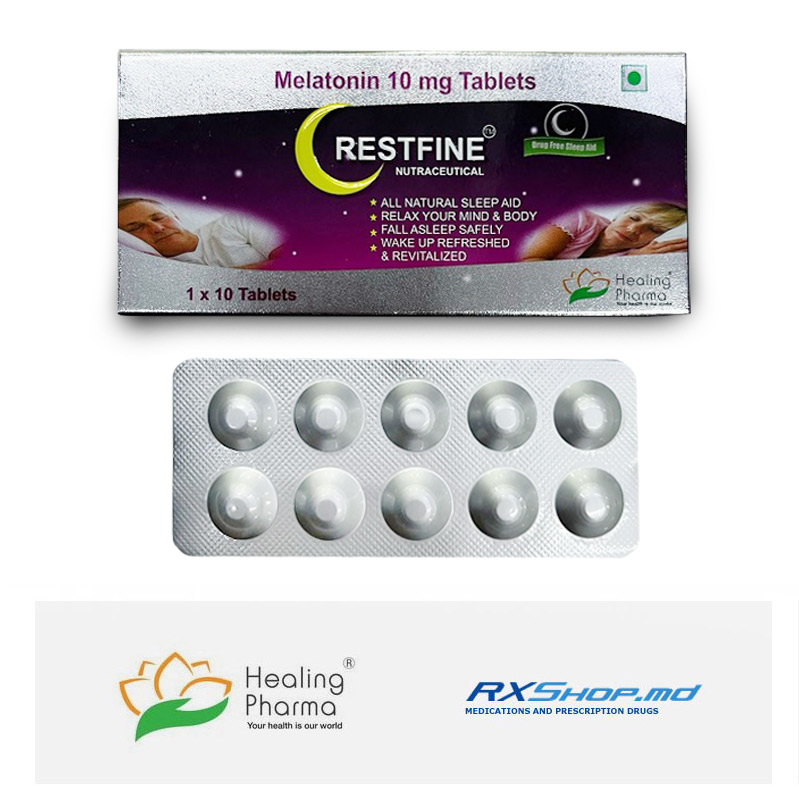
Restfine (Melatonin 10mg) represents the Healing Pharma India bioidentical endogenous sleep hormone supplement providing chronobiotic circadian rhythm regulation and sleep support for insomnia jet lag shift work sleep disorder perioperative anxiety and age-related melatonin decline. Melatonin (chemical name N-acetyl-5-methoxytryptamine) is the naturally occurring pineal gland hormone that regulates the human circadian sleep-wake cycle — peak endogenous production occurring between 2-4 AM with levels declining substantially with age making supplementation particularly beneficial for older adults. Unlike prescription hypnotic medications (benzodiazepines, Z-drugs like zolpidem) that produce sedation through GABAergic effects, melatonin works through MT1 and MT2 receptor binding in the suprachiasmatic nucleus (SCN) — the body master circadian clock — providing physiological sleep-wake regulation without sedation dependence or withdrawal. Manufactured by Healing Pharma India under WHO-GMP quality standards — the same trusted Indian manufacturer producing Retin-A generic Accufine Tretiheal Zofran Celeheal and Dapoforce on rxshop.md — Restfine provides accessible generic melatonin supplementation. Available as sibling product to Altonil (Alteus Pharmaceuticals melatonin 10mg) offering patients choice between two quality manufacturers.
Melatonin works through chronobiotic action on the circadian pacemaker rather than direct sedation. First, melatonin binds MT1 receptors in the suprachiasmatic nucleus reducing wakefulness signals. Second, it activates MT2 receptors shifting circadian phase advancing or delaying the sleep-wake cycle. Third, melatonin signals darkness to the body suppressing wake-promoting SCN activity. Fourth, melatonin provides direct hypnotic effects at higher doses reducing sleep latency. Fifth, melatonin serves as potent antioxidant scavenging free radicals with additional physiological benefits including immune modulation and anti-inflammatory effects.
Restfine serves multiple sleep-related and physiological conditions with strong evidence base. Primary uses include sleep disorders; jet lag (gold standard evidence); shift work disorder; delayed sleep phase syndrome; perioperative anxiety; seasonal affective disorder (adjunctive); and pediatric sleep problems in developmental disorders including autism and ADHD.
Restfine taken 30-60 minutes before desired bedtime. Start at lowest effective dose. Not habit-forming. No significant drug interactions. Sibling to Altonil — same active ingredient, both 10mg strength.
Free prescription
Discrete packaging
Have questions?
Quality Assurance

- Jet Lag: Circadian disruption from crossing multiple time zones - gold-standard evidence base for melatonin efficacy in resetting circadian rhythm after transmeridian travel;
- Shift Work Sleep Disorder: Circadian misalignment from rotating night shifts affecting healthcare workers pilots and industrial employees requiring circadian support;
- Delayed Sleep Phase Syndrome: Chronic inability to fall asleep at conventional bedtime common in adolescents and night-owl chronotypes responding to circadian phase advancement;
- Anxiety Before or After Surgery: Perioperative anxiolytic effect with efficacy comparable to midazolam in surgical patient preparation studies;
- Seasonal Affective Disorder: Winter depression with circadian rhythm disruption may improve with melatonin as adjunct to light therapy;
- Sleep Issues in Children with Developmental Disorders: Autism spectrum disorder and ADHD-related sleep problems benefit from carefully dosed melatonin supplementation;
- Primary Insomnia: Difficulty falling asleep and maintaining sleep responding to physiological melatonin without sedative-hypnotic dependence risks;
- Age Related Insomnia: Endogenous melatonin declines with age making elderly patients particularly responsive to melatonin supplementation;
- Non 24 Hour Sleep Wake Disorder: Particularly in blind individuals whose circadian rhythm becomes uncoupled from environmental light-dark cycles;
- Circadian Rhythm Disorders: Various sleep-wake cycle disruptions responding to chronobiotic melatonin therapy for phase resetting;
- Stress Related Sleep Problems: Acute stress-induced sleep initiation difficulty responding to gentle melatonin support without benzodiazepine risks;
- Menopausal Sleep Disturbance: Hot flashes and hormonal sleep disruption may improve with melatonin supplementation;
- Cancer Related Sleep Support: Sleep problems associated with cancer treatment respond to melatonin without pharmaceutical interactions;
- Autism Sleep Disorders: Growing evidence for melatonin efficacy in autism spectrum disorder pediatric sleep problems with pediatrician supervision;
- Sleep Onset Difficulty: Prolonged sleep latency responding to physiological melatonin dose taken 30-60 minutes before desired bedtime;
- Benzodiazepine Alternative: Non-addictive sleep support avoiding dependence risks of benzodiazepines and Z-drug hypnotic medications;
- Post Concussion Sleep Problems: Sleep disruption following head injury and post-concussion syndrome may benefit from melatonin;
- Bioidentical Hormone Therapy: Endogenous hormone supplementation replacing declining melatonin levels particularly in older adults;
- Generic Sleep Support Therapy: Bioequivalent Healing Pharma generic melatonin providing accessible sleep support at lower cost than brand-name alternatives.
- Better Sleep Cycle Regulation: Chronobiotic action resets circadian phase enabling proper sleep-wake cycle alignment with environmental light-dark cycles;
- Powerful Antioxidant Properties: Scavenges free radicals throughout body providing cellular protection beyond sleep benefits with anti-inflammatory effects;
- Better Eye Health Support: Melatonin protective effects on ocular tissues including retina may support long-term eye health as antioxidant;
- Better Immune System Support: Immune modulation effects support overall immune function beyond primary sleep benefits particularly in older adults;
- Less Seasonal Depression Symptoms: Adjunctive support for seasonal affective disorder through circadian rhythm optimization complementing light therapy;
- Better Anti Inflammatory Effects: Additional anti-inflammatory action complements sleep benefits with broader physiological health support;
- Better Jet Lag Recovery: Gold-standard evidence for accelerating circadian adaptation after transmeridian travel across multiple time zones;
- Less Sleep Onset Latency: Reduces time from bedtime to falling asleep enabling more efficient sleep periods for busy lifestyles;
- Better Shift Worker Recovery: Supports circadian adjustment for rotating shift workers healthcare providers pilots and industrial employees;
- Non Addictive Sleep Aid: No dependence physical addiction or withdrawal risks unlike benzodiazepines and Z-drug hypnotics enabling safe long-term use;
- Better Sleep in Older Adults: Endogenous melatonin declines with age making supplementation particularly beneficial for age-related insomnia and sleep quality;
- Better Perioperative Anxiety Management: Anxiolytic effects before surgery comparable to midazolam without respiratory depression or dependency risks;
- Less Morning Grogginess: Physiological mechanism produces less morning sedation than benzodiazepines enabling normal daily function and productivity;
- Better Delayed Sleep Phase Response: Effective for adolescent and adult delayed sleep phase disorder through circadian phase advancement;
- Better Pediatric Autism Sleep Support: Growing evidence base for melatonin efficacy in autism spectrum disorder pediatric sleep problems with pediatrician supervision;
- Better Bioidentical Hormone Supplementation: Natural body-identical molecule rather than synthetic drug ensuring physiological compatibility with minimal side effects;
- Better Minimal Drug Interactions: Safe combination with most prescription medications unlike benzodiazepines with numerous concerning drug interactions;
- Better Healing Pharma Manufacturing: WHO-GMP manufacturing standards ensure consistent bioequivalent generic quality for reliable therapeutic outcomes;
- Better Quality of Life: Improved sleep quality dramatically enhances daily functioning cognitive performance mood and overall wellbeing.
Generic Restfine (Melatonin 10 mg) Medication guide:
Restfine (Melatonin 10mg) is the Healing Pharma India bioidentical endogenous sleep hormone supplement providing chronobiotic circadian rhythm regulation and sleep support for insomnia jet lag shift work sleep disorder perioperative anxiety seasonal affective disorder and age-related melatonin decline. Melatonin is the naturally occurring pineal gland hormone that regulates the human sleep-wake cycle through binding MT1 and MT2 receptors in the suprachiasmatic nucleus — the body master circadian clock. Unlike prescription hypnotic medications (benzodiazepines, Z-drugs like zolpidem) that produce sedation through GABAergic effects, melatonin works through physiological chronobiotic action providing sleep-wake regulation without sedation, dependence, or withdrawal risks. Manufactured by Healing Pharma India under WHO-GMP quality standards — the same trusted Indian manufacturer producing Retin-A generic, Tretiheal, Accufine, Zofran, Celeheal, and Dapoforce on rxshop.md — Restfine provides accessible generic melatonin supplementation. Available as sibling product to Altonil (Alteus Pharmaceuticals melatonin 10mg) offering patients choice between two quality manufacturers. This comprehensive medication guide covers every aspect of Restfine therapy from endogenous melatonin physiology through Healing Pharma manufacturing quality, dose considerations for the 10 mg high-dose formulation, timing optimization, clinical uses beyond insomnia including perioperative anxiety and pediatric autism sleep support, and comparison with prescription hypnotic alternatives.
💊 Introduction to Restfine
Restfine is an oral medication containing melatonin 10 mg as its active ingredient in tablet form manufactured by Healing Pharma India. Melatonin (chemical name N-acetyl-5-methoxytryptamine) is the naturally occurring pineal gland hormone that regulates the human circadian sleep-wake cycle. As a bioidentical hormone rather than synthetic drug, melatonin provides physiological support for the body natural sleep regulation mechanisms without introducing foreign chemical entities. This distinguishes melatonin fundamentally from prescription hypnotic medications like benzodiazepines and Z-drugs (zolpidem, zaleplon) which produce sedation through synthetic drug action on GABA receptors with substantial dependence and side effect risks.
The Restfine brand is manufactured by Healing Pharma India — one of the trusted Indian pharmaceutical manufacturers with WHO-GMP certification providing quality generic pharmaceuticals across multiple therapeutic categories. Healing Pharma is the same manufacturer producing multiple other products available on rxshop.md including Retin-A generic (tretinoin), Tretiheal (tretinoin), Accufine (isotretinoin), Zofran (ondansetron), Celeheal (celecoxib), and Dapoforce (dapoxetine). This established manufacturer relationship provides quality assurance for melatonin supplementation similar to what patients receive with other Healing Pharma products.
Restfine is available on rxshop.md as a sibling product to Altonil (Alteus Pharmaceuticals melatonin 10mg) — both products contain identical melatonin active ingredient at the same 10 mg strength differing only in manufacturer branding and manufacturer-specific formulation details. This provides patients with choice between two quality generic melatonin options based on preference, availability, or cost considerations. Both products serve the same clinical purposes with equivalent therapeutic outcomes expected from bioequivalent generic formulations of the same active ingredient.
🧬 Understanding Restfine as Healing Pharma Melatonin
Melatonin vs Herbal Medicine Distinction
Important scientific classification:
Melatonin is a bioidentical endogenous hormone naturally produced by the pineal gland, NOT a herbal medicine. Understanding this distinction is important for appropriate expectations and clinical use:
- Bioidentical hormone: Identical chemical structure to endogenous melatonin produced by the human body
- Molecular precision: Manufactured as pure chemical entity with consistent dosing
- Physiological action: Acts on specific melatonin receptors (MT1, MT2) rather than complex herbal effects
- Predictable pharmacology: Well-defined pharmacokinetic and pharmacodynamic properties
- NOT a herb or plant extract: Different from botanical sleep aids like valerian, chamomile, or passionflower
- Considered dietary supplement in US but functions as hormone therapy pharmacologically
Restfine vs Altonil Sibling Comparison
| Property | Restfine | Altonil |
|---|---|---|
| Manufacturer | Healing Pharma India | Alteus Pharmaceuticals |
| Strength | 10 mg | 10 mg (identical) |
| Formulation | Oral tablets | Oral tablets (identical) |
| Active ingredient | Melatonin | Melatonin (identical) |
| Manufacturer size | Major Indian pharma with multiple rxshop products | Smaller Indian pharma |
| Clinical outcomes | Equivalent expected | Equivalent expected |
Healing Pharma Manufacturing Quality
Healing Pharma India credentials:
- Established Indian pharmaceutical manufacturer with dermatology and generic portfolio
- WHO-GMP certification - World Health Organization Good Manufacturing Practice standards
- ISO certifications for quality management systems
- Multiple international regulatory certifications across served markets
- Extensive generic portfolio covering dermatology, gastroenterology, cardiovascular, pain, and other categories
- Manufacturer of multiple rxshop.md products: Retin-A generic, Tretiheal, Accufine, Zofran, Celeheal, Dapoforce
- Cost-effective manufacturing enabling widespread access to generic melatonin at accessible pricing
🌞 Understanding Endogenous Melatonin
What Is Melatonin
Melatonin is a naturally occurring hormone produced primarily by the pineal gland — a small endocrine organ located in the brain. Melatonin serves as the primary signaling molecule regulating the circadian sleep-wake cycle in humans and other mammals. Key facts about endogenous melatonin:
- Pineal gland production: Primary source is the pineal gland which enlarges in darkness
- Circadian production pattern: Peaks between 2-4 AM during darkness, minimal during daylight
- Light inhibits production: Environmental light exposure suppresses melatonin synthesis
- Serotonin precursor: Melatonin synthesized from tryptophan through serotonin intermediate
- Multiple physiological roles: Sleep regulation, antioxidant, immune modulation, reproduction
- Also produced by other tissues: Retina, gastrointestinal tract, bone marrow
Age-Related Melatonin Decline
Melatonin production changes with age:
- Peak production childhood: Highest melatonin levels in prepubertal children
- Adolescent decline: Significant decrease during puberty
- Adult stability: Relatively stable in young to middle-aged adults
- Middle age decline: Progressive decrease after age 40-50
- Elderly deficiency: Substantially reduced melatonin production in older adults
- Correlation with age-related insomnia: Explains why elderly benefit particularly from melatonin supplementation
- Restoration through supplementation: Bioidentical melatonin restores physiological levels
Circadian Rhythm and the SCN
The suprachiasmatic nucleus (SCN) of the hypothalamus serves as the body master circadian clock, receiving light input from the retina and coordinating physiological rhythms throughout the body. Melatonin functions as the primary chemical signal from the SCN to the rest of the body indicating darkness and initiating sleep-promoting processes:
- Light detected by retina: Special retinal cells (intrinsically photosensitive retinal ganglion cells) detect light
- Signal to SCN: Light signal sent to suprachiasmatic nucleus via retinohypothalamic tract
- SCN circadian regulation: SCN coordinates 24-hour body rhythms
- Pineal gland signaling: SCN signals pineal gland to produce/suppress melatonin
- Melatonin release: Peaks in darkness signaling body to prepare for sleep
- Peripheral effects: Melatonin coordinates peripheral tissue circadian rhythms
🧪 Chemistry and Mechanism of Action
Melatonin has the chemical formula C13H16N2O2 with molecular weight approximately 232.3 g/mol. Chemically, melatonin is N-acetyl-5-methoxytryptamine — a naturally occurring indoleamine derived from serotonin through enzymatic acetylation and methylation reactions.
Mechanism of Action - Receptor Binding
Melatonin multi-target mechanism:
- MT1 receptor binding: Melatonin binds MT1 receptors in SCN reducing wakefulness signals
- MT2 receptor activation: Binding MT2 receptors shifts circadian phase advancing or delaying sleep-wake cycle
- Darkness signaling: Signals darkness to body suppressing wake-promoting SCN activity
- Direct hypnotic effects: Higher doses produce direct sleep-promoting effects
- Thermoregulation: Slight decrease in core body temperature facilitating sleep
- Antioxidant activity: Direct free radical scavenging with multiple physiological benefits
- Immune modulation: Effects on immune cell function including cytokine regulation
- Anti-inflammatory effects: Reduces inflammatory markers in various conditions
Chronobiotic vs Hypnotic Distinction
| Property | Melatonin (Chronobiotic) | Benzodiazepines/Z-drugs (Hypnotic) |
|---|---|---|
| Primary action | Circadian rhythm regulation | Direct CNS sedation |
| Receptor target | MT1, MT2 melatonin receptors | GABA-A receptors |
| Sedation mechanism | Physiological signaling | Pharmacological CNS depression |
| Dependence potential | None | Significant risk |
| Withdrawal risk | None | Substantial (seizure risk) |
| Morning hangover | Minimal | Common |
| Cognitive impairment | Minimal | Significant risk in elderly |
| Fall risk elderly | Very low | Substantially increased |
| Long-term safety | Excellent | Not recommended long-term |
Pharmacokinetic Profile
| Parameter | Value | Clinical Significance |
|---|---|---|
| Onset of sleep effect | 30-60 minutes | Take before desired bedtime |
| Time to peak (Tmax) | 30-60 minutes | Rapid absorption |
| Half-life (immediate release) | 20-50 minutes | Rapid elimination |
| Oral bioavailability | Approximately 15-25 percent | Substantial first-pass metabolism |
| Metabolism | Hepatic CYP1A2 primarily | Interactions with CYP1A2 modifiers |
| Elimination | Renal (as 6-sulfatoxymelatonin) | Complete elimination within hours |
| Food effect | Delays absorption | Take on empty stomach preferred |
| Duration of action | 1-2 hours (immediate release) | Primarily sleep initiation |
🎯 Approved and Established Indications
Primary Established Uses
- Sleep disorders - various sleep-related conditions including insomnia
- Jet lag - gold-standard evidence base for melatonin efficacy
- Shift work sleep disorder - circadian misalignment from rotating shifts
- Delayed sleep phase syndrome - chronic late sleep onset
- Non-24-hour sleep-wake disorder - particularly in blind individuals
- Age-related insomnia - elderly with declining endogenous melatonin
Additional Established Uses
Additional evidence-based uses:
- Perioperative anxiety: Anxiolytic effects before surgery comparable to midazolam
- Seasonal affective disorder (SAD): Adjunctive support with light therapy
- Autism spectrum sleep disorders: Growing evidence in pediatric ASD
- ADHD-related sleep problems: Emerging evidence base
- Menopausal sleep disturbance: Adjunctive support
- Cancer-related sleep problems: Sleep support during treatment
- Post-concussion sleep issues: Following mild traumatic brain injury
- Chronic fatigue syndrome: Sleep component support
Perioperative Anxiety Use
Emerging perioperative anxiolytic role:
Multiple studies have demonstrated melatonin efficacy for perioperative anxiety with efficacy comparable to midazolam (traditional benzodiazepine used for surgical premedication) but without concerning benzodiazepine side effects.
- Reduces preoperative anxiety scores
- Comparable efficacy to midazolam premedication
- Better postoperative recovery profile
- Reduced postoperative delirium in elderly
- No respiratory depression concerns
- Anesthesiologist consultation recommended for perioperative use
Autism and Developmental Sleep Disorders
Pediatric autism sleep disorder support:
Sleep disorders are common in autism spectrum disorder (ASD) affecting up to 80 percent of children. Melatonin has emerged as first-line pharmacological option after behavioral interventions:
- Effective for sleep onset problems in ASD children
- Improves sleep duration and quality
- Well-tolerated in pediatric populations
- Recommended by American Academy of Pediatrics
- Dose typically lower than adult (1-5 mg)
- Pediatrician supervision essential
- Behavioral interventions remain first-line
Ideal Patient Selection
Restfine most appropriate for:
- Adults with insomnia particularly sleep onset difficulty
- Individuals experiencing jet lag or shift work sleep disorder
- Elderly patients with age-related melatonin decline
- Patients seeking non-addictive sleep aid alternative to benzodiazepines
- Individuals with circadian rhythm disorders
- Adolescents with delayed sleep phase syndrome
- Patients requiring perioperative anxiolytic (with anesthesiology consultation)
- Pediatric patients with autism-related sleep problems (with pediatric supervision)
- Patients with contraindications to prescription hypnotics
🚫 Contraindications and Precautions
Contraindications
- Hypersensitivity to melatonin or any excipient
- Pregnancy - limited data, use only if clearly indicated
- Breastfeeding - limited data, avoid
- Autoimmune disorders - immune modulation concerns theoretical
- Severe hepatic impairment - melatonin extensively hepatically metabolized
Precautions
Use with caution in:
- Diabetes: May affect glucose regulation - monitor blood glucose
- Hypertension: Effects on blood pressure inconsistent - monitor
- Bleeding disorders: May affect coagulation in some patients
- Concurrent anticoagulants: Potential increased bleeding risk
- Concurrent immunosuppressants: Melatonin has immune-stimulating effects
- Seizure disorders: Effects on seizure threshold unclear - monitor
- Pediatric use: Requires pediatric supervision and lower doses
- Elderly with polypharmacy: Simple side effect and interaction assessment
- Driving after dose: Do not drive after taking - drowsiness expected
💉 Dosage and Administration
Standard Adult Dosing
Restfine adult dosing:
- Timing: 30-60 minutes before desired bedtime
- Empty stomach preferred: 2 hours after last meal
- Consistency: Same time each evening for circadian rhythm consolidation
- Duration: Short-term (2-4 weeks) for insomnia; longer for chronic circadian disorders
- Not habit-forming: Can discontinue without withdrawal
Dose Considerations for 10 mg Strength
Important dose considerations:
The 10 mg strength is high-dose melatonin. Clinical research consistently shows that lower physiological doses often prove equally or more effective than higher doses. Consider dose-response:
- 0.3-1 mg physiological low-dose: Most physiological, often equally effective
- 2-3 mg standard dose: Common commercial concentrations, well-tolerated
- 5-10 mg high-dose: Restfine strength - may cause paradoxical alertness or morning grogginess in some
- Dividing tablets: Consider splitting 10 mg for lower initial dose (5 mg or less)
- Individual variation: Optimal dose varies significantly between individuals
- Start low approach: Consider starting with half tablet initially assess response
Timing Optimization
| Indication | Timing | Duration |
|---|---|---|
| General insomnia | 30-60 min before bed | 2-4 weeks trial |
| Jet lag (eastward travel) | Destination bedtime for 3-5 days | Until adjusted |
| Jet lag (westward travel) | Late night when unable to sleep | Usually not needed |
| Delayed sleep phase | 5-7 hours before target sleep | Long-term |
| Shift work | Before daytime sleep after night shift | During night shift periods |
| Perioperative anxiety | 1-2 hours before surgery | Single dose |
Administration Guidelines
- Take at consistent time each evening 30-60 minutes before bed
- Preferably on empty stomach (2 hours after last meal)
- Swallow tablet whole with water
- Do NOT combine with alcohol - amplifies drowsiness
- Do NOT drive after taking - expected drowsiness
- Sleep environment should be dark - light suppresses melatonin action
- Avoid blue light (phones, tablets) after taking
- Combine with good sleep hygiene - melatonin not substitute for behavioral changes
- Do not exceed 10 mg daily
- Consider trial period 2 weeks to assess response
- Discontinue if no benefit after adequate trial
📊 Clinical Effectiveness Data
| Metric | Response Data |
|---|---|
| Sleep latency reduction | Modest reduction 10-15 minutes typically |
| Total sleep time increase | Modest increase 15-30 minutes |
| Jet lag benefit | Strong evidence particularly eastward travel |
| Elderly insomnia response | Substantial benefit in age-related insomnia |
| Delayed sleep phase success | Effective for phase advancement |
| Autism pediatric response | Substantial improvement in most children |
| Perioperative anxiety | Comparable to midazolam efficacy |
| Long-term safety | Excellent - no dependence or tolerance |
⚠️ Side Effects
Common Side Effects
- Morning drowsiness or hangover: More common with higher doses like 10 mg
- Headache: Occasional, usually mild
- Dizziness: Uncommon
- Nausea: Uncommon
- Vivid dreams or nightmares: Occasional
- Irritability: Occasional
- Short-term feelings of depression: Rare
- Stomach cramps: Uncommon
Paradoxical Effects
Paradoxical effects with high doses:
- Higher doses (10 mg) may paradoxically cause alertness in some individuals
- Morning grogginess more likely with high doses
- Individual variation is substantial
- Try lower dose (half tablet) if paradoxical effects occur
- Timing adjustment may help
Serious Adverse Events
Seek medical attention for:
- Severe allergic reactions: swelling, difficulty breathing
- Severe mood changes or worsening depression
- Signs of bleeding in patients on anticoagulants
- Severe morning drowsiness affecting daily function
- Development of new medical symptoms
🔄 Drug Interactions
| Drug/Substance | Interaction |
|---|---|
| Alcohol | Amplifies drowsiness - avoid combination |
| Benzodiazepines and Z-drugs | Additive CNS effects - use with caution |
| Anticoagulants (warfarin) | Potential increased bleeding risk - monitor INR |
| Immunosuppressants | Melatonin has immune-stimulating effects - avoid |
| Fluvoxamine (Luvox) | Substantial CYP1A2 inhibition - increased melatonin levels |
| Ciprofloxacin | CYP1A2 inhibition - may increase melatonin |
| Caffeine | Antagonistic to melatonin sleep effects |
| Antihypertensive medications | May affect blood pressure - monitor |
| Nifedipine | Melatonin may reduce antihypertensive effect |
| Diabetes medications | Melatonin may affect glucose regulation |
🛡️ Special Populations
- Adults
- Standard first-line non-addictive sleep aid option. Start with lower dose (half tablet) initially to assess response. Adjust based on efficacy and tolerability.
- Elderly Patients
- Excellent choice for elderly given age-related endogenous melatonin decline. Preferred over benzodiazepines and Z-drugs which increase fall and confusion risks. Consider lower doses (5 mg or half tablet).
- Pediatric Patients
- Use only with pediatrician supervision. Doses typically much lower than adult (1-5 mg). Particularly beneficial for autism-related sleep disorders. Behavioral interventions remain first-line.
- Adolescents
- Beneficial for delayed sleep phase disorder common in adolescents. Timing critical - typically 5-7 hours before target sleep for phase advancement.
- Pregnancy
- Limited safety data - avoid unless clearly indicated. Discontinue if pregnancy suspected. Alternative behavioral sleep hygiene interventions preferred.
- Lactation
- Limited safety data - avoid or use with caution. Alternative sleep support approaches preferred during breastfeeding.
- Shift Workers
- Supports circadian adjustment for night shift workers. Take before intended daytime sleep. Consider chronobiotic timing based on work schedule.
- Frequent Travelers
- Gold-standard therapy for jet lag. Take at destination bedtime for 3-5 days after eastward travel. Westward travel typically requires less melatonin support.
- Autoimmune Disease Patients
- Theoretical concern regarding immune-stimulating effects. Discuss with rheumatologist before use in active autoimmune disease.
- Diabetic Patients
- Monitor blood glucose - melatonin may affect glucose regulation. Diabetes medications may need adjustment. Timing with meals not typically issue.
- Anticoagulant Users
- Potential interaction with warfarin - monitor INR when starting or stopping melatonin. Discuss with anticoagulation management provider.
- Perioperative Patients
- Emerging role as anxiolytic premedication. Anesthesiology consultation recommended for surgical use. Effective 1-2 hours before surgery.
🌪️ Not Substitute for Sleep Hygiene
Sleep hygiene remains foundational:
Melatonin supports natural sleep processes but is NOT substitute for good sleep hygiene practices. Best results combine melatonin with:
- Consistent sleep schedule: Same bedtime and wake time daily
- Dark sleeping environment: Blackout curtains, minimize light exposure
- Cool bedroom temperature: 15-19°C (60-67°F) optimal
- No screens 1 hour before bed: Blue light suppresses endogenous melatonin
- Avoid caffeine after 2 PM: Antagonizes melatonin effects
- Avoid alcohol before bed: Disrupts sleep architecture
- Regular exercise: Not immediately before bed
- Stress management: Address underlying stress and anxiety
- Comfortable sleep environment: Quality mattress and pillow
- Wind-down routine: Relaxation before sleep
📦 Storage and Handling
- Store at room temperature between 15°C and 30°C (59°F and 86°F)
- Protect from heat, moisture, and light
- Keep tablets in original packaging
- Keep out of reach of children
- Do not use past expiration date
- Do not share medications with others
- Return unused medication to pharmacy for proper disposal
- Store separately from other medications to prevent confusion
👨⚕️ When to Contact Your Doctor
- Persistent insomnia despite melatonin use (may indicate underlying condition)
- Severe morning drowsiness affecting daily function
- Development of severe or persistent side effects
- Signs of allergic reaction: swelling, rash, difficulty breathing
- Mood changes or worsening depression
- Signs of bleeding in anticoagulant users
- Concerns about pediatric use in autism sleep disorders
- Considering perioperative use
- Chronic insomnia persisting beyond 2-4 weeks (evaluation needed)
- Signs of underlying sleep disorder (sleep apnea, restless legs)
- Suspected pregnancy - discontinue
- New medications potentially interacting
- Loss of efficacy despite proper use
- Development of new medical conditions
- Concerns about interaction with existing medications
🌟 Key Takeaways
Essential points about Restfine (melatonin) therapy:
- Restfine is Healing Pharma India generic melatonin 10 mg tablets
- Bioidentical endogenous pineal gland hormone - NOT herbal medicine or synthetic drug
- Sibling product to Altonil (Alteus Pharmaceuticals melatonin 10 mg)
- Chronobiotic action through MT1 and MT2 receptor binding in SCN
- Fundamentally different from benzodiazepines and Z-drugs - non-addictive
- No dependence, withdrawal, or tolerance
- Excellent safety profile especially in elderly
- Take 30-60 minutes before desired bedtime
- Empty stomach preferred (2 hours after meals)
- 10 mg is high-dose - consider splitting tablet for lower initial dose
- Lower doses (0.3-3 mg) often equally effective clinically
- Gold-standard evidence for jet lag treatment
- Excellent for age-related insomnia in elderly
- Effective for delayed sleep phase syndrome
- Emerging perioperative anxiolytic role
- Growing evidence in autism pediatric sleep disorders
- NOT substitute for good sleep hygiene
- Avoid alcohol combination - amplifies drowsiness
- Do not drive after taking
- Pregnancy Category avoid unless clearly indicated
- Same active ingredient as Altonil - equivalent clinical outcomes expected
Important Medical Disclaimer: This medication guide provides general information about Restfine (Healing Pharma India generic melatonin 10 mg tablets) and does not constitute individualized medical advice. Every patient situation is unique and requires evaluation by a qualified healthcare provider. While melatonin is generally very safe and available OTC in many countries, chronic insomnia lasting more than 2-4 weeks warrants medical evaluation for underlying causes including sleep disorders (sleep apnea, restless legs syndrome), medical conditions, medications, or mental health issues. Melatonin is a bioidentical endogenous hormone rather than herbal medicine or synthetic drug - understanding this distinction is important for appropriate expectations. Take 30-60 minutes before desired bedtime; do not drive after taking due to expected drowsiness; avoid alcohol combination. The 10 mg strength is high-dose - many patients respond equally well to lower doses (0.3-3 mg) and may benefit from starting with a divided tablet. Perioperative use for anxiolytic effects requires anesthesiology consultation. Pediatric use particularly for autism-related sleep disorders should be under pediatrician supervision with lower doses. Avoid during pregnancy and breastfeeding due to limited safety data. Use with caution in autoimmune disorders, diabetes, and anticoagulant therapy. Report severe morning drowsiness, mood changes, allergic reactions, or persistent insomnia to your healthcare provider. Melatonin supports natural sleep but is NOT substitute for good sleep hygiene practices - the two approaches work best combined. If you experience concerning symptoms contact your healthcare provider. The information provided here should complement but never replace direct professional medical guidance.
Restfine — Frequently Asked Questions
-
What is Melatonin (Restfine)?
Melatonin (Restfine) is a supplement that aids in regulating sleep by mimicking the body's natural melatonin production. -
How does Melatonin help with sleep?
It helps regulate the sleep-wake cycle, promoting onset of sleep and improving sleep quality. -
Who should use Melatonin (Restfine)?
It's ideal for individuals experiencing irregular sleep patterns, jet lag, or difficulty falling asleep. -
How quickly does Melatonin take effect?
Melatonin typically begins to work within 30 minutes to an hour after ingestion. -
What are the side effects of taking Melatonin?
Common side effects include drowsiness, headache, and mild dizziness. -
Can Melatonin help with jet lag?
Yes, it can help reset the body's internal clock and reduce symptoms of jet lag. -
Is Melatonin suitable for children?
Consult a healthcare provider before giving Melatonin to children.
See all Restfine questions (32)
More Sleep Aids Medications