Buy Azulfidine (Sulfasalazine) Online — Dual-Action Anti-Inflammatory for Ulcerative Colitis & Rheumatoid Arthritis

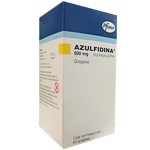
Azulfidine (Sulfasalazine) is a dual-action anti-inflammatory medication used to treat both ulcerative colitis and rheumatoid arthritis. It is the only aminosalicylate with FDA approval for both gastrointestinal and rheumatologic indications, making it uniquely valuable for patients with overlapping inflammatory conditions. First developed in 1942 by Swedish rheumatologist Nanna Svartz at the Karolinska Institute, sulfasalazine has accumulated over 80 years of clinical safety data — among the most established medications in modern rheumatology and gastroenterology.
Sulfasalazine works as a prodrug. The intact tablet passes through the upper GI tract unchanged until colonic bacteria cleave the azo bond connecting its two halves. The 5-aminosalicylic acid (mesalamine) portion acts topically on inflamed colon mucosa to control ulcerative colitis symptoms. The sulfapyridine portion is absorbed systemically and contributes to the rheumatoid arthritis effect, classifying sulfasalazine as a conventional synthetic DMARD (csDMARD) under American College of Rheumatology guidelines.
Available as 500 mg standard tablets and enteric-coated EN-tabs for improved GI tolerability. Standard adult dosing: 4-6 g/day during active ulcerative colitis flares (induction), 2 g/day for maintenance, and 2-3 g/day for rheumatoid arthritis reached through slow 4-6 week dose escalation. Daily folic acid supplementation (1 mg) is essential alongside therapy because sulfasalazine inhibits intestinal folate absorption.
Sulfasalazine remains first-line therapy globally for mild-to-moderate UC and an established alternative to methotrexate for RA — particularly as the central component of "triple therapy" (methotrexate + sulfasalazine + hydroxychloroquine), shown in major trials to be non-inferior to anti-TNF biologic regimens at a fraction of the cost. The generic version is dramatically less expensive than newer mesalamine products (Asacol, Lialda, Pentasa) and biologic DMARDs while delivering comparable clinical efficacy.
Order Azulfidine (Sulfasalazine 500 mg) online from our pharmacy for proven dual-indication anti-inflammatory therapy with decades of established safety.
Free prescription
Discrete packaging
Have questions?
Quality Assurance

- Ulcerative Colitis Maintenance: For maintenance of remission in patients who have responded to induction therapy — reduces relapse rates significantly;
- Crohns Colitis: For mild-to-moderate Crohn's disease affecting the colon, particularly when avoiding corticosteroids;
- Rheumatoid Arthritis: FDA-approved disease-modifying therapy for adult RA — one of the most established DMARDs in rheumatology;
- Juvenile Arthritis: For juvenile idiopathic arthritis in children with polyarticular or oligoarticular presentations;
- Psoriatic Arthritis: For peripheral joint involvement in psoriatic arthritis — effective DMARD option;
- Ankylosing Spondylitis: For peripheral arthritis manifestations in ankylosing spondylitis;
- Reactive Arthritis: For Reiter's syndrome and other reactive arthritis presentations following infection;
- Spondyloarthropathies: For peripheral joint involvement in the broader spondyloarthropathy disease spectrum;
- Pyoderma Gangrenosum: For IBD-associated pyoderma gangrenosum — particularly when ulcerative colitis is the underlying condition;
- Behcets Disease: For mucocutaneous and arthritic manifestations of Behcet's disease;
- IBD With Arthritis: Unique advantage in patients with concurrent IBD and inflammatory arthritis — treats both conditions simultaneously;
- Pediatric UC: For children and adolescents with ulcerative colitis requiring oral anti-inflammatory therapy;
- Sulfa Tolerant Patients: For patients without sulfa allergy who benefit from combined 5-ASA + sulfapyridine action;
- DMARD Therapy: As foundational disease-modifying therapy in rheumatology practice across multiple inflammatory arthritis conditions;
- Long Term IBD: Suitable for years-to-decades of continuous maintenance therapy in ulcerative colitis;
- Combination DMARD Therapy: Effectively combined with methotrexate and hydroxychloroquine in triple-DMARD rheumatoid arthritis regimens.
- Less Abdominal Pain: Calms cramping abdominal pain associated with active IBD flares;
- Less Bleeding: Reduces rectal bleeding through anti-inflammatory action on colonic mucosa;
- Less Joint Pain: Reduces joint pain in rheumatoid arthritis and related inflammatory arthritis;
- Less Joint Swelling: Decreases swelling in inflamed joints with disease-modifying anti-rheumatic action;
- Better Joint Mobility: Improves range of motion as joint inflammation resolves with consistent therapy;
- Less Morning Stiffness: Reduces characteristic morning stiffness of rheumatoid arthritis;
- Better Bowel Function: Restoration of normal stool consistency and frequency in IBD remission;
- Better Quality of Life: Symptom control supports return to work, family, and social activities;
- More Energy: Resolution of inflammation reduces chronic fatigue associated with both IBD and RA;
- Better Function: Improved daily functioning across self-care, work, and recreational activities;
- Less Fatigue: Reduced systemic inflammation supports recovery from chronic fatigue;
- Brand Azulfidine: Original brand-name Sulfasalazine with established clinical reputation since 1950 — one of the longest-standing IBD therapies;
- Generic Sulfasalazine: Affordable generic versions of Azulfidine expand global access to multi-purpose anti-inflammatory therapy;
- 5 ASA Sulfa Combo: Unique combination of 5-aminosalicylic acid and sulfapyridine — dual mechanism not available in pure 5-ASA agents;
- Dual Mechanism Therapy: Local colonic + systemic joint action in single medication — treats IBD and arthritis simultaneously;
- Colonic Bacterial Activation: Targeted activation by gut bacteria delivers active components precisely where needed;
- DMARD Therapy: Disease-modifying anti-rheumatic drug — not just symptomatic relief but actual joint disease modification;
- RA First Line DMARD: Recommended first-line DMARD in EULAR and ACR rheumatoid arthritis guidelines — alongside methotrexate;
- IBD Anti Inflammatory: Established foundation therapy for inflammatory bowel disease anti-inflammatory management;
- Aminosalicylate Class: First-developed aminosalicylate — foundational class that led to modern 5-ASA medications;
- Multi Use Anti Inflammatory: Treats IBD, rheumatoid arthritis, juvenile arthritis, psoriatic arthritis, and spondyloarthropathies in one medication;
- UC Long Term Maintenance: Decades of evidence support continuous maintenance therapy reducing UC relapses;
- Pyoderma Gangrenosum Treatment: Effective for IBD-associated pyoderma gangrenosum skin ulcerations;
- Behcets Therapy: Useful for mucocutaneous and arthritic manifestations of Behcet's disease;
- Combinable Methotrexate: Effectively combined with methotrexate and hydroxychloroquine in triple DMARD therapy for moderate-severe RA;
- Steroid Sparing IBD: Effective maintenance allows tapering of corticosteroids and avoidance of long-term complications;
- Biologics Sparing Therapy: Effective baseline therapy that may delay or avoid need for biologic medications;
- IBD With Joint Disease: Particularly valuable when ulcerative colitis coexists with inflammatory joint disease;
- Affordable DMARD IBD: One of the most cost-effective DMARDs and IBD therapies — supports long-term affordability;
- EULAR Guidelines DMARD: Recommended in European League Against Rheumatism RA management guidelines;
- Pregnancy Compatible IBD: With folate supplementation, considered acceptable during pregnancy when therapy is needed;
- WHO Essential Medicine: Listed on the WHO Model List of Essential Medicines for both gastrointestinal and rheumatology therapy;
- 70 Plus Year History: One of the longest clinical track records of any anti-inflammatory medication still in routine modern use;
- Folate Supplementation: Concurrent folic acid supplementation prevents folate deficiency complications;
- Stable Storage: No refrigeration required — convenient for travel, home, and humanitarian distribution;
- Globally Available: Widely stocked across international markets in branded (Azulfidine, Salazopyrin) and generic forms.
Generic Azulfidine (Sulfasalazine 500 mg) Medication guide:
📖 What is Sulfasalazine - the dual-indication aminosalicylate
The original mesalamine-class anti-inflammatory - a prodrug developed in 1942 that combines 5-aminosalicylic acid with sulfapyridine. Unique among aminosalicylates in treating both ulcerative colitis AND rheumatoid arthritis. Sold as Azulfidine (Pfizer) and as low-cost generics worldwide.
🔍 What makes sulfasalazine distinctive
- 🧬 A prodrug, not a directly active medication.
- The intact molecule is essentially inert - it only becomes therapeutic after colonic bacteria split it into two active components. This is why it's effective for colonic disease but not absorbed in the upper GI tract.
- 🪜 The only 5-ASA approved for rheumatoid arthritis.
- All other aminosalicylates (Asacol, Lialda, Pentasa, Apriso) are approved only for inflammatory bowel disease. Sulfasalazine's dual indication is a historical accident of how it was originally developed for RA, then discovered to also help UC.
- 💰 Dramatically cheaper than newer alternatives.
- Generic sulfasalazine costs a fraction of branded mesalamine products. In many parts of the world it remains first-line specifically because of this cost difference - a working medication that ordinary patients can afford long-term.
- ⚠️ The sulfa tradeoff.
- The sulfapyridine half drives most side effects. About 25-30% of patients experience some side effects vs ~10-15% with mesalamine alone. Often manageable, but the tradeoff is real - covered in detail in section 11.
Sulfasalazine is the 80-year-old grandparent of mesalamine therapy. Cheaper but more side effects. Effective for both UC and RA - the only drug in its class with this dual range. Still widely used globally, especially where cost matters and patients tolerate the sulfa component without major issues.
🕰️ The 1942 Swedish origin - Nanna Svartz and rheumatology
Sulfasalazine has one of the most unusual development stories in modern medicine. It was created in 1942 by Swedish rheumatologist Nanna Svartz at the Karolinska Institute - not as a gastrointestinal drug, but as a treatment for rheumatoid arthritis. Svartz was working on the theory (popular at the time) that rheumatoid arthritis was caused by an infectious agent in the bowel. She designed a molecule combining an antibacterial (sulfapyridine) with an anti-inflammatory (salicylate), connected by an azo bond she hoped would deliver both to the gut.
The theory was wrong - RA is autoimmune, not infectious. But the molecule worked anyway, for reasons that wouldn't be understood for decades. And then patients started reporting something unexpected: their UC symptoms improved too. The dual indication was born from this serendipitous observation.
⏱️ The sulfasalazine timeline
Svartz (1890-1986) was a pioneer in multiple ways: one of the first women admitted to Sweden's Karolinska Institute as a faculty member, the first female full professor of medicine in Sweden, and the inventor of a drug that has helped millions of patients for over eight decades. The fact that her 1942 molecule remains relevant today - despite the development of dozens of newer alternatives - speaks to how well-designed it was, even if her theoretical framework was incorrect.
🧬 How sulfasalazine works - prodrug with bacterial cleavage
Sulfasalazine is a prodrug. Swallowed as an intact molecule, it travels through the upper GI tract essentially unchanged because human enzymes can't cleave the azo bond connecting its two halves. Only when it reaches the colon - where bacterial azoreductase enzymes are present - does the bond break, releasing the two active components into the colonic lumen.
⚖️ Sulfasalazine vs purified mesalamine
Inert molecule until bacterial cleavage in colon releases 5-ASA + sulfapyridine. The sulfapyridine half is absorbed systemically, causing classic sulfa side effects. The 5-ASA half acts topically on colon mucosa. Works for both UC (5-ASA does the work) and RA (mechanism less clear, possibly sulfapyridine contributes).
Pure 5-ASA delivered to the colon via pH-dependent coating (Eudragit) or controlled-release matrix. No sulfapyridine component, so eliminates sulfa side effects. Approved for UC only - the RA indication never carried over because the mechanism for RA may need the sulfa half.
📝 The activation pathway, step by step
💊 Swallowed intact — sulfasalazine tablet enters the stomach. The molecule stays whole.
💧 Through stomach and small intestine — minimal cleavage occurs in the upper GI tract because human enzymes don't readily break the azo bond. Most of the dose travels intact toward the colon.
🦠 Bacterial cleavage in colon — colonic bacteria (Clostridium, Bacteroides, others) produce azoreductase enzymes that split the azo bond. This releases 5-aminosalicylic acid (mesalamine) AND sulfapyridine into the colonic lumen.
🪄 5-ASA acts on colon mucosa — the mesalamine portion contacts inflamed colon tissue and produces topical anti-inflammatory effect. This is the same mechanism as Asacol/Pentasa/Lialda.
💠 Sulfapyridine is absorbed systemically — the sulfa half is absorbed into bloodstream and circulates throughout the body. It's also responsible for most side effects. For rheumatoid arthritis, the systemic sulfapyridine appears to contribute (though the exact RA mechanism remains debated).
💩 Excretion — sulfapyridine and its metabolites are processed by the liver and excreted in urine. Unchanged sulfasalazine and unabsorbed 5-ASA exit via stool.
Because sulfasalazine requires colonic bacteria for activation, recent broad-spectrum antibiotic use can theoretically reduce its effectiveness by killing the activating bacterial population. This is rarely clinically significant in practice, but it's the conceptual basis for one of the drug's unusual properties: it doesn't work as well without a normal gut microbiome.
🔄 The unique dual indication - UC and rheumatoid arthritis
Sulfasalazine occupies a unique position in the pharmacopeia: it has FDA approval (and equivalent international approvals) for two completely different diseases - ulcerative colitis and rheumatoid arthritis. No other aminosalicylate has this dual range. No other DMARD has this dual range. The drug bridges gastroenterology and rheumatology in a way that's almost unprecedented for an oral medication.
📋 Where sulfasalazine fits in each indication
🔍 The double-life pharmacology
The dual indication isn't a coincidence of marketing - it reflects how the drug actually works. The 5-ASA component released in the colon stays mostly local and treats colon inflammation (UC). The sulfapyridine component absorbed systemically circulates throughout the body and influences immune function in joints (RA). One molecule, two halves, two different therapeutic actions in two different tissues.
This also explains why purified mesalamine products (Asacol, Lialda, Pentasa) are approved only for UC. They contain just the 5-ASA half - the part that treats colonic inflammation. They lack the sulfapyridine that contributes to RA control. So switching from sulfasalazine to Asacol "to avoid sulfa side effects" works for UC patients but leaves RA patients without their primary medication.
Patients who have both ulcerative colitis AND rheumatoid arthritis (these conditions sometimes co-occur because both involve inflammatory pathways) get a special benefit from sulfasalazine - one medication treats both. Switching to mesalamine alone would address the UC but leave the RA untreated. Many co-disease patients stay on sulfasalazine specifically to avoid taking two separate medications.
🩺 Sulfasalazine for ulcerative colitis
Ulcerative colitis was sulfasalazine's first formal indication (FDA approval 1950) and remains one of its core uses worldwide. For mild-moderate UC, sulfasalazine produces remission rates and maintenance efficacy comparable to newer mesalamine products. The choice between sulfasalazine and Asacol/Lialda/Pentasa typically comes down to side-effect tolerability and cost, not efficacy.
Effective for inducing remission in mild-moderate active UC. Effective for maintaining remission between flares. Particularly well-suited for distal colitis (proctitis, left-sided UC) where the activated 5-ASA reaches the inflamed tissue. Comparable efficacy to other 5-ASA products at equivalent doses, with the cost advantage of generic availability.
📝 Practical approach to UC with sulfasalazine
🔥 Active flare induction. Higher doses (4-6 g/day, divided into 4 doses) over 4-8 weeks bring inflammation under control. For distal disease, topical rectal mesalamine adds further benefit. Sulfasalazine's slow uptitration (see section 8) reduces early side effects.
🔄 Maintenance therapy. Lower dose (2 g/day) typically continues indefinitely. Stopping sulfasalazine in patients in remission roughly doubles relapse rates - so most patients stay on long-term maintenance.
📊 Switching from mesalamine. Some UC patients on Asacol or Lialda switch to sulfasalazine for cost reasons, especially in resource-constrained settings. Switching back is also common when sulfa side effects emerge.
🧑⚕️ Specialist coordination. Sulfasalazine's dual indication means patients with comorbid RA + UC often see both rheumatologists and gastroenterologists. Coordinated dosing avoids duplication.
❔ Common UC patient questions
Is sulfasalazine as effective as Asacol for UC?
At equivalent 5-ASA doses, yes - the clinical efficacy is comparable. The reason most patients in wealthier markets use Asacol instead is the side effect profile, not different effectiveness. Sulfasalazine works; it just has more sulfa-related side effects than purified mesalamine.
My UC is stable on sulfasalazine - should I switch to a newer drug?
If you're tolerating it well and the disease is controlled, there's no medical reason to switch. Newer drugs aren't more effective - they just have fewer side effects on average. If side effects emerge later, switching is reasonable. Otherwise, "if it works, don't change it" applies.
What if I have a UC flare on sulfasalazine?
Same general approach as with any 5-ASA: increase to flare dose, add topical rectal mesalamine for distal disease, consider short steroid course if not improving in 4-6 weeks, then reassess. Persistent failures may need escalation to immunomodulators or biologics regardless of which 5-ASA was being used.
🦴 Sulfasalazine for rheumatoid arthritis
Rheumatoid arthritis was sulfasalazine's original 1942 purpose, even though formal FDA approval for the RA indication came much later (1996). Among conventional synthetic DMARDs (csDMARDs), sulfasalazine is recognised by the American College of Rheumatology and EULAR as a valid alternative to methotrexate - especially for patients who can't tolerate methotrexate or who need combination therapy.
The major csDMARDs are methotrexate, sulfasalazine, hydroxychloroquine, and leflunomide. Methotrexate is the gold standard - more effective, broader use. Sulfasalazine is positioned as: alternative when methotrexate is contraindicated or not tolerated, component of combination "triple therapy" (methotrexate + sulfasalazine + hydroxychloroquine), and option for milder RA where weaker therapy may suffice.
📊 ACR-recommended csDMARD ranking
⏱️ Sulfasalazine RA onset timeline
Unlike anti-inflammatory medications that work in days, csDMARDs (sulfasalazine included) need WEEKS to show benefit. Patients often feel disappointed if they expect rapid relief - and stop too early.
The most common reason for sulfasalazine "failure" in RA is patients stopping at week 2 or 3 because they don't feel better yet. Set expectations correctly: 3-6 months for full effect. Continue NSAIDs or other symptom relief during the ramp-up. The DMARD is doing structural protective work even before you feel it.
🌿 Other inflammatory conditions where sulfasalazine helps
Beyond ulcerative colitis and rheumatoid arthritis, sulfasalazine has established off-label uses in several other inflammatory conditions. Its mechanism - the combination of topical colon anti-inflammation plus systemic immunomodulation - happens to fit a number of conditions that don't have their own dedicated approved treatments.
📋 Off-label and adjunct uses
🔍 The main off-label uses in depth
🦵 Psoriatic arthritis. Sulfasalazine has been used for decades in psoriatic arthritis. Modern treatment favors biologics or apremilast for moderate-severe disease, but sulfasalazine remains an option for milder cases or in resource-limited settings. Skin psoriasis itself usually doesn't improve much - this is for the arthritis component.
🦴 Ankylosing spondylitis (peripheral joint involvement). AS with significant peripheral arthritis sometimes responds to sulfasalazine. Pure axial AS (spine only) typically doesn't respond well - that needs NSAIDs or biologics. The peripheral-joint subset is where sulfasalazine fits.
👶 Juvenile idiopathic arthritis. Pediatric RA equivalent. Sulfasalazine is one of the standard pediatric csDMARDs, often used when methotrexate isn't suitable. Weight-based dosing and close monitoring required.
🌪️ Crohn's disease (colonic only). Older Crohn's guidelines included sulfasalazine for mild colonic Crohn's. Modern guidelines favor mesalamine alone, immunomodulators, or biologics. Sulfasalazine for Crohn's persists in some practices as low-cost option.
💊 Standard dosing for ulcerative colitis
Sulfasalazine UC dosing follows the standard active-flare-vs-maintenance pattern. The key practical difference from mesalamine alone is the importance of slow uptitration - starting at low dose and increasing gradually over 1-2 weeks dramatically reduces early side effects like nausea and headache.
📋 Complete adult UC dosing reference
⏱️ The slow uptitration schedule
Starting at full dose on day one causes significant nausea and headache in many patients. Standard practice is to ramp up over 7-14 days:
📝 Practical administration tips
- 🍽️ Take with food - significantly reduces nausea (the most common early side effect)
- 💧 Plenty of water - sulfasalazine needs hydration; aim for 2-3 liters daily
- ⏰ Even spacing through the day for consistent drug levels
- 💡 Light-yellow urine discoloration is normal - sulfasalazine and metabolites are excreted; harmless
- ✋ EN-tabs (enteric-coated) tolerate better if standard tablets cause GI upset
- 📅 Don't stop suddenly - relapse rate doubles when maintenance is discontinued
💊 Standard dosing for rheumatoid arthritis
RA dosing of sulfasalazine differs from UC dosing in several ways. RA uses lower total daily doses (2-3 g/day vs 4-6 g/day for UC flare), splits doses 2x daily instead of 4x daily, and almost always combines with folate supplementation. The slow uptitration principle remains the same.
📋 Complete adult RA dosing reference
⏱️ The RA uptitration schedule
Sulfasalazine inhibits folate absorption. RA patients on sulfasalazine should take folic acid 1 mg daily (some clinicians use higher doses) to prevent folate deficiency. This is covered in detail in section 10 - but mention it here because it's part of standard RA initiation alongside sulfasalazine.
💚 Folate supplementation - the essential adjunct
Sulfasalazine competitively inhibits intestinal folate absorption. Without supplementation, patients develop progressive folate deficiency over months - manifesting as macrocytic anemia, fatigue, and (in women of reproductive age) increased risk of neural tube defects in any pregnancy. Folic acid supplementation prevents all of this and is part of every sulfasalazine prescription.
🧬 Why folate matters here
Folate is essential for DNA synthesis, red blood cell formation, and (during pregnancy) fetal neural tube development. The body has limited folate stores - typically only a few months' worth. When dietary intake is adequate but absorption is blocked (as happens with sulfasalazine), stores deplete steadily until clinical deficiency emerges.
Symptoms of folate deficiency develop gradually: fatigue, macrocytic anemia, glossitis, cognitive slowing. By the time symptoms are noticeable, anemia is usually established. Routine supplementation prevents this entirely.
📋 Folate dosing schedules
📝 Practical folate tips
- ⏰ Take separately from sulfasalazine - 2-4 hours apart maximises folate absorption. Morning sulfasalazine + bedtime folate works well.
- 📅 Daily, not weekly - some patients try weekly higher doses; daily lower doses work better for steady levels.
- 📖 Don't confuse with folinic acid (leucovorin) - that's a different supplementation strategy used with methotrexate. For sulfasalazine, plain folic acid is sufficient.
- 🍄 Diet helps but isn't enough - leafy greens, beans, citrus are folate-rich, but the absorption block from sulfasalazine means supplementation is still needed.
- 📊 Annual B12 + folate labs - confirm adequate levels and rule out unexpected deficiency.
For women of reproductive age on sulfasalazine, higher-dose folate (typically 5 mg daily) is often started preconceptionally - both to maintain status during sulfasalazine therapy AND to provide neural tube defect prevention if pregnancy occurs. This is the standard rheumatology + obstetric joint recommendation.
⚖️ Why sulfasalazine has more side effects than mesalamine alone
Sulfasalazine releases two active components in the colon: 5-ASA (mesalamine, anti-inflammatory) and sulfapyridine (an old sulfa antibiotic). The 5-ASA stays mostly local in the colon and does the UC treatment work. The sulfapyridine is absorbed systemically and circulates throughout the body. Most sulfasalazine side effects come from the systemic sulfapyridine - exactly the side effects that purified mesalamine products (Asacol, Pentasa, Lialda) avoid by eliminating the sulfa component.
⚖️ Side effect comparison
Side effects in ~25-30% of patients. Sulfa-related effects: nausea, headache, rash, photosensitivity, mild hepatic enzyme elevation, hemolysis in G6PD deficiency, male fertility reduction (reversible), occasional myelosuppression. Most are mild and dose-related.
Side effects in ~10-15% of patients. Primarily: occasional GI upset, headache, rare interstitial nephritis, rare hepatotoxicity. No sulfa-related effects. No fertility issue. No photosensitivity. The "purified" drug with the trade-off of higher cost.
🔍 What sulfa adds (and what mesalamine alone avoids)
🤢 GI upset and headache. The most common early sulfasalazine side effects. Often manageable with slow uptitration and food administration. Mesalamine alone causes much less GI upset.
🌞 Photosensitivity and rash. Sulfa drugs commonly cause skin sensitivity to sunlight. Sulfasalazine patients often need extra sun protection. Mesalamine alone doesn't carry this.
💜 Male fertility (sperm count reduction, reversible). Sulfasalazine reduces sperm count and motility while taking it. Reverses within months of stopping. Mesalamine alone doesn't affect fertility. Important consideration for men wanting to conceive.
💚 Folate deficiency. Sulfasalazine inhibits folate absorption; mandatory supplementation required (section 10). Mesalamine alone doesn't.
🔥 G6PD hemolysis risk. Patients with G6PD deficiency (more common in some ethnic populations) can develop hemolytic anemia from sulfa drugs including sulfasalazine. Mesalamine alone is safe in G6PD deficiency.
🍄 Rare but serious sulfa reactions. Stevens-Johnson syndrome, hypersensitivity syndrome (DRESS), severe hepatitis. Mesalamine alone has its own rare reactions but the sulfa-class severe reactions are eliminated.
The "purified mesalamine" alternatives (Asacol, Pentasa, Lialda) were developed specifically to deliver the 5-ASA portion without the sulfapyridine baggage. For UC patients without specific reasons to choose sulfasalazine (cost, dual RA indication, comfort with the older drug), the newer mesalamine products offer the same UC efficacy with substantially better tolerability. For RA patients, sulfasalazine remains relevant because the sulfa half may contribute to the RA effect - they can't switch to Asacol for joint disease.
📚 The 80-year safety record - what decades of use reveal
One thing sulfasalazine has that newer DMARDs and biologics don't: eight decades of clinical experience. Since first introduction in the 1940s, sulfasalazine has been taken by tens of millions of patients across diverse populations. The accumulated safety data is unmatched by any other DMARD - we know exactly what to expect, what's rare, what's reversible, and how to monitor for the few serious risks.
📚 What 80+ years of data tell us
- 📊 The serious side effects are well-defined and predictable
- Stevens-Johnson syndrome, severe hemolytic anemia, agranulocytosis - these were identified in the first decades of use and remain rare (well under 1% combined). Modern monitoring catches them early.
- 🧬 No cancer association
- Despite decades of widespread use, sulfasalazine hasn't been linked to any malignancy. This is reassuring compared to immunosuppressive DMARDs and biologics which carry small but real cancer signals.
- 🤰 Pregnancy safety established
- Sulfasalazine has been used during pregnancy for decades. With adequate folate supplementation, outcomes are reassuring. This historical data underpins the current "generally compatible with pregnancy" classification.
- 📅 Long-term use is feasible
- Patients on sulfasalazine for 30+ years are common in clinical practice. No cumulative toxicity patterns have emerged. The 80-year track record demonstrates that lifelong therapy is realistic.
- 💡 No surprises expected
- With a drug this old, late-emerging surprises are unlikely. Newer DMARDs and biologics may have unknown long-term effects that haven't been observed yet. Sulfasalazine doesn't carry this risk - everything that could emerge already has.
🔍 When the 80-year safety record matters most
🤰 Pregnancy planning and during pregnancy. Newer DMARDs (especially biologics) have limited pregnancy data because they haven't existed long enough. Sulfasalazine's decades of pregnancy experience provide more reassurance for women planning conception or already pregnant.
🤴 Young patients facing decades of therapy. A 25-year-old starting lifelong DMARD therapy may face 50+ years of medication exposure. Sulfasalazine's track record at 84 years provides reassurance that newer drugs cannot.
🌐 Resource-limited settings. Generic sulfasalazine is available worldwide at low cost. Its safety profile is fully characterised, so even with limited specialist access patients can be monitored adequately with basic lab availability.
👥 Patients risk-averse to newer medications. Some patients prefer the certainty of an old drug with known limits to the unknown unknowns of newer medications. Sulfasalazine offers this conservative option without sacrificing therapeutic effect for mild-moderate disease.
Newer doesn't automatically mean better. Sulfasalazine continues in widespread use 84 years after introduction not because rheumatologists and gastroenterologists are slow to adopt change - but because the drug works, its side effects are well-defined, and it's affordable. The 80-year safety record itself is a feature, especially for chronic diseases that require decades of treatment.
🔗 Combining sulfasalazine with methotrexate and other DMARDs
For rheumatoid arthritis treatment that needs more than a single DMARD, sulfasalazine is often part of combination therapy. The classic regimen - methotrexate + sulfasalazine + hydroxychloroquine - is known in rheumatology as "triple therapy" and has been studied extensively against biologic alternatives. Combinations are also common for UC patients with concurrent RA.
Methotrexate (10-25 mg/week) + Sulfasalazine (2-3 g/day) + Hydroxychloroquine (200-400 mg/day) - three conventional synthetic DMARDs used together. Multiple landmark trials (TEAR, RACAT, others) have shown triple therapy non-inferior to methotrexate + anti-TNF biologic for many RA patients, at a fraction of the cost.
📋 Standard DMARD combinations involving sulfasalazine
🔍 The three triple-therapy components
🥈 Methotrexate (MTX). The DMARD backbone - most effective single agent for RA. Works through folate antagonism plus other immunomodulatory effects. Weekly dosing (not daily). Requires its own folate supplementation (5 mg weekly, day after MTX dose).
🥈 Sulfasalazine (SSZ). Adds the colon + systemic anti-inflammatory effect. Different mechanism than MTX. Daily oral dosing. Requires its own folate supplementation (1 mg daily, separate from MTX folate). The "additive but not redundant" component.
🥈 Hydroxychloroquine (HCQ). Antimalarial repurposed as DMARD. Works through additional immunomodulatory pathways. Generally well-tolerated. Main long-term concern: rare retinal toxicity requiring annual ophthalmology exam.
Each DMARD has its own monitoring requirements. Triple therapy means: CBC + LFTs + creatinine (covers MTX + SSZ overlap), annual ophthalmology (HCQ), and adequate folate supplementation strategy. Many rheumatology clinics use combined monitoring protocols where one lab panel every 8-12 weeks covers all three medications. The patient burden isn't 3x - it's about 1.5x compared to MTX alone.
👶 Sulfasalazine in children - juvenile idiopathic arthritis
Juvenile idiopathic arthritis (JIA) - the pediatric equivalent of rheumatoid arthritis - affects children from infancy through adolescence. Sulfasalazine is one of the standard conventional DMARDs used in JIA, particularly when methotrexate is contraindicated or insufficient. The pediatric considerations involve weight-based dosing, more intensive monitoring, and managing the practical challenges of long-term medication in growing children.
JIA is an umbrella term covering several distinct arthritis patterns in children under 16: oligoarticular (few joints), polyarticular (many joints), systemic (with fever and rash), psoriatic, enthesitis-related, and undifferentiated. Sulfasalazine is most often used for polyarticular and oligoarticular subtypes, and for enthesitis-related JIA (the pediatric equivalent of spondyloarthritis).
📋 Pediatric sulfasalazine dosing
🔍 Pediatric-specific considerations
📏 Growth monitoring. Active JIA can suppress growth and delay puberty. Effective DMARD therapy with sulfasalazine helps protect growth by controlling inflammation. Regular height/weight tracking is essential. Failure to maintain growth percentile despite adequate sulfasalazine may signal need for escalation.
💚 Folate supplementation. Pediatric patients also need folate supplementation while on sulfasalazine. The pediatric folic acid dose is weight-based, typically 0.4-1 mg daily. The principle is the same as adults - prevent folate deficiency caused by sulfasalazine's absorption interference.
💧 Tablet swallowing. 500 mg tablets are relatively large. Younger children may struggle. Crushing standard tablets is acceptable for non-enteric-coated forms (the enteric-coated EN-tabs should be swallowed whole). Consider tablet halving for finer dose increments in lower weight bands.
📚 School and family routine. Multi-daily dosing competes with school routines. Anchoring doses to mealtimes (breakfast + dinner) leverages existing structure. Parent involvement in medication administration is essential through preschool/early elementary years; gradual responsibility transition through adolescence.
📊 Intensified monitoring. CBC + LFTs + creatinine every 4-6 weeks during initiation, then every 2-3 months during maintenance. The frequency is higher than adult RA monitoring to catch any emerging issues early in a still-developing body.
❔ Common parent questions
Will my child outgrow JIA?
Some forms of JIA do remit during adolescence or young adulthood, especially oligoarticular subtype. Others (polyarticular, systemic) more often persist into adulthood as RA-equivalent disease. The course is highly individual. Effective DMARD therapy protects joints from damage during active disease regardless of long-term remission likelihood.
Is sulfasalazine safe long-term for my child?
Yes - sulfasalazine has a long pediatric safety record. The intensive monitoring schedule catches the few serious risks early. Most children tolerate maintenance therapy well for years. The pediatric rheumatologist coordinates monitoring and decides about treatment continuation.
Why does my child need so many blood tests?
The hematologic side effects of sulfasalazine, while rare, are most clinically important. Routine CBCs catch any emerging neutropenia or anemia before symptoms appear, allowing prompt management. The monitoring frequency decreases after the first 6-12 months of stable therapy.
👴 Sulfasalazine in older adults
RA and UC can both develop or persist into older adulthood. Sulfasalazine remains a reasonable choice for elderly patients in many cases - in fact, its lower immunosuppressive impact compared to methotrexate or biologics is sometimes preferred. But several considerations matter more in this population: polypharmacy, renal function, folate status, and GI tolerability.
🔍 Four elderly-specific considerations
🫁 Renal function. Kidney function declines naturally with age - many patients over 75 have GFR in 50-70 range. Sulfasalazine isn't as renally vulnerable as mesalamine alone (the sulfapyridine half is hepatically cleared), but creatinine monitoring is still warranted, especially with concurrent NSAIDs or other nephrotoxic drugs.
💧 Hydration status. Sulfasalazine needs good hydration to prevent crystalluria (sulfa drugs occasionally crystallise in concentrated urine). Elderly patients often have reduced thirst sensation and concentrated urine. Ensure adequate fluid intake - 2 liters daily minimum.
💚 Folate vulnerability. Older adults often have marginal folate intake. Sulfasalazine's folate-blocking effect compounds this. Reliable folate supplementation is even more important in elderly patients. Consider checking baseline folate status before starting; supplement throughout therapy.
🤢 GI tolerability. Nausea and dyspepsia are more troublesome in elderly patients. Start sulfasalazine at very low dose with very slow uptitration. Use the EN-tabs (enteric-coated form) if standard tablets cause stomach upset. Take with food consistently.
📋 Common elderly medications to review
For most older adults with UC or moderate RA, sulfasalazine works well with: lower-end maintenance dose (2 g/day not 3), enteric-coated formulation if available, very slow uptitration over 4-6 weeks (not 1-2 weeks), reliable folate supplementation, and quarterly monitoring (CBC + LFTs + creatinine). The treatment burden remains manageable even with these adjustments.
🚨 Side Effects Overview - sulfasalazine safety profile
🚨 Side Effects Overview
Sulfasalazine's side effect profile is the price for its dual indication and low cost. Approximately 25-30% of patients experience some side effects - more than purified mesalamine (~10-15%) but still tolerable for most patients. Most side effects emerge in the first 2-3 months and are dose-related. Slow uptitration and food administration reduce them significantly.
The vast majority of patients tolerate sulfasalazine well over years of therapy. Common side effects affect 1 in 4 patients but rarely force treatment discontinuation. Serious adverse effects are uncommon - and the most clinically important (hematologic, severe sulfa reactions) are detectable early through routine monitoring and patient awareness.
📊 The sulfasalazine safety profile by severity
- ✅ Common, mild (15-25% of patients)
- Nausea, headache, dyspepsia, light photosensitivity, light-yellow urine discoloration (harmless cosmetic), occasional mild rash. Most improve with continued use, slow uptitration, food administration, and adequate hydration. Rarely require discontinuation.
- ⚠️ Notable, uncommon (1-5%)
- Folate deficiency without supplementation (preventable), reversible male infertility (sperm count drop), mild hepatic enzyme elevation, mild anemia, moderate rash. Attention warranted; sometimes require dose adjustment or change.
- ⛔ Rare but serious (under 1%)
- Severe sulfa allergy / Stevens-Johnson syndrome / DRESS, agranulocytosis, severe hemolytic anemia (especially G6PD deficiency), severe hepatitis, pancreatitis, drug-induced lupus. Detectable through monitoring + symptom awareness; require immediate discontinuation if identified.
📝 What this section series covers
Sections 17 through 22 detail each safety concern:
- 🟢 Section 17 — common sulfa-related side effects with practical management
- 💧 Section 18 — hematologic side effects (rare but the most important monitoring target)
- ⛔ Section 19 — contraindications and warnings (ANCHOR)
- 🔥 Section 20 — severe sulfa allergy (the critical contraindication)
- 🩸 Section 21 — G6PD deficiency and hemolysis risk
- 💜 Section 22 — male fertility - the reversible sperm count effect
For most patients on long-term sulfasalazine maintenance, periodic CBC + LFT + creatinine plus symptom awareness handle nearly all safety monitoring needs. The medication has 80+ years of well-characterised safety experience.
⚠️ Common sulfa-related side effects and management
For most sulfasalazine patients, the common side effects emerge in the first 2-3 months and stem from the sulfapyridine half of the molecule. Many resolve with slow uptitration, food administration, and patience. A practical approach distinguishes those manageable at home from those that warrant prescriber contact.
📋 Common side effects with management
⚖️ Manage at home vs see provider
- Mild nausea responding to food/timing
- Mild headache responding to analgesics
- Light-yellow urine (cosmetic only)
- Sun sensitivity managed with sunscreen
- Localised mild rash without spread
- Mild GI discomfort improving over weeks
- Widespread rash, blistering, or mucosa involvement
- Yellow skin or eyes (jaundice)
- Persistent severe nausea, vomiting
- Severe fatigue, pallor, or shortness of breath (anemia)
- Persistent fever without explanation
- Unusual bruising or bleeding (cytopenia)
- Severe abdominal pain
💡 Practical tips for tolerability
- 🍽️ Take with food consistently - dramatic difference in GI tolerability
- ⏱️ Slow uptitration - the most effective single intervention; over 1-2 weeks not days
- 📦 EN-tabs (enteric-coated) - significantly better tolerated than standard tablets for GI issues
- 💧 Adequate hydration - 2-3 liters daily; reduces crystalluria risk and helps overall tolerability
- 🌞 Sunscreen daily - photosensitivity is real; SPF 30+ on exposed skin
- 🔁 Don't stop suddenly - mild side effects rarely warrant stopping; discuss with prescriber first
🩸 Hematologic side effects - rare but important
Sulfasalazine can affect any of the blood cell lines - red cells (anemia), white cells (neutropenia), or platelets (thrombocytopenia). Most events are mild and detected on routine labs before symptoms emerge. Severe events (agranulocytosis, aplastic anemia, severe hemolytic anemia) are rare (under 1%) but can be life-threatening if missed. Routine CBC monitoring is the standard of care.
The hematologic risk emerges most often in the first 3-6 months of therapy. After that initial window, the risk drops substantially - patients stable on long-term sulfasalazine rarely develop new hematologic issues. The monitoring schedule reflects this pattern: more frequent early, less frequent during stable maintenance.
🔍 Types of hematologic effects
- 🩸 Anemia (low red blood cells)
- Several mechanisms: folate-deficiency anemia (preventable with supplementation), mild hemolysis (more in G6PD-deficient patients - section 21), rarely aplastic anemia. Manifests as fatigue, pallor, shortness of breath. Detected on CBC as low hemoglobin.
- 🦠 Leukopenia / Neutropenia (low white cells)
- Reduced neutrophil count increases infection risk. Mild neutropenia (1.5-2.0 K) is more common; severe (under 1.0 K) or agranulocytosis (under 0.5 K) is rare but serious. Manifests as recurrent infections, fevers. Detected on CBC.
- 🩸 Thrombocytopenia (low platelets)
- Reduced platelet count increases bleeding risk. Mild (100-150 K) often clinically insignificant; severe (under 50 K) increases bleeding risk significantly. Manifests as easy bruising, petechiae, prolonged bleeding from minor cuts.
- ⚫ Pancytopenia / Aplastic anemia (all lines)
- Rarest and most serious - bone marrow failure affecting all blood cell lines simultaneously. Very rare (under 0.1%) but life-threatening. Manifests as combined fatigue + infection + bleeding. Detected on CBC with all lines low.
📅 CBC monitoring schedule
📈 What to do at concerning lab values
Mild reductions (slight drop within normal range): Continue treatment, check again in 2-4 weeks, confirm trend.
Moderate reductions (WBC 3-4 K, Hgb 10-12, platelets 100-150 K): Reduce dose or hold, repeat in 1-2 weeks, evaluate cause.
Severe reductions (WBC under 3 K, neutrophils under 1.5 K, Hgb under 10, platelets under 100 K): Stop sulfasalazine immediately, hematology consultation, evaluate for other causes.
- 🔥 Fever >38°C / 100.4°F without obvious cause (possible neutropenia + infection)
- 😴 Severe fatigue, pallor, shortness of breath (possible severe anemia)
- 🔸 Unusual bruising or small red dots (petechiae) on skin (possible thrombocytopenia)
- 💧 Prolonged bleeding from cuts or gums
- 🤒 Recurrent infections or sore throat that won't resolve
- 💛 Yellow skin/eyes (severe hemolysis)
- 💩 Dark urine (severe hemolysis - section 21)
⛔ Contraindications and Warnings
⛔ Contraindications and Warnings
Sulfasalazine has a longer contraindication list than purified mesalamine because of the sulfapyridine component. Absolute restrictions include sulfa allergy, G6PD deficiency, and severe hepatic or renal disease. Relative cautions cover pregnancy planning in men (fertility), several drug interactions, and certain patient populations.
⛔ Absolute contraindications
⚠️ Relative contraindications
✅ Pre-treatment screening
- 📝 Sulfa and salicylate allergy history - aspirin, NSAIDs, TMP/SMX, other sulfa drugs
- 🩸 G6PD status - screening recommended in high-prevalence ethnic populations (Mediterranean, Middle Eastern, African, Southeast Asian)
- 📊 Baseline CBC with differential and reticulocyte count
- 📊 Baseline LFTs - ALT, AST, bilirubin, alkaline phosphatase
- 📊 Baseline creatinine + eGFR
- 💚 Baseline folate level - confirm not already deficient
- 👫 Pregnancy / fertility plans - confirm in women and men of reproductive age
- 📋 Complete medication review - identify warfarin, methotrexate, sulfas, other interactions
🔥 Severe sulfa allergy - the critical contraindication
The sulfapyridine half of sulfasalazine is a true sulfonamide. Patients with prior severe sulfa allergy must not receive sulfasalazine - the risk of recurrent severe reaction (Stevens-Johnson syndrome, DRESS, severe hepatitis) is significant. Even patients without known sulfa allergy can develop a first severe reaction to sulfasalazine, usually in the first 1-3 months of therapy.
Most "sulfa reactions" in clinical practice are mild - rash, GI upset, mild fever. These don't typically progress to severe reactions and aren't absolute contraindications. The critical distinction is between mild sulfa intolerance (manageable) and severe sulfa allergy (life-threatening).
🔍 Types of severe sulfa reactions
- 🍄 Stevens-Johnson syndrome (SJS) / Toxic epidermal necrolysis (TEN)
- Severe skin reaction with extensive blistering and sloughing, mucous membrane involvement (mouth, eyes, genitals), fever, malaise. Begins like a viral illness then progresses to severe rash. Medical emergency with mortality risk. Usually emerges 1-4 weeks into therapy.
- 🧬 DRESS syndrome (Drug Reaction with Eosinophilia and Systemic Symptoms)
- Multi-organ hypersensitivity reaction: extensive rash, fever, lymphadenopathy, elevated liver enzymes, eosinophilia, possible internal organ involvement (kidneys, heart). Onset typically 2-8 weeks after starting. Mortality 10-20% if untreated.
- 🫀 Severe hepatitis
- Drug-induced liver injury with significant transaminase elevation, jaundice, sometimes acute liver failure. Can occur with or without other reaction features. Detected on routine LFTs or by symptom (jaundice, fatigue, RUQ pain).
- 🧑⚕️ Anaphylaxis
- Immediate IgE-mediated severe allergic reaction - very rare with sulfasalazine but possible. Hives, swelling, breathing difficulty, hypotension. Usually within hours of dose, especially early in therapy.
- 🩸 Severe hemolytic anemia
- Immune-mediated or G6PD-related rapid red cell breakdown. Manifests as fatigue, pallor, dark urine, jaundice. CBC shows rapid hemoglobin drop. Particularly concerning in G6PD-deficient patients (section 21).
🔍 Recognising emerging severe reaction
The most important skill is recognising when sulfasalazine side effects are progressing beyond ordinary intolerance into something serious:
- 🔸 Spreading rash covering large body areas, blisters appearing
- 👅 Mucous membrane involvement - mouth sores, eye inflammation, genital sores
- 🔥 Fever with rash (vs rash alone)
- 🤠 Facial swelling - lips, around eyes
- 💛 Yellow skin or eyes (jaundice)
- 🤮 Severe nausea + abdominal pain together (hepatitis concern)
- 💨 Shortness of breath + chest tightness (anaphylaxis or hemolysis)
- 😴 Profound new fatigue with pallor
- STOP sulfasalazine immediately - do not take another dose
- Seek emergency medical evaluation - severe reactions require hospital workup and management (IV fluids, corticosteroids, supportive care)
- Inform team about sulfasalazine - guides differential diagnosis and prevents accidental rechallenge with other sulfa drugs
- Document the reaction in your medical record permanently - "severe sulfasalazine reaction" should be a lifelong allergy alert
- Never restart sulfasalazine after a confirmed severe reaction - and avoid all sulfa drugs (TMP/SMX, sulfadiazine, sulfamethoxazole) unless absolutely necessary with allergy guidance
- Switch to alternative therapy - mesalamine alone (no sulfa) for UC; methotrexate, leflunomide, or biologic for RA
🧪 G6PD deficiency and sulfasalazine
Glucose-6-phosphate dehydrogenase (G6PD) deficiency is an inherited enzyme deficiency affecting red blood cells. G6PD-deficient patients can develop acute hemolytic anemia (rapid red cell breakdown) when exposed to certain "oxidant" drugs and foods. Sulfa drugs - including sulfasalazine - are on this list. The interaction can range from mild self-limited hemolysis to severe life-threatening anemia.
An X-linked inherited deficiency of an enzyme that protects red blood cells from oxidative stress. Without enough G6PD, certain drugs cause red blood cells to break down faster than they can be replaced - resulting in hemolytic anemia. Severity ranges by mutation type; some variants are mild, others can cause life-threatening hemolysis with oxidant exposure.
🌍 G6PD deficiency prevalence by ethnic group
G6PD is X-linked, so deficiency is much more common in males (single X chromosome) than females (need both X chromosomes affected for full deficiency). Female heterozygotes may have intermediate deficiency severity.
🔍 Pre-treatment G6PD screening
🩸 Recommended screening populations. Patients from Mediterranean, Middle Eastern, sub-Saharan African, or Southeast Asian heritage should be screened before starting sulfasalazine. Northern European-heritage patients with no family history may skip screening (vanishingly rare).
🧪 How screening is done. Quantitative G6PD enzyme assay on a blood sample. Distinguishes normal, intermediate (heterozygote female), and severe deficiency. Some labs report semi-quantitatively. Results typically take a few days.
📋 Action based on results. Normal: proceed with sulfasalazine normally. Mild deficiency (A- variant): often acceptable with closer monitoring and lower starting dose. Severe deficiency (Mediterranean variant): avoid sulfasalazine; use mesalamine alone for UC or other DMARDs for RA.
⚠️ The G6PD-sulfa hemolysis picture
When a G6PD-deficient patient takes sulfasalazine (or other sulfa drugs), red blood cells can break down rapidly over hours to days. The clinical picture:
- 😴 Sudden severe fatigue + pallor + breathlessness on exertion
- 💛 Yellow skin or eyes (jaundice from rapid red cell breakdown)
- 💩 Dark urine (cola-colored from free hemoglobin)
- 🫁 Lower back pain (from kidney effects of hemoglobin)
- 🔥 Fever sometimes accompanies hemolysis
- 🫀 Splenomegaly on exam
- 📊 Rapid hemoglobin drop on labs (sometimes 2-4 g/dL in days)
Suspected acute hemolysis in a sulfasalazine patient requires immediate action: STOP sulfasalazine, seek emergency medical evaluation, expect lab confirmation (drop in hemoglobin, elevated reticulocytes, elevated LDH, elevated indirect bilirubin, low haptoglobin, hemoglobinuria), and supportive treatment (IV fluids, possible transfusion if severe). Recovery typically takes 1-2 weeks. NEVER restart sulfasalazine after a confirmed G6PD-mediated hemolytic episode.
💜 Male fertility - the reversible sperm count effect
Sulfasalazine causes a reversible reduction in sperm count and motility in men. This is a sulfapyridine-mediated effect (mesalamine alone doesn't cause it). The reduction is significant enough to impair fertility while taking the drug, but completely reverses within 2-3 months of stopping. This is one of the few major distinguishing safety features between sulfasalazine and purified mesalamine.
🧬 The mechanism
The sulfapyridine component of sulfasalazine affects spermatogenesis through several mechanisms - direct toxicity to developing sperm cells, oligozoospermia (low count), reduced motility, and altered morphology. The effect is dose-dependent but appears at typical RA and UC doses. Importantly, the testicular germ cell line itself isn't permanently damaged - new normal sperm production resumes when the drug is cleared.
⏱️ Recovery timeline after discontinuation
👫 Family planning approach
📋 Discuss conception plans early. Men with UC or RA planning to start a family should discuss the fertility effect with their gastroenterologist or rheumatologist well in advance. The 3-month switch buffer needs planning.
🔁 Switch to mesalamine alone (UC patients). For UC patients, switching from sulfasalazine to Asacol or Lialda 3 months before attempted conception is the standard approach. The 5-ASA effect on UC continues; the sulfa-mediated fertility effect resolves.
🥈 Switch to methotrexate or alternative (RA patients). RA patients face a different challenge - mesalamine alone doesn't work for joints. Switching is more complex. Methotrexate has its own pregnancy contraindications (teratogenic in BOTH partners). Many RA men switch to hydroxychloroquine, sulfasalazine-alternatives, or biologics during the conception window. Coordinated rheumatology + reproductive medicine consultation.
📝 Document conception window. Once partner becomes pregnant, sulfasalazine restart is usually fine (the male doesn't need to remain off it during the pregnancy). The fertility window concern is only at the time of conception itself.
🍼 Breastfeeding (partner). If the male resumes sulfasalazine and the partner is breastfeeding, this is the female partner's medication question - sulfasalazine in MALE doesn't affect breastmilk.
Compared to other immunomodulators and DMARDs that affect fertility (methotrexate teratogenicity persists for months after stopping, leflunomide requires active washout, biologics may have effects on developing fetus), sulfasalazine's male fertility impact is uniquely simple: stop the drug, wait 3 months, full recovery, no lasting consequence. The temporary inconvenience of switching for conception is the only practical consideration.
🤰 Sulfasalazine during pregnancy and breastfeeding
Sulfasalazine has one of the most extensive pregnancy and breastfeeding safety records of any rheumatology or gastroenterology medication. Decades of clinical use cover thousands of pregnancies with reassuring outcomes. The key practical considerations are folate supplementation at higher doses during pregnancy and the male partner fertility window (covered in section 22).
⚖️ Pregnancy vs breastfeeding considerations
Category B safety classification. Active UC or RA during pregnancy carries higher fetal risk than continued sulfasalazine treatment. Folate dose typically increased to 5 mg daily to support fetal development plus offset sulfasalazine inhibition. Standard adult dosing continues.
Small amounts of sulfasalazine and sulfapyridine pass into breastmilk. Generally compatible. Monitor infant for unusual diarrhea (rare). Premature or jaundiced newborns may need extra caution due to bilirubin displacement concerns.
📋 Practical recommendations
Sulfasalazine inhibits folate absorption, and folate is critical for fetal neural tube development. Standard 1 mg daily folate becomes inadequate during pregnancy with sulfasalazine. Most guidelines recommend 5 mg daily folic acid throughout pregnancy in sulfasalazine-using women. Start preconceptionally if possible; if pregnancy discovered first, switch immediately to the higher dose.
🟧 Hepatic effects with long-term use
Hepatic effects with sulfasalazine range from mild transient LFT elevation (common) to severe drug-induced hepatitis (rare). The hepatic concern is real but predictable - routine LFT monitoring catches most issues early, before symptoms develop. Severe hepatotoxicity, while uncommon, is one of the documented serious side effect risks.
🧬 The hepatic spectrum
- ✅ Mild asymptomatic LFT elevation
- Affects approximately 5-10% of patients on long-term sulfasalazine. Transaminases (ALT, AST) elevated to 1-3x upper limit. Usually transient and resolves with continued therapy. Rarely requires treatment change.
- ⚠️ Moderate persistent elevation
- Transaminases 3-5x upper limit, persisting on repeat. Warrants dose reduction and closer monitoring. Look for concurrent hepatotoxic medications, alcohol, or co-morbid liver disease.
- ⛔ Severe hepatitis (drug-induced)
- Transaminases over 5x upper limit, often with jaundice, fatigue, abdominal pain. Rare (under 0.5%) but serious. Requires immediate sulfasalazine discontinuation. Most commonly emerges in first 2-3 months of therapy. May progress despite stopping the medication.
- ⚫ Acute liver failure
- Very rare. Case reports document acute liver failure from sulfasalazine, sometimes requiring transplantation. Risk highest in first months of therapy. Vigilance during initiation matters.
📅 LFT monitoring schedule
📈 What to do at concerning lab values
Mild elevation (1-3x upper normal): Continue treatment with repeat in 4-6 weeks. Most resolve.
Moderate elevation (3-5x upper normal): Reduce dose by half. Repeat in 2-4 weeks. Look for concurrent hepatotoxic drugs or alcohol.
Severe elevation (over 5x upper normal) OR with bilirubin rise OR with symptoms: STOP sulfasalazine. Urgent hepatology consultation. Permanent discontinuation likely.
- 🟡 Yellow skin or eyes (jaundice)
- 🍴 Dark urine (tea-colored)
- 💩 Pale or clay-colored stools
- 🫀 Right upper abdominal pain
- 😴 Severe fatigue not explained by UC or RA
- ✋ Unexplained itching
- 🤮 Loss of appetite with abdominal symptoms
💧 Renal effects compared to mesalamine
Renal effects are a smaller concern with sulfasalazine than with purified mesalamine products (Asacol, Pentasa, Lialda). The reason is anatomic: in sulfasalazine, the mesalamine portion stays mostly local in the colon after bacterial cleavage. Less mesalamine reaches systemic circulation and the kidneys. Routine renal monitoring is still appropriate but the risk profile is lower than with mesalamine alone.
⚖️ Renal safety: sulfasalazine vs purified mesalamine
Lower renal risk profile. Mesalamine released by colonic bacteria stays mostly local on colon mucosa, with minimal systemic absorption. Sulfapyridine is hepatically cleared, not renally. Routine creatinine monitoring is sufficient. Interstitial nephritis from sulfasalazine is documented but rare.
Higher renal risk profile. Pure mesalamine delivered via enteric coating has higher systemic absorption than the bacterially-released variant. Interstitial nephritis incidence ~1 in 500 patient-years. Routine creatinine monitoring is essential for long-term safety.
📅 Renal monitoring schedule
For most sulfasalazine patients with normal baseline kidney function, the renal effects of long-term therapy are minor. Routine monitoring catches the rare patient who develops drug-related kidney changes early enough to prevent progression. Patients switching from pure mesalamine to sulfasalazine for cost reasons may actually see modestly better renal protection over decades, even though sulfasalazine has more sulfa-related side effects elsewhere.
🤝 Sulfasalazine and methotrexate - combination details
Methotrexate (MTX) and sulfasalazine (SSZ) are the two most-used conventional DMARDs in rheumatoid arthritis. Combined, they form the backbone of "triple therapy" (with hydroxychloroquine added). The combination is supported by multiple landmark trials (TEAR, RACAT) showing non-inferiority to anti-TNF biologic regimens at substantially lower cost.
📋 Combined MTX + SSZ dosing reference
🔍 Combined monitoring approach
Both drugs share overlapping safety monitoring needs. Most rheumatology clinics use a unified monitoring panel rather than tracking each medication separately.
🩸 CBC with differential. Both drugs can cause cytopenias. Monitor every 4-8 weeks during initiation, then every 2-3 months in maintenance. Concerning drops trigger workup for either drug as cause.
🫀 LFTs. Both drugs have hepatotoxic potential. MTX particularly. Combined risk slightly higher than either alone. Every 4-8 weeks initially, then every 2-3 months. Concerning rise warrants review of both medications.
🫁 Creatinine + eGFR. MTX is renally cleared - reduced renal function increases MTX toxicity. Sulfasalazine has its own modest renal considerations. Combined: every 3-6 months.
📝 Symptom review. Mouth sores (MTX), nausea (both), fatigue (either), unusual bruising (cytopenia from either) all reviewed at clinic visits.
This combination requires TWO separate folate prescriptions, taken at different times:
- 5 mg folic acid weekly - taken the day after the MTX weekly dose. Rescues normal cells from MTX antifolate effect while preserving anti-inflammatory benefit.
- 1 mg folic acid daily - taken every day to offset sulfasalazine intestinal absorption block. Different mechanism than MTX rescue, additive purpose.
Some clinicians simplify with a single regimen but the two-dose approach is the standard for combined therapy.
🎯 When the MTX + SSZ combination shines
Moderate RA inadequately controlled on MTX alone - adding sulfasalazine improves response without escalating to biologics. Often paired with hydroxychloroquine for triple therapy.
Cost-sensitive patients - both drugs generic and low-cost; combined regimen costs a fraction of biologic therapy.
Patient prefers oral over injection - both available orally; biologic alternatives require self-injection or IV infusion.
Geographically limited specialist access - widely available combination manageable in non-academic settings; biologics often require specialist supervision.
💉 Sulfasalazine combined with biologic therapy
When sulfasalazine alone or in combination with other csDMARDs fails to control disease, biologic therapy is the next step. A common question: should sulfasalazine be continued alongside the biologic, or stopped? The answer depends on the biologic class, the disease, and individual response. Most evidence supports continuing sulfasalazine alongside biologics in many scenarios.
📋 Sulfasalazine + biologic scenarios
🔍 Key principles for combined therapy
🎯 Continue what is working. If the patient achieved partial response on sulfasalazine before biologic initiation, that partial response likely contributed something useful. Removing sulfasalazine after biologic start may lose ground gained.
📊 Monitor more frequently early. Combined therapy slightly increases overall medication exposure. Most centers intensify lab monitoring (CBC + LFTs every 4-8 weeks) for the first 3-6 months of combined use.
🔌 Consider de-escalation later. Once sustained remission is achieved on the biologic plus sulfasalazine combination, some clinicians consider tapering sulfasalazine while maintaining the biologic. The decision is individual based on disease severity history.
💰 Cost considerations. The biologic is the expensive component; sulfasalazine is essentially negligible cost. Continuing sulfasalazine adds tolerability burden but minimal financial impact - the calculation is purely clinical.
For most patients escalating from sulfasalazine to biologic therapy, the practical advice is: continue sulfasalazine at maintenance dose alongside the biologic. Reassess after 6-12 months. If sustained remission is maintained, taper sulfasalazine cautiously while monitoring for disease activity return. If disease activity emerges during taper, reinstate sulfasalazine. Many patients end up on long-term combined therapy because it works and the additional burden is modest.
🩹 Sulfasalazine and warfarin - the INR interaction
Patients on warfarin who start sulfasalazine commonly see INR rise, sometimes substantially. The mechanism involves both displacement from albumin binding and altered vitamin K metabolism by gut flora. INR monitoring becomes critical during sulfasalazine initiation, dose changes, and discontinuation. Bleeding risk can rise without warning if INR is not tracked.
📅 INR monitoring around sulfasalazine changes
🔍 The mechanism behind the interaction
Sulfasalazine affects warfarin pharmacokinetics through two main pathways:
💧 Protein binding displacement. Both drugs bind tightly to plasma albumin. Sulfasalazine can displace some warfarin from albumin binding sites, increasing the free (active) warfarin concentration. Result: enhanced anticoagulation at the same total warfarin dose.
🦠 Altered gut flora vitamin K production. Warfarin works by depleting vitamin K-dependent clotting factors. Some vitamin K is produced by colonic bacteria. Sulfasalazines effect on gut microbiome (relatively mild but real) may reduce bacterial vitamin K production, indirectly potentiating warfarin effect.
📊 Net clinical effect. INR commonly rises 0.5-1.5 units during sulfasalazine initiation. Some patients see larger swings. The effect emerges over days to weeks as steady-state changes establish.
📝 Practical management points
- 📞 Notify the anticoagulation clinic before starting sulfasalazine. They will plan more frequent INR checks.
- ⏱️ Slow uptitration helps - the gradual sulfasalazine increase reduces sudden INR spikes.
- 📊 Self-monitoring at home (if patient has a point-of-care INR device) helps catch drift between clinic visits.
- 🚨 Watch for bleeding signs - unusual bruising, nosebleeds, gum bleeding, blood in urine or stool. Contact provider immediately.
- 📝 Document the dose timing - keep records of both warfarin and sulfasalazine doses to help identify cause if INR shifts.
- 🔁 The DOAC alternative - some patients on chronic warfarin who need sulfasalazine for new indication may consider switching to DOAC (apixaban, rivaroxaban) which has no significant sulfasalazine interaction. Discuss with cardiology / hematology.
🌐 Complete drug interaction overview
Beyond the specific interactions covered in sections 26 (methotrexate), 27 (biologics), and 28 (warfarin), sulfasalazine has several other notable drug interactions. Most are manageable with awareness and monitoring rather than absolute avoidance. The most clinically meaningful are listed below.
📋 Comprehensive interaction reference
🔍 Three interactions warranting extra attention
💉 Warfarin. The most clinically dangerous of the common interactions due to bleeding risk. Section 28 covers this in detail. Anticoagulation clinic notification is essential before starting sulfasalazine.
🍄 Methotrexate. The most common deliberately-combined interaction (triple therapy for RA). Standard combined monitoring works well. Section 26 covers this combination in detail.
💪 Sulfonylureas (diabetes medications). Often overlooked. Sulfasalazine can enhance hypoglycemic effect of glipizide, glyburide, glimepiride. Patients with type 2 diabetes starting sulfasalazine may see lower blood sugars; monitor glucose closely first weeks.
⚔️ Sulfasalazine vs Asacol - parent vs purified mesalamine
Sulfasalazine and Asacol (mesalamine) treat the same disease (mild-to-moderate UC) through essentially the same active component (5-aminosalicylic acid). The choice between them is not about which works better but about which side effect profile and price point fits the patient. This comparison applies broadly to other purified mesalamine products as well (Lialda, Pentasa, Apriso).
⚖️ The two paths to 5-ASA delivery
5-ASA delivered via the sulfapyridine prodrug pathway - bacterial cleavage in the colon releases mesalamine locally. The sulfapyridine portion is absorbed systemically and produces sulfa-related side effects. Dual UC + RA indication. Significantly cheaper. More side effects (25-30%) but mostly manageable.
5-ASA delivered via pH-dependent enteric coating - Eudragit S dissolves at pH 7+ in terminal ileum, releasing pure mesalamine. No sulfapyridine, no sulfa side effects. UC only indication (cannot treat RA). More expensive. Fewer side effects (10-15%) overall.
📊 Detailed comparison
🎯 When each is preferred
Sulfasalazine preferred when: patient has both UC and RA (single drug for both), cost is the dominant factor, patient tolerates sulfa drugs without issues, lifetime safety record is desired over newer alternatives, male fertility not a current concern.
Asacol (or other pure mesalamine) preferred when: patient has sulfa allergy, plans pregnancy (especially male partner), experiences sulfasalazine side effects, prefers fewer side effects, can afford the mesalamine cost.
Mesalamine alone (Asacol and similar) was developed specifically to deliver the 5-ASA portion of sulfasalazine without the sulfapyridine baggage. The development goal was not better efficacy but better tolerability. Patients in wealthier markets typically choose mesalamine for the better side effect profile. Patients in cost-conscious settings continue to choose sulfasalazine for the substantially lower price. Both are legitimate clinical choices.
⚔️ Sulfasalazine vs methotrexate for rheumatoid arthritis
Methotrexate and sulfasalazine are both conventional synthetic DMARDs for rheumatoid arthritis. Methotrexate is the more powerful single agent and the established first-line choice in modern RA treatment. Sulfasalazine has its role as an alternative when methotrexate is contraindicated, and as a critical component of triple therapy combining both drugs.
⚖️ Comparing the two backbone csDMARDs
Antifolate mechanism. Most effective single csDMARD - typically reduces disease activity 30-50% as monotherapy. Weekly oral or subcutaneous dosing. Folate rescue (5 mg weekly) required. Significant teratogenicity in both genders during conception. Hepatotoxic potential requires LFT monitoring. Most-used worldwide.
Aminosalicylate + sulfa mechanism. Modest single-agent effect - typically reduces disease activity 20-30% alone. Daily oral dosing. Folate supplementation (1 mg daily) required. No pregnancy teratogenicity. Reversible male fertility effect. Decades of safety experience.
📊 ACR-style comparison
🎯 When each is preferred for RA
Methotrexate preferred when: standard moderate RA needing strong single-agent effect; no pregnancy plans; alcohol use minimal or absent; hepatic function normal; patient prefers weekly dosing.
Sulfasalazine preferred when: pregnancy planning (female) or imminent conception; significant alcohol use; methotrexate intolerance or contraindication; mild RA with reluctance for stronger drugs; concurrent UC requiring 5-ASA effect; patient prefers daily oral over weekly.
BOTH preferred together when: moderate RA not adequately controlled on methotrexate alone; component of triple therapy (with hydroxychloroquine); cost-conscious alternative to biologic escalation.
Major trials (TEAR, RACAT) demonstrated that triple therapy combining methotrexate + sulfasalazine + hydroxychloroquine produces RA outcomes comparable to methotrexate + anti-TNF biologic regimens, at approximately 1/30th the cost. For moderate RA inadequately controlled on methotrexate alone, the triple combination is often the rational next step before escalating to biologics. Sulfasalazine is not just the lesser alternative - it is a useful additive partner. Triple therapy is covered in detail in section 13.
💰 The cost advantage - why sulfasalazine remains relevant globally
Among all medications used for rheumatoid arthritis and ulcerative colitis, sulfasalazine occupies a unique position as the most cost-effective option with proven long-term efficacy. The price difference between sulfasalazine and newer alternatives is not minor - it ranges from 10x to 100x cheaper depending on the comparison. This cost advantage is one of the primary reasons sulfasalazine remains in widespread global use 84 years after introduction.
📊 Comparative annual treatment costs (generic estimate)
🌍 Why this matters globally
🌐 Lower-income countries. For most of the world population, modern biologics are simply unaffordable - not by patient choice but by economic reality. Sulfasalazine provides legitimate first-line treatment at prices accessible to almost any healthcare system or patient. Without sulfasalazine, many UC and RA patients globally would have no effective therapy at all.
💰 Patients without insurance. Even in wealthy countries, uninsured patients face dramatic out-of-pocket costs for medications. Sulfasalazine at $5-15/month is feasible without insurance; mesalamine at $200/month and biologics at $5,000/month are not.
📚 Long treatment duration. UC and RA require decades of continuous treatment. Even modest annual cost differences accumulate to enormous totals over 30-50 years of therapy. The lifetime cost advantage of sulfasalazine over biologics for a single patient is hundreds of thousands of dollars.
📈 Healthcare system burden. National health systems faced with millions of UC and RA patients have strong incentive to use the cheapest effective options. Triple therapy with sulfasalazine remains relevant precisely because it works at scale.
Sulfasalazine is not a compromise medication chosen due to constraint. Multiple landmark trials show it produces clinical outcomes equivalent or comparable to vastly more expensive alternatives for many patient populations. Choosing sulfasalazine for cost reasons is not settling for less - it is choosing efficient evidence-based care. The medication has saved patients and healthcare systems billions of dollars over its decades of use while continuing to control disease effectively.
📈 When sulfasalazine fails - step-up options
When sulfasalazine alone proves inadequate to control UC or RA, the step-up algorithm depends on which disease is failing. UC and RA use different treatment hierarchies. The decision point is similar: confirm the diagnosis, optimize current therapy, then escalate methodically through evidence-based options.
🔍 Recognizing sulfasalazine inadequacy
Inadequate response despite maximum dose. Patient on 3 g/day for RA or 4-6 g/day for UC with persistent symptoms after 8-12 weeks.
Frequent relapses on maintenance. Disease repeatedly flares despite continued maintenance therapy.
Progressive disease activity. Joint erosions advancing on imaging or colonoscopy showing worsening mucosal inflammation despite treatment.
Intolerable side effects forcing discontinuation. Patient cannot continue sulfasalazine due to GI effects, sulfa reaction, fertility concern, etc.
📋 UC step-up algorithm
📋 RA step-up algorithm
🎯 Decision points to discuss with specialist
- 🔍 Confirm diagnosis is correct - misdiagnosis is a common cause of apparent treatment failure
- 📊 Define what "failure" means - specific symptoms, lab markers, or imaging findings
- 📝 Confirm adherence - many failures reflect missed doses, not drug ineffectiveness
- 📈 Optimize current treatment first - maximum dose, adequate duration, folate supplementation
- 👥 Specialist referral for biologic decisions - rheumatologist or gastroenterologist with biologic experience
- 💰 Insurance / cost considerations - triple therapy often preferred over biologics for cost-constrained patients
⏰ If you miss a dose of sulfasalazine
Sulfasalazine multi-daily dosing (typically 2-4 times per day) means missed doses happen. Occasional missed doses rarely cause meaningful treatment failure. Consistently missed doses over weeks reduce overall efficacy and increase flare risk. The simple rule above handles most situations.
🔍 Common scenarios
- 🌅 Forgot morning dose, remembered before noon
- Take the missed dose now with food. Take next scheduled dose at usual time even if close in timing. Resume normal schedule tomorrow.
- 🌙 Forgot lunch dose, remembered at dinner time
- Skip the missed lunch dose. Take dinner dose at usual time. Resume normal schedule tomorrow.
- 📅 Forgot dose entirely, realized next day
- Take todays normal dose at usual time. Do not double up. Continue normally.
- ✏️ Missed multiple consecutive days (illness, vacation)
- Resume normal dose schedule when able. If active disease symptoms return after the gap, consider stepping up to flare dose temporarily and contact prescriber.
- ⚠️ Chronic pattern of missed doses
- If consistently missing 2-3 doses per week, the maintenance therapy is not working as designed. Discuss with prescriber. Options include adjusting the schedule to fit lifestyle, switching to a longer-acting formulation, or using a different medication entirely.
💡 Adherence strategies that work
- 🍽️ Anchor doses to meals. Breakfast/lunch/dinner timing is automatic for most people. Sulfasalazine works well with food anyway.
- 📱 Phone alarms. 2-4 daily reminders quickly become unconscious checks.
- 📦 Pill organizers. Weekly compartments make it visually obvious when a dose has been missed.
- 📝 Track patterns. If certain doses are routinely missed (often midday at work), reschedule or change formulation.
- 🔌 Consider EN-tabs. Enteric-coated tablets sometimes allow 2x daily dosing instead of 3-4x, simplifying the schedule.
- 📞 Pharmacy auto-refill. Avoid running out of medication; auto-refill 7 days before depletion.
Sulfasalazine requires daily folate supplementation. If a folate dose is missed, take it when you remember (or skip if close to the next dose). Folate has a longer effective half-life than sulfasalazine, so occasional missed folate doses are less problematic than missed sulfasalazine doses. But chronic folate deficiency develops if folate is regularly skipped.
📦 Storing sulfasalazine safely
Sulfasalazine storage is straightforward. The tablets are chemically stable at room temperature for the full shelf life. The enteric-coated EN-tabs version requires slightly more care due to the coating sensitivity to humidity, but standard tablets are quite forgiving.
🏠 Home storage
- 🌡️ Room temperature (15-30°C / 59-86°F)
- 📦 Keep in original container with label
- 💧 Dry location away from humidity
- 👶 Out of reach of children
- 📅 Check expiration periodically
- 🔌 Close cap tightly after each use
- 🚿 Bathroom storage (humidity affects EN-tabs)
- 🔥 Near heat sources (radiators, stoves)
- ☀️ Direct sunlight (tablets may discolor)
- ❄️ Freezing temperatures
- 🔩 Transferring to unmarked containers
- 👥 Sharing with other people
📅 Shelf life
✈️ Travel and disruption
📜 Original container. Keep prescription label visible when traveling. Avoids customs questions internationally and makes refills easier if you run out abroad. Sulfasalazine is widely available globally.
🧳 Carry-on luggage. Never check sulfasalazine - temperature extremes in cargo holds can degrade tablets. Carry-on keeps medication stable and accessible if luggage is delayed.
➕ Extra supply for long trips. UC and RA maintenance is essential. Missing weeks of sulfasalazine increases flare risk. Bring 25-50% more than expected trip duration to handle delays.
🌐 Time zone changes. For multi-dose schedules across time zones, gradually shift dosing toward new local time over a few days rather than abruptly. Consistent intervals matter more than exact clock time.
💚 Folate travel companion. Pack folic acid supplement alongside sulfasalazine. The combination is what works. Forgetting folate during a trip is a common cause of unexpected fatigue.
♻️ Disposal of unused tablets
Unused sulfasalazine should be disposed of through a pharmacy take-back program rather than household trash or toilet flushing. Many pharmacies offer free medication disposal. If a take-back program is not accessible, mixing tablets with coffee grounds or cat litter in a sealed container before household disposal is the recommended fallback approach.
Sulfasalazine is one of the most forgiving medications to store. The tablets are chemically stable across normal household temperature and humidity ranges. The yellow discoloration of tablets is the natural drug color, not degradation. Patients should follow standard medication storage practices but do not need special equipment or refrigeration. The 80+ year safety record extends to storage tolerance as well.
Azulfidine — Frequently Asked Questions
-
What is Azulfidine (Sulfasalazine)?
Azulfidine is a medication containing Sulfasalazine, primarily used to treat inflammatory bowel diseases such as ulcerative colitis and rheumatoid arthritis. -
How Does Azulfidine Work?
Azulfidine works by reducing inflammation in the body, particularly in the gastrointestinal tract, helping to alleviate symptoms associated with certain chronic conditions. -
What Conditions Does Azulfidine Treat?
Azulfidine is commonly prescribed for inflammatory bowel diseases like ulcerative colitis and certain types of arthritis, including rheumatoid arthritis. -
Is Azulfidine an Immunosuppressant?
Azulfidine is not classified as an immunosuppressant, but it does modulate the immune response to reduce inflammation. -
How Long Until Azulfidine Shows Therapeutic Effects?
The time for Azulfidine to show therapeutic effects varies, and it may take several weeks before noticeable improvement occurs. -
Can Azulfidine Be Used for Crohns Disease?
Azulfidine is not typically the first choice for treating Crohn's disease. Consult with your healthcare provider for appropriate treatment options. -
In What Forms is Azulfidine Available?
Azulfidine is available in oral tablet form and as a liquid suspension for ease of administration.
See all Azulfidine questions (30)
📚 Drug Description Sources:
- FDA prescribing information for sulfasalazine (Azulfidine)
- Cochrane systematic reviews of mesalamine-class therapy for ulcerative colitis
- American College of Rheumatology (ACR) treatment guidelines — sulfasalazine as recognised conventional synthetic DMARD
- British Society for Rheumatology DMARD monitoring protocols
- Annals of the Rheumatic Diseases — peer-reviewed RA clinical evidence
- Arthritis & Rheumatology — peer-reviewed RA clinical evidence
- Gastroenterology — peer-reviewed UC clinical evidence
- Inflammatory Bowel Diseases — peer-reviewed UC clinical evidence
- New England Journal of Medicine — landmark trials in IBD and rheumatology
- Karolinska Institute publications by Nanna Svartz — historical context for 1942 development of sulfasalazine
🩺 Medical Expert Review:
Daniel E. Furst, MD, MACR — Distinguished Professor of Medicine (Emeritus), Division of Rheumatology, David Geffen School of Medicine at UCLA.
Prof. Furst is one of the most-cited authorities on disease-modifying antirheumatic drugs (DMARDs) including sulfasalazine. His clinical trial leadership and contributions to international RA treatment guidelines have shaped DMARD positioning for rheumatoid arthritis worldwide across four decades.
Expertise: DMARD therapy · RA clinical trials · Rheumatology guidelines
Vibeke Strand, MD, FACP, FACR — Adjunct Clinical Professor, Division of Immunology and Rheumatology, Stanford University School of Medicine.
Dr. Strand has led numerous pivotal trials in rheumatoid arthritis pharmacotherapy and patient-reported outcomes research. Her work has contributed to the evidence-based positioning of sulfasalazine, methotrexate, and biologic DMARDs in modern RA treatment algorithms.
Expertise: RA pharmacotherapy · Patient-reported outcomes · Trial methodology
Janet E. Pope, MD, MPH, FRCPC — Professor of Medicine, Head of Rheumatology, Schulich School of Medicine, Western University Canada.
Dr. Pope leads rheumatology research focused on long-term outcomes in rheumatoid arthritis and connective tissue diseases. Her contributions to Canadian Rheumatology Association recommendations have informed DMARD prescribing including sulfasalazine across multiple healthcare systems.
Expertise: RA outcomes · Treatment guidelines · Comparative effectiveness
Edward V. Loftus Jr., MD, AGAF — Professor of Medicine, Division of Gastroenterology and Hepatology, Mayo Clinic College of Medicine and Science.
Dr. Loftus is widely recognised for his epidemiologic and treatment research in inflammatory bowel disease. His extensive publications cover sulfasalazine and the broader 5-aminosalicylate family in the management of mild-moderate ulcerative colitis.
Expertise: IBD epidemiology · Ulcerative colitis · 5-ASA therapy
Maria T. Abreu, MD — Professor of Medicine, Director of the Crohn's & Colitis Center, University of Miami Miller School of Medicine.
Dr. Abreu directs Crohn's & Colitis research at the University of Miami. Her clinical and translational work on mucosal immunology underpins evidence-based positioning of sulfasalazine and mesalamine in mild-moderate ulcerative colitis treatment.
Expertise: IBD research · Mucosal immunology · UC clinical care
More Anti-Inflammatory Medications


