Buy Actoid (Acitretin 10mg) Online - Systemic Retinoid Therapy for Severe Psoriasis Pustular Erythrodermic Palmoplantar Treatment

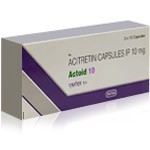
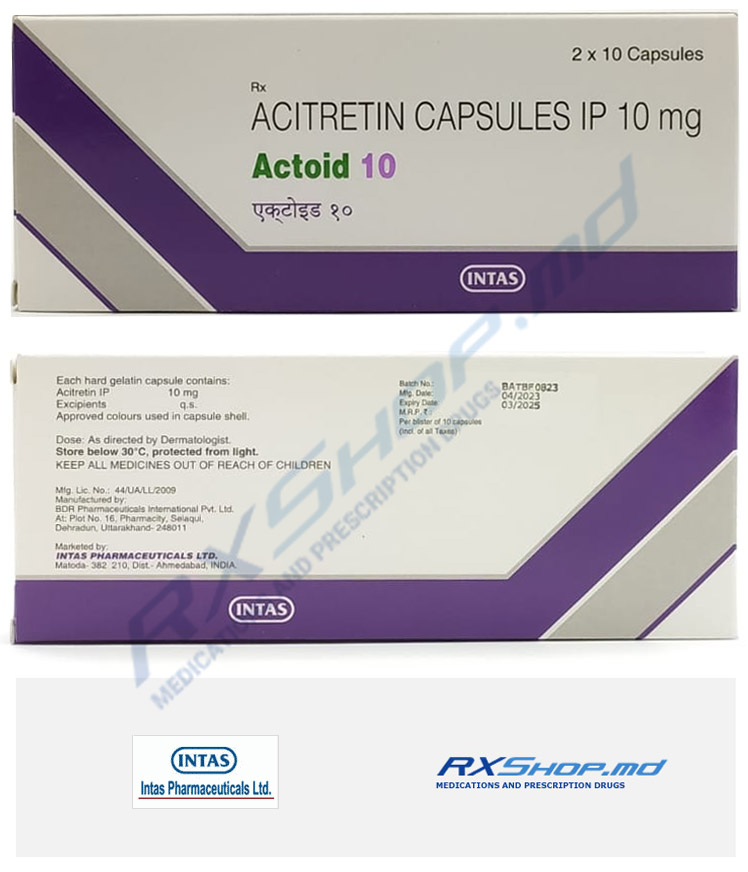
Actoid (Acitretin 10mg) represents the foundational systemic retinoid therapy for severe psoriasis and other keratinization disorders — the definitive treatment when topical therapies and phototherapy prove inadequate. Originally developed by Roche/Stiefel Pharmaceuticals and FDA-approved as Soriatane in 1997, acitretin established itself as the second-generation monoaromatic retinoid replacing earlier etretinate with substantially improved pharmacokinetic profile. As the only non-immunosuppressive systemic psoriasis therapy, acitretin offers unique clinical positioning safe for patients with infection concerns cancer history or immunocompromised states where cyclosporine methotrexate and biologics carry substantial risks. Manufactured by Intas Pharmaceuticals Ltd. India as bioequivalent generic under WHO-GMP and US FDA-inspected quality standards, Actoid provides gold-standard acitretin therapy at substantially reduced cost compared to brand-name Soriatane and Neotigason.
Acitretin works through retinoic acid receptor mediated normalization of keratinocyte differentiation and hyperproliferation — the fundamental pathological process in psoriasis. Unlike isotretinoin (Accufine, Accutane) which primarily targets acne through sebocyte apoptosis, acitretin selectively addresses epidermal keratinization making it uniquely suited for psoriasis and related hyperkeratotic disorders. Clinical response develops gradually over 8-16 weeks with substantial plaque clearance, reduced scaling, and improved skin barrier function. Acitretin demonstrates synergistic efficacy combined with phototherapy — the popular Re-PUVA (retinoid plus psoralen UVA) and Re-UVB combinations enable lower phototherapy doses reducing cumulative photocarcinogenesis risk. Being non-immunosuppressive distinguishes acitretin from methotrexate cyclosporine and biologics.
Actoid serves severe recalcitrant psoriasis variants unresponsive to standard therapy. Primary uses include pustular psoriasis (pus-filled blister form); erythrodermic psoriasis (widespread inflammatory form); palmoplantar psoriasis and pustulosis (hand and foot disease); severe plaque psoriasis; Darier disease and ichthyoses; and cutaneous T-cell lymphoma.
Actoid dosed 10-50 mg daily with food. Course varies by indication — long-term maintenance possible. Pregnancy Category X — 3 YEARS avoid pregnancy after last dose. Alcohol absolutely prohibited. Sibling retinoids on rxshop: Accutane and Accufine.
Free prescription
Discrete packaging
Have questions?
Quality Assurance

- Pustular Psoriasis: Rare severe form with sterile pus-filled blisters on inflamed skin requiring urgent systemic therapy;
- Erythrodermic Psoriasis: Widespread inflammatory redness affecting entire skin surface representing dermatologic emergency;
- Palmoplantar Psoriasis: Psoriasis affecting hands and feet interfering with daily activities causing pain and functional disability;
- Palmoplantar Pustulosis: Chronic pustular disease of palms and soles often refractory to topical therapy alone;
- Hyperkeratotic Hand Dermatitis: Chronic thickened cracked hand skin affecting occupational function and quality of life;
- Darier Disease: Rare inherited keratinization disorder with greasy warty papules responding to systemic retinoids;
- Severe Lichen Planus: Chronic inflammatory skin and mucous membrane disorder unresponsive to topical steroids;
- Lichen Sclerosus: Chronic inflammatory skin disorder causing white patches and scarring in severe cases;
- Cutaneous Lupus Erythematosus: Subacute cutaneous and discoid lupus responding to systemic retinoid therapy;
- Cutaneous T-Cell Lymphoma: Mycosis fungoides and Sezary syndrome adjunctive therapy alongside phototherapy;
- Extensive Granuloma Annulare: Chronic granulomatous skin disorder with widespread ring-shaped lesions responding to retinoids;
- Severe Ichthyosis: Inherited scaling disorders including lamellar and X-linked ichthyosis requiring systemic retinoid therapy;
- Widespread Actinic Keratoses: Multiple sun-induced precancerous lesions when field treatment inadequate;
- Skin Cancer Chemoprevention: Reduces new cutaneous carcinoma development in transplant patients and immunocompromised individuals;
- Extensive Refractory Warts: Widespread HPV warts unresponsive to conventional destruction therapies;
- Non Immunosuppressive Systemic Therapy: Only systemic psoriasis medication that does not suppress immune system function;
- Phototherapy Combination Therapy: Synergistic Re-PUVA and Re-UVB combinations enable lower phototherapy doses;
- Long Term Maintenance Psoriasis: Chronic maintenance therapy possible for severe recurrent psoriasis without cumulative organ toxicity;
- Generic Soriatane Therapy: Bioequivalent Intas generic alternative to brand-name Soriatane at substantially lower cost.
- Better Skin Health: Normalizes keratinocyte differentiation reducing scaling and improving skin barrier function throughout treatment course;
- Synergistic Effects with Phototherapy: Combined Re-PUVA and Re-UVB regimens enable substantially lower phototherapy doses reducing photocarcinogenesis risk;
- Better Non Immunosuppressive Option: Only systemic psoriasis therapy without immune suppression safe for patients with infection or cancer concerns;
- Better Response for Other Skin Disorders: Effective for Darier disease ichthyoses lichen planus and cutaneous T-cell lymphoma beyond psoriasis;
- Less Scaling and Hyperkeratosis: Normalizes epidermal proliferation and differentiation reducing psoriatic scaling and thickening;
- Less Plaque Thickness: Substantial reduction in psoriatic plaque elevation and induration improving cosmetic appearance;
- Less Erythema and Inflammation: Retinoid mediated modulation reduces redness and inflammation associated with psoriatic lesions;
- Better Palmoplantar Response: Effective for hand and foot psoriasis often refractory to topical therapy and other systemic agents;
- Better Pustular Psoriasis Control: Rapid effective response for pustular psoriasis variants often requiring urgent systemic intervention;
- Better Erythrodermic Psoriasis Response: Effective for widespread erythrodermic psoriasis representing dermatologic emergency;
- Better Ichthyosis Management: Substantial improvement in inherited scaling disorders including lamellar and X-linked ichthyosis;
- Less Cumulative Organ Toxicity: No cumulative hepatic or renal toxicity unlike methotrexate enabling long-term maintenance therapy;
- Better Long Term Maintenance: Chronic maintenance therapy possible for severe recurrent psoriasis with proper monitoring;
- Better Skin Cancer Prevention: Reduces new cutaneous carcinoma development in high-risk populations including transplant recipients;
- Better CTCL Adjunctive Therapy: Effective adjunct in cutaneous T-cell lymphoma treatment alongside phototherapy or other modalities;
- Better Once Daily Convenience: Simple once-daily oral dosing schedule with food improves treatment adherence long-term;
- Better Intas Manufacturing Quality: WHO-GMP and US FDA-inspected facilities ensure consistent bioequivalent generic quality standards;
- Better Generic Affordability: Substantially lower cost than brand Soriatane and Neotigason makes systemic therapy accessible;
- Better Quality of Life: Daily wellbeing improves dramatically as severe psoriasis symptoms resolve and skin function normalizes.
Generic Actoid (Acitretin 10 mg) Medication guide:
Actoid (Acitretin 10mg) is the foundational second-generation systemic retinoid therapy for severe psoriasis and hyperkeratotic disorders, representing the definitive treatment when topical therapies and phototherapy prove inadequate. Originally developed by Roche/Stiefel Pharmaceuticals and FDA-approved as Soriatane in 1997, acitretin established itself as the only non-immunosuppressive systemic psoriasis therapy — a unique clinical positioning safe for patients with infection concerns, cancer history, or immunocompromised states where methotrexate, cyclosporine, and biologics carry substantial risks. Manufactured by Intas Pharmaceuticals Ltd. India as bioequivalent generic under WHO-GMP and US FDA-inspected quality standards, Actoid provides gold-standard acitretin therapy at substantially reduced cost compared to brand-name Soriatane and Neotigason. Unlike isotretinoin (Accufine, Accutane) which targets acne through sebocyte apoptosis, acitretin selectively addresses epidermal keratinocyte hyperproliferation and abnormal differentiation — the fundamental pathological process in psoriasis and related disorders. This comprehensive medication guide covers every aspect of Actoid therapy from psoriasis pathophysiology through mechanism of action, critical alcohol prohibition, 3-year pregnancy avoidance requirements, phototherapy combination protocols, laboratory monitoring, side effect management, and long-term maintenance considerations.
💊 Introduction to Actoid
Actoid is a prescription oral medication containing acitretin 10 mg as its active ingredient in capsule form manufactured by Intas Pharmaceuticals Ltd. India. Acitretin was developed by Roche/Stiefel Pharmaceuticals and received FDA approval as Soriatane in 1997, replacing the earlier first-generation retinoid etretinate (Tigason) which had extremely long half-life making it clinically problematic. Acitretin represents the second-generation monoaromatic systemic retinoid with improved pharmacokinetic profile making it the definitive systemic therapy for severe psoriasis and hyperkeratotic disorders.
The distinctive clinical positioning of acitretin among psoriasis systemic therapies is its status as the only non-immunosuppressive systemic option. Unlike methotrexate (folate antimetabolite), cyclosporine (calcineurin inhibitor), and modern biologics (TNF-alpha inhibitors, IL-17 inhibitors, IL-23 inhibitors) which all substantially suppress immune function, acitretin operates through retinoid receptor-mediated normalization of epidermal keratinocyte differentiation — a targeted mechanism not affecting immune competence. This unique property makes acitretin uniquely suitable for patients with active infections, cancer history, immunocompromised states, or contraindications to immunosuppressive therapy.
Actoid is manufactured by Intas Pharmaceuticals Ltd., one of India largest pharmaceutical companies founded in 1978 and headquartered in Ahmedabad. Intas maintains WHO-GMP certification, US FDA-inspected facilities, and EU-GMP certification — meeting the highest international regulatory standards. Intas serves over 85 countries globally with extensive portfolios in dermatology, oncology, central nervous system therapeutics, and specialty pharmaceuticals. As bioequivalent generic acitretin, Actoid provides equivalent clinical outcomes to brand Soriatane at substantially reduced cost enabling broader patient access to systemic psoriasis therapy.
🔬 Understanding Psoriasis Pathophysiology
Understanding psoriasis pathophysiology is essential for appreciating how acitretin uniquely addresses the disease at the epidermal differentiation level.
What Is Psoriasis
Psoriasis is a chronic immune-mediated inflammatory disease characterized by abnormally rapid epidermal cell turnover and abnormal keratinocyte differentiation. Key facts:
- Affects approximately 2-3 percent of global population — 125 million people worldwide
- Immune-mediated inflammatory disease with genetic predisposition
- Chronic progressive disease without cure but responsive to treatment
- Rapidly proliferating keratinocytes turnover in 3-5 days vs normal 28-30 days
- Abnormal keratinocyte differentiation produces thickened scaly plaques
- Inflammatory infiltrate contributes to erythema and progression
- Multiple clinical variants from mild plaque to severe pustular and erythrodermic forms
Psoriasis Clinical Variants
Major psoriasis clinical forms responsive to acitretin:
- Plaque psoriasis (psoriasis vulgaris): Most common form with silvery scaly red plaques on scalp elbows knees
- Pustular psoriasis: Rare severe form with sterile pus-filled blisters requiring urgent systemic therapy
- Erythrodermic psoriasis: Widespread inflammatory redness affecting entire skin surface — dermatologic emergency
- Palmoplantar psoriasis: Involves hands and feet interfering with daily function
- Palmoplantar pustulosis: Chronic pustular disease of palms and soles refractory to topical therapy
- Guttate psoriasis: Small drop-shaped lesions often post-streptococcal
- Inverse psoriasis: Affects skin folds with less scaling
- Nail psoriasis: Pitting onycholysis and thickening of nails
Severity Assessment
Severe psoriasis requiring systemic therapy defined by:
- PASI (Psoriasis Area and Severity Index) score above 10
- Body surface area (BSA) involvement above 10 percent
- DLQI (Dermatology Life Quality Index) above 10 — substantial quality of life impact
- Involvement of special sites: face palms soles genitals with functional impact
- Failure of topical and phototherapy as adequate control
- Rare severe variants: pustular or erythrodermic requiring urgent systemic therapy
🧬 Chemistry and Systemic Retinoid Class
Acitretin has the chemical formula C21H26O3 with molecular weight approximately 326.4 g/mol. Structurally, acitretin is a monoaromatic retinoic acid derivative representing the free acid metabolite of the earlier drug etretinate. Acitretin was specifically developed because etretinate accumulates extensively in adipose tissue creating extremely long half-life (over 120 days) which was clinically problematic — acitretin bypasses this storage issue while retaining therapeutic activity.
Systemic Retinoid Class Overview
Three generations of systemic retinoids:
- First generation: Etretinate (Tigason) and isotretinoin (Accutane) - the naturally occurring retinoids and their initial derivatives
- Second generation: Acitretin (Soriatane) - monoaromatic retinoids with improved pharmacokinetics
- Third generation: Bexarotene, tazarotene - polyaromatic retinoids with selective receptor binding
How Acitretin Differs from Isotretinoin
| Property | Acitretin (Actoid) | Isotretinoin (Accufine, Accutane) |
|---|---|---|
| Retinoid class | Second-generation monoaromatic | First-generation naturally occurring |
| Primary indication | Severe psoriasis | Severe acne |
| Primary target | Epidermal keratinocytes | Sebaceous glands |
| Main effect | Normalizes keratinization | Reduces sebum production 90% |
| Half-life (parent) | 49-96 hours | 10-20 hours |
| Alcohol interaction | CRITICAL - converts to etretinate | Moderate hepatotoxic concern |
| Post-treatment pregnancy avoidance | 3 YEARS | 1 month |
| Blood donation avoidance after therapy | 3 YEARS | 1 month |
| Treatment course | Long-term maintenance possible | 4-6 month single course typical |
| Remission after treatment | Chronic disease continues | 60-70% long-term remission |
🎯 Mechanism of Action
Acitretin mechanism of action in psoriasis:
- Retinoic Acid Receptor (RAR) binding: Acitretin binds RAR alpha beta and gamma nuclear receptors as agonist
- Gene transcription modulation: Activated receptors bind retinoic acid response elements in DNA modulating transcription of hundreds of retinoid-responsive genes
- Normalized keratinocyte proliferation: Reduces the excessive turnover rate returning epidermal cells toward normal 28-30 day cycle
- Normalized keratinocyte differentiation: Restores proper terminal differentiation of keratinocytes producing normal skin barrier
- Anti-inflammatory effects: Modulates inflammatory cytokine production and immune cell function
- Reduced hyperkeratosis: Reduces the abnormal thick scaly stratum corneum characteristic of psoriasis
- Does NOT suppress immune system: Fundamentally different from methotrexate cyclosporine and biologics
Pharmacokinetic Profile
| Parameter | Value | Clinical Significance |
|---|---|---|
| Onset of clinical improvement | 4-8 weeks (initial), 8-16 weeks (substantial) | Gradual response over months |
| Time to peak (Tmax) | 2-5 hours | Peak plasma concentration |
| Half-life (acitretin parent) | 49-96 hours | Once-daily dosing appropriate |
| Half-life (etretinate metabolite) | Over 120 days | Why 3-year pregnancy avoidance required |
| Oral bioavailability | Approximately 60 percent with food | Food critical for absorption |
| Protein binding | Approximately 99 percent | Very highly protein bound |
| Metabolism | Hepatic - alcohol-mediated to etretinate | ALCOHOL CRITICAL CONCERN |
| Food effect | Fatty meal doubles absorption | MUST take with fatty food |
| Elimination | Fecal and renal (metabolites) | Mixed elimination pathways |
🎯 Approved Indications
Primary FDA Approved Indication
- Severe psoriasis - particularly pustular erythrodermic and palmoplantar variants
Broader Clinical Uses
- Pustular psoriasis - sterile pus-filled blister form
- Erythrodermic psoriasis - widespread inflammatory redness form
- Palmoplantar psoriasis - hand and foot involvement
- Palmoplantar pustulosis - chronic hand and foot pustular disease
- Severe plaque psoriasis unresponsive to standard therapy
- Nail psoriasis with severe involvement
Off-Label Dermatologic Uses
- Darier disease - inherited keratinization disorder
- Ichthyoses: Lamellar ichthyosis, X-linked ichthyosis, congenital ichthyosiform erythroderma
- Lichen planus - severe cutaneous and mucosal forms
- Lichen sclerosus - chronic inflammatory disorder
- Cutaneous lupus erythematosus - subacute and discoid forms
- Cutaneous T-cell lymphoma (CTCL): Mycosis fungoides and Sezary syndrome
- Extensive granuloma annulare - chronic granulomatous disorder
- Widespread actinic keratoses - multiple precancerous lesions
- Skin cancer chemoprevention - transplant recipients and high-risk populations
- Extensive refractory warts - HPV lesions unresponsive to conventional therapy
- Hyperkeratotic hand dermatitis - chronic occupational disease
Ideal Patient Selection
Actoid therapy is most appropriate for:
- Severe psoriasis patients unresponsive to topical therapy and phototherapy
- Patients requiring non-immunosuppressive systemic therapy due to infection or cancer history
- Patients with contraindications to methotrexate cyclosporine or biologics
- Pustular psoriasis requiring urgent systemic therapy
- Erythrodermic psoriasis representing dermatologic emergency
- Palmoplantar psoriasis with functional impact on daily activities
- Patients considering phototherapy combination protocols (Re-PUVA, Re-UVB)
- Transplant recipients requiring skin cancer chemoprevention
- Elderly patients where immunosuppression concerning
- Patients able to strictly abstain from alcohol
- Non-childbearing women or men without partner considerations
🚫 Critical Contraindications
Pregnancy Category X — 3 YEAR AVOIDANCE
CRITICAL: Acitretin causes severe birth defects requiring 3 YEAR pregnancy avoidance:
Acitretin is one of the most teratogenic medications known. The extended pregnancy avoidance period is required because acitretin can metabolize to etretinate which accumulates in adipose tissue with half-life exceeding 120 days.
Documented birth defects with retinoid exposure include:
- Craniofacial defects: Micrognathia, ear abnormalities, facial dysmorphism
- Cardiovascular defects: Great vessel transposition, septal defects
- Central nervous system defects: Hydrocephalus, microcephaly, mental retardation
- Thymic hypoplasia and immune abnormalities
- Cleft palate
- Skeletal abnormalities
- Spontaneous abortion
Pregnancy Prevention Requirements:
- Two negative pregnancy tests before starting therapy
- Monthly pregnancy tests throughout therapy
- Two forms of contraception concurrent for 1 month before, throughout, and 3 YEARS after last dose
- Absolutely no pregnancy during treatment or for 3 YEARS after last dose
- Extended contraception counseling required due to unique 3-year requirement
ALCOHOL ABSOLUTELY PROHIBITED — UNIQUE CRITICAL CONCERN
ALCOHOL CRITICAL PROHIBITION:
Alcohol consumption during acitretin therapy triggers conversion of acitretin to etretinate — the first-generation retinoid with over 120-day half-life. Even single episodes of alcohol consumption can produce significant etretinate accumulation extending teratogenic exposure period substantially.
- No alcohol during therapy - complete abstinence required
- No alcohol for 2 months after last dose - etretinate conversion continues
- Applies to all alcoholic beverages - beer wine spirits equally
- Even small amounts prohibited - no minimum safe threshold
- Cooking with alcohol - use judgment, minimal amounts likely acceptable
- Alcohol-containing medications - check labels carefully
Blood Donation 3 YEAR Prohibition
Blood donation absolutely prohibited during and for 3 YEARS after therapy:
Patients on acitretin cannot donate blood during treatment and for 3 YEARS after last dose to prevent teratogenic exposure of pregnant blood recipients. This 3-year period reflects the long etretinate storage in adipose tissue.
Other Absolute Contraindications
- Hypersensitivity to acitretin or other retinoids
- Breastfeeding - excretion into breast milk
- Severe hepatic impairment
- Severe renal impairment
- Severe hyperlipidemia - triglycerides significantly elevated
- Concurrent tetracycline antibiotics - increased pseudotumor cerebri risk
- Concurrent vitamin A supplementation - additive toxicity
- Concurrent methotrexate - increased hepatotoxicity
Use with caution in:
- History of depression or mood disorders
- Diabetes mellitus - may affect glucose control
- Osteoporosis or osteomalacia
- History of hyperlipidemia
- Corneal or dry eye disorders
- Athletes with high physical demand
💉 Dosage and Administration
Standard Dosing Protocol
Standard acitretin dosing:
- Starting dose: 25-50 mg once daily (typically 25 mg daily)
- Titration: Adjust based on response and tolerability over 4-8 weeks
- Maintenance dose: 25-50 mg daily (individualized)
- Maximum dose: 75 mg daily (rarely required)
- Take with food: Fatty meal doubles absorption
- Once daily dosing: Half-life supports once daily administration
- Long-term maintenance possible: No cumulative dose limits like methotrexate
Dose Titration Strategy
| Week | Dose (10 mg capsules) | Notes |
|---|---|---|
| Weeks 1-2 | 25 mg daily (2.5 capsules) | Initial dose assessment |
| Weeks 3-6 | 25-30 mg daily | Initial response evaluation |
| Weeks 7-12 | Adjust to 25-50 mg | Optimize based on response |
| Months 3-6 | Individual maintenance | Lowest effective dose |
| Long-term | 10-25 mg maintenance | Ongoing monitoring |
Administration Guidelines
- Take WITH FOOD - preferably fatty meal - absorption doubles vs fasted
- Take once daily at consistent time
- Swallow capsules whole with water
- NEVER take with alcohol - converts acitretin to etretinate
- Do NOT take with grapefruit juice
- Avoid vitamin A supplements
- Avoid tetracycline antibiotics
- Use sunscreen SPF 30+ daily - photosensitivity common
- Use lip balm regularly for dry lips
- Use emollients for dry skin
- Use artificial tears for dry eyes
- Report concerning symptoms immediately
☀️ Phototherapy Combination Protocols
Acitretin demonstrates powerful synergy with phototherapy — often called retinoid enhancement — enabling lower phototherapy doses and improved efficacy compared to either modality alone.
Re-PUVA (Retinoid + PUVA)
Re-PUVA combination protocol advantages:
- Enhanced psoriasis clearance compared to PUVA alone
- Substantially reduced cumulative UVA dose
- Reduced photocarcinogenesis risk from lower UVA exposure
- Shorter treatment courses to clearance
- Better response in thick plaque psoriasis
- Standard dosing: Acitretin 10-25 mg daily started 1-2 weeks before PUVA
Re-UVB (Retinoid + Narrowband UVB)
Re-UVB combination protocol:
- Enhanced clearance vs UVB alone
- Fewer UVB sessions required to clearance
- Lower cumulative UVB dose
- Preferred over Re-PUVA when available due to better safety profile
- Standard dosing: Acitretin 10-25 mg daily started with narrowband UVB
📊 Clinical Effectiveness Data
| Metric | Response Data |
|---|---|
| PASI 75 (75% improvement) monotherapy | Approximately 25-30% at 12 weeks |
| PASI 75 with Re-PUVA combination | Up to 80% at 12 weeks |
| Pustular psoriasis response | Rapid response - treatment of choice |
| Erythrodermic psoriasis response | Effective for stabilization |
| Palmoplantar psoriasis response | Superior to methotrexate in this location |
| Time to substantial improvement | 8-16 weeks typically |
| Long-term maintenance efficacy | Sustained response with continued therapy |
| Skin cancer chemoprevention transplant | Approximately 60% reduction in SCC |
⚠️ Mucocutaneous Side Effects
Very Common Mucocutaneous Effects
Common mucocutaneous effects (dose-related) and management:
- Cheilitis (dry cracked lips): Very common - use lip balm frequently
- Xerosis (dry skin): Very common - use fragrance-free moisturizer
- Dry eyes: Common - preservative-free artificial tears
- Dry nasal mucosa with epistaxis: Common - saline nasal spray
- Hair thinning or alopecia: Common temporary effect - resolves after discontinuation
- Skin peeling and desquamation: Common initially - part of normalization
- Photosensitivity: Common - SPF 30+ sunscreen daily
- Nail changes: Occasional brittleness or fragility
- Palmoplantar peeling: Occasional
⚠️ Systemic Side Effects and Monitoring
Common Systemic Side Effects
- Elevated lipids: Triglycerides and cholesterol commonly rise significantly
- Elevated liver enzymes: AST/ALT commonly rise mildly
- Headache: Common - if severe consider pseudotumor cerebri
- Muscle and joint aches (myalgia, arthralgia): Common
- Fatigue: Common
- Nausea: Occasional
- Reduced night vision: Occasional - warn about driving
- Bone changes (long-term): Diffuse idiopathic skeletal hyperostosis (DISH) with prolonged use
Required Laboratory Monitoring
Standard laboratory monitoring:
- Baseline: CBC, comprehensive metabolic panel, fasting lipid panel, pregnancy test (women), CPK if athletic
- Every 2 weeks initially: LFTs and lipids during dose titration first 2 months
- Monthly for women: Pregnancy tests throughout therapy and 3 years after
- Every 3 months long-term: LFTs, lipid panel, renal function
- Annual bone X-rays: For patients on long-term therapy (DISH monitoring)
- Post-therapy: Continued pregnancy testing throughout 3-year avoidance
⚠️ Serious Adverse Events
Bone and Skeletal Effects
DISH (Diffuse Idiopathic Skeletal Hyperostosis):
Long-term acitretin use may produce DISH — abnormal bone growth particularly at ligament and tendon insertions on the spine. Monitor with periodic X-rays in long-term therapy. Report new back pain or joint stiffness.
Other Serious Adverse Events
Seek immediate medical attention for:
- Severe headache with vision changes - pseudotumor cerebri
- Signs of pancreatitis: severe abdominal pain with vomiting
- Severe hepatotoxicity: jaundice, dark urine, unusual fatigue
- Suicidal thoughts or severe depression (rare but reported)
- Severe skin reactions: Stevens-Johnson syndrome, erythema multiforme
- Muscle weakness or severe myalgia
- New back pain suggesting DISH
- Vision changes or eye pain
- Suspected pregnancy - discontinue immediately
- Any alcohol consumption - discuss with doctor immediately
🔄 Drug Interactions
| Drug/Substance | Interaction |
|---|---|
| ALCOHOL | CRITICAL - converts acitretin to etretinate - ABSOLUTELY PROHIBITED |
| Tetracycline antibiotics | Increased pseudotumor cerebri risk - AVOID |
| Methotrexate | Increased hepatotoxicity - AVOID |
| Vitamin A supplements | Additive vitamin A toxicity - avoid |
| Progesterone-only contraceptives | May be less reliable - use additional barrier |
| Corticosteroids | Additive osteoporosis risk |
| St. John Wort | May reduce contraceptive effectiveness |
| Phenytoin | Reduced phenytoin plasma levels |
| Warfarin | May affect anticoagulation - monitor INR |
🛡️ Special Populations
- Women of Childbearing Potential
- CRITICAL: 3-year pregnancy avoidance required after last dose. Two negative pregnancy tests before starting, monthly tests during therapy, dual contraception throughout treatment and for 3 YEARS after completion. Most restrictive teratogen program in dermatology.
- Pregnancy
- ABSOLUTELY CONTRAINDICATED - Category X. Severe teratogenicity with prolonged exposure risk from etretinate metabolite. Discontinue immediately if pregnancy suspected or confirmed.
- Lactation
- Contraindicated - acitretin excreted into breast milk. Alternative therapies required for breastfeeding women.
- Pediatric Population
- Use possible for children with severe ichthyoses and Darier disease under specialist care. Growth monitoring important. Weight-based dosing 0.5-1 mg/kg daily.
- Elderly Patients
- Preferred systemic option in elderly due to non-immunosuppressive profile. Standard monitoring with attention to bone health and drug interactions.
- Alcohol Users
- ABSOLUTE prohibition during and 2 months after therapy. Alcohol converts acitretin to etretinate extending exposure period substantially. Not appropriate therapy for patients unable to abstain.
- Transplant Recipients
- Excellent option for skin cancer chemoprevention in transplant recipients due to non-immunosuppressive mechanism. Approximately 60 percent reduction in cutaneous squamous cell carcinoma.
- Immunocompromised Patients
- Preferred systemic psoriasis therapy in immunocompromised patients where methotrexate cyclosporine and biologics contraindicated. Non-immunosuppressive mechanism enables safe use.
- Depression/Mental Health History
- Rare depression association reported. Baseline mental health screening, close monitoring throughout therapy, and access to psychiatric support recommended.
- Diabetic Patients
- May affect glucose control. Monitor blood glucose more frequently during therapy. Diabetes medications may need adjustment.
- Hyperlipidemia Patients
- Acitretin substantially elevates lipids. Baseline lipid panel required. May need dietary intervention or lipid-lowering therapy concurrent with acitretin.
- Athletes and High Physical Activity
- Musculoskeletal effects may limit high-intensity training. Monitor CPK if muscle symptoms develop. Long-term users need bone monitoring for DISH.
🔬 Comparison with Other Psoriasis Systemic Therapies
| Therapy | Mechanism | Best For | Key Concern |
|---|---|---|---|
| Acitretin (Actoid) | Retinoid receptor - non-immunosuppressive | Pustular, erythrodermic, palmoplantar, immunocompromised | 3-year pregnancy avoidance, alcohol prohibition |
| Methotrexate | Folate antimetabolite - immunosuppressive | Plaque psoriasis, psoriatic arthritis | Cumulative hepatotoxicity, myelosuppression |
| Cyclosporine | Calcineurin inhibitor - immunosuppressive | Rapid control of severe psoriasis | Renal toxicity, hypertension |
| Biologics (TNF, IL-17, IL-23) | Selective immune modulation | Moderate-severe plaque psoriasis | Infection risk, cost, injection |
| Phototherapy (NB-UVB) | UV-mediated immune modulation | Moderate psoriasis | Time commitment, skin cancer risk |
| Apremilast (PDE4) | Small molecule immunomodulator | Moderate psoriasis | GI effects, depression |
📆 Long-Term Maintenance
Long-term acitretin maintenance considerations:
- Chronic maintenance possible: No cumulative dose limits unlike methotrexate
- Typical maintenance dose: 10-25 mg daily long-term
- Monitor bone health: Annual X-rays for DISH after 2+ years
- Continue laboratory monitoring: LFTs and lipids every 3 months
- Contraception continuation: Throughout therapy and 3 years after any discontinuation
- Alcohol continuation prohibition: Throughout therapy and 2 months after
- Blood donation prohibition: Throughout therapy and 3 years after
- Dose reduction consideration: Attempt lowest effective dose over time
- Periodic drug holidays: Consider with clinical improvement
📦 Storage and Handling
- Store at room temperature between 15°C and 30°C (59°F and 86°F)
- Protect from light - keep in original packaging
- Protect from heat and humidity
- Keep out of reach of children and pets - critical given teratogenicity
- Do not use capsules past the expiration date
- Return unused medication to pharmacy for proper disposal
- Never share acitretin with others - critical given teratogenicity
- Store separately from other medications to prevent mix-ups
👨⚕️ When to Contact Your Doctor
- Any suspected pregnancy - immediate urgent consultation
- Missed dose of contraception - additional measures needed
- Any alcohol consumption - discuss immediately
- Severe or worsening depression, suicidal thoughts
- Persistent severe abdominal pain
- Severe headache particularly with vision changes
- New vision problems, eye pain, or blurred vision
- Signs of liver injury: jaundice, dark urine, right upper abdominal pain
- Signs of pancreatitis: severe abdominal pain with vomiting
- New or worsening back pain (possible DISH)
- Severe muscle weakness or pain
- Severe or persistent nosebleeds
- Signs of allergic reaction: rash, swelling, difficulty breathing
- Severe skin reactions with fever or blistering
- Time for scheduled monitoring appointments
- Starting new medications especially tetracyclines methotrexate
- Signs of psoriasis flare during therapy
🌟 Key Takeaways
Essential points about Actoid (acitretin) therapy:
- Actoid is Intas Pharmaceuticals India generic acitretin 10 mg capsules
- Second-generation systemic retinoid FDA-approved as Soriatane 1997 for severe psoriasis
- Different from isotretinoin - targets keratinocytes not sebocytes for psoriasis not acne
- Only non-immunosuppressive systemic psoriasis therapy - safe in immunocompromised
- Standard dosing: 25-50 mg daily with fatty meal for optimal absorption
- Synergistic with phototherapy - Re-PUVA and Re-UVB combinations enable lower UV doses
- Long-term maintenance possible - no cumulative dose limits unlike methotrexate
- PREGNANCY CATEGORY X - avoid pregnancy 3 YEARS after last dose (not 1 month)
- ALCOHOL ABSOLUTELY PROHIBITED - converts acitretin to etretinate with 120+ day half-life
- Blood donation prohibited during and 3 YEARS after therapy
- Effective for pustular erythrodermic palmoplantar psoriasis variants
- Effective for Darier disease ichthyoses lichen planus CTCL beyond psoriasis
- Excellent for transplant recipient skin cancer chemoprevention
- Mucocutaneous side effects universal - dry lips, skin, eyes
- Common systemic: elevated lipids, liver enzymes, headache, myalgia
- Long-term monitoring for DISH (spinal hyperostosis)
- Intas Pharmaceuticals WHO-GMP US FDA-inspected manufacturing
- Sibling isotretinoin products on rxshop.md: Accufine and Accutane for acne
Important Medical Disclaimer: This medication guide provides general information about Actoid (Intas generic acitretin) and does not constitute individualized medical advice. Every patient situation is unique and requires evaluation by a qualified dermatology healthcare provider. Acitretin therapy requires close medical supervision including pregnancy testing, laboratory monitoring, and regular clinical assessment. Do not use Actoid without dermatologist prescription and appropriate monitoring. CRITICAL WARNINGS: Acitretin is Pregnancy Category X requiring 3 YEAR pregnancy avoidance after last dose - dual contraception throughout therapy and 3 years after with monthly pregnancy testing. Alcohol is ABSOLUTELY PROHIBITED during therapy and 2 months after because alcohol converts acitretin to etretinate with over 120-day half-life. Blood donation prohibited during and 3 years after therapy. Report immediately any suspected pregnancy, alcohol consumption, severe depression, severe abdominal pain, severe headache with vision changes, or other concerning symptoms. Avoid concurrent tetracyclines, methotrexate, and vitamin A supplementation. Take with fatty food for optimal absorption. Long-term users need monitoring for DISH (diffuse idiopathic skeletal hyperostosis). If you experience concerning symptoms contact your healthcare provider immediately. The information provided here should complement but never replace direct professional dermatology guidance.
Actoid — Frequently Asked Questions
-
What is Acitretin, and what conditions does it treat?
Acitretin is a medication used to treat severe psoriasis and other skin conditions. It belongs to the retinoid class of drugs
-
Is Actoid the same as Acitretin?
Yes, Actoid is a brand name for the generic medication Acitretin.
-
How does Acitretin work to treat skin conditions?
Acitretin works by slowing down the growth of skin cells and reducing inflammation, particularly in the treatment of psoriasis. -
What are the common side effects of Acitretin?
Common side effects may include dry skin, lips, and eyes, as well as changes in liver enzymes. Serious side effects are rare. -
Can Acitretin be used for conditions other than psoriasis?
Acitretin is primarily used for severe psoriasis that has not responded to other treatments. -
How long does it take for Acitretin (Actoid) to show results?
Improvement in psoriasis symptoms can be seen within a few weeks, but the full effect may take several months.
-
What is the recommended dosage of Actoid?
Dosage varies depending on the individual and the severity of the condition. Typically, it is started at a lower dose and adjusted as needed.
More Skin Care Medications