Buy Lamisil (Terbinafine) Online — Fungicidal Allylamine Antifungal for Nail Fungus, Ringworm & Athlete’s Foot

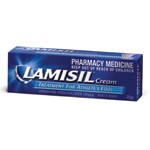
Lamisil is one of the most clinically important oral antifungal medications in modern dermatology — the original brand-name formulation of Terbinafine, a foundational allylamine antifungal that has become the global first-line treatment for nail fungus (onychomycosis) and many dermatophyte skin infections. The active ingredient is Terbinafine, FDA-approved since 1996, providing nearly three decades of established clinical efficacy across the most challenging fungal infections of skin and nails.
What makes Lamisil distinctive among oral antifungals is its fungicidal mechanism — meaning it actively kills fungal cells rather than just inhibiting their growth. Terbinafine works by inhibiting fungal squalene epoxidase, an enzyme essential for synthesis of ergosterol — the critical sterol of fungal cell membranes. The resulting accumulation of squalene within fungal cells is directly toxic to the organism, producing reliable fungal killing rather than the slower fungistatic action of azole antifungals.
A defining clinical advantage of Terbinafine is its strong concentration in keratinous tissues — nails, hair, and skin keratin — where it persists for weeks to months after the last dose. This pharmacological feature is particularly important for treating onychomycosis, where the slow growth of infected nails would otherwise require impractically long therapy with shorter-acting antifungals.
Lamisil is FDA-approved for onychomycosis (fingernail and toenail fungal infections), tinea pedis (athlete's foot), tinea cruris (jock itch), tinea corporis (body ringworm), and selective use in tinea capitis (scalp ringworm, particularly Trichophyton infections). For onychomycosis, standard dosing is 250 mg once daily for 6 weeks (fingernails) or 12 weeks (toenails) — substantially shorter than the 6-12 month courses required by older oral antifungals.
Available in oral tablets and topical formulations (1% cream, spray, and gel), Lamisil offers flexibility across mild to severe presentations. Affordable generic Terbinafine is widely available, and the medication is included on the WHO Model List of Essential Medicines.
Free prescription
Discrete packaging
Have questions?
Quality Assurance
- Toenail Fungus: For the most common and difficult-to-treat form of onychomycosis — 12-week course delivers reliable cure rates;
- Fingernail Fungus: For dermatophyte fingernail infections — 6-week course is highly effective for most patients;
- Distal Onychomycosis: For the most common pattern of nail fungus beginning at the nail tip and spreading proximally;
- White Superficial Onychomycosis: For surface nail plate infections producing white patches — particularly common in pediatric patients;
- Proximal Onychomycosis: For the immunocompromise-associated pattern beginning under the nail fold, often signalling HIV;
- Total Onychomycosis: For end-stage nail fungal destruction where full nail involvement is present;
- Tinea Pedis: For all clinical presentations of athlete's foot — oral and topical formulations both highly effective;
- Athletes Foot: For interdigital and moccasin-pattern foot dermatophyte infections;
- Tinea Cruris: For dermatophyte infections of the groin area — oral therapy useful when topical fails or extensive disease present;
- Jock Itch: For chronic or refractory groin dermatophyte infections requiring systemic oral therapy;
- Tinea Corporis: For dermatophyte infections of the body trunk and limbs;
- Body Ringworm: For extensive truncal and limb tinea where oral systemic treatment is preferred;
- Trichophyton Scalp Ringworm: For scalp ringworm caused by Trichophyton species — off-label but often preferred over griseofulvin for shorter courses;
- Tinea Manuum: For dermatophyte infections of the palms and dorsal hand surfaces;
- Tinea Faciei: For facial dermatophyte infections, often acquired from animal exposure;
- Tinea Barbae: For beard area dermatophyte infections, common in agricultural and veterinary workers;
- Tinea Versicolor: For pityriasis versicolor when other antifungals are unsuitable or unavailable;
- Diabetic Onychomycosis: For diabetic patients with nail fungus where untreated infection raises ulceration and amputation risk;
- Recurrent Nail Fungus: For patients with recurrent onychomycosis after previous treatment courses.
- Better Nail Appearance: Restoration of normal nail thickness, surface texture, and shape after treatment courses;
- Less Nail Thickening: Reduces characteristic nail bed thickening and hyperkeratosis of onychomycosis;
- Clear Skin Patches: Resolution of characteristic ring-shaped lesions in body, groin, and face tinea;
- Less Foot Itching: Effective relief from chronic athletes foot itching and burning;
- Better Foot Comfort: Restored comfort in shoes and walking after chronic athletes foot resolves;
- Less Itching: Effective relief from allergic skin itching across urticaria, dermatitis, and pruritic skin conditions;
- Less Spreading: Effective treatment reduces person-to-person dermatophyte transmission;
- Better Self Confidence: Restored nail appearance affects social confidence and professional appearance;
- Better Athletic Performance: Healthy nails support athletic footwear fit and competition aesthetics;
- Resolution Comfort: Eliminates discomfort from chronic dermatophyte lesions and inflammation;
- Brand Lamisil: Most internationally recognised Terbinafine brand with established clinical reputation since 1996 FDA approval;
- Generic Terbinafine: Affordable generic versions of Lamisil expand global access to first-line onychomycosis therapy;
- Allylamine Antifungal: Modern allylamine class with broader spectrum and distinct mechanism from imidazole and triazole antifungals;
- Fungicidal Antifungal: Actively kills fungi rather than just inhibiting growth — faster clinical response and lower recurrence than fungistatic agents;
- Squalene Epoxidase Inhibitor: Unique mechanism targets early ergosterol synthesis — squalene accumulation toxic to fungal cells;
- Nail Fungus First Line: Globally recognised first-line oral therapy for onychomycosis per IDSA, BAD, and international dermatology guidelines;
- Onychomycosis Standard: Globally recommended first-line therapy with 70-80% mycological cure rates in toenail infections;
- Short Course Nail Therapy: 6 weeks for fingernails, 12 weeks for toenails — substantially shorter than 6-12 months required by older oral antifungals;
- Keratin Persistence: Remains in nails for weeks-to-months after last dose — continues antifungal action even after course completion;
- Once Daily Antifungal: Convenient 250 mg once-daily oral dosing supports adherence in patients with chronic infections;
- Topical Terbinafine: 1% cream, spray, and gel formulations available for tinea pedis, cruris, and corporis;
- OTC Antifungal: Topical Terbinafine available without prescription in many countries for tinea infections;
- High Onychomycosis Cure: Mycological cure rates of 70-80% for toenails and 80-90% for fingernails in clinical trials;
- Diabetic Nail Care: Treating onychomycosis reduces ulceration and amputation risk in diabetic foot care;
- Athletic Nail Care: Clears visible nail discoloration affecting professional appearance and athletic performance;
- Recurrence Reduction Antifungal: Fungicidal action and keratin persistence reduce recurrence compared to fungistatic alternatives;
- Low Drug Interaction Antifungal: Fewer significant interactions than itraconazole or ketoconazole — useful in polypharmacy patients;
- No CYP3A4 Inhibition: Unlike azole antifungals, Terbinafine does not significantly affect CYP3A4-metabolised drugs;
- Liver Monitoring Required: Well-defined LFT monitoring protocols support safe long-term courses;
- Pediatric Tinea Capitis Antifungal: Particularly useful for Trichophyton species scalp infections with shorter courses than Griseofulvin;
- Topical Combination Therapy: Topical and oral formulations can be combined for severe or extensive infections;
- Sustained Nail Clearance: Even after course completion, residual keratin levels support continued nail clearance for months;
- WHO Essential Medicine: Listed on the WHO Model List of Essential Medicines for antifungal therapy;
- FDA Approved 1996: Nearly 30 years of clinical experience with extensive real-world safety data;
- Stable Storage: No refrigeration required — convenient for bathroom storage with normal personal care products;
- Globally Available: Widely stocked across international markets in branded (Lamisil) and generic forms.
Generic Lamisil (Terbinafine 10 g) Medication guide:
💊 What is Lamisil (Terbinafine)
Oral terbinafine 250 mg - the modern first-line antifungal for dermatophyte infections of nails, skin, and scalp hair, originally developed by Sandoz Pharmaceuticals (Switzerland) and now marketed by Novartis since their 1996 merger with Ciba-Geigy.
Terbinafine, the active ingredient in Lamisil, belongs to the allylamine class of antifungals - a distinct chemical family from the azoles (fluconazole, itraconazole) and the older microtubule-targeting griseofulvin. The medication kills dermatophyte fungi rather than just stopping their growth, achieves shorter treatment courses than older alternatives, and has become the global default for adult onychomycosis and most severe tinea infections.
Lamisil first reached UK patients in 1991 and received US FDA approval for oral tablets in 1996. Three decades of clinical use have established it as one of the most evidence-supported antifungal medications, with extensive guideline endorsement from the American Academy of Dermatology, British Association of Dermatologists, and similar bodies worldwide.
For most adult patients diagnosed with onychomycosis or extensive dermatophyte tinea infections, Lamisil is the rational first choice. The medication is not effective against yeast infections (Candida), Cryptococcus, or non-dermatophyte fungi - for those conditions, fluconazole or other antifungals are appropriate. The next sections explore Lamisil's mechanism, indications, dosing, and safety profile in detail.
🇨🇭 Sandoz, Novartis, and the Lamisil heritage
The story of Lamisil begins in Basel, Switzerland - home to one of the world's oldest and most influential pharmaceutical industries. Sandoz Pharmaceuticals, founded in 1886, was already a major Swiss chemical and pharmaceutical company when its medicinal chemistry team began work on a new class of antifungals in the 1970s and 1980s. The goal was specific: develop a compound with potent fungal-cell-killing action targeting dermatophytes - the family of fungi that cause ringworm, athlete's foot, jock itch, and nail fungus. The result was terbinafine.
Sandoz brought Lamisil to the UK market in 1991 and to most of Europe shortly after. US approval followed in 1996 - the same year Sandoz merged with another Swiss pharmaceutical giant, Ciba-Geigy, to form Novartis. The Lamisil brand has remained part of Novartis ever since, though terbinafine itself became available as a generic after 2007 when the patent expired.
The clinical revolution
When Lamisil arrived, the standard treatment for nail fungal infections was griseofulvin - requiring 12 to 18 months of daily medication with cure rates around 30-50%. Lamisil offered a transformative alternative: 12 weeks of daily medication for toenails with 60-80% cure rates. The clinical impact was rapid. Within a few years of approval, Lamisil had largely displaced griseofulvin for adult onychomycosis in markets where it was available.
The development illustrated focused antifungal research at its best. Rather than trying to create a broad-spectrum antifungal (the dominant approach for azole development at the time), Sandoz scientists specifically optimised terbinafine for potency against dermatophytes - the fungi that cause most common skin and nail infections. This narrow but deep specialisation proved more clinically valuable than broader-spectrum compromises with weaker dermatophyte activity.
For patients today, brand Lamisil and generic terbinafine produce the same clinical results - they contain the same active ingredient and have the same regulatory approval requirements. The Sandoz/Novartis heritage primarily affects brand recognition and clinical research depth rather than therapeutic effectiveness.
🧬 The squalene epoxidase mechanism - how Lamisil kills fungi
An enzyme essential for ergosterol synthesis in fungi. Ergosterol is the fungal equivalent of cholesterol - a critical component of fungal cell membranes. Block this enzyme, and the fungus cannot maintain its cell membrane. Terbinafine (Lamisil) is a potent and specific inhibitor of squalene epoxidase.
Most antifungal medications work by interfering with fungal cell membranes - the structural envelope that holds the cell together. Different drug classes attack this membrane in different ways. Azoles (fluconazole, itraconazole) block a later step in the ergosterol synthesis pathway. Polyenes (amphotericin B) bind directly to ergosterol once it is in the membrane. Lamisil blocks squalene epoxidase - an enzyme several steps earlier in the pathway, before ergosterol is even built.
This earlier-blockage strategy has two consequences. First, ergosterol production stops, so the fungal cell cannot maintain its membrane integrity. Second, squalene - the substance that squalene epoxidase normally converts - accumulates inside the fungal cell. Squalene at high concentrations is toxic to the fungus. The combination of insufficient ergosterol and toxic squalene buildup kills the fungal cell rather than merely stopping its growth.
What happens inside the fungal cell
Why this mechanism is fungal-selective
An obvious question: human cells also use a similar enzyme for cholesterol synthesis. Why does Lamisil not harm human cells? The answer is selectivity. Terbinafine has approximately 4,000 times greater affinity for the fungal squalene epoxidase than for the human counterpart enzyme. At doses sufficient to kill fungi, the human enzyme is barely affected.
This selectivity is also why Lamisil is specifically effective against dermatophytes rather than all fungi. The squalene epoxidase enzyme varies subtly between fungal species. Terbinafine binds particularly well to dermatophyte squalene epoxidase. It binds less well to Candida (yeast) squalene epoxidase - which is why Lamisil does not effectively treat yeast infections.
Tissue distribution
⚔️ Fungicidal vs fungistatic - why this matters
- Kills fungal cells
- Reduces fungal load directly
- Less dependent on patient immunity
- Shorter treatment courses
- Higher cure rates
- Tolerates missed doses better
- Stops fungal growth (does not kill)
- Fungal clearance via immune system
- Depends on immune function
- Longer treatment courses
- Modest cure rates
- Growth resumes on missed doses
The distinction between fungicidal (Lamisil) and fungistatic (griseofulvin) antifungal action is one of the most clinically consequential differences in the dermatology pharmacy. Lamisil's squalene epoxidase mechanism produces direct fungal cell death. Griseofulvin's microtubule mechanism only stops fungal cells from dividing - the patient's immune system must clear the now-static fungal population over weeks to months.
This single difference cascades into many practical advantages for Lamisil. Treatment courses are dramatically shorter because the fungus is being eliminated directly rather than waiting for immune clearance. Cure rates are higher because fungal cells are killed at the source rather than left static where any treatment lapse allows resumed growth. Missed doses are less catastrophic because the killing action has already happened to cells exposed to drug. Immunocompromised patients fare better because the antifungal does not depend on intact immunity to work.
Despite the clear advantage, fungicidal action is not always superior in practice. For pediatric tinea capitis caused by Microsporum species, the bug-drug match matters more than mechanism category - and griseofulvin happens to bind Microsporum particularly well. Lamisil's fungicidal mechanism does not overcome this species-specific affinity advantage. Each medication still has appropriate uses; the fungicidal vs fungistatic distinction is one consideration among several rather than an absolute trump card.
📍 Where Lamisil fits in current antifungal practice
Lamisil has settled into a clear practice position over its three decades of use: the default oral antifungal for adult dermatophyte infections, with carefully defined exceptions. The decision pattern is straightforward in most cases - if the infection is confirmed dermatophyte and serious enough to warrant oral treatment, Lamisil is generally the first choice unless something specific contraindicates it.
The most important exception is pediatric tinea capitis caused by Microsporum species. In Mediterranean and European populations, Microsporum canis (often acquired from cats and dogs) and Microsporum audouinii are common causes of scalp ringworm in children. Griseofulvin binds Microsporum squalene-related machinery exceptionally well, and head-to-head studies have consistently shown griseofulvin outperforms terbinafine for these specific species. In North American populations where Trichophyton tonsurans predominates, Lamisil is usually the better choice. Fungal culture identifies the species and guides treatment selection.
The other firm boundary is non-dermatophyte fungal infections. Lamisil's species-specific affinity for dermatophyte squalene epoxidase means it does not effectively treat yeast (Candida), Cryptococcus, Aspergillus, mold, or even Malassezia (the fungus causing tinea versicolor). Patients with these infections need fluconazole, itraconazole, or other appropriate antifungals. Using Lamisil for the wrong type of fungal infection wastes weeks of treatment with no benefit.
Beyond these clinical considerations, several patient-specific factors can shift the choice away from Lamisil: significant liver disease (hepatotoxicity risk), patients on multiple CYP2D6-metabolised medications (drug interaction concerns), or patients who have previously experienced Lamisil side effects. In these situations, itraconazole or other alternatives may be more appropriate. For the typical adult patient with confirmed dermatophyte infection and no specific contraindications, however, Lamisil remains the natural first choice.
📅 Lamisil for onychomycosis - the primary indication
Onychomycosis - fungal infection of nails - is Lamisil's flagship indication. More than 80% of all oral terbinafine prescribed in adults is for this condition. The medication transformed nail fungal treatment from a 12-18 month modest-success endeavor with griseofulvin into a 12-week treatment with 60-80% cure rates. Patients considering Lamisil for onychomycosis typically have a set of practical questions worth addressing directly.
Common patient questions
Fungal culture, KOH preparation, or PAS stain of a nail sample. This step matters because up to 50% of clinically suspected nail fungal infections turn out to be something else - psoriasis, trauma damage, lichen planus, or non-dermatophyte fungal involvement. Lamisil works for confirmed dermatophyte infections; using it for non-fungal nail conditions wastes 12 weeks of treatment.
One 250 mg Lamisil tablet daily for 12 weeks (toenails) or 6 weeks (fingernails). Take with or without food at any time of day. Liver function tests are typically checked at baseline and around 6 weeks into treatment.
Visible improvement starts at 2-3 months for fingernails and 3-4 months for toenails - typically AFTER you have finished taking the medication. Complete normalisation takes 6-12 months for fingernails and 12-18 months for toenails because the infected nail must grow out entirely. The medication works from day 1 - what you see externally lags far behind what is happening biochemically.
Mycological cure (fungal culture negative) reaches 60-80% for toenails and up to 80% for fingernails. Complete cure (mycological cure plus normal nail appearance) is lower because some patients have residual nail abnormality from prior damage even after the fungus is gone. Recurrence rate is approximately 30-40% over five years.
The numbers behind these answers
Patients should approach Lamisil treatment for onychomycosis with realistic expectations. The medication works - cure rates around two to three times higher than older alternatives. But it works slowly because nails grow slowly, recurrence is possible, and a meaningful fraction of patients do not achieve full normalisation of nail appearance. Confirming the diagnosis before starting, completing the full course, and addressing foot hygiene to reduce recurrence are the patient-side contributions to a successful outcome.
👨🦲 Lamisil for tinea capitis in children
Pediatric tinea capitis (scalp ringworm) is the second most clinically important indication for Lamisil after onychomycosis. The choice between Lamisil and griseofulvin (Grisovin FP, Fulvicin) for this indication depends not on broad effectiveness comparisons - both work - but on the specific fungal species causing the infection.
- Trichophyton tonsurans (predominant in North America, especially urban populations)
- Trichophyton violaceum
- Trichophyton soudanense
- Most Trichophyton species
- Most cases in North America
- Microsporum canis (common in Mediterranean, Europe; acquired from cats and dogs)
- Microsporum audouinii
- Most Microsporum species
- Patients where Microsporum predominates
- Mediterranean and European populations
Why species identification matters
Head-to-head clinical trials have consistently shown that the bug-drug match matters more than the broad mechanism category. Lamisil's fungicidal squalene epoxidase inhibition is generally a strong approach, but it does not bind Microsporum squalene epoxidase as effectively as it binds Trichophyton's version. Griseofulvin's microtubule-targeting mechanism happens to disrupt Microsporum exceptionally well even though griseofulvin is "only" fungistatic. The result is approximately reversed performance between Trichophyton and Microsporum infections.
Fungal culture from a scalp scraping identifies the species and is the appropriate basis for choosing between Lamisil and griseofulvin. KOH preparation can confirm fungal presence but typically does not distinguish species. In settings where culture is not available, geographic context informs the choice: in North America, T. tonsurans predominance makes Lamisil the reasonable empirical first choice; in Europe and Mediterranean countries, Microsporum predominance makes griseofulvin the reasonable empirical first choice.
Lamisil pediatric dosing
- Under 25 kg: 125 mg/day
- 25-35 kg: 187.5 mg/day
- Over 35 kg: 250 mg/day (adult dose)
- Duration: 6 weeks typically (8 weeks for stubborn cases)
- Take with food - granules sprinkled on non-acidic food (mashed potatoes, oatmeal, applesauce)
- Approved age: 4 years and older
Pediatric treatment protocol
Treatment of pediatric tinea capitis with Lamisil involves several coordinated elements beyond the medication itself. Diagnosis confirmation via fungal culture - or at minimum KOH preparation - establishes that the rash is genuinely tinea capitis rather than seborrheic dermatitis, alopecia areata, or another mimicking condition. Species identification via culture confirms that Trichophyton (Lamisil-responsive) rather than Microsporum (griseofulvin-preferred) is involved.
Antifungal shampoo - selenium sulfide 2.5% or ketoconazole 2% - is added 2-3 times weekly throughout treatment. This addresses surface fungal spores and meaningfully reduces transmission risk to family members and classmates. The shampoo does not cure the infection (the oral medication does that), but it does reduce contagiousness and may modestly speed clinical resolution.
Family contact screening matters because tinea capitis is highly contagious within households. Examine other family members for similar symptoms; treat any affected contacts; decontaminate shared combs, hats, and bedding. Untreated family contacts are a common source of reinfection after a child appears to have been cured.
Complete the full 6-week course even when symptoms appear resolved earlier. Stopping at first improvement is a common cause of treatment failure and recurrence. Hair regrowth typically becomes visible 4-6 weeks into treatment - faster than with griseofulvin - and complete clinical cure is usually achieved by 6 weeks for Trichophyton-caused infections.
🦶 Lamisil for athlete's foot (tinea pedis)
Tinea pedis (athlete's foot) affects approximately 15% of adults at any given time - making it one of the most common fungal infections of human skin. Most cases respond well to topical antifungals, including over-the-counter topical Lamisil AT cream or spray. Oral Lamisil tablets are reserved for situations where topical treatment will not work or has failed.
The four clinical forms of tinea pedis
The moccasin form deserves particular attention. Caused predominantly by Trichophyton rubrum, this chronic hyperkeratotic infection produces thick scaling on the soles and sides of the feet. The thick keratin layer effectively blocks topical antifungal penetration - regardless of how well or how often topical cream is applied. Oral Lamisil tablets reach the affected skin through tissue concentration, achieving therapeutic levels that topical treatment cannot match. This is one of the few clear indications for oral Lamisil in skin (non-nail) tinea.
Foot hygiene matters as much as medication
Antifungal medication alone is rarely sufficient to keep tinea pedis from recurring. The fungi thrive in warm, moist environments, and feet provide ideal conditions in modern footwear. Behavioural and environmental measures address the conditions that allowed infection to take hold and would allow it to return.
- Dry feet thoroughly after bathing or swimming, especially between toes
- Use a separate towel for affected feet
- Wear breathable footwear (leather, canvas) with natural fiber socks
- Rotate shoes so each pair dries completely between uses (24+ hours)
- Apply antifungal foot powder in shoes during and after treatment
- Treat concurrent toenail fungus, jock itch, or hand involvement
- Walking barefoot in communal damp areas (gym showers, pool decks)
- Synthetic socks and airtight shoes
- Wearing the same shoes daily
- Sharing towels, shoes, socks, or nail clippers
- Going untreated for "minor" athlete's foot - it spreads
- Stopping treatment at first improvement (continue 1 week after clearance)
For limited tinea pedis, OTC topical Lamisil AT cream applied twice daily for 1-2 weeks (interdigital) or 1 week (clear cases) is sufficient. The medication is the same terbinafine as in oral Lamisil, just applied locally. If improvement is not evident after 2 weeks of correct topical use, prescription evaluation is appropriate - the diagnosis may be wrong, the type may be moccasin (requiring oral treatment), or there may be concurrent nail involvement maintaining the infection.
🦵 Lamisil for body, groin, and skin dermatophytes
Most cases of tinea corporis (body ringworm), tinea cruris (jock itch), and tinea barbae (beard area) respond to topical antifungal treatment. Topical Lamisil cream is effective and often available over-the-counter. The clinical question is when to escalate from topical to oral Lamisil tablets - a decision that depends on extent, depth, location, and treatment history.
The criteria for oral treatment
Oral Lamisil for body or skin dermatophyte infections becomes appropriate when several criteria are met. Extensive surface area - more than two or three discrete lesions, or single lesions covering more than 5-10% of body surface - makes topical treatment impractical and inefficient. Topical treatment failure - an adequate 2-4 week course of correctly-applied topical antifungal that has not produced clearance - suggests the infection has reached depths or sites topical medications cannot adequately reach.
Follicular involvement is a clear oral indication. Tinea barbae (beard hair follicle infection) always requires oral treatment because topical cannot penetrate to the depth of hair follicles. Extensive body hair involvement on chest or back may also need oral treatment for the same reason. Immunocompromised patients with dermatophyte infections often need oral treatment because their immune system contribution to clearance is reduced, making the more aggressive systemic approach more reliable.
- Adults: 250 mg once daily
- Tinea corporis/cruris: 2-4 weeks
- Tinea barbae: 4 weeks
- Tinea manuum: 4-6 weeks (often with concurrent tinea pedis)
- Continue 1 week after clinical resolution
- Combine with topical Lamisil cream for faster visible clearance
Environmental considerations
For tinea cruris (jock itch), the environmental and behavioural component is particularly important. The infection thrives in warm moisture - exactly what occurs in the groin area during sweating, after showering with inadequate drying, or in heavy synthetic underwear. Treating the active infection with oral Lamisil while ignoring these conditions sets up almost certain recurrence. Address the environment: dry thoroughly after bathing, wear loose breathable cotton underwear, lose weight if obesity contributes to skin-fold moisture, treat any concurrent tinea pedis (the same fungus often spreads between feet and groin).
The fungicidal action of Lamisil produces high cure rates for these indications when patients complete the full course. Topical-alone failures often become oral-treatment successes. The combination of oral plus topical for extensive disease produces faster visible improvement than either alone, though either approach eventually cures.
📋 Standard Lamisil dosing schedules
Lamisil dosing is among the simplest in modern medicine. One tablet once daily handles essentially all adult indications. Treatment duration varies by the type and location of infection, but the daily dose stays constant. There is no fatty-food requirement, no complex split-dose schedule, no weight-based calculation for normal adult patients. The simplicity is intentional and supports good treatment adherence.
Adult dosing by indication
Pediatric dosing
Lamisil is approved from age 4 in the oral granule formulation. Tablets are not typically used in young children due to swallowing difficulties and dose flexibility limitations. Granule dosing is weight-based:
- Under 25 kg: 125 mg granules per day
- 25-35 kg: 187.5 mg granules per day
- Over 35 kg: 250 mg per day (adult dose, can use tablet if child can swallow)
- Take with food - sprinkle granules on non-acidic foods (mashed potatoes, oatmeal, applesauce)
- Recalculate dose if child crosses weight thresholds during long treatment
What makes Lamisil dosing simple
Compared to griseofulvin (which requires fatty food for absorption, dose conversions between microsize and ultra-microsize, and longer treatment courses with growth-adjustment in pediatric patients), Lamisil is straightforward. The medication absorbs reliably with or without food. Adult dosing is the same regardless of body weight in normal patients. Treatment courses are shorter, making adherence easier. The simplicity reduces medication errors and improves clinical outcomes simply by being easier to take correctly.
The main complication in Lamisil dosing is monitoring rather than dose selection. Liver function tests are typically checked at baseline and again at 6 weeks during longer courses (onychomycosis treatment). This monitoring identifies the rare patients who develop hepatotoxicity early - while still reversible - rather than waiting for symptoms to develop. The monitoring is the part that requires planning; the prescription itself is essentially "250 mg daily for X weeks."
💊 Oral Lamisil vs topical Lamisil - choosing the form
Of all the major oral antifungals, Lamisil is the only one with an effective topical equivalent containing the same active ingredient. Fluconazole, itraconazole, and griseofulvin are oral-only - their topical versions (when they exist at all) are weak or use different drugs. Lamisil patients can choose between oral and topical forms based on what their infection actually requires.
This choice matters because oral and topical antifungal treatment have different trade-offs. Oral medication reaches every tissue in the body but exposes the patient to systemic side effects, drug interactions, and the need for liver monitoring. Topical medication has minimal systemic exposure but cannot reach deep tissues like nail bed, hair follicles, or thick keratin layers. For Lamisil, the choice between forms depends almost entirely on which tissues need to be reached.
- Reaches deep tissue: keratin, nails, hair follicles, sebum
- Treats extensive disease efficiently
- Required for onychomycosis
- Required for tinea capitis
- Systemic side effects possible
- Drug interactions to consider
- Liver monitoring needed for longer courses
- Prescription required
- Applied directly to skin
- Minimal systemic absorption
- Sufficient for limited skin disease
- Available over-the-counter (Lamisil AT)
- No drug interactions
- No liver concerns
- Cannot reach nails, deep skin, or hair follicles
- Inadequate for extensive disease
The OTC convenience advantage
Topical Lamisil AT (over-the-counter cream and spray) makes effective antifungal treatment accessible without a prescription for common conditions like limited athlete's foot, jock itch, and uncomplicated ringworm. The active ingredient is identical to prescription oral Lamisil - just delivered through skin instead of through the gut. For appropriate indications, this OTC availability eliminates the cost and time of a medical visit while still providing pharmacy-grade treatment. The trade-off is that patients must self-diagnose, and self-diagnosis of skin conditions is unreliable enough that persistent or worsening symptoms warrant medical evaluation rather than continued self-treatment.
For situations where both extensive skin involvement and deeper tissue infection exist simultaneously - moderate tinea corporis with concurrent tinea cruris, for example - combining oral Lamisil tablets with topical Lamisil cream is appropriate. The two forms work through the same mechanism but reach different tissues, making them complementary rather than redundant. Combination treatment often produces faster visible improvement than either alone.
⏱️ The Lamisil treatment timeline
An important conceptual point that confuses many Lamisil patients: treatment ends well before the visible result completes. For toenail onychomycosis, Lamisil tablets are taken for 12 weeks - but visible nail recovery takes 12-18 months. The medication accumulates in the nail bed during the 12-week treatment course and continues releasing into newly forming nail for weeks after the last tablet. By the time the toenail visibly looks normal, the patient may have stopped Lamisil ten or twelve months earlier.
This pattern - treatment ends, then result becomes visible - holds across all keratin-targeting antifungal indications. Skin tinea resolves quickly because skin turns over in weeks. Hair regrowth takes a few months because hair grows about 1 cm per month. Nail recovery takes a year or more because nails grow slowly. The medication does its work during the prescribed course; the patient sees the result later as old infected tissue grows out and new healthy tissue grows in.
Expected timeline by indication
Common timeline questions from patients
Yes - this is expected. For toenail onychomycosis, no visible change is expected for 3-4 months. The medication is working biochemically from the first dose; it accumulates in the nail bed and protects newly forming nail. What you can see is always weeks or months behind what is actually happening biochemically. Continue as prescribed.
Continue the prescribed course (typically 2-4 weeks total) plus one week after clinical resolution. Stopping at first improvement can leave subclinical infection that resumes growth and recurs visibly within days or weeks.
For skin tinea, expect noticeable improvement within 1-2 weeks. Lack of any improvement at 4 weeks suggests a problem - reconsider the diagnosis, check adherence, or contact your provider. For nails, slow visible progress is expected - do not interpret slow visible improvement as treatment failure. For tinea capitis, hair regrowth becomes visible 4-6 weeks in; if no hair regrowth at 6-8 weeks, contact your provider.
Sometimes. As the infected nail grows out and the new healthy nail grows in, the transition zone may temporarily look more abnormal because you can see the boundary between infected and healthy. This appearance usually resolves as more healthy nail grows out. Persistent worsening or new symptoms warrant evaluation.
🚫 What Lamisil does NOT treat
The flip side of Lamisil's species-specific potency against dermatophytes is its narrow effective spectrum. Many common fungal infections do not respond meaningfully to terbinafine - using Lamisil for these conditions wastes weeks of treatment, allows the actual infection to worsen, and exposes the patient to drug interactions without benefit.
Vaginal yeast, oral thrush, esophageal candidiasis, candidal intertrigo. Lamisil's enzyme affinity for Candida is ~4,000x weaker than for dermatophytes. Use fluconazole or nystatin instead.
Cryptococcus, Aspergillus, Mucor. These cause serious systemic infections requiring amphotericin B, voriconazole, or isavuconazole. Lamisil has zero role here.
Despite the name "tinea," this is caused by Malassezia yeast, not dermatophytes. Use topical selenium sulfide, ketoconazole shampoo, or fluconazole.
Eczema, psoriasis, granuloma annulare, contact dermatitis. These look like ringworm but are not fungal. No antifungal will work - need correct diagnosis.
🧐 Look-alikes that often get mistakenly Lamisil-treated
When uncertain whether an infection is genuinely dermatophyte, fungal culture or KOH preparation provides confirmation before committing weeks to antifungal treatment. Empirical Lamisil therapy for what turns out to be eczema or psoriasis wastes time and delays appropriate care.
🧴 Combining oral Lamisil with topical treatment
The most common practical question about Lamisil treatment is whether to combine oral tablets with topical cream/spray. The general rule: combine when both deep tissue and extensive skin involvement need to be addressed. The reality breaks down into four concrete clinical scenarios.
Common pattern - fungal toenail with athlete's foot on same foot. Oral required for nail; topical adjunct speeds skin clearance and prevents reinfection. Strategy: oral tablets + topical cream.
Oral granules essential because hair follicles need systemic reach. Antifungal shampoo always added to reduce transmission. Strategy: oral granules + selenium sulfide or ketoconazole shampoo 2-3x/week.
Multiple body areas or large lesions - oral treats efficiently; topical adjunct produces faster visible clearance. Strategy: oral tablets + topical cream during course.
Single small area - topical alone is sufficient (often OTC Lamisil AT). No benefit to adding oral. Strategy: topical only.
📋 Quick reference summary
Oral when topical cannot reach the affected tissue (nails, follicles, deep keratin). Topical only when disease is limited and superficial. Combination when both apply. The two forms deliver the same drug to different tissue compartments - complementary, not redundant.
👶 Lamisil in children - pediatric considerations
Lamisil has unique features for pediatric use. The medication is approved from age 4 years via a dedicated oral granules formulation that can be sprinkled on non-acidic foods. The age 4 approval, dedicated granule packets, weight-based dosing, and once-daily convenience make Lamisil particularly suited to pediatric tinea capitis - the main pediatric indication.
⚖️ Pediatric dosing by weight
🍞 How to give granules
- ✅ Good foods: mashed potatoes, oatmeal, applesauce, yogurt, pudding
- ❌ Avoid: acidic foods like citrus, tomato-based sauces (degrade drug stability)
- 📏 Mix in small portion (1-2 teaspoons) and ensure child consumes the entire amount
- 📆 Once daily at any consistent time of day
- 📈 Recalculate dose if child crosses a weight threshold during the 6-week course
🛡️ Safety record in children
Pediatric clinical trials and post-marketing surveillance have built a substantial safety database. The medication is generally well-tolerated at age 4+ - mild GI symptoms and occasional taste disturbance are the most common reported effects. Serious adverse events are rare. Hepatotoxicity, while a concern in adults, appears to be even less common in children. The standard adult contraindications apply equally - active liver disease and hypersensitivity remain reasons to avoid Lamisil.
Liver function tests are typically not required for routine pediatric tinea capitis treatment because the 6-week course is short. Children with risk factors (concurrent hepatotoxic medications, pre-existing liver disease) may warrant baseline LFTs at clinical discretion.
🏠 Parent practical tips
🚨 Lamisil Side Effects Overview
🚨 Side Effects Overview
What to expect during Lamisil treatment - from common and mild to rare and serious.
📊 Prevalence at a glance
Most Lamisil patients tolerate the medication well. Three decades of clinical use have characterised the side effect profile thoroughly. Most common effects are mild and transient. A small set of rare serious adverse events warrants vigilance during longer treatment courses.
🎯 Three severity tiers
5-15% of patients. Headache, mild GI, mild rash. Usually transient. Self-limiting. Do not require treatment interruption.
1-5% of patients. Taste disturbance, elevated liver enzymes, fatigue, dizziness, arthralgias. Attention but often manageable.
Under 1%. Severe hepatotoxicity, neutropenia, lupus-like, SJS/TEN, persistent taste loss. Require immediate evaluation.
👁️ Context for the profile
Compared to most modern medications, Lamisil's overall safety profile is favorable. The major safety concern - hepatotoxicity - is well-characterised and monitorable. Most patients complete their treatment course without significant adverse events. The remaining sections cover each tier in detail: common effects and management, the distinctive taste disturbance, contraindications, hepatotoxicity in depth, and special populations.
🟢 Common Lamisil side effects
For most Lamisil patients, side effects are limited to mild headache, mild GI symptoms, or occasional skin rash - all manageable without stopping treatment.
📋 Common effects with management
🚨 When to manage at home vs call provider
- Mild headache - acetaminophen works
- Tolerable nausea - take with food
- Localised mild rash - monitor
- Mild itching - antihistamines
- Mild fatigue - normal activities
- Mild taste change - no other symptoms
- Yellow skin or eyes (jaundice)
- Dark urine or pale stools
- Widespread blistering rash
- Rash with mouth/eye involvement
- Unusual bruising or bleeding
- Severe persistent symptoms
The general principle: mild and transient = continue treatment; severe or progressive = evaluate. Most common effects develop within the first few weeks and either resolve or stabilise. New symptoms developing months into treatment, symptoms that worsen rather than stabilise, and symptoms with concerning features all warrant prompt provider contact.
👅 Taste disturbance - Lamisil's distinctive effect
Of all Lamisil's possible side effects, taste disturbance is the most distinctive - both clinically unusual among medications and immediately noticeable when it happens. Approximately 3-5% of patients develop some degree of taste alteration during treatment.
💬 What patients describe
- 🥈 Metallic taste affecting most foods
- 🧂 Loss of specific flavor categories - sweet, salty, sour, or bitter
- 🍽️ Complete loss of taste (ageusia) - food has no distinct flavor
- 👃 Altered smell - food smells different or smells less
- 😔 Reduced food enjoyment - especially during long courses
🧬 Why it happens (proposed mechanism)
The exact cause is not fully understood. Terbinafine concentrates in saliva and may directly affect taste receptor cells. Some research suggests effects on zinc-dependent enzymes in taste cell function - which explains why some patients improve with zinc supplementation. Other hypotheses involve direct effects on cranial nerve sensory pathways. The relevant clinical point: taste disturbance with Lamisil is genuine and biologically based - not psychosomatic.
⏳ Time course
💡 Management approach
When taste disturbance develops mildly, continued treatment is reasonable. Patients can adjust eating habits - emphasising foods where flavor matters less, ensuring adequate nutrition despite reduced enjoyment. Some clinicians recommend zinc supplementation (50 mg daily) based on the possible mechanism, though evidence is limited.
When taste disturbance is severe enough to meaningfully affect quality of life or nutrition, stopping Lamisil may be appropriate - particularly for indications (limited skin tinea, mild onychomycosis) where alternative treatments exist. For onychomycosis being treated cosmetically in a patient experiencing severe taste loss, switching to itraconazole or accepting non-treatment is reasonable. For tinea capitis in a child or severe tinea pedis, completing the short Lamisil course usually makes sense even with taste effects - alternatives have other limitations and the effect typically resolves shortly after treatment ends.
The rare persistent cases are not currently predictable - there are no clear risk factors that identify which patients will have lasting changes. The risk is small but it is not zero. Patients should be informed before starting long courses (12 weeks for toenails) so they can make an informed choice. For shorter courses, the risk-benefit is more favorable.
🚫 Lamisil Contraindications and Warnings
🚫 Contraindications and Warnings
Who should NOT take Lamisil - and who needs extra caution.
Lamisil's contraindications fall into two tiers: absolute (do not use at all) and relative (use is possible but requires caution or monitoring). The absolute list is short - Lamisil is well-tolerated by most patients. The relative list is longer because of hepatic metabolism and CYP2D6 inhibition.
⛔ Four absolute contraindications
Acute hepatitis, chronic active liver disease, decompensated cirrhosis. Hepatotoxicity risk substantially elevated.
Severely impaired drug clearance plus elevated toxicity risk. Absolute contraindication.
Prior allergic reaction including any history of SJS/TEN with terbinafine. Risk of recurrence on rechallenge.
Creatinine clearance under 50 mL/min - manufacturer recommends avoiding due to drug accumulation.
Note that pregnancy is NOT an absolute contraindication for Lamisil (unlike griseofulvin). Lamisil is Pregnancy Category B - considered acceptable when needed during pregnancy.
⚠️ Relative contraindications
✅ Pre-treatment screening checklist
- 📊 Baseline LFTs - especially for treatment courses 6+ weeks
- 📋 Medication review - identify CYP2D6 substrates, warfarin, hepatotoxic drugs
- 🍺 Alcohol use - heavy use raises hepatotoxicity risk
- 🚫 Allergy history - prior terbinafine reactions, severe drug allergies
- 🧬 Autoimmune history - SLE or related conditions
- 🤰 Pregnancy status - confirm in women of reproductive age
- 📖 Patient education - jaundice/severe rash warning signs
🫀 Hepatotoxicity - the main safety concern
Rare cases of severe hepatotoxicity - including liver failure requiring transplant or causing death - have been reported with Lamisil. These cases have occurred in patients with and without pre-existing liver disease. Liver function monitoring during treatment is standard practice; patient awareness of warning symptoms is essential.
While the overall incidence of serious hepatotoxicity is low, the consequences when it occurs can be severe. Most cases develop within the first 6-8 weeks of treatment. Standard monitoring practice and patient education catch most problems early enough for reversibility.
🧬 The proposed mechanism
The exact mechanism is not fully understood. The dominant hypothesis involves idiosyncratic immune-mediated injury - a hypersensitivity-type reaction that occurs in a small fraction of treated patients without clear predictive factors. Some research implicates specific terbinafine metabolites in liver cell damage. The non-predictable nature is what makes monitoring necessary rather than risk-stratified avoidance.
📊 Risk factors that elevate probability
- 🫀 Pre-existing liver disease (hepatitis B/C, fatty liver, alcoholic liver) - most important factor
- 💊 Concurrent hepatotoxic medications (high-dose acetaminophen, isoniazid, methotrexate, valproic acid)
- 🍺 Heavy alcohol use - both direct injury and risk multiplier
- 👴 Older age - reduced reserve and more concurrent conditions
- ♀️ Female sex - slightly elevated based on case reports
📅 Monitoring schedule by treatment situation
📈 LFT interpretation thresholds
Acceptable to monitor with continued treatment if patient is asymptomatic.
Closer monitoring warranted. Consider stopping treatment depending on trend.
Stop Lamisil immediately. Hepatology evaluation. Any symptom = emergency.
- 🟡 Yellow skin or eyes (jaundice)
- 🍴 Dark urine (tea-colored or darker)
- 💩 Pale or clay-colored stools
- 🤢 Severe nausea or vomiting beyond the first week
- 🫀 Right upper abdominal pain
- 😴 Significant fatigue, malaise, feeling unwell beyond mild
- ✋ Unexplained itching (without visible rash)
- 🍽️ Loss of appetite with abdominal symptoms
Most patients who develop serious hepatotoxicity had subtle warning signs - vague malaise, mild nausea, slight itching - before the severe phase. Patients who report these symptoms early and have prompt LFT checking are typically caught at a reversible stage.
🤰 Lamisil during pregnancy
Lamisil's pregnancy profile is fundamentally different from griseofulvin's. While griseofulvin (Grisovin FP, Fulvicin, Grisactin) is an established teratogen and absolutely contraindicated during pregnancy, terbinafine has a much more favorable safety profile in pregnancy.
🧪 What the data shows
Available pregnancy registry data covers thousands of exposed pregnancies and has not shown an increase in major congenital malformations, miscarriage, or other adverse outcomes compared to baseline rates. The evidence base is now substantial enough that terbinafine is generally considered acceptable when antifungal treatment is needed during pregnancy - a different position from griseofulvin's clear teratogenic profile.
📋 Practical decision framework
⚖️ Lamisil vs other antifungals during pregnancy
For women of reproductive age starting Lamisil who are not actively trying to conceive, reliable contraception during treatment is reasonable but not strictly required given the favorable safety data. Women who become pregnant while on Lamisil should not panic - the available data does not suggest that inadvertent exposure requires intervention. Discussion with the obstetrician about whether to continue or stop is the appropriate step.
🤱 Lamisil during breastfeeding
The breastfeeding question for Lamisil is straightforward in principle but practically nuanced. Terbinafine is excreted into breastmilk at low levels, and infant exposure through breastmilk is far below therapeutic doses.
Available pharmacokinetic studies show that terbinafine concentration in breastmilk peaks at low levels. No published reports describe adverse effects in infants whose mothers took terbinafine during breastfeeding. Most authoritative sources (LactMed from NIH, similar pharmacological references) consider terbinafine as having low risk for breastfeeding infants - not specifically contraindicated, but caution is generally advised when alternatives exist.
🍼 Choice by clinical situation
💡 Topical vs oral during breastfeeding
- Minimal systemic absorption
- Minimal breastmilk excretion
- Sufficient for limited skin tinea
- Do not apply to breast tissue if infant feeds there
- OTC Lamisil AT cream is convenient
- Onychomycosis (topical cannot reach nail bed)
- Tinea capitis (topical cannot reach follicles)
- Extensive or severe skin disease
- Provider and pediatrician input recommended
- Brief 6-week course minimises exposure
Compared to griseofulvin during breastfeeding (where alternatives are usually preferred), Lamisil is generally a more comfortable choice. The clear preference is still topical when feasible, but oral terbinafine does not require the more stringent avoidance recommendations applied to some other oral antifungals during breastfeeding. For most clinical situations, the practical answer is: try topical first, escalate to oral only when topical cannot work or has failed.
👴 Lamisil in older adults
Older adults are the largest patient population using Lamisil because onychomycosis prevalence rises steeply with age. Up to 50% of adults over 70 have some degree of fungal nail involvement. The medication is appropriate and well-tolerated in this group, but several age-related considerations deserve attention before starting treatment.
🔍 Four considerations specific to older adults
Many older adults take beta-blockers, antidepressants, or antipsychotics - all CYP2D6 substrates affected by Lamisil. Dose adjustments may be needed for concurrent medications.
Pre-existing liver disease (fatty liver, prior hepatitis) is more common with age. LFT monitoring particularly important. Heavy alcohol history adds risk.
Taste disturbance has greater impact on already-reduced appetite. Mild fatigue, headache may be more disruptive. Falls if dizziness occurs.
For purely cosmetic onychomycosis in older patients with polypharmacy, treatment value may not justify systemic exposure. Topical antifungal lacquer is sometimes preferred.
📋 Pre-treatment medication review for older adults
For older adults considering Lamisil for onychomycosis, the decision framework is straightforward: confirm the indication is worth treatment (symptomatic, not purely cosmetic), check baseline LFTs, review concurrent medications for CYP2D6 substrates, and proceed with standard 250 mg daily dosing while monitoring during the course.
🪷 Lamisil with kidney impairment
Lamisil is one of the easier oral antifungals to use in patients with kidney disease - up to a point. The medication is primarily hepatically metabolised rather than renally cleared, so most degrees of kidney impairment do not significantly affect drug handling. The exception is severe renal impairment, where manufacturer guidance recommends avoidance.
- 🫁 CrCl above 50 mL/min
- 📏 Standard 250 mg daily dose
- 🔍 No dose adjustment needed
- 📅 Standard treatment durations
- ⚖️ Most patients with kidney concerns fit here
- 🫁 CrCl below 50 mL/min
- 📚 Manufacturer recommends avoidance
- 📈 Drug accumulation occurs
- 🥋 Alternative antifungals preferred
- ⚖️ Hemodialysis: avoid Lamisil
🔍 Why kidney function matters less than for some antifungals
The contrast with fluconazole and other azole antifungals is informative. Fluconazole is renally cleared and requires dose adjustment proportional to creatinine clearance reduction - patients on hemodialysis need different dosing than patients with normal kidney function. Lamisil's hepatic clearance means it does not need this fine-tuning across the range of kidney function that most patients experience.
The reason for the cutoff at CrCl 50 is not that the kidneys clear large amounts of Lamisil normally - they do not. The cutoff exists because severe impairment can affect drug handling in subtle ways (altered protein binding, accumulation of metabolites, comorbidities) that have not been fully characterised in clinical studies. The manufacturer's cautious approach in severe impairment reflects this incomplete characterisation rather than a known toxicity.
📋 Practical dosing summary
⚠️ Lamisil with liver impairment - special caution
Lamisil is hepatically metabolised AND hepatotoxic - the same liver that handles the drug is also the site of potential injury. Patients with pre-existing liver disease face elevated risk from both reduced drug clearance and lower tolerance for any drug-induced hepatotoxicity.
The interaction between Lamisil and liver function works in two directions. First, the liver clears the drug - impaired liver function can mean higher blood levels and slower elimination. Second, the liver is the target of the medication's most serious adverse effect - hepatotoxicity. Together these create a substantially elevated risk profile in patients whose livers are already compromised.
🎯 Severity tiers and approach
Mildly elevated LFTs, fatty liver, prior resolved hepatitis with normal current LFTs.
Standard dose with closer LFT monitoring (baseline + every 4 weeks). Consider alternatives if other factors raise concern.
Chronic hepatitis B or C, compensated cirrhosis, alcoholic liver disease without decompensation.
Use only if benefits clearly outweigh risks. Hepatology consultation reasonable. Alternative antifungals (itraconazole for many indications) often preferred.
Decompensated cirrhosis, active hepatitis, hepatic encephalopathy, liver failure.
Absolute contraindication. Do not use Lamisil. Substantially elevated hepatotoxicity risk with reduced reserve.
Acute viral hepatitis, drug-induced hepatitis, autoimmune hepatitis in active phase.
Absolute contraindication. Delay any antifungal treatment until acute process resolves.
📊 What LFTs to check before starting
- 📈 ALT and AST (transaminases) - markers of hepatocellular injury
- 🟡 Bilirubin (total and direct) - hepatocyte function
- 📍 Alkaline phosphatase - cholestatic markers
- 🔍 Albumin and INR - synthetic function
- 🧬 Hepatitis B and C screening if not previously done
⚖️ Considering alternatives for impaired-liver patients
The honest summary: there is no clearly safer oral antifungal alternative to Lamisil for dermatophyte infections in liver-impaired patients. Itraconazole has similar hepatotoxicity concerns. Fluconazole is not effective for dermatophytes. The risk-benefit analysis often favors not treating the dermatophyte infection systemically in patients with significant liver disease.
🔄 Lamisil drug interactions - CYP2D6 inhibition
A liver enzyme (one of the cytochrome P450 family) that metabolises approximately 25% of clinically prescribed medications. Lamisil is a moderate-to-strong inhibitor of CYP2D6 - blocking the enzyme means substrate drugs accumulate to higher than expected levels. This is the basis of Lamisil's main drug interaction pattern.
Unlike griseofulvin (which induces CYP enzymes and lowers other drug levels), Lamisil inhibits CYP2D6 - raising blood levels of medications metabolised by this enzyme. The clinical consequences depend on which substrates a patient is taking and how narrow the therapeutic range of each substrate is.
📊 What CYP2D6 inhibition looks like quantitatively
🔀 The interaction mechanism
📋 Common CYP2D6 substrates by category
- Metoprolol
- Carvedilol
- Propafenone (antiarrhythmic)
- Flecainide
- SSRIs (paroxetine, fluoxetine)
- Tricyclic antidepressants
- Risperidone, aripiprazole
- Atomoxetine (Strattera)
- Codeine (prodrug - effect reduced)
- Tramadol (prodrug)
- Hydrocodone
- Tamoxifen (prodrug)
- Dextromethorphan (cough)
- Donepezil (Alzheimer)
- Galantamine
- Various others
💡 Note on prodrugs vs active drugs
For most substrates, CYP2D6 inhibition raises blood levels of the active drug - more drug effect, more side effects. For prodrugs (codeine, tramadol, tamoxifen), CYP2D6 normally activates the drug - inhibition means LESS active drug effect. Codeine patients on Lamisil may get less pain relief than expected. Tamoxifen patients may get less of the active metabolite responsible for breast cancer protection - a concern that some oncologists actively manage.
💉 Lamisil and warfarin
The Lamisil-warfarin interaction is real but minor compared to other antifungal-warfarin interactions. Lamisil can slightly raise warfarin levels through CYP2D6 inhibition (though warfarin is primarily metabolised by CYP2C9, not CYP2D6, so the interaction is modest). The practical concern is that even small INR shifts matter in some patients, and Lamisil treatment courses are long enough that any interaction develops to clinical significance over weeks.
The interaction is usually modest - INR rises 10-20% in most patients - but individual responses vary. Patients on stable warfarin who start Lamisil should have INR checked 1-2 weeks into the new course and again at 4 weeks. Dose adjustments are sometimes needed.
⚖️ Lamisil vs other antifungal warfarin interactions
📅 INR monitoring schedule with Lamisil
📝 Communication recommendation
Patients on warfarin starting Lamisil should explicitly inform both the prescribing physician and the anticoagulation clinic. The interaction often does not require dose changes, but having INR monitored during the transitions ensures any adjustments happen with data rather than after a bleeding or clotting event. Compared to fluconazole-warfarin (where doses commonly need adjustment), the Lamisil-warfarin interaction is more often managed by observation only.
🧠 Lamisil and antidepressants - CYP2D6 substrates
Antidepressants are the most clinically common CYP2D6 substrates that patients may be taking when Lamisil is prescribed. Approximately 13% of US adults take antidepressants - many of which are affected by Lamisil's CYP2D6 inhibition. The interactions vary from clinically insignificant to potentially serious depending on the specific antidepressant and patient factors.
📊 Antidepressants and Lamisil interaction severity
- Tricyclics (amitriptyline, nortriptyline, desipramine)
- Paroxetine (Paxil)
- Fluoxetine (Prozac)
Levels rise significantly. Anticholinergic effects (TCAs) or serotonergic concerns (SSRIs) can develop.
- Venlafaxine (Effexor)
- Duloxetine (Cymbalta)
- Sertraline (Zoloft)
Mild-to-moderate level changes. Monitor for increased side effects but usually does not require dose changes.
- Bupropion (Wellbutrin)
- Mirtazapine (Remeron)
- Escitalopram (Lexapro)
Not significant CYP2D6 substrates. Minimal Lamisil interaction.
🔍 Specific antidepressant considerations
💡 Practical approach
For most patients on antidepressants needing Lamisil, the interaction is manageable through awareness rather than avoidance. Discuss the new prescription with the prescribing psychiatrist or primary care physician before starting. For high-concern combinations (TCAs, paroxetine, fluoxetine), the prescriber may want to monitor for increased side effects or consider temporary dose reduction. For lower-concern combinations, standard treatment can usually proceed without changes.
Patients who develop new symptoms during Lamisil that could reflect increased antidepressant effect - excessive sedation, urinary retention, dry mouth, constipation (anticholinergic effects from TCAs), or jitteriness, sweating, GI symptoms (serotonergic effects) - should report these to their prescriber. Dose adjustment or alternative antifungal selection may be appropriate.
❤️ Lamisil and beta-blockers
Beta-blockers are among the most commonly prescribed cardiovascular medications and many are CYP2D6 substrates. The Lamisil-beta-blocker interaction can cause meaningful clinical effects - particularly bradycardia, hypotension, and reduced exercise tolerance - in patients on the affected agents.
Patients on metoprolol or carvedilol starting Lamisil may experience exaggerated beta-blocker effects - slower heart rate, lower blood pressure, more fatigue. Effects typically develop within 1-2 weeks and resolve when Lamisil is stopped.
🔍 Beta-blockers affected vs not affected
- 💠 Metoprolol (Lopressor, Toprol XL) - most commonly affected
- 💠 Carvedilol (Coreg)
- 💠 Propranolol (Inderal) - partial CYP2D6 metabolism
- 💠 Nebivolol (Bystolic)
- 💠 Atenolol (Tenormin) - renally cleared
- 💠 Bisoprolol (Zebeta) - mixed clearance
- 💠 Esmolol - short half-life IV agent
- 💠 Labetalol
📋 Beta-blocker interaction details
🎯 Management approach
For patients on metoprolol or carvedilol starting Lamisil, several approaches are reasonable depending on the clinical situation:
- 📝 Symptom monitoring - check heart rate and blood pressure regularly during Lamisil treatment
- ⚖️ Beta-blocker dose reduction - some prescribers temporarily reduce the beta-blocker dose by 25-50% during Lamisil treatment
- 🔁 Switch beta-blocker - change to atenolol or bisoprolol during Lamisil course if practical
- 🥋 Alternative antifungal - consider itraconazole or other for patients heavily dependent on beta-blocker effect
- 📞 Patient education - report new dizziness, fatigue, exercise intolerance
The interaction is real but manageable in most cases. Patients on beta-blockers should not have Lamisil withheld for fungal infections requiring treatment - the interaction is addressable through monitoring, dose adjustment, or alternative selection. The key is awareness rather than avoidance.
🆚 Lamisil vs griseofulvin (Grisovin FP, Fulvicin, Grisactin)
Lamisil and griseofulvin (Grisovin FP, Fulvicin, Grisactin) are the two most widely used oral antifungals for dermatophyte infections. The comparison is one of the most important clinical decisions in dermatology - they work through completely different mechanisms, have different cure rates, different treatment durations, and suit different patients.
🧬 Fundamental mechanism contrast
- ⚔️ Mechanism: Squalene epoxidase inhibition
- 💀 Activity: Fungicidal (kills)
- 📅 FDA approval: 1996
- ⏱️ Treatment: Short (weeks)
- 🍽️ Food: No requirement
- 🍺 Alcohol: No specific interaction
- 🤰 Pregnancy: Generally OK (Category B)
- ⚔️ Mechanism: Microtubule disruption
- 🧍 Activity: Fungistatic (stops growth)
- 📅 FDA approval: 1959
- ⏱️ Treatment: Long (months for nails)
- 🍔 Food: Fatty food essential
- 🍺 Alcohol: Disulfiram-like reaction
- 🤰 Pregnancy: Absolutely contraindicated
📊 Key efficacy comparison
📋 Detailed head-to-head comparison
🎯 When each is preferred
🆚 Lamisil vs itraconazole
Itraconazole (Sporanox) is the other major oral antifungal often considered alongside Lamisil for dermatophyte infections. Both are modern fungicidal agents with shorter courses than griseofulvin. The choice between them depends on spectrum needs, comorbidities, and drug interactions rather than broad effectiveness against dermatophytes - they are roughly comparable for that purpose.
⚖️ Side-by-side comparison
- 🎯 Spectrum: Dermatophytes (narrow but deep)
- 🧬 Mechanism: Squalene epoxidase
- 🍽️ Food: No requirement
- 🔁 CYP: 2D6 inhibitor
- 🫀 Hepatotoxicity risk
- 👅 Taste disturbance (distinctive)
- 🎯 Spectrum: Broad (dermatophytes + Candida + molds)
- 🧬 Mechanism: Ergosterol synthesis (azole)
- 🍞 Food: Capsules with food; solution empty stomach
- 🔁 CYP: 3A4 inhibitor (many interactions)
- 🫀 Hepatotoxicity risk
- 💔 Cardiac concerns (CHF warning)
📊 Efficacy for onychomycosis (head-to-head data)
Lamisil is generally slightly more effective for pure dermatophyte onychomycosis. Itraconazole offers broader spectrum coverage that matters when the diagnosis is uncertain or mixed (some non-dermatophyte molds, mixed Candida-dermatophyte infections).
🎯 When to choose each
🆚 Oral Lamisil vs topical antifungals
For limited dermatophyte skin infections, oral Lamisil is often overkill. The skin tinea (athlete's foot, ringworm, jock itch) responds well to multiple topical antifungal options - including topical Lamisil itself, but also clotrimazole, miconazole, tolnaftate, and others. The choice between oral Lamisil and topical agents depends entirely on what the infection requires.
📋 Topical antifungal landscape
⚖️ Oral Lamisil vs topical - the decision
- 🦶 Limited interdigital tinea pedis
- 🦵 Limited tinea corporis (single small lesion)
- 🧴 Limited tinea cruris
- ✋ Limited tinea manuum
- ✌️ First-time mild infections
- 👶 Children (where possible)
- 📅 Any nail involvement (onychomycosis)
- 👨🦲 Tinea capitis (hair follicles)
- 🧔 Tinea barbae (beard follicles)
- 🌞 Moccasin-type tinea pedis
- 🔵 Extensive body involvement
- 🔁 Topical treatment failure
💡 How effective is topical alone?
Topical antifungals work well for the limited skin infections they are designed to treat. For uncomplicated athlete's foot, 2-4 weeks of topical Lamisil AT, clotrimazole, or similar OTC product achieves cure rates of 80-90% - comparable to oral treatment for the same indication. The catch: if the infection extends beyond what topical can reach (into nails, hair follicles, or deep keratin), topical alone will not work no matter how diligently applied.
Patient self-treatment with OTC topical antifungals is reasonable as first-line for typical athlete's foot or ringworm. If the rash does not improve after 2-4 weeks of correct topical use, prescription evaluation is appropriate - the diagnosis may be wrong, the infection may need oral treatment, or there may be concurrent involvement that requires diagnosis.
⚠️ When Lamisil treatment fails
Most Lamisil treatment courses produce the expected outcome - clinical improvement of skin tinea within weeks, eventual nail recovery over months. Apparent treatment failure does occur in a minority of patients. The causes break down into a small number of correctable issues plus a few situations requiring different antifungals.
🔍 Four common reasons for apparent failure
The rash or nail change is not actually dermatophyte. Could be psoriasis, eczema, lichen planus, trauma, non-dermatophyte fungus. KOH or culture confirms.
Skin tinea improved in 2 weeks and patient stopped without completing the 2-4 week course. Subclinical infection rebounds within weeks.
Treatment succeeded but contaminated shoes, untreated family contacts, recurring environmental exposure re-establish the infection.
Rare true resistance, or infection by non-dermatophyte mold (Scopulariopsis, Aspergillus nail) that does not respond to Lamisil. Culture confirms.
❔ Common patient questions
Possibly yes - the medication acts on new nail growth, and the infected nail must grow out. At 12 weeks (end of treatment), only the first 1-2 cm of new healthy nail has formed. Wait 9-12 more months to fully assess. If at 12 months post-treatment the infected portion has not been replaced by visible healthy nail, then evaluate for treatment failure.
Most commonly: treatment was stopped too early (before subclinical infection eradicated), or reinfection from contaminated shoes/socks/family contacts. Re-treat with full duration; address environmental factors.
✅ Failure evaluation checklist
True Lamisil failure in confirmed dermatophyte infections is uncommon. Most apparent failures resolve with one of the corrective actions above. For genuinely resistant or non-dermatophyte infections, alternative antifungals (itraconazole for broader spectrum, fluconazole for some non-dermatophyte infections, or specialised antifungals for unusual organisms) may be needed.
📅 If you miss a dose of Lamisil
Lamisil's missed-dose handling is straightforward. The medication has a long half-life and accumulates in tissue over weeks - one occasional missed dose has minimal impact on treatment success. Pattern problems (frequent missed doses over weeks) matter more than isolated events.
🔍 Common missed-dose scenarios
"I usually take it at breakfast, forgot, now it's lunchtime." Take it now. Resume normal schedule tomorrow.
"I forgot today's dose and I'm going to bed." Take it before bed. Resume normal schedule tomorrow.
"I forgot yesterday's dose entirely." Take today's normal dose at usual time. Do not double up. Continue.
"I forgot for 3-4 days straight." Resume normally. Contact provider if missed week+ to discuss whether course extension is needed.
📋 When patterns matter
Lamisil's forgiveness for occasional missed doses comes from its tissue accumulation - the drug builds up over weeks in skin, hair, and nail beds, and remains there for weeks after the last dose. One missed dose makes minimal difference to total accumulated drug. This is more forgiving than griseofulvin, which requires consistent daily dosing because of its fungistatic mechanism and dependence on fatty food at each dose.
🧊 Storing Lamisil safely
Lamisil tablets are stable at room temperature and require no special handling. Standard pharmaceutical storage practices apply. This brief section covers practical storage, travel considerations, and disposal.
🏠 Home storage
- 📦 Keep in original container with label
- 🌡️ Room temperature (15-30°C / 59-86°F)
- 👶 Keep out of reach of children
- 📅 Check expiration date periodically
- 📆 Use pill organiser for multi-week courses
- 👁️ Tell family where stored
- 🚿 Bathroom storage (humidity from shower)
- ☀️ Hot windowsills or near radiators
- 📝 Unmarked containers (identification problems)
- ❌ Using expired tablets
- 👥 Sharing with anyone else
- 🔆 Direct sunlight exposure
📅 Shelf life by formulation
✈️ Travel tips
With prescription label visible. Avoids customs and security questions. Bring prescription or doctor's letter for international travel.
Never pack in checked baggage. Checked bags can be lost, delayed, or exposed to temperature extremes that degrade medications.
Bring 25-50% more than the trip duration to cover unexpected delays. Refills abroad can be complicated or unavailable.
Take Lamisil at the same time each day regardless of time zone. For long-haul trips, adjust to local time after arrival.
♻️ Disposal of unused tablets
Unused Lamisil should be disposed of properly. Return tablets to a pharmacy take-back program when available. Do not flush down the toilet (environmental concerns about pharmaceutical contamination). Do not throw in regular trash where children or pets might access. Many pharmacies and some police stations have medication disposal programs - these are the appropriate disposal routes for any prescription medications you no longer need.
Lamisil tablets typically have a 3-year shelf life when stored properly. Check the expiration date before use - expired tablets may have reduced potency and should be disposed of properly rather than taken. For oral suspension or granules once mixed, follow the package instructions for the shorter post-mixing shelf life.
Lamisil — Frequently Asked Questions
-
What is Lamisil (Terbinafine)?
Lamisil is an antifungal medication designed to treat various fungal infections, including those affecting the skin, nails, and scalp. -
How Does Lamisil Work?
Lamisil works by inhibiting the growth of fungi and disrupting their cell membranes, effectively eliminating the infection. -
Which Fungal Infections Does Lamisil Address?
Lamisil is commonly prescribed for conditions such as athlete's foot, ringworm, and fungal nail infections. -
Is Lamisil Effective for Nail Fungus?
Lamisil is known for its efficacy in treating nail fungus, often providing visible improvement within a few weeks. -
How Long Does it Take for Lamisil to Show Results?
Improvement is often noticeable within a few weeks, but the duration can vary based on the severity of the infection. -
Can Lamisil Be Used for Scalp Ringworm?
Lamisil is effective against scalp ringworm and is commonly prescribed for this condition. -
In What Forms is Lamisil Available?
Lamisil is available in various forms, including oral tablets, topical creams, and solutions for different applications.
See all Lamisil questions (30)
📚 Drug Description Sources:
Information on terbinafine (the active ingredient in Lamisil) is drawn from regulatory approvals across major markets, dermatology and infectious disease treatment guidelines, podiatric medical literature on onychomycosis management, and clinical experience accumulated since the medication's approval in the early 1990s. Lamisil was developed by Sandoz Pharmaceuticals (which became Novartis after the 1996 merger with Ciba-Geigy) and remains a market-leading brand for dermatophyte infections worldwide.
- U.S. FDA - Lamisil oral tablets approved 1996 for onychomycosis
- European Medicines Agency (EMA) - Approved across EU member states
- UK MHRA - Regulatory authority for UK market
- Health Canada, Australia TGA, Japan PMDA - Major global regulators
- Swissmedic - Swiss regulatory authority (Lamisil's country of origin)
- WHO Essential Medicines List - Listed for dermatophyte infections
- Novartis (originally Sandoz) - Original developer and brand holder
- American Academy of Dermatology guidelines - U.S. dermatophyte management
- British Association of Dermatologists guidelines - UK standards
- American Podiatric Medical Association resources - Onychomycosis treatment
- European dermatology guidelines - Standards for tinea management
- CDC fungal disease guidance - U.S. recommendations
- Pediatric dermatology guidelines - Terbinafine in children (approved age 4+)
- Pivotal Phase III trials - Established efficacy for onychomycosis
- Cochrane systematic reviews - Meta-analyses comparing terbinafine to griseofulvin and azoles
- Head-to-head trials - Terbinafine vs itraconazole, terbinafine vs griseofulvin
- Pediatric tinea capitis studies - Particularly for Trichophyton species
- UpToDate, DynaMed, BNF - Clinical decision support databases
- FDA FAERS, EMA EudraVigilance, MHRA Yellow Card - Post-marketing surveillance for hepatotoxicity and other rare effects
- Liver injury database (LiverTox) - NIH-maintained drug-induced liver injury resource
Note: brand Lamisil and generic terbinafine products are bioequivalent. Clinical evidence applies to all terbinafine products.
🩺 Medical Expert Review:
The Medication Guide content for Lamisil reflects published research and clinical guidance from internationally recognised authorities in dermatology and podiatric medicine. The Lamisil-specific panel includes podiatric specialists alongside dermatologists, reflecting that onychomycosis - Lamisil's primary indication - is commonly managed by both specialties. All listed experts have substantial peer-reviewed publication records.
Roxborough Memorial Hospital - Philadelphia, USA
Consultant in lower extremity infectious diseases and Fellow of the Infectious Diseases Society of America. One of the foremost podiatric authorities on onychomycosis treatment. Extensive publications on terbinafine clinical use, lower extremity infection management, and antifungal therapy.
Temple University School of Podiatric Medicine - Philadelphia, USA
Clinical Professor at Temple University, podiatric dermatology specialist. Author and co-editor of multiple textbooks on podiatric dermatology and lower extremity skin conditions. Active researcher on onychomycosis treatment outcomes and patient adherence.
JDD Therapeutics, Touro University Nevada - Henderson, USA
Research Director, Las Vegas-based dermatology research center. Editor-in-chief of the Journal of Clinical and Aesthetic Dermatology. Extensive publications on cutaneous antifungal therapy, acne, rosacea, and dermatologic pharmacology. Major contributor to clinical dermatology continuing education.
Wake Forest University School of Medicine - Winston-Salem, USA
Professor of Dermatology, Pathology and Social Sciences. Internationally recognised clinical researcher on dermatology drug therapy, patient adherence, and treatment outcomes. Author of more than 1,000 peer-reviewed publications. Founder of the National Psoriasis Foundation Medical Board.
Tulane University School of Medicine - New Orleans, USA
Joseph Chastain Professor and Chair of Dermatology at Tulane. Past President of the Women's Dermatologic Society. Extensive clinical and research experience in dermatologic infections, cutaneous medicine, and clinical dermatology education.
Note: this panel reflects published evidence and guidance from the listed authorities; it does not imply individual endorsement of this specific medication guide.
More Anti-Fungal Medications