Buy Jonac (Diclofenac Gel 1% 30g/50g) Online - Topical NSAID for Joint Pain and Muscle Inflammation

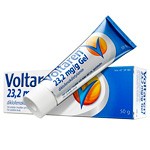
Jonac (Diclofenac Gel 1% 30g/50g) represents the Indian generic topical NSAID equivalent to worldwide top-selling Voltaren Gel — the topical anti-inflammatory that transformed musculoskeletal pain management by providing effective NSAID therapy without systemic side effects of oral NSAIDs. Manufactured by Cipla Limited and German Remedies India as bioequivalent generic under WHO-GMP quality standards, Jonac offers proven topical NSAID efficacy for osteoarthritis joint pain, muscle strains, sprains, and various inflammatory soft tissue conditions. Originally developed by Novartis as Voltaren Gel and FDA-approved in the United States in 2007 (available OTC since 2020), topical diclofenac established localized anti-inflammatory therapy as the preferred approach for patients requiring pain relief but concerned about systemic NSAID risks. Available in two convenient tube sizes (30g and 50g) enabling appropriate purchase for acute pain courses or chronic condition management.
Diclofenac works through non-selective cyclooxygenase (COX-1 and COX-2) enzyme inhibition at the site of application. Following topical administration, diclofenac penetrates through skin to reach underlying muscles, joints, tendons, and ligaments where it blocks prostaglandin synthesis at inflammation sites — producing localized anti-inflammatory, analgesic (pain relief), and antipyretic (fever reduction, though limited relevance topically) effects. Critically, topical application results in less than 10 percent systemic absorption compared to equivalent oral doses — dramatically reducing risks of GI ulcers and bleeding, cardiovascular events, renal dysfunction, and hepatic toxicity associated with oral NSAIDs. This produces targeted joint and muscle pain relief, reduced local inflammation, improved mobility, and rapid onset of action. Clinical response: pain relief begins within 30-60 minutes, peak effect at 2-4 hours, consistent 4-8 hour analgesic control supporting 3-4 times daily application.
Jonac serves multiple musculoskeletal pain indications amenable to topical therapy. Primary uses include osteoarthritis joint pain particularly hands, knees, elbows, ankles, and wrists; rheumatoid arthritis joint inflammation when localized; muscle inflammation and strain; ligament and tendon inflammation including tendinitis; traumatic soft tissue injuries including sprains, contusions, bruises; bursitis particularly of superficial joints; epicondylitis (tennis elbow, golf elbow); and various musculoskeletal pain of rheumatic or traumatic origin.
Jonac applied 3-4 times daily — small amount (2-4 g) massaged into affected area. Rapid onset within 30 minutes, 4-8 hour effect duration. Avoid application to broken skin, wounds, mucous membranes. Cipla and German Remedies India manufacture under WHO-GMP standards.
Free prescription
Discrete packaging
Have questions?
Quality Assurance

- Joint Inflammation: Active joint inflammation with pain swelling and stiffness;
- Osteoarthritis Joint Pain: OA-related joint pain particularly hands knees elbows;
- Hand Osteoarthritis: OA of finger and hand joints responding to topical gel;
- Knee Osteoarthritis: OA of knee joints responding to topical application;
- Rheumatic Joint Pain: Rheumatic disease joint pain responding to topical NSAID;
- Muscle Inflammation: Inflammatory conditions of muscles responding to topical therapy;
- Muscle Strain: Acute muscle strain injuries responding to localized anti-inflammatory;
- Tendinitis: Tendon inflammation from overuse or injury;
- Ligament Inflammation: Inflammatory conditions of ligaments responding to topical therapy;
- Bursitis: Superficial joint bursa inflammation particularly shoulder elbow knee;
- Sprains: Ligament sprain injuries responding to topical NSAID gel;
- Soft Tissue Injuries: Traumatic soft tissue injuries including contusions bruises;
- Contusions and Bruises: Traumatic tissue injuries with inflammation;
- Epicondylitis: Tennis elbow and golfers elbow responding to topical NSAID;
- Sports Injuries: Athletic musculoskeletal injuries responding to localized therapy;
- Localized Pain Relief: Targeted pain relief without systemic NSAID exposure;
- Systemic NSAID Avoidance: Patients avoiding oral NSAIDs due to GI CV or renal concerns;
- Topical Anti Inflammatory Class: Drug class providing localized NSAID therapy without systemic risks;
- Generic Voltaren Gel Therapy: Bioequivalent generic alternative to Novartis Voltaren Gel at lower cost.
- Less Joint Pain: Joint pain decreases substantially with topical anti-inflammatory action;
- Less Joint Inflammation: Active joint inflammation reduces through prostaglandin blockade;
- Less Muscle Pain: Muscle strain and inflammation pain improves substantially;
- Less Tendon Inflammation: Tendinitis responds well to topical anti-inflammatory therapy;
- Better Joint Mobility: Range of motion improves as inflammation and pain decrease;
- Fast Pain Relief: Relief begins within 30-60 minutes of application;
- Less Systemic Absorption: Under 10 percent systemic absorption dramatically reduces NSAID risks;
- Less GI Bleeding Risk: Topical route bypasses gastric COX-1 exposure minimizing GI bleeding;
- Less Gastric Ulcer Risk: Minimal systemic exposure protects stomach mucosa;
- Less Cardiovascular Risk: Reduced systemic exposure minimizes NSAID CV concerns;
- Less Renal Risk: Kidney protection through minimal systemic drug levels;
- Better Elderly Tolerability: Older patients tolerate topical NSAID better than oral;
- Better Anticoagulant Compatibility: Safe combination with warfarin due to minimal systemic effect;
- Better Osteoarthritis Management: OA joint pain of hands knees ankles responds excellently;
- Better Sports Injury Recovery: Sprains strains contusions recover faster with topical therapy;
- Better Chronic Pain Management: Suitable for chronic musculoskeletal pain long-term therapy;
- Better Two Tube Size Options: 30g and 50g sizes fit acute or chronic use appropriately;
- Better Generic Affordability: 85-95% lower cost than Voltaren brand makes proven therapy accessible;
- Better Quality of Life: Daily wellbeing improves dramatically as musculoskeletal pain resolves.
Generic Jonac (Diclofenac Gel 1% 30 g) Medication guide:
Jonac (Diclofenac Gel 1% 30g/50g) is the Indian generic topical NSAID equivalent to worldwide top-selling Voltaren Gel, providing effective anti-inflammatory pain relief through localized skin application without the systemic side effects of oral NSAIDs. Originally developed by Novartis as Voltaren Gel and FDA-approved in the United States in 2007, topical diclofenac established localized anti-inflammatory therapy as the preferred approach for patients requiring pain relief but concerned about GI bleeding, cardiovascular events, renal impairment, or hepatic toxicity from oral NSAIDs. Manufactured by Cipla Limited and German Remedies India under WHO-GMP quality standards, Jonac delivers proven NSAID efficacy with less than 10 percent systemic absorption — dramatically reducing all major NSAID class risks while maintaining potent local anti-inflammatory and analgesic action. This comprehensive medication guide covers every aspect of Jonac therapy from topical NSAID pharmacology through mechanism, indications, safety considerations, application instructions, drug interactions, patient selection, and long-term management recommendations.
💊 Introduction to Jonac
Jonac is an over-the-counter topical medication containing diclofenac sodium as its active ingredient in a 1 percent gel formulation. Diclofenac was originally developed by Ciba-Geigy (later merged with Sandoz to form Novartis) as an oral NSAID and received FDA approval as tablets in 1988. The topical gel formulation, marketed as Voltaren Gel, received FDA approval in the United States in 2007 — becoming the first prescription topical NSAID for osteoarthritis. In 2020, Voltaren Arthritis Pain became available over-the-counter in the US, following decades of OTC availability in Europe and Asia.
The medication is manufactured worldwide by numerous generic pharmaceutical companies. The version sold under the Jonac brand name on rxshop.md is manufactured by Cipla Limited and German Remedies India — two established Indian pharmaceutical companies with WHO-GMP certified facilities. This dual-manufacturer arrangement provides broader supply chain reliability and consistent quality. Available in two convenient tube sizes (30 grams and 50 grams) enabling appropriate purchase choice for acute pain courses or ongoing chronic condition management.
Jonac occupies a distinctive position in modern pain management as a topical NSAID alternative to oral therapy. Traditional oral NSAIDs (ibuprofen, naproxen, oral diclofenac) provide effective anti-inflammatory pain relief but carry significant systemic risks including gastrointestinal ulcers and bleeding, cardiovascular thrombotic events, renal impairment, and hepatic toxicity. These risks limit oral NSAID use particularly in elderly patients, patients with cardiovascular disease, kidney disease, or peptic ulcer history. Topical diclofenac provides a solution — delivering effective NSAID therapy directly to the site of pain with less than 10 percent systemic absorption compared to oral doses, dramatically reducing all major class risks while maintaining local anti-inflammatory efficacy. This makes Jonac particularly valuable for patients with localized musculoskeletal pain who cannot safely use oral NSAIDs or prefer to avoid systemic drug exposure when localized therapy suffices.
🔬 Understanding Topical NSAID Therapy
Understanding how topical NSAIDs differ from oral NSAIDs is essential for appreciating Jonac unique clinical position.
Skin Penetration and Local Distribution
Topical NSAID therapy depends on percutaneous absorption — drug penetration through the skin to reach underlying tissues. Diclofenac has favorable physicochemical properties for skin penetration:
Diclofenac skin penetration factors:
- Molecular size: Small enough for effective penetration
- Lipophilicity: Balanced allowing both stratum corneum passage and aqueous distribution
- Weak acid property: Enhances absorption at appropriate pH
- Gel vehicle: Facilitates dermal penetration and drug distribution
- Enhancers: Formulation excipients (propylene glycol, isopropyl alcohol) enhance permeation
Tissue Distribution After Topical Application
After application to skin, diclofenac penetrates to reach:
- Underlying muscles: Effective concentrations achieved for local anti-inflammatory action
- Joint synovium: Adequate levels for OA joint pain relief
- Tendons and ligaments: Meaningful concentrations for tendinitis therapy
- Subcutaneous tissue: High local concentrations at application site
- Systemic circulation: Only 5-10 percent of applied dose reaches systemic circulation
Systemic Exposure Comparison
The dramatic systemic exposure reduction with topical diclofenac provides key clinical benefits:
| Route | Systemic Exposure | Clinical Significance |
|---|---|---|
| Oral diclofenac 50 mg | 100 percent bioavailability | Full NSAID systemic risks |
| Topical diclofenac gel 4 g | 5-10 percent systemic absorption | Dramatically reduced systemic risks |
| Ratio comparison | 10-20 fold less systemic exposure | Substantial safety advantage |
🧬 Chemistry and Pharmacology of Diclofenac
Diclofenac sodium has the chemical formula C14H10Cl2NNaO2 with molecular weight approximately 318.1 g/mol. Structurally, diclofenac is a phenylacetic acid derivative — one of the acetic acid NSAID class also including indomethacin and ketorolac. The chloride substituents on the phenyl ring contribute to its potent COX inhibition. Diclofenac is a non-selective NSAID blocking both COX-1 and COX-2 enzymes but with modest COX-2 preference compared to older NSAIDs like ibuprofen.
Mechanism of Action
Diclofenac gel mechanism cascade:
- Gel applied to skin over affected joint or soft tissue
- Diclofenac penetrates stratum corneum through gel vehicle enhancement
- Passes through epidermis and dermis reaching subcutaneous tissue
- Distributes to underlying muscles, joint synovium, tendons, ligaments
- At target tissues blocks COX-1 and COX-2 enzymes
- Reduced prostaglandin synthesis at inflammation site
- Additional effects: reduced leukocyte migration, decreased bradykinin, lysosomal stabilization
- Result: local anti-inflammatory action, pain relief, reduced swelling with minimal systemic exposure
Pharmacokinetic Profile
| Parameter | Value | Clinical Significance |
|---|---|---|
| Onset of pain relief | 30 to 60 minutes | Reasonably fast for topical route |
| Peak local effect | 2 to 4 hours | Optimal timing for symptom control |
| Duration of effect | 4 to 8 hours | Supports 3-4 times daily application |
| Systemic bioavailability | 5-10 percent | Dramatically less than oral |
| Peak plasma concentration | Very low relative to oral | Minimal systemic drug exposure |
| Local tissue concentration | High at application site | Effective local therapy |
| Systemic metabolism | Hepatic (small quantity absorbed) | Minimal metabolic burden |
| Elimination | Renal and biliary (of absorbed portion) | Standard NSAID elimination for absorbed drug |
🎯 Indications and Patient Selection
Approved Indications
- Osteoarthritis (OA) joint pain — particularly hands, knees, elbows, ankles, wrists
- Joint inflammation of rheumatic or traumatic origin
- Muscle inflammation from various causes
- Tendinitis and ligament inflammation
- Bursitis superficial joint bursa inflammation
- Soft tissue injuries including contusions, sprains, strains
- Sports injuries with localized musculoskeletal pain
Off-Label Uses
- Post-surgical local pain: Musculoskeletal surgery recovery
- Fibromyalgia trigger points: Localized painful areas
- Myofascial pain syndromes
- Chronic tennis or golfers elbow
- Frozen shoulder adjunctive therapy
- Plantar fasciitis
- Achilles tendinopathy
- Post-injection soreness reduction
Ideal Patient Selection
Jonac therapy is most appropriate for:
- Patients with localized musculoskeletal pain amenable to topical therapy
- Elderly patients where oral NSAID risks are concerning
- Patients with prior GI bleeding or peptic ulcer disease
- Patients on anticoagulants requiring reduced GI bleeding risk
- Cardiovascular disease patients where oral NSAIDs contraindicated
- Renal impairment patients unable to tolerate oral NSAIDs
- Patients preferring localized therapy for specific painful areas
- Chronic OA patients needing daily anti-inflammatory therapy
- Athletes and active individuals with acute soft tissue injuries
- Post-surgical patients with local musculoskeletal pain
💉 Application Instructions and Dosage
Standard Application Protocol
How to apply Jonac properly:
- Clean and dry the affected area before application
- Apply small amount - typically 2 to 4 grams per application (approximately 3-5 cm strip from tube)
- Massage gently into skin until fully absorbed (30-60 seconds)
- Wash hands thoroughly after application to prevent eye/mucous membrane contact
- Do NOT cover with occlusive dressing unless specifically directed
- Do NOT apply to broken skin, wounds, open cuts, or infected areas
- Avoid contact with eyes, mucous membranes, or genital area
- Reapply 3-4 times daily at 4-6 hour intervals as needed
Dosage by Area
- Lower extremities (knee, ankle, foot): 4 grams per application (large joint)
- Upper extremities (elbow, wrist, hand): 2 grams per application (smaller joint)
- Multiple joints: Total daily dose should not exceed 32 grams
- Maximum daily use: 4 applications per 24 hours
- Duration for acute injury: Up to 7-14 days
- Duration for chronic OA: Continue as needed under medical supervision
Application Frequency Timing
For optimal results:
- Morning application: Prepare joint for daily activities
- Mid-day application: Maintain anti-inflammatory effect
- Evening application: Relief during evening activities and rest
- Bedtime application: Overnight comfort particularly for chronic joint pain

🚫 Contraindications
Absolute contraindications include:
- Hypersensitivity to diclofenac or other NSAIDs
- Aspirin or NSAID-induced asthma or urticaria
- Application to broken skin, open wounds, mucous membranes
- Third trimester pregnancy
- Recent coronary artery bypass graft (CABG) surgery
Use with caution in:
- Severe cardiovascular disease - even reduced systemic exposure may pose some risk
- Active peptic ulcer disease or GI bleeding history
- Severe renal impairment
- Severe hepatic impairment
- Photosensitivity conditions - some patients develop photosensitivity
- Skin conditions - dermatitis, eczema at application area
- Pregnancy first and second trimester - use if benefit justifies
- Lactation - use if benefit justifies
- Children under 18 - safety not established for pediatric use
- Concurrent oral NSAIDs or aspirin - additive systemic exposure

⚠️ Precautions and Warnings
General NSAID Class Warnings
Even topical NSAIDs carry some class risks:
- Cardiovascular events - reduced but not eliminated risk vs oral NSAIDs
- GI bleeding - dramatically reduced but rare cases reported
- Renal effects - minimal with topical use but caution in severe impairment
- Hepatic effects - very rare with topical use
Photosensitivity
Some patients using topical diclofenac develop photosensitivity — increased sensitivity to sun exposure at treated areas. Recommendations:
- Avoid excessive sun exposure at treated areas
- Use sunscreen if sun exposure unavoidable
- Wear protective clothing over treated areas when outdoors
- Discontinue if severe photosensitivity develops
Local Skin Reactions
Common local skin reactions may occur:
- Application site burning or stinging: Usually transient
- Redness (erythema): Mild redness common initially
- Dryness or scaling: May develop with prolonged use
- Itching: Occasional
- Contact dermatitis: Rare but possible allergic reaction
📊 Clinical Effectiveness Data
Topical diclofenac has been extensively studied since introduction:
| Indication | Response Rate |
|---|---|
| Hand osteoarthritis pain | 50-70 percent significant improvement |
| Knee osteoarthritis pain | 55-70 percent significant improvement |
| Acute soft tissue injuries | 60-75 percent effective |
| Muscle sprains and strains | 65-75 percent significant relief |
| Tendinitis (tennis elbow, achilles) | 50-65 percent significant improvement |
| Comparison vs placebo | Superior with 20-40 percent better response |
| Comparison vs oral NSAIDs (OA) | Similar efficacy at treated sites |
| GI safety vs oral NSAIDs | 85-95 percent fewer GI adverse events |
⚠️ Side Effect Profile
Local Side Effects (Most Common)
- Application site dermatitis: Approximately 5-10 percent
- Contact dermatitis: Approximately 3-5 percent
- Application site burning: Common, usually transient
- Application site pruritus (itching): Common
- Erythema (redness): Common early in therapy
- Dry skin at application site: Common with prolonged use
- Photosensitivity reaction: Approximately 1-2 percent
- Vesicles or blistering: Rare
Systemic Side Effects (Rare)
- Headache: Uncommon but reported
- Nausea: Rare from minimal absorption
- Dyspepsia: Rare
- Elevated liver enzymes: Very rare
- Allergic reactions: Rare
Serious Side Effects Requiring Attention
Seek medical attention for:
- Severe allergic reactions: hives, facial swelling, difficulty breathing
- Severe contact dermatitis with blistering or crusting
- Signs of Stevens-Johnson syndrome: severe rash with mucous membrane involvement
- Signs of anaphylaxis: throat swelling, breathing difficulty
- Cardiovascular symptoms: unlikely with topical but chest pain, sudden weakness
- Signs of GI bleeding: very rare with topical - dark stools, abdominal pain
- Photosensitivity reactions: severe sunburn-like reactions on treated areas

🔄 Drug Interactions
Interactions to Consider
Topical diclofenac has substantially fewer drug interactions than oral NSAIDs due to minimal systemic absorption. However, some considerations remain:
| Drug Class | Interaction |
|---|---|
| Other NSAIDs (oral or topical) | Additive systemic exposure - avoid combination |
| Aspirin | Additive class effects but topical adds minimal exposure |
| Warfarin | Minimal interaction with topical route but monitor if used long-term |
| Corticosteroids | Systemic combination increases GI risk minimally with topical |
| ACE inhibitors, ARBs | Minimal renal interaction with topical use |
| Diuretics | Minimal interaction with topical use |
| Sunscreens and other topicals | Apply at different times to same skin area |
| Photosensitizing drugs | Combined sun exposure caution |
🛡️ Special Populations
- Elderly Patients Over 65
- Excellent choice for elderly patients with joint pain - dramatically reduced NSAID risks compared to oral therapy. May be preferred as first-line NSAID therapy in patients over 65 with OA joint pain. Monitor for local skin reactions particularly in patients with atrophic skin.
- Pediatric Population
- Not established for children under 18 years. Consult healthcare provider for pediatric use consideration. Alternative therapies typically preferred.
- Pregnancy
- First and second trimester: Category C - use if benefit justifies risk. Third trimester: contraindicated due to premature ductus arteriosus closure risk (even with topical NSAID absorption). Consult obstetrician before use.
- Lactation
- Small amounts may enter breast milk from topical absorption. Generally considered acceptable during breastfeeding due to minimal systemic exposure. Avoid application to areas that might contact breastfeeding infant.
- Cardiovascular Disease
- Topical route provides substantial safety advantage - even patients with cardiovascular disease may safely use topical diclofenac when oral NSAIDs contraindicated. Reduced systemic exposure minimizes CV risk.
- Renal Impairment
- Suitable for mild-moderate renal impairment. Even severe renal impairment may tolerate topical diclofenac better than oral. Monitor renal function during prolonged therapy.
- Hepatic Impairment
- Minimal metabolic burden from limited systemic absorption. Use with caution in severe hepatic impairment.
- Anticoagulant Users
- Substantial safety advantage over oral NSAIDs. Warfarin, DOACs, or antiplatelet users can generally use topical diclofenac safely. Consult prescriber before initiating.
- Peptic Ulcer History
- Excellent option for patients with prior peptic ulcer disease. Minimal systemic COX-1 exposure protects gastric mucosa.
🔬 Comparison Topical vs Oral NSAIDs
| Property | Jonac (Topical Diclofenac) | Oral Diclofenac | Oral Ibuprofen |
|---|---|---|---|
| Route | Topical | Oral | Oral |
| Systemic exposure | 5-10 percent | 100 percent | 100 percent |
| GI bleeding risk | Minimal | Significant | Standard |
| CV risk | Minimal | Significant | Moderate |
| Renal risk | Minimal | Significant | Moderate |
| Localized efficacy | Excellent for accessible joints | Systemic effect | Systemic effect |
| Multi-joint pain | Multiple applications needed | Convenient | Convenient |
| Elderly appropriateness | Preferred | Caution required | Caution required |
| Ulcer history | Suitable | Contraindicated | Contraindicated |
| Best for | Localized joint pain safety-focused | Widespread pain | Acute mild-moderate pain |
📆 Long-Term Use Considerations
Long-term topical NSAID therapy considerations:
- Skin monitoring: Watch for local reactions or dermatitis at application sites
- Rotation of application areas where possible
- Reassess symptoms periodically to determine ongoing benefit
- Consider combination therapies for comprehensive pain management
- Photosensitivity awareness: Sun protection at treated areas
- Coordinate with other pain therapies (physical therapy, exercise, joint injections)
- Regular medical review particularly if condition worsens
- Blood pressure monitoring despite low systemic exposure
- Renal function monitoring during prolonged high-dose use
Combination Therapy
Jonac often combined effectively with:
- Acetaminophen (paracetamol) tablets: Complementary systemic pain relief
- Physical therapy: Exercise programs, joint mobilization
- Heat or cold therapy: Additional local pain management
- Weight loss: For knee OA management
- Joint injections: Corticosteroids or hyaluronic acid for OA
- Assistive devices: Braces, canes for joint support
- Duloxetine: For chronic musculoskeletal pain

📦 Storage and Handling
- Store at room temperature between 15°C and 30°C (59°F and 86°F)
- Keep tube tightly closed when not in use
- Protect from freezing - gel structure may be damaged
- Keep out of reach of children and pets
- Do not use gel past the expiration date printed on tube
- Return unused or expired medication to pharmacy for proper disposal
- Do not share topical medication with others
- Wash hands thoroughly after each application
- Store tube away from direct sunlight and heat


👨⚕️ When to Contact Your Doctor
- Severe local reactions: blistering, severe rash, crusting at application sites
- Signs of allergic reactions: hives, facial swelling, difficulty breathing
- Signs of Stevens-Johnson syndrome or severe skin reactions
- Photosensitivity reactions on treated areas
- Persistent or worsening pain despite therapy
- Signs of infection at application area
- New skin conditions developing at treated sites
- Any unusual symptoms possibly related to systemic effects
- Pregnancy planning or confirmed pregnancy
- Starting new medications or new medical conditions
- Concurrent use of oral NSAIDs or other pain medications
- Upcoming surgery including CABG procedure
- Need for higher doses or extended duration than recommended
🌟 Key Takeaways
Essential points about Jonac (topical diclofenac gel) therapy:
- Jonac is Indian generic topical diclofenac gel 1 percent from Cipla and German Remedies
- Equivalent to worldwide top-selling Voltaren Gel Novartis original brand
- Provides localized NSAID therapy with less than 10 percent systemic absorption
- Available in 30g and 50g tube sizes for flexible use
- Dramatic reduction in NSAID class risks (GI, CV, renal, hepatic) vs oral NSAIDs
- Apply 3-4 times daily to affected areas typically 2-4 g per application
- Onset within 30-60 minutes, peak effect at 2-4 hours, duration 4-8 hours
- Effective for osteoarthritis, muscle strains, tendinitis, sprains, soft tissue injuries
- Preferred choice for elderly, patients with GI history, anticoagulant users
- Local skin reactions (mild dermatitis) most common side effects
- Photosensitivity possible - use sun protection at treated areas
- Do not apply to broken skin, wounds, or mucous membranes
- Avoid concurrent oral NSAIDs to prevent additive systemic exposure
- Third trimester pregnancy contraindicated even with topical route
- Compatible with anticoagulants due to minimal systemic effect
Important Medical Disclaimer: This medication guide provides general information about Jonac (topical diclofenac gel) and does not constitute individualized medical advice. Every patient situation is unique and requires evaluation by a qualified healthcare provider before starting continuing adjusting or discontinuing any medication. Do not use Jonac without proper consultation regarding your specific medical situation. Although topical diclofenac has dramatically reduced systemic risks compared to oral NSAIDs, precautions still apply. Do not apply to broken skin, wounds, or mucous membranes. Avoid concurrent use with oral NSAIDs. Report severe local reactions, allergic reactions, or unusual symptoms to your healthcare provider. Third trimester pregnancy contraindicated. If you experience concerning symptoms contact your healthcare provider promptly. The information provided here should complement but never replace direct professional medical guidance.
Jonac — Frequently Asked Questions
-
What is Diclofenac Gel (Jonac)?
Diclofenac Gel is a topical nonsteroidal anti-inflammatory drug used for pain and inflammation relief. -
How does Diclofenac Gel work?
It works by reducing substances in the body that cause pain and inflammation. -
What conditions does Diclofenac Gel treat?
It's used to treat joint pain caused by osteoarthritis in the knees, hands, wrists, and elbows. -
How quickly does Diclofenac Gel start working?
It generally starts to relieve pain within a few hours of application. -
How long do the effects of Diclofenac Gel last?
The effects can last for several hours, depending on the dosage and individual response. -
Can Diclofenac Gel be used for general muscle pain?
It's best for joint pain but can be used for other types of localized muscle pain. -
What are the side effects of Diclofenac Gel?
Common side effects include skin irritation at the application site, such as redness, itching, or rash.
More Pain Medicine Medications