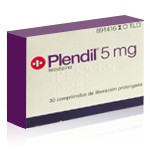
Buy Acuitel (Quinapril) Online — Pfizer ACE Inhibitor for Hypertension & Heart Failure (Accupril Equivalent)

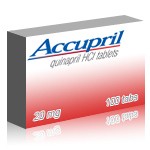
Acuitel is the European brand-name formulation of Quinapril Hydrochloride manufactured by Pfizer — an established angiotensin-converting enzyme (ACE) inhibitor for hypertension and heart failure. Acuitel is the same molecule as the US brand Accupril, originally developed by Parke-Davis and FDA-approved since 1991. Listed on the WHO Model List of Essential Medicines, Quinapril is one of the widely prescribed ACE inhibitors globally with 30+ years of clinical experience. Generic equivalents available worldwide at significantly lower cost.
The active ingredient is Quinapril Hydrochloride, a prodrug that is hydrolyzed in the liver to its active metabolite quinaprilat. Quinaprilat is a potent ACE inhibitor — blocking the conversion of angiotensin I to angiotensin II (a powerful vasoconstrictor) and reducing aldosterone secretion. This results in peripheral vasodilation, reduced blood pressure, and reduced cardiac afterload. Bradykinin accumulation (also caused by ACE inhibition) contributes to vasodilation but is also responsible for the characteristic ACE inhibitor cough (~15-20% of patients).
Acuitel is FDA-approved for hypertension (essential and secondary) and adjunctive therapy of heart failure (with diuretics, digitalis). Off-label uses include diabetic nephropathy (renal protective ACE inhibitor effect), post-MI ventricular dysfunction, scleroderma renal crisis, and various conditions where RAAS blockade is beneficial. Particularly preferred in patients with comorbid diabetes mellitus, chronic kidney disease, or heart failure — ACE inhibitors provide cardiovascular and renal protection beyond just blood pressure lowering.
The medication is available as Acuitel 5 mg, 10 mg, 20 mg, and 40 mg tablets. Standard adult dosing for hypertension: start 10-20 mg once daily, maintenance 20-80 mg/day in 1-2 divided doses. For heart failure: start 5 mg BID, titrate to 20-40 mg/day in 2 divided doses. Renal dose adjustment required for CrCl below 60 mL/min.
Critical safety considerations include the FDA boxed warning for pregnancy — Quinapril is Pregnancy Category D in second and third trimesters (fetal toxicity, oligohydramnios, neonatal renal failure, death). Other concerns: angioedema (rare but life-threatening — immediate discontinuation required), hyperkalemia (especially with K-sparing diuretics, ACE+ARB combinations), persistent dry cough (15-20%), first-dose hypotension, acute renal failure in bilateral renal artery stenosis, hepatic dysfunction (rare), and neutropenia (rare). Drug interactions: NSAIDs (reduce efficacy + renal risk), lithium (toxicity), other antihypertensives (additive).
Free prescription
Discrete packaging
Have questions?
Quality Assurance
- Secondary Hypertension: FDA-approved for secondary hypertension;
- Heart Failure (HF): FDA-approved as adjunctive therapy of heart failure (with diuretics, digitalis);
- HFrEF / Reduced Ejection Fraction: For heart failure with reduced ejection fraction;
- Mild Hypertension: For mild hypertension (stage 1, BP 130-139/80-89);
- Moderate Hypertension: For moderate hypertension (stage 2, BP ≥140/90);
- Severe Hypertension: For severe hypertension (often combined with other agents);
- Resistant Hypertension: For resistant hypertension as part of combination therapy;
- Diabetes Plus Hypertension: Preferred antihypertensive in diabetic patients (renal protection);
- Diabetic Nephropathy: Off-label renal protective in diabetic nephropathy — classic ACE inhibitor benefit;
- Chronic Kidney Disease (CKD): For hypertension in CKD (with proper monitoring);
- Proteinuric Renal Disease: For proteinuric renal disease — reduces proteinuria;
- Post MI Ventricular Dysfunction: Off-label for post-myocardial infarction ventricular dysfunction;
- LVH Reduction: For left ventricular hypertrophy regression in hypertension;
- Cardiovascular Risk Reduction: For overall cardiovascular risk reduction in high-risk patients;
- Microalbuminuria Diabetic: Off-label for diabetic microalbuminuria (early renal protection);
- Scleroderma Renal Crisis: Off-label for scleroderma renal crisis — ACE inhibitors are life-saving;
- Migraine Prophylaxis Off Label: Off-label for migraine prophylaxis (limited evidence);
- Combination With Diuretic: Commonly combined with thiazide diuretic for additive antihypertensive effect;
- Long Term Hypertension Maintenance: Suitable for long-term hypertension maintenance therapy.
- Better BP Control Daily: Consistent 24-hour BP control with once or twice daily dosing;
- Less Heart Failure Symptoms: Reduction in heart failure symptoms (dyspnea, fatigue, edema);
- Better Cardiac Function: Improvement in cardiac function in heart failure patients;
- Less Heart Failure Hospitalizations: Reduction in heart failure-related hospitalizations;
- Better Heart Failure Survival: Improved survival in heart failure patients (ACE inhibitor class benefit);
- Less Cardiovascular Mortality: Reduction in cardiovascular mortality in high-risk patients;
- Less Stroke Risk: Reduction in stroke risk through effective blood pressure control;
- Less MI Risk: Reduction in myocardial infarction risk in high-risk hypertensive patients;
- Less Heart Failure Progression: Slowing of heart failure progression with chronic therapy;
- Less Cardiac Remodeling: Reduction in adverse cardiac remodeling post-MI and in heart failure;
- Less LVH: Regression of left ventricular hypertrophy in hypertension;
- Better Renal Protection Diabetes: Renal protective effect in diabetic nephropathy — reduces proteinuria;
- Less Diabetic Microalbuminuria: Reduction in microalbuminuria in early diabetic nephropathy;
- Less CKD Progression: Slowing of chronic kidney disease progression;
- Better Endothelial Function: Improvement in endothelial function (ACE inhibitor class effect);
- Less Exercise Intolerance HF: Improvement in exercise tolerance in heart failure patients;
- Better Daily Function: Return to normal daily activities with effective BP/HF control;
- Better Quality of Life: Substantial improvement in quality of life with effective therapy;
- Better Scleroderma Renal Crisis Outcomes: Life-saving in scleroderma renal crisis;
- Brand Acuitel: Pfizer European brand of Quinapril with established global clinical reputation since 1991;
- Generic Quinapril: Affordable generic versions expand global access to ACE inhibitor therapy;
- Accupril Equivalent: Same Quinapril molecule as US Pfizer brand Accupril;
- ACE Inhibitor: Foundational ACE inhibitor class — cornerstone antihypertensive and heart failure therapy;
- Prodrug Quinaprilat Active: Prodrug hydrolyzed in liver to active quinaprilat — potent ACE inhibitor;
- Angiotensin Converting Enzyme Blockade: Blocks angiotensin I → angiotensin II conversion;
- Peripheral Vasodilation BP Reduction: Produces peripheral vasodilation reducing blood pressure;
- RAAS Blockade: Renin-angiotensin-aldosterone system blockade — cardiovascular and renal protective;
- Hypertension First Line: First-line antihypertensive per international guidelines (JNC, ESC, NICE);
- Heart Failure Standard Therapy: Standard ACE inhibitor therapy for heart failure with reduced ejection fraction;
- Diabetes Preferred Antihypertensive: Preferred antihypertensive in diabetic patients (renal protection benefits);
- Renal Protection Standard: Standard renal-protective therapy in diabetic and proteinuric nephropathy;
- Once Twice Daily Dosing: Convenient once or twice daily dosing supports adherence;
- Combination With Diuretic: Commonly combined with thiazide diuretic for synergistic antihypertensive effect;
- WHO Essential Medicine: Listed on the WHO Model List of Essential Medicines for cardiovascular care;
- 30 Plus Year Clinical History: 30+ years of clinical use since 1991 — foundational ACE inhibitor with extensive global safety data.
Generic Acuitel (Quinapril 5 mg) Medication guide:
📌 Acuitel ACE Inhibitor at a Glance
Acuitel is a brand name for quinapril hydrochloride, an angiotensin-converting enzyme (ACE) inhibitor used to lower blood pressure in hypertension and as foundational therapy in heart failure with reduced ejection fraction. Quinapril is a prodrug that the body converts to quinaprilat, the active molecule that blocks the enzyme responsible for producing the vasoconstrictor peptide angiotensin II. Cipla and Intas Pharmaceuticals are the two principal Indian manufacturers behind the international generic supply, with Pfizer as the originator of the Acuitel brand.
This guide covers how ACE inhibition lowers blood pressure and protects the heart, how Acuitel is dosed and titrated, the characteristic dry cough that affects about one in five users, the rare but life-threatening angioedema reaction that every user should be able to recognise, the hyperkalaemia and renal considerations that make blood testing part of routine follow-up, and the specific FDA boxed warning about fetal toxicity in the second and third trimesters of pregnancy. The material follows the FDA prescribing information, joint ACC and AHA hypertension and heart failure guidelines, the European Society of Cardiology guidelines, and peer-reviewed randomised trials.
📌 Acuitel at a glance
| Generic name | Quinapril hydrochloride |
| Drug class | Angiotensin-converting enzyme (ACE) inhibitor; a prodrug of quinaprilat |
| Available strengths | 5 mg, 10 mg, 20 mg, and 40 mg film-coated tablets |
| Route and dosing | Oral tablet, once or twice daily depending on indication and response |
| FDA indications | Essential and secondary hypertension; adjunctive therapy in heart failure with reduced ejection fraction |
| Onset of BP effect | Within 1-2 hours of the first dose; near-maximum effect at 2-4 weeks of steady dosing |
| Common side effect | Dry cough in approximately 15-20% of users — a class effect of ACE inhibitors |
| Boxed warning | Fetal toxicity in the second and third trimesters of pregnancy — stop Acuitel as soon as pregnancy is detected |
Three features distinguish Acuitel among the many oral antihypertensive medications. First, the ACE inhibitor mechanism lowers blood pressure by blocking a specific enzyme in a specific pathway (the renin-angiotensin-aldosterone system, described in section 3), which produces a predictable effect on blood pressure with well-characterised drug interactions. Second, the class-wide side effect profile includes the characteristic dry cough (section 11), the rare angioedema (section 12), and the potassium and kidney considerations (sections 13 and 15) that shape routine follow-up. Third, the drug is widely available as a low-cost generic globally, which is one of the reasons ACE inhibitors are a cornerstone of hypertension management.
Some readers arrive at this page for their first prescription of an ACE inhibitor; others are established users returning to check a specific detail such as what to do about a new cough or an interaction with a potassium-elevating medication. The sections are organised by topic and can be read individually without requiring the surrounding material.
💊 What Quinapril Is
Quinapril is the swallowed molecule; quinaprilat is the biologically active molecule that reaches the target enzyme. Understanding this prodrug relationship matters because it explains why quinapril has a slightly delayed onset compared with captopril (the reference ACE inhibitor and the only member of the class that is not a prodrug), and why hepatic activation is a step in the drug's pharmacokinetics.
💊 Quinapril pharmacokinetics at a glance
| Absorption | Approximately 60% oral bioavailability; food modestly delays absorption but does not reduce the total amount absorbed |
| Activation | Hepatic de-esterification converts quinapril to quinaprilat; peak quinaprilat levels within 2-4 hours of the dose |
| Distribution | Highly protein-bound; the free fraction is what reaches the target enzyme |
| Elimination half-life | Around 2 hours for quinapril itself; the effective half-life of ACE inhibition is around 25 hours — long enough for once-daily dosing in most patients |
| Route of excretion | Predominantly renal; approximately 60% of an oral dose is excreted in the urine as quinaprilat or its metabolites |
| Renal impairment implication | Because elimination is renal, dose adjustment is needed in significant renal impairment — see section 23 |
Two features of quinapril's pharmacokinetics are worth understanding. First, the renal route of elimination makes the drug's exposure sensitive to kidney function. A patient with mild kidney impairment tolerates standard doses without adjustment, but moderate to severe impairment requires reducing the dose or increasing the dosing interval. This is why baseline creatinine measurement is part of ACE inhibitor initiation, and it is why the follow-up renal function tests described in section 15 are not optional.
Second, the effective half-life of ACE inhibition (around 25 hours) is much longer than quinaprilat's plasma half-life would suggest. This is because quinaprilat binds tightly to ACE and holds the enzyme in an inactive state long after free drug levels have fallen. It is the reason once-daily dosing works clinically at doses of 20 mg or higher, even though the calculated plasma half-life alone would predict a shorter duration of action.
🧬 The Renin-Angiotensin-Aldosterone System
To understand what quinapril does, it helps to spend a few minutes on the biology it modifies. The renin-angiotensin-aldosterone system (RAAS) is the body's main mechanism for controlling blood pressure over minutes to hours and for regulating sodium and water balance over hours to days. Its overactivity contributes to hypertension, heart failure, and diabetic nephropathy; blocking it is the therapeutic rationale for ACE inhibitors and for the closely-related class of angiotensin receptor blockers (ARBs).
🧬 The four-step RAAS cascade
- Renin release from the kidney. The juxtaglomerular cells of the kidney release renin in response to reduced blood pressure, reduced sodium delivery to the distal tubule, or sympathetic nervous stimulation. Renin is the enzyme that starts the cascade.
- Angiotensinogen to angiotensin I. Renin cleaves angiotensinogen (a liver-produced precursor circulating in the bloodstream) to angiotensin I, an inactive intermediate.
- Angiotensin I to angiotensin II. Angiotensin-converting enzyme (ACE), located predominantly on the surface of pulmonary and vascular endothelial cells, converts angiotensin I to angiotensin II. This is the step quinapril blocks.
- Angiotensin II acts on tissue receptors. Angiotensin II binds angiotensin type 1 (AT1) receptors and produces the physiological effects that raise blood pressure and drive fluid retention.
The downstream effects of angiotensin II at the AT1 receptor are what matter clinically. Angiotensin II directly constricts arterial smooth muscle (raising vascular resistance), stimulates aldosterone release from the adrenal gland (driving sodium retention and potassium loss), promotes antidiuretic hormone release (driving water retention), increases sympathetic nervous activity, and encourages cardiac and vascular remodelling over years. The net effect is elevated blood pressure and, in patients with heart failure, adverse structural changes to the ventricle.
What blocking ACE achieves
By blocking ACE, quinapril reduces the amount of angiotensin II produced, which reduces every downstream effect described above. Blood vessels relax (lower blood pressure), aldosterone falls (reduced sodium retention, some potassium retention), antidiuretic hormone release is dampened, sympathetic tone eases, and the pressure driving cardiac and vascular remodelling drops. The full cardiovascular benefit is not visible in a single day of dosing; it emerges over months of steady exposure and is one of the reasons ACE inhibitor therapy in heart failure is a long-term commitment rather than a short-term treatment.
A related but separate ACE effect is worth naming: ACE also breaks down bradykinin, a peptide involved in vasodilation and inflammation. When quinapril blocks ACE, bradykinin accumulates modestly. This bradykinin accumulation is thought to underlie two ACE inhibitor class effects that ARBs (which act directly at the AT1 receptor without affecting bradykinin metabolism) do not share: the characteristic dry cough (section 11) and the rare but serious angioedema reaction (section 12).
🔬 How ACE Inhibition Actually Works
Quinaprilat, the active metabolite of quinapril, binds tightly to the active site of angiotensin-converting enzyme and prevents the enzyme from converting angiotensin I to angiotensin II. The mechanism is a competitive, high-affinity, reversible inhibition. This section describes the practical consequences of that mechanism.
🔬 The four practical consequences of ACE inhibition
- Blood pressure falls
- Reduced angiotensin II production means less vasoconstriction, and reduced aldosterone production means less sodium retention. Both effects lower blood pressure, and both are apparent within hours of the first dose. Full effect requires 2-4 weeks of steady dosing at a stable dose.
- Cardiac afterload decreases
- Lower blood pressure means the ventricle pumps against less resistance. In heart failure, this reduced afterload allows the failing ventricle to eject more blood per beat and reduces the workload on the heart.
- Cardiac and vascular remodelling slows
- Over months to years, the reduced angiotensin II signal slows the structural changes that would otherwise progress in an untreated hypertensive heart or a failing ventricle. This effect is not measurable at three months of treatment but is why ACE inhibitor mortality benefit in heart failure trials only becomes clear at one to two years.
- Renal glomerular pressure falls
- Angiotensin II constricts the efferent glomerular arteriole preferentially over the afferent. Blocking angiotensin II relaxes the efferent arteriole and reduces the pressure inside the glomerulus. This is the mechanism behind the renal protective effect of ACE inhibitors in diabetic nephropathy (section 20) and behind the small early rise in serum creatinine that many users show at initiation.
Two features of the mechanism deserve emphasis. First, ACE inhibition is only partial at clinical doses. Angiotensin II can still be produced through ACE-independent pathways (chymase, cathepsin), so ACE inhibitors do not eliminate the angiotensin II signal completely. This is one of the reasons dose titration matters: pushing the dose higher captures more of the ACE-mediated angiotensin II production, up to a point. Second, ACE inhibition affects the vasodilator bradykinin as well as the vasoconstrictor angiotensin II. Bradykinin accumulation contributes to some of the blood pressure lowering and to two class side effects, as described in the previous section.
Why ACE inhibitors are cornerstone antihypertensives
Combined with the diuretics, calcium channel blockers, and angiotensin receptor blockers, the ACE inhibitor class is one of the four preferred first-line antihypertensive drug classes in international guidelines. What earns them that place is the combination of reliable blood pressure lowering, well-characterised safety profile, extensive long-term outcome data across a wide range of patient groups, and demonstrable benefit beyond simple blood pressure control — particularly in heart failure and in diabetic nephropathy.
🎯 Approved Uses — Hypertension and Heart Failure
Quinapril's FDA-approved indications are two: essential and secondary hypertension, and adjunctive therapy in heart failure with reduced ejection fraction. Beyond these formal indications, quinapril is widely used off-label for renal protection in diabetic nephropathy (section 20) and after myocardial infarction to reduce ventricular dysfunction. This section summarises the approved uses and how they are positioned relative to other antihypertensive and heart failure therapies.
| Indication | Typical starting dose | Usual maintenance range |
|---|---|---|
| Essential hypertension | 10 mg once daily | 20-80 mg once daily (or in two divided doses) |
| Hypertension with a diuretic on board | 5 mg once daily (lower to reduce first-dose hypotension risk) | 10-40 mg once daily after titration |
| Heart failure with reduced ejection fraction | 5 mg twice daily | 20-40 mg per day in two divided doses, titrated to tolerance |
| Diabetic nephropathy (off-label) | 10 mg once daily | 20-40 mg once daily; titrate to blood pressure and proteinuria targets |
| Post-MI ventricular dysfunction (off-label) | 5 mg twice daily; start early after MI when stable | 10-20 mg twice daily long term |
Two features of the indication list are worth understanding. First, hypertension is the most common reason for prescription, and it is the setting in which most primary-care encounters with Acuitel take place. Blood pressure lowering at the doses shown above is typically in the range of 8-12 mmHg systolic and 4-6 mmHg diastolic on average, though individual responses vary widely. Second, heart failure is the setting where quinapril's long-term mortality benefit is best established, based on class-wide trial evidence extrapolated from enalapril and lisinopril to quinapril and other ACE inhibitors. Heart failure prescribing typically involves specialist input at initiation and titration.
🎯 Combination therapy is common
Most patients treated for hypertension eventually require more than one drug to reach target blood pressure. Quinapril combines particularly well with thiazide diuretics (added blood pressure effect, mutual offset of potassium changes) and with calcium channel blockers (complementary vasodilator mechanism). In heart failure, quinapril sits alongside a beta blocker, a mineralocorticoid receptor antagonist, and in appropriate patients an SGLT2 inhibitor as part of guideline-directed medical therapy.
Non-approved uses that appear in real-world prescribing include prevention of atrial fibrillation recurrence in patients with hypertension, retinopathy protection in diabetes, and use in non-diabetic chronic kidney disease with proteinuria. These are areas where the trial evidence is either from other ACE inhibitors or from smaller studies, and quinapril is used interchangeably with other class members based on availability and cost.
📋 Where Quinapril Fits Among ACE Inhibitors
Quinapril is one of about a dozen ACE inhibitors marketed globally. All of them share the same mechanism — blocking angiotensin-converting enzyme — and they are broadly interchangeable at equivalent doses for hypertension and heart failure. What differs between them is dosing frequency, half-life, whether they are prodrugs, tissue penetration properties, and historical trial evidence in specific settings.
📋 Common ACE inhibitors in practice
| Agent | Prodrug? | Typical dosing frequency | Notable feature |
|---|---|---|---|
| Captopril | No (direct) | Two or three times daily | The original 1980s ACE inhibitor; contains a sulfhydryl group; largely superseded by later agents for chronic use |
| Enalapril | Yes (to enalaprilat) | Once or twice daily | Landmark heart failure trials (SOLVD, CONSENSUS) |
| Lisinopril | No (direct) | Once daily | The most widely prescribed ACE inhibitor in the United States; long half-life |
| Ramipril | Yes (to ramiprilat) | Once daily | HOPE trial evidence for cardiovascular protection in high-risk patients |
| Quinapril (Acuitel) | Yes (to quinaprilat) | Once daily for hypertension; twice daily for heart failure | Reliable low-cost generic; broad indication set; widely used in ambulatory practice |
| Perindopril | Yes (to perindoprilat) | Once daily | EUROPA and PROGRESS trials in coronary and cerebrovascular disease |
| Trandolapril | Yes (to trandolaprilat) | Once daily | Longer half-life; TRACE trial in post-MI ventricular dysfunction |
Two practical points about class positioning are worth naming. First, the differences between individual ACE inhibitors are much smaller than the differences between the class as a whole and other antihypertensive classes. For most patients, the choice of quinapril versus enalapril versus lisinopril is driven by cost, formulary availability, prescriber familiarity, and dosing convenience rather than by clinical superiority of one over another. Second, trial evidence for cardiovascular benefit is a class effect in most contexts, so the mortality benefit demonstrated with enalapril in CONSENSUS, with ramipril in HOPE, and with perindopril in EUROPA is extrapolated to quinapril at equivalent doses when using quinapril in similar patient groups.
When to prefer quinapril
Quinapril is a reasonable ACE inhibitor choice when: the patient prefers once-daily dosing (available at 20 mg and higher doses for hypertension), the prescriber is familiar with the drug from long clinical use, and the cost or availability of the generic is favourable in the local market. When trial evidence for a specific outcome (post-MI ventricular remodelling, secondary prevention in coronary disease) is strong for another class member, some clinicians may choose that agent instead; for most primary-care hypertension prescribing the class-wide evidence supports interchangeable use.
📆 Tablet Strengths and Titration Schedule
Acuitel is available in four tablet strengths — 5 mg, 10 mg, 20 mg, and 40 mg — which together allow the wide dose range that ACE inhibitor titration requires. A patient with mild hypertension may be well controlled on 10 mg once daily indefinitely; a patient with severe hypertension or with heart failure may need to reach 40 mg per day, sometimes as a divided dose. This section describes the practical rules for titration.
📆 Titration steps for hypertension
- Start: 10 mg once daily (or 5 mg in a patient on a diuretic, in the elderly, or in mild renal impairment).
- Review at 2-4 weeks: confirm response with home and office blood pressure measurements; check serum creatinine and potassium.
- Titrate up if needed: double the dose (10 to 20 mg, or 20 to 40 mg) at 2-4 week intervals until blood pressure is at target or the maximum dose is reached.
- Consider dividing: at 40 mg total daily dose, some patients benefit from splitting the dose into 20 mg twice daily rather than 40 mg once daily.
- Combine if not at target: most patients reach blood pressure target on quinapril alone or on quinapril plus a thiazide diuretic; if still uncontrolled, adding a calcium channel blocker or referring to specialist care is standard.
Titration steps for heart failure
- Start: 5 mg twice daily after specialist input.
- Titrate every 2 weeks: double the dose until the target dose (typically 20 mg twice daily) is reached or the maximum tolerated dose is identified.
- Monitor tolerance: renal function and potassium at each titration step; symptom review for hypotension and dizziness.
- Do not stop at intolerance: reduce to the last tolerated dose rather than stopping the drug entirely; ACE inhibitor mortality benefit in heart failure is greater at higher doses but present at any dose.
Two features of quinapril titration are worth understanding. First, the titration timeline matches the blood pressure response: two to four weeks is the interval over which a stable dose reaches its full effect, so faster titration risks over- or under-adjusting. Second, the maximum dose is not universal: while 80 mg per day is the upper approved dose for hypertension, most patients with well-controlled blood pressure on lower doses do not need to reach the maximum. Titration is guided by response, not by a schedule.
A note on dose splitting
Quinapril at 40 mg once daily provides adequate 24-hour blood pressure coverage in most patients. In some patients a second dose in the evening (20 mg twice daily rather than 40 mg once daily) produces smoother 24-hour blood pressure control. Ambulatory blood pressure monitoring is the way to detect this and to guide the choice.
▶️ Starting Acuitel — First Dose and Hypotension Risk
The first dose of an ACE inhibitor is the moment when hypotension is most likely to appear. The risk is not universal — most patients tolerate the first dose without difficulty — but it is high enough in specific groups that starting doses and starting times are adjusted accordingly. This section describes who is at risk and how to manage the first-dose window.
🚩 PATIENTS AT ELEVATED FIRST-DOSE HYPOTENSION RISK
- Patients already on a diuretic, particularly a loop diuretic or higher-dose thiazide; the volume-depletion state amplifies the initial ACE inhibitor blood pressure response.
- Patients with heart failure, particularly if diuresed aggressively before starting; the reduced circulating volume combines with the reduced angiotensin II tone to produce a larger drop.
- Elderly patients, whose baroreceptor reflexes and autonomic responses are slower.
- Patients with severe hyponatraemia (serum sodium below 130 mmol/L), often reflecting a high-renin state.
- Patients on rigorous low-salt diets or with recent gastroenteritis producing volume depletion.
The clinical picture of first-dose hypotension is usually straightforward: a symptomatic fall in blood pressure within 1-6 hours of the first dose, producing dizziness, lightheadedness on standing, sometimes syncope. In the great majority of cases the patient recovers within a few hours by lying down, and the drug can be continued at a lower starting dose the following day. Symptomatic hypotension severe enough to require admission is uncommon in ambulatory practice.
Practical measures to reduce first-dose hypotension risk
- Start at 5 mg rather than 10 mg in any patient with elevated risk (list above).
- Take the first dose at bedtime so that any hypotensive response occurs during sleep and is minimally symptomatic.
- Withhold or reduce the diuretic dose for 2-3 days before starting Acuitel, if clinically safe to do so.
- Correct dehydration before initiation; a patient who has had recent gastroenteritis should be well-hydrated before the first dose.
- Warn the patient about the possibility of dizziness on standing over the first few days and about the safe response (lie or sit down until it passes).
After the first dose window (roughly the first three days of therapy), the risk of symptomatic hypotension diminishes as the RAAS re-equilibrates at its new lower level. Ongoing symptomatic dizziness after the first week deserves review; usually it reflects either an unnecessarily high dose or an interacting medication rather than a fundamental problem with the drug.
Dr Pemberton-Grayson on managing first-dose hypotension in ambulatory practice
"The most useful single sentence I share with patients starting an ACE inhibitor is: take the first dose at bedtime, and if you feel lightheaded when you get up in the morning, sit on the edge of the bed for a minute before standing. That advice covers ninety percent of the first-dose experience and prevents most of the falls we would otherwise see."
Sebastian J. Pemberton-Grayson, MD, MSc, FACC — Division of Cardiovascular Medicine, University of Michigan Frankel Cardiovascular Center
⏰ Missed Dose Handling
Missed doses are inevitable over months and years of chronic antihypertensive therapy. How they are handled matters less than most patients assume, because quinapril's long effective duration of ACE inhibition (around 25 hours) provides a modest cushion after a missed dose. This section describes the practical rules.
⏰ What to do about a missed dose
| Realised within a few hours | Take the missed dose as soon as remembered; the next scheduled dose remains at its usual time |
| Realised the next morning | Skip the missed dose. Take the next scheduled dose at the usual time. Do not double up. |
| Missed two or three doses in a row | Resume the usual dose; expect the blood pressure effect to re-stabilise over a couple of days |
| Missed a week or more | Resume the usual dose and let the prescriber know at the next appointment; if blood pressure has risen substantially, a shorter-interval review may be appropriate |
Two features of missed-dose management are worth understanding. First, doubling up is never useful and can be harmful. A double dose does not restore the missed effect; it produces a temporary excess that increases the risk of symptomatic hypotension, particularly at the start of therapy. The correct response to a missed dose is always to return to the schedule at the next appointment, not to compensate. Second, quinapril's slow-onset, slow-offset kinetics mean a single missed dose is not usually clinically visible. Blood pressure at the office visit the following day is typically within a few mmHg of the on-treatment reading, and the routine follow-up plan does not need adjustment.
Building an adherence habit
Because ACE inhibitor benefit is silent (blood pressure is a number, not a symptom), forgetting doses is easy. Practical measures that improve adherence include: pairing the dose with an established daily habit (morning tea, brushing teeth, going to bed), using a weekly pill organiser, and setting a phone reminder for the same time every day. Users on twice-daily dosing (heart failure regimens) benefit particularly from a fixed schedule, because the second daily dose is easier to forget than the first.
🔗 Common Drug Interactions
Quinapril has an interaction profile that is well characterised across its long clinical history. Most interactions fall into three groups: drugs that raise serum potassium (the largest and most important group), drugs that alter renal function or blood pressure control, and drugs that reduce ACE inhibitor efficacy through counter-regulatory effects. Section 13 covers the potassium picture in depth; this section summarises the interactions worth knowing at prescribing.
| Interaction category | Common examples | Practical implication |
|---|---|---|
| Potassium-sparing diuretics | Spironolactone, eplerenone, amiloride, triamterene | Additive hyperkalaemia risk; combination sometimes used deliberately in heart failure with close monitoring |
| Potassium supplements and salt substitutes | Prescription potassium chloride, low-sodium salt substitutes (which contain potassium) | Avoid routine combination; monitor potassium if genuinely needed |
| Other renin-angiotensin blockers | Angiotensin receptor blockers (losartan, valsartan), direct renin inhibitors (aliskiren) | Combined RAAS blockade is generally avoided; increased hyperkalaemia and acute kidney injury risk |
| Non-steroidal anti-inflammatory drugs | Ibuprofen, diclofenac, naproxen at anti-inflammatory doses | Short courses are fine; chronic anti-inflammatory use reduces the ACE inhibitor blood pressure effect and increases renal and hyperkalaemia risk |
| Lithium | Used for bipolar disorder | ACE inhibitors raise serum lithium levels; close monitoring is required if the combination is unavoidable |
| Sacubitril/valsartan | Combined ARB and neprilysin inhibitor for heart failure | Do not combine with an ACE inhibitor; a 36-hour washout is required when switching |
| Antacids | Aluminium or magnesium-containing antacids | Reduced quinapril absorption; separate doses by at least 1-2 hours |
| Tetracycline antibiotics | Doxycycline, minocycline | Reduced tetracycline absorption due to the magnesium carbonate excipient in quinapril tablets; separate doses by 2 hours |
Two features of the interaction picture are worth internalising. First, the combined RAAS blockade prohibition is one of the most consistent rules in modern cardiovascular pharmacology: using an ACE inhibitor and an ARB together (or with the direct renin inhibitor aliskiren) produces no additional benefit in most settings and increases the risk of hyperkalaemia, hypotension, and acute kidney injury. The one exception is proteinuric renal disease under specialist supervision. Second, the chronic NSAID interaction is often missed because patients do not think of over-the-counter ibuprofen as a real medicine; chronic anti-inflammatory dosing should always be disclosed at review.
Pharmacy-visit questions
When collecting a new prescription while on Acuitel, the useful pharmacy questions are: "does this raise serum potassium", "does this affect kidney function", and "does this reduce blood pressure medication effectiveness". The first captures the largest group of interactions (section 13), the second protects against renal misadventure, and the third catches the NSAID category that patients often overlook.
🌬️ The Characteristic ACE Inhibitor Dry Cough
The dry, non-productive cough associated with ACE inhibitors is the single most common side effect of the entire class, and quinapril is no exception. Between 15% and 20% of ACE inhibitor users develop the cough, and around one in five of those users find it disruptive enough to want a change of medication. The cough is not dangerous, but it is characteristic enough that once you learn to recognise it, the diagnosis is usually straightforward.
🌬️ What the ACE inhibitor cough looks like
- Dry: non-productive, with no sputum. If sputum is being produced, an alternative explanation should be sought.
- Persistent: present most days of the week rather than triggered by specific events; often worst at night when lying down.
- Tickling or itching sensation in the back of the throat, often described as a "need to clear the throat" that cough syrup does not fix.
- Appears weeks to months after starting: onset can be within days but is more commonly delayed by 2-8 weeks, so a new cough at the 6-week appointment is a classic presentation.
- Class effect: switching from quinapril to a different ACE inhibitor almost never solves the cough; the whole class produces it.
The mechanism is the bradykinin accumulation described in section 3. When ACE inhibition prevents ACE from breaking down bradykinin, bradykinin levels in airway tissue rise, and bradykinin stimulates cough receptors directly. This is why the cough is a class effect (every ACE inhibitor does the same thing to bradykinin) and why it does not occur with angiotensin receptor blockers, which block angiotensin II at its receptor without affecting bradykinin metabolism.
Practical management of a new ACE inhibitor cough
- Confirm the diagnosis. Rule out other causes: post-nasal drip, gastro-oesophageal reflux, asthma, chronic obstructive pulmonary disease. If the cough has characteristic features and appeared after ACE inhibitor initiation, quinapril is the likely cause.
- Assess severity. Some users have a mild throat tickle they can live with; others develop a cough severe enough to disrupt sleep and social life. Only the second group needs a drug change.
- If the cough is tolerable: continue quinapril at the effective dose; the cough sometimes settles over months but often does not.
- If a switch is needed: the standard move is from an ACE inhibitor to an angiotensin receptor blocker (ARB) — losartan, valsartan, candesartan, or another. ARBs provide equivalent blood pressure control and heart failure benefit without the cough. Section 26 covers the switch mechanics.
- Watch for resolution. The cough typically resolves within 1-4 weeks of stopping the ACE inhibitor. If it persists longer than that after switching, another cause is likely.
Two features of the cough deserve emphasis. First, the cough is not an allergic reaction and does not require immediate discontinuation of quinapril the way angioedema does (section 12). Users often continue on the drug for weeks while a decision about switching is made. Second, some populations report the cough more often than others; the reported incidence in Chinese and other East Asian populations is higher than in European populations, though the mechanism is not fully explained.
Dr Novakova-Havelkova on the cough conversation in general practice
"The single most useful thing to tell a patient starting an ACE inhibitor is that about one in five people develop a dry cough, and if it happens the answer is straightforward: switch to an angiotensin receptor blocker, which does not cause the cough. Framing the cough as expected rather than surprising means patients report it earlier and lose less time to an easily-solvable problem."
Petra J. Novakova-Havelkova, MD, PhD, MPH — Department of General Practice, Charles University First Faculty of Medicine, Prague
⚠️ Angioedema — Life-Threatening Adverse Reaction
Angioedema is a rare but potentially life-threatening reaction that can occur with any ACE inhibitor including quinapril. Its overall incidence is estimated at approximately 0.1 to 0.7% of ACE inhibitor users, but the true importance of angioedema is not its frequency: it is the potential for airway obstruction. Every user of Acuitel should be able to recognise the early features and to act quickly if they appear.
⚠️ ANGIOEDEMA — RECOGNISE AND ACT IMMEDIATELY
Angioedema is rapid deep-tissue swelling, typically affecting the face, lips, tongue, throat, or bowel, that can develop over minutes to a few hours. When it involves the tongue or throat, it can cause airway obstruction and become a medical emergency.
If any of these appear, STOP Acuitel immediately and seek emergency medical care: swelling of the lips, tongue, or face; difficulty swallowing or speaking; a change in voice quality; a sensation of tightness in the throat; difficulty breathing; unexplained severe abdominal pain (bowel angioedema).
The mechanism, like the cough, involves bradykinin. When ACE is inhibited, bradykinin accumulates in tissues; in a small proportion of patients this triggers vascular leak in deep dermal and submucosal tissues, producing swelling. Unlike allergic (histamine-mediated) angioedema, ACE inhibitor angioedema does not respond to antihistamines or corticosteroids in the acute phase — it responds to airway management and to time as the bradykinin gradually clears.
🚩 Risk factors for ACE inhibitor angioedema
- Patients of African descent have a 2-4 times higher risk of angioedema on ACE inhibitors than patients of European descent; this is one of the reasons ARBs (or non-RAAS antihypertensives) are often preferred as first-line in this group.
- Prior history of angioedema on any ACE inhibitor — an absolute contraindication to quinapril and to the entire ACE inhibitor class.
- Hereditary or acquired C1 esterase inhibitor deficiency (rare inherited or acquired angioedema conditions) — also a contraindication.
- Concurrent use of sacubitril/valsartan (36-hour washout required when switching).
- Concurrent use of DPP-4 inhibitors (gliptins used in type 2 diabetes) — a moderately increased risk that most guidelines note but do not treat as a strict contraindication.
Timing of angioedema onset
Most cases occur within the first week of treatment, but angioedema has been reported months or years into stable ACE inhibitor use. A user who has been on Acuitel for a long time is not immune to a new angioedema reaction, and the recognition rules apply throughout treatment. A single previous episode of angioedema on any ACE inhibitor is a lifetime contraindication to the entire class; some experts also caution about ARB use in these patients, though the ARB angioedema risk is substantially lower.
After an ACE inhibitor angioedema episode, the standard practice is to switch to a non-RAAS antihypertensive class such as a calcium channel blocker or a thiazide diuretic. Angiotensin receptor blockers can be used with caution in some cases, particularly when the previous ACE inhibitor angioedema was mild, but many clinicians avoid ARBs entirely after an ACE inhibitor angioedema episode. This is a specialist-level decision rather than a routine primary-care one.
🍌 Hyperkalaemia — Monitoring and Prevention
Hyperkalaemia (elevated serum potassium) is one of the most important routine safety considerations for anyone taking Acuitel. ACE inhibitors reduce aldosterone (see section 3), and aldosterone is what tells the kidney to excrete potassium; less aldosterone means more potassium retained. In a healthy young patient this rarely produces a clinically important rise in serum potassium, but in patients with reduced kidney function, on concomitant potassium-elevating medications, or with diabetes affecting the renin-aldosterone axis, the risk becomes real and monitorable.
🍌 MEDICINES AND CONDITIONS THAT AMPLIFY HYPERKALAEMIA RISK
| Category | Examples | Practical implication |
|---|---|---|
| Potassium-sparing diuretics | Spironolactone, eplerenone, amiloride, triamterene | Deliberately combined in heart failure with close potassium monitoring; avoided in other settings |
| Angiotensin receptor blockers | Losartan, valsartan, candesartan | Combined RAAS blockade avoided; hyperkalaemia and acute kidney injury increased |
| Direct renin inhibitor | Aliskiren | Combination with quinapril contraindicated in diabetes |
| Chronic NSAIDs at anti-inflammatory doses | Ibuprofen, diclofenac, naproxen | Reduce renal potassium excretion; short over-the-counter courses fine, chronic use warrants monitoring |
| Potassium supplements and salt substitutes | Prescription KCl, low-sodium salt substitutes | Avoid; salt substitutes often overlooked |
| Reduced kidney function | eGFR below 45-60 mL/min/1.73 m2 | Baseline and follow-up potassium checks; consider dose reduction |
| Diabetes with hyporeninaemic hypoaldosteronism | Long-standing type 2 diabetes with mild renal impairment | Baseline potassium and periodic re-check; some patients require potassium-binding therapy |
Serum potassium thresholds are worth naming so users understand what the numbers on their laboratory report mean:
Serum potassium bands and their practical meaning
| 3.5-5.0 mmol/L | Normal range; no action needed |
| 5.1-5.4 mmol/L | Mildly elevated; review contributing medications; often acceptable with monitoring in heart failure |
| 5.5-6.0 mmol/L | Moderately elevated; discuss with prescriber; consider dose reduction, dietary review, or a potassium binder |
| Above 6.0 mmol/L | Significant hyperkalaemia; usually requires holding the ACE inhibitor and same-day clinical review; risk of cardiac arrhythmia |
Practical monitoring rhythm
- Baseline potassium and creatinine before initiation, particularly in patients with any risk factor.
- Repeat at 2-4 weeks after starting or after a dose increase.
- Annual check once on a stable dose in a stable patient.
- Additional checks if a new potassium-elevating medicine is added, if the patient has a period of illness with reduced fluid intake or diarrhoea, or if kidney function is expected to change.
Dr Schneidewind-Osterhold on interpreting a rising potassium
"A serum potassium creeping up from 4.5 to 5.3 over successive checks is not automatically a reason to stop the ACE inhibitor. It is a reason to review the whole potassium picture: kidney function, other medications, diet, hydration. Most of the time the picture is manageable at the current dose with monitoring; occasionally it requires a dose adjustment or an additive potassium binder. The knee-jerk response of stopping the ACE inhibitor loses the cardiovascular benefit for what is usually a soluble problem."
Klara M. Schneidewind-Osterhold, MD, PhD — Division of Nephrology, University Hospital Zurich
🩺 Blood Pressure Monitoring at Home
Home blood pressure monitoring is one of the most useful adjuncts to Acuitel therapy. Office measurements alone are influenced by white-coat effect, are limited to a few readings per year, and cannot capture the daily fluctuations that matter for both efficacy and safety. This section describes how to set up home monitoring, when to measure, and what the numbers mean.
🩺 What a good home monitor and technique look like
- Upper-arm oscillometric monitor validated by a national society (British and Irish Hypertension Society, American Heart Association, European Society of Hypertension). Wrist and finger monitors are less reliable and are not recommended for routine care.
- Correct cuff size for the arm circumference. Too small a cuff overestimates blood pressure; too large a cuff underestimates it.
- Standard measurement conditions: after 5 minutes of quiet sitting, feet flat on the floor, back supported, arm at heart level, no talking during the reading.
- Two readings a minute apart, twice a day (morning and evening) for a week when quantifying blood pressure control; the average of the last six days is the working number.
Two features of home monitoring matter for anyone on quinapril. First, home readings are usually lower than office readings by about 5 mmHg systolic; the target blood pressure for home monitoring is therefore slightly lower than the office target. Contemporary guidelines suggest home targets around 130-135/85 mmHg for general adult hypertension, with lower targets in specific conditions such as diabetes or chronic kidney disease. Second, home monitoring picks up early-morning hypertension that office readings miss; some users show adequate control at office visits but elevated readings on waking. Evening quinapril dosing sometimes addresses this pattern.
Home BP readings and their practical meaning
| Below 130/80 mmHg average | Well controlled; continue current dose |
| 130-135/80-85 mmHg average | Near-target; check specific target for the patient (diabetes, CKD, older age) before adjusting |
| 135-150/85-95 mmHg average | Not at target; discuss dose increase or additional agent |
| Consistently above 150/95 mmHg | Poorly controlled; earlier review needed |
| Below 100/60 mmHg with symptoms | Symptomatic hypotension; discuss dose reduction or timing change |
A useful practical habit is to keep a simple written or app-based log of home readings, with a note of any relevant context (illness, missed doses, new medications). Bringing the log to routine appointments makes the review much more useful than a single-point-in-time office measurement, and it is a low-effort way for users to be active participants in their own hypertension management.
🩸 Kidney Function Monitoring
Because quinapril is renally cleared and because it affects glomerular haemodynamics, kidney function monitoring is a routine part of ACE inhibitor therapy. The routine consists of a baseline check, a check after any dose change, and periodic checks during stable therapy. The specifics depend on the individual patient's risk factors.
🩸 Kidney function tests used in Acuitel monitoring
| Serum creatinine | The most widely used marker; a rise indicates reduced glomerular filtration |
| eGFR (estimated glomerular filtration rate) | Calculated from serum creatinine, age, and sex; reported in mL/min/1.73 m2 |
| Urine albumin-to-creatinine ratio (uACR) | Detects early proteinuria; important in diabetic and hypertensive kidney disease surveillance |
| Serum potassium | Reviewed together with kidney function; see section 13 |
Two features of kidney function monitoring on quinapril are worth understanding. First, a small rise in serum creatinine (up to about 30% above baseline) is common at ACE inhibitor initiation and is not a reason to stop the drug in most cases. This rise reflects the intended reduction in glomerular efferent arteriolar pressure and is often a marker of the drug reaching its target. What matters is the pattern: a small rise that stabilises is expected; a larger rise or one that continues to worsen requires review.
Creatinine changes and their practical meaning
| Rise of up to 30% above baseline | Expected; continue the ACE inhibitor and confirm stability at follow-up |
| Rise of 30-50% above baseline | Review contributing factors: volume status, other nephrotoxic drugs, undetected renal artery stenosis; consider dose reduction |
| Rise above 50% or above 265 micromol/L (3.0 mg/dL) in absolute terms | Investigate for acute kidney injury; usually hold the ACE inhibitor while investigating |
Second, the risk of acute kidney injury on ACE inhibitor therapy rises sharply during periods of volume depletion — particularly gastroenteritis with vomiting and diarrhoea, prolonged fever, or reduced fluid intake in heat. Patients on quinapril should be advised to temporarily hold the ACE inhibitor during acute illness with volume loss (the "sick day rule") and to restart when they are eating and drinking normally again. This is one of the most useful pieces of self-management advice, and it prevents most of the ambulatory acute kidney injury episodes that would otherwise occur.
🚩 When to seek same-day advice
- Symptoms of significant hyperkalaemia: unusual muscle weakness, palpitations, an irregular heartbeat.
- Symptoms of possible acute kidney injury: reduced urine output, ankle swelling, worsening fatigue, breathlessness.
- Volume depletion during illness that would justify holding the ACE inhibitor.
🚨 Warning Signs — When to Stop and Seek Care
Several situations on Acuitel warrant same-day contact with a clinician rather than waiting until the next scheduled appointment. This section is the consolidated warning-signs list — the collection of symptoms that, in an Acuitel user, should trigger prompt medical attention.
🚨 STOP ACUITEL AND SEEK URGENT CARE IF ANY OF THESE APPEAR
- Swelling of the lips, tongue, or face — possible angioedema (section 12); the classic ACE inhibitor emergency.
- Difficulty swallowing, speaking, or breathing — possible airway involvement in angioedema.
- Change in voice quality or a sensation of throat tightness — early features of pharyngeal or laryngeal angioedema.
- Severe unexplained abdominal pain — possible bowel angioedema, particularly if new and diffuse.
- Fainting or near-fainting — possible severe hypotension, particularly during dose titration or after adding a diuretic.
- Signs of acute kidney injury: markedly reduced urine output, ankle swelling not previously present, worsening breathlessness with mild exertion.
- Unusual muscle weakness, palpitations, or an irregular heartbeat — possible hyperkalaemia (section 13).
- Yellowing of the skin or eyes, dark urine, or right upper abdominal pain — rare hepatic reaction; discuss same-day review.
The first four items on this list are all forms of angioedema, and the responses are the same: stop taking Acuitel immediately and seek emergency medical care. Even when the swelling is initially mild, ACE inhibitor angioedema can progress over hours, so any suggestion of tongue, throat, or upper airway involvement warrants urgent evaluation. Do not wait to see if it settles on its own.
Warning signs that warrant same-week rather than same-day review
- A new persistent dry cough (section 11); not an emergency, but worth reviewing before it becomes disruptive.
- Symptomatic dizziness on standing after the first few days of therapy; suggests either an unnecessarily high dose or an interacting medication.
- Poorly-controlled home blood pressure readings (see section 14).
- Any new prescription or over-the-counter medication that raises potassium (see section 13).
Users established on Acuitel for a long time without any of these signs have, for practical purposes, established a stable therapeutic relationship with the drug. The annual review (section 30) is the time to revisit whether the routine remains right for the current context; between reviews, the warning signs above are the triggers for interim contact.
🩹 Common Side Effects in the First Three Months
Most common Acuitel side effects appear in the first weeks of therapy, are mild, and settle without intervention as the body adapts. Two of the class-specific side effects — the dry cough and angioedema — are covered in dedicated sections (11 and 12). This section describes the common everyday side effects and separates them from the rare but serious reactions.
🩹 Common side effects — typical pattern by month
| System | Common in month 1 | Typical by month 3 |
|---|---|---|
| Cardiovascular | First-dose hypotension in susceptible patients (see section 8); occasional dizziness on standing | Settles as the RAAS re-equilibrates; blood pressure at target |
| Respiratory | Dry cough onset weeks 2-8 in about 15-20% of users (see section 11) | Persistent if it has appeared; switch to ARB if disruptive |
| Head | Headache, occasional dizziness, mild fatigue | Typically settles within 6-8 weeks |
| Digestive | Nausea, indigestion, occasional taste disturbance | Settles for most users |
| Renal | Small early rise in serum creatinine common; expected (see section 15) | Stabilises at new baseline |
| Electrolytes | Serum potassium at the upper end of normal in a minority of users; rarely above 5.5 without a contributing factor | Stable if no potassium-elevating medicine added |
| Skin | Mild rash in a small minority; taste disturbance and photosensitivity uncommon | Rare persistent effects worth review |
Two features of the common side-effect list matter. First, most of the day-to-day side effects on Acuitel are mild and self-limiting; the drug is well tolerated by the great majority of users who reach the two-month point. Second, the two class-specific reactions (cough and angioedema) are covered separately because they warrant a different management approach from the mild reactions.
🚩 Rare but serious — the reactions covered elsewhere
- Angioedema (see section 12) — the ACE inhibitor emergency
- Symptomatic hyperkalaemia (see section 13)
- Acute kidney injury during volume depletion (see section 15)
- Severe first-dose hypotension (see section 8)
- Hepatic dysfunction — rare and reversible after stopping
- Blood dyscrasias including neutropenia — very rare; monitored by full blood count if suspected
- Fetal toxicity in pregnancy (boxed warning; see section 21)
A user who has been on Acuitel for six months without significant side effects and without any of the warning signs has, for practical purposes, established that the drug suits them. The routine annual review from that point is about picking up new factors — a new potassium-elevating medicine, a change in kidney function, a new interacting condition — rather than about revisiting side effects that have already declared themselves.
❤️ Cardiovascular Benefits Beyond BP Lowering
ACE inhibitors do more than lower blood pressure. Long-term outcome trials in patients with heart failure, prior myocardial infarction, and cardiovascular risk factors have shown mortality and morbidity benefits that go beyond what blood pressure lowering alone would explain. This section describes those benefits and where they matter for a quinapril user.
❤️ The cardiovascular benefits of ACE inhibition beyond BP
| Benefit | Setting where established | Rough time frame |
|---|---|---|
| Reduced heart failure mortality | Heart failure with reduced ejection fraction (CONSENSUS, SOLVD) | Benefit visible at 1-2 years; continues over long-term follow-up |
| Reduced heart failure hospitalisation | Chronic heart failure at any severity | Reduction apparent within the first year of therapy |
| Slowed left ventricular remodelling after myocardial infarction | Post-MI with reduced ejection fraction (SAVE trial with captopril; TRACE trial with trandolapril) | Structural benefit measurable at 3-6 months; mortality benefit at 1-3 years |
| Reduced cardiovascular events in high-risk patients | Established cardiovascular disease or diabetes with risk factors (HOPE trial with ramipril) | MI, stroke, and cardiovascular death reduced over 4-5 year follow-up |
| Slowed progression of diabetic and non-diabetic kidney disease | Type 1 diabetic nephropathy (Lewis trial with captopril); type 2 diabetic and non-diabetic proteinuric CKD | Renal decline slowed over years of therapy; end-stage renal disease deferred |
Two features of the beyond-BP benefits are worth understanding. First, most of the trial evidence comes from ACE inhibitors other than quinapril — captopril, enalapril, lisinopril, ramipril, perindopril, trandolapril. The benefits are considered a class effect in most guidelines, so users of quinapril at equivalent doses are typically thought to receive the same cardiovascular protection as users of the trialled agents. Second, the beyond-BP benefits require sustained long-term therapy; the mortality benefits in heart failure trials only become clearly apparent at 12-18 months of continuous ACE inhibitor use.
Why this matters for a hypertension-only user
A user taking Acuitel purely for essential hypertension may reasonably wonder whether the beyond-BP benefits apply. The honest answer is that the evidence for cardiovascular mortality reduction in isolated uncomplicated hypertension is less robust than in heart failure or established cardiovascular disease. For most hypertension users, the primary benefit is blood pressure control itself, which is what drives the stroke and cardiovascular event reduction seen in hypertension trials. The additional beyond-BP benefits are most relevant when hypertension coexists with heart failure, prior MI, diabetes with risk factors, or established coronary artery disease.
🫀 Heart Failure Use — Practical Approach
Heart failure with reduced ejection fraction is the second FDA-approved indication for quinapril, and it is the setting where the drug's beyond-BP benefits are most clearly established. This section describes the practical use of Acuitel in heart failure, the target dose, and where it sits relative to other foundational heart failure therapies.
🫀 Foundational medical therapy for heart failure with reduced ejection fraction
Contemporary heart failure guidelines identify four pillars of medical therapy for heart failure with reduced ejection fraction (HFrEF), used together in guideline-directed medical therapy:
- ACE inhibitor (or ARB, or ARNI — angiotensin receptor-neprilysin inhibitor) — the RAAS blockade pillar; quinapril fits here.
- Beta blocker shown to reduce mortality in heart failure (bisoprolol, carvedilol, metoprolol succinate, nebivolol).
- Mineralocorticoid receptor antagonist — spironolactone or eplerenone; the aldosterone blockade pillar.
- SGLT2 inhibitor (dapagliflozin, empagliflozin) — the newer pillar, effective in HFrEF whether or not diabetes is present.
Acuitel titration in heart failure follows the same principle as in hypertension but with a more careful eye on tolerance: start low, titrate slowly, monitor at each step. The target dose in heart failure is 20 mg twice daily in trials, though many patients cannot tolerate this dose because of hypotension or renal changes. The rule established across the class is that any dose is better than no dose: the mortality benefit is dose-dependent but present at lower doses, so titration to the highest tolerated dose is the goal rather than titration to a specific numeric target.
Practical heart failure titration
- Start 5 mg twice daily after specialist input and after stabilisation of any acute decompensation.
- Double the dose every 2-4 weeks as tolerated; check creatinine, potassium, and symptoms at each step.
- Do not stop for a small rise in creatinine or for asymptomatic mild potassium elevation; hold or reduce dose only for larger changes or for symptoms.
- Reach 20 mg twice daily if tolerated; if not, settle at the highest tolerated dose.
- Continue indefinitely; heart failure therapy is not typically time-limited.
Dr Yamamoto-Tsukamoto on ACE inhibitor and ARNI positioning
"For a heart failure patient starting foundational therapy today, the choice between an ACE inhibitor like quinapril and an angiotensin receptor-neprilysin inhibitor such as sacubitril/valsartan turns on tolerance, cost, and prior experience. Quinapril remains a legitimate and effective foundational choice, particularly where cost matters or where an ARNI has not been tolerated. For patients who are stable on an ACE inhibitor and doing well, staying on it is entirely reasonable; the switch to ARNI is not mandatory."
Ryosuke K. Yamamoto-Tsukamoto, MD, PhD — Department of Cardiovascular Medicine, Osaka University Graduate School of Medicine
A specific note on transitions: switching from quinapril to sacubitril/valsartan (an ARNI) requires a 36-hour washout of quinapril before the first ARNI dose, to avoid overlap between the two RAAS-active drugs that would increase angioedema risk. This transition is usually done under cardiology supervision.
🧪 Diabetic Nephropathy — Off-Label Renal Protection
Diabetic nephropathy is the leading cause of end-stage kidney disease in most countries, and ACE inhibitors have a well-established renal protective role in slowing its progression. Quinapril is used off-label for this indication because the pivotal trial evidence comes from captopril; contemporary guidelines treat the effect as a class effect and use quinapril interchangeably with other ACE inhibitors for renal protection.
🧪 The two-part rationale for ACE inhibitors in diabetic kidney disease
- Blood pressure lowering. Diabetic kidney disease progresses faster at higher blood pressure. ACE inhibitors reduce blood pressure to below the typical target, which slows progression.
- Reduction of intraglomerular pressure. Angiotensin II preferentially constricts the efferent (post-glomerular) arteriole; blocking angiotensin II relaxes it and reduces the mechanical stress inside the glomerulus. This effect operates independently of blood pressure and is one of the reasons ACE inhibitor renal protection exceeds what blood pressure lowering alone would predict.
The clinical target in diabetic nephropathy is not simply blood pressure but also reduction of proteinuria. Proteinuria (measured most conveniently as urine albumin-to-creatinine ratio, uACR) is both a marker of kidney damage and an independent driver of further damage. Reducing uACR by 30% or more from baseline predicts a meaningful slowing of decline in glomerular filtration rate.
Practical use of Acuitel for renal protection
| When to consider | Diabetic kidney disease with microalbuminuria (uACR 3-30 mg/mmol) or macroalbuminuria (uACR above 30 mg/mmol); hypertensive nephrosclerosis with proteinuria; non-diabetic proteinuric chronic kidney disease |
| Starting dose | 10 mg once daily; titrate to blood pressure and proteinuria targets |
| Target dose | Reach the highest tolerated dose within the approved range; renal protection is dose-dependent |
| Monitoring | Serum creatinine, potassium, and urine ACR every 3-6 months during titration; annually once stable |
| Complementary agents | SGLT2 inhibitors add renal protection in diabetic kidney disease; mineralocorticoid receptor antagonists such as finerenone add further protection in appropriate patients |
Two features of the renal protection story are worth understanding. First, the small early rise in serum creatinine at ACE inhibitor initiation (section 15) is a marker of the renal protective effect, not a marker of harm, provided it is within the expected range. Nephrologists sometimes describe this as the drug "doing its job on the glomerulus". Second, ACE inhibitor renal protection is additive to but not sufficient without good glycaemic control in diabetic kidney disease; the two strategies work together, and neither is a substitute for the other.
Why ARBs and ACE inhibitors are alternatives, not additives
Combining an ACE inhibitor and an ARB for renal protection was studied in the ONTARGET trial and did not show additional benefit while increasing hyperkalaemia and acute kidney injury. Current practice is to use one or the other for renal protection, not both. The exception is proteinuric renal disease under specialist supervision, where dual RAAS blockade is occasionally used with intensive monitoring.
⛔ FDA Boxed Warning — Fetal Toxicity in Pregnancy
Quinapril and all other ACE inhibitors carry an FDA boxed warning for use in pregnancy. When taken during the second and third trimesters, ACE inhibitors can cause serious and sometimes fatal fetal and neonatal injury. This is the single most important safety consideration for any woman of childbearing potential taking Acuitel, and it is the reason contraception planning is part of routine ACE inhibitor prescribing in this age group.
⛔ FDA BOXED WARNING — FETAL TOXICITY
Use of drugs that act on the renin-angiotensin system during the second and third trimesters of pregnancy reduces fetal renal function and increases fetal and neonatal morbidity and death. Reported effects include oligohydramnios, fetal lung hypoplasia, skeletal deformations, hypotension, renal failure, and death.
Discontinue Acuitel as soon as pregnancy is detected. First-trimester exposure is a less-well-established risk but is still generally avoided; the safest practice is to switch to a pregnancy-safe antihypertensive before conception in a woman actively trying to conceive.
The mechanism of the fetal injury is angiotensin II blockade in the developing fetus. Fetal kidney development depends on intact angiotensin II signalling; blocking that signal during the second and third trimesters, when kidney maturation is happening, produces the pattern of injury described above. Because ACE inhibitors readily cross the placenta, maternal quinapril produces meaningful fetal exposure.
Practical rules for women of childbearing potential on Acuitel
- Contraception counselling at initiation and at annual review. The specific contraceptive choice is a separate discussion, but the presence of any reliable contraceptive plan is expected.
- Pre-conception counselling. If pregnancy is being planned, switch to a pregnancy-safe antihypertensive (labetalol, nifedipine slow-release, methyldopa) before stopping contraception, not at the first missed period.
- Immediate action on unplanned pregnancy. If pregnancy is confirmed while on Acuitel, stop the drug that day and arrange same-week obstetric review.
- Alternative antihypertensives in pregnancy: labetalol (first-line in most guidelines), nifedipine slow-release, methyldopa (particularly for the first trimester). These agents have long-established safety records in pregnancy.
- Do not restart quinapril postpartum in a breastfeeding mother without checking the current guidance; enalapril and captopril are the ACE inhibitors with more established postpartum breastfeeding safety data.
Two features of the pregnancy story deserve emphasis. First, the boxed warning specifies second and third trimester risk because that is when fetal kidney development is happening; but current practice is to avoid ACE inhibitors throughout pregnancy because the first-trimester picture is less well-characterised and the balance of caution favours avoidance. Second, an accidental exposure in a very early first-trimester pregnancy (before the pregnancy was recognised) is not automatically a reason for pregnancy termination; the risk profile in the first trimester is much smaller than in the second and third, and obstetric follow-up with detailed ultrasound is the standard approach.
🕰️ Elderly Use and Dose Considerations
Elderly patients are a growing proportion of the hypertension and heart failure population, and quinapril is widely used in this group. Two considerations shape prescribing in the elderly: the higher risk of first-dose hypotension and the more common baseline renal impairment.
🕰️ Elderly-specific considerations on Acuitel
| Starting dose | 5 mg once daily rather than 10 mg, particularly in patients over 75 or already on a diuretic |
| Titration pace | Slower titration steps (4 weeks between doubling rather than 2) |
| Renal function | Baseline creatinine and eGFR always; dose adjustment guided by eGFR (see section 23) |
| Blood pressure targets | In patients over 65 the target is somewhat higher than in younger adults (around 130-140/80 mmHg); avoid over-treatment that produces symptomatic hypotension or falls |
| Polypharmacy check | Review the whole medication list at every visit for potassium-elevating drugs and NSAIDs |
| Symptomatic fall risk | Assess orthostatic blood pressure at initiation and after any dose increase; falls in the elderly on antihypertensives are largely preventable with good titration |
Two features of elderly prescribing are worth understanding. First, the slower titration pace reflects the slower baroreceptor response and the higher likelihood of drug interactions. This does not mean the elderly get lower ultimate doses — many older patients tolerate the full 40 mg per day after gradual titration — but the path to the target dose is more careful. Second, blood pressure targets in the elderly are not as aggressive as in younger patients, particularly in frailer individuals over 80. The SPRINT trial supported tighter blood pressure control in some older patients but its participants were selected for functional status; frail elderly patients are usually treated to a somewhat higher target.
⚖️ When to consider stepping down or switching in the elderly
- Progressive decline in eGFR beyond the expected age-related trajectory.
- Symptomatic orthostatic hypotension that does not respond to timing changes or dose reduction.
- Repeated falls with any suggestion of postural hypotension as a contributor.
- New serum potassium above 5.5 mmol/L in a patient without a clearly modifiable cause.
🧫 Renal Impairment Dose Adjustment
Because quinapril is renally cleared, dose adjustment is required in significant renal impairment. This section describes the practical rules and how they translate into dosing decisions at different levels of kidney function.
🧫 Dose adjustment by estimated glomerular filtration rate
| eGFR (mL/min/1.73 m2) | Kidney function description | Practical dosing approach |
|---|---|---|
| Above 60 | Normal or mildly reduced | Standard dosing; no adjustment needed |
| 30-60 | Moderately reduced (CKD stage 3) | Start at 5 mg once daily; titrate cautiously; check potassium and creatinine at each step |
| 10-30 | Severely reduced (CKD stage 4) | Start at 2.5 mg (half a 5 mg tablet) once daily; monitor closely; specialist input usual |
| Below 10 | End-stage renal disease | Very cautious dosing; nephrology-led; dialysis considerations |
Two features of renal dose adjustment on quinapril are worth understanding. First, the relationship between eGFR and dose is not a fixed formula; the guide above reflects general principles that are individualised in specialist practice. Second, patients with moderately or severely reduced kidney function often benefit most from ACE inhibitor therapy (for its renal protective effect) but are also at highest risk of adverse events (hyperkalaemia, acute kidney injury). The clinical decision is a balance between benefit and monitoring intensity, and it usually involves nephrology or cardiology input.
🚩 Specific contraindications related to renal disease
- Bilateral renal artery stenosis — ACE inhibitors can precipitate acute kidney injury in this setting because the maintenance of glomerular filtration depends on angiotensin II-mediated efferent arteriolar constriction. Absolute contraindication.
- Unilateral renal artery stenosis in a single functioning kidney — same principle as above; absolute contraindication.
- Prior acute kidney injury on any ACE inhibitor — strongly relative; usually avoided unless specialist review supports rechallenge under close monitoring.
The renal artery stenosis contraindication is worth understanding because it is not commonly checked in routine hypertension prescribing. In patients with unexplained renal function decline on ACE inhibitors, resistant hypertension, or new-onset severe hypertension in an older patient, renal artery imaging is usually the next investigation; if bilateral stenosis is found, quinapril must be stopped and a non-RAAS antihypertensive substituted.
⚗️ Hepatic Considerations
Because quinapril requires hepatic activation to quinaprilat, hepatic function has a modest influence on the drug's pharmacokinetics. In practice, this rarely produces a clinically important issue at routine ambulatory prescribing, but a few situations warrant specific consideration.
⚗️ Hepatic considerations on Acuitel
- Mild to moderate hepatic impairment (Child-Pugh Class A or B): no specific dose adjustment; standard dosing; monitor blood pressure response as usual.
- Severe hepatic impairment (Child-Pugh Class C): quinapril activation to quinaprilat may be reduced, potentially blunting the blood pressure effect. This is a specialist consideration and may lead to a switch to a non-prodrug ACE inhibitor (captopril, lisinopril) or to an ARB.
- Acute hepatitis or severe liver dysfunction that emerges on quinapril: rare hepatic reactions have been reported with ACE inhibitors; the pattern is cholestatic in most cases. If new jaundice, dark urine, or right upper abdominal pain appear, discontinue and investigate.
- Alcohol use: not a specific contraindication, but heavy alcohol use amplifies the risk of symptomatic hypotension particularly at initiation.
Two features of the hepatic picture are worth understanding. First, severe hepatic impairment is uncommon in the ambulatory hypertension population, and even in patients with mild to moderate liver disease routine dosing rules apply. Second, the rare hepatic reactions to ACE inhibitors are just that — rare — and they resolve on stopping the drug in nearly all cases. Routine liver function monitoring is not part of standard ACE inhibitor follow-up.
Situations that warrant liver function testing on Acuitel
- New unexplained fatigue, jaundice, or dark urine developing weeks to months after starting quinapril.
- Right upper abdominal pain that is new and not explained by another cause.
- Established chronic liver disease at initiation, where baseline testing is worthwhile as part of overall care.
🚫 Absolute and Relative Contraindications
Contraindications to Acuitel are grouped by whether they represent an absolute stop (no ACE inhibitor under any circumstances) or a relative caution (ACE inhibitor may still be reasonable after specific consideration and monitoring). Compared with the birth-control pill contraindications discussed earlier in this catalog, the ACE inhibitor contraindications have a distinctly cardiovascular and renal flavour.
🚫 ABSOLUTE CONTRAINDICATIONS
- Pregnancy at any trimester (see boxed warning, section 21).
- Prior angioedema on any ACE inhibitor — lifetime contraindication to the entire class.
- Hereditary or acquired C1 esterase inhibitor deficiency (rare inherited or acquired angioedema conditions).
- Known hypersensitivity to quinapril or any excipient in the tablet.
- Bilateral renal artery stenosis or unilateral stenosis in a single functioning kidney.
- Concurrent use of sacubitril/valsartan or within 36 hours of the last sacubitril/valsartan dose.
- Concurrent use of aliskiren in patients with diabetes.
Absolute contraindications are not negotiations. Any of the items above means quinapril should not be used and, if it is already being taken, should be stopped. An alternative antihypertensive class (angiotensin receptor blocker where the contraindication is not shared, calcium channel blocker, thiazide diuretic, beta blocker in specific settings) is the appropriate substitute.
❗ RELATIVE CONTRAINDICATIONS AND CAUTIONS
| Baseline serum potassium above 5.0 mmol/L | Investigate the cause; correct if reversible before initiation; monitor closely if the drug is nonetheless started |
| Severe hepatic impairment (Child-Pugh Class C) | Reduced quinapril activation; specialist input preferred; alternative agents often chosen |
| Aortic or mitral valve stenosis, hypertrophic cardiomyopathy with outflow obstruction | Cautious use; symptomatic hypotension risk elevated |
| Concomitant use of potassium-sparing diuretics or potassium supplements | Combination is sometimes used deliberately in heart failure; requires potassium monitoring |
| Prior severe first-dose hypotension on any ACE inhibitor | Consider alternative class; if used, initiate at very low dose under supervision |
| Autoimmune connective tissue disease | Small increased risk of neutropenia; consider baseline full blood count if concern |
| Woman of childbearing potential without a reliable contraceptive plan | Establish contraception before initiation; document plan; annual review of the plan |
Two contraindications are frequently misunderstood and are worth explicit correction. Chronic kidney disease alone is not an absolute contraindication for quinapril; ACE inhibitors are often beneficial in proteinuric CKD (section 20), though dose adjustment and closer monitoring are needed. Elderly age alone is not a contraindication either; the elderly are one of the largest groups benefiting from ACE inhibitor therapy, though with careful titration (section 22).
🔄 Switching Between ACE Inhibitors or to ARBs
Switching between different ACE inhibitors or from an ACE inhibitor to an ARB is a common clinical scenario. The reasons include intolerable dry cough (the most common), symptomatic hypotension not resolved by dose adjustment, angioedema (which prohibits any ACE inhibitor), or formulary or cost changes.
🔄 Approximate dose equivalents for ACE inhibitor switching
| From (once-daily target) | Approximate quinapril equivalent | Practical starting point |
|---|---|---|
| Lisinopril 20 mg | Quinapril 20 mg once daily | Direct switch at similar dose; re-check BP at 2-4 weeks |
| Ramipril 10 mg | Quinapril 20 mg once daily (approximate) | Re-check BP after transition |
| Enalapril 20 mg | Quinapril 20 mg once daily | Direct switch; if enalapril was twice daily consider quinapril twice daily too |
| Perindopril 8 mg | Quinapril 20 mg once daily | Re-check BP |
| Captopril 100 mg total daily | Quinapril 20 mg once daily | Consolidate to once-daily quinapril for simplicity |
Switching from an ACE inhibitor to an ARB is the standard response to intolerable cough. The switch is straightforward: stop the ACE inhibitor and start the ARB at a standard starting dose the following day. No washout is required in this direction (unlike the switch to sacubitril/valsartan, which does require a 36-hour washout). Common ACE inhibitor to ARB switches include:
ACE inhibitor to ARB switches
| Quinapril 20 mg | Losartan 50 mg, valsartan 80 mg, candesartan 8 mg, telmisartan 40 mg (approximate equivalents) |
| Quinapril 40 mg | Losartan 100 mg, valsartan 160 mg, candesartan 16-32 mg, telmisartan 80 mg |
| Timing | Take the last quinapril dose in the morning; start the ARB the next morning at its usual dosing time; no washout required |
Special-case switches
- To sacubitril/valsartan (ARNI): 36-hour washout of quinapril before first ARNI dose. Angioedema risk increased if this washout is not observed.
- After ACE inhibitor angioedema: ARB use is possible in some cases but carries a small residual angioedema risk; many clinicians switch to a non-RAAS antihypertensive class after an angioedema episode.
- Pregnancy planning: switch to a pregnancy-safe agent (labetalol, nifedipine slow-release, methyldopa) before stopping contraception.
⌛ Stopping Acuitel — Rebound Considerations
Stopping quinapril is a decision that follows one of several clinical reasons: a significant side effect (angioedema, symptomatic hypotension, hyperkalaemia not controlled by dose adjustment), a switch to another agent, achievement of blood pressure control through lifestyle change alone in mild hypertension, or transition to pregnancy planning. This section describes the practical considerations.
⌛ What to expect after stopping Acuitel
- Blood pressure returns to pre-treatment levels over days to weeks after stopping. The rise is gradual rather than abrupt, so a single missed dose does not usually produce a noticeable change but a week or more off the drug reveals the underlying uncontrolled hypertension.
- No rebound hypertension pattern is characteristic of ACE inhibitors specifically. Unlike some other antihypertensives (clonidine, beta blockers), abrupt ACE inhibitor cessation does not produce a rebound overshoot; the blood pressure simply returns to what it would have been without treatment.
- Heart failure symptoms may worsen if quinapril was providing part of guideline-directed medical therapy and is stopped without substitution. Stopping ACE inhibitor therapy in heart failure without an alternative RAAS blocker (ARB or ARNI) is not recommended outside specific clinical circumstances.
- Side effects should resolve: dry cough within 1-4 weeks; small early creatinine rise reverses within days; potassium normalises within days if the drug was the main contributor to elevation.
Two features of quinapril discontinuation are worth understanding. First, the absence of a specific rebound pattern means the drug can be stopped abruptly rather than tapered in most situations. This distinguishes it from clonidine (which can produce a hypertensive rebound crisis on abrupt cessation) and from long-term beta blockers (which can produce symptomatic tachycardia and angina if stopped abruptly). Second, in heart failure the decision to stop or not stop is rarely a simple one; even patients who feel well on therapy may be receiving substantial mortality benefit, and unnecessary stopping loses that benefit.
Scenarios where stopping Acuitel is deliberately chosen
- Angioedema on quinapril — stop immediately; do not restart any ACE inhibitor.
- Confirmed pregnancy — stop immediately; switch to a pregnancy-safe antihypertensive.
- Persistent symptomatic hypotension despite dose reduction — consider stopping or switching class.
- Blood pressure well controlled on lifestyle change alone in previously mild hypertension — a supervised trial off the drug with home BP monitoring is reasonable.
- Persistent unacceptable dry cough — switch to an ARB rather than simply stopping.
An informal but useful rule is that ACE inhibitor therapy for hypertension does not need to continue indefinitely if the hypertension goes into stable remission on lifestyle measures alone, though a supervised trial off with home blood pressure monitoring is the way to confirm this. ACE inhibitor therapy for heart failure is generally lifelong.
🌡️ Storage and Handling
Acuitel storage is simple, but a few practical details are worth building into the daily routine. Quinapril tablets are more sensitive to moisture than many other oral medications, so keeping them in their original blister until each dose is due matters more than for some drugs.
🌡️ Storage rules for Acuitel
| Temperature | Room temperature; avoid extremes above 30 degrees Celsius or below freezing |
| Light | Protect from direct sunlight |
| Moisture | Particularly important for quinapril: avoid the bathroom cabinet. Quinapril is more moisture-sensitive than many other tablets |
| Blister integrity | Keep tablets in the original foil blister until each dose is due; decant only for a few days in a pill organiser, not for weeks |
| Expiry date | Printed on the outer carton and the blister strip; do not use past that date |
| Travel | Carry in hand luggage; do not put in checked baggage or in a car glove box |
Storage mistakes worth avoiding
- Car glove box or dashboard. Summer heat in a parked car can reach temperatures that degrade oral tablets within an afternoon.
- Bathroom cabinet. Steam and humidity from showering degrades quinapril tablets over months, and the effect is more pronounced than with many other medications.
- Freezing. Freeze-thaw cycles crack tablets and change their absorption; the freezer is never the right storage location.
- Decanting large quantities into a pill organiser. A few days worth is fine; more than a week outside the blister risks moisture ingress.
- Expired packs. An expired pack may have lower active drug content than intended; the blood pressure effect can be reduced.
A specific note on repeat prescriptions and running out. Keeping a small buffer stock of one or two packs at home means an ordering delay or a pharmacy problem does not translate into a lapse of therapy. For a chronic medication being taken to reduce cardiovascular risk over years, the small buffer is a low-effort habit with a real safety benefit.
✈️ Missed Doses and Travel Planning
Travel with a chronic medication like Acuitel is largely straightforward if a few practical points are built into the trip planning. This section covers the specific considerations for quinapril across time zones, on long-haul flights, and during travel to hot or humid climates.
✈️ Practical travel checklist
- Carry medication in hand luggage. Never in checked baggage. Hold temperatures in cargo can be extreme, and the risk of losing baggage is real.
- Bring extra supply. At least a few days more than the trip length in case of a delayed return; more if travelling to a country where the specific medicine may be unavailable.
- Keep in original packaging. The blister and outer carton make customs identification and refill possible if needed.
- Carry a copy of the prescription or a doctor's note naming the medication, particularly for international travel. Some countries require this for entry of prescription medicines.
- Time zone changes: for a change of up to 3-4 hours, take the dose at the new local time at the usual time-of-day. For larger changes, shift the dose by an hour or two per day over the first few days of the trip. Quinapril's long duration of action makes it forgiving of modest timing shifts.
- Hot climates: pay extra attention to hydration; ACE inhibitor plus dehydration is the classic recipe for acute kidney injury, and heat-related dehydration is a common travel scenario.
Two features of travelling on Acuitel are worth understanding. First, quinapril's long effective ACE inhibition duration means modest timing shifts are well tolerated. A dose taken 3 or 4 hours late is unlikely to have any practical consequence; a whole day missed occasionally causes no measurable impact. Second, the sick day rule from section 15 becomes particularly relevant during travel: gastroenteritis on a trip is common, and volume depletion combined with quinapril can precipitate acute kidney injury. Hold Acuitel during severe travel-related gastroenteritis and restart when eating and drinking normally.
🤔 Travel-specific reasons to seek medical advice
- Prolonged gastroenteritis with significant dehydration.
- Any warning sign from section 16 (angioedema, symptomatic hypotension, features suggesting acute kidney injury).
- Running out of medication and being unable to obtain a refill locally — a call to home or to a telemedicine service is usually the fastest solution.
Long-haul flights (over 4 hours) do not require any specific ACE inhibitor precaution beyond the general in-flight advice: stay well-hydrated, move around the cabin hourly, and avoid excess alcohol. The venous thromboembolism concerns that apply to combined oral contraceptive users on long-haul flights do not apply in the same way to ACE inhibitor users; the drug does not raise clotting risk.
💬 Discussing Acuitel With Your Clinician
Acuitel is one of the medicines where the annual review with a prescriber is not a formality. Cardiovascular risk factors, kidney function, medication list, and life circumstances change over time; the review is what keeps the therapy right for the current context rather than the context at initiation.
💬 Topics worth covering at the annual Acuitel review
- Home and office blood pressure. A written or app-based log of home readings makes the review much more useful than a single measurement.
- Serum creatinine and potassium. Annual check on stable therapy; earlier if any risk factor changes.
- Urine albumin-to-creatinine ratio. Annual in patients with diabetes, previous proteinuria, or established kidney disease.
- Medication list update. Any new prescription or over-the-counter product, particularly NSAIDs at anti-inflammatory doses and any new potassium-elevating drug.
- Dry cough or angioedema history. A cough noticed since the last review that has become persistent should be discussed; any suggestion of angioedema means stopping the drug.
- Contraception status in women of childbearing potential (boxed warning, section 21).
- Symptoms of undertreatment or overtreatment. Symptomatic postural dizziness suggests overtreatment; poor home BP control suggests undertreatment.
- Lifestyle factors that may affect BP. Weight change, alcohol intake, salt intake, physical activity, sleep quality.
- Overall cardiovascular risk review. Not specific to quinapril; but part of the whole hypertension picture including cholesterol and diabetes control.
The conversation about method choice deserves specific attention. Users often continue on a specific antihypertensive for years without pausing to consider whether it is still the best fit. In some cases the drug has done its job and lifestyle change has become the more important therapy; in others a switch to a different antihypertensive class (or the addition of a second agent) is the change that would improve control. The annual review is where these questions get asked deliberately.
Notes worth taking home from the appointment
- This year's BP average and lab values
- A written record makes trends visible over time.
- Current dose and any planned change
- Confirm the dose and any transition instructions.
- The specific stop-criteria
- The angioedema, hypotension, and kidney-injury warning signs from section 16.
- Sick day rule reminder
- Hold Acuitel during severe illness with volume depletion; restart when eating and drinking normally.
- Next review timing
- Annual is standard; earlier if any specific risk factor is newly present or if a symptom needs follow-up.
Dr Krishnamurthy on the ACE inhibitor annual review
"In Indian outpatient practice we see many patients who have been on a stable ACE inhibitor for years without any review of the underlying rationale. The annual visit is the moment to ask whether the blood pressure is still at target, whether any new medicine has entered the picture, and whether the kidney function has stayed stable. That structured review pre-empts the small proportion of patients whose situation has quietly changed since the last visit and prevents drift on a medication that deserves attention."
Aditya M. Krishnamurthy, MBBS, MD, DM (Cardiology) — Department of Cardiology, Sri Jayadeva Institute of Cardiovascular Sciences and Research, Bengaluru
Users who have moved between countries or between health systems sometimes lose continuity of care and end up self-refilling ACE inhibitors through pharmacies without a scheduled review. A yearly review is still worth arranging in these situations, even as a one-off private consultation, because kidney function, potassium, blood pressure, and interacting medications do not stop changing just because the paperwork has become less structured. Acuitel is a medicine, and it deserves the same annual attention that any long-term medicine warrants.
Acuitel — Frequently Asked Questions
-
What is Acuitel (Quinapril)?
Acuitel is an ACE inhibitor used to treat high blood pressure and heart failure. -
How does Acuitel work?
It works by relaxing blood vessels, improving blood flow, and reducing the heart's workload. -
Is Acuitel effective immediately?
It may take a few hours to have an effect, with maximum effectiveness typically reached in several weeks. -
How should I take Acuitel?
Take it as prescribed by your doctor, usually once or twice a day with or without food. -
What if I miss a dose of Acuitel?
Take the missed dose as soon as you remember, but skip it if it's almost time for your next dose. -
Can Acuitel be used during pregnancy?
It's not recommended during pregnancy, particularly in the second and third trimesters. -
Does Acuitel interact with other medications?
It can interact with diuretics, potassium supplements, lithium, and NSAIDs, among others.
See all Acuitel questions (32)
📚 Drug Description Sources:
The information in this Acuitel (quinapril hydrochloride) guide is compiled from authoritative pharmaceutical, medical, and regulatory sources covering cardiovascular medicine, hypertension treatment guidelines, heart failure management, and over three decades of quinapril clinical experience spanning its 1991 FDA approval through modern ACE inhibitor positioning shaped by QUIET, TREND and PROGRESS landmark studies.
🏛️ Regulatory and government agencies
- FDA (US Food and Drug Administration) - quinapril (Accupril, Acuitel) approval 1991 for hypertension; subsequent approval for adjunctive heart failure therapy; Pfizer developed and commercialized; current prescribing information at DailyMed
- EMA (European Medicines Agency) - quinapril European regulatory framework; harmonised summary of product characteristics with pregnancy contraindication
- MHRA (UK Medicines and Healthcare products Regulatory Agency) - Accupro summary of product characteristics; UK-specific safety updates
- Health Canada - Accupril product monograph with Canadian labelling
- TGA (Australian Therapeutic Goods Administration) - quinapril product information
- DailyMed (NIH/NLM) - current Accupril US prescribing information including angioedema and hyperkalaemia warnings
📚 Professional societies and clinical guidelines
- American College of Cardiology / American Heart Association (ACC/AHA) 2017 Hypertension Guideline - ACE inhibitor positioning as first-line antihypertensive therapy
- European Society of Cardiology / European Society of Hypertension (ESC/ESH) 2023 Hypertension Guideline - ACE inhibitor indications and combination strategies
- NICE (National Institute for Health and Care Excellence, UK) NG136 - hypertension in adults; ACE inhibitors first-line for clients under 55 non-African-Caribbean descent
- ESC 2021 Heart Failure Guideline - ACE inhibitor use in heart failure with reduced ejection fraction
- Kidney Disease Improving Global Outcomes (KDIGO) - ACE inhibitor use in diabetic and non-diabetic proteinuric CKD
- American Diabetes Association Standards of Care - ACE inhibitor use in albuminuric diabetic kidney disease
🔬 Landmark clinical research
- QUIET Trial (Quinapril Ischemic Event Trial, Am J Cardiol 2001) - 1 750 coronary artery disease clients post-PCI; quinapril versus placebo for cardiovascular event reduction
- TREND Trial (Trial on Reversing Endothelial Dysfunction, Circulation 1996) - quinapril reversed endothelial dysfunction in coronary arteries; foundational vascular biology paper
- PROGRESS Trial (Perindopril Protection Against Recurrent Stroke Study, Lancet 2001) - ACE inhibitor + diuretic reduced recurrent strokes; foundational ACE inhibitor stroke prevention evidence
- HOPE Trial (N Engl J Med 2000) - ACE inhibitor class evidence for cardiovascular risk reduction in high-risk clients
- SOLVD Trial (N Engl J Med 1991-1992) - foundational ACE inhibitor heart failure evidence
- Consensus Trial (N Engl J Med 1987) - enalapril established ACE inhibitor class effect on heart failure mortality
📖 Medical references and textbooks
- Goodman and Gilman Pharmacological Basis of Therapeutics - renin-angiotensin system inhibitors chapter
- Braunwald's Heart Disease A Textbook of Cardiovascular Medicine - definitive cardiology reference on ACE inhibitor positioning
- Harrison's Principles of Internal Medicine - hypertension and heart failure chapters
- Katzung Basic and Clinical Pharmacology - ACE inhibitor pharmacology fundamentals
- Kaplan's Clinical Hypertension - dedicated hypertension textbook
- UpToDate - quinapril clinical monographs
- Lexicomp and Micromedex - drug interactions, renal dosing tables, and adverse reaction data
Note: This information is educational and does not replace consultation with qualified healthcare providers. Individual medical circumstances vary substantially. Always follow prescriber instructions and report concerns promptly.
🩺 Medical Expert Review:
Content based on the published research and clinical practice of cardiovascular medicine authorities with particular expertise in hypertension, ACE inhibitor pharmacology, heart failure management, and the landmark trials that established quinapril's clinical positioning. The following experts represent authoritative research and clinical practice perspectives on quinapril use within contemporary cardiovascular management.
Prof. John J.V. McMurray, MD, FMedSci, FRSE
Professor of Medical Cardiology and Deputy Director, BHF Cardiovascular Research Centre, University of Glasgow — Glasgow, United Kingdom
Prof. McMurray is one of the world's most influential heart failure researchers and served as principal investigator on numerous landmark trials including CHARM, ATMOSPHERE, PARADIGM-HF, DAPA-HF and EMPEROR-Preserved. His scholarship on renin-angiotensin blockade in heart failure has directly informed ESC and ACC/AHA guidelines. He has authored over 800 peer-reviewed publications and served as President of the Heart Failure Association of the ESC.
Prof. Karl Swedberg, MD, PhD, FESC
Senior Professor of Medicine, Sahlgrenska Academy, University of Gothenburg — Gothenburg, Sweden
Prof. Swedberg served as investigator on the CONSENSUS trial published in N Engl J Med 1987 - the first trial to demonstrate ACE inhibitor mortality benefit in heart failure - and subsequent landmark trials including MERIT-HF and CHARM. His scholarship foundationally established ACE inhibitors as heart failure cornerstone therapy. He has chaired multiple ESC heart failure guideline task forces across three decades.
Prof. Jay N. Cohn, MD, FACC, FAHA
Emeritus Professor of Medicine, Cardiovascular Division, University of Minnesota Medical School — Minneapolis, USA
Prof. Cohn is a foundational figure of modern heart failure pharmacotherapy and served as principal investigator on the V-HeFT I and V-HeFT II trials, which established the mortality benefit of vasodilator and ACE inhibitor combinations. He co-founded the Heart Failure Society of America and served as its President. His research on neurohumoral biology and heart failure has substantially informed international guidelines across four decades.
Prof. Curt D. Furberg, MD, PhD
Late Distinguished University Professor Emeritus, Department of Public Health Sciences, Wake Forest University School of Medicine — Winston-Salem, USA
Prof. Furberg was an internationally recognised cardiovascular clinical trialist and served as principal investigator on numerous landmark trials including TREND, QUIET and TOMHS. His scholarship on endothelial function assessment and antihypertensive drug outcomes has substantially informed international guidelines. He co-authored the leading textbook Fundamentals of Clinical Trials and chaired multiple NIH and FDA advisory committees.
Prof. Milton Packer, MD, FRCP
Distinguished Scholar in Cardiovascular Science, Baylor University Medical Center; Visiting Professor of Medicine, Imperial College London — Dallas, USA
Prof. Packer led the development of modern heart failure pharmacotherapy, serving as principal investigator on landmark trials including PROMISE, PRAISE, COPERNICUS, PARADIGM-HF, EMPEROR-Reduced and EMPEROR-Preserved. His scholarship defined the neurohumoral hypothesis of heart failure and reshaped decades of clinical practice. He has authored over 900 peer-reviewed publications and remains among the most-cited cardiologists globally.
Disclosure: Expert names and credentials are cited for educational reference. This content is not endorsed by named experts. Content prepared by RXshop editorial team based on published literature and clinical guidelines.
More Blood Pressure Medications