Buy Diamox (Acetazolamide) Online - Carbonic Anhydrase Inhibitor Generic for Glaucoma and Altitude Sickness

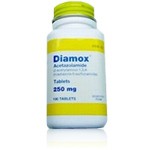
Diamox (Acetazolamide) stands as the most prescribed carbonic anhydrase inhibitor medication, serving multiple critical indications beyond traditional diuretic use including glaucoma management, high altitude sickness prevention, and idiopathic intracranial hypertension. As a unique sulfonamide-derived enzyme inhibitor, Diamox works through systemic acid-base modification that lowers intraocular pressure, stimulates breathing at altitude, and reduces cerebrospinal fluid production. The 125/250/500 mg oral tablets deliver consistent therapeutic effects across diverse clinical applications.
Acetazolamide works by selectively inhibiting carbonic anhydrase enzymes throughout the body, particularly in the eye ciliary body, kidney proximal tubule, and choroid plexus. In the eye, this blockade reduces aqueous humor production by 50-60%, dramatically lowering intraocular pressure in glaucoma. In the kidney, it prevents bicarbonate reabsorption causing mild diuresis and metabolic acidosis. The systemic acidosis triggers compensatory hyperventilation, which uniquely benefits patients at high altitude by accelerating respiratory acclimatization to thin air.
Diamox serves multiple distinct patient populations through its versatile pharmacology. For chronic open-angle glaucoma and acute closed-angle glaucoma, the medication rapidly lowers intraocular pressure preventing optic nerve damage and vision loss. For acute mountain sickness and high altitude pulmonary or cerebral edema, taken 24 hours before ascent provides 50% reduction in altitude sickness incidence. The medication also treats idiopathic intracranial hypertension (pseudotumor cerebri), certain absence epilepsies, familial periodic paralysis, central sleep apnea, hydrocephalus in selected cases, and cystinuria through urine alkalinization.
Diamox offers convenient oral dosing ranging from 125 mg daily for altitude prevention to 1000 mg daily in divided doses for glaucoma. The medication reaches peak blood concentrations within 1-3 hours and shows 6-9 hour half-life with primarily renal excretion of unchanged drug. Generic acetazolamide from quality manufacturers including Cipla, Sun Pharma, and Teva provides identical therapeutic effects to brand Diamox at substantially lower cost. The active ingredient remains chemically identical to original Lederle formulation across both branded and generic versions of this established carbonic anhydrase inhibitor therapy.


Free prescription
Discrete packaging
Have questions?
Quality Assurance

- Open Angle Glaucoma: Most common chronic glaucoma form with gradual optic nerve damage from elevated pressure;
- Closed Angle Glaucoma: Acute glaucoma form with sudden severe eye pain blurred vision requiring urgent pressure reduction;
- High Eye Pressure: Elevated intraocular pressure above 21 mmHg damaging optic nerve over time causing blindness;
- Intraocular Pressure: Fluid pressure inside eye that when elevated damages retinal ganglion cells and optic nerve;
- Pre Surgery Glaucoma: Short-term reduction of intraocular pressure before eye surgery for safer surgical conditions;
- Altitude Sickness: Headache nausea fatigue and dizziness experienced at high altitudes above 2500 meters;
- High Altitude Sickness: Acute illness from low oxygen affecting hikers climbers and travelers at elevation;
- Mountain Sickness: Common term for altitude-related symptoms from rapid ascent above 2500 meters elevation;
- Acute Mountain Sickness: Medical term for altitude illness preventable through pre-ascent acetazolamide therapy;
- Altitude Sickness Prevention: Preventive use of acetazolamide 24 hours before ascending above 2500 meters elevation;
- Pseudotumor Cerebri: Idiopathic intracranial hypertension causing headaches and vision problems from CSF buildup;
- Idiopathic Intracranial Hypertension: Increased pressure around brain without tumor causing headaches and papilledema;
- Epilepsy: Neurological seizure disorder with certain absence and atypical forms responding to acetazolamide;
- Periodic Paralysis: Rare genetic disorder causing recurrent attacks of muscle weakness and temporary paralysis;
- Familial Periodic Paralysis: Inherited form of episodic muscle weakness responding to chronic acetazolamide therapy;
- Edema: Fluid accumulation from heart pulmonary or medication-induced causes responding to mild diuresis;
- Central Sleep Apnea: Off-label use for breathing pauses during sleep from brain regulation abnormalities;
- Hydrocephalus: Selected use for cerebrospinal fluid accumulation reducing CSF production through choroid plexus;
- Metabolic Alkalosis: Acid-base disorder with elevated blood pH responding to acetazolamide bicarbonate elimination;
- Cystinuria: Inherited disorder causing cystine kidney stones treated through urine alkalinization;
- Carbonic Anhydrase Inhibitor Therapy: CA inhibitor drug class treatment for glaucoma altitude sickness and multiple indications.
- Less Aqueous Humor Production: Eye fluid production decreases 50-60% relieving glaucoma pressure load;
- Better Vision Preservation: Glaucoma patients maintain visual field and prevent progressive vision loss long-term;
- Less Altitude Sickness: Acute mountain sickness incidence drops 50% when taken 24 hours before ascent;
- Better Altitude Acclimatization: Body adapts faster to thin air through stimulated breathing and bicarbonate elimination;
- Less Mountain Headache: Altitude-related headache severity and frequency reduce significantly with prophylactic use;
- Less Altitude Nausea: Nausea and vomiting from high altitude exposure decrease with consistent therapy;
- Better High Altitude Sleep: Sleep disturbances common at altitude improve through better breathing pattern regulation;
- Less Intracranial Pressure: Brain fluid pressure decreases in pseudotumor cerebri reducing headaches and vision symptoms;
- Less Pseudotumor Headaches: Severe headaches from idiopathic intracranial hypertension reduce significantly over weeks;
- Less Periodic Paralysis Attacks: Episodic muscle weakness attacks reduce in frequency and severity with chronic therapy;
- Less Seizure Frequency: Certain absence and atypical epilepsy seizures decrease with adjunctive acetazolamide use;
- Less Central Sleep Apnea Episodes: Breathing pauses during sleep from central origin decrease through respiratory stimulation;
- Better Sleep Quality: Central sleep apnea patients gain restorative sleep through stable breathing pattern;
- Less Cerebrospinal Fluid Production: Brain fluid manufacturing decreases benefiting hydrocephalus and intracranial pressure patients;
- Less Cystine Stone Formation: Cystinuria patients form fewer kidney stones through urine alkalinization effects;
- Less Edema: Mild diuretic effect reduces fluid accumulation in selected pulmonary heart disease cases;
- Better Acid Base Balance: Metabolic alkalosis resolves through acetazolamide bicarbonate elimination mechanism;
- Less Centrally Mediated Dizziness: Selected vestibular disorders improve through carbonic anhydrase modulation effects;
- Flexible Multi-Use Therapy: Same medication serves glaucoma altitude epilepsy and multiple other indications conveniently;
- Better Quality of Life: Daily wellbeing improves as specific symptom burden reduces across treated conditions.
Generic Diamox (Acetazolamide 250 mg) Medication guide:
📖 What Diamox Is and How Acetazolamide Works
Diamox is a brand of acetazolamide, a carbonic anhydrase inhibitor with several distinct clinical uses across specialties. Approved in 1953, acetazolamide has been in continuous clinical use for over 65 years. Wyeth Pharmaceuticals (now Pfizer) manufactures Diamox; multiple generic manufacturers produce acetazolamide globally. Although historically classified as a diuretic, acetazolamide is now primarily used for glaucoma, altitude sickness prevention, idiopathic intracranial hypertension, certain seizure disorders, and central sleep apnea. Weak diuretic effect is secondary.
Diamox at a glance
| Active ingredient | Acetazolamide |
| Class | Carbonic anhydrase inhibitor |
| FDA approval | 1953 |
| Available forms | 125 mg, 250 mg, 500 mg tablets; 500 mg extended-release capsules |
| Onset | 60-90 minutes |
| Duration | 8-12 hours (regular); 18-24 hours (ER) |
| Half-life | 6-9 hours |
| Metabolism | Minimal - excreted unchanged |
| Excretion | Primarily renal |
| Manufacturer | Wyeth/Pfizer (brand); multiple generic makers |
How acetazolamide works
Blocking a widespread enzyme
Acetazolamide blocks carbonic anhydrase - an enzyme present in many tissues (kidney, eye, brain, red blood cells, choroid plexus, respiratory tract). This enzyme catalyses conversion of carbon dioxide and water to bicarbonate and hydrogen ions. Blocking it affects fluid production in the eye (glaucoma), bicarbonate excretion in kidney (metabolic acidosis and diuresis), acid-base status affecting breathing at altitude, and CSF production in brain (IIH).
The multi-indication profile
Primary indications
- Altitude sickness prevention and treatment - the most common outpatient use; 50 percent reduction in AMS incidence
- Glaucoma - reduces intraocular pressure 25-50 percent through reduced aqueous humor production
- Idiopathic intracranial hypertension (IIH) - reduces CSF production; established by IIHTT
- Central sleep apnea - reduces loop gain; specific scenarios
- Certain seizures - adjunctive; catamenial epilepsy particularly
- Metabolic alkalosis correction - occasional hospital use
- Weak diuretic - rarely used primarily for this; other diuretics preferred
The universal side effect
Paresthesia is expected
Nearly all acetazolamide clients experience paresthesia - tingling sensations typically in fingers, toes, and around mouth. This is not toxicity - it is a predictable pharmacological effect from acid-base changes in nerve tissue. Usually mild and does not require stopping the drug. Section 16 covers detail. Understanding this expected effect prevents unnecessary concern.
The metallic taste
Another common effect
Carbonated beverages taste flat or metallic on acetazolamide. This reflects the carbonic anhydrase inhibition affecting bubbles. Also affects other foods and drinks modestly. Usually mild, sometimes bothersome. Adaptation partial. Some altitude travellers particularly notice beer tasting flat.
Where acetazolamide fits in modern practice
Purposeful specific uses
Acetazolamide is not a generalist medication like metformin or amlodipine. Each use has a specific rationale supported by evidence. Modern practice uses it for defined indications - not as generic diuretic. Multi-specialty prescribing - ophthalmology (glaucoma), altitude/travel medicine (altitude illness), neurology (IIH, seizures), sleep medicine (CSA).
Where acetazolamide does not fit
Not appropriate for
- Sulfa allergy severe - acetazolamide is a sulfonamide (though cross-reactivity limited)
- Adrenal insufficiency - can worsen electrolyte imbalances
- Severe kidney disease - accumulation and metabolic acidosis
- Severe liver disease - encephalopathy risk from ammonia effects
- Hyponatremia or hypokalemia untreated
- Long-term as diuretic alone - loop or thiazide better
- Metabolic acidosis pre-existing
Duration considerations
Indication-dependent
- Altitude sickness - short term (days) around ascent
- Glaucoma - long-term if used (often bridge to surgery)
- IIH - long-term until weight loss achieved or condition resolved
- Central sleep apnea - long-term maintenance
- Seizures - as long as effective
This guide walks through what acetazolamide does across its multiple indications, why it works, the paresthesia and other expected effects, and safe use in different clinical contexts. Treat this guide as a companion to what your specific specialist (ophthalmologist, altitude medicine physician, neurologist, sleep specialist) tells you.
🌋 Diamox for Altitude Sickness Prevention Prophylaxis
Altitude sickness prevention is the most common outpatient acetazolamide use. Understanding altitude illness and prophylaxis shapes appropriate use.
Acute mountain sickness (AMS)
The altitude illness spectrum
AMS is the mild form of altitude illness affecting most rapid ascenders above 2500 meters (8000 feet). Symptoms - headache, nausea, fatigue, dizziness, sleep disturbance. Usually resolves with rest at altitude or descent. Progression to serious forms (HAPE, HACE) requires urgent treatment. Prevention is far preferable to treatment.
AMS risk factors
Higher risk situations
- Rapid ascent - flying to high altitude (Cusco, Lhasa, La Paz)
- Prior AMS history - strong predictor
- Ascent above 3500 m within 24 hours
- Sleeping altitude gain over 500 m/day above 3000 m
- Physical exertion at altitude
- Living below 900 m normally
Acetazolamide prophylaxis
Standard prophylaxis
Acetazolamide reduces AMS incidence by approximately 50 percent. Standard prophylaxis - 125 mg twice daily starting 24 hours before ascent, continued for first 2-3 days at altitude. Higher doses (250 mg twice daily) for higher-risk situations. Wilderness Medical Society guidelines endorse this regimen.
When to use acetazolamide prophylaxis
WMS recommended scenarios
- Prior AMS history - strong recommendation
- Ascent above 3500 m within 24 hours from below 1200 m
- Sleeping altitude gain over 500 m/day above 3000 m
- High-altitude trekking (Kilimanjaro, Everest base camp, high Andes)
- Business travel to high-altitude cities (La Paz, Cusco, Lhasa)
- Not routinely recommended for gradual ascent (under 500 m/day sleeping altitude gain)
The mechanism at altitude
Metabolic acidosis triggers acclimatisation
Normal altitude acclimatisation involves increased breathing rate driven by low oxygen. But this hyperventilation causes respiratory alkalosis that inhibits further breathing increases. Acetazolamide causes mild metabolic acidosis (by increasing bicarbonate excretion), which offsets the respiratory alkalosis and allows more hyperventilation - improving oxygenation. This is why acetazolamide accelerates acclimatisation.
Practical altitude planning
Trip planning with acetazolamide
- Consult travel medicine or altitude specialist before high-altitude trip
- Prescription typically obtained pre-departure
- Start 24 hours before ascent
- Continue for 2-3 days at maximum altitude
- Consider higher doses for very rapid ascents
- Discontinue during descent
- Adequate hydration essential (though not counteract acetazolamide effect)
Treatment of established AMS
Also treats symptoms
Acetazolamide 250 mg twice daily also treats established AMS. Combined with rest at current altitude or descent. Ibuprofen for headache. Antiemetic for nausea. Progression to severe AMS or HACE warrants descent and dexamethasone. Do not ascend further while symptomatic.
High altitude pulmonary edema (HAPE)
Emergency condition
HAPE - fluid in lungs at altitude. Life-threatening. Symptoms - severe breathlessness, cough, pink frothy sputum, cyanosis. Treatment - immediate descent, oxygen, nifedipine. Acetazolamide is not the primary HAPE treatment (nifedipine or sildenafil for prevention/treatment). Descent is essential.
High altitude cerebral edema (HACE)
Emergency condition
HACE - brain swelling at altitude. Life-threatening. Symptoms - severe headache, ataxia, altered consciousness, coma. Treatment - immediate descent, dexamethasone, oxygen. Acetazolamide plus dexamethasone may be used but descent is essential.
Non-pharmacological measures
Slow ascent is best
Slow gradual ascent is the most effective AMS prevention - no faster than 500 m per day above 3000 m sleeping altitude. Acetazolamide is supplementary when slow ascent is not possible. Adequate hydration, avoiding alcohol at altitude, adequate rest, avoiding heavy exertion first days at altitude all support acclimatisation.
Altitude sickness prevention is the most common outpatient acetazolamide use. WMS guidelines endorse 125 mg twice daily starting 24 hours before ascent for high-risk scenarios. Prevention reduces AMS 50 percent. Not routine for gradual ascent - slow ascent is best prevention. Consult travel medicine before high-altitude trips.
👁️ Diamox for Glaucoma Intraocular Pressure Reduction
Glaucoma is the traditional acetazolamide indication - among the first uses when the drug was introduced in 1953.
Glaucoma background
Optic nerve damage from elevated IOP
Glaucoma is a group of eye diseases causing optic nerve damage typically related to elevated intraocular pressure (IOP). Untreated causes progressive vision loss and blindness. Most common form - primary open-angle glaucoma. Also angle-closure glaucoma (can be acute emergency), secondary glaucomas.
IOP-lowering therapy hierarchy
Modern glaucoma treatment tiers
- First-line - topical eye drops (prostaglandin analogs like latanoprost)
- Second-line - additional topical drops (beta-blockers, topical CAIs, alpha-agonists)
- Third-line - laser therapy (selective laser trabeculoplasty)
- Fourth-line - surgery (trabeculectomy, minimally invasive glaucoma surgery)
- Oral CAI (acetazolamide) - bridge to surgery or specific scenarios
Acetazolamide role in glaucoma
Specific glaucoma scenarios
Oral acetazolamide is used in glaucoma when topical therapy is inadequate and surgery is planned or contraindicated. Also for acute angle-closure glaucoma emergency treatment. Rarely used long-term due to systemic side effects - topical CAIs (dorzolamide, brinzolamide eye drops) are preferred for chronic use.
Acute angle-closure glaucoma
Ophthalmologic emergency
Acute angle-closure glaucoma is sight-threatening emergency. Symptoms - severe eye pain, blurred vision, halos around lights, nausea. Requires immediate ophthalmology care. Acetazolamide (500 mg IV or oral) is part of acute treatment along with topical medications, hyperosmotic agents, laser iridotomy definitive treatment.
Acetazolamide effect on IOP
Mechanism and magnitude
- Reduces aqueous humor production 40-60 percent
- IOP reduction 25-50 percent typically
- Onset within 60-90 minutes
- Duration 8-12 hours
- Effective when topical therapy inadequate
- Additive to topical medications
Glaucoma dosing
Standard glaucoma regimen
250 mg two to four times daily typical for chronic use. Or 500 mg extended-release capsule twice daily. Or higher doses (up to 1000 mg daily) for acute glaucoma. Individualised based on IOP response and tolerance. Systemic side effects often limit long-term use.
Topical CAIs as alternative
Preferred for chronic use
- Dorzolamide (Trusopt) - topical CAI eye drops
- Brinzolamide (Azopt) - topical CAI eye drops
- Minimal systemic absorption
- Avoid paresthesia, taste changes, other systemic effects
- Preferred for long-term glaucoma management
- Oral acetazolamide reserved for specific scenarios
Long-term acetazolamide limitations
Systemic effects limit chronic use
Long-term acetazolamide often difficult to tolerate - paresthesia, taste changes, fatigue, electrolyte disturbances, kidney stones, metabolic acidosis. Most glaucoma clients prefer topical CAI eye drops for chronic use. Oral acetazolamide typically bridge therapy to surgery or short-term for acute pressure spikes.
Specific glaucoma scenarios where oral CAI fits
Appropriate scenarios
- Acute angle-closure glaucoma - emergency IOP lowering
- Bridging therapy before surgery - when topical inadequate
- Post-surgical IOP spikes - temporary IOP control
- Uveitic glaucoma - inflammation-associated IOP elevation
- Neovascular glaucoma - severe IOP elevation
- Malignant glaucoma - specific post-op complication
- When topical drops cannot be used or are inadequate
Ophthalmology follow-up
Specialist management
Glaucoma management is ophthalmology specialist care. IOP monitoring, visual field testing, optic nerve imaging, medication adjustment all specialist decisions. Acetazolamide use guided by ophthalmologist. Not a primary care condition typically.
Glaucoma is the historical acetazolamide indication. Modern use limited to specific scenarios - acute angle-closure emergency, bridging to surgery, specific complex glaucomas. Topical CAIs (dorzolamide, brinzolamide) preferred for chronic use due to fewer systemic effects. Ophthalmology specialist management.
🧠 Diamox for Idiopathic Intracranial Hypertension Treatment
Idiopathic intracranial hypertension (IIH) is a specific neurological condition where acetazolamide has established evidence.
IIH background
Elevated intracranial pressure
IIH (formerly called pseudotumor cerebri) is elevated intracranial pressure without obvious cause. Predominantly affects overweight women of childbearing age. Symptoms - headache, pulsatile tinnitus, transient visual obscurations, papilledema. Untreated can cause permanent vision loss. Weight loss is primary treatment; acetazolamide is standard adjunctive pharmacological therapy.
IIH diagnosis
Diagnostic criteria (Dandy)
- Signs and symptoms of elevated ICP (headache, papilledema)
- Elevated opening pressure on lumbar puncture (over 250 mm CSF)
- Normal CSF composition
- Normal neuroimaging (MRI) - no mass, hydrocephalus, or venous thrombosis
- No other identifiable cause
The IIHTT trial - definitive evidence
Foundational trial
The Idiopathic Intracranial Hypertension Treatment Trial (IIHTT, Wall et al. JAMA 2014) randomised 165 IIH clients to acetazolamide plus weight loss vs weight loss alone. Acetazolamide substantially improved visual field outcomes. Established acetazolamide as evidence-based standard IIH therapy. Combined with weight loss (which addresses underlying issue) provides best outcomes.
Acetazolamide IIH dosing
IIH-specific dosing
- Start 500 mg twice daily
- Titrate up as tolerated to 1000 mg twice daily (IIHTT used up to 4 g/day)
- Titration limited by side effects (paresthesia, taste, fatigue)
- Extended-release capsules (500 mg twice daily) sometimes better tolerated
- Continue while weight loss achieved and symptoms improve
The weight loss component
Primary treatment
Weight loss is the primary IIH treatment - even modest weight loss (5-10 percent body weight) substantially improves IIH. Acetazolamide is adjunctive to weight loss, not replacement. Comprehensive weight loss program including dietary intervention, exercise, potentially bariatric surgery for morbid obesity. Combined approach yields best long-term outcomes.
Ophthalmology monitoring
Essential IIH surveillance
- Visual field testing - regular assessment for defects
- Optic nerve exam - papilledema assessment
- OCT (optical coherence tomography) - retinal nerve fiber layer
- Visual acuity testing
- Neuro-ophthalmology specialist follow-up
- More frequent monitoring if visual symptoms
When acetazolamide inadequate in IIH
Escalation options
- Topiramate as alternative or additional CAI-like agent
- Furosemide as adjunctive diuretic
- Lumbar-peritoneal or ventriculoperitoneal shunting
- Optic nerve sheath fenestration - if vision threatened
- Venous sinus stenting for select cases with stenosis
- Bariatric surgery for morbid obesity
Headache management
Symptom relief
- Acetazolamide reduces headache through ICP reduction
- Additional headache-specific therapy often needed
- Topiramate (dual purpose - IIH and headache prevention)
- Standard analgesia (avoid opioids if possible)
- Consider migraine-preventive medications
Neurology specialist care
Specialist management
IIH management requires neurology or neuro-ophthalmology specialist care. Acetazolamide dose titration, visual monitoring, weight loss support, potential surgical referral all specialist decisions. Primary care coordinates but specialist drives.
IIH treatment combines acetazolamide with weight loss - IIHTT established this as standard of care. Higher doses than altitude use (up to 4 g/day). Regular ophthalmology monitoring for vision preservation essential. Weight loss is the primary treatment; acetazolamide is adjunctive. Specialist neurology or neuro-ophthalmology care.
😴 Diamox for Central Sleep Apnea Management
Central sleep apnea is a less common but specific acetazolamide indication.
Central sleep apnea background
The brainstem breathing issue
Central sleep apnea (CSA) is different from obstructive sleep apnea. CSA is failure of brainstem to send signal to breathe - not upper airway obstruction. Causes periodic breathing patterns during sleep. Less common than OSA. Associated with heart failure, high altitude, opioid use, brainstem lesions, idiopathic.
Acetazolamide role in CSA
Loop gain reduction
CSA is driven partly by high "loop gain" - oversensitive ventilatory response to blood gas changes causing periodic breathing. Acetazolamide-induced metabolic acidosis stimulates baseline ventilation, reducing loop gain and stabilizing breathing pattern. Effective in selected CSA scenarios.
CSA scenarios where acetazolamide fits
Specific scenarios
- High-altitude periodic breathing - common in altitude travelers; acetazolamide as part of altitude therapy addresses this
- Idiopathic CSA - when CPAP inadequate or not tolerated
- CSA with Cheyne-Stokes respiration in HF - specific consideration; ASV may be preferred
- Opioid-induced CSA - complex; requires opioid reduction primarily
- Not first-line for most CSA scenarios
CSA dosing
Typical CSA regimen
250-500 mg at bedtime typical for CSA. Lower dose than glaucoma or IIH. Response assessed through sleep study or symptom improvement. Titration based on tolerance and effect.
Sleep medicine hierarchy for CSA
Modern CSA treatment
- First - address underlying cause (opioid reduction, HF optimization)
- Second - positive airway pressure (CPAP, BiPAP, ASV)
- Third - supplemental oxygen in specific scenarios
- Fourth - acetazolamide as adjunctive or when other options inadequate
- Investigational - phrenic nerve stimulation (Remede system)
Sleep specialist evaluation
Diagnosis and management
CSA diagnosis requires sleep study (polysomnography). Distinguishing CSA from OSA important as treatments differ. Underlying cause identification essential. Sleep medicine specialist involvement necessary. Acetazolamide use per specialist recommendation.
Altitude-associated periodic breathing
Common altitude sleep disturbance
- Periodic breathing with apneas during sleep at altitude
- Fragmented sleep with frequent awakenings
- Adds to AMS symptom burden
- Acetazolamide improves both AMS and periodic breathing
- Standard altitude sickness prophylaxis addresses this
HF and CSA (Cheyne-Stokes respiration)
Complex scenario
HF with CSA has complex management. Adaptive servo-ventilation (ASV) was preferred but SERVE-HF trial showed harm in HFrEF. Optimising HF therapy is primary. Acetazolamide has limited role in this scenario now. Specialist sleep medicine and cardiology coordination.
Practical considerations
Bedtime dosing
Bedtime dosing for CSA logical - drug active during sleep. Watch for paresthesia and other effects that may worsen sleep quality. Balance between CSA improvement and side effect burden. Some clients find combined benefit despite side effects; others find intolerable.
Central sleep apnea is a specific but less common acetazolamide indication. Most useful in altitude-associated periodic breathing and specific idiopathic CSA scenarios. Modern CSA treatment hierarchy positions positive airway pressure ahead of acetazolamide. Sleep medicine specialist evaluation essential.
⚡ Diamox for Certain Seizure Disorders Adjunctive Use
Certain seizure disorders respond to acetazolamide as adjunctive therapy. Understanding this niche use clarifies its role.
Acetazolamide as antiepileptic
Historical antiepileptic use
Acetazolamide was one of the early antiepileptic medications. Modern practice uses it selectively as adjunctive therapy in specific seizure types. Not first-line for most seizures - modern antiepileptics (levetiracetam, lamotrigine, valproate, others) have replaced it for primary use.
Specific seizure indications
Where acetazolamide fits
- Catamenial epilepsy - seizures related to menstrual cycle; acetazolamide before menses
- Adjunctive therapy for absence seizures - modest role
- Adjunctive therapy for partial seizures - occasional
- Refractory epilepsy scenarios - specialist decision
- Episodic ataxia type 2 - specific channelopathy
- Not for status epilepticus (other agents needed)
Catamenial epilepsy - the specific niche
Hormonal seizure pattern
Catamenial epilepsy is seizures clustering around menstrual cycle - premenstrual, mid-cycle, or throughout luteal phase. Acetazolamide taken before and during vulnerable days can reduce breakthrough seizures. Typical regimen - 250-500 mg daily for 5-10 days around cycle. Complementary to baseline antiepileptic therapy.
Tolerance to antiepileptic effect
Effect wanes over time
Chronic continuous acetazolamide use for seizures shows tolerance - antiepileptic effect diminishes over weeks. This is one reason it is not first-line. Intermittent use (catamenial pattern) or short-term adjunctive use avoids this tolerance issue. Alternative strategies with newer antiepileptics generally preferred for chronic seizure management.
Modern epilepsy therapy landscape
Contemporary antiepileptics
- Levetiracetam - widely used first-line
- Lamotrigine - broad-spectrum first-line
- Valproate - broad-spectrum (avoid in pregnancy)
- Topiramate - broad-spectrum; note carbonic anhydrase inhibition similar to acetazolamide
- Carbamazepine, oxcarbazepine - partial seizures
- Ethosuximide - absence seizures
- Newer agents (perampanel, brivaracetam, cenobamate) for refractory cases
Topiramate connection
Related mechanism
Topiramate has carbonic anhydrase inhibitory effect similar to acetazolamide but with additional mechanisms. Shares some side effects (paresthesia, cognitive effects, kidney stone risk). In some scenarios (IIH, headache), topiramate substitutes for acetazolamide. In others, they can be used together but with attention to compound effects.
Practical seizure use
Neurology-directed use
- Neurology specialist evaluation for seizure disorders
- Acetazolamide adjunctive rather than primary
- Catamenial pattern most established indication
- Tolerance limits chronic use
- Combined with primary antiepileptic therapy
- Standard antiepileptic monitoring per neurology
Episodic ataxia type 2
Rare channelopathy
Episodic ataxia type 2 is a rare inherited condition with intermittent ataxia episodes. Acetazolamide can substantially reduce attack frequency. Specific niche use in neurogenetics.
Acetazolamide has adjunctive role in specific seizure disorders - catamenial epilepsy particularly, episodic ataxia type 2, some refractory scenarios. Tolerance limits chronic use. Modern epilepsy therapy uses newer antiepileptics primarily. Neurology specialist-directed use.
🔬 How Acetazolamide Inhibits Carbonic Anhydrase Enzyme
Understanding acetazolamide's mechanism clarifies its diverse clinical effects across specialties.
Carbonic anhydrase - the widespread enzyme
Catalyses hydration of CO2
Carbonic anhydrase catalyses: CO2 + H2O = HCO3- + H+. This reaction happens throughout the body but its clinical importance concentrates in kidney (bicarbonate reabsorption), eye (aqueous humor production), CNS (CSF production), red blood cells (CO2 transport), and respiratory system (breathing regulation). Multiple isoenzyme forms exist in different tissues.
Site-specific effects
Diverse effects from single mechanism
- Kidney - blocks bicarbonate reabsorption in proximal tubule; causes bicarbonate diuresis, metabolic acidosis
- Eye (ciliary body) - reduces aqueous humor production; lowers intraocular pressure
- CNS (choroid plexus) - reduces CSF production; lowers intracranial pressure
- Respiratory center - metabolic acidosis stimulates breathing; helps altitude acclimatisation and CSA
- Red blood cells - slight CO2 transport changes
- Neurons - CO2/H+ effects on nerve conduction (source of paresthesia)
Kidney effects - the diuretic aspect
Bicarbonate diuresis
Proximal tubule normally reabsorbs 85 percent of filtered bicarbonate. Acetazolamide blocks this. Bicarbonate stays in urine with accompanying sodium and water - a mild diuresis. But bicarbonate loss also causes systemic metabolic acidosis. Weak diuretic effect compared to loop or thiazide. Diuretic tolerance develops rapidly - not sustained diuresis for chronic fluid management.
Eye effects - the glaucoma mechanism
Aqueous humor reduction
- Ciliary body produces aqueous humor (fluid inside eye)
- Carbonic anhydrase in ciliary body drives bicarbonate transport
- Acetazolamide blocks this, reducing aqueous humor production 40-60 percent
- Less fluid = less pressure
- IOP falls 25-50 percent
- Onset within 60-90 minutes
CNS effects - the IIH mechanism
CSF production reduction
Choroid plexus produces cerebrospinal fluid through carbonic anhydrase-dependent processes. Acetazolamide reduces CSF production. In IIH (elevated intracranial pressure), reduced CSF production helps normalize pressure. This is why acetazolamide works for IIH - direct effect on the underlying pathophysiology.
Respiratory effects - the altitude mechanism
Metabolic acidosis stimulates breathing
- At altitude, hyperventilation from hypoxia causes respiratory alkalosis
- Alkalosis inhibits further ventilation increase
- Acetazolamide-induced metabolic acidosis offsets alkalosis
- Allows greater hyperventilation and better oxygenation
- Accelerates altitude acclimatisation
- Similar mechanism helps central sleep apnea (loop gain reduction)
Paresthesia mechanism
Nerve conduction effects
Acetazolamide affects CO2 transport and pH in nerve tissue. This changes nerve conduction slightly, causing the characteristic tingling sensations (paresthesia) most clients experience. Not toxicity - predictable pharmacological effect. Section 16 covers detail.
Pharmacokinetics
| Bioavailability | Nearly complete |
| Peak plasma | 1-4 hours |
| Half-life | 6-9 hours |
| Protein binding | Approximately 95 percent |
| Metabolism | Minimal - excreted unchanged |
| Excretion | Renal (kidney handles metabolism through excretion) |
Renal clearance dependence
CKD accumulation risk
Kidney function directly determines acetazolamide clearance. CKD causes accumulation and prolonged effect. Section 19 covers detail. Severe CKD contraindicates acetazolamide due to accumulation, metabolic acidosis, and lack of effect (kidney is the primary target).
Multi-system implications
One drug, many effects
The universal presence of carbonic anhydrase means acetazolamide affects many systems simultaneously. This produces both the therapeutic effects (in target organ) and the systemic side effects (in other organs). Side effect profile is predictable from mechanism.
Acetazolamide inhibits carbonic anhydrase - a widespread enzyme. Site-specific effects in kidney, eye, CNS, and respiratory center account for diverse indications. Same mechanism causes both therapeutic effects and predictable side effects. Understanding this pharmacology explains the drug's multi-specialty use.
🌍 Wilderness Medical Society Altitude Guidelines Overview
Wilderness Medical Society altitude illness guidelines provide the definitive framework for acetazolamide use at altitude.
WMS - the global altitude authority
Consensus guidelines
Wilderness Medical Society (WMS) publishes evidence-based consensus guidelines on prevention and treatment of altitude illness. Regularly updated. Adopted worldwide as the standard framework. Key experts (Hackett, Luks, others) contribute to guidelines. Available freely online.
Altitude illness spectrum
Three main altitude illnesses
- Acute Mountain Sickness (AMS) - most common; mild to moderate; headache plus at least one other symptom
- High Altitude Cerebral Edema (HACE) - progression of AMS with brain involvement; life-threatening
- High Altitude Pulmonary Edema (HAPE) - fluid in lungs at altitude; life-threatening; can occur without AMS symptoms
Risk stratification for prophylaxis
WMS risk categories
Low risk - gradual ascent to under 2800 m; no prior AMS. Prophylaxis not recommended. Moderate risk - moderate altitude gain or prior AMS. Acetazolamide considered. High risk - rapid ascent to over 3500 m, prior severe AMS or HAPE/HACE history. Acetazolamide recommended.
WMS acetazolamide dosing
Standard WMS regimens
- Prevention - 125 mg twice daily; start 24 hours before ascent
- Higher-risk prevention - 250 mg twice daily
- Continue for 2-3 days at maximum altitude
- Treatment of AMS - 250 mg twice daily
- Treatment of HACE (with dexamethasone) - 250 mg twice daily plus descent
- Not primary HAPE therapy (nifedipine, sildenafil, tadalafil, dexamethasone for HAPE)
Alternative acetazolamide alternatives
If acetazolamide contraindicated
Dexamethasone for AMS prevention when acetazolamide contraindicated - 2 mg every 6 hours or 4 mg every 12 hours. Alternative or additional in specific scenarios. Steroid side effect profile. Discuss with altitude medicine physician.
Gradual ascent - the non-pharmacological standard
Best AMS prevention
- Above 3000 m, sleeping altitude gain no more than 500 m/day
- Rest day every 3-4 days or every 1000 m altitude gain
- "Climb high, sleep low" principle
- Adequate hydration (water not carbonated drinks)
- Avoid alcohol at altitude
- Avoid heavy exertion first 24 hours at altitude
Recognition of AMS
Lake Louise AMS criteria
AMS diagnosis requires headache plus one or more of: gastrointestinal symptoms (anorexia, nausea, vomiting), fatigue or weakness, dizziness or lightheadedness. In someone who has recently arrived at altitude above 2500 m. Symptoms typically develop 6-24 hours after arrival.
Warning signs of severe altitude illness
Descent essential for these
- HACE signs - severe headache, ataxia, altered consciousness, confusion
- HAPE signs - severe breathlessness at rest, cough, pink frothy sputum, chest tightness
- Any severe altitude symptoms warrant immediate descent
- Descent is the single most important intervention
- Medications adjunctive to descent
Practical trip planning
Trip preparation
- Consult travel medicine or altitude specialist
- Prescription acetazolamide before departure
- Trial dose at home before trip to identify side effects
- Plan ascent profile with rest days
- Insurance for potential evacuation from high altitude
- Emergency descent plan
- Know location of nearest medical care at altitude
Special populations at altitude
Individualized advice
- Older adults - generally similar prevention approach
- Cardiovascular disease - discuss with cardiologist
- CKD - reduced acetazolamide clearance; alternative may be needed
- Pregnancy - complex; specialist consultation
- Children - dose per pediatric guidance
WMS guidelines provide the definitive framework for altitude illness prevention and treatment. Standard acetazolamide prophylaxis 125 mg twice daily starting 24 hours before ascent. Gradual ascent is the best non-pharmacological prevention. Recognition of severe altitude illness warrants immediate descent. Trip preparation includes altitude medicine consultation.
⏰ Diamox Dosing by Indication Detailed Guide
Diamox dosing varies substantially by indication. Understanding proper dosing supports effective safe use.
Standard dosing by indication
| Indication | Typical dose | Duration |
|---|---|---|
| Altitude sickness prevention | 125 mg twice daily | Start 24h before ascent; continue 2-3 days at altitude |
| Altitude sickness treatment | 250 mg twice daily | Until symptoms resolve |
| Glaucoma - chronic | 250 mg 2-4 times daily; or 500 mg ER twice daily | Long-term or bridge to surgery |
| Glaucoma - acute | 500 mg initially then 250 mg every 4-6 hours | Until IOP controlled and definitive treatment |
| IIH | 500 mg twice daily; titrate to 1000 mg twice daily as tolerated | Long-term until weight loss achieved |
| Central sleep apnea | 250-500 mg at bedtime | Long-term maintenance |
| Catamenial epilepsy | 250-500 mg daily for 5-10 days around cycle | Intermittent per cycle |
Available forms
Diamox forms
- 125 mg tablets - altitude sickness prevention typically
- 250 mg tablets - most common; multiple uses
- 500 mg tablets - higher-dose indications
- 500 mg extended-release capsules - glaucoma chronic use; better tolerated for once-daily dosing
- IV formulation available for acute hospital use
Extended-release considerations
Sustained effect
Extended-release 500 mg capsules provide 18-24 hour duration versus 8-12 hours for immediate-release tablets. Once or twice daily dosing convenient. Some clients find ER better tolerated with smoother side effect profile. Same total daily dose typically. Not used for altitude illness (immediate-release standard).
Titration principles
Response-guided
- Start at appropriate dose for indication
- Assess response over days to weeks (indication-dependent)
- Titrate up if effect inadequate and tolerated
- Reduce if side effects intolerable
- IIH may need high doses (up to 4 g/day)
- Altitude use short-term - typically no titration
Renal function and dosing
CKD requires adjustment
Acetazolamide primarily renal elimination. CKD requires dose reduction to prevent accumulation. Severe CKD (eGFR under 30) contraindicated. Moderate CKD (eGFR 30-60) - reduce dose 25-50 percent. Section 19 covers detail.
Hepatic function and dosing
Liver disease considerations
- Acetazolamide minimally metabolised by liver
- Hepatic disease itself not major dose consideration
- But cirrhosis is contraindication - metabolic acidosis can precipitate hepatic encephalopathy
- Alternative agents preferred in cirrhosis
Duration of therapy
Indication-dependent
Altitude - days. Glaucoma acute - short term bridge to surgery. Glaucoma chronic - long-term if tolerated (limited by side effects; topical CAI often replaces). IIH - long-term until weight loss and resolution. CSA - long-term maintenance. Catamenial epilepsy - intermittent per cycle. Each indication has its own duration pattern.
Expected effect timeline
Onset by indication
- Altitude prevention - effective within 24 hours; established acclimatisation over 2-3 days
- Glaucoma IOP reduction - within 60-90 minutes; sustained with continued dosing
- IIH symptom improvement - days to weeks
- CSA improvement - within days
- Paresthesia onset - within hours of first dose typically
- Metabolic acidosis - within days
Dosing varies substantially by indication - 125 mg for altitude prevention to 4 g/day for IIH. Extended-release option for chronic use. Renal function affects dosing. Duration ranges from days (altitude) to long-term (IIH, CSA). Understanding indication-specific dosing supports proper use.
📅 Starting Diamox - First Days Guide
Starting Diamox involves expectation setting about the predictable paresthesia and other effects.
Typical initiation experience
Most clients experience paresthesia (tingling fingers, toes, around mouth) within hours to first day. Metallic taste of carbonated drinks develops quickly. Modest urination increase early days. Fatigue possible first days. Actual therapeutic effect depends on indication.
The universal early experience
Understanding paresthesia will occur helps clients avoid unnecessary alarm. Not toxicity - predictable pharmacological effect. Discuss with team before starting so no surprise. Section 16 covers detail. Most clients adapt or tolerate.
Pre-treatment assessment
Baseline evaluation
- Sulfonamide allergy screening - important
- Kidney function - creatinine, eGFR
- Electrolytes baseline (potassium, sodium, chloride, bicarbonate)
- Liver function tests - baseline
- Underlying condition assessment (glaucoma, IIH, altitude planning, etc.)
- Kidney stone history - relative concern for long-term use
- Concurrent medications - aspirin, other sulfonamides particularly
- Cirrhosis or hepatic disease - contraindication check
Trial dose for altitude travellers
Test tolerance before trip
Some travel medicine specialists recommend a trial dose at home 1-2 weeks before the altitude trip. Identifies any severe reactions (rare) or intolerance before you are far from medical care. Confirms that paresthesia is tolerable. If severe reaction, alternative options can be arranged.
Setting expectations
Practical points for new starters
- Paresthesia is normal and expected - not toxicity
- Metallic taste of carbonated drinks - common
- Increased urination initially - modest
- Take at appropriate times for indication
- Adequate hydration - especially at altitude
- Report severe reactions - severe rash, breathing difficulty
- Kidney stone risk - awareness for long-term use
Follow-up schedule by indication
| Indication | Follow-up approach |
|---|---|
| Altitude prevention | No formal follow-up typically; discuss symptoms post-trip |
| Glaucoma | Ophthalmology per specialist schedule; IOP checks |
| IIH | Neurology monthly initially, then quarterly; visual field testing |
| Central sleep apnea | Sleep medicine per specialist |
| Long-term use | Electrolytes every 3-6 months; kidney function; kidney stone screening |
Warning signs during initiation
Contact team promptly if these occur
- Severe rash particularly with mucosal involvement (Stevens-Johnson concern)
- Severe breathing difficulty or wheezing
- Facial or throat swelling
- Severe abdominal pain
- Yellow skin or eyes
- Confusion or altered mental status
- Severe muscle weakness
- Kidney stone symptoms (severe flank pain)
Home monitoring priorities
- Tolerance to paresthesia and taste changes
- Response to therapy (indication-specific)
- Any severe reactions
- Kidney stone signs (long-term use)
- Muscle weakness (electrolyte concern)
The paresthesia acceptance
A predictable trade-off
Acetazolamide comes with a paresthesia trade-off. Most clients find this acceptable for the benefit (altitude sickness prevention, IIH treatment, glaucoma control). Some cannot tolerate. Setting expectations upfront helps acceptance. For altitude travellers, temporary paresthesia acceptable for AMS prevention benefit.
Diamox initiation involves setting expectations about paresthesia and other predictable effects. Trial dose helpful for altitude travellers. Different follow-up schedules by indication. Warning signs for severe reactions warrant awareness. Most clients accept the trade-off between side effects and therapeutic benefit.
📏 Diamox Response Assessment and Dose Adjustment
Response assessment and dose adjustment for Diamox vary by indication.
Indication-specific response assessment
| Indication | Response marker |
|---|---|
| Altitude prevention | AMS symptoms absence at altitude |
| Glaucoma | IOP measurement |
| IIH | Symptoms, papilledema resolution, visual fields, opening pressure |
| Central sleep apnea | Sleep study parameters; symptoms |
| Catamenial epilepsy | Seizure frequency |
Common adjustments
| Situation | Action |
|---|---|
| Inadequate response, side effects tolerated | Increase dose (indication-dependent maximum) |
| Adequate response, mild side effects | Continue current dose |
| Severe paresthesia intolerable | Consider dose reduction or switching agents |
| Metabolic acidosis substantial | Reduce dose; consider bicarbonate supplementation |
| Kidney stone develops | Reconsider long-term use |
| Rising creatinine | Reduce dose or discontinue |
| Severe fatigue | Reduce dose |
The tolerance to some effects
Adaptation over time
Some acetazolamide effects diminish with time. Paresthesia often becomes less bothersome. Metabolic acidosis stabilizes at new level. Fatigue may improve. But antiepileptic effect (in seizure use) shows tolerance in the opposite direction - loses effectiveness over weeks. Individual variation.
Long-term use considerations
Chronic use monitoring
- Electrolytes every 3-6 months - potassium, bicarbonate, sodium
- Kidney function - creatinine, eGFR
- Kidney stone screening - urinalysis periodically; imaging if symptoms
- Symptom tracking
- Underlying condition monitoring per specialty
- Reassess necessity annually - can therapy be stopped?
Combination with topical CAI (glaucoma)
Avoid combined systemic and topical CAI
Combining oral acetazolamide with topical CAI eye drops (dorzolamide, brinzolamide) provides limited additional IOP benefit but adds side effects. Not standard practice. Choose one or the other based on tolerability and effectiveness needs.
When to discontinue
Discontinuation triggers
- Altitude - after descent
- IIH - after weight loss and resolution
- Glaucoma - after surgery or if topical adequate
- Severe intolerable side effects
- Substantial metabolic acidosis
- Recurrent kidney stones
- Development of contraindication
- Loss of effect (some seizure indications)
Titration for IIH specifically
Higher-dose titration
IIH often requires higher doses than other indications. IIHTT used up to 4 g/day. Start 500 mg twice daily. Assess response and side effects. Titrate up by 250-500 mg every few days as tolerated. Maximum limited by side effects for individual client. Combine with weight loss for optimal outcomes.
Non-response investigation
If therapy ineffective
- Check adherence honestly
- Verify appropriate dose for indication
- Reassess underlying diagnosis
- Consider alternative or additional therapy
- Specialist referral for specific indication
Age-related considerations
Older adult adjustment
Older adults - lower starting doses, slower titration, careful electrolyte monitoring. Reduced kidney function common with age. Section 25 covers detail.
Response assessment and dose adjustment vary substantially by indication. Long-term monitoring includes electrolytes, kidney function, and kidney stone screening. Some tolerance develops. Discontinuation appropriate when condition resolves or side effects intolerable.
💊 How to Take Diamox Tablets Properly
Practical routines around Diamox tablets depend on indication but share common principles.
Daily routine by indication
Timing patterns
- Altitude prevention - twice daily; morning and evening
- Glaucoma - two to four times daily; spread through day
- IIH - typically twice daily; morning and evening
- Central sleep apnea - bedtime dose
- Extended-release capsules - once or twice daily
- Catamenial epilepsy - once or twice daily during cycle-related days
Anchor to daily habits
Consistent timing supports adherence
Take at same times daily - meals, morning routine, bedtime. Phone alarms helpful particularly for multiple daily doses. Weekly pillbox useful. Anchoring supports the multi-dose regimens some indications require.
Extended-release considerations
ER capsule handling
- Swallow whole - do not crush, chew, or open
- Extended-release matrix disrupted by chewing
- Once or twice daily convenient
- Better tolerated for chronic use
Hydration considerations
Adequate hydration important
Adequate hydration supports acetazolamide use particularly at altitude (dehydration itself worsens AMS) and long-term (reduces kidney stone risk). Aim for adequate urine output. Water preferred over carbonated beverages (which taste unpleasant on acetazolamide anyway).
Home monitoring priorities
What to track
- Response to therapy per indication
- Tolerance to paresthesia and taste changes
- Fatigue level
- Any severe reactions
- Kidney stone symptoms if long-term use
- Muscle weakness (electrolyte concern)
Key safety rules
Alert your team about
- Severe rash particularly with mucosal involvement
- Breathing difficulty or wheezing
- Facial or throat swelling
- Severe muscle weakness
- Kidney stone symptoms (severe flank pain, hematuria)
- Confusion or altered mental status
- Yellow skin or eyes
- Very severe fatigue
- Starting new medications
Storage
Room temperature under 25 C. Original packaging. Protect from moisture and heat. Not in bathroom or hot car. Out of reach of children. Do not use past expiry. Return unused tablets to pharmacy for disposal.
Travel packing
Altitude trip planning
- Pack in carry-on when flying
- Extra supply in case of trip extension
- Original labeled packaging
- Prescription paperwork for customs
- Trip insurance considerations
Refill planning
Depends on duration
Altitude short-term - single fill typically. IIH long-term - regular refills; mail-order 90-day supplies. Glaucoma chronic - regular refills coordinated with topical medications. Never run out for chronic indications - underlying condition management continues.
Practical routines depend on indication. Multiple daily doses common (glaucoma, IIH). Extended-release option for chronic use. Hydration supports safe use. Watch for warning signs of severe reactions. Travel considerations for altitude trips.
🍴 Food Timing and Diamox Absorption Guidance
Food timing with Diamox is flexible. Understanding practical considerations supports use.
The core rule
Take with or without food
Acetazolamide absorption is not substantially affected by food. Can be taken with or without meals. Taking with food may reduce mild GI upset some clients experience. Take at consistent times regardless of meal timing.
Carbonated beverage effects
The metallic taste phenomenon
- Carbonated drinks (beer, soda, sparkling water) taste flat or metallic
- This is universal on acetazolamide
- Not toxicity - carbonic anhydrase inhibition affects bubbles
- Beer particularly notably affected
- Water and non-carbonated drinks unaffected
Hydration recommendations
Adequate fluid intake
Adequate hydration important - at altitude, dehydration itself worsens AMS. For long-term use, hydration reduces kidney stone risk. Aim for adequate urine output (pale yellow urine). Water preferred over carbonated drinks (which taste unpleasant anyway).
Altitude-specific dietary considerations
Altitude nutrition
- High-carbohydrate diet supports altitude acclimatisation
- Adequate calorie intake despite altitude appetite loss
- Avoid alcohol at altitude
- Adequate hydration - beyond thirst signals
- Consistent meals despite AMS symptoms
Potassium-rich foods
Modest potassium wasting
Acetazolamide causes modest potassium wasting (less than loop or thiazide diuretics but present). Potassium-rich foods help - bananas, oranges, potatoes, spinach, avocados, beans, yogurt. Usually adequate without supplements unless prolonged high-dose use.
Kidney stone dietary prevention
For long-term users
- Adequate hydration (over 2-3 L daily) - most important
- Limit sodium intake
- Adequate calcium (paradoxically prevents oxalate stones)
- Limit oxalate-rich foods (spinach, chocolate, nuts) if stone-prone
- Limit animal protein intake
- Discussion with team about supplementary approaches (citrate)
Practical timing
Consistency matters more than exact timing
No specific meal timing requirement. Consistency with daily routine matters. Multi-dose regimens easier to remember when tied to meal times. Bedtime dosing for CSA. Morning dosing for altitude prevention typical.
Food timing flexibility for acetazolamide. Adequate hydration essential particularly at altitude and long-term. Carbonated beverages taste flat/metallic. Potassium-rich foods help modest wasting. Kidney stone dietary prevention important for long-term users.
🍷 Alcohol Rules During Diamox Therapy Especially Altitude
Alcohol considerations with Diamox are particularly important at altitude where combined effects can be problematic.
Alcohol at altitude specifically
Avoid alcohol during altitude ascent
Alcohol worsens altitude acclimatisation and can mimic or worsen AMS symptoms. WMS guidelines recommend avoiding alcohol during ascent and first 48 hours at altitude. This is separate from acetazolamide but combined the message is clear - no alcohol at altitude regardless of acetazolamide use.
Acetazolamide-alcohol interaction
Additive dehydration
Alcohol is diuretic and dehydrating. Acetazolamide adds mild diuretic effect. Combined dehydration can be substantial. Combined with altitude effects, this triple combination undermines acclimatisation and worsens symptoms.
The taste change consideration
Beer particularly affected
- Beer tastes flat and unpleasant on acetazolamide
- Wine less affected but still noticeable
- Spirits least affected by carbonic anhydrase effect
- Sometimes cited as unintentional altitude drinking deterrent
Non-altitude alcohol considerations
Moderate use acceptable
For non-altitude indications (glaucoma, IIH, CSA), acetazolamide plus moderate alcohol has no specific dangerous interaction beyond additive dehydration. Standard general guidance - moderate alcohol use acceptable with adequate hydration. Not specific contraindication.
General guidance
Practical rules
- At altitude - avoid alcohol entirely during ascent and first 48 hours
- Non-altitude use - moderate alcohol acceptable with adequate hydration
- Underlying liver disease - alcohol restriction based on underlying condition
- Cirrhosis - alcohol abstinence essential (also contraindication for acetazolamide)
- Kidney disease - moderate alcohol acceptable if renal function stable
Warning symptoms after drinking
At altitude particularly
Severe headache, confusion, or breathing difficulty after drinking at altitude may signal HACE or HAPE. Emergency care. Descend if possible. Do not attribute severe symptoms to alcohol alone at altitude.
Pill timing on drinking day
Take acetazolamide at usual times regardless of moderate alcohol. Do not skip doses. Continue therapy for underlying indication.
What to avoid
Higher-risk scenarios
- Any alcohol during altitude ascent
- Binge drinking
- Alcohol during acute illness
- Alcohol in cirrhosis (contraindication anyway)
- Combining substantial alcohol with any dehydration
Alcohol restriction is most important at altitude - avoid during ascent and first 48 hours. Non-altitude use allows moderate alcohol with adequate hydration. Underlying conditions (cirrhosis, kidney disease) drive their own alcohol restrictions. Beer particularly tastes flat on acetazolamide.
🚨 Diamox Side Effects Complete Overview and Warnings
Acetazolamide has a well-characterised side effect profile. Understanding these effects supports safe use.
Common side effects
Predictable pharmacological effects
- Paresthesia (tingling) - fingers, toes, around mouth; near-universal (Section 16)
- Altered taste - metallic taste of carbonated drinks; common
- Fatigue - common; adapts partially
- Increased urination - modest diuretic effect
- Nausea, anorexia - occasional
- Metabolic acidosis - common; usually asymptomatic
- Modest hypokalemia - common
- Modest hyponatremia - occasional
- Modest hypocalcemia
- Muscle weakness - from electrolyte or acidosis effects
Rare but important side effects
Rare but requires attention
- Severe hypersensitivity - sulfonamide reaction; anaphylaxis rare
- Stevens-Johnson syndrome - very rare severe skin reaction
- Toxic epidermal necrolysis - very rare
- Blood dyscrasias - aplastic anemia, thrombocytopenia, agranulocytosis (rare)
- Kidney stones - specific concern for long-term use (Section 19)
- Severe metabolic acidosis - particularly with impaired renal function
- Hepatic dysfunction - rare; can precipitate encephalopathy in cirrhosis
- Photosensitivity - rare
Side effect frequency
| Frequency | Side effect |
|---|---|
| Very common (over 30%) | Paresthesia, taste changes |
| Common (10-30%) | Fatigue, increased urination, mild electrolyte shifts |
| Uncommon (1-10%) | Nausea, muscle weakness, mild GI upset |
| Rare (0.1-1%) | Kidney stones (long-term use), significant electrolyte disturbance |
| Very rare (under 0.1%) | Blood dyscrasias, severe hypersensitivity, Stevens-Johnson syndrome |
The paresthesia dominance
The signature effect
Paresthesia is the most common and characteristic acetazolamide effect. Occurs in over 90 percent of clients. Not toxicity - predictable pharmacological effect. Usually mild and tolerable. Some find it bothersome. Some adaptation over time. Section 16 covers detail.
Fatigue considerations
Common but manageable
- Fatigue affects many acetazolamide users
- Related to metabolic acidosis and electrolyte effects
- May be more pronounced first weeks; some adaptation
- Adequate hydration and nutrition help
- Substantial fatigue may warrant dose reduction
- Section 17 covers detail
Electrolyte and acid-base effects
Predictable from mechanism
Metabolic acidosis (mild), modest hypokalemia, occasional hyponatremia and hypocalcemia. Predictable from mechanism. Usually asymptomatic. Occasionally severe requiring dose reduction or supplementation. Section 18 covers detail.
Sulfonamide hypersensitivity
The specific severe concern
Acetazolamide is a sulfonamide. Severe sulfonamide reactions include Stevens-Johnson syndrome, toxic epidermal necrolysis, anaphylaxis, agranulocytosis. Very rare but serious. Prior sulfonamide allergy history warrants alternative. Emergency care for any severe rash particularly with mucosal involvement.
Side effect management principles
General approach
- Paresthesia - reassure that predictable; usually acceptable
- Taste changes - avoid carbonated beverages; will resolve on discontinuation
- Fatigue - adequate rest; dose reduction if severe
- Electrolyte depletion - monitoring; supplements if needed
- Severe rash - stop; urgent evaluation
- Kidney stones - hydration; reconsider long-term use
- Severe hypersensitivity - permanent discontinuation
Long-term safety
Acetazolamide has 65+ years of clinical use with well-established safety profile. Short-term use (altitude) has excellent safety. Long-term use (glaucoma, IIH) has predictable ongoing side effects requiring monitoring. Serious adverse events rare but well-defined.
Acetazolamide side effects are predictable from mechanism. Paresthesia is universal and expected, not toxicity. Metallic taste, fatigue, mild electrolyte effects common. Rare serious effects include sulfonamide hypersensitivity, kidney stones (long-term), blood dyscrasias. Understanding side effect profile supports safe use.
🧤 Diamox Paresthesia Tingling Universal Expected Effect
Paresthesia is the most characteristic acetazolamide effect. Understanding this expected effect prevents unnecessary alarm.
What paresthesia feels like
Typical sensations
Tingling, pins and needles, numbness. Most commonly in fingers, toes, and around the mouth. Can affect other areas. Usually mild but sometimes bothersome. Comes and goes. Often more noticeable at rest than during activity. Not painful typically.
Timing of onset
When paresthesia appears
- Typically within hours to days of starting
- May be episodic (comes with drug levels)
- More pronounced with higher doses
- Some adaptation over weeks but rarely disappears entirely
- Resolves within days of stopping the drug
Frequency
Near-universal
Approximately 90+ percent of acetazolamide users experience paresthesia to some degree. This near-universal occurrence is why it is important to set expectations at initiation - unusual for a client not to experience it. Individual variation in severity substantial.
Why it happens - the mechanism
Nerve conduction effect
- Carbonic anhydrase inhibition in nerve tissue affects local pH
- pH changes alter nerve membrane function
- Result - abnormal sensations from mild nerve dysfunction
- Reversible - not nerve damage
- Predictable pharmacological effect, not toxicity
Distinguishing from other conditions
Not vitamin B12 deficiency
Acetazolamide paresthesia is different from other paresthesia causes (vitamin B12 deficiency, diabetic neuropathy, other neuropathies). Temporal relationship to acetazolamide start and stop is characteristic. If paresthesia persists after stopping acetazolamide, other causes should be investigated.
Management strategies
Usually just tolerance
Most clients simply tolerate paresthesia recognising it is expected and not harmful. Distraction, activity, and general acceptance help. Some clients find it more bothersome and warrant dose adjustment or drug discontinuation.
Dose relationship
Dose-dependent severity
- Higher doses cause more paresthesia
- IIH doses (up to 4 g/day) often very substantial
- Altitude prevention doses (125-250 mg twice daily) typically mild
- Extended-release formulation may be smoother
- Dose reduction reduces paresthesia
Adaptation over time
Partial improvement
Some clients notice paresthesia becomes less bothersome over weeks - either actual reduction or acclimatization. Rarely disappears completely with continued use. Individual variation. Setting expectations of partial adaptation may help.
When paresthesia warrants concern
Beyond expected pattern
- Severe paresthesia affecting function
- Paresthesia with weakness (electrolyte concern)
- Paresthesia with confusion (severe acidosis concern)
- Paresthesia persisting long after stopping the drug
- Progressive worsening rather than steady state
The trade-off acceptance
Balance benefit and burden
Most clients accept paresthesia trade-off for AMS prevention (avoiding altitude sickness worth mild tingling for a few days). For long-term use (IIH, glaucoma), acceptance more challenging. Some clients cannot tolerate long-term paresthesia and switch to alternatives. Understanding expected nature helps decision-making.
Paresthesia is the near-universal acetazolamide effect. Not toxicity - predictable pharmacological effect from CA inhibition in nerve tissue. Setting expectations at initiation prevents alarm. Most clients accept trade-off. Dose reduction helps if severe. Resolves within days of stopping.
👩🔬 Diamox Metallic Taste Fatigue Adjustment Period
Metallic taste and fatigue are the second-tier common acetazolamide effects requiring adjustment period.
The metallic taste phenomenon
Predictable and characteristic
Metallic or flat taste of carbonated beverages is characteristic of acetazolamide. Also affects other foods and drinks to lesser degree. Not toxicity - carbonic anhydrase inhibition affects taste sensation and bubble perception. Reversible with drug discontinuation.
What is most affected
Foods and drinks affected
- Beer - most notably affected; tastes flat and unpleasant
- Carbonated soft drinks - flat, metallic
- Sparkling water - loses appeal
- Champagne, prosecco - flat
- Some foods - modest changes; usually tolerable
- Non-carbonated drinks - largely unaffected
Practical taste management
Adapt beverage choices
Simply avoid carbonated beverages during acetazolamide use. Water, non-carbonated juices, non-sparkling wines still enjoyable. Coffee and tea largely unaffected. Some clients report that mint gum or citrus fruits help mask taste changes. Fully reverses within days of stopping the drug.
Fatigue considerations
Common but variable
- Fatigue affects many acetazolamide users
- Ranges from mild tiredness to substantial energy reduction
- Related to metabolic acidosis and mild electrolyte effects
- More pronounced with higher doses
- First 1-2 weeks often most severe
- Partial adaptation typical
Fatigue management
Practical strategies
Adequate rest during adjustment period. Adequate hydration. Adequate nutrition including potassium-rich foods. Modest activity as tolerated. Substantial fatigue may warrant dose reduction. In altitude use, fatigue combined with altitude effects can be substantial - plan trip pace accordingly.
Cognitive effects
Rare but reported
Some clients report cognitive effects - difficulty concentrating, slowed thinking, memory changes. Related to acetazolamide effects on CNS pH. Usually mild if present. More common at high doses. Substantial cognitive changes warrant dose reduction. Rarely persist after stopping.
The altitude adjustment
Compounded effects
- Altitude itself causes fatigue
- AMS symptoms include fatigue
- Acetazolamide adds mild fatigue
- Combined effects manageable typically
- Take rest days during trekking
- Adequate calories and hydration
Weight considerations
Modest weight loss possible
Some clients experience modest weight loss on acetazolamide - from mild diuretic effect, anorexia, or altered taste reducing food intake. Usually modest (1-3 kg). Not clinically substantial for most. IIH clients specifically encouraged weight loss which acetazolamide may modestly support.
When side effects warrant dose reduction
Signals for adjustment
- Substantial fatigue affecting daily function
- Severe paresthesia beyond tolerable
- Substantial cognitive changes
- Weight loss beyond intentional
- Any severe or unusual symptoms
Metallic taste and fatigue are common acetazolamide effects. Beer particularly affected (may deter altitude drinking). Fatigue usually adjusts over weeks. Cognitive effects rare but reported. Weight loss modest possible. All effects reversible with drug discontinuation.
🧂 Diamox Electrolyte Effects and Metabolic Acidosis
Metabolic acidosis and electrolyte effects are predictable from acetazolamide mechanism. Understanding these effects guides monitoring.
The metabolic acidosis mechanism
Bicarbonate loss
Acetazolamide blocks bicarbonate reabsorption in kidney proximal tubule. Bicarbonate lost in urine causes serum bicarbonate to fall. Result - mild non-anion-gap metabolic acidosis. Serum bicarbonate typically 18-22 mmol/L on therapy (normal 22-28). Usually well-tolerated but detectable on labs.
Clinical significance of acidosis
Usually asymptomatic
- Mild acidosis (bicarbonate 18-22) usually asymptomatic
- Contributes to some fatigue and paresthesia
- Compensatory hyperventilation (slight increase in breathing)
- Substantial acidosis (bicarbonate under 18) may cause symptoms
- Severe acidosis warrants dose reduction or bicarbonate supplementation
Hypokalemia (low potassium)
Modest potassium wasting
Acetazolamide wastes potassium modestly - less than loop or thiazide diuretics but present. Serum potassium may fall 0.3-0.5 mmol/L typically. Usually asymptomatic. Substantial hypokalemia rare unless combined with other potassium-wasting drugs. Potassium-rich diet often sufficient; supplements occasionally needed.
Hyponatremia
Occasional occurrence
- Modest reduction in serum sodium possible
- More common in older adults
- Usually mild and asymptomatic
- Substantial hyponatremia rare
- Fluid restriction may be needed if severe
Hypocalcemia and other effects
Minor calcium effects
Modest calcium changes possible. Chloride shifts. Phosphate changes. Usually not clinically significant. Comprehensive electrolyte panels monitor.
Monitoring schedule
Ongoing surveillance
- Altitude use (short-term) - no monitoring typically
- Long-term use (IIH, glaucoma) - baseline electrolytes and bicarbonate
- Recheck at 1-3 months after start
- Every 6 months long-term
- More frequent if symptoms suggest depletion
- Include creatinine and eGFR
Signs of severe electrolyte imbalance
Contact team promptly for
- Severe muscle weakness
- Cardiac palpitations or irregular heartbeat
- Confusion or altered mental status
- Severe fatigue beyond adjustment
- Persistent muscle cramps
- Deep rapid breathing (compensating severe acidosis)
Management strategies
Practical management
Mild acidosis - continue therapy; usually well-tolerated. Substantial acidosis - reduce dose; consider oral bicarbonate supplementation. Hypokalemia - potassium-rich diet; oral potassium supplement if needed. Hyponatremia - modest fluid restriction; adjust dose. Severe electrolyte imbalance - hospital assessment.
Renal function impact
Bidirectional relationship
Acetazolamide effects depend on kidney function. CKD reduces clearance leading to accumulation and worse acidosis. Substantial acidosis can worsen kidney function. Section 19 covers detail.
Sodium bicarbonate supplementation
Occasional adjunct
- Sodium bicarbonate 650 mg two or three times daily
- Or potassium bicarbonate supplement (dual purpose)
- Corrects modest acidosis
- Not needed for most clients
- Some IIH programs use routinely
Metabolic acidosis is predictable from acetazolamide mechanism. Usually mild and asymptomatic. Hypokalemia, hyponatremia, hypocalcemia possible. Long-term use requires monitoring. Severe electrolyte imbalance warrants dose adjustment or supplementation. Kidney function impacts both drug clearance and electrolyte effects.
🪩 Diamox Kidney Stone Risk Long-term Consideration
Kidney stones are a specific concern with long-term acetazolamide use. Understanding this risk supports informed decision-making.
The kidney stone mechanism
Multiple contributing factors
Acetazolamide increases urinary pH (alkaline urine), reduces urinary citrate excretion, and reduces urinary volume in some clients. These factors combine to promote calcium phosphate and calcium oxalate stone formation. Kidney stone risk is one of the specific long-term concerns.
Kidney stone risk in numbers
Frequency estimates
- Long-term acetazolamide - approximately 10-20 percent lifetime stone risk
- Higher risk with high doses (IIH clients particularly)
- Higher risk with prior stone history
- Higher risk with dehydration
- Higher risk with concurrent topiramate (also CAI-like)
- Short-term use (altitude) - very low risk
Prevention strategies
Adequate hydration is primary
Substantial hydration (over 2-3 liters daily) is the most important preventive measure. Adequate urine volume dilutes stone-forming solutes. Long-term acetazolamide users should have baseline urinary stone risk assessment. Potassium citrate supplementation reduces stone risk in some. Dietary approaches (adequate calcium, low sodium, moderate animal protein).
Kidney stone symptoms
Watch for these
- Severe flank pain - radiating to groin
- Hematuria - blood in urine (often microscopic)
- Nausea and vomiting with pain
- Urinary urgency and frequency
- Painful urination
- Seek urgent evaluation for severe pain
Screening for long-term users
Monitoring approach
- Baseline urinalysis
- 24-hour urine collection if high-risk (metabolic stone workup)
- Periodic urinalysis - annual or as symptoms arise
- Imaging (ultrasound or CT) if symptoms suggest stones
- Nephrology or urology consultation for recurrent stones
Response to kidney stone development
Reconsider long-term use
Kidney stone development on acetazolamide - reassess indication and consider alternatives. Not automatic discontinuation but warrants careful evaluation. Alternative therapies for glaucoma (topical CAI or other classes), IIH (topiramate, alternative approaches), CSA (positive airway pressure). Recurrent stones despite prevention typically prompt discontinuation.
CKD considerations
Renal function affects use
Acetazolamide primarily renal elimination. Kidney function directly affects clearance. CKD requires dose reduction. Severe CKD (eGFR under 30) contraindicated - accumulation causes severe acidosis and effectiveness diminished (kidney is the primary target).
Dosing by kidney function
| eGFR | Acetazolamide approach |
|---|---|
| eGFR 60+ | Standard doses |
| eGFR 30-60 | Reduce dose 25-50 percent; more frequent monitoring |
| eGFR under 30 | Contraindicated (accumulation, ineffective) |
| Dialysis | Contraindicated typically |
Monitoring renal function
Ongoing surveillance
- Baseline creatinine and eGFR
- Recheck at 1-3 months
- Every 6 months long-term
- More frequent if declining or dose changes
- Urinalysis for stone screening
The short-term vs long-term distinction
Different risk profiles
Short-term acetazolamide (altitude, acute glaucoma) - minimal kidney stone concern. Long-term use (IIH, chronic glaucoma) - substantial cumulative stone risk. Different risk-benefit calculations for different indications. Discussion with team about long-term risks essential before starting chronic therapy.
Kidney stones are the specific long-term acetazolamide concern. Adequate hydration is the primary prevention. Stone development warrants indication reassessment. CKD requires dose reduction; severe CKD contraindicated. Short-term use has minimal renal risk; long-term use requires stone surveillance.
💉 Diamox Drug Interactions Complete Overview and Warnings
Acetazolamide has several clinically important drug interactions. Understanding these supports safe polypharmacy.
Metabolic pathway
Minimal metabolism
Acetazolamide is minimally metabolised - mostly excreted unchanged by kidney. Not significantly affected by CYP enzymes. Interactions mostly relate to shared effects (electrolyte, acid-base, ototoxicity) or renal excretion competition.
Key interactions overview
Main interactions
| Drug | Interaction |
|---|---|
| Salicylates (high-dose aspirin) | Salicylate toxicity risk; important (Section 22) |
| Other sulfonamides | Cross-reactivity concerns; hypersensitivity |
| Digoxin | Hypokalemia can precipitate digoxin toxicity |
| Lithium | May increase lithium excretion |
| Amphetamines | Alkaline urine reduces amphetamine excretion |
| Methenamine | Alkaline urine inactivates methenamine |
| Cyclosporine | May affect drug levels |
| Topiramate | Both CAIs; additive effects; stone risk compounded |
| Diuretics (other) | Additive electrolyte effects |
Salicylate interaction - the important one
Salicylate toxicity risk
High-dose salicylates (aspirin) combined with acetazolamide can cause salicylate toxicity - the acidosis from acetazolamide increases salicylate CNS penetration. Section 22 covers detail. Low-dose aspirin (81 mg cardioprotective) generally safe. High-dose aspirin (over 1-2 g daily for rheumatologic conditions) warrants caution.
Topiramate combination
Additive CAI effects
Topiramate has carbonic anhydrase inhibitory effect. Combined with acetazolamide - additive metabolic acidosis, additive kidney stone risk, compounded paresthesia. Generally avoided but sometimes used together for specific indications. Enhanced monitoring if combined.
Digoxin combination
Hypokalemia amplifies digoxin toxicity
- Acetazolamide-induced modest hypokalemia can precipitate digoxin toxicity
- Monitor potassium and digoxin levels
- Aggressive potassium supplementation if needed
- Digoxin has limited role in modern practice anyway
Amphetamine-like drugs
Urinary alkalinisation effect
Acetazolamide makes urine alkaline. This reduces excretion of basic drugs (amphetamines, quinidine, some others). Effect on their levels. Not usually clinically important for typical use but consideration for specific clients.
Methenamine
Antimicrobial inactivation
- Methenamine (used for UTI prevention) requires acidic urine
- Acetazolamide-induced alkaline urine inactivates methenamine
- Do not combine
- Alternative UTI prevention needed if acetazolamide used
Other diuretics
Additive electrolyte effects
Combined with loop or thiazide diuretics - additive potassium wasting. Combined with potassium-sparing diuretics - modest interaction. Not standard combinations. If used together, enhanced electrolyte monitoring.
Common medications - reassuring
Compatible medications
- Warfarin - no meaningful interaction
- Statins - no meaningful interaction
- ACE inhibitors, ARBs - no meaningful interaction
- Beta-blockers - no meaningful interaction
- Metformin and other diabetes meds - no interaction
- Low-dose aspirin (81 mg) - generally safe
- Contraceptives - no interaction
- PPI acid suppressants - no interaction
Practical approach
Standard advice
Tell your team every medicine including supplements. Key concerns are salicylate combination, topiramate combination, digoxin plus hypokalemia. Standard interaction checking (Lexicomp, Micromedex) catches specific issues. Most concurrent medications compatible.
Acetazolamide has several important interactions. Salicylate toxicity from high-dose aspirin is the most important. Topiramate combination compounds effects. Digoxin combined with hypokalemia risks toxicity. Amphetamines and methenamine affected by urine pH changes. Most common medications compatible.
💊 Diamox with Aspirin and Other Sulfonamide Cautions
Sulfonamide cross-reactivity is a specific safety consideration for acetazolamide users with previous sulfonamide allergies.
Acetazolamide as sulfonamide
Chemical structure
Acetazolamide is a sulfonamide-based drug. Contains the sulfonamide chemical group (SO2NH2). This makes cross-reactivity with other sulfonamides theoretically possible in clients with prior sulfa reactions.
Sulfonamide cross-reactivity - the picture
Cross-reactivity is limited
- Cross-reactivity between sulfa antibiotics (sulfamethoxazole) and non-antibiotic sulfonamides (acetazolamide, celecoxib, thiazides, loop diuretics) is limited
- Non-antibiotic sulfonamides less commonly cause severe reactions
- Mild reactions to sulfa antibiotics do not automatically contraindicate acetazolamide
- Severe reactions (Stevens-Johnson syndrome, anaphylaxis) warrant avoidance of all sulfonamides
- Individualised risk assessment
Assessment of prior sulfa reactions
Detailed history essential
Before starting acetazolamide, detailed history of any prior sulfa reactions. Mild rash to sulfamethoxazole antibiotic is different from Stevens-Johnson syndrome. Mild reactions may allow careful acetazolamide use with monitoring. Severe reactions contraindicate acetazolamide.
Warning signs during acetazolamide use
Emergency symptoms
- Severe rash particularly with mucosal involvement - Stevens-Johnson syndrome
- Skin peeling - toxic epidermal necrolysis
- Facial or throat swelling - angioedema
- Breathing difficulty
- Severe generalized rash with fever
- Emergency evaluation for all these
Related sulfonamide drugs
Other sulfonamide medications
- Sulfa antibiotics - sulfamethoxazole (Bactrim), sulfadiazine
- Thiazide diuretics - hydrochlorothiazide, chlorthalidone
- Loop diuretics - furosemide, torsemide (but not ethacrynic acid)
- Sulfonylureas - glipizide, glimepiride, glyburide
- COX-2 inhibitors - celecoxib
- Some antivirals - amprenavir, darunavir
- Zonisamide - antiepileptic
- Topical acetazolamide analogues - dorzolamide, brinzolamide
Practical approach
Individualised assessment
Mild sulfa antibiotic rash - acetazolamide may be acceptable with careful monitoring first dose. Severe sulfa reaction - avoid acetazolamide. Ethacrynic acid is the non-sulfonamide loop diuretic alternative if diuresis needed. For altitude, dexamethasone alternative for prophylaxis. For glaucoma, non-CAI classes available.
Alternative agents for common indications
If acetazolamide contraindicated
- Altitude - dexamethasone alternative (2 mg every 6 hours or 4 mg every 12 hours)
- Glaucoma - other classes (prostaglandin analogs, beta-blockers, alpha-agonists)
- IIH - topiramate (but also sulfonamide - cross-reactivity concern); furosemide adjunctive
- Central sleep apnea - positive airway pressure
- Diuresis - loop or thiazide alternatives (also sulfonamides typically)
Cross-reactivity risk stratification
Risk categories
- No prior sulfa reaction - normal acetazolamide use
- Mild sulfa antibiotic rash - cautious use with monitoring may be acceptable
- Moderate sulfa reaction - individualized decision; consider alternatives
- Severe sulfa reaction (SJS, anaphylaxis) - avoid acetazolamide
Sulfonamide cross-reactivity between antibiotic and non-antibiotic sulfonamides is limited but exists. Severe prior reactions warrant acetazolamide avoidance. Mild reactions allow individualised assessment. Alternatives exist for each acetazolamide indication if needed.
🩸 Diamox Salicylate Toxicity Risk Awareness
Salicylate toxicity is a specific serious interaction concern with high-dose aspirin.
The interaction mechanism
Acidosis increases CNS penetration
Acetazolamide causes metabolic acidosis. This shifts salicylate from ionised to non-ionised form. Non-ionised salicylate crosses blood-brain barrier more readily. Combined with high-dose salicylate, CNS salicylate levels can rise dangerously - salicylate toxicity.
Clinical significance
Can be severe
Salicylate toxicity ranges from tinnitus and nausea to serious CNS effects (confusion, seizures, coma), metabolic disturbances, and death. The acetazolamide-salicylate combination can precipitate this in clients who tolerate either drug alone. Well-documented interaction.
Which salicylate doses matter
Dose-dependent concern
- Low-dose aspirin (81 mg cardioprotective) - generally safe with acetazolamide
- Analgesic-dose aspirin (325-650 mg occasional) - modest concern
- Anti-inflammatory-dose aspirin (2-4 g daily for rheumatologic conditions) - substantial risk
- Aspirin overdose - severe risk with concurrent acetazolamide
Salicylate toxicity signs
Watch for these
- Tinnitus (ringing in ears) - often first sign
- Nausea, vomiting
- Hyperventilation
- Confusion or agitation
- Seizures (severe)
- Coma (severe)
- Metabolic disturbances (mixed acid-base)
Practical guidance
Avoid high-dose salicylate combination
Do not combine acetazolamide with high-dose aspirin (over 1-2 g daily for rheumatologic use). Low-dose cardioprotective aspirin generally safe. Occasional analgesic aspirin acceptable. High-dose aspirin for pain warrants alternative analgesic (acetaminophen, prescription pain therapy).
Alternative pain management
Options if pain treatment needed
- Acetaminophen (paracetamol) - preferred analgesic; no salicylate interaction
- Non-salicylate NSAIDs (ibuprofen, naproxen) - use with caution; kidney concerns particularly with acetazolamide
- Topical NSAIDs - localised pain; lower systemic absorption
- Opioids for severe pain; short-term use
- Non-pharmacological approaches - PT, heat, cold, mindfulness
Response to suspected salicylate toxicity
Emergency care
Salicylate toxicity is a medical emergency. Emergency department evaluation. Check salicylate level. Treat with alkalinisation, IV fluids, possibly hemodialysis for severe toxicity. Discontinue both acetazolamide and aspirin. Not for outpatient management.
Low-dose aspirin considerations
Generally safe combination
Low-dose aspirin (81 mg daily) for cardiovascular prevention generally safe with acetazolamide. Salicylate level does not reach toxic range at this dose. Common combination in older adults on both therapies. Standard monitoring per usual practice.
Rheumatologic scenarios
Specific clinical scenario
Clients on high-dose aspirin for rheumatologic conditions (older regimens for rheumatoid arthritis) needing acetazolamide (for glaucoma) face this interaction most prominently. Alternative therapies for one or the other needed. Rheumatology, ophthalmology coordination.
Communication with all prescribers
Alert every prescriber
Any prescriber considering high-dose aspirin (or other salicylate) should know about acetazolamide use. Standard interaction databases catch this. Client awareness helps advocate for safe combinations.
Salicylate toxicity from acetazolamide plus high-dose aspirin is a specific serious interaction. Low-dose aspirin (cardioprotective) generally safe. High-dose aspirin warrants alternative analgesic. Emergency care for suspected salicylate toxicity. Communication with all prescribers prevents dangerous combinations.
⏱️ What to Do If You Miss Diamox
Missed Diamox doses impact varies by indication. Understanding the specific scenarios supports appropriate response.
Altitude prevention missed doses
Altitude scenario
If you miss altitude prevention dose during ascent, take as soon as remembered unless close to next dose. Do not double up. Continue subsequent doses. Effect on protection modest if occasional. Consistent adherence during ascent important for AMS prevention.
Chronic indication missed doses
IIH, glaucoma, CSA scenarios
- Take missed dose as soon as remembered
- Unless close to next dose - then skip
- Never double up doses
- Chronic conditions have some buffer - occasional misses less impact
- Regular missing undermines therapy - address adherence
Standard rule
Take when remembered
If you remember within a few hours - take. If close to next dose - skip missed dose. Continue regular schedule. Never double up. Half-life 6-9 hours means single missed dose has modest impact.
Multiple missed doses
Extended interruption
- Restart at usual dose - no titration needed
- Effect returns within hours
- For IIH, symptoms may recur; contact team if substantial return
- For glaucoma, IOP may rise; check with ophthalmology
- Assess adherence barriers
Adherence tips
Practical strategies
- Take at same times daily
- Anchor to daily habits (meals, wake, bedtime)
- Phone alarms labeled clearly (particularly multi-dose regimens)
- Weekly pillbox with time compartments
- Keep tablets in visible location
- Refill 2-3 weeks early for chronic use
Travel and altitude scenarios
Special situations
- Altitude trip - never miss doses during ascent
- Travel across time zones - adjust to local time gradually
- Pack extra supply for delays
- Keep in carry-on when flying
- Prescription paperwork for customs
Never stop suddenly
Consult team before stopping chronic use
For chronic conditions (IIH, glaucoma, CSA), discuss discontinuation with team. Sudden stopping may cause condition recurrence. Altitude and acute uses can stop with completion. Chronic use warrants coordinated discontinuation plan.
Missed dose impact varies by indication. Altitude prevention requires consistent adherence during ascent. Chronic conditions have some buffer for occasional misses. Standard rule - take when remembered unless close to next dose. Never double up. Chronic use warrants coordinated discontinuation.
🩺 Diamox Monitoring Electrolytes and Long-term Considerations
Long-term Diamox monitoring focuses on electrolytes, kidney function, and indication-specific parameters.
Baseline testing
- Sulfonamide allergy history - critical
- Kidney function - creatinine, eGFR
- Electrolytes - potassium, sodium, chloride, bicarbonate
- Liver function tests
- Complete blood count
- Urinalysis - baseline stone screen
- Indication-specific baseline (IOP for glaucoma, visual fields for IIH, sleep study for CSA)
Ongoing monitoring schedule
| Indication | Monitoring approach |
|---|---|
| Altitude prevention (short-term) | No routine monitoring; discuss symptoms post-trip |
| Glaucoma chronic | Electrolytes and kidney function every 3-6 months; IOP per ophthalmology |
| IIH | Electrolytes monthly initially, then quarterly; visual fields per neuro-ophthalmology; weight tracking |
| Central sleep apnea | Electrolytes every 3-6 months; sleep study per specialist |
| Long-term any indication | Full labs every 6 months; kidney stone screening annually |
Electrolyte and acid-base monitoring
Standard chemistry panel
Comprehensive metabolic panel captures serum bicarbonate (marker of acetazolamide-induced acidosis), potassium (wasting), sodium, chloride, creatinine, eGFR. Standard interval 3-6 months for long-term use. More frequent if abnormal or dose changes.
Kidney function monitoring
CKD detection
- Creatinine and eGFR trends
- Detect CKD development requiring dose adjustment
- Severe CKD (eGFR under 30) contraindicates continued use
- Modest CKD (30-60) requires dose reduction
Kidney stone screening
Long-term specific concern
Annual urinalysis for stone screening in long-term users. Assess for hematuria (blood in urine - stone marker). Urine culture if concerns. Imaging (ultrasound or CT) for symptoms. 24-hour urine collection for metabolic stone workup in high-risk clients.
Indication-specific monitoring
Specialty-specific
- Glaucoma - IOP measurement, visual fields, optic nerve imaging per ophthalmology
- IIH - visual fields, OCT, optic nerve exam per neuro-ophthalmology; weight tracking; occasional lumbar puncture
- Central sleep apnea - repeat sleep study; symptom assessment
- Seizures - seizure diary per neurology
Symptom monitoring
Home symptom tracking
- Paresthesia severity
- Fatigue level
- Any severe reactions
- Kidney stone symptoms
- Indication-specific symptoms (headaches for IIH, visual changes)
- Sleep quality (CSA)
Home monitoring for altitude use
Altitude-specific
During altitude trip - monitor for AMS symptoms (headache, nausea, fatigue). Alert warning signs - descent for severe symptoms. Standard altitude health monitoring in addition to acetazolamide use.
What warrants prompt attention
Between visits, alert team for
- Severe rash
- Breathing difficulty
- Confusion
- Kidney stone symptoms
- Severe fatigue beyond adjustment
- Yellow skin or eyes
- Substantial change in symptoms of underlying condition
Long-term acetazolamide monitoring emphasizes electrolytes, kidney function, and indication-specific parameters. Kidney stone screening annually for long-term users. Specialist follow-up for underlying condition. Short-term altitude use has minimal monitoring requirements.
👵 Diamox in Older Adults Careful Dose Consideration
Older adults may need Diamox for various indications but require careful dose consideration.
Older adult considerations
Age-related factors
Older adults have reduced kidney function (age-related eGFR decline), altered pharmacokinetics, greater polypharmacy, and different side effect susceptibility. Acetazolamide use in older adults requires dose adjustment and careful monitoring.
Specific concerns in older adults
Enhanced concerns
- Reduced kidney function - increases accumulation
- Confusion or cognitive effects - more prominent
- Falls from fatigue or dizziness
- Electrolyte imbalance - older adults more vulnerable
- Polypharmacy - diuretic and other medication interactions
- Reduced thirst - dehydration risk
- Kidney stones - lifetime cumulative risk higher
Common older adult indications
Where older adults may use acetazolamide
- Glaucoma - most common older adult indication
- Altitude travel - travel-associated use
- Central sleep apnea - some scenarios
- Adjunctive uses - individual scenarios
Starting dose in older adults
Conservative approach
Start at lower doses, slower titration, more frequent monitoring. Consider extended-release formulation for smoother pharmacokinetics. Verify kidney function before starting. Family or caregiver involvement often helpful.
Altitude in older adults
Specific considerations
- Older adults tolerate altitude modestly less well
- Cardiovascular disease common - discuss with cardiology before high altitude
- Standard acetazolamide prophylaxis applicable
- Reduced dose (125 mg) may be preferred
- Trip pacing important - rest days
- Emergency planning
Glaucoma in older adults
Topical typically preferred
Systemic acetazolamide use often limited in older glaucoma clients due to side effects. Topical CAIs (dorzolamide, brinzolamide eye drops) generally better tolerated. Oral acetazolamide reserved for specific scenarios - acute angle-closure emergency, bridging to surgery, severely elevated IOP unresponsive to topical.
Cognitive considerations
Watch for cognitive changes
Older adults more susceptible to cognitive effects from acetazolamide - confusion, slowed thinking, memory changes. Reduce dose or discontinue if substantial. Distinguish from other causes of cognitive change in older adults.
Polypharmacy considerations
Interaction attention
- Comprehensive medication review essential
- Low-dose aspirin common - acceptable with acetazolamide
- Diuretics may compound electrolyte effects
- Digoxin combination - watch hypokalemia
- Regular medication reconciliation
Fall prevention
Diuretic and dizziness effects
Mild diuretic effect and fatigue from acetazolamide can increase fall risk. Fall prevention measures - stand up slowly, adequate lighting, remove tripping hazards, physical therapy for balance if concerns. Bathroom accessibility particularly important given mild diuretic effect.
Deprescribing considerations
When to reduce or stop
- Substantial cognitive effects
- Recurrent falls
- Kidney function decline requiring alternative
- Alternative options for indication available
- Underlying condition resolution
- End-of-life care focus
Older adults may need acetazolamide but require careful dose consideration. Reduced kidney function, cognitive effects, fall risk, polypharmacy all considerations. Topical alternatives often preferred for chronic glaucoma. Individualised approach based on indication and overall status.
🤒 Sick Days and Illness on Diamox Therapy
Sick day management with Diamox depends on indication and current use pattern.
Altitude-related illness
Distinguish altitude from other illness
If becoming unwell at altitude, may be AMS itself. AMS symptoms include headache, nausea, fatigue. Continue acetazolamide (may be why symptoms are milder than they would be otherwise). Additional altitude-specific measures - rest, hydration, descent for severe symptoms.
Non-altitude illness scenarios
Standard illness management
- Minor cold, eating normally - continue acetazolamide
- GI illness with vomiting/diarrhoea - hold temporarily; dehydration risk
- Fever without dehydration - continue usually
- Reduced eating - continue if tolerating pills; hold if unable
- Hospitalisation - team decides continuation
The dehydration concern
Additive dehydration
Illness with vomiting/diarrhoea causes dehydration. Acetazolamide adds mild diuretic effect. Combined dehydration risks kidney injury, electrolyte imbalance, more severe acidosis. Hold acetazolamide during dehydration-prone illness. Resume when hydration restored and eating normally.
Fluid management during illness
Hydration approach
- Attempt small frequent sips of fluid
- Oral rehydration solutions for gastroenteritis
- Track urine output
- Watch for dehydration signs
- IV fluids if severe
When to seek medical care
Sick day escalation triggers
- Persistent vomiting unable to keep down fluids
- Signs of severe dehydration
- Substantial confusion (severe acidosis or electrolyte concern)
- Severe muscle weakness
- Severe abdominal or flank pain
- High fever with worsening symptoms
- Substantially reduced urine output
Indication-specific illness scenarios
Special scenarios
- Glaucoma client with GI illness - hold acetazolamide, continue topical eye drops
- IIH client with GI illness - hold briefly; monitor headache; resume promptly
- CSA client with illness - hold if unable to keep pills down
- Altitude client becoming ill at altitude - could be AMS; assess symptoms; consider descent
Recovery and restart
Resuming acetazolamide
Resume acetazolamide when eating and drinking normally for 24 hours. No re-titration needed for brief interruption. Check kidney function if illness was severe. Monitor for symptoms of underlying condition return.
Preparing for illness
Sick day plan
- Discuss sick day rules with team at start of therapy
- Written sick day plan for chronic use
- Contact information for after-hours advice
- Oral rehydration solutions available
- Thermometer and basic supplies
Sick day management with acetazolamide involves holding during dehydration-prone illness. Continue during mild illness with adequate intake. Distinguish altitude illness from other causes. Emergency care for severe symptoms. Restart when eating and drinking normally.
📅 Vaccinations and Immunizations While Taking Diamox
Vaccinations are important preventive care. Acetazolamide does not affect vaccine responses.
No interaction with vaccines
Free to vaccinate
Acetazolamide does not affect immune response or vaccine effectiveness. No adjustment needed around vaccines. No specific timing requirements. Continue as usual.
Recommended vaccines
Standard adult vaccines
- Annual influenza vaccine
- Pneumococcal vaccine per current guidance
- Hepatitis A - important for altitude travellers to endemic areas
- Hepatitis B
- Tdap or Td - every 10 years
- Shingles (zoster) - Shingrix over age 50
- COVID-19 - per current recommendations
- Travel vaccines as needed for destination
Altitude travel vaccine considerations
Travel medicine consultation
Altitude trips often involve travel to developing countries or specific regions. Travel medicine consultation covers acetazolamide prescription plus destination-specific vaccines (yellow fever, hepatitis A, typhoid, potentially others). Comprehensive pre-travel preparation.
Post-vaccine considerations
Brief post-vaccine effects
Mild fatigue or injection site soreness for 1-3 days typical. Continue acetazolamide. Adequate hydration. If severe reaction with substantial illness, follow sick day rules.
Vaccines are important preventive care. Acetazolamide has no interaction with vaccines - continue as usual. Standard adult vaccine schedule applies. Travel medicine consultation for altitude trips covers both acetazolamide and destination vaccines.
🤰 Diamox in Pregnancy - Specific Situation Considerations
Acetazolamide in pregnancy requires careful consideration - specific concerns balance against maternal indications.
Pregnancy category
Concerns from animal studies
Acetazolamide crosses placenta. Animal studies showed teratogenic effects at high doses. Human data limited but suggest general safety at therapeutic doses. Modern practice uses cautiously - avoid first trimester if possible; use in later pregnancy if clearly needed.
Indication-specific pregnancy scenarios
Different indications different considerations
- Altitude sickness prevention in pregnancy - avoid high altitude in pregnancy generally; if travel necessary, individualized discussion
- Glaucoma in pregnancy - topical CAIs preferred; oral acetazolamide only if essential
- IIH in pregnancy - complex; specialist decision; may be continued with careful monitoring
- Central sleep apnea - typically not indicated in pregnancy
The IIH pregnancy scenario
Complex balance
IIH clients may need continued acetazolamide during pregnancy - vision loss risk if untreated exceeds theoretical fetal risk. Individualised specialist decision. Neuro-ophthalmology and obstetric coordination. Lowest effective dose. Alternative strategies (weight management, surgical options) considered.
Preconception planning
Before conception
- Discuss acetazolamide use with specialists
- Optimize underlying condition
- Consider alternative therapies for pregnancy period
- Weight loss for IIH clients ideally before conception
- Folic acid supplementation
- High-risk obstetric consultation for complex cases
Altitude travel and pregnancy
Generally avoid high altitude
Pregnancy is generally considered relative contraindication for high altitude travel (over 3000 m). Reduced oxygen may affect fetal wellbeing. Acetazolamide typically not used for altitude prevention in pregnancy. If altitude travel unavoidable, specialist consultation for individualized advice.
Unplanned pregnancy on acetazolamide
If pregnancy discovered while on acetazolamide - do not panic. Consult specialists urgently. Review medication and alternatives. Continued use for essential indications (IIH particularly) may be appropriate. Individualised decision based on underlying condition and pregnancy stage.
Male fertility
No known effect of acetazolamide on male fertility. No specific counselling needed for men trying to conceive.
Acetazolamide in pregnancy is used cautiously. Altitude travel typically avoided in pregnancy. IIH may require continued use with specialist coordination. Individualised decisions balancing maternal indication and fetal considerations. Specialist consultation essential.
🍼 Breastfeeding While Taking Diamox Acetazolamide Safely
Breastfeeding on acetazolamide has limited safety data but is generally considered compatible.
The current picture
Low milk transfer
Acetazolamide passes into breast milk in small amounts. Infant exposure is low. Generally considered compatible with breastfeeding. Some caution warranted especially for prolonged use or in premature infants.
Standard practice
- Generally compatible with breastfeeding
- Monitor infant for unusual symptoms
- Discussion with obstetric and specialist teams for chronic use
- Short-term altitude use during breastfeeding typically acceptable
- Long-term IIH treatment can typically continue during breastfeeding
Post-breastfeeding transition
Continue acetazolamide per indication - lifelong for chronic indications, resolved for short-term. Standard care per underlying condition.
General breastfeeding considerations
- Monitor infant weight and feeding
- Watch for unusual sleepiness or fussiness in infant
- Continue therapy per indication
- Consult pediatrician if concerns about infant
Acetazolamide is generally compatible with breastfeeding. Low milk transfer. Monitor infant for unusual symptoms. Continued use for essential indications typically acceptable during breastfeeding.
⚕️ Diamox Around Procedures and Surgery Management
Procedural planning with Diamox requires indication-specific consideration.
Standard procedural approach
Indication-specific decisions
For most procedures, brief acetazolamide hold on morning of surgery acceptable. Chronic use (glaucoma, IIH) - continuation preferred to avoid symptom rebound. Discuss with team based on procedure and indication.
Pre-procedure preparation
Standard checklist
- Discuss with surgical/anesthesia team
- Note underlying indication
- Check electrolytes and kidney function if long-term use
- Brief hold morning of surgery typically acceptable
- Continue for minor procedures with adequate hydration
- Resume promptly to avoid indication return
Ophthalmology procedures
Glaucoma surgery considerations
If acetazolamide used bridging to glaucoma surgery, may be continued to procedure day. Post-op continuation until IOP established. Local anesthesia for most ophthalmic procedures. Standard NPO for general anesthesia.
Major surgery considerations
Perioperative considerations
- Anesthesia team awareness of underlying condition
- Watch for acidosis compounding during surgical stress
- Hold acetazolamide brief periods acceptable
- Resume when eating post-op
- IIH clients - restart promptly to avoid ICP elevation
Post-procedure resumption
Standard resumption
Resume acetazolamide when eating and drinking normally. Standard post-procedure monitoring per underlying condition. No re-titration needed for brief interruption.
Procedural acetazolamide management involves brief holds for most surgeries. Chronic use resumption promptly to avoid indication return. Ophthalmology-specific considerations for glaucoma surgery. Anesthesia team awareness of underlying condition important.
🔄 Switching Acetazolamide and Alternative Options
Switching Diamox to alternatives depends on indication and reason for change.
Common reasons to switch
- Severe side effects despite dose adjustment
- Sulfa allergy discovered
- Kidney stone development
- CKD progression below eGFR 30
- Cost or availability
- Underlying condition resolution
- Chronic use tolerability - topical CAI for glaucoma
Indication-specific alternatives
If acetazolamide inadequate or contraindicated
- Altitude - dexamethasone (2 mg every 6 hours or 4 mg every 12 hours) as alternative or additional
- Glaucoma - topical CAIs (dorzolamide, brinzolamide), prostaglandin analogs, beta-blockers, alpha-agonists, other classes
- IIH - topiramate (but also CAI-like effects), furosemide adjunctive, weight loss, surgical options (shunt, optic nerve sheath fenestration)
- Central sleep apnea - CPAP, BiPAP, ASV, supplemental oxygen
- Seizures - modern antiepileptics (levetiracetam, lamotrigine, valproate, others)
Switching to topical CAI for glaucoma
Better long-term tolerability
Dorzolamide and brinzolamide eye drops provide CAI effect on IOP without systemic side effects. Preferred for chronic glaucoma use. Switch from oral acetazolamide to topical CAI often improves tolerance while maintaining IOP control. Ophthalmology-guided switch.
Switching to topiramate for IIH
Similar mechanism
Topiramate has carbonic anhydrase inhibitory effect similar to acetazolamide. Also has headache prevention benefit useful in IIH. Alternative when acetazolamide not tolerated. Similar side effect profile (paresthesia, cognitive effects, kidney stones) - may not resolve intolerance.
Discontinuation scenarios
When to stop
- Altitude - after descent
- Glaucoma - after successful surgery or adequate topical control
- IIH - after weight loss and resolution
- Recurrent kidney stones
- Severe intolerance
- CKD progression
- Alternative therapy successful
Switching approach
General switching principles
- Stop acetazolamide day before new agent starts
- Start alternative at appropriate initial dose
- Monitor for indication return
- Adjust as needed based on response
- For chronic use, gradual transition may be preferred
Switching acetazolamide follows the indication and reason. Topical CAIs preferred for chronic glaucoma. Dexamethasone alternative for altitude if sulfa allergy. Topiramate similar mechanism for IIH. CPAP for CSA. Modern antiepileptics for seizures. Indication-specific alternative selection.
🛑 Diamox Contraindications When to Avoid Acetazolamide
Acetazolamide contraindications require careful assessment before starting.
Absolute contraindications
Never use acetazolamide if
- Prior serious sulfonamide hypersensitivity - Stevens-Johnson syndrome, anaphylaxis
- Severe hepatic disease - cirrhosis, encephalopathy risk
- Severe kidney disease (eGFR under 30) - accumulation, ineffective, worse acidosis
- Adrenal insufficiency
- Chronic non-congestive angle-closure glaucoma long-term (progression risk despite pressure reduction)
- Severe electrolyte depletion untreated
- Metabolic acidosis pre-existing severe
Relative contraindications
Use with caution or consider alternatives
- Mild sulfa allergy - individualised assessment
- Moderate CKD (eGFR 30-60) - dose reduction
- Kidney stone history - long-term use consideration
- Pregnancy - specialist decision for essential indications
- Pediatric use - specialist decision
- Severe fatigue disability
- Chronic aspirin use high-dose - salicylate toxicity risk
- Topiramate use - additive CAI effects
Cirrhosis - specific contraindication
Encephalopathy precipitation
Cirrhosis clients cannot handle metabolic acidosis from acetazolamide - can precipitate hepatic encephalopathy through ammonia accumulation. Contraindicated in cirrhosis. Alternative therapies for cirrhotic clients with any of the acetazolamide indications.
Severe renal impairment
eGFR under 30
Severe CKD contraindicates acetazolamide - accumulation causes severe acidosis, drug is ineffective (kidney is primary target), electrolyte disturbances severe. Alternative approaches for each indication needed.
Adrenal insufficiency
Electrolyte concerns
- Adrenal insufficiency causes electrolyte imbalances
- Acetazolamide compounds these
- Contraindicated in untreated adrenal insufficiency
- Adequately treated adrenal insufficiency - individualised
Pregnancy considerations
Section 28 covers pregnancy considerations. Individualised assessment based on indication and pregnancy stage. Altitude travel typically avoided in pregnancy. IIH may require continued use.
Specific populations
Population-specific considerations
- Older adults - lower doses; careful monitoring
- CKD - dose reduction eGFR 30-60; contraindicated under 30
- Cirrhosis - contraindicated
- Pregnancy - specialist decision for essential indications
- Breastfeeding - generally compatible
- Sulfa allergy - individualized based on severity
- Pediatric - specialist decision
Absolute discontinuation triggers
Stop permanently if
- Severe hypersensitivity reaction
- Stevens-Johnson syndrome
- Blood dyscrasia (aplastic anemia, agranulocytosis)
- Severe hepatic dysfunction
- Salicylate toxicity
- Recurrent severe kidney stones
- Progression to severe CKD
Modern positioning
The right client picture
Acetazolamide fits altitude sickness prevention (short-term), specific glaucoma scenarios (bridging to surgery), IIH (long-term), central sleep apnea (specific scenarios), certain seizures (adjunctive). Not appropriate in severe kidney or liver disease, severe sulfa allergy, or as chronic diuretic alone.
Acetazolamide has specific contraindications - severe sulfa allergy, cirrhosis, severe CKD, adrenal insufficiency. Relative contraindications include mild sulfa reactions, moderate CKD, kidney stone history, pregnancy. Alternatives exist for each indication if needed.
📦 Storage Travel and Purpose-Specific Review Approach
Long-term Diamox use involves storage practices, indication-specific reviews, and coordinated specialist care.
Storage rules
Basic storage
Room temperature under 25 C. Original packaging. Protect from moisture and heat. Not in bathroom or hot car. Out of reach of children. Do not use past expiry. Return unused tablets to pharmacy for disposal.
Travel considerations
Traveling with Diamox
- Carry in original labeled packaging
- Keep in carry-on when flying
- Extra supply for altitude trips or long trips
- Prescription paperwork for customs (especially altitude destinations)
- Adequate hydration during travel
- Note underlying condition for medical documentation
Refill planning
Depends on duration
Altitude short-term - single fill. IIH long-term - regular refills. Glaucoma chronic - regular refills coordinated with topical drops. Never run out for chronic conditions - underlying condition management continues.
Annual comprehensive review
Yearly assessment includes
- Acetazolamide response - per indication
- Continued indication - is therapy still needed?
- Kidney function - creatinine, eGFR
- Electrolytes and bicarbonate - full panel
- Kidney stone screening - urinalysis; imaging if symptoms
- Liver function tests
- Indication-specific - IOP, visual fields, weight for IIH, sleep study
- Vaccination status
- Medication review
- Cost or coverage changes
Emergency information
Medical identification
Medical bracelet or wallet card listing underlying diagnosis and current medications including acetazolamide. Note sulfa medication for allergy documentation. Important for emergency care.
Advance care planning
- Underlying condition management preferences documented
- Healthcare proxy identified
- Emergency contacts current
- Deprescribing discussions if appropriate
Lifelong specialist relationship
Multi-specialty coordination
Chronic acetazolamide use warrants specialist care per indication. Ophthalmology for glaucoma. Neuro-ophthalmology or neurology for IIH. Sleep medicine for CSA. Primary care coordinates. Regular follow-ups adjust therapy over time.
The long-term picture
Acetazolamide as sustainable therapy
Acetazolamide is one of the older medications still in continuous clinical use. 65+ years of experience across multiple indications. For appropriate clients tolerating side effects, provides long-term therapeutic benefit. Regular monitoring supports safe long-term use. Not all clients tolerate long-term therapy - individualised approach with alternatives available.
Support resources
Indication-specific organizations
- Glaucoma Research Foundation - glaucoma support
- Wilderness Medical Society - altitude medicine resources
- Intracranial Hypertension Research Foundation - IIH support
- American Academy of Sleep Medicine - sleep disorder resources
- Epilepsy Foundation - if seizure indication
Simple storage, sensible travel practices, and indication-specific long-term review support sustained acetazolamide therapy. Coordinated specialist care for chronic indications. Regular monitoring detects changes. This is a well-established multi-indication medication with predictable effects supporting appropriate clients over years.
Diamox — Frequently Asked Questions
-
What is Diamox (Acetazolamide)?
Diamox is a medication used to treat glaucoma, altitude sickness, and certain types of seizures. -
How does Diamox work?
It works as a carbonic anhydrase inhibitor, reducing fluid production in the body. -
Who should not take Diamox?
People with severe liver or kidney disease, adrenal gland problems, or who are allergic to sulfonamides should avoid it. -
How should I take Diamox?
Take it as prescribed by your doctor, usually with food to reduce stomach upset. -
Can Diamox be used with other medications?
Inform your doctor about all your current medications, as Diamox can interact with certain drugs. -
What are the side effects of Diamox?
Common side effects include tingling in the hands/feet, hearing changes, and taste alterations. -
What should I do if I miss a dose?
Take the missed dose as soon as you remember, but skip it if it's almost time for your next dose.
📚 Drug Description Sources:
The information in this Diamox (acetazolamide) guide is drawn from ophthalmology, altitude medicine, neurology, sleep medicine, and clinical pharmacology sources. Content reflects over 65 years of clinical experience since acetazolamide's introduction in 1953. Diamox is manufactured by Wyeth Pharmaceuticals (now part of Pfizer) and other generic manufacturers globally. Acetazolamide is a carbonic anhydrase inhibitor with several distinct clinical uses - glaucoma, altitude sickness prevention, idiopathic intracranial hypertension, certain seizures, and central sleep apnea. Despite classification as a diuretic historically, weak fluid-removal is secondary to primary therapeutic applications.
🏛️ Regulatory and government agencies
- FDA (US Food and Drug Administration) - acetazolamide approved 1953 (one of the oldest carbonic anhydrase inhibitors still in use); current DailyMed prescribing information
- EMA (European Medicines Agency) - acetazolamide authorised across European Union
- MHRA (UK) - acetazolamide summary of product characteristics
- Health Canada - acetazolamide product monograph
- PMDA (Japan) - acetazolamide approval
📚 Professional societies and clinical guidelines
- American Academy of Ophthalmology (AAO) Glaucoma Guidelines - CAI role in glaucoma management
- European Glaucoma Society Guidelines - IOP-lowering therapy
- Wilderness Medical Society (WMS) Consensus Guidelines - altitude illness prevention and treatment; primary global authority on altitude medicine
- International Headache Society (IHS) - IIH criteria and management
- American Academy of Neurology - IIH and seizure disorder guidelines
- American Academy of Sleep Medicine (AASM) - central sleep apnea considerations
🔬 Landmark clinical research
- Idiopathic Intracranial Hypertension Treatment Trial (IIHTT) - Wall et al. JAMA 2014 - 165 IIH clients; acetazolamide plus weight loss vs weight loss alone; established acetazolamide efficacy for IIH visual outcomes
- Multiple altitude sickness prevention trials - Hackett, Luks and colleagues - established acetazolamide 50 percent reduction in AMS incidence
- Wilderness Medical Society meta-analyses on altitude illness prophylaxis
- Glaucoma trials establishing CAI role for IOP reduction
- Central sleep apnea studies - Owens and colleagues - acetazolamide in loop gain reduction
- Historical seizure trials - acetazolamide as adjunctive antiepileptic
📖 Medical references and textbooks
- Wilderness Medicine (Auerbach) - the standard altitude medicine reference
- Shields Textbook of Glaucoma - ophthalmology reference
- Bradley's Neurology in Clinical Practice - neurology reference
- Principles and Practice of Sleep Medicine (Kryger) - sleep medicine reference
- Goodman and Gilman Pharmacological Basis of Therapeutics
- UpToDate - acetazolamide monographs across specialties
- Lexicomp and Micromedex - acetazolamide drug information databases
- American Journal of Ophthalmology, Journal of Glaucoma, High Altitude Medicine and Biology - specialised journals
Note: This information is educational and does not replace consultation with the appropriate specialist for your condition (ophthalmology for glaucoma, altitude medicine or travel clinic for altitude sickness, neurology for IIH or seizures, sleep medicine for sleep apnea). Acetazolamide has 65+ years of clinical experience with well-established uses. The near-universal paresthesia (tingling sensations) is a predictable pharmacological effect rather than toxicity. Always follow the treating team's specific instructions for your specific indication.
🩺 Medical Expert Review:
Content based on the published research and clinical practice of authorities in altitude medicine, glaucoma, idiopathic intracranial hypertension, and sleep medicine - the disciplines shaping acetazolamide use worldwide.
Prof. Peter H. Hackett, MD
Director, Institute for Altitude Medicine; Founder, Denali Medical Research Project; formerly University of Colorado — Telluride, Colorado, USA
Prof. Hackett is considered the foremost authority on altitude medicine and high-altitude illness. Founder of the Institute for Altitude Medicine. Contributed foundationally to Wilderness Medical Society altitude illness guidelines. His scholarship on acute mountain sickness, high altitude pulmonary edema, high altitude cerebral edema, and acetazolamide prophylaxis defines the field. Widely cited altitude medicine investigator globally.
Prof. Robert N. Weinreb, MD
Distinguished Professor and Chairman, Department of Ophthalmology; Director, Shiley Eye Institute and Hamilton Glaucoma Center; UC San Diego School of Medicine — La Jolla, California, USA
Prof. Weinreb is a global authority in glaucoma research and clinical care. Past President of the World Glaucoma Association and the American Glaucoma Society. His scholarship on glaucoma pathophysiology, IOP-lowering therapies including carbonic anhydrase inhibitors, and glaucoma clinical trials shapes worldwide glaucoma practice. Over 800 peer-reviewed publications.
Prof. Michael Wall, MD
Professor of Neurology and Ophthalmology; Director, Neuro-Ophthalmology Service; University of Iowa Health Care — Iowa City, Iowa, USA
Prof. Wall led the landmark Idiopathic Intracranial Hypertension Treatment Trial (IIHTT) establishing acetazolamide efficacy for IIH. His scholarship on IIH pathophysiology, visual field testing, and neuro-ophthalmology shaped modern IIH management. Widely cited neuro-ophthalmologist and past officer of the North American Neuro-Ophthalmology Society.
Prof. Andrew M. Luks, MD
Professor of Medicine; Division of Pulmonary, Critical Care and Sleep Medicine; University of Washington School of Medicine — Seattle, Washington, USA
Prof. Luks has published extensively on altitude medicine, high altitude illness prevention, and pulmonary physiology at altitude. Co-author of Wilderness Medical Society guidelines on altitude illness. His scholarship covers acetazolamide dosing, altitude preparation, and high-altitude related pulmonary complications. Widely cited altitude and pulmonary medicine investigator.
Prof. Robert L. Owens, MD
Associate Professor of Medicine; Division of Pulmonary, Critical Care and Sleep Medicine; UC San Diego School of Medicine — La Jolla, California, USA
Prof. Owens has published extensively on sleep-disordered breathing, central sleep apnea, and ventilatory control. His scholarship covers acetazolamide role in central sleep apnea, loop gain reduction, and altitude-related sleep disturbances. Widely cited sleep medicine and pulmonary investigator.
More Diuretics Medications