Buy Imitrex (Sumatriptan 25/50/100mg) Online - First in Class Triptan for Acute Migraine Attack Treatment

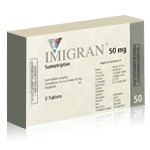
Imitrex (Sumatriptan Succinate) stands as the first-in-class triptan medication — the pharmaceutical breakthrough that revolutionized acute migraine attack treatment when FDA-approved in 1991. Developed by Glaxo (now GSK), sumatriptan created an entirely new drug class of selective serotonin 5-HT1B/1D receptor agonists specifically designed to abort migraine attacks in progress. Manufactured by Sun Pharmaceutical Industries India as bioequivalent generic, Imitrex is available in 25, 50, and 100 mg oral tablets providing flexible dosing for men and women experiencing migraine attacks. Unlike prophylactic migraine medications (like Depakote taken daily to prevent migraines), Imitrex is taken at the onset of a migraine attack to stop the attack in its tracks and enable rapid return to normal activities.
Sumatriptan works through selective activation of serotonin 5-HT1B and 5-HT1D receptors at multiple sites relevant to migraine pathophysiology. At 5-HT1B receptors on cranial blood vessels, sumatriptan produces selective vasoconstriction of dilated meningeal arteries that contribute to migraine pain. At 5-HT1D receptors on trigeminal nerve endings, sumatriptan inhibits pain transmission and release of vasoactive neuropeptides (CGRP, substance P) that mediate migraine inflammation. This dual action produces rapid migraine relief: onset within 30 minutes to 2 hours, headache freedom in 60-70% of attacks within 2 hours at 100 mg dose, associated migraine symptoms (nausea, photophobia, phonophobia) resolve alongside headache, and patients can return to normal activities quickly.
Imitrex serves the primary indication of acute migraine attack treatment in adults with or without aura. The medication is taken at first sign of migraine — during the aura phase for those experiencing it, or at first onset of headache for those without aura. Effective across migraine with aura, migraine without aura, menstrual migraines, and cluster headaches (off-label). Not effective for tension headaches or sinus headaches — proper migraine diagnosis is essential.
Imitrex requires on-demand dosing at migraine onset. Standard starting dose 50 mg oral, can repeat once after 2 hours if needed, maximum 200 mg/day. Peak concentrations at 2.5 hours, 2-2.5 hour half-life. Sun Pharmaceutical Industries India manufactures under WHO-GMP standards.


Free prescription
Discrete packaging
Have questions?
Quality Assurance

- Migraines: Recurrent moderate-to-severe headaches with associated neurological symptoms;
- Migraine with Aura: Migraine variants with visual sensory or motor aura preceding headache;
- Migraine Without Aura: Common migraine without preceding neurological symptoms;
- Menstrual Related Migraines: Hormone-triggered migraine attacks responding to acute triptan therapy;
- Migraine Associated Nausea: Nausea accompanying migraine attacks resolving with headache treatment;
- Migraine Photophobia: Light sensitivity during migraine improving with acute triptan therapy;
- Migraine Phonophobia: Sound sensitivity during migraine resolving with attack abortion;
- Severe Migraine Attacks: Debilitating attacks requiring rapid abortive therapy for functional restoration;
- Moderate Migraine Attacks: Moderate-intensity migraines benefiting from early triptan intervention;
- Occasional Migraines: Infrequent attacks not requiring daily prophylactic therapy responding to as-needed triptans;
- Cluster Headaches: Severe unilateral headache attacks responding to triptan therapy;
- 5-HT1B Receptor Agonism: Selective serotonin receptor activation causing cranial vasoconstriction;
- 5-HT1D Receptor Agonism: Selective serotonin receptor activation inhibiting trigeminal pain transmission;
- Early Migraine Intervention: Best results when taken at first sign of migraine before pain peaks;
- Return to Normal Activities: Enables rapid resumption of work travel and family activities after migraine;
- Alternative to Opioids: Migraine-specific therapy avoiding non-specific pain medications with dependence risk;
- On Demand Migraine Therapy: As-needed abortive treatment taken at migraine onset;
- Triptan Therapy: Drug class targeting serotonin 5-HT1B/1D receptors for migraine abortion;
- Generic Imitrex Therapy: Bioequivalent generic alternative to brand-name Imitrex at substantially lower cost.
- 30 Minute Onset: Effect begins within 30 minutes to 2 hours of dosing enabling rapid attack abortion;
- Less Migraine Duration: Individual migraine attacks shorten dramatically with triptan intervention;
- Less Migraine Severity: Attack intensity reduces significantly when treated early with sumatriptan;
- Less Migraine Nausea: Nausea accompanying migraine resolves alongside headache treatment;
- Less Photophobia: Light sensitivity during migraine improves with acute triptan therapy;
- Less Phonophobia: Sound sensitivity during migraine resolves with attack abortion;
- Better Cranial Vasoconstriction: 5-HT1B receptor activation constricts dilated meningeal arteries reducing migraine pain;
- Less Trigeminal Pain Transmission: 5-HT1D receptor activation reduces pain signal transmission;
- Less CGRP Vasoactive Peptide Release: Reduced inflammation-mediating neuropeptide release during migraine;
- Better Return to Normal Activities: Rapid symptom resolution enables quick return to work and daily function;
- Less Migraine Related Work Absence: Effective abortive therapy reduces migraine-related sick days;
- Better Menstrual Migraine Response: Hormone-triggered migraines respond well to sumatriptan;
- Better Early Intervention Response: Best results when taken at first sign of migraine before pain peaks;
- Better Flexible Dose Options: 25/50/100 mg strengths enable dose personalization based on attack severity;
- Better Migraine Specific Therapy: Targeted mechanism versus non-specific painkillers with dependence risk;
- Less Opioid Dependency Risk: Non-opioid abortive therapy avoids opioid-related risks;
- Less Migraine Anticipatory Anxiety: Knowing effective rescue therapy exists reduces anxiety about future attacks;
- Better Generic Cost: 85-95% lower cost than brand Imitrex makes proven abortive therapy accessible;
- Better Quality of Life: Daily wellbeing improves dramatically as migraine attacks stop rapidly and normal function returns.
Generic Imitrex (Sumatriptan 25 mg) Medication guide:
🎯 Why doctors prescribe sumatriptan
Imitrex delivers sumatriptan — the first triptan on the market (1992) and still the most widely prescribed drug in the class. It is used for the acute abortive treatment of migraine attacks: taken at the first sign of an attack to stop the headache before it becomes severe. It is not a daily preventive medication — preventive therapy uses different drugs (beta-blockers, topiramate, CGRP antagonists) taken continuously.
Sumatriptan comes in three delivery formats, each with different onset and use case: oral tablets (25, 50, 100 mg) are the standard first choice; subcutaneous injection (6 mg) acts within 10 minutes and is used for severe or rapidly escalating attacks; nasal spray (5, 10, 20 mg) offers middle ground between oral speed and injection discomfort. All three use the same molecule and share the same contraindications.
💡 What sumatriptan does and does not do
It aborts an active migraine attack if taken early enough. It does not prevent future attacks, does not treat tension headaches or sinus headaches, and should not be used for the regular daily headache that comes from medication overuse. For patients having four or more migraines per month, a separate preventive medication is usually added so that sumatriptan is needed less often.
The strongest responders to sumatriptan are men and women with a confirmed migraine diagnosis who recognize their attacks early and take the medication within the first 30-60 minutes of pain onset. Patients who wait until pain is severe or who have other headache types (cluster headache, tension-type, cervicogenic) have more variable response. The right diagnosis is the foundation of success.
| 🎯 Clinical scenario | Sumatriptan fit | Typical outcome |
|---|---|---|
| ✅ Episodic migraine, no CV disease | Excellent | 60-70% pain-free at 2 hours (early treatment) |
| ✅ Severe attacks needing injection | Very good | 80% response within 1 hour (subcutaneous) |
| ⚠️ Late treatment (severe pain already) | Moderate | Lower response rates, more rescue needed |
| ⚠️ Frequent migraines (10+ days/month) | Add prophylaxis | Medication overuse headache risk |
| ❌ Coronary artery disease | Contraindicated | Vasoconstriction risk |
| ❌ Hemiplegic or basilar migraine | Contraindicated | Stroke risk; different therapy needed |
👩⚕️ Doctor's pearl — Dr. Pablo Hernandez
"The single biggest predictor of sumatriptan success is how early the patient takes it. Taken at mild pain within 30 minutes of onset, the two-hour pain-free rate is nearly double what it is when taken at severe pain. Patients who 'wait to see if it goes away on its own' consistently get worse results."
🔬 How sumatriptan stops a migraine attack
A migraine attack is not simply a bad headache — it is a neurovascular event involving dilation of cranial blood vessels, inflammation of surrounding tissues, and activation of pain pathways. Sumatriptan acts on each of these components through its activity at specific serotonin receptors in the trigeminovascular system.
Sumatriptan is a selective agonist at the 5-HT1B and 5-HT1D serotonin receptor subtypes. The 5-HT1B activity narrows the abnormally dilated blood vessels around the brain; the 5-HT1D activity dampens the release of inflammatory neuropeptides (CGRP, substance P) that cause the pain. Together, these effects stop the attack mechanism rather than just masking the pain.
Because sumatriptan constricts blood vessels (its therapeutic effect), it also has mild effects on coronary arteries. This is clinically irrelevant for the vast majority of patients but becomes significant in anyone with coronary artery disease — the drug's contraindication list reflects this. Patients with cardiac risk factors require screening before sumatriptan is prescribed.
| 📊 Parameter | Oral | Subcutaneous | Nasal |
|---|---|---|---|
| Onset | 30 min | 10 min | 15 min |
| Peak plasma | 60-120 min | 12 min | 60-90 min |
| Half-life | ~2 hours | ~2 hours | ~2 hours |
| Bioavailability | ~14% (first-pass) | ~96% | ~17% |
| Metabolism | Hepatic (MAO-A) | Hepatic (MAO-A) | Hepatic (MAO-A) |
| Max dose/24h | 200 mg | 12 mg | 40 mg |
🧪 Why MAO-A matters for interactions
Sumatriptan is metabolized primarily by monoamine oxidase A (MAO-A). This explains the absolute contraindication with MAOI antidepressants — combining sumatriptan with an MAOI leads to markedly elevated sumatriptan levels and a high risk of serotonin syndrome and cardiovascular events. A 14-day washout is required between MAOI discontinuation and sumatriptan initiation.
👥 Who benefits most from sumatriptan
The ideal candidate for sumatriptan is a patient with a confirmed migraine diagnosis, no cardiovascular contraindications, and recognizable attack onset that allows early treatment. Patients with uncertain diagnosis, cardiac risk factors, or very frequent attacks all require additional assessment before this medication is prescribed.
Confirmed episodic migraine, 1-4 attacks per month, no cardiovascular disease, recognizable aura or prodrome, early-attack recognition.
Patients with multiple cardiac risk factors (hypertension, diabetes, smoking, age 65+, strong family history), frequent attacks requiring prophylaxis evaluation.
Coronary artery disease, uncontrolled hypertension, hemiplegic/basilar migraine, recent MI or stroke, current MAOI use, ergot medications within 24 hours.
Age considerations matter for cardiovascular safety. Sumatriptan is approved for adults 18 and older and for adolescents 12-17 in some jurisdictions. Men and women over 65 require cardiovascular risk assessment before first use because coronary disease prevalence rises sharply after age 50. First-dose cardiovascular screening (clinical history, blood pressure, often an ECG) is prudent for anyone with cardiac risk factors regardless of age.
| 👤 Patient profile | Approach | Expected pattern |
|---|---|---|
| Adult 18-40, episodic migraine, healthy | Oral 50 mg at first sign | 60-70% pain-free at 2 hours |
| Adult, rapidly severe attacks | Subcutaneous 6 mg | Rapid relief in 10-20 minutes |
| Adult, nausea-prominent attacks | Nasal spray or injection | Bypasses oral tolerance issue |
| Patient 45-55 with mild cardiac risk | Cardiovascular screen first | May need in-office first dose |
| Patient 65+ | Full cardiovascular workup | Consider alternative if risk high |
| On SSRI for depression | Use with caution, monitor | Rare serotonin syndrome risk |
🛑 Absolute contraindications — cardiovascular and neurological
- Coronary artery disease (known angina, prior MI, documented stenosis)
- Vasospastic angina (Prinzmetal's angina)
- Uncontrolled hypertension
- Peripheral vascular disease
- Hemiplegic or basilar migraine (stroke risk)
- History of stroke or TIA
- Severe hepatic impairment
- Current MAOI use or within 14 days of discontinuation
- Ergot medications within 24 hours
- Another triptan within 24 hours
The partner / family dimension matters for severe attacks. Patients who experience severe migraines may need help preparing the medication (especially injections), may need to lie down in a dark room for hours, and may need to miss work or caregiving responsibilities. Honest conversation with household members about what a migraine actually looks like — and about what support helps — eases both the attack experience and the recovery.
🔍 Diagnosing migraine correctly before any triptan use
Correctly identifying migraine — and distinguishing it from other headache types — is the foundation of successful sumatriptan use. The drug works for migraine but not for tension-type headache, cluster headache, cervicogenic headache, or secondary headaches from other medical causes. Treating the wrong headache type with sumatriptan wastes doses, delays correct diagnosis, and can mask serious conditions.
📋 ICHD-3 criteria for migraine without aura
- 5+ lifetime attacks meeting the criteria below
- Duration 4-72 hours untreated
- At least two of: unilateral, pulsating, moderate-severe, aggravated by activity
- At least one of: nausea/vomiting, photophobia + phonophobia
- Not better explained by another condition
Migraine with aura adds fully reversible neurological symptoms — usually visual (zigzag lines, blind spots), sometimes sensory (tingling in face or hand), lasting 5-60 minutes and typically preceding the headache. Aura is useful diagnostically because it is a highly specific migraine marker, but it also raises specific concerns: patients with aura have slightly higher stroke risk, and hemiplegic or basilar aura is a contraindication to triptan use.
| 🔍 Headache type | Key features | Sumatriptan response |
|---|---|---|
| Migraine without aura | 4-72 h, unilateral, pulsating, nausea, light/sound sensitivity | Primary indication |
| Migraine with aura | Visual/sensory aura preceding headache | Effective (except hemiplegic/basilar) |
| Tension-type headache | Bilateral, tight-band pressure, no nausea | Not indicated (ineffective) |
| Cluster headache | Severe unilateral orbital pain, autonomic features, 15-180 min | Subcutaneous may help; nasal usually used |
| Medication overuse headache | Daily or near-daily headache in a patient overusing acute meds | Making things worse — needs taper |
| Secondary headache | Caused by other medical condition | Not indicated — treat underlying cause |
🚨 Red flags that are NOT migraine — urgent workup needed
- "Worst headache of my life" (thunderclap — possible subarachnoid hemorrhage)
- New headache in a patient over 50
- Headache with fever, stiff neck, rash (possible meningitis)
- Progressive headache getting steadily worse over days or weeks
- Headache with new neurological symptoms (weakness, confusion, vision loss persisting)
- Headache after head trauma
- Headache that wakes from sleep (new pattern)
- Headache in pregnancy or postpartum (consider venous sinus thrombosis)
Expect your clinician to confirm the diagnosis through history (symptom pattern, trigger associations, family history), physical examination (neurological exam, blood pressure), and sometimes imaging (MRI brain if red flags present or diagnosis unclear). Many patients attribute years of headaches to "stress" or "sinus" when the actual pattern meets migraine criteria — a diagnosis that opens access to effective targeted treatment.
👩⚕️ Doctor's pearl — Dr. Fatou Diop
"When a patient tells me they have 'sinus headaches' that respond to nothing, I ask about photophobia, nausea, and pulsating quality. Nine times out of ten these are undiagnosed migraines that have gone untreated for years because the pattern was mislabeled. A correct diagnosis changes everything."
🚀 Starting treatment and the timing that matters
Starting sumatriptan well is largely about timing and formulation choice. The dose range is relatively narrow for each formulation; the technique is where outcomes are won or lost. Most patients start with the oral tablet and move to injection or nasal spray only if the oral form is too slow or impossible to keep down because of nausea.
The most important rule is to take the dose at first recognition of the attack — while pain is mild or moderate, not after it is severe. Early treatment produces far better outcomes: the two-hour pain-free rate is roughly double when sumatriptan is taken within 30 minutes of pain onset versus later. Patients who "wait to see if it goes away" consistently get worse results.
If nausea is prominent or vomiting is likely, the oral tablet may not be the right first choice — absorption is poor when the stomach is upset or empty. Options include nasal spray (bypasses the gut), subcutaneous injection (fastest and most reliable), or oral tablet with an antiemetic (metoclopramide can both help the nausea and improve sumatriptan absorption).
🎯 First-attempt checklist
Take at first recognition of the attack, not when severe. On an empty stomach for fastest absorption or with a light snack. Full glass of water helps dissolution. Then rest in a dark, quiet room for the next 30-60 minutes. If attack frequency is 4+ per month, discuss adding a preventive medication at the next visit — do not try to control frequent attacks with sumatriptan alone.
⏰ On-demand use and medication overuse prevention
Sumatriptan is strictly an on-demand abortive medication. It is taken only when an attack starts, not daily, not prophylactically, and not more often than the maximum allowed in a 24-hour period. The temptation to take it preventively or at the first hint of any headache leads directly to medication overuse headache — a self-perpetuating condition that makes migraines worse rather than better.
Only during confirmed migraine attacks. At first recognition. Maximum 2 doses per 24 hours oral (or 2 SC, or 2 nasal). Fewer than 10 use days per month on average.
Daily or near-daily use. Multiple doses within hours. More than 10 use days per month. "Just in case" dosing. Preventive use.
⚠️ Medication overuse headache (MOH) — the trap
Using any acute migraine medication (including triptans) more than 10 days per month on a regular basis can trigger a chronic daily headache syndrome that does not respond to the medication — and gets worse with more use. The only treatment is a complete washout under medical supervision, often with transitional therapy. Prevention through disciplined use is far easier than treatment after the fact.
Patients having 4 or more migraines per month often need preventive medication alongside their abortive sumatriptan. Preventive options include beta-blockers (propranolol), antiepileptics (topiramate, divalproex — but see teratogenicity warnings), CGRP antagonists (newer injectable or oral options), candesartan, and non-pharmacological approaches (biofeedback, acupuncture, trigger management). Adding a preventive medication reduces attack frequency so that sumatriptan is needed less often.
| 📅 Attack frequency | Approach |
|---|---|
| Rare (less than 1/month) | Sumatriptan on demand only; no preventive needed |
| 1-3 per month | Sumatriptan on demand; consider preventive if disabling |
| 4-7 per month | Add preventive medication; monitor use days |
| 8-14 per month | Preventive essential; watch for MOH |
| 15+ per month (chronic) | Headache specialist referral; MOH assessment |
📕 Keep a headache diary
A simple diary noting date, severity (1-10), duration, triggers, medication taken for each attack is the single most useful tool for migraine management. Three months of diary data allows the prescriber to see patterns the patient misses, confirm whether sumatriptan is working, identify triggers worth avoiding, and recognize medication overuse before it causes problems. Smartphone apps or paper work equally well.
The diary also matters at the prescriber visit. Instead of "my headaches are kind of frequent," you can say "I had 6 attacks last month, each lasted an average of 8 hours, and sumatriptan worked for 4 of them." That precision transforms the clinical conversation.
💊 Formulation choice and nausea management
The three sumatriptan formulations — oral tablet, nasal spray, subcutaneous injection — each have strengths and weaknesses. Choosing the right formulation for a patient's attack pattern often matters more than fine-tuning the dose. Many patients benefit from having two formulations available — oral for routine attacks and injection or nasal spray for severe or nausea-prominent attacks.
Simplest, cheapest, most familiar. Onset 30 min, peak 1-2 h. Best when attacks develop slowly without severe nausea.
Faster than oral (onset 15 min). Bypasses nausea. Taste can be unpleasant.
Fastest (onset 10 min, peak 12 min). Highest bioavailability. Needle anxiety is the main barrier.
The subcutaneous injection deserves specific attention because it is dramatically more effective and faster than the oral form — but patients avoid it because of needle apprehension. Modern auto-injectors hide the needle, deliver the dose in seconds, and are much easier to use than traditional syringes. For patients whose attacks are severe or whose oral tablets fail, the injection is often the difference between a lost day and a controlled attack.
| 🎯 Scenario | Preferred formulation | Why |
|---|---|---|
| Mild-moderate attack, early recognition | Oral tablet 50-100 mg | Simple, cost-effective |
| Severe or rapidly escalating attack | Subcutaneous 6 mg | Fastest onset |
| Nausea or vomiting prominent | Nasal spray or injection | Bypasses gut |
| Night-time attack | Nasal spray or injection | Faster relief; can sleep sooner |
| Needle phobia | Oral + nasal combination | Reasonable alternatives to injection |
| Travel / limited privacy | Oral or nasal | Easier in public settings |
🤔 Food timing with oral sumatriptan
Oral sumatriptan is better absorbed on an empty stomach, but if nausea is already present, taking it with a few sips of water and a small cracker may improve tolerance without substantially slowing onset. The key is to take it as soon as possible at the start of an attack — food timing is less important than attack timing.
Antiemetic combination is worth discussing with the prescriber if nausea routinely accompanies attacks. Metoclopramide (prescription) both treats the nausea and improves oral sumatriptan absorption. Ondansetron is an alternative with different side-effect profile. For some patients, the antiemetic alone brings enough relief that triptan dosing becomes less frequent.
📅 Timeline of response and the recurrence pattern
Patients often ask how quickly sumatriptan will work. The answer depends on formulation and timing of the dose. Subcutaneous injection delivers measurable relief within 10-20 minutes; oral tablets take 30-60 minutes to begin working and up to 2 hours for maximum effect. Taking the dose early in the attack dramatically improves the response at every time point.
| 📅 Time since dose | What to expect | What to do |
|---|---|---|
| 0-15 min | Nothing yet (oral); injection starts working | Rest in dark quiet space, hydrate |
| 30-60 min | Oral starts; pain beginning to ease; some triptan sensations possible | Continue to rest; wait for full effect |
| 1-2 h | Peak effect; most patients experience significant relief | Try to sleep if possible |
| 2-4 h | Should be pain-free or markedly better | If still symptomatic, second dose option |
| 24 h | Recovery; "postdrome" fatigue common | Rest, hydration, gentle return to activity |
If the first dose did not help at all, a second dose usually will not either — this is a non-response rather than inadequate dose. Options then include trying a different triptan (patients who do not respond to sumatriptan sometimes respond to zolmitriptan, rizatriptan, or others), adding an NSAID, or using an injection formulation if the oral failed.
If the first dose helped partially and the headache returned within hours, a second dose at the 2-hour mark often works. This is recurrence, not non-response, and it is a common pattern — up to 30% of patients experience headache return within 24 hours.
📖 The postdrome — expect it
After a migraine attack resolves, many patients experience a postdrome — a day of fatigue, mild cognitive dulling, muscle soreness, or mood change. This is part of the migraine cycle, not a side effect of sumatriptan. Rest, hydration, and gentle return to normal activity usually produce full recovery within 24 hours.
👩⚕️ Doctor's pearl — Dr. Yuki Nakamura
"If a patient tells me sumatriptan 'does not work for them,' my first question is when do they take it. More than half the time, the answer reveals the problem — they are taking it 3-4 hours into a severe attack. Earlier dosing almost always rescues the response without changing the drug."
📆 First several attacks and what to track
The first several attacks on sumatriptan are a learning period. You are discovering how quickly the medication works for you, which formulation suits your attack pattern, how long relief lasts, and whether side effects are tolerable. Taking notes during this period produces useful data for the first follow-up visit.
Learn the mechanics. How fast does it work? Any triptan sensations? Partial or complete relief?
Confirm the pattern. Is the response consistent? Does recurrence happen? Is a second dose needed?
Settled approach. Clear plan, side effects acceptable, formulation choice confirmed.
A simple attack log for the first 10 attacks captures the pattern. Record date, time of onset, severity (1-10), suspected trigger, formulation used, time to dose, time to meaningful relief, whether a second dose was needed, any side effects, and whether the headache returned within 24 hours. Ten entries like this allow the prescriber to adjust formulation, dose, or add preventive therapy intelligently.
| 🎯 Opening-attack habit | ✅ Keep | ❌ Avoid |
|---|---|---|
| Timing | Take at first recognition | Wait to see if it worsens |
| Setting | Dark, quiet, cool room | Continue driving / working through pain |
| Hydration | Full glass of water with dose | Dehydrated attack |
| Second dose | Only if partial response after 2 h | Second dose when first did nothing |
| Documentation | Headache diary entry | Trying to remember from memory |
| Alcohol | None during attack recovery | Treating with alcohol afterward |
🚨 Red flags during or after the dose
- Chest pain, pressure, or tightness that is new or severe (not usual triptan sensation)
- Shortness of breath
- Jaw pain or arm pain accompanying chest discomfort
- Sudden severe weakness on one side (possible stroke)
- Severe allergic reaction — rash, swelling, breathing difficulty
- Signs of serotonin syndrome — agitation, tremor, fever, confusion (especially if on SSRI)
✅ What a smooth opening period looks like
- 60-70% pain-free at 2 hours in most attacks
- Any triptan sensations mild and brief
- No red-flag symptoms
- Clear attack diary entries
- Comfort with the dosing routine
📊 Long-term use and medication overuse prevention
Long-term sumatriptan use raises different questions than first-attack management. The central concerns are monitoring use frequency (prevention of medication overuse headache), periodic diagnostic review (making sure the headache picture has not changed), and preventive medication consideration (if attack frequency rises or stays high).
Tolerance to sumatriptan is uncommon. The response usually stays stable over years of use. What some patients describe as the drug "stopping working" is more often medication overuse headache — the daily headache that develops with regular triptan overuse and does not respond to the triptan.
| 📆 Milestone | What to review | Possible action |
|---|---|---|
| Month 3 | Response rate, attack frequency, use days | Confirm appropriate formulation and dose |
| Month 6 | Attack frequency trend, cardiovascular status | Add prophylactic if 4+/month |
| Annual | Full review including BP, cardiovascular risk | Age-related reassessment |
| Any time use rises | New triggers, headache transformation | MOH screening, prophylaxis review |
The preventive medication question comes up when attacks reach 4 or more per month. Prophylaxis reduces attack frequency so that sumatriptan is needed less often, which both improves quality of life and reduces MOH risk. Options include beta-blockers (propranolol, metoprolol), topiramate, candesartan, divalproex (not for women of childbearing age without strict precautions), CGRP antagonists (newer monoclonal antibodies or oral gepants), and onabotulinum toxin A (for chronic migraine with 15+ headache days per month).
🛡️ MOH prevention — the four key rules
- Use sumatriptan fewer than 10 days per month
- Track use days with a monthly diary count
- If attacks exceed 4/month, add preventive medication rather than more acute meds
- Review with prescriber if use days creep upward over several months
🌟 Signs long-term use is working well
- Attack frequency stable or declining
- Use days consistently under 10 per month
- Response rate at 2 hours consistently 60-70%+
- Side effects minimal
- No red-flag symptoms
- Cardiovascular status stable
👩⚕️ Doctor's pearl — Dr. Pablo Hernandez
"For any patient using sumatriptan more than 8 days per month, I raise the preventive medication conversation. Waiting until they are using triptans every day usually means they are already in medication overuse headache — much harder to treat than to prevent."
💡 Lifestyle factors that reduce attack frequency
For migraine patients, lifestyle factors directly reduce attack frequency — often substantially. A patient who identifies and avoids their main triggers, protects consistent sleep, manages stress, and stays well-hydrated often sees attack frequency drop by 30-50% within a few months. The sumatriptan then becomes needed less often, lowering medication overuse risk.
📊 Impact of lifestyle changes on migraine frequency
Sleep consistency is the single most powerful lifestyle lever for migraine. Both too little and too much sleep can trigger attacks, and irregular bedtimes (weekends shifting hours later) are a classic migraine provocateur. A fixed bedtime within 30 minutes of the same time each night — weekdays and weekends — reduces attack frequency measurably in most patients.
🏆 The three habits with the biggest payoff
If you can only change three things in the first month, make it consistent sleep schedule (within 30 min of same bedtime weekdays and weekends), daily hydration (2+ L water, more if active), and one identified trigger removed (based on your diary pattern). These three contribute more to attack frequency reduction than most people realize.
Stress is both a trigger and a consequence of frequent migraines. Simple stress management tools — brief daily mindfulness, regular walks, honest work-life boundaries — reduce attack frequency and also help with coping during attacks. For patients with chronic migraine, formal cognitive-behavioral therapy and biofeedback have evidence for reducing both attack frequency and medication reliance.
💧 Hydration patterns and weight considerations
Dehydration is a reliable migraine trigger in many patients. Even mild fluid deficit (2-3% body weight) can precipitate attacks in susceptible people. Consistent hydration is one of the simplest and most effective non-drug tools for reducing attack frequency, and it is often overlooked.
2-2.5 L water daily for most adults, more if active, hot climate, or exercising. Pale-straw morning urine confirms adequate intake.
Obesity is a risk factor for migraine chronification. Weight loss in overweight patients can reduce attack frequency over months.
The practical hydration pattern that works for most migraine patients: a large glass of water on waking, water with each meal, and a water bottle visible throughout the day. Caffeine is diuretic but not disqualifying — moderate coffee intake is usually fine and may actually help some patients.
| 🕘 Time of day | Hydration target | Why |
|---|---|---|
| On waking | 500 mL water | Replace overnight losses |
| Morning | 500 mL water + coffee if usual | Steady fluid; moderate caffeine OK |
| Midday | 500 mL water + lunch | Maintain through work day |
| Afternoon | 400 mL water | Afternoon slump is a trigger window |
| Evening | Dinner + 200 mL water | Steady but avoid overnight waking |
🏃 Hydration around exercise
Exercise is protective against migraines long term, but dehydration during exercise is a frequent trigger. Rules: drink 500 mL in the hour before exercise, 150-200 mL every 20 minutes during moderate exercise, and more if sweating heavily or in hot conditions. Electrolyte replacement for longer sessions.
Weight factors into migraine in a specific way: obesity is a risk factor for migraine chronification (the transformation from episodic to chronic migraine). Patients with BMI over 30 who lose 5-10% body weight often see meaningful reduction in attack frequency within 6-12 months. This is a slow but real lever — worth pursuing alongside the acute and preventive medication plan.
🍽️ Dietary triggers and the elimination approach
Food triggers for migraine are highly individual. The classic list — chocolate, aged cheese, red wine, MSG, nitrates in processed meats — triggers attacks in some patients but not others. The way to identify your own triggers is a systematic elimination and reintroduction process using the headache diary, not blanket avoidance of all commonly cited foods.
- Alcohol (especially red wine)
- Chocolate
- Aged cheese (tyramine)
- Processed meats (nitrates)
- MSG (some Asian takeout)
- Caffeine withdrawal (missing usual coffee)
- Fasting / skipped meals
- Artificial sweeteners (aspartame)
- Regular balanced meals
- Water throughout the day
- Mediterranean-style eating
- Omega-3 rich foods (fatty fish)
- Leafy greens, legumes
- Magnesium-rich foods (nuts, seeds)
- Moderate consistent caffeine
- Fresh fruits and vegetables
The elimination experiment is simple. For 2-4 weeks, cut out one suspected trigger entirely while keeping everything else constant. Record attack frequency and severity in the diary. If attacks drop meaningfully, that food is likely a trigger. If no change, reintroduce it and try the next suspect. One at a time — eliminating everything at once produces no useful information.
The skipping meals trigger deserves specific attention because many patients discover it as the most reliable trigger they have. Blood sugar drops, caffeine withdrawal, and dehydration often combine when meals are skipped. For migraine patients, consistent meal timing — even if the content is imperfect — is more protective than optimal nutrition on an irregular schedule.
| 🍽️ Dietary strategy | Expected effect |
|---|---|
| Consistent meal timing | Reduces attacks for most patients |
| Mediterranean dietary pattern | General protective trend |
| Elimination of identified triggers | Can reduce frequency 20-40% |
| Blanket avoidance of all common triggers | Overly restrictive; often not needed |
| Caffeine withdrawal | Often triggers attacks; maintain consistent intake |
🌟 Magnesium supplementation
Magnesium 400-600 mg daily has modest evidence for reducing migraine frequency in some patients. It is well tolerated (occasional GI upset) and does not interact with sumatriptan. For patients looking for a non-prescription adjunct to prophylaxis, magnesium is a reasonable trial over 2-3 months.
💞 Communicating migraine disability to partners, family, employers
Severe migraines are genuinely disabling. A patient in the middle of an attack cannot think clearly, cannot tolerate light or sound, often cannot eat or drink, and may need to lie in a dark room for hours. Partners, family members, and employers who understand the real nature of migraine respond with appropriate support; those who dismiss it as "just a headache" compound the suffering.
Open conversation at a non-attack time — when the patient feels well and can explain — prevents much of the misunderstanding. Explaining the pattern, the medication, what helps during an attack, and what support looks like turns household members into allies rather than obstacles.
- Prepare dark quiet room at first signs
- Bring the sumatriptan + water
- Help with injection if that formulation is used
- Take over childcare or household duties temporarily
- Minimize sensory input (lights off, quiet, no cooking smells)
- Check in gently without demanding conversation
- "It's just a headache" — dismissive
- Loud voice, phone/TV at normal volume
- Suggesting pushing through
- Repeated questions during an attack
- Cooking strong-smelling foods near patient
- Expressing frustration about missed events
Employers and workplaces also matter. Migraine is recognized as a disability under many national laws, and reasonable accommodations — access to a quiet space, flexible scheduling around attack recovery, dimmable lighting — can make the difference between keeping a job and losing one. Honest early conversation with HR, framed as a management strategy rather than a complaint, usually produces better outcomes than hiding the condition.
| 💞 Context | Recommended approach |
|---|---|
| Long-term partner, migraines known | Explain treatment plan, show medication location |
| New relationship | Mention migraines before first severe attack happens around partner |
| Children at home | Age-appropriate explanation, backup caregiver plan |
| Employer | Honest early conversation about accommodations |
| Friends and social commitments | Decline when unwell without over-explaining; reschedule |
👩⚕️ Doctor's pearl — Dr. Fatou Diop
"The patients who do best long-term are the ones whose household understands what a migraine is. A ten-minute conversation at a well moment, showing a partner what the medication looks like and where it is kept, pays off every time an attack happens afterward."
🧠 Anxiety management alongside migraine therapy
Anxiety has a two-way relationship with migraine. Stress and anxiety can trigger attacks; frequent attacks produce anxiety about the next one. The resulting anticipatory anxiety can itself become a trigger, creating a self-reinforcing cycle that worsens quality of life beyond what the migraines themselves cause.
Breaking the cycle usually requires both effective acute treatment (sumatriptan taken early for reliable response) and psychological strategies (reducing anticipatory anxiety through mindfulness, cognitive-behavioral techniques, or formal therapy for severe cases). The combination of a working abortive medication plus confidence in managing attacks shifts the mental landscape significantly.
Fear of next attack → chronic stress → sympathetic activation → migraine trigger → more fear → cycle deepens
Reliable abortive + mindfulness practice + sleep + trigger management → fewer attacks → confidence rebuilds → anxiety fades
Specific tools with evidence for migraine include progressive muscle relaxation, biofeedback (particularly temperature biofeedback), cognitive-behavioral therapy for migraine, and mindfulness-based stress reduction (MBSR). These are not quick fixes — they require 6-12 weeks of consistent practice — but the evidence for reducing attack frequency and functional impairment is substantial.
🧠 Practical daily tools
- 5 minutes of diaphragmatic breathing each morning
- Body scan at bedtime to notice tension
- Scheduled breaks during work day to reduce sympathetic buildup
- Journal entry when attack happens: trigger, response, lessons
- Written attack plan you can refer to when early signs appear (reduces decision-making stress)
| 🎭 Anxiety level | First-line approach |
|---|---|
| Mild (occasional worry) | Daily mindfulness + reliable attack plan |
| Moderate (frequent worry affecting plans) | Add biofeedback or short CBT course |
| Severe (anticipatory anxiety limiting activities) | Formal CBT, consider mental health referral |
| With depression | Mental health referral; be aware of SSRI interaction |
⚠️ SSRI and sumatriptan
If anxiety or depression is severe enough to warrant SSRI treatment, serotonin syndrome risk with sumatriptan rises. The clinical risk is low in most cases and does not usually prohibit the combination, but patients should be aware of the warning signs (agitation, tremor, fever, confusion) and should discuss any new SSRI with the migraine prescriber.
For patients whose anxiety extends beyond migraine-related concerns, general treatment of the anxiety disorder — whether CBT, lifestyle intervention, or medication — often improves migraine outcomes as well. The two conditions share enough neurobiological ground that treating one often helps the other.
🚶 Exercise patterns that reduce migraine frequency
Regular exercise is protective against migraine over months to years — patients who exercise regularly tend to have fewer attacks, better sleep, lower stress, and better overall quality of life. But sudden intense exertion can trigger an attack in susceptible people, and some patients discover specific exercise patterns that are reliable triggers.
The baseline recommendation is 150 minutes of moderate aerobic activity per week with 2 resistance training sessions. Walking, swimming, cycling, yoga, and Pilates all work. The key is consistency and gradual intensity — sprint intervals from zero or sudden heavy lifting can precipitate migraines in sensitive patients, while sustained moderate exercise builds protection.
🏃 Activities ranked by migraine-friendliness
- 🚶 Walking: safest universal entry, improves migraine within 12 weeks
- 🏊 Swimming: excellent cardiovascular, cool environment helps some patients
- 🚴 Cycling: good aerobic; indoor cycling avoids weather triggers
- 🧘 Yoga: stress reduction + mindfulness — particularly beneficial for migraine
- 🤾 Pilates: builds core without high cardiovascular stress
- 🏋️ Resistance training: moderate loads; avoid Valsalva maneuvers that spike BP
Pre-exercise preparation matters for migraine patients. Adequate hydration (500 mL water in the hour before), light carbohydrate snack (banana, toast), and proper warm-up (10-15 minutes gradual intensity ramp-up before high intensity) all reduce exercise-triggered attacks. Jumping straight into high-intensity exercise is a classic trigger for susceptible patients.
| 🎯 Scenario | Approach |
|---|---|
| Starting an exercise program | Walking 20-30 min daily; build gradually over 4-6 weeks |
| History of exertion-triggered migraine | Longer warm-up, lower intensity ceiling, hydrate more aggressively |
| Attack during exercise | Stop, hydrate, move to cool quiet space, consider sumatriptan |
| Hot weather exercise | Early morning or indoors; monitor for heat-related triggering |
| Resistance training preference | Moderate loads, control breathing, avoid Valsalva during heavy lifts |
💡 Exercise after a sumatriptan dose
Do not exercise during the first 2-3 hours after a sumatriptan dose. The drug produces mild vasoconstriction and the cardiovascular effects of exercise added on top can produce chest discomfort, dizziness, or (rarely) more serious cardiac events. Rest, hydrate, and resume activity gradually after the acute dose window has passed.
Yoga and mindfulness-based movement deserve special mention for migraine. The combination of gentle physical movement, breath control, and attentional focus addresses several migraine mechanisms simultaneously — stress reduction, sleep improvement, pain modulation, and anxiety reduction. For many migraine patients, a 20-minute daily yoga practice becomes one of the most effective non-drug interventions in their management plan.
🔍 Trigger identification and attack diary analysis
Identifying personal migraine triggers is one of the most powerful non-drug interventions available. Triggers are highly individual — what reliably triggers one patient has no effect on another — so the only way to know yours is through systematic observation using a headache diary.
Most patients discover 2-4 reliable triggers after 2-3 months of diary tracking. Avoiding or managing those specific triggers often reduces attack frequency by 20-40% without any medication change. Common categories include dietary, hormonal, sleep-related, environmental, and stress-related triggers.
Specific foods (chocolate, aged cheese), MSG, nitrates, aspartame, alcohol (especially red wine), caffeine withdrawal, skipped meals
Weather changes (barometric pressure), bright or flickering lights, strong odors (perfume, cigarette smoke), high altitude
Too little sleep, too much sleep, irregular bedtimes, poor sleep quality, overnight shift work
Menstrual cycle (perimenstrual attacks), oral contraceptives, pregnancy, menopause transition, hormone replacement therapy
Weather-triggered migraines are common and frustrating because they cannot be avoided — only prepared for. Patients who track barometric pressure drops often find reliable patterns and can preemptively hydrate, rest, or take sumatriptan at the first signs when weather conditions align with their trigger pattern.
| 🔍 Diary observation | Suggested action |
|---|---|
| Attacks within 24h of red wine | Eliminate; try white wine or non-alcoholic alternatives |
| Attacks when skipping breakfast | Protein-plus-carb breakfast within 1 h of waking |
| Attacks after poor sleep nights | Prioritize consistent 7-9 h sleep schedule |
| Perimenstrual attacks (women) | Preemptive sumatriptan or short-course prophylaxis around cycle |
| Weather-related pattern | Preparation on forecast storm days; hydration focus |
⚠️ Trigger "stacking"
Many patients tolerate individual triggers in isolation but have attacks when multiple triggers stack (poor sleep + skipped lunch + stress + weather change). Diary tracking often reveals this pattern — the trigger is not any one factor but the combination. Addressing the cumulative load is often more effective than hunting for a single culprit.
Patients with menstrual migraine deserve a specific plan. Attacks that cluster reliably around menstruation can often be prevented with short-course prophylaxis (frovatriptan or naratriptan daily for 5-7 days around the expected attack period) or preemptive sumatriptan at the first prodrome. Discussing the menstrual pattern with the prescriber opens access to these targeted strategies.
😴 Sleep consistency as migraine prevention
Sleep is the single most powerful lifestyle lever for migraine. Both too little sleep and too much sleep can trigger attacks. Irregular sleep timing — weekend sleep-ins, overnight shifts, jet lag — is a particularly reliable trigger. Many migraine patients find that sleep consistency reduces their attack frequency more than any single dietary change.
The target is 7-9 hours per night, at the same time each night (within 30 minutes), weekdays and weekends alike. The weekend sleep-in that feels like a reward is often the setup for a Sunday migraine. Patients who protect weekend sleep schedules often eliminate this specific pattern.
😴 Sleep protocol for migraine patients
- Consistent bedtime within 30 min same time nightly, including weekends
- 7-9 hours total; both shorter and longer trigger attacks
- Cool, dark bedroom for deep sleep stages
- Screens off 60 minutes before bed
- No alcohol within 3 hours of bed (disrupts REM, triggers migraines)
- No caffeine after midday if sensitive
The Sunday morning migraine pattern — attack reliably on the first morning after a late Friday or Saturday night — is almost always caused by sleep schedule shift. Returning to a consistent weekday-like Sunday schedule, even if it means less overall sleep on Saturday night, eliminates this pattern for most affected patients.
| 🌙 Sleep problem | Impact on migraine | Approach |
|---|---|---|
| Short sleep (under 6 h) | Reliable trigger within 24 h | Extend sleep, consistent schedule |
| Long sleep / sleep-in | Classic weekend trigger | Maintain weekday wake time weekends too |
| Fragmented sleep | Reduces trigger threshold next day | Identify and address disrupters |
| Snoring with fatigue | Possible sleep apnea | Sleep study if indicated |
| Shift work | Chronic circadian disruption | Protect sleep quality; consider schedule change |
💡 Sleep hygiene is dose-dependent
The impact of sleep interventions scales with how consistent they are. A patient who maintains a strict schedule for 12 weeks sees much more benefit than one who tries for two weeks and reverts. Six to twelve weeks of consistent sleep hygiene is the realistic timeframe for measurable migraine frequency reduction — worth the sustained effort.
Sleep apnea deserves specific attention in migraine patients who snore, feel unrefreshed after full nights of sleep, or wake with headaches. Treating apnea often reduces migraine frequency independently of any medication change. A simple screening questionnaire or a formal sleep study resolves the question.
⚠️ Side effects: triptan sensations and cardiac warnings
Sumatriptan side effects range from common and benign "triptan sensations" (tingling, warmth, mild pressure) to rare but serious cardiac events. Most patients experience some combination of the mild effects without ever encountering the serious ones. Understanding both allows informed use and prompt recognition of warning signs.
📊 Side effect frequency on sumatriptan (approximate)
The "triptan sensations" are the characteristic cluster of mild side effects — tingling in the fingers, scalp, or face; warmth; mild pressure in the chest, neck, or jaw; brief dizziness. These usually appear within 15-30 minutes of the dose and resolve within 1-2 hours. They are harmless and reflect the drug's vasoconstrictive activity but can feel alarming to patients who do not know to expect them.
⚠️ Chest tightness — triptan sensation vs cardiac event
Chest tightness or pressure after sumatriptan is usually a benign triptan sensation — mild, lasting under an hour, not progressive, not accompanied by shortness of breath or jaw/arm pain. However, new, severe, or progressive chest pain — especially with other cardiac symptoms — must be treated as a possible cardiac event until proven otherwise. When in doubt, seek emergency evaluation.
🚨 Red flags — seek emergency care
- Severe or progressive chest pain especially with shortness of breath
- Pain radiating to jaw, neck, or arm
- Sudden severe weakness on one side (possible stroke)
- Vision loss or significant visual change
- Severe allergic reaction — rash, swelling, breathing difficulty
- Serotonin syndrome signs — agitation, tremor, high fever, confusion
- Sudden severe headache unlike usual migraine — possible SAH
👩⚕️ Doctor's pearl — Dr. Marcus Lindqvist
"I explain triptan sensations before the first dose, not after they happen. Patients who expect mild tingling and chest pressure that fade quickly rarely panic; patients who were not warned often think they are having a heart attack and go to the ER unnecessarily."
🌡️ Managing triptan sensations without quitting
The triptan sensations — tingling, warmth, mild pressure, flushing — are the most commonly reported sumatriptan side effects and the ones patients ask about most. They are usually mild, transient, and harmless. Managing them is mostly about knowing what to expect and having confidence to continue therapy despite them.
Scalp, face, fingers. Appears 15-30 min after dose. Resolves within 1-2 hours.
Face, chest. Peaks around 30 min. Harmless. Fades within an hour.
Chest, throat, neck, jaw. Mild and brief. Not a cardiac event in most patients.
The sensations are more pronounced with the subcutaneous injection (because of its faster peak and higher bioavailability) than with the oral tablet. Nasal spray is intermediate. Patients who find oral triptan sensations tolerable may find injection sensations more intense — worth knowing before switching formulations.
Expectation setting is the primary management tool. Patients who are told in advance that mild tingling, warmth, and chest pressure may appear and will fade within an hour rarely panic. Patients who were not warned may interpret these sensations as serious adverse events and present to emergency departments unnecessarily — or stop the medication prematurely.
| 🤔 Scenario | Interpretation | Action |
|---|---|---|
| Mild tingling 30 min after dose | Classic triptan sensation | Continue; will fade in 30-60 min |
| Mild chest pressure, lasting under 1 h | Common benign sensation | Continue; monitor duration |
| Pressure persists over 2 hours | Unusual for triptan sensation | Contact prescriber same day |
| Severe or progressive chest pain | Possible cardiac event | Emergency department |
| Chest pain with arm/jaw pain or breathlessness | Cardiac until proven otherwise | Emergency department immediately |
✅ What tends to work in practice
Patients who understand that triptan sensations are expected and transient continue therapy without alarm. Patients who find the sensations consistently bothersome can try a lower dose, a different triptan (rizatriptan or zolmitriptan have slightly different profiles), or switching formulations. Most patients settle into tolerable chronic use within 2-3 attacks.
Injection site reactions deserve mention for patients using the subcutaneous formulation. Brief burning, redness, or mild bruising at the injection site is common and usually resolves within hours. Serious reactions (significant swelling, prolonged pain, infection signs) are rare but warrant contact with the prescriber.
🤕 Chest tightness vs cardiac event — the critical distinction
Distinguishing benign triptan chest pressure from a cardiac event is the most important clinical skill for sumatriptan patients to develop. Both can produce chest symptoms shortly after a dose; the consequences of misreading either direction can be serious. A simple framework helps.
- Mild pressure or tightness
- Starts within 30 min of dose
- Lasts under 1-2 hours
- Does not progress or worsen
- No arm/jaw/neck radiation
- No shortness of breath
- No sweating or nausea beyond migraine itself
- Resolves spontaneously
- Severe or crushing chest pain
- Starts or worsens any time
- Lasts over 2 hours
- Progressive intensity
- Radiates to arm, jaw, neck, back
- Shortness of breath
- Cold sweat, pale skin
- Fear of impending doom
The key discriminators are duration, progression, and associated symptoms. A mild tightness that appears, stays mild, and fades within an hour is almost always a triptan sensation. A severe pain that worsens, radiates, and comes with shortness of breath or sweating is a cardiac emergency until proven otherwise — even in a young patient without known heart disease.
🚨 When to call emergency services
Any of the following warrants immediate emergency evaluation: severe chest pain, pain radiating to jaw/arm/neck, shortness of breath, cold sweat, pale skin, severe weakness, confusion, loss of consciousness, or any pain that feels fundamentally different from previous triptan sensations. Do not drive yourself — call an ambulance. The time to confirm "it was just a triptan sensation" is after an evaluation, not before.
Patients with cardiovascular risk factors — hypertension, diabetes, high cholesterol, smoking, strong family history, age over 50 — should have a low threshold for seeking evaluation if any chest symptoms occur after sumatriptan. Even if the eventual diagnosis is triptan sensation, the evaluation ensures that a cardiac event is not missed.
| 🏥 After a chest symptom episode | Appropriate response |
|---|---|
| Clearly mild and brief, resolved spontaneously | Note in diary; mention at next visit |
| Unusual intensity or duration | Contact prescriber same day; may need cardiac workup |
| Severe or ongoing symptoms | Emergency department |
| After ER evaluation, triptan sensation confirmed | Can usually continue sumatriptan with awareness |
| After ER evaluation, cardiac event confirmed | Discontinue sumatriptan permanently; alternative therapy |
💚 Low-threshold rule
When uncertain whether a chest symptom is benign or serious, err on the side of evaluation. The cost of an ER visit that confirms a triptan sensation is small; the cost of a missed cardiac event is enormous. Most prescribers would far rather see unnecessary caution than delayed recognition.
🚗 Driving, machinery and attack-day activity
Driving and operating machinery after a sumatriptan dose require some caution. The drug itself does not cause significant sedation in most patients, but the combination of attack recovery, side effects (drowsiness, dizziness), and migraine aftermath often means that resuming high-concentration activities too soon is unwise.
The practical rule is to allow 2-4 hours after the dose before driving or operating machinery, with the understanding that the migraine postdrome (cognitive fatigue, muscle soreness, mood changes) often extends into the following day regardless of medication timing. Many patients find that a full day of rest after a significant attack is the realistic recovery period.
- Mild drowsiness (5-10% of patients)
- Dizziness, especially on standing (5-8%)
- Fatigue from the attack itself
- Cognitive dulling (postdrome)
- Muscle soreness
- Avoid driving for 2-4 hours after dose
- Rest in dark quiet place during peak drug effect
- Full day of recovery often needed
- Attack-day driving generally unwise
- Resume normal driving once alert and symptom-free
| 🕐 Time since dose | Driving appropriateness |
|---|---|
| 0-2 hours | Avoid driving — peak side-effect window |
| 2-4 hours | Short local drives if alert and symptom-free |
| 4-12 hours | Normal driving usually safe |
| 24+ hours (postdrome) | Assess alertness; cognitive fatigue may linger |
⚠️ Commercial driving considerations
Truck drivers, bus operators, airline pilots, and other commercial transport workers should discuss sumatriptan use with occupational medicine. Different jurisdictions have different rules about medication use and commercial licenses. Documentation of safe stable use is often required, and some roles have blanket restrictions on triptan use during active duty periods.
Combining sumatriptan with other sedating medications (alcohol, benzodiazepines, opioids, sedating antihistamines) amplifies drowsiness and dizziness. Patients should review any new sedating medication with the prescriber and understand the combined impact on their alertness.
📕 Written attack plan
Many patients benefit from a written attack plan that includes: "If an attack starts while driving, pull over immediately, take sumatriptan, call someone for a ride, wait at least 2 hours before resuming driving." Having this plan written in advance removes decision-making during the attack itself and prevents dangerous attempts to "push through" to arrive home.
👨🦳 Cardiovascular screening in older adults
Older adults using sumatriptan require specific cardiovascular assessment because coronary disease prevalence rises sharply after age 50, and sumatriptan's mild vasoconstrictive effect intersects with coronary vessel health. The drug is not forbidden in older patients but requires cardiovascular risk stratification before first use.
| 👴 Age bracket | Pre-start assessment | First-dose consideration |
|---|---|---|
| Under 40, no risk factors | History + BP | At home acceptable |
| 40-49 | Full cardiac history + BP + risk factor review | At home usually OK if low risk |
| 50-64 | Add ECG; cardiac stress test if multiple risk factors | Consider in-office observed first dose |
| 65-74 | Cardiology input often appropriate | In-office first dose preferred |
| 75+ | Consider alternative abortive if high CV risk | Cardiology clearance; often alternatives preferred |
The main concerns in older patients are silent coronary disease (asymptomatic blockages that reveal themselves when triggered by vasoconstriction), hypertension control (sumatriptan can transiently raise BP), and polypharmacy interactions (particularly with SSRIs commonly prescribed for depression). The pre-start evaluation addresses each.
⚠️ Risk factor stacking
A patient over 50 with multiple cardiovascular risk factors (hypertension + diabetes + smoking history + family history) deserves formal cardiology input before first sumatriptan use. The individual risks compound; sumatriptan may still be appropriate but the clearance decision should not fall to primary care alone in this profile.
For migraine starting after age 50 — a different clinical scenario — a thorough workup is appropriate before any triptan is considered. New headache onset in this age group should be worked up for secondary causes (temporal arteritis, intracranial lesion, cervicogenic headache) rather than assumed to be newly presenting migraine.
📋 Pre-start checklist for patients 50+
- Blood pressure controlled (consistently under 150/90)
- Cardiovascular history (chest pain, prior MI, prior stroke)
- Family history (early CAD in first-degree relatives)
- Risk factor count (hypertension, diabetes, smoking, cholesterol)
- ECG baseline for most patients 50+
- Exercise tolerance acceptable (2 flights of stairs)
- No current MAOI or ergot use
Older patients with low cardiovascular risk often use sumatriptan successfully for years. The important step is making sure the risk assessment is thorough rather than skipping it because the patient has had migraines for decades. New cardiac disease can appear in previously healthy patients, and the triptan prescription deserves a fresh look as patients age.
🤰 Pregnancy and breastfeeding with sumatriptan
Sumatriptan is relatively well-studied in pregnancy compared with other triptans. Observational registries and population-based studies have not shown significant teratogenicity, and the drug is often considered among the safer triptan options for pregnant women with disabling migraines. However, "safer than other triptans" is not the same as "proven safe" — use should still be careful, limited, and ideally specialist-supervised.
| 🤰 Period | Guidance |
|---|---|
| Pregnancy planning | Discuss with headache specialist; consider non-triptan alternatives |
| First trimester | Avoid if possible; use acetaminophen first; sumatriptan if severe |
| Second-third trimester | Can be used sparingly for severe attacks; monitor |
| Breastfeeding | Low milk transfer; usually compatible with brief dose timing |
Many women experience improvement in migraine during pregnancy — particularly after the first trimester as estrogen levels stabilize. For these women, sumatriptan may become unnecessary. For women whose migraines continue or worsen (especially in the first trimester), the risk-benefit of sumatriptan is a specialist conversation involving neurology, maternal-fetal medicine, and the patient's own preferences.
First-line pregnancy approaches to migraine include non-pharmacological strategies (dark room rest, cold compresses, hydration, trigger avoidance), acetaminophen as the safest acute option, and metoclopramide for nausea with analgesic effect. These should be exhausted before sumatriptan is used.
⚠️ Avoid in pregnancy if alternatives work
Even though sumatriptan appears relatively safe in pregnancy, the default position is to avoid it if alternatives control attacks. The data are reassuring but not perfect, and no medication exposure in pregnancy carries zero theoretical risk. Reserve sumatriptan for severe disabling attacks where alternatives have failed.
Breastfeeding is less restrictive. Sumatriptan transfers into breast milk in small amounts and infant exposure is minimal. Timing the dose right after a feed and pumping and discarding milk from the subsequent 4-6 hours (if preferred for extra caution) reduces infant exposure further. Most breastfeeding mothers can use sumatriptan when needed without stopping nursing.
| 🤕 Pregnancy scenario | Approach |
|---|---|
| Mild-moderate migraine, non-pregnant plan now pregnant | Try acetaminophen first; sumatriptan sparingly if severe |
| Severe disabling attacks continuing in pregnancy | Neurology + MFM consultation; sumatriptan may be appropriate |
| First trimester | Most cautious period; alternatives strongly preferred |
| Breastfeeding period | Usually compatible; time around feeds |
| Postpartum migraine returning | Common; sumatriptan can resume carefully in breastfeeding |
📋 Pregnancy registries
If you take any medication during pregnancy — including sumatriptan — consider enrolling in a pregnancy registry for that drug. These registries collect long-term outcome data that improves safety information for future patients. Your prescriber can direct you to the appropriate registry.
👶 Children and adolescents on sumatriptan
Sumatriptan is approved for use in adolescents aged 12-17 for acute migraine, with the nasal spray formulation having the strongest pediatric evidence base. Younger children are generally managed with non-triptan approaches first. Pediatric migraine often responds well to lifestyle optimization alone before any acute medication is needed.
| 👶 Age group | Approach |
|---|---|
| Under 6 years | Non-pharmacological primarily; acetaminophen or ibuprofen if needed |
| 6-11 years | Ibuprofen first-line; specialist referral if frequent attacks |
| 12-17 years | Nasal sumatriptan approved; oral and SC used off-label |
| 18+ years | Adult protocols apply |
Pediatric migraine commonly presents differently from adult migraine — shorter attacks (sometimes under 2 hours), prominent abdominal pain or vomiting, and bilateral rather than unilateral pain. Diagnosis is primarily clinical and parent-reported. Secondary causes should be considered carefully in younger children with new or atypical headaches.
🎯 Pediatric management priorities
- Trigger identification through diary — often more effective in children than medication adjustment
- Sleep schedule consistency — particularly important in adolescents
- Hydration — schools and sports often inadequate; dedicated effort needed
- Meal regularity — skipped meals are a frequent pediatric trigger
- Screen limits for school-age children with frequent attacks
- School accommodations for severe attacks
Adolescent dosing of nasal sumatriptan is typically 5-20 mg per nostril, with repeat allowed after 2 hours. Oral dosing (off-label in adolescents) is usually 25-50 mg per attack. The monthly attack frequency limit and medication overuse concerns apply the same way as in adults — adolescents who use sumatriptan more than 2-3 days per week are at risk for MOH and need preventive therapy.
⚠️ Depression and suicide risk in adolescent migraine
Adolescents with frequent migraine have elevated rates of depression and anxiety, and the combination is associated with increased suicide risk. Mental health screening at migraine visits is appropriate. Treating only the migraine without addressing the psychological context often leaves significant disability unaddressed.
School-related impact of pediatric migraine is often underappreciated. Children who miss multiple school days monthly, who cannot concentrate during lessons, or whose grades decline during migraine seasons may need formal school accommodations — written plans for attack management, access to a quiet room, flexibility on make-up work. Parents and prescribers should initiate this conversation with schools proactively rather than waiting for academic consequences to accumulate.
💊 Serotonin syndrome — SSRI, MAOI, and serotonergic interactions
The most important drug interactions for sumatriptan involve serotonergic medications — SSRIs, SNRIs, triptans in combination, MAOIs, and certain other agents. These combinations can precipitate serotonin syndrome, a potentially severe clinical state involving autonomic instability, neuromuscular hyperactivity, and altered mental status.
🕹️ Serotonin syndrome timeline
| 💊 Medication class | Interaction with sumatriptan | Approach |
|---|---|---|
| SSRIs (sertraline, fluoxetine, escitalopram) | Theoretical serotonin syndrome risk | Usually safe together; monitor for symptoms |
| SNRIs (venlafaxine, duloxetine) | Higher theoretical risk | Caution; discuss with prescriber |
| MAOIs | Severe serotonin syndrome risk | Absolutely contraindicated during and 14 days after MAOI |
| Ergot derivatives (ergotamine, methysergide) | Additive vasoconstriction | Avoid combination; separate by 24 hours |
| Other triptans | Additive effects | Avoid combination; separate by 24 hours |
| Lithium | Theoretical risk | Usually acceptable; monitor |
| Tramadol | Serotonergic effects | Caution; especially at higher doses |
🚨 Serotonin syndrome warning signs
- Agitation or restlessness
- Confusion
- Rapid heart rate, high blood pressure
- High body temperature
- Loss of coordination
- Muscle twitching, rigidity
- Heavy sweating, shivering
- Diarrhea, nausea
Any combination of these symptoms after starting or increasing a serotonergic medication requires emergency evaluation.
In practice, the FDA warning about SSRI/SNRI combinations with triptans was based on case reports and theoretical mechanism rather than high-quality trial data. Most patients who need both an SSRI for depression and a triptan for migraine can use them together safely with awareness. The MAOI contraindication is absolute, however — sumatriptan must not be used within 14 days of MAOI use.
👩⚕️ Doctor's pearl — Dr. Siti Rahman
"I ask every migraine patient about their complete medication list, including over-the-counter products and supplements like St. John's wort. The interaction concern with sumatriptan is primarily about serotonergic combinations; identifying these early allows me to counsel appropriately rather than discovering an issue after an adverse event."
💊 Drug interactions beyond serotonergics
Beyond serotonergic interactions, several other drug classes affect sumatriptan safety or efficacy. Understanding these helps patients navigate common clinical scenarios: adding a new blood pressure medication, trying another triptan during a bad attack, or using sumatriptan with over-the-counter remedies.
Ergotamine, dihydroergotamine, methysergide. Do not combine with sumatriptan; separate by at least 24 hours in either direction. Combined vasoconstriction risk.
Rizatriptan, zolmitriptan, eletriptan, naratriptan. Do not combine within 24 hours. Can switch between attacks but not during the same attack.
Usually compatible. Sumatriptan may transiently raise BP; well-controlled hypertension is OK but monitor. Uncontrolled HTN is a contraindication.
Compatible but opioids are poor migraine abortive agents and can cause medication overuse headache. Combination usually unnecessary.
Fully compatible and often synergistic. Combining sumatriptan with naproxen is a validated acute strategy for severe attacks.
Metoclopramide, ondansetron, prochlorperazine all compatible. Combination often improves migraine attack outcome.
⚠️ Monthly dose limit for medication overuse
Independent of specific drug interactions, cumulative triptan use over 10 days per month can precipitate medication overuse headache — a chronic daily headache condition that resists treatment while the overuse continues. Monthly dose tracking is essential; patients approaching this threshold need preventive therapy rather than more acute medication.
| 🌿 Over-the-counter / supplements | Interaction with sumatriptan |
|---|---|
| St. John's wort | Serotonergic; avoid combination |
| Pseudoephedrine (decongestants) | Additive vasoconstriction; caution |
| Caffeine (OTC combinations) | Compatible; often used together deliberately |
| Magnesium / riboflavin / coenzyme Q10 | Fully compatible migraine supplements |
| Melatonin | Compatible; also used for migraine prevention |
| CBD / cannabis | Limited data; discuss with prescriber |
Patients should share a complete medication list, including OTC products, supplements, and recreational use, at every migraine visit. The interactions worth knowing are not rare mysterious ones but common everyday combinations that most clinicians catch with a thorough history. Being open about what else is in use allows the prescriber to flag conflicts proactively.
🍷 Alcohol, hangover and migraine
Alcohol has a complex relationship with migraine. It is both a common attack trigger (particularly red wine, dark beer, and spirits) and a disruptor of sleep quality which indirectly triggers attacks. The question of whether alcohol can be consumed on sumatriptan treatment days has nuanced answers.
- Red wine — most common trigger
- Dark beer, especially unfiltered
- Whiskey, brandy, aged spirits
- Sulfites in some wines
- Histamine in aged alcohols
- Dehydration from alcohol
- Vodka with soda water
- White wine (less reliable trigger)
- Clear spirits over dark
- Low-sulfite wine varieties
- Non-alcoholic alternatives
- Still may trigger in sensitive patients
Combining sumatriptan with alcohol on the same day is not an absolute problem, but several concerns apply. Alcohol worsens dehydration, which is a migraine trigger and may increase side effects. Alcohol sedation adds to any sumatriptan drowsiness. Alcohol may also prolong migraine severity, requiring more medication for less effect.
| 🍹 Scenario | Approach |
|---|---|
| Attack starts during drinking | Stop drinking; hydrate; sumatriptan OK |
| Attack morning after drinking | Likely alcohol-triggered; hydrate; sumatriptan appropriate |
| Social drinking planned on sumatriptan day | Light drinking only after effect wears off; prefer avoiding |
| Known red-wine trigger | Eliminate completely; non-alcoholic alternatives |
| Weekly moderate drinking | Note frequency of adjacent migraines; adjust if pattern emerges |
⚠️ Hangover is not a migraine
The alcohol-induced headache the morning after excessive drinking is a different entity from migraine, though patients with migraine often have both. Sumatriptan is not indicated for ordinary hangover headache but may be appropriate if the hangover triggers a true migraine attack. Rehydration and over-the-counter analgesics are the primary approach to hangover.
Patients who find that alcohol reliably triggers attacks have essentially identified a modifiable risk factor. Reducing or eliminating alcohol often has outsized benefit on migraine frequency — a single lifestyle change that may halve attack rate for some patients. This is particularly powerful in combination with sleep consistency and trigger diary observations.
🏥 Surgery and anesthesia with sumatriptan
Patients using sumatriptan should inform surgeons and anesthesiologists at pre-operative assessments. The drug itself does not prohibit surgery, but its vasoconstrictive mechanism intersects with anesthetic management and perioperative cardiovascular monitoring. Clear communication prevents unexpected interactions.
| 🏥 Surgical scenario | Pre-op management |
|---|---|
| Elective surgery, infrequent sumatriptan | Hold sumatriptan at least 24 h pre-op; disclose history |
| Major surgery with migraine history | Hold 48 h pre-op; discuss acute attack management with anesthesia team |
| Emergency surgery while on sumatriptan | Disclose; anesthesia team adjusts monitoring and medication choices |
| Dental procedures | Usually acceptable to continue; mention epinephrine-containing anesthetics |
| Cardiac surgery | Specific cardiology/cardiac anesthesia planning required |
The main concerns in the perioperative period are cardiovascular monitoring (sumatriptan-induced BP elevations can confuse post-op hemodynamic management), interactions with vasoactive anesthetics, and attack prevention during the recovery period when oral medications may be delayed. The anesthesia team can plan around these concerns if informed.
📋 Pre-op disclosure checklist
- Sumatriptan use frequency and most recent dose
- Dose and formulation used
- Any cardiovascular side effects experienced
- Other migraine medications (preventives, other acute meds)
- Baseline migraine frequency and severity
- Attack plan if migraine occurs during admission
For procedures involving local anesthetics with epinephrine (dental work, dermatologic procedures), the combined vasoconstrictive effect is generally minor at typical doses but worth mentioning. The dentist or dermatologist may choose a non-epinephrine formulation if migraines are frequent and sumatriptan-dependent.
⚠️ Post-operative migraine
Many migraine patients experience attacks in the immediate post-operative period — triggered by medication changes, sleep disruption, dehydration, or stress. Having a plan with the inpatient team for breakthrough migraine management (including whether sumatriptan can be used in the recovery period) prevents under-treated post-op attacks.
For bariatric surgery specifically, patients should discuss sumatriptan absorption with their surgical team. Significant changes in gastric anatomy can alter oral drug absorption; nasal spray or subcutaneous formulations may become preferable in the post-operative period. The surgical team's follow-up care addresses these medication adjustments.
🏠 Storage and travel considerations
Sumatriptan should be stored at room temperature (20-25°C / 68-77°F) away from excessive heat, moisture, and direct light. Standard medicine cabinet or bedside storage is fine; bathroom shelves with high humidity should be avoided for long-term storage. Each formulation has specific storage nuances worth knowing.
| 💊 Formulation | Storage specifics |
|---|---|
| Oral tablets | Room temperature; keep in original blister; avoid damp bathrooms |
| Nasal spray | Room temperature; upright storage; check expiration |
| Subcutaneous injection | Room temperature; do not freeze; protect injection device from damage |
| Needle-free injection | Room temperature; follow device-specific instructions |
✈️ Travel preparation
Travel is a common migraine trigger — jet lag, sleep disruption, dehydration from flying, airport stress, altitude changes, and dietary variation all stack up. Patients should plan for higher attack frequency during travel and bring adequate supply. Running out of medication in a foreign country where sumatriptan requires a prescription is an avoidable problem with pre-trip planning.
🛫 Flight-specific tips
- Hydrate aggressively during flights — cabin air is extremely dry
- Avoid alcohol during long flights to prevent trigger stacking
- Take sumatriptan immediately at migraine onset; do not wait for landing
- Nasal spray or injection may be preferable for flight attacks (nausea limits oral absorption)
- Sleep adjustment at destination begins before departure
- Earplugs and eye mask for in-flight rest
For international travel, researchers suggest confirming that sumatriptan is legal in the destination country. The drug is widely available but some countries restrict certain formulations or require declaration at customs. The combination of a prescription in original labeling plus a note from the prescriber satisfies most jurisdictions.
⚠️ Time zone adjustment
The first 48-72 hours after crossing multiple time zones are the highest-risk period for travel migraines. Patients prone to these should allow a recovery day at destination before major activities, maintain target hydration, and have sumatriptan immediately accessible. Prevention-oriented thinking (anticipating the trigger) often beats reactive treatment of the eventual attack.
🛡️ Overdose recognition and response
Sumatriptan overdose is uncommon because the drug has a wide therapeutic window and symptoms are usually non-progressive at supra-therapeutic doses. However, intentional overdose, accidental double-dosing, or combined-drug ingestions can occur, and recognizing warning signs enables prompt response.
🚨 Overdose warning signs
- Severe or progressive chest pain
- Marked blood pressure elevation
- Severe hypotension (opposite effect, less common)
- Significant bradycardia or tachycardia
- Loss of coordination, severe dizziness
- Visual loss or significant visual changes
- Severe weakness suggesting stroke
- Seizures (rare)
- Severe allergic reaction
Call emergency services (ambulance) or poison control for any suspected overdose.
| 🛡️ Scenario | Response |
|---|---|
| Accidentally doubled dose, feeling fine | Observe at home; contact prescriber for next-dose timing |
| Mild side effects after extra dose | Call poison control for guidance; usually monitor at home |
| Chest pain, BP elevation after extra dose | Emergency department |
| Large intentional overdose | Ambulance immediately — psychiatric support needed too |
| Child accidentally ingested adult pill | Call poison control immediately; do not induce vomiting without instruction |
⚠️ No specific antidote
There is no specific antidote for sumatriptan overdose. Management is supportive care — airway, breathing, circulation monitoring; BP management; cardiac monitoring; symptomatic treatment of specific adverse effects. ED teams managing suspected overdose will focus on cardiac rhythm, BP, and neurological status.
Prevention of accidental overdose is more important than response. Common patterns causing accidental overdose include: taking a second dose too soon after the first (before the 2-hour minimum interval), combining with another triptan during the same attack, forgetting the monthly day limit and reaching MOH thresholds, and household members using the wrong patient's medication.
🔒 Safe medication practices
- Original pharmacy container keeps labeling clear
- Pill organizer only if certain of weekly dose plan
- Away from children at all times
- Written attack log prevents accidental dose-stacking
- Phone timer for 2-hour redose minimum
- Monthly dose counter in calendar or diary app
📞 When to call the doctor and when to escalate
Knowing when to escalate — when to call the prescriber, when to go to the emergency department, when a scheduled visit is enough — keeps sumatriptan therapy safe and effective. Most patients can self-manage routine attacks; recognizing the situations that need professional input prevents complications.
- Severe chest pain
- Weakness, speech trouble
- Vision loss
- Serotonin syndrome signs
- Severe allergic reaction
- Headache unlike usual migraine
- Fever with headache
- Severe BP elevation
- Attacks over 10 days/month
- Three attacks in a week
- Prolonged chest pressure
- Unusual new side effect
- Pregnancy confirmation
- New serotonergic medication
- MAOI started by another doctor
- Suspected overdose, no symptoms
- Mild side effect pattern
- Response declining
- Discussing dose adjustment
- Trigger pattern questions
- Starting prevention therapy
- Travel planning
- Formulation change interest
- General check-in
⚠️ Medication overuse headache — the hidden escalation trigger
If you are using sumatriptan or any acute migraine medication more than 10 days per month, you need preventive therapy — not more acute medication. Continuing to escalate acute use leads to medication overuse headache, a chronic daily headache state that resists treatment until the overuse stops. The transition from acute-only therapy to prevention is the single most impactful conversation for frequent migraine sufferers.
| 📈 Pattern suggesting prevention needed | Suggested conversation with prescriber |
|---|---|
| 4+ attacks per month | Consider preventive therapy |
| 8+ migraine days per month | Preventive therapy strongly indicated |
| Attacks disabling despite sumatriptan | Review attack timing; consider formulation change |
| Headache most days of month | Likely MOH; withdrawal plan with specialist |
| Needing redose for most attacks | Consider higher-dose formulation or alternative triptan |
📋 Preparing for the migraine visit
- Attack diary with dates, duration, severity, triggers, medications used
- Monthly attack count and medication days count
- Current medications list including supplements and OTC
- Specific questions prioritized — most important first
- Side effects experienced and their frequency
- Life impact — missed work, missed events, reduced function
- Goals for the visit — "I want to discuss prevention" is specific and actionable
Patients who come prepared to migraine visits with specific data get meaningfully better care than those who describe attacks vaguely. The diary, the dose count, and the specific questions turn a 15-minute visit from "attacks are bad" to "attack frequency has climbed to 12 days per month and sumatriptan is only working half the time; we need a plan."
🚫 Contraindications and absolute avoid list
Sumatriptan is contraindicated in several specific clinical situations. These are not relative cautions but absolute reasons the drug should not be used — the risks exceed any possible benefit, and alternative abortive agents must be chosen. Each contraindication reflects an identified safety signal, not theoretical caution.
🚫 Absolute contraindications
- Coronary artery disease or history of myocardial infarction
- Prinzmetal (vasospastic) angina or other coronary vasospastic conditions
- Uncontrolled hypertension
- Hemiplegic migraine or basilar migraine
- Prior stroke or transient ischemic attack
- Peripheral vascular disease or ischemic bowel disease
- MAOI use currently or within past 14 days
- Concurrent ergot derivatives (ergotamine, dihydroergotamine, methysergide within 24 hours)
- Concurrent other triptans within 24 hours
- Known hypersensitivity to sumatriptan or any component
- Severe hepatic impairment
| 🚫 Contraindication | Reason | Alternative to consider |
|---|---|---|
| Coronary artery disease | Vasoconstriction risk MI | Gepants (ubrogepant, rimegepant), ditans (lasmiditan) |
| Uncontrolled HTN | Further BP elevation | Control BP first; then sumatriptan may become safe |
| Hemiplegic migraine | Theoretical stroke risk; no proven benefit | Non-vasoconstrictive abortives; CGRP agents |
| Prior stroke/TIA | Vasospasm risk in affected vessels | Gepants, lasmiditan, non-pharm approaches |
| MAOI use | Severe serotonin syndrome | Wait 14 days after MAOI discontinuation |
| Ergot combination | Additive vasoconstriction | Space by 24 hours or more |
| Hemiplegic/basilar migraine | Posterior circulation stroke risk | Specialist-directed alternatives |
| Severe hepatic impairment | Impaired metabolism, unpredictable levels | Dose adjustment or alternative |
⚠️ Caution (not absolute contraindication)
- Multiple cardiovascular risk factors — specialist clearance appropriate
- Age over 65 without full cardiac workup
- Pregnancy — use only if essential
- Significant renal impairment — dose adjustment
- Moderate hepatic impairment — lower doses
- History of medication overuse headache — manage withdrawal first
For patients with contraindications, modern alternatives exist that were not available when sumatriptan became first-line therapy. Gepants (ubrogepant, rimegepant) and ditans (lasmiditan) do not cause vasoconstriction and are safe in cardiovascular disease. CGRP monoclonal antibodies (erenumab, fremanezumab, galcanezumab, eptinezumab) are preventive agents also compatible with cardiovascular disease. These expand options significantly for the patients who used to be told "you cannot have abortive therapy at all."
💡 Hidden contraindications
The most commonly missed contraindications are silent coronary disease in older patients, uncontrolled BP that was fine at the last visit but has drifted, and recently started MAOI from another prescriber. Regular reassessment at every migraine visit — current BP, current medication list, current cardiovascular symptoms — catches these before they cause harm.
👩⚕️ Doctor's pearl — Dr. Fatou Diop
"When I identify a contraindication to sumatriptan in a long-time user, I always explain what is now available instead rather than just saying 'you cannot use this anymore.' The gepants and ditans give patients real options. Framing the conversation as a switch to safer alternatives rather than a withdrawal preserves hope and treatment engagement."
Allergic reactions to sumatriptan are rare but can be serious. Patients who have had hives, swelling, breathing trouble, or anaphylaxis with any triptan should not retry sumatriptan or related agents. Cross-reactivity between triptans is possible but not universal; a specialist conversation can determine whether a different triptan might be tried under supervised conditions.
Imitrex — Frequently Asked Questions
-
What is Imitrex (Sumatriptan)?
Imitrex is a medication containing Sumatriptan, used to treat migraine headaches. -
How does Imitrex work?
It works by narrowing blood vessels around the brain and reducing substances in the body that can trigger headache pain, nausea, and sensitivity to light and sound. -
What symptoms does Imitrex treat?
It treats migraine symptoms including headache, nausea, vomiting, and sensitivity to light and sound. -
How quickly does Imitrex start working?
It usually starts working within 30 minutes to 2 hours. -
How should I take Imitrex?
Take it as soon as you notice migraine symptoms, following the dosage instructions provided by your healthcare provider. -
Can I take Imitrex for a common headache?
No, it's specifically designed for migraines and should not be used for regular headaches. -
How often can I take Imitrex?
Do not exceed the recommended dosage; typically, it's not taken more than twice a day.
See all Imitrex questions (33)
📚 Drug Description Sources:
The information in this Imitrex (sumatriptan) guide is compiled from authoritative pharmaceutical, neurological, headache medicine, and regulatory sources covering serotonin 5-HT1B/1D receptor agonism, acute migraine abortive therapy, triptan class safety and cardiovascular considerations, and the clinical use of sumatriptan across adult patient populations.
🏛️ Regulatory and government agencies
- U.S. Food and Drug Administration (FDA) - Sumatriptan approved labeling (1992), oral, subcutaneous, and nasal routes for acute treatment of migraine; cardiovascular safety warnings.
- European Medicines Agency (EMA) - Triptan class safety reviews including serotonin syndrome warning when combined with SSRIs or SNRIs.
- National Institute for Health and Care Excellence (NICE) - Clinical guideline CG150 on headache management, including triptan selection and medication overuse headache prevention.
- MedlinePlus Drug Information - U.S. National Library of Medicine patient-facing summary of sumatriptan indications, warnings, and interaction cautions.
📚 Professional societies and clinical guidelines
- American Headache Society (AHS) - Position statement on acute migraine therapy including triptan dosing strategies and medication overuse prevention.
- American Academy of Neurology (AAN) - Practice parameters for acute pharmacologic treatment of migraine attacks.
- European Headache Federation (EHF) - Guidelines on triptan use and non-responder management across the triptan class.
- International Headache Society (IHS) - International Classification of Headache Disorders (ICHD-3) and treatment consensus statements.
🔬 Landmark clinical research
- Cady RK, Wendt JK, Kirchner JR, et al. - Oral sumatriptan pivotal trials establishing efficacy and the two-hour pain-free endpoint standard.
- Tfelt-Hansen P, De Vries P, Saxena PR - Comprehensive triptan class review including comparative efficacy and tolerability data.
- Diener HC, Dowson AJ, Ferrari M, et al. - Early-treatment studies showing superior response when sumatriptan is taken at mild rather than severe pain intensity.
- Katsarava Z, Jensen R - Research on medication overuse headache and the thresholds that lead to it with triptan use.
📖 Medical references and textbooks
- Wolff's Headache and Other Head Pain (Silberstein, Lipton, eds.) - Standard reference on headache medicine including triptan pharmacology.
- Goodman and Gilman's The Pharmacological Basis of Therapeutics - Core pharmacology reference on 5-HT receptor agonists.
- Harrison's Principles of Internal Medicine - Chapters on headache syndromes and migraine management.
- DRUGDEX System (Micromedex) - Peer-reviewed drug monograph for sumatriptan including interactions and cardiovascular contraindications.
Note: This information is educational and does not replace consultation with qualified healthcare providers. Sumatriptan is a prescription medication with cardiovascular contraindications; dosing and prescription decisions must be made by a licensed clinician familiar with the patient's cardiovascular status and headache diagnosis.
🩺 Medical Expert Review:
Content based on the published research and clinical practice of headache medicine, neurology, clinical pharmacology, and cardiology authorities with expertise in triptan therapy for acute migraine and the cardiovascular safety considerations of the class.
Dr. Pablo Hernandez, MD, PhD
Director of Headache Clinic, Instituto Nacional de Neurologia y Neurocirugia — Mexico City, Mexico
Clinical research on triptan response patterns in Latin American populations and early-treatment protocols that improve 2-hour pain-free rates.
Dr. Siti Rahman, PharmD, PhD
Senior Lecturer in Clinical Pharmacology, University of Indonesia Faculty of Medicine — Jakarta, Indonesia
Expert on triptan drug interactions including MAO inhibitor and SSRI considerations for serotonin syndrome prevention.
Dr. Marcus Lindqvist, MD, PhD
Senior Cardiologist, Sahlgrenska University Hospital — Gothenburg, Sweden
Focuses on cardiovascular risk stratification for triptan users and clearance protocols for patients with suspected coronary artery disease.
Dr. Fatou Diop, MD
Professor of Neurology, Hopital Fann — Dakar, Senegal
Clinical specialist in migraine diagnosis and the differentiation of migraine from secondary headache syndromes in African patient populations.
Dr. Yuki Nakamura, MD
Associate Professor of Internal Medicine, University of Tokyo Hospital — Tokyo, Japan
Research on triptan use in primary care settings and the identification of medication overuse headache patterns across diverse adult populations.
Disclosure: Expert names and credentials are cited for educational reference. This content is not endorsed by named experts. Content prepared by RXshop editorial team based on published literature and clinical guidelines.
More Migraine Medications