Buy Proventil (Albuterol Sulfate) Online — Schering-Plough/Merck SABA Rescue Inhaler for Acute Asthma & COPD Bronchospasm

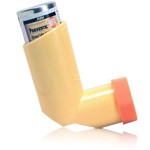
Proventil is the original brand-name formulation of Albuterol Sulfate manufactured by Schering-Plough (now Merck/MSD) — one of the foundational short-acting beta-2 agonist (SABA) rescue inhalers in the United States. FDA-approved since 1981 (Proventil HFA CFC-free formulation: 1996), Proventil is a heritage US brand of albuterol providing the same therapeutic activity as GSK's Ventolin and Teva's ProAir at the same standard 90 mcg per actuation dose. Listed on the WHO Model List of Essential Medicines, Proventil HFA offers the modern environmentally-friendly metered dose inhaler delivery system.
The active ingredient is Albuterol Sulfate (known internationally as Salbutamol), a selective short-acting beta-2 adrenergic agonist (SABA). Albuterol activates beta-2 receptors on airway smooth muscle, increasing intracellular cAMP and relaxing smooth muscle — producing rapid bronchodilation within 5-15 minutes. Duration of action is 4-6 hours, making Proventil suitable for acute symptom relief rather than long-term maintenance. The beta-2 selectivity minimizes cardiovascular effects compared to non-selective beta agonists.
Proventil HFA is FDA-approved for acute bronchospasm relief in asthma (rescue inhaler use), prevention of exercise-induced bronchospasm (15 minutes before exercise), acute COPD exacerbation treatment, and bronchospasm with reversible obstructive airway disease. Off-label uses include hyperkalemia treatment (high IV/nebulized doses shift potassium intracellularly) and acute bronchiolitis. Proventil is NOT for daily maintenance — controller therapy (Flovent, Advair Diskus, Symbicort) is needed for moderate-severe persistent asthma.
The medication is available as Proventil HFA 90 mcg per actuation metered dose inhaler (200 doses per canister). Standard adult dosing for acute bronchospasm: 1-2 puffs every 4-6 hours as needed. For exercise-induced bronchospasm: 1-2 puffs 15 minutes before exercise. Maximum recommended: 12 puffs in 24 hours. Pediatric use approved from age 4+ years with same dosing.
Critical safety considerations include paradoxical bronchospasm, cardiovascular effects (tachycardia, palpitations, hypertension), skeletal muscle tremor, headache, hypokalemia at high doses, nervousness/anxiety, hyperglycemia, rare QT prolongation, and tolerance with regular use. SABA overuse signals under-treated asthma — if rescue inhaler use exceeds 2-3 days/week, controller therapy is needed. Drug interactions include beta-blockers (antagonize bronchodilation), MAOIs/TCAs (potentiate cardiovascular effects), and other sympathomimetics.
Free prescription
Discrete packaging
Have questions?
Quality Assurance
- Asthma Attack Rescue: Rescue inhaler for asthma attacks — rapid 5-15 minute onset;
- Acute Asthma Symptoms: For acute asthma symptoms (wheezing, chest tightness, shortness of breath);
- Pediatric Asthma Rescue: FDA-approved for pediatric asthma rescue from age 4 years;
- Exercise Induced Bronchospasm (EIB): FDA-approved for prevention of exercise-induced bronchospasm;
- Pre Exercise Bronchodilation: 1-2 puffs 15 minutes before exercise to prevent EIB;
- Acute COPD Exacerbation: FDA-approved for acute COPD exacerbation bronchospasm;
- COPD Symptom Relief: For acute COPD symptom relief (shortness of breath, wheezing);
- Bronchospasm Reversible Obstruction: For bronchospasm with reversible obstructive airway disease;
- Acute Bronchitis Bronchospasm: For acute bronchitis with bronchospasm component;
- Status Asthmaticus Adjunct: Adjunct (high-dose) in status asthmaticus management;
- Acute Bronchiolitis Selective: Off-label selective use for acute bronchiolitis (limited evidence);
- Hyperkalemia Nebulized: Off-label high-dose nebulized for hyperkalemia (shifts potassium intracellularly);
- Anaphylaxis Adjunct: Off-label adjunct for bronchospasm component of anaphylaxis;
- Beta Blocker Reversal: Off-label for beta-blocker-induced bronchospasm reversal;
- Allergic Bronchospasm: For allergic bronchospasm and reactive airway disease;
- Cold Induced Bronchospasm: For cold-air-induced bronchospasm prevention and treatment;
- Travel Asthma Backup: Essential backup inhaler for asthma patients during travel;
- US Market Heritage SABA: Heritage US brand of albuterol — familiar to American patients since 1981;
- Rescue NOT Maintenance: For RESCUE/RELIEF only — NOT for daily maintenance therapy.
- Faster Breathing Relief: Onset of bronchodilation within 5-15 minutes of inhalation;
- Less Wheezing: Quick reduction in characteristic asthma wheezing;
- Less Chest Tightness: Rapid relief from asthma-related chest tightness;
- Less Shortness of Breath: Effective reduction in acute dyspnea;
- Better Lung Function Acutely: Rapid improvement in FEV1 (forced expiratory volume) and peak flow;
- Less Cough Bronchospasm: Reduction in cough associated with bronchospasm;
- Less Exercise-Induced Symptoms: Effective prevention of exercise-induced bronchospasm (15 min pre-exercise);
- Better Exercise Tolerance: Improved exercise capacity in patients with exercise-induced asthma;
- Less COPD Acute Symptoms: Rapid relief of acute COPD exacerbation symptoms;
- Better COPD Lung Function Acutely: Rapid improvement in COPD lung function during exacerbation;
- Less Anxiety During Attack: Quick relief reduces panic/anxiety associated with acute asthma attacks;
- Better Sleep When Needed: Nighttime relief if acute bronchospasm wakes patient;
- Less Need for Emergency Care: Effective rescue therapy may prevent ER visits and hospitalizations;
- Less Asthma Mortality Risk: Available rescue therapy reduces asthma-related mortality risk in attacks;
- Better Quality of Life Asthma: Effective rescue inhaler supports normal daily activities with confidence;
- Better Travel Confidence: Reliable backup for asthma patients during travel;
- Better Athletic Participation: Pre-exercise dosing enables athletic participation for EIB patients;
- Better Pediatric Asthma Management: Approved pediatric use from age 4 supports asthma management in children;
- Cardiovascular-Safer vs Older Bronchodilators: Beta-2 selectivity reduces cardiac effects vs non-selective beta agonists;
- Brand Proventil: Heritage Schering-Plough/Merck US brand of Albuterol with established clinical reputation since 1981;
- Generic Albuterol: Affordable generic versions of albuterol expand global access to gold-standard rescue therapy;
- Ventolin Equivalent: Same Albuterol molecule as GlaxoSmithKline brand Ventolin;
- ProAir Equivalent: Same Albuterol molecule as Teva's ProAir HFA brand;
- Salbutamol International Name: Salbutamol is the international (non-US) name for the same molecule;
- Proventil HFA CFC Free: HFA (CFC-free) propellant — environmentally friendly modern formulation since 1996;
- MDI Metered Dose Inhaler: Metered dose inhaler 200 doses per canister — portable rescue format;
- SABA Rescue Inhaler: Foundational short-acting beta-2 agonist (SABA) rescue inhaler class;
- Selective Beta 2 Agonist: Selective beta-2 selectivity minimizes cardiovascular effects;
- Rapid Bronchodilation: Rapid bronchodilation within 5-15 minutes of inhalation;
- 4 6 Hour Duration: 4-6 hour duration provides sustained acute relief;
- Asthma Rescue Gold Standard: Gold standard rescue therapy for acute asthma worldwide;
- COPD Rescue Standard: Standard rescue therapy for acute COPD exacerbations;
- US Market Heritage SABA: Heritage US brand — familiar to American patients for 4+ decades;
- Schering Plough Merck Brand: Originally Schering-Plough, now Merck/MSD — established US pharmaceutical heritage;
- WHO Essential Medicine: Listed on the WHO Model List of Essential Medicines for respiratory care;
- 40 Plus Year Inhaler History: 40+ years of clinical use since 1981 — one of the most-prescribed medications globally.
Generic Proventil (Albuterol 100 mcg) Medication guide:
📖 About Proventil from Cipla
Proventil is a brand of albuterol sulfate HFA metered-dose inhaler - one of the most familiar rescue medications in asthma and COPD care. The Proventil name has been recognisable in the United States since the 1980s, originally developed by Schering-Plough (now part of Merck/MSD) as one of the earliest widely-prescribed albuterol inhalers. This Cipla-manufactured version delivers the same 100 mcg per actuation of albuterol sulfate that made the original product a standard tool for millions of patients over the past four decades.
What distinguishes Proventil from other albuterol brands is primarily its historical positioning and its focused product profile. Where Asthalin from Cipla covers five different delivery formats (MDI, DPI capsules, nebulizer solution, syrup, tablets), Proventil is a single-format product - HFA MDI only, at a single 100 mcg strength, in a canister that holds 200 metered doses. This narrower focus means the product does one thing consistently and does it well: fast bronchodilation for acute symptoms and preventive dosing before known triggers.
📋 Proventil at a glance
Before going deeper into the pharmacology and practical use, the key facts about this product are worth pinning down. The stat row below is what a clinician or informed patient would confirm when first meeting the product.
Manufacturer
Cipla Limited, Mumbai, India
Active ingredient
Albuterol sulfate (INN: salbutamol)
Drug class
Short-acting beta-2 agonist (SABA)
Strength
100 mcg per actuation
Format
HFA metered-dose inhaler
Doses per canister
200 metered doses
Several of these numbers become important later. The 100 mcg strength is the standard SABA dose that clinical trials have used for four decades - not a Proventil-specific number, but the industry consensus for a single-puff rescue dose. The 200-dose canister is worth noting because it determines how long a canister lasts: at a typical rescue frequency of a few puffs per week, a canister lasts several months; at the frequency that indicates poor asthma control, it may not last a month. And the SABA class is the whole reason Proventil belongs in a specific clinical role - rescue, not maintenance.
🗺️ Terms you will see across this guide
A few pharmacological terms come up repeatedly in Proventil discussions. Getting them straight up front makes the rest of the guide much easier to follow.
- SABA (short-acting beta-2 agonist)
- The class of rescue medications that open narrowed airways within minutes. Proventil is one of them; salbutamol, levosalbutamol are others.
- Albuterol / salbutamol
- Two names for the same active molecule. "Albuterol" is the United States adopted name; "salbutamol" is the international nonproprietary name used elsewhere.
- HFA (hydrofluoroalkane)
- The propellant used in modern metered-dose inhalers, replacing older CFC propellants globally under the Montreal Protocol.
- MDI (metered-dose inhaler)
- The pressurised aluminium canister inside a plastic actuator that delivers a fixed dose per press.
- Rescue inhaler
- A medication used when acute symptoms happen, not on a daily preventive schedule. Proventil is a rescue inhaler by design and use.
- EIB (exercise-induced bronchospasm)
- Airway narrowing triggered by physical activity. One of the specific situations where preventive pre-exercise dosing of Proventil is common.
These terms map onto the structure of the rest of the guide. Proventil is a SABA rescue inhaler containing albuterol delivered by HFA MDI. Understanding this at first meeting makes every subsequent section - technique, dosing, side effects - fit into a clear conceptual framework.
The one-sentence summary of Proventil: a Cipla-made generic of the originator Schering-Plough/Merck brand of albuterol sulfate, delivered as an HFA metered-dose inhaler at 100 mcg per puff with 200 doses per canister, used for acute bronchospasm relief in asthma and COPD - not for daily maintenance therapy.
🧪 Albuterol Sulfate at Its Core
The active molecule in every Proventil canister is albuterol sulfate - the sulfate salt form of albuterol, the same drug that has been called "salbutamol" outside the United States since it was first synthesised in the 1960s. It is a small, water-soluble compound designed to bind beta-2 adrenergic receptors on airway smooth muscle cells and trigger their relaxation. Everything Proventil does clinically flows from this receptor binding: fast bronchodilation, short duration of action, predictable dose-response.
Understanding what makes albuterol sulfate distinctive at the molecular level helps explain both its clinical strengths (fast onset within minutes, four decades of safety data, minimal interaction profile) and its limitations (short duration of 4-6 hours, mild tremor and heart rate rise as expected side effects, no anti-inflammatory action). None of these characteristics is a defect - they are the deliberate consequence of designing a fast-acting bronchodilator that reliably reverses acute airway narrowing without persisting so long that it interferes with other therapy.
🧪 Molecule at a glance
| Property | Detail |
|---|---|
| Chemical name | (RS)-4-[2-(tert-butylamino)-1-hydroxyethyl]-2-(hydroxymethyl)phenol sulfate |
| United States adopted name | Albuterol (USAN) |
| International nonproprietary name | Salbutamol (INN) |
| Salt form | Sulfate - improves stability and inhaled delivery |
| Molecular weight | Approximately 576.7 g/mol as sulfate |
| Stereochemistry | Racemic mixture of R- and S-enantiomers (only R-form has bronchodilator activity) |
| Appearance | White or nearly white crystalline powder |
| Solubility | Freely soluble in water; soluble in ethanol |
The stereochemistry note is worth flagging: albuterol is a racemic mixture, meaning it contains equal amounts of two mirror-image forms. Only the R-form (also called levalbuterol) carries the bronchodilator action; the S-form is essentially inactive. In Proventil, both forms are present as they are in traditional albuterol. This is different from products like Xopenex or Budesal Respules that isolate and deliver only the R-form (levosalbutamol). At standard rescue doses, the practical clinical difference between racemic and R-only formulations is small.
🎯 What the molecule does and does not do
✅ What it targets
Beta-2 adrenergic receptors on airway smooth muscle cells. Triggers muscle relaxation and airway opening within minutes.
🟡 What it does not do
Does not treat airway inflammation. Does not remove triggers. Does not build long-term asthma control. Does not last more than 4-6 hours.
🔵 What it fixes fast
Relaxes the tight muscle. Opens the narrowed tube. Lets air move again. Within minutes of a puff.
The three panels together capture the personality of a good rescue medication. Proventil is fast, focused on the airway smooth muscle, and does not overstay its welcome. It is emphatically not a controller and does not attempt to be one. The four-to-six-hour duration is by design - long enough to cover a symptomatic episode, short enough that it does not accumulate.
🧬 The lifecycle of a single albuterol puff
Following the drug through a single Proventil dose helps show how quickly the clinical effect develops and why it fades after a few hours.
Albuterol sulfate in Proventil is not a complicated molecule to understand. Fast beta-2 receptor binding produces fast airway muscle relaxation; 4-6 hours later the effect is gone and the airway is back to whatever baseline the underlying disease has set. That baseline is what daily controller therapy addresses; the acute deviation from baseline is what Proventil handles.
🫁 How Beta-2 Activation Opens Airways
The bronchodilator action of Proventil comes from a specific molecular pathway - beta-2 adrenergic receptor activation on airway smooth muscle cells. Understanding this pathway at a modest level of detail helps explain why the drug works within minutes rather than hours, why the effect fades after several hours, and why the side effects (tremor, heart rate rise, mild metabolic shifts) are predictable consequences of the same mechanism acting outside the airway.
Beta-2 receptors are one of three subtypes of beta-adrenergic receptors - the others are beta-1 (dominant in the heart) and beta-3 (dominant in fat tissue). Albuterol is designed to preferentially activate beta-2 receptors, though at higher doses it also binds beta-1 receptors and produces some of the cardiac effects that show up in the side-effect profile. The selectivity is a matter of degree, not absolute - at very high doses, all beta-agonists lose some of their receptor specificity.
🧬 The signal chain in five steps
The mechanism by which albuterol opens airways is one of the best-characterised pathways in respiratory pharmacology. Each step below has a name, a location, and a specific molecular consequence.
- Binding. Albuterol molecules dock onto beta-2 adrenergic receptors on the surface of airway smooth muscle cells. Binding is reversible - the drug can leave the receptor when concentration drops.
- G-protein activation. The activated receptor turns on an intracellular G-protein (specifically Gs), which in turn activates the enzyme adenylate cyclase inside the cell.
- Cyclic AMP rises. Adenylate cyclase converts ATP into cyclic AMP (cAMP); the concentration of cAMP inside the cell climbs rapidly during and immediately after the puff.
- Protein kinase A fires. High cAMP activates protein kinase A, which phosphorylates several downstream targets including myosin light-chain kinase.
- Muscle relaxes. The phosphorylation changes make the contractile machinery let go. Airway smooth muscle fibres shorten less; the airway lumen widens; air moves more easily.
This sequence happens fast. Onset of noticeable bronchodilation is within 3-5 minutes of a puff for most patients; peak effect at around 30-60 minutes; duration of useful effect around 4-6 hours. The pattern is the same across every SABA in the class - it is the fundamental pharmacology of beta-2 receptor activation, not something specific to Proventil.
👤 From Homer A. Boushey Jr., MD
"Beta-2 adrenergic receptor activation is the most reliable way we have of producing fast bronchodilation. Every SABA in clinical use works this way; the differences between them are mostly about delivery format and dosing rather than fundamental mechanism. Proventil at 100 mcg per puff produces the same receptor activation as any other albuterol product at the same dose - what matters clinically is whether the patient takes it correctly and whether they take it in the right pattern for the situation."
📍 Where beta-2 receptors live and why it matters
| Location | Response to albuterol | Clinical relevance |
|---|---|---|
| Airway smooth muscle | Relaxation, bronchodilation | The intended therapeutic effect |
| Cardiac muscle (some beta-2) | Small rise in heart rate | Common mild side effect; dose-related |
| Skeletal muscle | Fine tremor of hands and limbs | Common mild side effect |
| Uterine muscle | Relaxation | Historical tocolytic use; not routine now |
| Pancreatic beta cells | Insulin release, small glucose rise | Minor metabolic effect |
| Skeletal muscle and liver | Potassium shifts into cells | Low potassium possible at higher doses |
Because beta-2 receptors are not only in the airway, Proventil has a small footprint of predictable systemic effects - most of them mild, dose-related, and short-lived. The design goal for a good SABA is to maximise the airway effect and minimise the side effects, which is why the inhaled route is preferred over oral - inhaled delivery concentrates the drug where it needs to act and limits how much reaches the rest of the body.
The airway is where you want albuterol to act; everywhere else is where the side effects come from. Choosing the smallest effective dose - one or two puffs of Proventil per rescue event rather than four or five - keeps the therapeutic-to-side-effect ratio favourable. That principle underlies every dosing recommendation across the SABA class.
🌎 Proventil Versus the Original Brand Heritage
The Proventil name has a specific history in respiratory medicine. The originator brand was developed by Schering-Plough Corporation in the 1980s and became one of the most widely prescribed albuterol MDIs in the United States market for two decades. When Schering-Plough merged with Merck (MSD) in 2009, Proventil became a Merck product. Over the same period, the underlying molecule (albuterol sulfate) went off patent and became available as a generic from multiple manufacturers, including Cipla. The Cipla-manufactured Proventil sold globally today is one of these quality-assured generic versions of the originator brand.
Understanding this heritage helps put the product in context. It is not a new drug; it is not a proprietary formulation with unique characteristics. It is a well-established albuterol MDI produced under GMP by one of the world's largest respiratory generics manufacturers. What makes it different from other albuterol brands (Ventolin, Asthalin, etc.) is largely the specific formulation details and market positioning, not the underlying pharmacology of the active ingredient.
🗓️ Proventil's history at a glance
1968
1980s
1990s-2000s
2009
2010s+
The timeline shows why Proventil today is essentially two products with the same name: the originator brand from Merck (still available in some markets, though supply has been intermittent), and quality-assured generic versions from manufacturers like Cipla that deliver the same active drug at the same strength. For patients paying out of pocket, the Cipla generic is typically substantially cheaper without any compromise on the underlying medicine.
⚖️ What is the same, what may differ
| Attribute | Originator Proventil (Merck) | Cipla generic Proventil |
|---|---|---|
| Active ingredient | Albuterol sulfate | Albuterol sulfate (identical molecule) |
| Strength | 100 mcg per actuation | 100 mcg per actuation (identical) |
| Propellant | HFA-134a | HFA-134a |
| Onset of action | 3-5 minutes | 3-5 minutes |
| Duration of action | 4-6 hours | 4-6 hours |
| Metering valve design | Schering-Plough proprietary specifications | Cipla specifications; regulatory bioequivalence required |
| Actuator plastic and mouthpiece feel | Original design | Cipla design; may feel slightly different |
| Price point | Brand premium | Generic pricing, typically much lower |
| Regulatory basis | Original FDA approval | Regulatory approval as bioequivalent generic in respective markets |
Reading down this table, the essential clinical drug is identical between originator and generic. What can vary in small ways is the physical device - actuator shape, mouthpiece profile, priming behaviour, spray plume character - because these are not identical across manufacturers. For patients switching from the originator to a generic (or vice versa), these physical differences may take a couple of doses to feel familiar; the drug effect itself does not change.
The Cipla generic of Proventil delivers the same clinical drug at the same strength as the originator brand at a fraction of the price. The physical device may feel slightly different in the hand, but the medicine that reaches the airway is the same. This is what modern quality-assured pharmaceutical generics are designed to achieve, and why they are the mainstay of affordable rescue therapy globally.
💨 The HFA MDI Format Overview
Proventil is available in only one delivery format: the HFA metered-dose inhaler. Unlike some other albuterol brands (Asthalin covers five formats - MDI, DPI capsules, nebulizer solution, syrup, tablets), Proventil is a single-format product. This narrower focus is a design choice rather than a limitation. It means the product does one specific thing consistently: deliver a fixed 100 mcg dose of albuterol as a pressurised aerosol from a small pocket-sized device.
The HFA MDI is the most familiar rescue inhaler format globally. Most asthma patients have seen or used one; most clinicians teach the technique routinely; supplies and refills are widely available. Understanding the specific design of the Proventil MDI and how it differs from older-style inhalers (or from the newer solution-based MDIs like ciclesonide Ciclohale) helps explain the specific technique requirements and the small differences in how the puff feels.
💨 Anatomy of the Proventil HFA MDI
- Aluminium canister containing the albuterol sulfate suspended in HFA propellant plus a small amount of ethanol co-solvent.
- Metering valve at the top of the canister that releases one fixed dose (100 mcg) each time the canister is pressed.
- Plastic actuator holding the canister with a mouthpiece and an internal nozzle that directs the aerosol plume.
- Mouthpiece cap that protects against dust when the inhaler is not in use.
- Dose counter (in newer designs) showing how many doses remain in the canister; older designs may not have this.
- Label indicating strength (100 mcg per actuation) and number of doses in the canister (200 for standard Proventil).
🔬 Suspension MDI: why the shake matters
Proventil is a suspension MDI, not a solution MDI. This distinction affects how you use the device. In a suspension, the drug is held as fine particles floating in the propellant, and these particles settle over time when the canister sits still. If you fire the canister without shaking, the sprayed puff may deliver more or less drug than intended depending on where in the settling cycle the canister happens to be. Shaking redistributes the particles so each puff gets its intended dose.
Suspension
Solution
🎓 Priming: why it matters and when to do it
When priming is required:
- Before very first use after opening a new canister
- After any break of 14 days or more since last use
- If the canister has been dropped or subjected to hard knocks
- If the sprayed dose looks unusually small or absent during use
How to prime:
Shake the canister well; spray 4 puffs into the air, away from face and away from anyone else. This clears the metering chamber and prepares the device for consistent dose delivery.
Skipping priming is one of the more common technique errors with MDIs. The first dose after a period of storage may deliver a fraction of the intended amount if the metering chamber has emptied or the propellant has separated. Priming is a small habit that ensures the actual doses you deliver match the labelled amount.
📋 Practical notes for Proventil MDI users
🌬️ Portable format
Small enough for a pocket or bag; the format most patients carry as their rescue inhaler for on-demand access.
🔗 Spacer compatible
Works with standard valved holding chambers - highly recommended for children, elderly, and anyone with technique challenges.
🎓 Requires priming
First use or after long breaks: 4 test sprays into air away from face before the actual dose.
🤝 Familiar to most patients
MDI format is standard globally; patients switching between albuterol brands find the technique broadly compatible.
The Proventil HFA MDI is the workhorse of albuterol rescue therapy - small, portable, spacer-compatible, and using the same delivery pharmacology that has been refined over four decades of clinical use. Shake before every puff, prime after breaks, and it will deliver consistent 100 mcg doses across the full life of every 200-dose canister.
📏 Understanding 100 mcg per Puff Dosing
Every actuation of Proventil delivers a fixed 100 mcg of albuterol sulfate. This is the standard SABA dose per puff, established by decades of clinical trials as the amount that reliably produces bronchodilation without disproportionate side effects. It is not a Proventil-specific number - almost every albuterol MDI on the global market uses 100 mcg per actuation, and clinical dosing recommendations are built around this common denominator.
Understanding what 100 mcg represents helps put dosing decisions into context. A typical rescue dose is one or two puffs (100-200 mcg total) taken as needed for symptoms. A pre-exercise dose is usually two puffs (200 mcg) taken 15-30 minutes before activity. A high-frequency dosing pattern during an acute exacerbation might use two puffs every 4 hours - but by this point the patient should be in supervised care rather than self-treating at home. Doses in the thousands of micrograms per day belong in hospital settings.
📏 What one puff delivers
These numbers explain why the same nominal dose can produce different clinical effects in different patients. A well-used MDI with a spacer can deliver 3-4 times the effective airway drug of a poorly-used MDI without a spacer, even at the same labelled 100 mcg per puff. Technique matters as much as the number on the canister.
📋 Typical adult rescue dosing
| Situation | Typical dose | Timing |
|---|---|---|
| Acute symptomatic rescue | 1-2 puffs (100-200 mcg) | At symptom onset |
| Repeat if symptoms persist | Same 1-2 puffs | After 30-60 minutes if needed |
| Pre-exercise (EIB prevention) | 2 puffs (200 mcg) | 15-30 minutes before activity |
| Maximum in 24 hours (self-treated at home) | Usually 8 puffs (800 mcg) | Beyond this warrants clinical review or emergency care |
| Frequency indicating well-controlled asthma | 2 or fewer occasions per week | Outside colds and known triggers |
| Frequency indicating poor control | Daily use or more than 3 canisters per year | Signal for clinical review and step-up in controller therapy |
The last two rows of this table are important context. Rescue inhaler use frequency is one of the most reliable indicators of asthma control - not just of whether the current rescue dose is working, but of whether the underlying asthma is being adequately managed. Patients using their Proventil canister up in a month may need more than what a rescue inhaler can offer; they need a review of the whole management plan.
🎯 Why 100 mcg and not some other dose
The 100 mcg per puff standard emerged from decades of dose-response research. Several considerations shape this:
- Reliable bronchodilator effect - a single 100 mcg puff produces clinically meaningful bronchodilation in most patients.
- Dose granularity - lets clinicians prescribe 1 puff for mild situations, 2 puffs for stronger effect, without having to fractionate.
- Side effect profile - 100 mcg keeps tremor, heart rate rise, and metabolic effects modest for most adults; higher single doses would amplify these.
- Cumulative dose management - 100 mcg increments allow easy tracking of total daily exposure at any frequency of use.
- Global consistency - patients switching between brands or between countries encounter the same dose standard.
One puff of Proventil equals 100 mcg of albuterol sulfate - a dose calibrated over decades of clinical trials to produce reliable bronchodilation without disproportionate side effects. Rescue dosing is typically 1-2 puffs; pre-exercise dosing is typically 2 puffs; frequencies beyond a few times a week signal that the underlying asthma management plan needs review rather than more rescue puffs.
🔢 The 200-Dose Canister Explained
Each Proventil canister contains 200 metered doses of albuterol sulfate. That number is worth spending a moment on, because it determines how long a canister lasts and when you need to think about a refill. At the frequency of use that indicates well-controlled asthma (rescue puffs a few times a week outside triggers), a 200-dose canister lasts many months. At the frequency of use that indicates poorly controlled asthma, the same canister might not last a month.
The relationship between canister life and asthma control is one of the more useful observations you can make about your own condition. Tracking how quickly you go through canisters over months gives an objective measure of rescue inhaler use that complements symptom diaries and peak flow readings. Sudden acceleration in the rate is a signal something has changed - a trigger appeared, adherence to controller therapy slipped, or the underlying disease has drifted.
🔢 How long a 200-dose canister lasts at different use frequencies
| Typical use frequency | Puffs per week | Canister lifespan | What this suggests |
|---|---|---|---|
| Rare rescue use | 1-2 puffs | Over 1.5 years | Well-controlled asthma; controller therapy working |
| Occasional rescue use | 3-5 puffs | Approximately 9-12 months | Well-controlled; possibly some trigger exposure |
| Regular but modest rescue use | 6-10 puffs | Approximately 5-6 months | Acceptable control; may consider technique review |
| Frequent rescue use | 10-20 puffs | Approximately 2-3 months | Suboptimal control; clinical review warranted |
| Daily rescue use | Over 20 puffs | Approximately 6-10 weeks | Poor control; step-up in controller likely needed |
| Very heavy use | Over 50 puffs | Under 4 weeks | Signals real problem - specialist referral usually indicated |
Notice that the well-controlled patient with modest rescue use will use only 2-3 canisters per year. Using more than 3 canisters annually is a widely-cited threshold for concern - not because the medicine itself is dangerous, but because it indicates the underlying asthma is not being adequately managed by the current controller regimen. This is one of the most important patterns to notice about your own use.
📊 Tracking dose count
- Newer canisters may have a dose counter integrated into the actuator - a small display showing remaining doses. Check the canister when you receive it.
- Older canisters do not have a counter. Manual tracking is needed - a tick mark on paper, an app, or an estimate from how long the canister has been in use.
- Do not judge remaining doses by shake sound or weight. Propellant remains in the canister after the drug is gone; a puff can still fire but deliver no albuterol.
- Do not use a canister past its dose count. Even if it still fires, the actual delivered dose becomes unreliable.
- Note the fill date on your calendar when you start a new canister; use rate is easier to estimate with an anchor date.
🕑 When to order a refill
The general rule is: order the next canister when your current one is down to about 20-30 remaining doses, or when you can estimate you have 2-3 weeks of typical use left. This buffer prevents the awkward situation of running out on a weekend or during a trip when a pharmacy is not immediately accessible. It also lets you have both a canister in your bag and a backup at home for a few weeks.
✅ Comfortable buffer
30+ doses remaining. Order refill next time you order any prescription or when convenient.
🟡 Order now
15-30 doses remaining. Refill order today to prevent running out.
⛔ Running out risk
Under 15 doses remaining. Urgent refill; consider pharmacy pickup if online delivery is slow.
The 200-dose canister is a useful monitoring tool as well as a supply of medication. Watching how quickly you go through canisters tells you something important about your asthma control - much more objectively than trying to remember whether you used your inhaler more this month than last. Order refills early to maintain a comfortable buffer, and pay attention when the use rate accelerates.
🚨 Rescue Inhaler Not a Daily Controller
The single most important thing to understand about Proventil is what it is for. It is a rescue medication - taken when acute symptoms happen, working within minutes to open narrowed airways, then wearing off after 4-6 hours. It is emphatically not a controller. It does nothing to reduce the underlying inflammation that causes asthma; it does not prevent future attacks; and using it more often when you feel worse is not a substitute for a proper daily controller regimen.
This distinction is trivial to explain and surprisingly common to get wrong. Every year, clinicians see patients who have been using their rescue inhaler as their primary asthma medication, thinking they are managing their disease. They are managing symptoms - the moments when the airway narrows enough to be noticed - but not the underlying disease that keeps producing those moments. The gap between symptom management and disease management is what daily controller therapy fills.
🛑 What Proventil does and does not do
Putting the two mental models side by side helps make the boundary clear. The left column is how a rescue inhaler works. The right column is how a controller inhaler works. They are complementary tools for different jobs, not substitutes for each other.
Rescue inhaler (Proventil / SABA)
- Bronchodilator - opens narrowed airways
- Onset within 3-5 minutes
- Used when symptoms happen
- Duration 4-6 hours
- Treats airway muscle spasm, not inflammation
- Life-saving during an attack
Controller inhaler (ICS)
- Anti-inflammatory - reduces airway swelling
- Full effect builds over days to weeks
- Used every day, always
- Continuous background effect
- Treats underlying inflammation
- Prevents attacks from starting
A useful shorthand: Proventil treats the symptom happening now; a daily controller treats the disease that keeps producing symptoms. Both matter for anyone with persistent asthma; neither substitutes for the other.
⛔ A red-line warning about substitution
Do not use Proventil as your only asthma medication if you have persistent asthma. If you find yourself needing rescue puffs more than twice a week outside colds and specific triggers, that is a signal your asthma needs a controller medication - not more rescue. Continuing rescue-only treatment for persistent asthma is associated with worse outcomes including hospitalisations and more severe exacerbations than proper controller-based management.
The reason rescue-only strategies fail for persistent asthma is that Proventil never touches the underlying airway inflammation. That inflammation keeps producing episodes; each episode gets treated with rescue puffs; the inflammation continues; more episodes happen; and the total burden of asthma on the patient's life keeps rising over months and years. Adding a daily controller (ICS or ICS-LABA combination) breaks this cycle by treating the inflammation itself.
👤 From Kenneth R. Chapman, MD, MSc, FRCPC
"The most common asthma management mistake I see in adult practice is patients who treat their rescue inhaler as their whole asthma plan. They come in with a Proventil canister they refill every month and no controller therapy at all, or a controller that they take inconsistently. This is not just suboptimal - it is dangerous. The SABINA program data across multiple countries has now clearly established that heavy SABA use in the absence of proper controller therapy is associated with worse outcomes including more exacerbations and higher hospitalisation rates. Rescue puffs are the tool for the attack; they are not the strategy for the disease."
🔑 What "rescue" really implies day to day
Framing Proventil as a rescue medication has several practical consequences that shape how a patient should approach it. These are the ways of thinking that make sensible rescue use work:
- Carry it with you. A rescue inhaler at home when you need it at work does not help. The whole point is availability during unexpected symptoms.
- Do not save it for "serious" episodes. Use it when symptoms appear; delaying just makes the episode worse.
- Do not use it prophylactically every day. If you find yourself doing this, you need a controller instead.
- Track how often you use it. This is one of the most useful data points about your asthma control.
- Have a controller too if you have persistent asthma. Rescue-only management is not modern practice.
If you take away one idea from this entire section, take this one: Proventil rescues; a daily controller prevents. They are complementary, not competing. Almost every patient with more than very mild asthma benefits from having both, used correctly. Rescue puffs are the fire extinguisher; controller therapy is the smoke detector plus the fire alarm system.
🎯 When to Use Proventil for Symptoms
Proventil is designed for use when acute asthma or COPD symptoms happen. Understanding what those symptoms look like, and how to recognise them early enough to respond effectively, is one of the practical skills of managing rescue inhaler therapy. Most patients develop a personal pattern of triggers and symptom recognition over months of experience; a small amount of upfront learning about what qualifies as "use it now" versus "wait and watch" is worth the investment.
The general rule is: use Proventil when you have symptoms that Proventil can treat. That means acute bronchospasm - airway smooth muscle tightening that produces wheeze, chest tightness, breathlessness, or persistent cough. It does not mean chronic breathlessness from lung damage, or shortness of breath from cardiac disease, or general fatigue that has nothing to do with the airway. Recognising when Proventil is the right tool prevents both undertreatment of real bronchospasm and overuse for symptoms that need a different response.
🎯 Symptoms and situations where Proventil is the right choice
| Situation | Typical symptoms | Proventil response |
|---|---|---|
| Acute wheeze | Audible whistling sound with breathing, especially on exhalation | 1-2 puffs; reassess in 15-30 minutes |
| Chest tightness | Feeling of pressure or constriction in the chest | 1-2 puffs; watch for symptom relief |
| Sudden breathlessness | Feeling short of air with normal activity | 1-2 puffs; reassess if not relieved |
| Persistent cough | Dry cough that will not settle, especially with exertion | 1-2 puffs may help if bronchospasm is the cause |
| Pre-exercise (known EIB trigger) | Anticipating symptoms from known trigger | 2 puffs 15-30 minutes before activity |
| Cold air exposure (known trigger) | Anticipating symptoms from cold weather | Consider 2 puffs before extended outdoor time |
| Waking with breathing symptoms | Wheeze or tightness that woke you from sleep | 1-2 puffs; also a signal for clinical review |
The table shows both reactive uses (symptoms already present) and preventive uses (before known triggers). Both are appropriate applications of Proventil; both work through the same bronchodilator mechanism. What they share is that they respond to identifiable airway issues on a timescale of minutes.
❌ Symptoms where Proventil is not the answer
Situations where Proventil is not the right tool:
- Chest pain that feels crushing, radiating to arm or jaw - possible cardiac cause requiring emergency care.
- Fever with productive cough - suggests infection needing antibiotic assessment, not just bronchodilation.
- Chronic daily breathlessness without other asthma features - needs proper diagnostic workup.
- Anxiety-related breathing difficulty - Proventil will not help and may worsen anxiety through tremor and heart rate rise.
- Severe respiratory distress with fatigue or blueness - emergency care, not more home rescue puffs.
🕑 How quickly to expect a response
3-5 min
15-30 min
4-6 hours
Recognising when Proventil is the right response - and when it is not - is one of the practical skills of asthma self-management. Use it for acute bronchospasm and known trigger prevention; escalate care rather than stacking puffs when it is not working; and treat symptoms that clearly are not airway-related with the appropriate response rather than reflexive rescue puffs.
🏃 Pre-Exercise Use for Exercise-Induced Bronchospasm
Exercise-induced bronchospasm (EIB) is airway narrowing that follows or occurs during physical activity. It affects a substantial minority of patients with asthma - and, notably, a smaller proportion of otherwise-healthy athletes without a formal asthma diagnosis. Proventil taken 15-30 minutes before exercise is one of the most reliable ways to prevent EIB, and it is one of the specific situations where preventive (rather than symptomatic) Proventil use is appropriate and well-evidenced.
The mechanism behind EIB is not fully settled but involves changes to airway surface fluid osmolality during rapid deep breathing, which triggers mast cell activation and inflammatory mediator release. The result is airway smooth muscle contraction 5-15 minutes into or after exercise, producing wheeze, cough, chest tightness, and shortness of breath disproportionate to the level of activity. Pre-exercise SABA blunts this response by preventing the airway smooth muscle contraction that follows the mast cell activation.
🏃 Standard pre-exercise Proventil protocol
- Take 2 puffs of Proventil (200 mcg total) with a spacer if available, 15-30 minutes before the exercise session.
- Warm up gradually for 6-10 minutes at low intensity before the main effort. Rapid onset of intense exercise triggers EIB more strongly than a graduated warm-up.
- Consider covering nose and mouth with a scarf or mask in cold dry air. Cold-air EIB is a common variant that benefits from mechanical warming and humidification of inhaled air.
- Hydrate before and during exercise. Well-hydrated airway surface fluid is less prone to the osmotic changes that trigger EIB.
- Carry Proventil during the session for use if breakthrough symptoms occur despite the pre-exercise dose.
- Cool down slowly at the end of exercise. Abrupt cessation of intense exercise can trigger post-exercise bronchospasm in some patients.
This six-step protocol works reliably for most patients with EIB. The one thing worth emphasising is the 15-30 minute lead time - taking Proventil 5 minutes before starting exercise does not give the drug enough time to reach peak effect. Get in the habit of taking your pre-exercise puffs while you are still driving to the gym or before you start warming up, not when you first feel breathless during the session.
🎯 When pre-exercise Proventil is not enough
🏥 Symptoms persist despite pre-exercise dosing
Suggests underlying airway inflammation is not adequately controlled. Add regular ICS controller therapy; may need leukotriene modifier as well.
🏃 Exercise is daily
Consider ICS-formoterol maintenance-and-reliever approach instead of daily pre-exercise SABA. Better long-term control with less SABA use.
🏔️ Cold-weather sport
Consider a heat-exchange mask and stronger warm-up protocol. Cold-air EIB responds partly to physical measures alongside pre-exercise SABA.
🏆 Competitive athlete
Review current sport rules on inhaled bronchodilators; document use appropriately. Inhaled albuterol is permitted in most sports but rules vary.
👤 From Rohit K. Katial, MD, FAAAAI, FACAAI
"Pre-exercise SABA is one of the most reliable preventive interventions we can offer patients with exercise-induced bronchospasm. The two puffs of albuterol taken 15-30 minutes before activity typically eliminate or substantially reduce the exercise-triggered symptoms that otherwise limit these patients. What is important to communicate clearly is that this is one of the specific situations where preventive rather than symptomatic Proventil use is appropriate - and that if pre-exercise dosing is being needed daily for years, the underlying asthma likely needs more attention than just repeated rescue coverage."
🏷️ Special considerations for athletic patients
- Documentation for competitive sport. WADA and most sport governing bodies permit inhaled albuterol up to defined daily thresholds. Check current rules for your specific sport.
- Elite athlete considerations. Higher training volumes may make daily pre-exercise SABA impractical. Alternative approaches include mast cell stabilisers, leukotriene modifiers, and stronger daily controllers.
- Sport-specific patterns. Cold-weather endurance sports (cross-country skiing, ice hockey) are particularly EIB-triggering; swimming in chlorinated pools also. Adjust protocol to the specific exposure.
- Team notification. Youth athletes should have their inhaler available at practices and games; team staff should know where it is and how to use it.
Asthma should not be a reason to stop exercising - well-controlled asthma is compatible with running, swimming, football, and endurance sport at recreational and competitive levels. Pre-exercise Proventil is one of the tools that makes this possible for patients with EIB; combining it with good baseline control and appropriate physical measures opens up almost any activity for most patients.
🌬️ Proper MDI Inhalation Technique
Technique matters more for a rescue inhaler than most patients realise. When you use Proventil correctly, roughly 30-40% of the labelled dose reaches your airways (with a spacer; less without one). When you use it poorly - firing the puff before you start inhaling, breathing in too fast, not holding your breath - that number can drop to under 10%. The difference between good and poor technique can be the difference between an effective rescue dose and a puff that mostly lands on your tongue.
Reviewing MDI technique is one of the highest-value clinical interventions in respiratory medicine. Almost every asthma clinic offers technique checks, and almost every pharmacy that dispenses rescue inhalers can demonstrate the correct steps. Doing this once when you first get a Proventil prescription is worth an hour of clinical time; doing it again every year or two prevents the technique drift that erodes effective dose over time without patients noticing.
🌬️ The eight-step Proventil MDI technique
The technique below is what your clinician or pharmacist would demonstrate. Practise it out loud a few times when you first get the inhaler; it becomes automatic within a week or two, but starts feeling fragile if you have not used the inhaler for a while.
- Remove the cap and check the mouthpiece is clean and free of obstruction.
- Shake the inhaler well for 5 seconds. Proventil is a suspension MDI; unshaken canisters deliver inconsistent doses.
- Prime if needed - first use or after a break of 14+ days: 4 test sprays into the air, away from your face.
- Breathe out gently and fully, away from the mouthpiece, to empty your lungs.
- Place the mouthpiece between your lips and seal them around it (or use a spacer - strongly preferred).
- Start a slow steady inhale, then press down on the canister ONCE while continuing to inhale slowly for 3-5 seconds. Do not stop breathing in the moment you fire.
- Hold your breath for about 10 seconds, or as long as comfortable, then exhale slowly.
- Wait 30-60 seconds before the next puff if a second one is prescribed; replace the cap when done.
These eight steps might feel like a lot at first. They compress into a smooth 20-30 second sequence once the routine is grooved in. The most common failure mode - across every study of MDI use - is not any single misstep but a general rushing of the whole thing. Slow, deliberate use gets far more drug to the airway than fast, careless use.
❌ Common technique mistakes and how they hurt delivery
The table below covers the mistakes that occur most often in patients using Proventil MDIs. Each is a small deviation that produces a measurable drop in the drug that reaches the lung. Fixing them is usually easier than switching medications.
| Mistake | What actually happens | How to fix it |
|---|---|---|
| Firing before inhaling starts | The plume hits a closed throat; most of the dose sticks to the mouth and pharynx. | Begin the slow inhale first, then press mid-breath. |
| Inhaling too fast | Turbulent airflow deposits drug in the throat, not the lungs. | 3-5 second slow steady inhalation is the target. |
| No breath-hold | Aerosol particles do not have time to settle before exhalation removes them. | Hold at least 5-10 seconds after each puff. |
| Two puffs in one breath | The second puff wastes drug into the mouth before it can reach the airway. | One puff per breath; wait 30-60 seconds between puffs if a second is prescribed. |
| Poor lip seal | Drug escapes into ambient air rather than being inhaled. | Firm seal around the mouthpiece; check for gaps at the corners. |
| Skipping the shake | Uneven suspension; some puffs deliver less drug than others. | Shake vigorously for 5 seconds every time. |
| Skipping priming | First doses after storage are unreliable in metered content. | 4 test sprays after any break longer than 14 days. |
👁️ Do this. Not that.
✅ Do this
- Shake vigorously for 5 seconds before every puff
- Exhale before, then start a slow steady inhale
- Press canister mid-inhale, continue inhaling for 3-5 seconds
- Hold breath ~10 seconds after each puff
- Wait 30-60 seconds between puffs if a second is prescribed
- Use a spacer if available, especially for children
- Ask your pharmacist to watch your technique once a year
❌ Not that
- Firing the puff before your inhale starts
- Inhaling as fast and hard as possible
- Stopping the breath the instant you fire
- Stacking two puffs in one continuous inhale
- Skipping priming after a break
- Assuming your technique from years ago is still correct
- Sharing your Proventil with another person (each has their own technique)
Good MDI technique is the difference between a rescue inhaler that reliably delivers its intended dose and one that mostly wastes drug in the mouth. The eight steps become automatic within a couple of weeks; the payoff is far higher effective airway drug delivery for the same labelled Proventil dose. If technique feels awkward or unreliable, ask about a spacer - it removes most of the coordination challenge and is the single biggest technique upgrade for any MDI user.
🔗 Spacer Use with Proventil MDI
A spacer - also called a valved holding chamber - is a plastic tube that sits between the Proventil MDI and the mouth. The MDI fires into the chamber, and the patient inhales the aerosol out of the chamber over a few normal breaths. It sounds trivial and it is one of the most impactful accessories in modern inhaler use. For a rescue inhaler like Proventil, using a spacer means more of every 100 mcg puff reaches the airways where it needs to act - and less lands in the throat where it does nothing useful and may cause irritation.
The benefit of a spacer comes from physics rather than pharmacology. When an MDI fires, the initial aerosol plume is fast-moving and contains a mix of larger droplets (which impact and stick in the throat) and finer particles (which can reach the deeper airways). A spacer slows the plume down and lets the larger droplets settle onto the chamber walls, holding the fine particles in suspension for a few seconds. The patient then breathes the fine particles from the chamber at their own pace - no timing coordination required.
🔗 Four benefits of using a spacer with Proventil
📈 More drug reaches the lungs
Studies show 30-40% of the labelled dose reaches the airway with a spacer versus 10-20% without one. For a 100 mcg puff, that means substantially more active drug actually delivering the bronchodilator effect.
🌈 Less drug hits the throat
Larger droplets settle onto spacer walls. Less throat irritation, less cough on inhalation, less waste of drug that would otherwise be swallowed.
💡 No timing required
Fire the puff into the chamber; breathe when ready. Coordination requirement drops to near zero - a major help for children, elderly, and anyone under stress.
👶 Works for all ages
Adult mouthpiece for older children and adults; face mask attachment for infants and toddlers. Same principles at every age.
🧰 How to use a spacer correctly with Proventil
- Shake the Proventil MDI vigorously for 5 seconds; insert it into the back opening of the spacer.
- Seal the mouthpiece around your mouth (or the mask around a child's nose and mouth). Make sure the seal is good - visible mist escaping means dose loss.
- Fire one puff into the spacer chamber.
- Breathe normally in and out through the spacer for 4-6 breaths, OR take one slow deep breath and hold for 10 seconds if you can. Either method works.
- Wait 30-60 seconds before the second puff if a second one is prescribed - fire one puff at a time.
- Remove the MDI when done, cap it, and store the spacer in a clean dry place.
The "4-6 normal breaths" approach is particularly useful for children and for anyone who cannot reliably hold a slow single deep breath. The result is the same either way: the aerosol in the chamber gets captured, and delivery is much more consistent than any inhaler-only technique.
🧼 Spacer cleaning - simple but easy to forget
Weekly maintenance keeps the spacer working:
- Wash weekly in warm water with a small amount of household detergent.
- Do not rub the inside dry - rubbing generates static that holds aerosol on the walls. Let it air-dry standing on a clean cloth.
- Rinse the outside and let it fully dry before reassembly.
- Replace every 6-12 months or sooner if you see cracks, sticky valves, or misshapen components.
- Check valves occasionally - they should open and close freely with normal breathing.
A spacer costs a fraction of a single Proventil canister, lasts most of a year, and reliably improves the delivered dose. For every Proventil user - especially children, elderly patients, and anyone whose technique has drifted - a spacer is not an optional accessory; it is standard equipment that pays for itself in effective drug delivery on every puff.
🎓 Priming a New or Unused Canister
Priming is a small pre-use ritual that prepares a Proventil canister to deliver its full labelled dose. It sounds trivial - just a few test sprays into the air before you use the inhaler - but skipping it produces unreliable dosing in specific situations, and knowing when priming is required prevents the "why is my inhaler not working?" moment that many patients have experienced at some point.
The reason priming matters comes down to the physics of a metered-dose inhaler. The metering valve at the top of the canister holds a small measured volume of drug-and-propellant mixture, ready to be released with each actuation. When the canister sits still for days or weeks, propellant can evaporate from this small volume, the drug particles can settle, and the metering chamber may partially empty. The first puff after this idle period may deliver less than the intended dose. A few priming sprays refill and mix the metering chamber before you take your actual dose.
🎓 When to prime
🌬️ Step-by-step priming
- Remove the mouthpiece cap from the Proventil actuator.
- Shake the canister well for 5 seconds.
- Hold the actuator away from your face and away from other people, pointing into the air.
- Fire 4 test sprays into the air with the mouthpiece pointing away. Wait a few seconds between sprays.
- The canister is now primed and ready for your actual dose.
- Take your normal dose using proper MDI technique (or with a spacer).
The priming sprays deliver actual drug into the air rather than into your airways, so they do count against the 200-dose canister capacity. A canister that has been primed several times over its life will run out sooner than a canister that was used continuously without breaks. This is a small cost but worth noting when tracking canister supply.
🔬 Why priming actually matters
What happens if you skip priming after a long break:
- The metering valve may deliver a partially-empty dose - visible spray but reduced albuterol content.
- First actual puff may relieve symptoms less than expected; a second puff shortly after may be needed to catch up.
- During an acute attack, an underdosed first puff is a genuine safety concern - it delays effective rescue by minutes.
- Solution: Add priming to your routine when you have not used the inhaler recently. Four extra sprays takes 10 seconds and prevents this failure mode entirely.
❓ Common priming questions
Do I need to prime after every single day of not using it?
No - only after breaks of about 14 days or more. Daily use or use every few days does not require re-priming.
Does priming waste medicine?
Yes, in a small way - 4 test sprays are 4 doses that will not be inhaled. This is worth it for reliable subsequent dosing. A canister of 200 doses can spare occasional priming.
Can I skip priming if I really need a dose fast?
In a true emergency where you need immediate relief and cannot spare 10 seconds, yes - but recognise the first puff may be underdosed and a follow-up puff shortly after may be needed.
Should I prime after every airplane flight?
If more than 14 days have passed since last use, yes. If the inhaler was used within that window and the flight is short, no.
Priming is a small ritual that prevents an unreliable first dose after periods of storage. It takes 10 seconds - four test sprays into the air away from your face - and it ensures the metering chamber is full and mixed before your actual dose. Make it part of your routine when you have not used the inhaler recently, and you will not experience the frustration of a puff that fires but delivers little medicine.
🧼 Cleaning Your Proventil Inhaler
The Proventil MDI needs periodic cleaning to keep working reliably over the life of a canister. Not the aluminium canister itself - that stays sealed and pressurised until empty - but the plastic actuator that surrounds it, particularly the mouthpiece where drug residue and moisture can accumulate. A clogged actuator can produce a weak or misdirected spray that reduces effective dose without changing anything else about the medication.
Cleaning is a small maintenance ritual - roughly weekly for regular users, and always when the mouthpiece looks discoloured or the spray pattern seems off. It takes a few minutes, uses only warm water, and adds years of reliable service to a device that would otherwise gradually clog with drug residue and skin oils.
🧼 Cleaning schedule at a glance
| Component | Weekly | Monthly | As needed |
|---|---|---|---|
| Plastic actuator (mouthpiece and body) | Rinse with warm water; wipe with clean cloth | Deeper wash with warm soapy water; thorough rinse | Wash if visibly clogged, discoloured, or after spillage |
| Aluminium canister | Wipe outside with dry cloth; do not submerge | Same as weekly | Do not wash with water; can damage seals |
| Mouthpiece cap | Rinse with warm water when actuator is cleaned | Wash with soap alongside actuator | Replace if lost or cracked |
| Nozzle inside mouthpiece | Inspect visually - should be clear | If clogged, thorough rinse from inside | Never insert anything (toothpick, pin) - will damage nozzle |
🌬️ Weekly cleaning step-by-step
- Remove the metal canister from the plastic actuator by pulling it out from the top. Set the canister aside on a dry surface.
- Remove the mouthpiece cap if it has not come off already.
- Rinse the plastic actuator under warm running water for 30 seconds. Water should flow through the mouthpiece and out the top.
- Shake out excess water from the actuator.
- Air-dry the actuator overnight on a clean towel. Do not use a hair dryer or heater - heat can deform the plastic.
- Reassemble when the actuator is fully dry: insert the canister back into the top; replace the mouthpiece cap.
- Prime with 2-4 test sprays before your next dose - the water cleaning process disrupts the metering chamber slightly.
❌ Cleaning mistakes to avoid
Do NOT do any of these:
- Do not submerge the aluminium canister in water. The canister must stay dry - water can damage seals and affect drug stability.
- Do not use bleach, alcohol, or harsh chemicals on the plastic actuator. Warm water alone is sufficient.
- Do not insert anything into the small nozzle inside the mouthpiece. Toothpicks, pins, cotton swabs can permanently damage the nozzle and ruin the spray pattern.
- Do not dry with a hair dryer or heater. Heat can deform the plastic actuator or damage internal components.
- Do not skip drying time. Reassembling a wet actuator can trap moisture inside and produce erratic spray patterns.
- Do not use the inhaler while it is still wet. Wait until fully dry before priming and dosing.
👁️ Signs your actuator needs cleaning
🔍 Visible residue
White powder buildup around the mouthpiece opening or inside the actuator. Time for a wash.
🌫️ Weak or absent spray
Puff fires but seems weaker than usual. May be nozzle blockage - try cleaning before assuming the canister is empty.
👎 Off-taste after use
Unpleasant taste or smell during actuation can indicate residue buildup. Clean the actuator.
🕑 Not cleaned in weeks
Weekly is the recommended schedule. If it has been much longer, a thorough cleaning is due regardless of visible signs.
A clean actuator delivers consistent doses across the full 200-canister life. A neglected actuator gradually clogs and starts underdosing without any obvious sign. Ten minutes of weekly cleaning - warm water, air-dry overnight, prime before next use - is one of the simplest maintenance habits that pays large dividends in reliable rescue therapy.
📏 Standard Adult Rescue Dosing
Standard adult rescue dosing with Proventil is straightforward and consistent across major guidelines. The typical rescue dose is 1-2 puffs (100-200 mcg total) taken at the onset of acute symptoms, with the option to repeat after 30-60 minutes if the first dose was inadequate. Pre-exercise dosing is 2 puffs (200 mcg) taken 15-30 minutes before activity. These numbers cover the vast majority of ambulatory rescue situations for adults.
The framing that matters more than the specific numbers is understanding the relationship between dose frequency and asthma control. Occasional rescue use in an otherwise well-controlled patient is expected and appropriate. Frequent rescue use is a signal that the underlying disease management needs review - not a signal to normalise higher rescue doses. Following this pattern carefully is what separates good self-management from dangerous drift into rescue-only treatment of persistent asthma.
📏 Adult rescue dosing scenarios
| Situation | Typical dose | Repeat interval | Notes |
|---|---|---|---|
| Mild acute symptoms | 1 puff (100 mcg) | Repeat after 30-60 min if needed | Reassess in 15-30 min for response |
| More noticeable symptoms | 2 puffs (200 mcg) | Repeat after 30-60 min if needed | Wait between puffs; do not stack in one breath |
| Pre-exercise (EIB prevention) | 2 puffs (200 mcg) | Take 15-30 min before activity | Not repeated during exercise unless breakthrough symptoms |
| Pre-trigger exposure | 1-2 puffs (100-200 mcg) | Take 15-30 min before known trigger | Applies to known cold-air, allergen, or specific triggers |
| Symptoms not responding | Do not exceed 8 puffs / 24 hours at home | Escalate care rather than continue stacking | Frequent inadequate response means seek clinical care |
| Acute exacerbation initial home management | Up to 6-8 puffs in first hour (per action plan) | Then clinical care if not clearly improving | Follow written action plan; do not improvise |
The last two rows deserve highlighting. Home rescue dosing has a defined ceiling - not because the drug becomes suddenly dangerous at higher doses, but because needing to exceed this ceiling is itself a clinical signal. A patient using 6+ puffs per day at home is either dealing with an inadequately controlled underlying disease or is in the middle of an exacerbation that needs professional care. In either case, stacking more puffs is not the answer.
🚦 Safety limits at a glance
- Do not exceed 8 puffs per 24 hours at home without direct clinical instruction. Higher frequency belongs in supervised settings.
- Do not use Proventil as a preventive daily dose instead of a proper daily controller.
- Do not stack multiple puffs in a single continuous breath. Wait 30-60 seconds between puffs.
- Watch for signs of overuse: pronounced tremor, rapid heart rate, agitation, chest pain - indicate too much SABA over too little time.
- If rescue use is climbing month over month in an ostensibly well-controlled patient, book a clinical review before things get worse.
🗓️ When rescue dose patterns should trigger clinical review
- Using Proventil more than 2 days per week outside colds and known triggers - suggests undertreated persistent asthma.
- Nocturnal use waking you from sleep more than once a month - signal that daytime control may look better than it actually is.
- Using more than 3 canisters per year - one of the most widely-cited thresholds for concern about SABA overuse.
- Needing 2+ puffs to control single episodes that used to be handled by 1 puff - either technique has drifted or disease has worsened.
- Rescue use that is progressively increasing over months without clear trigger - alarm signal warranting formal review.
- Any use of Proventil during an exacerbation that is not producing adequate relief - contact clinician or seek emergency care rather than continuing at home.
Adult rescue dosing with Proventil is well-defined and works within a specific window: 1-2 puffs for acute symptoms, 2 puffs before known triggers, no more than 8 puffs per 24 hours at home without clinical support. Staying within this window produces good outcomes; drifting outside it usually reflects a plan that needs review rather than a dose that needs increasing.
👶 Pediatric Dosing by Age
Pediatric Proventil dosing follows the same general principles as adult dosing - match the dose to the situation, use the smallest effective amount, escalate to professional care rather than stacking home doses when the response is inadequate. What differs with children is age-appropriate technique, spacer requirements at younger ages, and slightly different dose amounts depending on the specific age range and severity of symptoms.
The critical point across pediatric practice is that every child under 8-10 should use a spacer with Proventil. MDI without spacer produces variable and often inadequate delivery in children who cannot reliably coordinate puff-and-inhale timing. A spacer removes this coordination requirement and doubles or triples the effective airway dose - it is not an optional accessory for pediatric SABA therapy.
👶 Pediatric dosing by age
| Age | Rescue dose | Delivery approach | Notes |
|---|---|---|---|
| Under 4 years | 1-2 puffs (100-200 mcg) | MDI with valved holding chamber and face mask | Specialist supervision often preferred; ensure good mask fit |
| 4-8 years | 1-2 puffs (100-200 mcg) | MDI with spacer (mask or mouthpiece depending on child) | Transition from mask to mouthpiece as child can seal lips reliably |
| 8-12 years | 2 puffs (200 mcg) typical | MDI with spacer (mouthpiece) | Spacer still strongly recommended; technique may drift |
| 12 years and older | Adult dosing applies | MDI with or without spacer | Spacer still preferred; adolescents may resist but benefit meaningfully |
Notice that the actual per-puff dose is the same across all ages - 100 mcg per actuation. What changes with age is not the milligrams per puff but the delivery format and the situational judgment of when to give a dose. Very young children may need mask-spacer sessions supervised by a caregiver; older children can typically manage their own inhaler use once technique is established.
👨👩👧 Technique tips for pediatric spacer use
- Right mask size. The mask should seal around nose and mouth without gaps. Too small = leaks at edges; too big = seals poorly at chin. Have appropriate sizes as the child grows.
- Upright position. Sit the child on your lap facing forward, or in a supportive chair. Never give a mask-spacer dose to a lying-down child.
- Calm before session. A crying child breathes shallowly and rejects the mask. Try to catch a calmer moment; distract with a favourite toy, story, or screen.
- No blow-by. Holding the mask an inch away from the face because the child does not like it wastes most of the dose. If the child truly cannot tolerate the mask, stop and reconsider the plan.
- Watch for visible mist escape. A cloud puffing out around mask edges means poor seal. Adjust fit before continuing.
- Count breaths carefully. After firing the puff into the spacer, count 4-6 normal breaths (not shallow panting). This is when most of the dose is captured.
🏫 Rescue inhaler at school
- Ensure school has a plan. Written asthma action plan; school nurse or designated staff know where the inhaler is and when to help.
- Consider a backup canister at school. Separate from the one the child carries; ensures availability even if the personal inhaler is forgotten at home.
- Include the spacer. If the child uses one at home, provide one at school. A pediatric spacer at school without daily carry is often the practical solution.
- Teach the child to ask for help. Younger children may need to alert a teacher when they need their inhaler; older children can be more independent.
- Update annually. Growth, activity level changes, medication updates - the school plan should be reviewed each academic year.
Pediatric Proventil use is safe and effective when spacer technique is correct and doses are appropriate for the child's age and situation. A well-controlled child with asthma should be able to run, play sport, sleep through the night, and miss school no more often than peers. If that is not the reality, review the plan - not lower expectations. Proventil rescue coverage combined with a properly-managed daily controller regimen makes this level of function achievable for the vast majority of children with asthma.
⏱️ Onset Peak and Duration Timeline
Understanding when Proventil starts working, when it works hardest, and when it stops working is useful for both patients and clinicians. It sets expectations for a single dose, and it helps decide when a rescue dose has failed and it is time to escalate care. The pharmacokinetics of inhaled albuterol are among the best-characterised in respiratory medicine, and the pattern is remarkably consistent across the SABA class.
For most patients, the noticeable relief from a Proventil puff begins within 3-5 minutes, reaches peak effect at 30-60 minutes, and lasts 4-6 hours before wearing off. These numbers assume good technique - poor MDI use extends the "onset" time because less drug is actually reaching the airway. They also assume a reasonably healthy respiratory system - patients with severe inflammation or airway remodeling may respond more slowly or need higher doses.
⏱️ The kinetics of one Proventil dose
| Parameter | Typical value | Range |
|---|---|---|
| Onset of measurable bronchodilation | 3-5 minutes | 2-10 minutes depending on technique and severity |
| Time to peak effect | 30-60 minutes | 20-90 minutes |
| Duration of useful bronchodilation | 4-6 hours | 3-8 hours depending on individual response |
| Half-life in plasma | 3-4 hours | Similar across SABA class |
| Metabolism | Rapid liver metabolism | Sulfate conjugation predominantly |
| Excretion | Renal (urine) | Metabolites plus small amount of unchanged drug |
📈 How the effect builds and fades
Bronchodilator effect intensity over time after one Proventil puff
The chart shows why 4-6 hours is the standard reference duration - it is when the effect is clearly fading but not fully gone. Symptoms returning at the 5-6 hour mark are expected and warrant another dose if breakthrough symptoms occur. Symptoms returning within 2-3 hours consistently is a signal that the underlying disease is not adequately controlled and needs more than repeated rescue puffs.
💡 Practical timing implications
- Assess response 15-30 minutes after each puff. That is the window when you can judge whether the dose is working. Deciding at 5 minutes is premature.
- If inadequate response after 15-30 minutes, take a second dose or escalate. Do not just keep taking puffs at 5-minute intervals.
- Pre-exercise dose 15-30 minutes before activity. Not 5 minutes before. The drug needs time to reach peak effect.
- Expect symptoms to potentially return around hours 4-6. Another dose is appropriate at this point if symptoms recur.
- Return of symptoms within 2-3 hours consistently is not normal. The dose is not lasting as long as it should - review the whole picture.
Proventil kinetics are among the most predictable in respiratory pharmacology. Fast onset (3-5 minutes), reliable peak (30-60 minutes), useful duration (4-6 hours). Understanding this timing helps set correct expectations for each dose and helps recognise when the response pattern is drifting from the normal profile - which is often the earliest signal of asthma control problems.
➕ Combining Proventil with Daily Controllers
For nearly every patient with persistent asthma, treatment is not a single medication - it is a two-inhaler plan. Proventil is the rescue medication; a daily controller (usually an inhaled corticosteroid or ICS-LABA combination) is the medication that works in the background to prevent attacks from happening in the first place. Using the two together correctly is the modern standard of asthma care, and understanding how they coordinate is one of the more important practical skills for anyone on daily controller therapy.
The framing that helps is thinking about time scales. Proventil operates on the scale of minutes to hours - opening narrowed airways during acute symptoms. The daily controller operates on the scale of weeks and months - reducing airway inflammation, keeping the baseline healthy, preventing the acute episodes from happening. Neither substitutes for the other; each does something the other cannot do; and coordinating them properly is what turns "having two prescriptions" into "having a working asthma management plan."
🔗 The two-inhaler plan at a glance
Proventil - Rescue inhaler
Take: Only when symptoms happen or before known triggers.
Effect: Bronchodilator - opens narrowed airways.
Onset: Within 3-5 minutes.
Duration: 4-6 hours per dose.
Role: Handles the acute episode.
Daily controller - ICS or ICS-LABA
Take: Every day, on schedule, regardless of symptoms.
Effect: Anti-inflammatory - reduces airway inflammation.
Onset: Days to weeks for full effect.
Duration: Continuous background effect with daily use.
Role: Prevents episodes from starting.
Both inhalers should be accessible in your daily life. The daily controller lives at home for its scheduled morning and evening doses. Proventil is carried in a bag or kept in a pocket for the moment you might need it. If you find yourself in a situation where you have your controller but not your Proventil, or vice versa, the setup needs a small change - both should always be reachable.
👤 From Christopher E. Brightling, MD, PhD
"The two-inhaler approach is the modern standard for essentially every patient with persistent asthma, and coordinating rescue and controller therapy well is one of the most reliable predictors of long-term outcome. What we see repeatedly in severe asthma clinics is patients who have been managed on rescue-heavy regimens for years without adequate controller cover - and whose asthma trajectory turns around dramatically when a proper daily ICS is added and used consistently. Proventil handles the moment; a controller handles the disease. Both are needed, and the coordination between them defines whether asthma stays in the background or dominates a patient's life."
🕚 How the two inhalers coordinate through a typical day
Morning
Daily controller dose taken as usual.
Part of morning routine (with toothbrushing, breakfast, etc). Proventil not typically needed in the morning unless symptoms are present.
During the day
Proventil carried for symptom breakthrough or pre-exercise use.
Used if acute symptoms appear. Not used prophylactically without a specific reason (exercise, known trigger exposure).
Evening
Second daily controller dose (if twice-daily regimen).
Part of evening routine. If Proventil has been used more than usual today, note it and consider whether a pattern is developing.
The two-inhaler plan is not a compromise or a workaround - it is the modern standard for persistent asthma management. Proventil rescues; the daily controller prevents. Both are needed; both need to be available; and neither is optional in a well-controlled asthma plan. The coordination between them - taken every day for the controller, only when needed for Proventil - is what makes the whole approach work.
⚠️ Frequent Use as a Warning Signal
One of the most important pieces of self-knowledge for anyone using Proventil is recognising when their use pattern is drifting into a warning zone. Rescue inhaler use frequency is one of the most reliable objective indicators of asthma control - more reliable than symptom diaries alone, comparable in usefulness to peak flow monitoring. When your Proventil use starts climbing, something has changed, and the sooner you act on that signal the better the eventual outcome usually is.
The reason frequent SABA use is a warning signal comes down to what it represents. Every rescue puff is treating a symptom that only happened because the underlying disease produced it. Rare rescue use means the underlying disease is well-controlled and only occasionally breaks through. Frequent rescue use means the underlying disease is breaking through often - and no amount of additional rescue treatment addresses the underlying problem. The right response to accelerating rescue use is not more rescue; it is a review of the controller regimen and the whole asthma management plan.
🚦 Warning threshold indicators
🟢 Well-controlled
- Rescue use 2 or fewer times per week
- 1-2 canisters per year
- No nocturnal use
- Response to each puff is complete
🟡 Watch zone
- Rescue use 3-5 times per week
- 2-3 canisters per year
- Occasional nocturnal use
- Sometimes needs 2 puffs to relieve
🔴 Red zone
- Daily rescue use
- Over 3 canisters per year
- Regular nocturnal use
- Response inadequate to single puff
The three zones together form a simple self-assessment tool. If your Proventil use is consistently in the red zone, that pattern is itself a diagnosis - regardless of what your daily symptom diary might say. Rescue use in this range is telling you that the current management plan is not adequate for your current disease burden, and continuing without intervention leads to progressively worse outcomes including exacerbations, hospitalisations, and (in the worst cases) mortality risk.
👤 From Anne E. Dixon, MA, BM BCh
"Rescue inhaler use frequency is one of the most underused clinical data points in asthma care. Patients track symptoms but often forget to count puffs; clinicians ask about symptoms but often forget to ask about SABA supply. Meanwhile the pattern of rescue use is telling a very clear story about how the disease is actually behaving day to day. When we ask patients specifically 'how many canisters have you gone through in the past year?' - and get honest answers - we often discover that the treatment plan has been drifting away from adequate for months without anyone noticing."
🗓️ When to escalate care based on SABA use pattern
- Book routine review within 2-4 weeks if: use has crossed from green to yellow zone, or you have needed a Proventil refill sooner than expected.
- Book urgent review within 1 week if: use has crossed into red zone, or you have used more than 8 puffs in any 24-hour period.
- Seek same-day clinical contact if: rescue use is not producing adequate relief, or you have had a nocturnal episode requiring rescue that did not resolve promptly.
- Seek emergency care immediately if: rescue use is not helping at all, symptoms are severe, or you cannot speak in full sentences.
- Bring your canister count history to any review appointment. Concrete numbers over months are much more useful than vague impressions.
📋 Things to do when your rescue use is climbing
- Check inhaler technique. Poor MDI technique can mean each puff delivers less drug - so you need more puffs for the same effect. A pharmacist technique review sometimes solves the whole problem.
- Review daily controller adherence. Missed controller doses are one of the most common reasons rescue use rises. Restart consistent daily controller use before assuming step-up is needed.
- Look for new triggers. A new pet, a workplace change, a seasonal allergen peak, a new medication - any of these can shift asthma control without being immediately obvious.
- Consider step-up in controller. If technique and adherence are already good, the current controller regimen may need increasing (higher-dose ICS, addition of LABA, etc.).
- Do not just accept the new normal. Higher rescue use is not "just how my asthma is now" - it is a signal that treatment needs revision.
The Proventil canister in your bag is not just a medicine - it is a data source. Watching how quickly you go through canisters, and acting when the rate accelerates, is one of the most valuable self-management skills in adult asthma care. Climbing rescue use is a warning signal that repays prompt attention with better outcomes; ignoring it leads to gradually worsening control and, eventually, to acute exacerbations that could have been prevented.
📊 Tracking Puffs and Refill Timing
Keeping track of how many Proventil puffs you actually use and when you need to refill your canister sounds like a minor administrative task. In practice it is one of the more valuable pieces of self-management for adult asthma care. The rate at which you go through canisters reveals patterns your symptom memory cannot - and having a systematic refill schedule prevents the awkward situation of running out during a weekend or on a trip.
There are several ways to track puff use, ranging from a paper tally sheet next to your inhaler to smartphone apps that time-stamp each dose. All of them work if used consistently; none of them work if you start and stop. The important thing is picking a method that fits your habits and sticking with it long enough for the pattern to become visible.
📊 Common tracking methods compared
| Method | How it works | Pros | Cons |
|---|---|---|---|
| Built-in dose counter | Newer Proventil canisters display remaining doses on the actuator | Zero effort; always visible; no tracking needed | Only available on some models; can jam or become inaccurate |
| Paper tally sheet | Piece of paper next to inhaler; tick mark after each use | Free; simple; no technology dependency | Easy to forget; can be lost; hard to review long-term patterns |
| Smartphone app | Dedicated asthma tracking apps (many available); log each dose | Timestamps; can show trend charts; can send reminders | Requires phone; app fatigue; some are subscription-based |
| Calendar entry | Add note to phone calendar or paper calendar after each use | Uses tools you already use; time-stamped naturally | Can clutter calendar; less analysis-friendly than dedicated apps |
| Canister replacement dates | Note dates when you start and finish each canister | Simplest long-term metric; matches clinical questions | Coarse; misses within-month variation |
For most patients, the combination of watching the built-in dose counter (if the canister has one) and noting canister replacement dates on a calendar is sufficient. Detailed puff logging via a dedicated app is worth the effort if your asthma control is unstable or if you are actively working with a clinician on adjusting the regimen.
📅 A sensible refill schedule
When you first start a new canister
Note the date. Cap it and start using. Add a calendar reminder to check remaining doses at the 6-month mark.
When dose counter reaches ~30 remaining
Comfortable buffer zone. Order the next canister at your convenience - during your regular pharmacy visit, online order, etc.
When dose counter reaches ~15 remaining
Order refill today. Do not wait. Approaching the point where an unexpected use spike could leave you without.
When dose counter is below 10
Urgent refill situation. Pharmacy pickup rather than mail order if delivery is slow. Do not let yourself run out.
🗓️ When to also track patterns
Beyond simple puff counts, watch for patterns that emerge:
- Time of day. Are most puffs in the morning? Evening? Night waking? Different patterns suggest different triggers.
- Day of week. Weekday work-related pattern versus weekend home-related pattern points to different exposures.
- Seasonal. Increase during pollen season, cold-air months, etc. helps identify environmental triggers.
- Trigger correlation. Rescue use before/after exercise, cleaning, cold-air exposure, specific foods, etc.
- Comparison across months. Is this month's use pattern similar to last month, or clearly different? Change is more informative than any single data point.
Tracking puff use and having a systematic refill schedule turns Proventil from a passive medication into a source of useful clinical data. It also prevents the small crises of running out at inconvenient times. Pick a tracking method that suits your habits, note canister replacement dates on a calendar, and refill early enough to keep a comfortable buffer. These small habits pay dividends in reliable rescue availability and in understanding your own asthma pattern over time.
❓ What to Do During a Severe Attack
A severe asthma attack is different from ordinary rescue-inhaler-and-recover episodes. Recognising the difference quickly, responding with the right actions, and knowing when to stop trying to self-manage and seek emergency care are the skills that separate a scary but manageable episode from a life-threatening emergency. Proventil is part of the initial response but is not the whole answer during a severe attack - the whole answer includes calling for help.
The clearest sign of a severe attack is that your normal rescue dose is not helping. In a mild-to-moderate episode, 1-2 puffs of Proventil produce clear improvement within 15-30 minutes. In a severe attack, you may take 2 puffs, wait 15 minutes, and find yourself struggling more than before - or improving only slightly. This inadequate response is itself a signal that the situation has exceeded what home rescue therapy can handle.
🚨 Recognising a severe attack
Signs of a severe attack:
- Cannot speak in full sentences - gasping between words or only short phrases possible.
- Breathing rate over 30 per minute in adults; higher rates in children.
- Visible use of accessory muscles - neck muscles, chest muscles pulling in with each breath.
- Blue or grey tinge to lips, fingertips, or around the mouth.
- Extreme fatigue with breathing effort - exhaustion from the work of breathing.
- Confusion or drowsiness - decreased alertness during respiratory distress.
- Peak flow below 50% of personal best (if you monitor).
- Inadequate response to normal rescue dose - Proventil not helping the way it usually does.
🏥 Step-by-step response during a severe attack
- Sit upright, not lying down. Lean slightly forward if possible. This position optimises breathing mechanics.
- Take 2 puffs of Proventil using proper technique. Use a spacer if available.
- Wait 1 minute, then take 2 more puffs. During a severe attack, initial doses may not fully clear the metering chamber effectively.
- Have someone call emergency services if signs suggest severe attack (see recognition list above). Do not wait to see if things improve.
- Continue taking 2 puffs every 20 minutes until emergency help arrives, up to a total of 10 puffs. This is beyond normal home dosing but is the standard for waiting for emergency care.
- Do not use alcohol or sedatives during an attack. These slow breathing and can worsen the situation.
- Try to stay calm. Anxiety worsens the sensation of breathlessness. Slow, controlled breathing helps.
- Bring your Proventil canister and any other asthma medications to the hospital or ambulance.
⛔ When to call emergency services immediately
Call emergency services (911 / 999 / 112 / local number) immediately if:
- Rescue inhaler is not helping at all after 2-4 puffs.
- Lips or fingertips turning blue.
- Cannot speak in full sentences.
- Losing consciousness or becoming confused.
- Peak flow below 50% of personal best and not responding to rescue puffs.
- Severe chest pain with breathing difficulty.
- Any doubt about whether the situation is safe. When uncertain, calling for help is the correct choice.
🛑 What NOT to do during a severe attack
- Do not lie down flat. Sit upright or lean slightly forward.
- Do not delay calling for help to try one more puff. Time matters during severe attacks.
- Do not drink alcohol or take sedatives. These worsen breathing.
- Do not drive yourself to the hospital if the attack is severe. Call an ambulance.
- Do not stop taking puffs while waiting for help. Continue every 20 minutes up to 10 puffs total.
- Do not assume things will get better on their own. Severe attacks require professional treatment.
Recognising a severe attack and responding correctly can be life-saving. The key insight is that Proventil is the first step of the response, not the whole response. Take the rescue puffs; call for help; keep taking puffs while waiting for professional care. Never let embarrassment or reluctance to "make a fuss" delay a call to emergency services during a severe asthma attack.
🩺 Common and Rare Side Effects
Proventil, like all albuterol products, has a well-understood side effect profile after four decades of clinical use in millions of patients. Most effects come from beta-2 receptor activation outside the airways and are dose-related, meaning they scale with the amount used per episode and per day. Standard rescue dosing (1-2 puffs as needed) produces minimal side effects in most patients; higher-frequency or high-dose situations produce more noticeable but still generally mild and self-limited effects.
Two framing points before the specifics. First, the vast majority of Proventil users experience no clinically significant side effects at standard rescue doses. Reports come mostly from patients using high frequency, patients with pre-existing sensitivity, or patients under specific clinical circumstances (cardiac disease, concurrent stimulants, etc.). Second, the alternative - undertreated bronchospasm - is itself dangerous. The side effect discussion should always be weighed against the benefit of prompt symptom relief, not treated in isolation.
🩺 Side effects by frequency
Common (10-30%)
- Tremor of hands (fine, dose-related)
- Faster heart rate
- Nervousness, jitteriness
- Headache
- Throat irritation, cough
Less common (1-10%)
- Palpitations
- Muscle cramps
- Dizziness
- Nausea
- Sleep disturbance
Rare
- Chest pain
- Arrhythmia
- Hypokalemia (blood potassium drop)
- Hyperglycemia (temporary)
- Urticaria, rash
Very rare or serious
- Paradoxical bronchospasm
- Anaphylaxis
- Angioedema
- Serious arrhythmia at high doses + heart disease
🧬 System-by-system detail
| System | What can happen | When it is more likely |
|---|---|---|
| Cardiovascular | Faster heart rate, palpitations, mild rise in blood pressure, rare arrhythmia | Higher doses, existing heart disease, concurrent stimulants |
| Neurological | Tremor, nervousness, headache, dizziness, difficulty sleeping | Sensitive individuals, higher doses, caffeine on board |
| Musculoskeletal | Fine tremor, occasional muscle cramps | Repeated dosing, low potassium or magnesium |
| Metabolic | Small drop in potassium and magnesium, transient rise in glucose and lactate | High-frequency dosing, concurrent diuretics or steroids |
| Respiratory | Throat irritation, cough, very rare paradoxical bronchospasm | Fast inhalation, hypersensitivity to propellant |
| Dermatological | Rash, urticaria, angioedema (rare) | Allergy to albuterol or excipients |
🚦 Severity triage - when to act
✅ Usually no action
- Mild tremor after a dose
- Slightly faster pulse
- Brief headache
- Throat tickle
🟡 Contact clinician
- Palpitations lasting hours
- New muscle cramps
- Rescue not helping as much
- Persistent tremor between doses
⛔ Emergency care
- Chest pain or crushing pressure
- Fainting or near-fainting
- Severe facial or throat swelling
- Sudden worsening after a puff (paradoxical bronchospasm)
👤 From Homer A. Boushey Jr., MD
"The side effect profile of albuterol is remarkably clean for a drug that has been in widespread clinical use for four decades. Most patients at standard rescue doses experience essentially nothing beyond a brief tremor and mild heart rate rise - both predictable, both short-lived, both benign. Where side effects become clinically important is in specific situations: very high doses, patients with cardiac disease, concurrent medications that amplify sympathetic effects. Understanding that distinction - between the expected mild effects of normal use and the meaningful effects of atypical use - is what allows patients to use Proventil confidently without misplaced fear."
The Proventil side effect profile is well-characterised and, for most patients at standard rescue doses, clinically minor. Tremor and heart rate rise are expected and short-lived. Serious effects are rare. The bigger clinical risk in almost every case is undertreated bronchospasm, not the medicine used to treat it. Reduce side effects by using a spacer (less throat deposition), avoiding stacking puffs closer than 4-6 hours, and separating rescue doses from caffeine or other stimulants when possible.
💊 Drug Interactions to Discuss
Proventil has a relatively small drug-interaction profile. Albuterol is not extensively metabolised through the cytochrome P450 system, so the CYP-based interactions that complicate many other medications are largely absent. What does matter for Proventil are interactions related to its beta-2 adrenergic mechanism - drugs that oppose or amplify beta-agonist effects, drugs that affect potassium balance, and drugs whose cardiovascular effects can compound with albuterol's mild cardiac stimulation.
In routine outpatient use at standard rescue doses, most interactions do not require any change to Proventil therapy - they require awareness. At higher dose frequencies, in specific patient populations (cardiac disease, patients on multiple medications for other conditions), some interactions become clinically important enough to warrant coordination with a clinician who has visibility into the whole prescription list.
🔀 Interaction categories
| Interacting drug or class | Effect with Proventil | Practical management |
|---|---|---|
| Non-selective beta blockers (propranolol, timolol eye drops) | Block Proventil's bronchodilator effect; can trigger bronchospasm | Prefer cardioselective beta blocker (metoprolol) if BB needed; ophthalmology alternatives |
| Cardioselective beta blockers (atenolol, metoprolol) | Less interference; still use with awareness | Usually acceptable at standard doses; monitor response |
| Diuretics (thiazides, loop diuretics) | Additive potassium loss; ECG changes possible with high-dose Proventil | Monitor potassium; adjust as needed in acute care |
| Corticosteroids (oral or IV) | Additive potassium loss, glucose rise | Common intentional combination in exacerbations; needs monitoring |
| Digoxin | Low potassium plus digoxin raises arrhythmia risk | Monitor potassium and digoxin levels in acute care |
| MAO inhibitors / tricyclic antidepressants | Can potentiate cardiovascular effects | Use with caution; avoid high doses when possible |
| QT-prolonging drugs | Higher arrhythmia risk with hypokalemia from Proventil | Check baseline ECG and potassium in vulnerable patients |
| Other sympathomimetics (decongestants, ADHD stimulants) | Additive tremor, tachycardia, blood pressure rise | Space out; avoid stacking around a Proventil dose |
| Caffeine (dietary) | Amplifies tremor and heart rate | Reduce intake around rescue doses if bothersome |
🚫 Combinations to actively avoid
- Timolol eye drops in a patient with asthma can trigger severe bronchospasm; discuss alternatives with an ophthalmologist.
- Non-selective oral beta blockers should generally be avoided in asthma; even a low dose can blunt Proventil's effect.
- High-dose Proventil plus diuretic plus systemic steroid requires closer potassium and cardiac monitoring - hospital settings are used to this.
- Ephedra-based supplements or high-caffeine pre-workouts stack with Proventil's stimulant profile; better to avoid.
📋 What to tell your clinician
Bring a full medication list including eye drops, over-the-counter cold and flu products, diet or energy supplements, and any heart or blood pressure medications. Many interactions are avoidable with a small change in another prescription rather than dropping Proventil.
Emergency reminder: during a severe asthma attack, do not delay Proventil because of interaction concerns. Emergency teams handle these routinely. Interaction management is about long-term safety in stable use, not stopping rescue therapy in a crisis.
❤️ Effects on Heart Rate and Blood Pressure
The cardiac effects of Proventil come from its beta-2 adrenergic mechanism, with some spillover activation of beta-1 receptors in the heart at higher doses. In healthy adults using standard rescue doses, these effects are trivial - a small heart rate rise for an hour or two, sometimes noticed as brief palpitations. In patients with underlying heart disease, or at very high doses, the same effects can occasionally matter more clinically.
Understanding when cardiac effects deserve extra attention helps patients with heart conditions use Proventil safely, and helps everyone else put the mild tachycardia into perspective as an expected and benign part of rescue therapy. The core message: the cardiac effects are predictable, dose-related, and mostly harmless, but a few specific patient populations warrant more careful monitoring.
❤️ What Proventil does to the heart
📊 Situations where cardiac effects warrant extra attention
| Patient situation | Concern | Practical approach |
|---|---|---|
| Ischemic heart disease / angina | Increased heart rate can trigger angina in vulnerable coronary flow | Standard rescue doses usually well-tolerated; avoid frequent stacking; monitor symptoms |
| Uncontrolled arrhythmia | Beta-agonist can worsen ectopy or trigger sustained arrhythmia | Get rhythm under control; use lowest effective dose; consider cardiology input |
| Heart failure | Tachycardia less well tolerated in reduced-function hearts | Usually compatible with Proventil; watch for palpitations or new symptoms |
| Long QT syndrome or QT-prolonging drugs | Combined with hypokalemia, higher arrhythmia risk | Monitor potassium; ECG check at baseline; specialist input for repeated high-dose use |
| Uncontrolled hypertension | Small BP rise possible at higher doses | Get BP controlled; standard-dose Proventil usually acceptable |
| Hyperthyroidism | Amplified cardiac sensitivity to beta-agonist effects | Treat thyroid first; standard rescue use usually acceptable with awareness |
None of these situations is an absolute contraindication to Proventil - most patients with heart conditions can safely use standard rescue doses when their overall care coordinates the cardiac and respiratory sides of their management. What they do warrant is a conversation with a clinician who knows both histories, so the plan is tailored rather than reflexive.
🚦 Monitoring guidance for cardiac-vulnerable patients
- Note the resting heart rate before starting Proventil - a baseline to compare against.
- Expect a rise during and for 1-2 hours after each use - this is normal and predictable.
- Contact your clinician if heart rate rises are persistent (still elevated 4+ hours after a dose) or if palpitations last more than an hour.
- Seek urgent care for chest pain, sudden severe palpitations with dizziness, or fainting during or after use.
- Do not stop Proventil on your own because you feel your heart rate rise; the response is expected and short-lived in almost every patient.
For most patients, the mild heart rate rise after Proventil is a benign, predictable, and short-lived effect - not a warning sign. For a specific subset with cardiac disease, the same effect warrants closer monitoring and sometimes small adjustments in dose frequency or concurrent medications. Knowing which group you are in is what makes rescue therapy safe in either case.
🔬 Impact on Potassium and Blood Sugar
Proventil has two metabolic effects worth understanding: a small drop in blood potassium and a small rise in blood glucose. Both come from the beta-2 adrenergic mechanism, both are predictable and dose-related, and both are usually clinically unimportant at standard ambulatory rescue doses. In specific patient populations - people with diabetes, people on diuretics, people with kidney disease - these small effects can accumulate to become clinically meaningful, and awareness matters.
Understanding the mechanism helps: beta-2 stimulation drives potassium from the bloodstream into cells (drops serum potassium) and mobilises glucose from the liver (raises blood sugar temporarily). Both effects peak in the first hours after a dose and settle by 6-12 hours. Neither is meaningful for a single rescue puff in a healthy adult; both matter more with high-frequency dosing, repeated exacerbation-level use, or susceptible patients.
🔬 The metabolic effects at a glance
🩹 Potassium drop
Mechanism: Beta-2 stimulation drives potassium from blood into cells.
Size: Typically 0.2-0.4 mmol/L drop; larger with high-frequency use.
Duration: Peaks 1-3 hours, settles by 6-8 hours.
Who is affected: Patients on diuretics, kidney disease patients, high-dose users.
🍬 Blood glucose rise
Mechanism: Beta-2 stimulation of liver mobilises glucose into circulation.
Size: Typically 1-2 mmol/L rise (transient).
Duration: Peaks 1-2 hours, settles by 4-6 hours.
Who is affected: Mostly diabetics on tight glycemic control; healthy patients rarely notice.
👥 Patient populations that need more attention
| Patient group | Metabolic concern | Monitoring approach |
|---|---|---|
| Diabetes on insulin | Transient glucose rise may need insulin adjustment during high-frequency episodes | More frequent glucose monitoring during exacerbations or heavy Proventil use |
| Diabetes on oral agents | Usually manageable with regular monitoring | Standard blood glucose checks; alert clinician if patterns change |
| On thiazide or loop diuretic | Additive potassium loss | Consider potassium level check if repeated high-dose use; balance diuretic dose if needed |
| Chronic kidney disease | Potassium handling less predictable | Monitor potassium during exacerbation-level use; specialist coordination |
| On digoxin | Low potassium plus digoxin raises arrhythmia risk | Monitor potassium and digoxin level; discuss with cardiology if concurrent |
| On QT-prolonging drugs | Combined with hypokalemia, arrhythmia risk | Monitor potassium; consider ECG check at baseline |
💡 Practical monitoring notes
- Diabetes patients - check blood glucose more often than usual during exacerbations when Proventil use is high. Small transient rises are expected.
- Diuretic users - consider a serum potassium check if you have a period of heavy Proventil use, especially with concurrent conditions that increase concern.
- General adult patients - no special monitoring beyond usual clinical judgment; the metabolic effects at standard rescue doses are usually below the level of clinical relevance.
- Watch for symptoms of low potassium: unusual muscle weakness, cramping, cardiac palpitations that feel different from the expected mild rise.
- Do not adjust concurrent medications on your own in response to expected metabolic effects; coordinate with the prescriber who understands the whole picture.
The metabolic effects of Proventil are small, transient, and clinically important only in specific patient populations. For most people they are not something to think about. For diabetics, diuretic users, and patients with kidney or cardiac considerations, they add up to a modest monitoring burden that keeps rescue therapy safe without changing what it does.
🤰 Pregnancy and Breastfeeding Guidance
Pregnancy and asthma control is one of those clinical situations where the instinctive answer - "stop everything, just in case" - is exactly the wrong response. Poorly controlled asthma during pregnancy is associated with higher rates of complications for both mother and baby, including preterm delivery, low birth weight, and pre-eclampsia. Well-controlled asthma is much safer than uncontrolled asthma. Proventil has been used in pregnancy for decades and is considered acceptable across trimesters.
The pregnancy safety data for inhaled albuterol is extensive - it is one of the most-studied medications in pregnancy across the respiratory class, given the frequency with which asthma affects women of childbearing age. Real-world observational data across decades of use has consistently shown no meaningful teratogenic signal for inhaled albuterol at standard rescue doses. For a pregnant patient with asthma, using Proventil for symptomatic rescue is much safer than tolerating unrelieved bronchospasm.
🤰 Trimester-by-trimester approach
| Phase | Proventil approach | Key considerations |
|---|---|---|
| Planning pregnancy | Continue as prescribed | Have an asthma review before conception; optimise daily controller therapy |
| First trimester | Use for rescue as needed | Historically the trimester of most concern for teratogens; inhaled albuterol shows no signal |
| Second trimester | Continue rescue use as needed | Asthma control often stable; use Proventil for actual symptoms |
| Third trimester | Continue rescue use as needed | Rising diaphragm can reduce lung volumes; distinguish normal changes from worsening asthma |
| Labour and delivery | Continue as available | Do not stop rescue availability for delivery. Rescue puffs can be used during labour if needed. |
| Postpartum | Continue rescue use; breastfeeding-compatible | Postpartum sleep disruption can affect asthma control; keep rescue accessible |
The consistent message across all six phases is the same: continue as you would outside pregnancy. What varies slightly is the emphasis - a pregnancy review is worth arranging so the plan is explicit rather than assumed; rising rescue use or worsening symptoms during pregnancy should trigger a review of the daily controller regimen, not a decision to pause rescue therapy.
🍼 Breastfeeding: what nursing mothers should know
Does albuterol transfer into breast milk?
Very small amounts, if any, appear in milk after inhaled use. The combination of low systemic absorption from the inhaled route and rapid liver clearance keeps milk concentrations very low.
Do I need to time feeds around my Proventil use?
No. There is no need to wait between a rescue dose and a feed. Use the inhaler when you need it regardless of the feeding schedule.
Are there any expected effects on the baby?
No consistent effects on breastfed infants have been reported. If you notice unusual irritability, feeding changes, or growth concerns, mention them to your paediatrician, but such reports are rare and usually have other causes.
Can I combine Proventil with other asthma medications during breastfeeding?
Yes. Inhaled corticosteroids, inhaled bronchodilators, and most combination inhalers are considered breastfeeding-compatible. Discuss specifics with your clinician for any new medication.
What about rescue use during a nursing session?
If you need a rescue puff while nursing, take it. Do not delay treatment because of the feed. The bronchodilator effect is fast; the transfer to milk is minimal.
👤 From Rohit K. Katial, MD, FAAAAI, FACAAI
"Pregnancy is a common trigger for asthma reassessment - patients often ask whether they should stop everything. The honest clinical answer is the opposite: the safest thing for both mother and baby is to keep asthma well-controlled with the treatments that were working. Inhaled albuterol has one of the longest pregnancy safety records in respiratory medicine, and the combination format with proper daily controller therapy is well established. What is dangerous during pregnancy is undertreated asthma; the medicines used to treat it well are not."
The single most important message for pregnancy and breastfeeding: do not stop rescue availability without discussing it with a clinician. Rising rescue use or worsening symptoms during pregnancy should trigger a review of the whole management plan - especially the daily controller adequacy - not a self-directed decision to pause treatment. Well-controlled asthma is the goal; the medicines are the tools, in pregnancy as in every other phase of life.
🧓 Use in Elderly with Comorbidities
Elderly patients using Proventil are one of the growing user populations, driven by the increasing prevalence of asthma and COPD in older adults and by improvements in life expectancy for patients with respiratory disease. Proventil fits comfortably into elderly rescue therapy, but its use in older patients warrants specific attention to comorbidities, polypharmacy interactions, and practical accommodations that make correct use easier in patients with reduced dexterity or coordination.
The general framing is that Proventil is not less safe in the elderly - the drug pharmacology does not fundamentally change with age. What changes is the surrounding clinical picture: more medications on board (some of which interact), more cardiac and metabolic conditions to consider, more dexterity or cognitive challenges that affect MDI technique, and a lower physiological reserve for handling any side effects. Managing these surrounding factors well is what makes Proventil work in elderly practice.
🧓 Common elderly comorbidities and Proventil considerations
| Comorbidity | Consideration with Proventil | Practical adjustment |
|---|---|---|
| Coronary artery disease | Beta-agonist heart rate rise can be a small trigger for angina | Standard doses acceptable; avoid stacking; monitor for chest symptoms |
| Atrial fibrillation | Existing rate variability, drug-induced tachycardia less well tolerated | Coordinate with cardiology if repeated high-dose use; monitor rhythm |
| Chronic kidney disease | Potassium handling less predictable | Monitor electrolytes during longer courses of high-frequency use |
| Diabetes | Small transient glucose rise; more relevant with insulin therapy | More frequent glucose checks during exacerbations |
| Arthritis affecting hand function | Difficulty pressing the canister or handling the actuator | Spacer helps grip; may need caregiver assistance for canister priming |
| Cognitive impairment | MDI technique complexity may exceed self-management capacity | Caregiver-supervised use; simplified reminder systems; written instructions |
| Concurrent COPD (not just asthma) | Rescue use may be more frequent; different underlying disease process | Coordinate with COPD-specific management (LAMA, LABA, etc.) |
None of these comorbidities is a contraindication to Proventil - they are conditions where the surrounding care needs adjustment so that the treatment can proceed safely. The elderly patient with atrial fibrillation, arthritis, and diabetes still gets appropriate rescue coverage; the plan just includes rhythm monitoring, help with device handling, and glucose checks as part of the ongoing schedule.
💊 Polypharmacy interactions to flag
Common elderly medications to check when starting or continuing Proventil:
- Beta blockers (especially non-selective) - can blunt bronchodilator effect and worsen bronchospasm.
- Diuretics (thiazides, loop) - additive potassium loss during high-frequency use.
- Digoxin - potassium interaction raises arrhythmia risk.
- QT-prolonging drugs - amiodarone, some antibiotics, some antidepressants.
- MAO inhibitors or tricyclic antidepressants - amplified cardiovascular effects.
- Sympathomimetic decongestants - additive stimulant effects.
- Concurrent oral or systemic corticosteroids - additive potassium loss during exacerbations.
🧰 Practical accommodations for elderly Proventil use
🔗 Always use a spacer
Spacer removes the coordination requirement; delivers more consistent doses to airways even with reduced inspiratory effort or poor timing.
📋 Written instructions
Post a step-by-step reminder near the inhaler. Reduces cognitive load in a routine that can otherwise slip with age-related memory changes.
✋ Larger actuator or grip aid
If arthritic hands struggle with the standard actuator, ask about adaptive grip aids that make canister pressing easier.
👤 Caregiver briefing
If a caregiver may need to help during an attack, ensure they know where the inhaler is, how to use it, and when to call for help.
Elderly patients benefit from Proventil for the same reasons everyone else does, and they carry the same expected side-effect profile. What changes with age is the surrounding care - more attention to interactions, more monitoring of specific effects, more support for the practical mechanics of MDI use. Get those accommodations right and Proventil serves older patients as well as it serves younger ones.
🆘 Signs of Overuse and Overdose
Because Proventil is a rescue inhaler, some patients take more puffs when symptoms are severe. This is expected in a real acute episode. True overuse and overdose mean either significantly more puffs than needed for the situation, or high-frequency dosing over hours to days that ends up exceeding what the drug can safely deliver. The symptoms of overuse reflect strong beta-2 stimulation rather than a "poisoning" in the traditional sense - but they are still worth recognising promptly.
There are two distinct scenarios to think about. The first is acute overdose - taking many puffs in a short period during a severe attack that is not responding to normal doses. The second is chronic overreliance - using Proventil frequently over weeks or months as a substitute for adequate controller therapy. Both matter clinically, but they present differently and warrant different responses.
🆘 Signs of acute overdose
Cardiovascular
- Fast, pounding heartbeat
- Palpitations, awareness of heartbeat
- Chest tightness or discomfort
- Blood pressure changes
Neuromuscular
- Coarse tremor of hands or whole body
- Restlessness, jitteriness, anxiety
- Headache, dizziness
- Confusion in severe cases
Metabolic
- Low potassium, muscle weakness
- Higher blood sugar (temporary)
- Slight rise in lactate
Respiratory paradox
- Breathing not improving despite more puffs
- Growing anxiety with rescue that will not work
- Sign the underlying attack is severe
🏥 What to do during acute overdose
- Stop taking more Proventil if breathing is not improving with additional puffs.
- Sit upright and stay calm; watch breathing rate and effort.
- Call emergency services if you cannot speak full sentences, feel very drowsy, or lips look blue.
- Bring the canister to the hospital; note when and how many puffs were taken.
- Expect monitoring of heart rhythm, potassium, blood sugar, and lactate for a few hours in acute care.
📈 The bigger pattern: chronic overreliance
Recognised markers of long-term SABA overreliance:
- Using more than 3 canisters (600 doses total) per year.
- Rescue use on more than 2 days per week outside colds.
- Nocturnal awakenings needing rescue.
- Feeling like the inhaler "does not work as well as before" - a sign of underlying disease worsening, not tolerance.
- Progressive increase in Proventil use over months without clear trigger.
👤 From Kenneth R. Chapman, MD, MSc, FRCPC
"Chronic SABA overuse is one of the most consistent risk factors we have identified for poor asthma outcomes. The SABINA program data across multiple countries has now established this clearly - patients using more than three canisters per year have higher rates of exacerbations, hospitalisations, and mortality risk than patients whose use falls below this threshold. The response to accelerating rescue use is not more rescue; it is a review of controller adequacy, technique, and adherence. Treating rescue-heavy use as a data source rather than a normal state changes clinical outcomes."
Acute overdose and chronic overreliance are different clinical situations warranting different responses. Acute overdose during a severe attack needs emergency care and physiological monitoring. Chronic overreliance needs a review of the whole asthma management plan - technique, adherence, controller adequacy, triggers - rather than acceptance of a higher rescue baseline. Recognising which pattern you are in is one of the most important self-management skills.
📝 Following Your Asthma Action Plan
An asthma action plan is a personalised written document from your clinician that spells out exactly what to do when symptoms change. It removes guesswork during a flare and turns a potentially scary moment into a clear sequence of steps. Every patient with more than very mild asthma benefits from having one, and Proventil use fits into essentially every action plan as the standard rescue medication.
The value of a written action plan comes from turning judgement-in-the-moment into pre-decided rules. When you feel your asthma worsening, you are not at your best for making complex clinical decisions - you are worried, potentially breathless, possibly frightened. An action plan you wrote out with your clinician when you were feeling well makes the decisions for you: how many puffs, when to add oral steroids, when to call for help. Following the plan produces better outcomes than improvising in the moment.
📝 What a good action plan contains
- Your daily controller medication - name, dose, and when to take it. This is the foundation the rest of the plan builds on.
- Your rescue medication - Proventil dose (typically 1-2 puffs), when to use it, how often at maximum.
- Green, yellow, and red zone instructions based on symptoms and, if used, peak flow numbers.
- When to add oral steroids, if that is part of your plan (course length, dose).
- Clear "call for help" triggers - which symptoms mean seek emergency care immediately.
- Contact numbers - clinician, after-hours line, emergency services.
🚦 Zone-based action plan structure
🟢 Green - well controlled
- Continue daily controller as prescribed
- Rescue Proventil only if occasional symptoms
- Normal activities without limitation
- No changes required
🟡 Yellow - caution
- Continue controller; consider temporary increase
- Use Proventil more frequently for symptoms
- Consider oral steroids per plan
- Contact clinician within 24 hours
🔴 Red - danger
- Take rescue Proventil immediately
- Start oral steroids if prescribed
- Call emergency services
- Do not wait to see if it gets better
The zone-based structure turns an unfamiliar complex situation (asthma worsening) into a familiar simple structure (which zone am I in, and what does my plan say to do in that zone). Most patients can learn to make the zone assessment based on how they feel and, if they use one, their peak flow reading. The plan then tells them what to do.
📋 Practical implementation of an action plan
- Get a written plan from your clinician - not a verbal summary. Written is what you can refer to under stress.
- Keep a copy at home, at work if relevant, and with family members who might need to help during a flare.
- Take a photo of the plan on your phone - always accessible even when you cannot get to the paper copy.
- Review the plan when symptoms are good, not just when they are bad. Familiarity makes decisions faster during an actual flare.
- Update yearly at minimum - after any exacerbation, medication change, or major life change.
- Do not improvise beyond the plan. If the plan does not cover your current situation, that means it is time to contact your clinician or seek emergency care.
A written asthma action plan is one of the most valuable interventions in adult asthma care. Ask your clinician to write yours if you do not already have one, and review it at least yearly - or after any exacerbation, hospitalization, or medication change. Keep a copy accessible; use it when symptoms change; and update it as your asthma or life situation evolves. Combined with proper Proventil rescue coverage, a good action plan turns unpredictable asthma into a manageable chronic condition.
📦 Storage and Handling in Everyday Conditions
The Proventil HFA MDI is a small pressurised container of liquid propellant and dissolved drug. It handles ordinary domestic conditions well - room-temperature storage in a normal home cupboard is fine indefinitely up to the printed expiry date. But it has real vulnerabilities to extreme heat, extreme cold, and physical damage, and understanding these avoids the small failures that occasionally make a canister deliver less than the labelled dose or fail unexpectedly.
The most common storage mistake is treating the inhaler as if it were as robust as a toothbrush or a pill bottle. It is not. A pressurised aluminium canister sitting in a hot car for an afternoon can lose potency; a frozen canister may not spray correctly when it thaws. Neither is dramatic - the inhaler still looks fine, still fires a puff, still smells the same - but the delivered dose can be affected in ways the user cannot see.
✅ Storage: what to do and what to avoid
✅ Do this
- Store at room temperature (15-25 °C)
- Keep in original box away from direct sunlight
- Store in a bedroom drawer or covered kitchen cupboard
- Keep the cap on the mouthpiece when not in use
- Check the dose counter periodically
- Note the expiry date; discard after expiry
❌ Not that
- Do not leave in a hot car (cabin over 60 °C)
- Do not store in a bathroom (humidity and temperature swings)
- Do not freeze the canister
- Do not puncture, burn, or throw into fire (even when empty)
- Do not immerse in water
- Do not use past the expiry date
The bathroom is worth highlighting because it is where many patients instinctively store medications. It is one of the worst spots for an HFA MDI: humidity during showers, temperature swings through the day, and risk of being knocked into water. A bedroom drawer or kitchen cupboard is a much better default location.
🌡️ Temperature extremes: what actually goes wrong
Overheating (above 30 °C, especially over 40 °C):
- Propellant pressure increases; risk of container rupture at extreme temperatures
- Drug stability may be affected over prolonged exposure
- Metering valve may deform if left in extreme heat for extended periods
Freezing (below 0 °C):
- Propellant behaviour changes; may not vaporise properly on release
- Spray pattern can be irregular until canister returns to room temperature
- Repeated freeze-thaw cycles are worse than a single brief exposure
✈️ Travel and portable storage
Proventil travels well when handled sensibly - it is small, light, and fits any pocket or bag. A few habits keep it working reliably on the move:
- Keep it with you in carry-on luggage during flights, not checked bags - hold temperatures are more stable and the cabin is not left in extreme heat on the tarmac.
- Padded inhaler pouch protects against knocks and keeps it out of direct sun in a beach bag.
- Away from car dashboards. Even a "not that hot" day can produce 50 °C surface temperature on a sunlit dashboard.
- Take a second canister if travelling for more than a week or to a location where a replacement would be hard to obtain.
- Carry your prescription information - a small note showing the medication name, dosage, and prescriber makes airport security or a foreign pharmacy visit easier.
- Prime after long flights - if the canister has been through significantly changed pressure conditions, 4 test sprays before use is prudent.
🗑️ Disposal of empty or expired canisters
Empty MDI canisters remain pressurised. Never puncture, burn, incinerate, or dispose of in a household waste stream that includes incineration. Local pharmacy take-back programmes are the safest disposal route. If not available, follow your local hazardous waste disposal rules for pressurised metal containers.
Good storage habits add years of reliability to a medication used daily. The rules are simple: room temperature, away from sun and moisture, out of hot cars, capped when not in use. Ten seconds of attention to where you put the inhaler translates into consistent dose delivery across the entire life of the canister.
⛔ Contraindications and When to Avoid
Proventil is remarkably safe for most patients when used as intended. True contraindications are few. What matters more in practice is knowing the situations where caution is needed - either because side effects can be more pronounced, or because an interaction changes the safety picture. Understanding both categories helps patients and clinicians make appropriate use decisions across a wide range of medical circumstances.
The key distinction throughout is that "contraindicated" means the treatment should not be used at all in that situation, while "requires caution" usually means the treatment can still be used with more monitoring, a lower dose, or a specific concurrent adjustment. Very few patients have absolute contraindications to Proventil. Many more may fall into a caution category at some point, and knowing how those are managed is worth reading even when none currently apply.
⛔ Absolute contraindications
Do not use Proventil if:
- Hypersensitivity to albuterol or any excipient in the formulation (including HFA-134a propellant).
- Previous severe allergic reaction or anaphylaxis to albuterol or a related beta-2 agonist.
- Previous paradoxical bronchospasm from albuterol - avoid all beta-2 agonists and seek specialist input.
⚠️ Use with caution
| Condition | Why caution is needed | Practical approach |
|---|---|---|
| Uncontrolled arrhythmia | Proventil can raise heart rate and lower potassium | Use lowest effective dose; consider cardiology input; monitor |
| Ischemic heart disease | Faster heart rate can trigger angina in vulnerable coronary flow | Use standard rescue doses; avoid stacking or high-frequency use without supervision |
| Uncontrolled hypertension | Small BP rise possible at higher doses | Get BP under control; use rescue doses carefully |
| Hyperthyroidism | Amplifies tremor, palpitations, and metabolic effects | Treat thyroid first; monitor if Proventil still needed |
| Diabetes mellitus | Small glucose rise, especially with high-frequency use | Monitor blood sugar around treatments; adjust insulin if needed |
| Hypokalemia | Proventil can lower potassium further | Correct potassium; use with monitoring in acute settings |
| Seizure disorders | High doses may lower seizure threshold in susceptible patients | Use standard doses; avoid unnecessary high-frequency use |
| Concurrent non-selective beta blocker | Blocks Proventil's effect; can cause bronchospasm | Switch to cardioselective beta blocker or alternative therapy |
👤 From Anne E. Dixon, MA, BM BCh
"The list of true contraindications to inhaled albuterol is short. Most of what appears on any caution list represents situations where the drug is still used but with a specific adjustment somewhere else - closer monitoring, a switch of another medication, coordination with a specialist for the concurrent condition. Avoiding rescue therapy entirely because of a marginal caution usually leaves the patient much worse off than the caution itself would. Undertreated bronchospasm is dangerous; well-managed rescue therapy in the context of appropriate comorbidity monitoring is safe."
👥 Special populations worth flagging
🧓 Elderly with heart disease
Standard doses usually fine; higher-frequency use requires more monitoring. Coordinate with cardiology if concurrent significant cardiac disease.
👶 Very young children
Prefer MDI with spacer and mask over MDI alone. Doses appropriate for age; specialist supervision for children under 4.
🤰 Pregnancy
Proventil is used at usual doses when needed; untreated bronchospasm is the bigger risk. Decades of pregnancy safety data.
🏥 Peri-operative
Usually continued; anesthesia teams have nebulized albuterol available intra-operatively for bronchospasm during surgery.
The overarching message on contraindications: they are few, and most caution situations still allow safe use of Proventil with appropriate monitoring or minor adjustments. Discuss your full medical history with your clinician so the plan is personalised. Avoiding a well-tolerated rescue medication because of a marginal caution usually leaves the patient worse off than the caution itself would.
🤝 Working with Your Clinician for Rescue Optimisation
Rescue inhaler use, done well, is a two-person job - the patient using Proventil day to day, and the clinician who reviews the pattern periodically and adjusts the whole management plan accordingly. Neither works well alone. A patient using Proventil without any clinical oversight drifts into patterns that only become obvious after an exacerbation. A clinician making prescription decisions without honest patient reporting works with incomplete data. The partnership between the two is what turns rescue therapy from a reactive symptom-covering routine into part of a coherent asthma control strategy.
This final section is about how to make that clinical partnership work over the years you will be using Proventil. Every experienced asthma clinician has patients who come in every six months, briefly, and whose asthma quietly stays under control for decades - and patients who come in every few weeks with fresh crises. The difference is often not the severity of the underlying disease but the quality of the partnership. Being an active participant is a skill worth developing.
🏥 What a good rescue-focused review includes
- SABA use pattern review. How many puffs per week? How many canisters in the past year? Any change in the rate over recent months?
- Symptom pattern review. Daytime symptoms, nocturnal symptoms, activity limitations, triggers identified.
- Exacerbation history. Any oral steroid courses? Urgent care visits? Hospital contact?
- MDI technique check. Actually demonstrating your technique in front of the clinician. Not just being asked; being watched.
- Controller adequacy review. If rescue use is high, the controller regimen almost certainly needs revision. If rescue use is low, the plan is working.
- Action plan review. Update the written plan to match current medications and circumstances.
- Trigger review. Any new exposures - workplace, environment, pets, medications - that could be affecting control.
❓ Questions worth bringing to every review
- "Is my rescue use in the normal range?" Not just implied - actually asked. Prompts explicit discussion of frequency.
- "Do I need a step-up in my controller?" If rescue use has climbed, this is the key question.
- "Can we review my inhaler technique together?" Even if you think it is fine.
- "Is my action plan up to date?" Written plan should be current.
- "Are there any new options I should know about?" Asthma management evolves; new combinations and delivery formats come to market regularly.
- "When should our next review be?" Match interval to current stability rather than accepting a default.
- "Anything specific I should watch for between now and then?" Concrete triggers or warning signs.
📊 Rescue-specific metrics to bring to appointments
Canisters used in past 12 months
Concrete number - track over time; more than 3 is a warning threshold
Typical rescue use per week
Best estimate - outside colds and known triggers
Nights awoken by symptoms per month
Best estimate - even one is worth noting
Any oral steroid use in past year
Yes/no + count - post-exacerbation reviews are especially important
🗓️ The rhythm of long-term rescue therapy care
- Every 3-6 months for routine review when things are stable.
- Yearly at minimum for a fuller review including action plan update.
- Within 1-2 weeks of any exacerbation requiring oral steroids - always.
- Ad hoc when things change - new triggers, worsening symptoms, life changes affecting asthma.
- Sooner rather than later when your rescue use pattern has clearly shifted.
Proventil is a well-designed rescue medication, but no rescue medication alone constitutes an asthma management plan. The partnership between patient and clinician - honest reporting of rescue use, technique review, controller adequacy assessment, and appropriate escalation when patterns shift - is what turns rescue coverage into real asthma control. Bring your data, ask direct questions, and expect the plan to evolve as your asthma does over the years. Get this partnership right, and Proventil serves reliably as the tool it was designed to be.
Proventil — Frequently Asked Questions
-
What is Proventil (Albuterol)?
Proventil is a bronchodilator used to treat or prevent bronchospasm in people with reversible obstructive airway disease like asthma. -
How does Proventil work?
It relaxes muscles in the airways and increases air flow to the lungs, easing breathing. -
Is Proventil a rescue inhaler?
Yes, it's used for quick relief from asthma symptoms. -
How should I use Proventil?
Inhale the prescribed dose as directed during an asthma attack or before exercise. -
Can Proventil be used for a cough?
If the cough is due to bronchospasm in asthma or COPD, it can be effective. -
What are the common side effects of Proventil?
These include nervousness, shaking, headache, mouth/throat dryness, and irritation. -
Can Proventil cause heart palpitations?
Yes, it can cause a fast or irregular heartbeat in some people.
See all Proventil questions (32)
📚 Drug Description Sources:
🔬 Regulatory and pharmacopeial references
- US FDA prescribing information for Proventil HFA (originator albuterol sulfate MDI) - dosing tables, formulation composition, and clinical trial safety data.
- European Medicines Agency product assessments for salbutamol HFA MDI formulations.
- Central Drugs Standard Control Organisation (CDSCO) - Indian approval records for Cipla albuterol sulfate.
- US Pharmacopeia and Indian Pharmacopoeia monographs on albuterol sulfate finished product standards.
📚 Clinical practice guidelines
- GINA 2024 (Global Initiative for Asthma) - positioning of SABA rescue therapy, including modern SABINA program findings on overreliance risk.
- NAEPP EPR-4 (US) - detailed guidance on rescue therapy across asthma severity levels.
- GOLD 2024 (Global Initiative for COPD) - short-acting bronchodilator use in COPD symptom relief.
- ATS/ERS severe asthma guidelines - SABA use in the context of ongoing controller therapy.
🧪 Peer-reviewed research
- SABINA program (Reddel et al., Bateman et al.) - large multinational analysis of SABA overuse patterns and outcomes.
- Boushey HA et al., New England Journal of Medicine - foundational studies on SABA use and asthma control.
- Chapman KR et al., European Respiratory Journal - real-world SABA use and clinical outcomes.
- Cochrane Reviews - meta-analyses on SABA MDI efficacy, spacer benefits, and pediatric outcomes.
🏭 Manufacturer and product documentation
- Cipla Proventil product monograph - dosing tables, formulation composition, and administration guidance for the HFA MDI format.
- Cipla patient information leaflet - practical usage, priming, cleaning, and storage notes.
- Proventil HFA originator prescribing information (Merck/MSD, formerly Schering-Plough) - reference product data supporting generic bioequivalence.
- Batch quality certificates - GMP compliance documentation for Cipla respiratory manufacturing sites.
🩺 Medical Expert Review:
Homer A. Boushey Jr., MD
University of California San Francisco, Pulmonary and Critical Care Medicine — San Francisco, USA
Foundational figure in asthma clinical trials and short-acting beta-2 agonist research. His NEJM publications on SABA use patterns and their relationship to asthma control shaped how modern guidelines position rescue therapy alongside daily controllers. His work informs how Proventil-style HFA MDIs should be used and how their overuse should be recognised.
Kenneth R. Chapman, MD, MSc, FRCPC
University of Toronto, Asthma and Airway Centre — Toronto, Canada
Long-standing clinical researcher whose work on real-world SABA use in adult asthma and COPD populations has informed several international guidelines. His studies on inhaler technique, adherence, and rescue therapy patterns are widely cited in modern respiratory education.
Christopher E. Brightling, MD, PhD
University of Leicester, Institute for Lung Health — Leicester, United Kingdom
Professor of Respiratory Medicine known for research on airway inflammation, asthma phenotypes, and the role of rescue therapy in the modern step-therapy framework. His clinical work informs when SABA overuse signals disease that needs step-up rather than more rescue medication.
Rohit K. Katial, MD, FAAAAI, FACAAI
National Jewish Health, Division of Allergy and Clinical Immunology — Denver, USA
Practising allergist and immunologist with extensive experience prescribing rescue inhalers across the asthma severity spectrum. His clinical guidance covers pre-exercise dosing, technique review, and integration of Proventil-style SABAs into comprehensive asthma management plans.
Anne E. Dixon, MA, BM BCh
University of Vermont, Larner College of Medicine — Burlington, USA
Pulmonologist whose research on asthma phenotypes and treatment response informs how rescue therapy fits into individualised management plans. Her clinical insights emphasise that SABA use patterns reveal important information about disease control that any prescriber should pay attention to.
More Asthma Medications