Buy Retin-A (Tretinoin 0.025% / 0.05% Cream Gel) Online - Foundational Topical Retinoid for Acne Photoaging Hyperpigmentation Treatment

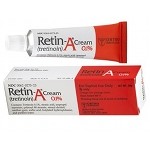
Retin-A (Tretinoin 0.025% / 0.05% Cream/Gel 20g) represents the foundational first-generation topical retinoid — the landmark medication that defined the entire topical retinoid class and remains gold-standard baseline for topical acne and anti-aging dermatologic therapy. Originally developed by Ortho Pharmaceutical (now Johnson & Johnson through Ortho Dermatologics division) and FDA-approved in 1971 — over 50 years of clinical use — Retin-A established topical retinoid therapy as revolutionary approach to acne treatment and subsequently as the first proven topical treatment for photoaging. Available on rxshop.md from two trusted manufacturers: Johnson & Johnson (original brand quality) and Healing Pharma India (bioequivalent generic under WHO-GMP standards). Manufactured in two therapeutic concentrations — 0.025% starting strength for sensitive patients and initial therapy, and 0.05% standard strength for established tolerance and higher potency needs — both in convenient 20 gram tubes.
Tretinoin (all-trans-retinoic acid, ATRA) works through nuclear retinoic acid receptor (RAR) binding producing multiple dermatologic effects. First, tretinoin normalizes follicular keratinization preventing abnormal keratin plug formation that creates microcomedones — the earliest acne lesions. Second, it increases epidermal cell turnover accelerating shedding of dead skin cells and reducing comedone development. Third, tretinoin increases dermal collagen synthesis improving skin texture, reducing fine wrinkles, and providing anti-aging benefits — the mechanism explaining its dual efficacy for acne and photoaging. Fourth, it produces anti-inflammatory effects reducing inflammatory acne lesions. Fifth, tretinoin modulates melanocyte function reducing hyperpigmentation particularly melasma and post-inflammatory hyperpigmentation.
Retin-A serves multiple dermatologic conditions across acne and anti-aging spectrum. Primary uses include acne vulgaris — comedones, papules, pustules, and inflammatory acne; Favre-Racouchot syndrome (solar comedones in photodamaged skin); photoaging including fine wrinkles and skin texture improvements; hyperpigmentation including melasma and post-inflammatory pigmentation; and skin tone and texture enhancement as part of comprehensive skincare regimen.
Retin-A applied thin layer once daily at bedtime. Broad-spectrum SPF 30+ sunscreen mandatory during day. Expect 2-6 week retinization period initially. Different from oral isotretinoin siblings Accufine, Accutane.
Free prescription
Discrete packaging
Have questions?
Quality Assurance

- Comedones: Blackheads and whiteheads from abnormal follicular keratinization responding to topical retinoid normalization;
- Papules and Pustules: Red inflamed papules and pus-filled pustules of inflammatory acne responding to anti-inflammatory retinoid action;
- Fine Wrinkles and Photoaging: FDA-approved for photoaging improving fine wrinkles skin texture and mottled hyperpigmentation from sun damage;
- Photodamage Treatment: Progressive skin damage from cumulative UV exposure improved through collagen synthesis and pigment normalization;
- Hyperpigmentation Treatment: Melasma post-inflammatory pigmentation and mottled sun-induced pigmentation fade with regular tretinoin use;
- Skin Texture Improvement: Rough uneven skin texture improves through normalized keratinocyte turnover and dermal collagen enhancement;
- Pore Appearance Reduction: Enlarged appearing pores diminish with tretinoin as follicular contents normalize and skin quality improves;
- Favre Racouchot Syndrome: Solar comedones from severe photodamage in periorbital area responding to topical retinoid treatment;
- Nodular Cystic Elastosis with Comedones: Solar-damaged skin with comedones responding to combined retinoid and photoprotection therapy;
- Melasma Treatment: Facial hyperpigmentation from hormonal and sun exposure responding to retinoid melanocyte modulation;
- Post Inflammatory Hyperpigmentation: Persistent dark spots after acne inflammation or injury responding to tretinoin lightening effects;
- Comedonal Acne Prevention: Prevents new comedone formation through normalized follicular keratinization at cellular level;
- Acne Scar Prevention: Reduces acne severity preventing progression to scarring through anti-inflammatory action;
- Skin Cell Renewal: Enhanced epidermal cell turnover producing fresher skin appearance and improved barrier function;
- Rough Skin Texture: Chronically rough skin from photodamage responds substantially to regular tretinoin application;
- Actinic Keratoses Adjunctive Therapy: Precancerous sun-damaged lesions respond to tretinoin as part of comprehensive management;
- Non Antibiotic Acne Therapy: Effective acne treatment without antibiotic exposure reducing antibiotic resistance development;
- Topical Retinoid Therapy: Foundational first-generation topical retinoid establishing the entire drug class with over 50 years of clinical use;
- Generic Tretinoin Therapy: Bioequivalent generic alternative to brand Retin-A at accessible cost for widespread dermatologic use.
- Less Wrinkles and Fine Lines: Increases dermal collagen synthesis reducing fine wrinkles and improving skin appearance in photoaged skin;
- Better Skin Texture and Tone: Normalizes keratinocyte turnover producing smoother more even skin texture and improved overall complexion;
- Less Hyperpigmentation: Fades melasma post-inflammatory pigmentation and mottled sun-damaged pigmentation through melanocyte modulation;
- Better Photodamage Treatment: FDA-approved for photoaging reversal improving skin quality damaged by cumulative sun exposure over years;
- Less Acne Scarring: Early intervention prevents progression to permanent acne scarring through effective early acne control;
- Smaller Pore Appearance: Enlarged-appearing pores diminish as follicular contents normalize and skin surface improves quality;
- Better Skincare Product Penetration: Enhanced epidermal turnover improves penetration and effectiveness of other topical skincare products;
- Non Antibiotic Acne Treatment: Effective acne management without antibiotic exposure preventing resistance development and preserving antibiotic options;
- Long Term Skin Health: Sustained use provides ongoing anti-aging and acne-preventive benefits through cellular normalization;
- Cures Severe Acne Effectively and Safely: Effective acne treatment with well-established safety profile from 50+ years of clinical experience;
- Less Comedones: Prevents blackhead and whitehead formation through normalized follicular keratinization at cellular level;
- Better Skin Cell Turnover: Normalized cellular differentiation and increased epidermal turnover produce fresher healthier skin appearance;
- Better Collagen Synthesis: Stimulates dermal collagen production improving skin thickness elasticity and youthful appearance;
- Better Melanocyte Regulation: Modulates melanocyte function reducing excessive pigmentation and improving skin color evenness;
- Better Two Strengths for Titration: 0.025% starting concentration and 0.05% standard concentration enable gradual retinization and dose optimization;
- Better Cream and Gel Formulations: Both cream (dry skin) and gel (oily skin) options enable selection based on skin type and preference;
- Better Two Manufacturer Options: Johnson & Johnson original brand quality and Healing Pharma generic alternative both under WHO-GMP standards;
- Better Generic Affordability: Substantially lower cost than brand-name Retin-A makes proven topical retinoid therapy accessible for long-term use;
- Better Quality of Life: Improved skin appearance dramatically enhances self-esteem and confidence for both acne patients and photoaging individuals.
Generic Retin-A (Tretinoin 0.025%/20 g) Medication guide:
Retin-A (Tretinoin 0.025% / 0.05% Cream/Gel 20g) represents the foundational first-generation topical retinoid — the landmark medication that defined the entire topical retinoid class and remains gold-standard baseline for topical acne and anti-aging dermatologic therapy. Originally developed by Ortho Pharmaceutical (now Johnson & Johnson through Ortho Dermatologics division) and FDA-approved in 1971 — over 50 years of clinical use — Retin-A established topical retinoid therapy as revolutionary approach to acne treatment and subsequently as the first proven topical treatment for photoaging. Available on rxshop.md from two trusted manufacturers: Johnson & Johnson (original brand quality) and Healing Pharma India (bioequivalent generic under WHO-GMP standards). Manufactured in two therapeutic concentrations — 0.025% starting strength for sensitive patients and initial therapy, and 0.05% standard strength for established tolerance and higher potency needs — both in convenient 20 gram tubes. This comprehensive medication guide covers every aspect of Retin-A therapy from tretinoin pharmacology through mechanism of action, dual-use for acne and photoaging, formulation selection, retinization period patient education, application technique, sunscreen requirements, comparison with other topical retinoids, and long-term therapy considerations.
💊 Introduction to Retin-A
Retin-A is a prescription topical medication containing tretinoin as its active ingredient in cream or gel formulation. Tretinoin (chemical name all-trans-retinoic acid, ATRA) is a naturally occurring vitamin A carboxylic acid derivative that was developed for clinical use by Ortho Pharmaceutical Corporation and received FDA approval as Retin-A in 1971 — making it one of the longest-established prescription dermatology medications with over 50 years of clinical experience. Ortho Pharmaceutical is now part of Johnson & Johnson through the Ortho Dermatologics division, which continues to develop the Retin-A product family.
Retin-A represents a truly foundational medication in dermatology as it established the entire topical retinoid drug class. Following Retin-A original approval for acne vulgaris in 1971, decades of clinical research revealed additional therapeutic applications culminating in FDA approval of Retin-A (marketed as Renova for this indication) for photoaging and fine wrinkle treatment. This dual efficacy — effective for both acne treatment and photoaging management — remains unique among topical medications and reflects the fundamental mechanism of retinoid action through nuclear retinoic acid receptor binding affecting hundreds of genes involved in skin homeostasis.
The Retin-A brand available on rxshop.md offers two manufacturer options providing patient choice while maintaining consistent quality. Johnson & Johnson manufactures the original brand-name Retin-A representing the pharmaceutical company that developed the medication and maintains the historical product formulation. Healing Pharma India manufactures bioequivalent generic tretinoin under WHO-GMP quality standards — the same trusted Indian manufacturer producing multiple other dermatology and general pharmaceuticals available on rxshop.md including Accufine (isotretinoin), Zofran (ondansetron), Celeheal (celecoxib), and Dapoforce (dapoxetine). Both manufacturers provide the standard 0.025% and 0.05% concentrations in 20 gram tubes in cream and gel formulations.
🔬 Understanding Retinoids Family
Understanding the retinoids drug class family is essential for appreciating how Retin-A fits within the broader dermatologic retinoid landscape and how it differs from related medications.
Retinoids Family Overview
Major retinoids in dermatology use:
- Natural retinoids: Retinol (vitamin A alcohol) - the natural precursor found in food
- First-generation retinoids: Retinol, retinal, tretinoin, isotretinoin, alitretinoin
- Second-generation retinoids: Acitretin, etretinate - monoaromatic derivatives
- Third-generation retinoids: Adapalene, tazarotene, bexarotene - polyaromatic derivatives
- Fourth-generation retinoids: Trifarotene - selective RAR gamma agonist
How Retin-A Differs from Oral Isotretinoin
Retin-A tretinoin and oral isotretinoin are frequently confused despite fundamental differences. Both are related retinoids but with dramatically different clinical positioning:
| Property | Retin-A (Tretinoin) | Oral Isotretinoin (Accufine, Accutane, Isofair) |
|---|---|---|
| Chemistry | all-trans-retinoic acid | 13-cis-retinoic acid |
| Route | Topical cream/gel | Oral capsule |
| Primary indication | Mild-moderate acne, photoaging | Severe recalcitrant nodular acne |
| FDA approval year | 1971 | 1982 |
| Duration of therapy | Long-term ongoing use | 4-6 month treatment course |
| Pregnancy category | Category C (topical) | Category X (extreme teratogen) |
| Laboratory monitoring | Minimal | Monthly required |
| Systemic side effects | Minimal | Multiple systemic effects |
| Anti-aging effect | FDA-approved | Not primary use |
| Long-term remission potential | Requires ongoing use | Permanent remission possible |
🧬 Chemistry and Mechanism of Action
Tretinoin has the chemical formula C20H28O2 with molecular weight approximately 300.4 g/mol. Structurally, tretinoin is all-trans-retinoic acid (ATRA) — the naturally occurring vitamin A carboxylic acid metabolite representing the biologically active form of vitamin A affecting skin cells. Tretinoin serves as the endogenous ligand for retinoic acid receptors that regulate hundreds of genes involved in epidermal differentiation, dermal remodeling, and skin homeostasis.
Multi-Effect Mechanism of Action
Tretinoin multi-effect mechanism of action:
- Nuclear RAR binding: Tretinoin binds retinoic acid receptors (RAR alpha, beta, gamma) as high-affinity agonist
- Gene transcription modulation: Activated receptors bind retinoic acid response elements affecting hundreds of genes
- Normalized follicular keratinization: Prevents abnormal keratin plug formation creating microcomedones
- Increased epidermal cell turnover: Accelerated shedding of dead skin cells and comedone contents
- Enhanced dermal collagen synthesis: Stimulates fibroblasts producing new collagen improving skin thickness
- Improved elastin fiber quality: Reverses solar elastosis characteristic of photoaging
- Anti-inflammatory effects: Modulates immune response reducing inflammatory acne lesions
- Melanocyte modulation: Reduces hyperpigmentation through altered melanogenesis
- Improved dermal blood supply: Enhanced dermal vascularity in photoaged skin
- Reduced matrix metalloproteinase activity: Prevents UV-induced collagen breakdown
Pharmacokinetic Profile
| Parameter | Value | Clinical Significance |
|---|---|---|
| Systemic absorption through intact skin | Less than 2 percent | Minimal systemic exposure |
| Onset of clinical improvement (acne) | 6-12 weeks initial, 4-6 months substantial | Gradual improvement over months |
| Onset of photoaging improvement | 3-6 months initial, 6-12 months substantial | Long-term therapy required |
| Retinization period | 2-6 weeks initial adjustment | Initial irritation and possible acne flare |
| Photodegradation | Rapidly inactivated by UV light | Why applied at bedtime |
| Metabolism | Skin and hepatic CYP450 | Rapid inactivation of absorbed drug |
| Elimination | Biliary and renal metabolites | Complete elimination within days |
| Sustained clinical effect | Requires ongoing use | Discontinuation leads to gradual reversal |
🎯 Approved Indications
Primary FDA Approved Indication - Acne (1971)
- Acne vulgaris including comedonal and inflammatory acne in adolescents and adults
Second FDA Approved Indication - Photoaging
- Fine wrinkles from chronic sun damage
- Mottled hyperpigmentation from photodamage
- Tactile roughness of facial skin from photoaging
Broader Clinical Uses
- Comedones (blackheads/whiteheads) - treatment of choice
- Papules and pustules - inflammatory acne lesions
- Post-inflammatory hyperpigmentation - dark spots after acne
- Melasma - hormonal facial hyperpigmentation
- Actinic keratoses - as part of comprehensive management
- Solar lentigines - sun-induced dark spots
- Favre-Racouchot syndrome - solar comedones
- Skin texture improvement - anti-aging skincare
- Enlarged pores - appearance improvement
- Non-antibiotic acne treatment - antibiotic stewardship
Off-Label Dermatologic Uses
- Post-inflammatory hyperpigmentation after various inflammatory conditions
- Verrucae planae (flat warts) - some effectiveness
- Molluscum contagiosum - selected cases
- Milia - persistent milia may respond
- Keratosis pilaris - some benefit reported
- Stretch marks (striae distensae) - improvement in early stretch marks
📊 Selecting the Right Retin-A Product
Two Manufacturer Options
Manufacturer selection considerations:
- Johnson & Johnson (original brand): Historical formulation, brand-name recognition, higher cost
- Healing Pharma India (generic): Bioequivalent quality under WHO-GMP, accessible cost, same active ingredient
- Clinical outcomes: Equivalent expected from both manufacturers
- Cost consideration: Generic option enables long-term therapy affordability
Two Strengths Selection
| Property | 0.025% Starting Strength | 0.05% Standard Strength |
|---|---|---|
| Best for | First-time users, sensitive skin | Established tolerance, higher potency needs |
| Initial irritation | Milder | More intense |
| Retinization period | 2-4 weeks typically | 4-6 weeks typically |
| Efficacy for acne | Effective at all severities | Higher potency for resistant cases |
| Efficacy for photoaging | Good for maintenance | Best for substantial improvement |
| Face vs body use | Excellent for face | Excellent for face and body |
Cream vs Gel Formulation Selection
| Property | Cream | Gel |
|---|---|---|
| Base vehicle | Water-in-oil emulsion | Alcohol-based |
| Best skin type | Dry, sensitive, mature skin | Oily skin, acne-prone |
| Moisturizing effect | Better hydration | Drying effect |
| Cosmetic elegance | Feels moisturizing | Feels lightweight |
| Irritation potential | Less irritating | May be more irritating |
| Recommendation | Anti-aging, mature skin, dry skin | Acne, oily skin, humid climates |
🚫 Contraindications and Precautions
Contraindications
- Hypersensitivity to tretinoin or other retinoids
- Hypersensitivity to any excipient in the formulation
- Active severe eczema or dermatitis on treatment area
- Active sunburn on treatment area
- Concurrent products causing significant irritation
Pregnancy Considerations
Pregnancy Category C:
While systemic absorption of topical tretinoin is minimal (less than 2 percent through intact skin), tretinoin is Pregnancy Category C. Given that oral isotretinoin is a severe teratogen and other retinoids have shown developmental effects, most dermatologists recommend avoiding tretinoin during pregnancy as precautionary measure.
- Discontinue tretinoin before conception attempts
- Do not start tretinoin during pregnancy
- Use only if benefits clearly outweigh risks
- Discuss with obstetrician
- Discontinue immediately if pregnancy occurs during use
- Different from oral isotretinoin - no lengthy post-treatment avoidance required
Precautions
Use with caution:
- Sun exposure: Increased photosensitivity - broad-spectrum SPF 30+ mandatory
- Tanning beds: Absolutely avoid during treatment
- Extreme cold/wind: May exacerbate irritation
- Broken or damaged skin: May increase absorption and irritation
- Eczema or sensitive skin history: Start with lowest concentration and reduced frequency
- Concurrent retinoids: Do not combine multiple retinoid products
- Concurrent AHA/BHA products: May increase irritation - alternate nights
- Contact avoidance: Eyes, corners of mouth, angles of nose, mucous membranes
💉 Dosage and Administration
Standard Application Protocol
Standard Retin-A application:
- Frequency: Apply thin layer once daily at bedtime
- Amount: Pea-sized amount for entire face
- Timing: At night after skin cleansing (allow full skin drying first)
- Consistency: Consistent daily use required for effect
- Duration: Long-term ongoing use
- Follow-up: Dermatology assessment at 3-6 months
Starting Regimen for New Users
"Start low, go slow" approach recommended:
- Week 1-2: Apply 0.025% every third night to allow acclimation
- Week 3-4: Increase to every other night if tolerated
- Week 5-6: Progress to nightly application at 0.025%
- Month 2-3: Consider increasing to 0.05% if tolerated and higher potency needed
- Long-term: Continue nightly application indefinitely for sustained benefits
- Sensitive skin: Consider "buffering" by applying moisturizer 20 minutes after tretinoin
Detailed Application Technique
Proper application technique:
- Wash face gently with mild non-abrasive cleanser
- Pat skin dry and wait 20-30 minutes until completely dry
- Apply pea-sized amount to fingertip
- Dot on 4-5 areas of face (forehead, cheeks, chin)
- Spread thin layer in outward smoothing motions
- Cover entire face including forehead, cheeks, chin, jawline
- Avoid immediate eye area, corners of mouth, angles of nose
- Allow to absorb for at least 20 minutes before other products
- Follow with moisturizer if desired (buffering)
- Wash hands thoroughly after application
- Do not apply if broken skin, sunburn, or active irritation present
- Apply consistently at same time each night for optimal effect
🌞 The Retinization Period
Understanding the retinization period - CRITICAL patient education:
The retinization period is the initial 2-6 week adjustment when skin acclimates to tretinoin. This is a normal and expected phase, NOT treatment failure. Patient education about retinization is essential to prevent premature discontinuation.
Common retinization phenomena:
- Initial acne "purging": Existing subclinical acne accelerated to surface
- Skin irritation: Redness, tingling, mild burning
- Peeling and flaking: Increased skin cell turnover
- Dryness: Temporary barrier disruption
- Sensitivity: Increased reactivity to skincare products
- Photosensitivity: Increased sun sensitivity
Managing retinization:
- Reduce frequency: Every other night or every third night initially
- Use gentle cleanser: Avoid harsh scrubs or exfoliants
- Apply moisturizer: Frequent hydration during adjustment
- Buffering technique: Moisturizer 20 minutes before OR after tretinoin
- Patience: Retinization resolves in 2-6 weeks typically
- Avoid stopping: Persistence through retinization essential for eventual benefits
☀️ Sunscreen Requirements
MANDATORY sun protection during tretinoin use:
Tretinoin increases photosensitivity and requires strict lifelong sun protection while using the medication. Sun exposure during tretinoin use can:
- Increase skin irritation and dermatitis
- Cause severe sunburn even with brief exposure
- Trigger post-inflammatory hyperpigmentation
- Degrade tretinoin reducing effectiveness
- Counteract anti-aging benefits by causing new photodamage
Sun protection requirements:
- Broad-spectrum SPF 30+ sunscreen daily even on cloudy days
- Reapply every 2 hours during sun exposure
- Physical protection: Wide-brimmed hats, sunglasses
- Avoid peak hours: 10 AM to 4 PM outdoor activity minimization
- Seek shade when possible
- NEVER use tanning beds during tretinoin therapy
📊 Clinical Effectiveness Data
| Metric | Response Data |
|---|---|
| Acne improvement at 12 weeks | 70-90 percent substantial improvement |
| Comedone reduction | Approximately 60-80 percent at 3-6 months |
| Inflammatory lesion reduction | Approximately 50-70 percent |
| Fine wrinkle improvement | Substantial improvement at 6-12 months |
| Mottled hyperpigmentation fading | Progressive fading over 6-12 months |
| Skin texture improvement | Visible improvement 3-6 months |
| Dermal collagen increase | Measurable at 6 months, continued at 12 months |
| Sustained clinical effect | Requires ongoing use for maintenance |
⚠️ Side Effects
Common Local Side Effects (Retinoid Reaction)
- Skin irritation: Very common initial redness, warmth, tingling
- Peeling and flaking: Common from increased cell turnover
- Dryness: Very common - use moisturizer
- Increased sensitivity: To other skincare products
- Sunburn susceptibility: Increased photosensitivity
- Temporary acne flare: Initial "purging" during retinization
- Burning sensation: Especially initially
- Contact irritant dermatitis: More severe cases
- Chapping: Cracking at angles of mouth or nose
Less Common Side Effects
- Contact allergic dermatitis: Rare
- Hyperpigmentation: Post-inflammatory - especially in darker skin
- Hypopigmentation: Rare temporary
- Fine crusting: Uncommon
- Increased sensitivity to wind or cold
Managing Side Effects
Side effect management strategies:
- Reduce frequency: Every other night or every third night
- Reduce concentration: Use 0.025% instead of 0.05%
- Apply less product: Smaller pea-sized amount
- Buffering technique: Moisturizer before or after tretinoin
- Gentle cleansing: Non-abrasive cleanser only
- Frequent moisturizing: Especially during retinization
- Avoid harsh products: Discontinue exfoliants and irritants
- Time-limited pause: 3-5 day break for severe reactions
- Consider vehicle change: Cream instead of gel if too drying
🔄 Drug Interactions
Given minimal systemic absorption, systemic drug interactions are limited. Topical interaction concerns:
| Product/Ingredient | Interaction |
|---|---|
| Other topical retinoids (adapalene, tazarotene) | Do not use concurrently - excessive irritation |
| Benzoyl peroxide | May inactivate tretinoin - apply at different times |
| Alpha hydroxy acids (glycolic, lactic) | Increased irritation - alternate nights or avoid |
| Beta hydroxy acid (salicylic acid) | Increased irritation - use cautiously |
| Physical exfoliants and scrubs | Avoid during tretinoin use |
| Astringents and alcoholic products | Increased irritation - avoid |
| Hydroquinone | Compatible - often used together for melasma |
| Sulfur products | Increased irritation potential |
| Moisturizers and sunscreen | Compatible and beneficial |
🛡️ Special Populations
- Adolescents 12-17 Years
- Excellent first-line topical acne treatment. Start with 0.025% and progress based on tolerance. Educate about retinization and sun protection. Cost-effective long-term option.
- Young Adults
- Standard first-line therapy for mild-moderate acne. Also beneficial for early anti-aging prevention. Both 0.025% and 0.05% appropriate depending on tolerance.
- Middle-Aged Adults
- Primarily for photoaging and adult acne. Long-term therapy provides substantial anti-aging benefits. 0.05% strength typically most effective for photoaging.
- Elderly Patients
- Beneficial for photoaging in elderly with intact skin. Start with 0.025% due to thinner more sensitive skin. Excellent long-term maintenance therapy.
- Pregnancy
- Category C - avoid during pregnancy as precaution. Discontinue before conception attempts. Different from oral isotretinoin which requires strict prevention protocols but same-precautionary principle applies.
- Lactation
- Minimal systemic absorption but limited data. Avoid application to nipples during breastfeeding. Consider risk-benefit assessment.
- Dark Skin Types
- Effective but increased risk of post-inflammatory hyperpigmentation from irritation. Start with 0.025%, use lower frequency initially, prioritize slow acclimation to prevent hyperpigmentation.
- Sensitive Skin Type
- Start with 0.025% cream every third night. Slow progression to nightly. Use gentle moisturizing regimen. Buffering technique helpful.
- Rosacea Patients
- Generally avoid - can worsen rosacea flushing and inflammation. Consider alternative acne therapies. If rosacea and acne coexist, dermatology consultation essential.
- Photoaging Patients
- FDA-approved indication. 0.05% concentration typically for substantial improvement. Long-term therapy required. Combined with strict sun protection for optimal results.
- Melasma Patients
- Effective often combined with hydroquinone and low-potency corticosteroid (Kligman triple therapy). Long-term therapy with strict sun protection. Discontinue in pregnancy or before conception.
🔬 Comparison with Other Topical Retinoids
| Property | Retin-A (Tretinoin) | Adapalene | Tazarotene |
|---|---|---|---|
| Generation | First (natural) | Third (synthetic) | Third (synthetic) |
| FDA approval | 1971 | 1996 | 1997 |
| Photoaging indication | Yes (FDA-approved) | Not FDA-approved | Yes (FDA-approved) |
| Irritation potential | Moderate-high | Lowest of retinoids | Highest |
| Photostability | Low - use at night | High | High |
| Acne effectiveness | Excellent | Very good | Excellent (strong) |
| Historical use | 50+ years | 25+ years | 25+ years |
| Cost | Generic accessible | OTC available | Higher prescription |
📆 Long-Term Use
Long-term Retin-A therapy considerations:
- Ongoing benefits: Sustained anti-aging and acne-preventive effects with continued use
- Discontinuation: Benefits gradually reverse if stopped - photoaging returns
- Safety over decades: Extensive clinical experience supports long-term safety
- No cumulative toxicity: Unlike some retinoids no long-term toxicity concerns
- Adjustable regimen: Frequency and strength adjustable based on goals
- Maintenance strategy: Some patients transition to less frequent application
- Combination therapy: Compatible with vitamin C, sunscreen, moisturizers long-term
- Skin health investment: Long-term therapy provides sustained skin quality benefits
📦 Storage and Handling
- Store at room temperature between 15°C and 30°C (59°F and 86°F)
- Protect from heat and direct sunlight - tretinoin degrades in light
- Keep tube tightly capped when not in use
- Do not freeze
- Keep out of reach of children
- Do not use past expiration date
- Do not share tube with others
- Discard if formulation appears discolored or contaminated
- Return unused medication to pharmacy for proper disposal
- Store separately from other skincare products
👨⚕️ When to Contact Your Doctor
- Severe skin irritation, burning, or persistent redness
- Signs of allergic reaction: swelling, hives, difficulty breathing
- Severe peeling or blistering
- Persistent post-inflammatory hyperpigmentation
- Suspected pregnancy - discontinue immediately
- Considering pregnancy - discontinue before conception
- No improvement after 3-4 months of consistent use
- Development of severe sensitivity to sun
- Sunburn from minimal sun exposure
- Development of new skin conditions during treatment
- Persistent severe irritation despite dose adjustment
- Concerns about proper application technique
- Question about strength or frequency changes
- Signs of secondary bacterial infection in irritated skin
- Development of rosacea-like symptoms
🌟 Key Takeaways
Essential points about Retin-A (tretinoin) therapy:
- Retin-A is Johnson & Johnson brand and Healing Pharma generic tretinoin 0.025% or 0.05% cream/gel
- Foundational first-generation topical retinoid FDA-approved 1971 with over 50 years clinical use
- All-trans-retinoic acid (ATRA) - the biologically active form of vitamin A
- Dual FDA-approved indications: acne vulgaris and photoaging
- Different from oral isotretinoin (Accufine, Accutane, Isofair) - topical not oral, mild-moderate not severe acne
- Multi-mechanism: normalized keratinization, increased turnover, collagen synthesis, anti-inflammatory
- Standard application: thin layer once daily at bedtime
- "Start low, go slow" approach: begin 0.025% every third night, gradually increase
- Retinization period 2-6 weeks NORMAL adjustment - not treatment failure
- MANDATORY broad-spectrum SPF 30+ sunscreen daily during treatment
- Cream better for dry sensitive skin; gel better for oily acne-prone skin
- 0.025% starting strength; 0.05% standard higher potency strength
- Common side effects: irritation, peeling, dryness, photosensitivity
- Pregnancy Category C - avoid during pregnancy as precaution
- Non-antibiotic acne option - important for antibiotic stewardship
- Long-term ongoing use for sustained benefits
- Discontinuation gradually reverses effects
- Avoid combining with other retinoids or benzoyl peroxide simultaneously
- Compatible long-term with vitamin C, moisturizers, sunscreen
- Post-inflammatory hyperpigmentation risk higher in dark skin - use gentle regimen
Important Medical Disclaimer: This medication guide provides general information about Retin-A (tretinoin 0.025% or 0.05% cream/gel) and does not constitute individualized medical advice. Every patient situation is unique and requires evaluation by a qualified healthcare provider before starting continuing or discontinuing any medication. Do not use Retin-A without prescription and proper diagnosis. Retin-A is different from oral isotretinoin (Accufine, Accutane, Isofair) - topical application for mild-moderate acne and photoaging versus oral therapy for severe recalcitrant nodular acne. The retinization period during initial 2-6 weeks of therapy is NORMAL adjustment with expected skin irritation and possible temporary acne flare - do not assume treatment failure and discontinue prematurely. MANDATORY broad-spectrum SPF 30+ sunscreen daily during treatment - tretinoin substantially increases photosensitivity requiring strict sun protection. Discontinue before conception attempts and during pregnancy (Category C). Do not combine with other topical retinoids or use with benzoyl peroxide simultaneously. Report severe irritation, allergic reactions, or persistent post-inflammatory hyperpigmentation to your healthcare provider. Long-term maintenance therapy required for sustained anti-aging and acne-preventive benefits. Consider dermatology consultation for optimal treatment planning particularly for dark skin types where post-inflammatory hyperpigmentation risk higher. If you experience concerning symptoms contact your healthcare provider promptly. The information provided here should complement but never replace direct professional dermatology guidance.
Retin-A — Frequently Asked Questions
-
What is Retin-A used for?
Retin-A is primarily used to treat acne. It's also effective in reducing the appearance of fine lines, wrinkles, and sun damage. -
How does Retin-A work?
It promotes rapid turnover of skin cells, reduces the adherence of cells in hair follicles, decreases oil production, and increases collagen production in the dermis. -
How should Retin-A be applied?
Apply a pea-sized amount on clean, dry skin once a day at bedtime, avoiding the eyes, nostrils, and mouth. -
Can Retin-A cause skin irritation?
Yes, common side effects include redness, dryness, peeling, and irritation, especially during the first few weeks of use. -
How long does it take to see results from Retin-A?
Improvement in acne might be seen in 2 to 3 weeks, but it can take 6 to 12 weeks for full benefits, and continuous use is required to maintain these benefits. -
Is Retin-A safe for all skin types?
While effective for many, it can cause irritation in sensitive skin. A dermatologist can provide guidance on its suitability for your skin type. -
Can Retin-A be used under the eyes?
Caution is advised when applying near the eyes due to increased sensitivity in this area. Avoid direct contact with the eyes.
See all Retin-A questions (32)
More Skin Care Medications