Buy Imdur (Isosorbide Mononitrate 40mg ER) Online - Gold Standard Long Acting Nitrate for Chronic Angina Prevention

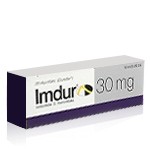
Imdur (Isosorbide Mononitrate 40mg Extended Release) represents the gold standard long-acting organic nitrate for prevention of angina pectoris — chest pain from coronary artery insufficiency. Originally developed by AstraZeneca (then Astra Pharmaceuticals) and FDA-approved in 1991, isosorbide mononitrate (ISMN) established once-daily nitrate therapy as the standard for chronic angina prevention through sustained nitric oxide release providing consistent vasodilation and coronary blood flow improvement throughout the day. Manufactured as bioequivalent generic under WHO-GMP quality standards, Imdur offers proven efficacy in preventing angina attacks, reducing exercise-induced chest pain, and improving quality of life for patients with chronic stable angina. Available as 40 mg extended release tablets providing sustained release throughout the day enabling convenient once-daily dosing.
Isosorbide mononitrate works as an organic nitrate prodrug — after absorption, ISMN releases nitric oxide (NO) which activates soluble guanylate cyclase in vascular smooth muscle cells. This increases cyclic guanosine monophosphate (cGMP) concentrations, activating protein kinase G and producing smooth muscle relaxation and vasodilation. The vasodilation predominantly affects venous capacitance vessels (dose-dependent effect on arteries) producing several beneficial effects for angina patients: reduced venous return (preload) decreasing left ventricular end-diastolic volume and wall tension, reduced myocardial oxygen demand as the heart works against lower pressures, improved subendocardial coronary blood flow, and dilation of large coronary arteries. This produces prevention of angina attacks, increased exercise tolerance, reduced chest pain frequency and severity, and improved daily activity capacity. Clinical response: therapeutic effect within 30-60 minutes of dosing, consistent 12-24 hour vasodilator action supporting once-daily convenience.
Imdur serves specific cardiovascular indications requiring sustained vasodilation. Primary uses include chronic stable angina pectoris prevention as gold standard therapy; severe stenocardia (severe angina) requiring sustained anti-anginal action; pulmonary hypertension (hypertension in lung circulation) requiring sustained pulmonary vasodilation; and heart failure with pulmonary congestion as adjunctive therapy. Important: Imdur is NOT for acute angina attacks — sublingual nitroglycerin should be used for acute chest pain. Nitrate-free interval of 10-14 hours daily prevents tolerance development.
Imdur dosed 40 mg once daily in morning. Peak at 3-4 hours, 4-5 hour half-life extended by ER formulation. Manufactured under WHO-GMP standards.
Free prescription
Discrete packaging
Have questions?
Quality Assurance

- Chest Pain Prevention: Prevention of exercise-induced or activity-related chest pain;
- Chronic Stable Angina: Predictable exertional angina requiring sustained prevention therapy;
- Severe Stenocardia: Severe angina with frequent attacks requiring sustained therapy;
- Coronary Insufficiency: Reduced coronary blood flow with anginal symptoms;
- Pulmonary Hypertension: Hypertension in pulmonary circulation requiring sustained vasodilation;
- Post MI Chronic Angina: Post-myocardial infarction angina prevention;
- Exercise Induced Angina: Exertional chest pain from coronary insufficiency;
- Stable Ischemic Heart Disease: Chronic ischemic heart disease with angina symptoms;
- Heart Failure Adjunctive Therapy: Adjunctive vasodilator therapy for heart failure with congestion;
- Preload Reduction: Venous vasodilation reducing cardiac preload and workload;
- Once Daily Nitrate Convenience: Extended release formulation for simplified dosing;
- Nitric Oxide Donor Therapy: NO release providing vasodilation cardiovascular benefit;
- Coronary Vasodilator: Improves subendocardial coronary blood flow;
- Organic Nitrate Class: Gold standard nitrate class for chronic angina prevention;
- Long Acting Nitrate: Sustained action distinguishes from short-acting nitroglycerin;
- Chronic Ischemia Management: Long-term ischemic heart disease management;
- Reduced Myocardial Oxygen Demand: Preload reduction decreases cardiac workload;
- Improved Exercise Tolerance: Anti-anginal action enables greater physical activity;
- Generic Imdur Therapy: Bioequivalent generic alternative to brand-name Imdur at lower cost.
- Less Chest Pain: Exertional and daily chest pain episodes decrease substantially;
- Better Exercise Tolerance: Physical activity capacity improves as anginal threshold rises;
- Better Daily Activity Capacity: Daily activities become manageable without chest pain limitations;
- Better Coronary Blood Flow: Improved subendocardial coronary artery blood flow;
- Better Vasodilation: Nitric oxide donation produces sustained blood vessel dilation;
- Less Cardiac Preload: Venous vasodilation reduces preload and left ventricular workload;
- Less Myocardial Oxygen Demand: Reduced cardiac work reduces oxygen requirements;
- Better Quality of Life: Daily wellbeing improves as angina no longer restricts activities;
- Better Sustained 12-24 Hour Action: Long duration provides consistent daily coverage;
- Better Once Daily Convenience: Extended release formulation supports simplified regimen;
- Better Medication Adherence: Once-daily dosing improves compliance vs multiple daily doses;
- Better Pulmonary Hypertension Support: Sustained pulmonary vasodilation for lung circulation issues;
- Better Heart Failure Adjunctive Support: Preload reduction benefits heart failure with congestion;
- Better Nitric Oxide Availability: Provides NO substrate for vascular benefits;
- Better Post MI Symptom Control: Post-myocardial infarction angina managed effectively;
- Better Predictable Response: More predictable kinetics than isosorbide dinitrate;
- Better Long Clinical Track Record: Over 30 years experience since FDA approval 1991;
- Better Generic Cost: 85-95% lower cost than brand Imdur makes gold standard therapy accessible;
- Better Cardiovascular Wellbeing: Overall cardiovascular health support through sustained vasodilation.
Generic Imdur (Isosorbide Mononitrate 40 mg) Medication guide:
Imdur (Isosorbide Mononitrate 40mg Extended Release) is the gold standard long-acting organic nitrate for prevention of angina pectoris (chest pain from coronary artery insufficiency). Developed by AstraZeneca and FDA-approved in 1991, isosorbide mononitrate established once-daily nitrate therapy as the standard for chronic angina prevention through sustained nitric oxide release providing consistent vasodilation and coronary blood flow improvement. As the pharmacologically active metabolite of isosorbide dinitrate providing more predictable pharmacokinetics without hepatic first-pass metabolism, ISMN represents the preferred long-acting nitrate for chronic angina management worldwide. This comprehensive medication guide covers every aspect of Imdur therapy from angina physiology through mechanism, pharmacology, safety considerations, drug interactions (including critical PDE5 inhibitor contraindication), patient selection, dosing strategies, and long-term management recommendations.

💊 Introduction to Imdur
Imdur is a prescription oral medication containing isosorbide mononitrate (ISMN) as its active ingredient in an extended release formulation. Isosorbide mononitrate is the pharmacologically active metabolite of isosorbide dinitrate (ISDN) — an older nitrate that requires hepatic first-pass metabolism to become active. ISMN was developed to provide more predictable pharmacokinetics by bypassing this conversion step, resulting in near-complete bioavailability and consistent therapeutic blood levels. The Imdur brand was developed by AstraZeneca Pharmaceuticals (originally Astra Pharmaceuticals) and received FDA approval in the United States in 1991.
The medication is manufactured worldwide by numerous generic pharmaceutical companies following patent expiration. Available as 40 mg extended release tablets — the standard maintenance dose used for chronic angina prevention. In broader use, ISMN is available in strengths of 30 mg, 60 mg, 90 mg, and 120 mg extended release tablets in various markets, and also as immediate release tablets (Ismo, Monoket) for twice-daily dosing. The extended release formulation used in Imdur provides sustained drug release throughout the day enabling convenient once-daily dosing while maintaining therapeutic blood levels for anti-anginal effect and appropriate nitrate-free interval for tolerance prevention.
Imdur occupies a distinctive position in cardiovascular medicine as the gold standard long-acting nitrate for chronic angina prevention. Unlike short-acting sublingual nitroglycerin used for acute angina attacks (immediate relief within minutes), Imdur is used for chronic daily prevention — providing sustained vasodilation to reduce the frequency and severity of anginal episodes. This distinction is critical: Imdur is NOT for acute chest pain — patients experiencing acute angina should use sublingual nitroglycerin or spray while Imdur provides ongoing background prevention. The medication represents part of comprehensive cardiovascular therapy typically combined with beta-blockers, calcium channel blockers, statins, aspirin, and other agents based on individual patient cardiovascular risk factors and clinical presentation.
🔬 Understanding Angina Pectoris
Understanding angina pathophysiology is essential for appreciating how Imdur prevents chest pain and improves quality of life for patients with chronic coronary artery disease.
What Is Angina Pectoris
Angina pectoris (literally chest pain) is the characteristic symptom of myocardial ischemia — insufficient blood flow to heart muscle relative to its oxygen demand. When cardiac work exceeds coronary blood supply capacity, ischemic metabolites accumulate producing the characteristic angina symptoms:
Classic angina symptoms:
- Substernal chest pressure or pain - central chest heavy sensation
- Radiation to left arm, jaw, back, or neck
- Precipitated by exertion or stress
- Relieved by rest or sublingual nitroglycerin
- Duration 2-10 minutes typically
- Associated symptoms: shortness of breath, sweating, nausea
- Predictable pattern in stable angina
Types of Angina
- Stable Angina
- Predictable exertional chest pain at consistent workload. Threshold for symptoms consistent day-to-day. Responds to rest and short-acting nitrates. Imdur primary indication for prevention.
- Unstable Angina
- New onset, at rest, worsening pattern, or requiring more medication. Represents acute coronary syndrome requiring urgent evaluation. Imdur may be used as part of management but not the primary intervention.
- Variant (Prinzmetal) Angina
- Vasospasm-induced angina, often at rest, particularly early morning. Calcium channel blockers first-line but nitrates including Imdur may be used.
- Microvascular Angina (Syndrome X)
- Angina with normal coronary arteries due to small vessel dysfunction. May respond to nitrates and calcium channel blockers.
Coronary Blood Flow and Oxygen Balance
Myocardial ischemia results from imbalance between oxygen supply (coronary blood flow) and oxygen demand (cardiac work). Imdur treats angina by addressing both sides of this equation:
Imdur cardiovascular effects:
- Increases oxygen supply: Coronary artery dilation improves blood flow
- Decreases oxygen demand: Venous vasodilation reduces preload
- Reduced left ventricular wall tension
- Improved subendocardial perfusion
- Reduced myocardial work at any given cardiac output
🧬 Chemistry and Pharmacology of Isosorbide Mononitrate
Isosorbide mononitrate has the chemical formula C6H9NO6 with molecular weight approximately 191.1 g/mol. Structurally, ISMN is the 5-mononitrate derivative of isosorbide — the sugar alcohol derivative from sorbitol. As the pharmacologically active metabolite of isosorbide dinitrate, ISMN bypasses the hepatic conversion step required by ISDN, providing more predictable pharmacokinetics with near-complete oral bioavailability.
Nitric Oxide Signaling Pathway
ISMN mechanism cascade:
- ISMN absorbed from GI tract reaches vascular smooth muscle cells
- Enzymatic conversion by aldehyde dehydrogenase-2 releases nitric oxide (NO)
- NO activates soluble guanylate cyclase (sGC) enzyme
- sGC increases cyclic guanosine monophosphate (cGMP) production
- cGMP activates protein kinase G (PKG)
- PKG phosphorylates various substrates producing smooth muscle relaxation
- Reduced calcium sensitivity in smooth muscle
- Vasodilation predominantly in venous capacitance vessels (dose-dependent arterial effect)
- Result: reduced preload, coronary vasodilation, anti-anginal effect
Hemodynamic Effects
ISMN produces dose-dependent hemodynamic effects:
| Effect | Mechanism | Clinical Significance |
|---|---|---|
| Venous vasodilation | Primary effect at therapeutic doses | Reduced preload preferentially |
| Reduced left ventricular preload | Reduced venous return | Decreased wall tension |
| Arterial vasodilation | Higher doses | Reduced afterload |
| Coronary artery dilation | Direct coronary effect | Improved coronary blood flow |
| Reduced myocardial oxygen demand | Preload and afterload reduction | Anti-anginal effect |
| Reflex tachycardia | Compensatory sympathetic response | May limit benefit - often blocked with beta-blocker |
Pharmacokinetic Profile
| Parameter | Value | Clinical Significance |
|---|---|---|
| Onset of vasodilation | 30 to 60 minutes | Not for acute angina relief |
| Time to peak (Tmax) | 3 to 4 hours (ER) | Peak effect delayed by ER formulation |
| Duration of effect | 12 to 24 hours (ER) | Supports once-daily dosing with nitrate-free interval |
| Oral bioavailability | Nearly 100 percent | No hepatic first-pass metabolism (advantage vs ISDN) |
| Half-life | 4 to 5 hours (parent) | ER formulation extends therapeutic effect |
| Protein binding | Less than 5 percent | Minimal displacement interactions |
| Metabolism | Hepatic denitration and conjugation | Multiple metabolic pathways |
| Food effect | Minimal | Take with or without food consistently |
| Elimination | Primarily renal (as metabolites) | Renal function affects clearance |
🔄 Understanding Nitrate Tolerance
Nitrate tolerance is a unique clinical challenge with all long-acting nitrates including Imdur. With sustained continuous exposure to therapeutic nitrate concentrations, patients develop diminished vasodilator response — the medication becomes less effective at preventing angina.
Tolerance Mechanism
Multiple mechanisms contribute to nitrate tolerance:
- Depletion of intracellular thiol groups required for nitrate biotransformation
- Impaired conversion of nitrates to nitric oxide
- Increased vascular superoxide reducing NO bioavailability
- Endothelial dysfunction from oxidative stress
- Neurohumoral counter-regulation (renin-angiotensin activation)
Nitrate-Free Interval Strategy
Preventing nitrate tolerance:
- 10-14 hour nitrate-free interval daily prevents tolerance development
- Once-daily morning dosing allows nitrate-free overnight period
- Imdur ER formulation designed to provide effective daytime coverage with overnight washout
- Do NOT dose twice daily - eliminates protective nitrate-free interval
- Some patients may need break-through short-acting nitroglycerin during nitrate-free interval
🎯 Indications and Patient Selection
Approved Indications
- Prevention of angina pectoris from chronic stable angina
- Prevention of angina attacks not for acute treatment of established attacks
Additional Uses
- Chronic heart failure with pulmonary congestion (adjunctive with hydralazine)
- Pulmonary hypertension requiring sustained pulmonary vasodilation
- Severe stenocardia requiring sustained anti-anginal therapy
- Post-myocardial infarction chronic angina management
Off-Label Uses
- Achalasia: Esophageal smooth muscle relaxation
- Anal fissures: Topical or oral for chronic anal fissure
- Portal hypertension: Reduces portal pressure in some cases
- Raynauds phenomenon: Vasodilator therapy
Ideal Patient Selection
Imdur therapy is most appropriate for:
- Patients with chronic stable angina requiring prevention therapy
- Patients already using short-acting nitroglycerin for breakthrough attacks
- Patients who can tolerate initial headache (usually improves over 1-2 weeks)
- Patients not taking PDE5 inhibitors (sildenafil, tadalafil, vardenafil, avanafil)
- Patients without severe hypotension or aortic stenosis
- Patients able to adhere to once-daily dosing regimen
- Patients with adequate cardiac output despite CAD
- Patients who can maintain 10-14 hour nitrate-free interval
🚫 Critical Contraindications
PDE5 Inhibitor Absolute Contraindication
ABSOLUTE CONTRAINDICATION - PDE5 Inhibitors:
Concurrent use of Imdur with phosphodiesterase-5 (PDE5) inhibitors is absolutely contraindicated due to risk of life-threatening hypotension. Both drug classes work through the NO-cGMP pathway - PDE5 inhibitors prevent cGMP breakdown while nitrates increase cGMP production. Combination produces massive cGMP elevation with catastrophic vasodilation and hypotension.
Contraindicated PDE5 inhibitors:
- Sildenafil (Viagra) - avoid nitrates within 24 hours
- Tadalafil (Cialis) - avoid nitrates within 48 hours (longer half-life)
- Vardenafil (Levitra) - avoid nitrates within 24 hours
- Avanafil (Stendra) - avoid nitrates within 12 hours
Patients using nitrates for angina cannot use any PDE5 inhibitor - alternative erectile dysfunction therapies required.
Other Contraindications
Additional absolute contraindications:
- Hypersensitivity to nitrates
- Severe hypotension (systolic below 90 mmHg)
- Severe anemia
- Increased intracranial pressure
- Acute circulatory failure/shock
- Hypertrophic obstructive cardiomyopathy (HOCM)
- Constrictive pericarditis
- Cardiac tamponade
- Closed-angle glaucoma
- Concurrent soluble guanylate cyclase stimulators (riociguat)
Use with extreme caution in:
- Aortic or mitral stenosis
- Volume depletion
- Right ventricular infarction
- Pregnancy and lactation
- Elderly patients with orthostatic hypotension risk

💉 Dosage and Administration
Standard Dosing
Adult standard dosing:
- Starting dose: 30 mg or 60 mg once daily in morning
- Maintenance dose: 60-120 mg once daily depending on response
- Available strength: Imdur 40 mg extended release
- Maximum dose: 240 mg once daily (rarely needed)
- Timing: Morning dose only for optimal nitrate-free overnight interval
- Titration: Slow titration reduces headache tolerance issues
Titration Approach
To minimize headache and other side effects during initial therapy:
- Week 1: Start at 30 mg once daily
- Week 2: Increase to 60 mg once daily if tolerated
- Week 3+: Continue at 60 mg daily or increase if inadequate response
- Higher doses (120 mg): Consider if inadequate response at 60 mg after 4 weeks
Administration Guidelines
- Take once daily in the morning at consistent time
- Swallow tablet whole with water - do not crush or chew ER formulation
- Can take with or without food
- Do NOT take second dose during day - would eliminate nitrate-free interval
- Do NOT combine with other nitrates or PDE5 inhibitors
- Maintain adequate hydration to reduce hypotension risk
- Rise slowly from lying or sitting to prevent orthostatic hypotension
- Continue sublingual nitroglycerin for breakthrough angina attacks
📊 Clinical Effectiveness Data
| Metric | Response |
|---|---|
| Angina attack frequency reduction | 40-60 percent reduction in most patients |
| Exercise tolerance improvement | Substantial improvement in exercise duration and workload |
| Time to angina onset with exertion | Prolonged 60-120 percent typically |
| Sublingual nitroglycerin use reduction | 50-70 percent reduction in acute use |
| Quality of life improvement | Significant improvement in daily activities |
| Mortality benefit | Not established (symptomatic therapy) |
| Combined with beta-blockers/CCBs | Superior to monotherapy for symptom control |
⚠️ Side Effect Profile
Common Side Effects
- Headache: Very common (35-38 percent) - most common cause of discontinuation. Usually improves over 1-2 weeks with continued therapy
- Dizziness: Common (5-10 percent) - particularly on rising
- Orthostatic hypotension: Common - rise slowly
- Flushing: Common - facial flushing from vasodilation
- Nausea: Common early in therapy
- Weakness: Occasional
- Palpitations: From reflex tachycardia
- Blurred vision: Occasional
- Rash: Uncommon
Headache Management
Managing initial nitrate headache:
- Very common initial side effect - do not discontinue immediately
- Usually improves substantially over 1-2 weeks with continued therapy
- Reflects vasodilation of cerebral vessels
- Acetaminophen (paracetamol) can help - avoid NSAIDs when possible
- Slow initial titration reduces severity
- Take with food
- Adequate hydration helps
- If persistent severe headache, consider dose reduction or alternative
Serious Side Effects
Seek immediate medical attention for:
- Severe hypotension: fainting, severe dizziness, weakness
- Syncope: loss of consciousness
- Chest pain worsening - possible acute coronary syndrome
- Signs of methemoglobinemia: cyanosis, chocolate brown blood (rare)
- Severe allergic reactions: rash, swelling, difficulty breathing
- Blurred vision or vision changes
- Rebound angina if therapy interrupted

🔄 Drug Interactions
Critical Interactions
| Drug | Interaction |
|---|---|
| Sildenafil, tadalafil, vardenafil, avanafil | CONTRAINDICATED - life-threatening hypotension |
| Riociguat | CONTRAINDICATED - additive sGC activation hypotension |
| Antihypertensives (all classes) | Additive hypotension - monitor BP |
| Alcohol | Enhanced hypotension - moderate use |
| Tricyclic antidepressants | Additive hypotensive effect |
| Sympathomimetics | May reduce anti-anginal effect |
| Ergot alkaloids (dihydroergotamine) | Complex interaction - avoid combination |
| Aspirin (high dose) | May enhance nitrate effects |
| Beta-blockers | Complementary anti-anginal - synergistic benefit |
| Calcium channel blockers | Complementary anti-anginal - additive effect |
🛡️ Special Populations
- Elderly Patients Over 65
- Increased orthostatic hypotension risk. Start at lowest dose (30 mg). Monitor for falls. Rise slowly from sitting or lying. Consider slower titration.
- Pediatric Population
- Safety and efficacy not established in children. Rarely used in pediatric angina.
- Pregnancy
- Category C - use only if benefit justifies risk. Limited data available. Consider alternative therapies during pregnancy.
- Lactation
- Not known whether excreted in breast milk. Use with caution during breastfeeding.
- Hepatic Impairment
- Since ISMN does not require hepatic conversion, less affected than ISDN. Standard doses generally appropriate but monitor.
- Renal Impairment
- Metabolites eliminated renally. Standard doses generally appropriate but monitor in severe impairment.
- Post-MI Patients
- Common indication for chronic angina prevention. Combine with beta-blocker, statin, aspirin, ACE inhibitor as appropriate for optimal cardiovascular protection.
- Heart Failure Patients
- May be used with hydralazine for HF with preserved EF or when ACE inhibitors/ARBs not tolerated. Monitor for orthostatic hypotension.
- Erectile Dysfunction Patients
- Cannot use PDE5 inhibitors (sildenafil, tadalafil, vardenafil, avanafil). Alternative ED therapies required including vacuum devices, intracavernosal injections, or urethral suppositories.
🔬 Comparison with Other Nitrates
| Nitrate | Onset | Duration | Primary Use |
|---|---|---|---|
| Nitroglycerin SL tablets/spray | 1-3 minutes | 10-30 minutes | Acute attacks |
| Nitroglycerin patch | 30-60 minutes | 12 hours (12-hour off) | Chronic prevention |
| Isosorbide dinitrate (ISDN) | 30-60 minutes | 4-6 hours | Chronic prevention (3x daily) |
| Imdur (ISMN ER) | 30-60 minutes | 12-24 hours | Chronic prevention (once daily) |
| ISMN immediate release (Ismo) | 30-60 minutes | 6-8 hours | Chronic prevention (2x daily) |
📆 Long-Term Use Considerations
Chronic Imdur therapy monitoring:
- Blood pressure monitoring: At each visit
- Anginal symptom assessment: At each visit
- Headache tolerance: Should improve after 1-2 weeks
- Nitrate tolerance monitoring: Assess ongoing efficacy
- Nitrate-free interval verification: Ensure 10-14 hour daily
- Renal function: Periodic assessment
- Comprehensive CAD management: Beta-blockers, statins, aspirin, ACE inhibitors as indicated
- Lifestyle modification: Diet, exercise, smoking cessation, stress reduction
- Cardiac risk factor management: Diabetes, hypertension, lipids
- Regular cardiology follow-up

📦 Storage and Handling
- Store at room temperature between 15°C and 30°C (59°F and 86°F)
- Keep in original blister packaging to protect from light and moisture
- Avoid storage in bathrooms where humidity fluctuates significantly
- Keep out of reach of children and pets
- Do not use tablets past the expiration date printed on packaging
- Return unused or expired medication to pharmacy for proper disposal
- Never share nitrate medication with others - safety considerations are individualized
- Maintain adequate supply to prevent rebound angina from interrupted therapy
- Continue sublingual nitroglycerin for breakthrough angina attacks

👨⚕️ When to Contact Your Doctor
- Angina attacks worsening in frequency or severity
- Angina occurring at rest or at lower activity thresholds
- New chest pain characteristics or radiation pattern
- Severe hypotension symptoms: fainting, severe dizziness
- Rebound angina if doses missed
- Signs of allergic reaction: rash, swelling, difficulty breathing
- Severe persistent headache not improving over 2 weeks
- Vision changes or eye pain
- Considering use of PDE5 inhibitor for erectile dysfunction
- Pregnancy planning or confirmed pregnancy
- Upcoming surgery requiring temporary discontinuation
- Development of new medical conditions
- Starting new medications especially antihypertensives
- Signs of methemoglobinemia (rare): cyanosis, unusual skin coloration
- Falls or injuries possibly related to hypotension
🌟 Key Takeaways
Essential points about Imdur (isosorbide mononitrate) therapy:
- Imdur is gold standard long-acting nitrate for chronic angina prevention
- Active metabolite of isosorbide dinitrate providing predictable pharmacokinetics
- Works through nitric oxide release activating cGMP producing vasodilation
- Predominantly venous vasodilation reducing preload and myocardial oxygen demand
- Extended release formulation enables once-daily morning dosing
- NOT for acute angina attacks - use sublingual nitroglycerin for immediate relief
- Requires 10-14 hour nitrate-free interval to prevent tolerance
- Take once daily in morning for optimal overnight nitrate-free period
- ABSOLUTELY CONTRAINDICATED with PDE5 inhibitors (Viagra, Cialis, Levitra, Stendra)
- Life-threatening hypotension risk with PDE5 combination
- Also contraindicated with riociguat (Adempas)
- Headache very common initially - usually improves over 1-2 weeks
- Orthostatic hypotension - rise slowly from sitting or lying
- Combines well with beta-blockers, CCBs, aspirin, statins for comprehensive CAD care
- Part of chronic CAD management not standalone therapy
Important Medical Disclaimer: This medication guide provides general information about Imdur (isosorbide mononitrate) and does not constitute individualized medical advice. Every patient situation is unique and requires evaluation by a qualified healthcare provider before starting continuing adjusting or discontinuing any medication. Do not use Imdur without prescription from a qualified healthcare professional who has evaluated your specific cardiovascular situation. CRITICAL: Never combine Imdur or any nitrate with PDE5 inhibitors (sildenafil/Viagra, tadalafil/Cialis, vardenafil/Levitra, avanafil/Stendra) due to life-threatening hypotension risk. Never combine with riociguat. Imdur is NOT for acute angina attacks - use sublingual nitroglycerin for immediate relief while continuing Imdur for background prevention. Report immediately any severe hypotension, syncope, worsening chest pain, or need to use PDE5 inhibitors. If you experience concerning symptoms contact your healthcare provider promptly. The information provided here should complement but never replace direct professional medical guidance.
Imdur — Frequently Asked Questions
-
What is Imdur (Isosorbide Mononitrate)?
Imdur is a medication used to prevent chest pain (angina) associated with heart disease. -
How does Imdur work?
It works by relaxing and widening blood vessels, increasing blood flow and oxygen to the heart. -
What conditions does Imdur treat?
Its primarily used to prevent angina pectoris in people with coronary artery disease. -
How quickly does Imdur start working?
Imdur starts to work within 30 to 60 minutes of ingestion. -
How long do the effects of Imdur last?
The effects of Imdur generally last about 24 hours. -
Can Imdur be used for immediate angina relief?
No, it's not for immediate relief; it's used to prevent angina attacks. -
What are the side effects of Imdur?
Common side effects include headache, dizziness, lightheadedness, and nausea.
More Pain Medicine Medications