Buy Epivir (Lamivudine) Online — Cornerstone NRTI Antiretroviral for HIV-1 Infection & Chronic Hepatitis B (Dual Antiviral Activity)

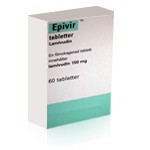
Epivir is the original brand-name formulation of Lamivudine (3TC) — a cornerstone nucleoside reverse transcriptase inhibitor (NRTI) used in virtually every modern HIV-1 antiretroviral combination regimen, and one of the most widely prescribed antiretroviral medications globally. Developed by GlaxoSmithKline (now ViiV Healthcare) and FDA-approved since 1995 (HIV) and 1998 (Hepatitis B), Epivir distinguishes itself with dual antiviral activity against both HIV-1 and Hepatitis B virus (HBV). Listed on the WHO Model List of Essential Medicines.
The active ingredient is Lamivudine (3TC), a cytidine nucleoside analog phosphorylated intracellularly to lamivudine triphosphate. The active triphosphate form inhibits both HIV-1 reverse transcriptase AND HBV DNA polymerase by competing with natural deoxycytidine triphosphate and causing DNA chain termination. Lamivudine has remarkably high genetic barrier and is generally well-tolerated, making it the preferred cytidine-analog NRTI in modern ART.
Epivir is FDA-approved for HIV-1 infection treatment in combination with other antiretrovirals (HIV dose: 150 mg BID or 300 mg once daily) and chronic hepatitis B treatment as monotherapy (Epivir-HBV lower dose: 100 mg once daily). Off-label uses include pediatric HIV/HBV treatment, HIV post-exposure prophylaxis (PEP), HIV/HBV co-infection, and prevention of mother-to-child HIV transmission.
The medication is available as Epivir 150 mg and 300 mg tablets, 10 mg/mL oral solution (HIV doses), and Epivir-HBV 100 mg tablets, 5 mg/mL oral solution (HBV-specific lower dose). Standard adult HIV dosing: 150 mg twice daily or 300 mg once daily, always in combination with at least two other antiretrovirals. HBV dosing: 100 mg once daily.
Critical safety considerations include FDA boxed warnings for exacerbation of hepatitis B upon discontinuation in HIV/HBV co-infected patients, NRTI-class risk of lactic acidosis and severe hepatomegaly with steatosis, and the critical safety issue that Epivir-HBV (100 mg dose) MUST NOT be used as HBV monotherapy in HIV-positive patients (risk of HIV resistance). Additional: pancreatitis (rare, more in pediatric patients), lipodystrophy with long-term use, GI side effects, and M184V resistance mutation development if used without adequate combination.
Free prescription
Discrete packaging
Have questions?
Quality Assurance
- HIV / Human Immunodeficiency Virus: For HIV infection as cornerstone cytidine-analog NRTI backbone;
- Chronic Hepatitis B (HBV): FDA-approved (as Epivir-HBV) for chronic hepatitis B virus infection — signature dual indication;
- HBeAg Positive Chronic Hepatitis B: For HBeAg-positive chronic hepatitis B;
- HBeAg Negative Chronic Hepatitis B: For HBeAg-negative chronic hepatitis B;
- ART Combination Therapy: Cornerstone NRTI in combination antiretroviral therapy regimens;
- HIV First Line Modern: Component of modern first-line HIV ART (e.g., Dovato, Triumeq, Symfi);
- HIV Integrase Inhibitor Combination: Combined with integrase inhibitors (dolutegravir, raltegravir, bictegravir) in modern triple regimens;
- HIV NNRTI Combination: Combined with NNRTI (efavirenz, rilpivirine) for triple ART regimen;
- HIV PI Combination: Combined with protease inhibitor (PI) as classical ART regimen;
- HIV Treatment Naive: For initial HIV therapy in treatment-naive patients;
- HIV Treatment Experienced: For HIV patients with prior antiretroviral experience;
- Post Exposure Prophylaxis (PEP): Off-label for HIV PEP following occupational or non-occupational exposure;
- Occupational HIV Exposure: PEP for healthcare workers after needlestick or mucosal HIV exposure;
- Sexual HIV Exposure: PEP after unprotected sexual exposure to HIV;
- Pediatric HIV Therapy: For pediatric HIV treatment with weight-based dosing;
- Pediatric HBV Therapy: For pediatric chronic hepatitis B treatment;
- Pregnancy HIV Therapy: For HIV treatment during pregnancy under specialist supervision;
- Mother To Child Transmission Prevention: Off-label for prevention of perinatal HIV transmission;
- HIV HBV Coinfection: For HIV/HBV co-infection — covers BOTH viruses in single agent (with other ARV);
- Long Term HIV Maintenance: Suitable for long-term HIV viral suppression maintenance in stable patients;
- Long Term HBV Maintenance: Suitable for long-term chronic hepatitis B viral suppression.
- Better HIV Viral Suppression: Achievement of undetectable HIV viral load with combination therapy;
- Better CD4 Count Recovery: Restoration of CD4 T-cell count with effective HIV viral suppression;
- Better Immune Reconstitution: Immune system recovery with effective antiretroviral therapy;
- Less Opportunistic Infections: Reduction in opportunistic infection risk through immune restoration;
- Less HIV Progression: Slowing or halting of HIV disease progression to AIDS;
- Less AIDS-Defining Illnesses: Reduction in AIDS-defining illness occurrence with effective viral suppression;
- Less HIV Transmission Risk: Treatment-as-prevention reduces HIV transmission to sexual partners (U=U);
- Less HBV Viral Load: Effective reduction in HBV DNA viral load in chronic hepatitis B;
- Better HBV Viral Suppression: Achievement of undetectable HBV DNA with chronic therapy;
- Less HBV Liver Inflammation: Reduction in HBV-related liver inflammation (ALT normalization);
- Less HBV Fibrosis Progression: Reduction in HBV-related liver fibrosis progression;
- Less HBV Cirrhosis Risk: Reduction in HBV-related cirrhosis development risk;
- Less HBV Hepatocellular Carcinoma Risk: Reduction in HBV-related hepatocellular carcinoma risk;
- HBeAg Seroconversion: Achievement of HBeAg seroconversion in HBeAg-positive patients;
- Better HIV/HBV Coinfection Control: Simultaneous coverage of both viruses in co-infected patients;
- Less Mother-To-Child Transmission: Off-label benefit in prevention of perinatal HIV transmission;
- Less Post-Exposure HIV Risk: Off-label reduction in HIV seroconversion risk after exposure (PEP);
- Better Daily Function: Return to normal daily activities with effective HIV viral suppression;
- Better Quality of Life: Substantial improvement in quality of life with effective HIV/HBV therapy;
- Better Long-Term Survival: Effective ART transforms HIV from terminal to chronic manageable condition;
- Fewer Hospitalizations: Reduction in HIV/HBV-related hospitalizations and emergency visits;
- Excellent Tolerability: Generally very well-tolerated among NRTIs with high genetic barrier;
- Once-Daily HIV Convenience: Optional once-daily 300 mg dosing supports excellent adherence;
- Once-Daily HBV Convenience: Once-daily 100 mg HBV dosing simplifies chronic hepatitis B therapy;
- Brand Epivir: Original GlaxoSmithKline/ViiV Healthcare brand with established global clinical reputation since 1995;
- Generic Lamivudine: Affordable generic versions expand global access to cornerstone NRTI therapy;
- Epivir HBV Lower Dose: Epivir-HBV 100 mg lower dose specifically for chronic hepatitis B treatment;
- Heptovir Equivalent: Same Lamivudine molecule as Canadian brand Heptovir for HBV;
- Zeffix Equivalent: Same Lamivudine molecule as international GSK brand Zeffix for HBV;
- Cytidine Analog NRTI: Cytidine analog NRTI — backbone of modern HIV ART;
- Cornerstone NRTI: Cornerstone NRTI used in virtually every modern HIV combination regimen;
- Dual HIV HBV Activity: Rare dual antiviral activity against both HIV-1 and Hepatitis B virus;
- Chain Termination Mechanism: Works through HIV reverse transcriptase and HBV DNA polymerase chain termination;
- High Genetic Barrier: Remarkably high genetic barrier to resistance in combination regimens;
- HIV Backbone Standard: Standard NRTI backbone for HIV combination antiretroviral therapy worldwide;
- HBV First Line Resource Limited: First-line HBV therapy in resource-limited settings due to cost-effectiveness;
- Pregnancy Compatible Antiretroviral: Pregnancy-compatible NRTI suitable for prevention of mother-to-child transmission;
- WHO Essential Medicine: Listed on the WHO Model List of Essential Medicines for HIV and HBV care;
- 30 Plus Year Clinical History: Extensive real-world safety and efficacy data since 1995 across hundreds of millions of patient courses.
Generic Epivir (Lamivudine 150 mg) Medication guide:
📖 What Is Epivir (Lamivudine) HIV and HBV Antiviral
Epivir (generic name lamivudine, commonly abbreviated as 3TC) is a cornerstone nucleoside reverse transcriptase inhibitor (NRTI) approved for the treatment of two distinct chronic viral infections: HIV-1 and chronic hepatitis B (HBV). Manufactured historically by GlaxoSmithKline and now marketed by ViiV Healthcare, lamivudine has become one of the most widely prescribed antiretroviral molecules in the world since its initial FDA approval in 1995. Three decades of clinical experience have confirmed its excellent tolerability, predictable pharmacology, and central role in modern combination therapy.
What makes lamivudine distinctive is its dual antiviral activity. The same molecule at slightly different doses is licensed under two brand identities: Epivir (150 mg or 300 mg) for HIV-1 infection and Epivir-HBV (100 mg) for chronic hepatitis B. This dual role reflects a shared mechanism of viral reverse transcriptase inhibition across two very different pathogens, exploiting the fact that HBV replicates via an RNA intermediate that requires reverse transcription.
📇 Epivir Product Snapshot
| Generic name | Lamivudine (3TC) |
| Drug class | Nucleoside reverse transcriptase inhibitor (NRTI) |
| Chemical subclass | Cytidine analog with oxathiolane ring |
| First FDA approval | November 1995 (HIV-1); December 1998 (HBV) |
| Manufacturer | ViiV Healthcare (originally GlaxoSmithKline) |
| HIV strengths | Epivir 150 mg twice daily or 300 mg once daily |
| HBV strength | Epivir-HBV 100 mg once daily |
| Tolerability signature | Among the best-tolerated antiretrovirals ever developed |
Modern HIV treatment guidelines from the US Department of Health and Human Services (DHHS), the International Antiviral Society USA (IAS-USA), and the European AIDS Clinical Society (EACS) continue to feature lamivudine centrally. It anchors both traditional three-drug combinations and modern two-drug regimens such as Dovato (dolutegravir/lamivudine), which represents a landmark simplification in HIV therapy validated by the GEMINI 1 and 2 pivotal trials.
📜 History from Discovery to Modern Combinations
Lamivudine emerged from cytidine analog chemistry pioneered in the early 1990s. The racemic mixture BCH-189 was synthesized by Bernard Belleau at IAF BioChem International in Montreal, Canada, with structural innovation introducing sulfur into the ribose ring to create an oxathiolane core. Mark Wainberg at McGill University demonstrated activity of the negative enantiomer against HIV in 1989-1990, and this stereoisomer was designated lamivudine (3TC). Systematic development proceeded through the mid-1990s.
📅 Development timeline milestones
- 1989-1990: Discovery of HIV activity
- Mark Wainberg (McGill) demonstrates HIV-1 activity of the negative enantiomer of the racemic BCH-189 developed by Belleau at IAF BioChem
- 1992-1994: Clinical development
- Systematic phase I-III trials establish safety, potency, and dose-response for HIV-1 in monotherapy and combination
- November 1995: FDA approval for HIV-1
- Epivir approved as fifth NRTI; positioned for combination use following recognition that monotherapy is inadequate
- 1996-1998: HBV activity recognized
- Investigators observe HBV DNA suppression in HIV/HBV coinfected patients; dedicated HBV trials launched by Dienstag and others
- December 1998: FDA approval for HBV
- Epivir-HBV 100 mg approved as first oral nucleoside analog for chronic hepatitis B; transformed HBV treatment paradigm
- 1997-2004: Coformulation era
- Combivir (lamivudine/zidovudine 1997), Trizivir (added abacavir 2000), Epzicom (with abacavir 2004) launched
- 2014: Triumeq
- Fixed-dose combination of abacavir/dolutegravir/lamivudine approved, establishing single-tablet regimen with modern integrase inhibitor
- 2019: GEMINI 1 and 2 landmark trials
- Dolutegravir plus lamivudine demonstrates non-inferior efficacy to three-drug regimens in treatment-naive adults, transforming the concept of what constitutes minimally effective HIV therapy
- 2019: Dovato approval
- Fixed-dose dolutegravir/lamivudine two-drug regimen approved for treatment-naive HIV-1 in adults
- 2020-present: Simplification era
- TANGO and SALSA switch studies expand lamivudine two-drug regimen use; lamivudine remains foundational after three decades
The 2019 pivotal landmark of GEMINI 1 and 2 deserves emphasis. These trials, led by Pedro Cahn, established that two drugs (dolutegravir plus lamivudine) could achieve virologic outcomes non-inferior to conventional three-drug regimens in treatment-naive patients. This represented a paradigm shift in HIV treatment philosophy after two decades in which three-drug regimens were considered the minimum standard, and it made lamivudine relevant in an entirely new way after 25 years of clinical use.
🧪 Chemistry - Cytidine Analog with Oxathiolane Ring
Lamivudine belongs to the 2,3-dideoxynucleoside analog family with a distinctive structural feature: the standard ribose ring of the nucleoside has been replaced by an oxathiolane ring, meaning a sulfur atom occupies the 3-prime position where oxygen would sit in a normal deoxyribose. This sulfur substitution is central to the drug identity and to its unusual chemistry among antiretrovirals.
⚗️ Structural and physicochemical parameters
| IUPAC name | 4-Amino-1-[(2R,5S)-2-(hydroxymethyl)-1,3-oxathiolan-5-yl]-2(1H)-pyrimidinone |
| Molecular formula | C8H11N3O3S |
| Molecular weight | 229.26 g/mol |
| Physical form | White to off-white crystalline solid |
| Aqueous solubility | Approximately 70 mg/mL (highly water soluble) |
| pKa | 4.3 (basic pyrimidine ring) |
| Partition coefficient (log P) | -1.4 (hydrophilic) |
| Parent nucleoside class | Cytidine analog |
Several chemical features drive clinical behavior. The hydrophilic character (low log P) limits penetration into some compartments and results in minimal metabolism by cytochrome P450 enzymes. The oxathiolane ring creates a stereochemical configuration that human cellular DNA polymerases handle very poorly, while viral reverse transcriptase incorporates it efficiently, providing the basis for selective toxicity. This structural distinction explains why lamivudine has minimal effect on mitochondrial DNA polymerase gamma, avoiding much of the mitochondrial toxicity that plagued earlier NRTIs.
Compared to its close structural relative emtricitabine (FTC), lamivudine differs only by a single fluorine atom at the 5-prime position of the cytosine ring. The two drugs are so pharmacologically similar that they are considered essentially interchangeable in most clinical contexts, though emtricitabine has a slightly longer intracellular half-life.
⚙️ Mechanism of Action - Reverse Transcriptase Inhibition
Lamivudine works by inhibiting viral reverse transcriptase, the enzyme responsible for converting viral RNA into DNA. For HIV-1, reverse transcription is the earliest replication step; for HBV, it occurs during the packaging phase from an RNA intermediate. Both viruses depend on this step for productive infection, making it a shared vulnerability that the same drug can exploit.
🔬 The mechanism unfolds in sequential steps
Step 1 — Cellular uptake
Lamivudine enters target cells (CD4 T lymphocytes, macrophages, hepatocytes) via nucleoside transporters. As a hydrophilic molecule, transporter-mediated uptake dominates over passive diffusion.
Step 2 — Intracellular phosphorylation
Cellular deoxycytidine kinase adds the first phosphate to produce lamivudine monophosphate. Deoxycytidine monophosphate kinase adds the second phosphate. Nucleoside diphosphate kinase adds the third phosphate to generate the active lamivudine triphosphate.
Step 3 — Competition with dCTP
Lamivudine triphosphate competes with the natural nucleotide deoxycytidine triphosphate (dCTP) for incorporation into the growing viral DNA strand by reverse transcriptase.
Step 4 — Chain termination
Once incorporated, the 3-prime position holds sulfur rather than the hydroxyl needed for the next phosphodiester bond. Elongation halts. This is obligate chain termination - the growing viral DNA cannot be extended further.
Step 5 — Prevented viral replication
For HIV-1, terminated proviral DNA cannot integrate. For HBV, terminated DNA cannot complete packaging into progeny virions. Viral output falls, viral load declines, and immune reconstitution or hepatic recovery can begin.
Two features distinguish lamivudine mechanistically from other NRTIs. First, it has minimal affinity for human DNA polymerase gamma, the mitochondrial replicative enzyme. This selectivity translates clinically to markedly less mitochondrial toxicity than older thymidine analogs (stavudine, zidovudine). Second, its intracellular triphosphate half-life of 10-15 hours permits once-daily dosing at 300 mg with sustained target concentrations, supporting adherence-friendly regimens.
🔬 Pharmacokinetics and Renal Clearance Considerations
Lamivudine pharmacokinetics are characterized by predictable absorption, modest protein binding, renal elimination as unchanged drug, and minimal cytochrome P450 involvement. This pharmacokinetic profile makes drug interactions rare and dose adjustment straightforward for renal impairment, contributing to the drug ease of use.
📊 Key pharmacokinetic parameters (adult HIV dosing)
| Parameter | Value |
|---|---|
| Oral bioavailability | 86% (adults), 66% (pediatric) |
| Peak plasma concentration (Tmax) | 0.5-1.5 hours after oral dose |
| Effect of food | Delays Tmax modestly; overall AUC unchanged |
| Volume of distribution | Approximately 1.3 L/kg |
| Plasma protein binding | Under 36% (low binding, minimal displacement risk) |
| Cerebrospinal fluid penetration | Approximately 12% of plasma concentration |
| Plasma elimination half-life | 5-7 hours in adults |
| Intracellular triphosphate half-life | 10-15 hours (permits once-daily dosing) |
| Elimination route | Approximately 70% renal excretion as unchanged drug |
| Renal clearance | Approximately 200 mL/min (active tubular secretion) |
| CYP450 metabolism | Minimal (approximately 5% via sulfoxidation) |
The renal elimination pathway has practical implications. Lamivudine is a substrate for the organic cation transporter 2 (OCT2) and MATE transporters at the renal tubule. Substances that compete for these transporters (trimethoprim, for example) can meaningfully increase lamivudine exposure. Dose reduction is required when creatinine clearance falls below 50 mL/min, and this reduction is important because accumulation of lamivudine at high concentrations can contribute to hematologic toxicity and increase overall drug burden.
The minimal CYP450 involvement makes drug-drug interactions unusual. Unlike protease inhibitors and non-nucleoside reverse transcriptase inhibitors (NNRTIs), lamivudine does not participate in the complex enzyme induction/inhibition webs that complicate HIV therapy. This clean pharmacokinetic profile is one reason lamivudine remains such a workhorse of combination therapy.
📋 FDA Indications - HIV and HBV Both Approved
Lamivudine holds two entirely separate FDA-approved indications under two brand identities. This dual-labeling structure is unusual among antivirals and reflects the drug distinct roles at different doses for two different viruses. Both indications are supported by extensive clinical evidence accumulated over three decades of use.
🧬 Epivir (HIV-1)
FDA approval: November 1995
Indication:
Treatment of HIV-1 infection in adults and pediatric patients when used as part of a combination antiretroviral regimen.
Available strengths:
- 150 mg film-coated tablets (twice daily)
- 300 mg film-coated tablets (once daily)
- 10 mg/mL oral solution for pediatric use
Age approval:
Adults and pediatric patients aged 3 months and older
🪶 Epivir-HBV (Chronic HBV)
FDA approval: December 1998
Indication:
Treatment of chronic hepatitis B associated with evidence of hepatitis B viral replication and active liver inflammation.
Available strengths:
- 100 mg film-coated tablets (once daily)
- 5 mg/mL oral solution
Age approval:
Adults and pediatric patients aged 2 years and older
The dose separation matters. The HIV-1 formulation contains three times more lamivudine per dose than the HBV formulation. Patients with HIV/HBV coinfection must receive the higher HIV dose to adequately treat both viruses; the HBV-only dose is insufficient for HIV suppression and would promote HIV resistance selection. This distinction is critical when writing prescriptions and is one of the reasons why HIV status must be assessed before initiating any HBV treatment plan.
Beyond FDA approval, lamivudine appears prominently in international treatment guidelines. The World Health Organization lists it on the Model Essential Medicines List, and it forms part of the recommended first-line NRTI backbone in the DHHS, IAS-USA, EACS, and BHIVA HIV treatment guidelines. For HBV, lamivudine has largely been superseded by tenofovir and entecavir in modern first-line practice due to resistance concerns, but remains available where those agents are unaffordable or unavailable.
🧬 HIV Treatment as Combination Antiretroviral Therapy Component
Lamivudine functions as an NRTI backbone component in combination antiretroviral therapy (cART). Modern HIV treatment principles require at least two agents with active virologic effect, and lamivudine has anchored numerous three-drug and two-drug combinations across the treatment eras. In current practice, lamivudine is found in some of the most widely prescribed regimens worldwide.
The backbone concept refers to the two-NRTI pair that historically accompanied a third agent (integrase inhibitor, non-nucleoside reverse transcriptase inhibitor, or protease inhibitor). Lamivudine pairs with either zidovudine (AZT), abacavir, or tenofovir in various coformulations. In modern two-drug regimens, lamivudine pairs directly with an integrase inhibitor such as dolutegravir.
💊 Lamivudine-containing fixed-dose combinations
| Product | Composition | Era |
|---|---|---|
| Combivir | Lamivudine + zidovudine | 1997 (first fixed-dose NRTI pair) |
| Trizivir | Lamivudine + zidovudine + abacavir | 2000 (single-tablet triple NRTI, largely obsolete) |
| Epzicom (Kivexa in EU) | Lamivudine + abacavir | 2004 (once-daily backbone) |
| Triumeq | Lamivudine + abacavir + dolutegravir | 2014 (single-tablet three-drug regimen) |
| Dovato | Lamivudine + dolutegravir | 2019 (single-tablet two-drug regimen) |
| Delstrigo | Lamivudine + tenofovir DF + doravirine | 2018 (single-tablet NNRTI-based) |
Standalone Epivir remains useful in patients who receive their integrase inhibitor or NNRTI as a separate tablet, in settings where fixed-dose combinations are unaffordable, and in circumstances where dose adjustments preclude use of coformulations (moderate renal impairment, for example). Global HIV programs in resource-limited settings often rely on standalone lamivudine as one component of locally sourced generic combinations, reflecting the WHO Essential Medicines status of the drug.
The durability of lamivudine across three decades of HIV therapy is a remarkable achievement. Few antiretroviral molecules have maintained frontline relevance from the pre-HAART era through modern integrase inhibitor combinations. This durability reflects excellent tolerability, low toxicity burden, minimal interaction potential, activity against HBV as a bonus feature, and the flexibility to work across many treatment strategies.
🌟 Modern 2-Drug Regimens Featuring Lamivudine (Dovato)
Perhaps no development in modern HIV therapy has transformed lamivudine relevance more dramatically than the emergence of two-drug regimens. For decades, HIV treatment guidelines required three fully active agents. The 2019 GEMINI 1 and 2 landmark trials upended that principle, demonstrating that dolutegravir plus lamivudine could achieve virologic suppression non-inferior to three-drug regimens in treatment-naive adults.
🌟 GEMINI 1 and 2 landmark trial highlights
| Parameter | Value |
|---|---|
| Design | Two identical randomized, double-blind, non-inferiority trials |
| Population | Treatment-naive adults with HIV-1, N approximately 1,433 |
| Comparison arms | Dolutegravir + lamivudine (two-drug) vs dolutegravir + emtricitabine + tenofovir DF (three-drug) |
| Primary endpoint | Proportion with HIV-1 RNA under 50 copies/mL at week 48 |
| Week 48 results (GEMINI 1) | 90% (2-drug) vs 93% (3-drug); non-inferior |
| Week 48 results (GEMINI 2) | 93% (2-drug) vs 94% (3-drug); non-inferior |
| Week 144 durability | Sustained non-inferiority; no emergent resistance in dolutegravir + lamivudine arm |
| Regulatory outcome | Dovato (dolutegravir/lamivudine) approved 2019 for treatment-naive adults |
The clinical implications of GEMINI extend beyond the specific regimen. Removing one NRTI (either tenofovir or emtricitabine) reduces lifetime drug exposure. Tenofovir has known renal and bone effects with long-term use; reducing NRTI count reduces cumulative exposure to these concerns. In an era where people with HIV are living decades on antiretroviral therapy, reducing drug burden is a legitimate therapeutic goal.
Additional supporting evidence for two-drug regimens comes from switch studies. The TANGO study (2020) demonstrated that patients with viral suppression on stable three-drug regimens could switch to dolutegravir/lamivudine and maintain suppression. The SALSA study (2022) extended this evidence to a broader switch population, including switches from various third agents. Together these trials support dolutegravir/lamivudine as both an initiation strategy and a maintenance/switch strategy.
Practical positioning in modern guidelines: DHHS 2024 guidelines recognize dolutegravir/lamivudine as a recommended initial regimen for most people with HIV, excluding those with pre-treatment HIV-1 RNA over 500,000 copies/mL, HBV coinfection (needs tenofovir), or unknown/documented resistance. EACS and IAS-USA guidelines contain similar language. This is a notable position for a decades-old NRTI, and it reflects the durability of lamivudine as a molecule.
🪶 HBV Treatment - Epivir-HBV Application
Epivir-HBV is the FDA-approved formulation for chronic hepatitis B, containing 100 mg lamivudine once daily. The lower dose reflects the lower target virus load and the fact that a smaller intracellular triphosphate concentration is sufficient to suppress HBV replication compared to HIV-1 replication. This dose distinction is critical - the HBV formulation must not be used in HIV-positive or unknown-status patients because it will select for HIV resistance.
🪶 Epivir-HBV clinical framework
| Indication | Chronic hepatitis B with evidence of viral replication and active liver inflammation |
| Adult dose | 100 mg orally once daily |
| Pediatric dose (2-17 years) | 3 mg/kg/day (maximum 100 mg) |
| Pivotal trial | Dienstag 1999 established sustained HBV DNA suppression and histologic improvement |
| Expected on-treatment response | HBV DNA suppression under detection in most patients within 12-24 weeks |
| HBeAg seroconversion (year 1) | Approximately 16-18% (compared to approximately 4% in untreated) |
| Resistance emergence (annualized) | Approximately 20% per year on monotherapy (major clinical limitation) |
| Modern positioning | Largely superseded by tenofovir (TDF/TAF) and entecavir as first-line HBV agents |
The historical importance of lamivudine for HBV cannot be overstated. When it received FDA approval for HBV in December 1998, it was the first oral antiviral for chronic hepatitis B. Before lamivudine, treatment options were limited to injectable interferon-alpha with its heavy side effect burden and modest efficacy. Lamivudine transformed HBV management by offering an oral, once-daily, well-tolerated option that reliably suppressed viral replication.
However, the resistance liability of lamivudine for HBV eventually shifted its position. The M204V/I (formerly YMDD) mutation in HBV polymerase confers lamivudine resistance and emerges in approximately 20% of monotherapy patients annually. By year 5, over half of patients on lamivudine monotherapy have detectable resistance. Once resistance emerges, viral load rebounds and hepatic disease progression can resume.
Because of these resistance patterns, modern HBV guidelines from AASLD, EASL, and APASL recommend tenofovir (TDF or TAF) or entecavir as first-line HBV monotherapy, with lamivudine reserved for specific circumstances or when higher-barrier agents are unavailable. In resource-limited settings, lamivudine may still be used, sometimes in combination with tenofovir to raise the barrier to resistance. Lamivudine remains part of the HIV/HBV coinfection framework where the HIV dose (300 mg) is used and treats both viruses simultaneously.
🔗 HIV/HBV Coinfection Considerations
HIV/HBV coinfection is a special clinical scenario in which lamivudine plays a central role. Roughly 5-10% of people with HIV globally also have chronic HBV, with rates higher in sub-Saharan Africa and parts of Asia. Both viruses share transmission routes (sexual, parenteral, mother-to-child), and both are chronic infections requiring lifelong management. Because lamivudine is active against both viruses, a single molecule can contribute to treatment of both.
🔗 Coinfection management principles
Principle 1 — Treat both viruses concurrently
Modern guidelines recommend concurrent treatment for HIV/HBV coinfection using a regimen active against both. Untreated HBV progresses faster in HIV coinfection, and untreated HIV worsens hepatic outcomes.
Principle 2 — Use HIV dose, not HBV dose
Coinfected patients receive lamivudine at the HIV dose (300 mg once daily) as part of a full HIV regimen. The 100 mg HBV dose is inadequate for HIV suppression and would select HIV resistance.
Principle 3 — Include tenofovir
Coinfected patients require tenofovir (TDF or TAF) as the HBV-active component alongside lamivudine, because lamivudine monotherapy for HBV selects resistance rapidly. The dual coverage (tenofovir + lamivudine) raises the HBV genetic barrier substantially.
Principle 4 — Never discontinue without HBV coverage substitution
Stopping HBV-active therapy in a coinfected patient can trigger a severe HBV flare, sometimes with hepatic decompensation. Any switch away from lamivudine or tenofovir must maintain HBV coverage. This is a boxed warning consideration.
Principle 5 — Screen all HIV patients for HBV
HIV guidelines recommend HBsAg testing at diagnosis and before initiating any antiretroviral regimen. Vaccination against HBV is recommended for susceptible HIV-positive patients.
A recommended coinfection regimen in current DHHS guidelines is tenofovir + lamivudine (or emtricitabine) + integrase inhibitor, typically dolutegravir or bictegravir. This combination provides two HBV-active agents (tenofovir + lamivudine), full HIV coverage, and excellent tolerability. Dovato (dolutegravir/lamivudine two-drug regimen) is not appropriate for HIV/HBV coinfection because it contains no tenofovir, and lamivudine monotherapy for HBV in the coinfection setting quickly selects resistance.
The fragile balance in coinfection means that treatment planning requires foresight. If a coinfected patient develops renal impairment requiring switch from tenofovir DF, then tenofovir AF or an entecavir substitution must maintain HBV coverage. If a patient stops taking their regimen for any reason, monitoring for HBV reactivation is essential. These considerations elevate the clinical complexity of coinfection beyond either HIV or HBV alone.
📝 Off-Label Applications and Special Considerations
Beyond the two FDA-approved indications, lamivudine has been investigated or occasionally used in a limited number of off-label contexts. These uses reflect the drug specific antiviral activity spectrum and are generally supported by professional society guidance rather than product labeling.
📝 Off-label and specialized applications
- HIV post-exposure prophylaxis (PEP)
- Lamivudine or emtricitabine plus tenofovir with an integrase inhibitor is a preferred 28-day regimen for occupational and non-occupational post-exposure prophylaxis in the CDC guidelines.
- HIV pre-exposure prophylaxis (PrEP) - limited role
- Emtricitabine (not lamivudine) is the standard component of oral PrEP regimens (Truvada, Descovy). Lamivudine has been investigated but is not currently included in approved PrEP regimens.
- HBV reactivation prevention during immunosuppression
- Historically used to prevent HBV reactivation in patients undergoing chemotherapy or biologic therapy (rituximab, TNF inhibitors) with resolved or occult HBV infection. Modern guidelines prefer tenofovir or entecavir given lamivudine resistance risk.
- HBV prophylaxis after liver transplantation
- Combined with hepatitis B immunoglobulin (HBIg) to prevent HBV recurrence after liver transplant for HBV-related liver disease. Modern practice has largely shifted to tenofovir or entecavir.
- Vertical HBV transmission prevention
- In pregnant women with high HBV viral load, antiviral therapy in the third trimester reduces vertical transmission risk. Tenofovir is generally preferred in modern guidelines given superior efficacy, but lamivudine has been used where tenofovir is unavailable.
- Pediatric HIV programs in resource-limited settings
- Lamivudine oral solution is widely used in pediatric HIV programs, both as part of guideline-recommended regimens and where locally sourced generic combinations are the practical option.
It is worth noting what lamivudine does not treat. It has no activity against hepatitis C, hepatitis A, hepatitis D, herpes viruses, or non-viral pathogens. Its antiviral spectrum is restricted to HIV-1 and HBV. Patients considering treatment for hepatitis C, for example, require entirely different therapy (direct-acting antivirals such as sofosbuvir-based regimens).
🔄 Epivir vs Emtricitabine and Modern NRTI Alternatives
Lamivudine (3TC) and emtricitabine (FTC) are close structural cousins, differing only by a single fluorine atom on the cytosine ring. This structural similarity translates into functional similarity, and the two drugs are considered largely interchangeable in HIV combination therapy. Nonetheless, subtle differences influence practical positioning in modern regimens.
⚖️ Lamivudine (3TC) vs emtricitabine (FTC) comparison
| Attribute | Lamivudine (3TC) | Emtricitabine (FTC) |
|---|---|---|
| FDA approval | 1995 (HIV), 1998 (HBV) | 2003 (HIV only) |
| Structural difference | Standard cytidine analog | Adds 5-fluoro substitution on cytosine |
| Adult HIV dose | 300 mg once daily or 150 mg twice daily | 200 mg once daily |
| Intracellular triphosphate half-life | 10-15 hours | Approximately 39 hours (slightly longer) |
| HBV activity | Approved indication (Epivir-HBV) | Active in vitro; not FDA-approved for HBV monotherapy |
| Common combination products | Combivir, Epzicom, Triumeq, Dovato, Delstrigo | Truvada, Descovy, Atripla, Odefsey, Biktarvy, Symfi |
| Key resistance mutation | M184V (rapid selection with virologic failure) | M184V (identical cross-resistance) |
| Cross-resistance | Complete cross-resistance with emtricitabine | Complete cross-resistance with lamivudine |
| Modern positioning | Anchored in Dovato 2-drug regimen; retained in Triumeq | Dominant in Truvada/Descovy-based tenofovir combinations |
The M184V mutation is central to understanding NRTI switching considerations. This single mutation is selected rapidly by either lamivudine or emtricitabine when virologic suppression fails on either drug, and it confers complete cross-resistance between the two. Practical implication: if a patient has M184V from prior lamivudine exposure, switching to emtricitabine gains no antiviral benefit.
A curious feature of M184V: it reduces viral fitness and, paradoxically, restores susceptibility to zidovudine (AZT) in HIV strains with certain thymidine analog mutations. This means that even when lamivudine has selected M184V, keeping lamivudine in a regimen may still contribute usefully by maintaining M184V pressure and preventing full-fitness virus rebound. This nuance is why treatment guidelines often continue lamivudine or emtricitabine even after failure, rather than removing it entirely.
Beyond emtricitabine, other modern NRTI options include tenofovir (TDF or TAF, adenine analogs) and abacavir (guanine analog). Each has distinct pharmacology, resistance patterns, and tolerability signatures. Lamivudine remains uniquely valuable for its combination of dual HIV/HBV activity, low toxicity, and role in landmark two-drug regimens. No other NRTI has replicated all three features.
📊 Adult Dosing for HIV and HBV
Adult dosing for lamivudine depends on which indication is being treated. The same molecule at different doses serves the HIV and HBV populations, so accurate prescribing requires clarity about which formulation is being used. The dose separation is not merely convention - the HBV dose is inadequate for HIV suppression and would select HIV resistance, while the HIV dose provides more than sufficient exposure to suppress HBV replication.
📊 Adult dosing framework
| Setting | Formulation | Dose |
|---|---|---|
| HIV-1, standard adult dose | Epivir 300 mg tablet | 300 mg once daily |
| HIV-1, alternative | Epivir 150 mg tablet | 150 mg twice daily |
| HIV-1, oral solution | Epivir 10 mg/mL oral solution | 30 mL once daily or 15 mL twice daily |
| HBV monoinfection | Epivir-HBV 100 mg tablet | 100 mg once daily |
| HBV monoinfection, solution | Epivir-HBV 5 mg/mL oral solution | 20 mL once daily |
| HIV/HBV coinfection | Epivir HIV dose (300 mg) + tenofovir | 300 mg once daily as part of full HIV regimen |
| Never in coinfection | Epivir-HBV 100 mg alone | Inadequate for HIV; selects HIV resistance |
Administration is with or without food. Food modestly delays peak concentration but does not affect total exposure (AUC), so timing relative to meals is not clinically important. Once-daily dosing supports adherence and is preferred whenever the coformulation permits. Twice-daily dosing may be preferred in specific research protocols or when combined with other twice-daily agents.
Missed dose guidance: if a dose is missed and remembered within 12 hours of the scheduled time, take it as soon as possible. If more than 12 hours have passed and the next scheduled dose is within 4 hours, skip the missed dose. Never double up. Consistent adherence is critical for HIV therapy because irregular dosing selects resistance more readily than steady adherence. Patients should be counseled to establish a routine (fixed time of day linked to a habit) and to communicate proactively with their care team about adherence challenges.
🧒 Pediatric Weight-Based Dosing Considerations
Pediatric dosing follows weight-based calculations for the HIV indication, transitioning to adult fixed dosing when children reach adequate body weight. For HBV monoinfection, dosing similarly uses body-weight tiers. The 10 mg/mL oral solution (Epivir HIV formulation) enables accurate weight-based dosing in children unable to swallow tablets.
🧒 Pediatric dosing tiers
| Indication and age | Weight-based dose | Maximum |
|---|---|---|
| HIV-1, infants 3 months+ and children under 14 kg | 5 mg/kg twice daily (oral solution) | Not applicable |
| HIV-1, children 14-21 kg | 75 mg twice daily | 150 mg/day total |
| HIV-1, children 21-30 kg | 75 mg AM + 150 mg PM | 225 mg/day total |
| HIV-1, children over 30 kg | 150 mg twice daily OR 300 mg once daily | 300 mg/day (adult dose) |
| HBV, children 2-17 years | 3 mg/kg once daily (Epivir-HBV solution) | 100 mg/day (adult HBV dose) |
Formulation switch as children grow: young children start with the oral solution for accurate dose delivery. As they reach the weight where tablet dosing becomes feasible (typically around 20-25 kg with 150 mg tablets, or 30 kg with 300 mg tablets), transition to tablets simplifies administration and improves consistency. Some children prefer to remain on solution longer if they have swallowing difficulties.
Adherence considerations in children: HIV therapy in children requires caregiver-supervised administration for years to decades. Palatability of the oral solution matters - lamivudine oral solution has a strawberry-banana flavor that most children accept. Adolescent transition to independent medication management is a distinct challenge, with adherence rates often dropping in mid-adolescence. Coordination with pediatric HIV specialists throughout growth stages is essential for optimal outcomes.
Perinatal HIV considerations: neonates born to HIV-positive mothers often receive antiretroviral prophylaxis for 4-6 weeks depending on maternal viral load and infant risk category. Lamivudine may form part of such prophylactic regimens in certain high-risk scenarios per US Perinatal HIV Guidelines. Neonatal dosing requires specialist calculation and typically uses the oral solution.
👴 Elderly Considerations for Antiretroviral Therapy
Older adults with HIV or HBV form a growing population as HIV therapy has transformed the infection into a chronic manageable condition. Approximately half of people with HIV in high-income countries are now over age 50, and the fraction over 65 continues to grow. Lamivudine offers particular advantages in this population owing to its clean pharmacokinetic profile, low interaction potential, and favorable tolerability across age groups.
👴 Considerations specific to elderly patients
Renal function decline
Age-related decline in glomerular filtration rate is expected. Serum creatinine may underestimate the drop because lean muscle mass is often reduced. Estimating creatinine clearance (Cockcroft-Gault or similar) or measuring cystatin C provides more accurate assessment. Dose adjustment when creatinine clearance falls below 50 mL/min follows the same principles as in younger patients.
Polypharmacy burden
Older adults often take multiple medications for cardiovascular, metabolic, and other chronic conditions. Lamivudine minimal CYP450 involvement and low protein binding make interaction risk relatively low, but transporter-mediated interactions (particularly with trimethoprim) still warrant review. A structured medication reconciliation at every visit is best practice.
Cognitive and adherence factors
Once-daily dosing supports adherence in elderly patients who may find complex regimens difficult to maintain. Fixed-dose combinations containing lamivudine (Dovato, Triumeq, Epzicom) consolidate the pill burden and typically improve adherence in this age group.
Bone and metabolic health
The two-drug regimen strategy (dolutegravir + lamivudine) minimizes cumulative NRTI exposure over time. This is particularly relevant in older adults where bone density loss and metabolic complications from long-term tenofovir DF exposure are a consideration.
Comorbidity coordination
Older adults often have hypertension, diabetes, cardiovascular disease, and other conditions requiring coordinated care. Lamivudine straightforward pharmacology makes coordination between HIV/HBV specialists and primary care relatively simple compared to more interaction-prone antiretrovirals.
There is no specific age-based dose adjustment for lamivudine. Adjustments are based on renal function, not age itself, following the same creatinine clearance thresholds used in adults of any age. This approach reflects the drug simple renal elimination and the absence of age-related changes in metabolism.
🫀 Renal Impairment Dose Adjustment Considerations
Because lamivudine is eliminated primarily by the kidneys as unchanged drug, renal impairment substantially increases plasma exposure and requires proportional dose adjustment. Failure to adjust can result in accumulation and increased toxicity burden, while over-reduction can risk sub-therapeutic exposure and virologic breakthrough. Reliable dose adjustment tables have been established for both HIV and HBV indications.
🫀 Renal dose adjustment - Epivir for HIV-1
| Creatinine clearance | First dose | Maintenance dose |
|---|---|---|
| 50 mL/min and above | 300 mg | 300 mg once daily (or 150 mg twice daily) |
| 30-49 mL/min | 150 mg | 150 mg once daily |
| 15-29 mL/min | 150 mg | 100 mg once daily (use oral solution) |
| 5-14 mL/min | 150 mg | 50 mg once daily (use oral solution) |
| Under 5 mL/min | 50 mg | 25 mg once daily (use oral solution) |
| Hemodialysis | 50 mg | 25 mg once daily after dialysis on dialysis days |
🫀 Renal dose adjustment - Epivir-HBV for HBV monoinfection
| Creatinine clearance | Dose adjustment |
|---|---|
| 50 mL/min and above | 100 mg once daily |
| 30-49 mL/min | 100 mg first dose, then 50 mg once daily |
| 15-29 mL/min | 100 mg first dose, then 25 mg once daily |
| 5-14 mL/min | 35 mg first dose, then 15 mg once daily |
| Under 5 mL/min or hemodialysis | 35 mg first dose, then 10 mg once daily |
Practical implications for fixed-dose combinations: Dovato (dolutegravir/lamivudine 300 mg fixed) should not be used when creatinine clearance falls below 50 mL/min because the lamivudine component cannot be dose-adjusted independently. Patients requiring dose adjustment must switch to component drugs given separately with individualized dosing. Similar limitations apply to Combivir, Triumeq, and Epzicom.
Hemodialysis considerations: lamivudine is significantly removed by hemodialysis. Dosing is scheduled after dialysis sessions to avoid removing the medication just administered. Coordination between the HIV/HBV care team and the dialysis unit is essential. Peritoneal dialysis removes lamivudine less effectively and does not require the same post-dialysis timing consideration.
🪶 Hepatic Impairment Considerations
Because lamivudine undergoes minimal hepatic metabolism (approximately 5% via sulfoxidation), hepatic impairment has little effect on plasma exposure. This is one of several practical advantages of the drug clean elimination pathway. Dose adjustment for hepatic impairment is generally not required, but clinical considerations specific to hepatic disease still influence treatment planning.
🪶 Hepatic disease considerations
Mild to moderate hepatic impairment (Child-Pugh A or B)
No dose adjustment. Standard adult dosing applies. Clinical monitoring for hepatic function and any indication-specific parameters continues as usual.
Severe hepatic impairment (Child-Pugh C)
No specific dose reduction recommended by the manufacturer, but careful clinical monitoring is warranted. In the HBV setting, severely decompensated cirrhosis is itself an indication to consider urgent antiviral therapy, since untreated viral replication accelerates hepatic failure. Consultation with a hepatologist is standard.
Existing hepatic steatosis and NRTI class warnings
All NRTIs including lamivudine carry class boxed warnings for lactic acidosis and severe hepatomegaly with steatosis. Patients with pre-existing hepatic steatosis may be at somewhat higher risk, though absolute risk with lamivudine specifically is very low compared to older NRTIs. Baseline hepatic function testing establishes reference values.
HBV cirrhosis and hepatocellular carcinoma surveillance
Patients with HBV-related cirrhosis require ongoing hepatocellular carcinoma surveillance (twice-yearly ultrasound plus alpha-fetoprotein) regardless of viral suppression on antiviral therapy. Effective viral suppression reduces but does not eliminate hepatocellular carcinoma risk in the cirrhotic population.
The absence of substantial hepatic metabolism means that hepatic transaminase elevations occurring on treatment should be evaluated for causes other than lamivudine itself. Common considerations include viral flare (particularly HBV in coinfected patients), concomitant medications, alcohol use, or emerging fatty liver disease. Lamivudine hepatotoxicity in the absence of the specific class effects is uncommon.
🧬 Drug Interactions and Antiretroviral Combinations
The drug interaction profile of lamivudine is one of its most attractive features. Because it undergoes minimal cytochrome P450 metabolism and low plasma protein binding, most pharmacokinetic drug interactions common with other antiretrovirals do not affect lamivudine. The interactions that do exist involve competition at renal transporters and pharmacodynamic overlap with other antiretrovirals.
🧬 Clinically relevant interactions
| Interacting agent | Mechanism | Clinical guidance |
|---|---|---|
| Trimethoprim/sulfamethoxazole | Trimethoprim inhibits OCT2, increasing lamivudine exposure by approximately 40% | Clinically manageable; no routine dose change unless high-dose TMP/SMX or renal impairment |
| Emtricitabine | Structural cousin - complete cross-resistance and redundant activity | Never combine - no additive benefit, redundant use |
| Zalcitabine (ddC, discontinued) | Historically antagonistic in vitro | Zalcitabine no longer marketed |
| Sorbitol-containing products | Sorbitol can reduce lamivudine oral solution absorption | Avoid chronic co-administration when possible; separate timing if unavoidable |
| Ribavirin | Hepatic decompensation risk in HIV/HCV coinfected patients on both | Careful monitoring; alternatives preferred in coinfection now that direct-acting antivirals dominate HCV treatment |
| Cladribine | Potential intracellular activation interference | Avoid concurrent use |
| Interferon-alpha | Additive hepatic and hematologic effects | Monitor complete blood count and hepatic function closely |
Notably absent from significant interaction lists: lamivudine does not interact clinically with common cardiovascular medications (statins, antihypertensives), antidiabetic agents, oral contraceptives, or the typical spectrum of drugs that plague protease-inhibitor-based regimens. Many antimicrobials, anticonvulsants, and psychotropic medications used commonly in comorbid populations can be co-administered without dose adjustment.
Renal transporter awareness: because lamivudine is excreted via active tubular secretion involving OCT2 and MATE transporters, in principle any drug competing for these transporters could affect exposure. In practice, trimethoprim is the main clinically relevant example, and dose adjustment is not routinely required at standard trimethoprim doses. Higher-dose trimethoprim (as used for Pneumocystis treatment rather than prophylaxis) may warrant closer monitoring.
🤰 Pregnancy Considerations for HIV Management
Lamivudine has one of the most extensive pregnancy safety databases in the antiretroviral pharmacopeia. Three decades of use in HIV therapy and prevention of mother-to-child transmission have generated substantial evidence supporting its safety across all trimesters. Both the Antiretroviral Pregnancy Registry and observational cohort studies confirm that first-trimester lamivudine exposure does not increase congenital malformation risk above baseline population rates.
🤰 Pregnancy considerations for lamivudine
| FDA pregnancy classification | Historical Category C; under current PLLR (Pregnancy and Lactation Labeling Rule) narrative labeling with substantial reassuring data |
| Antiretroviral Pregnancy Registry data | Over 15,000 first-trimester exposures analyzed; birth defect prevalence not increased vs background rate (2.7% observed vs 2.7% CDC background) |
| Placental transfer | Extensive; cord-to-maternal ratio approximately 1.0 |
| Recommended positioning | Preferred NRTI backbone in pregnancy per US Perinatal HIV Guidelines and WHO recommendations |
| Standard pregnancy regimen | Tenofovir + lamivudine (or emtricitabine) + integrase inhibitor (dolutegravir preferred) |
| Pharmacokinetic changes | Increased renal clearance in late pregnancy can modestly reduce exposure; clinically manageable without dose change |
| HBV-in-pregnancy consideration | Tenofovir preferred over lamivudine for HBV prevention of vertical transmission due to lower resistance risk |
Vertical transmission prevention framework: US Perinatal HIV Guidelines recommend continuing effective antiretroviral therapy throughout pregnancy in women who conceive on therapy. For women diagnosed during pregnancy, prompt initiation of a tenofovir/lamivudine + integrase inhibitor regimen is standard. The goal is suppression of maternal HIV viral load to under 50 copies/mL before delivery, which reduces vertical transmission risk to well under 1%.
Dolutegravir controversy resolution: earlier signals of possible neural tube defects with periconceptional dolutegravir exposure (Tsepamo study Botswana) have been reconsidered as follow-up data accumulated. Current guidelines including WHO and DHHS support dolutegravir use in pregnancy, and dolutegravir + lamivudine or dolutegravir + tenofovir/lamivudine (or emtricitabine) are widely recommended regimens.
Coinfection during pregnancy: HIV/HBV coinfected pregnant women receive tenofovir + lamivudine + integrase inhibitor, providing coverage for both viruses and reducing vertical transmission risk for HBV as well as HIV. HBV-monoinfected pregnant women with high viral load in the third trimester may receive tenofovir (preferred) or lamivudine for the last 4-12 weeks of pregnancy to reduce vertical transmission of HBV.
🍼 Breastfeeding Considerations Given HIV Transmission Risks
Breastfeeding recommendations for women with HIV or HBV differ substantially by geographic and epidemiological setting. Lamivudine passes into breast milk in measurable but limited amounts, and its safety in the breastfed infant is well-characterized. The primary decision framework centers on whether breastfeeding is recommended at all in the specific clinical scenario, and lamivudine safety is a consideration once that decision is made.
🍼 Breastfeeding framework
HIV-positive mothers in high-income settings
Current US and European guidelines recommend against breastfeeding by HIV-positive mothers because safe formula feeding is universally available and eliminates postnatal HIV transmission risk. Even with suppressed maternal viral load, low-level HIV transmission through breast milk cannot be entirely excluded.
HIV-positive mothers in resource-limited settings
WHO guidelines recommend exclusive breastfeeding for 6 months followed by mixed feeding while continuing effective maternal antiretroviral therapy, when formula feeding is not safely accessible. Maternal viral suppression through combination therapy dramatically reduces breast milk HIV transmission risk.
Lamivudine in breast milk
Milk-to-plasma ratio approximately 1.0. Estimated relative infant dose approximately 4% of maternal weight-adjusted dose. Infant plasma lamivudine concentrations detectable but consistently low. No adverse effects on breastfed infants have been reported in extensive observational experience.
HBV-positive mothers (not coinfected)
Breastfeeding is recommended when the infant has received hepatitis B immunoglobulin and hepatitis B vaccine at birth. Maternal lamivudine or tenofovir treatment does not preclude breastfeeding in this scenario, and the small amounts transferred pose minimal infant risk.
Shared decision-making
Modern guidelines increasingly emphasize shared decision-making between families and clinicians, particularly in scenarios where cultural, emotional, and practical considerations weigh heavily. Even in high-income settings, some HIV-positive women with sustained viral suppression may express strong preference for breastfeeding, and non-judgmental support and enhanced monitoring may be appropriate.
Infant monitoring during maternal antiretroviral therapy: infants breastfed by HIV-positive mothers receive continued infant HIV testing at established intervals until 6-12 weeks after complete cessation of breast milk exposure. Some settings include continued infant antiretroviral prophylaxis throughout breastfeeding. Both approaches reduce vertical transmission substantially compared to no intervention, though breastfeeding avoidance where feasible remains the safest strategy.
📋 Common Adverse Effects and Excellent Tolerability Profile
Lamivudine is widely regarded as one of the best-tolerated antiretrovirals ever developed. Three decades of clinical use across millions of patient-years have confirmed a remarkably clean side effect profile compared to earlier and even many newer antiretrovirals. Most side effects are mild, transient, and manageable, and treatment discontinuation for tolerability alone is uncommon.
📋 Common adverse effects (typically mild, self-limited)
| Effect | Frequency | Notes |
|---|---|---|
| Headache | 10-15% | Usually improves within first weeks |
| Fatigue | 10-25% | Often multifactorial; symptom improves as viral suppression achieved |
| Nausea | 15-20% | Take with food if bothersome |
| Diarrhea | 8-15% | Usually mild; symptomatic management |
| Insomnia | 5-10% | Take dose in morning if problematic |
| Nasal symptoms/cough | 5-10% | Usually resolves within weeks |
| Skin rash (mild) | Under 5% | Distinct from serious hypersensitivity |
| Elevated hepatic enzymes (mild) | 5-10% | Distinguish from HBV flare in coinfected patients |
Comparison to older NRTIs highlights tolerability advantage. Zidovudine caused clinically significant anemia in a substantial fraction of patients. Stavudine caused peripheral neuropathy and mitochondrial toxicity commonly. Didanosine caused pancreatitis and gastrointestinal effects. Compared to these earlier options, lamivudine tolerability profile is remarkably clean, and this contributes substantially to its enduring role in modern regimens.
Discontinuation rates for tolerability are low. In clinical trials, tolerability-driven discontinuation for lamivudine-containing regimens tracks with the tolerability of the companion drug rather than lamivudine itself. In Dovato (dolutegravir/lamivudine), for example, discontinuations attributed to lamivudine specifically are rare, and dolutegravir accounts for most nervous system side effects observed with the combination.
Regarding class-effect boxed warnings: NRTIs as a class carry boxed warnings for lactic acidosis and severe hepatomegaly with steatosis, and lamivudine specifically carries a boxed warning for post-treatment HBV flare and, in coinfected patients, HBV exacerbation. These boxed warnings represent important but rare events. The next section provides a landing overview before individual boxed warnings and specific reactions receive dedicated deep-dive treatment in subsequent sections.
🚨 Side Effects Overview - Epivir Safety Profile
The following sections provide detailed coverage of specific adverse effect categories for lamivudine, from the class boxed warnings shared across NRTIs through specific reactions such as pancreatitis, peripheral neuropathy, and immune reconstitution phenomena. This overview provides orientation before the detailed coverage that follows in sections 23-33.
🚨 Epivir safety profile at-a-glance
| Category | Nature | Frequency |
|---|---|---|
| BOXED: HBV flare on discontinuation | Hepatic exacerbation after stopping lamivudine in HBV-infected patients | Substantial in HBV+; monitor 6-12 months post-stop |
| BOXED: NRTI class - lactic acidosis and hepatic steatosis | Rare severe metabolic emergency from mitochondrial dysfunction | Very rare with lamivudine specifically vs older NRTIs |
| Pancreatitis | Uncommon adverse effect, higher rate in pediatric patients with prior therapy exposure | Under 1% in adults; 15% pediatric with prior therapy |
| Peripheral neuropathy | Sensory neuropathy - much lower incidence than older NRTIs | Uncommon with lamivudine alone; may reflect combination therapy or HIV itself |
| Hepatitis flares | Elevated transaminases on treatment or on stopping | Watch particularly in HBV+ patients |
| Gastrointestinal effects | Nausea, diarrhea, abdominal pain | Common but mild; usually improves with time |
| Cutaneous effects | Mild rash; rare hypersensitivity | Under 5% mild; severe hypersensitivity very rare |
| Immune reconstitution syndrome | Unmasking of latent opportunistic infections after CD4 rebound | Reflects HIV therapy overall; not lamivudine-specific |
| Lipoatrophy/metabolic | Fat loss and metabolic changes attributed largely to companion NRTIs | Much lower risk with lamivudine than with older thymidine analogs |
| Mitochondrial toxicity | Very low with lamivudine due to minimal polymerase gamma affinity | Substantially lower than older NRTIs |
Key takeaway for clinicians and patients: lamivudine has one of the most favorable safety profiles among antiretrovirals. The two boxed warnings (HBV flare on discontinuation and NRTI class lactic acidosis) represent important considerations that shape clinical practice but are rare in absolute terms with modern lamivudine use. Most patients tolerate lamivudine excellently and stay on it for years to decades without significant adverse events attributable to the drug itself.
How to use the sections ahead: sections 23-33 provide dedicated coverage of specific adverse effects and safety considerations. Sections 34-36 cover monitoring, patient counseling, and contraindications. This structure allows patients and clinicians to access focused information on the specific concern relevant to their situation without wading through unrelated content. Not every adverse effect discussed occurs in every patient; individual experience varies substantially, and monitoring is designed to detect problems early when they arise.
🪶 HBV Flare on Discontinuation - Boxed Warning Deep-Dive
The most clinically important boxed warning specific to lamivudine concerns hepatic exacerbations of hepatitis B in patients who discontinue the drug. This warning applies to patients with chronic HBV infection whether they were being treated for HIV, HBV, or both. Understanding this warning fully is essential for any clinician managing lamivudine therapy in a patient with HBV coinfection or monoinfection.
⚠️ FDA Boxed Warning: Post-treatment HBV exacerbation
Severe, acute exacerbations of hepatitis B have been reported in patients who are coinfected with HIV-1 and HBV and have discontinued Epivir. Hepatic function should be monitored closely with both clinical and laboratory follow-up for at least several months in patients who discontinue Epivir and are coinfected with HIV-1 and HBV. If appropriate, initiation of anti-hepatitis B therapy may be warranted.
Similar exacerbations have been observed in patients with HBV monoinfection treated with Epivir-HBV who discontinued therapy, especially in patients with advanced hepatic disease or cirrhosis.
🔬 Mechanism of HBV flare
Lamivudine suppresses HBV replication by inhibiting the reverse transcription step of the viral life cycle. In HBV-infected patients, this suppression is maintained only as long as therapy continues. When lamivudine is stopped:
- Latent covalently closed circular DNA (cccDNA) in the hepatocyte nucleus remains a viral reservoir that persists despite treatment
- Removal of drug pressure allows rapid rebound of viral replication from this reservoir
- The immune system, which has been quiescent during viral suppression, may respond vigorously to the sudden rise in viral antigens
- The resulting immune-mediated hepatocyte damage can produce severe hepatitis, sometimes with hepatic failure requiring transplantation
📌 Clinical management principles
Never stop without substitution
In HBV+ patients (whether HIV coinfected or monoinfected), any regimen change must maintain HBV-active therapy. Substitute tenofovir or entecavir if switching away from lamivudine.
Extended monitoring after any discontinuation
If lamivudine must be stopped for any reason (severe adverse effect, adherence failure, patient decision), clinical and laboratory monitoring should continue for at least 6-12 months with liver enzymes, HBV DNA quantification, and clinical assessment.
Cirrhotic patients at highest risk
Patients with underlying cirrhosis face substantially higher risk of severe or fatal flare on discontinuation. In cirrhotic patients, lamivudine or replacement HBV therapy should be considered essentially lifelong.
Patient education is essential
Patients must understand that stopping lamivudine without medical guidance can cause severe hepatic injury. This should be part of every counseling session, particularly when patients feel well and may perceive continued therapy as unnecessary.
The timing of flare after discontinuation is variable. Some patients develop rising transaminases within weeks; others show delayed patterns emerging over months. There is no reliable way to predict individual risk beyond identifying cirrhosis and higher baseline viral load as risk factors. This unpredictability underlies the recommendation for extended monitoring in any patient stopping lamivudine.
🪶 Lactic Acidosis and Hepatic Steatosis - NRTI Class Warning
The NRTI class boxed warning for lactic acidosis and severe hepatomegaly with steatosis applies to all nucleoside reverse transcriptase inhibitors including lamivudine. This warning has historical origins in the higher-toxicity older NRTIs (stavudine and didanosine especially) but is retained as a class label. Lamivudine specific risk is very low compared to those older agents due to its minimal mitochondrial polymerase gamma affinity.
⚠️ FDA Boxed Warning: NRTI class lactic acidosis and hepatomegaly
Lactic acidosis and severe hepatomegaly with steatosis, including fatal cases, have been reported with the use of nucleoside analogs, including Epivir, alone or in combination with other antiretrovirals. Treatment with Epivir should be suspended in any patient who develops clinical or laboratory findings suggestive of lactic acidosis or pronounced hepatotoxicity, which may include hepatomegaly and steatosis even in the absence of marked transaminase elevations.
🧬 Understanding the mechanism
The proposed mechanism involves inhibition of mitochondrial DNA polymerase gamma. When mitochondrial DNA replication is impaired, mitochondrial protein synthesis is compromised, and cellular energy production shifts toward anaerobic glycolysis with lactate accumulation. Hepatocytes accumulate fat as beta-oxidation is disrupted, producing steatosis with hepatomegaly.
Older NRTIs like stavudine had substantial affinity for polymerase gamma. Lamivudine affinity is minimal, which explains why absolute risk with modern lamivudine-containing regimens is very low. The warning remains as a class label rather than lamivudine-specific concern.
🚨 Recognition and management
Symptoms suggesting lactic acidosis (require urgent evaluation):
- Nausea, vomiting, or abdominal pain
- Unexplained weight loss or fatigue
- Rapid, deep breathing (Kussmaul respiration)
- Muscle pain or weakness
- Fever without infectious source
Laboratory findings:
- Elevated serum lactate (over 5 mmol/L is worrisome, over 10 mmol/L is severe)
- Anion gap metabolic acidosis
- Elevated hepatic transaminases (may be mild despite serious mitochondrial toxicity)
- Hepatic steatosis on imaging
Risk factors:
- Prior stavudine or didanosine use (largely historical concern)
- Female sex
- Obesity
- Prolonged NRTI exposure
- Pregnancy
Immediate discontinuation of all NRTIs is warranted when lactic acidosis is suspected. Supportive care in intensive care unit setting may be needed for severe cases. Some cases have required continuous renal replacement therapy to clear the acid load. Recovery can take weeks to months even after drug discontinuation because mitochondrial recovery is slow. Case-fatality rates for full syndromic lactic acidosis have historically been substantial, though these events are now rare with modern NRTI selection.
🧫 Pancreatitis - Pediatric and Adult Considerations
Pancreatitis occurs uncommonly with lamivudine and has different frequency signatures in adult and pediatric populations. Adult risk is under 1%, mostly in patients with other risk factors. Pediatric risk is meaningfully higher, particularly in children with prior nucleoside analog exposure or advanced HIV disease. Recognition and prompt management are important because pancreatitis can be severe.
🧫 Pancreatitis frequency and framework
| Population | Approximate rate | Notes |
|---|---|---|
| Adults, treatment-naive | Under 1% | Very uncommon; often related to other factors (alcohol, gallstones) |
| Adults, prior didanosine exposure | Elevated but low | Historical concern in patients who used earlier NRTIs |
| Pediatric, treatment-naive | Under 3% | Uncommon in first-line pediatric use |
| Pediatric, advanced HIV or prior therapy | Up to 14-18% in some historical cohorts | Elevated risk requires vigilance; may reflect HIV disease or prior antiretroviral effects |
| Adults with alcohol use, cholelithiasis, hypertriglyceridemia | Additive risk | Address modifiable risk factors; monitor closely if lamivudine essential |
Presentation: pancreatitis typically presents with epigastric abdominal pain radiating to the back, nausea, vomiting, and often fever. Serum amylase and lipase are elevated (lipase more specific). Imaging with abdominal computed tomography or ultrasound may show pancreatic edema, peripancreatic fluid, or other signs. In children, presentation can be more subtle with vague abdominal complaints and poor feeding.
Management: suspected pancreatitis on lamivudine warrants prompt discontinuation of lamivudine and any other pancreatitis-associated drugs. Supportive care with fluid resuscitation, pain control, and nutritional support form the mainstay. Rechallenge with lamivudine after resolution is generally not recommended, and alternative antiretroviral options (particularly emtricitabine, which is chemically similar but structurally distinct enough that cross-liability is not clearly established) may be considered case-by-case with specialist input.
Monitoring in pediatric patients with prior therapy exposure: baseline and periodic serum amylase and lipase are reasonable in children with elevated pancreatitis risk. Parents should be counseled to seek urgent evaluation for persistent abdominal pain, especially if accompanied by vomiting or fever. Some clinicians favor alternative NRTIs (abacavir where HLA-B*5701 negative, tenofovir alafenamide) in pediatric patients with prior pancreatitis history.
🧠 Peripheral Neuropathy Considerations
Peripheral neuropathy is a well-established adverse effect of the NRTI class, though lamivudine specifically has a much lower incidence than older thymidine analogs (stavudine, didanosine, zalcitabine). In modern regimens containing lamivudine, peripheral neuropathy attributable to the drug is uncommon, and observed neuropathy in patients on lamivudine-containing therapy often reflects HIV itself, diabetes, other medications, or nutritional deficiencies rather than lamivudine.
🧠 Peripheral neuropathy considerations
Typical presentation
Symmetric distal sensory neuropathy affecting feet more than hands. Symptoms include burning, tingling, numbness, and sometimes pain. Motor involvement is uncommon. Onset is gradual over weeks to months.
Class effect vs lamivudine specifically
Peripheral neuropathy is much more common with stavudine, didanosine, and zalcitabine. These older NRTIs directly damage sensory neuron mitochondria. Lamivudine minimal polymerase gamma affinity translates to markedly lower neuropathy risk.
HIV-associated neuropathy overlap
Distal sensory polyneuropathy is a common HIV-associated condition itself, independent of antiretroviral therapy. Symptomatic overlap makes attribution challenging. Sudden onset after starting therapy suggests drug effect; slowly progressive symptoms may reflect the underlying HIV neuropathy.
Diabetes and other contributors
Diabetes, alcohol use, vitamin B12 deficiency, and other conditions common in aging populations with HIV can cause or contribute to peripheral neuropathy. A structured workup should identify contributing factors before attributing neuropathy to lamivudine.
Management
Symptomatic treatment includes gabapentin, pregabalin, duloxetine, or amitriptyline. Discontinuing suspected offending drugs may allow slow improvement, though HIV-associated neuropathy may not fully resolve. Neurology consultation is helpful for severe or atypical presentations.
In modern lamivudine-based regimens (Dovato, Triumeq, Delstrigo), significant peripheral neuropathy attributable to lamivudine specifically is uncommon enough that patients presenting with new neuropathy usually warrant workup for other causes before treatment modification. This contrasts sharply with the older stavudine-containing era, when neuropathy was a leading cause of treatment discontinuation.
🪶 Hepatitis Exacerbations and Liver Function Considerations
Hepatic function requires careful attention throughout lamivudine therapy, both because lamivudine treats HBV as a chronic hepatic infection and because transaminase elevations can arise from multiple causes in patients on antiretroviral therapy. Distinguishing between viral flare, drug effect, and other hepatic conditions is often the primary clinical challenge.
🪶 Causes of transaminase elevation during lamivudine therapy
| Cause | Pattern | Diagnostic clue |
|---|---|---|
| HBV flare on discontinuation | Marked ALT/AST rise after stopping | Rising HBV DNA on repeat testing |
| HBV resistance emergence on therapy | ALT rise with HBV DNA rebound on treatment | M204V/I resistance mutation detected |
| Immune reconstitution hepatitis (HIV) | ALT rise as CD4 count recovers | Early after starting HIV therapy, especially in coinfected patients |
| HAV or HEV superinfection | Sudden marked ALT rise | Positive HAV IgM or HEV serology; travel/food history |
| HCV coinfection | Fluctuating ALT patterns | HCV RNA detectable |
| Alcohol or drug-induced injury | AST greater than ALT with alcohol | History and medication review |
| Non-alcoholic fatty liver | Mild chronic ALT elevation | Imaging showing steatosis; metabolic risk factors |
| NRTI class mitochondrial toxicity | ALT elevation with steatosis, possible lactate | Rare with lamivudine; more concerning with older NRTIs |
Systematic approach to hepatic enzyme elevations: quantify degree of elevation, check HBV DNA if HBV-positive, review medications for recent additions, screen for alcohol use, consider viral hepatitis serology if not previously assessed. Imaging may be indicated for cholestatic patterns or when structural pathology is suspected. Consultation with hepatology for persistent unexplained elevations is often helpful.
Do not automatically discontinue lamivudine for isolated transaminase elevations, especially in HBV+ patients. Discontinuation itself can trigger HBV flare. Investigate cause thoroughly, and if lamivudine must be modified, substitute another HBV-active agent (tenofovir or entecavir) rather than simply stopping.
🫁 Gastrointestinal Effects and Management
Gastrointestinal effects are among the most common tolerability complaints on lamivudine but are generally mild, transient, and manageable. Most patients who experience initial GI symptoms find that they resolve or diminish within the first weeks of therapy, and only a small minority require intervention or drug change.
🫁 Gastrointestinal effects and management
| Effect | Frequency | Management |
|---|---|---|
| Nausea | 15-20% early; often resolves | Take with food; consider timing before bed; short-term antiemetic if severe |
| Diarrhea | 8-15% | Usually mild; loperamide short-term if bothersome |
| Abdominal pain | 5-10% | Distinguish from pancreatitis if severe or persistent |
| Vomiting | Under 5% | Usually early; ensure adequate hydration |
| Appetite change | 5-10% | Monitor for weight loss |
| Taste alteration | Uncommon | Usually self-resolving; more common with oral solution |
When to seek evaluation: persistent severe abdominal pain (particularly epigastric radiating to back) warrants pancreatitis workup. Diarrhea persisting more than a few weeks or accompanied by blood, fever, or weight loss should prompt evaluation for infectious enteritis or other causes. Nausea persisting more than a month is unusual and may reflect other conditions. Timing GI symptoms carefully in relation to dose can help distinguish drug effect from unrelated causes.
Pediatric considerations: the oral solution is generally well-accepted by children. Occasional reports of oral thrush or taste-related refusal are managed with dental hygiene reinforcement and, if needed, brief oral antifungal treatment. Adequate hydration during any diarrheal illness is particularly important in young children.
🧪 Cutaneous Effects and Hypersensitivity
Skin reactions on lamivudine are typically mild and self-limited. Distinguishing between mild non-specific rash (which does not require treatment change) and true hypersensitivity reactions (which are rare but serious) is an important clinical skill. The abacavir hypersensitivity syndrome is a distinct entity that must not be confused with lamivudine effects, particularly relevant since many lamivudine coformulations contain abacavir.
🧪 Cutaneous reactions overview
Mild non-specific rash
Occurs in under 5% of patients starting lamivudine. Typically morbilliform or maculopapular. Onset within first 2-6 weeks. Usually self-resolving without treatment change. Antihistamines and topical corticosteroids provide symptomatic relief if needed.
Severe cutaneous reactions
Stevens-Johnson syndrome and toxic epidermal necrolysis are extremely rare with lamivudine specifically. Any rash accompanied by mucosal involvement, blistering, or systemic symptoms requires immediate evaluation and drug discontinuation. Hospital-based dermatology consultation is essential for these presentations.
Abacavir hypersensitivity - not lamivudine
The abacavir hypersensitivity syndrome (fever, rash, respiratory, GI symptoms) is a major consideration in Epzicom, Triumeq, and Trizivir combinations, but it reflects abacavir specifically in HLA-B*5701 positive patients. Lamivudine does not cause this syndrome. HLA-B*5701 testing before starting abacavir-containing coformulations is standard.
Alopecia
Rare reports of hair thinning during lamivudine therapy. Usually reversible after treatment adjustment or resolution of confounding factors. Substantial hair loss should prompt workup for other causes.
Approach to rash on lamivudine: assess extent, morphology, and associated symptoms (fever, mucosal involvement, hepatic transaminase elevation). Mild non-progressive rash without systemic features can often be observed with symptomatic treatment. Progressive rash, blistering, mucosal involvement, or systemic features require immediate drug discontinuation and specialist evaluation. Rechallenge is generally not appropriate after severe reactions.
🛡️ Immune Reconstitution Inflammatory Syndrome
Immune reconstitution inflammatory syndrome (IRIS) is a phenomenon that can occur in HIV-positive patients starting effective antiretroviral therapy, including lamivudine-based regimens. It reflects the recovering immune system mounting inflammatory responses against latent or subclinical infections rather than a lamivudine-specific effect, but understanding it is important for anyone starting lamivudine as part of HIV therapy.
🛡️ IRIS framework
Definition and mechanism
Paradoxical worsening of clinical status shortly after starting effective antiretroviral therapy, reflecting recovering immune response to previously suppressed pathogens. Timing typically within weeks to months of starting therapy.
Common IRIS presentations
Tuberculosis reactivation with worsening pulmonary or nodal disease; cryptococcal meningitis unmasking; cytomegalovirus retinitis; mycobacterium avium complex; herpes zoster; HBV or HCV flare (particularly relevant with lamivudine).
Risk factors
Low CD4 count at antiretroviral therapy initiation (particularly under 50 cells), presence of subclinical opportunistic infections, rapid CD4 recovery, high pre-treatment viral load.
Management principles
Continue antiretroviral therapy in most cases. Treat the specific unmasked opportunistic infection appropriately. Corticosteroids may be used in severe presentations. Discontinuing antiretroviral therapy is rarely appropriate and would allow HIV to worsen again.
HBV-related IRIS in coinfected patients
HBV+ patients starting antiretroviral therapy that includes lamivudine or tenofovir may experience early hepatic transaminase elevation reflecting immune-mediated response to hepatic infection. This must be distinguished from HBV flare or drug toxicity. Continued therapy with monitoring is usually the correct approach.
Prevention strategies include screening for latent tuberculosis, cryptococcal antigen (in patients with CD4 under 100 in endemic areas), CMV retinitis on funduscopy, and HBV/HCV serology before starting antiretroviral therapy. Treating identified subclinical infections before or shortly after starting antiretroviral therapy reduces IRIS risk substantially.
⚖️ Lipoatrophy and Metabolic Effects
Lipoatrophy (loss of subcutaneous fat, particularly in face, arms, legs, and buttocks) was a major concern with older NRTI regimens and is a defining feature of the pre-modern antiretroviral era. Lamivudine specifically has been implicated much less than stavudine and zidovudine in causing lipoatrophy, and modern lamivudine-based regimens rarely produce clinically apparent fat loss over years of use.
⚖️ Lipoatrophy risk framework
Class effect concentrated in older NRTIs
Stavudine and zidovudine were most strongly associated with lipoatrophy in the pre-2010 era. The mechanism relates to mitochondrial toxicity in adipocytes with progressive adipose apoptosis. Lamivudine has minimal contribution because of its low polymerase gamma affinity.
Modern NRTI safety
Tenofovir (particularly TAF), abacavir, and lamivudine have very low lipoatrophy risk. Modern regimens containing these agents have essentially eliminated lipoatrophy as a common concern.
Metabolic effects broader concept
Lipoatrophy is distinct from other metabolic effects including weight gain (increasingly recognized with integrase inhibitors including dolutegravir), dyslipidemia, and insulin resistance. Modern lamivudine-based regimens like Dovato tend to be relatively metabolically neutral for lamivudine specifically, with any observed metabolic changes reflecting the companion agent.
Patient monitoring
Track body composition, weight, lipids, glucose over time. Address modifiable factors including diet, physical activity, and other medications. When metabolic concerns emerge, review the full regimen rather than focusing solely on NRTI component.
Long-term outlook for patients on modern lamivudine-based regimens is generally favorable. The 2-drug regimen strategy (dolutegravir + lamivudine in Dovato) reduces cumulative NRTI exposure and may offer metabolic benefits over multi-decade horizons. Ongoing observational research continues to characterize how modern regimens influence body composition and metabolic health as HIV-positive populations age.
🧬 Mitochondrial Toxicity Framework
Mitochondrial toxicity is the biological basis for many of the NRTI class adverse effects. Understanding the mechanism helps explain why lamivudine has such a favorable safety profile compared to older NRTIs. The key concept is polymerase gamma affinity: NRTIs vary substantially in how avidly they inhibit the mitochondrial DNA polymerase, and this difference translates directly into clinical toxicity differences.
🧬 Mitochondrial toxicity spectrum among NRTIs
| Agent | Polymerase gamma affinity | Clinical implication |
|---|---|---|
| Stavudine (d4T) | Very high | Substantial neuropathy, lipoatrophy, lactic acidosis - largely withdrawn |
| Didanosine (ddI) | High | Neuropathy, pancreatitis, lactic acidosis - largely discontinued |
| Zalcitabine (ddC) | High | Neuropathy prominent - no longer marketed |
| Zidovudine (AZT) | Moderate | Bone marrow suppression, myopathy, lipoatrophy |
| Abacavir | Low | Minimal mitochondrial toxicity; hypersensitivity is different mechanism |
| Tenofovir (TDF, TAF) | Very low | Renal effects prominent (TDF); minimal mitochondrial concerns |
| Emtricitabine (FTC) | Very low | Excellent tolerability |
| Lamivudine (3TC) | Very low | Excellent tolerability, minimal mitochondrial concerns |
The chemical basis for the affinity differences relates to how each NRTI is recognized by mitochondrial polymerase gamma versus the intended target (viral reverse transcriptase). Lamivudine oxathiolane ring structure makes it a poor substrate for polymerase gamma, essentially exempting it from the mitochondrial toxicity common to earlier NRTIs.
Clinical implications: patients on modern regimens containing lamivudine, tenofovir, abacavir, or emtricitabine face substantially lower mitochondrial toxicity burden than earlier generations of patients. Signs specifically suggesting mitochondrial toxicity (unexplained lactate elevation, peripheral neuropathy, myopathy, lipoatrophy) warrant review of the full regimen, but lamivudine itself is very rarely the culprit in modern practice.
🔬 M184V Resistance and HBV Resistance Considerations
Resistance considerations differ for the two viruses lamivudine treats. For HIV-1, the M184V mutation dominates and has counterintuitive fitness effects. For HBV, the M204V/I (formerly YMDD) mutation emerges commonly with monotherapy and drives the modern preference for tenofovir or entecavir as first-line HBV therapy. Understanding both patterns is essential for treatment planning.
🔬 HIV-1 resistance - M184V mutation
| Key mutation | M184V (methionine to valine at position 184 of reverse transcriptase) |
| Selection rate on failing therapy | Emerges rapidly, often within weeks of virologic failure on lamivudine or emtricitabine |
| Cross-resistance | Complete cross-resistance between lamivudine and emtricitabine |
| Fitness cost | Substantial reduction in viral fitness (approximately 10-fold slower replication) |
| Paradoxical AZT re-sensitization | M184V partially restores zidovudine susceptibility in strains with thymidine analog mutations |
| Clinical implication | Retaining lamivudine even after M184V may usefully maintain fitness constraint on virus |
🔬 HBV resistance - M204V/I mutation
| Key mutation | M204V or M204I in HBV polymerase (part of the YMDD motif in reverse transcriptase domain) |
| Emergence rate | Approximately 20% annually on lamivudine monotherapy; over 50% by year 5 |
| Clinical consequences | HBV DNA rebound, potential hepatic disease progression, sometimes severe flare |
| Cross-resistance | Cross-resistance with telbivudine; partial impact on entecavir susceptibility |
| Tenofovir maintains activity | M204V/I does not confer tenofovir resistance; tenofovir switch is standard rescue therapy |
| Why lamivudine monotherapy is now suboptimal for HBV | The resistance emergence rate makes lamivudine monotherapy inappropriate for long-term HBV treatment when tenofovir or entecavir are available |
Combination therapy raises the barrier. In HIV, three-drug combination therapy (or well-selected two-drug regimens like dolutegravir + lamivudine with sufficient integrase inhibitor barrier) minimizes M184V emergence. In HBV, tenofovir plus lamivudine or entecavir alone provide higher genetic barriers than lamivudine monotherapy and are preferred where affordable.
Testing recommendations: baseline HIV genotype in newly diagnosed HIV patients guides regimen selection. For HBV, resistance testing is available but not routinely done at treatment initiation; it becomes important when viral rebound occurs on therapy or when planning rescue regimens. Resistance testing should always be done before switching regimens after virologic failure to guide the choice of new agents.
📈 Monitoring Parameters for Antiretroviral Therapy
Monitoring parameters for lamivudine therapy differ somewhat between the HIV and HBV indications, though there is substantial overlap in the core hepatic, renal, and viral markers followed. A structured monitoring schedule supports safe long-term therapy and detects problems early when they arise.
📈 Baseline assessment before starting
- Complete blood count with differential
- Comprehensive metabolic panel including hepatic enzymes and creatinine
- Estimated creatinine clearance
- HIV testing (mandatory before starting Epivir-HBV; misuse in undiagnosed HIV selects HIV resistance)
- HIV genotype resistance testing (for HIV+ patients)
- CD4 count (HIV+ patients)
- HIV RNA quantitation (HIV+ patients)
- HBsAg, anti-HBc, anti-HBs, HBeAg, anti-HBe (for HIV+ patients and any suspected HBV)
- HBV DNA quantitation (HBV+ patients)
- HCV antibody screening
- Hepatitis A serology and vaccination status
- Fasting lipids and glucose
- Urinalysis
- Pregnancy testing where applicable
📅 On-therapy monitoring schedule
| Timing | Assessments |
|---|---|
| Week 4 | Complete blood count, comprehensive metabolic panel, adherence check, tolerability review |
| Week 12 | HIV RNA (HIV+); HBV DNA (HBV+); CBC, CMP, adherence |
| Week 24 | HIV RNA, CD4 (HIV+); HBV DNA (HBV+); confirm virologic response goals |
| Every 3-6 months | HIV RNA, CD4 (HIV+); HBV DNA (HBV+); CBC, CMP, renal function |
| Annually | Fasting lipids, glucose, urinalysis; HBV serology in HBV+ (HBeAg/anti-HBe) |
| Twice yearly (cirrhotic patients) | Hepatic ultrasound and alpha-fetoprotein for hepatocellular carcinoma surveillance |
| If virologic rebound | Resistance testing before regimen change |
Adherence monitoring is arguably the single most important parameter for long-term success. Poor adherence selects resistance, allows viral replication, and undermines the entire treatment strategy. Modern approaches include pharmacy refill data, self-report, and periodic drug level assessment when clinically useful. Non-judgmental discussion of adherence barriers is more effective than confrontational questioning.
Special monitoring in specific scenarios: cirrhotic patients need enhanced hepatic surveillance; renal impairment requires more frequent creatinine clearance assessment; pregnancy requires enhanced monitoring including antiretroviral pregnancy registry enrollment. Coordination among specialists supports comprehensive care for complex patients.
📦 Storage and Patient Counseling Essentials
Proper storage and comprehensive patient counseling supports safe, effective long-term therapy with lamivudine. Both the tablet and oral solution formulations have straightforward storage requirements, and counseling essentials cover adherence, side effect recognition, and warnings specific to the drug.
📦 Storage requirements
| Formulation | Storage |
|---|---|
| Tablets (150 mg, 300 mg, 100 mg HBV) | Room temperature 20-25 C (68-77 F); dry place; original container |
| Oral solution (10 mg/mL HIV, 5 mg/mL HBV) | Room temperature; do not freeze; use within manufacturer expiry after opening |
| Away from | Direct heat, sunlight, moisture (avoid bathroom cabinet storage) |
| Child access | Keep out of reach of children in child-resistant packaging |
🗣️ Essential patient counseling points
Adherence and consistency
Take at the same time each day. Link to a daily habit (morning routine, meal, bedtime) to build consistency. Missed doses within 12 hours can be taken; beyond 12 hours skip and resume next scheduled dose. Never double up.
Never stop suddenly (HBV)
HBV+ patients must not stop lamivudine without medical guidance. Stopping can trigger severe hepatitis flare with potentially serious consequences. Continued therapy is usually lifelong for HBV cirrhotic patients.
Report symptoms promptly
Contact healthcare provider for unexplained abdominal pain, unusual muscle pain, difficulty breathing, extreme fatigue, jaundice, or any severe rash. These may signal rare but serious adverse effects requiring prompt evaluation.
Avoid medication mixing without checking
Inform all healthcare providers about lamivudine use. While serious interactions are uncommon, transporter interactions (trimethoprim) can affect exposure. Check with pharmacist before starting any new prescription or over-the-counter medication.
Not a cure
Lamivudine controls HIV or HBV but does not eliminate them. Continued treatment maintains viral suppression. Patients should not expect symptoms alone to indicate treatment effectiveness - viral load monitoring provides objective assessment.
Ongoing transmission risk in HIV
HIV+ patients on suppressive antiretroviral therapy have negligible sexual transmission risk to partners (undetectable equals untransmittable). This reflects the entire regimen and requires sustained viral suppression. Safe sex practices for other sexually transmitted infections remain important.
Vaccinations relevant to lamivudine patients: HIV+ patients should be vaccinated against hepatitis A and hepatitis B (if not already immune or infected), pneumococcus, influenza (annually), tetanus/pertussis, and other age- and risk-appropriate immunizations. HBV+ patients should receive hepatitis A vaccination if not already immune. Coordination between HIV/HBV specialists and primary care supports comprehensive preventive care.
🚫 Contraindications - Absolute and Relative Considerations
Contraindications for lamivudine are relatively limited given its favorable safety profile and three decades of clinical experience. Absolute contraindications are few; relative contraindications and precautions frame the situations requiring caution or alternative choice.
🚫 Absolute contraindications
Hypersensitivity to lamivudine or excipients
Prior severe reaction (Stevens-Johnson syndrome, DRESS, toxic epidermal necrolysis) attributed to lamivudine is an absolute contraindication to rechallenge.
Undiagnosed HIV in a patient prescribed Epivir-HBV alone
The 100 mg HBV dose is inadequate for HIV suppression. In an HIV-positive patient inadvertently given Epivir-HBV monotherapy, HIV resistance will select rapidly. HIV testing must precede any Epivir-HBV prescription.
⚠️ Relative contraindications and precautions
Severe renal impairment without dose adjustment
Fixed-dose combinations containing lamivudine should not be used when creatinine clearance falls below 50 mL/min (Dovato, Combivir, Triumeq, Epzicom). Individual dosing with adjusted doses of separate components is required.
Prior pancreatitis
History of pancreatitis, particularly during previous antiretroviral therapy, warrants caution. Alternative NRTIs may be preferred when clinically appropriate.
Advanced hepatic disease with decompensation
Decompensated cirrhosis is not a contraindication but requires specialist involvement. Effective antiviral therapy may be essential in this setting despite the challenges. Hepatology and infectious disease coordination is standard.
Documented M184V mutation in prior HIV therapy
Lamivudine (or emtricitabine) as part of a failing regimen is not appropriate unless the M184V-driven fitness constraint is being deliberately maintained. Alternative NRTIs may need to be included; specialist input on regimen selection is essential.
HBV monotherapy with lamivudine when alternatives available
Given the ~20% annual resistance rate on lamivudine monotherapy for HBV, tenofovir or entecavir are preferred first-line HBV agents when accessible. Lamivudine remains an option where those agents are unavailable or unaffordable.
Concomitant emtricitabine
Never combine lamivudine and emtricitabine - they have overlapping activity, identical resistance patterns, and no additive benefit.
Special populations reminders: pregnancy is not a contraindication - lamivudine has an extensive reassuring pregnancy safety database and is preferred in pregnancy regimens. Breastfeeding decisions depend on the specific clinical scenario as discussed earlier. Elderly patients tolerate lamivudine well with renal function monitoring. Pediatric use is well-established from infancy for HIV and from age 2 for HBV.
When in doubt about appropriateness: consult with HIV or HBV specialists. Lamivudine treatment planning benefits from careful consideration of resistance history, coinfection status, concurrent medications, and long-term treatment goals. Both the drug proven track record and its specific limitations must be considered in individualized treatment planning.
Epivir — Frequently Asked Questions
-
What is Epivir (Lamivudine)?
Epivir is a medication containing lamivudine, classified as a nucleoside reverse transcriptase inhibitor (NRTI). It is primarily used in the treatment of HIV and chronic hepatitis B. -
How Does Epivir Work?
Epivir works by inhibiting the activity of the reverse transcriptase enzyme, an essential component for the replication of HIV and hepatitis B viruses. -
Is Epivir a Cure for HIV or Hepatitis B?
Epivir is not a cure but is crucial in antiretroviral therapy (ART) for managing and controlling the progression of HIV and chronic hepatitis B. -
What Forms Does Epivir Come In?
Epivir is available in tablet and oral solution forms, with the tablet typically taken once or twice daily. -
Can Epivir Be Used Alone for HIV or Hepatitis B Treatment?
Epivir is often part of combination therapy and is not recommended as a sole treatment for HIV or hepatitis B. -
What Should I Do If I Miss a Dose of Epivir?
If you miss a dose, take it as soon as you remember. If it's almost time for the next dose, skip the missed one. -
Does Epivir Have Common Side Effects?
Common side effects may include nausea, headache, and fatigue. These usually subside, but inform your doctor if they persist.
📚 Drug Description Sources:
The information in this Epivir (lamivudine) guide is compiled from authoritative pharmaceutical, medical, and regulatory sources covering HIV treatment guidelines, hepatitis B treatment recommendations, and evidence from three decades of lamivudine clinical use as cornerstone NRTI across both HIV and HBV therapeutics.
🏛️ Regulatory and government agencies
- FDA (US Food and Drug Administration) - Epivir approval 1995 for HIV-1 infection; Epivir-HBV approval 1998 for chronic hepatitis B; boxed warnings for lactic acidosis, severe hepatomegaly with steatosis, HBV exacerbation on discontinuation
- WHO (World Health Organization) - Consolidated guidelines on the use of antiretroviral drugs; lamivudine on Essential Medicines List; central role in resource-limited HIV programs
- NIH DHHS Antiretroviral Guidelines - US Department of Health and Human Services guidelines for adults, adolescents, and pediatric HIV infection
- EMA (European Medicines Agency) - lamivudine European regulatory framework
- DailyMed (NIH/NLM) - current Epivir prescribing information
📚 Professional societies and clinical guidelines
- International Antiviral Society USA (IAS-USA) - antiretroviral treatment guidelines featuring lamivudine centrally
- European AIDS Clinical Society (EACS) - European HIV treatment guidelines
- British HIV Association (BHIVA) - UK HIV treatment guidelines
- American Association for the Study of Liver Diseases (AASLD) - HBV treatment guidance and HIV/HBV coinfection recommendations
- European Association for the Study of the Liver (EASL) - HBV clinical practice guidelines
- Asian Pacific Association for the Study of the Liver (APASL) - HBV guidelines relevant to Asian regions with substantial HBV burden
- Perinatal HIV Guidelines (US) - Prevention of mother-to-child transmission
🔬 Landmark clinical research
- Coates 1992, Coutinho 1993 lamivudine discovery - Mark Wainberg McGill and IAF BioChem collaborative research demonstrating lamivudine HIV activity
- Katlama 1996 lamivudine clinical trial - foundational lamivudine efficacy establishing 1995 FDA approval
- Dienstag 1999 lamivudine HBV pivotal trial - established HBV activity leading to 1998 FDA HBV approval
- Delta and ACTG 175 combination NRTI evidence - foundational for lamivudine in cART
- Lok 2002 lamivudine HBV long-term data - established resistance emergence patterns
- GEMINI 1 and 2 (Cahn 2019) - LANDMARK trials establishing dolutegravir + lamivudine 2-drug regimen non-inferior to 3-drug therapy
- TANGO study 2020 - switch to Dovato from stable 3-drug regimens
- SALSA study 2022 - additional evidence for 2-drug regimens
- Antiretroviral Pregnancy Registry - substantial lamivudine pregnancy safety data
📖 Medical references and textbooks
- Mandell Douglas and Bennett Principles and Practice of Infectious Diseases - HIV and HBV treatment
- Bartlett Medical Management of HIV Infection - authoritative HIV reference
- Sherlock and Dooley Diseases of the Liver - HBV treatment reference
- Zakim and Boyer Hepatology - comprehensive hepatology
- Goodman and Gilman Pharmacological Basis of Therapeutics - antiviral pharmacology
- Fields Virology - viral pathogenesis
- UpToDate - lamivudine monographs
- Lexicomp and Micromedex - drug interactions and dosing
Note: This information is educational and does not replace consultation with qualified healthcare providers. HIV and HBV treatment require specialist involvement and adherence to evolving guidelines. Always follow prescriber instructions and report concerns promptly.
🩺 Medical Expert Review:
Content based on the published research and clinical practice of pharmaceutical and infectious disease authorities with particular expertise in HIV treatment, hepatitis B management, and NRTI clinical use across three decades of lamivudine clinical practice. The following experts represent authoritative research and clinical practice perspectives on Epivir use.
Prof. Steven G. Deeks, MD
Professor of Medicine, Division of HIV Infectious Diseases and Global Medicine, University of California San Francisco (UCSF) — San Francisco, USA
Prof. Deeks is an internationally recognized authority on HIV research including long-term treatment outcomes, HIV persistence, and cure strategies. His research on lamivudine-containing regimens and immune reconstitution has substantially informed clinical practice. He has extensively investigated the biological basis for antiretroviral treatment success and the challenges of achieving HIV cure.
Prof. Judith S. Currier, MD, MSc
Chief of Infectious Diseases and Associate Vice Chancellor for Clinical Research, David Geffen School of Medicine at UCLA — Los Angeles, USA
Prof. Currier is a leading HIV clinical authority with extensive contributions to AIDS Clinical Trials Group (ACTG) protocols including studies evaluating lamivudine-containing regimens. Her research on cardiovascular disease, treatment optimization, and women's health in HIV has substantially informed clinical practice and international guidelines.
Prof. Anna S. Lok, MD
Alice Lohrman Andrews Professor in Hepatology, Division of Gastroenterology and Hepatology, University of Michigan Medical School — Ann Arbor, USA
Prof. Lok is one of the most cited hepatologists worldwide and past President of the American Association for the Study of Liver Diseases (AASLD). Her landmark research on lamivudine hepatitis B treatment including Lok 2002 long-term resistance data established evidence base for HBV nucleoside analog therapy. She has substantially shaped AASLD HBV guidance and international HBV treatment recommendations.
Prof. Fabien Zoulim, MD, PhD
Head of Hepatology Department, Croix-Rousse University Hospital; Director INSERM Unit 1052 Cancer Research Center of Lyon; Universite Claude Bernard Lyon 1 — Lyon, France
Prof. Zoulim is an internationally recognized HBV authority whose research on hepatitis B virology, antiviral resistance including lamivudine resistance mechanisms, and treatment optimization has substantially informed clinical practice. He has contributed to EASL Clinical Practice Guidelines for HBV and led major European HBV research initiatives.
Prof. Anton L. Pozniak, MD, FRCP
Consultant Physician and HIV Research Director, Chelsea and Westminster Hospital NHS Foundation Trust; Executive Director HIV i-Base — London, UK
Prof. Pozniak is a leading European HIV authority who has led numerous major HIV clinical trials including studies evaluating lamivudine-based regimens. Past President of the European AIDS Clinical Society (EACS), he has substantially influenced European HIV treatment guidelines including the modern 2-drug regimens containing lamivudine.
Disclosure: Expert names and credentials are cited for educational reference. This content is not endorsed by named experts. Content prepared by RXshop editorial team based on published literature and clinical guidelines.
More Antiviral Medications