Antispasmodic Medications Guide — Dicyclomine, Combinations, IBS, Menstrual Cramps
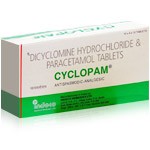
Antispasmodic medications relieve painful muscle spasms in the gastrointestinal tract, urinary system, and reproductive organs. Muscle spasms cause significant discomfort in millions of people affected by conditions like irritable bowel syndrome (IBS), menstrual cramps, biliary colic, and various visceral pain syndromes. This comprehensive guide covers the antispasmodic medication class including Cyclopam (Dicyclomine + Paracetamol 20mg/500mg), its mechanism, uses, side effects, and management of spasmodic conditions.
🧬 What Are Antispasmodic Medications
Antispasmodic medications (also called spasmolytics) are drugs that relieve painful involuntary contractions (spasms) of smooth muscles in various organs. Unlike skeletal muscles that we control voluntarily, smooth muscles line internal organs like the intestines, bladder, uterus, and bile ducts, contracting automatically to move contents through these systems.
When smooth muscles contract excessively or spasm painfully, antispasmodics can provide relief. They work through several mechanisms - some block nerve signals to muscles (anticholinergics), while others act directly on muscle tissue (myotropic) to relax it. Some products combine antispasmodic effects with pain relievers like paracetamol for enhanced symptom control.
Key facts about antispasmodics:
- Target smooth muscle - not skeletal muscle
- Multiple mechanisms - anticholinergic, direct-acting, or combinations
- Symptom relief rather than curing underlying condition
- Fast-acting - onset within 15-60 minutes typically
- Well-tolerated when used appropriately
- Available prescription and some OTC
- Wide range of applications across body systems
- Individual response varies
- Best used with proper diagnosis of underlying condition
📊 Smooth Muscle Spasm Statistics
| Condition | Prevalence |
|---|---|
| Irritable bowel syndrome (IBS) | 10-15 percent of global population |
| Menstrual cramps (dysmenorrhea) | 50-90 percent of women of reproductive age |
| Overactive bladder | Approximately 33 million US adults |
| Biliary colic | 10-15 percent of adults (gallstones) |
| Renal colic (kidney stones) | Approximately 12 percent lifetime risk |
| Chronic pelvic pain | Approximately 15 percent of women |
| Diverticular disease | Increases with age (60 percent by age 80) |
| Functional dyspepsia | 10-30 percent of adults |
🖡 Common Conditions Treated with Antispasmodics
Irritable Bowel Syndrome (IBS)
IBS is a functional gastrointestinal disorder affecting 10-15 percent of the population globally. Characterized by abdominal pain, cramping, bloating, and altered bowel habits (diarrhea, constipation, or both). Antispasmodics like Cyclopam help by reducing intestinal muscle spasms that cause pain and cramping.
Menstrual Cramps (Primary Dysmenorrhea)
Menstrual cramps affect 50-90 percent of women of reproductive age, with 15-20 percent experiencing severe pain. Caused by uterine muscle contractions during menstruation. Antispasmodics help by relaxing uterine smooth muscle, often combined with pain relievers for maximum effect.
Biliary and Renal Colic
Colicky pain from gallstones (biliary colic) or kidney stones (renal colic) involves severe intermittent pain as smooth muscles contract to move stones or blockages. Antispasmodics help by relaxing these muscles and reducing pain intensity.
Gastrointestinal Spasms
- Functional bowel disorders
- Diverticular disease
- Gastritis-related spasms
- Post-surgical bowel spasms
- Gastroenteritis (acute)
- Infant colic (specific antispasmodics only)
Urinary Tract Spasms
- Overactive bladder
- Ureteral spasms (kidney stones)
- Interstitial cystitis
- Urinary incontinence (urge type)
- Bladder pain syndromes
Reproductive System Spasms
- Menstrual cramps
- Endometriosis-related pain
- Uterine spasms
- Post-procedure cramping
🔬 How Antispasmodics Work
Antispasmodics use different mechanisms to relax smooth muscle depending on the drug class. Understanding these mechanisms helps predict effects and side effects.
Types of Antispasmodics by Mechanism
| Class | Mechanism | Examples |
|---|---|---|
| Anticholinergics | Block acetylcholine at muscle receptors | Dicyclomine, hyoscyamine, atropine |
| Direct-acting (myotropic) | Act directly on smooth muscle | Mebeverine, papaverine, drotaverine |
| Peppermint oil | Calcium channel blockade in smooth muscle | Enteric-coated peppermint oil |
| Calcium channel blockers | Block calcium influx to smooth muscle | Alverine, pinaverium |
| Combinations with analgesics | Antispasmodic + pain reliever | Dicyclomine + paracetamol (Cyclopam) |
Anticholinergic Antispasmodics
- Block muscarinic acetylcholine receptors on smooth muscle
- Reduce parasympathetic nervous stimulation
- Decrease smooth muscle contraction
- Reduce glandular secretions
- Cause systemic anticholinergic effects (side effects)
Direct-Acting Antispasmodics
- Act directly on smooth muscle cells
- Do not affect nerve signaling significantly
- Fewer systemic side effects
- May work through calcium channel effects
- More selective for specific muscle types
💊 Cyclopam (Dicyclomine + Paracetamol)
Cyclopam (Dicyclomine 20mg + Paracetamol 500mg) combines two medications for enhanced relief of spasmodic pain conditions.

Component 1: Dicyclomine (Antispasmodic)
Dicyclomine is an anticholinergic antispasmodic that works through:
- Blocking muscarinic acetylcholine receptors on smooth muscle
- Direct muscle relaxant effect on smooth muscle
- Reduces GI motility and cramping
- Effective for IBS symptoms
- Helps with intestinal spasms
- Approved for irritable bowel syndrome
Component 2: Paracetamol (Analgesic)
Paracetamol (also called acetaminophen) provides pain relief through:
- Central pain pathway modulation
- Antipyretic (fever-reducing) effect
- Well-tolerated by most patients
- Complementary to spasm relief
- Safer than NSAIDs for GI conditions
Combined Benefits
Why the combination works well:
- Dual mechanism - addresses both spasm and pain
- Faster relief than single-component therapy
- Enhanced effectiveness for colicky pain
- Convenient single-tablet dosing
- Better symptom control for menstrual cramps
- Reduces need for multiple medications
Common Uses of Cyclopam
- Irritable bowel syndrome (IBS) with abdominal pain
- Menstrual cramps (dysmenorrhea)
- Abdominal cramping from various causes
- Colicky pain (biliary, renal, intestinal)
- Post-surgical intestinal spasms
- Diverticular disease pain
- Functional bowel disorders
- Gastroenteritis pain relief
How to Take Cyclopam
- Typical adult dose: 1 tablet 3-4 times daily
- Take before meals - 30-60 minutes before eating
- Take with water
- Not to exceed maximum daily paracetamol (4000mg = 8 tablets)
- Do not exceed prescribed dose
- Discontinue if no relief after few days
⚠ Side Effects and Anticholinergic Effects
Common Side Effects
Anticholinergic effects (dicyclomine):
- Dry mouth - most common
- Blurred vision
- Constipation
- Urinary retention
- Drowsiness
- Dizziness
- Headache
- Confusion (especially elderly)
- Increased heart rate
- Difficulty sweating - overheating risk
- Loss of taste
- Nausea
Paracetamol effects (uncommon at normal doses):
- Rare allergic reactions
- Rash
- Liver toxicity at excessive doses
Serious Adverse Effects
Seek immediate medical attention for:
- Severe allergic reaction - anaphylaxis, throat swelling
- Severe skin reaction - Stevens-Johnson syndrome
- Severe abdominal pain not relieved
- Vomiting blood or black stools
- Yellowing of skin/eyes - liver injury
- Difficulty urinating or complete inability
- Rapid heart rate or palpitations
- Severe dizziness or confusion
- Signs of paracetamol overdose - nausea, sweating, confusion
🚫 When Antispasmodics Should Be Avoided
Antispasmodics, particularly anticholinergic types like dicyclomine, are contraindicated in several conditions.
Absolute Contraindications
- Glaucoma (narrow-angle) - can worsen eye pressure
- Urinary retention or obstruction
- Bowel obstruction or paralytic ileus
- Severe ulcerative colitis - risk of toxic megacolon
- Myasthenia gravis - worsens muscle weakness
- Gastroesophageal reflux disease (GERD) - may worsen
- Known allergy to dicyclomine or paracetamol
- Infants under 6 months
Use with Caution
- Elderly patients (increased anticholinergic sensitivity)
- Heart disease or arrhythmias
- Hypertension
- Hyperthyroidism
- Enlarged prostate
- Kidney disease
- Liver disease (especially with paracetamol component)
- Pregnancy and breastfeeding
- Alcohol use
👩 Special Populations
Pregnancy and Breastfeeding
- Dicyclomine crosses placenta
- Category B (US) - limited human data
- Discuss risks/benefits with obstetrician
- Excreted in breast milk
- May cause colicky symptoms in nursing infants
- Paracetamol generally safer than NSAIDs in pregnancy
Children
- NOT recommended under 6 months
- Historical association with serious adverse events in infants
- Pediatric dosing weight-based
- Requires pediatrician evaluation
Elderly
- Increased sensitivity to anticholinergic effects
- Higher risk of confusion, falls
- Increased urinary retention risk
- Constipation more problematic
- Lower starting doses recommended
- Consider alternative treatments when possible
💊 Drug Interactions
Important interactions:
- Other anticholinergic drugs - additive effects (antihistamines, tricyclic antidepressants, some Parkinson medications)
- Opioid pain medications - increased constipation, urinary retention
- Alcohol - avoid due to liver risk with paracetamol; increased sedation
- Warfarin - paracetamol may increase bleeding risk with regular use
- Digoxin - increased absorption possible
- Levodopa - reduced absorption
- Antacids - reduced dicyclomine absorption
- Metoclopramide - opposing effects
- Ketoconazole and other CYP enzyme inhibitors
- Other paracetamol-containing products - avoid double-dosing
Always tell your healthcare provider about ALL medications, supplements, and over-the-counter products.
💚 Non-Medication Approaches
Antispasmodics work best combined with lifestyle modifications and non-drug approaches for many conditions.
For IBS and gastrointestinal spasms:
- Dietary changes - low FODMAP diet often helps
- Identify and avoid trigger foods
- Adequate fiber intake - soluble fiber better for IBS
- Regular meal timing
- Adequate hydration
- Stress management - CBT proven effective
- Probiotics - some evidence for IBS
- Peppermint oil (enteric-coated) - has evidence for IBS
- Regular exercise
- Adequate sleep
For menstrual cramps:
- Heat therapy - hot pack on lower abdomen
- NSAIDs - ibuprofen effective for cramps
- Regular exercise
- Yoga and stretching
- Acupuncture - some evidence
- Adequate magnesium and calcium
- Hormonal contraception - discuss with doctor
For urinary spasms:
- Bladder training
- Pelvic floor exercises
- Reduce bladder irritants (caffeine, alcohol, acidic foods)
- Timed voiding
- Weight management
🤔 Common Myths About Antispasmodics
- Myth: Antispasmodics cure the underlying condition
- Fact: Antispasmodics provide symptom relief only. They do not treat the underlying condition causing spasms. Diagnosis and treatment of the root cause is essential.
- Myth: All antispasmodics work the same way
- Fact: Different antispasmodics work through different mechanisms - anticholinergic, direct-acting, calcium channel blockade. Choice depends on condition and patient factors.
- Myth: Higher doses always work better
- Fact: Exceeding recommended doses increases side effects without proportional benefit. Anticholinergic effects can become severe.
- Myth: Antispasmodics help all abdominal pain
- Fact: Antispasmodics help spasm-related pain but do not address pain from inflammation, infection, or structural problems. Persistent pain needs medical evaluation.
- Myth: Long-term use is completely safe
- Fact: Anticholinergic effects can be problematic long-term. Should not be used indefinitely without medical evaluation. Chronic conditions warrant addressing underlying causes.
- Myth: Antispasmodics affect skeletal muscles
- Fact: Antispasmodics target smooth muscle in organs. They do not affect voluntary skeletal muscles - those require different medications (muscle relaxants).
🚨 When to See a Doctor
EMERGENCY - Seek immediate care for:
- Severe abdominal pain not relieved by medications
- Rigid abdomen (possible peritonitis)
- Vomiting blood or coffee-ground material
- Black tarry stools
- Signs of severe allergic reaction
- Severe dehydration from vomiting/diarrhea
- Fever with abdominal pain
- Complete inability to urinate
- Chest pain
- Signs of paracetamol overdose
See doctor promptly for:
- Persistent abdominal pain lasting more than a few days
- Unexplained weight loss with GI symptoms
- Blood in stool
- Change in bowel habits lasting weeks
- Difficulty swallowing
- Symptoms interfering with daily life
- New or worsening menstrual cramps
- Symptoms not responding to over-the-counter treatments
- Family history of GI cancer with new symptoms
- Age over 50 with new GI symptoms
- Recurrent urinary symptoms
🌟 Key Takeaways
Essential points about antispasmodics:
- Antispasmodics relieve smooth muscle spasms in organs
- Common uses: IBS, menstrual cramps, colicky pain
- Do NOT affect skeletal muscles
- Different mechanisms available (anticholinergic, direct-acting)
- Cyclopam combines dicyclomine (spasm relief) with paracetamol (pain relief)
- Fast-acting - onset within 15-60 minutes
- Provide symptom relief - do not cure underlying condition
- Anticholinergic side effects common - dry mouth, blurred vision
- Contraindicated in glaucoma, urinary retention, myasthenia gravis
- Use with caution in elderly and pregnancy
- Many drug interactions - inform all providers
- Combine with lifestyle changes for best results
- Diagnose underlying condition first
- Long-term use warrants medical evaluation
- Non-medication approaches essential for chronic conditions
Important Medical Disclaimer: This educational guide provides general information about antispasmodic medications and does not constitute individualized medical advice. Antispasmodics like Cyclopam (dicyclomine + paracetamol) require appropriate medical evaluation before use to ensure correct diagnosis of underlying condition. Abdominal pain has many causes ranging from benign to life-threatening - persistent, severe, or unusual pain warrants medical evaluation. Anticholinergic antispasmodics have significant contraindications including glaucoma (narrow-angle), urinary retention or obstruction, bowel obstruction, myasthenia gravis, and severe ulcerative colitis. Common side effects include dry mouth, blurred vision, constipation, urinary retention, drowsiness, and confusion (especially in elderly). Serious effects requiring immediate attention include severe allergic reactions, difficulty urinating, and paracetamol toxicity. Paracetamol component has strict maximum daily dose (4000mg for most adults, 3000mg for elderly and those with liver conditions) - never exceed. Avoid combining with other paracetamol-containing products. Alcohol combined with paracetamol increases liver toxicity risk significantly. Not recommended for infants under 6 months. Pregnancy and breastfeeding require risk-benefit discussion with obstetrician. Elderly patients more sensitive to anticholinergic effects - increased fall, confusion, and urinary retention risks. Many drug interactions exist - inform all healthcare providers about all medications, supplements, and OTC products. Antispasmodics provide symptomatic relief only - they do not treat underlying conditions. Persistent symptoms require diagnosis and treatment of root cause. Non-medication approaches including dietary changes, stress management, and lifestyle modifications essential for chronic conditions like IBS and dysmenorrhea. Information here should complement but never replace direct professional medical guidance.
More Antispasmodic Medications
