Does Dieting Slow Your Metabolism

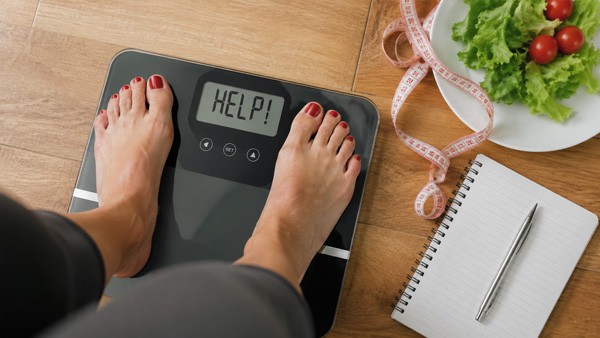

The belief that dieting permanently wrecks your metabolism is one of the most repeated ideas in weight management, and it is somewhere between the two positions usually taken. Metabolic rate does fall during weight loss, by more than body size alone accounts for. It does not fall to the extent people imagine, it is not permanent damage, and it is not the main reason lost weight comes back.
Getting this right matters because the wrong version discourages people from attempting weight loss at all, and the opposite error — assuming nothing adapts — leaves them unprepared for what does happen.
🧠 The reframe that explains most of the difficulty: weight regain is driven far more by appetite than by metabolism. After weight loss, the hormones that signal hunger rise and those that signal fullness fall, and this persists for a year or more after the diet ends. The body is not secretly refusing to burn calories — it is making the person considerably hungrier than they were before. That is a problem of hunger, not of metabolic damage, and it has different solutions.
🔬 What metabolism actually consists of
Daily energy expenditure has four components, and confusing them produces most of the misconceptions.
| Component | Share of total | What it is |
|---|---|---|
| Basal metabolic rate | Roughly 60 to 70 per cent | Energy for organ function, breathing, circulation and cell maintenance at complete rest |
| Thermic effect of food | Around 10 per cent | Energy used digesting and processing what is eaten; highest for protein |
| Non-exercise activity | Highly variable | Fidgeting, standing, walking about, posture — everything that is not deliberate exercise |
| Deliberate exercise | Usually small | Less than most people assume for most people |
Two things follow. Basal rate dominates, and it is determined mainly by body size and composition — a larger body costs more to run, and muscle costs somewhat more per kilogram than fat. And non-exercise activity is the component that varies most between people and within the same person over time, which is where a good deal of unnoticed adaptation happens.
📉 So does dieting slow it down
Yes, in two ways, and separating them removes most of the confusion.
The expected part. A smaller body burns fewer calories. Losing twenty kilograms means less tissue to maintain and less mass to move, so daily expenditure falls. This is arithmetic rather than adaptation and it happens to everyone.
The adaptive part. On top of that, measured metabolic rate falls somewhat further than the new body size predicts. This is called adaptive thermogenesis: the body becomes marginally more efficient, thyroid activity shifts, sympathetic nervous activity falls, and spontaneous movement decreases without the person noticing.
The important question is how large that adaptive component is. Across studies it typically amounts to something in the order of tens of calories per day rather than hundreds — real, measurable, and considerably smaller than the popular account suggests. The widely cited study of contestants from a televised weight loss competition found much larger and more persistent adaptation, but those participants lost extreme amounts of weight over a short period through very high exercise volumes and severe restriction, which is not what happens in ordinary weight loss.
Is it permanent? The evidence does not support the idea of lasting metabolic damage. Adaptation is greatest during active weight loss and diminishes once weight stabilises, and metabolic rate is largely predictable from body composition in people who have maintained a loss for years. What does persist, in some studies for a considerable time, is a modest reduction relative to someone of the same size who was never heavier.
🍴 The part that actually causes regain
If metabolism is only modestly affected, why does most lost weight come back?
The answer lies in appetite regulation, and it is better documented than most people realise. After weight loss:
- Ghrelin, the hormone that drives hunger, rises
- Leptin, which signals sufficient energy stores, falls sharply
- Peptide YY and other satiety hormones fall
- Subjective hunger increases, and food becomes more rewarding and harder to ignore
Studies following people for a year after weight loss found these changes still present. The person is not imagining that it has become harder to eat less — it has, and the difficulty is physiological rather than a failure of resolve.
This reframing is practically useful. If the problem were metabolic, the answer would be to somehow speed metabolism up, which is not really achievable. Since the problem is largely appetite, the answers are things that address hunger: adequate protein, sufficient fibre and food volume, adequate sleep, managing the environment, and where appropriate medication that acts on appetite.
⚖️ How large a deficit is sensible
The earlier version of this article advised cutting only ten to fifteen per cent of intake and described a five hundred calorie daily reduction as extreme and dangerous. That is not right and it is worth correcting clearly.
A deficit of around five hundred calories a day is the standard recommendation in clinical guidance, producing roughly half a kilogram of loss per week. For most adults it represents something in the region of twenty to twenty-five per cent of intake, and it is neither extreme nor dangerous. It is the level at which weight loss is meaningful while remaining nutritionally adequate and sustainable.
What is genuinely problematic is much more severe restriction — very low calorie diets below roughly eight hundred calories a day. These do have a place, under medical supervision, for specific purposes such as rapid weight loss before surgery or in a structured programme for type 2 diabetes remission. Undertaken alone and indefinitely they risk nutritional deficiency, muscle loss, gallstones and, above all, being abandoned.
| Approach | Assessment |
|---|---|
| Deficit of around 500 kcal per day | Standard, evidence-based, sustainable for most people |
| Very low calorie diets under about 800 kcal | Effective and legitimate, but under supervision and for a defined period |
| Extreme restriction without supervision | Muscle loss, deficiency, gallstones, high abandonment rate |
| Very small deficits under 10 per cent | Safe but slow enough that many people lose motivation before seeing results |
💪 What protects metabolic rate
Adaptation cannot be eliminated, and several things reduce it meaningfully.
Adequate protein is the most valuable single measure. It preserves lean mass during weight loss, which is what maintains metabolic rate, and it is also the most satiating macronutrient, which addresses the appetite side simultaneously.
Resistance training preserves muscle far more effectively than cardiovascular exercise alone. Losing weight without it means losing a meaningful proportion of the loss as lean tissue, which reduces metabolic rate more than necessary and makes maintenance harder.
A moderate rather than severe deficit produces less adaptation and less lean tissue loss.
Sufficient sleep matters more than most people expect. Sleep restriction raises ghrelin, lowers leptin, increases appetite for energy-dense food and, in controlled studies, causes a greater proportion of weight lost to come from lean tissue rather than fat.
Maintaining incidental movement offsets the unconscious reduction in activity that accompanies dieting. Step counts and general daily activity fall during weight loss without people noticing, and deliberately keeping them up recovers a genuine portion of the deficit.
✅ Weight maintenance is an active phase, not the absence of dieting. People who succeed long term generally continue monitoring in some form, keep protein and activity high, weigh themselves regularly, and respond to small regains early rather than waiting. Treating the end of a diet as the end of the effort is the commonest pattern behind regain, and understanding that hunger will be elevated for months makes the ongoing effort explicable rather than demoralising.
❌ Metabolism myths
Starvation mode does not stop weight loss. Adaptation is real and modest. It does not make a person in genuine energy deficit stop losing weight, and it does not cause weight gain on very low intake. Where weight loss stalls despite reported restriction, the usual explanation is unrecorded intake — a consistent finding when self-reported eating is compared against measured energy expenditure.
Eating six small meals does not boost metabolism. The thermic effect of food is proportional to how much is eaten, not how it is divided. Meal frequency is a matter of preference and appetite control.
Metabolism-boosting foods do not meaningfully boost metabolism. Green tea, chilli, caffeine and similar have measurable but tiny effects, far too small to matter for body weight.
Eating after a certain hour does not cause weight gain in itself. Total intake is what counts. Late eating is associated with higher intake for behavioural reasons, which is a different mechanism.
Skipping breakfast does not slow metabolism. Trials of breakfast consumption for weight loss have shown little effect either way.
A slow metabolism is rarely the explanation for obesity. Measured metabolic rate in people with obesity is generally higher, not lower, because a larger body costs more to maintain. Genuine metabolic causes such as untreated hypothyroidism or Cushing syndrome exist and are uncommon, and thyroid function is worth checking rather than assuming.
Muscle does burn more than fat, but less than claimed. The difference is real and modest, and building muscle is worth doing for function, glucose handling and appetite rather than for a dramatic metabolic effect.
📊 What actually predicts success
Long-term follow-up of people who have maintained substantial weight loss shows recurring patterns, which are unglamorous and reliable.
Regular self-monitoring of weight or intake. High levels of routine physical activity. Consistent eating patterns rather than alternating restriction and excess. Eating breakfast, in most of these cohorts, though this is likely a marker of routine rather than a mechanism. Catching small regains early. And an approach that could be continued indefinitely rather than one designed to end.
The corollary is that any approach requiring foods or behaviours a person could not sustain for years is unlikely to produce lasting results, however effective it looks over twelve weeks.
💊 Where medication fits
Weight management medication is appropriate where lifestyle measures have not been sufficient and where weight is affecting health, typically above defined body mass index thresholds or lower where conditions such as type 2 diabetes, sleep apnoea or hypertension are present.
The field has changed substantially in recent years. GLP-1 receptor agonists such as semaglutide and tirzepatide, given by injection, produce weight loss of a magnitude previously achievable only with surgery, and they act largely on appetite — consistent with the appetite-driven picture described above. They are expensive, subject to supply constraints, require ongoing use since weight returns after stopping, and have their own side effect profile.
Among established oral options:
| Medication | How it works | Notes |
|---|---|---|
| Orlistat | Blocks absorption of a portion of dietary fat in the gut | Modest average effect; longest safety record; effects are local rather than systemic |
| Naltrexone with bupropion | Acts on appetite and reward pathways in the brain | Greater average effect than orlistat; not suitable with seizure risk, eating disorders or opioid use |
| GLP-1 receptor agonists | Slow gastric emptying and reduce appetite centrally | Largest effect of the current options; injectable; requires ongoing use |
Orlistat is worth understanding properly because how it is used determines whether people tolerate it. It prevents absorption of roughly a quarter to a third of the fat eaten, and that unabsorbed fat leaves in the stool. The side effects — urgency, oily stools, wind — are directly proportional to how much fat is in the meal, which means they function as feedback rather than as random misfortune. Taken alongside a genuinely lower-fat diet the side effects are modest; taken alongside a high-fat meal they are unpleasant and immediate. A fat-soluble vitamin supplement taken at a different time of day is usually advised.
🔴 Two weight loss drugs were withdrawn worldwide and should never be taken. Sibutramine, sold as Reductil and under other names, was withdrawn after a large trial found increased heart attacks and strokes. Rimonabant, sold as Acomplia, was withdrawn after it was found to cause serious psychiatric effects including depression and suicidal thinking. Both still appear on unregulated websites, and sibutramine is repeatedly found as an undeclared ingredient in herbal slimming products that have caused hospital admissions. Anything that produces dramatic appetite suppression while claiming to be natural should be treated with suspicion.
The same applies to 2,4-dinitrophenol, sold online as a fat burner, which genuinely increases metabolic rate by uncoupling cellular respiration and which has caused deaths from hyperthermia. It is not a weight loss drug; it is a poison with a weight loss side effect.
🏥 When it is a medical matter
Weight is worth medical attention rather than self-management where any of the following applies.
- Weight-related conditions are present — type 2 diabetes or prediabetes, high blood pressure, sleep apnoea, fatty liver, osteoarthritis, polycystic ovary syndrome
- Weight gain has been rapid or unexplained, which warrants checking thyroid function and reviewing medication, since several common drugs cause it
- Weight loss has been unintentional, which requires investigation in its own right
- Repeated attempts have not worked, which is a reason for support rather than a verdict on the person
- Eating is disordered — bingeing, purging, or restriction driving distress. Weight loss advice is not appropriate here and can be harmful
That last point deserves emphasis. Disordered eating is common, frequently hidden, and made worse by dietary restriction. Anyone whose relationship with food involves loss of control, secrecy, compensatory behaviour or persistent distress needs a different kind of help than a diet.
📋 The short answer
Dieting slows metabolism somewhat. The slowing is smaller than the folklore claims, is largely explained by having a smaller body, and is not permanent damage. It can be limited by keeping protein high, training with resistance, avoiding extreme restriction, sleeping properly and maintaining daily movement.
The reason weight returns is mostly not metabolic. It is that hunger is elevated and satiety reduced for a long time after weight loss, which makes maintaining a lower intake genuinely harder than it was before. Knowing that in advance changes it from an inexplicable personal failure into a predictable obstacle with practical responses.
Available oral medication is stocked in the weight management category, with Xenical (orlistat) having the longest established safety record. Any weight loss medication belongs alongside dietary and activity changes and under medical supervision rather than as a substitute for them.
❓ Frequently asked questions
Does dieting permanently damage metabolism?
No. Metabolic rate falls during weight loss, partly because a smaller body costs less to run and partly through adaptation on top of that. The adaptive part is typically in the order of tens of calories per day rather than hundreds, is greatest during active weight loss, and diminishes once weight stabilises. The idea of lasting metabolic damage is not supported by the evidence.
Then why does the weight come back?
Mostly because of appetite rather than metabolism. After weight loss, ghrelin rises, leptin and other satiety hormones fall, hunger increases and food becomes more rewarding. Studies have found these changes still present a year later. Eating less genuinely becomes harder than it was before, which is physiological rather than a failure of willpower, and it calls for different responses than trying to speed up metabolism.
Is a 500 calorie daily deficit too aggressive?
No — it is the standard recommendation in clinical guidance, producing roughly half a kilogram of loss per week, and for most adults it represents around twenty to twenty-five per cent of intake. What is genuinely problematic is unsupervised restriction below about eight hundred calories a day, which risks nutritional deficiency, muscle loss and gallstones, and which most people abandon.
Is starvation mode real?
Adaptation is real; starvation mode as usually described is not. The body does become somewhat more efficient during restriction, but it does not stop weight loss in a genuine energy deficit and it certainly does not cause weight gain on low intake. Where weight loss stalls despite reported restriction, unrecorded intake is the usual explanation — a consistent finding when self-reported eating is compared against measured expenditure.
What protects metabolic rate during weight loss?
Adequate protein above all, since it preserves lean mass and is the most satiating macronutrient. Resistance training, which protects muscle far better than cardiovascular exercise alone. A moderate rather than severe deficit. Sufficient sleep, since sleep restriction raises hunger hormones and shifts loss toward lean tissue. And deliberately maintaining daily incidental movement, which falls unconsciously during dieting.
Do small frequent meals speed up metabolism?
No. The energy used to digest food is proportional to how much is eaten, not to how many portions it is divided into. Six small meals and three larger ones with the same total content produce the same effect. Meal frequency is worth choosing on the basis of appetite control and personal preference, which are legitimate reasons, rather than on a metabolic benefit that does not exist.
Do I have a slow metabolism?
Probably not, and measured rates in people with obesity are generally higher rather than lower, because a larger body costs more to maintain. Genuine metabolic causes exist — untreated hypothyroidism and Cushing syndrome among them — and are uncommon, but thyroid function is worth checking rather than assuming. Several common medications also cause weight gain and are worth reviewing.
How does orlistat work and why does it cause side effects?
It blocks the enzyme that breaks down dietary fat, so roughly a quarter to a third of the fat eaten passes through unabsorbed. The side effects — urgency, oily stools, wind — are directly proportional to how much fat is in the meal, which makes them feedback rather than random misfortune. Alongside a genuinely lower-fat diet they are modest. A fat-soluble vitamin supplement taken at a different time of day is usually advised.
Which weight loss drugs were withdrawn and why?
Sibutramine, sold as Reductil among other names, was withdrawn worldwide after a large trial found increased heart attacks and strokes. Rimonabant, sold as Acomplia, was withdrawn after it was found to cause serious psychiatric effects including depression and suicidal thinking. Both still circulate on unregulated sites, and sibutramine is repeatedly found as an undeclared ingredient in herbal slimming products that have caused hospital admissions.
Are herbal slimming products safe?
Frequently not. Regulators repeatedly find undeclared pharmaceutical ingredients in them, sibutramine being the commonest, sometimes at doses higher than the withdrawn prescription product. Cases of cardiac events and liver injury have followed. Anything producing dramatic appetite suppression while marketed as natural deserves suspicion, since natural compounds do not generally suppress appetite dramatically.
Does eating late at night cause weight gain?
Not in itself. Total intake is what determines weight change, and the clock does not alter that. Late eating is associated with higher overall intake for behavioural reasons — tiredness, reduced restraint, snacking rather than meals — which is a real effect with a different mechanism. Someone who eats late within a controlled total does not gain weight because of the timing.
What separates people who keep weight off?
Long-term follow-up shows consistent and unglamorous patterns: regular self-monitoring of weight or intake, high routine physical activity, consistent eating rather than alternating restriction and excess, catching small regains early, and an approach that could be continued indefinitely. Any method requiring foods or behaviours that could not be sustained for years rarely produces lasting results, however impressive it looks over twelve weeks.
📑 Sources and editorial
- Sumithran P et al. — long-term persistence of hormonal adaptations to weight loss
- Fothergill E et al. — persistent metabolic adaptation following extreme weight loss, and subsequent analyses of its generalisability
- NICE and USPSTF guidance on obesity management and behavioural interventions
- National Weight Control Registry findings on long-term maintenance behaviours
- Cochrane and systematic reviews of orlistat and naltrexone-bupropion for weight management
- Regulatory withdrawal notices for sibutramine and rimonabant, and safety alerts on undeclared pharmaceutical ingredients in slimming products
- FDA prescribing information for orlistat and for naltrexone with bupropion
- Related products: weight management category
- RXshop Editorial Team — reviewed by Daniel Kim, MD, Endocrinology
Medical Disclaimer: The information in this article is for educational and informational purposes only and is not a substitute for professional medical advice, diagnosis, or treatment. Always seek guidance from a qualified healthcare provider with any questions you may have regarding a medical condition, and before starting, stopping or changing any medication.