Losing Weight Safely: What Works and What Harms

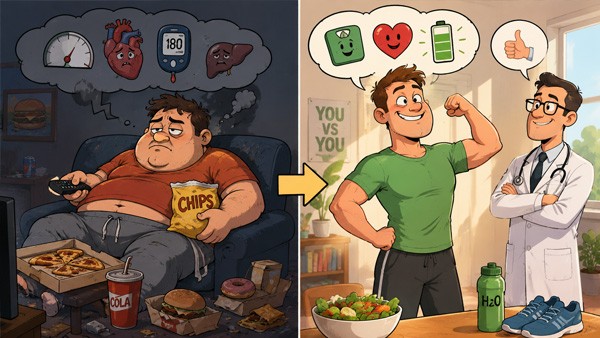
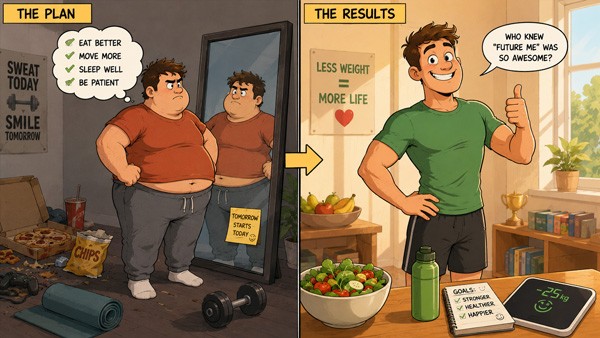
Losing weight is not difficult to start and is difficult to sustain, and most of the harm associated with it comes from doing it too fast rather than from doing it at all. The word safely in the title of this article is doing real work, because rapid weight loss produces specific, predictable and avoidable problems.
This guide covers what a sensible rate looks like and why, what the actual treatment ladder consists of including the parts that have changed recently, and which products and practices cause genuine harm.
🧠 The target worth setting: five to ten per cent of body weight. That is the threshold at which blood pressure, blood glucose and lipids improve meaningfully, it is used as the goal in clinical guidance, and it is achievable. Setting a target of reaching a normal BMI is what makes weight loss feel like failure — most of the health benefit arrives long before that point, and framing it as ten per cent rather than as forty kilograms changes both the likelihood of starting and the likelihood of continuing.
📏 How fast, and why it matters
A deficit of around five hundred calories a day produces roughly half a kilogram of loss per week. That is the standard recommendation, and it is neither timid nor extreme — for most adults it represents twenty to twenty-five per cent of intake.
Faster is not simply harder to sustain. It causes specific problems.
| Problem with rapid loss | Why it happens |
|---|---|
| Gallstones | Rapid loss mobilises cholesterol into bile while reduced fat intake means the gallbladder empties less, so bile stagnates. A substantial proportion of people on very low calorie diets develop stones |
| Muscle loss | A greater share of the weight lost comes from lean tissue, which lowers metabolic rate more than necessary and makes maintenance harder |
| Nutritional deficiency | Very restricted intake cannot supply micronutrients without planning |
| Greater metabolic adaptation | Severe restriction produces more of the drop in expenditure that accompanies weight loss |
| Higher abandonment and rebound | Extreme regimes are given up, and the intake that follows is frequently higher than before |
| Hair loss, fatigue, cold intolerance, menstrual disruption | Consequences of severe restriction |
The gallstone problem is well established and worth taking seriously, particularly for anyone on a very low calorie regime or preparing for bariatric surgery. Ursodeoxycholic acid taken during the period of rapid loss substantially reduces that risk, and it is used routinely in some bariatric programmes. The mechanism and the practicalities are covered in the guide to gallstones.
🥩 Protecting muscle
How much of the loss comes from fat rather than muscle is largely determined by three things, and none of them is complicated.
Adequate protein is the single most valuable measure. It preserves lean mass during a deficit, and it is also the most satiating macronutrient, so it addresses hunger at the same time.
Resistance training preserves muscle far more effectively than cardiovascular exercise alone. Losing weight without it means losing a meaningful proportion as lean tissue, which lowers metabolic rate more than the weight change alone accounts for.
A moderate rather than severe deficit produces less lean tissue loss.
Add adequate sleep to that list. Sleep restriction raises hunger hormones and, in controlled studies, shifts a greater proportion of the weight lost toward lean tissue rather than fat — the same deficit produces a worse result.
🏃 Exercise, prescribed realistically
Older advice in this area frequently prescribes volumes that guarantee failure. Telling someone with severe obesity to do three hours of cardiovascular exercise and two strength sessions a week is a target that will be abandoned within a fortnight and may cause joint injury on the way.
What the evidence actually supports:
The largest single gain comes from moving from sedentary to somewhat active, not from the difference between moderately and very active. Someone doing nothing who starts walking regularly captures most of the available benefit.
Start from where the person is. Ten minutes daily that continues indefinitely is worth more than an hour daily that stops in three weeks.
Resistance training matters as much as cardiovascular work, and can be done with body weight alone.
Low-impact options — swimming, water-based exercise, cycling — suit people whose joints are loaded, and joint pain is a leading reason exercise gets abandoned in this group.
Breaking up sitting has an effect independent of formal exercise.
⚠️ On the fat-burning heart rate zone: it is true that lower-intensity exercise burns a higher proportion of energy from fat, and it is misleading, because higher-intensity exercise burns more total energy including more total fat. What determines body composition is the overall energy balance, not which fuel was used during the session. Choosing an intensity you will sustain matters considerably more than staying inside a particular heart rate band.
🍽️ Diet, without the ideology
Trials comparing low-carbohydrate, low-fat, Mediterranean, intermittent fasting and other approaches consistently find similar average results at a year. What differs is who can stick to which.
That is the practical finding, and it means the useful question is not which diet is best but which one you could still be following in two years.
What does show up consistently across successful approaches:
- Adequate protein, for satiety and muscle
- Fibre and food volume, which produce fullness for fewer calories
- Reduced ultra-processed food, which controlled feeding studies show leads to higher intake without people noticing
- Some structure — regular meals or defined eating windows — rather than unlimited grazing
- Not eliminating entire food groups unless there is a medical reason, since restriction predicts abandonment
- Attention to liquid calories, which do not produce the fullness that solid food does
Very low calorie diets, below roughly eight hundred calories daily, are legitimate under supervision and for a defined period. They have a genuine role before surgery and in structured programmes for type 2 diabetes remission, where trial evidence showed substantial numbers achieving remission. Undertaken alone and indefinitely they carry the risks listed above.
🩺 What to check first
Several treatable contributors are worth excluding before concluding that intake and activity are the whole story.
| Cause | Note |
|---|---|
| Underactive thyroid | Straightforward to test; contributes modestly but is worth correcting |
| Polycystic ovary syndrome | Insulin resistance makes weight loss harder and has specific management |
| Cushing syndrome | Uncommon; central weight gain, thin skin, bruising, purple stretch marks |
| Obstructive sleep apnoea | Both a consequence and a contributor, through effects on appetite and energy |
| Medications | Several antipsychotics, some antidepressants, insulin and sulfonylureas, corticosteroids, some anti-epileptics and beta blockers. Alternatives frequently exist |
| Binge eating disorder | Common, frequently hidden, and treated differently — weight loss advice alone can worsen it |
| Depression | Both a cause and a consequence; affects motivation, sleep and eating |
🔴 Disordered eating deserves specific attention before any weight loss plan. Binge eating disorder is the commonest eating disorder and is considerably more prevalent among people seeking weight loss treatment than most services screen for. Loss of control while eating, secrecy, eating past discomfort, compensatory behaviour, or persistent distress about food and body all indicate a different problem requiring different treatment. Dietary restriction reliably worsens binge eating, so a standard weight loss programme can make things actively worse.
💊 Medication
Medication is appropriate where lifestyle measures have not been sufficient and weight is affecting health — typically above defined thresholds, or lower where type 2 diabetes, sleep apnoea or hypertension are present. It is a legitimate option rather than an admission of failure, and it works alongside dietary and activity change rather than replacing them.
| Option | Mechanism | Notes |
|---|---|---|
| Orlistat | Blocks absorption of roughly a quarter to a third of dietary fat | The longest safety record; acts locally in the gut rather than systemically. Effects are proportional to fat eaten, which makes them feedback rather than misfortune |
| Naltrexone with bupropion | Acts on appetite and food reward centrally | Greater average effect than orlistat. Not suitable with seizure risk, eating disorders or opioid use |
| GLP-1 receptor agonists | Slow gastric emptying and reduce appetite centrally | The largest effect of current options, approaching surgical results in some trials. Injectable, expensive, subject to supply constraints, and weight returns after stopping |
Orlistat is worth understanding properly, because how it is used determines whether people tolerate it. It prevents absorption of a portion of the fat eaten, and that fat leaves in the stool. The side effects — urgency, oily stools, wind — are directly proportional to how much fat was in the meal. Alongside a genuinely reduced-fat diet they are modest; after a high-fat meal they are immediate and unpleasant. A fat-soluble vitamin supplement taken at a different time of day is usually advised. It is available as the brand and as generics including Slimtop and Xenical at different prices.
🔴 What is genuinely dangerous
This is the part of the subject where real harm occurs, and it is worth being explicit.
Sibutramine, sold as Reductil among other names, was withdrawn worldwide after a large trial found increased heart attacks and strokes.
Rimonabant, sold as Acomplia, was withdrawn after it was found to cause serious psychiatric effects including depression and suicidal thinking.
Both still circulate on unregulated sites, and sibutramine is repeatedly found as an undeclared ingredient in herbal slimming products, sometimes at doses higher than the withdrawn prescription version. Cardiac events and hospital admissions have followed. Anything producing dramatic appetite suppression while marketed as natural deserves suspicion, because natural compounds do not generally suppress appetite dramatically.
2,4-dinitrophenol, sold online as a fat burner, genuinely raises metabolic rate by uncoupling cellular respiration, and has caused deaths from hyperthermia. It is not a weight loss drug with a dangerous side effect; it is a poison with a weight loss effect.
Thyroid hormone taken by people with normal thyroid function causes muscle loss, bone loss and cardiac arrhythmia, and produces weight loss largely from lean tissue.
Diuretics and laxatives produce fluid loss rather than fat loss, and misuse causes dangerous electrolyte disturbance.
Excessive caffeine and stimulant combinations sold as fat burners cause palpitations, anxiety and, in some cases, serious cardiac events.
🔪 Surgery
Bariatric surgery produces the largest and most durable weight loss of any treatment, and it improves or resolves type 2 diabetes, sleep apnoea and hypertension in a substantial proportion. It is generally considered above defined body mass index thresholds, or lower where significant weight-related conditions are present.
The main procedures reduce stomach capacity, alter the hormonal signals governing appetite, and in some cases bypass part of the intestine. The hormonal change is a large part of why it works — it is not simply mechanical restriction.
🔴 Lifelong vitamin supplementation after bariatric surgery is not optional and is the aspect most often neglected. Absorption of B12, iron, calcium, vitamin D, folate and thiamine is reduced permanently, and deficiency develops silently over months to years. Thiamine deficiency deserves particular emphasis: it can develop within weeks, particularly with persistent vomiting, and produces Wernicke encephalopathy — confusion, unsteadiness and abnormal eye movements — which causes permanent memory impairment if not treated immediately. Anyone who has had bariatric surgery and develops persistent vomiting or confusion needs urgent assessment and thiamine, not reassurance.
Other things to know: pregnancy is generally deferred for a period after surgery, since rapid weight loss and altered absorption affect the pregnancy; alcohol is absorbed differently and affects people more strongly; and rates of alcohol use disorder rise after some procedures, which is a documented and under-discussed outcome. Long-term follow-up is part of the treatment rather than an optional extra.
📊 What to monitor
Whatever the approach, a few things are worth tracking rather than relying on the scale alone.
- Waist circumference, which reflects the visceral fat that drives metabolic risk and frequently changes when weight does not
- Blood pressure, glucose or HbA1c, and lipids, which are what the weight loss is actually for
- Sleep quality and daytime sleepiness, which improve markedly and are worth noticing
- Physical function — stairs, walking distance, joint pain
- Mood
- Vitamin levels where absorption is reduced by surgery or by orlistat
Weighing frequently — daily or weekly — is associated with better outcomes rather than obsession, provided the number is treated as data rather than as a verdict. Daily weight fluctuates by a kilogram or more from fluid alone, and the trend over weeks is the only meaningful signal.
🔄 Maintenance
Maintenance is an active phase rather than the absence of dieting, and it is where most attempts come apart.
The reason is physiological as much as behavioural. After weight loss, the hormones that drive hunger rise and those that signal fullness fall, and studies have found these changes still present a year later. Eating less genuinely becomes harder than it was before. Knowing that in advance converts an inexplicable personal failure into a predictable obstacle.
What people who maintain long-term consistently do: monitor regularly, keep physical activity high, eat consistently rather than alternating restriction and excess, catch small regains early rather than waiting, and follow an approach they could continue indefinitely.
The mechanisms behind adaptation and regain are covered in detail in the guide to dieting and metabolism.
✅ Obesity behaves as a chronic relapsing condition rather than a self-inflicted state, and treating it that way produces better results. Nobody expects blood pressure treatment to be stopped once the reading normalises, and the same logic applies here: whatever works needs to continue. Weight regained after treatment stops is the condition reasserting itself rather than evidence that the person failed, and that framing is not merely kinder — it is what makes ongoing treatment make sense.
🚨 When to seek help
- Weight-related conditions — type 2 diabetes or prediabetes, high blood pressure, sleep apnoea, fatty liver, polycystic ovary syndrome
- Rapid or unexplained weight gain, which warrants checking thyroid function and reviewing medication
- Unintentional weight loss, which requires investigation in its own right
- Loss of control while eating, secrecy around food, or compensatory behaviour
- Persistent low mood alongside weight concerns
- Repeated attempts that have not worked, which is a reason for medical support rather than a verdict
- After bariatric surgery: persistent vomiting, confusion or unsteadiness — urgent
- Severe abdominal pain during rapid weight loss, which may indicate gallstones
Medication is stocked in the weight management category, including Orligal (orlistat), which has the longest established safety record of the oral options and acts locally in the gut rather than systemically. It works alongside dietary change rather than instead of it, and a fat-soluble vitamin supplement is usually advised with it.
❓ Frequently asked questions
How much weight do I actually need to lose?
Five to ten per cent of body weight is the threshold at which blood pressure, blood glucose and lipids improve meaningfully, and it is the goal used in clinical guidance. Setting a target of reaching a normal BMI is what makes weight loss feel like failure, since most of the health benefit arrives long before that point. Framing it as ten per cent rather than as a large absolute number changes both starting and continuing.
How fast should weight come off?
Around half a kilogram a week, from a deficit of roughly five hundred calories a day. Faster is not simply harder to sustain — it causes gallstones, greater muscle loss, nutritional deficiency, more metabolic adaptation and higher abandonment with rebound. Very low calorie diets below about eight hundred calories are legitimate under supervision for a defined period, and problematic undertaken alone and indefinitely.
Why does rapid weight loss cause gallstones?
Because losing weight quickly mobilises cholesterol into bile, while reduced fat intake means the gallbladder empties less often and bile stagnates. A substantial proportion of people on very low calorie diets or after bariatric surgery develop stones. Ursodeoxycholic acid taken during the period of rapid loss substantially reduces that risk and is used routinely in some bariatric programmes.
How do I avoid losing muscle?
Adequate protein above all, which preserves lean mass and is also the most satiating macronutrient. Resistance training, which protects muscle far better than cardiovascular exercise alone. A moderate rather than severe deficit. And adequate sleep — sleep restriction shifts a greater proportion of the weight lost toward lean tissue, so the same deficit produces a worse result.
Should I stay in the fat-burning heart rate zone?
It matters less than it sounds. Lower-intensity exercise does burn a higher proportion of energy from fat, but higher-intensity exercise burns more total energy including more total fat. What determines body composition is the overall energy balance rather than which fuel was used during the session. Choosing an intensity you will actually sustain matters considerably more than staying inside a particular band.
Which diet works best?
Trials comparing low-carbohydrate, low-fat, Mediterranean, intermittent fasting and other approaches consistently find similar average results at a year. What differs is who can stick to which. The useful question is therefore not which diet is best but which one you could still be following in two years. Adequate protein, fibre and volume, less ultra-processed food and some structure appear across all the successful approaches.
Could something medical be making this harder?
Several possibilities are worth excluding: underactive thyroid, polycystic ovary syndrome, uncommonly Cushing syndrome, and untreated sleep apnoea, which contributes through effects on appetite and energy. Medications matter too — several antipsychotics, some antidepressants, insulin, corticosteroids and beta blockers all cause weight gain, and alternatives frequently exist. Depression affects motivation, sleep and eating in both directions.
What if I lose control when I eat?
That needs addressing before any weight loss plan. Binge eating disorder is the commonest eating disorder and is far more prevalent among people seeking weight loss treatment than services typically screen for. Loss of control, secrecy, eating past discomfort or persistent distress about food indicate a different problem requiring different treatment. Dietary restriction reliably worsens binge eating, so a standard programme can make things actively worse.
Which weight loss products are dangerous?
Sibutramine and rimonabant were both withdrawn worldwide, for cardiovascular events and for serious psychiatric effects respectively, and both still circulate online. Sibutramine is repeatedly found undeclared in herbal slimming products, sometimes above the withdrawn prescription dose. 2,4-dinitrophenol has caused deaths from overheating. Thyroid hormone in people with normal thyroid function, and diuretic or laxative misuse, cause harm without producing fat loss.
Why does orlistat cause those side effects?
Because it blocks absorption of roughly a quarter to a third of the fat eaten, and that fat leaves in the stool. The effects are directly proportional to how much fat was in the meal, which makes them feedback rather than random misfortune — alongside a genuinely reduced-fat diet they are modest, and after a high-fat meal they are immediate. A fat-soluble vitamin supplement taken at a different time of day is usually advised.
What does bariatric surgery require afterwards?
Lifelong vitamin supplementation, which is the aspect most often neglected. Absorption of B12, iron, calcium, vitamin D, folate and thiamine is permanently reduced and deficiency develops silently. Thiamine deficiency can develop within weeks, particularly with persistent vomiting, and causes Wernicke encephalopathy with permanent memory impairment if untreated. Persistent vomiting or confusion after bariatric surgery needs urgent assessment and thiamine.
Why does the weight come back?
Mostly because of appetite rather than metabolism. After weight loss the hormones driving hunger rise and those signalling fullness fall, and studies have found these changes still present a year later — eating less genuinely becomes harder than it was before. Obesity behaves as a chronic relapsing condition, which means whatever works needs to continue, in the same way blood pressure treatment does.
📑 Sources and editorial
- NICE and USPSTF guidance on obesity identification, assessment and management
- Trial evidence comparing dietary approaches for weight loss at twelve months
- DiRECT trial and related evidence on very low calorie diets and type 2 diabetes remission
- Evidence on ursodeoxycholic acid for gallstone prevention during rapid weight loss
- Sumithran P et al. — persistence of hormonal adaptations to weight loss
- Guidance on nutritional supplementation and monitoring after bariatric surgery, including thiamine
- Regulatory withdrawal notices for sibutramine and rimonabant, and safety alerts on undeclared pharmaceuticals in slimming products
- FDA prescribing information for orlistat and for naltrexone with bupropion
- Related reading: dieting and metabolism, gallstones
- Related products: weight management category
- RXshop Editorial Team — reviewed by Daniel Kim, MD, Endocrinology
Medical Disclaimer: The information in this article is for educational and informational purposes only and is not a substitute for professional medical advice, diagnosis, or treatment. Always seek guidance from a qualified healthcare provider with any questions you may have regarding a medical condition, and before starting, stopping or changing any medication.