Buy Detrol (Tolterodine 4mg) Online - Original Pfizer Brand Ranbaxy Sun Antimuscarinic OAB Therapy

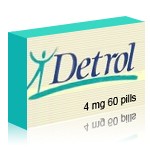
Detrol (Tolterodine 4 mg) represents the foundational selective muscarinic receptor antagonist for overactive bladder (OAB) treatment - the reference antimuscarinic providing effective control of urinary urgency, frequency, and urge urinary incontinence through selective bladder smooth muscle relaxation. Originally developed by Pharmacia & Upjohn and FDA-approved as Detrol in 1998 for overactive bladder, tolterodine established the modern approach to selective antimuscarinic OAB therapy. Following Pfizer acquisition of Pharmacia in 2003, Detrol brand rights transferred to Pfizer. Detrol on rxshop.md is manufactured by Ranbaxy Pharmaceuticals (now part of Sun Pharmaceutical Industries following 2015 acquisition) with WHO-GMP certification, US FDA-inspected facilities, and comprehensive urology product portfolio.
Tolterodine is a selective muscarinic receptor antagonist providing competitive blockade of acetylcholine at M-type cholinergic receptors in bladder smooth muscle. First, tolterodine binds M2 and M3 muscarinic receptors on detrusor smooth muscle cells with functional bladder selectivity. Second, tolterodine blocks acetylcholine-mediated bladder contractions reducing involuntary detrusor muscle contractions. Third, tolterodine increases bladder capacity allowing longer intervals between urinations. Fourth, tolterodine reduces urgency and urge incontinence episodes. Fifth, tolterodine provides relatively better bladder selectivity than older non-selective antimuscarinics reducing systemic anticholinergic effects.
Detrol serves comprehensive overactive bladder indications including overactive bladder syndrome, urinary urgency, urinary frequency, urge urinary incontinence, and nocturia associated with OAB. Clinical evidence demonstrates substantial reduction in urge incontinence episodes (typically 50-70 percent reduction), reduced daily urination frequency, increased bladder capacity, and improved quality of life scores in appropriate patients. Detrol is appropriate for both women and men with OAB - approximately equal prevalence in older adults.
Detrol is available in five pack sizes - 20, 40, 60, 80 (bestseller), and 160 tablets at the 4 mg strength - accommodating monthly through long-term therapy protocols. Standard dosing 2-4 mg daily divided doses (extended-release 4 mg once daily equivalent). Contraindicated in urinary retention, gastric retention, uncontrolled narrow-angle glaucoma, myasthenia gravis, and hypersensitivity. Requires careful monitoring for anticholinergic side effects particularly in elderly patients.
Free prescription
Discrete packaging
Have questions?
Quality Assurance

- Urinary Urgency: Sudden compelling need to urinate difficult to defer characteristic of overactive bladder syndrome;
- Urge Urinary Incontinence: Involuntary urine leakage associated with sudden urinary urgency from detrusor overactivity;
- Urinary Frequency: Excessive urination frequency exceeding 8 times daily disrupting normal activities and sleep;
- Nocturia: Waking multiple times during night to urinate affecting sleep quality and daily energy;
- Detrusor Overactivity: Involuntary bladder muscle contractions causing OAB symptoms responding to antimuscarinic therapy;
- Postmenopausal Overactive Bladder: OAB common in postmenopausal women often associated with estrogen deficiency and pelvic changes;
- Male Overactive Bladder: OAB in men often associated with prostate enlargement or neurologic conditions;
- Neurogenic Bladder: Bladder dysfunction from neurological conditions responding to antimuscarinic therapy in selected cases;
- Antimuscarinic Therapy: Selective muscarinic receptor antagonism providing targeted bladder smooth muscle relaxation;
- Post-Prostatectomy Urgency: Off-label use for persistent urgency following prostate surgery;
- Multiple Sclerosis Bladder Dysfunction: Off-label use for MS-related detrusor overactivity through neurological pathway modulation;
- Spinal Cord Injury Bladder: Off-label use for neurogenic detrusor overactivity from spinal cord injury with specialist supervision;
- Bladder Capacity Enhancement: Increased functional bladder capacity through detrusor muscle relaxation therapy;
- Reduced Micturition Frequency: Reduction in daily urination frequency to more manageable levels;
- Elderly OAB Treatment: OAB therapy in elderly with careful monitoring for anticholinergic effects and cognitive concerns;
- Mixed Urinary Incontinence: Combined urge and stress incontinence with prominent urge component responding to antimuscarinics;
- Quality Of Life Improvement OAB: Substantial quality of life improvements through OAB symptom control and reduced social limitations;
- Bladder Retraining Adjunct: Pharmacotherapy adjunct to behavioral therapy and bladder retraining programs;
- M2 M3 Receptor Antagonism: Selective blockade of muscarinic M2 and M3 receptors mediating bladder detrusor contractions.
- Reduces Incontinence Episodes: 50-70 percent reduction in urge incontinence episodes in clinical trials;
- Increases Bladder Capacity: Enhanced functional bladder capacity allowing longer intervals between urinations;
- Reduces Urination Frequency: Fewer daily urinations improving daily activity planning and quality of life;
- Reduces Nocturia: Fewer nighttime urinations improving sleep quality and daily energy levels;
- Improves Quality of Life: Substantial improvements in OAB-related quality of life scores validated in clinical trials;
- Selective Bladder Action: Relatively better bladder selectivity than older antimuscarinics reducing systemic effects;
- Reduces Social Limitations: Better bladder control enables greater social participation and activities;
- Once or Twice Daily Dosing: Convenient dosing regimen (immediate-release BID or extended-release once daily);
- Suitable for Both Genders: Effective in both women and men with OAB - approximately equal prevalence in older adults;
- Neurogenic Bladder Option: Off-label use for MS, spinal cord injury, and other neurogenic bladder conditions;
- Oral Tablet Convenience: Simple oral administration avoiding intravesical or invasive treatments;
- Behavioral Therapy Adjunct: Enhances outcomes when combined with pelvic floor exercises and bladder retraining;
- Reduces Pad Usage: Reduced incontinence enables reduced or eliminated protective pad usage for many patients;
- Original Pfizer Brand Heritage: Pharmacia and Upjohn origin FDA-approved 1998 with over 25 years continuous clinical use;
- Ranbaxy Sun Manufacturing Quality: Established WHO-GMP and US FDA-inspected manufacturing standards worldwide;
- Standard OAB Therapy Option: One of several first-line antimuscarinic options for OAB management per international guidelines;
- Long Term Therapy Option: Suitable for long-term chronic OAB management with periodic reassessment;
- Multiple Pack Size Options: 20 to 160 tablet packs accommodate different therapy durations and refill preferences;
- Better Quality of Life: Effective OAB symptom control substantially improves comfort daily activities sleep and social participation.
Generic Detrol (Tolterodine 4 mg) Medication guide:
Detrol (Tolterodine 4 mg) represents the foundational selective muscarinic receptor antagonist for overactive bladder (OAB) treatment - the reference antimuscarinic providing effective control of urinary urgency, frequency, and urge urinary incontinence through selective bladder smooth muscle relaxation. Originally developed by Pharmacia & Upjohn and FDA-approved as Detrol in 1998 for overactive bladder, tolterodine established the modern approach to selective antimuscarinic OAB therapy. Following Pfizer acquisition of Pharmacia in 2003, Detrol brand rights transferred to Pfizer. Detrol on rxshop.md is manufactured by Ranbaxy Pharmaceuticals (now part of Sun Pharmaceutical Industries following 2015 acquisition) with WHO-GMP certification and US FDA-inspected manufacturing facilities. This comprehensive medication guide covers antimuscarinic pharmacology, M2/M3 receptor blockade mechanism, all approved indications, comprehensive dosing protocols, contraindications including narrow-angle glaucoma and urinary retention, drug interactions, managing anticholinergic side effects, and long-term therapy considerations for chronic OAB management.

💊 Introduction to Detrol
Detrol is a prescription oral medication containing tolterodine tartrate 4 mg as its active ingredient in tablet form. Tolterodine is a selective muscarinic receptor antagonist - a class of medications that block acetylcholine at muscarinic cholinergic receptors providing therapeutic bladder smooth muscle relaxation. Unlike older non-selective antimuscarinics (oxybutynin), tolterodine provides functional bladder selectivity reducing systemic anticholinergic effects while maintaining bladder efficacy.
Detrol was originally developed by Pharmacia & Upjohn and received FDA approval in 1998 for overactive bladder syndrome. This introduction represented significant advance in overactive bladder therapy providing the first modern selective antimuscarinic with improved tolerability profile compared to first-generation oxybutynin. The extended-release Detrol LA formulation received FDA approval in 2001 providing convenient once-daily dosing. Following the Pfizer acquisition of Pharmacia in 2003 (60 billion dollar merger), Detrol brand rights transferred to Pfizer which maintains original brand internationally.
The Detrol brand available on rxshop.md is manufactured by Ranbaxy Pharmaceuticals Ltd - Indian pharmaceutical company founded in 1961 that grew to become one of India largest generic pharmaceutical manufacturers. Ranbaxy was acquired by Sun Pharmaceutical Industries in 2015 creating one of world top 5 generic pharmaceutical companies. Combined Ranbaxy-Sun Pharma infrastructure includes WHO-GMP certification, US FDA-inspected manufacturing facilities, EU-GMP certification, and comprehensive urology and general medicine product portfolio.
Detrol occupies established position among antimuscarinic therapy for overactive bladder. Advantages include improved bladder selectivity compared to first-generation oxybutynin, extended-release formulation option for convenient once-daily dosing, well-established safety profile over 25+ years of clinical use, proven clinical efficacy in OAB symptom control, and cost-effectiveness compared to newer antimuscarinics. Limitations include class-effect anticholinergic side effects (dry mouth, constipation, blurred vision, cognitive effects), potential for CNS effects particularly in elderly patients, and standard antimuscarinic contraindications.
Detrol serves overactive bladder syndrome with primary FDA-approved indications for OAB symptoms including urinary urgency, urinary frequency, and urge urinary incontinence. Clinical trials demonstrate substantial reductions in incontinence episodes (typically 50-70 percent reduction), reduced daily urination frequency, increased bladder capacity, and improved quality of life scores in appropriate patients. Detrol is effective in both women and men with OAB - approximately equal prevalence in older adults.
🏭 Ranbaxy Pharmaceuticals and Sun Pharma Manufacturer
Ranbaxy Pharmaceuticals Credentials
Ranbaxy Pharmaceuticals credentials:
- Founded 1961 in India - over 60 years pharmaceutical heritage
- Historically one of India largest pharmaceutical companies
- Acquired by Sun Pharmaceutical Industries 2015 - integrated into Sun Pharma operations
- WHO-GMP certification - highest quality manufacturing standards
- US FDA-inspected facilities serving American regulatory market
- EU-GMP certification serving European market
- Comprehensive urology and general medicine portfolio
- Established antimuscarinic and bladder therapy product lines
Sun Pharmaceutical Industries Integration
Post-2015 Sun Pharma integration features:
- One of world top 5 generic pharmaceutical manufacturers
- Founded 1983 in India by Dilip Shanghvi
- WHO-GMP certification
- US FDA-inspected facilities
- EU-GMP certification
- Serves 150 plus countries globally
- Extensive urology portfolio post-Ranbaxy integration
- Global manufacturing network ensuring quality standards worldwide
Manufacturing Quality Standards
Ranbaxy/Sun Pharma produces Detrol generic tolterodine with rigorous quality control ensuring bioequivalent tolterodine tartrate content per 4 mg tablet, pharmaceutical-grade excipients, batch-to-batch consistency, stability testing for shelf-life reliability, and compliance with international pharmacopeia standards. Combined Ranbaxy-Sun Pharma manufacturing infrastructure provides consistent quality supporting equivalent clinical effects to original brand Detrol formulation for overactive bladder therapy applications worldwide.
📜 Detrol Brand Heritage
Historical Timeline
| Year | Development Milestone |
|---|---|
| 1980s-1990s | Kabi Pharmacia research on selective antimuscarinic agents |
| 1995 | Pharmacia & Upjohn formed through merger |
| 1998 | FDA approval of Detrol by Pharmacia & Upjohn for overactive bladder |
| 2000 | Pharmacia & Upjohn merged with Monsanto pharmaceutical operations |
| 2001 | FDA approval of Detrol LA (extended-release) for once-daily dosing |
| 2003 | Pfizer acquired Pharmacia - obtained Detrol brand rights |
| 2008 | Detrol patent expiration - generic tolterodine widely available |
| Present Day | Over 25 years continuous clinical use - established antimuscarinic OAB therapy |
Detrol Significance in Urology
Detrol introduction in 1998 represented significant advance in overactive bladder therapy. Before tolterodine, oxybutynin was the primary antimuscarinic option but had substantial anticholinergic side effect burden limiting tolerability. Tolterodine provided functional bladder selectivity substantially improving tolerability while maintaining OAB efficacy. Over 25 years of clinical use has established tolterodine as reference antimuscarinic for OAB with well-documented safety and efficacy profile guiding modern OAB treatment approaches.
🧠 Understanding Overactive Bladder
OAB Overview
Overactive Bladder Syndrome (OAB):
- Definition: Urinary urgency with or without incontinence usually with frequency and nocturia
- Prevalence: Approximately 12-17 percent of adults worldwide
- Age association: Increases substantially with age
- Gender: Slightly more common in women in reproductive years; equal or male predominance in elderly
- Symptoms: Urgency, frequency (over 8 daily voids), nocturia, urge incontinence
- Underdiagnosed: Many patients do not report symptoms feeling embarrassment
- Quality of life impact: Substantial - social, occupational, sleep, mental health effects
- Chronic condition: Requires ongoing management typically long-term
OAB Symptoms
- Urinary urgency: Sudden compelling need to urinate difficult to defer
- Urinary frequency: Voiding more than 8 times in 24 hours
- Nocturia: Waking to void 2+ times per night
- Urge urinary incontinence: Involuntary urine leakage with urgency
- Small volume voids: Reduced functional bladder capacity
- Social limitations: Restricted activities from urgency/incontinence concerns
- Sleep disruption: Nocturia affecting rest quality
OAB Pathophysiology
Overactive bladder involves detrusor muscle overactivity - inappropriate bladder muscle contractions during bladder filling. Normal bladder function requires coordinated detrusor relaxation during filling and coordinated contraction during voluntary voiding. In OAB, detrusor muscle contracts inappropriately triggering urinary urgency and involuntary voiding. Contributing factors include age-related detrusor changes, neurologic conditions (stroke, MS, spinal cord injury), bladder outlet obstruction (BPH in men), and idiopathic detrusor overactivity. Antimuscarinic therapy blocks acetylcholine-mediated detrusor contractions reducing OAB symptoms.

🧬 Understanding Antimuscarinic Class
Antimuscarinic Categories
Antimuscarinic anticholinergic OAB medications:
- Oxybutynin (Ditropan): First-generation - non-selective - substantial anticholinergic effects
- Tolterodine (Detrol): Selective muscarinic antagonist - improved bladder selectivity
- Solifenacin (Vesicare): M3 selective - improved bladder selectivity
- Darifenacin (Enablex): M3 selective - improved bladder selectivity
- Trospium (Sanctura): Quaternary amine - reduced CNS penetration
- Fesoterodine (Toviaz): Prodrug of active tolterodine metabolite
- Beta-3 agonists: Mirabegron (Myrbetriq), vibegron (Gemtesa) - alternative mechanism
Tolterodine Position Within Antimuscarinic Class
Tolterodine occupies established position as reference selective antimuscarinic for OAB. Advantages include over 25 years clinical experience, well-characterized efficacy and safety profile, extended-release formulation for once-daily dosing, cost-effectiveness with generic availability, and improved bladder selectivity vs oxybutynin. Limitations include class-effect anticholinergic side effects, potential cognitive effects in elderly, standard antimuscarinic contraindications, and modest efficacy improvement over placebo (approximately 60-70 percent response rates).
🧪 Chemistry of Tolterodine
Chemical Structure
Tolterodine tartrate has the chemical formula C22H31NO·C4H6O6 with molecular weight approximately 475.6 g/mol (as tartrate salt). Chemically, tolterodine is a tertiary amine 3,3-diphenylpropylamine derivative - structurally distinct from older antimuscarinics like oxybutynin. The tartrate salt formulation improves aqueous solubility and oral bioavailability.
Structural Features
Tolterodine structural features:
- Diphenylpropylamine core - characteristic tolterodine backbone
- Tertiary amine - provides muscarinic receptor binding activity
- Phenolic hydroxyl group - metabolized to active 5-hydroxymethyl metabolite
- Chiral center - (R)-enantiomer is pharmacologically active
- Tartrate salt formulation - improved solubility and stability
- Lipophilic character - good oral absorption and CNS penetration
- Active metabolite (5-HMT) - contributes to therapeutic effect
🔬 Mechanism of Action
Muscarinic Receptor Antagonism
Tolterodine mechanism at bladder level:
- Bladder detrusor muscle innervation: Parasympathetic acetylcholine mediates normal bladder contraction
- Muscarinic receptor binding: Tolterodine competitively blocks M2 and M3 muscarinic receptors on detrusor smooth muscle
- M3 primary role: M3 receptors mediate detrusor contraction directly
- M2 modulatory role: M2 receptors modulate detrusor contractility indirectly
- Blocked involuntary contractions: Reduced detrusor muscle contractility during bladder filling
- Increased bladder capacity: Larger volume accommodated before urgency signals
- Reduced urgency: Fewer sudden compelling urges to void
- Preserved voluntary voiding: Voluntary bladder emptying preserved (higher acetylcholine levels can still trigger contraction)
Functional Bladder Selectivity
Tolterodine demonstrates functional bladder selectivity - despite similar in vitro receptor affinity for muscarinic receptors throughout body, tolterodine shows preferential effect on bladder tissue in vivo. Contributing factors include favorable pharmacokinetic distribution, tissue-specific receptor accessibility, and lower salivary gland receptor sensitivity. This bladder selectivity translates to reduced systemic anticholinergic side effects (dry mouth, blurred vision, constipation) compared to non-selective agents like oxybutynin while maintaining bladder therapeutic effect.
Effects on Other Tissues
- Salivary glands: Some blockade causing dry mouth (dose-related)
- Ciliary body: Blockade may cause blurred vision or accommodation problems
- Gastrointestinal: Reduced motility causing constipation
- Iris: Blockade may cause mydriasis
- Sweat glands: Reduced sweating - heat intolerance
- Central nervous system: Some CNS effects particularly in elderly - cognitive impairment risk
- Cardiac: Some tachycardia possible
🔬 Pharmacokinetic Profile
| Parameter | Value | Clinical Significance |
|---|---|---|
| Oral absorption | Rapid and complete | Predictable oral therapy |
| Oral bioavailability | Variable (10-74 percent - genetic polymorphism) | CYP2D6 poor metabolizers have higher exposure |
| Time to peak (Tmax) | 1-2 hours (IR); 2-6 hours (ER) | Rapid absorption |
| Half-life | 2-3 hours (IR); 8-10 hours (ER) | ER supports once-daily dosing |
| Protein binding | Approximately 96 percent | Highly protein bound |
| Metabolism | Hepatic CYP2D6 (extensive metabolizers) and CYP3A4 (poor metabolizers) | Genetic polymorphism affects clearance |
| Active metabolite | 5-hydroxymethyl tolterodine (5-HMT) | Contributes to therapeutic effect |
| Elimination | Renal (primarily) and fecal | Renal impairment requires dose adjustment |
| Steady state | Within 5 days | Full therapeutic assessment at 1-2 weeks |
| Clinical response timeline | 1-4 weeks | Progressive symptom improvement |
🔄 Tolterodine vs Other Antimuscarinics
| Feature | Tolterodine (Detrol) | Oxybutynin (Ditropan) | Solifenacin (Vesicare) |
|---|---|---|---|
| Generation | Second (1998) | First (1975) | Second (2004) |
| Bladder selectivity | Improved vs oxybutynin | Non-selective | M3 selective |
| Dry mouth incidence | Moderate | High | Moderate |
| CNS side effects | Moderate | Higher | Lower |
| Dosing frequency | BID (IR) or QD (ER) | TID (IR) or QD (ER) | QD |
| Cost | Moderate (generic available) | Low (generic available) | Higher (partial generic) |
| Elderly suitability | Moderate | Poor (Beers Criteria) | Better |

🎯 FDA Approved Indications
- Overactive Bladder Syndrome
- Primary FDA indication for OAB symptoms including urinary urgency, urinary frequency, and urge incontinence. Standard dosing: 2 mg twice daily (immediate-release) or 4 mg once daily (extended-release). May reduce to 1 mg BID or 2 mg QD for adverse effects.
- Urinary Urgency
- Sudden compelling need to urinate difficult to defer. Component of OAB syndrome. Standard OAB dosing appropriate.
- Urinary Frequency
- Excessive urination frequency (over 8 daily voids) affecting daily activities. Component of OAB. Standard OAB dosing appropriate.
- Urge Urinary Incontinence
- Involuntary urine leakage associated with urgency from detrusor overactivity. Standard OAB dosing appropriate. Clinical trials show 50-70 percent reduction in episodes.
- Nocturia Associated with OAB
- Nighttime waking to void 2+ times when associated with detrusor overactivity. Standard OAB dosing appropriate. Consider evening dosing timing.
👤 Ideal Patient Selection
Detrol most appropriate for:
- Adults with overactive bladder syndrome
- Patients with urgency, frequency, and urge incontinence symptoms
- Patients who have tried behavioral therapy without adequate response
- Patients seeking pharmacotherapy for OAB symptom control
- Patients preferring bladder-selective antimuscarinic over oxybutynin
- Patients who can tolerate mild-moderate anticholinergic effects
- Patients without narrow-angle glaucoma or urinary retention
- Patients without myasthenia gravis or gastric retention
- Patients with adequate cognitive function for elderly considerations
- Patients accepting long-term chronic therapy for OAB management
- Patients able to comply with twice-daily or once-daily dosing
- Both women and men with OAB - not gender-specific
🚫 Contraindications
Absolute Contraindications
- Urinary retention - both mechanical and functional
- Gastric retention - impaired gastrointestinal motility
- Uncontrolled narrow-angle glaucoma - can precipitate acute attack
- Myasthenia gravis - anticholinergic effect worsens condition
- Hypersensitivity to tolterodine or tablet excipients
- Severe hepatic impairment - impaired metabolism
- Severe ulcerative colitis - toxic megacolon risk
Precautions
Use with caution in:
- Bladder outlet obstruction: BPH in men - urinary retention risk
- Renal impairment: Reduce dose - increased exposure
- Mild-moderate hepatic impairment: Reduce dose
- Elderly patients: Enhanced anticholinergic sensitivity - Beers Criteria consideration
- Autonomic neuropathy: Enhanced anticholinergic effects
- QT prolongation risk: May prolong QT interval
- Constipation history: May worsen
- Cognitive impairment: May worsen in elderly with dementia
- Hyperthyroidism: Enhanced cardiovascular effects
💉 Dosing and Administration
Standard Dosing Regimen
Detrol standard dosing:
- Immediate-release (IR) starting: 2 mg twice daily
- IR dose adjustment: May reduce to 1 mg twice daily for adverse effects
- Extended-release (LA) standard: 4 mg once daily
- LA dose adjustment: May reduce to 2 mg once daily for adverse effects
- Onset of symptomatic improvement: Within 1-2 weeks
- Full therapeutic effect: 4 weeks with continued therapy
- Long-term therapy: Continue with periodic reassessment
Dose Adjustments in Special Populations
| Condition | Dose Adjustment |
|---|---|
| Mild-moderate renal impairment (CrCl 30-80 mL/min) | 1 mg BID (IR) or 2 mg QD (LA) |
| Severe renal impairment (CrCl less than 30 mL/min) | Consider alternative therapy - LA form not recommended |
| Mild-moderate hepatic impairment | 1 mg BID (IR) or 2 mg QD (LA) |
| Severe hepatic impairment | Contraindicated |
| Concurrent CYP3A4 inhibitors | 1 mg BID (IR) or 2 mg QD (LA) |
| Elderly patients | Standard dose but careful monitoring - consider lower starting dose |
Administration Guidelines
- Take tablets whole with water
- May be taken with or without food
- Immediate-release: Take twice daily with 12-hour intervals
- Extended-release: Take once daily consistently - do not chew, crush, or split
- Do not double dose if missed - resume next scheduled dose
- Continue therapy for prescribed duration - do not discontinue abruptly
- Behavioral therapy adjuncts (pelvic floor exercises, bladder retraining) enhance outcomes
- Adequate fluid intake important - do not restrict fluids excessively
- Report anticholinergic side effects to prescriber
- Regular follow-up appointments for OAB symptom assessment
📄 Managing Anticholinergic Side Effects
Anticholinergic side effect management strategies:
- Dry mouth: Sugar-free candies/gum, adequate hydration, artificial saliva products
- Constipation: Adequate fiber intake, hydration, gentle laxatives if needed
- Blurred vision: Reduce dose or discontinue if severe
- Heat intolerance: Avoid overheating, hot environments; adequate hydration
- Cognitive effects: Report memory or concentration changes especially elderly
- Urinary retention worsening: Discontinue if occurs
- Dizziness: Rise slowly from sitting or lying position
- Dose reduction: Consider lower dose if side effects intolerable
- Alternative agent: Try different antimuscarinic or beta-3 agonist if intolerable
📊 Clinical Effectiveness Data
| Outcome | Response Data |
|---|---|
| Incontinence episode reduction | Approximately 50-70 percent reduction in urge incontinence episodes |
| Urinary frequency reduction | Substantial reduction in daily urinations |
| Urgency episode reduction | Substantial urgency reduction in majority of responders |
| Bladder capacity increase | Increased functional bladder capacity on urodynamic testing |
| Quality of life improvement | Substantial OAB-related QoL score improvements |
| Time to symptom improvement | 1-2 weeks initial, 4 weeks maximum effect |
| Response rate | Approximately 60-70 percent of OAB patients respond adequately |
| Long-term persistence | Approximately 30-50 percent continue therapy at 1 year |
| Comparative efficacy vs oxybutynin | Similar efficacy with better tolerability |
⚠️ Side Effects
Common Side Effects
- Dry mouth: Very common (approximately 35 percent) - most common side effect
- Headache: Common
- Constipation: Common (7 percent)
- Dyspepsia: Common
- Abdominal pain: Common
- Dizziness: Common
- Blurred vision: Occasional
- Dry eyes: Occasional
- Urinary retention: Uncommon - may require discontinuation
- Somnolence: Occasional
- Fatigue: Occasional
- Weight changes: Uncommon
- Sinusitis: Uncommon
- Confusion (elderly): Uncommon but concerning
Serious Adverse Events
Seek immediate medical attention for:
- Signs of severe allergic reaction: Angioedema, difficulty breathing
- Urinary retention: Inability to urinate
- Signs of narrow-angle glaucoma: Severe eye pain, vision changes, headache
- Severe QT prolongation symptoms: Palpitations, syncope
- Signs of hepatic dysfunction: Jaundice, dark urine
- Severe confusion or delirium (elderly)
- Severe constipation with abdominal pain - possible toxic megacolon
- Sudden vision loss or severe blurred vision
- Heat stroke symptoms: Elevated temperature, absence of sweating
🔄 Drug Interactions
| Drug/Substance | Interaction |
|---|---|
| Ketoconazole, itraconazole | Strong CYP3A4 inhibition - reduce dose to 1 mg BID or 2 mg QD |
| Erythromycin, clarithromycin | CYP3A4 inhibition - increased tolterodine levels |
| Ritonavir, other HIV protease inhibitors | CYP3A4 inhibition - dose reduction needed |
| CYP2D6 inhibitors (fluoxetine, paroxetine, quinidine) | Increased tolterodine exposure |
| Other anticholinergic medications | Additive anticholinergic effects - avoid concurrent use |
| Tricyclic antidepressants | Additive anticholinergic effects |
| Antihistamines (first-generation) | Additive anticholinergic effects |
| Antipsychotics (older) | Additive anticholinergic effects |
| QT-prolonging drugs | Additive QT effects - monitor cardiac status |
| Warfarin | Minimal interaction typically |
| Alcohol | May enhance dizziness and drowsiness |
🛡️ Special Populations
- Adults with OAB
- Primary target population. Comprehensive urologic evaluation before therapy. Consider behavioral therapy first-line or adjunct.
- Elderly Patients
- Enhanced anticholinergic sensitivity. Beers Criteria consideration. Start with lower doses. Monitor cognitive function. Fall risk assessment. Consider newer alternatives with better tolerability.
- Male Patients with BPH
- Enhanced urinary retention risk with bladder outlet obstruction. Careful patient selection. Consider alpha-blocker combination. Monitor for retention symptoms.
- Postmenopausal Women
- Common OAB population. Consider concurrent vaginal estrogen therapy for atrophic-related symptoms. Standard antimuscarinic dosing.
- Renal Impairment
- Dose reduction needed - CrCl 30-80 mL/min: reduce dose. CrCl less than 30: consider alternative. Extended-release not recommended in severe impairment.
- Hepatic Impairment
- Mild-moderate: reduce dose to 1 mg BID or 2 mg QD. Severe: contraindicated. Monitor liver function.
- Narrow-Angle Glaucoma
- Contraindicated in uncontrolled narrow-angle glaucoma. Ophthalmology consultation for controlled cases.
- Myasthenia Gravis
- Contraindicated - anticholinergic effect worsens myasthenic symptoms.
- Dementia/Cognitive Impairment
- Anticholinergic effects may worsen cognition. Consider newer OAB alternatives with better cognitive profile (trospium, mirabegron).
- Neurogenic Bladder Patients
- Off-label use for MS, spinal cord injury, Parkinson disease-related detrusor overactivity. Specialist supervision required.
- Cardiovascular Disease
- QT prolongation risk. Monitor for palpitations or syncope. Avoid concurrent QT-prolonging drugs.

🤰 Pregnancy and Breastfeeding
Pregnancy and lactation considerations:
- Pregnancy Category C: Use only if benefits outweigh risks - limited human pregnancy data
- Animal studies: Have shown some adverse effects at high doses
- Preferred approach: Non-pharmacological management during pregnancy when possible
- Breastfeeding: Not known if excreted in human milk - use with caution
- Alternative options: Behavioral therapy, pelvic floor exercises, weight management
- Consult prescriber: Discuss risks/benefits before conception or during pregnancy
- OAB in pregnancy: Often resolves after delivery
📦 Storage and Handling
- Store at room temperature 15-30°C (59-86°F)
- Protect from light and moisture
- Keep tablets in original packaging
- Keep out of reach of children and pets
- Do not use past expiration date
- Do not share medication with others
- Return unused medication to pharmacy for proper disposal
- Store in dry area - avoid humid bathrooms
👨⚕️ When to Contact Your Doctor
- Severe allergic reactions: angioedema, breathing difficulty
- Inability to urinate (urinary retention)
- Signs of narrow-angle glaucoma: severe eye pain, vision changes
- Severe palpitations or syncope
- Signs of hepatic dysfunction: jaundice, dark urine
- Severe confusion or delirium (elderly)
- Severe constipation with abdominal pain
- Sudden vision loss
- Heat stroke symptoms in hot environments
- Persistent severe dry mouth affecting quality of life
- Inadequate OAB symptom control after 4 weeks
- Time for scheduled monitoring appointments
- Consideration of dose adjustment
- Persistent side effects affecting daily activities
- Starting new medications potentially interacting
- Suspected pregnancy
- Fall or dizziness episodes
🌟 Key Takeaways
Essential points about Detrol therapy:
- Detrol is Ranbaxy/Sun Pharma generic tolterodine tartrate 4 mg tablets
- Original Pharmacia and Upjohn brand FDA-approved 1998 - obtained by Pfizer 2003 acquisition
- Over 25 years continuous clinical use worldwide
- Second-generation selective muscarinic receptor antagonist
- Tolterodine tartrate - diphenylpropylamine chemistry
- Works through competitive M2 and M3 muscarinic receptor blockade on bladder detrusor
- Improved bladder selectivity vs first-generation oxybutynin
- Active metabolite 5-hydroxymethyl tolterodine (5-HMT) contributes to effect
- FDA-approved indication: Overactive Bladder Syndrome (OAB)
- Effective for urinary urgency, frequency, urge incontinence, nocturia
- 50-70 percent reduction in urge incontinence episodes in clinical trials
- Standard dosing: 2 mg BID (IR) or 4 mg once daily (LA)
- Onset 1-2 weeks initial, 4 weeks maximum effect
- Take with or without food
- Effective in both women and men with OAB
- CRITICAL contraindications: urinary retention, gastric retention, narrow-angle glaucoma, myasthenia gravis, severe hepatic impairment
- Common side effect: dry mouth (35 percent) - manage with fluids and sugar-free candies
- Anticholinergic effects: constipation, blurred vision, cognitive effects (elderly)
- Dose reduction needed for renal impairment (CrCl 30-80) and hepatic impairment
- Available in 5 pack sizes (20, 40, 60, 80 bestseller, 160 tablets)
- Elderly patients: enhanced anticholinergic sensitivity - Beers Criteria consideration
- Combined with behavioral therapy for optimal OAB management
Important Medical Disclaimer: This medication guide provides general information about Detrol (Ranbaxy/Sun Pharma generic tolterodine tartrate 4 mg tablets) and does not constitute individualized medical advice. Every patient situation is unique and requires evaluation by a urologist, primary care physician, or qualified healthcare provider before starting antimuscarinic therapy. Detrol requires comprehensive urologic evaluation before therapy including symptom characterization, physical examination, urinalysis to exclude infection, post-void residual measurement to exclude urinary retention, and evaluation of comorbid conditions. CRITICAL SAFETY: Contraindicated in urinary retention (both mechanical and functional), gastric retention, uncontrolled narrow-angle glaucoma (can precipitate acute attack), myasthenia gravis (worsens weakness), severe hepatic impairment, severe ulcerative colitis (toxic megacolon risk), and hypersensitivity. Anticholinergic effects require careful monitoring particularly in elderly patients where cognitive effects and fall risk are concerns per Beers Criteria for potentially inappropriate medications in older adults. Dose reduction needed in mild-moderate renal impairment (CrCl 30-80 mL/min) and hepatic impairment - severe renal or hepatic impairment may require alternative therapy. Concurrent CYP3A4 inhibitors (ketoconazole, itraconazole, erythromycin, clarithromycin, ritonavir) require dose reduction due to increased tolterodine exposure. Concurrent anticholinergic medications (tricyclic antidepressants, first-generation antihistamines, older antipsychotics) cause additive anticholinergic effects requiring careful management. Concurrent QT-prolonging medications require cardiac monitoring. Common dry mouth (35 percent), constipation, and blurred vision managed with supportive care but severe symptoms may require dose reduction or discontinuation. Report inability to urinate, severe eye pain, severe confusion, or signs of allergic reaction immediately. Combine with behavioral therapy (bladder retraining, pelvic floor exercises) for optimal OAB management. Pregnancy Category C - use only if benefits outweigh risks. If you experience concerning symptoms contact your healthcare provider promptly. The information provided here should complement but never replace direct professional medical guidance from your urologist or healthcare provider.
Detrol — Frequently Asked Questions
-
What is Detrol used for?
Detrol is primarily used to treat symptoms of overactive bladder, such as frequent urination, urgency, and urge incontinence. -
How does Detrol work?
Detrol works by blocking muscarinic receptors in the bladder, reducing bladder muscle contractions, which helps control the urge to urinate. -
How long does it take for Detrol to start working?
Some improvement in symptoms may be noticed within the first week, but it can take up to 4-8 weeks to feel the full benefits. -
Is there a difference between Detrol and Detrol LA?
Yes, Detrol is an immediate-release formulation taken twice a day, while Detrol LA is an extended-release version taken once daily for continuous symptom control. -
Can Detrol cure overactive bladder?
Detrol does not cure overactive bladder but effectively manages the symptoms. Treatment needs to be continued to maintain symptom control. -
What are the common side effects of Detrol?
Common side effects include dry mouth, constipation, headache, and dizziness. Most side effects are mild and manageable. -
Can Detrol be used by anyone with urinary symptoms?
Detrol is specifically for overactive bladder symptoms. It's not suitable for everyone, especially those with certain medical conditions like urinary retention, uncontrolled glaucoma, or severe liver disease.