Stop Smoking Guide - Nicotine Addiction, Health Damage, and Cessation Medications
Quitting smoking is the single most important health decision a smoker can make. This comprehensive guide covers how nicotine creates dependence, the full spectrum of health damage from smoking, evidence-based quit methods, and prescription cessation medications available including Chantix (Varenicline) and Zyban (Bupropion).
🚫 The Scale of the Smoking Problem
Tobacco use remains one of the leading preventable causes of death worldwide. Understanding the true scope of harm helps motivate the challenging but life-saving decision to quit.
🧪 How Nicotine Creates Dependence
Nicotine is one of the most addictive substances known to science. Its potential for developing physical dependence exceeds that of caffeine but is somewhat less than cocaine. Understanding the biology of addiction explains why quitting is so difficult - and why medication support dramatically improves success rates.
The Neurobiology of Nicotine Addiction
Nicotine reaches the brain within 7-10 seconds after inhalation - faster than intravenous injection. This rapid delivery creates powerful reinforcement.
Nicotine binds nicotinic acetylcholine receptors throughout the brain, particularly in the ventral tegmental area (VTA) - the brain reward center.
Receptor activation triggers dopamine release in the nucleus accumbens - creating pleasure, motivation, and reinforcement of the smoking behavior.
With repeated exposure, the brain grows MORE nicotinic receptors as a compensatory response. This creates physical dependence and tolerance.
Without nicotine, the upregulated receptors demand stimulation - producing intense cravings, irritability, anxiety, and other withdrawal symptoms.
Physical vs Psychological Dependence
This dual nature of addiction explains why willpower alone is often insufficient. Medication addresses the physical dependence, while behavioral support addresses the psychological patterns. Combining both approaches doubles or triples quit success rates compared to willpower alone.
🫁 Effects on the Respiratory System
The lungs bear the direct brunt of cigarette smoke exposure. Damage begins with the first cigarette and accumulates over years or decades:
Short-Term Respiratory Effects
- Cilia (protective hair-like structures) become paralyzed by smoke chemicals
- Mucus accumulates without proper clearance
- Airways constrict (bronchospasm)
- Reduced oxygen absorption capacity
- Chronic cough develops (smoker cough)
- Recurrent respiratory infections
Long-Term Respiratory Diseases
💓 Cardiovascular System Damage
Smoking dramatically increases risk of virtually every form of cardiovascular disease. The damage begins immediately with each cigarette:
🍴 Digestive System Effects
Smoking affects every part of the digestive tract, from mouth to colon:
- Oral cavity: Cancers of lip, mouth, tongue; gum disease; tooth loss
- Esophagus: Increased reflux (GERD); Barrett esophagus; esophageal cancer
- Stomach: Peptic ulcers 4x more common; H. pylori infection worse; stomach cancer
- Pancreas: Pancreatic cancer risk 2-3x higher; chronic pancreatitis
- Liver: Accelerated damage from hepatitis and alcohol; liver cancer
- Colon: Colorectal cancer risk elevated; Crohn disease worse
- Rectum: Colorectal cancer risk
👧 Reproductive System Damage
Effects in Men
Effects in Women
🦴 Effects on Bones, Teeth, and Skin
Bones
Smoking accelerates bone loss and interferes with normal bone metabolism. Smokers develop osteoporosis earlier and have higher fracture risk. Fractures heal slower and less completely in smokers. Hip fracture risk increases 40 percent in smokers over 50.
Teeth and Oral Cavity
The oral cavity shows some of smoking most visible effects: yellowed and stained teeth from tar; chronic bad breath; gum disease (periodontitis); tooth loss twice as common in smokers; delayed wound healing after dental procedures; oral cancers 5-10x more common; leukoplakia (precancerous white patches) common; reduced sense of taste.
Facial Aging
Smoking dramatically accelerates facial aging through multiple mechanisms - and the effects are unmistakable to trained observers:
- Deep wrinkles around lips (smoker lines)
- Crow feet at eye corners
- Sagging skin from collagen breakdown
- Uneven skin tone with brown patches
- Grayish complexion from reduced circulation
- Enlarged pores
- Slower wound healing including plastic surgery recovery
🔬 Cancer Beyond Lung Cancer
Lung cancer is not the only cancer strongly linked to smoking. Tobacco use increases risk of at least 15 different cancers:
✅ Benefits of Quitting - The Body Heals
The human body has remarkable capacity to heal once smoke exposure stops. Benefits begin within minutes and continue for years:
🛑 Withdrawal - What to Expect
Understanding what nicotine withdrawal feels like helps you prepare and persist. Symptoms peak in the first week and gradually resolve over 2-4 weeks:
💊 Prescription Cessation Medications
Medication support dramatically improves quit success rates. Compared to willpower alone (5-7 percent success), prescription medications can raise success to 25-35 percent. Combining medication with counseling raises rates further.
Chantix (Varenicline) - The Nicotinic Receptor Partial Agonist
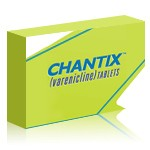
Chantix (Varenicline 1mg) is a specifically designed smoking cessation medication that acts on the same nicotinic receptors as nicotine - but with partial agonist activity.
Zyban (Bupropion) - The Atypical Antidepressant
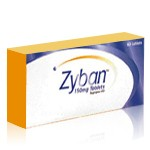
Zyban (Bupropion 150mg) is bupropion originally developed as an antidepressant, later discovered to help smokers quit through effects on dopamine and norepinephrine.
Critical Zyban Warning - Seizure Risk
Bupropion (Zyban) lowers seizure threshold. Do NOT use if you have: history of seizure disorder; current or history of eating disorder (bulimia, anorexia); currently using or abruptly stopping alcohol, benzodiazepines, or sedatives; taking MAO inhibitors within 14 days. Report any seizure activity immediately.
⚖ Chantix vs Zyban - How to Choose
🤝 Nicotine Replacement Therapy (NRT)
Beyond prescription medications, nicotine replacement therapy provides controlled nicotine without the thousands of other harmful chemicals in cigarettes. NRT is well-established and available over-the-counter in most countries.
Combination therapy - typically a patch for background plus gum or lozenges for breakthrough cravings - is more effective than either alone. NRT is safe for most people; the temporary nicotine exposure carries minute risk compared to continued smoking.
🌟 Behavioral Support - The Critical Complement
Medication addresses physical dependence but does not eliminate the psychological patterns of smoking. Combining medication with behavioral support dramatically improves outcomes:
Cognitive Behavioral Therapy Components
- Trigger identification: What situations, emotions, and times lead to smoking?
- Alternative behaviors: What can replace the smoking response?
- Craving management: Techniques for the 3-5 minute craving episodes
- Cognitive restructuring: Challenging thoughts like "I need this cigarette"
- Relapse prevention: Recognizing warning signs and having plans
- Motivation maintenance: Regularly reviewing reasons for quitting
Practical Craving Management Techniques
🎯 Quitting Approaches Compared
These success rates reflect long-term abstinence. Multiple quit attempts are normal - the average successful ex-smoker made 7-8 quit attempts before succeeding permanently. Each attempt teaches valuable lessons.
🗓 Preparing Your Quit Day
2-4 weeks in the future gives time to prepare without losing motivation. Consider meaningful dates.
Track when and why you smoke for 1-2 weeks. Morning coffee? Stress? After meals? Driving? Social situations?
Chantix or Zyban require 1-2 weeks to build up before quit date. NRT can be used starting on quit day.
Tell family and friends. Join a quit program. Consider counseling. Download quit apps.
Remove cigarettes, lighters, ashtrays. Clean your car and home. Change routines associated with smoking.
Stock sugar-free gum. Plan activities. Prepare craving response techniques. Reward yourself for milestones.
🌟 Key Points for Successful Quitting
Important Medical Disclaimer: This educational content provides general information about smoking cessation and does not constitute individualized medical advice. Chantix (varenicline) and Zyban (bupropion) are prescription medications requiring physician evaluation before use. Both medications carry significant warnings: Chantix has been associated with mood changes, depression, and suicidal thoughts in some patients requiring immediate discontinuation and medical attention. Zyban lowers seizure threshold and is contraindicated in patients with seizure disorders, eating disorders, or those undergoing alcohol/sedative withdrawal. Both medications may interact with other prescription drugs. Neither should be used during pregnancy without specific medical guidance. Pregnant smokers should discuss cessation strategies with obstetricians promptly. Nicotine replacement therapy is safer than continued smoking but should be used correctly. Behavioral support significantly improves success rates - consider counseling, quit lines, apps, or programs alongside medication. Multiple quit attempts are normal and each attempt increases eventual success. Report severe or concerning side effects immediately. This information should complement but never replace direct professional guidance from qualified healthcare providers.
More Smoking Cessation Medications