Urology Guide - Overactive Bladder, Incontinence, and Bladder Health Management
Overactive bladder and urinary incontinence affect hundreds of millions of people worldwide, causing significant impact on quality of life, sleep, work, and social activities. This comprehensive guide covers the urinary system, common urological conditions, diagnostic approaches, and treatment options including Detrol (Tolterodine) for overactive bladder management.
💧 Understanding the Urinary System
The urinary system filters waste from your blood and eliminates it as urine. Its components work together with remarkable precision - and when any part malfunctions, the results can significantly disrupt daily life.
The Normal Urination Process
Normal urination involves coordinated action between bladder muscles, nerves, and voluntary control. Understanding this helps recognize when something goes wrong:
Bladder expands to hold urine as kidneys produce it. Detrusor muscle (bladder wall) stays relaxed. Sphincters remain contracted. No urge to void.
At 150-200ml, mild awareness of bladder filling. Can easily be ignored. Signal from bladder stretch receptors to brain.
At 300-400ml, definite urge but still controllable. Person can defer urination to appropriate time and place.
At 400-500ml, strong urge to void soon. Bladder capacity approaching maximum. Still controllable in healthy adults.
When socially appropriate, brain signals sphincters to relax and detrusor to contract, expelling urine completely.
🚽 Overactive Bladder - The Most Common Bladder Problem
Overactive bladder (OAB) is a syndrome characterized by urinary urgency, usually accompanied by frequency and nocturia, with or without urgency incontinence. It results from involuntary contractions of the detrusor muscle while the bladder is filling.
OAB Prevalence and Impact
🚰 Types of Urinary Incontinence
Urinary incontinence has several distinct types requiring different treatments. Correct classification guides therapy:
🔬 Causes and Risk Factors
Common Causes of OAB and Incontinence
Bladder Irritants (Modifiable Factors)
Certain substances irritate the bladder and worsen OAB symptoms. Modifying intake can significantly improve symptoms:
- Caffeine - coffee, tea, chocolate, some sodas (major irritant)
- Alcohol - diuretic effect plus bladder irritation
- Carbonated beverages - bladder pressure increase
- Artificial sweeteners - aspartame, saccharin
- Citrus fruits and juices
- Tomatoes and tomato-based foods
- Spicy foods
- Chocolate
👩⚕️ Diagnosis of Urological Conditions
Diagnosis typically involves combination of history, physical examination, and simple tests. More complex evaluation is reserved for challenging cases:
The Bladder Diary - A Key Diagnostic Tool
Keeping a bladder diary for 3 days provides essential information:
💊 Treatment of Overactive Bladder
Treatment follows a stepwise approach - starting with behavioral modifications and lifestyle changes, then adding medications like Detrol (Tolterodine), and reserving advanced treatments for refractory cases.
First-Line: Lifestyle and Behavioral Modifications
Reduce excessive fluid intake (especially before bed); do NOT restrict too much (target 6-8 glasses daily)
Reduce caffeine, alcohol, carbonated drinks, artificial sweeteners, spicy and acidic foods
Scheduled voiding at set intervals, gradually increasing time between voids
Strengthen supporting muscles; helpful for stress and urge incontinence
Even modest weight loss significantly improves incontinence
Stop and stay still, deep breathing, quick pelvic floor contractions to inhibit urgency
Pelvic Floor Exercises (Kegels)
Pelvic floor muscle training is highly effective and free. To identify these muscles, stop urination mid-stream once (do NOT practice by stopping urination regularly). Once identified:
- Contract muscles for 5 seconds
- Relax for 5 seconds
- Repeat 10 times
- Perform 3 sets daily
- Gradually increase to 10-second holds
- Continue lifelong for benefit
Improvements typically noticed after 6-8 weeks. Physical therapists specializing in pelvic floor can provide biofeedback for those having difficulty.
💅 Detrol (Tolterodine) - Medication Therapy
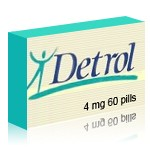
Detrol (Tolterodine 4mg) is an antimuscarinic (anticholinergic) medication used to treat overactive bladder. It works by blocking the muscarinic receptors on the bladder muscle, reducing involuntary contractions.
How Tolterodine Works
Common Side Effects
Antimuscarinic medications like tolterodine have predictable side effects related to their mechanism:
When Detrol Should NOT Be Used
Contraindications and Cautions
Absolute contraindications: Narrow-angle glaucoma (uncontrolled), urinary retention, severe gastrointestinal obstruction, severe myasthenia gravis
Use with caution: Enlarged prostate with obstruction, controlled narrow-angle glaucoma, decreased GI motility, kidney or liver disease, elderly (fall risk, cognitive effects)
Cognitive Considerations in Elderly
Anticholinergic medications like tolterodine can affect cognition in elderly patients. Long-term use is associated with slightly increased dementia risk in some studies. Considerations:
- Start with lower doses
- Monitor for cognitive changes
- Consider alternative treatments if concerns
- Beta-3 agonists (mirabegron) may be preferred (not sold on RXshop.md)
- Behavioral therapy remains valuable
🔬 Other Urological Conditions
Urinary Tract Infections (UTIs)
UTIs are among the most common infections, particularly in women. Symptoms include:
- Burning with urination
- Increased frequency and urgency
- Cloudy or bloody urine
- Strong urine odor
- Pelvic pain
- Fever, back pain if kidney involvement
UTIs require antibiotic treatment - do NOT delay evaluation. Recurrent UTIs may need prevention strategies including cranberry, adequate fluid intake, urinating after intercourse, and sometimes low-dose prophylactic antibiotics.
Kidney Stones
Kidney stones affect 8-10 percent of adults and are extremely painful. Symptoms include severe flank pain radiating to groin, blood in urine, nausea and vomiting, urinary urgency and frequency, and inability to find comfortable position.
Prevention includes adequate hydration (2-3 liters daily), reduced salt intake, calcium from food (not supplements alone), and specific dietary modifications based on stone type.
Benign Prostatic Hyperplasia (BPH)
Enlarged prostate is very common in men over 50. Symptoms include weak urinary stream, difficulty starting urination, frequent urination especially at night, dribbling after urination, and incomplete bladder emptying.
BPH can cause secondary overactive bladder symptoms. Treatment options include watchful waiting, alpha-blockers (relax prostate), 5-alpha reductase inhibitors (shrink prostate), and surgical procedures for severe cases.
🏥 When to See a Doctor
Seek urgent evaluation for:
| • Blood in urine (visible or microscopic) |
| • Severe flank or lower back pain |
| • Fever with urinary symptoms |
| • Complete inability to urinate |
| • New incontinence with fall or trauma |
| • Sudden change in urinary function with weakness or numbness in legs |
Regular Consultation for:
- Persistent symptoms of OAB or incontinence
- Sleep disruption from nocturia
- Social embarrassment or activity limitation
- Failed lifestyle modifications
- Recurrent UTIs
- Chronic pelvic pain
- Prostate symptoms in men
🌟 Living Well with Bladder Conditions
Important Medical Disclaimer: This educational content provides general information about urological conditions and medications. It does not constitute individualized medical advice. Overactive bladder and incontinence require proper diagnosis to exclude serious causes including infection, bladder tumors, neurological conditions, and prostate disease. Tolterodine (Detrol) is an anticholinergic medication with several important considerations - it is contraindicated in narrow-angle glaucoma, urinary retention, and severe gastrointestinal obstruction. It can worsen benign prostatic hyperplasia symptoms. Elderly patients may experience cognitive effects; long-term anticholinergic use has been associated with dementia risk in some studies. Behavioral treatments including bladder training, pelvic floor exercises, and lifestyle modifications should be tried first or combined with medication. Blood in urine, severe pain, fever with urinary symptoms, or complete inability to urinate require urgent medical evaluation. Recurrent urinary tract infections need investigation. Men with prostate symptoms need appropriate evaluation before starting anticholinergic medications. This information should complement but never replace direct professional guidance from qualified healthcare providers.
More Urology Medications