Hepatic Encephalopathy in Cirrhosis: Early Warning Signs, Common Triggers, Lactulose and Rifaximin to Prevent Relapse


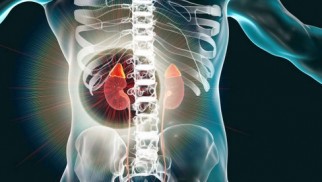
🧠 A person with cirrhosis starts sleeping all day and staying awake at night. A few days later the handwriting looks shaky, simple sums go wrong and the family notices that the usual sharp humour has gone flat. This is often the first face of hepatic encephalopathy, a brain disturbance caused by a liver that can no longer clear toxins from the blood. 🔍 It ranges from changes so mild that only a test picks them up to deep confusion and coma. The good news is that it is usually reversible, the triggers are well known, and two medicines, lactulose and rifaximin, cut the risk of another episode a great deal. This guide explains how the condition develops, how to spot it early, what sets it off, how the treatment works and what families can do at home.
🧠 What hepatic encephalopathy is
🩺 Hepatic encephalopathy (often shortened to HE) is a change in brain function caused by liver failure or by blood that bypasses the liver through shunts. It is not dementia and it is not permanent brain damage in most cases: when the trigger is treated, the brain usually recovers. It appears mainly in people with cirrhosis, the scarred liver that follows years of alcohol use, viral hepatitis, fatty liver disease or autoimmune liver disease. It can also follow a shunt procedure called TIPS, which lowers pressure in the portal vein but sends more gut blood straight into the general circulation. 📖 The pressure problems that come with cirrhosis are covered in portal hypertension in cirrhosis: varices, beta blockers and ascites. This article stays with the brain side of the story.
🧪 Why a failing liver affects the brain
🦠 Bacteria in the bowel break down protein and produce ammonia. A healthy liver turns almost all of it into urea, which leaves the body in urine. A scarred liver cannot keep up, and shunts let ammonia-rich blood slip past it altogether. Ammonia then reaches the brain, where it makes support cells called astrocytes swell and disturbs the chemical signals between nerve cells. Inflammation from infection, low sodium and some medicines add to the effect, which is why the same ammonia level can leave one person clear and another confused.
💡 This chain also explains the treatment. Lactulose and rifaximin both work in the bowel, at the start of the chain, by lowering how much ammonia is made and absorbed. Treating infection, bleeding and dehydration removes the extra push that tips a stable person into confusion.
👀 The first signs families notice
👪 The person with HE is often the last to notice it. Partners and children usually see the change first, and their report is one of the most useful pieces of information a doctor can get. Early signs are subtle and easy to put down to tiredness, age or low mood.
🖐️ The flapping tremor, called asterixis, is a classic sign. When the person holds the arms straight out with the wrists bent back, the hands drop and jerk back up every few seconds, like a bird flapping. It is not a steady shake: it comes from brief lapses in muscle tone. A sweet, musty breath smell (fetor hepaticus) may also appear in advanced liver disease.
📶 The grades, from hidden to coma
📏 Doctors grade HE on the West Haven scale. Grades 0 and 1 are often grouped as covert HE, and grades 2 to 4 as overt HE, where the confusion is plain to see. The grade guides where treatment happens: at home, on a ward or in intensive care.
🔍 Covert encephalopathy: the hidden form
🧩 Many people with cirrhosis who seem completely normal in the clinic have slowed reaction times, poorer attention and weaker planning on testing. This covert form is common, and it matters: it raises the risk of falls, road accidents and a later overt episode. It also affects work, money management and quality of life. Because nothing shows on an ordinary examination, it is picked up only if someone looks for it with simple tests.
🔥 Triggers: what tips a stable person over
🎯 In most overt episodes there is a clear trigger. Finding and fixing it is as important as giving lactulose, and a doctor will look for each of these in turn.
| 🔥 Trigger | ⚙️ Why it raises ammonia or brain stress | 🔎 What is checked |
|---|---|---|
| Infection | Inflammation sensitises the brain to ammonia | Urine, chest, blood and ascitic fluid tests |
| Bleeding in the gut | Blood is a large protein load for gut bacteria | Black stools, blood count, endoscopy |
| Constipation | Longer contact time lets more ammonia be absorbed | Bowel history |
| Dehydration, diuretics | Low volume, kidney strain, low potassium | Kidney function, sodium, potassium |
| Sedatives and opioids | Directly slow the already vulnerable brain | Medicine review |
| Alcohol | Further liver injury, withdrawal, poor nutrition | History, blood alcohol |
| Missed lactulose | Ammonia control lost within days | Stool count in the last week |
| TIPS shunt | More gut blood bypasses the liver | Procedure history |
🩸 Infection, bleeding and constipation: the big three
🚨 Any new confusion in a person with cirrhosis should be treated as a possible infection until proved otherwise. People with cirrhosis have weaker immune defences, may not run a fever, and can become very ill quickly. That is why doctors often sample the ascitic fluid and start antibiotics early when someone with ascites becomes confused.
🩺 How doctors confirm the diagnosis
📋 There is no single test that proves HE. The diagnosis is made by recognising the pattern in a person with liver disease and ruling out other causes of confusion. A typical assessment runs in clear steps.
⚗️ Is a blood ammonia level needed?
🧪 Many people expect an ammonia test to settle the question. In practice, a high ammonia level does not prove HE and its exact number does not match the grade well, while poor sampling (a tight tourniquet, a delay before the lab) can push it up falsely. Its main value is the opposite case: a truly normal level in a confused person should make doctors look harder for another cause.
🔀 Other causes of confusion to rule out
🔎 People with cirrhosis can become confused for many reasons, and some of them need very different treatment. Labelling every episode as HE can delay the care for a bleed in the head or a low blood sugar.
| 🔎 Condition | 📋 Clues | 🧪 Usual check |
|---|---|---|
| Low blood sugar | Sweating, sudden change, poor intake, diabetes medicines | Finger-prick glucose |
| Bleeding in the skull | Recent fall, headache, one-sided weakness, low platelets | CT scan of the head |
| Alcohol withdrawal | Last drink 1 to 3 days ago, sweating, tremor, agitation | History, examination |
| Wernicke encephalopathy | Unsteady walk, eye movement problems, heavy drinking | Treated with thiamine at once |
| Low sodium | Diuretics, heavy fluid intake, severe ascites | Blood sodium |
| Medicine effects | New sleeping tablet, painkiller or antihistamine | Medicine review |
📖 Long-term heavy drinking also damages nerves in the feet and hands, which can make walking unsteady; see alcoholic neuropathy: causes, effects and treatment.
💧 Lactulose: the first-line treatment
🍬 Lactulose is a sugar that the body cannot absorb. In the colon, bacteria break it down into acids. The acid turns ammonia into ammonium, a form that cannot pass back into the blood, and the laxative effect clears it out in the stool. Lactulose treats an overt episode and, taken every day afterwards, is the standard way to prevent the next one. A close relative, lactitol, works in the same way and is used in some countries. Lactulose syrup is a widely available medicine and is prescribed separately from the tablets discussed below.
🚽 Finding the right lactulose dose at home
📝 The most common reason for a repeat episode is simply that lactulose was taken irregularly or the dose drifted. A short daily stool diary makes the dose easy to adjust and gives the care team hard facts. Many people stop lactulose because of the diarrhoea it causes at a fixed high dose, when a smaller, adjusted dose would have kept them well.
💊 Rifaximin: preventing the next episode
🦠 Rifaximin is an antibiotic that stays almost entirely inside the gut: very little is absorbed into the blood. It reduces the ammonia-producing bacteria and dampens gut inflammation, and guidelines add it to lactulose after a second overt episode, or after a first one when the episode was severe or lactulose alone was not enough. The usual dose is 550 mg twice a day; in some countries 400 mg three times a day is used. It is taken long term, often for years, as long as it keeps working and is tolerated.
💡 All three contain the same molecule as the original brand. The tablet strength printed on the pack matters: the dose for HE is higher per day than for travel diarrhoea, so check that the strength chosen matches the prescription. 📖 Rifaximin is also used for bowel conditions; that use is explained in rifaximin for IBS-D and SIBO.
📊 What the main rifaximin trial showed
🔬 The trial that led to approval followed people with cirrhosis who had recovered from at least two overt episodes. Over six months, about 22 in 100 people on rifaximin had another episode, against about 46 in 100 on placebo, and HE-related hospital admissions also fell. Almost everyone in both groups was already taking lactulose, so the benefit came on top of it, not instead of it.
📋 Taking rifaximin day to day
📦 Running out of tablets is a common and avoidable cause of relapse, especially over holidays or a hospital stay. Keep a spare week of supply, put both medicines in the same pill organiser, and make sure any hospital admission letter lists rifaximin so it is not stopped by mistake.
⚠️ Rifaximin side effects and cautions
🧪 Because so little enters the blood, rifaximin is usually well tolerated. The most often reported problems are nausea, bloating, dizziness, tiredness and swelling of the ankles, many of which are also common in cirrhosis itself. Serious reactions are rare but worth knowing.
| ⚠️ Issue | 📝 What to know |
|---|---|
| Allergy to rifaximin or rifampicin | Do not take it; they belong to the same family |
| Severe diarrhoea with fever | Rarely a C. difficile infection; needs a stool test |
| Very advanced cirrhosis | More of the drug is absorbed; used with care and monitoring |
| Ciclosporin and other strong P-gp blockers | Can raise rifaximin levels in the blood |
| Warfarin | INR changes reported; check it more often after starting |
| Pregnancy and breastfeeding | Limited data; used only after specialist advice |
🔴 Rifaximin can colour the urine reddish in some people. This is harmless, unlike red or black stools, which need urgent attention.
🔄 Other options doctors sometimes use
🧰 When lactulose and rifaximin are not enough, not tolerated or not available, specialists may add or swap other treatments. None of these replaces the basics of treating the trigger, keeping the bowels moving and eating enough protein.
🧪 Zinc levels are often low in cirrhosis, and some doctors check and correct them. Probiotics have been studied, but the evidence is not strong enough for routine use.
🍗 Food and protein: why you should not cut protein
🍽️ Older advice told people with HE to eat less protein to make less ammonia. That advice has been dropped: low protein intake causes muscle loss, and muscle is one of the places where the body clears ammonia. People with cirrhosis burn through their energy stores quickly, so long gaps without food push the body to break down muscle for fuel. Current guidance focuses on eating enough, often and well.
🥗 Eating pattern that supports the brain and muscles:
🔹 Protein of about 1.2 to 1.5 g per kg of body weight a day, spread across the day.
🔹 Three meals plus snacks, so the body never goes more than a few hours without food.
🔹 A late evening snack with carbohydrate and some protein, to shorten the overnight fast.
🔹 Dairy, eggs, fish, beans and lentils are often easier to tolerate than large portions of red meat.
🔹 Salt kept modest if there is ascites, but not so strict that meals become unappealing.
📖 Alcohol stopping remains the single strongest step for people whose cirrhosis is alcohol-related; the wider benefits are summarised in the main benefits of giving up alcohol.
💊 Medicines that can tip the balance
📋 A full medicine review is part of every HE assessment. Some everyday tablets, including sleeping pills and strong painkillers, can bring on confusion in a liver patient at doses that a healthy person handles easily. Do not stop a prescribed medicine on your own; ask whether each one is still needed.
| 💊 Medicine group | ⚠️ Concern | ✅ Usual approach |
|---|---|---|
| Benzodiazepines, Z-drug sleeping pills | Strong trigger, slow clearance in liver disease | Avoid where possible |
| Opioid painkillers | Sedation and constipation | Lowest dose, laxatives, review often |
| Sedating antihistamines | Drowsiness and confusion | Choose non-sedating options |
| Stomach acid blockers (PPIs) | Linked with higher HE and infection risk when used without a clear reason | Keep only if truly needed |
| Diuretics | Dehydration, low sodium or potassium | Regular blood tests, dose changes |
| NSAID painkillers | Kidney injury and bleeding in cirrhosis | Avoid; paracetamol at a reduced dose is preferred |
💦 Diuretics, salt and the electrolyte balance
⚖️ Spironolactone, often combined with furosemide, is the standard tablet treatment for fluid in the belly (ascites). Both are useful, but too much fluid removal is a recognised trigger of HE, through dehydration, kidney strain and shifts in sodium and potassium. Low potassium in particular makes the kidneys release more ammonia into the blood.
Main ascites diuretic; can raise potassium. Aldactone (Spironolactone)
Added for more fluid loss; can lower potassium and sodium. Lasix (Furosemide)
Dizziness on standing, very dark urine, cramps, sudden weight loss
📏 Daily weighing helps: doctors often aim for a steady loss of about half a kilogram a day when there is no leg swelling. During an episode of HE, diuretics are often paused until the person is clear again, then restarted at a dose guided by blood tests.
🛡️ Preventing infections and bleeds
🦠 Since infection and bleeding are two of the biggest triggers, preventing them is part of preventing HE. People who have already had an infection of the ascitic fluid, and some with very low protein in that fluid, are offered a daily antibiotic to stop it coming back. Norfloxacin 400 mg once daily has been the classic choice, with ciprofloxacin or trimethoprim-sulfamethoxazole as alternatives, depending on local practice and resistance.
🚗 Driving, work and safety at home
🚦 Even covert HE slows reaction time and makes it harder to judge distances and handle unexpected events. After an overt episode, most doctors advise not driving until a specialist has confirmed full recovery, and local licensing rules may require the person to report the condition. Jobs with machinery, heights or responsibility for others need the same honest discussion.
👪 A plan for family and carers
🤝 Carers of people with HE often describe constant worry about the next episode. A written plan agreed with the liver team turns that worry into clear steps, and helps someone act early, when an episode is still easy to reverse.
🏥 Outlook after a first episode, TIPS and transplant
📈 An overt episode is a sign that the liver disease has moved to a more advanced stage. Recurrent HE, especially when it keeps coming back despite lactulose and rifaximin, is one of the reasons doctors refer a person for liver transplant assessment. A transplant usually reverses the encephalopathy, although some people notice small memory or attention problems for a while afterwards. In people whose HE started after a TIPS shunt, narrowing the shunt can help.
Trigger treated, lactulose started, confusion clears
Daily lactulose, stool diary, medicine review
Rifaximin added after a second episode, nutrition plan
Liver clinic, transplant discussion if suitable
📖 How a cure of hepatitis C changes the long-term outlook in cirrhosis is covered in hepatitis C life expectancy by fibrosis stage.
🗿 Myths about hepatic encephalopathy
🚨 When to go to hospital
⛔ Call emergency services or go to hospital now if a person with liver disease:
🔹 Is very drowsy, hard to wake, or does not respond normally to voice.
🔹 Vomits blood or material like coffee grounds, or passes black, tarry stools.
🔹 Has a fever, shivering, new belly pain or a rapidly swelling belly.
🔹 Has fallen and hit the head, or has new weakness on one side of the body.
🔹 Has had watery diarrhoea many times a day on lactulose and is dizzy or passing little urine.
📞 Call the liver team the same day for new sleep reversal, mild confusion, a flapping tremor or two days without a bowel movement on lactulose. Early action often means the episode can be managed without an admission.
❓ Frequently asked questions
What is hepatic encephalopathy?
It is a disturbance of brain function caused by liver failure or by blood bypassing the liver, which lets ammonia and other toxins reach the brain. It is usually reversible.
What are the first signs of hepatic encephalopathy?
Sleeping by day and waking at night, poor concentration, mood or personality change, shaky handwriting and mistakes with simple sums are common early signs.
What triggers an episode?
Infections, bleeding in the gut, constipation, dehydration, diuretic excess, sedatives, alcohol and missed lactulose doses are the most common triggers.
How does lactulose treat hepatic encephalopathy?
It acidifies the colon so ammonia is trapped as ammonium, and its laxative effect removes it in the stool. The dose is adjusted to give 2 to 3 soft stools a day.
What is the rifaximin dose for hepatic encephalopathy?
The usual dose is 550 mg twice a day, taken long term together with lactulose. Some countries use 400 mg three times a day.
Can rifaximin replace lactulose?
Usually not. Rifaximin was proven as an add-on to lactulose, and the two together prevent more episodes than lactulose alone.
Should people with hepatic encephalopathy eat less protein?
No. Current advice is about 1.2 to 1.5 g of protein per kg of body weight a day, spread over meals and a late evening snack, to protect muscle.
Is a blood ammonia test needed for the diagnosis?
Not usually. The diagnosis is clinical. A normal ammonia level in a confused person suggests another cause should be looked for.
Can I drive with hepatic encephalopathy?
After an overt episode most doctors advise not driving until a specialist confirms recovery. Even the hidden form slows reactions, and local rules may require reporting.
Is hepatic encephalopathy reversible?
Most episodes clear once the trigger is treated and lactulose is working. Repeated episodes signal advanced liver disease and may lead to transplant assessment.
📑 Sources and editorial
- 📘 Practice guidelines on hepatic encephalopathy in chronic liver disease from liver specialist societies
- 🔬 Randomised placebo-controlled trial of rifaximin for prevention of recurrent overt hepatic encephalopathy and its long-term follow-up
- 💧 Clinical reviews of lactulose and lactitol in treatment and secondary prevention
- 🍗 Nutrition guidelines for patients with cirrhosis, including protein targets and late evening snacks
- 🧪 Studies of screening tests for covert encephalopathy, including the animal naming test and Stroop task
- 💊 Prescribing information for rifaximin, lactulose, spironolactone, furosemide and norfloxacin
- 📖 Related reading: portal hypertension in cirrhosis, hepatitis C life expectancy, rifaximin for IBS-D and SIBO, alcoholic neuropathy
- 🛒 Related products: Rexigut (Rifaximin), Rixmin (Rifaximin), Rifagut (Rifaximin), Norcin (Norfloxacin), Aldactone (Spironolactone), Coreg (Carvedilol)
- 🩺 RXshop Editorial Team — reviewed by Emily Chen, MD — Internal Medicine
Medical Disclaimer: The information in this article is for educational and informational purposes only and is not a substitute for professional medical advice, diagnosis, or treatment. Always seek guidance from a qualified healthcare provider with any questions you may have regarding a medical condition, and before starting, stopping or changing any medication.