Anti-Anxiety FAQ — Common Questions About Anxiety Disorders and Treatment
1.What is anxiety and when does it become a disorder?
Anxiety is a normal human emotion characterized by worry, unease, or nervousness. It evolved as a protective response preparing the body for perceived threats. Everyone experiences anxiety at times.
Anxiety becomes a disorder when it:
- Persists most days for weeks or months
- Occurs without clear cause or is disproportionate to triggers
- Interferes with daily function - work, relationships, activities
- Causes significant physical symptoms
- Leads to avoidance of normal situations
- Cannot be controlled by will alone
Anxiety disorders affect 301 million people worldwide, making them the most common mental health conditions. Only 27 percent of affected people receive treatment despite highly effective options.
2.What are the main types of anxiety disorders?
Major anxiety disorders include:
- Generalized Anxiety Disorder (GAD) - excessive worry about various life areas lasting 6+ months
- Panic Disorder - recurrent unexpected panic attacks
- Social Anxiety Disorder - intense fear of social situations and judgment
- Specific Phobias - intense fear of specific objects or situations
- Agoraphobia - fear of situations where escape is difficult
- Separation Anxiety Disorder - excessive fear of separation
- Selective Mutism - failure to speak in specific situations
Related conditions (formerly classified as anxiety disorders):
- Obsessive-Compulsive Disorder (OCD)
- Post-Traumatic Stress Disorder (PTSD)
Each disorder has specific diagnostic criteria and best-fit treatments. Proper diagnosis by mental health professional guides treatment selection.
3.What are common anxiety symptoms?
Anxiety symptoms affect multiple body systems:
Emotional symptoms:
- Excessive worry or fear
- Feeling on edge, restless
- Sense of impending doom
- Difficulty relaxing
- Irritability
Physical symptoms:
- Rapid heartbeat or palpitations
- Shortness of breath
- Chest pain or tightness
- Sweating and trembling
- Muscle tension
- Gastrointestinal problems
- Fatigue
- Sleep disturbances
- Headaches
- Dizziness
Cognitive symptoms:
- Difficulty concentrating
- Racing thoughts
- Anticipating worst outcomes
- Ruminative thinking
- Mind going blank
Behavioral symptoms:
- Avoidance of triggers
- Reassurance seeking
- Procrastination
- Difficulty making decisions
4.What anti-anxiety medications does RXshop offer?
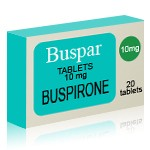
RXshop offers Buspar (Buspirone 5mg) in the anti-anxiety category - a unique non-benzodiazepine anxiolytic used primarily for generalized anxiety disorder.
Additional anxiety treatments available on RXshop (in the antidepressants category):
- Lexapro (Escitalopram) - SSRI, first-line for GAD, panic, social anxiety
- Paxil (Paroxetine) - SSRI with strong anxiolytic properties
- Sertafine (Sertraline) - SSRI, broad anxiety indications
- Effexor (Venlafaxine) - SNRI, GAD and panic disorder
- Cymbalta (Duloxetine) - SNRI, GAD approved
- Luvox (Fluvoxamine) - SSRI, OCD and social anxiety
5.How does Buspar (Buspirone) work?
Buspar (Buspirone 5mg) works through a unique mechanism unlike any other anxiety medication.
Mechanism of action:
What makes Buspar unique:
- NO sedation - can drive, work normally
- NO physical dependence or withdrawal
- NO cognitive impairment
- NO abuse potential
- NO interaction with alcohol (significant)
- Long-term use appropriate without tolerance
- Safe for elderly - no fall risk
Buspar is not effective for acute anxiety or panic attacks due to slow onset. Best for chronic generalized anxiety requiring consistent daily treatment.
6.What is Buspar used for?
Buspar (Buspirone) has several important uses:
Primary indication:
- Generalized Anxiety Disorder (GAD) - excessive chronic worry
Additional uses:
- Chronic anxiety symptoms without specific triggers
- Augmentation of SSRIs for depression with anxiety
- Treatment of SSRI-induced sexual dysfunction (off-label)
- Anxiety in patients with substance use history (safer alternative to benzodiazepines)
- Aggression in dementia patients (off-label)
- Some anxiety symptoms in PTSD (adjunct)
- Anxiety in medical illness
Buspar is NOT effective for:
- Panic disorder or panic attacks
- Social anxiety disorder
- Specific phobias
- OCD
- Acute anxiety needing rapid relief
- As-needed use (requires consistent daily dosing)
For these conditions, SSRIs, SNRIs, benzodiazepines, or CBT are typically preferred.
7.How is Buspar different from benzodiazepines like Xanax or Valium?
Buspar differs from benzodiazepines in nearly every important way:
8.What are common side effects of Buspar?
Buspar is generally well-tolerated. Most side effects are mild and often improve with continued use.
Common side effects:
- Dizziness - most common
- Nausea
- Headache
- Drowsiness (uncommon)
- Nervousness initially
- Lightheadedness
- Excitement
Less common:
- Dry mouth
- Fatigue
- Weakness
- Sleep disturbances
- Blurred vision
Rare but serious:
- Serotonin syndrome (with other serotonergic drugs)
- Movement disorders
- Mood changes
What Buspar does NOT cause:
- No sedation issues affecting driving
- No memory problems
- No cognitive impairment
- No physical dependence
- No withdrawal syndrome
Take with or without food consistently. Report any severe or persistent side effects to your doctor.
9.How long does it take for Buspar to work?
Buspar requires 2-4 weeks for full anxiolytic effect - patience is essential during initial treatment.
Typical timeline:
- Days 1-3: Side effects may appear (dizziness, nausea) - usually resolve
- Week 1: Little noticeable anxiety improvement
- Week 2: Some patients start feeling calmer
- Week 3-4: Full anxiolytic effect typically evident
- Month 2+: Continued improvement possible
Why the delay? Unlike benzodiazepines that work quickly through GABA, Buspar modulates serotonin receptors requiring time for adaptation. This slower mechanism provides the benefit of no dependence but requires patience.
Important considerations:
- Do NOT increase dose expecting faster effect
- Do NOT take extra doses for immediate relief
- Take consistently every day - not as needed
- Contact doctor if no improvement after 4-6 weeks
- Dose may need adjustment based on response
For acute anxiety during Buspar startup, doctors may prescribe short-term benzodiazepine or recommend non-medication approaches.
10.How should I take Buspar?
Buspar dosing requires consistency for effectiveness.
Typical dosing:
- Starting: 5mg 2-3 times daily
- Adjustment: increased by 5mg every 2-3 days
- Effective range: 15-60mg daily total
- Maximum: 60mg daily (divided doses)
Administration guidelines:
- Take consistently - same times daily
- Take with or without food but be consistent
- AVOID grapefruit juice - increases blood levels dangerously
- Divide doses throughout day (2-3 times)
- Not as-needed - requires daily use
- Do not stop suddenly without doctor guidance
Missed dose: Take as soon as remembered unless close to next dose. Never double dose.
Best practices:
- Set phone alarms for consistent timing
- Take with meals if remembering easier
- Keep pills visible as reminder
- Do not adjust dose without doctor
- Continue during vacations, travel
11.Why are benzodiazepines usually short-term treatments?
Benzodiazepines (Xanax, Ativan, Klonopin, Valium) are highly effective but carry significant risks that limit long-term use.
Problems with long-term benzodiazepine use:
- Physical dependence develops within weeks
- Tolerance - higher doses needed for same effect
- Addiction potential - Schedule IV controlled substances
- Withdrawal syndrome can be severe including seizures, potentially fatal
- Cognitive impairment - memory, thinking, attention
- Increased dementia risk possible with long-term use
- Falls in elderly - injury risk
- Impaired driving - accident risk
- Rebound anxiety - worse when medication wears off
Deadly combinations:
- Benzodiazepines + alcohol - respiratory depression
- Benzodiazepines + opioids - major overdose death risk
- Never combine without doctor approval
Better long-term alternatives:
- Buspar - no dependence
- SSRIs/SNRIs - first-line for most anxiety
- Cognitive behavioral therapy
12.How do SSRIs help with anxiety?
SSRIs (Selective Serotonin Reuptake Inhibitors) are considered first-line long-term treatment for most anxiety disorders. Despite being called "antidepressants," they are highly effective anxiolytics.
How SSRIs work for anxiety:
SSRIs for anxiety on RXshop:
- Lexapro (Escitalopram) - GAD, panic, social anxiety
- Paxil (Paroxetine) - potent anxiolytic properties
- Sertafine (Sertraline) - broad indications
- Celexa (Citalopram)
- Luvox (Fluvoxamine) - OCD, social anxiety
Important: SSRIs may initially INCREASE anxiety in first 1-2 weeks. Start with low doses and titrate gradually. Improvement typically at 4-6 weeks.
13.When are beta-blockers used for anxiety?
Beta-blockers (like propranolol) are used for performance and situational anxiety where physical symptoms dominate.
How beta-blockers work:
- Block adrenaline effects on heart and blood vessels
- Reduce racing heart, trembling, sweating
- Do NOT reduce mental anxiety directly
- Fast onset - 30-60 minutes
- Effects last 3-6 hours
Common uses:
- Public speaking anxiety
- Musical or theatrical performance
- Test taking anxiety
- Job interviews
- First dates
- Wedding speeches
- Presentations
- Some social anxiety physical symptoms
Not effective for:
- Generalized anxiety disorder
- Panic disorder
- OCD
- Chronic anxiety without physical symptoms
Considerations:
- Contraindicated in asthma - can trigger attacks
- Contraindicated in some heart conditions
- Can cause fatigue, cold extremities
- Usually taken as-needed before anxious situations
- Not addictive
14.What non-medication treatments help anxiety?
Psychotherapy is essential for anxiety treatment and often as effective as medication with lasting benefits.
Cognitive Behavioral Therapy (CBT) - gold standard:
- Identifies anxiety-triggering thoughts
- Challenges distorted thinking
- Teaches coping strategies
- Typically 12-20 sessions
- 60-80 percent response rate
- Provides lasting skills
Exposure Therapy:
- Gradual exposure to feared situations
- Highly effective for phobias, panic, OCD
- Reduces anxiety through habituation
Mindfulness-based therapies:
- MBSR (Mindfulness-Based Stress Reduction)
- MBCT (Mindfulness-Based Cognitive Therapy)
- Acceptance and Commitment Therapy (ACT)
Lifestyle interventions:
- Regular exercise - as effective as some medications
- Adequate sleep (7-9 hours)
- Limit caffeine - major trigger
- Limit alcohol - creates rebound anxiety
- Meditation and yoga
- Deep breathing exercises
- Progressive muscle relaxation
- Social connection
- Nature time
15.Can I use Buspar with other medications?
Buspar generally has fewer drug interactions than benzodiazepines, but important interactions exist.
DO NOT combine with:
- MAOIs - severe hypertensive crisis risk
- Wait 14 days between MAOI and Buspar
Use caution with:
- SSRIs/SNRIs - serotonin syndrome risk (though often combined intentionally by doctors)
- Triptans (migraine drugs) - serotonin syndrome
- Tramadol, meperidine - serotonin syndrome
- St. Johns Wort - serotonin effects
- Grapefruit juice - increases Buspar levels
- Erythromycin, itraconazole, diltiazem - increase levels
- Rifampin - decreases effectiveness
Alcohol: Unlike benzodiazepines, Buspar does not significantly potentiate alcohol effects, but combined use still not recommended.
Safe combinations often used:
- Buspar + SSRIs (monitored)
- Buspar + beta-blockers
- Buspar + non-serotonergic sleep aids
Always inform all providers about ALL medications, supplements, and OTC drugs.
16.What is a panic attack and how is it treated?
Panic attacks are sudden episodes of intense fear with severe physical symptoms peaking within 10 minutes. They can be extremely frightening but are not physically dangerous.
Common symptoms:
- Racing or pounding heart
- Chest pain or tightness
- Shortness of breath
- Choking sensation
- Dizziness or faintness
- Trembling or shaking
- Sweating
- Nausea
- Numbness or tingling
- Feelings of unreality
- Fear of dying, losing control, or going crazy
First panic attack should be medically evaluated to rule out cardiac causes (heart attack, arrhythmia).
Panic disorder treatment:
- SSRIs - first-line (Paxil, Sertafine, Lexapro)
- SNRIs - Effexor
- Benzodiazepines - short-term for acute attacks
- Cognitive Behavioral Therapy - highly effective
Buspar is NOT effective for panic attacks due to slow onset. During attack: slow breathing, grounding techniques, wait for peak to pass.
17.What breathing techniques help anxiety?
Breathing techniques are simple, immediately available, and evidence-based tools for managing anxiety.
4-7-8 Breathing:
Box Breathing (used by Navy SEALs):
Diaphragmatic (Belly) Breathing:
Coherent Breathing:
- Breathe at rate of 5-6 breaths per minute
- Equal inhale and exhale (5-6 seconds each)
- Maximizes heart rate variability
When to use:
- Beginning of anxiety episode
- Before stressful situations
- Daily practice for baseline calm
- Before sleep
- During panic attacks
18.How does caffeine affect anxiety?
Caffeine is a major anxiety trigger and often overlooked cause of anxiety symptoms. It stimulates the same physiological systems activated during anxiety.
Caffeine effects that worsen anxiety:
- Increases heart rate and blood pressure
- Stimulates adrenaline release
- Increases jitteriness and trembling
- Disrupts sleep (compounds anxiety)
- Can trigger panic attacks in susceptible people
- Increases muscle tension
- Enhances stress hormone (cortisol) response
Caffeine sensitivity varies:
- Some people tolerate significant amounts
- Others experience anxiety with small doses
- Sensitivity often increases with age
- Anxiety disorders often more sensitive
Common caffeine sources:
- Coffee (95mg per cup)
- Tea (30-70mg)
- Energy drinks (80-300mg)
- Sodas (30-50mg)
- Chocolate
- Some medications
Recommendations for anxiety:
- Reduce caffeine intake gradually to avoid withdrawal
- Consider eliminating for 2-4 weeks to assess impact
- Avoid after noon for sleep
- Choose decaf alternatives
- Read labels for hidden caffeine
19.Can anxiety medications be used during pregnancy?
Anxiety medication use during pregnancy requires careful risk-benefit analysis. Untreated anxiety also carries risks for mother and baby.
Generally considered safer:
- Sertafine (Sertraline) - often first choice SSRI
- Lexapro
- Buspirone - limited pregnancy data but generally low risk
- Cognitive Behavioral Therapy - preferred first-line
Higher risk options:
- Paxil (Paroxetine) - cardiac defects risk
- Benzodiazepines - cleft palate risk (first trimester), neonatal withdrawal (near term)
- MAOIs
Considerations:
- All SSRIs can cause neonatal adaptation syndrome
- Persistent pulmonary hypertension risk (rare)
- Untreated anxiety linked to preterm birth, low birth weight
- Postpartum period high anxiety risk
Optimal approach:
- Pre-pregnancy planning ideal
- Individual risk-benefit assessment
- Psychotherapy as first-line when appropriate
- Never stop medications abruptly - discuss with doctor
- Postpartum monitoring essential
20.Can I take Buspar as needed for anxiety?
NO - Buspar does NOT work as as-needed medication. Unlike benzodiazepines, it requires consistent daily dosing for effectiveness.
Why Buspar cannot be used as needed:
- Slow onset - 2-4 weeks for effect
- Steady-state levels required - single dose has no acute effect
- Different mechanism - works through gradual serotonin receptor modulation
- No immediate calming effect from individual doses
Buspar dosing requirements:
- Take 2-3 times daily every day
- Consistent timing important
- Maintain for weeks to see benefit
- Continue during good days too
- Skipping doses reduces effectiveness
For as-needed anxiety relief, options include:
- Benzodiazepines - fast acting but addictive (short-term only)
- Beta-blockers - for physical symptoms (performance anxiety)
- Antihistamines - hydroxyzine has some anxiolytic effect
- Breathing techniques - always available
- Grounding exercises
- Exercise - burn off adrenaline
Best approach: combine daily Buspar (for chronic anxiety) with non-medication coping strategies (for acute moments). Discuss with doctor if considering combination with other medications.
21.How long should I take anxiety medications?
Duration of anxiety medication treatment depends on medication type, anxiety severity, and individual factors.
SSRIs and SNRIs:
- First episode - continue 6-12 months after improvement
- Recurrent anxiety - 2+ years typical
- Chronic conditions - often long-term/lifetime
- Stop with gradual taper only
Buspar (Buspirone):
- Can be used long-term safely
- Continue as long as beneficial
- No tolerance development
- No withdrawal issues when stopped
- Can taper or stop when appropriate
Benzodiazepines:
- SHORT-TERM ONLY - weeks, not months
- Longer use risks dependence and withdrawal
- Must taper very slowly when stopping
- Not first-line for chronic anxiety
Beta-blockers:
- As-needed for specific situations
- Or daily if used for other conditions (hypertension)
When to consider stopping:
- 6-12 months of significant improvement
- Coping skills well developed
- Stable life circumstances
- Have completed therapy
Always discuss with prescribing doctor - never stop abruptly.
22.When should I see a doctor for anxiety?
EMERGENCY - Call 911 or 988 (Suicide and Crisis Lifeline) for:
- Chest pain or severe difficulty breathing (rule out heart attack)
- Suicidal thoughts or self-harm
- Severe symptoms preventing basic function
- Psychotic symptoms - hallucinations, delusions
- Panic attack lasting hours or unusual symptoms
See doctor promptly for:
- Anxiety interfering with work, school, relationships
- Persistent worry most days for 2+ weeks
- First-ever panic attack
- Physical symptoms without clear cause
- Avoiding places, situations, or activities due to anxiety
- Sleep problems from worry
- Chronic muscle tension
- Digestive problems related to stress
- Anxiety with depression
- Using alcohol/drugs to cope
- Fear of leaving home
- Social withdrawal
Regular follow-up needed during treatment:
- Response assessment
- Side effect monitoring
- Dose adjustments
- Therapy referral
- Ongoing support
Do not wait - anxiety disorders are highly treatable. Early intervention leads to better outcomes and prevents complications.
More Anti-Anxiety Medications