Anti-Anxiety Medications: A Complete Guide to Anxiolytics, Treatment Options, Safety, and Modern Therapy
Anxiety disorders are the most common mental health conditions worldwide, affecting approximately 301 million people globally. Ranging from generalized anxiety to panic disorder, social anxiety, and specific phobias, these conditions significantly impact quality of life but are highly treatable with appropriate medication and therapy. This educational guide covers the biology of anxiety, all major treatment classes including non-benzodiazepine anxiolytics like Buspar (Buspirone 5mg), benzodiazepines, SSRIs/SNRIs (available in the antidepressants section), beta-blockers, and evidence-based non-medication approaches like cognitive behavioral therapy.
🧠 What Is Anxiety
Anxiety is a normal human emotion characterized by feelings of worry, unease, or nervousness. Everyone experiences anxiety - it evolved as a protective response preparing the body for perceived threats. However, when anxiety becomes excessive, persistent, and interferes with daily life, it becomes an anxiety disorder requiring treatment.
Anxiety disorders differ from normal anxiety in intensity, duration, and impact. Normal anxiety serves a purpose - it motivates preparation, warns of danger, and passes when the trigger resolves. Anxiety disorders involve exaggerated responses to normal situations, worry that persists without clear cause, and physical/emotional symptoms that impair function.
Key facts about anxiety disorders:
- Most common mental disorders globally
- Affect 301 million people worldwide (WHO)
- Women twice as likely as men to be affected
- Often begin in childhood or adolescence
- Highly treatable with medication and therapy
- Often co-occur with depression
- Only about 27 percent of affected people receive treatment
- Multiple effective medication classes available
- Chronic conditions but manageable long-term
📊 Anxiety Disorder Statistics
| Statistic | Details |
|---|---|
| Global prevalence | Approximately 301 million people |
| US adults affected yearly | Approximately 40 million (19 percent) |
| Lifetime prevalence | Approximately 33 percent |
| Gender distribution | Women 2x more affected than men |
| Typical age of onset | Half by age 21, three-quarters by age 21 |
| Co-occurrence with depression | Approximately 50 percent |
| Treatment gap | Only 27 percent receive care |
| Response rate to treatment | 60-85 percent with proper care |
| Annual US economic cost | Approximately $42 billion |
🎭 Types of Anxiety Disorders
Generalized Anxiety Disorder (GAD)
Excessive, uncontrollable worry about various life areas lasting at least 6 months. Affects approximately 3 percent of adults yearly. Physical symptoms include muscle tension, restlessness, difficulty concentrating, sleep problems, and fatigue. First-line treatments include Buspar (Buspirone), SSRIs, and SNRIs.
Panic Disorder
Recurrent unexpected panic attacks - sudden episodes of intense fear with physical symptoms like racing heart, shortness of breath, chest pain, dizziness, and sweating. Attacks often peak within 10 minutes. Affects approximately 2-3 percent of adults yearly.
Social Anxiety Disorder
Intense fear of social situations and being judged by others. Significantly impacts work, school, and relationships. Affects approximately 7 percent of adults yearly. Different from normal shyness - causes significant distress and avoidance.
Specific Phobias
Intense fear of specific objects or situations - heights, flying, spiders, blood, injections, animals. Affects approximately 8 percent of adults. Highly treatable with exposure therapy.
Agoraphobia
Fear of situations where escape might be difficult - crowds, public transportation, open spaces, being outside home alone. Can severely restrict daily life. Often develops after panic disorder.
Separation Anxiety Disorder
Excessive fear of separation from attachment figures. Common in children but also recognized in adults. May cause physical symptoms and avoidance behaviors.
Selective Mutism
Consistent failure to speak in specific social situations where speaking is expected, despite speaking in other settings. Usually affects children.
⚡ Common Anxiety Symptoms
Emotional symptoms:
- Excessive worry or fear
- Feeling nervous, restless, or tense
- Sense of impending doom or danger
- Difficulty relaxing
- Irritability
- Feeling on edge
- Difficulty controlling worry
Physical symptoms:
- Rapid heartbeat or palpitations
- Shortness of breath or hyperventilation
- Chest pain or tightness
- Sweating
- Trembling or shaking
- Muscle tension
- Gastrointestinal problems
- Fatigue
- Sleep disturbances
- Headaches
- Dizziness or lightheadedness
Cognitive symptoms:
- Difficulty concentrating
- Mind going blank
- Racing thoughts
- Anticipating worst outcomes
- Ruminative thinking
- Difficulty making decisions
🔍 How Anxiety Is Diagnosed
Anxiety disorder diagnosis is clinical - based on symptoms and their impact on function. No blood test or imaging can diagnose anxiety disorders.
Diagnostic Process
- Detailed clinical interview - symptoms, duration, triggers, impact
- Standardized rating scales - GAD-7, Hamilton Anxiety Scale, Beck Anxiety Inventory
- Rule out medical causes - thyroid problems, cardiac conditions, medications
- Screen for co-occurring conditions - depression, substance use
- DSM-5 criteria - specific criteria for each anxiety disorder
- Family history
Medical Conditions That Mimic Anxiety
- Hyperthyroidism - overactive thyroid causes anxiety-like symptoms
- Cardiac arrhythmias - palpitations, chest pain
- Asthma - shortness of breath
- Anemia - fatigue, palpitations
- Hypoglycemia - shakiness, sweating
- Pheochromocytoma - rare tumor causing anxiety-like episodes
- Substance intoxication or withdrawal
- Medications - stimulants, corticosteroids, some asthma drugs
💊 Anti-Anxiety Medication Classes
Multiple medication classes treat anxiety through different mechanisms. Choice depends on anxiety type, severity, comorbidities, and patient factors.
| Class | Mechanism | Common Use |
|---|---|---|
| Non-benzodiazepine anxiolytics | Serotonin 5-HT1A partial agonist | GAD (Buspar) |
| SSRIs | Serotonin reuptake inhibition | All anxiety disorders (first-line) |
| SNRIs | Serotonin + norepinephrine | GAD, panic, social anxiety |
| Benzodiazepines | Enhance GABA activity | Acute anxiety, panic (short-term) |
| Beta-blockers | Block physical symptoms | Performance anxiety |
| Antihistamines | Sedative effects | Mild anxiety, sleep issues |
| Anticonvulsants | Various mechanisms | Off-label anxiety uses |
💊 Buspar (Buspirone) - Non-Benzodiazepine Anxiolytic
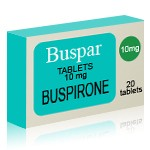
Buspar (Buspirone 5mg) is a unique anti-anxiety medication that works differently from all other anxiolytics. It is a non-benzodiazepine, non-sedating anxiety medication primarily used for generalized anxiety disorder.
How Buspirone Works
- Acts as partial agonist at serotonin 5-HT1A receptors
- Also has weak effects on dopamine D2 receptors
- Does NOT affect GABA system (unlike benzodiazepines)
- Does NOT cause sedation
- Does NOT cause physical dependence
- Requires 2-4 weeks for full anxiolytic effect
Uses of Buspar
- Generalized anxiety disorder (GAD) - primary indication
- Chronic anxiety symptoms
- Augmentation of SSRIs for depression with anxiety
- Sexual dysfunction from SSRIs (off-label)
- Aggression in dementia (off-label)
- Anxiety with substance use history (safer alternative to benzodiazepines)
Advantages of Buspar
Buspirone offers unique benefits:
- NO physical dependence or addiction potential
- NO withdrawal symptoms when stopped
- NO sedation - can drive, work normally
- NO cognitive impairment - unlike benzodiazepines
- Safe for older adults
- Safe with substance use history
- Does not interact with alcohol significantly
- Long-term use appropriate - no tolerance development
- Minimal drug interactions compared to benzodiazepines
Considerations with Buspar
- Slow onset - requires 2-4 weeks for full effect
- Not effective for panic attacks or acute anxiety
- Not effective for social phobia or specific phobias
- Requires consistent daily dosing - not as-needed use
- Common side effects: dizziness, nausea, headache, drowsiness (rare)
- Should not be combined with MAOIs
- Grapefruit juice increases blood levels
Buspar Dosing
Typically started at 5mg two or three times daily and gradually increased based on response. Effective doses range from 15mg to 60mg daily. Full effect takes 2-4 weeks. Consistent daily dosing essential - Buspar does not work on as-needed basis.
💊 Benzodiazepines
Benzodiazepines (like alprazolam/Xanax, lorazepam/Ativan, diazepam/Valium, clonazepam/Klonopin) are highly effective anxiety medications that enhance GABA activity in the brain, producing rapid calming effects.
Benzodiazepine Advantages
- Rapid onset - work within 30-60 minutes
- Highly effective for acute anxiety and panic
- Effective for various anxiety types
- Multiple formulations available
- Anticonvulsant effects
- Muscle relaxant properties
Significant benzodiazepine risks:
- Physical dependence develops within weeks
- Addiction potential - controlled substances
- Withdrawal syndrome can be severe or fatal
- Never stop abruptly - seizure risk
- Sedation and cognitive impairment
- Increased fall risk in elderly
- Memory problems
- Impaired driving - accident risk
- Combined with alcohol/opioids - fatal respiratory depression
- Generally recommended for short-term use only (weeks, not months)
💊 SSRIs and SNRIs for Anxiety
SSRIs and SNRIs (in the antidepressants section) are considered first-line long-term treatments for most anxiety disorders. Though called "antidepressants," they are highly effective for anxiety.
SSRIs Commonly Used for Anxiety
- Lexapro (Escitalopram) - GAD, panic, social anxiety
- Paxil (Paroxetine) - strong anxiolytic properties
- Sertafine (Sertraline) - broad anxiety indications
- Celexa (Citalopram) - anxiety and depression
- Luvox (Fluvoxamine) - OCD, social anxiety
SNRIs for Anxiety
- Effexor (Venlafaxine) - GAD, panic disorder, social anxiety
- Cymbalta (Duloxetine) - GAD approved
Advantages Over Benzodiazepines
- Not addictive
- Appropriate for long-term use
- Treat co-occurring depression
- Safer in overdose
- No cognitive impairment
- Safe with occasional alcohol
SSRI/SNRI Considerations for Anxiety
- May increase anxiety initially - start low dose
- Requires 4-6 weeks for full anxiolytic effect
- Sexual side effects common
- Discontinuation syndrome requires tapering
- Some patients need long-term treatment
💊 Beta-Blockers for Performance Anxiety
Beta-blockers like propranolol are used for situational or performance anxiety - public speaking, musical performance, exams. They block physical symptoms of anxiety (racing heart, trembling) without affecting mental state.
How Beta-Blockers Work
- Block beta-adrenergic receptors
- Reduce physical anxiety symptoms
- Slow heart rate
- Reduce trembling
- Decrease sweating
- Do NOT reduce cognitive/emotional anxiety
Uses
- Performance anxiety (public speaking, presentations)
- Test anxiety
- Musical performance
- Interview anxiety
- Situational anxiety
- Some social anxiety symptoms
Considerations
- Not effective for generalized anxiety
- Not effective for panic disorder
- Contraindicated in asthma, some heart conditions
- Can cause fatigue, cold extremities
- Typically used as-needed for specific situations
💚 Non-Medication Treatments
Psychotherapy is essential for anxiety treatment - often as effective as medication and provides lasting benefits.
Cognitive Behavioral Therapy (CBT)
CBT is the gold standard psychological treatment for anxiety disorders. Highly effective, structured, time-limited (typically 12-20 sessions).
- Identifies anxiety-triggering thoughts
- Challenges distorted thinking
- Teaches coping strategies
- Includes exposure therapy for specific fears
- Provides lasting skills for anxiety management
- Response rates 60-80 percent
Exposure Therapy
Systematic exposure to feared situations is highly effective for phobias, panic disorder, OCD, PTSD. Gradually reduces anxiety response through habituation.
Mindfulness-Based Therapies
- Mindfulness-Based Stress Reduction (MBSR)
- Mindfulness-Based Cognitive Therapy (MBCT)
- Acceptance and Commitment Therapy (ACT)
- Reduce reactivity to anxious thoughts
- Present-moment awareness
Other Evidence-Based Approaches
- Applied relaxation - systematic muscle relaxation
- Interpersonal therapy
- Psychodynamic therapy
- Group therapy
- Family therapy
🏃 Lifestyle Strategies for Anxiety
Evidence-based lifestyle interventions:
- Regular exercise - as effective as some medications; 30 minutes most days
- Adequate sleep - 7-9 hours; anxiety worsens with poor sleep
- Limit caffeine - major anxiety trigger
- Limit alcohol - creates rebound anxiety
- Meditation and yoga
- Deep breathing exercises
- Progressive muscle relaxation
- Journaling
- Social connection
- Time in nature
- Structured schedule and routines
- Reduce stress sources when possible
- Mediterranean diet
- Reduced screen time
- Support groups
Quick Anxiety Management Techniques
- 4-7-8 breathing - inhale 4 seconds, hold 7, exhale 8
- Box breathing - inhale, hold, exhale, hold - each 4 seconds
- 5-4-3-2-1 grounding - name 5 things you see, 4 hear, 3 touch, 2 smell, 1 taste
- Progressive muscle relaxation - tense and release muscle groups
- Cold water on face - triggers vagal response
- Physical movement - burn off adrenaline
- Reality checking - is this worry realistic?
👩 Special Populations
Pregnancy
- Untreated anxiety carries risks - not always better to avoid treatment
- SSRIs like sertraline generally safer
- Benzodiazepines avoided (especially first trimester)
- CBT excellent option during pregnancy
- Individual risk-benefit assessment essential
Elderly
- Anxiety often underrecognized in elderly
- Buspar excellent choice - no sedation or falls risk
- Benzodiazepines usually avoided - fall risk, cognitive effects
- SSRIs generally well-tolerated at lower doses
- Rule out medical causes
Children and Adolescents
- CBT first-line for most anxiety disorders
- SSRIs may be added when needed
- Buspirone limited pediatric evidence
- Benzodiazepines generally avoided
- Family involvement important
🤔 Common Myths About Anxiety
- Myth: Anxiety is just stress
- Fact: Anxiety disorders are medical conditions with biological, psychological, and social components - not just excessive stress.
- Myth: You should just relax
- Fact: Anxiety disorders require systematic treatment. "Just relaxing" is like telling someone with diabetes to "just have normal blood sugar."
- Myth: Anti-anxiety medications are all addictive
- Fact: While benzodiazepines carry addiction risk, most anxiety medications (SSRIs, SNRIs, Buspar) are NOT addictive.
- Myth: Anxiety only affects weak people
- Fact: Anxiety disorders affect people of all backgrounds regardless of strength, intelligence, or willpower.
- Myth: Panic attacks can kill you
- Fact: Though terrifying, panic attacks are not physically dangerous. However, they warrant medical evaluation to rule out cardiac causes.
- Myth: Anxiety is untreatable
- Fact: Anxiety disorders are among the MOST treatable mental health conditions - 60-85 percent respond to proper treatment.
🚨 When to See a Doctor
EMERGENCY - Call 911 or 988 (Suicide and Crisis Lifeline) for:
- Chest pain or difficulty breathing (rule out heart attack)
- Suicidal thoughts or self-harm
- Severe symptoms preventing basic function
- Psychotic symptoms - hallucinations, delusions
See a doctor for:
- Anxiety interfering with work, school, or relationships
- Worrying most days for weeks
- Panic attacks (especially first-time)
- Physical anxiety symptoms without clear cause
- Avoiding places or situations due to anxiety
- Sleep problems from worry
- Chronic muscle tension
- Anxiety with depression
- Substance use to cope with anxiety
- Any concerns about mental health
🌟 Key Takeaways
Essential points about anxiety and treatment:
- Anxiety disorders are most common mental health conditions
- Highly treatable with 60-85 percent response rates
- Multiple medication classes available
- Buspar (Buspirone) - non-addictive non-sedating anxiolytic for GAD
- SSRIs/SNRIs first-line for most anxiety disorders
- Benzodiazepines effective but addictive - short-term use preferred
- Beta-blockers for performance anxiety
- CBT is gold standard psychotherapy
- Exposure therapy for phobias and OCD
- Lifestyle changes essential - exercise, sleep, caffeine reduction
- Combination treatment often most effective
- Never stop benzodiazepines abruptly
- Anxiety often co-occurs with depression
- Regular follow-up with mental health provider
- Self-help techniques valuable but not sufficient for disorders
Important Medical Disclaimer: This educational guide provides general information about anxiety disorders and anti-anxiety medications and does not constitute individualized medical advice. Anxiety disorders require diagnosis and treatment by qualified healthcare professional. Physical symptoms like chest pain, shortness of breath, or palpitations should be evaluated to rule out medical causes including cardiac conditions before attributing to anxiety. Medication selection depends on anxiety type, severity, comorbidities, other medications, and patient factors. Buspirone (Buspar) requires 2-4 weeks for full effect and is not appropriate for acute anxiety or panic. Benzodiazepines are controlled substances requiring careful management due to addiction potential, cognitive effects, and dangerous withdrawal - never stop abruptly. SSRIs and SNRIs may initially worsen anxiety before improving - dose increases must be gradual. All psychotropic medications carry FDA warning for suicidal thoughts in patients under 25. Serotonin syndrome can occur with drug combinations - potentially fatal. Alcohol combined with any anxiety medication is dangerous. Pregnancy planning discussions essential for women of childbearing age. Special populations including elderly, adolescents, and those with substance use history require specialized approaches. Effective anxiety treatment typically combines medication with evidence-based psychotherapy (especially CBT), lifestyle modifications, and social support. Non-medication treatments including CBT, exposure therapy, and mindfulness are as effective as medication for many patients. Information here should complement but never replace direct professional mental health guidance from qualified providers. If experiencing suicidal thoughts, call 988 (Suicide and Crisis Lifeline in US) or seek emergency care immediately.
More Anti-Anxiety Medications