Buy Sitasmart (Sitagliptin) Online - Affordable Generic Januvia DPP-4 Inhibitor to Lower A1C


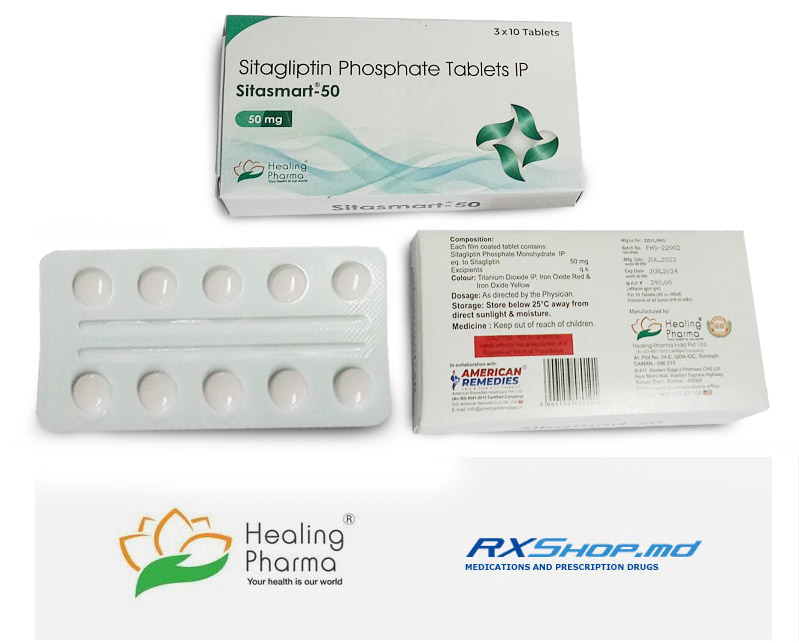
Sitasmart (Sitagliptin) represents an affordable Indian generic version of brand Januvia, manufactured under the same chemical and therapeutic standards as the original Merck formulation. As a DPP-4 inhibitor, Sitasmart manages type 2 diabetes through the innovative incretin pathway, enhancing natural insulin secretion only when blood sugar is elevated. The 25/50/100 mg oral tablets deliver consistent blood sugar control with extremely low hypoglycemia risk, weight neutrality, and excellent tolerability across diverse patient populations.
Sitagliptin works by selectively inhibiting dipeptidyl peptidase-4 (DPP-4) enzyme, the protein that rapidly degrades natural incretin hormones including glucagon-like peptide-1 (GLP-1) and glucose-dependent insulinotropic polypeptide (GIP). By blocking DPP-4, sitagliptin extends incretin activity 2-3 fold, enhancing glucose-dependent insulin secretion from pancreatic beta cells while suppressing inappropriate glucagon release from alpha cells. The result: HbA1c drops 0.5-1.0% from baseline, fasting blood glucose decreases 17-25 mg/dL, post-meal glucose spikes flatten, body weight stays neutral, and overall glycemic profile improves within 4-12 weeks.
Sitasmart benefits from extensive clinical evidence supporting brand Januvia, including the landmark TECOS trial (Trial Evaluating Cardiovascular Outcomes with Sitagliptin) involving 14,724 type 2 diabetes patients, demonstrating cardiovascular safety with no increase in heart failure hospitalization. The medication offers unique advantages including extremely low hypoglycemia risk (works only when blood sugar is high), weight neutrality unlike sulfonylureas, and excellent tolerability compared to other diabetes drugs. Sitasmart uniquely serves patients with renal impairment through dose adjustments (50 mg moderate CKD, 25 mg severe CKD), elderly diabetic patients, and those requiring combination with metformin, sulfonylureas, thiazolidinediones, or insulin.
Sitasmart offers convenient once-daily dosing taken any time of day with or without food, fitting seamlessly into any routine. The medication reaches peak blood concentrations within 1-4 hours and shows 12.4-hour half-life with mostly unchanged renal excretion. Generic sitagliptin from quality Indian manufacturers provides identical therapeutic effects to brand Januvia by Merck at substantially lower cost, ensuring consistent DPP-4 inhibition performance across both branded and generic versions of this established type 2 diabetes management therapy.
Free prescription
Discrete packaging
Have questions?
Quality Assurance
- Type 2 Diabetes: Most common diabetes form where body resists insulin or makes insufficient amounts gradually;
- Type 2 Diabetes Mellitus: Full medical term for adult-onset diabetes characterized by insulin resistance and hyperglycemia;
- High Blood Sugar: Persistently elevated blood glucose levels above 126 mg/dL fasting causing organ damage;
- Blood Sugar: Glucose circulating in blood that cells use for energy through insulin-regulated uptake;
- Hyperglycemia: Medical term for abnormally elevated blood glucose levels above normal threshold values;
- Insulin Resistance: Body cells respond poorly to insulin requiring higher levels to control blood sugar;
- Adult Type 2 Diabetes: Diabetes diagnosed in adulthood typically associated with insulin resistance and lifestyle factors;
- Elderly Type 2 Diabetes: Diabetes in older adults requiring medication with low hypoglycemia risk and good tolerability;
- Fasting Hyperglycemia: Elevated morning blood glucose above 126 mg/dL after overnight fast in diabetic patients;
- Post Meal Hyperglycemia: Blood sugar spikes occurring 1-2 hours after eating in poorly controlled diabetes;
- Renal Impaired Diabetes: Type 2 diabetes in patients with chronic kidney disease requiring renal-friendly therapy;
- Diabetes with CKD: Diabetes management in chronic kidney disease patients with dose adjustments per kidney function;
- Diabetes Monotherapy: Single-drug treatment when type 2 diabetes can be controlled without combination therapy;
- Metformin Combination: Add-on to metformin when blood sugar remains above target on metformin alone;
- Sulfonylurea Combination: Combined with sulfonylureas like glipizide or glimepiride for enhanced control;
- Insulin Combination Therapy: Combined with insulin in advanced diabetes when oral therapy alone is insufficient;
- Thiazolidinedione Combination: Combined with pioglitazone or rosiglitazone for triple-mechanism diabetes control;
- Sulfonylurea Alternative: Treatment option for patients who cannot tolerate sulfonylurea hypoglycemia or weight gain;
- DPP-4 Inhibitor Therapy: DPP-4 drug class treatment enhancing natural incretin hormones for safer glycemic control;
- Incretin Enhancement Therapy: Treatment boosting natural GLP-1 and GIP hormones for improved insulin response and glucose control.
- Lower A1C: HbA1c decreases 0.5-1.0% reflecting better long-term blood sugar control over 3 months;
- Lower Fasting Glucose: Morning blood sugar levels normalize through enhanced incretin-mediated insulin release;
- Lower Post Meal Glucose: Blood sugar spikes after eating flatten through immediate glucose-dependent insulin response;
- Better Glycemic Control: Overall blood sugar management improves measurably reducing diabetes complication risk;
- Better Incretin Activity: Natural GLP-1 and GIP hormone activity extends 2-3 fold enhancing insulin response;
- Better Glucose Dependent Insulin Release: Insulin secretion increases only when blood sugar is elevated minimizing hypoglycemia risk;
- Less Glucagon Release: Pancreatic alpha cell glucagon release suppresses reducing inappropriate hepatic glucose production;
- Better Beta Cell Function: Pancreatic insulin-producing beta cells respond better to glucose stimulation preserving function;
- Less Hyperglycemia: Episodes of dangerously high blood sugar reduce significantly with consistent therapy;
- Less Hypoglycemia Risk: Extremely low hypoglycemia rate since DPP-4 inhibitors work only when blood sugar is elevated;
- Weight Neutral Diabetes Therapy: Body weight stays stable unlike sulfonylureas thiazolidinediones or insulin that cause weight gain;
- Less GI Side Effects: Gastrointestinal symptoms rare unlike injectable GLP-1 agonists which cause nausea;
- Better Cardiovascular Safety: TECOS trial confirmed cardiovascular safety with no increased heart failure hospitalization;
- Better Renal Tolerability: Safe use in chronic kidney disease with dose adjustments preserving therapeutic benefit;
- Less Insulin Need: Insulin injection requirement decreases or delays in patients on combination therapy;
- Better Elderly Tolerability: Older patients experience minimal hypoglycemia weight gain or GI symptoms during therapy;
- Less Diabetic Complications: Long-term damage to eyes kidneys and nerves decreases through better glucose control;
- Once Daily Convenience: Single tablet taken any time of day with or without food fits any routine easily;
- Better Quality of Life: Daily wellbeing improves from stable energy minimal side effects and no hypoglycemia anxiety.
Generic Sitasmart (Sitagliptin 50 mg) Medication guide:
📖 What Sitasmart Is and How Sitagliptin Works
Sitasmart is an affordable Indian generic version of sitagliptin, the world's first DPP-4 inhibitor originally approved by the US FDA in October 2006 as Januvia (Merck). Sitasmart is manufactured by Healing Pharma and contains the identical active ingredient as brand Januvia - sitagliptin phosphate. The generic version provides the same clinical effectiveness at substantially lower cost, expanding access to this well-established diabetes therapy globally.
Sitasmart at a glance
| Active ingredient | Sitagliptin phosphate (identical to Januvia) |
| Class | DPP-4 inhibitor (gliptin) |
| Manufacturer | Healing Pharma (India) |
| Available strengths | 25 mg, 50 mg, 100 mg tablets |
| Standard dose | 100 mg once daily (25/50 mg in renal impairment) |
| Half-life | Approximately 12 hours |
| HbA1c reduction | 0.5-1.0 percent as monotherapy |
| Weight effect | Weight neutral |
| Hypoglycemia risk (monotherapy) | Very low |
| Cost | Substantially lower than brand Januvia |
Same active ingredient as Januvia
Bioequivalent generic
Sitasmart contains the same active molecule (sitagliptin phosphate) at the same strengths as brand Januvia. Generic pharmaceutical manufacturing requires demonstration of bioequivalence - the same amount of active drug reaches systemic circulation with the same pharmacokinetic profile. Clinical effectiveness and safety are equivalent to brand sitagliptin at substantially lower cost.
The mechanism
Sitagliptin blocks dipeptidyl peptidase-4 (DPP-4), an enzyme that rapidly breaks down two natural incretin hormones - GLP-1 (glucagon-like peptide-1) and GIP (glucose-dependent insulinotropic polypeptide). By inhibiting this breakdown, sitagliptin prolongs the natural incretin effect. GLP-1 and GIP enhance glucose-dependent insulin release from beta cells and suppress inappropriate glucagon release from alpha cells. Blood glucose falls, but only when glucose is elevated - the incretin effect is glucose-dependent. This is why hypoglycemia risk is minimal.
What sitagliptin does
Blocks DPP-4 enzyme, extending the lifespan of natural GLP-1 and GIP incretin hormones (2-3 fold increase). Effect on insulin is glucose-dependent - only stimulates insulin release when glucose is elevated. Suppresses glucagon when glucose is high. HbA1c falls 0.5-1.0 percent. Weight neutral. Very low hypoglycemia risk.
The tolerability advantage
Why sitagliptin (brand or generic) is valued
Sitagliptin has one of the best tolerability profiles of any diabetes medication. Very low hypoglycemia risk (unlike sulfonylureas). Weight neutral (unlike sulfonylureas, thiazolidinediones, insulin). Rare GI effects (unlike metformin's frequent GI intolerance). No cardiovascular concerns (unlike historical rosiglitazone). No known bone effects. Once daily oral. This exceptional tolerability applies equally to brand Januvia and generic Sitasmart.
The cost advantage of Sitasmart
Why generic matters
- Same molecule, same effect - identical clinical benefit
- Substantially lower cost - often 50-80 percent less than brand
- Better long-term adherence - cost is a major adherence barrier
- Expanded access - clients previously unable to afford brand can now use sitagliptin
- Insurance coverage often favours generics
- Global availability - Indian generics widely distributed
Where sitagliptin fits in modern practice
Modern diabetes therapy has moved toward SGLT2 inhibitors and GLP-1 agonists as preferred second-line agents after metformin. These provide cardiovascular and renal benefits DPP-4 inhibitors cannot match. Sitagliptin (both Sitasmart and Januvia) retains a role in specific scenarios - older adults where tolerability is paramount, renal impairment where dose adjustment allows continued use, cost or access limitations for newer agents (where generic Sitasmart particularly shines), combination therapy when specific effect complements other drugs, and clients where GI intolerance to metformin or other agents complicates therapy.
The safety story
The TECOS trial (14,671 clients over 3 years) established sitagliptin's cardiovascular safety - no MACE excess and, importantly, no heart failure signal (unlike saxagliptin's SAVOR-TIMI 53 which showed heart failure hospitalisation). Post-marketing experience with hundreds of millions of client-years has confirmed excellent overall safety. Rare concerns include pancreatitis (small signal), joint pain (rare), and severe skin reactions (very rare). None of these change the drug's essentially benign profile for most clients. Same safety profile applies to Sitasmart as it contains identical sitagliptin.
The specific pancreatitis awareness
Sitagliptin (and other DPP-4 inhibitors) carry a labeled warning about pancreatitis. Whether the association is causal or coincidental with diabetes-related pancreatitis remains debated. Severe abdominal pain, particularly persistent, warrants prompt evaluation and drug discontinuation. Section 16 covers this in detail. Absolute risk is very low but awareness matters.
This guide walks through what sitagliptin does, why the generic Sitasmart version provides equivalent clinical benefit to brand Januvia, the simple once-daily dosing, the excellent tolerability profile, the specific safety concerns (pancreatitis, joint pain), and how sitagliptin compares to other diabetes options. Treat this guide as a companion to what your diabetes specialist or general practitioner tells you.
💰 Sitasmart Generic vs Brand Sitagliptin Comparison
Sitasmart is a generic version of sitagliptin (originally sold as Januvia). Understanding what "generic" means clarifies both the equivalence and the cost advantage.
What generic means
Same molecule, same effect
A generic medication contains the same active pharmaceutical ingredient as the original brand at the same dose. Generic manufacturers must demonstrate bioequivalence - proof that the generic delivers the same amount of active drug to the bloodstream with the same pharmacokinetic profile as the brand. Clinical effect and safety are equivalent.
What is identical
Same as brand Januvia
- Active ingredient - sitagliptin phosphate
- Strength - 25 mg, 50 mg, 100 mg tablets
- Route - oral tablet
- Bioavailability - same amount absorbed
- Peak plasma concentration timing - approximately 1-4 hours
- Half-life - approximately 12 hours
- Metabolism and excretion pathway - primarily renal excretion of unchanged drug
- Clinical effect - HbA1c reduction 0.5-1.0 percent
- Safety profile - identical adverse effect and interaction profile
What differs
Non-clinical differences
- Manufacturer - Healing Pharma vs Merck
- Brand name - Sitasmart vs Januvia
- Tablet appearance - shape, colour, markings differ
- Inactive ingredients (excipients) - may differ slightly
- Packaging - different
- Price - substantially lower
Why generics cost less
The economics
Brand manufacturers charge higher prices to recoup research and development costs that led to the original drug (typically 10-15 years of development at billion-dollar costs). Once the patent expires, generic manufacturers can produce the same molecule without needing to recover those R&D costs. Manufacturing costs alone determine generic pricing - substantially lower than brand pricing. This is by design of the pharmaceutical system to eventually improve access.
Cost comparison example
Typical price comparison (approximate)
- Brand Januvia 100 mg (US) - can exceed $500-600 monthly without insurance
- Generic sitagliptin (US, after 2022 patent expiry) - substantially less
- Indian generic sitagliptin (Sitasmart) - typically 20-50 percent of brand cost
- Actual cost varies by country, insurance, and pharmacy
- Cost savings compound over years of long-term therapy
Bioequivalence regulatory standards
Rigorous requirements
Generic manufacturers must demonstrate that peak plasma concentration and total drug exposure fall within 80-125 percent of the brand product (typically 90-110 percent in practice). This standard ensures clinical equivalence. Regulatory agencies (FDA, EMA, CDSCO for India) enforce these bioequivalence standards.
Are generics as good as brands?
Yes - here is the evidence
- Multiple studies of generic vs brand medications show equivalent clinical outcomes
- Bioequivalence testing ensures pharmacokinetic equivalence
- Same active ingredient produces same biological effect
- Global medical practice endorses generic substitution
- Indian generic industry has extensive experience and quality assurance
- WHO Essential Medicines List encourages generic use for essential medications
Practical considerations
When switching from brand to generic or vice versa
Straightforward switch - same active ingredient, same strength, same dosing. Tablet appearance changes but effect is equivalent. Some clients notice psychological effects (concern about generic quality) but no clinical difference. Monitor glucose during transition to confirm effect maintained (should be identical).
Healing Pharma as manufacturer
Healing Pharma is an Indian pharmaceutical company producing generic medications. India has one of the largest generic pharmaceutical industries globally, supplying medications to markets worldwide. Regulatory oversight by CDSCO (Central Drugs Standard Control Organisation) ensures quality standards. Indian generic sitagliptin including Sitasmart is used extensively in Indian and global markets.
Sitasmart provides the same clinical benefit as brand Januvia at substantially lower cost. The generic-brand distinction is regulatory and commercial - not clinical. For clients where cost is a barrier to therapy, generic sitagliptin like Sitasmart expands access to an evidence-based diabetes treatment.
💊 Why Doctors Prescribe Sitasmart in Modern Practice
Sitagliptin has a focused clinical role in type 2 diabetes management. Sitasmart provides the same benefit as brand Januvia within this role, with cost advantages that expand access.
Primary indication
Type 2 diabetes glycemic control
FDA-approved for this specific use since 2006 (as brand Januvia). As monotherapy or combination therapy in adults. HbA1c reduction 0.5-1.0 percent - modest but reliable. Onset within 1-2 weeks. Effect durable over years. Minimum side effect burden.
Where sitagliptin fits particularly well
Best fit scenarios
- Older adults where tolerability and safety are paramount
- Clients with renal impairment where dose adjustment allows continued use (Section 19)
- GI intolerance to metformin - sitagliptin has almost no GI side effects
- Cost concerns or specific insurance coverage where generic sitagliptin fits formulary particularly well
- Modest HbA1c gap to target - sitagliptin's modest effect suffices
- Combination with metformin when SGLT2/GLP-1 not appropriate or accessible
- Clients prioritising weight neutrality - many clients happy not to lose or gain weight
- Clients avoiding hypoglycemia - very low risk
The cost-driven scenario for Sitasmart specifically
Where generic access matters most
Sitasmart expands sitagliptin access to clients who could not previously afford brand Januvia. This includes cash-pay clients without prescription insurance, clients with high-deductible plans, clients in developing markets, and clients whose insurance formularies restrict brand access. Cost-driven diabetes access is a major real-world barrier to therapy, and generic sitagliptin addresses this specifically.
Where sitagliptin does not fit
Not appropriate for type 1 diabetes - requires insulin. Not for diabetic ketoacidosis. Not for severe HbA1c gap - modest effect insufficient. Not the best choice for clients with established atherosclerotic cardiovascular disease or heart failure - SGLT2 inhibitors and GLP-1 agonists preferred for outcome benefits. Not for clients where substantial weight loss is desired - GLP-1 agonists preferred. Not for severe renal impairment where dose adjustment insufficient.
The modern diabetes landscape
Modern preferred agents
SGLT2 inhibitors (empagliflozin, dapagliflozin, canagliflozin) and GLP-1 receptor agonists (semaglutide, liraglutide, tirzepatide) have transformed type 2 diabetes management. They provide cardiovascular outcome benefits and renal protection that DPP-4 inhibitors do not match. GLP-1 agonists cause substantial weight loss. Where cost and availability allow, these are typically preferred over sitagliptin for clients with CV or renal risk features. Where they are cost-prohibitive, generic sitagliptin remains a valuable evidence-based option.
The GRADE trial context
GRADE positioning
The GRADE trial (Nathan et al. NEJM 2022) compared sitagliptin, glimepiride, liraglutide, and insulin glargine as add-ons to metformin. Liraglutide and glargine achieved best glycemic durability. Sitagliptin was middle-tier for durability. But sitagliptin had lowest side effect burden - no hypoglycemia (unlike glimepiride) and no weight gain. Modern interpretation - sitagliptin appropriate when tolerability matters more than maximal glycemic effect or outcome benefits.
Combination advantages
Sitagliptin combines exceptionally well with metformin - the classic pairing. Multiple fixed-dose combinations exist globally. Also good combinations with SGLT2 inhibitors, GLP-1 agonists (though mechanism overlap), and insulin. Very few interactions or safety concerns with combinations.
Ask your team specifically why sitagliptin was chosen given the modern landscape, what glycemic target you are working toward, whether cost was a factor in choosing generic Sitasmart over brand or over other classes, and how it fits with any other diabetes medications you take.
🩸 Sitasmart for Type 2 Diabetes Glycemic Effect
Type 2 diabetes glycemic control is the primary indication for sitagliptin. Sitasmart provides the same glycemic effect as brand Januvia because it contains identical active ingredient.
What sitagliptin does to diabetes parameters
HbA1c reduction is typically 0.5-1.0 percent as monotherapy - modest compared to metformin (1-2%) or sulfonylureas but reliable and low risk. Fasting glucose falls 17-25 mg/dL. Postprandial glucose particularly improved (matches physiological incretin effect). Effect is rapid - meaningful improvement within 1-2 weeks and full effect by 4-6 weeks.
Postprandial glucose advantage
Sitagliptin particularly reduces post-meal glucose spikes because it prolongs the natural incretin effect during and after meals. This physiological match to eating patterns distinguishes sitagliptin from drugs that primarily affect fasting glucose. Clinical impact is favourable for reducing glycemic variability.
Durability
Sitagliptin effect is durable over years. Unlike sulfonylureas which lose effect as beta cell function declines, sitagliptin (working through incretin enhancement) maintains effect better. GRADE showed middle-tier durability - better than sulfonylureas, less than liraglutide or insulin glargine over 4.8 years.
Which client profile responds well
Sitagliptin works particularly well in clients with preserved beta cell function - typically earlier in diabetes course. Clients with substantial insulin deficiency may respond less well because incretin enhancement depends on beta cells being available to respond. Not much variation in response by weight, age, or ethnicity - fairly consistent effect across populations.
The weight neutral profile
Comparing weight effects by class
| Class | Weight effect |
|---|---|
| Sitagliptin (DPP-4) | Neutral |
| Metformin | Neutral or -1 to -3 kg |
| SGLT2 inhibitors | Modest loss (-2 to -3 kg) |
| GLP-1 agonists | Substantial loss (-3 to -15 kg) |
| Sulfonylureas | Gain (1-3 kg) |
| Pioglitazone | Gain (2-4 kg) |
| Insulin | Gain (variable) |
Combination therapy synergy
Common combinations
- Metformin + sitagliptin - classic combination; complementary mechanisms; low side effect burden
- Metformin + sitagliptin + SGLT2 inhibitor - triple oral therapy with good tolerability
- Sitagliptin + insulin - can reduce insulin dose needs modestly; not major insulin sparing
- Sitagliptin + sulfonylurea - can be effective but hypoglycemia risk from SU component; sulfonylurea dose reduction often needed
What sitagliptin does NOT do
Reassuring absences
- Does not cause hypoglycemia when used alone (glucose-dependent mechanism)
- Does not cause weight gain
- Does not affect heart failure (unlike saxagliptin)
- Does not cause fluid retention
- Does not affect bone
- Does not cause GI intolerance (unlike metformin, GLP-1)
Set realistic expectations - Sitasmart (like brand sitagliptin) provides modest HbA1c reduction of 0.5-1.0 percent, weight neutrality, very low hypoglycemia risk, and excellent tolerability. This combination remains valuable when maximal glycemic effect or CV/renal benefits are not the primary goals - particularly when cost of newer alternatives is prohibitive.
🤝 Sitasmart Combination Therapy with Metformin Standard
Metformin plus sitagliptin is one of the most successful combinations in modern diabetes therapy. Sitasmart combined with generic metformin provides an extremely cost-effective option.
Metformin plus sitagliptin - the classic pairing
Excellent combination
Metformin reduces hepatic glucose production and modestly improves insulin sensitivity. Sitagliptin enhances glucose-dependent insulin release and glucagon suppression through incretins. Complementary mechanisms. Additive HbA1c effect. Both weight neutral. Both low hypoglycemia risk. Fixed-dose combinations exist globally (Janumet-style combinations from various manufacturers).
Why the combination is so widely used
Metformin plus sitagliptin advantages
- Effective HbA1c reduction (approximately 2 percent combined)
- Metformin's established CV benefit (UKPDS)
- Sitagliptin's excellent tolerability
- Both oral - no injection needed
- Both extensively studied - decades of safety data
- Cost-effective particularly with generic Sitasmart and generic metformin
- Complementary mechanisms without duplication
- No hypoglycemia amplification (both glucose-dependent)
Practical dosing
Straightforward regimen
Metformin (typically 500-1000 mg twice daily with meals). Sitasmart 100 mg once daily. Both meal-linked practically. Consistency with meals matters more than exact timing. Very few adherence complications.
Combination with SGLT2 inhibitors
SGLT2 inhibitors increase urinary glucose excretion - insulin-independent glucose lowering. Sitagliptin enhances insulin secretion - insulin-dependent. Complementary mechanisms. Combination effective. SGLT2 inhibitor adds cardiovascular and renal benefits sitagliptin does not provide.
Sitagliptin plus sulfonylurea
Effective but hypoglycemia caution
- Both raise insulin - overlap in mechanism
- Effective HbA1c reduction
- Hypoglycemia risk from sulfonylurea component
- Consider sulfonylurea dose reduction when adding sitagliptin
- Modern practice often prefers to stop sulfonylurea when starting sitagliptin - reduces hypoglycemia and pill burden
Sitagliptin plus insulin
Sitagliptin can be added to insulin regimens. Modest additive HbA1c effect. May allow small insulin dose reduction. Not major insulin sparing (unlike GLP-1 agonists which allow substantial insulin reduction). Watch hypoglycemia risk from insulin component.
Sitagliptin plus pioglitazone
Pioglitazone improves insulin sensitivity. Sitagliptin enhances insulin secretion. Effective combination. Watch pioglitazone-specific concerns (weight, fluid, heart failure).
What not to combine
Avoid these combinations
- Another DPP-4 inhibitor (saxagliptin, linagliptin, alogliptin, vildagliptin) - same mechanism, no additional benefit
- Another sitagliptin brand - just be one, not multiple simultaneous products
- GLP-1 agonists - mechanism overlap; DPP-4 inhibitors work through natural incretins whereas GLP-1 agonists provide pharmacological GLP-1 receptor agonism; typically one or the other, not both
Combination strategy in modern practice
Where sitagliptin combinations fit
Modern practice increasingly uses metformin plus SGLT2 inhibitor or GLP-1 agonist as second-line combinations, particularly in clients with CV or renal risk. Sitagliptin combinations still fit in clients where these alternatives are unavailable, contraindicated, or where tolerability is paramount. Metformin plus sitagliptin remains a very common and effective combination in real-world practice, particularly with generic Sitasmart making the combination even more affordable.
Combination therapy is standard in type 2 diabetes management. Sitagliptin combines well with most agents. The metformin plus generic sitagliptin combination remains one of the most cost-effective evidence-based diabetes therapies available. Discuss the specific combination strategy with your team.
🔬 How Sitagliptin Inhibits DPP-4 Enzyme Action
Understanding sitagliptin's mechanism clarifies its effectiveness, tolerability, and specific safety considerations. The mechanism is identical for Sitasmart and brand Januvia because they contain the same active ingredient.
The natural incretin system
GLP-1 and GIP - the incretin hormones
When you eat, gut cells release two hormones - GLP-1 (glucagon-like peptide-1) from L cells and GIP (glucose-dependent insulinotropic polypeptide) from K cells. These "incretins" enhance insulin release from pancreatic beta cells when glucose is elevated. They also suppress inappropriate glucagon release from alpha cells. This physiological system helps normalise post-meal glucose. In type 2 diabetes, the incretin effect is diminished.
The DPP-4 problem
Natural GLP-1 and GIP are rapidly broken down by dipeptidyl peptidase-4 (DPP-4), an enzyme in blood and tissue. Half-life of natural GLP-1 is only 1-2 minutes. This rapid degradation limits the natural incretin effect and means natural incretins alone cannot be used therapeutically.
How sitagliptin works
Step-by-step mechanism
- Sitagliptin binds and inhibits DPP-4 enzyme (over 90 percent inhibition at standard dose)
- Natural GLP-1 and GIP breakdown slowed dramatically
- Endogenous incretin levels rise 2-3 fold
- Enhanced GLP-1 stimulates glucose-dependent insulin release
- Enhanced GLP-1 suppresses inappropriate glucagon release
- Effect on glucose is glucose-dependent - only lowers glucose when elevated
- Postprandial glucose spikes reduced particularly
- Fasting glucose also reduced modestly
- HbA1c falls 0.5-1.0 percent typically
Why glucose-dependent matters
Unlike sulfonylureas which push insulin release regardless of glucose level, sitagliptin only enhances insulin release when glucose is elevated. When glucose is normal or low, no incretin effect occurs, no extra insulin released. This is why hypoglycemia risk is minimal when sitagliptin used alone.
Sitagliptin vs GLP-1 agonists
Two ways to boost incretin effect
- Sitagliptin (DPP-4 inhibitor) - prevents breakdown of natural incretins; modest 2-3 fold rise
- Semaglutide, liraglutide (GLP-1 agonists) - pharmacological GLP-1 receptor activation; dramatic effect greater than natural GLP-1 could achieve
- DPP-4 inhibitors work through physiology; GLP-1 agonists provide supraphysiological effect
- GLP-1 agonists more effective on HbA1c and cause substantial weight loss
- DPP-4 inhibitors more tolerable and cheaper (particularly generic sitagliptin)
Pharmacokinetics (identical for Sitasmart and Januvia)
| Bioavailability | 87 percent |
| Peak plasma concentration | 1-4 hours |
| Half-life | 12.4 hours |
| Protein binding | 38 percent |
| Metabolism | Minimal (CYP3A4 and CYP2C8 minor) |
| Excretion | Renal 87 percent (unchanged drug) |
Why renal function matters for dosing
Renal excretion drives dose adjustment
Sitagliptin is excreted mostly unchanged by the kidney. In renal impairment, sitagliptin accumulates. Dose adjustment is needed to maintain safe levels. eGFR guides dosing (Section 19). This contrasts with linagliptin which is excreted in bile - no renal adjustment needed.
Mechanism-driven side effects
Very low hypoglycemia risk - glucose-dependent mechanism. Weight neutral - modest effect through natural incretins. Rare GI effects - much less than metformin. Potential pancreatitis - theoretical concern from incretin effects on pancreatic cells. Joint pain - rare class effect, mechanism unclear. Overall the mechanism produces one of the most benign side effect profiles in diabetes therapy - and this profile applies equally to Sitasmart and brand Januvia.
The elegant incretin-enhancement mechanism defines both sitagliptin's excellent tolerability and its glucose-dependent effect. Understanding this biology explains why the drug behaves as it does clinically - whether it comes as brand Januvia or generic Sitasmart.
📊 TECOS Trial Sitagliptin Cardiovascular Safety Evidence
The TECOS trial established sitagliptin's cardiovascular safety definitively. This evidence applies equally to Sitasmart because it contains the same active ingredient.
The DPP-4 class CV safety story
Cardiovascular outcome trials for DPP-4 inhibitors were required by FDA following concerns about diabetes drug CV safety broadly. Each major DPP-4 inhibitor has had its own cardiovascular outcome trial. The results were mixed and shaped modern DPP-4 prescribing.
TECOS - the sitagliptin CV outcomes trial
TECOS (Green et al. NEJM 2015)
- 14,671 type 2 diabetes clients with established cardiovascular disease
- Randomised to sitagliptin 100 mg daily (with dose adjustment for renal) vs placebo
- Median follow-up 3.0 years
- Primary composite (MACE) - non-inferior to placebo
- CV death, MI, stroke individually - no differences
- Heart failure hospitalisation - no increase
- Established sitagliptin cardiovascular safety and neutrality
The key TECOS finding
TECOS was reassuring across all cardiovascular endpoints. Importantly, no heart failure signal - distinguishing sitagliptin from saxagliptin. This established sitagliptin as the DPP-4 inhibitor of choice for clients with heart failure history or risk. This benefit applies to any sitagliptin product including Sitasmart.
SAVOR-TIMI 53 - the saxagliptin concern
Heart failure signal with saxagliptin
SAVOR-TIMI 53 (Scirica et al. NEJM 2013) enrolled 16,492 clients. Saxagliptin met non-inferiority for MACE but showed 27 percent increased heart failure hospitalisation. Mechanism unclear. FDA added heart failure warning to saxagliptin label. Saxagliptin use declined substantially. This was the concerning finding that made TECOS results important for sitagliptin.
EXAMINE and CARMELINA
Other DPP-4 CV outcome trials
- EXAMINE (alogliptin, White et al. NEJM 2013) - non-inferior MACE; borderline HF signal
- CARMELINA (linagliptin, Rosenstock et al. JAMA 2019) - non-inferior MACE and renal endpoints; no HF signal
- Class picture - CV safe overall, but heart failure signal specific to saxagliptin (and marginally alogliptin)
CV-neutral versus CV-beneficial
Being CV-safe is not the same as being CV-beneficial. SGLT2 inhibitors reduce major CV events, heart failure hospitalisation, and CV mortality substantially. GLP-1 agonists (semaglutide, liraglutide, dulaglutide) reduce CV events. Sitagliptin provides neither of these benefits. For clients whose diabetes management is driven by CV risk reduction, modern alternatives are preferred - though cost may favour continued sitagliptin use for glycemic effect.
Practical positioning
Modern DPP-4 prescribing
Sitagliptin is CV-safe (whether brand Januvia or generic Sitasmart). When a DPP-4 inhibitor is chosen (typically for tolerability, renal considerations, or cost), sitagliptin is a strong default. For clients with heart failure or at HF risk, sitagliptin (or linagliptin) preferred over saxagliptin. For clients where CV benefit is the goal, SGLT2 inhibitors or GLP-1 agonists preferred instead of any DPP-4 inhibitor.
Post-marketing experience
Nearly two decades of sitagliptin use with hundreds of millions of client-years have confirmed excellent overall CV safety. No cardiovascular signal has emerged since TECOS. This is one of the most extensively studied diabetes medications - and the safety evidence supports generic sitagliptin (Sitasmart) as fully as brand Januvia.
TECOS established sitagliptin's cardiovascular neutrality without the heart failure concerns of saxagliptin. Modern practice values this reassurance while recognising sitagliptin does not provide the CV benefits of newer classes. Same evidence applies to Sitasmart as identical active ingredient.
⚖️ Sitasmart Compared to Other DPP-4 Inhibitors
Several DPP-4 inhibitors exist. Understanding how sitagliptin compares to alternatives shapes the choice within the class.
The main DPP-4 inhibitors
| Agent | Dose | Renal adjustment | Notes |
|---|---|---|---|
| Sitagliptin (Sitasmart, Januvia) | 100 mg daily | Yes (25/50 mg) | First-in-class; TECOS CV safety; no HF signal; generic available (Sitasmart) |
| Saxagliptin (Onglyza) | 2.5-5 mg daily | Yes (2.5 mg) | Heart failure signal in SAVOR-TIMI 53; less used now |
| Linagliptin (Tradjenta) | 5 mg daily | No adjustment | Hepatic elimination; safe at any eGFR; CARMELINA CV safety |
| Alogliptin (Nesina) | 25 mg daily | Yes (6.25/12.5 mg) | EXAMINE CV safety; less commonly used |
| Vildagliptin (Galvus) | 50 mg twice daily | Yes (50 mg) | Not FDA approved US; European use |
Sitagliptin's position in the class
The class leader
Sitagliptin was first-in-class (2006) and remains the most widely prescribed DPP-4 inhibitor globally. Established safety data across largest client base. No heart failure signal (unlike saxagliptin). Renal dose adjustment needed (unlike linagliptin). Cost is competitive - particularly with generic Sitasmart available. Wide clinical experience.
Sitagliptin vs saxagliptin
Sitagliptin preferred over saxagliptin
The SAVOR-TIMI 53 trial showed a heart failure hospitalisation signal with saxagliptin. This was not seen with sitagliptin in TECOS. FDA added heart failure warnings to saxagliptin (and alogliptin) but not sitagliptin. This makes sitagliptin the preferred DPP-4 inhibitor for clients with heart failure history or risk. Saxagliptin use has declined substantially since SAVOR-TIMI 53.
Sitagliptin vs linagliptin
Two excellent choices
- Sitagliptin (Sitasmart or Januvia) - largest evidence base; needs renal dose adjustment; competitive cost with generic
- Linagliptin - no renal dose adjustment needed (excreted unchanged in bile); safe at any eGFR; often preferred in advanced CKD; brand only in some markets
- Similar HbA1c reduction
- Similar tolerability
- Both have CV neutrality trials (TECOS, CARMELINA)
- Choice often depends on renal function and cost
Cost comparison
The generic advantage
Since sitagliptin patent expiration, generic sitagliptin (including Sitasmart) has become substantially cheaper than brand Januvia. Other DPP-4 inhibitors (linagliptin, alogliptin) may still be brand only in some markets with higher costs. This cost advantage makes generic sitagliptin the most affordable DPP-4 inhibitor option in many markets - important for long-term therapy adherence.
Switching between DPP-4 inhibitors
Switching within the class is straightforward. Common reason - switching from saxagliptin to sitagliptin after SAVOR-TIMI 53 heart failure findings. Or switching to linagliptin when eGFR declines and renal dose adjustment becomes complex. Or switching from brand Januvia to generic Sitasmart for cost reasons. Straightforward switch at next dose. Effectiveness typically equivalent.
Class effects vs specific advantages
All DPP-4 inhibitors share the class advantages - weight neutrality, very low hypoglycemia risk when used alone, oral once daily (mostly), good tolerability. Specific agents differ mainly in renal excretion, heart failure signal, and cost. Sitagliptin (particularly generic Sitasmart) fits well when established evidence base, lack of heart failure signal, and cost matter.
Sitagliptin's first-in-class status, largest evidence base, reassuring TECOS cardiovascular safety, and generic availability (Sitasmart) make it the default DPP-4 inhibitor for most clinical scenarios where a DPP-4 is indicated. Linagliptin fits when renal impairment complicates dosing.
⏰ Sitasmart Dose Schedule and Titration Rules
Sitasmart dosing is simple - same as brand Januvia because it contains identical active ingredient. Once daily with dose adjustment for renal impairment. No titration needed.
Standard dosing by renal function
| eGFR (mL/min) | Sitasmart dose |
|---|---|
| eGFR 45+ | 100 mg once daily (standard) |
| eGFR 30-45 | 50 mg once daily |
| eGFR under 30 (including dialysis) | 25 mg once daily |
Available strengths
Sitasmart comes as 25 mg, 50 mg, and 100 mg tablets - same strengths as brand Januvia. The multiple strengths facilitate renal dose adjustment. Fixed-dose combinations with metformin exist from various manufacturers globally.
Timing rule
Once daily any time
Take Sitasmart once daily at any consistent time. Morning, afternoon, or evening. With or without food. Same time daily for adherence habit. No specific meal timing requirement (unlike glipizide 30 minutes before meals).
Expected effect timeline
- Day 1 - DPP-4 inhibition begins
- Week 1 - fasting glucose begins to fall
- Week 4-6 - HbA1c improvement clear
- Week 6-12 - full glycemic effect
- Long term - durable effect over years
No titration required
Unlike metformin (which needs slow titration to minimise GI effects) or insulin (which needs individualised titration), Sitasmart is simply started at appropriate dose based on renal function. No gradual increase needed. No dose adjustment based on glucose response (fixed once-daily dose). This simplicity is one of sitagliptin's advantages.
Duration of therapy
Sitasmart is typically long-term therapy when tolerated. Effect durable over years. Reassess annually - HbA1c, kidney function, continued need. Do not stop suddenly - glucose control worsens over days.
Do not stop suddenly
Glucose control worsens if Sitasmart discontinued without alternative. If discontinuing needed, plan alternative therapy.
Switching from brand Januvia to Sitasmart
Straightforward switch
If switching from brand Januvia to generic Sitasmart - same dose, same schedule, same effect. Continue at next dose time. No re-titration or transition period needed. Glucose control maintained. Tablet appearance changes but effect unchanged.
Simple once-daily dosing with renal-based adjustment. No titration. No meal timing rules. This straightforward regimen makes Sitasmart (and sitagliptin generally) one of the most user-friendly diabetes medications.
📅 Starting Sitasmart - First Weeks Guide
Starting Sitasmart is one of the simplest initiation experiences among diabetes medications. Same as starting brand Januvia because it contains identical active ingredient.
Typical initiation experience
Most clients experience no notable side effects at initiation. Glucose falls modestly within days. HbA1c improves at 4-6 weeks. Weight neutral. Long-term tolerance excellent for the great majority.
The uneventful start
Sitasmart has one of the most benign initiation profiles of any diabetes medication. Many clients feel no different at all - they simply take a small daily pill and their glucose gradually improves. This contrasts sharply with metformin GI adjustment, sulfonylurea hypoglycemia risk, or GLP-1 agonist nausea.
Pre-treatment assessment
Baseline checks before starting
- Diabetes parameters - HbA1c, fasting glucose
- Kidney function - eGFR determines dose (25/50/100 mg)
- Liver function tests (baseline)
- Weight and BMI
- Review other diabetes medications - hypoglycemia risk when combining with SU or insulin
- Assess for pancreatitis history - relative contraindication
- Discuss expected effect timeline - gradual improvement over weeks
Setting expectations
Practical points for new starters
- Take once daily consistently - any time; with or without food
- Expect gradual improvement - not dramatic; HbA1c falls 0.5-1 percent over months
- Very few side effects - most clients feel no different
- Report severe abdominal pain - very rare pancreatitis
- Report joint pain - rare but recognised
- Continue diet and exercise - lifestyle remains foundational
Follow-up schedule
| Timing | Focus |
|---|---|
| Week 4-6 | Early HbA1c trend; tolerability review |
| Month 3 | HbA1c response; overall assessment |
| Every 6 months | HbA1c; kidney function; overall assessment |
| Annual | Comprehensive review; kidney function; add-on consideration |
Warning signs during initiation
Contact team promptly if these occur
- Severe abdominal pain, particularly persistent
- Severe joint pain
- Severe rash particularly with mucosal involvement
- Yellow skin or eyes
- Facial or throat swelling
- Any hypoglycemia (rare with Sitasmart alone)
- Substantial rash
Sitasmart initiation is straightforward and uneventful for most clients. Awareness of rare pancreatitis and joint pain signals supports safe use. No titration or complex management required.
📏 Sitasmart Dose Adjustments and Response Signals
Sitasmart dose adjustment is minimal because 100 mg (or renal-adjusted) is the standard dose. Adjustments involve holding for specific situations rather than titration.
Standard dosing approach
For most clients, Sitasmart 100 mg once daily is the appropriate dose. Reduce to 50 mg if eGFR 30-45. Reduce to 25 mg if eGFR under 30. No routine titration based on glucose response. Fixed once-daily dosing.
Common adjustments
| Situation | Action |
|---|---|
| HbA1c not at target on 100 mg | Add SGLT2 inhibitor, GLP-1 agonist, or other second-line agent |
| eGFR falls to 30-45 mL/min | Reduce to 50 mg daily |
| eGFR falls under 30 mL/min | Reduce to 25 mg daily |
| Acute pancreatitis | Stop immediately; alternative therapy |
| Severe joint pain | Consider stopping; may resolve |
| Severe hypersensitivity | Stop; alternative therapy |
| Consider switching to linagliptin if declining eGFR | Linagliptin no renal adjustment |
When Sitasmart is not enough
Add rather than escalate
Sitasmart has a fixed maximum dose. If HbA1c not at target on 100 mg (or appropriate renal-adjusted dose), the answer is to add another agent rather than dose escalation. Common add-ons include SGLT2 inhibitor, GLP-1 agonist (mechanism overlap so unusual), basal insulin, or sulfonylurea.
The kidney function trajectory
Renal function changes over time
- eGFR naturally declines with age
- Diabetes accelerates decline
- Regular eGFR monitoring - annual typically
- Adjust Sitasmart dose as eGFR falls
- Consider switching to linagliptin (no adjustment needed) in advanced CKD
- Or switch to SGLT2 inhibitor for renal protection benefits
Non-response investigation
If HbA1c not improving as expected: check adherence honestly; verify appropriate dose for eGFR; assess for concurrent hyperglycemia drivers (steroids, other medications, illness); rule out other conditions (thyroid, cortisol); consider whether beta cell function has declined substantially; consider adding second-line agent.
Age-related dose considerations
Older adults - dose based on eGFR (which typically falls with age). Otherwise no age-specific adjustment. Sitasmart is particularly well-tolerated in older adults - one of the reasons it fits this population well.
Dose adjustment for Sitasmart is minimal - renal-based only. Safety concerns drive holding or discontinuation. Modern practice adds alternative agents rather than trying to escalate sitagliptin beyond 100 mg.
💊 How to Take Sitasmart Tablets Properly
Practical routines around Sitasmart tablets are among the simplest of any diabetes medication - once daily at any consistent time.
Daily routine
Take once daily at any consistent time. Morning, afternoon, or evening. With or without food. Swallow whole with water. Same time daily supports adherence habit. Refill 2 weeks before running out.
Anchor to daily habit
Take with the morning routine - before or with breakfast, or after brushing teeth. Some clients prefer evening (after work). Choose the time that fits your routine best. Weekly pillbox helpful for polypharmacy. Phone alarm labeled "Sitasmart" or "sitagliptin" reduces forgetting.
Home monitoring priorities
What to track at home
- Fasting glucose (if diabetic)
- Weight monthly - should stay stable
- Blood pressure - modest reduction possible
- Any severe abdominal pain (pancreatitis awareness)
- Any severe joint pain
- Any severe rash
Key safety rules
Alert your team about
- Severe abdominal pain, particularly persistent
- Severe or persistent joint pain
- Severe rash particularly with mucosal involvement
- Yellow skin or eyes
- Facial or throat swelling
- Kidney function changes
- Starting new medications (usually few interactions but check)
Storage
Room temperature under 30 C. Original packaging. Protect from moisture. Not in bathroom or hot car. Out of reach of children. Do not use past expiry. Return unused to pharmacy for disposal.
Simple once-daily flexible-time dosing is one of Sitasmart's advantages. Take at consistent time, few side effect concerns, minimal drug interactions. This makes Sitasmart one of the easiest diabetes medications to take.
🍴 Food Timing and Sitasmart Absorption Rules
Sitasmart absorption is not meaningfully affected by food, giving flexibility that most diabetes medications do not have.
The core rule
Take at any time
Sitasmart can be taken with or without food. Absorption is 87 percent regardless of food. No specific meal timing needed. This contrasts with glipizide (30 minutes before meals), acarbose (with first bite of meal), or metformin (with meals to minimise GI upset).
Why food does not matter
Sitagliptin is well-absorbed from the small intestine regardless of gastric contents. Peak plasma levels occur 1-4 hours after dosing. Food may slightly delay peak but does not affect total absorption. Twelve-hour half-life smooths any minor variations.
Diabetes diet fundamentals
Diabetes dietary priorities
- Consistent meal timing supports glycemic control
- Portion control fundamental
- Limit refined carbohydrates and added sugars
- Emphasise fibre, vegetables, whole grains
- Adequate protein at each meal
- Limit saturated fat and processed foods
- Mediterranean or DASH patterns evidence-based
The GLP-1 diet advantage
Because Sitasmart enhances the natural incretin effect during and after meals, meal timing matters for glucose control (though not for the drug itself). Regular meals amplify the incretin effect. Skipped meals or irregular eating patterns undermine glycemic control. Consistent meal patterns work best with sitagliptin.
Special dietary considerations
If you eat irregularly
Shift work, travel across time zones, intermittent fasting - Sitasmart can accommodate irregular meal timing because it does not require meals. Take at consistent time daily regardless of meal pattern. Diabetes control may vary more with irregular eating - discuss meal patterns with your team.
Alcohol and food interactions
No specific food interactions with Sitasmart. Alcohol - moderate use acceptable (Section 14). Grapefruit - no interaction (unlike simvastatin, some statins). No dietary restrictions specific to sitagliptin.
Meal timing flexibility is one of Sitasmart's practical advantages. Take at any consistent time. Focus dietary attention on overall diabetes-appropriate eating pattern rather than sitagliptin-specific timing rules.
🍷 Alcohol Rules During Sitasmart Therapy
Alcohol interactions with Sitasmart are minimal. This section covers the specific considerations.
Sitasmart and alcohol - the direct interaction
No direct interaction
Sitasmart does not have direct interactions with alcohol. Unlike sulfonylureas which increase hypoglycemia risk with alcohol, or metformin which requires caution with heavy alcohol (lactic acidosis risk), sitagliptin has essentially no alcohol-specific concerns.
Hypoglycemia consideration
Since Sitasmart alone does not cause hypoglycemia (glucose-dependent mechanism), alcohol-induced hypoglycemia risk is minimal. However, if Sitasmart combined with sulfonylurea or insulin, the general alcohol-hypoglycemia caution applies to those components.
Diabetes and alcohol - general principles
General guidance for diabetes
- Moderate consumption - up to 1 drink daily for women, 2 for men
- Never drink on empty stomach
- Prefer dry wine or spirits over sweet cocktails
- Count alcohol calories in weight management
- Monitor glucose if drinking heavily
- Alcohol can cause delayed hypoglycemia if on insulin or SU
Pancreatitis awareness
Heavy alcohol + Sitasmart caution
Heavy chronic alcohol use is a risk factor for pancreatitis. Sitasmart has a labeled pancreatitis warning. The combination may compound pancreatitis risk theoretically. Clients with heavy alcohol history and sitagliptin should be aware of severe abdominal pain warning signs. Moderate alcohol use is not a specific concern.
Pill timing
Take Sitasmart at your usual time regardless of alcohol. No need to adjust dose or timing on drinking days. No need to skip dose.
What to avoid
Heavy binge drinking - always harmful; particular concern with pancreatitis risk on sitagliptin. Chronic heavy drinking - liver damage; hypoglycemia risk; pancreatitis risk. Drinking on empty stomach - poor practice diabetically.
Sitasmart has minimal alcohol interactions. Moderate use compatible with therapy. Heavy alcohol should be avoided for general health reasons and pancreatitis awareness.
🚨 Sitasmart Side Effects Complete Overview and Warnings
Sitasmart has one of the best tolerability profiles among diabetes medications - identical to brand Januvia because it contains the same active ingredient. Serious adverse effects are rare.
Common side effects
Most common
- Upper respiratory tract infections (about 6 percent) - clinical trial finding; unclear if causal or coincidental
- Nasopharyngitis (about 5 percent) - similar
- Headache (about 5 percent)
- Nausea (rare)
- Diarrhoea (rare)
- Most clients feel no side effects
Rare but important side effects
Rare but serious - alert your team
- Acute pancreatitis - severe abdominal pain, particularly persistent radiating to back (see Section 16)
- Severe joint pain - class effect; may resolve with discontinuation
- Hypersensitivity reactions - anaphylaxis, angioedema, Stevens-Johnson syndrome (very rare)
- Bullous pemphigoid - autoimmune blistering skin disease; rare
- Acute renal failure - rare
- Worsening heart failure - not seen with sitagliptin in TECOS (unlike saxagliptin) but caution retained
Side effect frequency
| Frequency | Side effect |
|---|---|
| Very common (over 10 percent) | None reliably attributed to sitagliptin |
| Common (1-10 percent) | Upper respiratory infection, headache, nasopharyngitis |
| Uncommon (0.1-1 percent) | Nausea, diarrhoea, dizziness, constipation |
| Rare (0.01-0.1 percent) | Acute pancreatitis, severe joint pain |
| Very rare (under 0.01 percent) | Angioedema, Stevens-Johnson syndrome, bullous pemphigoid |
Hypoglycemia when combined
Combination hypoglycemia
Sitasmart alone essentially does not cause hypoglycemia. Combined with sulfonylurea, hypoglycemia rate rises to about 15-20 percent (from sulfonylurea component). Combined with insulin, similar consideration. Sulfonylurea or insulin dose reduction may be needed when adding Sitasmart. Monitor glucose closely first 2-4 weeks after starting combination.
Side effect management
General principles
Most side effects are mild if they occur at all. Severe pancreatitis - stop drug immediately, seek medical care. Severe joint pain - discuss with team; may resolve with discontinuation. Rash - assess severity; severe rash requires stopping and evaluation. URIs - unclear if causal; do not necessarily require stopping. Headache - usually resolves; use paracetamol if needed.
Long-term safety
Nearly two decades of sitagliptin use with hundreds of millions of client-years have not identified additional long-term safety concerns. No known bone effects, no known cancer signals (extensively studied), no cardiovascular concerns (TECOS reassuring). This is one of the most well-established safety profiles in diabetes therapy. Same safety picture applies to Sitasmart as identical active ingredient.
Sitasmart has exceptional tolerability. Awareness of rare pancreatitis, joint pain, and hypersensitivity signals allows safe long-term use. For most clients, sitagliptin therapy is essentially uneventful.
🫀 Sitasmart Pancreatitis Risk and Monitoring Awareness
Acute pancreatitis is a rare but labeled concern with sitagliptin (Sitasmart and Januvia). Understanding this signal supports safe use and appropriate response to warning symptoms.
The pancreatitis signal
Class-wide observation
DPP-4 inhibitors (including sitagliptin) and GLP-1 receptor agonists both have labeled pancreatitis warnings. The observation emerged from post-marketing case reports. Whether the association is causal or reflects the higher baseline pancreatitis risk in type 2 diabetes remains debated. Regardless, awareness matters.
Absolute risk
Absolute risk of acute pancreatitis on Sitasmart is very low. Meta-analyses estimate risk around 0.1-0.3 cases per 1000 client-years - only modestly elevated (if elevated) above background type 2 diabetes rate. TECOS did not show statistically significant increase. Most clients will never develop pancreatitis.
Warning symptoms
Seek urgent care if you experience
- Severe abdominal pain, particularly in the upper abdomen
- Pain radiating to the back
- Persistent pain not relieved by usual measures
- Nausea and vomiting with severe abdominal pain
- Fever with abdominal pain
- Tenderness to touch on abdomen
Response protocol
If pancreatitis suspected
- Stop Sitasmart immediately
- Seek urgent medical evaluation
- Serum lipase and amylase confirm diagnosis
- Imaging (CT abdomen) confirms and assesses severity
- Hospital admission typically needed
- Do not restart Sitasmart after confirmed pancreatitis
- Choose alternative diabetes therapy avoiding GLP-1 agonists also
Risk factors for pancreatitis
General pancreatitis risk factors amplify sitagliptin concern: gallstone disease, heavy alcohol use, elevated triglycerides (particularly over 500 mg/dL), hypercalcaemia, prior pancreatitis history, certain medications (thiazides, azathioprine, ACE inhibitors). Clients with these factors merit careful consideration before starting Sitasmart.
Prior pancreatitis history
Prior pancreatitis - relative contraindication
Clients with prior pancreatitis history have elevated recurrence risk regardless of therapy. Sitasmart theoretically may further elevate this risk. Most guidance suggests avoiding DPP-4 inhibitors and GLP-1 agonists in clients with pancreatitis history unless no alternative. If used, close monitoring and clear pancreatitis warning discussion essential.
Discussion with your team
Understanding the risk
Pancreatitis is rare on Sitasmart. Absolute risk is very low. But recognising warning symptoms and responding promptly is essential. Do not ignore severe abdominal pain. Do not restart Sitasmart after confirmed pancreatitis. Discuss any pancreatitis history before starting therapy.
Pancreatitis is rare but recognised risk with Sitasmart. Warning symptom awareness and prompt response support safe use. Most clients will never encounter this issue but preparation matters.
🦴 Sitasmart Joint Pain and Skin Reactions
Sitasmart has additional rare but recognised safety signals - joint pain and severe skin reactions - identical to brand Januvia because it contains the same active ingredient.
Severe joint pain
Class effect
FDA added a warning about severe joint pain to all DPP-4 inhibitors in 2015. Reports describe severe, sometimes disabling joint pain that can begin anywhere from one day to years after starting therapy. Mechanism unclear. Pain typically resolves within one month of discontinuation. Some clients tolerate rechallenge; others cannot.
Joint pain characteristics
- Multiple joints typically affected
- Symmetric distribution common
- Severe intensity - not mild aches
- May affect function substantially
- No swelling or inflammation typically
- Distinct from usual osteoarthritis
- Resolves with discontinuation (usually weeks to a month)
Response to joint pain
Practical management
Severe joint pain suggesting DPP-4 effect - discuss with team; consider trial discontinuation. If pain resolves after stopping - DPP-4 was likely cause. Choose alternative therapy avoiding DPP-4 inhibitors as class. If pain persists after stopping - other cause; DPP-4 can be restarted if appropriate.
Severe hypersensitivity reactions
Emergency symptoms
- Anaphylaxis - severe allergic reaction; call emergency services
- Angioedema - facial or throat swelling; emergency
- Stevens-Johnson syndrome - severe rash with mucosal involvement; emergency
- Exfoliative dermatitis - severe skin peeling
- All require stopping Sitasmart permanently
Bullous pemphigoid
Rare autoimmune blistering skin disease reported with DPP-4 inhibitors. Presents with tense blisters typically on trunk, arms, legs. Requires dermatology evaluation and typically drug discontinuation. Class-wide effect - avoid other DPP-4 inhibitors also.
Mild rashes
Not all rashes are serious
Mild rash may occur without progressing to serious reaction. Assessment considers extent, mucosal involvement, systemic symptoms. Severe rash - stop immediately. Mild localised rash - discuss with team; may continue with monitoring.
Warning symptom awareness
Absolute rates of severe reactions are very low but recognition matters. Severe joint pain - trial discontinuation. Severe rash particularly with mucosal involvement - emergency evaluation. Facial or throat swelling - emergency evaluation. New tense blisters - dermatology evaluation.
These rare but recognised effects require awareness rather than restriction. For most clients Sitasmart causes no such issues. When they occur, response is straightforward - discontinue and choose alternative.
🔐 Sitasmart Low Hypoglycemia Risk Profile
Very low hypoglycemia risk when used alone is one of Sitasmart's major advantages. Understanding this profile supports appropriate use.
The glucose-dependent mechanism
Why Sitasmart does not cause hypoglycemia
Sitagliptin enhances glucose-dependent insulin release. When glucose is elevated, incretin effect increases insulin release. When glucose is normal or low, no incretin effect on insulin. This physiological glucose-dependence means Sitasmart cannot push glucose below normal - it can only reduce elevated glucose toward normal.
Sitasmart monotherapy - essentially no hypoglycemia
- Clinical trials show hypoglycemia rate near placebo
- Extremely rare mild hypoglycemia only
- Severe hypoglycemia essentially not seen
- No need for hypoglycemia awareness education if monotherapy
- No need to carry rescue glucose
Combined with sulfonylurea - the risk increases
Sulfonylurea plus Sitasmart
When Sitasmart added to sulfonylurea, hypoglycemia rate rises to about 15-20 percent (from sulfonylurea component). This is not sitagliptin effect but sulfonylurea being "pushed harder". Sulfonylurea dose reduction (typically 25-50 percent) when adding Sitasmart often needed. Full hypoglycemia awareness and management education needed.
Combined with insulin - moderate consideration
Adding Sitasmart to insulin has smaller effect on hypoglycemia risk than adding to sulfonylurea. Insulin dose may need modest reduction. Monitor glucose during first 2-4 weeks after adding. Full hypoglycemia awareness education already in place for insulin.
Hypoglycemia recognition
Signs of low blood sugar (if on combination)
- Adrenergic - shakiness, sweating, palpitations, hunger, anxiety
- Neuroglycopenic - confusion, difficulty concentrating, slurred speech, blurred vision
- Severe - loss of consciousness, seizure
Rule of 15 (if applicable)
If hypoglycemia occurs
Take 15 grams fast-acting carbohydrate (3-4 glucose tablets, 4 oz juice, tablespoon honey). Wait 15 minutes. Recheck glucose. Repeat if still under 70 mg/dL. Then eat a small meal or snack to prevent recurrence. Note episode; discuss with team about dose adjustment.
Advantage for older adults
Very low hypoglycemia risk makes Sitasmart particularly valuable in older adults. Hypoglycemia in older adults carries elevated risk of falls, fractures, cardiac events, cognitive dysfunction. Sitagliptin's benign hypoglycemia profile is one of the reasons it fits older adult populations well.
Sitasmart alone has essentially no hypoglycemia risk due to glucose-dependent mechanism. Combined with sulfonylurea, hypoglycemia risk rises from SU component - dose adjustment often needed. This favourable profile distinguishes sitagliptin from older diabetes agents.
🪩 Sitasmart Kidney Function and Dose Adjustment
Kidney function critically influences Sitasmart dosing. Understanding renal considerations shapes safe long-term use.
Renal excretion
The clearance story
Sitagliptin is excreted primarily unchanged by the kidney (87 percent renal). This means renal impairment causes drug accumulation. Higher blood levels are not more effective (DPP-4 already fully inhibited at standard dose) but may increase adverse effects theoretically. Renal dose adjustment maintains safe drug levels.
Dose adjustment by eGFR
| eGFR (mL/min/1.73m2) | Sitasmart dose |
|---|---|
| eGFR 45 or greater | 100 mg once daily (standard) |
| eGFR 30-44 | 50 mg once daily |
| eGFR under 30 (including dialysis) | 25 mg once daily |
Dialysis considerations
- Haemodialysis - 25 mg once daily; can be given without regard to dialysis timing
- Peritoneal dialysis - 25 mg once daily
- Sitagliptin partially removed by haemodialysis
Renal monitoring
Ongoing surveillance
Check eGFR at baseline and at least annually. More frequent monitoring if eGFR near threshold (30 or 45), if declining, or if other medications may affect kidney (contrast, NSAIDs, ACE inhibitors). Adjust Sitasmart dose promptly when threshold crossed.
Alternative when eGFR declines substantially
Linagliptin advantage in advanced CKD
Linagliptin (another DPP-4 inhibitor) is excreted in bile and needs no renal dose adjustment at any eGFR. In clients with advanced CKD where Sitasmart dosing becomes complex, switching to linagliptin 5 mg daily is a straightforward option. This is a common switch in clinical practice.
Acute kidney injury
If acute kidney injury develops (illness, dehydration, contrast exposure, medication effect), reassess Sitasmart dose based on current eGFR. May need dose reduction or temporary hold. Resume appropriate dose once eGFR recovers.
Diabetic kidney disease trajectory
The long-term picture
- Diabetes accelerates renal function decline
- Regular eGFR monitoring essential
- Sitasmart dose adjustment as eGFR declines
- SGLT2 inhibitors reduce renal decline - consider adding if renal function declining
- ACE inhibitor or ARB for albuminuria
- Blood pressure and lipid management
Sitasmart renal safety
Sitasmart itself does not cause renal impairment. Rare cases of acute renal failure reported post-marketing but causal relationship unclear. Sitasmart does not slow diabetic kidney disease progression (unlike SGLT2 inhibitors). Sitasmart is renally safe with appropriate dose adjustment but does not provide renal protection benefits.
Renal function drives Sitasmart dosing throughout therapy. Regular eGFR monitoring and prompt dose adjustment maintain safe drug levels. Consider linagliptin switch in advanced CKD or SGLT2 inhibitor for renal protection.
💉 Sitasmart Drug Interactions Complete Overview and Warnings
Sitasmart has minimal drug interactions - one of the practical advantages of its metabolic profile.
Metabolic pathway
Minimal metabolism
Sitagliptin undergoes minimal metabolism (mostly excreted unchanged). Small CYP3A4 and CYP2C8 involvement. This minimal metabolism means fewer drug interactions than most medications. Sitasmart is not a significant inhibitor or inducer of CYP enzymes. Not a P-glycoprotein substrate significantly.
Interactions worth knowing
| Drug | Interaction |
|---|---|
| Digoxin | Small increase in digoxin AUC (approximately 11 percent); minor - digoxin monitoring per usual practice |
| Ciclosporin | Small increase in sitagliptin AUC; not clinically important |
| Sulfonylureas | Combination hypoglycemia risk (from SU); SU dose reduction often needed |
| Insulin | Combination hypoglycemia risk (from insulin); insulin dose may need reduction |
| Other DPP-4 inhibitors | Never combine - same mechanism |
| GLP-1 agonists | Mechanism overlap; typically one or other, not both |
| ACE inhibitors | Theoretical angioedema risk; monitor |
Combination pharmacology
Main combination consideration
The clinically important interactions relate to combined glucose-lowering effect rather than pharmacokinetic drug interactions. Sitasmart plus sulfonylurea - hypoglycemia risk. Sitasmart plus insulin - hypoglycemia risk. These are additive glycemic effects, not drug interactions per se.
No interactions with common medications
Reassuring absences of interaction
- Warfarin - no meaningful interaction
- Statins - no meaningful interaction
- Metformin - no interaction; classic combination
- ACE inhibitors, ARBs - no interaction
- Beta-blockers - no interaction
- Diuretics - no interaction
- Antibiotics (most) - no interaction
- Contraceptives - no interaction
- PPI acid suppressants - no interaction
Practical approach
Standard advice
Tell your team every medicine including supplements. Sitasmart is one of the more interaction-free diabetes medications. Most new medications can be started without sitagliptin-specific concerns. Standard interaction checking (Lexicomp, Micromedex) covers rare specific issues.
Alcohol interaction
No direct sitagliptin-alcohol interaction. Moderate alcohol acceptable. Heavy alcohol raises pancreatitis risk (compound with sitagliptin's pancreatitis signal). See Section 14.
Sitasmart has minimal drug interactions. The main clinical concern is combined hypoglycemic effect with sulfonylureas or insulin, not pharmacokinetic interactions. This favourable profile is one of Sitasmart's practical advantages.
💊 Sitasmart with Sulfonylurea and Insulin Combinations
Combinations with sulfonylureas and insulin represent the main hypoglycemia consideration for Sitasmart therapy. Practical management supports safe use.
Sitasmart plus sulfonylurea
Sulfonylurea plus Sitasmart
Combining these two glucose-lowering mechanisms is effective but adds hypoglycemia risk from sulfonylurea component. Clinical trials show approximately 15-20 percent hypoglycemia rate versus 5-6 percent with sulfonylurea alone. Sulfonylurea dose reduction (typically 25-50 percent) is often needed when starting Sitasmart.
Practical protocol
Starting Sitasmart with existing sulfonylurea
- Assess current glycemic status
- If HbA1c near target - reduce sulfonylurea 50 percent, start Sitasmart
- If HbA1c well above target - continue sulfonylurea, start Sitasmart, monitor
- Provide hypoglycemia awareness education
- Frequent glucose monitoring first 2-4 weeks
- Adjust sulfonylurea further based on glucose pattern
- Consider whether to stop sulfonylurea entirely
The modern preference to stop sulfonylurea
Rationalise the regimen
Many clinicians prefer to stop sulfonylurea when adding Sitasmart - simplifies regimen, reduces hypoglycemia risk, reduces weight gain. The mild glycemic loss from stopping sulfonylurea often balanced by Sitasmart gain. Consider this option particularly in older adults or clients with hypoglycemia risk factors.
Sitasmart plus insulin
Adding Sitasmart to insulin regimen typically provides modest additive glycemic effect. May allow small insulin dose reduction (typically 10-20 percent basal insulin). Not major insulin sparing (unlike GLP-1 agonists which allow substantial insulin reduction). Hypoglycemia risk from insulin component - monitor and adjust insulin as needed.
Adding Sitasmart to insulin protocol
- Start Sitasmart at appropriate dose for eGFR
- Consider small reduction in basal insulin (10-20 percent) if glucose near target
- Continue frequent glucose monitoring
- Adjust insulin further based on glucose pattern
- Continue hypoglycemia awareness
Which regimens have best data
Metformin plus Sitasmart - extensively studied, standard combination. Metformin plus SU plus Sitasmart - triple oral therapy, studied. Metformin plus insulin plus Sitasmart - option when triple oral insufficient. Metformin plus SGLT2 inhibitor plus Sitasmart - option; sitagliptin adds modest effect.
Practical adjustment
The general principle
When adding Sitasmart to insulin secretagogues (sulfonylureas) or insulin itself, expect additional glucose lowering. Anticipate this with proactive dose reduction of the hypoglycemia-causing component. Monitor glucose closely first few weeks. Adjust further based on data.
Combining Sitasmart with sulfonylurea or insulin is effective but requires attention to hypoglycemia risk. Dose reduction of the secretagogue or insulin often needed. Full hypoglycemia awareness education essential.
🩸 Sitasmart Digoxin and Metabolic Drug Interactions
The digoxin interaction is the main specific drug interaction with Sitasmart. Other metabolic interactions are minimal.
The digoxin interaction
Small effect
Sitagliptin increases digoxin AUC by approximately 11 percent. This is a small effect - clinical relevance is limited. Standard digoxin monitoring practices are typically sufficient. No specific dose adjustment recommended in labelling, but awareness matters if clients are on the edge of therapeutic digoxin range.
Practical management
Digoxin therapy continues at usual dose when Sitasmart added. Standard clinical monitoring for digoxin effects and toxicity signs. Digoxin level check may be considered if concerns. Most clients tolerate the small interaction without issue.
CYP interactions - minimal
Metabolic profile
- Sitagliptin minimally metabolised (small CYP3A4/CYP2C8 contribution)
- Not a significant CYP inhibitor or inducer
- No clinically important CYP-mediated interactions
- Contrasts with many other medications with extensive interaction profiles
Ciclosporin
Ciclosporin (transplant immunosuppression) causes small increase in sitagliptin AUC (approximately 68 percent) - CYP3A4 inhibition. Not clinically important because DPP-4 already fully inhibited at standard dose. No sitagliptin dose adjustment recommended. Ciclosporin monitoring per usual practice.
P-glycoprotein consideration
Sitagliptin is a weak P-glycoprotein substrate but not clinically significant. No practical P-gp interaction concerns.
Other DPP-4 inhibitors
Never combine within class
Sitasmart with saxagliptin, linagliptin, alogliptin, or vildagliptin - same mechanism, no additional benefit, unnecessary drug exposure. Only one DPP-4 inhibitor at a time. Also never combine Sitasmart with brand Januvia or another generic sitagliptin - both contain the same active ingredient. When switching between DPP-4 inhibitors, straightforward switch at next dose - no need for washout.
GLP-1 receptor agonists
Mechanism overlap
Sitasmart (DPP-4 inhibitor) enhances natural GLP-1. GLP-1 agonists (semaglutide, liraglutide, dulaglutide) provide pharmacological GLP-1 receptor stimulation. The mechanisms overlap. Typically one or the other, not both. Modern practice - if pharmacological GLP-1 needed, use agonist directly rather than combining.
Complete interaction picture
Reassuring interaction profile
Sitasmart has one of the most benign drug interaction profiles in diabetes therapy. Minimal metabolism, no significant CYP effects, small digoxin interaction, hypoglycemia consideration with combination therapy. Standard interaction checking covers rare specific issues. Most new medications can be safely added without sitagliptin-specific concerns.
Sitasmart's minimal metabolism produces a benign drug interaction profile. Digoxin small interaction, no significant CYP effects, standard glycemic considerations with combination therapy. This favourable interaction profile is a practical advantage for polypharmacy scenarios.
⏱️ What to Do If You Miss Sitasmart
Missed Sitasmart doses are manageable. The 12-hour half-life provides some flexibility.
Occasional missed dose
Standard rule
Take the missed dose as soon as you remember, unless it is nearly time for the next dose. If close to next dose, skip missed dose and continue regular schedule. Never double up doses. Missing one dose has minimal impact on overall glycemic control given the durable effect.
Multiple missed doses
If you miss several doses
- Restart at usual dose - no titration needed
- Glucose control may worsen temporarily
- Effect returns within days of restarting
- Assess adherence barriers - cost, forgetting, side effect concerns
- Discuss with team if adherence remains difficult
The adherence pattern
Occasional missed doses have minimal impact on Sitasmart effectiveness. Consistent missing (more than 1-2 doses weekly) reduces glycemic benefit meaningfully. Address barriers actively - pillbox, phone alarm, routine anchoring. The cost advantage of generic Sitasmart supports better long-term adherence than expensive brand alternatives - one of the practical benefits.
Adherence tips
Practical strategies
- Take at the same time daily
- Anchor to daily habit (breakfast, teeth brushing)
- Weekly pillbox for polypharmacy
- Phone alarm labeled clearly
- Keep small emergency supply in bag
- Refill 2 weeks early to avoid running out
Travel and time zone changes
Adjust to local time gradually. If crossing multiple time zones, take at new local time equivalent to your usual time (approximately). Once daily flexibility makes Sitasmart easy for travel. Pack extra supply. Keep in carry-on when flying.
Illness and missed doses
If unable to keep pills down due to vomiting, temporary hold acceptable. Discuss with team about whether to hold or continue based on illness pattern. Resume once eating and drinking normally. See Section 26 on sick days.
Occasional missed doses have minimal impact. Consistent adherence essential for glycemic benefit. Simple once-daily flexibility supports adherence.
🩺 Sitasmart Monitoring HbA1c and Kidney Function
Sitasmart monitoring is straightforward - diabetes parameters and kidney function primarily.
Baseline testing
- HbA1c and fasting glucose
- Kidney function - eGFR (drives dose selection)
- Liver function tests (baseline)
- Weight and BMI
- Blood pressure
- Lipid profile
- Review pancreatitis history
Ongoing monitoring schedule
| Interval | Assessments |
|---|---|
| Week 4-6 | Tolerability review; early glucose trend |
| Month 3 | HbA1c response assessment |
| Every 6 months | HbA1c, kidney function, weight, blood pressure |
| Annually | Comprehensive - HbA1c, eGFR, LFTs, lipids, weight, BP, urine albumin |
Kidney function - critical monitoring
The key ongoing test
eGFR determines Sitasmart dose (25/50/100 mg). Regular monitoring detects when threshold crossed. Check at least annually, more frequently if eGFR near threshold or declining. Adjust dose promptly when needed. Consider linagliptin switch if eGFR advancing.
Diabetes surveillance
Standard diabetes monitoring beyond Sitasmart
- HbA1c every 3-6 months
- Urine albumin annually
- Retinal exam annually (or per ophthalmologist)
- Foot exam annually with routine visits
- Lipid profile annually
- Blood pressure at each visit
- Cardiovascular risk assessment
- Vaccination status
Home monitoring
Fasting glucose per team recommendation. Continuous glucose monitoring valuable for many clients particularly on combination therapy. Weight monthly. Blood pressure per team.
What warrants attention
Prompt evaluation
- Severe abdominal pain
- Severe joint pain
- Severe rash
- Substantial eGFR decline
- Loss of glycemic control
- Any hypoglycemia (particularly if on combination therapy)
Regular monitoring is straightforward - HbA1c and kidney function primarily. Awareness of specific safety signals supports safe long-term use. Sitasmart monitoring is one of the simpler diabetes drug schedules.
👵 Sitasmart in Older Adults Preferred Choice
Older adults are one of the populations where Sitasmart fits particularly well. Understanding the geriatric considerations shapes appropriate use. Cost advantage of generic sitagliptin particularly important for fixed-income older clients.
Why Sitasmart fits older adults
Particular advantages in older populations
Older adults face specific challenges - increased hypoglycemia risk consequences (falls, fractures, cardiac events), polypharmacy interactions, cognitive concerns affecting complex regimens, renal function decline, weight management concerns, cost concerns on fixed income. Sitasmart's profile addresses most of these - very low hypoglycemia risk, minimal drug interactions, simple once-daily dosing, weight neutrality, and generic pricing that supports long-term adherence.
Specific benefits
- Very low hypoglycemia risk when used alone - critical for fall prevention
- Simple once-daily dosing - easier adherence
- Weight neutrality - important in older adults where undernutrition may be concern
- Minimal drug interactions - important with polypharmacy
- Excellent overall tolerability - fewer side effects to complicate
- No specific age-related dose adjustment beyond renal
- Cost affordability - generic pricing supports fixed income
Renal considerations
eGFR typically declines with age. Regular monitoring particularly important. Dose adjustment as eGFR crosses thresholds. Consider linagliptin switch in advanced CKD (no renal adjustment needed).
HbA1c targets in older adults
Individualised targets
Older adult HbA1c targets are individualised based on life expectancy, comorbidity, functional status, hypoglycemia risk. Healthy older adults may target 7-7.5 percent. Complex health older adults may target 8-8.5 percent. Very complex or limited life expectancy - avoid symptomatic hyperglycemia rather than tight numeric target. Sitasmart's modest but reliable effect fits these more permissive targets well.
Cognition and adherence
Simple regimen benefits cognition-affected clients
- Once-daily dosing simpler than twice-daily
- No specific meal timing simpler than sulfonylurea 30 minutes before meals
- Weekly pillbox supports adherence
- Family or caregiver involvement often helps
- Consider fixed-dose combinations to reduce pill burden
Deprescribing considerations
In very elderly or limited life expectancy clients, deprescribing may be appropriate. Sitasmart can be stopped without adverse consequences - glucose control worsens modestly but no rebound or severe effects. Consider whether tight glucose control still serves the client's goals.
Combination therapy in older adults
Prefer combinations avoiding hypoglycemia - metformin plus Sitasmart excellent choice. Avoid or minimise sulfonylureas in older adults if possible. If sulfonylurea used, prefer glipizide or glimepiride over glyburide (glyburide has longer duration and higher hypoglycemia risk in older adults).
Sitasmart's profile makes it particularly valuable in older adult diabetes management. Simple regimen, minimal hypoglycemia, minimal interactions, excellent tolerability, and affordable generic pricing address the key concerns in this population.
🤒 Sick Days and Illness on Sitasmart Therapy
Illness affects glucose control and can affect drug tolerance. Sitasmart sick day management is straightforward.
General sick day principles
Stress hyperglycemia
Illness triggers stress hormone release (cortisol, catecholamines) that raises glucose. Even with reduced food intake, glucose typically runs higher during illness. Continue diabetes medications generally, monitor glucose more frequently, adjust as needed.
Sitasmart during illness
Standard approach
- Continue Sitasmart during minor illness
- Monitor glucose more frequently
- Maintain hydration - critical
- Take with sips of water even if not eating fully
- If vomiting prevents keeping pill down, temporary hold acceptable
- Resume once tolerating oral intake
The dehydration and kidney concern
Dehydration and eGFR
Illness with vomiting, diarrhoea, or reduced intake can cause dehydration and acute kidney injury. This affects Sitasmart clearance (dose may need reduction based on current eGFR). If severe dehydration, hold Sitasmart briefly until kidney function normalised. Standard sick day fluid management essential.
When to seek medical care
Sick day escalation triggers
- Persistent vomiting - unable to keep down fluids
- Signs of dehydration - dry mouth, reduced urination, dizziness on standing
- Severe abdominal pain (pancreatitis concern with Sitasmart)
- Persistent hyperglycemia over 300 mg/dL
- Ketones present on urine testing
- High fever
- Confusion or altered mental status
Diabetic ketoacidosis awareness
DKA is uncommon in type 2 diabetes but can occur particularly during severe illness. Sitasmart does not cause DKA. Sitasmart also does not prevent DKA. Standard DKA awareness applies - ketones on testing plus hyperglycemia plus symptoms requires urgent care.
Fluid replacement
Practical hydration during illness
- Water and clear fluids
- Broth for salt
- Sugar-free fluids if glucose high; regular fluids if glucose low
- Oral rehydration solutions for gastroenteritis
- Small frequent sips easier than large volumes
Recovery
Resume regular Sitasmart dose once tolerating oral intake. Check eGFR after illness (may have transient AKI). Glucose control usually returns to baseline within days of recovery.
Sick day management with Sitasmart is straightforward. Continue when possible, hold temporarily if unable to keep pills down. Monitor for dehydration and severe abdominal pain. Standard diabetes sick day principles apply.
📅 Vaccinations and Immunizations While Taking Sitasmart
Vaccinations are important preventive care in diabetes. Sitasmart does not affect vaccine responses or timing.
No interaction with vaccines
Free to vaccinate
Sitasmart does not affect immune response or vaccine effectiveness. No adjustment to Sitasmart needed around vaccines. No specific timing requirements. Continue Sitasmart as usual.
Recommended vaccines for people with diabetes
Standard adult vaccines
- Annual influenza vaccine - reduces respiratory illness
- Pneumococcal vaccine (PCV15/PCV20 and PPSV23 sequence per current guidance)
- Hepatitis B - recommended for adults with diabetes under 60 typically
- Tdap or Td - tetanus every 10 years
- Shingles (zoster) - Shingrix over age 50
- COVID-19 - per current recommendations
- RSV - over age 60 or immunocompromised
Illness and glucose after vaccination
Brief post-vaccine effects
Some clients experience mild flu-like symptoms 1-3 days after vaccines (particularly influenza, COVID-19). This may transiently raise glucose. Continue Sitasmart as usual. Monitor glucose more frequently if unwell.
Practical vaccine planning
- Annual influenza - autumn timing
- Combine multiple vaccines when possible
- Check vaccination status at annual diabetes review
- Pharmacy vaccinations convenient
- Continue diabetes medications
Vaccines are important preventive care. Sitasmart has no interaction with vaccines - continue as usual. Standard adult vaccine schedule applies with routine diabetes considerations.
🤰 Sitasmart in Pregnancy - Insulin Transition Standard
Sitasmart in pregnancy is not recommended. Transition to insulin is standard for pregnancy diabetes management.
Sitasmart pregnancy category
Limited safety data
Sitagliptin pregnancy category was formerly B (US) - animal studies did not show harm but human data limited. Modern practice avoids Sitasmart in pregnancy due to limited data and availability of well-established insulin alternative.
Preconception planning
Before conception
- Achieve optimal glycemic control (HbA1c target below 6.5 percent if safely achievable)
- Preconception counselling with diabetes specialist
- Discuss transition plan from Sitasmart to insulin
- Folic acid 400-800 mcg daily (higher doses for some)
- Retinal exam
- Kidney function assessment
- Blood pressure and lipid optimisation
- Review all medications for pregnancy suitability
During pregnancy - insulin standard
Insulin as preferred agent
Insulin is the diabetes drug of choice in pregnancy - decades of safety data, established protocols, effective glycemic control. Transition from Sitasmart to insulin as soon as pregnancy confirmed. Multiple daily injections or pump therapy per specialist team. Frequent glucose monitoring including continuous monitoring.
Metformin in pregnancy
Metformin has more pregnancy data than sitagliptin and is sometimes used in pregnancy particularly for gestational diabetes and PCOS. Not as well established as insulin but acceptable in some scenarios. Sitasmart has less data and is not preferred in pregnancy.
Unplanned pregnancy on Sitasmart
If pregnancy discovered while on Sitasmart - do not panic. Stop Sitasmart. Transition to insulin urgently. Consult diabetes and pregnancy specialists. Human data limited but existing exposure is unlikely to cause specific harm. Focus on optimising glycemic control going forward.
Postpartum
- Continue insulin postpartum initially
- Transition back to oral therapy per specialist plan
- Consider breastfeeding compatibility - sitagliptin data limited (Section 29)
- Insulin often continued during breastfeeding for safety
Male fertility
No known effect of Sitasmart on male fertility. No specific counselling needed for men trying to conceive.
Sitasmart is not preferred in pregnancy. Transition to insulin is standard. Preconception planning supports optimal outcomes for parent and baby. Discuss pregnancy plans with your team well in advance.
🍼 Breastfeeding While Taking Sitasmart Sitagliptin Safely
Breastfeeding on Sitasmart has limited data. Modern practice typically favours alternatives with better established breastfeeding safety.
The current picture
Limited data
Sitagliptin excretion in human milk not well characterised. Animal studies suggest excretion in animal milk. Given limited human safety data during breastfeeding, alternatives with better established safety typically preferred - insulin (does not enter milk significantly, oral bioavailability zero in infant) or metformin (more data available).
Standard practice
- Insulin preferred during breastfeeding - excellent safety
- Metformin acceptable - more data available
- Sitasmart generally avoided during breastfeeding due to limited data
- Discussion with obstetric and diabetes teams
If Sitasmart considered necessary
Weighing benefits and unknowns
If Sitasmart were considered necessary during breastfeeding (rare scenario), the decision would involve weighing maternal glycemic needs against limited infant safety data. Discussion with paediatric and diabetes teams. Monitor infant for adverse effects. Alternative options nearly always available.
Post-breastfeeding transition
Return to Sitasmart can occur after weaning. Standard resumption at usual dose. Diabetes monitoring per usual practice.
Breastfeeding benefits for parent with diabetes
- Breastfeeding may modestly reduce future diabetes risk in parent
- Bonding and infant nutrition benefits
- Glucose may run lower during active breastfeeding - monitor if on insulin/SU
- Adjust diabetes therapy per team recommendations
General breastfeeding diabetes management
Insulin flexibility supports breastfeeding demands. Continue meals and hydration adequate for breastfeeding. Continue diabetes monitoring. Adjust therapy as glucose patterns evolve during breastfeeding period.
Sitasmart during breastfeeding has limited data - alternatives with established safety typically preferred. Insulin or metformin are standard choices during breastfeeding period.
⚕️ Sitasmart Around Procedures and Surgery Management
Procedural and surgical planning with Sitasmart is straightforward. Simple hold rules apply.
Standard procedural hold rules
Simple hold approach
Hold Sitasmart on the morning of surgery or procedure requiring fasting. Resume once eating normally postoperatively. No need for extended hold. Missing 1-2 doses has minimal glycemic impact.
Pre-procedure preparation
Standard checklist
- Discuss diabetes medications with surgical team
- Hold Sitasmart morning of procedure if fasting
- Check kidney function preoperatively (guides post-op resumption dose)
- Monitor glucose perioperatively per protocol
- Insulin (usually short-acting) manages perioperative hyperglycemia if needed
- Resume Sitasmart once tolerating oral intake
Major surgery considerations
Perioperative diabetes management
Major surgery typically requires transitioning from oral agents to insulin perioperatively - better titration during stress hyperglycemia. Sitasmart held during hospital stay. Resume post-discharge once eating normally. Standard perioperative diabetes protocols apply.
Contrast studies
Sitasmart does not require holding for contrast studies (unlike metformin which requires holding for higher-risk contrast exposures). No specific contrast interaction. Standard hydration and renal function monitoring.
Emergency surgery
- Note Sitasmart as current medication
- Hold Sitasmart
- Perioperative insulin protocol for glycemic control
- Resume post-procedure per team plan
Dental procedures
Minor dental work - no Sitasmart adjustment needed. Take usual dose. If NPO for procedure with sedation - hold morning dose, resume same day. Check glucose if feeling unwell.
Endoscopy and colonoscopy
Hold Sitasmart morning of procedure (fasting requirement). Resume once eating post-procedure. Bowel prep may cause temporary dehydration - hydrate carefully. Monitor glucose during prep.
Post-procedure resumption
Resume Sitasmart at usual dose once tolerating oral intake. Check kidney function if surgery involved significant blood loss or fluid shifts. Adjust dose if eGFR changed. Standard post-operative diabetes monitoring.
Sitasmart procedural management is simple - hold morning dose if fasting, resume once eating. No extended hold needed. Standard perioperative diabetes protocols with attention to kidney function during recovery.
🔄 Switching Sitagliptin and Modern Alternative Options
Switching Sitasmart - to brand Januvia, to another DPP-4 inhibitor, to a different diabetes class, or off diabetes therapy entirely - follows specific patterns.
Common reasons to switch
- Advanced CKD - complex Sitasmart dosing; switch to linagliptin
- CV or renal risk - switch to SGLT2 inhibitor or GLP-1 agonist for outcome benefits
- Weight loss goal - switch to GLP-1 agonist
- Cost or coverage change - though generic Sitasmart is already cost-optimal
- Suspected pancreatitis - discontinue permanently
- Severe joint pain - discontinue class
- Loss of glycemic control - add or replace with more effective agent
Switching between sitagliptin brands
Sitasmart to Januvia or vice versa
Same active ingredient, same effect. Straightforward switch at next dose. No re-titration needed. Tablet appearance changes but clinical effect equivalent. Common reasons - insurance coverage change, availability change, cost consideration. Sitasmart is typically the more affordable option.
Switching to another DPP-4 inhibitor
Sitasmart to linagliptin
Most common intra-class switch. Reason - eGFR declining, linagliptin needs no renal dose adjustment. Straightforward switch - stop Sitasmart, start linagliptin 5 mg daily at next dose time. No washout period needed. Effectiveness similar.
Switching to SGLT2 inhibitor
DPP-4 to SGLT2 rationale
- Cardiovascular benefits (EMPA-REG, CANVAS, DECLARE trials)
- Renal protection
- Heart failure benefits
- Modest weight loss
- Similar glycemic effect to sitagliptin
- Different side effect profile (genital yeast infections, dehydration)
Switching to GLP-1 receptor agonist
GLP-1 agonists (semaglutide, liraglutide, dulaglutide, tirzepatide) provide much stronger glycemic effect (1.5-2 percent HbA1c reduction) plus substantial weight loss and CV benefits. Injection required (some now oral - Rybelsus). Nausea common initial side effect. Higher cost typically. Consider for clients where CV/renal benefits and weight loss desired.
Switching approach
General switching principles
- Stop Sitasmart day before new agent starts
- Start new agent at appropriate initial dose
- Monitor glucose during transition
- Adjust as needed based on response
- Expect some glucose fluctuation during first weeks
- Reassess HbA1c at 3 months
Adding vs switching
Often the answer is not switching but adding - combining Sitasmart with SGLT2 inhibitor, for example, keeps sitagliptin's modest gain while adding SGLT2 benefits. Modern practice often layers agents rather than switching.
Stopping Sitasmart entirely
When discontinuation appropriate
- Adverse effects (pancreatitis, severe joint pain, severe rash)
- Deprescribing in advanced age or limited life expectancy
- Diabetes remission (post-bariatric surgery, substantial lifestyle change)
- Transition to insulin as primary therapy
- No rebound effects from stopping
- Glucose worsens modestly - alternative plan needed usually
The modern diabetes landscape
Where Sitasmart fits going forward
Modern guidelines increasingly favour SGLT2 inhibitors and GLP-1 agonists for their outcome benefits. Sitasmart retains role in tolerability-driven scenarios, older adults, cost-sensitive settings (particularly with generic pricing advantage), and where these newer agents unavailable or contraindicated. Not obsolete but positioning has evolved.
Switching Sitasmart is straightforward and follows the reason for switch. Consider linagliptin for renal concerns, SGLT2/GLP-1 for outcome benefits, discontinuation for adverse effects. Adding rather than switching is often the modern preferred approach.
🛑 Sitasmart Contraindications When to Avoid Sitagliptin
Sitasmart contraindications and specific precautions are the same as brand Januvia because they contain identical active ingredient.
Absolute contraindications
Never use Sitasmart if
- Type 1 diabetes - requires insulin
- Diabetic ketoacidosis - requires insulin
- Prior serious hypersensitivity to sitagliptin (anaphylaxis, angioedema, Stevens-Johnson syndrome)
- Prior confirmed pancreatitis on DPP-4 inhibitor
Relative contraindications
Use with caution or avoid if
- History of pancreatitis (any cause) - relative contraindication
- Elevated pancreatitis risk factors (gallstones, heavy alcohol, hypertriglyceridemia, hypercalcaemia)
- Pregnancy - transition to insulin
- Breastfeeding - alternatives preferred (limited data)
- Severe hepatic impairment - limited data
- Prior severe joint pain on DPP-4 inhibitor - avoid class
- Prior bullous pemphigoid on DPP-4 inhibitor - avoid class
Renal impairment - dose adjustment not contraindication
Renal considerations
Renal impairment is not a contraindication - dose adjustment allows continued use. eGFR 30-45 use 50 mg. eGFR under 30 use 25 mg (including dialysis). Alternative - switch to linagliptin (no renal adjustment). Advanced CKD is common and manageable with appropriate dosing.
Pregnancy - not preferred
Insulin standard
Insulin preferred throughout pregnancy. Transition from Sitasmart as soon as pregnancy confirmed. Preconception planning ideal (Section 28).
Specific populations
Population-specific considerations
- Older adults - well-suited; renal-based dose adjustment
- CKD - dose adjust based on eGFR
- Heart failure - Sitasmart acceptable (no HF signal unlike saxagliptin)
- Established CVD - CV-neutral; consider SGLT2/GLP-1 alternatives for CV benefits
- Hepatic impairment - use with caution in severe; limited data
- Paediatric - not indicated under 18 (brand sitagliptin approved 10+ in some regions specifically)
Absolute discontinuation triggers
Stop permanently if
- Confirmed acute pancreatitis
- Severe hypersensitivity reaction
- Stevens-Johnson syndrome
- Angioedema attributed to sitagliptin
- Bullous pemphigoid attributed to sitagliptin
- Severe disabling joint pain (may resolve; do not restart if severe)
Modern positioning
Sitasmart has very few absolute contraindications. Its excellent tolerability profile means most clients can safely use it. Generic pricing supports appropriate use across cost-sensitive scenarios. Key clinical decisions relate to whether sitagliptin fits the specific scenario (tolerability-driven vs outcome-driven).
Sitasmart has straightforward contraindications - pancreatitis history, severe hypersensitivity, type 1 diabetes. Most clients can use safely. Renal impairment needs dose adjustment but not avoidance. Modern positioning increasingly favours SGLT2/GLP-1 agents for outcome benefits, retaining sitagliptin for tolerability-focused and cost-sensitive scenarios.
📦 Storage Travel and Yearly Review Approach
Long-term Sitasmart therapy involves simple storage practices and periodic reassessment.
Storage rules
Basic storage
Room temperature under 30 C. Original packaging. Protect from moisture. Not in bathroom (humidity) or hot car. Out of reach of children. Do not use past expiry. Return unused tablets to pharmacy for disposal.
Travel considerations
Traveling with Sitasmart
- Carry in original labeled packaging
- Keep in carry-on when flying (avoid hot cargo hold)
- Extra supply in case of delays
- Prescription paperwork for customs
- Time zone changes - transition gradually or take at new local equivalent
- Once daily flexibility makes Sitasmart easy for travel
- Hot climate - keep out of direct sun; hotel refrigerator not needed but acceptable
Refill planning
Never run out
Order refill 2 weeks before running out. Set phone reminder. Coordinate with other regular medications. Mail-order 90-day supplies simplify management and provide additional cost savings on generic Sitasmart. Never stop suddenly - glucose worsens. Have emergency supply for unexpected situations.
Annual comprehensive review
Yearly assessment includes
- Continued indication - is Sitasmart still the right choice?
- HbA1c trajectory - meeting individualised target?
- Kidney function (eGFR) - dose adjustment needed?
- Weight and BP - trends
- Lipid profile - cardiovascular risk management
- Cardiovascular risk assessment - consider SGLT2/GLP-1 if established CVD
- Diabetes complications screening - eyes, feet, urine albumin
- Vaccination status
- Any adverse effects - joint pain, abdominal pain, other
- Cost or coverage changes - insurance formulary updates
- Modern diabetes landscape - would newer agents better serve goals?
Emergency information
Medical identification
Medical bracelet or wallet card listing diabetes and current medications. Include allergies and other conditions. Sitasmart (or generically "sitagliptin") specifically noted for pancreatitis awareness during evaluation.
Advance care planning
- Diabetes management preferences documented
- Healthcare proxy identified
- Emergency contacts current
- Deprescribing discussions if appropriate (older/limited life expectancy)
- HbA1c target individualised throughout life course
When to discuss switching or discontinuation
New adverse effects. Substantial eGFR decline. Development of established CVD (may benefit from SGLT2/GLP-1 switch or addition). Loss of glycemic control. Cost or insurance change (though Sitasmart is generally cost-optimal already). Changed goals of care. Availability change.
The long-term picture
Sitasmart as sustainable therapy
Sitasmart can be excellent long-term diabetes therapy for the right client. Excellent tolerability supports adherence over years or decades. Renal function monitoring allows continued use through mild-moderate CKD. Generic pricing supports affordable long-term use. Annual reassessment ensures continued fit with evolving diabetes landscape and client goals. For clients whose management priorities favour tolerability over maximal glycemic or CV benefits, and where cost matters, generic Sitasmart often remains the right choice throughout long-term care.
Simple storage, sensible travel practices, and annual comprehensive review support sustained Sitasmart therapy. This is one of the most well-tolerated diabetes medications available, now more accessible in generic form, and can be excellent long-term choice for appropriate clients.
Sitasmart — Frequently Asked Questions
-
What is Sitagliptin used for?
Sitagliptin is used to improve blood sugar control in adults with type 2 diabetes. It works by regulating the levels of insulin your body produces after eating. -
How does Sitagliptin work?
It works by inhibiting the enzyme DPP-4, which leads to increased insulin release and decreased glucagon levels in the pancreas when glucose levels are high. -
Can Sitagliptin be used with other diabetes medications?
Yes, it can be used alone or in combination with other diabetes medications such as metformin or insulin, depending on your doctors recommendations. -
How often should I take Sitagliptin?
Sitagliptin is typically taken once daily. You should follow the dosing instructions provided by your healthcare provider. -
What are the possible side effects of Sitagliptin?
Common side effects include sore throat, nasal congestion, or running nose, and headache. More serious side effects can include pancreatitis, kidney problems, and severe joint pain. -
Is Sitagliptin safe for kidney patients?
Patients with kidney issues may need a lower dose of Sitagliptin. It's important to consult your doctor for appropriate adjustments to the dosage. -
Can Sitagliptin cause weight gain?
Sitagliptin is generally not associated with weight gain and is considered weight neutral.
See all Sitasmart questions (32)
📚 Drug Description Sources:
The information in this Sitasmart (generic sitagliptin) guide is drawn from pharmaceutical, endocrinology, and clinical pharmacology sources. Sitasmart contains sitagliptin phosphate - the same active ingredient as the original brand Januvia (FDA approval October 2006, Merck). Sitasmart is manufactured by Healing Pharma as an affordable Indian generic version, providing the same clinical benefits as brand sitagliptin at substantially lower cost. Nearly two decades of global sitagliptin clinical experience apply to Sitasmart as it contains the identical active ingredient. Generic sitagliptin has become widely available since the original patent expiration, expanding access to this well-established DPP-4 inhibitor globally.
🏛️ Regulatory and government agencies
- CDSCO (Central Drugs Standard Control Organisation, India) - generic sitagliptin approval and manufacturer regulation for Indian generics including Sitasmart
- Healing Pharma - Indian pharmaceutical company; regulatory documentation and quality assurance for Sitasmart
- FDA (US Food and Drug Administration) - original sitagliptin approval October 2006 as Januvia (Merck); reference for global generic bioequivalence standards; current DailyMed prescribing information
- EMA (European Medicines Agency) - sitagliptin authorisation; generic bioequivalence framework
- MHRA (UK) - sitagliptin summary of product characteristics
- Health Canada - sitagliptin product monographs
- WHO Essential Medicines List - reference for global diabetes therapy access
📚 Professional societies and clinical guidelines
- ADA (American Diabetes Association) Standards of Care - DPP-4 inhibitor positioning in type 2 diabetes
- EASD (European Association for the Study of Diabetes) - joint ADA/EASD consensus reports on hyperglycaemia management
- AACE (American Association of Clinical Endocrinology) - diabetes algorithms; DPP-4 inhibitors valued for tolerability
- NICE (UK) NG28 Type 2 Diabetes in Adults - sitagliptin role in NHS practice; generic use encouraged
- IDF (International Diabetes Federation) Global Guideline - generic access to essential diabetes medications
- KDIGO Diabetes in CKD Guidelines - DPP-4 inhibitor use in CKD with dose adjustment
- Diabetes India - Indian guidelines including generic sitagliptin positioning
🔬 Landmark clinical research (sitagliptin evidence base)
- TECOS Trial - Green et al. NEJM 2015 - 14,671 type 2 diabetes clients with cardiovascular disease; sitagliptin vs placebo; median follow-up 3 years; non-inferior for MACE, no heart failure signal; established sitagliptin cardiovascular safety
- Original sitagliptin phase 3 program - established efficacy and dose-response
- Metformin plus sitagliptin combination studies - established classic pairing evidence
- GRADE Trial - Nathan et al. NEJM 2022 - sitagliptin one of four arms compared as metformin add-on
- Bioequivalence studies - generic sitagliptin products including Sitasmart demonstrate pharmacokinetic equivalence to brand Januvia
- Multiple post-marketing safety analyses - sitagliptin is one of the most extensively studied diabetes medications globally
- Indian and Asian population studies - generic sitagliptin experience in regional populations
📖 Medical references and textbooks
- Williams Textbook of Endocrinology - DPP-4 inhibitor pharmacology and clinical use
- Joslin's Diabetes Mellitus - the standard diabetes reference
- Ellenberg and Rifkin's Diabetes Mellitus
- Goodman and Gilman Pharmacological Basis of Therapeutics
- Katzung Basic and Clinical Pharmacology
- UpToDate - sitagliptin clinical monographs
- Lexicomp and Micromedex - sitagliptin drug interactions and dosing databases
- Diabetes Care, Diabetologia, JCEM - specialised research journals
Note: This information is educational and does not replace consultation with a diabetes specialist or general practitioner. Sitasmart contains the same active ingredient (sitagliptin) as brand Januvia. The world's first DPP-4 inhibitor and one of the most well-established diabetes medications globally. Very low hypoglycemia risk when used alone, weight neutral, and generally well tolerated. Modern practice often places SGLT2 inhibitors and GLP-1 agonists ahead of DPP-4 inhibitors for cardiovascular and renal benefits, but sitagliptin (whether brand or generic) remains valuable in specific scenarios - particularly older adults, clients where tolerability is paramount, and cost-sensitive settings where generic availability substantially improves access. Always follow the treating team's specific instructions.
🩺 Medical Expert Review:
Content reviewed for accuracy by authorities in DPP-4 inhibitor pharmacology, incretin biology, and clinical diabetes practice - the disciplines shaping sitagliptin use worldwide including generic products like Sitasmart. The following experts represent authoritative research and clinical practice perspectives.
Prof. Chantal Mathieu, MD, PhD
Professor of Medicine, Head of Clinical and Experimental Endocrinology; University of Leuven — Leuven, Belgium
Prof. Mathieu is one of the most influential figures in modern diabetes clinical practice. Co-author of major ADA/EASD consensus reports on management of hyperglycaemia in type 2 diabetes. Past President of the European Association for the Study of Diabetes (EASD). Her scholarship on diabetes therapy comparative effectiveness, insulin secretagogues, and modern diabetes management shapes global diabetes practice including DPP-4 inhibitor positioning.
Prof. Filip K. Knop, MD, PhD
Professor of Endocrinology; Center for Clinical Metabolic Research, Gentofte Hospital; University of Copenhagen — Copenhagen, Denmark
Prof. Knop has published extensively on clinical incretin biology, GLP-1 physiology, and DPP-4 inhibitor pharmacology. His scholarship on the incretin system in health and disease has advanced understanding of how DPP-4 inhibitors like sitagliptin work in real clients. Widely cited in diabetes and gut-brain axis research.
Prof. Tina Vilsboll, MD, DMSc
Professor of Endocrinology; Director, Clinical Research Center; Steno Diabetes Center Copenhagen — Copenhagen, Denmark
Prof. Vilsboll has led substantial research on GLP-1 and DPP-4 inhibitor clinical pharmacology. Her scholarship covers how incretin-based therapies function in type 2 diabetes clients, glucagon suppression, and beta cell physiology under DPP-4 inhibition. Recipient of numerous diabetes research honours in the Nordic countries.
Prof. Bernard Charbonnel, MD
Professor Emeritus of Endocrinology, Metabolic Diseases and Nutrition; University of Nantes — Nantes, France
Prof. Charbonnel has been a leading clinical investigator in DPP-4 inhibitor trials and thiazolidinedione research. His scholarship covers DPP-4 inhibitor comparative effectiveness, combination therapy, and clinical positioning. Widely published diabetes clinical scholar and past member of major diabetes societies.
Prof. Kohei Kaku, MD, PhD
Professor Emeritus of Internal Medicine; Kawasaki Medical School — Kurashiki, Japan
Prof. Kaku has been one of the most influential figures in Japanese and Asian diabetes practice, particularly regarding DPP-4 inhibitors which are extensively used across East Asia. His scholarship on DPP-4 inhibitor use in Asian populations, incretin-based therapies, and comparative effectiveness has shaped regional guidelines. Past President of the Japan Diabetes Society. His work supports appropriate use of generic sitagliptin products in Asian populations.
More Diabetes Medications