Diabetes Medications Guide — Metformin, Sulfonylureas, DPP-4, SGLT2 Inhibitors
Diabetes mellitus is a chronic condition affecting approximately 537 million adults worldwide - one of the most common non-communicable diseases globally. Characterized by elevated blood glucose from inadequate insulin production or action, diabetes can cause devastating complications including heart disease, kidney failure, blindness, and amputation - all preventable with proper management. Modern diabetes medications have transformed treatment through multiple drug classes with different mechanisms. This comprehensive guide covers all major diabetes medication classes including metformin (Glucophage, Glycoheal), sulfonylureas (Amaryl, Glucotrol), DPP-4 inhibitors (Januvia, Sitasmart), SGLT2 inhibitors (Dapavel, Canagliflowin), TZDs (Actos, Avandia), and combinations (Oxramet XR, Oxramet-S XR).
🩸 What Is Diabetes
Diabetes mellitus is a group of metabolic disorders characterized by high blood sugar (hyperglycemia) due to defects in insulin production, insulin action, or both. Insulin is a hormone produced by the pancreas that allows glucose to enter cells for energy. When this system fails, glucose accumulates in blood, causing acute symptoms and long-term complications.
The term "diabetes" comes from Greek meaning "to pass through" - referring to excessive urination. The condition affects virtually every body system when uncontrolled, but modern medications and self-management enable people with diabetes to live healthy, productive lives.
Key facts about diabetes:
- 537 million adults affected worldwide
- Multiple types - Type 1, Type 2, gestational
- Type 2 accounts for 90 percent of cases
- Preventable in most Type 2 cases
- Chronic condition requiring lifelong management
- Multiple medication classes available
- Complications preventable with control
- Insulin still needed for Type 1 always
- Regular monitoring essential
📊 Diabetes Statistics and Impact
| Statistic | Details |
|---|---|
| Global adults with diabetes | Approximately 537 million (10.5 percent) |
| Type 2 proportion | Approximately 90 percent |
| US adults with diabetes | Approximately 37 million (11 percent) |
| Undiagnosed diabetes (US) | Approximately 8.5 million |
| Prediabetes (US) | Approximately 96 million |
| Global diabetes deaths yearly | Approximately 6.7 million |
| Projected 2045 cases | Approximately 783 million |
| Type 1 diabetes prevalence | Approximately 9 million globally |
| Gestational diabetes | Approximately 2-10 percent pregnancies |
| Annual US healthcare cost | Approximately $327 billion |
🧬 Types of Diabetes
Type 1 Diabetes
Autoimmune destruction of insulin-producing beta cells in the pancreas. Accounts for 5-10 percent of diabetes cases. Usually diagnosed in children/young adults but can occur at any age.
- Requires insulin for survival
- Not caused by lifestyle
- Cannot be prevented
- Autoimmune condition
- Sudden onset typical
- Diabetic ketoacidosis (DKA) risk if untreated
Type 2 Diabetes
Insulin resistance combined with progressive insulin deficiency. Accounts for 90 percent of diabetes cases. Strongly linked to obesity, inactivity, and genetic factors.
- Gradual onset
- Multiple contributing factors
- Often preventable with lifestyle
- Can be managed initially with oral medications
- May eventually require insulin
- Strong family history component
Gestational Diabetes
Diabetes developing during pregnancy. Affects 2-10 percent of pregnancies. Usually resolves after delivery but increases future Type 2 risk.
Other Specific Types
- MODY (Maturity Onset Diabetes of the Young) - genetic
- LADA (Latent Autoimmune Diabetes in Adults) - slow Type 1
- Secondary diabetes - from pancreatic disease, steroids, other conditions
- Neonatal diabetes - rare, in first months of life
Diabetes Insipidus (Different Condition)
Diabetes insipidus is a completely different condition from diabetes mellitus, involving fluid balance and antidiuretic hormone (ADH). Symptoms include extreme thirst and excessive urination. Treated with DDAVP (Desmopressin), a synthetic antidiuretic hormone that replaces deficient ADH. Not related to blood sugar - separate condition with same "diabetes" name.
⚠ Symptoms of Diabetes
Classic diabetes symptoms:
- Excessive thirst (polydipsia)
- Frequent urination (polyuria)
- Increased hunger (polyphagia)
- Unexplained weight loss
- Fatigue
- Blurred vision
- Slow-healing sores/cuts
- Frequent infections (skin, urinary, yeast)
- Numbness or tingling in hands/feet
- Recurrent gum infections
Type 1 additional symptoms:
- Rapid onset over weeks
- Severe dehydration
- Fruity breath (ketones)
- Nausea, vomiting
- Confusion (severe)
- Diabetic ketoacidosis (medical emergency)
Type 2 diabetes often subtle:
- Symptoms may be mild initially
- Many diagnosed on routine screening
- Can be present for years before diagnosis
- Damage may occur before diagnosis
🔍 Diabetes Diagnosis
Diagnostic Tests
| Test | Normal | Prediabetes | Diabetes |
|---|---|---|---|
| Fasting glucose | Under 100 mg/dL | 100-125 mg/dL | 126+ mg/dL |
| HbA1c | Under 5.7 percent | 5.7-6.4 percent | 6.5+ percent |
| 2-hour glucose tolerance | Under 140 mg/dL | 140-199 mg/dL | 200+ mg/dL |
| Random glucose with symptoms | Under 140 | - | 200+ mg/dL |
HbA1c (Glycated Hemoglobin)
- Reflects average blood sugar over 2-3 months
- Standard for diabetes diagnosis and monitoring
- No fasting required
- Target usually under 7 percent for most diabetics
- Under 6.5 percent for some individuals
- Higher targets (7.5-8) for elderly, complex patients
Additional Testing
- Autoantibodies (Type 1)
- C-peptide (measures insulin production)
- Comprehensive metabolic panel
- Lipid profile
- Kidney function
- Urine microalbumin
- Eye examination
- Foot examination
⚠ Diabetes Complications
Uncontrolled diabetes causes progressive damage to blood vessels and nerves throughout the body. Good control prevents most complications.
Cardiovascular Complications
- Heart attack (2-4 times higher risk)
- Stroke
- Peripheral artery disease
- Heart failure
- Atherosclerosis
Kidney Complications (Nephropathy)
- Leading cause of kidney failure
- Diabetic nephropathy
- Requires dialysis in severe cases
- Prevented by BP and glucose control
Eye Complications (Retinopathy)
- Leading cause of adult blindness
- Diabetic retinopathy
- Macular edema
- Cataracts (earlier)
- Glaucoma (increased risk)
- Annual eye examinations essential
Nerve Complications (Neuropathy)
- Peripheral neuropathy (feet/hands)
- Autonomic neuropathy
- Sexual dysfunction
- Digestive problems
- Foot ulcers
Foot Complications
- Foot ulcers
- Infections
- Poor healing
- Amputation risk
- Daily foot inspection essential
Other Complications
- Skin conditions
- Dental problems
- Hearing loss
- Depression
- Sleep apnea (higher rates)
- Certain cancers (increased risk)
- Alzheimer disease (linked)
💊 Metformin - First-Line Therapy
Metformin is the first-line medication for Type 2 diabetes and among the most prescribed medications worldwide. Has been used since 1957 and remains cornerstone therapy.
Metformin Products on RXshop
- Glucophage (Metformin 850mg) - most common brand
- Glycoheal (Metformin 1000mg) - higher strength
How Metformin Works
- Reduces liver glucose production
- Improves insulin sensitivity in muscles
- Slightly reduces intestinal glucose absorption
- Does NOT cause hypoglycemia when used alone
- Weight-neutral or slight weight loss
- May reduce cardiovascular events
Advantages
- Effective HbA1c reduction (1-2 percent)
- Low hypoglycemia risk
- Weight-neutral
- Cardiovascular benefits (possible)
- Low cost
- Extensive safety data
- Available as extended-release for better tolerance
Important considerations:
- GI side effects common - nausea, diarrhea, cramping (usually resolve)
- Take with food to reduce GI effects
- Start low, titrate up
- Lactic acidosis - rare but serious; avoid in severe kidney disease
- Vitamin B12 deficiency - long-term use; monitor levels
- Adjust dose for kidney function
- Hold before contrast dye studies
💊 Sulfonylureas - Amaryl and Glucotrol
Sulfonylureas stimulate insulin release from pancreas. Older class, still widely used.
Sulfonylureas on RXshop
- Amaryl (Glimepiride 4mg) - once-daily third-generation
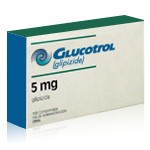
- Glucotrol (Glipizide SR 10mg) - shorter-acting
How Sulfonylureas Work
- Bind to sulfonylurea receptor on pancreatic beta cells
- Close potassium channels
- Trigger insulin release
- Works only if pancreas can still produce insulin
- Effect lasts hours to full day
Uses
- Type 2 diabetes
- Add-on to metformin
- Alternative when metformin not tolerated
- Multiple medication regimens
Sulfonylurea considerations:
- Hypoglycemia risk - major concern, especially elderly
- Weight gain (2-5 kg typical)
- Beta cell exhaustion over time
- May need dose adjustment during illness
- Take with meals
- Sulfa allergy consideration
- Alcohol interaction
💊 Meglitinides - Prandin and Starlix
Meglitinides stimulate insulin release like sulfonylureas but with shorter duration - useful for meal-time glucose control.
Meglitinides on RXshop
- Prandin (Repaglinide 2mg) - most common
- Starlix (Nateglinide 120mg)

How Meglitinides Work
- Short-acting insulin secretagogues
- Take with meals
- Duration 3-4 hours
- Target post-meal glucose
- Reduces post-meal spikes
Uses
- Post-meal glucose control
- Erratic eating schedules
- Kidney disease (repaglinide safer than sulfonylureas)
- Alternative to sulfonylureas
Considerations
- Skip if skipping meal
- Hypoglycemia risk (less than sulfonylureas)
- Weight gain
- Multiple daily doses
- Interactions with gemfibrozil (avoid combination)

💊 Thiazolidinediones (TZDs) - Actos and Avandia
Thiazolidinediones (TZDs) improve insulin sensitivity in muscles, fat, and liver. Now used less due to side effect concerns.
TZDs on RXshop
How TZDs Work
- Activate PPAR-gamma receptors
- Improve insulin sensitivity
- Reduce insulin resistance
- Effects on fat cell differentiation
- Slow onset (weeks to months)
Uses
- Type 2 diabetes
- Add-on therapy
- NAFLD (Actos)
- Metabolic syndrome
Important TZD warnings:
- Heart failure - increased risk, contraindicated in heart failure
- Weight gain significant
- Fluid retention
- Bone fractures - increased risk in women
- Bladder cancer - possible link with Actos
- Avandia - previously restricted due to cardiovascular concerns
- Regular liver function monitoring
💊 Alpha-Glucosidase Inhibitors - Precose
Precose (Acarbose 50mg) works by slowing carbohydrate absorption from intestine.
How Acarbose Works
- Inhibits alpha-glucosidase enzymes in intestine
- Slows breakdown of complex carbs
- Reduces post-meal glucose spikes
- Take with first bite of meal
- Modest HbA1c reduction
Uses
- Post-meal glucose control
- Add-on therapy
- Type 2 diabetes
Considerations
- GI side effects prominent (gas, bloating, diarrhea)
- Start low, titrate slowly
- No hypoglycemia when used alone
- If hypoglycemia occurs with other drugs, use glucose (not table sugar)
- Weight-neutral
💊 DPP-4 Inhibitors - Januvia and Sitasmart
DPP-4 inhibitors enhance the incretin hormone system, providing meal-related glucose control without causing hypoglycemia.
DPP-4 Inhibitors on RXshop
How DPP-4 Inhibitors Work
- Inhibit dipeptidyl peptidase-4 enzyme
- Prolong incretin hormone (GLP-1, GIP) action
- Increase insulin release in response to meals
- Decrease glucagon
- Slows gastric emptying slightly
- Glucose-dependent action
Advantages
- Low hypoglycemia risk
- Weight-neutral
- Once-daily dosing
- Well-tolerated
- Effective as add-on therapy
- Simple regimen
Considerations
- Modest HbA1c reduction (0.5-0.8 percent)
- Adjust for kidney function
- Rare pancreatitis risk
- Rare severe joint pain
- Higher cost
- Report severe abdominal pain
💊 SGLT2 Inhibitors
SGLT2 inhibitors are newer diabetes medications with impressive cardiovascular and kidney benefits beyond glucose control.
SGLT2 Inhibitors on RXshop
- Dapavel (Dapagliflozin 10mg)
- Dapasmart (Dapagliflozin 10mg) - alternative brand
- Dapanta (Dapagliflozin 10mg) - alternative brand
- Canagliflowin (Canagliflozin 100mg)
How SGLT2 Inhibitors Work
- Block sodium-glucose cotransporter 2 in kidneys
- Prevent glucose reabsorption
- Excrete glucose in urine (about 70g daily)
- Independent of insulin
- Also cause mild diuresis
- Cardiovascular and kidney benefits
Beyond Diabetes - Additional Uses
- Heart failure - reduces hospitalizations and death
- Chronic kidney disease - slows progression
- Cardiovascular protection in high-risk diabetics
Advantages
- Cardiovascular benefits (proven)
- Kidney protection
- Weight loss (typically 2-3 kg)
- Modest BP reduction
- Low hypoglycemia risk
- Once-daily dosing
Important SGLT2 considerations:
- Genital fungal infections - common
- Urinary tract infections - increased risk
- Dehydration - increase fluid intake
- Diabetic ketoacidosis - rare but serious (even at normal glucose)
- Fournier gangrene - very rare
- Amputation risk (canagliflozin)
- Bone fractures (canagliflozin)
- Reduces effectiveness in advanced kidney disease
💊 Combination Medications
Combination pills improve adherence and simplify regimens.
Combinations Available
- Oxramet XR (Dapagliflozin + Metformin 10/500mg) - dual therapy
- Oxramet-S XR (Dapagliflozin + Sitagliptin + Metformin 10/100/1000mg) - triple therapy

Benefits of Combination Therapy
- Fewer pills
- Better adherence
- Synergistic effects
- Simpler regimens
- Convenient

💉 Insulin Therapy
Insulin is essential for Type 1 diabetes and often needed in advanced Type 2 diabetes.
Types of Insulin
- Rapid-acting (lispro, aspart, glulisine) - meal doses
- Short-acting (regular) - meal doses
- Intermediate (NPH) - twice-daily
- Long-acting (glargine, detemir, degludec) - basal
- Ultra-long-acting (degludec) - basal
- Mixed insulins - convenience
- Inhaled insulin - alternative for some
Insulin Regimens
- Basal only
- Basal-bolus (multiple daily injections)
- Insulin pump therapy
- Continuous glucose monitoring integration
- Closed-loop systems (artificial pancreas)
💚 Non-Medication Diabetes Management
Essential diabetes self-management:
- Regular blood glucose monitoring
- HbA1c tracking
- Healthy diet - carbohydrate awareness
- Regular exercise - 150 minutes weekly
- Weight management
- Medication adherence
- Foot care daily
- Regular medical follow-up
- Annual eye examinations
- Annual dental care
- Vaccinations (flu, pneumonia, COVID)
- Stress management
- Adequate sleep
- Smoking cessation
- Alcohol moderation
Diabetes Nutrition
- Emphasize non-starchy vegetables
- Lean proteins
- Whole grains
- Healthy fats (olive oil, nuts, avocado)
- Limit sugary drinks
- Limit refined carbs
- Carbohydrate counting
- Consistent meal times
- Portion control
- Mediterranean or DASH diet
- Registered dietitian consultation valuable
Exercise Benefits
- Improves insulin sensitivity
- Reduces HbA1c
- Weight loss support
- Cardiovascular protection
- Blood pressure improvement
- Mood enhancement
- Sleep improvement
- Check glucose before/after exercise
- Adjust insulin/food as needed
💉 DDAVP for Diabetes Insipidus
DDAVP (Desmopressin 2.5ml/10mcg) treats diabetes insipidus - a completely different condition from diabetes mellitus.

What is Diabetes Insipidus?
- Deficiency of antidiuretic hormone (ADH)
- Or kidney insensitivity to ADH
- Causes extreme thirst and urination
- Not related to blood sugar
- Different mechanism from diabetes mellitus
- Rare condition
How DDAVP Works
- Synthetic vasopressin analog
- Replaces deficient ADH
- Reduces urine output
- Concentrates urine
- Available as nasal spray, tablets, injection
Uses
- Central diabetes insipidus
- Nocturnal enuresis (bedwetting)
- Bleeding disorders (von Willebrand disease)
- Some other specific uses

👩 Special Populations
Elderly
- Individualized HbA1c targets (7.5-8.5)
- Avoid hypoglycemia
- Prefer newer medications (DPP-4, SGLT2)
- Cautious with sulfonylureas
- Simplified regimens
Pregnancy
- Insulin preferred for most cases
- Metformin sometimes used
- Most oral medications avoided
- Tight control essential
- Pre-pregnancy planning important
Kidney Disease
- Adjust doses of most medications
- Metformin - contraindicated in severe CKD
- SGLT2 inhibitors - benefit even in CKD (slow progression)
- DPP-4 inhibitors - dose adjust
- Sulfonylureas - hypoglycemia risk
🤔 Common Myths About Diabetes
- Myth: Eating sugar causes diabetes
- Fact: Type 2 diabetes results from insulin resistance and genetics. Sugar contributes to obesity which is risk factor. Type 1 unrelated to sugar consumption.
- Myth: Diabetics cannot eat any sugar
- Fact: Diabetics can eat sugar in moderation as part of balanced diet with carbohydrate counting. Complete avoidance unnecessary.
- Myth: Type 2 is mild diabetes
- Fact: All diabetes is serious. Type 2 causes same complications as Type 1 if uncontrolled. Requires active management.
- Myth: Diabetes medications cure diabetes
- Fact: Medications control glucose but do not cure. Diabetes is chronic condition requiring lifelong management.
- Myth: Only overweight people get diabetes
- Fact: Many normal-weight people develop diabetes. Genetics, ethnicity, age all contribute. Anyone can develop diabetes.
- Myth: Diabetes always requires insulin
- Fact: Type 1 always needs insulin. Type 2 often manageable with oral medications initially. Progression varies.
🚨 When to See a Doctor
EMERGENCY - Call 911 for:
- Signs of DKA (diabetic ketoacidosis): nausea, vomiting, fruity breath, confusion
- Severe hypoglycemia (unconscious, seizure)
- Chest pain, stroke symptoms
- Severe abdominal pain (possible pancreatitis)
- Signs of severe infection
- Fournier gangrene signs (perineal pain, swelling)
See doctor for:
- New diabetes symptoms
- HbA1c not at target
- Frequent hypoglycemia
- Foot problems
- Vision changes
- Kidney concerns
- Medication side effects
- Pregnancy planning
- Weight changes
- Elevated blood pressure
- Regular follow-up (every 3-6 months)
🌟 Key Takeaways
Essential points about diabetes:
- 537 million adults affected globally
- Multiple types - Type 1, Type 2, gestational
- Complications preventable with control
- Metformin first-line: Glucophage, Glycoheal
- Sulfonylureas: Amaryl, Glucotrol
- Meglitinides: Prandin, Starlix
- DPP-4 inhibitors: Januvia, Sitasmart
- SGLT2 inhibitors with cardiovascular/kidney benefits
- TZDs: Actos, Avandia - use with caution
- Combinations: Oxramet XR, Oxramet-S XR
- DDAVP for diabetes insipidus (different condition)
- Self-monitoring essential
- Lifestyle changes vital
- Multidisciplinary approach best
- Regular follow-up prevents complications
Important Medical Disclaimer: This educational guide provides general information about diabetes and diabetes medications and does not constitute individualized medical advice. Diabetes management requires evaluation and ongoing care by qualified healthcare providers including endocrinologists, diabetes educators, dietitians, and primary care physicians. Type 1 diabetes always requires insulin - life-threatening if untreated. Type 2 diabetes progression varies - may require multiple medications and eventually insulin. All diabetes medications have specific dosing, monitoring requirements, and side effect profiles. Metformin can cause GI upset and rare lactic acidosis - avoid in severe kidney disease. Sulfonylureas cause hypoglycemia and weight gain. TZDs like pioglitazone and rosiglitazone contraindicated in heart failure. SGLT2 inhibitors carry risks of genital infections, dehydration, and rare diabetic ketoacidosis even at normal glucose levels. DPP-4 inhibitors well-tolerated but modest efficacy. Diabetes insipidus (treated with DDAVP) is completely separate condition from diabetes mellitus. Hypoglycemia can be life-threatening - patients on insulin or sulfonylureas need to recognize and treat promptly. Diabetic ketoacidosis is medical emergency requiring immediate treatment. Complications of diabetes affect virtually every organ system - cardiovascular disease, kidney failure, blindness, neuropathy, and amputation all preventable with good control. Regular monitoring essential including HbA1c every 3-6 months, annual eye and foot examinations, kidney function, lipids, and blood pressure. Special populations including pregnant women, elderly, and those with kidney or heart disease require individualized approaches. Self-management education crucial - includes glucose monitoring, medication adherence, nutrition, exercise, foot care, and recognition of complications. Never stop diabetes medications abruptly without medical guidance. Vaccinations important - flu, pneumococcal, COVID-19. Information here should complement but never replace direct professional medical guidance from qualified diabetes care team.
More Diabetes Medications