Endocrine FAQ — Common Questions About Fludrocortisone and Adrenal Disorders
1.What is fludrocortisone and how does it work?
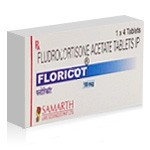
Florinef (Fludrocortisone 100mcg) is a synthetic mineralocorticoid - a hormone replacement that mimics the effects of aldosterone, which is naturally produced by the adrenal glands. Available since 1955 and remains essential treatment for adrenal insufficiency.
How fludrocortisone works:
Structure and properties:
- Synthetic corticosteroid
- Similar to cortisol with added fluorine atom
- Predominantly mineralocorticoid effects
- Some glucocorticoid activity (about 10x cortisol)
- Much more potent than natural cortisol for aldosterone effects
- Well-absorbed orally
Main uses:
- Addison disease (primary adrenal insufficiency)
- Congenital adrenal hyperplasia (CAH)
- Salt-wasting syndromes
- Orthostatic hypotension (off-label)
- Autonomic neuropathy
Requires specialist supervision for proper dosing and monitoring.
2.What is Addison disease?
Addison disease (primary adrenal insufficiency) is a rare disorder where the adrenal glands cannot produce adequate cortisol and often aldosterone. Named after Dr. Thomas Addison who first described it in 1855.
Prevalence:
- Approximately 100-140 per million people
- Slight female predominance
- Average age of onset: 30-50 years
- President John F. Kennedy had Addison disease
Causes:
- Autoimmune destruction (80% of cases) - most common in developed countries
- Tuberculosis - historically most common; still major in developing world
- Other infections (HIV, fungal)
- Adrenal hemorrhage
- Cancer metastases
- Genetic disorders (adrenoleukodystrophy)
- Certain medications
- Bilateral adrenalectomy (surgical removal)
Symptoms:
- Chronic fatigue
- Muscle weakness
- Weight loss and loss of appetite
- Hyperpigmentation (darkening of skin)
- Low blood pressure
- Dizziness on standing
- Salt craving
- Nausea and vomiting
- Depression, irritability
Blood test findings:
- Low sodium (hyponatremia)
- High potassium (hyperkalemia)
- Low blood sugar
- Low cortisol
- High ACTH
Treatment: Lifelong hormone replacement with cortisol (hydrocortisone) plus Florinef for aldosterone replacement.
3.What is an adrenal crisis and how do I recognize it?
Adrenal crisis is a life-threatening emergency requiring immediate hospital treatment. Can be fatal within hours if untreated.
What causes adrenal crisis:
- Missing medication doses
- Vomiting/diarrhea preventing absorption
- Untreated infection
- Trauma or surgery
- Severe stress
- Sudden discontinuation of steroids
- Unrecognized adrenal insufficiency
Symptoms of adrenal crisis:
- Severe weakness and fatigue
- Severe abdominal, back, or leg pain
- Severe vomiting and diarrhea
- Low blood pressure (may not respond to fluids)
- Rapid heart rate
- Confusion or loss of consciousness
- High fever or low temperature
- Severe muscle weakness
- Low blood sugar
- Coma (severe)
Emergency treatment:
Every patient with adrenal insufficiency should:
- Wear medical alert identification
- Carry emergency injection kit
- Have family/friends trained to administer
- Know sick day rules
- Have written action plan
- Know local emergency services
Prevention: Never miss doses, follow sick day rules, increase doses for stress/surgery, seek prompt medical care for illness. Modern awareness and treatment mean crisis is largely preventable.
4.What are the sick day rules for adrenal insufficiency?
Sick day rules are LIFE-SAVING for patients with adrenal insufficiency. Illness increases cortisol needs dramatically, and standard doses may be insufficient.
General principles:
- Increase hydrocortisone dose during illness
- Fludrocortisone dose usually stays the same
- Consult your endocrinologist for personalized plan
Mild illness (cold, minor infection):
- Double regular hydrocortisone dose
- Continue increased dose 2-3 days
- Return to normal when better
- Monitor symptoms
Moderate illness (fever, flu):
- Triple hydrocortisone dose
- Continue until fever resolves
- Seek medical evaluation
- Consider IV steroids if not tolerating oral
Severe illness or vomiting:
- EMERGENCY - use injection kit
- Give hydrocortisone injection immediately
- Go to emergency room
- Do not wait for improvement
Surgery preparation:
- Discuss with anesthesiologist and surgeon
- Extra doses before, during, after
- IV steroids for major surgery
- Monitor closely postoperatively
Dental procedures:
- Discuss with dentist
- Extra dose before major procedures
- Antibiotic prophylaxis sometimes
- Have emergency plan
Vaccinations:
- Continue routine immunizations
- Live vaccines discussed with endocrinologist
- Extra dose sometimes before/after
Signs to seek emergency care:
- Cannot keep medication down
- Vomiting/diarrhea persistent
- High fever
- Severe symptoms
- Confusion
- Very low blood pressure
Always err on side of MORE medication - too much for short period is safer than too little.
5.How is fludrocortisone dosed for Addison disease?
Fludrocortisone (Florinef 100mcg) dosing is individualized based on clinical response and biochemical monitoring.
Typical adult dosing for Addison disease:
- 50-200 mcg once daily
- Most patients: 100 mcg daily
- Some need higher doses (up to 300 mcg)
- Some do well on lower doses
How to take:
- Once daily in morning
- With food to reduce GI upset
- Same time each day
- Consistent timing important
Combined with hydrocortisone:
- Cortisol replacement essential
- Fludrocortisone alone insufficient
- Both needed for complete adrenal replacement
- Different dosing schedules
Dose titration:
- Start with low dose
- Monitor blood pressure
- Monitor electrolytes (sodium, potassium)
- Adjust based on response
- Weekly monitoring initially
- Then every 3-6 months
Signs dose is too low:
- Persistent dizziness on standing
- Low blood pressure
- Salt craving
- Low sodium (hyponatremia)
- High potassium (hyperkalemia)
- Fatigue
Signs dose is too high:
- High blood pressure
- Ankle swelling
- Weight gain
- Headaches
- Muscle weakness
- Low potassium (hypokalemia)
Missed dose:
- Take as soon as remembered same day
- Skip if close to next dose
- NEVER double dose
- Return to regular schedule
Adjustments needed for:
- Illness (usually keep same)
- Hot weather (may need more salt)
- Exercise (may need more)
- Pregnancy (needs increase)
6.Can fludrocortisone treat orthostatic hypotension?
Yes, Fludrocortisone is commonly used off-label for orthostatic hypotension, especially neurogenic forms not responding to other treatments.
What is orthostatic hypotension?
- Blood pressure drops significantly on standing
- Causes dizziness, lightheadedness
- Can cause fainting and falls
- Multiple causes
Types responsive to fludrocortisone:
- Neurogenic orthostatic hypotension - autonomic failure
- Multiple system atrophy
- Parkinson disease with autonomic involvement
- Pure autonomic failure
- Diabetic autonomic neuropathy
- POTS (Postural Orthostatic Tachycardia Syndrome)
- Chronic fatigue syndrome with orthostatic intolerance
How it helps:
Dosing for orthostatic hypotension:
- Start with 50-100 mcg daily
- Titrate up to 300 mcg daily if needed
- Some patients need twice daily
- Individualized based on response
What to expect:
- Improvement in 1-2 weeks
- Full effect at 4-6 weeks
- Combined with lifestyle measures
- Salt intake usually increased
- Compression stockings help
Considerations:
- Watch blood pressure (both standing and lying)
- Supine hypertension can develop
- Elevate head of bed
- Not for treatment during acute crisis
- Combined with other therapies often
Other measures for orthostatic hypotension:
- Adequate hydration
- Salt intake increase
- Compression stockings
- Slow position changes
- Avoid triggers (large meals, hot weather)
- Physical counter-maneuvers
7.What is congenital adrenal hyperplasia (CAH)?
Congenital adrenal hyperplasia (CAH) is a group of genetic disorders affecting cortisol production by the adrenal glands. Different subtypes have varying severity.
How it happens:
- Genetic mutations in cortisol production enzymes
- Most common: 21-hydroxylase deficiency (95% of cases)
- Adrenals cannot make cortisol properly
- ACTH elevates trying to stimulate production
- Adrenals enlarge (hyperplasia)
- Precursor hormones accumulate
- Some convert to androgens (masculinization)
Types:
- Classic salt-wasting form (75%) - severe, cortisol AND aldosterone deficient; diagnosed in infancy
- Classic simple virilizing (25%) - cortisol deficient, some aldosterone activity
- Non-classic (late-onset) - milder; presents in childhood or adulthood
Salt-wasting form symptoms:
- Newborn crisis with vomiting, dehydration
- Failure to thrive
- Ambiguous genitalia (girls)
- Salt wasting
- Hyperkalemia
- Life-threatening in infancy
Classic simple virilizing:
- Ambiguous genitalia in girls
- Early puberty in boys
- Growth abnormalities
- Excess androgens
Non-classic CAH:
- Milder symptoms
- Irregular periods
- Hirsutism
- Acne
- Infertility
- May be discovered in adulthood
Treatment:
- Glucocorticoid replacement (hydrocortisone in children)
- Fludrocortisone for salt-wasting form
- Salt supplementation in infants
- Lifelong therapy
- Genetic counseling
- Sometimes reconstructive surgery
Newborn screening for CAH is standard in developed countries. Early diagnosis and treatment prevents life-threatening crisis.
8.What are the side effects of fludrocortisone?
Fludrocortisone side effects are mostly related to excess mineralocorticoid effects (fluid retention, blood pressure). Most are dose-related and manageable with proper monitoring.
Common side effects:
- High blood pressure (hypertension) - most common concern
- Fluid retention and swelling (edema)
- Weight gain
- Low potassium (hypokalemia)
- Headaches
- Muscle weakness (from low potassium)
- Heart palpitations
- Metabolic alkalosis
Less common:
- Bone thinning (osteoporosis) with long-term use
- Growth suppression in children (long-term)
- Skin changes (thinning, easy bruising)
- Immune suppression at higher doses
- Glucose intolerance
- Mood changes
- Cataracts (long-term)
- Increased infection risk
Signs of over-treatment (dose too high):
- Ankle swelling
- Weight gain over 2-3 lbs
- Elevated blood pressure
- Muscle weakness
- Low potassium on blood tests
Signs of under-treatment (dose too low):
- Dizziness on standing
- Low blood pressure
- Salt craving
- Low sodium (hyponatremia)
- High potassium (hyperkalemia)
- Fatigue
Monitoring to prevent problems:
- Regular blood pressure checks
- Weight monitoring
- Blood tests (electrolytes, kidney function)
- Bone density (long-term use)
- Eye exams
- Blood sugar
Managing side effects:
- Adjust dose (not stopping)
- Monitor blood pressure home
- Track weight daily
- Report symptoms to doctor
- Regular follow-up with endocrinologist
Never adjust dose yourself - always consult prescriber. Small dose changes can significantly affect balance.
9.Why do I need salt on fludrocortisone?
Adequate salt (sodium) intake is essential for patients on fludrocortisone therapy, especially those with Addison disease.
Why salt is important:
- Fludrocortisone requires sodium to work effectively
- Adrenal insufficiency causes salt wasting
- Low sodium leads to symptoms even on medication
- Salt craving is body signal of need
- Extra needed in hot weather, exercise
Recommended salt intake:
- Normal to increased amounts
- Do NOT restrict unless directed
- Follow salt craving cues
- Extra in hot weather or exercise
- Extra during illness
Good salt sources:
- Regular table salt on food
- Broths and soups
- Salted nuts
- Pickles
- Salty snacks (in moderation)
- Pretzels
- Salt tablets if needed
How much is enough?
- General population: 2300mg (1 tsp) daily
- Addison patients: often more
- Individual needs vary
- Follow craving
- Blood tests guide (sodium levels)
Signs you need MORE salt:
- Intense salt craving
- Dizziness on standing
- Low blood pressure
- Fatigue
- Low sodium on blood tests
- Symptoms in hot weather
Situations requiring extra salt:
- Hot weather
- Prolonged exercise
- Sweating profusely
- Fever
- Diarrhea or vomiting
- Long walks or hikes
Contrast with general population:
- Most people need to REDUCE salt for hypertension
- Addison patients often need MORE
- Follow specific medical advice
- Consultation with doctor important
Salt tablets:
- Available if dietary salt insufficient
- Prescribed for specific situations
- Discuss with doctor
- Not for everyone
Warning: If you develop high blood pressure or swelling, may need to reduce salt AND fludrocortisone dose. Doctor supervision essential.
10.Can fludrocortisone be used during pregnancy?
Yes, fludrocortisone can and should be continued during pregnancy for patients with adrenal insufficiency, though careful monitoring needed.
Why continue during pregnancy:
- Untreated adrenal insufficiency dangerous for mother and baby
- Adrenal crisis risk if discontinued
- Pregnancy actually increases hormone needs
- Long safety history in pregnancy
- Essential replacement therapy
Pregnancy category:
- FDA Category C - some risk possible
- Benefits outweigh risks for adrenal insufficiency
- Placenta metabolizes some fludrocortisone
- Fetal exposure limited
Dosing changes:
- May need dose increase in late pregnancy
- Extra doses during delivery (stress dose)
- Individualized based on symptoms
- Blood pressure monitoring important
Monitoring in pregnancy:
- Regular blood pressure checks
- Weight tracking
- Electrolyte monitoring
- Symptoms review
- Ultrasound as scheduled
- Multi-disciplinary team involvement
Delivery considerations:
- Stress dose steroids for labor/delivery
- IV steroids often needed
- Monitor mother closely
- Baby watched for adrenal issues if genetic cause
Postpartum:
- Return to pre-pregnancy dose
- Watch for adrenal crisis
- Extra doses for breastfeeding start
- Regular follow-up
Breastfeeding:
- Small amounts in breast milk
- Generally considered compatible
- Monitor infant if concerns
- Discuss with pediatrician
Congenital adrenal hyperplasia pregnancy:
- Specific considerations if genetic form
- Dexamethasone sometimes used to prevent fetal virilization
- Specialized care needed
- Genetic counseling important
Preconception planning:
- Optimize disease control
- Review all medications
- Endocrinologist and obstetrician team
- Discuss risks and expectations
- Ensure emergency preparedness
11.Is fludrocortisone the same as steroids for bodybuilding?
NO - fludrocortisone is completely different from anabolic steroids used for bodybuilding. Different chemical structure, different effects, different uses.
Fludrocortisone (Florinef):
- Corticosteroid (like cortisol)
- Mineralocorticoid effects primarily
- Regulates salt, water, blood pressure
- NOT anabolic (does not build muscle)
- Replaces missing adrenal hormones
- Prescription medication
- Different receptor targets
Anabolic steroids (misused for bodybuilding):
- Synthetic testosterone derivatives
- Promote muscle growth
- Enhance male characteristics
- Different receptor system
- Illegal without prescription for enhancement
- Multiple serious side effects
- Different medical uses (testosterone deficiency)
Common misconception:
- "Steroid" used loosely for different drugs
- Corticosteroids vs anabolic steroids very different
- Fludrocortisone will NOT build muscle
- Will NOT enhance athletic performance
Other corticosteroids:
- Prednisone - glucocorticoid mainly (anti-inflammatory)
- Hydrocortisone - both effects
- Dexamethasone - potent glucocorticoid
- Different medical uses
Fludrocortisone safety:
- Safe when used as prescribed
- At replacement doses, minimal glucocorticoid effects
- Does not cause "steroid" muscle building
- Does not cause typical anabolic steroid side effects
Athletic considerations:
- Fludrocortisone permitted for medical use
- Requires therapeutic use exemption (TUE) in competition
- Not performance-enhancing
- Not banned when medically indicated
Common corticosteroid concerns (mostly at high doses):
- Bone thinning
- Skin changes
- Blood sugar effects
- Immune suppression
- Weight gain
- These at doses much higher than replacement
12.What causes adrenal insufficiency?
Multiple causes exist for adrenal insufficiency, categorized as primary (adrenal gland problem) or secondary (pituitary/hypothalamic problem).
Primary adrenal insufficiency (Addison disease):
Damage to adrenal glands themselves.
- Autoimmune destruction (80% of cases) - most common in developed countries
- Tuberculosis - historically most common globally
- Fungal infections (histoplasmosis, coccidioidomycosis)
- HIV/AIDS related
- Adrenal hemorrhage - trauma, meningococcemia (Waterhouse-Friderichsen)
- Cancer metastases
- Adrenoleukodystrophy - genetic
- Congenital adrenal hyperplasia
- Bilateral adrenalectomy
- Certain medications - ketoconazole, etomidate
- Adrenal gland cancer (rare)
Secondary adrenal insufficiency:
Pituitary problem (low ACTH), does NOT affect aldosterone.
- Long-term steroid use - most common cause
- Pituitary tumors
- Pituitary surgery
- Radiation therapy
- Head trauma
- Sheehan syndrome (postpartum)
- Sarcoidosis
- Autoimmune hypophysitis
Tertiary adrenal insufficiency:
Hypothalamic problem.
- Long-term glucocorticoid use
- Chronic pain requiring high-dose opioids
- Hypothalamic tumors
- Head trauma
Key difference:
- Primary (Addison): BOTH cortisol AND aldosterone deficient - needs BOTH replaced with hydrocortisone AND fludrocortisone
- Secondary/Tertiary: Only cortisol deficient - fludrocortisone NOT usually needed
Diagnosis:
- Cortisol level testing
- ACTH stimulation test
- ACTH level
- Autoimmune antibodies (21-hydroxylase for Addison)
- Imaging (CT adrenals, MRI pituitary)
- Genetic testing when appropriate
Prevention strategies:
- Cannot prevent most forms
- Autoimmune polyglandular syndromes may have family patterns
- Certain medications require careful tapering
- Never stop long-term steroids suddenly
13.What is POTS and can fludrocortisone help?
POTS (Postural Orthostatic Tachycardia Syndrome) is a form of dysautonomia characterized by rapid heart rate increase on standing without significant blood pressure drop.
What is POTS:
- Heart rate increases 30+ bpm on standing (within 10 minutes)
- Symptoms of orthostatic intolerance
- No orthostatic hypotension
- Affects mostly young women (5:1 female to male)
- Approximately 1-3 million Americans affected
Symptoms:
- Dizziness or lightheadedness on standing
- Rapid heart rate
- Fatigue
- Brain fog
- Exercise intolerance
- Headaches
- Nausea
- Palpitations
- Cold or blue extremities
- Fainting (some patients)
Causes and triggers:
- Often after viral illness
- Post-COVID POTS increasingly recognized
- Autoimmune conditions
- Ehlers-Danlos syndrome
- Deconditioning
- Genetic factors
- Post-pregnancy
How fludrocortisone helps:
- Increases blood volume
- Improves standing blood pressure
- Reduces symptoms
- Often used with other treatments
- Not first-line for all patients
Typical POTS management:
1. Non-medication (first-line):
- Increased fluid intake (2-3 liters daily)
- Increased salt (5-10 grams daily)
- Compression stockings (waist-high preferred)
- Gradual reconditioning exercise
- Elevate head of bed
- Cool environment
- Small frequent meals
2. Medications (as needed):
- Fludrocortisone - volume expansion
- Midodrine - vasoconstrictor
- Beta-blockers - heart rate control
- Ivabradine - heart rate without BP effect
- Pyridostigmine - some patients
POTS-specific considerations:
- Individual response varies
- May need multiple medications
- Slow titration
- Symptom-based dosing
- Regular monitoring
Living with POTS:
- Cardiac rehabilitation programs
- Physical therapy
- Mental health support
- Pacing activities
- Support groups helpful
- Understanding employer
Prognosis: Many patients improve significantly with treatment. Some achieve remission. Others manage chronic symptoms.
14.What drug interactions matter with fludrocortisone?
Fludrocortisone has important drug interactions requiring careful management.
Enhanced potassium loss (dangerous):
- Diuretics (furosemide, hydrochlorothiazide) - additive potassium loss
- Amphotericin B - severe hypokalemia risk
- Insulin - shifts potassium
- Corticosteroids (other) - additive effects
Increased digoxin toxicity:
- Low potassium increases digoxin sensitivity
- Higher risk of dangerous arrhythmias
- Monitor levels closely
- Watch for toxicity signs
Reduced fludrocortisone effectiveness:
- Barbiturates (phenobarbital)
- Phenytoin (Dilantin)
- Rifampin
- Cholestyramine
- These increase steroid metabolism
- May need dose increase
NSAID interactions:
- Increase GI bleeding risk
- Fluid retention
- May increase blood pressure
- Use with caution
Live vaccines:
- At replacement doses - usually OK
- At higher doses - avoid
- Include MMR, varicella, yellow fever
- Discuss with specialist
- Inactivated vaccines fine
Warfarin (Coumadin):
- Variable INR effects
- More frequent monitoring
- Adjust warfarin as needed
Diabetes medications:
- May increase blood sugar
- Adjust diabetes medications
- Monitor glucose
ACE inhibitors/ARBs:
- Potassium-preserving effect
- Can offset fludrocortisone potassium loss
- Careful monitoring
Best practices:
- Complete medication list to all providers
- Include OTC medications
- Include supplements
- Herbal medicines discussed
- Pharmacist review helpful
- Discuss any new medications
- Update medical records
Salt substitutes:
- Many contain potassium chloride
- Can affect potassium balance
- Discuss with doctor
Alcohol:
- Not directly interacting
- Can affect blood pressure
- May worsen dehydration
- Limit strictly
15.How is fludrocortisone monitored during treatment?
Regular monitoring is essential to ensure fludrocortisone dose is appropriate and to detect side effects early.
Home monitoring:
- Blood pressure - regularly (weekly if new medication or dose changes)
- Weight - daily or weekly
- Watch for edema - ankle swelling
- Symptom tracking - dizziness, energy level
- Fluid balance
Blood test monitoring:
- Sodium - crucial
- Potassium - crucial
- Kidney function (creatinine, BUN)
- Glucose
- Complete blood count
Frequency of monitoring:
New start or dose change:
- Weekly blood pressure
- Blood tests at 1-2 weeks
- Adjust as needed
Stable maintenance:
- Blood pressure at every visit
- Blood tests every 3-6 months
- Symptom review
Long-term monitoring (yearly):
- Bone density (DEXA scan every 2-3 years)
- Eye examinations (annually)
- Cardiovascular risk assessment
- Vaccination status
Additional Addison monitoring:
- Cortisol replacement (hydrocortisone)
- Signs of over/under replacement
- Quality of life
- Complications screening
- Autoimmune polyglandular screening
Endocrinologist visits:
- Every 6-12 months when stable
- More frequent for new diagnosis
- Any medication changes
- Concerns or symptoms
What monitoring reveals:
Signs of over-treatment:
- Elevated blood pressure
- Weight gain over 2-3 lbs
- Ankle swelling
- Low potassium
- Elevated sodium
Signs of under-treatment:
- Low blood pressure
- Dizziness on standing
- Salt craving persists
- Low sodium
- High potassium
- Fatigue
Emergency situations requiring immediate evaluation:
- Signs of adrenal crisis
- Cannot keep medications down
- Severe electrolyte problems
- Very high blood pressure
- Suspected infection
Records to keep:
- Blood pressure log
- Weight chart
- Symptom diary
- Medication list
- Laboratory results
- Provider contacts
16.Can I stop fludrocortisone if I feel better?
NO - NEVER stop fludrocortisone without medical guidance. Doing so can be life-threatening.
Why you cannot stop:
- Feeling better ON medication does not mean disease is gone
- Addison disease and CAH are LIFELONG conditions
- Adrenal glands cannot produce aldosterone on their own
- Stopping medication causes symptoms to return
- Sudden stopping can trigger adrenal crisis
- Adrenal crisis is life-threatening
What happens if you stop:
- Sodium drops (hyponatremia)
- Potassium rises (hyperkalemia)
- Blood pressure drops
- Severe dehydration
- Cardiac arrhythmias possible
- Confusion and weakness
- Adrenal crisis
- Death if not treated
Timeline of consequences:
- Symptoms within days
- Severe symptoms within 1-2 weeks
- Crisis possible with any stress
- Progression rapid without treatment
When medication CAN be stopped:
- Very rare situations under medical supervision
- Some transient causes of adrenal insufficiency (rare)
- Gradual taper only under specialist care
- With intensive monitoring
- Backup emergency plan essential
Occasional dose adjustments:
- Made by endocrinologist only
- Based on symptoms and testing
- Not stopping entirely
- Small changes typically
- Never patient-initiated
Situations requiring MORE medication:
- Illness (sick day rules)
- Surgery
- Trauma
- Major stress
- Pregnancy (increased needs)
- Some medications
Perspective from similar conditions:
- Similar to insulin for Type 1 diabetes
- Cannot be stopped without disease returning
- Not a failure - it is management
- Modern treatment allows normal life
Support and adherence:
- Adhere strictly to prescribed regimen
- Set alarms for doses
- Have backup supplies
- Travel with extra medication
- Emergency plan in place
- Medical alert identification
If you have concerns:
- Discuss with endocrinologist
- Do NOT stop yourself
- Get all questions answered
- Understand the risks
- Have a plan for adherence
Long-term outlook:
- With proper treatment, near-normal life expectancy
- Quality of life good
- Modern medication effective
- Regular follow-up ensures optimal treatment
17.What is the difference between mineralocorticoids and glucocorticoids?
Both are steroid hormones from the adrenal cortex but have distinct functions and are affected by different disorders.
Mineralocorticoids (like aldosterone/fludrocortisone):
- Regulate salt and water balance
- Increase sodium reabsorption in kidney
- Increase potassium excretion
- Maintain blood volume
- Regulate blood pressure
- Act through mineralocorticoid receptors
Glucocorticoids (like cortisol/hydrocortisone):
- Regulate metabolism (glucose, protein, fat)
- Anti-inflammatory effects
- Immune system regulation
- Stress response
- Wound healing
- Cardiovascular function
- Multiple other effects
- Act through glucocorticoid receptors
Comparison table:
Addison disease:
- Both cortisol AND aldosterone deficient
- Requires BOTH replacement medications
- Hydrocortisone + fludrocortisone
- Cannot use just one
Secondary adrenal insufficiency:
- Only cortisol deficient
- Aldosterone typically preserved
- Only glucocorticoid replacement needed
- Fludrocortisone usually NOT needed
Congenital adrenal hyperplasia (salt-wasting):
- Both cortisol AND aldosterone affected
- Both replacements needed
Fludrocortisone glucocorticoid effect:
- At replacement doses (100mcg), minimal glucocorticoid effect
- At higher doses, more glucocorticoid activity
- Not adequate as sole glucocorticoid replacement
- Hydrocortisone still needed
Testing:
- Different tests for different deficiencies
- ACTH test for cortisol
- Aldosterone level for mineralocorticoid
- Renin level useful
18.What emergency preparations should I have?
Every patient with adrenal insufficiency needs comprehensive emergency preparedness. Life-threatening crisis can occur with any illness or stress.
1. Medical Alert Identification:
- Medical alert bracelet or necklace - always worn
- State: "Adrenal insufficiency" or "Addison disease"
- Include: "Requires steroids in emergency"
- Include emergency contact
- Include emergency medication instructions
2. Emergency Medication Kit:
- Injectable hydrocortisone (100mg vial)
- Syringes and needles
- Alcohol swabs
- Instructions for family/friends
- Written protocol
- Backup dose available
- Check expiration dates regularly
3. Written Emergency Plan:
- Signs of adrenal crisis
- When to give emergency injection
- When to call 911
- Endocrinologist contact information
- Regular medications list
- Recent labs
- Allergies
- Family emergency contacts
4. Family/Friend Training:
- Recognize crisis symptoms
- Administer injection
- Call for help
- Provide medical information
- Basic first aid
5. Home Supplies:
- Extra medication (at least 1 month supply)
- Salt tablets if needed
- Sports drinks for hydration
- Thermometer
- Blood pressure monitor
6. Travel Preparations:
- Extra medication (double normal supply)
- Prescription copies
- Doctor letter
- Emergency injection kit
- Insurance information
- Medical facility locations
- Travel insurance
7. Documents:
- Wallet card with medical info
- Emergency contacts
- Insurance information
- Advance directives
- Endocrinologist letter
8. Communication:
- Employer aware
- Coworkers know
- School informed (children)
- Family understanding
- Regular updates
9. Dental/Surgical Prep:
- Discuss with all providers
- Stress dose steroids for procedures
- Endocrinologist consultation
- Post-procedure monitoring
10. Regular Reviews:
- Update emergency plan yearly
- Check medication expiration
- Refresh family training
- Update contacts
- Review with endocrinologist
Modern technology helps:
- Smartphone medical apps
- Digital medical ID
- Emergency contacts on phone
- Health record apps
- Telemedicine access
Support resources:
- National Adrenal Diseases Foundation
- Support groups
- Patient education materials
- Endocrinologist team
- Family counseling if needed
19.Can adrenal insufficiency be cured?
Currently no cure exists for most causes of adrenal insufficiency, but modern treatment allows near-normal life expectancy and quality of life.
Why cure is not possible:
- Autoimmune destruction cannot be reversed
- Genetic causes are permanent
- Damaged adrenal tissue does not regenerate
- Immune system does not "forget" attack
What IS possible:
- Full hormone replacement therapy
- Near-normal life expectancy
- Good quality of life
- Normal work and family life
- Pregnancy and childbearing
- Sports and exercise
- Travel and normal activities
Treatable causes:
- Tuberculosis - treatable but often permanent damage
- Some drug-induced causes - reversible after stopping drug
- Post-partum pituitary damage - permanent
- Surgical removal - permanent
Research directions:
- Stem cell therapy - preliminary studies
- Adrenal transplant - experimental
- Gene therapy - for genetic causes
- Immunotherapy - to halt autoimmune destruction
- Regenerative medicine - future potential
Modern treatment goals:
- Replace missing hormones adequately
- Avoid over- or under-replacement
- Prevent adrenal crisis
- Manage comorbid conditions
- Maintain quality of life
Living with adrenal insufficiency:
- Medications (hydrocortisone + fludrocortisone) taken daily
- Sick day rules
- Emergency preparedness
- Regular medical follow-up
- Normal diet with adequate salt
- Regular exercise
- Social support
Life expectancy:
- Historically shortened due to adrenal crisis
- Modern treatment: near-normal life expectancy
- Some studies show slightly reduced (due to complications)
- Early diagnosis and treatment improves outcomes
Quality of life considerations:
- Some patients report ongoing fatigue
- Optimal dosing important
- Coexisting autoimmune conditions common
- Mental health support helpful
- Patient support groups
Screening for related conditions:
- Type 1 diabetes
- Autoimmune thyroid disease
- Pernicious anemia
- Celiac disease
- Vitiligo
- Premature ovarian failure
Optimistic outlook:
- Most patients live full lives
- Modern medications effective
- Awareness and preparedness key
- Research continues
- Support networks strong
20.How does exercise affect fludrocortisone needs?
Exercise is beneficial for adrenal insufficiency patients but requires understanding of how physical activity affects medication needs.
Benefits of exercise:
- Improves overall health
- Reduces cardiovascular risk
- Better mood and energy
- Improves sleep
- Bone health
- Cardiovascular fitness
- Weight management
- Sense of wellbeing
Exercise-related considerations:
- Increased hydrocortisone needs
- Increased fluid loss (sweating)
- Increased salt loss
- Higher temperature body
- Higher heart rate
Fludrocortisone specifically:
- Dose usually stays the same
- Salt intake becomes more important
- Fluid intake crucial
- May need extra salt on hot days
Hydrocortisone (cortisol replacement) adjustments:
- Consider extra dose before prolonged/intense exercise
- Depending on duration and intensity
- Individual response varies
- Consult endocrinologist for plan
Pre-exercise preparation:
- Adequate hydration
- Sufficient salt intake
- Recent meal (not just before)
- Adequate rest
- Weather appropriate
During exercise:
- Stay well hydrated
- Sports drinks with electrolytes
- Monitor for symptoms
- Listen to body
- Avoid overheating
Post-exercise:
- Rehydrate thoroughly
- Restore electrolytes
- Salt-containing snacks
- Rest as needed
- Monitor blood pressure
- Watch for symptoms
Best types of exercise:
- Walking
- Swimming (indoor, temperature controlled)
- Cycling
- Yoga
- Light resistance training
- Cardiac rehabilitation programs
Higher intensity considerations:
- Marathon or triathlon requires specific planning
- Consult sports endocrinologist
- Adjust hydrocortisone dosing
- Emergency injection available
- Support team aware
Signs to stop and seek help:
- Severe fatigue
- Dizziness
- Nausea
- Severe headache
- Confusion
- Chest pain
- Rapid heart rate abnormal
- Signs of adrenal crisis
Sports and adrenal insufficiency:
- Requires therapeutic use exemption (TUE) for competition
- Not performance enhancing at replacement doses
- Not banned for medical use
- WADA rules apply
Team sports considerations:
- Inform coach/team
- Have emergency plan
- Emergency kit accessible
- Training partners aware
- Medical alert visible
Special situations:
- Hot weather - extra salt/water/possibly extra dose
- High altitude - additional considerations
- Cold weather - watch for hypothermia
- Prolonged activity - regular hydrocortisone doses
21.When should I see a doctor about adrenal or endocrine problems?
EMERGENCY - Call 911 for suspected adrenal crisis:
- Severe weakness or fatigue
- Severe abdominal pain
- Persistent vomiting
- Cannot keep medications down
- Severe low blood pressure
- Confusion or altered mental status
- Loss of consciousness
- Severe dehydration
- Fever with severe symptoms
See doctor promptly for:
Symptoms of adrenal insufficiency:
- Chronic unexplained fatigue
- Weight loss
- Skin darkening (hyperpigmentation)
- Salt craving
- Muscle weakness
- Dizziness on standing
- Low blood pressure
- Nausea/vomiting
- Loss of appetite
- Depression
If already diagnosed:
- Signs of medication problems
- Persistent symptoms despite treatment
- New medications planned
- Illness planning
- Surgery scheduled
- Dental procedures
- Pregnancy planning
- Vaccination questions
Regular follow-up needed:
- Endocrinologist: every 6-12 months
- Blood tests: every 3-6 months
- Blood pressure: monitor at home
- Weight tracking: regularly
- Vaccinations: keep updated
Warning signs of over-treatment:
- High blood pressure
- Weight gain
- Swelling
- Muscle weakness
- Frequent infections (higher steroid doses)
Warning signs of under-treatment:
- Persistent dizziness
- Low energy
- Salt craving
- Symptoms return
- Low blood pressure
Related conditions to screen:
- Autoimmune thyroid disease
- Type 1 diabetes
- Celiac disease
- Vitiligo
- Premature ovarian failure
- Other autoimmune conditions
Life event planning:
- Pregnancy planning discussions
- Career considerations
- Travel preparations
- Sports and exercise plans
- Insurance coverage
Specialist referrals may include:
- Endocrinologist (primary specialist)
- Genetic counseling (for genetic causes)
- Nutritionist
- Psychiatrist/psychologist (mental health)
- Physical therapist
- Occupational therapist
- Support groups
Never delay for concerning symptoms - adrenal crisis can be prevented with prompt attention. It is always better to check than to wait.
Family screening:
- Genetic causes may warrant family testing
- Autoimmune polyglandular syndrome patterns
- Congenital adrenal hyperplasia has genetic patterns
- Discuss with genetic counselor
Modern outlook:
- Excellent quality of life possible
- Near-normal life expectancy
- Requires commitment to management
- Regular medical care essential
- Emergency preparedness crucial
More Endocrine Medications