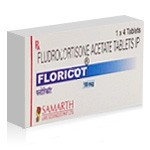
Endocrine Medications Guide — Fludrocortisone, Addison Disease, Adrenal Insufficiency
Endocrine disorders affect the glands and hormones that regulate virtually every body function - from metabolism and growth to blood pressure and reproduction. When endocrine glands fail to produce essential hormones, replacement therapy becomes life-saving. This educational guide covers endocrine system function, common endocrine disorders (especially adrenal insufficiency), and detailed information about Florinef (Fludrocortisone 100mcg) - a synthetic mineralocorticoid used for Addison disease, congenital adrenal hyperplasia, salt-wasting syndromes, and refractory orthostatic hypotension.
🧬 The Endocrine System
The endocrine system is a network of glands that produce and release hormones directly into the bloodstream to regulate body functions. Unlike the nervous system which sends rapid electrical signals, the endocrine system uses chemical messengers (hormones) for slower but longer-lasting effects on target tissues throughout the body.
Hormones control an astonishing range of functions including metabolism, growth and development, tissue function, sexual function, reproduction, sleep, mood, blood pressure, blood sugar, water and salt balance, calcium levels, and immune function. When endocrine glands under-produce or over-produce hormones, serious health problems result.
Key facts about the endocrine system:
- Multiple glands throughout body
- Hormones travel through blood to target tissues
- Complex feedback loops regulate levels
- Small amounts have huge effects
- Both deficiency and excess cause disease
- Replacement therapy life-saving for many conditions
- Regular monitoring essential
- Emergencies possible - adrenal crisis life-threatening
🧪 Major Endocrine Glands
| Gland | Location | Main Hormones |
|---|---|---|
| Hypothalamus | Brain | Releasing hormones (regulate pituitary) |
| Pituitary | Brain | Growth hormone, TSH, ACTH, LH, FSH, prolactin, ADH |
| Thyroid | Neck | T3, T4, calcitonin |
| Parathyroid | Neck (behind thyroid) | Parathyroid hormone (calcium regulation) |
| Adrenals | Above kidneys | Cortisol, aldosterone, DHEA, epinephrine |
| Pancreas | Abdomen | Insulin, glucagon, somatostatin |
| Ovaries | Pelvis (women) | Estrogen, progesterone, testosterone |
| Testes | Scrotum (men) | Testosterone, small estrogen |
| Pineal | Brain | Melatonin |
🩸 The Adrenal Glands and Aldosterone
The adrenal glands sit atop each kidney and produce essential hormones from two anatomical zones:
Adrenal Cortex (Outer Layer)
- Glucocorticoids (mainly cortisol) - stress response, glucose regulation, immune function, anti-inflammatory
- Mineralocorticoids (mainly aldosterone) - sodium retention, potassium excretion, blood pressure
- Adrenal androgens (DHEA) - precursor to sex hormones
Adrenal Medulla (Inner Layer)
- Epinephrine (adrenaline) - fight or flight response
- Norepinephrine - similar effects
Aldosterone Function
Aldosterone is the primary mineralocorticoid hormone. It plays crucial roles in:
- Sodium reabsorption in kidneys
- Potassium excretion in urine
- Water retention (follows sodium)
- Blood volume maintenance
- Blood pressure regulation
- Acid-base balance
What Regulates Aldosterone
- Renin-angiotensin system (main)
- Blood potassium levels
- ACTH (minor role)
- Blood pressure changes
- Blood volume changes
⚠ Addison Disease and Adrenal Insufficiency
What is Addison Disease?
Addison disease (primary adrenal insufficiency) is a rare disorder where the adrenal glands cannot produce adequate cortisol and often aldosterone. Named after Dr. Thomas Addison who first described it in 1855.
Statistics
- Prevalence: approximately 100-140 per million
- Slight female predominance
- Average age of onset: 30-50 years
- President John F. Kennedy had Addison disease
- Autoimmune cause most common (80% of cases)
Causes
- Autoimmune destruction (80% of cases) - most common in developed countries
- Tuberculosis - historically most common; still major in developing world
- Other infections (HIV, fungal)
- Adrenal hemorrhage
- Cancer metastases
- Genetic disorders (adrenoleukodystrophy)
- Certain medications
- Bilateral adrenalectomy (surgical removal)
Symptoms of Addison Disease
Common symptoms:
- Chronic fatigue
- Muscle weakness
- Loss of appetite
- Weight loss
- Hyperpigmentation (darkening of skin, gums, scars)
- Low blood pressure
- Dizziness on standing
- Salt craving
- Low blood sugar
- Nausea and vomiting
- Abdominal pain
- Depression, irritability
- Body aches
Blood test findings:
- Low sodium (hyponatremia)
- High potassium (hyperkalemia)
- Low blood sugar
- Low cortisol (or blunted response to ACTH stimulation)
- High ACTH (primary insufficiency)
- Positive adrenal antibodies (autoimmune)
Adrenal Crisis - Medical Emergency
Adrenal crisis is a life-threatening emergency requiring immediate treatment. Symptoms include severe weakness, confusion, severe abdominal or leg pain, severe vomiting, low blood pressure, and loss of consciousness. Can be fatal within hours. Requires immediate IV steroids, fluids, and hospital care. Patients with adrenal insufficiency should carry medical ID and emergency injectable steroids.
💊 Florinef (Fludrocortisone)
Florinef (Fludrocortisone 100mcg) is a synthetic mineralocorticoid - it replaces the missing aldosterone in various adrenal disorders. Available since 1955 and remains essential treatment for adrenal insufficiency.
What is Fludrocortisone?
- Synthetic corticosteroid
- Similar structure to cortisol with added fluorine
- Predominantly mineralocorticoid effects
- Some glucocorticoid activity (about 10x cortisol)
- Much more potent than natural cortisol for aldosterone effects
- Well-absorbed orally
How Fludrocortisone Works
- Binds to mineralocorticoid receptors in kidney
- Increases sodium reabsorption in distal tubule
- Water follows sodium (expansion of blood volume)
- Increases potassium excretion
- Increases hydrogen ion excretion
- Raises blood pressure
- Restores fluid and electrolyte balance
Approved and Common Uses
Addison disease:
- Replaces missing aldosterone
- Usually combined with cortisol/hydrocortisone replacement
- Lifelong treatment required
- Typical dose 50-200 mcg daily
Congenital adrenal hyperplasia (CAH):
- Genetic disorder affecting cortisol/aldosterone production
- Salt-wasting form especially requires fludrocortisone
- Diagnosed in newborns or later
- Lifelong treatment
Salt-wasting syndromes:
- Hypoaldosteronism
- Certain kidney tubular disorders
- Pseudohypoaldosteronism
Off-Label Uses
Orthostatic hypotension:
- Especially neurogenic types
- Autonomic failure
- Multiple system atrophy
- Parkinson disease with autonomic involvement
- Diabetic autonomic neuropathy
- Postural orthostatic tachycardia syndrome (POTS)
Other uses:
- Chronic fatigue with orthostatic intolerance
- Certain electrolyte disorders
- Occasional use for vasovagal syncope
Fludrocortisone Dosing
- Addison disease: 50-200 mcg once daily
- CAH: Individualized based on age and salt loss
- Orthostatic hypotension: Start 50-100 mcg, titrate up to 300 mcg daily
- Take with food to reduce GI upset
- Same time each day
- Doses may need adjustment for illness, stress
⚠ Side Effects of Fludrocortisone
Common side effects (mostly dose-related):
- High blood pressure - from sodium and water retention
- Fluid retention and edema
- Weight gain
- Low potassium (hypokalemia)
- Headaches
- Muscle weakness (from low potassium)
- Heart palpitations
- Metabolic alkalosis
Less common:
- Bone thinning with long-term use
- Growth suppression in children (long-term)
- Skin changes
- Immune suppression at higher doses
- Glucose intolerance
- Mood changes
- Cataracts (long-term use)
Monitoring During Treatment
- Blood pressure - regularly, especially when adjusting dose
- Weight - watch for fluid retention
- Serum electrolytes (sodium, potassium)
- Kidney function
- Blood sugar
- Bone density (long-term use)
- Eye exams (long-term use)
- Signs of over- or under-treatment
Signs Dose is Too High
- High blood pressure
- Ankle swelling
- Weight gain
- Headaches
- Muscle weakness
- Low potassium
Signs Dose is Too Low
- Persistent dizziness on standing
- Low blood pressure
- Salt craving
- Low sodium
- High potassium
- Fatigue
💊 Drug Interactions
Enhanced Effects (Increased Risk)
- Diuretics - may enhance potassium loss
- Amphotericin B - additive potassium loss
- Corticosteroids (other) - additive effects
- Digitalis - low potassium increases toxicity
Reduced Effectiveness
- Barbiturates
- Phenytoin
- Rifampin
- Cholestyramine
Vaccination Considerations
- Live vaccines usually avoided at high doses
- At physiologic replacement doses (Addison), most vaccines OK
- Discuss with specialist
Other Important Notes
- Inform all healthcare providers about fludrocortisone use
- Wear medical alert identification
- Increased doses may be needed during illness, surgery, stress
- Never stop suddenly
👩 Special Populations
Pregnancy
- Category C - some risk possible
- Continue for Addison disease (essential)
- Continue for CAH
- Individualized dosing
- Increased needs in late pregnancy
- Adjust for delivery stress
- Monitor mother and baby
Children
- Weight-based dosing
- Growth monitoring important
- Higher doses often needed
- Congenital adrenal hyperplasia diagnosed early
- Pediatric endocrinologist involvement
- Long-term growth studies
Elderly
- More sensitive to fluid retention
- Higher hypertension risk
- Lower doses often needed
- Watch for heart failure
- Bone density concerns
- Careful monitoring
Heart Failure or Hypertension
- Use with caution
- Monitor closely
- Adjust other medications
- Sodium restriction important
- Sometimes contraindicated
🚨 Adrenal Crisis Prevention and Management
Sick day rules for Addison disease:
- Double or triple hydrocortisone dose during mild illness
- Emergency injection for severe symptoms, vomiting
- Adequate salt and fluid intake
- Monitor blood pressure
- Seek medical attention if not improving
- Never skip medications
Emergency preparedness:
- Carry medical alert identification
- Have emergency injection kit
- Family/friends trained to help
- Medical information card
- Emergency contacts
- Regular follow-up with endocrinologist
Signs of Impending Crisis
- Severe fatigue or weakness
- Persistent nausea or vomiting
- Cannot keep medications down
- Severe abdominal pain
- Confusion
- Very low blood pressure
- Dizziness on standing
- Severe headache
- Fever
💚 Non-Medication Management
Essential lifestyle for adrenal insufficiency:
- Adequate salt intake - especially in hot weather
- Regular meals - do not skip
- Avoid dehydration
- Consistent medication schedule
- Stress management - stress increases needs
- Adequate sleep
- Regular medical follow-up
- Wear medical ID
- Vaccinations updated
- Careful travel planning
- Have sick day plan
- Emergency kit accessible
Salt Intake for Addison Patients
- Usually normal or increased intake
- Salt craving is normal signal
- Extra salt in hot weather
- Extra salt during exercise
- Do not restrict unless directed
- Individual needs vary
Exercise
- Regular exercise beneficial
- Stay well hydrated
- Adequate salt
- May need extra medication for intense exercise
- Discuss with doctor
- Cardiac rehabilitation if heart concerns
🤔 Common Myths About Endocrine Disorders
- Myth: Addison disease is common
- Fact: Addison disease is rare - affecting about 100-140 per million people. However, when it occurs, it is serious and requires lifelong treatment.
- Myth: You can stop hormone replacement when feeling well
- Fact: Never stop hormone replacement without medical guidance. Adrenal insufficiency requires LIFELONG treatment. Stopping can cause life-threatening adrenal crisis.
- Myth: Steroid replacement is the same as steroid abuse
- Fact: Physiologic replacement doses for Addison disease are much lower than abuse doses. They replace what the body cannot make, similar to insulin for diabetes.
- Myth: Adrenal fatigue is a common condition
- Fact: "Adrenal fatigue" is not a medically recognized diagnosis. Fatigue has many causes. True adrenal insufficiency requires medical testing to diagnose.
- Myth: Natural remedies can replace hormone therapy
- Fact: No natural remedy can replace essential hormones like aldosterone. Attempting to do so with Addison disease is life-threatening.
- Myth: Fludrocortisone is a steroid so it causes weight gain
- Fact: At replacement doses, weight gain is usually modest and related to fluid retention. Higher doses have more side effects. Proper dosing minimizes concerns.
🚨 When to See a Doctor
EMERGENCY - Call 911 for:
- Suspected adrenal crisis - severe weakness, confusion, low BP, vomiting
- Cannot keep medications down
- Loss of consciousness
- Severe abdominal pain
- Signs of severe infection with adrenal insufficiency
- Severe electrolyte disturbance
- Chest pain
See doctor promptly for:
- Symptoms of adrenal insufficiency (fatigue, weight loss, hyperpigmentation)
- Persistent dizziness on standing
- Salt cravings
- Muscle weakness
- Family history of adrenal disease
- Autoimmune conditions with symptoms
- Changes in medication needs
- Blood pressure changes
- Fluid retention
- Pregnancy planning
- Before surgery or dental procedures
Regular Follow-Up Schedule
- Endocrinologist visits every 6-12 months
- Blood tests (electrolytes, kidney function)
- Blood pressure monitoring
- Weight tracking
- Symptom review
- Medication adjustment as needed
- Bone density scan (long-term)
- Vaccination updates
🌟 Key Takeaways
Essential points about endocrine care:
- Endocrine system regulates hormones affecting all body functions
- Addison disease is rare but serious adrenal insufficiency
- Requires lifelong hormone replacement therapy
- Florinef (Fludrocortisone) replaces missing aldosterone
- Also used for congenital adrenal hyperplasia
- Off-label use for orthostatic hypotension
- Monitor blood pressure, electrolytes, weight
- Never stop suddenly - life-threatening
- Emergency preparedness essential
- Wear medical alert ID
- Sick day rules important
- Higher doses needed during stress/illness
- Regular endocrinologist follow-up
- Salt intake usually maintained
- Modern treatment allows normal life expectancy
Important Medical Disclaimer: This educational guide provides general information about endocrine disorders and does not constitute individualized medical advice. Adrenal insufficiency (Addison disease) is life-threatening if untreated - requires diagnosis by qualified endocrinologist with proper hormone testing and lifelong replacement therapy. Fludrocortisone (Florinef) requires precise dosing - both under- and over-treatment carry serious risks. Regular monitoring essential including blood pressure, weight, serum electrolytes (sodium, potassium), and kidney function. Signs of over-treatment include hypertension, edema, weight gain, muscle weakness, and low potassium. Signs of under-treatment include persistent dizziness, low blood pressure, salt craving, and electrolyte imbalances. Adrenal crisis is a medical emergency - all patients with adrenal insufficiency need emergency preparedness including medical alert identification, injectable steroids, and family/caregiver education. Sick day rules for stress/illness/surgery essential - doses may need doubling or tripling. Never stop hormone replacement without medical supervision - can precipitate life-threatening adrenal crisis. Special populations require specialized approaches - pregnant women have increased needs, children need weight-based dosing with growth monitoring, elderly more sensitive to fluid retention effects. Fludrocortisone is contraindicated in most types of untreated hypertension and heart failure but essential for Addison disease. Drug interactions require careful review - diuretics enhance potassium loss, digitalis toxicity worsened by hypokalemia, certain enzyme inducers reduce effectiveness. Vaccination considerations differ between replacement and immunosuppressive doses. Comprehensive endocrine care requires regular follow-up with endocrinologist, primary care, and other specialists as needed. Modern treatment allows near-normal life expectancy for most adrenal insufficiency patients. Information here should complement but never replace direct professional medical guidance from qualified endocrinologists.
More Endocrine Medications