Buy Finpecia Finasteride 1mg Online Cipla Generic for Male Pattern Baldness Androgenetic Alopecia Hair Loss

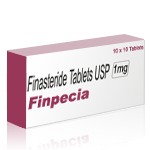
Finpecia (Finasteride 1mg) stands as the most globally recognized and longest-marketed Indian generic version of branded Propecia — manufactured by Cipla Limited, one of India's largest and most respected pharmaceutical companies. Available since 1999, Finpecia has accumulated over 25 years of real-world clinical use across millions of men worldwide treating male pattern hair loss through proven DHT suppression. The 1 mg once-daily oral tablets deliver bioequivalent therapeutic outcomes to brand-name Propecia at substantially lower cost — making Finpecia the gold standard generic finasteride choice for cost-conscious patients globally.
Finasteride in Finpecia works through selective Type II 5-alpha-reductase inhibition — competitively blocking the enzyme that converts circulating testosterone into dihydrotestosterone (DHT) in scalp follicles and prostate tissue. DHT is the hormone responsible for progressive miniaturization of genetically susceptible scalp follicles in androgenetic alopecia. By blocking approximately 70% of DHT production with daily 1 mg dosing, Finpecia halts this miniaturization process at the hormonal root cause. The result: hair loss stops in over 85% of treated men within 3-6 months, visible hair regrowth occurs in 65-90% of patients over 12-24 months, hair density increases substantially on crown (vertex) and frontal scalp regions, and existing thinning hairs thicken as miniaturized follicles return to fuller terminal growth.
Finpecia serves the same FDA-approved indication as brand-name Propecia — treatment of male pattern hair loss in men ages 18-41 with frontal-parietal or crown thinning patterns. The medication treats early to moderate androgenetic alopecia most effectively. Common patterns responding well include Norwood stage II-V baldness, receding hairline, vertex thinning, and diffuse thinning of frontal-parietal scalp. Finpecia is frequently combined with topical minoxidil for synergistic effects, used as post-hair-transplant therapy to preserve grafts and remaining native hair, and serves as maintenance therapy for men who have achieved hair restoration through other methods.
Finpecia offers convenient once-daily oral dosing taken at any consistent time with or without food. The medication reaches peak blood concentrations within 1-2 hours and shows 6-8 hour half-life with hepatic CYP3A4 metabolism. Hair benefits become noticeable at 3-6 months with maximum response at 12-24 months. Cipla Limited manufactures Finpecia under WHO-GMP, US FDA, and Indian DCGI quality standards — Cipla operates US FDA-inspected facilities supplying generic medications worldwide. Bioequivalence to brand-name Propecia has been documented through standard pharmacokinetic studies. The active ingredient remains chemically identical to original Merck Propecia formulation, delivering identical therapeutic outcomes at approximately 85-95% lower retail cost.
Free prescription
Discrete packaging
Have questions?
Quality Assurance
- Male Pattern Hair Loss: Characteristic frontal-parietal and crown hair thinning pattern in genetically susceptible men;
- Androgenetic Alopecia: Medical term for hereditary hair loss driven by androgen-sensitive follicle miniaturization;
- Androgenic Alopecia: Alternative spelling for hereditary androgen-driven male hair loss condition;
- Male Pattern Baldness: Common name for genetic hair loss following typical Norwood progression pattern;
- Receding Hairline: Frontal hairline recession from androgenetic hair loss responding to DHT reduction;
- Crown Hair Thinning: Vertex hair density loss characteristic of male pattern baldness responding to finasteride;
- Vertex Baldness: Top-of-head hair thinning improving with consistent 5-alpha-reductase blockade;
- Frontal Hair Loss: Front scalp hair loss benefiting from DHT reduction at the hormonal source;
- Early Stage Hair Loss: Initial hair loss with active miniaturization most responsive to treatment intervention;
- DHT Related Hair Loss: Hair loss driven by dihydrotestosterone sensitivity in genetically vulnerable follicles;
- Hair Regrowth: Restoration of follicle activity producing visible new hair growth in previously thinning areas;
- Hair Density Improvement: Increased hair count per square centimeter through halted miniaturization and regrowth;
- Diffuse Hair Thinning: Generalized frontal-parietal scalp thinning pattern responding to DHT suppression;
- Norwood Stage Hair Loss: Classification system for male pattern baldness most responsive at early Norwood stages;
- Hair Loss Prevention: Preventive use in men with strong family history before significant hair loss occurs;
- Hair Transplant Adjunct: Adjunctive therapy after hair transplant surgery to preserve transplanted and existing native hair;
- Minoxidil Combination Therapy: Combined with topical minoxidil for synergistic hair loss treatment outcomes;
- 5 Alpha Reductase Inhibition: Drug class blocking DHT production for hair loss and BPH treatment;
- Generic Propecia Therapy: Bioequivalent generic alternative to brand-name Propecia at substantially lower cost.
- Better Hair Regrowth: Visible new hair growth occurs in 65-90% of patients over 12-24 months of treatment;
- Less Dihydrotestosterone: Scalp and serum DHT levels drop approximately 70% from baseline with daily dosing;
- Better Crown Coverage: Vertex hair density improves substantially as crown follicles return to terminal growth;
- Better Frontal Hair Coverage: Forehead and frontal hair density increases through halted miniaturization process;
- Less Hairline Recession: Progressive frontal hairline recession stops with consistent DHT suppression;
- Better Hair Thickness: Existing thinning hairs thicken as follicles return to fuller terminal hair production;
- Better Hair Density: Hair count per square centimeter increases through stopped loss and active regrowth;
- Less Follicle Miniaturization: Progressive follicle shrinkage process halts at the hormonal source through DHT reduction;
- Better Hair Quality: Hair caliber thickness and pigmentation improve as follicles regain healthy production;
- Less Daily Hair Shedding: Daily hair fall returns to normal physiological levels from excessive androgenetic shedding;
- Better Self Confidence: Restored hair appearance improves self-image and confidence in social and professional settings;
- Better Minoxidil Synergy: Combination with topical minoxidil produces superior results versus either monotherapy alone;
- Better Hair Transplant Outcomes: Adjunctive use after transplant preserves both grafts and surrounding native hair;
- Better Long Term Maintenance: Hair density maintained over years of consistent therapy preventing further loss;
- Less Hair Loss Anxiety: Knowing hair loss is actively controlled reduces psychological distress about appearance;
- Better Long Term Track Record: Over 25 years of Cipla market experience and millions of patient-years of real-world use;
- Better Generic Cost: 85-95% lower cost than brand Propecia makes proven hair loss therapy financially accessible;
- Once Daily Oral Convenience: Single daily tablet at any consistent time fits any routine without timing restrictions;
- Better Quality of Life: Daily wellbeing improves dramatically as hair loss anxiety resolves and self-confidence returns.
Generic Finpecia (Finasteride 1 mg) Medication guide:
📌 What Finpecia Is and How Finasteride Blocks DHT
Finpecia is a generic brand of finasteride 1 mg manufactured by Cipla Pharmaceuticals, one of the largest Indian pharmaceutical companies. The product is used for male pattern hair loss (androgenetic alopecia) in adult men. Finasteride, the active ingredient, blocks the enzyme that converts testosterone to dihydrotestosterone (DHT) in the scalp, halting the hormonal driver of progressive hair follicle miniaturization.
💊 What Finpecia treats
Finpecia 1 mg is used primarily for:
- Male androgenetic alopecia (male pattern hair loss) — the primary FDA-approved indication
- Hair loss stabilization — preventing further progression
- Modest hair regrowth — particularly in vertex and mid-scalp
- Combination therapy with minoxidil — enhanced response
- Pre- and post-hair-transplant adjunct — protecting native follicles
Finasteride 5 mg (sold under separate brands including Finpecia 5 mg in some markets, or Fincar 5 mg from Cipla) is used for benign prostatic hyperplasia (BPH) in older men.
🏆 Why generic finasteride matters
🎯 Decades of established therapy at generic prices
Brand Propecia pricing historically limited many men from considering long-term hair loss therapy. After Merck's patent expiry, generic finasteride formulations including Finpecia by Cipla Pharmaceuticals made the same active molecule available at substantially lower cost. Generic finasteride is bioequivalent to brand Propecia — same molecule, same strength, same clinical effects. Lifetime hair preservation therapy becomes financially sustainable at generic pricing, which is critical because benefits persist only while therapy continues. Cipla, as one of India's largest and most established pharmaceutical companies, produces Finpecia with regulatory oversight comparable to other generic manufacturers worldwide.
🧬 How Finpecia works
Finasteride is a 5-alpha reductase type 2 inhibitor. The enzyme it blocks is responsible for converting testosterone to the more potent hormone dihydrotestosterone (DHT). In the scalp:
- Finasteride blocks DHT production — scalp DHT drops approximately 60-70 percent
- Protects hair follicles — halts the miniaturization process
- Allows follicle recovery — some miniaturized follicles grow larger again
- Preserves existing hair — prevents further progression
- Modest regrowth — particularly in vertex and mid-scalp regions
📊 Clinical outcomes
| Outcome | Approximate rate at 2 years |
|---|---|
| Any clinically meaningful improvement | 66% |
| Visible hair regrowth | Approximately 48% |
| Hair loss prevention (no further loss) | Over 83% |
| Continued hair loss despite therapy | Under 17% |
| Long-term benefit at 5-10 years | Substantial in responders |
🚨 Important restrictions
🚫 Who should not take Finpecia
- Pregnant women — absolute contraindication (fetal genital abnormalities risk)
- Women of childbearing potential without reliable contraception
- Children and adolescents — not approved for pediatric use
- Prior hypersensitivity to finasteride
- Severe hepatic impairment — use cautiously
- Concurrent dutasteride use — same drug class
Women must not handle broken or crushed tablets during pregnancy or if pregnancy is possible. Section 30 and 33 cover these restrictions in detail.
💚 Why Finpecia remains clinically useful
Features that keep finasteride a mainstay of male hair loss therapy:
- Only FDA-approved oral therapy for male androgenetic alopecia
- Over 25 years of safety and efficacy data
- Modest regrowth plus strong hair loss prevention
- Convenient once-daily oral dosing
- Generic Cipla pricing makes long-term therapy affordable
- Combines effectively with minoxidil
- Supports hair transplant surgical outcomes
- Benefits across entire susceptible scalp area
- Decades of global clinical experience
🧔 Finpecia for Male Pattern Hair Loss Management
Male pattern hair loss affects approximately 50 percent of men by age 50. Finpecia is one of only two FDA-approved therapies for this condition, with topical minoxidil being the other. As the only approved oral option, Finpecia addresses the hormonal root cause rather than just stimulating follicles.
🧔 The male pattern of hair loss
Male androgenetic alopecia progresses in a characteristic pattern:
- Temporal hairline recession — "M-shape" appearance at the temples
- Vertex thinning — crown gradually becomes bald
- Mid-scalp thinning — progression across top of head
- Horseshoe-shaped preservation — back and sides remain
- Classified by Norwood-Hamilton scale stages 1 through 7
- Progression over years — typically gradual
- Age of onset — variable; earlier onset often predicts more extensive eventual loss
🛒 Finpecia dosing for male pattern hair loss
🕚 Standard regimen
- Dose: 1 mg oral once daily
- Timing: same time each day; with or without food
- Duration: continuous indefinite therapy
- Response assessment: at 6, 12, and 24 months
- Pharmacologic effect: DHT suppression within 2-4 weeks
- Visible hair response: 6-24 months to full effect
- Benefits require ongoing therapy: discontinuation leads to gradual loss of gained hair
📊 Expected response over time
| Time point | Expected findings |
|---|---|
| Months 1-3 | No visible change; some clients experience early shedding (Section 26) |
| Months 3-6 | Hair loss slowing in most responders; early improvement in some |
| Months 6-12 | Visible stabilization in most; regrowth beginning in responders |
| Months 12-24 | Peak response typically; approximately 66% show meaningful improvement |
| Years 2-5 | Response maintained in responders; continued gradual gains possible |
| Years 5-10 | Long-term benefit sustained with continuous therapy |
| After stopping | Gradual return to pre-treatment status over 6-12 months |
🏆 Where Finpecia works best
Response varies by scalp region and client factors:
- Vertex (crown) thinning — strongest response
- Mid-scalp thinning — good response in most
- Early to moderate pattern loss — Norwood stages 2-5
- Younger men — typically respond better than older
- Active progression — preventing current loss
- Early intervention — before extensive follicle death
- Combined with minoxidil — enhanced results
🚨 Where Finpecia works less well
- Advanced temporal recession — limited response at hairline
- Established "slick bald" areas — dead follicles do not return
- Norwood stage 6-7 — advanced disease may require surgical approach
- Older men with longstanding loss — follicle recovery less likely
- Non-androgenetic alopecia — different diagnosis requires different therapy
- Severe systemic illness — nutritional and health factors matter
🏆 Kaufman pivotal trial outcomes
🎯 Kaufman 1998 established efficacy
The pivotal Kaufman et al. 1998 trial (JAAD) randomized over 1,500 men with mild to moderate vertex pattern hair loss to finasteride 1 mg or placebo for 2 years. Results at 2 years: 66 percent of finasteride users showed clinically meaningful improvement, 48 percent had visible regrowth, and 83 percent had no further hair loss. The placebo group had progressive hair loss. Benefits were maintained in follow-up extensions. Subsequent long-term studies (Price et al. 10-year outcomes) have confirmed sustained response in those continuing therapy.
👩⚕️ Who is a good Finpecia candidate
- Men with early to moderate androgenetic alopecia
- Active hair loss progression
- Preserved hair in target areas (not entirely bald)
- Willing to commit to long-term daily therapy
- Able to tolerate potential side effects
- No contraindications (fertility concerns, severe depression history)
- Realistic expectations about modest regrowth
- Youngers tend to respond better but any age can benefit
- Cost-conscious clients benefiting from generic Cipla pricing
🚨 When to consider alternative or additional therapy
- Advanced hair loss where regrowth will be inadequate
- Need for faster visible improvement
- Non-response at 12 months of monotherapy
- Prior failure of finasteride (consider alternative or specialist)
- Severe side effects on finasteride
- Specific contraindications
- Supplement with hair transplantation for established bald areas
- Combination with minoxidil usually first consideration (Section 18)
💡 Clinical bottom line
Finpecia is the standard oral therapy for male pattern hair loss. Approximately two-thirds of men achieve clinically meaningful improvement; most of the rest achieve stable hair preservation. Benefits require continuous therapy. Combination with topical minoxidil enhances outcomes. Generic Cipla pricing makes long-term therapy financially sustainable, which matters because the benefits persist only while therapy continues.
🧬 Androgenetic Alopecia Pathology and Finpecia Effect
Understanding androgenetic alopecia pathology at the cellular level explains both why hair loss happens and how Finpecia reverses the process. The condition involves genetic sensitivity to DHT, specific hair follicle changes, and progressive biological alterations that Finpecia can partially interrupt.
🧬 What causes androgenetic alopecia
Androgenetic alopecia results from the convergence of several factors:
- Genetic sensitivity to androgens (polygenic inheritance)
- Normal androgen levels are usually sufficient to cause AGA in genetically susceptible men
- Scalp-specific androgen receptor expression in vulnerable areas
- Progressive follicle miniaturization
- Shortening of hair growth cycles
- Inflammatory changes may contribute
- Scalp microvasculature changes
- DHT is the key hormone driving these changes
🎯 Hair follicle biology in AGA
🧬 Progressive follicle miniaturization
Normal terminal hair follicles produce thick, long, pigmented hairs. In androgenetic alopecia, DHT binds androgen receptors in genetically susceptible follicles, triggering a cascade that progressively shortens the growth phase (anagen) and reduces follicle size. Over successive hair cycles, each new hair is thinner, shorter, and lighter than the previous one. This miniaturization continues until the follicle produces only fine vellus hair or no visible hair at all. The process can take years but is relentless without treatment.
🔄 Normal vs AGA hair cycles
| Phase | Normal | AGA follicle |
|---|---|---|
| Anagen (growth phase) | 2-6 years | Progressively shorter (months) |
| Catagen (regression) | 2-3 weeks | Similar duration |
| Telogen (resting phase) | 2-4 months | Progressively longer |
| Exogen (shedding) | Normal | Earlier shedding of weak hair |
| Hair diameter | Terminal thick hair | Progressively thinner |
| Hair length at maturity | Full length | Progressively shorter |
| Hair pigmentation | Dark pigmented | Progressively lighter |
| Follicle size | Full size | Progressively smaller |
🛡️ How Finpecia reverses the process
Finasteride intervention produces specific biological changes:
- Blocks DHT production in scalp follicles
- Removes androgen stimulus on sensitive follicles
- Anagen phase lengthens back toward normal
- Hair diameter increases in responder follicles
- Hair length increases with longer anagen
- Miniaturization reverses in some follicles
- Hair density improves as recovering follicles become visible
- Pigmentation may improve in previously fading hairs
- Overall scalp appearance shows cumulative improvement
🏃 Why not all follicles respond
Response variability reflects individual biology:
- Dead follicles cannot be revived (long-term AGA damage)
- Miniaturized follicles still viable can recover
- Normal follicles continue normal function
- DHT-resistant follicles (back/sides) not affected
- Individual genetics determine extent of recovery possible
- Duration of AGA affects how many follicles can still recover
- Early intervention preserves more viable follicles
👩⚕️ Diagnosis of androgenetic alopecia
Clinical diagnosis of AGA:
- Characteristic pattern: temporal recession, vertex thinning
- Family history often positive (maternal or paternal)
- Gradual progression over years
- Dermoscopy: shows hair diameter variation (miniaturization)
- Scalp biopsy: not usually needed; shows miniaturized follicles when done
- Exclude other causes: thyroid, iron deficiency, telogen effluvium, alopecia areata, scarring alopecia
- Hormonal workup: usually not needed in classic AGA
- Specialist consultation for atypical or diagnostically uncertain cases
📊 AGA severity classification
Norwood-Hamilton scale for men:
- Stage 1: minimal or no recession
- Stage 2: mild temporal recession
- Stage 3: deeper temporal recession, "widow's peak"
- Stage 4: deep hairline recession + early vertex thinning
- Stage 5: moderate loss with band of hair separating temporal and vertex
- Stage 6: band of hair thinning or missing
- Stage 7: horseshoe pattern of remaining hair only
🕚 Early intervention matters
Why starting Finpecia early is advantageous:
- More viable follicles still present to protect
- Prevention is more effective than regrowth
- Lower starting Norwood stage preserved
- Younger follicles respond better
- Combined with early minoxidil for enhanced effect
- Years of hair preservation gained
- Delays or avoids need for hair transplantation
- Earlier social and psychological benefit
💡 Clinical bottom line on pathology
Androgenetic alopecia is a progressive condition driven by genetic DHT sensitivity leading to follicle miniaturization. Finpecia reduces scalp DHT and allows miniaturized follicles to recover while protecting remaining normal follicles. The condition cannot be completely cured, but progression can be substantially slowed or reversed with continuous finasteride therapy. Early intervention preserves more follicles for potential recovery.
🛡️ Finpecia Hair Loss Prevention and Modest Regrowth
Finpecia provides two distinct benefits for male pattern hair loss: hair loss prevention (highly reliable) and modest regrowth (in approximately half of responders). Understanding which effect to expect helps set realistic goals for therapy.
🛡️ Hair loss prevention as the primary benefit
🎯 The reliable benefit
Over 83 percent of men on Finpecia show no further hair loss progression at 2 years. This is the most reliable and important benefit. Even clients who do not experience visible regrowth typically achieve stabilization. For a man seeing ongoing active hair loss, stopping that progression is often more valuable than modest regrowth. The Kaufman pivotal trial showed that placebo users continued to lose hair over the study period while finasteride users maintained their hair.
🌿 Modest regrowth as the additional benefit
Approximately half of Finpecia responders experience visible regrowth:
- 48 percent of users show measurable hair count increases at 2 years
- Visible improvement typically in vertex and mid-scalp
- Hair density improvement rather than dramatic transformation
- Thinner hairs become thicker through follicle recovery
- Dormant follicles may reactivate
- Progressive improvement over 12-24 months
- Realistic expectations: modest cosmetic improvement, not restoration to young appearance
📊 Response patterns
| Response pattern | Approximate rate | What to expect |
|---|---|---|
| Strong response | Approximately 15-20% | Visible density improvement; thickening |
| Moderate response | Approximately 30-35% | Clinically meaningful improvement; stabilization + some regrowth |
| Stabilization only | Approximately 30-35% | No further loss but no visible regrowth |
| Minimal response | Approximately 10-15% | Mostly stabilization; limited visible change |
| Non-response | Approximately 15-20% | Hair loss continues despite therapy |
🤔 Setting realistic expectations
⚠️ What Finpecia can and cannot do
- Finpecia prevents further hair loss in most responders
- Finpecia produces modest regrowth in some clients
- Finpecia does not restore hair in completely bald areas (dead follicles do not return)
- Finpecia does not grow new hair where there are no follicles
- Finpecia takes months to show benefit
- Finpecia must continue to maintain benefit
- Finpecia works best early in disease progression
- Finpecia alone may be insufficient for extensive loss - combine with minoxidil or consider transplant
🎯 Who benefits most from Finpecia
Ideal candidates for maximum benefit:
- Early AGA with active progression
- Younger age (20s to 40s) with more responsive follicles
- Preserved hair in treatment areas
- Vertex thinning (best response area)
- Mid-scalp thinning
- Family history of pattern loss and known trajectory
- Previously showing active loss within prior 2-5 years
- Willing to commit to long-term therapy
🚨 Who benefits less
- Advanced AGA with extensive bald areas
- Older men with longstanding stable loss
- Clients with primarily temporal recession
- Those unwilling to commit long-term
- Those with contraindications
- Clients seeking rapid dramatic change
- Those with alternative hair loss diagnoses
🤝 Enhancing response with combination therapy
Standard approaches to enhance Finpecia response:
- Topical minoxidil 5% — stimulates follicles through different mechanism
- Oral minoxidil (low-dose) — off-label alternative to topical
- Low-level laser therapy — home devices available
- Platelet-rich plasma (PRP) — injections for follicle stimulation
- Nutritional optimization — iron, vitamin D, zinc
- Hair transplantation — for areas with dead follicles
- Scalp micropigmentation — cosmetic density enhancement
- Dutasteride — stronger DHT reduction for non-responders (specialist use)
🔄 Benefit requires continuous therapy
🚨 Benefits reverse if therapy stops
Finpecia is a maintenance therapy, not a cure. When Finpecia is discontinued:
- Scalp DHT returns to baseline within 2-4 weeks
- Follicle miniaturization resumes
- Hair gained during therapy is gradually lost over 6-12 months
- Scalp returns to approximately pre-treatment appearance
- Loss resumes at the AGA progression rate
- No permanent change persists after discontinuation
💡 Clinical bottom line on expectations
Finpecia reliably prevents hair loss in over 83 percent of responders. Modest regrowth occurs in approximately half. Dramatic transformation is uncommon; realistic expectations are important. For most men, the primary benefit is stopping ongoing loss plus the possibility of modest regrowth. Hair transplantation remains the option for extensive bald areas where follicles are dead. Finpecia + minoxidil combination maximizes response for those seeking optimal outcomes.
📋 Off-Label Uses of Finpecia Finasteride in Dermatology
Beyond its two FDA-approved uses (male hair loss at 1 mg, BPH at 5 mg), finasteride has several established off-label dermatologic uses. Finpecia (as a generic brand of finasteride) is used for these off-label indications under specialist supervision.
📋 Common off-label uses
| Condition | Rationale | Evidence level |
|---|---|---|
| Female pattern hair loss | DHT contribution in women | Case series and trials (Section 6) |
| Frontal fibrosing alopecia (FFA) | Scarring alopecia; hormonal component | Vano-Galvan multicenter trial support |
| Hirsutism in women | Androgen-driven unwanted hair | Controlled trials; specialist use |
| Lower-dose therapy (0.5 mg, 0.25 mg) | Side effect reduction | Mirmirani and others research |
| Testosterone therapy with hair preservation | Prevent TRT-accelerated AGA | Common off-label combination |
| Hair preservation during gender-affirming therapy | Antiandrogen effect in transwomen | Standard off-label use |
| Alopecia areata (limited role) | Not generally effective | Case reports only |
| Androgen-driven acne | DHT contribution to sebum | Limited evidence |
🏥 Frontal fibrosing alopecia (FFA)
🏥 An important specialist-managed scarring alopecia
FFA is a scarring hair loss primarily affecting postmenopausal women with hairline recession and loss of eyebrows. It is considered a variant of lichen planopilaris. Our expert reviewer Prof. Sergio Vano-Galvan led landmark multicenter studies establishing finasteride and dutasteride (off-label) as effective adjunct therapy. Finasteride 2.5-5 mg daily is used as part of multi-drug regimens including hydroxychloroquine, topical corticosteroids, and sometimes other immunomodulators. Specialist dermatologic management is essential.
🛒 Lower-dose finasteride research
Research into reduced-dose finasteride for male pattern hair loss:
- Standard dose: 1 mg daily
- Low dose: 0.5 mg daily — approximately 60-70% of 1 mg benefit at reduced side effects
- Very low dose: 0.25 mg daily — some benefit, reduced side effects
- Alternate day dosing: 1 mg every other day
- Microdosing: 0.1-0.25 mg daily
- Prof. Paradi Mirmirani has published on reduced-dose regimens
- Appeal: reduced side effect burden with substantial maintained benefit
- Requires splitting tablets (not ideal) or compounded doses
👩 Hirsutism and androgen-driven hair in women
Off-label use for women with unwanted hair growth:
- Only in women not planning pregnancy
- Reliable contraception required
- Dose: 2.5-5 mg daily
- Response over 6-12 months
- Alternative to spironolactone (often first-line in US)
- Combined with other antiandrogens sometimes
- Specialist endocrinologic or dermatologic management
- Monitor response and side effects
🤝 Testosterone replacement with hair preservation
Men on testosterone replacement therapy (TRT) wanting hair protection:
- TRT raises serum testosterone which can accelerate AGA
- Finpecia 1 mg prevents the resulting DHT rise
- Combination maintains TRT benefits while protecting hair
- Specialist endocrinologic and dermatologic coordination
- Monitor fertility goals (finasteride can affect semen)
- Common clinical scenario in middle-aged men
- Reasonable off-label approach
🔄 Gender-affirming hormone therapy adjunct
Transwomen on estrogen may use finasteride off-label:
- Reduces DHT alongside estrogen effects
- Supports hair preservation
- Prevents further male-pattern loss
- Specialist endocrinologic management
- Spironolactone often used in combination for antiandrogen effect
- Discontinued after gonadectomy when androgens minimal
- Important consideration in transgender care
🚨 Important off-label use principles
⚠️ Standards for off-label use
- Specialist dermatologic, endocrinologic, or gynecologic supervision
- Discuss evidence quality honestly with client
- Reliable contraception for women of childbearing potential
- Document rationale and informed consent
- Set clear follow-up and response assessment timeline
- Have alternative therapy plan if finasteride fails
- Pregnancy exposure precautions for all women near treated clients
- Insurance or reimbursement coverage may vary for off-label
- Generic Cipla Finpecia pricing makes extended off-label courses more accessible
💡 Clinical bottom line on off-label
Finpecia's off-label uses extend beyond male pattern hair loss into related androgen-driven conditions. For most clients, FDA-approved indications represent standard therapy. Specialist practice uses the broader off-label spectrum with case-by-case judgment and informed consent. Generic Cipla pricing makes extended off-label courses more accessible for clients needing them.
👩 Finpecia for Postmenopausal Female Pattern Hair Loss
Female pattern hair loss (FPHL) is the female equivalent of androgenetic alopecia. Finpecia use in women is off-label and complicated by pregnancy risk, making careful selection essential. For postmenopausal women, finasteride therapy is simpler because pregnancy risk is eliminated.
👩 Female pattern hair loss characteristics
FPHL differs from male AGA in pattern:
- Diffuse thinning across the top of the scalp
- Preserved frontal hairline (unlike men who recede at temples)
- Christmas tree pattern widening of central part
- Gradual visible scalp through thinning
- Vertex thinning in some clients
- Can begin at any age after puberty
- Peak incidence postmenopause but can begin earlier
- Rarely leads to complete baldness
- Combined hormonal and genetic factors
🚨 Why women need particular caution
⚠️ Pregnancy risk is paramount
Finasteride can cause genital abnormalities in male fetuses exposed in utero. For this reason, finasteride is contraindicated in women of childbearing potential unless they use reliable contraception. Pregnancy during therapy is a serious concern. Even indirect exposure (handling broken tablets) requires caution. For postmenopausal women, this risk is eliminated and finasteride use is simpler. Any premenopausal woman considering off-label finasteride must have thorough contraceptive planning.
👩⚕️ Who may benefit from Finpecia for FPHL
- Postmenopausal women with pattern hair loss (simplest scenario)
- Women on reliable contraception willing to continue it
- Women with hyperandrogenism (PCOS, androgen excess)
- Previous failure of minoxidil alone
- Combination with minoxidil for enhanced response
- Women who have completed childbearing
- Specialist dermatologic supervision
- Clients willing to accept off-label status
🛒 Finpecia dosing for female pattern hair loss (off-label)
Common dosing approaches for women:
- 2.5 mg daily — frequent choice; stronger effect than 1 mg
- 5 mg daily — higher dose for stronger response
- 1 mg daily (Finpecia strength) — modest response in women; lower side effect profile
- Combined with topical minoxidil — standard for enhanced results
- Combined with spironolactone — additional antiandrogen effect
- Duration: continuous indefinite therapy
- Response assessment: at 6-12 months
📊 Clinical response in women
Trials of finasteride for FPHL show:
- Variable response rates (30-60% in different trials)
- Modest hair density improvement
- Better outcomes with higher doses (2.5-5 mg vs 1 mg)
- Combination with minoxidil superior to either alone
- Postmenopausal women often respond better
- Hyperandrogenic women show particularly good response
- Benefits require continuous therapy
- Long-term outcomes generally positive in responders
🔄 Alternatives for women
| Therapy | Mechanism | Pregnancy compatibility |
|---|---|---|
| Topical minoxidil 2% or 5% | Vasodilator; growth stimulation | Limited data; caution |
| Oral minoxidil (low dose) | Systemic hair growth | Not during pregnancy |
| Spironolactone | Antiandrogen | Not during pregnancy |
| Cyproterone acetate (EU) | Antiandrogen | Not during pregnancy |
| Dutasteride (off-label) | Dual 5AR inhibitor | Not during pregnancy; longer washout than finasteride |
| Low-level laser therapy | Growth stimulation | Pregnancy compatible |
| Platelet-rich plasma (PRP) | Growth factor injection | Pregnancy compatible |
| Hair transplantation | Surgical | Pregnancy compatible |
| Hair fiber enhancers | Cosmetic concealment | Pregnancy compatible |
🤝 Combined approaches for women
Common combination therapy for FPHL:
- Topical minoxidil + oral finasteride: standard combination for postmenopausal women
- Oral minoxidil + oral finasteride: for refractory cases
- Finasteride + spironolactone: for additional antiandrogen effect
- With hair transplantation: medical therapy to preserve native hair
- With PRP or LLLT: adjunctive stimulation
- With appropriate contraception for premenopausal women
👩⚕️ Monitoring in women
Pre-treatment and ongoing monitoring:
- Confirmed FPHL diagnosis (not telogen effluvium, alopecia areata, scarring)
- Thyroid function, iron studies, hormonal profile if indicated
- Pregnancy status and contraceptive plan
- Baseline hair density documentation
- Response assessment at 6 and 12 months
- Side effect monitoring (menstrual changes, breast tenderness, mood)
- Continued contraception as long as premenopausal
- Discontinuation before planning pregnancy
- Discussion of long-term commitment
🚨 Side effects in women
- Menstrual irregularity
- Breast tenderness or enlargement
- Mood changes
- Decreased libido
- Hair changes in other areas (less sensitive)
- Elevated liver enzymes (rare)
- Generally well tolerated at lower doses
- Similar reversibility as in men
💡 Clinical bottom line for women
Finpecia is a reasonable off-label option for female pattern hair loss, particularly in postmenopausal women and those on reliable contraception. Response rates are variable, and higher doses (2.5-5 mg) often work better than the male AGA 1 mg dose. Combination with minoxidil is standard. Pregnancy contraindication must be absolute. Specialist dermatologic management is appropriate. Generic Finpecia pricing supports extended off-label courses.
✂️ Cipla Finpecia Alongside Hair Transplant Procedures
Hair transplantation is the surgical approach to hair restoration, and Finpecia plays a critical role before, during, and after the procedure. Combining medical therapy (Finpecia) with surgical restoration produces the best long-term aesthetic outcomes. Our expert reviewer Prof. Robert Bernstein pioneered modern hair transplantation techniques including FUE and FUT.
✂️ Modern hair transplantation techniques
Two main surgical techniques dominate contemporary hair transplantation:
- Follicular Unit Transplantation (FUT): strip of scalp removed from back, dissected into follicular units, transplanted; linear scar on donor area
- Follicular Unit Extraction (FUE): individual follicles harvested from back/sides and transplanted; no linear scar, small round scars
- Robotic FUE: computer-assisted extraction with precision
- Both techniques use DHT-resistant donor follicles from back and sides
- Donor follicles maintain resistance to DHT when transplanted elsewhere
- Transplanted hair grows naturally in new location
- Session duration: 6-12 hours typically
- Multiple sessions may be needed for extensive restoration
🛡️ Why Finpecia matters for transplant outcomes
🎯 Protecting native hair alongside transplants
Hair transplantation moves DHT-resistant follicles to balding areas. However, surrounding native hair continues to be DHT-sensitive and will continue miniaturizing without treatment. Finasteride prevents this ongoing loss, preserving native hair while transplanted hair establishes. Without Finpecia, clients risk the appearance of transplanted "islands" surrounded by continued baldness as native hair falls out. For long-term aesthetic success, medical therapy must continue alongside surgical restoration.
🕚 Finpecia timing around hair transplant
| Phase | Finpecia role |
|---|---|
| Pre-transplant evaluation | Discuss finasteride; start 6-12 months before surgery for best preservation |
| Pre-transplant 6-12 months | Continue to maximize native hair preservation |
| Pre-transplant 2-4 weeks | Standard continuation; no need to stop |
| Day of surgery | Can continue; may be paused per surgeon preference |
| Immediate post-op | Resume if paused; continue if continued |
| Post-op healing (weeks 1-4) | Continue; no interference with graft take |
| Post-op months 1-6 | Continue; shock loss protection |
| Long-term post-transplant | Continue indefinitely to protect native and surrounding hair |
🤔 Shock loss and finasteride
Shock loss is temporary hair loss after transplantation:
- Native hair around recipient site may shed within weeks of surgery
- Usually recovers over months
- Can be more pronounced in sensitive follicles
- Finasteride use pre-transplant may reduce shock loss severity
- Minoxidil pre and post-transplant also helps
- Transplanted hair itself typically falls out in 2-4 weeks (telogen effluvium of grafts)
- Transplanted hair regrows starting 3-4 months post-op
- Full transplant result visible at 12-18 months
🏥 When to start Finpecia relative to transplant
🕐 Ideal timing
- Start 6-12 months before transplant for optimal native hair preservation
- Stabilize ongoing loss before transplant assessment
- Document response to finasteride before surgical planning
- Younger clients with early AGA: may delay transplant with finasteride-only approach
- Realistic expectations: finasteride cannot cover extensive bald areas; transplant needed
- Long-term combined therapy: medical + surgical approach
🛑 When transplantation alone is not enough
Hair transplant without medical therapy has limitations:
- Native hair around transplants will continue to be lost
- Visible transition between transplanted and native hair can develop
- Future transplant sessions may be needed as native hair loss progresses
- Donor follicle supply is finite
- Long-term aesthetic planning requires preserving native hair
- Younger clients especially benefit from medical + surgical approach
- Finpecia is cost-effective insurance for transplant investment
👩⚕️ Patient selection for combined medical-surgical approach
Ideal clients for integrated therapy:
- Early to moderate AGA wanting both preservation and restoration
- Able to commit to lifelong daily medication
- Able to tolerate finasteride side effects
- Realistic expectations about surgical and medical outcomes
- Sufficient donor hair supply
- Appropriate age (not too young, not too old)
- Good general health for surgical procedure
- Financial resources for both procedures and ongoing medication
- Generic Finpecia makes medication affordable even with large transplant costs
🛡️ Pre-surgical optimization with finasteride
Pre-transplant medical optimization approach:
- Start Finpecia 6-12 months before surgery
- Add topical minoxidil 2-3 months before surgery
- Allow medical response to plateau before transplant assessment
- Repeat Norwood classification and photos
- Plan transplant based on stabilized hair pattern
- Discuss ongoing medical therapy after transplant
- Set realistic expectations about multiple possible procedures
- Nutritional optimization (iron, vitamin D, biotin if deficient)
- Document plan clearly for continuity
🛑 When to pause or stop finasteride for surgery
🛑 Perioperative considerations
- Most hair transplant surgeons continue finasteride throughout the perioperative period
- Some surgeons pause finasteride briefly for personal preference
- No clear evidence that pausing finasteride helps surgical outcomes
- No surgical contraindication to finasteride
- Pause may be reasonable if client prefers
- Resume immediately post-op in any case
- Discuss specific protocol with transplant surgeon
- Robert Bernstein and other FUE/FUT pioneers generally continue finasteride perioperatively
🏆 Hair transplantation success statistics
What hair transplantation can achieve:
- Transplanted follicles typically have 90-95% survival rate
- Natural-looking hairline restoration
- Density improvement in treated areas
- Permanent transplanted hair (DHT-resistant)
- Multiple sessions can achieve further density
- Donor supply usually limits total possible density
- Finasteride adjunct extends aesthetic benefit over decades
- Combined approach is standard of care in modern practice
💡 Clinical bottom line on transplant and Finpecia
Hair transplant surgery and Finpecia therapy are complementary, not competing. Finpecia before and after transplantation preserves native hair, prevents visible transition zones, and extends aesthetic benefit over decades. Hair transplants restore density where follicles are dead; Finpecia protects remaining living follicles. Together they produce the best long-term results. For most transplant candidates, lifelong Finpecia is part of comprehensive hair loss management. Generic Cipla pricing makes long-term combined therapy financially sustainable.
🧪 The 5-Alpha Reductase Enzyme Family and Finpecia Target
The 5-alpha reductase (5AR) enzyme family is the molecular target of Finpecia. Understanding how the three enzyme isoforms differ, where each is expressed, and why finasteride targets type 2 specifically clarifies both the therapeutic effect and the side effect profile.
🧪 The three 5-alpha reductase isoforms
Three distinct 5AR enzymes exist in human tissues:
- Type 1 (SRD5A1): expressed primarily in skin sebaceous glands, liver, some brain regions, non-genital skin
- Type 2 (SRD5A2): expressed primarily in prostate, scalp hair follicles, genital tissue, liver, epididymis
- Type 3 (SRD5A3): expressed in various tissues; less clinically relevant
- All isoforms convert testosterone to the more potent DHT
- Different distribution explains tissue-specific effects of selective vs dual inhibitors
🎯 Why Finpecia targets type 2 selectively
🎯 Selectivity shapes clinical profile
Finasteride selectively blocks 5AR type 2 while leaving type 1 largely functional. This selectivity concentrates the effect on tissues where type 2 is dominant (prostate, scalp follicles, male genital tissue) while sparing tissues where type 1 is dominant (sebaceous glands, parts of brain). Dutasteride, by contrast, blocks both type 1 and type 2 (dual inhibition), producing greater overall DHT reduction (90-95% vs 70%) but with broader tissue effects.
📊 Tissue distribution of enzyme isoforms
| Tissue | Type 1 dominance | Type 2 dominance | Finpecia effect |
|---|---|---|---|
| Scalp hair follicles | Low | High | Strong effect |
| Prostate | Low | Very high | Strong effect |
| Genital skin | Low | High | Significant effect |
| Sebaceous glands | High | Low | Minimal effect |
| Facial skin | High | Low | Minimal effect |
| Beard area follicles | Mixed | Variable | Minimal effect typically |
| Body hair follicles | Variable | Variable | Variable |
| Liver | High | High | Modest effect |
| Brain (certain regions) | High | Variable | Modest effect |
🧬 How finasteride binds the type 2 enzyme
Mechanism at the molecular level:
- Finasteride is a 4-azasteroid structural analog of testosterone
- It enters the active site of 5-alpha reductase type 2
- Forms an enzyme-substrate complex
- Instead of being converted to DHT, finasteride covalently binds the enzyme
- This is mechanism-based (irreversible) inactivation
- The enzyme molecule is essentially permanently inactivated
- Enzyme recovery requires synthesis of new enzyme
- New enzyme synthesis takes days
- Overall DHT suppression is substantial and sustained
🔄 Why Finpecia inhibits for longer than its plasma half-life
⏰ Mechanism-based inactivation beats short half-life
Finpecia has a short plasma half-life of 6-8 hours, which would seem to argue against once-daily dosing. However, because the drug acts as a mechanism-based inactivator, once bound to the enzyme, inactivation persists for the lifetime of that enzyme molecule. Enzyme recovery requires synthesis of new enzyme over days. Therefore, once-daily dosing produces sustained 24-hour DHT suppression despite rapid plasma clearance. This pharmacodynamic property is why daily dosing works clinically and why a single missed dose has minimal immediate consequence.
📊 Finpecia pharmacokinetic properties
- Oral bioavailability: approximately 65%
- Time to peak plasma concentration: 1-2 hours
- Elimination half-life: 6-8 hours (adults)
- Protein binding: approximately 90%
- Volume of distribution: approximately 76 liters
- Metabolism: hepatic via CYP3A4
- Excretion: hepatic/biliary primary; renal secondary
- Food effect: minimal
- Steady state: within 1 week of daily dosing
- DHT suppression duration after one dose: 24+ hours
👩⚕️ Dose adjustments and special populations
| Population | Adjustment |
|---|---|
| Normal adults | Standard 1 mg daily |
| Renal impairment | No adjustment needed (hepatic metabolism) |
| Mild-moderate hepatic impairment | No specific adjustment |
| Severe hepatic impairment | Caution; may reduce dose; limited data |
| Elderly (over 65) | Standard dose; half-life slightly extended |
| Children | Contraindicated (not studied) |
| CYP3A4 inhibitor use | Modest increase in finasteride levels; generally no adjustment |
| CYP3A4 inducer use | Modest decrease; generally no adjustment |
🤔 Finasteride vs dutasteride enzyme target comparison
Clinical implications of selective vs dual inhibition:
- Finasteride (type 2 only): scalp and prostate affected; sebaceous glands largely spared
- Dutasteride (type 1 AND type 2): broader tissue effect; higher overall DHT reduction
- Hair outcomes: finasteride 66% response; dutasteride 72-80% response (modest advantage)
- Prostate DHT: finasteride 85-90%; dutasteride 95% reduction
- Side effect profile: dutasteride tends to be slightly higher incidence
- Half-life: finasteride 6-8 hours vs dutasteride 5 weeks
- Washout: finasteride 2-4 weeks vs dutasteride 4-6 months
- Reversibility concerns: finasteride has shorter washout period
💡 Clinical implications of enzyme targeting
- Scalp DHT reduction is substantial (60-70%) but not complete
- Response varies based on individual DHT sensitivity
- Fast pharmacologic action but slow biological response
- Selectivity makes finasteride different from dutasteride in profile
- Mechanism-based side effects relate to DHT reduction, not off-target effects
- Benefits require continuous therapy
- Enzyme recovery after discontinuation allows DHT normalization in 2-4 weeks
📊 Scalp DHT Reduction During Finpecia Therapy
The reduction of scalp DHT levels is the direct therapeutic action of Finpecia. Understanding how DHT changes during therapy — and what levels mean clinically — helps explain treatment response and the relationship between serum and scalp DHT.
🧬 What scalp DHT measures
DHT in the scalp environment:
- Produced locally by 5-alpha reductase in hair follicles and surrounding tissue
- Serum DHT also contributes to scalp tissue levels
- Follicular DHT concentrations are typically higher in AGA-affected areas
- DHT binds androgen receptors within sensitive follicles
- Receptor activation drives the miniaturization process
- Both local production and serum delivery contribute to total scalp DHT exposure
📊 DHT levels on and off Finpecia
| Measurement | Baseline | On Finpecia | Change |
|---|---|---|---|
| Serum DHT | Normal | Reduced 70% | Marked reduction |
| Scalp DHT | Elevated in AGA follicles | Reduced 60-70% | Marked reduction |
| Prostate DHT | Normal | Reduced 85-90% | Dramatic reduction |
| Serum testosterone | Normal | Rises 10-15% | Modest compensatory rise |
| Serum estradiol | Normal | Rises slightly | From aromatization of excess T |
| LH and FSH | Normal | Essentially unchanged | Minimal effect |
🔄 How quickly DHT drops
DHT reduction timeline:
- Day 1: enzyme inhibition begins; DHT levels start falling
- Day 7: approximately 50-60% scalp DHT reduction
- Day 14: approximately 60-70% reduction (near maximum)
- Weeks 2-4: full pharmacologic DHT suppression
- Steady state: within 1-2 weeks of daily dosing
- Months-years: sustained throughout therapy
- Pharmacologic effect established long before biological hair response
🤔 Why scalp DHT reduction is partial, not complete
🧬 Residual DHT from type 1
Finasteride selectively blocks 5AR type 2. However, type 1 enzyme in scalp and other skin tissues continues producing some DHT, albeit less efficiently. This residual type 1 activity explains why scalp DHT reduction is approximately 60-70% rather than 100%. Dutasteride (dual inhibitor) achieves closer to 80% scalp DHT reduction by also blocking type 1. For most men, 60-70% reduction is sufficient to produce substantial hair benefit. For non-responders or inadequate response, dutasteride may be considered under specialist supervision.
🏃 The compensatory testosterone rise
Serum testosterone rises modestly on finasteride:
- Reduced DHT removes feedback inhibition
- Hypothalamic-pituitary signaling adjusts
- Testicular testosterone production increases slightly
- Serum testosterone rises 10-15% at steady state
- Free testosterone also rises modestly
- Compensatory rise is not large enough to cause masculinizing effects
- Some testosterone converts to estradiol via aromatase — mild estradiol rise
- LH and FSH remain approximately normal
- Clinically modest in most men
🔄 What determines individual response variability
DHT suppression is similar across most men, but hair response varies:
- Androgen receptor sensitivity in follicles (genetic variation)
- Baseline follicle status (number of viable follicles)
- Duration of AGA (follicles dead from longstanding loss cannot recover)
- Scalp inflammation and other factors
- Age-related follicle health
- Overall testosterone metabolism variations
- Local DHT production vs serum DHT contribution ratio
- Adherence to therapy
🔄 What happens when therapy stops
DHT recovery after Finpecia discontinuation:
- Day 1-7: enzyme inhibition decreases as new enzyme is synthesized
- Week 2-4: serum DHT returns to baseline
- Scalp DHT returns to pre-treatment levels
- Testosterone compensatory rise reverses
- Follicle miniaturization process resumes
- Hair gained during therapy gradually lost over 6-12 months
- PSA levels return to baseline over 3-6 months
- Sexual side effects (if present) typically resolve over weeks to months
🤔 What this means clinically
🎯 Pharmacology to clinical reality
- DHT drops substantially and quickly (weeks)
- Follicle recovery is slower (months to years)
- Hair cycle biology dictates visible response timeline
- Continuous therapy maintains the DHT suppression
- Partial DHT reduction (60-70%) is enough for substantial clinical benefit in most men
- Response plateau usually at 12-24 months
- Long-term stable response in continuing users
- Discontinuation reverses the benefit over months
💡 Clinical bottom line on DHT reduction
Finpecia reduces scalp DHT by 60-70% within 2-4 weeks of starting therapy. This substantial but partial reduction is sufficient to produce hair preservation and modest regrowth in approximately two-thirds of men. The DHT changes are reversible on discontinuation. The gap between fast DHT reduction and slow hair response reflects biological hair cycle timing, not pharmacologic delay. Continuous therapy maintains DHT suppression; discontinuation leads to full DHT recovery and loss of hair benefit over months.
🔄 Follicle Miniaturization Reversal with Finpecia
Follicle miniaturization is the core pathologic process of androgenetic alopecia. Finpecia's main therapeutic achievement is reversing or halting this process in genetically susceptible follicles. Understanding what miniaturization means and how reversal happens explains the pattern and timing of visible hair improvement.
🔄 What follicle miniaturization is
Miniaturization is a progressive change in affected follicles:
- Terminal hair follicles normally produce thick, long, pigmented hairs
- Under DHT influence, susceptible follicles progressively shrink
- Each new hair cycle produces thinner, shorter, lighter hairs
- Terminal follicles become indeterminate, then vellus follicles
- Vellus follicles produce only fine, baby-like hairs or no visible hair
- The follicle itself shrinks physically along with the hair it produces
- Hair diameter progressively decreases
- Hair length progressively shortens
- Hair pigmentation progressively lightens
🏃 Reversal with Finpecia
🔄 What reversal looks like
When DHT is reduced by Finpecia, affected follicles can gradually recover toward their normal state. Vellus-like follicles can produce intermediate hairs, intermediate follicles can produce terminal hairs, and miniaturizing follicles can stop their progression. The hair cycle gradually lengthens: the anagen (growth) phase extends, the telogen (resting) phase shortens. Over successive hair cycles, individual hairs become thicker, longer, and more pigmented. This process takes months to years and does not restore every follicle, but produces measurable hair density improvement in most responders.
📊 Follicle status categories
| Status | Characteristics | Finpecia response |
|---|---|---|
| Normal terminal follicle | Full size; thick hair | Protected from miniaturization |
| Early miniaturization | Slightly thinner hair; mildly shortened anagen | Good recovery potential |
| Moderate miniaturization | Clearly thinner hair; shorter anagen | Modest recovery possible |
| Advanced miniaturization | Vellus-like hair; very short anagen | Limited recovery; may halt further loss |
| Vellus follicle | Fine baby-like hair; minimal visible | May produce intermediate hair |
| Dormant follicle | No visible hair | May reactivate in some cases |
| Dead follicle (scarred) | Permanently gone | Cannot be revived |
🤔 Why some follicles respond better than others
Response variability within an individual scalp:
- Earlier-stage miniaturization recovers more completely
- Vertex and mid-scalp typically respond better than temporal
- Younger follicles have more recovery capacity
- Longstanding miniaturization may be irreversible in some follicles
- Dead follicles cannot be revived regardless
- Individual genetics determine baseline receptor sensitivity
- Scalp inflammation can affect recovery
- Overall scalp health matters
🎯 What drives the response pattern
The characteristic finasteride response pattern reflects biology:
- Pharmacologic DHT suppression establishes in weeks
- Follicle environment changes — androgen receptor signaling reduces
- Anagen phase lengthens for new hair cycles
- Shortening of hair cycles halts
- New hairs grown during longer anagen are thicker, longer
- Multiple hair cycles accumulate visible improvement over months to years
- Each cycle is a progressive step toward recovery
- Visible benefit depends on cumulative effect over multiple cycles
🕚 Why response takes months to years
Several biological factors contribute to the slow visible response:
- Normal hair cycles are 2-6 years
- Miniaturized hair cycles have shortened to months
- Follicles must complete their current cycle before showing new behavior
- Each successive cycle shows incremental improvement
- Multiple cycles needed for substantial visible change
- Follicles throughout the scalp are at different cycle phases
- Response accumulates gradually across the entire treated area
- Peak response typically at 12-24 months
🚫 Why Finpecia cannot grow new follicles
🎯 Follicle count is fixed in adulthood
Humans do not generate new hair follicles in adult life. The hair follicle count is set during fetal development. When follicles die from longstanding AGA damage, they do not return. Finpecia can only work with the follicles that still exist — protecting them and allowing miniaturized ones to recover. For areas with no remaining follicles, hair transplantation is the only option to restore density. This is why early intervention is beneficial: more viable follicles are still present to protect.
🏃 Early intervention and follicle preservation
The case for starting Finpecia early:
- Preserves more viable follicles
- Prevents more follicles from reaching the dead state
- Maintains hair density at starting Norwood stage
- Prevention is more reliable than regrowth
- Years of preservation accumulate
- Younger follicles respond better
- Delays or avoids need for hair transplantation
- Overall long-term aesthetic outcome better
📊 Measuring miniaturization reversal
Objective and subjective assessment methods:
- Standardized photography: same conditions over time
- Dermoscopy: scalp dermoscopy showing hair diameter variability
- Hair counting: in defined scalp areas (research setting)
- TrichoScan or similar digital tools
- Norwood classification: pattern progression tracking
- Hair pull test: active shedding assessment
- Patient-reported outcomes: validated hair satisfaction questionnaires
- Partner or family observation: subjective but useful
💡 Clinical bottom line on miniaturization reversal
Finpecia reverses or halts the DHT-driven follicle miniaturization process. The response is gradual because it requires multiple hair cycles to accumulate visible benefit. Follicles vary in their recovery capacity based on degree of miniaturization and overall health. Early intervention preserves more follicles for potential recovery. Dead follicles cannot be revived — only hair transplantation addresses established bald areas. Continuous therapy maintains the DHT suppression needed to keep follicles protected.
📏 Finpecia 1 mg Standard Dosing Schedule
Finpecia dosing is standardized and simple: 1 mg orally once daily, continuously, for as long as hair preservation is desired. The simplicity of the regimen contributes to adherence, and the forgiving pharmacology accommodates occasional variability without reducing clinical benefit.
📏 Standard Finpecia dosing
🛒 The simple regimen
- Dose: 1 mg orally once daily
- Formulation: film-coated tablet (Cipla formulation)
- Timing: same approximate time each day
- Food: with or without food (no significant interaction)
- Duration: continuous indefinite therapy
- Response assessment: at 6, 12, and 24 months
- Monitoring: side effects, mental health, PSA (if age appropriate)
🕚 Why daily dosing works despite short half-life
Finpecia's enzyme inhibition is mechanism-based, which has clinical implications:
- Plasma half-life is 6-8 hours (short)
- Enzyme inactivation is essentially permanent for bound molecules
- New enzyme synthesis takes days
- Steady-state DHT suppression established within 1 week
- Once-daily dosing produces 24-hour DHT suppression
- No need for twice-daily dosing
- Occasional late or missed dose has minimal immediate consequence
- Chronic irregular dosing eventually reduces effect
🤔 Why 1 mg specifically for hair loss
📏 Dose-response optimization for hair
The 1 mg dose was selected for hair loss based on dose-finding studies showing that doses from 0.2 mg to 5 mg produce similar scalp DHT reduction and hair outcomes, so the lowest effective dose was chosen to minimize side effects. The 1 mg dose is near the maximum effective dose for hair benefits; higher doses would provide additional prostate benefit (for BPH indication) but no additional hair benefit. Studies of even lower doses (0.5 mg, 0.25 mg) show maintained response with potentially reduced side effects — a specialist off-label approach.
📊 Dose-response relationship
| Dose | Scalp DHT reduction | Hair outcome |
|---|---|---|
| 0.1 mg daily | Lower (variable) | Modest; research setting |
| 0.2 mg daily | Approximately 55-60% | Approximately 50% of 1 mg response |
| 0.5 mg daily | Approximately 60-65% | Approximately 70% of 1 mg response |
| 1 mg daily (Finpecia standard) | Approximately 60-70% | Standard 66% response rate |
| 5 mg daily (Fincar for BPH) | Approximately 70% serum DHT | Similar hair benefit as 1 mg; additional BPH benefit |
👩⚕️ Dose adjustments in special populations
| Population | Dose consideration |
|---|---|
| Normal adults | Standard 1 mg daily |
| Elderly | No specific adjustment; standard dose |
| Renal impairment | No adjustment (hepatic metabolism) |
| Mild hepatic impairment | Standard dose; monitor |
| Severe hepatic impairment | Caution; consider reduced dose |
| Children and adolescents | Contraindicated |
| Women | Off-label; 2.5-5 mg often used for FPHL |
| CYP3A4 modulators | No specific adjustment usually needed |
🛒 Alternative dosing approaches (off-label)
Specialist-supervised dose modifications:
- Standard: 1 mg daily
- Alternate day: 1 mg every other day (reduced total dose; preserved response often)
- Three times weekly: 1 mg three days per week
- Lower dose daily: 0.5 mg daily (requires splitting - not ideal) or compounded
- Microdosing: 0.1-0.25 mg daily (research or specialist compounded)
- Reduced doses: for side effect management
- Not an FDA-approved regimen but increasingly used in dermatology
- Specialist judgment for individual clients
🚫 What not to do with dosing
🚫 Avoid these dosing errors
- Doubling up for missed doses (no benefit)
- Taking only when remembering (random pattern)
- Skipping on weekends or vacation
- Breaking or crushing tablets (coating protects against exposure; dose accuracy variable)
- Dividing a 5 mg tablet into fifths to approximate 1 mg (dose accuracy poor; coating lost)
- Taking 5 mg (BPH strength) when 1 mg is appropriate
- Varying dose without prescriber discussion
- Stopping without discussion
🕚 Setting up daily routine
Practical approaches to consistent dosing:
- Phone alarm at consistent time
- Weekly pill organizer
- Place with daily essentials (toothbrush, coffee maker, keys)
- Pair with existing habit (breakfast, teeth brushing, bedtime)
- Pharmacy auto-refill to prevent running out
- Travel supply with backup
- Medication tracking app
- Family member reminder if helpful
- Keep spare supply at work or in travel bag
💡 Clinical bottom line on dosing
Finpecia 1 mg once daily is the standard, evidence-based regimen for male pattern hair loss. The simple schedule supports long-term adherence. Dose adjustments are rarely needed. Lower doses (specialist off-label) may be considered for side effect management. The regimen is consistent globally regardless of brand (Finpecia Cipla, generic finasteride, Propecia). Discontinuation leads to loss of benefit over months, so continuous therapy is essential.
⏰ Consistent Daily Finpecia Timing Rules
Consistent timing of daily Finpecia doses supports long-term adherence and sustained therapy. The pharmacology is forgiving of occasional variations, but establishing a reliable daily routine produces the best outcomes over the years of therapy that hair preservation requires.
⏰ Core timing rules
⏰ Daily consistency matters most
- Once per day
- Same approximate time daily
- Can be morning or evening
- With or without food
- Water sufficient to swallow
- Consistency more important than exact time
- Occasional variation acceptable
🕚 Morning vs evening dosing
Both options work; choose by lifestyle:
| Timing choice | Advantages | Considerations |
|---|---|---|
| Morning with breakfast | Consistent routine; easy to remember | Common choice |
| Breakfast only (fasting state) | Simple routine | Food not required; either works |
| Evening with dinner | Pairs with evening meal | Common alternative |
| Bedtime | Peak levels during sleep | Reasonable option |
| Noon or lunch | Works for consistent lunch | Less common; variable lunch patterns |
🤔 Why consistency matters
While pharmacology is forgiving, consistent dosing:
- Maintains steady scalp DHT suppression
- Prevents fluctuations in enzyme inhibition
- Supports steady follicle recovery
- Reduces chance of missed doses
- Minimizes potential intermittent side effects
- Supports long-term adherence pattern
- Simplifies response assessment
- Minimizes anxiety about dosing errors
🚫 Common timing mistakes
🚫 Avoid these patterns
- Taking only when remembering (random)
- Taking "when I feel losing hair"
- Skipping on weekends or vacation
- Doubling up to compensate for missed doses
- Taking multiple times per day
- Timing based on sexual activity (ineffective concept)
- Discontinuing early because "not working" at 2-3 months
- "Taking a break" to see if hair loss resumes
- Discontinuing when hair looks good (benefit requires continuation)
🔄 If dose timing changes
Flexibility with timing adjustments:
- Switching from morning to evening: fine; one-day gradual adjustment
- Travel across time zones: continue at local time of destination
- Shift workers: maintain approximately 24-hour interval
- Occasional late or early dose: no clinical significance
- Return to standard timing within 24-48 hours of disruption
- No need to "catch up" for timing variations
- Season-related schedule changes: adjust once and resume routine
🛡️ Strategies for consistent long-term dosing
Approaches that support years of continuous therapy:
- Phone alarm at the same time daily
- Weekly pill box organizer
- Place pills with daily essentials (toothbrush, coffee maker, keys)
- Pair with existing habit (breakfast, teeth brushing, bedtime routine)
- Pharmacy auto-refill to prevent running out
- Travel supply with backup
- Medication tracking app
- Family member reminder if helpful
- Keep spare supply at work or in travel bag
- Visual reminders in prominent location
👩⚕️ Long-term adherence considerations
Challenges to long-term consistency:
- Lack of early visible response: discuss realistic 6-24 month timeline
- Perceived lack of continuing benefit: compare with baseline photos
- Cost concerns: use generic Finpecia; 3-month supplies cheaper
- Side effect concerns: discuss with prescriber before stopping
- Life transitions: build dosing into new routines
- Changing partner relationship: discuss sexual function openly
- Fatigue of indefinite therapy: periodic reassessment of benefit
- Alternative therapy curiosity: specialist discussion before switching
- Fertility planning: discuss timing of discontinuation
🏥 What if the dose is accidentally doubled
Accidental double dose scenarios:
- Taking two doses in one day: minimal immediate concern
- Enzyme is already saturated at 1 mg; extra dose has minimal additional effect
- No need for medical intervention for isolated accidental double dose
- Skip next day's dose to maintain weekly average
- Resume regular schedule next day
- No long-term harm from occasional accidental double
- Discuss with prescriber if happens frequently
- Reinforce habit cues to prevent recurrence
🛡️ Travel considerations
For traveling with Finpecia:
- Keep in original container with prescription label
- Carry in hand luggage (not checked baggage)
- Bring enough for the trip plus a few extra days
- Set phone alarms for timing across time zones
- Carry prescription or pharmacy documentation
- Some countries require prescription at customs
- Maintain dosing schedule as consistently as possible
- Keep spare in luggage separate from main supply (loss insurance)
💡 Clinical takeaway on timing
Finpecia timing is simple: once daily at approximately the same time, with or without food. Consistency across months and years matters more than specific hour. The pharmacology accommodates occasional variations. The main message is that continuous consistent therapy maintains hair benefits; stopping or chronically sporadic use leads to loss of therapeutic effect over months.
💊 Finpecia Film-Coated Tablet Handling and Storage
Finpecia is available as a film-coated oral tablet. Proper handling, especially the integrity of the film coating, is important for both drug stability and household safety considerations — particularly around pregnant women who should not have skin contact with uncovered finasteride.
💊 Finpecia tablet characteristics
- Strength: 1 mg finasteride per tablet
- Film coating: protects drug from exposure during handling
- Appearance: typically round or oval, light-colored (varies by Cipla formulation)
- Not scored: not designed for splitting
- Inactive ingredients: standard tablet excipients (lactose, cellulose, magnesium stearate, hypromellose, titanium dioxide, etc.)
- Shelf life: approximately 3 years from manufacture
- Storage: room temperature; protect from moisture and light
- Blister pack: common Cipla packaging format
🛒 How to take Finpecia correctly
- Swallow whole with water
- Do not chew, crush, or break the tablet
- With or without food (no significant interaction)
- Same time each day as much as possible
- Wash hands if touching tablets other than your own
- Keep original container for storage
- Keep out of reach of children and women of childbearing potential
🚨 Why the film coating matters
⚠️ Coating protects against pregnancy exposure
The film coating on Finpecia tablets prevents finasteride contact during handling. Broken or crushed tablets expose finasteride particles, which can be absorbed through skin. This matters because pregnant women or women of childbearing potential should not have any contact with uncovered finasteride — it can cause genital abnormalities in male fetuses. Breaking tablets exposes the active drug and increases risk of inadvertent exposure to others in the household.
👩 Household considerations
For households with women of childbearing potential:
- Men handle their own tablets
- Women do not handle the medication
- Keep intact tablets only
- Store securely (not accessible to children)
- Do not break or crush tablets under any circumstances
- Dispose of damaged tablets safely if any accidentally break
- Wash hands if any accidental broken tablet contact
- Section 30 covers pregnancy precautions in detail
🌡️ Storage requirements
- Store at room temperature 20-25 degrees Celsius (68-77 Fahrenheit)
- Protect from moisture
- Protect from light
- Keep in original blister pack or bottle
- Keep out of reach of children
- Keep away from women of childbearing potential who should not handle broken tablets
- Do not freeze
- Appropriate household storage
- Discard expired tablets safely
🏛️ Quality control considerations
For Cipla-manufactured Finpecia:
- Manufactured under CDSCO India regulatory oversight
- Cipla is one of India's largest and most established pharma manufacturers
- Facilities approved by FDA, EMA, MHRA UK, and other major regulators
- GMP (Good Manufacturing Practice) standards applied
- Bioequivalence to brand Propecia established
- Quality consistent with international generic standards
- Expiration dating based on stability studies
- Verified distribution channels important for international orders
👩⚕️ What to do with unused tablets
Appropriate disposal:
- Pharmacy take-back program or local pharmacy disposal preferred
- Do not flush down toilet (environmental concern)
- Do not throw in regular trash without concealing
- Mix with undesirable substance (coffee grounds, dirt) in sealed container if trash disposal necessary
- Remove personal information from containers before disposal
- Return unused medication to pharmacy if available
- Especially important: do not leave unused finasteride accessible to pregnant women or children
- Local medication disposal regulations may vary
🛡️ Travel considerations
Travel-specific considerations:
- Keep in original labeled container
- Carry in hand luggage for climate control
- Bring enough for trip plus few extra days
- Climate: avoid very hot (over 40 degrees C) or very cold (freezing) exposure
- Humid environments: keep in blister until dose time
- Prescription documentation for customs
- Prescription may be required at some international borders
- Local pharmacies may stock finasteride if emergency refill needed
- Mail-order international pharmacies common for extended travel
🚫 If a tablet breaks accidentally
Handling broken tablet accidents:
- If woman potentially pregnant handles broken tablet: wash hands immediately with soap and water
- Dispose of broken tablet safely
- Do not use broken portions for dosing
- Document exposure if any direct contact occurred
- Consult prescriber if pregnancy exposure concerns
- Clean surface where tablet broke
- Reinforce careful handling practices
- Use intact tablets going forward
💡 Clinical bottom line on handling
Finpecia tablets should be handled intact, swallowed whole with water, and stored securely. The film coating is important — both for drug stability and for preventing skin exposure to active finasteride. Household safety practices are important particularly when women of childbearing potential are present. Standard storage (room temperature, dry, light-protected) maintains tablet quality through the shelf life. Cipla's manufacturing standards ensure consistent quality for Finpecia across international markets.
⚖️ Finpecia Generic vs Original Propecia Equivalence
Finpecia is a generic imiquimod 1 mg that is clinically equivalent to brand-name Propecia. Understanding generic equivalence — what it means, how it is established, and what distinguishes Finpecia from brand — helps clients make informed choices about long-term therapy where cost matters.
⚖️ What generic equivalence means
🧬 Same molecule, same clinical outcome
A generic drug like Finpecia contains the same active pharmaceutical ingredient (finasteride) at the same strength (1 mg) in a comparable tablet formulation to the original brand (Propecia). Regulatory authorities require generic manufacturers to demonstrate bioequivalence through pharmacokinetic studies — the generic produces the same plasma drug levels at the same timing as the brand. Approved generics produce the same clinical effects as the brand product.
📊 Finpecia vs Propecia comparison
| Feature | Finpecia (Cipla) | Propecia (Merck) |
|---|---|---|
| Active ingredient | Finasteride | Finasteride |
| Strength | 1 mg | 1 mg |
| Formulation | Film-coated tablet | Film-coated tablet |
| Dosing frequency | Once daily | Once daily |
| Mechanism | 5-alpha reductase type 2 inhibition | Same mechanism |
| Clinical efficacy | Equivalent to Propecia | Reference standard |
| Side effect profile | Same as Propecia | Reference profile |
| Response rates | Same (approximately 66%) | 66% in pivotal trial |
| Manufacturer | Cipla Pharmaceuticals (India) | Merck |
| Cost | Substantially lower | Higher brand pricing |
| Availability | Global generics market | Major Western markets |
| Prescription required | Yes | Yes |
| Dr. Reddy's Finax | Alternative generic from different Indian manufacturer | Original brand |
🏆 Why generic cost matters for finasteride therapy
The practical significance of generic availability:
- Lifetime therapy becomes financially feasible
- Hair preservation requires continuous use for benefit maintenance
- 5-10 year courses common with hair loss indication
- Monthly cost impact accumulates over years
- Generic Finpecia at reduced cost extends access
- Combination with minoxidil within budget
- Access in markets where Propecia pricing was prohibitive
- Insurance co-pay burden reduced
- Uninsured clients gain access
🏛️ Regulatory basis for generic finasteride
Approval pathway for generic finasteride:
- FDA ANDA (Abbreviated New Drug Application): for US generics
- Pharmacokinetic bioequivalence studies: measure plasma levels against brand
- Formulation characterization: tablet similarity
- Impurity profile: tested to standards
- Stability studies: shelf life and storage conditions
- Manufacturing quality: GMP standards
- CDSCO India approval for Finpecia specifically
- International regulatory alignment: EMA, MHRA UK, PMDA Japan
- Post-marketing surveillance after approval
🤔 Differences that do not affect clinical outcomes
Minor differences between generic and brand formulations:
- Inactive ingredients: tablet excipients may differ slightly
- Appearance: tablet shape, size, or color may be slightly different
- Packaging: blister pack design, box labeling, insert formatting
- Preservatives or stabilizers: may differ among manufacturers
- Expiration dating: based on individual stability data
- Manufacturing facility: various certified facilities worldwide
- These differences are tested to not affect clinical efficacy or safety
👩⚕️ When to prefer brand vs generic
In most clinical scenarios, generic Finpecia is appropriate:
- Standard FDA-approved male AGA indication
- Previously tolerated finasteride (brand or generic)
- Cost consideration
- Insurance preference for generic
- Equivalent clinical response expected
Brand Propecia might be preferred for:
- Rare individual hypersensitivity to a generic excipient
- Insurance covering brand specifically
- Client preference where cost is not a barrier
- Prior documented difference in response (uncommon)
🌍 Finpecia within the global generic finasteride landscape
Finasteride generics globally include:
- Finpecia (Cipla, India) - focus of this guide
- Finax (Dr. Reddy's, India) - alternative Indian generic
- Fincar (Cipla 5 mg strength for BPH)
- Numerous US generics: Dr. Reddy's generic, Mylan, Teva, Aurobindo, etc.
- European generics: various after EU patent expiry
- Latin American brands: multiple regional manufacturers
- Asian and Middle East generics: widely available
- All approved generics produce equivalent clinical outcomes
🛡️ Quality assurance considerations
🎯 Cipla as a major Indian manufacturer
Finpecia from Cipla Pharmaceuticals benefits from Cipla's position as one of India's largest and most established pharmaceutical companies. Cipla has FDA-approved manufacturing facilities, extensive export experience to regulated markets (US, UK, EU, Canada, Australia), and over 85 years of pharmaceutical history. For international pharmacy purchases, Cipla is a well-recognized manufacturer with regulatory oversight comparable to other generic producers worldwide. Verifying the manufacturer and ensuring quality source matters for international generic pharmaceutical purchases.
🔄 Switching between brands
Changing between finasteride products:
- Switch from brand Propecia to generic Finpecia: no clinical difference expected
- Switch between generic manufacturers (Finpecia to Finax): equivalent
- Switch from 5 mg to 1 mg: discuss with prescriber (indication change)
- Timing of switch: can be done at any point in therapy
- No washout needed between brands
- No dose adjustment needed when switching between 1 mg products
- Document switch in medical record
- Maintain same daily routine
💡 Clinical bottom line on generic equivalence
Finpecia delivers the same finasteride molecule as brand Propecia through the same mechanism (5-alpha reductase type 2 inhibition) producing the same clinical effects (DHT reduction, hair preservation, modest regrowth). Generic availability has democratized access to effective hair preservation therapy worldwide. For standard clinical indications, Finpecia is an appropriate choice at substantially reduced cost. Cipla's manufacturing standards ensure consistent quality for Finpecia across international markets.
🏛️ The Cipla Finpecia History and Global Expansion
Finpecia was launched by Cipla Pharmaceuticals in India after finasteride patent expiry, becoming one of the most widely used generic finasteride brands globally. Understanding Cipla's history and manufacturing standards provides context for the quality and reliability of Finpecia as a generic brand.
🏛️ Cipla Pharmaceuticals history
Cipla's background as a pharmaceutical company:
- Founded in 1935 by Dr. Khwaja Abdul Hamied in Mumbai
- One of India's largest pharmaceutical manufacturers
- Global presence: products sold in over 170 countries
- Multiple therapeutic areas: respiratory, cardiology, dermatology, oncology, HIV, more
- Historical role: pioneered affordable HIV antiretroviral access in developing countries
- Manufacturing facilities: FDA, EMA, MHRA UK, PMDA Japan approved
- Research and development: active in novel drug delivery and generics
- Dermatology portfolio: multiple hair care and skin treatments
🌍 Finpecia global availability
Finpecia is distributed globally:
- India (home market): widely available
- South and Southeast Asia: common distribution
- Middle East: available in multiple markets
- Africa: available in various regions
- Latin America: available in several markets
- International pharmacies: ships to US, UK, Canada, Australia, EU markets
- Prescription requirement: standard worldwide
- Multiple pack sizes: 10, 30, 100 tablet packs commonly
🏛️ Finasteride development history
Context: the molecule that Cipla manufactures as Finpecia:
- Discovered by Merck in the 1980s
- Original BPH approval: 1992 as Proscar (5 mg)
- Hair loss approval: 1997 as Propecia (1 mg)
- Patent expiry: in various markets through late 2000s and early 2010s
- Generic approval: Cipla and other manufacturers entered market
- Finpecia launch: early 2000s in India
- Global generic expansion: Finpecia and other generics globally
- Current market: generic finasteride dominant worldwide
🏆 Why generic finasteride transformed hair care
🏆 Democratizing hair preservation therapy
Original Propecia pricing was prohibitive for many men who could have benefited from long-term hair preservation. After patent expiry, generic finasteride including Finpecia from Cipla dramatically reduced the cost barrier. For a man committing to decades of daily therapy, generic cost extends access from a few years to a lifetime. The global availability of generic finasteride through major Indian manufacturers has made evidence-based male hair loss treatment accessible across economic levels and geographic regions where brand pricing was impossible.
🔬 Scientific contributions of finasteride
The finasteride program contributed to pharmaceutical science beyond its direct uses:
- Validated 5-alpha reductase inhibition as a therapeutic target
- Established mechanism-based inactivator pharmacology
- First FDA-approved oral hair loss therapy
- Transformed BPH from surgical to medical disease management
- Led to development of dutasteride (dual inhibitor)
- Contributed to understanding of androgen biology and clinical implications
- Prostate Cancer Prevention Trial raised important questions about chemoprevention
- Set precedent for extended-duration pharmaceutical hair therapy
🤔 Litigation and labeling evolution
Finasteride has seen important post-marketing changes:
- 2012 FDA labeling update: added information on persistent sexual dysfunction after discontinuation
- Litigation over sexual side effects: ongoing in multiple jurisdictions
- Depression and suicidal ideation warning: added in multiple countries
- Male infertility potential: labeled
- Prostate cancer risk discussion: evolving
- Breast cancer in men: labeled as possible association
- Continued dialogue between regulators, prescribers, and advocacy groups
- Labeling applies to generic finasteride including Finpecia
📈 Current market position
Finasteride remains widely used in dermatology and urology globally:
- Standard of care for male pattern hair loss (first-line oral therapy)
- Standard for BPH medical therapy (particularly with larger prostates)
- Reasonable off-label option for female pattern hair loss
- Essential component of multi-drug therapy for frontal fibrosing alopecia
- Standard component of hair transplant pre and post-surgical therapy
- Generic availability keeps cost accessible globally
- Over 25 years of accumulated safety and efficacy data
- Finpecia is one of the key brands in the global generic market
👩⚕️ Cipla's dermatology portfolio
Beyond Finpecia, Cipla produces:
- Fincar 5 mg: finasteride for BPH
- Mintop: topical minoxidil formulations
- Multiple topical dermatology products
- Antifungal medications
- Steroid preparations
- Acne treatments
- Broad dermatology coverage for Indian and international markets
- Hair care product line extensive
💡 Legacy and current context
Finasteride's historical significance extends beyond its direct uses. It demonstrated that specific molecular targeting of 5-alpha reductase could produce clinically meaningful outcomes in multiple conditions. For dermatology specifically, finasteride was the first oral therapy that could reliably preserve and partially restore hair in men with androgenetic alopecia. Generic availability through Finpecia from Cipla and other formulations completes the democratization of this important therapy, making it accessible to men worldwide at affordable prices.
⚖️ Finpecia vs Topical Minoxidil for Hair Loss Treatment
Minoxidil is the other FDA-approved therapy for male pattern hair loss and is often compared with Finpecia. The two work through fundamentally different mechanisms and offer complementary benefits, which is why they are commonly combined for enhanced results.
⚖️ Head-to-head comparison
| Feature | Finpecia (finasteride) | Minoxidil |
|---|---|---|
| Mechanism | 5-alpha reductase inhibitor; reduces DHT | Vasodilator; growth factor stimulation; exact mechanism not fully understood |
| Formulation | Oral tablet 1 mg | Topical solution/foam 2% or 5%; oral low-dose off-label |
| Dosing | Once daily oral | Twice daily topical; or once daily oral off-label |
| Response time | 6-24 months | 3-6 months |
| Response rate | Approximately 66% clinically meaningful | Approximately 60% any benefit |
| Best for | Vertex and mid-scalp; prevention and modest regrowth | Vertex and crown; faster visible response |
| Site of action | Systemic hormonal | Local scalp |
| Addresses root cause | Yes (DHT) | Partially (stimulates follicle) |
| Pregnancy safety | Contraindicated for women | Caution; limited data |
| Sexual side effects | 5-10% possible | Not typical |
| Scalp irritation | None | Common with topical |
| Cost | Low (generic Finpecia) | Very low (OTC) |
| Prescription required | Yes | No (topical); yes (oral) |
🏆 When Finpecia is preferred over minoxidil
🎯 Finpecia advantages
- Addresses DHT root cause of androgenetic alopecia
- Once-daily oral dosing — simple and convenient
- No scalp irritation
- No daily application routine required
- Durable response in responders
- Broader scalp effect through systemic action
- Well-characterized mechanism
- Supports hair transplant outcomes
- Low cost at generic pricing
🏆 When minoxidil is preferred over Finpecia
🎯 Minoxidil advantages
- OTC availability (topical) — no prescription needed
- Faster visible response — 3-6 months vs 6-24 months
- No systemic hormonal effects
- No sexual side effects typically
- Can be used by women during pregnancy with caution (not finasteride)
- Topical application — no systemic exposure concerns
- Lower per-month cost than brand finasteride (though generic changes this)
- Established pediatric safety for some uses
🛒 Topical minoxidil administration
Standard topical minoxidil use:
- Dose: 5% solution or foam for men; 2% or 5% for women
- Application: 1 mL twice daily to affected scalp
- Timing: morning and evening
- Allow to dry before styling
- Avoid rinsing for several hours
- Continuous use required for benefit
- Side effects: scalp irritation, contact dermatitis, possible facial hair growth
- Allow 3-6 months for visible effect
🕚 Oral minoxidil (off-label)
Low-dose oral minoxidil is increasingly used off-label for hair loss:
- Dose: 0.25-5 mg daily (lower than BP indication 10-40 mg)
- Started by Sinclair and other hair specialists
- Response similar or better than topical in some studies
- Side effects: hypertrichosis (unwanted hair growth), fluid retention, lightheadedness
- Monitor blood pressure
- Specialist dermatologic supervision
- Can be combined with finasteride
- Appealing for men who prefer oral over topical
🤝 Why combination therapy is standard
🤝 Complementary mechanisms
Finasteride addresses the DHT-driven miniaturization pathway. Minoxidil directly stimulates follicle vascularity, growth factors, and anagen phase extension. The two mechanisms are complementary: finasteride prevents further damage, minoxidil stimulates existing follicles. Combination therapy (oral Finpecia + topical minoxidil) is the standard of care for men with androgenetic alopecia wanting maximum benefit. Section 18 covers combination therapy in detail.
📊 Comparative clinical outcomes
Response rates for monotherapy and combination:
- Finpecia monotherapy: 66% clinically meaningful improvement
- Minoxidil monotherapy: approximately 60% any benefit
- Combination: approximately 85-95% any benefit; stronger response
- Non-responders: both drugs together may still not help some men
- Partial responders: adding the second drug often improves response
- Long-term benefit: both drugs maintain response with continuous use
👩⚕️ Clinical decision framework
Simple approach to initial therapy choice:
- Early AGA, want oral convenience: Finpecia monotherapy
- Avoid systemic hormone effects: minoxidil monotherapy
- Want maximum response: combination therapy
- Faster visible improvement desired: start with minoxidil or combination
- Hair loss stabilization priority: Finpecia is reliable
- Topical preferred: minoxidil topical
- Avoid daily topical application: oral Finpecia
- Partner concerns about systemic finasteride: minoxidil or topical finasteride
💡 Clinical bottom line
Finpecia and minoxidil are complementary first-line therapies for male pattern hair loss. Finpecia addresses the DHT root cause through systemic hormone modulation; minoxidil stimulates follicles locally. Combination therapy is the standard for optimal response. The choice between monotherapy with either or combination depends on client preference, side effect concerns, and desired response strength. Both have decades of evidence and are relatively well-tolerated.
⚖️ Finpecia vs Dutasteride Dual Enzyme Comparison
Dutasteride (Avodart) is a dual 5-alpha reductase inhibitor that blocks both type 1 and type 2 enzymes, producing stronger DHT reduction than Finpecia. The comparison involves efficacy, side effect profile, pharmacokinetics, and regulatory status differences important for specialist decision-making.
⚖️ Head-to-head comparison
| Feature | Finpecia (finasteride) | Dutasteride (Avodart) |
|---|---|---|
| Mechanism | 5AR type 2 selective inhibitor | Dual 5AR type 1 AND type 2 inhibitor |
| Serum DHT reduction | Approximately 70% | Approximately 90-95% |
| Scalp DHT reduction | Approximately 60-70% | Approximately 70-80% |
| Prostate DHT reduction | Approximately 85-90% | Approximately 95% |
| Half-life | 6-8 hours | Approximately 5 weeks (very long) |
| Daily dose for hair loss | 1 mg (Finpecia, Propecia) | 0.5 mg (off-label US; approved South Korea) |
| FDA approval for hair loss | Yes (1997) | No in US; approved in South Korea, Japan |
| Hair response rate | Approximately 66% | Approximately 72-80% in trials |
| Side effect profile | 5-10% sexual effects | Similar or slightly higher |
| Washout after stopping | DHT normalizes 2-4 weeks | DHT recovery weeks to months |
| Blood donation deferral | None | 6 months after stopping |
🤔 Why dual inhibition produces greater DHT reduction
🧪 Dual mechanism explained
Finasteride selectively blocks 5-alpha reductase type 2 while leaving type 1 enzyme functional. Residual type 1 activity in sebaceous glands and skin continues producing some DHT. Dutasteride blocks both type 1 and type 2, essentially eliminating all 5AR-mediated DHT production. This produces greater overall DHT suppression (90-95% vs 70%) and modestly better hair outcomes in head-to-head trials. The trade-off is broader tissue effect, longer half-life, and potentially greater side effect burden.
🏆 Dutasteride for hair loss (off-label US, approved elsewhere)
Dutasteride clinical trials for male pattern hair loss showed:
- Approximately 10-15% greater hair count improvement vs finasteride
- Faster onset of visible response in some studies
- Better response in temporal recession (some studies)
- Approximately 72-80% response rate (vs 66% finasteride)
- Similar long-term maintenance of response
- Approved for male pattern hair loss in South Korea and Japan
- FDA-approved only for BPH in the US; off-label for hair loss
🛒 Dutasteride dosing
- BPH indication: 0.5 mg daily (FDA-approved)
- Hair loss indication: 0.5 mg daily (approved South Korea, Japan; off-label US)
- Lower dose off-label: 0.25 mg daily or 0.5 mg every other day
- Combination with alpha-blocker: Jalyn (dutasteride + tamsulosin) FDA-approved
- Half-life approximately 5 weeks: steady state takes months; washout takes months
- Can be taken with or without food
🚨 Important dutasteride considerations
⚠️ Long half-life implications
- 5-week half-life: dutasteride remains in body for months after discontinuation
- Full washout takes 4-6 months
- Pregnancy exposure risk extends longer than finasteride
- Sexual side effects, if occurring, may persist longer
- Blood donation deferred for 6 months after stopping (US policy)
- Reversibility slower than finasteride
- Fertility planning requires longer washout
🏆 When Finpecia is preferred over dutasteride
- Standard hair loss first-line therapy in US (FDA-approved)
- Shorter half-life (reversibility)
- Faster blood donation eligibility after stopping
- Fertility planning easier (shorter washout)
- Pregnancy exposure concern limited to shorter window
- Generic widely available at low cost (Finpecia Cipla)
- Decades more clinical experience
- Lower absolute DHT suppression (potentially fewer side effects)
- Hair outcomes acceptable for most clients at 66% response
🏆 When dutasteride may be preferred
- Inadequate response to finasteride at 12-24 months
- Want maximum DHT suppression
- Approved hair loss indication (South Korea, Japan markets)
- Combined BPH and hair loss
- Specialist dermatologic judgment
- Younger men with aggressive progression
- Partial responders to finasteride considering escalation
- Research setting or academic practice
🔄 Switching between finasteride and dutasteride
Clinical scenarios for switching:
- Finpecia non-responder: consider dutasteride switch after 12-24 months
- Finpecia partial responder: consider dutasteride for stronger effect
- Dutasteride intolerance: switch to Finpecia (shorter half-life)
- Fertility planning: switch from dutasteride to Finpecia due to shorter washout
- Blood donation needs: switch from dutasteride (6-month deferral) to Finpecia
- Pregnancy exposure concerns: Finpecia easier washout
- Insurance or availability: Finpecia generally cheaper
- Cost consideration: generic Finpecia often more affordable than brand dutasteride
💡 Clinical bottom line
Finpecia and dutasteride target the same pathway with different intensity. Finpecia is standard first-line in US with FDA approval, shorter half-life, extensive generic availability, and reasonable efficacy. Dutasteride offers somewhat greater DHT suppression and modestly better hair outcomes but has longer half-life, broader side effect profile, and is not FDA-approved for hair loss in the US. For most men, Finpecia is the appropriate first choice; dutasteride is reserved for inadequate response or specific clinical scenarios.
🤝 Combination Finpecia and Minoxidil Standard Protocol
Combination therapy with oral Finpecia plus topical minoxidil is the standard of care for male pattern hair loss when maximum response is desired. The two drugs work through complementary mechanisms and together produce stronger clinical outcomes than either alone.
🤝 Why combination therapy works
🤝 Complementary mechanisms, synergistic effect
- Finpecia: reduces scalp DHT by 60-70%; prevents follicle miniaturization
- Minoxidil: stimulates follicles directly; extends anagen phase; promotes vascular supply
- Together: more complete follicle protection + direct stimulation
- Clinical result: superior response compared to either drug alone
- Complementary targeting: both existing and failing follicles addressed
📊 Combination therapy outcomes
| Metric | Finpecia monotherapy | Minoxidil monotherapy | Combination |
|---|---|---|---|
| Any clinically meaningful improvement | Approximately 66% | Approximately 60% | Approximately 85-95% |
| Visible regrowth | Approximately 48% | Variable | Enhanced |
| Hair loss prevention | Over 83% | Variable | Strong |
| Time to visible response | 6-24 months | 3-6 months | 3-12 months |
| Hair density improvement | Modest | Modest | Greater |
| Scalp coverage | Partial | Partial | Better |
| Side effect profile | 5-10% sexual | Scalp irritation | Combined |
🛒 Standard combination regimen
🛒 Typical combination approach
- Finpecia 1 mg oral daily at any consistent time
- Topical minoxidil 5% solution or foam applied twice daily
- Apply minoxidil to dry scalp, 1 mL per application
- Allow minoxidil to dry before styling
- Can combine with oral minoxidil instead of topical (specialist use)
- Duration: continuous indefinite therapy
- Response assessment: at 6-12 months
- Both drugs discontinued leads to loss of combined benefit
🏆 Clinical scenarios for combination
Combination therapy is particularly beneficial for:
- Active progression of hair loss
- Younger men with early AGA wanting maximum response
- Visible thinning wanting cosmetic improvement
- Partial responders to monotherapy
- Pre-transplant preparation to maximize native hair preservation
- Post-transplant maintenance to protect both native and transplanted follicles
- Men able to tolerate both oral and topical regimens
- Those committed to long-term therapy
📅 When to add second drug
If starting with monotherapy, when to consider adding the second drug:
- Finpecia monotherapy with partial response at 6 months: add minoxidil
- Minoxidil monotherapy with partial response at 6 months: add Finpecia
- No response to monotherapy at 12 months: add second drug
- Non-response to combination at 12-18 months: specialist dermatologic reassessment
- Patient preference for combined approach
- Progressive thinning during monotherapy
🕚 Timing of combination doses
Practical daily routine with combination:
- Morning: minoxidil application (first dose); allow to dry; style hair
- Morning or evening: Finpecia oral tablet (consistent time)
- Evening/bedtime: minoxidil application (second dose)
- Can combine with other topical products after allowing minoxidil to dry
- Wash hands thoroughly after minoxidil application
- Avoid contact with pregnant women if hair has recent minoxidil application
🧪 Oral minoxidil as alternative to topical
🕚 Oral minoxidil (off-label)
For men who dislike topical minoxidil (daily application, scalp irritation, styling interference), low-dose oral minoxidil (0.25-2.5 mg daily) is increasingly used off-label as combination therapy with finasteride. Side effects include hypertrichosis (unwanted hair growth), fluid retention, and lightheadedness. Specialist dermatologic supervision and blood pressure monitoring are appropriate.
👩⚕️ Monitoring combination therapy
Follow-up during combination therapy:
- Baseline documentation: hair density photographs, Norwood classification
- 3 months: initial response check; address side effects
- 6 months: early response assessment; adjust if needed
- 12 months: full response assessment; standardized photography
- Annually: maintenance assessment; address any new concerns
- Long-term: continued use; discussion of persistence of benefit
- Side effect monitoring: sexual function, mood, scalp tolerance
- Lifestyle integration: sustainable routine
🔄 What happens when combination therapy stops
Discontinuation effects:
- DHT normalizes in 2-4 weeks after stopping Finpecia
- Minoxidil effect decreases within weeks of stopping
- Hair gained during therapy lost over 6-12 months
- Both drugs needed to maintain benefit
- Discontinuation of one drug alone preserves partial benefit from the other
- Partial discontinuation strategies possible (specialist judgment)
- Full washout returns scalp to pre-treatment status
💡 Clinical bottom line on combination
Finpecia + minoxidil combination is the current standard for optimal male pattern hair loss response. The two drugs target different aspects of follicle biology and together produce superior outcomes to either alone. For men willing to commit to both therapies, response rates approach 85-95% versus 60-66% for monotherapy. Cost of combination (Finpecia generic + OTC minoxidil) is manageable. For men unable to tolerate one of the two drugs, monotherapy with the tolerated agent still provides meaningful benefit.
⏰ Finpecia Response Timeline Months and Years
Finpecia has a distinctive response timeline that requires patience and realistic expectations. The pharmacologic effect develops quickly but visible hair response takes months to years. Understanding this timeline is essential for successful long-term therapy.
⏰ Response timeline overview
| Phase | Timeframe | What happens |
|---|---|---|
| Pharmacologic effect | Days to weeks | DHT suppression established within 2-4 weeks |
| Early biological changes | Weeks 2-4 | Follicle environment improves; miniaturization pauses |
| Early shedding (if occurs) | Weeks 2-12 | Weak hairs shed as new cycles begin (Section 26) |
| Early visible effects | Months 3-6 | Hair loss stabilizing; some early regrowth |
| Modest visible response | Months 6-12 | Approximately half of responders see improvement |
| Full response | Months 12-24 | Peak hair density improvement typically reached |
| Maintained response | Years 2-10+ | Benefits sustained with continuous therapy |
| Discontinuation effects | Weeks to months | DHT returns; hair gradually lost over 6-12 months |
📊 Expected response at specific time points
- Month 1: no visible change; pharmacologic effect established
- Month 3: hair loss may be stabilizing; still no visible gain
- Month 6: approximately 50% of responders see initial improvement
- Month 12: approximately 65% of responders see clinically meaningful improvement
- Month 18: continued improvement in responders
- Month 24: peak response typically; 66% clinically meaningful
- Year 5: approximately 90% of early responders maintain response
- Year 10: long-term maintenance in most continuing therapy
🤔 Why response is gradual
🕚 Hair cycle biology dictates timing
Hair grows through cycles lasting 2-6 years normally. In androgenetic alopecia, cycles have shortened to months. When Finpecia reduces DHT, the new hair cycles are protected and may be longer than the previous shortened cycles. But hair already in telogen (resting phase) must shed and new anagen (growing phase) must begin. The visible improvement therefore requires multiple hair cycles to manifest. This is why response takes 6-24 months rather than weeks.
🤔 Early shedding phase
Some men experience increased shedding in the first 1-3 months (Section 26 covers in detail):
- Weak hairs in telogen shed as DHT levels drop
- Follicles enter new, better anagen cycles
- Temporary increased visible loss
- Usually resolves by month 3-4
- Signals that pharmacologic effect is working
- Not a reason to discontinue therapy
- Reassure clients that this phase passes
📈 Measuring response objectively
Standardized assessment methods:
- Standardized photography: same angle, lighting, distance at baseline and intervals
- Norwood classification: stage progression tracked
- Hair counting: in specific regions (research setting)
- Dermoscopy: scalp dermoscopy for follicular findings
- Hair density assessment: calibrated instruments or digital tools
- Patient-reported outcomes: validated questionnaires
- Partner or family observation: subjective but useful
- Clinician assessment: expert eye for pattern changes
🤔 What non-response looks like
Clients who do not respond typically have:
- No visible stabilization of hair loss by 6 months
- Continued progression despite therapy
- No change in Norwood classification over 12 months
- Little to no visible improvement at 12-24 months
- Approximately 15-20% of men fall into this category
- May benefit from adding minoxidil or switching to dutasteride (specialist)
- Reassess diagnosis if truly no response
🔄 What happens when therapy stops
🔄 Benefits require continuous therapy
- DHT returns to normal within 2-4 weeks of stopping
- Hair follicles resume DHT exposure
- Miniaturization process restarts
- Hair gained during therapy is lost over 6-12 months
- Scalp eventually returns to approximately pre-treatment appearance
- Earlier therapy means more preservation if stopped later
- No permanent "cure" with Finpecia discontinuation
- Continuous therapy required to maintain benefit
👩⚕️ Response assessment strategy
Standard assessment approach:
- Month 1: initial side effect check
- Month 3: side effect check; discuss early shedding if applicable
- Month 6: first formal response assessment; standardized photo
- Month 12: full response assessment; decision point for continuation
- Months 18-24: peak response confirmation
- Annually: ongoing monitoring
- Side effect monitoring: throughout
- Lifestyle review: throughout
🤔 When to adjust or discontinue
Timing of therapeutic decisions:
- Month 3: discontinue only for severe side effects; continue for early shedding
- Month 6: assess early response; usually continue
- Month 12: non-responders may consider switching or adding minoxidil
- Month 18-24: definitive decision on long-term continuation
- Years 2-10: continue if benefit maintained and tolerated
- Consider discontinuation if persistent significant side effects or inadequate response
- Document response trial for future reference
💡 Clinical bottom line on timing
Finpecia therapy requires patience. The pharmacologic effect is quick, but visible hair response takes months to years. Early shedding can occur and is normal. Most clients see initial response by 6-12 months and peak response by 12-24 months. Benefits require continuous therapy; discontinuation leads to loss of gains over 6-12 months. For non-responders at 12 months, alternative or combination therapy should be considered. Realistic expectations and consistent therapy are the keys to successful outcomes.
🩹 Common Side Effects of Finpecia Finasteride Therapy
Finpecia has an overall favorable side effect profile, with most men experiencing no or minimal effects. However, finasteride has well-documented sexual, mood, and other side effects that have shaped prescribing practice and FDA labeling. Understanding what to expect helps clients make informed decisions.
📊 Common side effects (over 1%)
| Side effect | Approximate frequency on finasteride | Placebo rate |
|---|---|---|
| Decreased libido | 1.8% | 1.3% |
| Erectile dysfunction | 1.3% | 0.7% |
| Decreased ejaculate volume | 1.2% | 0.7% |
| Any sexual dysfunction | Approximately 4% | Approximately 2% |
| Breast tenderness | Under 1% | Rare |
| Gynecomastia | Under 1% | Rare |
| Rash or allergic reaction | Under 1% | Rare |
| Depression | Variable | Baseline |
Rates in trials are relatively low. Real-world post-marketing reports suggest somewhat higher frequencies for some effects.
🚬 Sexual side effects
🚨 Sexual effects deserve detailed discussion
- Decreased libido: reduced sexual interest or desire
- Erectile dysfunction: difficulty achieving or maintaining erection
- Reduced ejaculate volume: smaller amount of fluid
- Delayed ejaculation: longer time to climax
- Anorgasmia: difficulty reaching orgasm
- Reduced semen quality: affects some clients considering fertility
- Section 21 covers sexual effects in detail; Section 22 covers persistent effects post-discontinuation
🚨 Serious but uncommon side effects
Important less common effects:
- Depression: reported; may require discontinuation (Section 23)
- Suicidal ideation: added to label in some countries; monitor
- Gynecomastia: breast tissue growth; may be bilateral; reversible on discontinuation
- Breast cancer in men: possible association; monitor
- Allergic reactions: rash, angioedema, difficulty breathing (rare)
- Testicular pain: reported; usually transient
- Male infertility: possible; may need to discontinue if trying to conceive
- Peyronie disease: possible association in some reports
- Persistent sexual dysfunction: Section 22
- High-grade prostate cancer: debated signal (Section 32)
🤔 What to monitor on Finpecia
- Sexual function at baseline and periodically
- Mood and depression symptoms
- Breast tissue (look for enlargement, tenderness)
- Semen quality if planning fertility
- PSA (interpret with 2x adjustment on finasteride; Section 27)
- Any new unexplained symptoms during therapy
- Discussion of partner concerns
- Overall satisfaction with therapy
📅 Timing of side effect appearance
When side effects typically appear:
- Days 1-7: minimal; rarely immediate effects
- Weeks 2-6: sexual effects usually appear if going to appear
- Weeks 6-24: mood effects may develop in susceptible clients
- Months 6-12: breast tissue changes may appear
- Years: cumulative experience; some effects may develop later
- Post-discontinuation: effects usually resolve over weeks to months in most
- Persistent effects: in minority of clients; Section 22
🤔 Managing side effects
🎯 Approach to side effect management
- Discuss with prescriber — do not stop abruptly without discussion
- Consider dose reduction (0.5 mg or alternate day dosing off-label)
- Rule out other causes (medications, medical conditions)
- Trial off medication for 4-8 weeks to see if resolves
- Consider alternative therapy (minoxidil, dutasteride less reversible)
- Consider topical finasteride (reduced systemic exposure)
- For persistent effects, specialist dermatologic or urologic evaluation
- Document response trial and inform ongoing care
👩⚕️ Pre-prescription counseling
Appropriate discussion before starting Finpecia:
- Possible sexual side effects (specific rates)
- Possibility of mood effects
- Breast tissue changes (uncommon)
- PSA alterations and screening considerations
- Pregnancy exposure restrictions (women in household)
- Fertility considerations
- Long-term therapy commitment
- Potential for persistent effects after discontinuation
- Alternative therapy options
- Benefits (hair preservation and modest regrowth)
- Realistic response expectations
- Written informed consent is reasonable practice
🛑 When side effects require discontinuation
- Severe or persistent sexual side effects impairing quality of life
- Clinically significant depression
- Suicidal ideation
- Significant breast tissue enlargement or tenderness
- Severe allergic reaction
- Any serious adverse effect
- Fertility planning (temporarily)
- Diagnosis of hormone-dependent cancer
- Patient preference after thoughtful consideration
💡 Clinical bottom line on side effects
Finpecia has a generally favorable side effect profile with most men experiencing no significant effects. Sexual effects occur in approximately 4-10% depending on the measurement; most are reversible with discontinuation. Mood effects can occur and warrant monitoring. Pre-prescription counseling about all potential effects is important. For clients who develop problematic side effects, dose reduction, trial off, or alternative therapy are options. Sections 21-23 cover specific side effect categories in detail.
🚬 Sexual Side Effects on Finpecia Open Discussion
Sexual side effects are the most discussed concern with Finpecia and the primary reason some men avoid or discontinue therapy. Open discussion before and during therapy helps clients make informed decisions and manage effects when they occur.
🚬 Specific sexual effects
🚬 What sexual side effects can include
- Decreased libido (reduced sexual desire)
- Erectile dysfunction (difficulty achieving or maintaining erection)
- Reduced ejaculate volume (smaller amount of semen)
- Delayed ejaculation (longer time to climax)
- Anorgasmia (difficulty reaching orgasm)
- Decreased sensation (genital numbness in some cases)
- Reduced spontaneous erections
- Reduced morning erections
- Semen quality changes (volume, concentration, motility)
📊 Clinical trial vs real-world rates
| Effect | Clinical trial rates | Post-marketing reports |
|---|---|---|
| Decreased libido | 1.8% | Higher; variable |
| Erectile dysfunction | 1.3% | Higher; variable |
| Ejaculation disorders | 1.2% | Variable |
| Any sexual side effect | Approximately 4% | Up to 10-20% reports |
| Severe or distressing | Small subset | Documented in some clients |
| Reversibility | Usually reverses after stopping | Persistent effects reported in minority |
🤔 Why sexual effects happen
Mechanistic basis of sexual effects:
- DHT plays important role in male sexual function
- Reduced DHT affects libido centers in brain
- Erectile function partially DHT-dependent
- Ejaculation volume reduced because DHT contributes to prostate secretion
- Neurosteroid pathways affected by DHT reduction
- Dopamine signaling partially modulated by DHT
- These are not off-target effects — inherent to the mechanism of DHT reduction
📅 When sexual effects appear
Timing patterns:
- Week 1-2: usually minimal effects
- Weeks 2-6: sexual effects typically appear if going to occur
- Months 1-6: effects may develop or evolve
- Later onset: possible but less common
- Fluctuation: some clients experience variable intensity
- Correlation with dose: 5 mg may have higher rates than 1 mg
👩⚕️ Pre-prescription counseling about sexual effects
Essential discussion before starting Finpecia:
- Describe specific sexual effects that can occur
- Provide realistic incidence rates
- Explain mechanism (DHT reduction)
- Note that most effects resolve after stopping
- Discuss possibility of persistent effects (Section 22)
- Address client's current baseline sexual function
- Discuss partner relationship if client is in one
- Set expectation for honest reporting of any changes
- Document informed consent discussion
- Provide written material or links to resources
🛑 Managing sexual side effects
🎯 Management options
- Trial off medication for 4-8 weeks to assess if effects resolve
- Dose reduction (0.5 mg daily or alternate day dosing off-label)
- Rule out other causes (medications, medical conditions, stress, aging)
- Consider topical finasteride (reduced systemic exposure)
- PDE5 inhibitors (sildenafil, tadalafil) for ED if desired
- Testosterone evaluation if symptoms suggest
- Alternative therapy: minoxidil without finasteride
- Partial restart at lower dose if desired to retest
- Specialist urologic or sexual medicine evaluation for persistent effects
- Mental health support if effects causing distress
🤔 Reversibility expectations
After discontinuing Finpecia:
- Most men: sexual effects reverse within weeks to months
- Timeline: typically 4-12 weeks for noticeable improvement
- Complete reversal: in most men within 6 months
- DHT levels: return to baseline within 2-4 weeks
- Persistent effects: minority of clients; Section 22
- Partial reversal: some clients experience partial improvement
- Individual variation: timeline and completeness vary widely
🏥 Baseline evaluation importance
Pre-treatment sexual function documentation helps:
- Standardized questionnaires (IIEF, EJaculation Index) can quantify baseline
- Honest discussion of current function
- Note any existing sexual concerns
- Document before therapy for comparison
- Allows objective monitoring during therapy
- Helps distinguish medication effect from other causes
- Supports informed decision-making about continuation
👩⚕️ Partner considerations
- Involve partner in treatment discussion if client comfortable
- Open communication about any changes
- Address partner concerns about relationship impact
- Semen exposure during pregnancy is a specific concern (Section 30)
- Supportive partner can help with any treatment decisions
- Mental health considerations if effects causing relationship strain
- Partner may notice changes before client reports them
🏃 Lifestyle factors affecting response
Overall sexual function depends on many factors:
- Stress management
- Sleep quality
- Regular exercise
- Cardiovascular health
- Diabetes control
- Mental health treatment
- Relationship satisfaction
- Avoiding excessive alcohol
- Not smoking
- Managing comorbidities
💡 Clinical bottom line on sexual effects
Sexual side effects are the most important Finpecia concern for most clients. Clinical trial rates are relatively low (approximately 4%) but real-world rates are higher. Pre-prescription counseling is essential. Most effects reverse with discontinuation, though persistent effects can occur. For clients experiencing significant effects, trial off, dose reduction, topical formulation, and alternative therapies are options. Open discussion and informed decision-making are foundational to good care.
🤔 Post-Finasteride Syndrome Signal and Clinical Debate
Post-finasteride syndrome (PFS) is a contested clinical concept describing persistent sexual, mood, and physical effects continuing after Finpecia discontinuation. The topic has shaped FDA labeling, prescribing practice, and client counseling. Understanding both the evidence and the debate helps clinicians and clients navigate this concern.
🤔 What Post-Finasteride Syndrome refers to
⚠️ PFS as described by affected individuals
Post-finasteride syndrome describes a cluster of persistent symptoms continuing weeks, months, or years after stopping finasteride. Reported symptoms include persistent sexual dysfunction, depression, anxiety, cognitive difficulties, insomnia, muscle weakness, and physical changes. The condition is reported by a minority of former finasteride users but the symptoms can be severe and life-changing. The medical community has debated the mechanisms, prevalence, and even the existence of PFS as a distinct syndrome.
📊 Reported symptoms
Symptoms reported in post-finasteride syndrome include:
- Persistent erectile dysfunction
- Persistent decreased libido
- Reduced ejaculate quality
- Genital numbness or decreased sensation
- Depression (sometimes severe)
- Anxiety and panic
- Cognitive difficulties (brain fog, memory issues)
- Insomnia
- Muscle weakness or atrophy
- Gynecomastia
- Fatigue
- Loss of body hair
- Thinning or loss of beard hair
- Dry skin or hair
🏛️ Regulatory recognition
Regulatory response to persistent effect concerns:
- 2008-2011: cases accumulating in post-marketing surveillance
- 2011: Dr. Michael Irwig publishes case series documenting persistent effects
- 2012: FDA labeling update adds information on persistent sexual dysfunction
- 2015: Health Canada labeling updates
- 2016-2018: additional labeling updates in various countries
- 2017: UK adds depression and suicide warning
- Litigation: multiple ongoing in various jurisdictions
- NIH recognition: inclusion in Genetic and Rare Diseases Information Center
🔬 Scientific evidence base
The research is challenging and incomplete:
- Case series: Irwig, Traish, and others have documented cases
- Epidemiologic studies: variable findings
- Pharmacologic studies: neurosteroid changes documented after finasteride
- Brain imaging: some studies show altered brain activity in affected individuals
- Pharmacovigilance databases: thousands of reports
- Prospective RCTs: no definitive long-term RCT confirming or refuting PFS
- Mechanism uncertain: possible lasting changes in neurosteroid signaling
- Genetic susceptibility: some evidence that susceptibility varies
🤔 The scientific debate
🤔 Scientific disagreement
Scientific opinion on PFS varies:
- Supporters: argue persistent effects are a real syndrome with pharmacologic basis; call for formal recognition
- Skeptics: argue reports may reflect baseline sexual dysfunction, aging, concurrent conditions, or nocebo effects
- Middle ground: acknowledge some clients experience persistent effects while debating prevalence and mechanisms
- Current consensus: persistent effects can occur in a minority of clients; mechanisms uncertain; informed consent important
👩⚕️ Who may be at higher risk
Factors possibly associated with persistent effects:
- Younger age at exposure (under 30)
- Pre-existing depression or anxiety (variable)
- Longer duration of therapy (not consistently)
- Prior adverse response to finasteride (early side effects)
- Genetic variations in androgen metabolism (early research)
- Pre-existing sexual dysfunction may complicate assessment
- Autoimmune or chronic illness history (variable)
- No definitive predictor identified in prospective studies
📅 Timing of persistent effects
- Weeks after discontinuation: expected recovery period
- Months post-discontinuation: PFS clients report ongoing symptoms
- Years post-discontinuation: some clients report ongoing symptoms
- Partial recovery: some clients experience gradual improvement
- Complete recovery: eventually in most but not all affected
- Fluctuation: symptom intensity may vary over time
🛡️ Risk mitigation strategies
For clients concerned about persistent effects:
- Comprehensive pre-treatment counseling about possibilities
- Informed consent documentation
- Consider lower doses or topical formulation
- Early detection of acute side effects
- Early discontinuation if significant early effects occur
- Avoid in clients with high baseline risk (severe depression history)
- Consider minoxidil-only therapy if risk aversion high
- Specialist consultation for ambiguous cases
- Realistic risk-benefit framework
👩⚕️ Approach to a client reporting persistent effects
- Validate client experience; do not dismiss
- Thorough workup to exclude other causes
- Testosterone levels, thyroid function, mental health evaluation
- Document symptoms and timeline carefully
- Specialist referrals (urology, endocrinology, psychiatry as appropriate)
- Supportive care and lifestyle interventions
- Mental health support if depression severe
- PDE5 inhibitors for ED if desired
- Testosterone replacement if hypogonadism documented
- Research protocols where available
- Support groups and resources
💡 Clinical bottom line on PFS
Post-finasteride syndrome is a real concern for a minority of former finasteride users, even if the exact mechanisms and prevalence remain debated. FDA labeling acknowledges persistent sexual dysfunction. Pre-prescription counseling about all possible effects including persistent effects is essential. For clients who develop concerning persistent symptoms, thorough evaluation and supportive care are appropriate. The individual risk is low but not zero, and clients deserve honest information to make informed decisions about long-term therapy.
😔 Depression and Mental Health Monitoring on Finpecia
Depression and mental health effects are an important consideration with Finpecia. Multiple regulators have added mental health warnings to labeling in recent years. The relationship between finasteride and depression is incompletely understood but clinically significant for a minority of clients.
😔 What has been reported
Mental health effects reported with finasteride include:
- New-onset depression
- Worsening of existing depression
- Anxiety and panic
- Suicidal ideation
- Completed suicide (in rare cases)
- Cognitive dysfunction (brain fog, memory issues)
- Insomnia
- Mood instability
- Loss of interest or motivation
- Emotional blunting
🏛️ Regulatory recognition
⚠️ Multiple regulatory warnings
- UK MHRA 2017: added depression and suicide risk warnings
- Health Canada 2018: added mental health warnings
- FDA 2020-2021: additional labeling considerations
- Various EU regulators: parallel updates
- Growing recognition that mental health effects can occur
- Pre-marketing clinical trials: did not identify robust signal
- Post-marketing data: have driven labeling changes
🤔 Why finasteride might cause depression
Proposed mechanisms:
- Reduced neurosteroid synthesis: 5-alpha reductase in brain contributes to neurosteroid pathways
- Allopregnanolone reduction: a neurosteroid metabolite requiring 5AR activity
- GABA receptor modulation: via allopregnanolone changes
- Altered serotonergic signaling: possible downstream effect
- Androgen receptor signaling in brain regions affecting mood
- Sexual function effects: can indirectly affect mood
- Reduced sense of masculinity: subjective effect on identity
- Combination of mechanisms: possibly multifactorial
🚨 Suicidal ideation reports
🚨 Important warning
Finasteride labeling in multiple countries now includes warnings about depression, suicidal thoughts, and completed suicide. These are uncommon but have been reported. Both during active treatment and after discontinuation, clients should be alert for new or worsening depression. The pattern raises particular concern because mental health effects may be unexpected and devastating. Pre-prescription screening for depression history and ongoing monitoring are essential.
👩⚕️ Who is at higher risk
Risk factors for mental health effects:
- Prior depression or anxiety history
- Family history of psychiatric illness
- Younger age at starting therapy
- Concurrent sexual side effects (relationship between the two)
- Low baseline testosterone
- Chronic illness or stress
- Social or relationship stressors
- Alcohol use
- Previous adverse response to hormonal medications
🤔 Pre-prescription mental health screening
Appropriate assessment before starting Finpecia:
- Current depression or anxiety symptoms
- Prior diagnosis of depression, anxiety, or other mood disorders
- Previous suicidal ideation or attempts
- Family history of psychiatric illness
- Current psychiatric medications
- Current life stressors
- Alcohol and substance use
- Baseline mood assessment (standardized scale optional)
- Documentation of discussion
- Decision whether to proceed given risk profile
🛡️ Monitoring during therapy
Ongoing mental health monitoring:
- Ask about mood at each follow-up visit
- Standardized scales (PHQ-9 for depression) if available
- Monitor for new depression, anxiety, or anhedonia
- Monitor for insomnia, which may precede depression
- Watch for cognitive complaints
- Address any new mental health concerns promptly
- Involve family or partner in observation if client agrees
- Low threshold for mental health specialist referral
- Immediate action for suicidal ideation
🛑 When to discontinue
Discontinuation of Finpecia should occur for:
- New clinically significant depression
- Worsening of existing depression despite treatment
- Suicidal ideation (new or worsening)
- Severe anxiety impairing function
- Cognitive dysfunction impairing daily life
- Client preference based on mood changes
- Specialist mental health recommendation
- Any combination of mental and other side effects
👩⚕️ Management of finasteride-associated depression
- Discontinue Finpecia
- Full mental health evaluation
- Treat depression per standard psychiatric guidelines
- Consider that depression may improve after discontinuation
- Standard antidepressant therapy if indicated
- Psychotherapy as needed
- Specialist psychiatric input
- Monitor for suicidal ideation during recovery
- Do not restart finasteride without careful psychiatric assessment
- Consider alternative hair loss therapies
🚨 Emergency response to suicidal ideation
If a client reports suicidal thoughts:
- Take seriously; do not dismiss
- Assess immediacy and risk
- Create safety plan
- Immediate psychiatric consultation if active ideation
- Emergency department or crisis services if imminent risk
- Discontinue Finpecia immediately
- Involve family or support system
- Follow-up within days to weeks
- Document assessment and plan
💡 Clinical bottom line on mental health
Mental health effects of finasteride are a genuine concern despite not being prominent in original clinical trials. Multiple regulators have added warnings. Depression, anxiety, and suicidal ideation can occur in a minority of clients. Pre-prescription screening, ongoing monitoring, and prompt action if symptoms develop are essential. For clients with depression history or high risk, alternative therapy may be preferable. For all clients, honest discussion of this risk is part of informed consent.
🍷 Alcohol Moderation During Finpecia Therapy
Finpecia is oral medication with minimal direct alcohol interaction. Both are processed by the liver but through different pathways. However, alcohol can indirectly affect sexual function, mood, and overall well-being during Finpecia therapy, making moderation sensible.
🍷 Pharmacologic interaction - minimal
- No clinically significant metabolic interaction between finasteride and alcohol
- Alcohol does not alter finasteride absorption or clearance meaningfully
- Finasteride does not alter alcohol metabolism
- No dangerous disulfiram-like reaction
- CYP3A4 metabolizes finasteride; alcohol is primarily metabolized by ADH and ALDH
- Chronic heavy alcohol use may affect CYP3A4 but clinical significance for finasteride is modest
- Standard moderate drinking has no direct impact on finasteride effectiveness
🤔 Indirect clinical interactions
🍷 Why alcohol caution still matters
- Alcohol affects sexual function — compounds any Finpecia sexual effects
- Alcohol affects mood — may compound depression effects
- Alcohol affects sleep — which affects mood and energy
- Heavy alcohol affects hair health — nutritional deficits, hormone changes
- Alcohol increases testosterone-estrogen conversion — may contribute to gynecomastia
- Alcohol reduces libido — may compound finasteride effect
- Alcohol affects liver function — which processes finasteride
📊 Alcohol considerations
| Area | Alcohol effect |
|---|---|
| Finpecia absorption | Minimal effect |
| Finpecia metabolism | Minor if heavy chronic use |
| DHT suppression effectiveness | No clinically significant change |
| Hair regrowth response | Heavy alcohol may slow |
| Sexual side effects | May compound |
| Depression and mood | Alcohol worsens depression |
| Sleep quality | Alcohol disrupts REM sleep |
| Gynecomastia risk | Alcohol increases E/T ratio |
| Liver function | Heavy use affects CYP3A4 |
| Fertility | Both can affect semen quality |
🛑 Severity-stratified guidance
- Routine Finpecia use with no side effects: moderate alcohol usually acceptable
- Finpecia with sexual side effects: minimize alcohol
- Finpecia with mood effects or depression: avoid or substantially limit alcohol
- Finpecia with gynecomastia: minimize alcohol
- Finpecia with abnormal liver tests: minimize alcohol
- Fertility planning: both avoid for optimal semen quality
- Alcohol use disorder: address with specialist
🚬 Alcohol and sexual function
🚬 Alcohol compounds sexual effects
Alcohol has well-known effects on male sexual function: it reduces libido acutely, impairs erectile function, delays ejaculation, and chronically can cause hypogonadism. For men on Finpecia who develop sexual side effects, concurrent alcohol use compounds the problem. Clients experiencing Finpecia sexual effects should minimize alcohol to isolate the medication effect from alcohol contribution and to avoid worsening what may be a manageable medication effect.
😔 Alcohol and mood
Alcohol is a CNS depressant that:
- Worsens underlying depression
- Reduces REM sleep quality
- Impairs cognitive function next day
- Can trigger anxiety in sensitive individuals
- Reduces motivation
- Social isolation potential
- Compounds finasteride-related mood effects
- Interacts with antidepressant medications
🎯 Practical patient guidance
- Moderation per standard health guidelines (max 2 drinks/day for men)
- Avoid heavy drinking
- Minimize if experiencing Finpecia side effects
- Avoid during fertility planning
- Avoid if developing depression
- Minimize for best hair health
- Discuss alcohol use honestly with prescriber
- Address alcohol use disorder if present
💡 The common-sense principle
For most clients on Finpecia, moderate alcohol consumption during therapy is acceptable and does not require strict avoidance. Clients experiencing significant side effects should minimize alcohol during symptomatic periods. Heavy alcohol use affects immune function broadly, hair health, and compounds potential side effects. Those with depression concerns or fertility planning should significantly reduce or avoid alcohol. Overall, pharmacologic interaction is minimal; the main caution is about compound effects on sexual function, mood, and overall health.
🔗 Finpecia Drug Interactions and Medication Review
Finpecia has relatively few clinically significant drug interactions. The main pharmacokinetic concerns involve CYP3A4 modulators, and the main pharmacodynamic concerns involve other hormonal medications. For most clients on multiple medications, Finpecia can be added without complex interaction management.
🤔 Pharmacokinetic interactions
Finasteride is metabolized by CYP3A4:
| Interaction type | Clinical significance | Management |
|---|---|---|
| Strong CYP3A4 inhibitors (ketoconazole, ritonavir, clarithromycin) | Modest increase in finasteride levels | Generally no adjustment needed |
| Moderate CYP3A4 inhibitors (fluconazole, erythromycin, diltiazem) | Minor effect | No adjustment needed |
| Strong CYP3A4 inducers (rifampin, carbamazepine, phenytoin) | Modest decrease in finasteride levels | Monitor response; generally no adjustment needed |
| St. Johns wort | Minor induction | No specific adjustment |
| Grapefruit juice | Minor effect | No restriction needed |
| Alcohol | Minimal (Section 24) | Moderate use acceptable |
🧬 Pharmacodynamic interactions
Interactions through hormonal mechanisms:
- Testosterone replacement therapy (TRT): often combined; finasteride prevents TRT-induced AGA
- Other antiandrogens: spironolactone, cyproterone acetate; combined for stronger effect
- Dutasteride: do not combine (same class)
- Topical minoxidil: complementary mechanisms; standard combination
- Oral minoxidil: combined for enhanced hair response
- 5-alpha reductase inhibitor combinations: not standard
- Alpha-blockers (for BPH): combined; separate mechanisms
- PDE5 inhibitors (sildenafil, tadalafil): no interaction
🛑 Medications to be aware of
⚠️ Medications requiring consideration
- Other 5-alpha reductase inhibitors: do not combine (dutasteride)
- Testosterone or anabolic steroids: common off-label combination; specialist supervision
- Spironolactone: can combine for stronger antiandrogen effect
- Finasteride is not an issue for cardiovascular meds
- Antidepressants: no specific interaction
- Anticoagulants: no interaction
- Statins: no interaction
- Diabetes medications: no interaction
- Immunosuppressants: no significant interaction
🕚 Vaccination considerations
- Standard vaccinations (flu, pneumococcal, COVID-19) have no interaction
- HPV vaccination: no interaction
- Live vaccines: no specific concern
- Immunosuppressed clients: finasteride is not immunosuppressive
- Standard vaccine schedules apply
👩⚕️ Supplement considerations
Common supplements and interactions:
- Multivitamins, standard supplements: no interaction
- Biotin: no interaction; often used for hair
- Zinc, iron: no interaction
- Saw palmetto: contains compounds that may affect DHT; theoretical interaction; limited data
- Vitamin D, vitamin E: no interaction
- Omega-3 fatty acids: no interaction
- Pumpkin seed oil: traditional supplement for hair; limited evidence
- Green tea extract: no clinical interaction
- Protein powders: no interaction
- Creatine: no interaction with finasteride; may raise DHT slightly
👩⚕️ Pre-prescription checklist
Before starting Finpecia, review for:
- Current medications and supplements
- Other 5-alpha reductase inhibitors (dutasteride) - do not combine
- Hormonal medications (testosterone, antiandrogens)
- CYP3A4 inhibitors or inducers (modest concern)
- Mental health medications
- Fertility planning status
- Prior adverse response to hormonal medications
- Current alcohol use
- Over-the-counter and supplement use
- Partner pregnancy status
🏥 Perioperative considerations
For clients needing surgery:
- Finpecia does not need to be stopped for most procedures
- No interaction with common anesthetic agents
- No effect on bleeding risk
- No effect on wound healing
- Hair transplant procedures: continue therapy
- Prostate surgery: continue if indicated
- Rare need to pause for specific surgical considerations
- Discuss with surgical team
🤔 PSA testing implications
🧪 PSA interpretation on finasteride
Finasteride reduces PSA by approximately 50% after 6 months of therapy. When reviewing PSA for prostate cancer screening in men on Finpecia, multiply measured PSA by 2 to get the "finasteride-free" equivalent. This essential adjustment avoids missing concerning rises. Section 27 covers PSA considerations in detail.
💡 Clinical bottom line on interactions
Finpecia has a favorable interaction profile. CYP3A4 modulators have modest effects that generally do not require dose adjustment. Hormonal medications (testosterone, antiandrogens) can be reasonably combined with specialist supervision. The main things to avoid are combining with dutasteride (same class) and ignoring PSA adjustment on finasteride. For most clients on common medications, Finpecia is straightforward to add without interaction concerns.
📉 Early Shedding Phase on Finpecia Reassurance
Early shedding is a common and expected phenomenon during the first 1-3 months of Finpecia therapy. Understanding why it happens and that it signals the drug is working — not failing — helps clients continue therapy through this transient phase that could otherwise cause premature discontinuation.
📉 What early shedding is
📉 Transient increased hair shedding
Early shedding (also called "shed phase" or "finasteride shedding") refers to increased hair loss during the first 1-3 months of Finpecia therapy. Clients notice more hairs falling out in the shower, on the pillow, or when combing. The shedding can feel alarming and may lead clients to discontinue therapy prematurely, thinking the drug is making their hair loss worse. Paradoxically, early shedding often signals that Finpecia is working.
🤔 Why early shedding happens
The biological explanation:
- Finasteride rapidly reduces scalp DHT (within 2-4 weeks)
- Weak hair follicles previously in prolonged telogen are triggered to exit telogen
- These weak hairs are shed to make room for new anagen cycles
- The new follicles enter longer, better anagen phases
- Short-term visible loss precedes long-term gain
- The pattern is similar to telogen effluvium from any trigger
- Minoxidil also causes early shedding through similar mechanism
- Combination therapy may show more initial shedding
📊 When early shedding appears
- Weeks 2-4: shedding may begin
- Weeks 4-8: peak shedding intensity
- Weeks 8-12: shedding typically resolving
- Months 3-4: shedding usually complete
- Not everyone experiences noticeable early shedding
- Variable intensity: mild to significant among individuals
- Pattern can affect any area but often most visible at vertex
🏃 What to expect during the shed phase
Typical experience:
- Noticeable increase in hairs during washing, combing, or styling
- Possible visible decrease in hair density temporarily
- Hairs shed are typically shorter, thinner (vellus-like) hairs
- Can be alarming visually
- Resolves spontaneously as new growth begins
- Does not indicate therapy failure
- Does not mean worse long-term outcome
- Not a reason to discontinue therapy
👩⚕️ Reassurance for clients
💚 Important reassurance
Pre-prescription counseling should prepare clients for early shedding. The key messages:
- Shedding does not mean failure
- Shedding often means success — the drug is activating follicles
- The phase is transient — usually resolves within 3 months
- Continue therapy through this phase
- Visible improvement comes after the shedding resolves
- Discontinuation during shedding wastes the pharmacologic effect established
- Document the phenomenon for the client's reassurance
🚫 What to avoid during early shedding
- Do not discontinue Finpecia
- Do not increase the dose (does not help; may worsen side effects)
- Do not start additional hair products uncontrollably
- Do not panic
- Do not change hair products rapidly
- Do not interpret shedding as proof of therapy failure
- Do not stop just before an important social event (may not help)
- Do not confuse shed hairs with permanent hair loss
🏃 Combined therapy and shedding
When starting combination therapy (Finpecia + minoxidil):
- Both drugs can cause early shedding
- Shedding may be more pronounced in combination
- Still represents hair cycle synchronization
- Minoxidil alone can also cause shedding when started
- Shed phases often resolve together over 2-4 months
- Combined early shedding does not mean worse long-term outcome
- Reassurance is especially important with combination therapy
🤔 Distinguishing normal shedding from problems
What is normal versus what warrants evaluation:
- Normal shedding: 1-3 months, moderate increase, resolves spontaneously
- Prolonged shedding: beyond 3-4 months — evaluate
- Rapidly progressive hair loss: regardless of therapy — evaluate
- Scalp inflammation: check for other diagnoses
- Patches of complete hair loss: consider alopecia areata (different condition)
- Scaling, redness, pustules: scalp dermatitis or infection
- Associated systemic symptoms: workup for other causes
- Non-pattern distribution: reconsider diagnosis
🛡️ Supportive care during shed phase
Supportive measures that may help:
- Gentle hair care: avoid harsh brushing, hot styling
- Mild shampoo
- Avoid tight hairstyles
- Nutritional support: iron, vitamin D if deficient
- Stress management
- Adequate sleep
- Continue minoxidil if combined therapy
- Avoid rapid product changes
- Document with photos for comparison later
- Call prescriber if concerned
🕚 After the shed phase
What follows the shed phase:
- Shedding gradually decreases
- New hair growth begins to appear
- Months 4-6: subtle improvement visible in responders
- Months 6-12: more visible improvement
- Peak response at 12-24 months
- Durable benefit with continuous therapy
- Early shedders often become good responders
- Reassurance looking back at pre-therapy state
💡 Clinical bottom line on early shedding
Early shedding during the first 1-3 months of Finpecia therapy is a common and expected phenomenon. It signals that the drug is working to synchronize hair cycles. Clients should be counseled about this before starting therapy to avoid premature discontinuation. The shed phase resolves spontaneously, followed by progressive hair improvement in responders. Pre-prescription counseling, continued therapy through the shed phase, and reassurance are the keys to successful outcomes.
🧪 PSA Testing Adjustment for Men on Finpecia
Finpecia substantially affects PSA (prostate-specific antigen) levels, which has important implications for prostate cancer screening. The 2x adjustment rule is essential for proper interpretation of PSA in men on finasteride. Understanding this adjustment ensures that prostate cancer screening remains effective during therapy.
🧪 What PSA testing is for
PSA is used primarily for:
- Prostate cancer screening in men over 50 (or earlier in high-risk)
- Monitoring BPH response
- Tracking cancer recurrence after treatment
- Diagnostic workup of urinary symptoms
- Pre-biopsy assessment
🤔 How Finpecia affects PSA
🧪 Approximately 50% reduction
Finpecia reduces PSA by approximately 50 percent after 6 months of therapy. This reduction occurs because finasteride shrinks the prostate and reduces PSA production. The reduction is predictable but can mask meaningful PSA elevations that would otherwise prompt prostate cancer workup. For this reason, PSA interpretation on finasteride requires a 2x adjustment to get the equivalent "finasteride-free" value.
🛡️ The 2x adjustment rule
Essential interpretation:
- After 6+ months on Finpecia: measured PSA ? 2 = equivalent finasteride-free PSA
- Example 1: PSA on Finpecia 2.0 ng/mL ? 2 = 4.0 ng/mL equivalent (requires workup threshold)
- Example 2: PSA on Finpecia 1.5 ng/mL ? 2 = 3.0 ng/mL equivalent
- Example 3: PSA on Finpecia rising from 1.0 to 1.5 means equivalent rise from 2.0 to 3.0 - this is concerning
- Apply this adjustment for all PSA interpretations on finasteride
- Document finasteride use clearly on lab orders for prostate workup
📊 Timing of PSA changes
| Finpecia duration | PSA change |
|---|---|
| Day 1 | No immediate change |
| Months 1-3 | Gradual PSA decline begins |
| Months 3-6 | Progressive PSA reduction |
| Months 6+ | Approximately 50% reduction stabilized |
| Year 1+ | Stable 50% reduction maintained |
| Years 2+ | Continued 50% reduction; may decrease slightly more |
| After discontinuation | PSA returns to baseline over 3-6 months |
🤔 Why PSA still matters on Finpecia
🤔 Still screening for cancer
Despite the reduction, PSA remains a useful screening tool on Finpecia. The 2x adjustment preserves the test's utility. Finasteride does not reduce PSA from prostate cancer as much as it reduces PSA from BPH, so rising PSA on Finpecia is particularly concerning. The ratio of adjustment may vary slightly; some researchers suggest 2.3x for conservative adjustment. For men over 50 on Finpecia, continuing standard age-appropriate prostate cancer screening with the adjustment is standard practice.
👩⚕️ Who needs PSA on Finpecia
PSA testing recommendations by age and risk:
- Under 40: not routinely needed unless specific concern
- 40-49: discuss with provider; family history or race may indicate
- 50-69: standard age-appropriate screening with 2x adjustment
- Over 70: individualize based on health status and life expectancy
- Family history of prostate cancer: discuss earlier screening
- African American men: discuss earlier and more intensive screening
- On Finpecia for BPH: standard screening with adjustment
- On Finpecia for hair loss: standard screening with adjustment
📊 Interpreting changes over time
What to watch for:
- Stable PSA on Finpecia: reassuring
- Expected initial decline (6 months): expected and reassuring
- Rising PSA on Finpecia: concerning - evaluate
- PSA above expected finasteride level: evaluate
- Rapid rise in PSA: concerning regardless of absolute level
- PSA higher than before Finpecia: evaluate
- PSA that fails to decrease on Finpecia: evaluate (may suggest cancer)
- Baseline PSA documentation before starting Finpecia is helpful
🏥 When to evaluate rising PSA
Trigger for workup on Finpecia:
- PSA (adjusted) above 4.0 ng/mL (or age-appropriate threshold)
- PSA rising more than 0.3 ng/mL per year on Finpecia
- PSA that fails to decline during first 6 months of therapy
- Any PSA rise above pre-treatment baseline
- Clinical signs (hard nodule, lower urinary tract issues)
- Family history concerning
- Standard workup: repeat PSA, free PSA ratio, urology referral
- Prostate MRI increasingly used before biopsy
🛑 Documenting Finpecia use for PSA
🛑 Essential documentation
Clients on Finpecia should ensure that every PSA test order documents finasteride use. This allows the lab, the ordering clinician, and consultants to apply the appropriate adjustment. Without this documentation, measured PSA values can be misinterpreted. Clients should also inform ANY new provider about their Finpecia use for PSA interpretation. This is particularly important if seeking urologic care from a provider unfamiliar with the client.
🧬 Prostate Cancer Prevention Trial findings
The landmark PCPT (Thompson et al. NEJM 2003) studied finasteride for prostate cancer prevention:
- Over 18,000 men ages 55+ randomized to finasteride 5 mg or placebo for 7 years
- 25% reduction in prostate cancer incidence with finasteride
- Reduced low-grade cancers substantially
- Possibly slightly increased high-grade cancers (debated; Section 32)
- Impact on cancer mortality less clear
- Finasteride is NOT FDA-approved for prostate cancer prevention
- USPSTF recommends against routine use for prevention
💡 Clinical bottom line on PSA and Finpecia
Finpecia reduces PSA by approximately 50 percent at steady state. The 2x adjustment is essential for proper PSA interpretation on therapy. Standard age-appropriate prostate cancer screening continues on Finpecia with this adjustment. Rising PSA on Finpecia is particularly concerning and should prompt evaluation. Documentation of Finpecia use on all PSA orders ensures proper interpretation across providers.
🕚 Managing Missed Finpecia Daily Doses
Missed Finpecia doses are common during long-term therapy. The combination of mechanism-based enzyme inactivation and daily dosing makes finasteride forgiving of occasional missed doses while still requiring consistency for sustained outcomes.
⏰ Missed dose management
| Scenario | Action |
|---|---|
| Remember within 12 hours of usual time | Take as soon as remembered |
| Over 12 hours late (nearly next dose) | Skip missed dose; take next scheduled dose |
| Never | Do not double up to catch up |
| Missed one day | Resume next day at usual time; no catch-up |
| Missed several days | Resume regular schedule; no catch-up |
| Missed a week or more | Resume regular schedule; consult prescriber if concerned |
| Occasional miss | Minimal clinical impact |
| Frequent misses | Reconsider schedule or therapy continuation |
💡 Why Finpecia is forgiving
🔄 Mechanism-based enzyme inactivation
Finasteride acts as a mechanism-based inactivator of 5-alpha reductase type 2. Once bound to the enzyme, inactivation is essentially permanent for that enzyme molecule. Enzyme recovery requires synthesis of new enzyme, which takes days. Therefore a single missed dose has minimal immediate consequence: enzyme inhibition remains substantial for 24-48 hours after the previous dose. However, chronic irregular dosing allows progressive enzyme recovery and reduced DHT suppression over weeks.
🤔 Impact of various missed-dose patterns
| Pattern | Clinical impact |
|---|---|
| Occasional (less than once per month) miss | Essentially no clinical impact |
| Weekly miss | Minimal clinical impact |
| Twice-weekly miss | Possible reduced response over time |
| Chronically irregular (less than 4-5 days per week) | Suboptimal response; equivalent to lower effective dose |
| Dropping to every other day intentionally | Response reduced but may still be adequate for some |
| Weeks without medication | DHT returns to normal; miniaturization resumes |
🕚 Strategies for consistent dosing
- Phone alarm at the same time daily
- Weekly pill box organizer
- Place pills with daily essentials (toothbrush, coffee maker, keys)
- Pair with existing habit (breakfast, teeth brushing, bedtime)
- Pharmacy auto-refill to prevent running out
- Travel supply with backup
- Medication tracking app
- Family member reminder
- Keep spare supply at work or in travel bag
🚫 Common dosing mistakes
🚫 Avoid these patterns
- Doubling up for missed doses (no benefit; may cause side effects)
- Taking only when remembering (random pattern)
- Skipping on weekends or vacation
- Stopping during fertility planning without discussion
- "Taking a break" to see if hair loss resumes
- Discontinuing when hair looks good (benefit requires continuation)
- Changing dose without prescriber discussion
- Running out due to delayed refills
- Panicking over isolated missed doses
🔄 Running out of medication
Approach when medication runs out unexpectedly:
- Request refill from pharmacy immediately
- Brief 3-5 day gap: minimal impact; resume when available
- Longer gap: resume as soon as possible without catch-up
- Weekend without medication: not catastrophic
- Vacation planning: pack enough for trip plus 1 week buffer
- Prescription auto-refill reduces risk
- Many pharmacies offer 3-month supplies
- Mail-order pharmacy option for consistent supply
🛡️ Travel and schedule disruption
| Scenario | Approach |
|---|---|
| Vacation or travel | Pack enough plus buffer; continue schedule |
| Time zone change | Shift to local time of destination |
| Shift work changes | Maintain approximately 24-hour interval |
| Illness causing pause | Resume when able; no catch-up |
| Surgery or medical procedure | Usually continue; discuss with surgeon |
| Significant stress or life event | Short pause acceptable; resume when able |
| Pregnancy planning (fertility concerns) | Pause 1-3 months before trying |
🤔 When frequent misses signal a problem
Repeated missed doses may suggest:
- Schedule not integrated into routine
- Side effects making client reluctant
- Perceived lack of continuing benefit
- Depression or motivation issues
- Cognitive concerns
- Lifestyle changes
- Reconsider indication: is therapy still needed?
- Consider whether long-term benefits remain worth the daily commitment
- Discuss alternative approaches (minoxidil only, hair transplant, topical finasteride)
💡 Clinical takeaway on missed doses
Finpecia is relatively forgiving of occasional missed doses because of its mechanism-based enzyme inactivation. However, chronic irregular dosing reduces effectiveness. Development of consistent daily habits is key to long-term benefit. For clients struggling with adherence, discussion with prescriber about causes and strategies is more useful than attempting to compensate individually.
👶 Pediatric and Adolescent Finpecia Contraindication
Finpecia is contraindicated in children and adolescents. The drug has not been studied in pediatric populations, and the potential for interference with normal androgenic development makes pediatric use inappropriate. Understanding why Finpecia is strictly an adult medication helps parents and clinicians make appropriate choices for pediatric hair concerns.
👶 Why Finpecia is not for children
⚠️ Multiple reasons for pediatric contraindication
- DHT is critical for normal masculine development during childhood and adolescence
- Blocking DHT during growth could impair secondary sex characteristics
- Prostate development may be affected
- Beard and body hair development may be impaired
- Deepening of voice may be affected
- Male fetal development is dependent on DHT
- No pediatric clinical trials to establish safety or efficacy
- FDA not approved for any pediatric indication
🧒 Age-related considerations
| Age group | Finpecia use |
|---|---|
| Infants | Contraindicated; no evidence of safety |
| Children (prepubertal) | Contraindicated; DHT needed for normal development |
| Early adolescence (puberty onset) | Contraindicated; DHT central to masculine changes |
| Mid-late adolescence (16-18) | Not FDA-approved; use highly cautious; not standard |
| Age 18+ | FDA-approved for male pattern hair loss |
| Adolescents under 18 | Only in specific specialist research or clinical settings |
🤔 Why DHT matters during growth
DHT's roles during development:
- Fetal external genital development: formation of penis and scrotum
- Prostate differentiation
- Pubertal masculinization: voice deepening, muscle development, body hair
- Beard growth: initiation and progression
- Skin changes: sebaceous gland development
- Development of masculine body shape
- Final adult height: subtle role in bone development
- Reducing DHT during these processes could cause abnormal development
🎨 Alternative therapy for pediatric hair concerns
Children with hair concerns need different approaches:
- Alopecia areata: topical corticosteroids, immunotherapy, newer biologics
- Tinea capitis (fungal infection): oral antifungal therapy
- Trichotillomania: behavioral therapy; CBT
- Telogen effluvium: identify and address underlying cause
- Traction alopecia: hairstyling changes
- Hair shaft disorders: specialized dermatologic care
- Scalp dermatitis: topical treatment
- Nutritional deficiencies: iron, vitamin D, thyroid testing and treatment
- Androgenetic alopecia is extremely rare in children
🚨 Early-onset male pattern hair loss
🤔 When teenagers present with hair loss
Androgenetic alopecia can begin in teenagers (as early as 16-17 in some) but is uncommon before age 18. For adolescents with concerning hair loss, specialist dermatologic evaluation is appropriate to confirm diagnosis and exclude other causes. If true early-onset androgenetic alopecia is confirmed, treatment options are limited: minoxidil topical is acceptable; finasteride is generally not used in those under 18. Age 18+ is the standard threshold for Finpecia use.
👶 Inadvertent exposure in children
Risk of children being inadvertently exposed:
- Finasteride tablets: should be kept out of reach
- Broken tablets: particular concern; keep intact
- Household storage: locked or elevated storage recommended
- Vial labels: clear identification
- Accidental ingestion: poison control contact
- Chronic exposure: not expected from touching intact tablets
- Discuss household safety at prescription time
👩⚕️ Accidental pediatric exposure management
If a child accidentally takes Finpecia:
- Determine quantity and timing
- Contact poison control immediately
- Follow poison control guidance
- Pediatric emergency evaluation
- Monitor for immediate effects (unlikely with small single doses)
- Document exposure in medical record
- Pediatric endocrinology or urology follow-up if significant exposure
- Reinforce household safety practices
👩 Pregnant partner and pediatric contact
Related safety consideration:
- Pregnant partners should not handle broken or crushed Finpecia tablets
- If a male child is in utero, DHT exposure could affect genital development
- Discuss household safety when prescribing to men with pregnant partners
- Section 30 covers pregnancy exposure in detail
- Appropriate precautions apply when children also live in the household
💡 Clinical bottom line on pediatric use
Finpecia is strictly for adults (age 18+). The drug is contraindicated in children, infants, and generally not used in adolescents. DHT plays essential roles in normal development that make reducing it during growth inappropriate. For pediatric hair concerns, specialist dermatologic evaluation and age-appropriate therapies are the right approach. Household safety practices are important when Finpecia is used by any adult in a household with children.
🌱 Pregnancy Exposure Risk from Finpecia Tablets
Finpecia can cause serious genital abnormalities in male fetuses. This has shaped prescribing practice: Finpecia is contraindicated for women of childbearing potential, and specific precautions apply to pregnant women in the household of men taking the medication. Understanding these precautions is essential for safe household use.
🚨 The fetal risk
⚠️ FDA Pregnancy Category X
Finasteride is classified as FDA Pregnancy Category X, meaning the risks to the fetus clearly outweigh any potential benefit. DHT is essential for normal male fetal external genital development. Blocking DHT during this critical period can cause abnormal genital development in male fetuses, including hypospadias (incorrect urethral opening), micropenis, and ambiguous genitalia. The sensitive period is approximately weeks 7-14 of gestation.
🌰 How exposure can happen
Finpecia can reach a developing fetus through:
- Direct ingestion by pregnant woman (absolutely contraindicated)
- Contact with broken or crushed tablets - finasteride can be absorbed through skin
- Semen exposure from male partner taking Finpecia (very small amount transfers)
- Occupational exposure from drug handling
- Direct ingestion is the main risk; semen exposure is likely trivial
🛒 Women of childbearing potential - absolute restrictions
For women who could become pregnant:
- Do not take Finpecia (absolute contraindication during pregnancy)
- Do not handle broken or crushed tablets
- Use intact tablets only if finasteride is prescribed off-label for female hair loss
- Reliable contraception required if any finasteride use
- Avoid household handling of broken tablets
- Avoid skin contact with finasteride residue
- Wash hands if any potential contact
- Pregnancy planning: discontinue well in advance (specialist decision)
👩⚕️ Male partner on Finpecia - precautions
👩 Male partner's Finpecia - minimal partner risk
For a male partner taking Finpecia whose partner is pregnant: semen contains very small amounts of finasteride that are highly unlikely to cause fetal effects at ejaculated volumes. However, if there is any concern, condom use during intercourse eliminates even theoretical exposure. The much more important precautions are: pregnant woman should not handle broken or crushed Finpecia tablets, keep intact tablets, and avoid any direct skin contact with potentially broken medication.
🛡️ Household safety practices
For households with a pregnant woman and a male partner on Finpecia:
- Keep tablets in original container with intact film coating
- Do not break or crush tablets
- Store out of reach of pregnant woman
- Male partner handles his own tablets
- Pregnant woman does not handle the medication at all
- Keep bathroom disposal of unused tablets secure
- If accidental broken tablet contact: wash hands thoroughly
- Dispose of broken tablets safely
- Consider condom use if any concern about semen exposure
🤔 Dutasteride vs finasteride pregnancy considerations
- Dutasteride has a 5-week half-life (very long)
- Finasteride has a 6-8 hour half-life
- Dutasteride washout: 4-6 months after discontinuation
- Finasteride washout: 2-4 weeks
- Finasteride is preferred when pregnancy planning may be relevant
- Dutasteride precautions are more extensive and longer-lasting
- Blood donation deferral: 6 months after dutasteride vs no restriction with finasteride
👶 Preconception considerations
For male clients planning to father a child:
- Finasteride does not directly cause infertility in most men
- Semen volume may be reduced
- Sperm counts may be affected in some men
- Semen quality may be affected
- Discontinuation for 3-6 months before trying is reasonable
- Short-term discontinuation: hair benefits preserved for months
- Long-term discontinuation: AGA progression resumes
- Discuss with urologist if fertility concerns
- Semen analysis can confirm status
🤔 If pregnancy exposure occurs
Response to accidental pregnancy exposure:
- Determine exposure type and amount
- Immediate medical consultation
- Obstetric evaluation
- Ultrasound monitoring during pregnancy
- Specialist genetic counseling if indicated
- Detailed fetal anatomy scan at 18-20 weeks
- Documentation of exposure in medical record
- Pediatric follow-up after birth to assess any effects
- Direct maternal ingestion warrants urgent assessment
- Skin exposure through broken tablet: smaller concern
- Semen exposure: likely trivial but document
👩⚕️ Clinical bottom line on pregnancy
Finpecia is strictly contraindicated during pregnancy and in women of childbearing potential without reliable contraception. The main household concern is pregnant women not handling broken or crushed tablets. Male partners on Finpecia present minimal risk to their pregnant partners through semen, though condom use eliminates even theoretical concern. For couples planning conception, discontinuation 3-6 months before trying is reasonable. These precautions have been in place since initial finasteride approval and should be clearly discussed at every prescription.
🕰️ Elderly Men on Finpecia for BPH and Hair
Elderly men can take Finpecia safely for appropriate indications. Age-related considerations include modestly altered pharmacokinetics, higher baseline rates of BPH and prostate issues, potential for drug interactions, and the balance of benefit against finite life expectancy.
🕰️ Common elderly scenarios for Finpecia use
Elderly men use finasteride for:
- BPH symptoms at 5 mg daily (very common; Fincar from Cipla)
- Male pattern hair loss at 1 mg daily (less common but reasonable)
- Combination with alpha-blocker for BPH
- Post-prostate procedure considerations
- Combined hair loss and BPH: 5 mg can address both
- Preservation of hair in response to testosterone therapy
- Androgenetic alopecia can continue to progress even in elderly men
🤔 Elderly-specific considerations
🕰️ Factors specific to elderly
- Pharmacokinetics: half-life extended modestly (8-10 hours vs 6-8 in younger)
- Dose adjustment: generally not required
- Polypharmacy: more medications to consider
- Baseline sexual function: often already reduced
- Depression prevalence: higher baseline rates
- BPH more common (standard indication at 5 mg)
- Prostate cancer screening: PSA adjustment essential
- Life expectancy: factor in decision-making for very elderly
- Falls and cognition: not typically affected by finasteride
📊 Elderly-specific side effect profile
| Effect | Elderly consideration |
|---|---|
| Sexual side effects | Often less bothersome at baseline reduced sexual activity |
| Depression | Important to monitor; higher baseline rate |
| Cognitive effects | Monitor; may be more noticeable in elderly |
| PSA interpretation | Essential 2x adjustment |
| Gynecomastia | Possible; monitor |
| Drug interactions | Review polypharmacy |
| Falls | Not increased by finasteride |
| Nocturia from BPH | May improve with finasteride |
🛒 Elderly dosing considerations
- No specific dose reduction for age
- BPH indication: standard 5 mg daily
- Hair loss indication: standard 1 mg daily (if used in elderly)
- Severe hepatic impairment: use with caution; consider reduced dose
- Severe renal impairment: no specific adjustment needed (hepatic metabolism)
- Monitor response and side effects at regular intervals
- Avoid in frail elderly with limited life expectancy where hair concerns are not relevant
🏥 BPH in elderly - the main scenario
🏥 Finasteride 5 mg widely used in elderly BPH
Elderly men commonly receive finasteride 5 mg for BPH. Benefits include reduced acute urinary retention risk, reduced need for surgical intervention, prostate shrinkage, and improvement in urinary symptoms. For larger prostates (over 30-40 cc), finasteride monotherapy or combination with alpha-blocker is standard. Benefits develop over months. Elderly tolerate the medication well; main side effect concerns are sexual effects (often less problematic at baseline reduced sexual activity) and PSA interpretation requiring adjustment. Cipla produces Fincar 5 mg for this indication.
🤔 Hair loss in elderly - less common but reasonable
Elderly male pattern hair loss considerations:
- AGA can continue progression in elderly
- Response rate may be modestly lower than younger men
- Still worth considering for men wanting hair preservation
- Realistic expectations about regrowth
- Hair transplantation may be deferred given general health
- Cost-benefit for very elderly with limited life expectancy
- Younger-elderly (65-75) often reasonable candidates
- Very elderly (85+): usually not pursued for hair indication alone
👩⚕️ Monitoring in elderly
Important follow-up:
- PSA with 2x adjustment at age-appropriate intervals
- Urinary symptom reassessment if BPH indication
- Mental health monitoring
- Breast tissue examination (gynecomastia)
- Overall medication review (polypharmacy)
- Blood pressure (alpha-blocker if combined)
- Response assessment (symptomatic for BPH; cosmetic for hair)
- Lifestyle and overall functional status
- Discussion of goals of care in very elderly
🔄 Discontinuation considerations in elderly
When to consider stopping finasteride:
- After BPH-related surgery: usually not needed
- Development of significant side effects
- Prostate cancer diagnosis: specialist management
- Limited life expectancy: hair indication alone may not be worth continued cost
- Development of dementia: self-management may become difficult
- Hospice or palliative care transition: medication rationalization
- Client preference: respect autonomy
- Discuss implications of discontinuation (symptom return, hair loss resumption)
🏥 Comorbidity considerations
| Condition | Impact |
|---|---|
| Diabetes | Standard dose; no interaction |
| Chronic kidney disease | No adjustment (hepatic metabolism) |
| Heart failure | No direct interaction; standard use |
| Dementia | Self-management challenging; caregiver support |
| Depression | Caution; monitor |
| Severe hepatic impairment | Reduced dose consideration |
| Polypharmacy | Standard review for interactions |
| Previous prostate cancer | Specialist decision |
💡 Clinical bottom line on elderly use
Elderly men commonly use finasteride for BPH at 5 mg daily. Standard dosing applies with awareness of modestly altered pharmacokinetics. PSA interpretation requires the 2x adjustment. Overall, finasteride is well-tolerated in elderly. For hair loss specifically, elderly use is less common but reasonable when hair preservation remains a priority. The balance of benefit, side effects, and remaining lifespan guides decisions in very elderly clients.
🎯 Prostate Cancer Risk Finasteride Clinical Signal Review
The relationship between finasteride and prostate cancer risk is complex. The landmark Prostate Cancer Prevention Trial (PCPT) found reduced overall prostate cancer incidence but raised a signal of possible increased high-grade cancer. This finding has been extensively studied and debated, affecting both prescribing practice and labeling.
🔬 The Prostate Cancer Prevention Trial
🔬 Thompson 2003 landmark trial
The PCPT (Thompson et al. NEJM 2003) was a 7-year randomized trial of over 18,000 men ages 55 and older comparing finasteride 5 mg daily to placebo for prostate cancer prevention. Primary findings: 24.8% of placebo group developed prostate cancer vs 18.4% of finasteride group — a 25% relative reduction in overall prostate cancer incidence. However, among diagnosed cancers, a higher proportion of high-grade cancers (Gleason 7-10) were found in the finasteride group.
📊 PCPT findings in detail
| Outcome | Placebo | Finasteride |
|---|---|---|
| Any prostate cancer | 24.8% | 18.4% |
| Low-grade cancer | Approximately 70% of cases | Lower proportion but reduced total |
| High-grade cancer (Gleason 7+) | 5.1% overall | 6.4% overall |
| Prostate cancer death | Similar; low event rate | Similar; low event rate |
🤔 The high-grade cancer debate
Interpretations of the high-grade finding:
- True increased high-grade risk: concerning interpretation
- Detection bias: finasteride shrinks prostate, making biopsies more sensitive for high-grade cancers (easier to detect in smaller prostate)
- Grade reclassification: changes in Gleason grading over time may have affected interpretation
- Overall benefit maintained: fewer total cancers; absolute reduction in cancer burden
- Subsequent analyses: suggest detection bias may explain the high-grade finding
- Thompson 2011 reanalysis: continued to show overall benefit despite high-grade signal
- Current consensus leans toward detection bias as the primary explanation
👩⚕️ What this means for current practice
Clinical implications:
- Finasteride is NOT FDA-approved for prostate cancer prevention
- USPSTF recommends against routine use for prevention
- FDA requires labeling about possible increased high-grade cancer risk
- Prostate cancer screening on finasteride: continues per age-appropriate guidelines
- PSA 2x adjustment: essential (Section 27)
- For men already on finasteride for BPH or hair loss: continue if indicated; standard monitoring
- Decision to start: discuss both potential benefits and risks
🏛️ REDUCE trial (dutasteride)
Parallel trial of dutasteride for prostate cancer prevention:
- Over 8,000 men studied
- Similar overall reduction in prostate cancer incidence
- Similar high-grade cancer signal
- Reinforced findings from PCPT
- Dutasteride also not approved for prostate cancer prevention
- FDA warning labels similar to finasteride
- Overall body of evidence consistent for 5-alpha reductase inhibitor class
📊 Risk-benefit for individual clients
📊 How to think about this
- Men on Finpecia for hair loss: overall net benefit, including possible modest cancer reduction
- Men on finasteride for BPH: BPH benefits plus possible cancer reduction
- Men not on finasteride: no clear benefit to starting for cancer prevention alone
- Overall prostate cancer incidence: reduced on finasteride
- High-grade cancer concern: likely detection bias rather than real risk increase
- Prostate cancer mortality: no clear difference
- Men with family history or high-risk: standard screening approaches apply
🤔 Monitoring for prostate cancer on Finpecia
Standard approach:
- Age-appropriate PSA screening (with 2x adjustment)
- Baseline PSA before starting finasteride (recommended)
- Document finasteride use on all PSA orders
- Watch for rising PSA on finasteride (particularly concerning)
- Digital rectal exam per age-appropriate guidelines
- Family history-driven higher intensity if indicated
- Discussion of individual risk factors
- Urologic referral for concerning findings
- Prostate MRI increasingly used before biopsy
🛡️ Pre-prescription counseling about cancer risk
Appropriate discussion before starting Finpecia:
- Not FDA-approved for cancer prevention
- Reduces overall prostate cancer incidence (not primary indication)
- FDA warning about possible high-grade cancer signal
- Detection bias likely explanation for signal
- Standard prostate cancer screening continues on therapy
- Men with family history: discuss risk individually
- No evidence of worse outcomes if cancer develops on finasteride
- Discussion is informational; not meant to discourage therapy for approved indications
🏥 What if prostate cancer is diagnosed on Finpecia
Management after cancer diagnosis:
- Urologic consultation
- Full prostate cancer workup
- Treatment decision based on cancer characteristics, age, and preferences
- Continue finasteride or stop based on cancer treatment
- If radical treatment: finasteride typically stopped
- If active surveillance: finasteride may continue
- PSA interpretation during follow-up requires attention
- Dermatologic concern about hair loss: secondary to cancer management
🚨 Breast cancer risk in men
Rare but reported association:
- Male breast cancer is uncommon overall
- Some case reports and post-marketing data suggest possible association with finasteride
- Mechanism unclear; may relate to estrogen/testosterone ratio changes
- Risk is low in absolute terms
- Monitor for breast tissue changes
- Report new breast lumps immediately
- Not a reason to avoid finasteride for appropriate indications
💡 Clinical bottom line on prostate cancer
Finasteride reduces overall prostate cancer incidence by approximately 25% but has a signal of possible increased high-grade cancer, likely explained by detection bias. The drug is not approved for cancer prevention. For men on Finpecia for approved indications (BPH, hair loss), the overall risk-benefit is favorable. Standard age-appropriate prostate cancer screening continues with the essential PSA 2x adjustment. Pre-prescription discussion should include this complex evidence.
🚫 Who Should Not Take Finpecia Contraindications List
Finpecia has specific absolute and relative contraindications that are essential to review before starting therapy. Many relate to pregnancy risk, drug interactions, and age-specific considerations. Comprehensive review before starting therapy is essential.
🚫 Absolute contraindications
🚫 Do not use Finpecia in these clients
- Pregnancy (FDA Category X; absolute)
- Women of childbearing potential without reliable contraception
- Children (under 18) — not approved and development concerns
- Known hypersensitivity to finasteride or any excipient
- Prior severe allergic reaction to finasteride
- Prior severe mental health reaction to finasteride (persistent depression, suicide attempt)
- Concurrent use of dutasteride (same class; do not combine)
- Known hormone-dependent cancer (specialist decision)
- Severe hepatic impairment — use with caution
⚠️ Relative contraindications and major cautions
- Pregnancy household: pregnant women should not handle broken tablets
- Prior depression or anxiety: use with caution and monitoring
- Current depression: evaluate first; often avoid
- Prior history of suicidal ideation: avoid or very careful monitoring
- Fertility planning: discontinuation 3-6 months before trying
- Severe hepatic impairment: dose reduction and monitoring
- History of breast cancer in men: discuss
- Elderly with limited life expectancy: evaluate benefits vs long-term indication
- Prior adverse response to other hormonal medications: caution
- Pre-existing sexual dysfunction: discuss realistic expectations
- Chronic alcohol use: compounds potential side effects
- Significant comorbidities: overall health context
🤔 Indication-specific contraindications
| Indication | Appropriate for Finpecia | Inappropriate |
|---|---|---|
| Male pattern hair loss | Adult men with androgenetic alopecia | Pediatric; female without contraception; severe depression |
| BPH | Men with symptomatic BPH; large prostate (5 mg strength) | Prostate cancer (specialist); women |
| Female pattern hair loss | Postmenopausal; premenopausal with contraception | Pregnancy; childbearing potential without contraception |
| Alopecia areata | Not indicated (not AGA) | Not appropriate |
| Telogen effluvium | Not indicated | Not appropriate |
| Prostate cancer prevention | Not FDA-approved | Not routine use |
| Testosterone replacement with hair preservation | Off-label; specialist use | Standalone pediatric or female without contraception |
🚨 Red flag symptoms during therapy
Signs that warrant immediate discontinuation and evaluation:
- Severe depression or suicidal ideation
- Severe anxiety impairing function
- Cognitive dysfunction impairing daily life
- Persistent severe sexual dysfunction
- Signs of allergic reaction (rash, swelling, breathing difficulty)
- Breast lumps or significant tissue growth
- Rising PSA above adjusted baseline
- Testicular pain or new testicular findings
- Severe gynecomastia
- Signs of liver dysfunction (jaundice, severe fatigue, abdominal pain)
🛡️ Pre-prescription screening
Essential pre-treatment assessment:
- Age and gender confirmation (women need special consideration)
- Pregnancy status if female; contraception plan if childbearing potential
- Diagnosis confirmation (true androgenetic alopecia or BPH)
- Red flag symptoms excluded
- Mental health history and current status
- Sexual function baseline documentation
- Medication review (particularly dutasteride avoidance)
- Alcohol use assessment
- Fertility planning status
- Pregnancy household assessment
- Family history (depression, prostate cancer)
- Baseline PSA (if indicated for age)
- Realistic expectations discussion
- Side effect counseling and informed consent
- Written care instructions provided
🔄 When alternatives are preferred
Modern practice may favor alternatives in:
- Severe depression history: minoxidil only
- Fertility planning imminent: delay or use topical minoxidil
- Pregnant partner in household: use intact tablets only with precautions
- Prior adverse reaction to finasteride: minoxidil or alternative
- Woman with pregnancy potential and no reliable contraception: alternatives only
- Prostate cancer concern: specialist decision
- Severe side effects on finasteride: alternative therapy
- Patient preference: respect autonomy
👩⚕️ Pre-prescription checklist
📋 Before starting Finpecia
- Confirmed appropriate indication (AGA or BPH)
- Age appropriate (adult only)
- Pregnancy status assessed if applicable
- Mental health history reviewed
- Current medications including other 5-alpha reductase inhibitors
- Alcohol use discussed
- Fertility planning status documented
- Pregnancy household assessed
- Baseline PSA if age-appropriate (and documented for future reference)
- Side effect counseling complete
- Realistic expectations set
- Informed consent documented
- Follow-up appointment scheduled
- Warning signs explained
- Written care instructions provided
🏥 Final clinical judgment
Finpecia is a well-established and useful medication for appropriate indications in appropriately selected clients. Clear indication, correct diagnosis, careful risk-benefit assessment particularly for pregnancy exposure and mental health concerns, realistic client expectations, and appropriate monitoring are the keys to good practice. For clients where contraindications exist or alternatives are better matched, topical minoxidil, alternative therapies, or hair transplantation may be preferred. Generic Finpecia from Cipla delivers the same clinical outcomes as brand finasteride at substantially reduced cost, extending global access to effective therapy for male pattern hair loss and benign prostatic hyperplasia.
Finpecia — Frequently Asked Questions
-
What is Finpecia (Finasteride)?
Finpecia is a medication that contains Finasteride, primarily used to treat male pattern hair loss. -
How does Finpecia work?
It works by reducing the body's levels of dihydrotestosterone (DHT), a hormone that causes hair follicles to shrink. -
Is Finpecia effective for hair regrowth?
Yes, it can promote hair regrowth in men with male pattern baldness. -
Who can use Finpecia?
It's intended for use by men experiencing hair loss. -
Can women use Finpecia?
No, its not recommended for women, especially during pregnancy. -
How long does it take to see results from Finpecia?
It can take several months to notice an improvement in hair growth. -
What is the recommended dosage of Finpecia?
The typical dosage is one tablet (1mg) taken daily.
See all Finpecia questions (33)
📚 Drug Description Sources:
The information in this Finpecia guide is compiled from authoritative pharmaceutical, dermatologic, and urologic sources covering finasteride therapy since Merck launched the molecule in 1992 for BPH and 1997 for male pattern hair loss, generic finasteride formulations manufactured by Cipla Pharmaceuticals and other producers, and the clinical placement of oral finasteride across androgenetic alopecia and benign prostatic hyperplasia management worldwide.
🏛️ Regulatory and Government Agencies
- FDA Prescribing Information - Propecia (finasteride 1 mg) - the 1997 US label for androgenetic alopecia with post-marketing updates on sexual and mood side effects
- FDA Prescribing Information - Proscar (finasteride 5 mg) - the 1992 BPH label covering urinary symptoms and prostate volume reduction
- CDSCO India Finpecia Product Information - Central Drugs Standard Control Organisation listing for Finpecia produced by Cipla Pharmaceuticals
- FDA Drug Safety Communication 2012 - the labeling update on persistent sexual dysfunction after discontinuation
- MHRA UK and Health Canada Finasteride Warnings - subsequent national labeling updates on depression and mental health effects
📚 Professional Societies and Clinical Guidelines
- AAD Androgenetic Alopecia Guidelines - American Academy of Dermatology recommendations on first-line finasteride therapy
- IADVL India Hair Loss Guidelines - Indian Association of Dermatologists Venereologists and Leprologists treatment framework
- British Association of Dermatologists Hair Loss Guidelines - UK clinical placement of oral finasteride
- AUA Clinical Guideline on BPH - American Urological Association BPH management recommendations
- European Dermatology Forum Hair Loss Guidelines - EU hair loss practice recommendations
🔬 Landmark Clinical Research
- Kaufman et al. 1998 Pivotal Trial JAAD; established 66 percent clinically meaningful improvement on finasteride 1 mg over 2 years
- Thompson et al. - Prostate Cancer Prevention Trial NEJM; 18,000-participant landmark study on finasteride and prostate cancer
- Price et al. - 10-year long-term outcomes JAAD; sustained response durability data on finasteride
- Bernstein et al. - Hair transplantation outcomes with finasteride adjunct therapy
- Vano-Galvan et al. - Frontal fibrosing alopecia finasteride role in combination therapy
📖 Medical References and Textbooks
- Unger Hair Transplantation - the standard textbook on surgical hair restoration including finasteride adjunct therapy
- Bolognia Dermatology - comprehensive androgenetic alopecia chapter covering finasteride, minoxidil, and combination therapy
- Goodman and Gilman - The Pharmacological Basis of Therapeutics - 5-alpha reductase inhibitor pharmacology
- Campbell-Walsh-Wein Urology - BPH chapter with finasteride clinical role
- UpToDate - Finasteride clinical use - continuously updated evidence-based reference
Note: This information is educational and does not replace consultation with qualified dermatologic or urologic providers. Finpecia (Cipla) is a generic brand of finasteride 1 mg produced for the Indian and international markets; clinical use follows the same evidence-based guidelines as original brand Propecia. Finasteride is contraindicated in pregnancy and in women of childbearing potential without reliable contraception.
🩺 Medical Expert Review:
Content reviewed for accuracy by hair restoration and dermatology authorities with particular expertise in androgenetic alopecia management, 5-alpha reductase inhibitor pharmacology, surgical hair transplantation combined with medical therapy, scarring alopecias, and the clinical discussion of long-term finasteride outcomes across international practice.
Prof. Robert M. Bernstein, MD, FAAD
Clinical Professor of Dermatology, Columbia University College of Physicians and Surgeons; Bernstein Medical Center for Hair Restoration — New York, New York
Prof. Bernstein is one of the pioneers of Follicular Unit Transplantation (FUT) and Follicular Unit Extraction (FUE) — techniques that transformed modern hair restoration surgery. He has published extensively on finasteride adjunct therapy before, during, and after transplant procedures. His 1995 publication introducing FUT and subsequent research on FUE technique and robotic hair restoration are foundational references in the field.
Prof. Sergio Vano-Galvan, MD, PhD
Head of Trichology Unit, Hospital Universitario Ramon y Cajal; Director Grupo Pedro Jaen Clinic — Madrid, Spain
Prof. Vano-Galvan is a globally recognized authority on frontal fibrosing alopecia (FFA), lichen planopilaris, and scarring alopecias. His landmark multicenter FFA studies defined current treatment practice including finasteride and dutasteride off-label use for this condition. His Madrid clinic sees international referrals for complex hair loss and his research shapes European and global practice.
Prof. Paradi Mirmirani, MD
Senior Dermatologist, Kaiser Permanente; Board Member North American Hair Research Society — Vallejo, California
Prof. Mirmirani is a leading hair loss specialist and past President of the North American Hair Research Society. Her clinical research on low-dose finasteride, male and female pattern hair loss, and scarring alopecias informs US dermatologic practice. She has published extensively on evidence-based hair loss management and is a frequent conference speaker on finasteride clinical use.
Prof. Francisco Jimenez, MD
Director Mediteknia Dermatology and Hair Transplant Clinic; University of Las Palmas de Gran Canaria — Las Palmas, Spain
Prof. Jimenez is a European pioneer in hair transplantation research and surgical hair restoration. His published work on hair cycling, donor dominance, finasteride adjunct therapy, and FUE outcomes shapes international hair surgery practice. He has served on the International Society of Hair Restoration Surgery Board and contributes to major textbooks on surgical hair restoration.
Prof. Alfredo Rossi, MD, PhD
Professor of Dermatology, Sapienza University of Rome; Hair Clinic Policlinico Umberto I — Rome, Italy
Prof. Rossi has published extensively on androgenetic alopecia, trichoscopy, and finasteride clinical use. His research on hair cycle biology, scalp dermoscopy, and comparative efficacy of finasteride-containing regimens informs European dermatologic practice. He has contributed to multiple hair loss consensus guidelines and dermatology textbooks.
Disclosure: Expert names and credentials are cited for educational reference. This content is not endorsed by the named experts. Content prepared by the RXshop editorial team based on published literature, FDA and EMA regulatory documents, and dermatology and urology guidelines current at the time of writing.
More Hair Care Medications