Dash diet to control hypertension

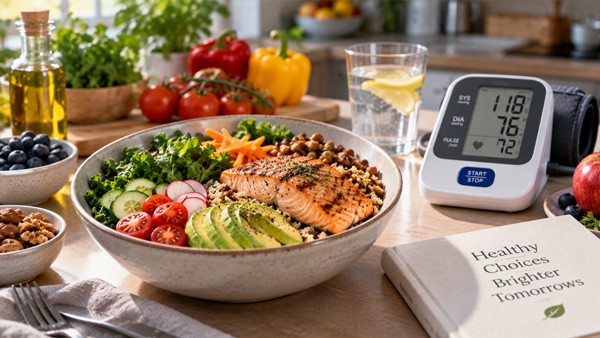

Most dietary advice for blood pressure is vague — eat healthily, cut down on salt, lose some weight. The DASH diet is different in one important respect: it was tested the way a medicine is tested, in controlled trials where participants were given the actual food, and it was measured against a normal diet.
The result was a fall in blood pressure within two weeks, of a size comparable to what a single blood pressure tablet achieves. That makes it one of the very few dietary interventions that can reasonably be described as a treatment.
📊 What the trials found. DASH stands for Dietary Approaches to Stop Hypertension. In the original trial, people eating the pattern saw their blood pressure fall within two weeks, with the largest reductions in those whose pressure was already high. A follow-up trial then combined the diet with lower salt intake and found that the two effects added together — the combination lowered pressure more than either alone, and in people with raised pressure the fall rivalled or exceeded that of a single medication.
These were not dramatic diets or weight-loss programmes. Weight was deliberately held steady, so the effect came from what people ate rather than how much.
🥗 What the pattern actually is
DASH is not a list of forbidden foods. It is a shift in proportions, towards foods rich in potassium, magnesium, calcium and fibre, and away from salt, saturated fat and added sugar.
| Food group | Roughly how much | Examples |
|---|---|---|
| Vegetables | 4 to 5 servings a day | Leafy greens, tomatoes, carrots, broccoli, peppers |
| Fruit | 4 to 5 servings a day | Bananas, oranges, berries, melon, apricots |
| Whole grains | 6 to 8 servings a day | Oats, brown rice, wholemeal bread, wholegrain pasta |
| Low-fat dairy | 2 to 3 servings a day | Milk, yoghurt, lower-fat cheese |
| Lean protein | Modest portions daily | Fish, poultry, eggs |
| Nuts, seeds and pulses | 4 to 5 servings a week | Almonds, lentils, beans, chickpeas |
| Limited | Small amounts | Red and processed meat, sweets, sugary drinks, salt |
A "serving" is smaller than most people assume — a piece of fruit, half a cup of cooked vegetables, a slice of bread. Seen in those terms the numbers are less daunting than they first look.
⚙️ Why it works
Several mechanisms act together. Potassium helps the kidneys excrete sodium and relaxes blood vessel walls. Magnesium and calcium contribute to blood vessel tone. Fibre and the general shift in food choices improve weight, cholesterol and blood sugar over time. And the pattern naturally contains less sodium, because most salt comes from processed food, which DASH largely replaces.
That last point connects directly to the article on salt, which explains why roughly three quarters of salt intake comes from packaged food rather than the shaker. DASH works partly because it moves the diet away from exactly those sources.
The benefits extend beyond blood pressure. The same pattern lowers LDL cholesterol, improves insulin sensitivity, and is associated with lower rates of heart disease, stroke and type 2 diabetes — which matters because high blood pressure rarely travels alone.
⚠️ The potassium catch
🧪 DASH is deliberately rich in potassium, and for most people that is a benefit. For some, it needs adjusting.
Several very common blood pressure medicines reduce the amount of potassium the kidneys excrete. That includes medicines ending in pril such as lisinopril and ramipril, medicines ending in sartan such as losartan and valsartan, and potassium-sparing water tablets such as spironolactone and amiloride. Kidney disease reduces excretion further.
In most people on these medicines with healthy kidneys, DASH is still recommended and safe. But combining a high-potassium diet with these drugs, reduced kidney function, potassium-based salt substitutes, or potassium supplements can push blood potassium too high — a problem that gives little warning, described in the article on high potassium.
If you take any of these medicines or have kidney disease, discuss the change with your prescriber first, and expect a blood test to check potassium after starting. Do not combine DASH with a potassium-based salt substitute without advice.
📉 When the diet works, the tablets may need adjusting
This is the part people do not expect. If DASH works well and blood pressure falls, someone already on medication can end up with pressure that is too low — light-headedness on standing, dizziness, tiredness, occasionally fainting.
That is a good problem to have, and it is handled by the prescriber reducing the dose, not by stopping tablets independently. Home blood pressure monitoring makes this far easier: a validated upper-arm monitor, readings at the same times of day, and a record to bring to appointments. It also shows, in numbers, whether the diet is working — which does more for motivation than any amount of advice.
📋 Making it stick
Adherence, not knowledge, is where diets fail. A few approaches help:
- Change one meal at a time. Breakfast is usually easiest — oats with fruit and yoghurt already covers three food groups
- Add before you subtract. Adding vegetables and fruit tends to crowd out other foods without a sense of deprivation
- Read the back of the packet for sodium, since the processed-food swap does much of the work
- Keep pulses and frozen vegetables in the cupboard — cheap, long-lasting and quick
- Increase fibre gradually to avoid bloating in the first weeks
- Taste adapts. Lower-salt food tastes bland for two to four weeks, then normal — the same adaptation described in the salt article
DASH combines well with the other measures that lower blood pressure: modest weight loss, regular activity covered in the article on exercise, cutting alcohol, and not smoking. Each adds to the others.
🩺 When to seek help
- Before starting, if you take a medicine ending in pril or sartan, spironolactone, amiloride, or potassium supplements, or have kidney disease
- Muscle weakness, palpitations or an irregular pulse — possible high potassium, particularly with the medicines above
- Dizziness, light-headedness on standing, or fainting once the diet is under way — medication may need reducing
- Blood pressure readings above 180 over 120, especially with headache, chest pain, breathlessness or visual change — urgent
- No change in readings after several weeks of genuine adherence — worth reviewing other causes and medication
Blood pressure treatment is stocked in the blood pressure category, including Zestril (lisinopril), Cozaar (losartan) and Aldactone (spironolactone). Diet and medication work together rather than instead of each other, and anyone on these medicines should check potassium with their prescriber when starting a potassium-rich diet like DASH.
❓ Frequently asked questions
How much does the DASH diet lower blood pressure?
In controlled trials it lowered blood pressure within two weeks, with the largest falls in people whose pressure was already high. Combined with lower salt intake the effects added together, and in people with raised pressure the reduction rivalled or exceeded that of a single blood pressure tablet. Weight was held steady in those trials, so the effect came from the food itself.
How quickly does it work?
Measurable changes appeared within about two weeks in the trials. That speed makes it worth checking with a home blood pressure monitor, since seeing the numbers fall is one of the strongest motivators to keep going.
What do I actually eat?
Plenty of vegetables and fruit, whole grains, low-fat dairy, lean protein such as fish and poultry, and regular nuts, seeds and pulses, with limited red and processed meat, sweets, sugary drinks and salt. It is a shift in proportions rather than a list of forbidden foods, and servings are smaller than most people expect.
Is it safe with my blood pressure medication?
For most people yes, and it is recommended alongside medication. The exception concerns potassium: medicines ending in pril or sartan, and water tablets such as spironolactone and amiloride, reduce potassium excretion. With these, or with kidney disease, discuss the change first and expect a blood test, and avoid potassium-based salt substitutes without advice.
Can I follow DASH with kidney disease?
Only with individual advice. DASH is rich in potassium and phosphorus, and reduced kidney function lowers the body ability to excrete both. Many of its principles still apply, but the potassium content often needs adjusting under guidance from a doctor or renal dietitian based on blood results.
Could I stop my tablets if it works?
Some people can reduce their medication once diet and lifestyle changes take effect, but that decision belongs to the prescriber, not the patient. If blood pressure falls enough to cause dizziness or light-headedness on standing, report it — the dose may need reducing. Stopping independently risks pressure rebounding.
Is it the same as a low-salt diet?
No, though they overlap. DASH is a whole eating pattern built around potassium, magnesium, calcium and fibre. A low-salt diet targets sodium alone. The trials showed that combining the two produced a larger fall than either separately, so the best results come from doing both.
Do I need to lose weight for it to work?
No. In the trials weight was kept steady and blood pressure still fell. Weight loss, where appropriate, adds a further reduction on top, as do regular exercise, reducing alcohol and not smoking. Each measure adds to the others.
Why does food taste bland at first?
Because salt preference is learned. When intake falls, taste receptors adjust over about two to four weeks, after which lower-salt food tastes normal and heavily salted food starts to taste excessive. Lemon, herbs, spices and garlic help bridge the first weeks.
Does it help anything besides blood pressure?
Yes. The same pattern lowers LDL cholesterol, improves insulin sensitivity, and is associated with lower rates of heart disease, stroke and type 2 diabetes. Since high blood pressure rarely occurs alone, that wider benefit is a large part of its value.
📑 Sources and editorial
- The original Dietary Approaches to Stop Hypertension randomised feeding trial
- The DASH-Sodium trial examining the combined effect of the diet and sodium reduction
- Evidence on potassium, magnesium, calcium and fibre in blood pressure regulation
- Literature on DASH effects on LDL cholesterol, insulin sensitivity and cardiovascular outcomes
- Guidance on dietary potassium in patients taking renin-angiotensin inhibitors or potassium-sparing diuretics, and in chronic kidney disease
- Guidance on home blood pressure monitoring and on medication adjustment following lifestyle change
- Related reading: salt and salt substitutes, high potassium, exercise, cholesterol ratios
- Related products: blood pressure category
- RXshop Editorial Team — reviewed by Robert Hayes, MD, Cardiology
Medical Disclaimer: The information in this article is for educational and informational purposes only and is not a substitute for professional medical advice, diagnosis, or treatment. Always seek guidance from a qualified healthcare provider with any questions you may have regarding a medical condition, and before starting, stopping or changing any medication.