Stopping the Pill: What Happens to Your Body Next

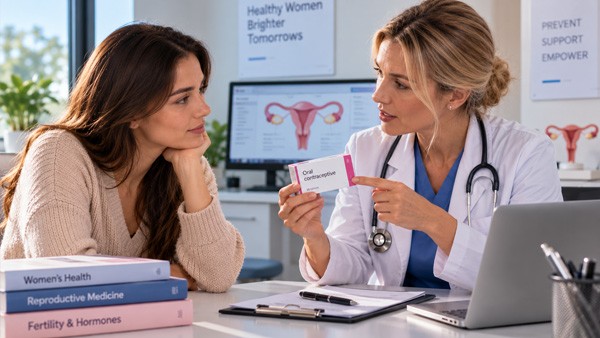

Women stop the pill for all sorts of reasons: to try for a baby, because of side effects, to switch method, or simply to see how their body behaves without it. Most are told little about what to expect, and many worry that fertility will take months to return or that something is wrong when periods do not immediately settle.
The reality is reassuring on the first point and useful to understand on the second. Fertility usually returns quickly. And when periods stay absent or irregular after stopping, the pill is rarely the cause — it is more often revealing a pattern it had been concealing all along.
⚙️ What the pill was doing. Combined pills stop ovulation and replace the natural hormone cycle with a steady dose of hormones. The monthly bleed while taking it is not a true period but a withdrawal bleed caused by the break from hormones. When the pill stops, the body has to restart its own cycle — which for most women happens within weeks.
📅 What to expect, and when
| Timeframe | What usually happens |
|---|---|
| First few days | A withdrawal bleed, similar to the usual pill-break bleed |
| Two to six weeks | Ovulation may already resume. Pregnancy is possible from the first cycle |
| First natural period | Often arrives four to six weeks after stopping, sometimes later, and may be heavier or lighter than before |
| First few months | Cycles may be irregular while the natural rhythm settles |
| Around three months | Most women have returned to their natural pattern. No period by now needs checking |
👶 Fertility returns quickly
There is no evidence that taking the pill, even for many years, harms long-term fertility. Most women ovulate within weeks of stopping, and pregnancy rates in the following year are similar to those of women who never used it. The injectable contraceptive is different and can delay fertility for up to a year, but the pill does not.
Two practical points follow:
- You do not need to wait or "rest" before trying to conceive. It is safe to try straight away. Waiting for one natural period makes it easier to date a pregnancy, but it is not medically necessary
- Start folic acid before you stop, ideally at least a month before trying to conceive. The structure that becomes the baby brain and spinal cord closes early, before most women know they are pregnant, as explained in the article on folic acid before conception
And the reverse also matters: contraceptive protection ends as soon as the pill stops. Anyone not trying for a baby needs another method from the day they stop.
🔍 When periods do not come back
Some women find that periods stay absent or very irregular after stopping. It is often called post-pill amenorrhoea, and the name gives the wrong impression. The pill does not usually cause it. By producing a regular monthly bleed, the pill hides whatever the natural cycle was doing underneath, and stopping it reveals that pattern.
If there has been no period three months after stopping, the steps are:
- A pregnancy test first, since ovulation can return before the first period
- Then a check for the common underlying causes
| Possible cause | Clues |
|---|---|
| Polycystic ovary syndrome | Irregular periods before starting the pill, acne, excess hair growth. See the article on PCOS |
| Thyroid problems | Tiredness, weight change, feeling cold or hot |
| Raised prolactin | Milky discharge from the nipples, headaches. See the article on pituitary adenoma |
| Low weight, intense exercise or stress | Recent weight loss, heavy training, restricted eating |
| Early menopause | Hot flushes, night sweats, particularly after mid-thirties. See the article on early menopause |
Women who had irregular periods before ever starting the pill are the most likely to find them irregular again afterwards.
🔄 Symptoms that may return
Because the pill suppresses several hormone-driven problems, some of them may come back after stopping. This is not a side effect of stopping; it is the return of the natural pattern.
- Acne and oily skin, particularly for women using pills with anti-androgen effects such as drospirenone. Flares often appear within a few months
- Excess hair growth, for the same reason
- Heavier or more painful periods
- Premenstrual symptoms, including mood changes and bloating
- Endometriosis pain, if the pill was controlling it
- Mid-cycle pain around ovulation
Some women notice improvements instead: better mood, higher libido, or relief from pill-related headaches or nausea. Experiences vary widely, and neither pattern means something is wrong.
⚖️ Myths about stopping
| Myth | What the evidence shows |
|---|---|
| You need a break from the pill every few years | Not necessary. There is no benefit to regular breaks, and restarting after a break briefly raises blood clot risk again |
| The pill damages fertility long term | No. Fertility returns within weeks for most women |
| Hormones need to detox before pregnancy | No. The hormones clear within days |
| Stopping will make you lose weight | Large studies do not show the pill causes significant weight gain, so stopping usually does not cause weight loss |
One benefit continues after stopping: the reduced risk of ovarian and womb cancers associated with pill use persists for many years afterwards.
📋 Practical tips for stopping
- Finish the pack where possible, which makes bleeding more predictable
- Use another contraceptive method immediately if you do not want to become pregnant
- If you had unprotected sex after missing or stopping pills, emergency contraception may be needed
- Start folic acid if you may try for a pregnancy
- Track your cycle for a few months to see your natural pattern
- If stopping because of side effects, ask about alternatives — a different pill or a non-oestrogen method may suit better
⚠️ A note on restarting. The risk of blood clots with combined pills is highest in the first months of use. After a gap of about a month or more, restarting brings that early higher-risk period back. It is still low in absolute terms, but it is a reason not to stop and start repeatedly without need.
🩺 When to seek help
- No period three months after stopping — pregnancy test first, then assessment
- Milky nipple discharge or persistent headaches
- Very heavy or painful periods after stopping
- Hot flushes and night sweats in your thirties or early forties
- Not pregnant after twelve months of trying under 35, or six months over 35
- Severe acne or excess hair growth after stopping
- Calf pain, chest pain or sudden breathlessness while on the pill or after restarting — emergency
Combined contraceptive pills are stocked in the birth control category, including Levlen (levonorgestrel), Yasmin (drospirenone) and Mircette (desogestrel). The choice of pill, and whether to restart, should be discussed with a prescriber.
❓ Frequently asked questions
How soon can I get pregnant after stopping the pill?
Very soon. Ovulation can return within two to six weeks, and pregnancy is possible from the first cycle, even before the first natural period. There is no need to wait before trying. Anyone not wanting to conceive needs another contraceptive method from the day they stop.
When will my period come back?
There is usually a withdrawal bleed within a few days of stopping. The first natural period typically arrives four to six weeks later, though it can take longer, and cycles may be irregular for a few months. If there has been no period after three months, take a pregnancy test and then have a check-up.
Does long-term pill use affect fertility?
No. Research shows no lasting effect on fertility, even after many years of use. Pregnancy rates in the year after stopping are similar to those of women who never took it. The injectable contraceptive is different and can delay fertility, but the pill does not.
Why have my periods not returned?
Usually because the pill was hiding an underlying pattern rather than causing a new problem. After a negative pregnancy test, common causes include polycystic ovary syndrome, thyroid problems, raised prolactin, low weight or intense exercise, and occasionally early menopause. Women with irregular periods before starting the pill are most likely to see them return.
Will my acne come back?
It may, especially if the pill was controlling it, which is common with pills containing anti-androgen progestogens such as drospirenone. Flares often appear within a few months. Other treatments are available if it becomes a problem.
Do I need to take a break from the pill?
No. There is no medical benefit to regular breaks. In fact, restarting after a gap of about a month or more briefly raises the risk of blood clots again, as it is highest in the first months of use.
Should I wait before trying for a baby?
It is not medically necessary. Waiting for one natural period makes it easier to date a pregnancy, but trying straight away is safe. Starting folic acid ideally a month before trying is more important than waiting.
Can I stop the pill in the middle of a pack?
Yes, though it can cause unpredictable bleeding, which is why finishing the pack is often easier. Protection ends as soon as pills stop. If you have had unprotected sex after stopping or missing pills, emergency contraception may be needed.
Will I lose weight after stopping the pill?
Probably not. Large studies have not shown that the pill causes significant weight gain, so stopping generally does not lead to weight loss. Some women notice less bloating, which can feel like a small change.
Does the cancer protection from the pill last?
Yes. The reduced risk of ovarian and womb cancers associated with pill use continues for many years after stopping, which is one lasting benefit of having used it.
📑 Sources and editorial
- Studies on return of fertility and pregnancy rates after discontinuation of combined oral contraceptives
- Guidance on post-pill amenorrhoea and investigation of absent periods
- Evidence on venous thromboembolism risk in the first months of combined pill use and on restarting
- Long-term data on ovarian and endometrial cancer risk after oral contraceptive use
- Systematic reviews on combined hormonal contraception and weight
- Guidance on periconceptional folic acid
- Related reading: Yasmin, polycystic ovary syndrome, ovulation tests
- Related products: birth control category
- RXshop Editorial Team — reviewed by Anita Sharma, MD, Obstetrics and Gynaecology
Medical Disclaimer: The information in this article is for educational and informational purposes only and is not a substitute for professional medical advice, diagnosis, or treatment. Always seek guidance from a qualified healthcare provider with any questions you may have regarding a medical condition, and before starting, stopping or changing any medication.