White Willow Bark: The Original Aspirin, What It Helps and Who Must Avoid It



Willow bark has been chewed for pain and fever for thousands of years. In the nineteenth century chemists isolated the compound responsible, salicin, and then modified it into acetylsalicylic acid, which the world knows as aspirin. So the herbal remedy and the pharmacy tablet are not rivals from different worlds. One is the ancestor of the other.
That family link cuts both ways. Willow bark can ease pain, and it carries the same kind of risks as aspirin: stomach bleeding, interactions with blood thinners, danger in children with viral illness. Because it is sold as a supplement, those risks are rarely printed on the label.
This guide covers what the evidence actually shows, sensible doses, who must avoid it, and how it compares with the ordinary painkillers most people already have at home.
🌿 What is in it
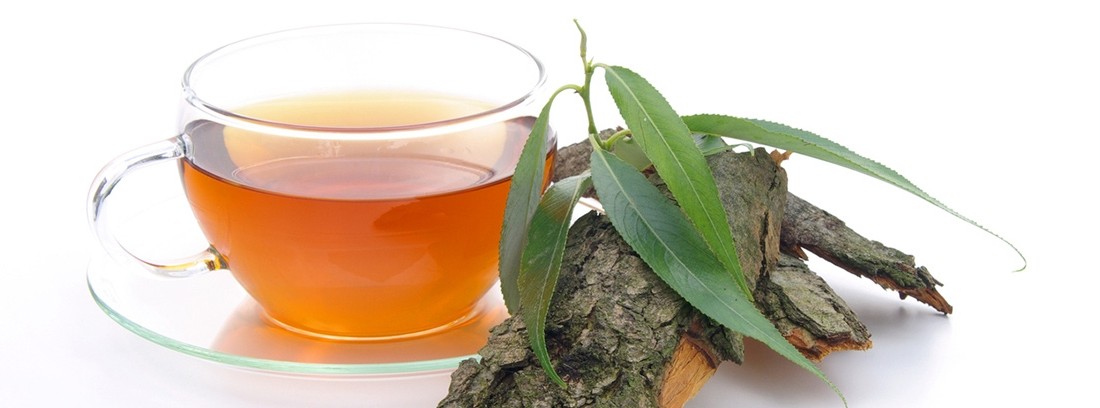
The bark of the white willow, Salix alba, and related species contains salicin, which the body converts to salicylic acid, the same active substance aspirin produces. It also contains polyphenols and flavonoids that may add anti-inflammatory effects.
The important practical point is dose. Products are standardised to their salicin content, and studies that showed benefit used around 120 to 240 mg of salicin a day. Many supplements on sale contain far less, which is one reason experiences differ so widely.
🔬 What the evidence shows
| Condition | What trials suggest |
|---|---|
| Low back pain | The best-studied use. At 240 mg salicin daily, some trials found moderate short-term relief compared with placebo |
| Osteoarthritis | Mixed results; effects smaller than standard anti-inflammatory tablets |
| Headache | Little direct evidence |
| Fever | Traditional use, but paracetamol and ibuprofen are far more predictable |
| Heart protection | No. Willow bark does not thin the blood the way low-dose aspirin does and must never replace it |
Overall the picture is of a mild analgesic with modest evidence for back pain, working more slowly than a tablet of ibuprofen and costing more.
⚠️ The risks that come with it
🔴 Do not take willow bark if you:
- are allergic to aspirin or have aspirin-sensitive asthma or nasal polyps
- have a stomach ulcer or a history of gastrointestinal bleeding
- take blood thinners such as warfarin or clopidogrel, or other anti-inflammatory medicines
- are under 18 with a fever or viral illness — salicylates are linked to Reye syndrome, a rare but often fatal liver and brain condition in children
- are pregnant or breastfeeding
- have kidney or liver disease, or severe asthma
- have surgery planned — stop at least a week or two beforehand and tell the surgeon
Possible side effects mirror aspirin: indigestion, nausea, stomach pain, and rarely bleeding, ringing in the ears or allergic reactions. Because the dose per capsule varies between brands, so does the risk.
⚖️ How it compares with ordinary painkillers
| Option | Best for | Main drawback |
|---|---|---|
| Paracetamol | Fever, mild pain, when anti-inflammatories are unsuitable | Weak for inflammatory pain; liver risk in overdose |
| Ibuprofen | Inflammatory pain, injuries, period pain | Stomach, kidney and blood pressure effects |
| Naproxen | Longer-lasting inflammatory pain | Same class of risks |
| Topical anti-inflammatory gel | Knee and hand osteoarthritis, localised strains | Not for deep or widespread pain |
| Willow bark | Mild back pain in people who prefer a herbal option | Uncertain dose, slower, same risks as aspirin, higher price |
In our pain medicine category these include Motrin (Ibuprofen), Naprosyn (Naproxen), Paracip (Paracetamol) and the topical gel Jonac (Diclofenac Gel). For knee and hand osteoarthritis, topical gel is now preferred over tablets in most guidelines, because it works locally with far less effect on the stomach and kidneys.
📋 If you decide to try it
- 🔍 Check the salicin content on the label, not just the milligrams of bark
- ⏳ Give it one to two weeks before judging; it acts more slowly than a tablet
- 🍴 Take it with food to reduce stomach upset
- 🚫 Do not combine it with aspirin or anti-inflammatory tablets
- 💬 Tell your doctor and pharmacist you are taking it, as you would any medicine
- 🛑 Stop and seek advice for black stools, vomiting blood, stomach pain, ringing in the ears or a rash
🦴 What actually helps back pain
Since back pain is the main reason people reach for willow bark, it is worth saying what the evidence supports most strongly: staying active rather than resting, returning to normal movement early, and exercise or physiotherapy for persistent pain. Painkillers help you do those things; they are not the treatment themselves. Our guide to physiotherapy and back pain covers this, and headaches from overusing painkillers are explained in our tension headache guide.
📞 When to see a doctor
- Back pain with numbness, weakness or problems passing urine — emergency
- Fever that lasts more than three days, or a very high temperature
- Any fever in a child being given a salicylate-containing product — stop it and seek advice
- Black stools, vomiting blood or severe stomach pain — urgent
- Needing painkillers most days for more than a couple of weeks
- Taking blood thinners and considering any herbal remedy
❓ Frequently asked questions
Is willow bark the same as aspirin?
Not identical, but closely related. Willow bark contains salicin, which the body converts to salicylic acid, the same active substance aspirin produces. Aspirin was developed from it, and the safety concerns are similar.
Does willow bark work for pain?
The best evidence is for low back pain at around 240 mg of salicin daily, where some trials found moderate short-term relief. Results in osteoarthritis are mixed, and effects are smaller than standard anti-inflammatory tablets.
How much willow bark should I take?
Studies used about 120 to 240 mg of salicin a day. Check the salicin content on the label rather than the amount of bark, because products vary widely.
Can children take willow bark?
No. Salicylates are linked to Reye syndrome, a rare but often fatal condition affecting the liver and brain in children and teenagers with a viral illness. Paracetamol or ibuprofen are used instead.
Can I take willow bark with blood thinners?
No. It increases bleeding risk with warfarin, clopidogrel and similar medicines, and with anti-inflammatory tablets. Tell your doctor or pharmacist before taking any herbal product.
Can willow bark replace low-dose aspirin for my heart?
No. It does not have the same antiplatelet effect and must never be substituted for prescribed aspirin.
Is willow bark safer because it is natural?
No. It carries the same risks as aspirin, including stomach bleeding and allergic reactions, with the added problem that the dose in supplements is less predictable.
How long does it take to work?
Slower than a painkiller tablet. In studies benefit built over one to two weeks of regular use rather than within an hour.
Should I stop it before surgery?
Yes, at least one to two weeks beforehand, and tell the surgical team, because it can increase bleeding.
What works best for back pain?
Staying active and returning to normal movement early, with exercise or physiotherapy for persistent pain. Painkillers, whether herbal or pharmaceutical, are there to make movement possible, not to be the treatment.
📑 Sources and editorial
- Systematic reviews of herbal medicine for low back pain, including willow bark
- Herbal monographs on Salix species: constituents, dosing and safety
- Guidance on salicylates and Reye syndrome in children
- Guidelines on the management of low back pain and osteoarthritis, including topical NSAIDs
- Reviews of herb-drug interactions with anticoagulants
- Related reading: physiotherapy and back pain, medication overuse headache
- Related products: Motrin (Ibuprofen), Paracip (Paracetamol), Jonac (Diclofenac Gel)
- RXshop Editorial Team — reviewed by Sarah Mitchell, PharmD
Medical Disclaimer: The information in this article is for educational and informational purposes only and is not a substitute for professional medical advice, diagnosis, or treatment. Always seek guidance from a qualified healthcare provider with any questions you may have regarding a medical condition, and before starting, stopping or changing any medication.