Enlarged Thyroid Treatment: Iodine Deficiency Goiter, Hashimoto Goiter, Pregnancy and When Levothyroxine Helps


🧣 An enlarged thyroid, or goiter, is usually found by accident: a friend notices a fuller neck, a collar suddenly feels tight, or a doctor feels a soft swelling during a routine check. The first question most people ask is what treatment they need. The honest answer is that the size of the gland matters much less than two other things: how well it works and why it grew. 🔍 This guide is about the most common kind of goiter, the one where hormone levels are normal or low. It explains how iodine shortage and Hashimoto thyroiditis make the gland swell, which blood tests sort out the cause, when levothyroxine is the right medicine and when it is not, what changes in pregnancy, which foods and tablets matter, and when a large goiter needs radioiodine or surgery instead of tablets.
🧣 What counts as an enlarged thyroid
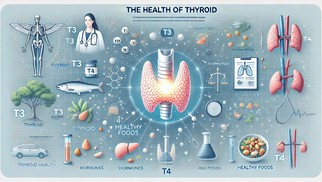
📏 The thyroid is a butterfly-shaped gland low in the front of the neck, below the voice box, with two lobes joined by a thin bridge called the isthmus. In an adult it weighs roughly 10 to 20 grams and is usually hard to see. Doctors call it a goiter when the gland is clearly larger than normal, either on examination or on ultrasound, where the usual upper limit of total volume is about 18 mL in women and about 25 mL in men. A goiter is a description, not a diagnosis, in the same way that a cough is a description. The next step is always to find out what is behind it.
🧭 Three questions that decide the treatment
🤔 Every goiter is sorted using the same three questions. Is the gland making too much hormone, too little, or the right amount? Is the swelling smooth (diffuse) or lumpy (nodular)? Is it pressing on anything? This article covers the smooth, non-toxic goiter with normal or low hormone levels. Lumpy glands and the work-up of nodules are explained in our guide to thyroid nodules and multinodular goiter, and a smooth goiter that makes too much hormone is covered in diffuse toxic goiter.
🧬 How a thyroid grows: the TSH loop
🧠 The pituitary gland at the base of the brain watches the level of thyroid hormone in the blood. When the level falls, it releases more thyroid stimulating hormone (TSH). TSH tells the thyroid to work harder, and over months a gland that is pushed hard also grows larger. Anything that makes hormone production difficult, such as too little iodine or an immune attack on the gland, keeps TSH high and keeps the growth signal switched on. This is why so many goiters shrink, or at least stop growing, once the cause is corrected and TSH comes back into range.
🧂 Iodine deficiency: still the leading cause worldwide
🌍 Thyroid hormone is built from iodine, and the body cannot make iodine on its own. Across the world, a shortage of iodine remains the most common reason for a goiter, especially in mountain regions and inland areas far from the sea, where soil and water contain little of it. Iodised salt has transformed the picture in many countries, but mild shortage is still common, and it returns quickly when people switch to sea salt, rock salt or salt-free diets, or cut out dairy and fish without a replacement. Vegan diets without iodised salt or a supplement are a typical modern example.
💊 In an iodine goiter, the treatment is iodine, not thyroid hormone. For most adults that simply means using iodised salt and eating dairy, eggs or fish a few times a week. A doctor may suggest a supplement of about 150 mcg a day in pregnancy or for people on restricted diets. The smooth goiter of young people often shrinks over months once intake is normal. Long-standing goiters in older adults, especially lumpy ones, shrink less and may contain nodules that work on their own, so a sudden large dose of iodine is not a good idea for them.
🛡️ Hashimoto thyroiditis: the main cause where iodine is plentiful
🧬 In countries with enough iodine, the commonest cause of a goiter with low or borderline hormone levels is Hashimoto thyroiditis. The immune system makes antibodies against the thyroid and fills it with white blood cells, so the gland swells and feels firm and slightly rubbery. Over years the inflamed tissue makes less hormone, TSH rises, and the high TSH keeps the gland enlarged. Women are affected several times more often than men, it runs in families, and it often sits alongside other autoimmune conditions such as type 1 diabetes, vitiligo, coeliac disease or pernicious anaemia.
📖 The slow slide from a healthy thyroid to an underactive one, and the other causes of low thyroid function, are explained in when the thyroid slows down: hypothyroidism of different causes.
🧴 Other causes: medicines, puberty, pregnancy and smoking
🔍 A smaller group of goiters has a clear trigger outside the gland itself. Some of these can be prevented or reversed once the trigger is known, so a doctor will always ask about medicines, diet and family history.
| 🔎 Cause | 📋 How it makes the gland grow | 💡 What usually helps |
|---|---|---|
| Lithium | Blocks the release of hormone from the gland; goiter and low thyroid are common on long-term use | Regular TSH checks; levothyroxine if needed, lithium usually continued |
| Amiodarone | Very high iodine content can switch the gland down or up | Thyroid tests before and during treatment |
| Too much iodine | Kelp tablets, seaweed in large amounts, some cough remedies | Stop the excess source |
| Puberty and pregnancy | Higher hormone and iodine demand | Enough iodine; often settles |
| Smoking | Smoke contains thiocyanate, which competes with iodine | Stopping smoking |
| Cassava-based diets | Releases goitrogens when poorly prepared, mainly where iodine is low | Proper soaking and cooking, iodised salt |
🩺 Symptoms: the neck, and the hormone level
👀 Most smooth goiters cause no symptoms at all. When symptoms do appear, they come from two different sources: the physical size of the gland, and the hormone level it produces. A large goiter with normal hormone gives only neck symptoms, while a small Hashimoto goiter may cause tiredness and weight gain with no neck complaint whatsoever.
⚠️ A hoarse voice that lasts more than a few weeks is not a typical goiter symptom. A smooth benign goiter rarely affects the voice, so hoarseness, a hard fixed lump, or swelling that grows over weeks rather than years should be checked quickly. In a person with known Hashimoto disease, a gland that suddenly enlarges also needs prompt review, because a rare lymphoma of the thyroid can start in this setting.
🧪 Blood tests come first
🩸 The first test for any enlarged thyroid is a blood test, not a scan. TSH alone already sorts most goiters into the right group, and free T4 and thyroid antibodies complete the picture. Only if TSH is low does a doctor need an uptake scan, to look for overactive tissue.
🖥️ Ultrasound and other imaging
📷 Ultrasound is quick, painless and uses no radiation. It measures the true volume of the gland and shows whether the tissue is evenly swollen or contains nodules, which changes the plan completely. Hashimoto thyroiditis gives a typical patchy, darker pattern that an experienced operator often recognises at once. A CT scan of the neck and chest is added only when the goiter seems to go down behind the breastbone or when breathing symptoms suggest the windpipe is narrowed. Breathing tests and a look at the vocal cords may be done before any surgery.
📊 Normal TSH: watching is usually the right answer
👀 A small or moderate smooth goiter with normal TSH and no pressure symptoms rarely needs treatment. Most doctors simply check TSH once a year and repeat the ultrasound only if the neck seems to change. Correcting iodine intake is worthwhile, and people with positive antibodies are told what symptoms to report, because a small share of them each year go on to develop low thyroid function. This watchful approach feels passive, but it spares people tablets they do not need and side effects that bring no benefit.
💊 When levothyroxine is the right medicine
✅ Levothyroxine is a synthetic copy of T4, the main hormone made by the thyroid. It is the clear treatment when a goiter comes with an underactive thyroid, whether from Hashimoto disease or another cause. Replacing the missing hormone lets TSH fall back into range, which removes the growth signal, and in many people with a Hashimoto goiter and high TSH the gland becomes smaller over the following months. Even when the size changes little, the tiredness, slowness and cold intolerance of low thyroid function usually improve.
| 🧪 Situation | 💊 Levothyroxine? | 📝 Comment |
|---|---|---|
| TSH high, free T4 low | Yes | Overt hypothyroidism, treat in almost all cases |
| TSH above 10, free T4 normal | Usually yes | Higher chance of progression and symptoms |
| TSH mildly raised, positive antibodies | Sometimes | Depends on symptoms, age, goiter size and pregnancy plans |
| Planning pregnancy or pregnant, TSH above target | Yes | Lower TSH targets apply in pregnancy |
| TSH normal, simple goiter | Not routinely | See the next section |
| After thyroid surgery | Yes, if the whole gland is removed | Lifelong replacement |
⚖️ Why tablets are no longer used to shrink a normal goiter
📉 For decades, people with a goiter and normal thyroid function were given enough levothyroxine to push TSH below normal, in the hope of shrinking the gland. Current guidelines no longer recommend this suppression therapy as a routine treatment. The shrinkage was modest and inconsistent, the gland tended to regrow when the tablets stopped, and keeping TSH low for years carries real risks: a higher chance of atrial fibrillation, faster bone loss after menopause, and symptoms of mild overactivity such as palpitations, anxiety and poor sleep. Older adults and people with heart disease are the most exposed.
Small reduction in size in some young people with iodine shortage
Irregular heartbeat, bone thinning, palpitations
The gland usually grows back
💡 The practical rule is simple: levothyroxine is used to correct a low hormone level, not to treat the size of a gland that already works normally. If a simple goiter becomes a problem because of its size, the options are radioiodine or surgery, discussed below.
📏 Finding the right levothyroxine dose
🔢 Doses are measured in micrograms (mcg), and the full replacement dose for an adult whose own gland makes almost nothing is roughly 1.6 mcg per kilogram of body weight per day. People with Hashimoto disease and some remaining function usually need less, and the dose is always adjusted to the TSH result rather than to a formula. Healthy younger adults may start near the full dose. People over 60 and anyone with heart disease start low, often at 25 to 50 mcg a day, and increase in small steps so the heart has time to adapt.
Starting dose, taken every morning
Energy often starts to lift
TSH check, dose adjusted
Stable dose, goiter size reviewed
💊 Thyroxine tablets come in many strengths so that the dose can be fine-tuned. Thyronorm (Levothyroxine) is available at 88 mcg, a common in-between strength, Synthroid (Levothyroxine) comes in a wide range from 25 to 200 mcg, and Eltroxin (Levothyroxine) at 50 mcg suits people who build their dose from smaller tablets.
⏰ How to take levothyroxine so it actually works
💧 Levothyroxine is absorbed in the small intestine, and absorption is easily disturbed by food, drinks and other tablets. Most cases of a TSH that will not settle come from how the tablet is taken, not from a wrong dose. A steady routine matters more than the exact clock time.
🔗 Tablets that block levothyroxine
🧪 Several common medicines lower the amount of levothyroxine that reaches the blood. Starting or stopping any of them is a reason to recheck TSH after 6 to 8 weeks, because the right dose may change. None of them is forbidden; they simply need spacing or a dose adjustment.
💡 Oestrogen tablets, including the combined pill and hormone therapy, raise the protein that carries thyroid hormone in the blood, so women on levothyroxine may need a higher dose when they start them. Some epilepsy medicines and rifampicin speed up the breakdown of the hormone. Telling every prescriber about levothyroxine avoids most of these surprises.
🏷️ Does the brand of levothyroxine matter?
💊 All levothyroxine products contain the same molecule, but tablets from different makers can be absorbed slightly differently. For most people the brand matters less than staying on the same one, so that a TSH result reflects the dose and not a change of product. If a switch happens, a TSH check after 6 to 8 weeks confirms that nothing has moved. The details, including when a switch is worth doing and how to manage it, are in our guide Synthroid, Eltroxin or Thyronorm: does the brand matter.
🤰 Goiter and pregnancy
👶 The baby depends on the thyroid hormone of the mother for the first part of pregnancy, before its own gland starts working. This is why thyroid problems are checked early and treated more strictly in pregnancy than at any other time. In areas with borderline iodine, the thyroid of the mother often grows during pregnancy as demand rises. Women with Hashimoto disease who already take levothyroxine usually need a higher dose as soon as pregnancy is confirmed; a common approach is to add about two extra daily doses each week straight away, then fine-tune with blood tests.
TSH in target, iodine supplement started
Dose increased, doctor informed
TSH every 4 weeks
Back to the old dose, TSH at 6 weeks
🧂 Most prenatal vitamins contain about 150 mcg of iodine, which covers the gap between a normal diet and the higher need. Women with Hashimoto disease can usually take this amount safely; large doses from kelp or seaweed tablets are best avoided. Prenatal vitamins also contain iron and calcium, so they belong at lunchtime or in the evening, well away from the morning levothyroxine.
⚡ A short overactive phase in Hashimoto disease
💓 Early in Hashimoto disease, and in the painless thyroiditis that can follow childbirth, damaged thyroid cells sometimes leak stored hormone into the blood. For a few weeks the person may feel shaky, hot and anxious, with a racing heart, before the gland settles or becomes underactive. This leak is not the same as Graves disease, where the gland overproduces, so antithyroid tablets do not help. A beta blocker such as Inderal (Propranolol) is often used for a short time to calm the heart and tremor while the phase passes, with TSH checked every few weeks to catch the low phase that may follow.
| 🚫 Propranolol is used with caution or avoided in | 📝 Why |
|---|---|
| Asthma or wheezy COPD | Can narrow the airways |
| Slow pulse or heart block | Slows the heart further |
| Low blood pressure | Dizziness and fainting |
| Diabetes on insulin | Can hide the warning signs of low blood sugar |
📖 How a truly overactive gland is recognised and treated is covered in when the thyroid works too fast: Graves disease.
🥦 Food, goitrogens and supplements
🥬 Cabbage, broccoli, kale and other cruciferous vegetables contain substances that can interfere with iodine use in the thyroid. In normal amounts, and especially when cooked, they do not cause a goiter in people with enough iodine. The same is true of soy, although soy products taken at the same time as levothyroxine may reduce its absorption, so they belong later in the day. Coffee taken with the tablet also lowers absorption, which is one more reason for the 30 to 60 minute gap.
🧪 Selenium has been studied in Hashimoto disease because it may lower antibody levels in some people, but it does not replace levothyroxine and has not been shown to shrink a goiter. Too much selenium is harmful, so high-dose products should only be taken after discussion with a doctor. So-called thyroid support supplements sometimes contain real thyroid hormone or large amounts of iodine, which can push the gland either way.
💨 When a large goiter presses on the windpipe
🌬️ A goiter that keeps growing over many years can extend downwards behind the breastbone, where there is no room for it to expand. This is called a retrosternal goiter. It may narrow the windpipe or press on the gullet and the large veins in the neck, causing breathlessness when lying flat, noisy breathing, choking on food, or a full, flushed face when both arms are raised above the head (a test doctors call the Pemberton sign). These symptoms often creep in so slowly that people put them down to age or weight.
☢️ Radioiodine for a large non-toxic goiter
💊 Radioactive iodine is given as a capsule or a drink. The thyroid takes it up, and the radiation slowly destroys part of the gland from the inside. In a large goiter with normal hormone levels it shrinks the gland gradually over one to two years, which can relieve pressure symptoms without an operation. It is often chosen for older people or those for whom anaesthesia is risky. The goiter can swell a little in the first days, so radioiodine is used with care when the windpipe is already tight. Many people develop an underactive thyroid in the years afterwards and then need levothyroxine, and it is not used in pregnancy or breastfeeding.
🔪 Surgery: when it is the better choice
🩺 Thyroid surgery is the most direct way to remove a goiter. It is usually advised when the gland causes clear pressure symptoms, extends well behind the breastbone, grows quickly, or contains a suspicious nodule. Some people choose it for appearance when a visible goiter bothers them. Taking out the whole gland (total thyroidectomy) removes the chance of regrowth but means lifelong levothyroxine. Removing one lobe may leave enough tissue to make hormone on its own.
🦴 After surgery: calcium, voice and the first tablet
💬 Two small structures lie close to the thyroid: the nerves that move the vocal cords and the four tiny parathyroid glands that control blood calcium. Temporary hoarseness and a short dip in calcium are the most common problems after a thyroidectomy, and both usually recover within weeks. Tingling around the mouth or in the fingers, or muscle cramps in the first days, should be reported at once. After a total thyroidectomy, levothyroxine is usually started in hospital, at a dose based on body weight, and adjusted with the first TSH check about six weeks later. What happens if calcium stays low is explained in low calcium after thyroid surgery.
🗿 Myths about goiter and its treatment
🚨 When to see a doctor
⛔ Get urgent help if:
🔹 Breathing becomes noisy or difficult, or you cannot swallow liquids.
🔹 The neck swells quickly over days, or becomes very painful.
⚠️ Book a prompt appointment if:
🔹 A swelling in the neck is new, hard, fixed or growing over weeks.
🔹 Your voice has been hoarse for more than three weeks.
🔹 You are pregnant or planning pregnancy and have a goiter or take levothyroxine.
🔹 On levothyroxine you have palpitations, chest pain, tremor or weight loss, which can mean the dose is too high.
📖 For a broader overview of underactive thyroid and its long-term care, see hypothyroidism of different causes; for lumps found on ultrasound, see thyroid nodules and multinodular goiter.
❓ Frequently asked questions
What is the treatment for an enlarged thyroid?
It depends on the cause and hormone level. Low thyroid is treated with levothyroxine, iodine shortage with iodine, and a large goiter that presses on the neck with radioiodine or surgery.
Can levothyroxine shrink a goiter?
Often yes when the goiter comes with high TSH, as in Hashimoto disease. When TSH is already normal, tablets are no longer used to shrink the gland because the benefit is small and the risks are real.
Does a goiter mean I have hypothyroidism?
No. A goiter can come with normal, low or high hormone levels. A TSH blood test shows which one applies.
Can iodine deficiency goiter go away?
A smooth goiter in a young person often shrinks over months once iodine intake is normal. Long-standing or lumpy goiters in older adults shrink less.
How do I know if my goiter is caused by Hashimoto disease?
Positive TPO antibodies, a firm gland and a typical ultrasound pattern point to Hashimoto disease. TSH may be normal at first and rise over the years.
How long does levothyroxine take to work?
Energy often improves within a few weeks, but TSH needs 6 to 8 weeks to settle after each dose change. Any change in goiter size is judged after several months.
Can I take levothyroxine with omeprazole?
Yes, but long-term acid blockers can reduce absorption. Keep the routine steady and recheck TSH 6 to 8 weeks after starting or stopping the acid blocker.
Is a goiter dangerous in pregnancy?
The goiter itself rarely is, but low thyroid function in the mother can affect the baby. TSH should be checked early and levothyroxine increased if needed.
Should I avoid broccoli and cabbage with a goiter?
No. Normal portions, especially cooked, are safe when iodine intake is adequate. Very large raw amounts matter mainly where iodine is low.
When does a goiter need surgery?
When it causes breathing or swallowing problems, extends behind the breastbone, grows quickly or contains a suspicious nodule. Some people also choose surgery for appearance.
📑 Sources and editorial
- 📘 Clinical practice guidelines on hypothyroidism and on the treatment of levothyroxine replacement
- 🌍 International recommendations on iodine intake in children, adults and pregnancy
- 🧪 Guidance on thyroid function tests, TPO antibodies and interference from biotin
- ⚖️ Reviews of TSH suppression therapy for benign goiter and its effects on heart rhythm and bone
- 🤰 Guidelines on thyroid disease during pregnancy and after delivery
- ☢️ Studies of radioiodine and surgery for large non-toxic and retrosternal goiter
- 💊 Prescribing information for levothyroxine, including absorption and drug interactions
- 📖 Related reading: thyroid nodules and multinodular goiter, diffuse toxic goiter, levothyroxine brands, hypothyroidism of different causes, Graves disease, low calcium after thyroid surgery
- 🛒 Related products: Thyronorm (Levothyroxine), Synthroid (Levothyroxine), Eltroxin (Levothyroxine), Inderal (Propranolol), Prilosec (Omeprazole), Nexium (Esomeprazole), Choltran (Cholestyramine), Xenical (Orlistat)
- 🩺 RXshop Editorial Team — reviewed by Daniel Kim, MD — Endocrinologist
Medical Disclaimer: The information in this article is for educational and informational purposes only and is not a substitute for professional medical advice, diagnosis, or treatment. Always seek guidance from a qualified healthcare provider with any questions you may have regarding a medical condition, and before starting, stopping or changing any medication.