Furosemide Not Working in Heart Failure: Why Diuretic Resistance Happens and What Doctors Change in the Tablet Plan

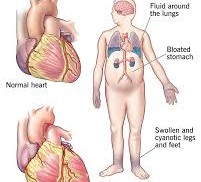
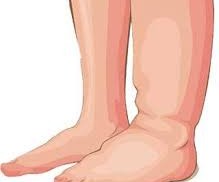
💧 Many people with heart failure know the pattern. For months a morning tablet of furosemide keeps the ankles slim and the breathing easy, and then, slowly, it stops. The swelling comes back, the scale creeps up, and the same dose that used to send you to the toilet four times now does very little. 🔎 Doctors call this diuretic resistance. It is common, it has a short list of causes, and most of them can be fixed without a hospital bed. This guide explains why a water tablet loses its effect, how the cause is found, and what doctors usually change: the dose, the timing, the drug itself, or a second medicine added for a short time. It is written for patients and families who want to understand the plan, not to change it on their own.
🔁 When the water tablet seems to stop working
🤔 The first sign is rarely dramatic. Most people notice that the tablet still works a little, but not enough to keep up. Socks leave deeper marks by evening, a belt needs a new hole, the morning weight is half a kilogram higher each week, and stairs feel harder. Some notice that they pass less urine after the dose than they used to. Others are told by a nurse that the dose has been doubled twice and the legs are still swollen.
📖 If you are new to heart failure fluid and want the basics first, our guide to living with swelling from heart failure explains the daily weight rule and the flexible diuretic plan. This article picks up where that one ends: what happens when the usual plan stops working.
📏 What doctors mean by diuretic resistance
🩺 There is no single blood test for it. Diuretic resistance means that a reasonable dose of a loop diuretic no longer removes enough salt and water to clear the extra fluid. In practice doctors look at three things: the weight does not fall despite a higher dose, the urine output after a dose is low, and the amount of sodium in the urine a couple of hours after the dose is low. In hospital, the last test is used more and more because it answers the question within a few hours instead of a few days.
💡 Two situations look alike but are different. True resistance is when the drug reaches the kidney and the kidney fails to respond. False resistance is when the drug never gets there in a working amount, or when salt intake simply outruns it. The second type is far more common at home, and far easier to fix.
🔬 How furosemide gets to work
🧪 To understand why it fails, it helps to follow the tablet. Furosemide does not act from the blood; it has to be pumped into the urine inside the kidney, and only there does it block the channel that pulls salt back into the body in a part of the kidney called the loop of Henle. Every step on the way can break.
📌 Loop diuretics also have a threshold. Below a certain level in the urine they do almost nothing, and above it the effect rises quickly and then flattens. This is why a dose that is too small does not work a little: it may not work at all. It is also why splitting a weak dose into two smaller ones can make things worse, while doubling a single dose can suddenly bring back a good response.
🧂 Cause 1: salt coming in faster than it goes out
🍞 The most common reason a diuretic seems to fail is the plate. A loop diuretic works for about six hours, and for the rest of the day the kidney holds on to salt even harder than before. Doctors call this post-diuretic salt retention. If a salty lunch and dinner arrive in that window, the kidney keeps all of it, and the net result over 24 hours can be zero. Bread, cheese, cured meat, stock cubes, soups, sauces, ready meals and takeaway food carry most of the hidden salt.
📝 A practical test is a short food diary for three days alongside the morning weights. If the weight jumps after restaurant meals or family dinners, the problem is salt, not the tablet. Most heart failure teams suggest keeping salt moderate rather than extremely low, because very strict diets are hard to follow and can reduce appetite in frail people.
💊 Cause 2: medicines that blunt the effect
⚠️ Several common medicines make the kidney hold on to salt or reduce the effect of loop diuretics. The biggest offenders are anti-inflammatory painkillers, often bought without a prescription. A few days of ibuprofen for a bad back can be enough to bring the swelling back and push the kidney numbers up.
| 💊 Medicine | 📝 What it does | 🔄 Usual approach |
|---|---|---|
| Ibuprofen, naproxen, diclofenac | Block kidney signals that help salt leave; can harm the kidney | Avoid; paracetamol is usually preferred for pain |
| High-dose aspirin | Similar effect to other anti-inflammatories at pain-relief doses | Low-dose aspirin for the heart is usually fine |
| Steroid tablets | Cause salt and water retention | Discuss dose and length of course |
| Pioglitazone | Causes fluid retention; not advised in heart failure | Doctor usually switches it |
| Some calcium channel blockers | Ankle swelling from the drug itself, not from fluid overload | Review if swelling started after it |
| Effervescent or soluble tablets | Many contain a lot of sodium | Ask for a non-soluble form |
📖 Blood pressure tablets and the rules for illness days are covered in living with blood pressure tablets: side effects and sick day rules. Always tell the pharmacist you take a water tablet before buying anything for pain, colds or indigestion.
🫃 Cause 3: a swollen gut absorbs less
🧬 When fluid builds up in the body, the wall of the bowel swells too. A swollen gut absorbs tablets more slowly, so less furosemide reaches the kidney at any one time, and the level may never cross the threshold. This creates a vicious circle: more fluid, less absorption, more fluid. Furosemide is especially affected because its absorption varies widely even in healthy people, while torsemide and bumetanide are absorbed more reliably.
🫘 Cause 4: kidney function and the dose threshold
🧪 When kidney function falls, less of the drug is pumped into the urine, so a higher dose is needed to reach the same working level at the site of action. People with chronic kidney disease often need two to three times the dose of someone with normal kidneys. Heart and kidney problems also feed each other: a weak pump means poor blood flow and high venous pressure in the kidney, and the kidney responds by holding on to salt. Doctors call this cardiorenal syndrome. Fluid problems that start in the kidney itself are explained in fluid overload in kidney failure.
💡 A small rise in creatinine while fluid is being removed is common and often acceptable. Doctors usually keep going if the patient is getting drier and feeling better, and slow down if creatinine climbs sharply, blood pressure drops, or the patient becomes dizzy and thirsty.
📉 Cause 5: the kidney adapts over time
🔄 Two kinds of adaptation blunt a loop diuretic. In the short term, the response to each dose shrinks over the first few days as the body defends its volume; this is called the braking effect. In the long term, the next part of the kidney, the distal tubule, grows larger and busier after months of loop diuretic use and catches much of the salt that furosemide releases. This second change is the reason doctors sometimes add a thiazide-type diuretic that blocks this later segment.
⏰ Cause 6: missed, delayed or skipped doses
🚻 Water tablets are inconvenient, and skipping them on days out, journeys or social events is extremely common. Many people do it without telling anyone. Two skipped days a week can be enough to tip the balance. Doctors prefer an honest conversation, because the solution is often simple: moving the dose time, using a shorter-acting tablet on travel days, or planning the dose around the outing.
🫀 Cause 7: the heart itself is getting worse
📉 Sometimes the diuretic is fine and the problem is the pump. A new heart rhythm problem such as atrial fibrillation, a leaking valve, a silent heart attack, uncontrolled blood pressure or an infection can all increase fluid build-up, and no dose of water tablet will fully keep up until the cause is treated. Anaemia and an overactive or underactive thyroid can do the same. This is why a doctor rarely just raises the dose without examining the patient and repeating some tests.
🩺 What the doctor checks first
📋 A good review of a failing diuretic follows a set order. The aim is to rule out the simple causes before reaching for stronger combinations, because combinations bring more side effects.
🧪 Blood and urine tests that guide the change
| 🧪 Test | 🔍 What it shows | 📝 Why it matters |
|---|---|---|
| Creatinine and eGFR | Kidney function | Low function needs higher doses; a sharp rise means slow down |
| Sodium | Water balance | Low sodium limits thiazide use and fluid intake |
| Potassium | Risk of rhythm problems | Loop and thiazide diuretics lower it; spironolactone raises it |
| Magnesium | Often lost with diuretics | Low magnesium makes low potassium hard to correct |
| NT-proBNP | Strain on the heart | Rising values support true worsening |
| Spot urine sodium | How much salt the dose released | A low value two hours after a dose suggests poor response (mainly in hospital) |
💡 Results are always read together. A single slightly high creatinine is less important than the direction of all the numbers over a week or two, and how the patient feels.
⬆️ Change 1: a higher dose, then a second dose
💊 Because of the threshold effect, the first step is usually to raise the single dose until a clear response appears, and only then to consider giving it twice a day. A typical home range for furosemide in heart failure is 20 to 80 mg a day, with some patients needing considerably more. Doses above about 160 to 240 mg a day are normally guided by a heart failure specialist. When a twice-daily schedule is used, the second dose is given in the early afternoon so that night sleep is not broken.
Dose likely below threshold: double the single dose
Add an early afternoon dose
Look for a cause; consider switch or add-on
📖 Generic furosemide is sold as Lasix (Furosemide). Dose changes should be agreed with the prescriber, ideally linked to a written plan based on morning weight.
🔄 Change 2: switching furosemide to torsemide or bumetanide
🔁 If absorption is the likely problem, a different loop diuretic can help. Torsemide and bumetanide are absorbed more completely and more predictably than furosemide, and torsemide also lasts longer, so one daily dose covers more of the day. A large trial that compared torsemide with furosemide after a heart failure admission did not show fewer deaths with torsemide, so the switch is made for individual reasons, such as poor response or swings in weight, not as a routine upgrade.
⚖️ Rough equivalents used by doctors when switching: 40 mg of oral furosemide is about 10 to 20 mg of torsemide or 1 mg of bumetanide. These are starting points, not exact swaps, and the dose is then adjusted to the weight over the following days.
➕ Change 3: adding a thiazide-type diuretic
🔗 When the later part of the kidney has adapted, a second diuretic that blocks that segment can unlock a strong response. This is called sequential nephron blockade, and it is one of the most powerful tools in heart failure, and one of the riskiest. Options include metolazone, hydrochlorothiazide and indapamide. The combination is usually given for a few days or on set days of the week, with blood tests within a few days, because sodium and potassium can fall fast and the patient can become dry and dizzy.
| 💊 Add-on | 📋 How it is often used | ⚠️ Watch for |
|---|---|---|
| Hydrochlorothiazide | Short courses or set days, alongside the loop diuretic | Low potassium and sodium, dehydration, gout |
| Indapamide | Once daily, sometimes chosen as a milder add-on | Low sodium, low potassium |
| Metolazone | Small doses a few times a week under close watch | Very strong effect; rapid salt loss |
🛒 Thiazide-type options on the site include Microzide (Hydrochlorothiazide) and Lozol (Indapamide). Never add one at home without a plan from your heart team; the combination can remove several litres in a day.
🛡️ Change 4: spironolactone, the potassium-keeping partner
💚 Spironolactone blocks aldosterone, a hormone that tells the kidney to keep salt and lose potassium. In heart failure with a weak pump it is one of the medicines shown to lengthen life, and it also adds a gentle diuretic effect and helps keep potassium up while loop diuretics push it down. A usual dose in heart failure is 25 mg once a day, sometimes 12.5 mg to start or 50 mg later. Potassium and kidney function are checked within the first week or two, again after a month, and then regularly.
🛒 Spironolactone is available as Aldactone (Spironolactone). It is used with care when potassium is already above 5.0 mmol/L or kidney function is very low, and potassium supplements or salt substitutes containing potassium are usually stopped. A fixed combination of furosemide with amiloride, sold as Frumil (Furosemide + Amiloride), also keeps potassium up, but it is not usually combined with spironolactone because potassium could climb too high.
💠 Change 5: acetazolamide in hospital
🏥 Acetazolamide is an old drug better known for glaucoma and altitude sickness. It acts at the very start of the kidney tubule, so more salt arrives at the loop where furosemide works. A trial in patients admitted with fluid overload found that adding acetazolamide into a vein to high-dose intravenous loop diuretics cleared congestion more often within a few days. It is mainly a hospital tool, and it can cause low potassium and changes in blood acidity, so it is given with daily tests.
💊 Acetazolamide tablets are sold as Diamox (Acetazolamide), mostly for glaucoma and altitude sickness. Using it as a heart failure add-on is a specialist decision, not something to start at home.
🍬 Change 6: SGLT2 inhibitors, a gentle extra push
🧪 Dapagliflozin and empagliflozin were developed for diabetes, but they are now standard heart failure medicines whether or not a person has diabetes. They make the kidney pass sugar and some salt into the urine, which adds a mild diuretic effect, and in large trials they reduced hospital admissions for heart failure. The usual dose of dapagliflozin is 10 mg once a day. Some people need a slightly lower loop diuretic dose after starting it, so the weight should be watched in the first weeks.
Fewer admissions, mild extra fluid loss
Genital thrush, dehydration on sick days
Dapavel (Dapagliflozin)
📖 The full set of long-term heart failure medicines, including beta blockers such as Coreg (Carvedilol), is explained in chronic heart failure: the four pillars of treatment. These medicines reduce the need for diuretics over time by switching off the hormones that make the kidney hold fluid.
🏥 When tablets are not enough: diuretics into a vein
💉 When the gut is swollen or the fluid load is large, giving the loop diuretic into a vein bypasses absorption entirely, and the effect appears within minutes. Some hospitals run heart failure day units where patients receive an intravenous dose and go home the same day, avoiding a full admission. In hospital, doctors often give 1 to 2.5 times the home dose intravenously, measure urine output and urine sodium within hours, and raise the dose or add a second drug early if the response is poor.
📅 Safety schedule when two diuretics are combined
🧪 Combination diuretic plans work quickly, so the blood tests and weights have to keep pace. The exact plan differs between clinics, but most follow a similar rhythm.
Daily weight, dizziness check, fluid intake
Blood test: sodium, potassium, kidney
Stop or reduce the add-on near dry weight
Repeat tests, set new dry weight
⚡ Side effects that show the plan has gone too far
🚱 Strong diuretic plans can overshoot. Thirst, dizziness on standing, cramps, a dry mouth and a weight well below the dry weight are signs of too much fluid loss, and the dose usually needs to come down. Low potassium can cause weakness and palpitations; low sodium can cause confusion, headache and unsteadiness, especially in older people. Gout attacks are more common on loop and thiazide diuretics. Very high doses given quickly into a vein can affect hearing, which is why hospitals give large doses slowly.
🥤 Salt, fluid and daily habits during a resistant spell
📋 While the medicines are being adjusted, small habits decide whether the new plan works. The goal is to give the tablets a fair chance by not refilling the body with salt and water faster than it can be removed.
🚰 Fluid limits are not for everyone. A limit of about 1.5 to 2 litres a day is often suggested when fluid keeps building up or when sodium is low, but in hot weather or during vomiting and diarrhoea the team may change the plan. If you have diabetes as well, kidney protection deserves its own attention; see diabetic kidney disease.
🗿 Myths about water tablets that stop working
🚨 When to see a doctor
⛔ Call emergency services or go to hospital now if:
🔹 You are breathless at rest, cannot lie flat, or wake up gasping.
🔹 You have chest pain, fainting, or a very fast or irregular heartbeat.
🔹 You cough up frothy or pink phlegm.
📞 Call your heart team the same day if:
🔹 Your weight has risen by 2 kg in 3 days or about 1 kg overnight despite your usual dose.
🔹 You pass very little urine after the dose, or the swelling is spreading above the knees or into the belly.
🔹 You feel dizzy, confused, very thirsty or have bad cramps after a dose increase or a new add-on tablet.
💡 Bring your weight diary and every medicine box, including anything bought without a prescription, to the appointment. This alone often explains why the water tablet stopped working.
❓ Frequently asked questions
Why has my furosemide stopped working?
The most common reasons are too much salt, painkillers such as ibuprofen, missed doses, poor absorption from a swollen gut, reduced kidney function, or the heart condition getting worse. A doctor checks these before changing the drug.
What is diuretic resistance?
It is when a reasonable dose of a loop diuretic no longer removes enough salt and water to clear extra fluid. Doctors judge it by weight, urine output and sometimes urine sodium after a dose.
Is torsemide stronger than furosemide?
Not stronger dose for dose once absorbed, but it is absorbed more reliably and lasts longer. About 10 to 20 mg of torsemide is roughly equal to 40 mg of oral furosemide.
Should I take two doses of furosemide a day?
Only if your doctor advises it. Usually the single dose is raised first until it clearly works, and then a second dose may be added in the early afternoon to cover more of the day.
Why is a thiazide added to a loop diuretic?
After months on a loop diuretic, a later part of the kidney catches much of the released salt. A thiazide blocks that segment, which can restore a strong response, but sodium and potassium must be checked within days.
Can ibuprofen stop my water tablet from working?
Yes. Anti-inflammatory painkillers make the kidney hold on to salt, reduce the effect of diuretics and can harm kidney function. Paracetamol is usually the safer choice for pain.
Does spironolactone help with swelling?
It has a mild diuretic effect and helps loop diuretics work, while keeping potassium up. In heart failure with a weak pump it also lengthens life. Potassium and kidney tests are needed.
Why does intravenous furosemide work when tablets do not?
Given into a vein, the whole dose reaches the blood at once and bypasses a swollen gut, so the level in the kidney crosses the working threshold quickly.
Does dapagliflozin act as a water tablet?
It has a mild diuretic effect and reduces heart failure admissions, but it does not replace a loop diuretic when there is a lot of fluid. Some people need a lower loop diuretic dose after starting it.
When should I go to hospital with heart failure swelling?
Go now if you are breathless at rest, cannot lie flat, have chest pain or faint. Call your team the same day if your weight rises by 2 kg in 3 days despite your usual dose.
📑 Sources and editorial
- 📘 Clinical guidelines on the diagnosis and treatment of acute and chronic heart failure
- 🫀 Position statements on the use of diuretics and assessment of diuretic response in heart failure
- 🔬 Randomised trials comparing loop diuretics and testing add-on diuretics in congested patients
- 💊 Prescribing information for furosemide, torsemide, spironolactone, hydrochlorothiazide, indapamide, acetazolamide and dapagliflozin
- 🫘 Reviews of cardiorenal syndrome and kidney adaptation to long-term loop diuretic use
- 🧂 Dietary guidance on sodium intake in heart failure
- 📖 Related reading: living with swelling from heart failure, chronic heart failure, fluid overload in kidney failure, blood pressure tablets and sick day rules, diabetic kidney disease
- 🛒 Related products: Lasix (Furosemide), Demadex (Torsemide), Aldactone (Spironolactone), Frumil (Furosemide + Amiloride), Microzide (Hydrochlorothiazide), Lozol (Indapamide), Diamox (Acetazolamide), Dapavel (Dapagliflozin), Coreg (Carvedilol)
- 🩺 RXshop Editorial Team — reviewed by Robert Hayes, MD — Cardiologist
Medical Disclaimer: The information in this article is for educational and informational purposes only and is not a substitute for professional medical advice, diagnosis, or treatment. Always seek guidance from a qualified healthcare provider with any questions you may have regarding a medical condition, and before starting, stopping or changing any medication.