Imipramine (Tofranil) for Bedwetting in Children: When Doctors Use It, Dosing, Side Effects and Safer Alternatives

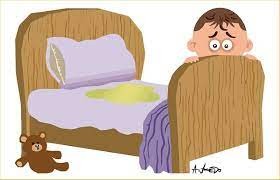

🛏️ When a child of eight or ten still wakes up wet most nights, and the alarm and the evening routine have not solved it, parents often hear a surprising name from the doctor: imipramine, sold as Tofranil, an old tricyclic antidepressant. In bedwetting it is not used to treat depression; it is used for its effect on the bladder and on night-time waking. 🔍 It can work, but it has a narrower margin of safety than the other options, so it sits further down the treatment ladder. This guide explains when doctors consider imipramine, how it is dosed in children, what results to expect, the side effects and heart checks, why safe storage at home matters so much, and how it compares with desmopressin, bladder relaxants such as oxybutynin, and the bedwetting alarm.
🧭 Where imipramine fits in bedwetting care
📖 Bedwetting (nocturnal enuresis) means wetting during sleep in a child aged five or older. Around 15% of five-year-olds wet the bed, and most become dry with time, even without treatment. Imipramine is a second or third choice, offered when simpler steps have not worked. The usual first steps are reassurance, regular drinking during the day, a toilet visit before bed, the bedwetting alarm and desmopressin. Our general overview of causes and first-line care is here: bedwetting in children over 5: causes, treatment and what works. This article looks only at imipramine and the medicines it is compared with.
🧬 How imipramine reduces wet nights
🧠 Nobody knows the exact mechanism, and it is probably a mix of several effects. The drug relaxes the bladder muscle a little, tightens the outlet, and changes how deeply the child sleeps in the hours when wetting happens. Some studies also suggest it may increase the release of the night-time hormone that concentrates urine, though this is less certain. The antidepressant action itself is not the reason it helps, which is why the effect on wetting can appear within the first week, long before any mood effect would.
📜 Why an antidepressant is used for bedwetting
🕰️ Imipramine was the first tricyclic antidepressant, introduced in the late 1950s. Doctors soon noticed that children who took it wet the bed less, and it became one of the first medicines used for enuresis. For decades it was the main tablet for bedwetting, until desmopressin arrived and proved safer in everyday use. Today the drug still carries an approval in several countries as a short-term, add-on treatment for bedwetting in children aged six and older. The dose for wetting is lower than an adult dose for depression.
📖 If you want to understand the whole drug family, including the effects they share, see tricyclic antidepressants: uses and side effects. All tricyclics share the same main risks: heart rhythm effects and danger in overdose.
🪜 The usual order of treatment
✅ Which children may be offered imipramine
🧒 The main candidates are older children who have tried an alarm and desmopressin properly and are still wet.
🚫 Who should not take imipramine
| 🚫 Situation | 📝 Why |
|---|---|
| Heart rhythm or conduction problems | Tricyclics slow electrical conduction in the heart and can trigger arrhythmias |
| Long QT on an ECG, or a family history of it | Higher risk of a dangerous rhythm |
| Family history of sudden death under 40 or unexplained fainting | May point to an inherited rhythm disorder |
| MAO inhibitor in the last 14 days | Risk of a severe, possibly fatal reaction |
| Epilepsy | Lowers the seizure threshold; needs specialist advice |
| Bipolar disorder, or a strong family history of it | Antidepressants can trigger mania |
| Glaucoma of the narrow-angle type, urinary retention | Anticholinergic effects can make these worse |
💡 This list is not complete. Every medicine the child takes, including allergy tablets and ADHD medicine, should be shown to the doctor before the first dose.
🫀 Heart checks before the first dose
💓 Many specialists ask for an ECG before starting a tricyclic in a child, and some repeat it after a dose increase. The point is to find a hidden rhythm problem before a drug that affects conduction is added.
💊 How imipramine is dosed in children
⚖️ The dose is kept low and set by age and weight. Higher doses do not dry more nights, but they do raise the risk of side effects. The figures below reflect common prescribing guidance; the doctor sets the actual dose.
| 🧒 Age | 💊 Usual bedtime dose | 📝 Notes |
|---|---|---|
| 6 to 7 years | 25 mg | Given about 1 hour before sleep |
| 8 to 11 years | 25 to 50 mg | Start at 25 mg; increase after about a week only if needed |
| 12 years and older | 50 to 75 mg | 75 mg is the usual upper limit for this use |
| Any age | No more than 2.5 mg per kg per day | Weight limit protects lighter children |
🛒 Imipramine tablets for this use: Tofranil (Imipramine), used only on a prescription from a doctor who knows the child. Never give an adult dose to a child or share tablets between family members.
⏰ Bedtime dose or split dose
🌙 Most children take the whole dose about an hour before bed. Some wet very early in the night, soon after falling asleep. For these children, splitting the dose into a mid-afternoon part and a bedtime part can work better.
📝 A missed dose should simply be skipped that night. Do not give two doses the next evening to catch up.
📊 What results to expect
📉 Reviews of the trials show a consistent picture. Imipramine reduces the number of wet nights in many children while they take it, but only a minority become completely dry, and most start wetting again once it is stopped. The alarm works more slowly but leaves a lasting effect in more children.
📅 A typical three-month course
History, ECG if advised, wet-night diary
25 mg at bedtime, watch side effects
Review diary; adjust dose or stop
Continue if helping, then slow taper
Break of at least several weeks; full review before any repeat
🔻 Stopping slowly, and dealing with relapse
📉 Stopping a tricyclic suddenly can cause nausea, headache, poor sleep and irritability for a few days. A gradual reduction over a few weeks is gentler and may also lower the chance of an early relapse.
😕 Common side effects
💬 At the low doses used for wetting, most children have mild or no side effects. The ones parents notice most are dry mouth, constipation, mood or sleep changes, and tiredness. Constipation deserves attention, because a full bowel presses on the bladder and can make wetting worse.
⚠️ Fainting, a racing or irregular heartbeat, a seizure, a rash or yellowing of the skin are rare but serious. Stop the medicine and get medical help the same day if any of these appear.
🧠 Mood changes and the antidepressant warning
📋 All antidepressants carry a warning about a possible rise in suicidal thoughts and behaviour in children, teenagers and young adults, mainly in the first weeks and after dose changes. The dose for bedwetting is low, but the warning still applies, so parents should know what to watch for.
👁️ Tell the doctor promptly if the child shows:
🔹 New anxiety, agitation, panic or restlessness
🔹 Anger, aggression or acting on dangerous impulses
🔹 Unusual withdrawal, sadness, or talk of not wanting to live
🔹 Very high energy, little need for sleep, racing speech
↳ Do not stop the drug suddenly on your own unless the reaction is severe; call the doctor for advice on the same day.
☠️ Overdose danger and safe storage at home
🚨 This is the single most important safety point. Tricyclic antidepressants are among the most dangerous medicines in overdose, and a small number of tablets can be life-threatening for a young child. The risk is not only for the treated child but also for younger brothers and sisters who find the pack.
🔗 Interactions to check
| 💊 Medicine or substance | ⚠️ What can happen |
|---|---|
| MAO inhibitors | Severe reaction; never combined, 14-day gap needed |
| Fluoxetine, paroxetine | Raise imipramine levels in the blood; more side effects and heart risk |
| ADHD stimulants | May raise imipramine levels; pulse and blood pressure need watching |
| Medicines that lengthen QT | Some antibiotics, antipsychotics and anti-nausea drugs add to rhythm risk |
| Oxybutynin, tolterodine, sedating antihistamines | More dry mouth, constipation, blurred vision and drowsiness |
| Alcohol (teenagers) | Stronger sedation and higher overdose danger |
⚖️ Imipramine compared with the other options
💧 Desmopressin: the usual medicine before imipramine
🧪 Desmopressin is a man-made copy of the hormone vasopressin, which tells the kidneys to make less urine at night. It suits children who produce a large volume of urine overnight and often works from the first week. Tablets are usually 200 to 400 micrograms, or melts 120 to 240 micrograms, taken about an hour before bed. The nasal spray is no longer advised for bedwetting, because it carried a higher risk of low blood sodium.
🚰 The key safety rule with desmopressin is fluid. Drinks are limited from one hour before the dose until eight hours after it, and the medicine is paused during vomiting or diarrhoea. Too much water on desmopressin can lower blood sodium. It has no heart rhythm or overdose concerns like imipramine, which is why it is used first.
🔔 The bedwetting alarm still comes first
⏱️ An alarm is a small sensor in the underwear or on a mat that sounds at the first drops of urine. Over weeks, the brain learns to respond to a full bladder, either by waking or by holding on. It is the treatment most likely to give a lasting cure, which is why doctors try it before tablets whenever the family can manage it.
- 📌 Use it every night for at least 2 to 3 months before judging it
- 📌 A parent often has to wake the child at first, because children may sleep through the sound
- 📌 Continue until the child has 14 dry nights in a row
- 📌 It can be combined with desmopressin, and later with imipramine if needed
- 📌 It works less well when the family is under strain or the child is not ready
🫧 Overactive bladder: oxybutynin and tolterodine
🚽 Some children who wet at night also rush to the toilet in the day, go very often, or have small damp patches. In these children the bladder muscle squeezes before the bladder is full, and a bladder relaxant can help where desmopressin alone did not. Oxybutynin is the most used in children; tolterodine is an alternative some specialists choose when oxybutynin causes too many side effects. Both are anticholinergic medicines, like imipramine, so they share dry mouth and constipation.
Licensed for children over 5 with bladder overactivity; dose set by age. Ditropan (Oxybutynin)
Often better tolerated, used in children by specialists. Detrol (Tolterodine)
Combining them adds anticholinergic effects and is only done under close supervision
🔀 How doctors combine treatments
→ desmopressin, with or without alarm
→ add oxybutynin or tolterodine
→ alarm with parent waking
→ specialist, consider imipramine
→ look for a cause first
🧻 Fix constipation and worms before any tablet
🔍 Two common and easily treated problems are often missed in children who wet the bed. Hard or infrequent stools press on the bladder, and threadworms cause night itching that disturbs sleep and irritates the area. Treating them sometimes ends the wetting without any bladder medicine at all, and it should always come before a drug with the risks of imipramine.
💊 Worm treatments used for this: Mebenza Chewable (Mebendazole) and Albenza (Albendazole). Hand washing, short nails and washing bedding hot stop the cycle of reinfection. More detail on worms: single or mixed intestinal worm infections.
🧪 Other tricyclics: clomipramine, nortriptyline and amitriptyline
📚 Several other tricyclics have been studied for bedwetting, mostly in older and smaller trials. Imipramine is the one with the longest record and an approval for this use, so it is the tricyclic doctors normally choose. Clomipramine and nortriptyline have been used by some specialists, and amitriptyline less often. They carry the same heart and overdose risks, and switching between them rarely brings a better result for wetting.
🧑 Teenagers and adults who still wet the bed
🎓 Only about 1 to 2% of teenagers still wet the bed, and by then the problem often has a larger social cost: school trips, sports camps, first relationships. In teenagers and adults, persistent wetting needs a fuller check of the bladder, kidneys, sleep and urine flow before any long-term medicine. Imipramine is still occasionally used in this group, with the same heart checks. A teenager who is old enough to manage their own tablets also needs a clear talk about the overdose risk and the mood warning.
💬 New wetting in an adult who used to be dry is a different problem. It can point to diabetes, sleep apnea, a prostate problem in men, or a neurological condition, and it should be investigated rather than treated blindly.
🗿 Myths and facts about imipramine for bedwetting
🚨 When to see a doctor
⛔ Get medical help urgently if:
🔹 A child may have swallowed imipramine that was not prescribed for them, or extra tablets. Call emergency services now.
🔹 A child on imipramine faints, has a fit, a very fast or irregular heartbeat, or becomes very drowsy or confused.
🔹 There is new talk of self-harm, sudden agitation or a big change in behaviour.
🔹 A previously dry child starts wetting again with great thirst, weight loss or tiredness; diabetes must be ruled out the same day.
🔹 Wetting comes with pain, fever, blood in the urine, a weak stream, or wetting during the day as well.
📆 For non-urgent questions, book a review if the child has been on imipramine for a month with no clear change in the diary. A medicine that is not helping should not be continued just in case.
❓ Frequently asked questions
Is imipramine safe for children who wet the bed?
It can be used safely in children aged 6 and older when a doctor checks the heart history, keeps the dose low and the family stores it locked. Its overdose risk is why it is not a first choice.
What is the usual imipramine dose for bedwetting?
Usually 25 mg about an hour before bed, increased if needed to 50 mg in children under 12 or 75 mg in older children, and never more than 2.5 mg per kg per day.
How quickly does imipramine work for bedwetting?
Many children have fewer wet nights within the first one to two weeks. If there is no clear change after about a month at the right dose, it is usually stopped.
Why does an antidepressant help with bedwetting?
It relaxes the bladder muscle, tightens the outlet and changes sleep in the hours when wetting happens. The mood effect is not the reason it works.
Does my child need an ECG before taking imipramine?
Many specialists advise one, and it is essential if there is fainting, palpitations, a heart condition or a sudden early death in the family.
What are the common side effects in children?
Dry mouth, constipation, tiredness, nervousness, sleep or mood changes and stomach upset. Fainting, an irregular heartbeat or a fit need urgent help.
Is imipramine better than desmopressin?
Both reduce wet nights while taken, but desmopressin has fewer serious risks, so it is normally tried first. Imipramine is kept for children who do not respond.
Will bedwetting come back after stopping imipramine?
It often does. A slow taper and returning to the alarm if wetting restarts give the best chance of staying dry.
Can imipramine be taken with oxybutynin?
Sometimes, under specialist care, but both are anticholinergic, so dry mouth, constipation and blurred vision add up. The doctor will usually try one change at a time.
What should I do if a child swallows extra imipramine tablets?
Call emergency services at once, even if the child seems well. Tricyclic overdose can affect the heart and brain within an hour.
📑 Sources and editorial
- 📘 National clinical guidelines on the assessment and management of bedwetting in children and young people
- 💊 Official prescribing information and national formulary entries for imipramine, desmopressin, oxybutynin and tolterodine
- 🔬 Systematic reviews of tricyclic drugs, desmopressin and enuresis alarms for nocturnal enuresis
- 🫀 Cardiology and toxicology guidance on tricyclic antidepressants, ECG monitoring and overdose in children
- 🧠 Regulatory warnings on antidepressants and suicidal thinking in young people
- 🧻 Paediatric guidance on constipation and threadworm infection as contributors to wetting
- 📖 Related reading: bedwetting in children over 5, tricyclic antidepressants, antidepressant side effects in the first weeks, understanding urinary incontinence, intestinal worm infections
- 🛒 Related products: Tofranil (Imipramine), Ditropan (Oxybutynin), Detrol (Tolterodine), Mebenza Chewable (Mebendazole), Albenza (Albendazole), Anafranil (Clomipramine), Pamelor (Nortriptyline)
- 🩺 RXshop Editorial Team — reviewed by Sarah Mitchell, PharmD — Clinical pharmacist
Medical Disclaimer: The information in this article is for educational and informational purposes only and is not a substitute for professional medical advice, diagnosis, or treatment. Always seek guidance from a qualified healthcare provider with any questions you may have regarding a medical condition, and before starting, stopping or changing any medication.