Nexium Not Working for Heartburn: Why PPIs Fail, Timing Mistakes, Tests to Ask For and What Doctors Try Next

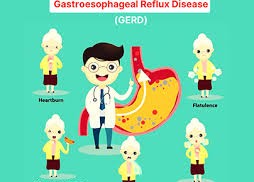
🔥 Proton pump inhibitors such as esomeprazole are among the most effective medicines in gastroenterology, and for most people with heartburn they work within days. Yet a sizeable group keeps burning, regurgitating or coughing even while taking a PPI every day. 🔍 Before concluding that the medicine has failed, it pays to ask a few simple questions: is it taken at the right time, is the problem really acid, and is the diagnosis right? This guide walks through the common reasons Nexium (esomeprazole) and other PPIs seem not to work, the tests that sort out the cause, and the options doctors use next, from dose timing and a bedtime H2 blocker to baclofen, neuromodulators and surgery.
💊 When the PPI stops helping
😔 The story is familiar. Someone starts Nexium for heartburn, feels better for a while, then the burning creeps back, or it never fully went away. The natural reaction is to take more tablets or to decide that the medicine has stopped working, but PPIs do not lose their effect on acid over time. The cause is usually wrong timing, reflux that is not mainly acid, an oversensitive esophagus, or a symptom that is not reflux at all. 📖 If the main question is how long to stay on a PPI after an ulcer, see how long to take a PPI after a duodenal ulcer heals. This article is about reflux that keeps going despite treatment.
📏 What counts as refractory reflux
🩺 Doctors use the term refractory reflux when troublesome symptoms continue after at least 8 weeks of a PPI taken correctly at a standard dose. Many cases of “failure” turn out to be partial use. Symptoms also respond differently: heartburn usually improves well, while regurgitation improves much less, since a PPI changes the acidity of what comes up, not the fact that it comes up.
🧩 The usual reasons a PPI seems to fail
🔎 When specialists look closely at people whose reflux “does not respond”, they find the same causes again and again. Only a minority have ongoing acid reflux that a PPI truly cannot control. Each group below needs a different next step.
⏰ How PPIs work and why timing matters
🧪 A PPI switches off the proton pumps in the stomach lining that make acid. It can only block pumps that are active at the moment the drug is in the blood, and pumps become active when food arrives. The drug itself is absorbed and cleared within a few hours. That is why the instructions say to take it 30 to 60 minutes before the first meal of the day: the medicine peaks just as the pumps switch on. Taken at bedtime on an empty stomach, or with or after breakfast, much of the dose is wasted.
📅 Missed doses and stop-start use matter too. Because the stomach keeps making new pumps, full acid control builds over 3 to 5 days of regular dosing, and a single tablet taken after a heavy meal brings little relief that evening. Taking a PPI “only when it burns” is a poor test of whether the medicine works, and healing an inflamed esophagus usually takes 4 to 8 weeks of daily use.
🌙 Night-time acid breakthrough
🛏️ Some people feel fine during the day but wake with burning or a sour taste. Acid production rises again overnight, and lying flat lets acid reach the esophagus and stay there longer, because gravity no longer helps clear it and swallowing slows during sleep. A morning PPI may have worn off by the early hours. 📖 See obstructive sleep apnea and the daytime comeback plan if loud snoring and daytime sleepiness come with the reflux.
💧 Not all reflux is acid
🔬 A PPI makes stomach contents less acidic, but it does not stop the valve at the lower end of the esophagus from opening. Weakly acidic or non-acid reflux keeps rising even when acid is fully controlled, and it can still cause regurgitation, belching, throat irritation and cough. Ordinary pH tests miss it; impedance testing, which detects fluid moving up the esophagus whatever its acidity, shows it. More acid suppression will not help. What helps is fewer reflux events: an alginate barrier, baclofen, weight loss, or an operation that rebuilds the valve.
⚡ Functional heartburn and reflux hypersensitivity
🧠 Testing often shows a surprise: the esophagus looks normal and the amount of reflux is normal too. In functional heartburn, burning happens with no link to reflux events at all; in reflux hypersensitivity, a normal amount of reflux is felt as painful because the nerves of the esophagus are turned up too high. Both are real, common and not “all in the head”. They overlap with irritable bowel syndrome, stress and poor sleep, and the treatment shifts from acid to nerves.
🩺 Conditions that look like reflux
🔍 Burning in the chest and trouble swallowing are not unique to reflux. When a PPI does not help, the diagnosis itself should be questioned, particularly if symptoms are unusual, started late in life or came on suddenly.
| 🔎 Condition | 📋 Clues | 🧪 Usual check |
|---|---|---|
| Heart pain (angina) | Pressure or tightness with exertion, breathlessness, sweating, risk factors | ECG, stress testing |
| Eosinophilic esophagitis | Food sticking, allergies, asthma, younger adults | Endoscopy with biopsies |
| Achalasia and spasm | Trouble swallowing liquids and solids, regurgitation of undigested food, chest pain | Manometry, barium swallow |
| Pill esophagitis | Sharp pain on swallowing after doxycycline, NSAIDs, iron or bisphosphonates | History, endoscopy |
| Gallstones and ulcers | Upper belly pain after fatty meals, pain that wakes at night | Ultrasound, endoscopy, H. pylori test |
| Rumination syndrome | Effortless return of food within minutes of every meal, no nausea | History, specialist testing |
📖 Ulcer pain and H. pylori are covered in H. pylori eradication for a duodenal ulcer. Reflux is also a common and serious problem in scleroderma; see systemic sclerosis: reflux, lung and kidney care.
🌾 Eosinophilic esophagitis: the allergy-type cause
🥪 Eosinophilic esophagitis is an allergic inflammation of the esophagus, more common in men, in younger adults and in people with asthma, eczema or hay fever. Its hallmark is food that sticks on the way down, sometimes so firmly that it has to be removed at hospital. Heartburn may also be present. The diagnosis needs biopsies, even when the esophagus looks almost normal. PPIs help some people with this condition; others need swallowed steroids, a food elimination diet or biological medicines.
⚖️ Slow stomach emptying, hernia and weight
🎈 Anything that raises pressure in the stomach or weakens the barrier at its top pushes more fluid upward, whatever its acidity. A hiatal hernia, extra weight around the waist and a stomach that empties slowly are the three main mechanical drivers. A large hernia traps acid above the diaphragm; belly fat squeezes the stomach; and slow emptying, seen with diabetes and some medicines, leaves food in the stomach for hours. 📖 More on the anatomy in hiatal hernia, and on a slow, sluggish gut in atony of the digestive tract.
Valve slides above the diaphragm and leaks more
Belly fat raises pressure on the stomach
Food stays longer, more chances to reflux
🧬 Fast metabolisers and PPI choice
🧪 Most PPIs are broken down in the liver by an enzyme called CYP2C19. People who carry gene variants that make this enzyme work faster clear omeprazole and lansoprazole quickly and get less acid control from a standard dose. Esomeprazole and rabeprazole depend less on this pathway, which is one reason a switch between PPIs sometimes helps. Gene testing is not routine, so doctors simply try a different PPI or a twice-daily dose. The same enzyme explains why pantoprazole is preferred in people taking clopidogrel after a stent.
🔬 Tests worth asking for
📋 When symptoms persist after a correct 8-week trial, guidelines recommend testing rather than endless dose increases. The aim is to prove or disprove reflux, and to find the alternative diagnosis if there is one.
| 🧪 Test | 📋 What it shows | 💊 On or off PPI |
|---|---|---|
| Upper endoscopy | Inflamed esophagus, Barrett esophagus, hernia, ulcers; biopsies for EoE | Off for 2 to 4 weeks gives the clearest picture |
| Wireless pH capsule (48 to 96 hours) | Total acid exposure and link between symptoms and reflux | Off, to prove or rule out reflux disease |
| 24-hour impedance-pH tube | Acid and non-acid reflux, belching, link to symptoms | On, to see why treatment fails; off, to prove reflux |
| High-resolution manometry | Squeeze of the esophagus and valve, achalasia, rumination | Either; required before surgery |
| Gastric emptying study | How fast the stomach empties a test meal | Depends on the centre |
💡 Stopping the PPI before testing:
🔹 Do not stop on your own; the specialist decides which test needs a PPI pause and for how long.
🔹 During a pause, antacids or an alginate are usually allowed up to the day before the test.
🔹 Stopping can cause a short spell of rebound acid for one to two weeks; it does not mean the reflux has worsened.
✅ Step 1: get the most from the PPI you have
🔄 Step 2: switch PPIs or go to twice daily
💊 If timing is correct and symptoms are clearly acid-related, doctors usually try one of two moves. Switching to a different PPI helps some people, and splitting the dose before breakfast and before dinner helps others, especially those with night symptoms. All PPIs heal the esophagus well at standard doses; the differences between them are modest and mainly about metabolism, interactions and cost.
⏳ A twice-daily trial usually runs for another 8 weeks. If it helps, the dose is stepped back down to the lowest amount that keeps symptoms away, because the highest doses are not needed for life by most people. A newer class, potassium-competitive acid blockers such as vonoprazan, is approved in some countries and less tied to meal timing.
🌙 Adding famotidine at bedtime
💊 H2 blockers such as famotidine reduce acid through a different switch, the histamine signal to the stomach lining. A dose of famotidine at bedtime, on top of the daytime PPI, can calm night-time burning in people whose PPI wears off overnight. The catch is tolerance: the effect of a nightly H2 blocker fades within a few weeks of continuous use, so many doctors use it as needed or in short courses, for example on nights after a late dinner. Famotidine is usually well tolerated; the dose is reduced in kidney disease.
| 🔍 Feature | 💊 PPI (esomeprazole) | 💊 H2 blocker (famotidine) |
|---|---|---|
| Strength of acid control | Strong, all day | Moderate, mainly night |
| Onset | Full effect after a few days | About an hour |
| Timing | Before a meal | Bedtime or before a trigger meal |
| Tolerance | Effect stays | Fades with nightly use over weeks |
| Example | Nexium (Esomeprazole) | Pepcid (Famotidine) |
🧴 Alginates and antacids
🛡️ Alginate liquids form a foam raft that floats on top of stomach contents. The raft sits over the acid pocket that collects just below the valve after meals and physically reduces what can rise. This makes alginates a sensible add-on for regurgitation and breakthrough heartburn after meals and at bedtime. Antacids neutralise acid within minutes but briefly. Neither replaces a PPI when the esophagus is inflamed, and antacids are best taken two hours apart from other tablets.
💪 Baclofen for regurgitation and belching
🔌 Most reflux happens during brief relaxations of the valve that occur several times an hour, especially after meals. Baclofen, a muscle relaxant that acts on nerve signals, reduces how often these relaxations happen, which cuts the number of reflux episodes whether they are acid or not. It can help regurgitation and belching in proven reflux. It is used off-label, starting low (5 mg) and built up slowly. Drowsiness, dizziness and confusion limit its use, especially in older people, and it should not be stopped suddenly after regular use. Options include Lioresal (Baclofen), used under medical supervision.
⚠️ Prokinetics: when and when not
🚚 Medicines that speed up stomach emptying sound like an obvious fix. In practice they help reflux only when slow emptying is part of the problem, and their side effects restrict them to short, supervised courses.
| 💊 Medicine | ✅ May help | 🚫 Main cautions |
|---|---|---|
| Reglan (Metoclopramide) | Proven slow emptying with nausea and fullness | Movement disorders, including tardive dyskinesia with long use; short courses only; not for reflux alone |
| Motilium (Domperidone) | Nausea, fullness, slow emptying | Heart rhythm effects; avoided with heart disease and with many interacting drugs; lowest dose, shortest time |
🧠 Neuromodulators for a sensitive esophagus
🔊 When tests show functional heartburn or reflux hypersensitivity, medicines that turn down the volume of gut nerves often help more than any acid blocker. Doctors use low doses of tricyclic antidepressants such as amitriptyline at night, or an SSRI, at doses well below those used for depression. The goal is pain modulation, not treating mood. Effects build over 4 to 8 weeks. Gut-directed hypnotherapy and diaphragmatic breathing also help, the latter especially for belching and rumination. A high-dose PPI that has not helped is often reduced or stopped.
🥗 Lifestyle steps that have evidence
📋 Lists of forbidden foods are long, but only a few lifestyle measures have consistent evidence. Cutting out every possible trigger often makes eating miserable without changing symptoms. A better approach is to keep the measures that are proven and test individual foods one at a time.
📖 Even a modest weight loss can reduce reflux noticeably in people who carry extra weight around the middle. Practical approaches are covered in weight loss: when strategy meets science.
🏥 Surgery and procedures
🔧 For proven reflux with regurgitation or a large hernia, anti-reflux surgery rebuilds the barrier mechanically. Testing must confirm reflux first, because surgery does not help functional heartburn.
🛡️ Long-term PPI safety and interactions
⚖️ Long-term PPI use has been linked in observational studies with low magnesium, low vitamin B12, bone fractures, gut infections such as C. difficile and other problems. Most of these links are small, and many may reflect the fact that people on PPIs are older and sicker, not harm from the drug itself. The rule is the lowest dose that controls symptoms and a yearly review. People with Barrett esophagus or severe esophagitis usually need long-term treatment.
🌳 A decision path
🗿 Myths about PPIs that stop working
🚨 When to see a doctor
⛔ Get medical help promptly if:
🔹 Food sticks on the way down, or swallowing is painful.
🔹 You vomit blood or material like coffee grounds, or pass black, tarry stools.
🔹 You lose weight without trying, feel unusually tired or have been told you are anaemic.
🔹 Reflux symptoms start for the first time after the age of 60, or change in character.
🔹 Chest pain comes with exertion, spreads to the arm, jaw or back, or comes with breathlessness or sweating. Call emergency services: this may be the heart, not the stomach.
❓ Frequently asked questions
Why is Nexium not working for my heartburn?
The most common reasons are wrong timing, missed doses, reflux that is not mainly acid, a sensitive esophagus, or a different diagnosis. Testing helps sort these out.
When is the best time to take esomeprazole?
Thirty to sixty minutes before breakfast, swallowed whole. If a second dose is prescribed, take it before the evening meal.
How long should I try a PPI before deciding it does not work?
Usually 8 weeks of daily use at the right time. Full acid control takes a few days, and healing an inflamed esophagus takes weeks.
Can switching to another PPI help?
Sometimes. People who break down omeprazole quickly may do better on esomeprazole or rabeprazole, and a twice-daily dose helps others.
Can I take famotidine with Nexium?
Yes, doctors sometimes add famotidine at bedtime for night symptoms. Its effect fades with nightly use, so it is often used in short courses or as needed.
What is non-acid reflux?
It is stomach fluid that rises into the esophagus after acid has been reduced. It can still cause regurgitation and cough and is found with impedance testing.
What is functional heartburn?
Burning behind the breastbone with a normal endoscopy and no link to reflux on testing. It is treated with low-dose neuromodulators rather than more acid suppression.
Do I need to stop my PPI before an endoscopy or pH test?
For some tests, yes, often for 2 to 4 weeks. The specialist decides; do not stop on your own, and ask which antacids are allowed meanwhile.
Does baclofen help reflux?
It reduces valve relaxations and can help regurgitation and belching in proven reflux. Drowsiness and dizziness limit its use, so it is prescribed with care.
Is it safe to take a PPI for years?
For people with a clear reason, generally yes. Use the lowest dose that works and review it with a doctor every year.
📑 Sources and editorial
- 📘 Clinical guidelines on diagnosis and management of gastroesophageal reflux disease
- 🔬 International consensus on reflux testing and interpretation of pH and impedance studies
- 🧠 Rome criteria and reviews on functional heartburn and reflux hypersensitivity
- 💊 Product information for esomeprazole, omeprazole, pantoprazole, lansoprazole, rabeprazole and famotidine
- ⚠️ Regulatory safety reviews of metoclopramide and domperidone
- 🌾 Guidelines on eosinophilic esophagitis
- 🏥 Surgical society guidance on anti-reflux procedures
- 📖 Related reading: hiatal hernia, how long to take a PPI, H. pylori eradication, atony of the digestive tract
- 🛒 Related products: Nexium (Esomeprazole), Prilosec (Omeprazole), Protonix (Pantoprazole), Prevacid (Lansoprazole), Aciphex (Rabeprazole), Pepcid (Famotidine)
- 🩺 RXshop Editorial Team — reviewed by Emily Chen, MD — Internal medicine
Medical Disclaimer: The information in this article is for educational and informational purposes only and is not a substitute for professional medical advice, diagnosis, or treatment. Always seek guidance from a qualified healthcare provider with any questions you may have regarding a medical condition, and before starting, stopping or changing any medication.