Pramipexole Side Effects in Parkinson Disease: Sleep Attacks, Impulse Control Problems, Swelling and Safe Stopping

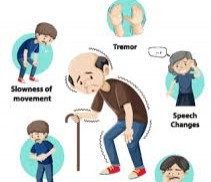

🧠 Pramipexole is one of the most widely used tablets for Parkinson disease. It eases slowness, stiffness and tremor, it can delay the need for levodopa in younger patients, and it smooths out the dips between levodopa doses later on. It also carries a set of side effects that are easy to miss and can change a life quietly: falling asleep without warning, sudden urges to gamble, shop, eat or seek sex, swollen ankles, and in older people, hallucinations. 🔍 Most of these problems depend on the dose and can be managed if spotted early. This guide explains what each one looks like, who is at risk, what doctors change, and why the tablet must never be stopped suddenly.
💊 Why pramipexole needs its own safety plan
📋 Pramipexole belongs to the dopamine agonists, a group of medicines that act directly on dopamine receptors instead of being turned into dopamine like levodopa. The same strong action on reward and alertness circuits that helps movement also explains its typical side effects. Dopamine also shapes motivation, pleasure, risk taking and the sleep and wake cycle. 📖 For a broader picture of how Parkinson disease starts and how it is recognised, see early Parkinson disease: small clues, big impact. This article stays with one question: how to use pramipexole safely over years.
🧬 How the tablet works in the brain
🔬 Pramipexole is especially strong at the D3 receptor, which is dense in the limbic system, the part of the brain that handles emotion and reward. This D3 preference is one reason why impulse problems are linked more to agonists than to levodopa. The tablet is absorbed well, reaches a peak in about two hours and has a half-life of roughly 8 to 12 hours, so immediate-release tablets are usually taken three times a day, while the extended-release form is taken once daily.
🪜 Starting slowly: the usual titration
⏳ Most side effects are worst when the dose climbs too fast. Doctors therefore raise pramipexole in small weekly steps and stop at the lowest dose that gives a good result, rather than pushing to the maximum. Doses below are written as the salt form used on most packs in the United States; European packs often state the base, where 0.125 mg salt equals 0.088 mg base, so always read the label of your own brand.
🛒 Pramipexole is available as Mirapex (Pramipexole). Whatever the brand, the dose plan is set by the treating neurologist, and the same plan should be shared with the family, because several side effects are noticed first by those living with the patient.
📋 Side effects at a glance
| 📊 How often | 📋 Side effect | 🧭 Usual first step |
|---|---|---|
| Common, early | Nausea, dizziness, sleepiness, constipation | Slower titration, take with food |
| Common, later | Ankle swelling, daytime sleepiness, vivid dreams, insomnia | Review dose and timing |
| Less common but serious | Sudden sleep attacks, impulse control disorders | Stop driving, reduce dose with the doctor |
| Mainly in older or frail patients | Hallucinations, confusion, falls from low blood pressure | Simplify medicines, assess memory |
| Rare | Abnormal posture of the trunk, allergic reactions | Medical review |
🤢 Nausea and dizziness in the first weeks
🍽️ Nausea comes from dopamine stimulation of the vomiting centre, which sits outside the protective barrier of the brain. It usually fades within two to four weeks as the body adapts, and taking each dose with a light meal helps a lot. When nausea is strong, some doctors add a short course of domperidone, which blocks dopamine in the gut and vomiting centre but hardly enters the brain, so it does not worsen Parkinson symptoms. Metoclopramide and prochlorperazine do enter the brain and can make stiffness and slowness worse, so they are avoided in Parkinson disease.
😵 Low blood pressure on standing
📉 Dopamine agonists relax blood vessels, and Parkinson disease itself weakens the reflex that keeps blood pressure up when standing. Together they can cause light-headedness, blurred vision or fainting a few minutes after getting up, most often in the morning, after meals and in hot weather. Falls from fainting are a real danger in older patients.
💤 Daytime sleepiness and sudden sleep attacks
😪 General drowsiness is common on all Parkinson medicines, but dopamine agonists are linked to a more dangerous version: falling asleep suddenly during normal activity, sometimes with no feeling of tiredness beforehand. People have fallen asleep while eating, talking and driving. These episodes can appear a year or more after starting the tablet, not only at the beginning. Fatigue from Parkinson disease is a different, heavy lack of energy that does not end in sleep; it is covered in Parkinson disease fatigue: when energy disappears before noon.
🧪 Doctors often use a short questionnaire, the Epworth Sleepiness Scale, which asks how likely you are to doze in eight ordinary situations. A high score, or any episode of sleep without warning, leads to a dose review, a check for night-time causes such as sleep apnoea, and a look at other sedating medicines.
🚗 Driving on pramipexole
📄 Driving rules for Parkinson disease differ between countries, and many licensing authorities expect patients to report the condition. Alcohol and sedating medicines add to the sleepiness.
🎰 Impulse control disorders: what they look like
⚠️ An impulse control disorder means a strong, repeated urge to do something rewarding, which the person cannot resist even when it causes harm. On dopamine agonists the urge often feels natural to the patient, who may hide it out of shame, while debts, secret purchases or changes in sexual behaviour build up in the background.
🔍 Related behaviours include excessive hobbies, aimless driving, compulsive internet use and taking more Parkinson medicine than prescribed. The last one, called dopamine dysregulation syndrome, is linked mainly to levodopa overuse and is handled differently, but it often appears in the same people.
📊 How often it happens and who is at risk
📋 In a large study of more than 3,000 people with Parkinson disease, an impulse control disorder was found in about 17% of those on a dopamine agonist, against about 7% of those not taking one. Long-term follow-up studies show that the risk keeps adding up over the years of use, so a person who felt fine in year one still needs to be asked in year five.
👪 Why the family often notices first
👁️ People with an impulse control disorder frequently underreport it, sometimes because they do not link it to the tablet, sometimes because of embarrassment. Neurologists therefore ask partners and adult children directly.
📝 Screening questions for every visit
🛠️ What doctors do when impulse problems appear
📉 The main treatment is to lower the dopamine agonist. In most people the urges fade once the dose is reduced or the agonist is replaced, although it can take weeks to months, and debts or relationship damage may need practical help of their own.
💊 Levodopa with carbidopa, such as Sinemet (Carbidopa/Levodopa), is the usual replacement. It treats movement at least as well as an agonist, but over years it brings its own issues, such as wearing-off and involuntary movements, explained in motor fluctuations in Parkinson disease.
😔 Dopamine agonist withdrawal syndrome
📉 When the agonist is reduced, a minority of people develop a cluster of symptoms that looks like withdrawal from a stimulant: anxiety, panic, low mood, irritability, tiredness, aching, sweating and a strong craving for the medicine. Movement may be well controlled by levodopa at the same time, which shows that the problem is in the reward system, not the motor system. It is more common in people who had an impulse control disorder and in those on higher agonist doses.
🛑 Why pramipexole must never be stopped suddenly
⚠️ Sudden withdrawal of dopamine medicines can trigger a rare but life-threatening reaction with high fever, severe rigidity, confusion and fast pulse, similar to neuroleptic malignant syndrome. It needs emergency care.
🔹 Do not stop pramipexole on your own because of a side effect; call the prescriber instead.
🔹 Before surgery or a hospital stay, make sure the team knows your exact doses and times.
🔹 If you cannot swallow for any reason, ask for medical help early rather than missing several days.
🦶 Swollen ankles and legs
💧 Leg swelling, called peripheral oedema, is common on pramipexole and tends to rise with the dose and the years of use. It usually responds poorly to water tablets, because it comes from changes in small blood vessels rather than from fluid overload. It is still important to rule out heart, kidney and vein problems, especially when only one leg swells.
👻 Hallucinations, confusion and vivid dreams
🌙 Seeing people or animals that are not there, a sense of someone behind you, or misreading shadows are common in later Parkinson disease. All dopamine medicines can provoke them, but agonists do so more readily than levodopa, especially in people over 70 and in those with memory problems. Distressing visions, false beliefs or confusion need prompt review.
| 🪜 Step | 📋 What the doctor usually does |
|---|---|
| 1. Look for a trigger | Urine or chest infection, dehydration, poor sleep, new painkillers |
| 2. Remove the most likely medicines | Anticholinergics first, then amantadine, MAO-B inhibitors and the dopamine agonist |
| 3. Keep levodopa as the base | Lowest dose that keeps movement acceptable |
| 4. Treat memory problems | A cholinesterase inhibitor such as rivastigmine |
| 5. Add an antipsychotic if needed | Low-dose quetiapine or clozapine, which hardly worsen movement |
📖 Memory, attention and visions in later disease are covered in detail in Parkinson disease dementia and rivastigmine. Haloperidol and most older antipsychotics block dopamine strongly and can cause severe stiffness in Parkinson disease, so they are avoided.
🫘 Kidneys, age and the right dose
🧪 Because about 90% of pramipexole leaves the body unchanged in the urine, kidney function decides how much of the drug builds up. Older people often have lower kidney function even with a normal creatinine, so the same tablet gives them higher blood levels and more side effects. A yearly kidney blood test is a sensible part of long-term treatment.
| 🫘 Kidney function (creatinine clearance) | 💊 Usual adjustment for immediate release |
|---|---|
| Above 50 mL/min | Standard dosing, three times a day |
| 30 to 50 mL/min | Start at 0.125 mg twice a day |
| 15 to 29 mL/min | Start at 0.125 mg once a day |
| Below 15 mL/min or dialysis | Not well studied; specialist decision |
🔗 Interactions worth knowing
| 💊 Medicine or substance | 📝 What can happen |
|---|---|
| Alcohol, sleeping tablets, opioids, sedating antihistamines | More drowsiness and sleep attacks |
| Haloperidol, metoclopramide, older antipsychotics | Block pramipexole and worsen Parkinson symptoms |
| Cimetidine and some drugs cleared by the kidney tubules | Can raise pramipexole levels |
| Blood pressure and prostate tablets | Stronger dizziness on standing |
| Levodopa | Better control, but more dyskinesia and hallucinations at high combined doses |
💡 Pramipexole has few liver-based interactions, which is an advantage over ropinirole when people take many medicines.
⚖️ Pramipexole compared with other Parkinson medicines
| 💊 Medicine | 🎰 Impulse risk | 💤 Sleepiness | 👻 Hallucinations | 🔄 Long-term motor issues |
|---|---|---|---|---|
| Pramipexole | Higher | Higher | Moderate to high | Fewer dyskinesias early |
| Piribedil | Higher (same class) | Higher | Moderate | Fewer dyskinesias early |
| Levodopa | Lower | Moderate | Lower | Wearing-off and dyskinesia over years |
| Selegiline | Low | Low; can disturb night sleep | Low to moderate | Mild effect, often an early add-on |
| Amantadine | Low | Low | Moderate, more in the elderly | Used to reduce dyskinesia |
🔄 Does switching to another agonist help?
🤔 It depends on the side effect. For impulse control disorders, a switch from pramipexole to another oral agonist rarely helps, because the problem comes from the whole class; the usual answer is less agonist and more levodopa. For sleepiness, nausea or swelling, a change of agonist or a move to the extended-release form sometimes works, since people vary in how they tolerate each drug.
Nausea, swelling, uneven effect through the day
Daytime sleepiness, vivid dreams
Gambling, shopping, hypersexuality
👴 Extra care in older patients
🧓 People over 70 are more likely to have weaker kidneys, memory changes and low blood pressure on standing, the three conditions that make agonist side effects worse. For this reason many neurologists start older patients on levodopa rather than an agonist, and keep agonist doses low if one is used.
📅 A monitoring timeline for long-term use
Nausea, dizziness, sleepiness during titration
Impulse questions, sleep attacks, driving
Swelling, rising impulse risk, kidneys
Memory, hallucinations, falls, dose reduction
🗿 Myths about pramipexole
🚨 When to see a doctor
⛔ Contact the neurologist promptly if:
🔹 You fall asleep without warning, especially while driving or eating.
🔹 You or your family notice new gambling, spending, eating or sexual behaviour that feels hard to control.
🔹 You see things that are not there, become confused or suspicious.
🔹 You faint or fall after standing up.
🔹 Swelling is in one leg only, painful, or comes with breathlessness.
🔹 Fever, severe stiffness and confusion after a dose was stopped or missed: this needs emergency care now.
❓ Frequently asked questions
What are the most common side effects of pramipexole?
Nausea, dizziness, sleepiness and constipation in the first weeks, and later ankle swelling, vivid dreams and daytime drowsiness. Most are mild and depend on the dose.
Can pramipexole cause gambling or compulsive shopping?
Yes. Dopamine agonists can trigger impulse control disorders such as gambling, shopping, binge eating and hypersexuality. They usually fade after the dose is reduced.
How common are impulse control problems on pramipexole?
In a large study, about 17% of people with Parkinson disease on a dopamine agonist had one, against about 7% of those not taking an agonist.
What is a sleep attack on pramipexole?
It is falling asleep suddenly during normal activity, sometimes without feeling tired first. Anyone who has one should stop driving and tell the neurologist.
Can I stop pramipexole suddenly?
No. Sudden stopping can cause withdrawal symptoms and, rarely, a dangerous reaction with fever and rigidity. Doses are reduced slowly with a doctor.
What is dopamine agonist withdrawal syndrome?
It is anxiety, low mood, panic, aching and craving that some people feel when the agonist is reduced. A slower taper usually helps.
Why do my ankles swell on pramipexole?
Agonists change small blood vessels in the legs. This swelling responds poorly to water tablets, and a lower dose helps most. Heart and vein causes should be ruled out.
Is levodopa safer than pramipexole?
Levodopa has a lower risk of impulse problems, sleep attacks and hallucinations, but over years it causes more wearing-off and involuntary movements.
Does pramipexole cause hallucinations?
It can, especially in people over 70 or with memory problems. The dose is usually reduced first, and other treatment is added only if needed.
Do kidney problems change the pramipexole dose?
Yes. Most of the drug leaves through the kidneys, so people with reduced kidney function take lower doses less often.
📑 Sources and editorial
- 📘 Prescribing information for pramipexole immediate-release and extended-release tablets
- 🔬 Large cross-sectional and long-term cohort studies of impulse control disorders in Parkinson disease
- 💤 Reviews of excessive daytime sleepiness and sudden onset of sleep with dopamine agonists
- 📉 Clinical reports and reviews of dopamine agonist withdrawal syndrome
- 👻 Guidelines on the management of psychosis and dementia in Parkinson disease
- 🧠 Movement disorder society reviews of treatments for motor and non-motor symptoms
- 📖 Related reading: motor fluctuations in Parkinson disease, early Parkinson disease, Parkinson disease fatigue, Parkinson disease dementia, restless legs on pramipexole
- 🛒 Related products: Mirapex (Pramipexole), Sinemet (Carbidopa/Levodopa), Trivastal (Piribedil), Eldepryl (Selegiline), Symmetrel (Amantadine), Motilium (Domperidone), Exelon (Rivastigmine)
- 🩺 RXshop Editorial Team — reviewed by James Carter, MD — Neurologist and Sleep Medicine Specialist
Medical Disclaimer: The information in this article is for educational and informational purposes only and is not a substitute for professional medical advice, diagnosis, or treatment. Always seek guidance from a qualified healthcare provider with any questions you may have regarding a medical condition, and before starting, stopping or changing any medication.