Buy Pirfenex (Generic Pirfenidone) Online — Affordable Antifibrotic for Idiopathic Pulmonary Fibrosis

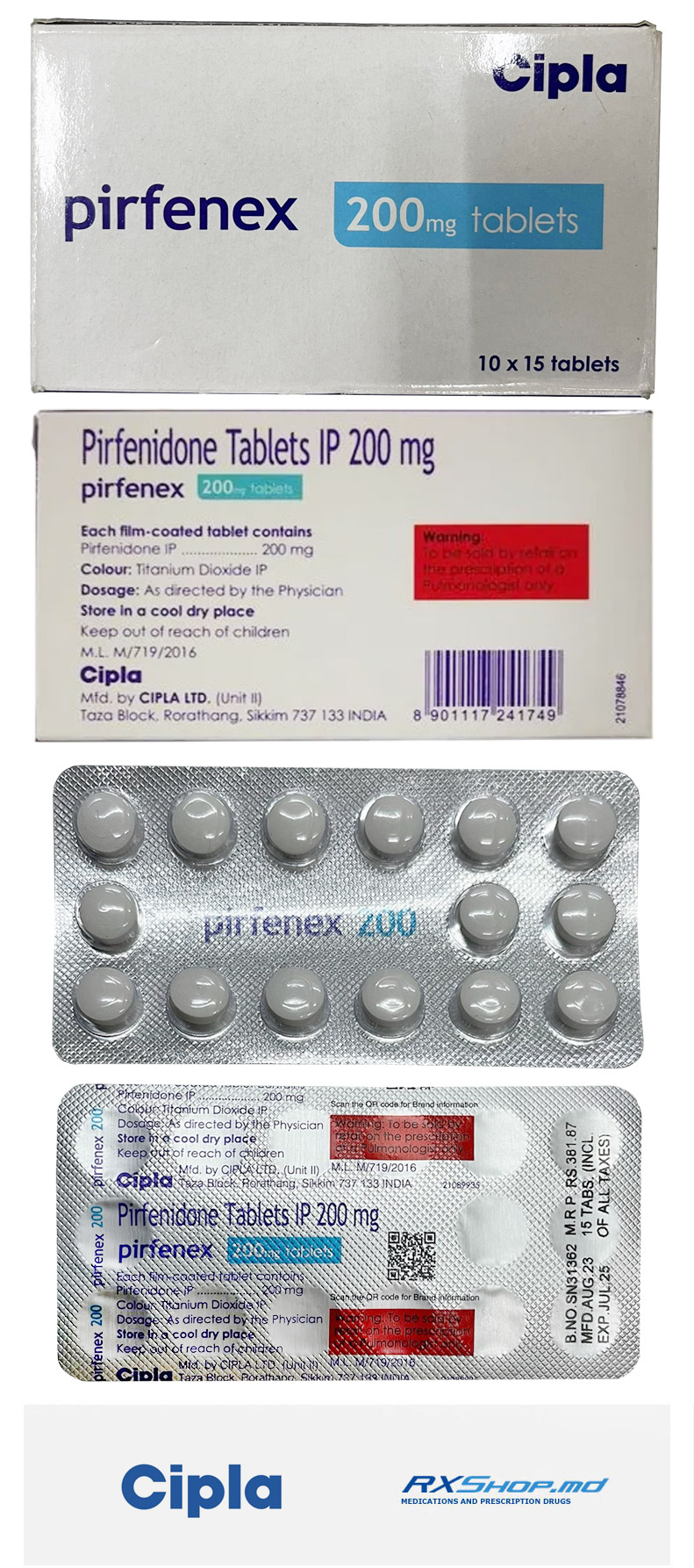
Pirfenex is an affordable generic Pirfenidone — the same antifibrotic molecule found in the original brand-name medication Esbriet. Pirfenidone is a first-in-class antifibrotic agent specifically developed for the treatment of Idiopathic Pulmonary Fibrosis (IPF) — a progressive, fatal lung disease characterised by scarring of lung tissue. As a generic Pirfenidone, Pirfenex delivers identical therapeutic effects to branded Esbriet at a significantly lower price — making this lifesaving therapy financially sustainable for patients requiring lifelong treatment.
Generic Pirfenidone works through a unique multi-mechanism action: it inhibits TGF-β (transforming growth factor beta) signaling, the key cytokine driving fibroblast proliferation and collagen synthesis in pulmonary fibrosis. Pirfenidone also reduces production of pro-inflammatory cytokines, decreases fibroblast activation, and inhibits collagen deposition — together slowing the progression of lung scarring that defines IPF.
Pirfenex is the brand-name from Cipla Pharmaceuticals (India) of generic Pirfenidone, originally FDA-approved as Esbriet in 2014. It is indicated for the treatment of Idiopathic Pulmonary Fibrosis in adults, and is also widely used off-label for other progressive fibrosing interstitial lung diseases including connective tissue disease-associated ILD, chronic hypersensitivity pneumonitis with fibrosis, and emerging applications in post-COVID pulmonary fibrosis.
The standard dose is 801 mg three times daily (total 2403 mg/day), achieved through gradual titration over 2 weeks: starting with 267 mg three times daily for the first week, increasing to 534 mg three times daily for the second week, then full dose. The medication must be taken with food to reduce gastrointestinal side effects and improve tolerability.
Important safety considerations include strict sun avoidance (Pirfenidone causes severe photosensitivity), periodic liver enzyme monitoring, and gradual dose escalation to manage gastrointestinal effects. Generic Pirfenidone via Cipla provides global access to this essential antifibrotic therapy at affordable cost.
Free prescription
Discrete packaging
Have questions?
Quality Assurance

- IPF: For adults with confirmed IPF diagnosis with mild-to-moderate disease where antifibrotic therapy can preserve remaining lung function;
- Progressive Lung Fibrosis: For progressive fibrosing interstitial lung disease across various causes — emerging cross-disease indication;
- Connective Tissue Disease ILD: For interstitial lung disease secondary to scleroderma, rheumatoid arthritis, and other connective tissue diseases;
- Chronic Hypersensitivity Pneumonitis: For chronic fibrotic form of hypersensitivity pneumonitis with established lung scarring;
- Systemic Sclerosis ILD: Off-label use for scleroderma-related interstitial lung disease with documented benefit in clinical trials;
- Rheumatoid Arthritis ILD: For pulmonary fibrosis complications of rheumatoid arthritis;
- Unclassifiable Interstitial Pneumonia: For idiopathic interstitial pneumonia not fitting specific diagnostic categories;
- Familial Pulmonary Fibrosis: For inherited forms of pulmonary fibrosis with documented familial patterns;
- Combined Fibrosis Emphysema: For combined pulmonary fibrosis and emphysema syndrome (CPFE);
- Post COVID Fibrosis: Emerging off-label use for persistent post-COVID-19 pulmonary fibrosis;
- Post Radiation Fibrosis: Off-label investigational use for radiation-induced pulmonary fibrosis after thoracic radiation;
- Sarcoidosis Fibrosis: For end-stage fibrotic sarcoidosis with documented lung scarring;
- Asbestosis: Off-label investigational use in asbestos-related interstitial lung fibrosis;
- Pre Lung Transplant Therapy: For IPF patients awaiting lung transplantation to slow disease progression;
- Pneumoconiosis Fibrosis: Off-label use in occupational dust-induced lung fibrosis;
- Long Term IPF Therapy: For lifelong continuous therapy in stable IPF patients to maintain disease stability.
- Better Lung Capacity: Preserves Forced Vital Capacity (FVC) — the key measure of lung function in pulmonary fibrosis;
- Better Survival: Documented mortality benefit in clinical trials and real-world IPF cohorts;
- Less Acute Exacerbations: Reduces frequency of acute IPF exacerbations that can be rapidly fatal;
- Better Breathing: Slows decline in dyspnea and shortness of breath progression;
- Better Exercise Tolerance: Slower decline in 6-minute walk distance — preserves functional capacity;
- Less Cough: Reduces chronic cough common in IPF and pulmonary fibrosis;
- Better Quality of Life: Preserves activities of daily living and independence longer than untreated disease;
- Less Hospitalization: Reduces hospital admissions for IPF-related complications;
- More Time For Transplant: Bridges patients to lung transplantation by slowing disease progression;
- Better Functional Status: Maintains ability to walk, climb stairs, and participate in daily activities;
- Brand Pirfenex: Cipla Pharmaceuticals generic version of Pirfenidone — established international generic with quality manufacturing standards;
- Generic Pirfenidone: Significantly more affordable than branded Esbriet — supports lifelong IPF treatment access;
- Esbriet Equivalent: Same Pirfenidone molecule as branded Esbriet with bioequivalent therapeutic profile;
- Antifibrotic Therapy: First-in-class antifibrotic medication specifically engineered to slow lung scarring progression;
- IPF Standard Therapy: One of two FDA-approved first-line IPF therapies alongside nintedanib;
- TGF Beta Inhibitor: Inhibits the master fibrosis cytokine driving collagen deposition and lung scarring;
- Lung Fibrosis Therapy: Specifically designed for pulmonary fibrosis — addresses the underlying disease mechanism;
- Pulmonary Fibrosis Treatment: Targeted therapy for fibrosing interstitial lung diseases across multiple etiologies;
- ILD Therapy: Expanding role across interstitial lung disease spectrum beyond classic IPF;
- Cipla Generic Quality: International quality manufacturing standards meeting bioequivalence requirements;
- Affordable Antifibrotic: Generic pricing makes lifelong antifibrotic therapy financially viable for self-pay and insurance-limited patients;
- Multi Mechanism Antifibrotic: Combines anti-TGF-β, anti-collagen, and anti-inflammatory effects in single molecule;
- Connective Tissue ILD Therapy: Effective for scleroderma and other CTD-related interstitial lung diseases;
- Hypersensitivity Pneumonitis Therapy: For chronic fibrotic hypersensitivity pneumonitis where antifibrotic action is beneficial;
- Post COVID Fibrosis Therapy: Emerging use for persistent post-COVID-19 pulmonary fibrosis;
- Transplant Bridge Therapy: Slows IPF progression supporting transplant eligibility timeline;
- CAPACITY Trial Supported: Efficacy demonstrated in landmark CAPACITY 1 and 2 clinical trials;
- ASCEND Trial Supported: FVC decline benefit confirmed in pivotal ASCEND trial;
- Pulmonology Guidelines Standard: Recommended by ATS, ERS, JRS, and ALAT international IPF treatment guidelines;
- Self Pay IPF Therapy: Affordable enough for patients paying out-of-pocket for lifelong therapy;
- Insurance Friendly Antifibrotic: Generic tier on most insurance formularies reduces copay burden;
- Sun Avoidance Required: Strict photoprotection required due to severe photosensitivity reactions;
- Food Co-administration: Take with food to reduce gastrointestinal side effects and improve tolerability;
- Liver Monitoring Required: Periodic LFT monitoring to detect hepatic effects;
- Gradual Titration: 2-week dose escalation supports tolerability and reduces side effect rates;
- Stable Storage: Room temperature stable — convenient for home and travel use;
- Globally Available: Available in branded (Esbriet, Pirfenex, Pirespa) and generic forms across international markets.
Generic Pirfenex (Pirfenidone 200 mg) Medication guide:
📖 What is Pirfenex - antifibrotic therapy for pulmonary fibrosis
An oral antifibrotic medication used to slow the progression of idiopathic pulmonary fibrosis (IPF) and certain other progressive fibrotic lung diseases. Pirfenex is the Indian generic formulation of pirfenidone manufactured by Cipla; the original brand-name version is Esbriet (Genentech / Roche).
🔍 What makes Pirfenex distinctive
- 🫁 Disease-modifying for IPF
- IPF is progressive and fatal without treatment. Pirfenidone is one of only two FDA-approved antifibrotic medications (the other is nintedanib) shown to slow lung function decline and reduce mortality. Before 2014, no effective IPF medication existed.
- 🌞 Strict photosensitivity precautions
- Pirfenidone causes severe sun sensitivity. Patients can develop severe sunburn from very brief sun exposure even through clothing or windows. Daily sunscreen, protective clothing, and sun avoidance are mandatory components of treatment.
- 🍽️ Must be taken with food
- Food significantly reduces nausea and slows absorption to therapeutic levels. Taking pirfenidone on an empty stomach causes severe gastrointestinal upset in most patients. Three meals per day with three capsules each is the standard schedule.
- 💰 Significant cost advantage over Esbriet
- Branded Esbriet costs approximately 30 to 100 times more than Cipla Pirfenex for equivalent treatment duration. For a lifelong condition like IPF, the lifetime cost difference reaches hundreds of thousands of dollars per patient.
Pirfenex is the affordable Cipla version of pirfenidone, a disease-modifying antifibrotic that slows progression of idiopathic pulmonary fibrosis. It works through different mechanism than older anti-inflammatory drugs, requires strict sun protection, and must be taken with food on a multi-daily schedule. Lifelong therapy is the norm for IPF.
🕰️ Pirfenex heritage - from 2008 Japan approval to global use
Pirfenidone has an unusual development story compared to most modern medications. It was first synthesized in 1973 by Marnac Inc. (US) as a potential analgesic, but early development was abandoned. Two decades later, Japanese researchers rediscovered the molecule when studying compounds with antifibrotic potential. Japan became the first country to approve pirfenidone for IPF in 2008 - six years before the FDA approval in the United States.
⏱️ The pirfenidone global timeline
India approved generic pirfenidone in 2011, shortly after the EU approval, well before the US FDA approval. Cipla launched Pirfenex 200 mg capsules as one of the earliest international generic formulations. Indian generic manufacturers operate under different patent protection rules, allowing generics to launch much earlier than in markets where the originator brand holds market exclusivity. This early Indian generic availability has provided affordable IPF treatment to patients globally for over a decade.
🧬 How pirfenidone works - the antifibrotic mechanism explained
Most older lung medications target inflammation. Pirfenidone targets fibrosis itself - the process of scar tissue accumulation that destroys lung architecture in IPF. By interfering with multiple cellular pathways that produce collagen and other fibrotic proteins, pirfenidone slows the rate at which lung tissue becomes stiff and non-functional.
⚖️ Untreated IPF vs pirfenidone-treated IPF
Fibroblasts proliferate uncontrollably in lung interstitium. They produce excess collagen and extracellular matrix proteins. Scar tissue accumulates progressively. Lungs lose elasticity. Gas exchange efficiency declines. Forced vital capacity (FVC) drops by ~150-200 mL per year. Survival without treatment: 3-5 years from diagnosis.
TGF-beta signaling is inhibited. Fibroblast proliferation slows. Collagen synthesis decreases. Scar tissue accumulation slows but does not reverse. FVC decline reduced by approximately 50 percent. Disease progresses more slowly. Median survival extended by 2-3 years. Lung transplant timeline pushed back. Quality of life preserved longer.
📝 How pirfenidone interrupts the fibrotic cascade
Pirfenidone affects multiple cellular pathways simultaneously rather than targeting a single mechanism. This multi-pathway action is why its full molecular story remains incompletely characterized despite decades of research.
🧬 Inhibition of TGF-beta signaling. Transforming growth factor beta is a master regulator of fibrosis. It activates fibroblasts and triggers collagen production. Pirfenidone reduces TGF-beta production and downstream signaling, decreasing fibroblast activation.
🪸 Reduced collagen synthesis. Fibroblasts produce less collagen on pirfenidone exposure. Existing fibrosis remains but new scar tissue accumulates more slowly. The net effect is slowing disease progression rather than reversing established disease.
🔥 Anti-inflammatory and antioxidant effects. Pirfenidone also reduces production of inflammatory cytokines and acts as a free radical scavenger. These secondary effects may contribute to overall benefit but are not the primary mechanism.
🧮 Cellular proliferation control. Beyond fibroblasts, pirfenidone affects how lung structural cells respond to injury signals. The exact molecular targets are still being mapped in ongoing research.
This is the most important conceptual point about pirfenidone therapy. Patients sometimes expect lung function to improve on treatment - it does not. The realistic goal is to SLOW the rate at which lung function declines. Patients may continue to feel gradually worse over years, but more slowly than they would without treatment. Pirfenidone added years to median survival, not symptom reversal.
🎯 The primary indication - idiopathic pulmonary fibrosis (IPF)
Idiopathic pulmonary fibrosis (IPF) is the primary FDA-approved indication for pirfenidone worldwide. IPF is one of the most clinically challenging interstitial lung diseases - relentlessly progressive, often fatal within 3-5 years of diagnosis without treatment, and historically lacking effective therapy until pirfenidone and nintedanib changed the picture in the 2010s.
📋 IPF clinical profile
🔍 Why pirfenidone fits IPF specifically
IPF is characterized by progressive accumulation of scar tissue (fibrosis) in lung interstitium. The disease mechanism centers on aberrant wound healing - lung tissue keeps producing scar in response to subclinical injury even when no acute injury exists. Pirfenidone targets exactly this process: it reduces fibroblast activation and collagen synthesis, slowing scar accumulation rate.
Before pirfenidone, IPF had no effective treatment. Steroids and immunosuppressants were tried for decades without benefit and with significant harm. The 2008 Japanese approval and 2014 FDA approval transformed IPF management from a purely palliative approach to genuinely disease-modifying therapy.
The international IPF clinical practice guidelines (Raghu et al., 2022) conditionally recommend pirfenidone as first-line antifibrotic therapy for patients with confirmed IPF diagnosis. Nintedanib has equivalent recommendation status. Choice between them depends on side effect profile preferences and individual patient factors. Both medications continue indefinitely until lung transplant, intolerable side effects, or end-stage disease.
🫁 Understanding IPF - the disease pirfenidone treats
To understand why pirfenidone matters, you need to understand what IPF actually does to the lungs over time. Unlike many lung diseases, IPF is not driven primarily by inflammation, infection, or airway obstruction. It is a progressive scarring disease that gradually transforms healthy lung tissue into stiff, non-functional fibrotic tissue.
🫁 The IPF disease course
📊 How antifibrotic therapy changes the picture
Pirfenidone does not cure IPF. It slows the disease. Patients who start pirfenidone with early IPF and continue indefinitely typically maintain better lung function for years longer than untreated patients. Some patients on long-term pirfenidone live a decade or more with the diagnosis - an outcome that was essentially impossible before 2008. This is not symptom relief; it is genuine disease modification.
🌿 Other fibrotic conditions where pirfenidone helps
Beyond IPF, pirfenidone has been studied in several other fibrotic lung conditions. The most important expansion came with the INBUILD trial which demonstrated antifibrotic benefit in progressive fibrosing interstitial lung diseases beyond IPF. Some uses are formally approved; others remain off-label but established in clinical practice.
📋 Pirfenidone uses beyond classic IPF
🔍 The main expanded uses in depth
🫁 Progressive fibrosing ILD beyond IPF. The 2019 INBUILD trial showed that nintedanib slows lung function decline in non-IPF progressive fibrosing interstitial lung diseases. Subsequent studies suggest pirfenidone has similar benefit in this population. Many ILD specialists now use pirfenidone for any progressive fibrotic ILD, not just IPF.
🫀 Connective tissue disease ILD. Some autoimmune conditions (rheumatoid arthritis, scleroderma, dermatomyositis) develop fibrotic lung involvement that mimics IPF radiologically. Trials including RELIEF and TRAIL1 suggest pirfenidone helps these patients too. Treatment combines pirfenidone with the underlying autoimmune therapy.
🔥 Chronic hypersensitivity pneumonitis. Long-term exposure to certain inhaled antigens (birds, molds, certain occupational dusts) causes fibrotic lung disease in some patients. The fibrotic subtype responds similarly to IPF treatment with pirfenidone added to allergen avoidance.
🫀 Post-COVID pulmonary fibrosis. A subset of severe COVID-19 survivors develop persistent fibrotic changes. Early studies suggest antifibrotic therapy may benefit this population. Active research area as of 2026.
Modern ILD thinking treats progressive fibrosis as a common end pathway shared by many distinct underlying diseases. Whether the trigger is genetic (IPF), autoimmune (RA-ILD), environmental (hypersensitivity), or post-infectious (post-COVID), once fibrosis becomes progressive, antifibrotic therapy is rational. Pirfenidone increasingly serves this broader role rather than being restricted to classical IPF.
💊 Standard adult dosing for IPF treatment
Pirfenidone dosing follows a clear pattern: start low, escalate over 14 days, reach maintenance dose, continue indefinitely. The full dose is divided three times daily with meals. The maintenance dose differs between formulations - Pirfenex 200 mg uses 9 capsules daily (1800 mg total), while Esbriet 267 mg uses 9 capsules daily (2403 mg total). Both schedules deliver therapeutic effect.
📋 Standard dosing reference
🔍 Two doses, comparable effect
The seemingly different maintenance doses (1800 mg vs 2403 mg) reflect different formulation strategies rather than different therapeutic targets. Both deliver pirfenidone exposure within the established therapeutic range. Cipla Pirfenex 200 mg at 9 capsules daily produces serum levels considered equivalent to Esbriet 267 mg at 9 capsules daily in clinical practice.
For patients switching between formulations (rare but possible for cost or availability reasons), the prescribing physician adjusts the schedule. Both formulations require the same gradual uptitration process (covered in section 8) and have equivalent food and timing requirements.
If maintenance dose causes intolerable side effects (severe nausea, profound photosensitivity reactions, significant LFT elevation), the dose can be reduced rather than discontinued entirely. Common reduced doses: 1200 mg/day (Pirfenex 200 mg, 6 caps) or 1602 mg/day (Esbriet 267 mg, 6 caps). Some patients eventually re-escalate after tolerability improves; others remain at the reduced dose. Lower doses still provide some antifibrotic benefit, just less than the full maintenance dose.
📈 The gradual uptitration schedule - week by week
Starting pirfenidone at maintenance dose immediately causes severe nausea, dyspepsia, and dizziness in most patients. The gradual uptitration schedule over 14 days dramatically improves tolerability. This schedule is mandatory at treatment start, after any treatment gap of 14 days or more (section 11), and after any dose interruption for side effects.
📅 The 14-day uptitration schedule
📝 Day-by-day breakdown for Pirfenex 200 mg
🔍 Why gradual uptitration matters
🤢 GI tolerability adaptation. The stomach and small intestine gradually adapt to pirfenidone exposure. Starting at full dose typically causes severe nausea, vomiting, and dyspepsia that make patients unable to continue. The 14-day ramp gives the GI system time to adjust.
💡 Photosensitivity assessment. Patient sun sensitivity varies. Starting at low dose lets the patient learn how their skin responds to pirfenidone + sun before reaching maintenance dose. Severe early photosensitivity at lower dose warns of likely problems at full dose.
🫀 Hepatic monitoring window. Early LFT elevation, when it occurs, typically appears in the first 1-3 months. Gradual uptitration paired with LFT monitoring catches hepatic issues before they become severe.
📈 Compliance improvement. Patients who tolerate the slow escalation are more likely to continue long-term therapy. Patients overwhelmed by side effects at full-dose start often discontinue and never resume.
Pirfenidone uptitration is mandatory, not optional. Patients sometimes try to jump directly to maintenance dose to start treatment effect sooner - this consistently fails because of overwhelming side effects. The 14-day investment in gradual escalation determines whether long-term therapy will be possible.
🍽️ Taking pirfenidone with food - the essential rule
Pirfenidone capsules must be taken WITH food (during or immediately after a meal), three times daily. Taking on an empty stomach causes severe nausea and dyspepsia that lead most patients to discontinue. Food is not optional - it is part of the therapy.
🔍 Why food matters for pirfenidone
🤢 Dramatic reduction in nausea. Pirfenidone is highly irritating to the gastric mucosa when taken alone. Food creates a buffer between the medication and stomach lining, reducing direct irritation. Patients who take pirfenidone with substantial meals consistently report fewer GI side effects than those who take it with minimal food.
📉 Slower, smoother absorption. Food delays gastric emptying and slows pirfenidone absorption. This avoids the rapid peak serum concentration that causes nausea and dizziness. The total drug absorbed is similar whether with or without food, but the absorption curve is smoother with food.
🌐 FDA label requirement. The FDA prescribing information mandates pirfenidone be taken with food. This is not a suggestion - it is part of the approved use protocol. Pharmacists routinely counsel patients on this requirement.
📊 Real-world tolerability data. Studies show patients adherent to the with-food rule have significantly better treatment continuation rates than those who take inconsistently with food. Many treatment discontinuations attributed to side effects could have been avoided with proper food administration.
📋 Practical food guidance
📝 Common mistakes to avoid
- ❌ Taking capsules before the meal arrives - wait until you have food in front of you and have started eating
- ❌ Saving capsules to take after a meal hours later - take during the meal, not afterwards
- ❌ Skipping a meal and skipping the dose to compensate - eat something to enable the dose; do not just skip
- ❌ Crushing capsules into liquid - swallow whole; mixing into food or drink reduces effectiveness
- ❌ Taking with only coffee or tea - liquid stimulant is not food substitute
- ✅ Setting meal-based reminders - tie dose timing to breakfast, lunch, dinner habits
- ✅ Keeping crackers or snacks available - for days when appetite is poor
☀️ Photosensitivity - the critical sun protection requirement
Pirfenidone makes the skin highly sensitive to sunlight. Patients can develop severe sunburn from very brief sun exposure - even brief outdoor activity, driving with windows open, or being near sunlit windows indoors. Strict sun protection is not a suggestion. It is mandatory for the entire duration of therapy.
🧬 Why pirfenidone causes photosensitivity
Pirfenidone and its metabolites accumulate in skin tissue after absorption. When exposed to ultraviolet light (UVA and UVB), these compounds react to produce damaging free radicals in skin cells. This results in skin reactions that look like severe sunburn but happen at sun exposures far less than would normally cause burning. The reaction is dose-dependent and reversible (resolves when pirfenidone is stopped) but can be severe enough to require medical treatment.
📊 Severity spectrum
- ✅ Mild photosensitivity (~30 percent of patients)
- Pink or slightly red skin after brief sun exposure. Resolves within hours of getting out of sun. Manageable with diligent daily sun protection.
- ⚠️ Moderate photosensitivity (~10-15 percent)
- Clear redness, mild burning sensation, possible mild swelling. May develop into mild blistering. Requires more aggressive sun avoidance and sometimes topical corticosteroid for affected skin.
- ⛔ Severe photosensitivity (~3-5 percent)
- Severe sunburn-like reaction with blistering, swelling, pain. May require oral corticosteroids, dose reduction or temporary discontinuation. Skin recovers but can leave hyperpigmentation lasting weeks to months.
- ⚫ Severe drug eruption / Stevens-Johnson (very rare)
- Documented in case reports. Widespread blistering rash with mucous membrane involvement. Medical emergency requiring hospitalization and immediate pirfenidone discontinuation.
🌐 Mandatory sun protection strategy
- 🧴 Broad-spectrum SPF 50+ sunscreen daily - on ALL exposed skin including face, ears, neck, hands. Reapply every 2 hours when outdoors.
- 👔 UV-protective clothing - long sleeves, long pants. UPF-rated fabric for outdoor activities. Dark colors block more UV than light colors.
- 🎩 Wide-brimmed hat - protects face, ears, and neck from direct overhead sun. Baseball caps are inadequate.
- 🕶️ UV-blocking sunglasses - protect eyes and skin around eyes
- 🏠 Stay indoors during peak UV (10am-4pm) - especially in summer and at higher altitudes/lower latitudes
- 🚗 Window protection - car and home windows allow UVA through; consider UV-blocking film for car windows
- ☁️ Cloudy days still require protection - up to 80 percent of UV penetrates clouds
- 🏖️ Beach/pool/snow situations - UV reflects off water, sand, and snow doubling effective exposure
- Get out of sun immediately
- Apply cool compresses to affected skin
- Contact prescriber within 24 hours
- Do NOT take next pirfenidone dose until provider evaluates
- Severe blistering, widespread rash, mucous membrane involvement, or systemic symptoms require emergency evaluation
- Provider may temporarily hold pirfenidone, reduce dose, or rarely discontinue permanently
📅 The 14-day rule - what to do after gaps in therapy
Pirfenidone tolerance is built gradually during the uptitration phase. The GI system, skin, and metabolic pathways adapt to the medication. When pirfenidone is stopped for an extended period, that adaptation fades. Restarting at the previous maintenance dose causes the same severe side effects that occur at initial full-dose start. The 14-day rule prevents this by requiring re-titration after extended gaps.
🔍 Common scenarios requiring full restart
- 🏥 Hospitalization for unrelated condition
- A 2-week or longer hospital stay where pirfenidone was not given. When discharged, restart with day 1 uptitration schedule (1 capsule 3x daily for 7 days, then 2 capsules 3x daily for 7 days, then full dose).
- 🚫 Side effect-triggered hold
- Pirfenidone temporarily stopped for severe nausea, photosensitivity reaction, or LFT elevation. If hold exceeds 14 days, restart from day 1 of uptitration when resuming.
- 💰 Medication access gap
- Patient ran out of medication, insurance authorization delay, or supply chain issue. Once medication available, restart uptitration if gap was 14 days or more.
- ✈️ Extended international travel without medication
- Travel that exceeds medication supply. Restart from day 1 on return if total gap is 14 or more days.
📋 Action by gap duration
Avoid extended treatment gaps when possible. Maintain at least 30-day medication supply at all times. Plan international travel with extra medication buffer. Discuss any unplanned hospitalization with the admitting team to continue pirfenidone if medically possible. The 14-day rule exists because restart side effects can be severe enough that some patients give up entirely after a forced restart. Continuous therapy is the goal.
👴 Pirfenex in older adults
IPF predominantly affects adults over 60, so the vast majority of pirfenidone users are older adults. The medication has been extensively studied in this population - landmark trials enrolled patients aged 60-80 as the primary cohort. Several practical considerations matter more in older patients: renal function, polypharmacy interactions, photosensitivity at age-thinned skin, and adherence with the complex 9-capsule daily schedule.
🔍 Four older-adult-specific considerations
🫁 Renal function changes. Pirfenidone clearance involves CYP1A2 hepatic metabolism plus some renal excretion of metabolites. Mild-to-moderate renal impairment is common in older patients but rarely requires dose adjustment. Severe renal impairment (CrCl below 30) is a relative contraindication and warrants specialist consultation.
💊 Polypharmacy and CYP1A2 interactions. Pirfenidone is metabolized primarily by CYP1A2. Many older adults take medications that inhibit (fluvoxamine, ciprofloxacin, mexiletine) or induce (rifampin, omeprazole) this enzyme. Drug interactions can significantly raise or lower pirfenidone levels. Review the medication list before starting pirfenidone.
🌞 Skin aging plus photosensitivity. Older skin is thinner and more vulnerable to UV damage. Combined with pirfenidone photosensitivity, this means severe sun reactions can occur with even minimal exposure. Extra rigorous sun protection is essential. Annual dermatology check for new skin lesions is reasonable.
📋 Adherence with complex schedule. Nine capsules daily with three meals plus folate (not relevant here, pirfenidone does not require folate) creates significant pill burden. Cognitive changes, dexterity issues, vision problems can all impact adherence. Consider pill organizers, family support, and once-daily meal anchoring.
📋 Common older-adult medications to review
For most older IPF patients, pirfenidone works well at standard maintenance dose with appropriate monitoring (LFTs every 1-3 months early, then every 3-6 months stable). Adherence support matters - family caregiver involvement helps. Sun protection should be drilled in starting day 1. Smoking cessation is critical (section 29). Quarterly office visits during the first year, then every 4-6 months once stable, maintains the therapeutic alliance and catches issues early.
🩺 Pirfenex in renal and hepatic impairment
Pirfenidone is metabolized primarily by the liver via CYP1A2 enzyme, with metabolites excreted through urine. Both hepatic and renal function affect drug handling. Mild-to-moderate impairment of either organ usually allows standard dosing with closer monitoring. Severe impairment requires dose reduction or alternative therapy.
⚖️ Renal vs hepatic considerations
Pirfenidone metabolites are renally excreted. Severe renal impairment causes metabolite accumulation. Mild-moderate impairment (CrCl 30-90) usually allows standard dosing with closer monitoring. CrCl below 30 is a relative contraindication. Dialysis-dependent patients require specialist consultation.
Pirfenidone undergoes primary hepatic metabolism via CYP1A2. Hepatic impairment reduces drug clearance. Mild impairment (Child-Pugh A) generally allows standard dosing with monitoring. Moderate impairment (Child-Pugh B) warrants caution. Severe impairment (Child-Pugh C) is an ABSOLUTE contraindication (section 20).
🎯 Severity tiers and approach
- ✅ Normal or mild impairment
- CrCl above 60 or Child-Pugh A. Standard dosing (1800 mg/day Pirfenex or 2403 mg/day Esbriet). Routine monitoring every 3-6 months. Most patients fall in this category and tolerate pirfenidone well.
- ⚠️ Moderate impairment
- CrCl 30-60 or Child-Pugh B. Standard dosing acceptable in most cases with intensified monitoring (every 1-3 months). Some clinicians reduce maintenance dose to 1200-1602 mg/day preventively. Watch for accumulating side effects.
- ⛔ Severe impairment
- CrCl below 30 or Child-Pugh C. Pirfenidone is contraindicated or strongly discouraged. Alternative antifibrotic options (nintedanib) may be considered but have similar concerns. Specialist hepatology / nephrology consultation essential.
- ⛔ End-stage organ failure
- Dialysis-dependent or decompensated cirrhosis. Pirfenidone not used. Lung transplant evaluation if patient otherwise eligible.
📅 Dosing adjustment by impairment
🔗 Combining pirfenidone with other IPF treatments
Pirfenidone is rarely the only treatment an IPF patient receives. Most patients use a combination approach including pulmonary rehabilitation, supplemental oxygen, vaccinations, and sometimes the other antifibrotic medication (nintedanib). Treatment selection depends on disease severity, patient preferences, and tolerance. Pirfenidone provides the antifibrotic backbone; supportive interventions address symptoms and complications.
📋 Common combination scenarios
🔍 Key principles for IPF combination therapy
🏗️ Antifibrotic is the backbone. Pirfenidone (or nintedanib) is the only treatment that modifies disease progression. Everything else addresses symptoms, complications, or supportive care. Combining pirfenidone with supportive measures is standard, not optional.
🚫 Avoid chronic steroids and immunosuppressants in pure IPF. The PANTHER-IPF trial showed that prednisone + azathioprine combination (historical standard) actually INCREASED mortality in IPF compared to placebo. Chronic steroids are reserved for exacerbations or for connective tissue disease ILD where the underlying autoimmunity warrants treatment.
💪 Pulmonary rehabilitation is underutilized. Structured exercise programs improve exercise capacity and quality of life in IPF significantly. Adding rehabilitation to pirfenidone produces functional benefits beyond what either provides alone.
💨 Oxygen prescription timing matters. Supplemental oxygen starts when resting or exertional SpO2 drops below 88-89 percent. Early oxygen reduces cardiac strain and improves exercise tolerance. Pirfenidone does not interact with oxygen therapy in any way.
Modern IPF care emphasizes multidisciplinary management: pulmonology for the medical backbone (pirfenidone or nintedanib), pulmonary rehabilitation team for functional improvement, palliative care for symptom management, transplant pulmonology for advanced patients, and primary care for vaccinations and overall health. Pirfenidone is one critical piece but not the entire treatment. Patient outcomes improve when all these elements work together.
♾️ Long-term continuous antifibrotic therapy
Unlike many medications used for acute conditions or fixed-duration treatment courses, pirfenidone is an indefinite therapy. There is no scheduled endpoint, no "treatment is complete" milestone, no taper. Patients start pirfenidone after IPF diagnosis and continue until lung transplant, intolerable side effects, or end-stage disease. For most patients, this means years to decades of continuous daily therapy.
🔍 What indefinite therapy means in practice
📅 Daily routine. Three meals plus three capsules at each meal, every day, indefinitely. The medication routine becomes part of daily life. Many patients use meal anchoring (always breakfast/lunch/dinner) to maintain consistency over years.
🏥 Quarterly to semi-annual office visits. Pulmonary function testing every 3-6 months tracks disease progression. LFT monitoring at the same intervals. Visit frequency adjusts based on disease stability and side effect status.
🌞 Lifelong sun protection. Photosensitivity does not fade with time on pirfenidone. The sun protection rules from day 1 continue for the entire treatment duration. Skin protection becomes a permanent habit.
💰 Continuous medication supply. Patients arrange ongoing prescription refills, sometimes through specialty pharmacies for Esbriet or through international generic channels for Pirfenex. Coverage gaps trigger the 14-day uptitration restart rule.
📊 Long-term monitoring schedule
👥 Patient experience of long-term therapy
📝 Adaptation phase (first 3-6 months). GI side effects, photosensitivity learning, schedule adjustment. Treatment continuation rate is highest after this initial period.
📈 Stable phase (months to years). Routine established, side effects manageable, treatment becomes background of daily life. Some patients report fatigue or mild dyspepsia ongoing but tolerable.
📉 Progression phase (variable timing). Despite pirfenidone, IPF eventually progresses for most patients. New symptoms (more dyspnea, lower exercise tolerance, need for higher oxygen flow) emerge. Treatment continues but supportive care intensifies.
🏥 Transplant evaluation or end-of-life phase. If patient is a transplant candidate, evaluation typically begins when FVC drops below 50 percent or rapidly declines. Pirfenidone continues until transplant. For non-transplant candidates, palliative care emphasis grows with disease severity.
Patients who do best on long-term pirfenidone treat the medication as a permanent part of life rather than a temporary intervention. The mindset matters - patients hoping for quick improvement and then to stop often discontinue prematurely when no improvement comes (because pirfenidone slows decline rather than reversing disease). Patients who understand the goal is slower progression continue indefinitely and benefit accordingly. Setting expectations correctly from day 1 of therapy is essential.
🚨 Side Effects Overview - pirfenidone safety profile
🚨 Side Effects Overview
Pirfenidone has a notable side effect profile that requires active management. Approximately 80 percent of patients experience some side effects, but most are manageable with proper food administration, sun protection, and gradual uptitration. Treatment discontinuation due to side effects occurs in approximately 10-15 percent of patients. The three main concerns are GI upset, photosensitivity, and hepatic enzyme elevation.
The high overall side effect rate may sound concerning but is largely manageable. Most effects are mild and dose-related. Proper food administration handles most GI issues. Diligent sun protection prevents most photosensitivity reactions. Routine LFT monitoring catches hepatic concerns early. Patients who follow management strategies typically continue therapy long-term.
📊 Severity profile
- ✅ Common, mild (60-70 percent of patients)
- Mild nausea, mild dyspepsia, fatigue, decreased appetite, mild photosensitivity, headache, dizziness. Usually manageable with food administration, sun protection, and dose timing. Rarely lead to discontinuation.
- ⚠️ Notable, intermediate (15-25 percent)
- Significant nausea or vomiting, moderate photosensitivity, mild-to-moderate LFT elevation, weight loss, abdominal pain, rash. Often manageable with dose reduction or temporary holds; sometimes require treatment change.
- ⛔ Serious, uncommon (under 5 percent)
- Severe photosensitivity reactions, significant LFT elevation requiring discontinuation, drug-induced hepatitis, severe rash or Stevens-Johnson-type reactions, anaphylaxis. Require immediate evaluation and often permanent discontinuation.
📝 What sections 17-22 cover
- 🤢 Section 17 — common GI side effects (nausea, dyspepsia, anorexia) and practical management
- 🌞 Section 18 — photosensitivity reactions in detail beyond the initial overview
- ⛔ Section 19 — contraindications and warnings (ANCHOR)
- 🟥 Section 20 — severe hepatic dysfunction as absolute contraindication
- 🚬 Section 21 — CYP1A2 metabolism and the smoking interaction
- 🔬 Section 22 — hepatic monitoring requirements and threshold-based actions
🤢 Common gastrointestinal side effects and management
Gastrointestinal effects are the most common pirfenidone side effects. Nausea, dyspepsia, decreased appetite, and weight loss collectively affect the majority of patients to some degree. The good news: most GI effects respond well to with-food administration and gradual uptitration. Severe persistent GI symptoms warranting discontinuation are uncommon when these management strategies are followed.
📋 Common GI side effects with management
⚖️ Manage at home vs see provider
- Mild nausea responding to food/timing
- Occasional dyspepsia improving with antacid
- Mild appetite reduction with stable weight
- Brief diarrhea episodes self-limited
- Mild reflux symptoms responding to lifestyle
- Persistent severe nausea or vomiting
- Weight loss exceeding 5 percent of body weight
- Inability to eat sufficient calories
- Severe abdominal pain
- Persistent diarrhea over 2 weeks
- Signs of dehydration
- New jaundice or upper right abdominal pain
💡 Practical tips for tolerability
- 🍽️ Substantial meals matter most - the bigger the meal at dose time, the better the tolerability
- ⏱️ Slow uptitration is everything - rushing through the 14-day schedule causes most preventable GI issues
- 💧 Hydration helps - 2 liters daily reduces nausea and supports overall tolerance
- 🍱 Bland foods at dose times if appetite is poor - rice, crackers, yogurt, toast all work
- 🌀 Ginger or peppermint for nausea - non-pharmaceutical adjuncts help some patients
- 📞 Antiemetic prescription - ondansetron 4-8 mg as needed; effective for breakthrough nausea
- 📝 Track patterns - keep a symptom diary during first 3 months; identifies which doses are most problematic
🌞 Photosensitivity reactions in detail
Section 10 introduced photosensitivity as a critical pirfenidone concern. This section provides the deeper clinical detail: what reactions actually look like, how they progress, how to treat established reactions, and how to distinguish pirfenidone photosensitivity from other rashes that may occur during therapy.
🧬 The mechanism in detail
Pirfenidone accumulates in skin tissue, particularly the keratinocyte layer. When skin is exposed to ultraviolet light (UVA 320-400 nm primarily, also UVB 280-320 nm), pirfenidone molecules absorb the radiation energy and undergo chemical transformation. This produces highly reactive oxygen species (free radicals) within skin cells. The free radicals damage cellular proteins, lipids, and DNA. The result clinically resembles severe sunburn even though the actual UV dose was minimal.
Importantly, this is a phototoxic reaction rather than a true allergic reaction. It does not require prior sensitization and occurs in nearly every patient who receives adequate sun exposure on pirfenidone. The severity varies by individual based on skin type, total cumulative pirfenidone exposure, UV intensity, and exposure duration. Lighter skin types are more susceptible.
📊 Reaction progression timeline
📋 Treatment of established reactions
🔍 Differentiating from other rashes
Not every rash during pirfenidone therapy is photosensitivity. Distinguishing the cause matters for treatment selection:
☀️ Photosensitivity: Distribution on sun-exposed areas (face, neck, hands, arms below sleeves). Sharp cutoff at clothing edges. Associated with recent sun exposure history. Burning rather than itching.
🍄 Drug eruption (non-photosensitive): Distribution widespread including sun-protected areas. Pruritic (itchy) rather than burning. Often more symmetric. Can occur without UV exposure.
🧬 Other causes: Viral exanthem, contact dermatitis, urticaria, eczema flare. Pattern, timing, and associated symptoms help differentiate. Dermatology consultation if uncertain.
The chronic pirfenidone patient develops a permanent sun protection routine. Daily broad-spectrum SPF 50 sunscreen becomes as automatic as brushing teeth. Wardrobe choices favor UV-protective fabrics. Outdoor activities shift to early morning or after sunset. Travel destinations may be planned around sun exposure. Annual dermatology surveillance is reasonable, particularly for older patients with cumulative UV history pre-pirfenidone, to catch any new skin lesions early.
⛔ Contraindications and Warnings
⛔ Contraindications and Warnings
Pirfenidone has several important contraindications, most centered on hepatic function and drug interactions through CYP1A2 metabolism. Absolute contraindications are limited; relative cautions cover several clinical scenarios where pirfenidone can still be used but with extra monitoring and consideration.
⛔ Absolute contraindications
⚠️ Relative contraindications
✅ Pre-treatment screening
- 📊 Baseline LFTs - ALT, AST, bilirubin, alkaline phosphatase
- 📊 Baseline renal function - creatinine, eGFR, urinalysis
- 📋 Complete medication review - identify CYP1A2 inhibitors and inducers
- 🚬 Smoking status - if active smoker, strong cessation counseling
- 🍺 Alcohol use assessment - moderation counseling
- 🤰 Pregnancy status - confirm in women of reproductive age; contraception counseling
- 🌞 Sun exposure habits - patient willingness and ability to maintain sun protection
- 🍽️ Meal pattern - confirm patient eats three meals (essential for tolerability)
🟥 Severe hepatic dysfunction - the absolute contraindication
Pirfenidone is metabolized primarily by the liver via CYP1A2 enzyme. Severely impaired liver function (Child-Pugh class C) causes drug accumulation to dangerous levels. The risk of severe hepatotoxicity, including liver failure, is unacceptable. Patients with Child-Pugh C cirrhosis or other severe hepatic dysfunction should NOT receive pirfenidone.
🧬 Defining hepatic severity (Child-Pugh scoring)
Child-Pugh scoring classifies cirrhosis severity based on five parameters: total bilirubin, serum albumin, INR (or prothrombin time), ascites severity, and hepatic encephalopathy. Each parameter scores 1-3 points; total score determines class A (5-6 points, mild), B (7-9, moderate), or C (10-15, severe).
- 🟢 Child-Pugh A (mild, 5-6 points)
- Compensated cirrhosis with relatively preserved liver function. Bilirubin normal to slightly elevated, albumin above 3.5, INR below 1.7, no ascites, no encephalopathy. Standard pirfenidone dosing usually acceptable with monthly LFT monitoring during first 6 months.
- 🟡 Child-Pugh B (moderate, 7-9 points)
- More significant liver dysfunction. Mild ascites controlled with diuretics or mild encephalopathy possible. Reduced pirfenidone dose (1200 mg/day) with monthly LFT monitoring. Specialist hepatology consultation strongly recommended. Risk-benefit assessment individual.
- ⛔ Child-Pugh C (severe, 10-15 points)
- Decompensated cirrhosis with significant impairment. Refractory ascites, hepatic encephalopathy, hypoalbuminemia, coagulopathy. Pirfenidone CONTRAINDICATED. Alternative IPF therapy needed - nintedanib has similar concerns; supportive care or transplant evaluation may be the realistic options.
🔍 Why severe hepatic dysfunction is absolute contraindication
🧬 Drug accumulation risk. Severely impaired CYP1A2 metabolism causes pirfenidone to accumulate well above therapeutic levels. Without adequate clearance, even standard doses produce toxic concentrations within days.
🫀 Pre-existing hepatic vulnerability. A severely diseased liver has minimal reserve to handle additional drug stress. Pirfenidone hepatotoxicity (covered in section 22) in a Child-Pugh C patient can rapidly cause acute-on-chronic liver failure.
📊 No safe monitoring strategy. Even intensive LFT monitoring cannot prevent rapid deterioration in this population. By the time LFT changes are detected, severe damage may have already occurred.
🏥 Transplant priority concern. Patients with severe cirrhosis often need liver transplant. Pirfenidone-induced acute liver injury could disqualify them from transplant candidacy or worsen pre-transplant status.
📋 LFT monitoring during pirfenidone therapy
🚬 CYP1A2 and smoking - the metabolism interaction
Pirfenidone metabolism depends almost entirely on the hepatic enzyme CYP1A2 (cytochrome P450 1A2). Anything that affects CYP1A2 activity changes pirfenidone exposure. The most important factor most patients control: smoking. Cigarette smoke contains polycyclic aromatic hydrocarbons that strongly induce CYP1A2, dramatically reducing pirfenidone serum levels. For IPF patients who smoke, the medication is significantly less effective at standard doses.
🚬 The smoking effect quantified
Cigarette smoke contains polycyclic aromatic hydrocarbons (PAHs) that potently induce CYP1A2 enzyme. The result is approximately 50 percent reduction in pirfenidone serum concentrations in smokers compared to non-smokers at the same dose. At reduced effective drug exposure, the antifibrotic effect is significantly diminished. Smokers on standard pirfenidone doses are effectively receiving sub-therapeutic treatment.
🔍 CYP1A2 modifiers - inhibitors and inducers
🔍 The smoking cessation imperative
📉 Smoking is the proximate cause of most IPF. Approximately 70 percent of IPF patients have significant smoking history. Most are former smokers by diagnosis time, but some continue to smoke despite IPF.
🚫 Continued smoking accelerates IPF progression. Beyond reducing pirfenidone effectiveness, ongoing smoking damages already-injured lungs further. Smoking cessation is one of the few interventions known to improve IPF outcomes independent of pharmacotherapy.
📞 Cessation programs are highly effective in motivated IPF patients. The dramatic diagnosis often serves as cessation motivation. Combining behavioral support, nicotine replacement, and bupropion or varenicline produces high success rates in this population.
📊 CYP1A2 normalizes after cessation. Within 4-6 weeks of smoking cessation, CYP1A2 activity returns to baseline. Pirfenidone levels rise toward typical non-smoker range. Dose adjustment downward may be needed in some patients post-cessation as the effective drug exposure increases.
For most patients, the main CYP1A2 concern is smoking status. The recommendation is unambiguous: do not smoke. For patients on ciprofloxacin (e.g., for UTI or respiratory infection), the prescriber should reduce pirfenidone dose temporarily during the antibiotic course - typically by half - and resume full dose after ciprofloxacin completion. Fluvoxamine should never be co-prescribed; if an SSRI is needed, sertraline or escitalopram are alternatives without CYP1A2 effect. Caffeine intake within normal range (2-3 cups daily) does not require adjustment.
🔬 Hepatic monitoring requirements during therapy
Hepatic monitoring is one of the most important ongoing tasks during pirfenidone therapy. Approximately 15-20 percent of patients experience some degree of LFT elevation on pirfenidone. The vast majority are mild and transient. A small fraction develop clinically significant hepatotoxicity that requires dose reduction or discontinuation. Routine monitoring catches problems early, before symptomatic liver injury occurs.
📅 LFT monitoring schedule (comprehensive)
📊 Threshold-based actions
- 🟡 Yellow skin or eyes (jaundice)
- 🍴 Dark urine (tea-colored)
- 💩 Pale or clay-colored stools
- 🫀 Right upper abdominal pain
- 😴 Severe fatigue not explained by IPF
- ✋ Unexplained itching
- 🍽️ Loss of appetite with abdominal symptoms
- 💧 Easy bruising or bleeding (suggesting coagulopathy)
🔍 Hys law and why it matters
Hys law refers to a finding pattern in drug-induced liver injury: ALT/AST elevation MORE than 3x upper normal combined with bilirubin elevation MORE than 2x upper normal (without alkaline phosphatase elevation). This pattern in pirfenidone patients indicates serious hepatotoxicity with risk of progression to acute liver failure. Hys law findings require immediate pirfenidone discontinuation regardless of patient symptoms or clinical appearance. Patients meeting Hys criteria need urgent hepatology evaluation.
Patients sometimes view ongoing LFT monitoring as unnecessary once they have been stable on pirfenidone for years. This is incorrect. Hepatotoxicity can emerge after months or years of stable therapy. The monitoring schedule above continues for the entire duration of pirfenidone therapy. Skipping LFT checks for convenience is the most common preventable cause of severe drug-induced liver injury in this population.
🌐 Complete drug interaction overview
Pirfenidone has a moderate-sized list of drug interactions, mostly driven by its CYP1A2 metabolism (covered in section 21) plus a few specific concerns around hepatic effect overlap. The most clinically important interactions are with CYP1A2 modulators. Other interactions are manageable with awareness or routine monitoring.
📋 Comprehensive interaction reference
🔍 Three interactions warranting extra attention
💊 CYP1A2 modulators (smoking, fluvoxamine, ciprofloxacin). The most clinically important category. Smoking is the biggest preventable interaction - cessation should be addressed before starting pirfenidone. Fluvoxamine is essentially contraindicated. Ciprofloxacin requires temporary dose adjustment.
🫀 Other hepatically active drugs. Statins, acetaminophen at high doses, and other potentially hepatotoxic medications add cumulative hepatic stress. Use these carefully and monitor LFTs more frequently when combined with pirfenidone.
☀️ Sun-sensitizing combinations. Tetracyclines (doxycycline), thiazide diuretics (hydrochlorothiazide), and some other medications themselves cause photosensitivity. Combined with pirfenidone, severe reactions become more likely. Substitute these when possible.
⚖️ Pirfenex vs Esbriet - same drug, different label
Pirfenex (Cipla) and Esbriet (Genentech/Roche) are different brand names for the SAME active ingredient: pirfenidone. The clinical effect is essentially identical. Differences are in capsule strength (200 mg vs 267 mg), manufacturer reputation, and most dramatically in price. For patients prescribed pirfenidone, the choice between these brands often comes down to access and cost rather than clinical efficacy.
⚖️ Two brands, one active drug
Indian generic pirfenidone. 200 mg capsules. 9 capsules daily at maintenance = 1800 mg/day. Approved in India 2011. Widely available worldwide through international pharmacy channels. Substantially lower cost than branded Esbriet. Same active compound, same efficacy.
Original brand-name pirfenidone. 267 mg capsules OR 801 mg film-coated tablets. 9 capsules daily at maintenance = 2403 mg/day. FDA approved 2014 (originally by InterMune, acquired by Roche). Distributed through specialty pharmacy in US. Insurance coverage variable. Significantly higher cost.
📊 Detailed comparison
🎯 When each is preferred
Pirfenex preferred when: cost is a significant factor (uninsured, high deductible, denied coverage), patient is in country where Cipla distribution is reliable, online international pharmacy access is feasible, long-term therapy budget needs to be sustainable.
Esbriet preferred when: insurance covers Esbriet at low patient cost (some specialty pharmacy programs), patient prefers US/EU manufacturing oversight, 801 mg film-coated tablet simplifies pill burden (3 tablets vs 9 capsules daily), participation in clinical trials requires specific formulation.
Despite the different maintenance doses (1800 mg vs 2403 mg), both formulations deliver therapeutically equivalent pirfenidone exposure. The dose differences reflect different formulation strategies rather than different therapeutic targets. Studies show comparable efficacy in slowing FVC decline between the two products. Patients can switch between formulations if needed (under prescriber supervision) without losing antifibrotic benefit. The choice is overwhelmingly economic, not medical.
⚔️ Pirfenidone vs nintedanib - the two antifibrotic options
Pirfenidone and nintedanib (Ofev) are the two FDA-approved antifibrotic medications for IPF. Both slow disease progression by roughly equivalent amounts. Their mechanisms differ - pirfenidone affects TGF-beta and collagen synthesis; nintedanib inhibits tyrosine kinase receptors. Their side effect profiles also differ. Choice between them depends on individual tolerability and patient preferences rather than head-to-head efficacy comparison.
⚖️ Two distinct mechanisms, similar outcomes
Antifibrotic via TGF-beta inhibition, collagen synthesis reduction, antioxidant effects. Capsules taken three times daily with meals. Main side effects: GI upset, photosensitivity, LFT elevation. Approved 2008 Japan, 2014 USA. The "older" antifibrotic with longer safety record.
Antifibrotic via tyrosine kinase inhibition (PDGFR, FGFR, VEGFR). Capsules taken twice daily with meals. Main side effects: diarrhea (very common), LFT elevation, weight loss. Approved 2014 USA. Different side effect emphasis from pirfenidone.
📊 Detailed antifibrotic comparison
🎯 When each is preferred
Pirfenidone preferred when: active smoker reluctant to quit makes CYP1A2 less relevant in older patients - actually CHOOSE NINTEDANIB for smokers. Pirfenidone preferred when patient cannot tolerate diarrhea, prefers food-anchored multi-dose schedule, generic Pirfenex provides cost advantage.
Nintedanib preferred when: active smoker (no CYP1A2 issue), photosensitivity especially concerning (older patient with sun exposure habits hard to change), prefers twice-daily over three-times-daily schedule, primary concern is GI nausea (different effect profile).
Switch between them when: intolerable side effects on one drug. Patients who fail pirfenidone for nausea often tolerate nintedanib well (different mechanism). Patients who fail nintedanib for diarrhea often tolerate pirfenidone well.
For most newly-diagnosed IPF patients, the choice between pirfenidone and nintedanib is often guided by what side effect profile the patient is most willing to accept. Some clinicians offer both options at diagnosis and let the patient choose. Switching between them later is common practice when intolerable side effects emerge. Both achieve similar clinical outcomes - the goal is finding which one a specific patient can take consistently for years.
🤝 Combining pirfenidone with nintedanib
Combining pirfenidone and nintedanib has been studied but is not standard practice. The theoretical rationale is sound - the two drugs work through different mechanisms, suggesting additive or synergistic benefit. The practical concern is overlapping side effects (especially GI and hepatic) that may make combined therapy poorly tolerated. Available evidence shows modest tolerability when carefully managed but unclear added benefit. Combination is reserved for refractory cases under specialist supervision.
🧪 What the INJOURNEY trial showed
The INJOURNEY trial (Vancheri et al., 2018) was the first randomized study to evaluate adding pirfenidone to nintedanib for IPF patients. Key findings:
- 📊 Tolerability: Approximately 70 percent of patients tolerated the combination for 12 weeks
- 🤢 Side effects: Higher rates of GI side effects vs nintedanib alone, especially diarrhea and nausea
- 📈 Lung function: Trend toward better FVC outcomes but study not powered to detect efficacy difference
- 🏥 Discontinuation: 30 percent of patients discontinued combination during the trial
The trial demonstrated combination therapy is feasible but did not establish clinical superiority over monotherapy. Subsequent observational studies show similar patterns - tolerability is the main barrier, efficacy benefit unclear.
🔍 When combination might be considered
📉 Progressive disease despite single-agent antifibrotic. Patient on pirfenidone OR nintedanib alone shows continued FVC decline despite full-dose therapy. Combination considered as alternative to lung transplant evaluation or alongside transplant workup.
🔥 Acute exacerbation history. Patient experiencing IPF exacerbations on single-agent therapy. Theoretical hope that dual antifibrotic reduces exacerbation frequency.
🏥 Bridge to transplant. Patient awaiting lung transplant with declining lung function. Combination considered to slow decline pre-transplant. Both medications stopped at transplant.
📚 Specialist clinical trial enrollment. Some IPF specialty centers offer combination protocols under research conditions with intensive monitoring.
📋 Practical considerations for combination
Combination antifibrotic therapy remains controversial in IPF management as of 2026. Some specialist centers use it routinely for progressive disease. Others avoid it entirely citing insufficient evidence and tolerability concerns. There is no consensus practice guideline recommendation. Patients considering combination therapy should discuss expectations carefully with their ILD specialist - the potential added benefit may be modest, the additional side effect burden is real, and the cost (if not covered) can be substantial.
🤰 Pirfenidone during pregnancy and breastfeeding
Animal reproduction studies show evidence of fetal toxicity at clinically relevant doses. Human pregnancy data are limited due to the typical age demographic of IPF patients (most over 60). Women of reproductive age on pirfenidone need effective contraception. If pregnancy occurs or is planned, alternative IPF management approach is needed.
🧪 Available pregnancy safety data
Pirfenidone has limited human pregnancy exposure data. The animal studies that supported initial FDA approval showed:
- 🧬 Rat studies: Reduced fetal weight and skeletal malformations at exposures similar to therapeutic human range
- 🧬 Rabbit studies: Fetal abnormalities at higher exposures
- 🧬 Reproductive function: Some impact on male and female fertility in animal models at high doses
- 👥 Human exposure: Very limited; mostly accidental exposure during clinical trials before pregnancy was discovered
Based on this evidence, pirfenidone carries a pregnancy warning rather than an absolute contraindication. The actual risk to a human fetus is unknown but considered significant enough that pregnancy is generally avoided.
📋 Practical recommendations
📝 Contraception during pirfenidone
🎒 Effective methods recommended. Hormonal contraception (oral pills, patches, injectables, implants, IUDs) plus barrier methods provide highest reliability. Method choice depends on patient preferences and any contraindications.
📞 Pre-treatment counseling. Before starting pirfenidone in any woman of reproductive age, contraception plan should be confirmed. Patients should understand the rationale - this is not optional or theoretical.
🔄 Ongoing counseling. During follow-up visits, contraception status reviewed. Method changes, lifestyle changes, or partner changes may warrant discussion.
👫 Pregnancy emergence. If contraception fails and pregnancy occurs, immediate pirfenidone discontinuation and specialist evaluation. The pregnancy continues with monitoring; pirfenidone exposure to date is documented for prenatal counseling.
IPF predominantly affects older adults beyond reproductive age, so pregnancy concerns are uncommon clinically. The few women of reproductive age with IPF face difficult treatment decisions - effective IPF therapy is essential for survival, but pirfenidone (and nintedanib) both carry pregnancy concerns. Specialist consultation guides individual decisions. Lung transplant evaluation may move earlier in the timeline for these patients to potentially allow pirfenidone-free pregnancy planning post-transplant.
🏥 When pirfenidone is not enough - lung transplantation
For some IPF patients, antifibrotic therapy alone proves insufficient. Disease progression continues despite full-dose pirfenidone (or nintedanib). Lung function declines toward end-stage levels. For these patients, lung transplantation becomes the consideration. Pirfenidone continues throughout the transplant evaluation and waitlist period; it is stopped at the time of transplant surgery.
🔍 When transplant evaluation typically begins
- 📉 FVC dropping below 50 percent predicted
- When forced vital capacity falls below 50 percent of predicted normal despite optimal antifibrotic therapy. Indicates substantial structural lung damage with limited remaining functional reserve.
- 📊 DLCO below 35-40 percent
- Diffusing capacity for carbon monoxide below this threshold reflects severely compromised gas exchange. Often correlates with significant exercise limitation and oxygen dependence.
- 📈 Rapid FVC decline
- FVC decline exceeding 10 percent in 6 months despite full antifibrotic therapy indicates aggressive disease. Earlier transplant evaluation appropriate.
- 🏥 Acute exacerbation
- Acute worsening of IPF often signals disease progression. Patients hospitalized for IPF exacerbation should have transplant evaluation initiated or accelerated.
- 💨 Increasing oxygen requirement
- Need for continuous high-flow supplemental oxygen, particularly at rest, indicates advanced disease and supports transplant timing discussions.
📅 Pirfenidone through the transplant timeline
📋 Transplant candidacy considerations
🚭 Smoking and pirfenidone - the cessation imperative
Active smoking damages pirfenidone effectiveness AND directly worsens IPF independently. The combination is doubly harmful. Smoking cessation is not optional advice for IPF patients - it is one of the few interventions known to improve IPF outcomes regardless of pharmacotherapy. The dramatic IPF diagnosis often serves as effective cessation motivation.
🔍 Why smoking cessation matters in IPF
📉 Smoking accelerates IPF progression. Continued smoking causes additional lung injury beyond the underlying IPF fibrosis. The trajectory of FVC decline is steeper in smokers than non-smokers. Smoking cessation alone (even without pirfenidone) modestly improves IPF outcomes.
💊 Smoking reduces pirfenidone effectiveness. CYP1A2 induction from cigarette smoke compounds reduces pirfenidone serum levels by approximately 50 percent. Active smokers on standard dose receive sub-therapeutic exposure (covered in section 21).
🏥 Smoking disqualifies from lung transplant. Transplant centers require 6+ months of demonstrated abstinence before listing for transplant. Patients who continue smoking lose the option of transplant as a backup if pirfenidone is insufficient.
🌬️ Smoking worsens overall lung health. Beyond IPF specifically, smoking contributes to chronic bronchitis, emphysema, infections, and lung cancer - all of which patients with IPF can poorly tolerate.
📋 Smoking cessation methods
📝 The IPF-specific cessation context
📅 Timing matters. Best to start cessation effort at IPF diagnosis. The motivation peak coincides with the diagnostic shock. Delayed cessation attempts are more difficult.
💪 CYP1A2 effect reverses quickly. Within 4-6 weeks of cessation, CYP1A2 activity normalizes. Pirfenidone levels rise toward effective range. Some patients need pirfenidone dose reduction post-cessation as effective drug exposure increases.
👥 Family support helps. If others in the household smoke, secondhand exposure continues. Family cessation efforts together often work better than individual attempts.
🔄 Relapse is common but recoverable. Most successful quitters relapse 4-7 times before lasting cessation. Each attempt provides learning. Treat relapse as part of the process, not as failure.
Most countries have national smoking cessation programs available free of charge. National quit-lines provide telephone counseling. Primary care providers can prescribe varenicline or bupropion. Many insurance plans cover cessation medications. Patient education materials from the American Thoracic Society, European Respiratory Society, and similar bodies provide IPF-specific cessation context. Pulmonary rehabilitation programs typically include cessation support as part of standard curriculum.
💨 Oxygen therapy alongside pirfenidone
As IPF progresses, lung gas exchange capacity declines. Supplemental oxygen becomes necessary when blood oxygen levels drop below thresholds that compromise tissue function. Oxygen therapy does not interact with pirfenidone in any way - the two interventions are completely complementary. Most advanced IPF patients eventually need oxygen, and starting it does not mean pirfenidone is being abandoned.
📊 When supplemental oxygen typically starts
🔍 Oxygen delivery options
🏟️ Concentrator (home base). Electric device that concentrates room air oxygen. Provides continuous flow at home. Most common home delivery. Backup oxygen cylinder advised in case of power outage.
🎒 Portable oxygen concentrator (POC). Battery-powered concentrator for mobility. Allows travel and outdoor activities. Battery life varies. Newer models lighter (4-5 lbs) and quieter than older devices.
🏗️ Liquid oxygen system. Provides high-flow oxygen capability needed for severely impaired patients. Less commonly used as concentrators have improved. Requires home delivery refills.
📦 Compressed gas cylinders. Traditional approach. Used for backup and short-duration mobile needs. Limited duration depending on cylinder size and flow rate.
📝 Practical oxygen tips
- 🔌 No smoking near oxygen - fire hazard; even seemingly safe distance is dangerous
- ✋ Use oxygen during walks and stairs - exertional oxygen prevents tissue damage from intermittent desaturation
- 😴 Continuous overnight if prescribed - sleep desaturation common in IPF; do not skip just because tired
- 📱 Pulse oximeter at home - check your own SpO2 periodically to verify oxygen flow rate is adequate
- ✈️ Travel planning - airline approval for portable concentrator; arrange oxygen at destination
- 🏥 Update flow rate as disease progresses - what worked at diagnosis may be inadequate later
- 👨💼 Disability resources - oxygen prescription often qualifies for disability accommodations
Oxygen does not interact with pirfenidone. Patients on both interventions take pirfenidone as usual (3 capsules 3 times daily with meals) and use oxygen continuously or as prescribed. The combination addresses different aspects of IPF: pirfenidone slows disease progression while oxygen compensates for the gas exchange deficit already present. Both continue indefinitely. Adding oxygen does not mean pirfenidone has failed; it means the disease has progressed enough that gas exchange support is needed alongside antifibrotic therapy.
💉 Vaccines while on pirfenidone
Vaccinations are essential for IPF patients. Respiratory infections can trigger acute exacerbations of IPF or cause respiratory failure in already-compromised lungs. Pirfenidone does NOT impair immune function or interact with vaccines. All recommended vaccinations should be received per standard schedules, with some particularly important for IPF patients.
📋 Recommended vaccines for IPF patients
🔍 Pirfenidone and vaccine considerations
✅ Pirfenidone does not impair vaccine response. Unlike immunosuppressants, pirfenidone has minimal effect on the immune system. Vaccine effectiveness is preserved. Standard vaccines work as expected.
💈 Live vaccines are generally acceptable. Pirfenidone is not immunosuppressive, so live attenuated vaccines (MMR, varicella, yellow fever, oral polio in some countries) are not contraindicated. However, IPF itself and any concurrent immunosuppressants for connective tissue disease may affect this.
📅 Timing flexibility. Vaccines can be given anytime relative to pirfenidone doses. No need to time around meals or doses.
🤯 Common vaccine reactions are normal. Mild fever, fatigue, injection site soreness after vaccination are expected and do not require pirfenidone dose changes. Adequate fluid intake and acetaminophen (in moderation) handle most reactions.
📝 Practical immunization strategy
- 📅 Catch up at IPF diagnosis - review vaccine history; bring up to date on missed vaccines
- 🍥 Annual flu vaccine in early autumn - before flu season starts; ideally September-October
- 🦠 Pneumococcal early - within first year of IPF diagnosis if not previously received
- 🧬 COVID-19 per current recommendations - including boosters as recommended
- 👥 Household members vaccinated too - reduces exposure risk for IPF patient
- 🏥 Pre-transplant updates - if transplant being considered, ensure all vaccines current before listing
- 📝 Document vaccine records - keep updated immunization list with medical records
💰 The cost advantage - Pirfenex vs branded Esbriet pricing
The price difference between Pirfenex and Esbriet is one of the most dramatic in modern pharmaceuticals. Both deliver the same active drug (pirfenidone) with equivalent clinical effect. Yet branded Esbriet costs 30 to 100 times more than Cipla Pirfenex. For a chronic disease requiring lifelong therapy, this difference shapes treatment access for millions of patients worldwide.
📊 Annual cost comparison
🌐 Why the price gap exists
📚 Patent protection and exclusivity. Esbriet (originally InterMune, then Roche) holds patent exclusivity in the US, EU, and many other regulated markets. This prevents generic competition until patents expire. India and other countries have different patent law allowing earlier generic approval.
🇮🇳 Indian generic manufacturing. India approved pirfenidone generics in 2011 under different patent rules. Cipla and other Indian manufacturers produce pirfenidone at fraction of branded costs. Manufacturing costs themselves are low; the price gap reflects patent protection in originator markets.
📜 Research and development recovery. Branded manufacturers cite recovery of R&D costs as justification for high prices. Critics note that R&D was largely complete by initial approval, so two decades of high prices represent profit margin rather than cost recovery.
👥 Specialty pharmacy distribution. Esbriet distributes through specialty pharmacy channels with patient support programs. The model adds operational costs but allows enhanced patient management.
💰 Access strategies for affordability
For IPF patients without strong insurance coverage, the cost question often determines whether antifibrotic therapy happens at all. A patient who cannot afford Esbriet but can access Pirfenex through international pharmacy receives genuinely disease-modifying treatment. A patient with neither option faces untreated IPF progression. Cipla Pirfenex has saved access to effective antifibrotic therapy for many thousands of patients globally who would otherwise have been priced out. The clinical effect is identical to branded Esbriet; only the price differs.
📉 When pirfenidone treatment fails - next steps
Pirfenidone does not stop IPF entirely - it slows the rate of decline. For some patients, the slowed decline is still too fast for acceptable disease control. Treatment failure in IPF is defined by continued meaningful progression despite optimal antifibrotic therapy. Options after pirfenidone failure include switching to nintedanib, combination antifibrotic therapy, lung transplant evaluation, or palliative care emphasis.
🔍 Defining pirfenidone treatment failure
📉 FVC decline despite full-dose therapy. Continued absolute FVC decline of 10 percent or more in 6-12 months while on full-dose pirfenidone (1800 mg/day Pirfenex or 2403 mg/day Esbriet) for adequate duration (typically 6+ months).
📊 DLCO decline. Significant drop in diffusing capacity for carbon monoxide despite pirfenidone. May indicate disease progression in gas exchange efficiency beyond what FVC captures.
🔥 Acute exacerbations. Repeated episodes of acute IPF worsening (hospitalization with respiratory failure) despite continued antifibrotic therapy.
📈 Symptom progression. Worsening dyspnea, exercise limitation, and quality of life despite full pirfenidone exposure. May warrant treatment change even if FVC numbers are stable.
🚫 Intolerability. Persistent intolerable side effects (severe nausea, severe photosensitivity, persistent LFT elevation) preventing continued therapy at therapeutic dose. Effective failure even if drug would work better at higher dose.
📋 Step-up options after pirfenidone failure
🔍 Three key decision points
📝 Optimize current therapy first. Before declaring treatment failure, confirm: full dose being taken, no missed doses, no smoking, no interfering medications, adherence with food rule. Many "failures" reflect suboptimal exposure rather than true drug ineffectiveness.
👥 ILD specialist referral. Treatment failure assessment and step-up decisions should involve ILD specialist, not just general pulmonologist. Specialty centers offer access to all options including clinical trials and transplant evaluation.
📝 Goals of care discussion. Disease progression often prompts reassessment of treatment goals. Some patients prioritize survival extension at any cost; others prioritize quality of remaining life. The right step-up choice depends on individual values and circumstances.
Even with optimal management, some IPF patients progress to end-stage disease and respiratory failure. The trajectory varies substantially - some patients maintain stable function for many years on pirfenidone; others decline despite all interventions. Lung transplant provides the only curative option but is available only for selected candidates. Palliative care emphasis grows in importance as disease advances. The pirfenidone era has dramatically improved IPF outcomes overall but has not eliminated mortality from this condition. Honest conversations about prognosis allow patients to make informed decisions about their remaining time.
⏰ If you miss a dose of pirfenidone
Pirfenidone three-times-daily dosing creates many opportunities for missed doses. Occasional missed doses rarely cause meaningful treatment problems. Chronic patterns of missed doses reduce effective drug exposure and may compromise antifibrotic benefit. Use the schedule below for guidance.
🔍 Common scenarios
- 🌅 Missed breakfast dose, remembered mid-morning
- Have a snack or small meal and take the dose now. Take lunch dose at the normal time. Resume normal schedule.
- 🌞 Missed lunch dose, remembered late afternoon
- If at least 3-4 hours before dinner, have a snack and take the missed dose. If less than 3 hours before dinner, skip the missed dose and take dinner dose with food at normal time.
- 🌙 Missed dinner dose, remembered at bedtime
- Skip the dose. Do not take pirfenidone late at night without food. Resume normal schedule next morning.
- 📅 Forgot dose entirely, realized next day
- Take normal scheduled doses today. Do not add the missed dose.
- 📅 Multiple consecutive days missed
- See section 11 for the 14-day rule. If gap is less than 14 days, resume maintenance dose. If gap is 14+ days, full uptitration restart required.
- ⚠️ Chronic pattern of missed doses
- If consistently missing 3-5 doses per week, effective drug exposure is significantly reduced. The antifibrotic benefit is compromised. Discuss with prescriber; consider switching to nintedanib (twice-daily schedule may be more manageable).
💡 Adherence strategies that work
- 🍽️ Meal anchoring - tie doses to breakfast/lunch/dinner habits
- 📱 Phone alarms - 3 daily alarms set to typical meal times
- 📦 Pill organizer with 21 compartments - one per meal-time across the week makes missed doses visible
- 📝 Track patterns - identify which meals tend to be missed; adjust schedule accordingly
- 👥 Family caregiver involvement - reminder support helpful for elderly patients
- 🔀 Adapt to schedule changes - travel, illness, life events may need temporary dose timing adjustments
- 📞 Pharmacy auto-refill - prevent running out of medication unexpectedly
If your missed dose pattern extends to 14 or more consecutive days without pirfenidone (hospitalization, vacation without medication, side effect hold), full 14-day uptitration restart is required when resuming. You cannot simply pick up at maintenance dose. See section 11 for the full restart protocol.
📦 Storing pirfenidone safely
Pirfenidone storage is standard for oral medications - no refrigeration needed, no special handling required. The capsules are chemically stable at room temperature for the full shelf life. Light protection is recommended given pirfenidone photosensitivity properties (the compound itself is sun-sensitive). Standard household storage practices work for most patients.
🏠 Home storage
- 🌡️ Room temperature (15-30°C / 59-86°F)
- 📦 Keep in original container with label
- 💧 Dry location away from humidity
- 🌙 Dark location away from light
- 👶 Out of reach of children
- 📅 Check expiration periodically
- 🔌 Close cap tightly after each use
- 🚿 Bathroom storage (humidity)
- 🔥 Near heat sources (radiators, stoves)
- ☀️ Direct sunlight (drug itself photosensitive)
- ❄️ Freezing temperatures
- 🔩 Transferring to unmarked containers
- 👥 Sharing with other people
- 🌊 Outdoor storage during travel
📅 Shelf life
✈️ Travel and disruption
📜 Original container. Keep prescription label visible when traveling. Customs questions on international travel are easier with labeled medication. Refills abroad simpler with original label.
🧳 Carry-on luggage. Never check pirfenidone - temperature extremes in cargo holds can degrade capsules. Carry-on keeps medication stable and accessible if luggage is delayed or lost. Also relevant: airport security may need to see medication.
➕ Extra supply for long trips. IPF management requires continuous pirfenidone. Bring 25-50% more than expected trip duration. If 14-day gap occurs from supply issues, full uptitration restart is required (section 11).
🌐 Time zone changes. For three-times-daily dosing across time zones, gradually shift toward local meal times over several days. Maintain three doses per day with three meals. Exact clock time matters less than consistent intervals.
🌞 Tropical and high-UV destinations. Beyond storing the medication appropriately, the photosensitivity concern is amplified at low latitudes and high altitudes where UV intensity is greater. Sun protection strategy needs intensification. Consider whether the destination is suitable given pirfenidone sun precautions.
♻️ Disposal of unused capsules
Unused pirfenidone should be disposed of through a pharmacy take-back program rather than household trash or toilet flushing. Many pharmacies offer free medication disposal. If a take-back program is not accessible, mixing capsules with coffee grounds or cat litter in a sealed container before household disposal is the recommended fallback per FDA guidance. Do NOT flush capsules - environmental contamination concern.
Pirfenidone storage is straightforward but consistent attention matters. The medication is chemically stable in normal household conditions but degrades with extreme heat, humidity, or light exposure. Treating storage like other essential medications (in a labeled bottle, kept somewhere consistent and accessible, replenished before running out) handles all the requirements. The 9-capsule daily routine plus storage discipline becomes part of life for IPF patients on long-term therapy.
Pirfenex — Frequently Asked Questions
-
What is Pirfenex (Pirfenidone)?
Pirfenex (Pirfenidone) is a medication used to treat idiopathic pulmonary fibrosis (IPF), a chronic lung disease characterized by progressive scarring of lung tissue. -
How does Pirfenex work?
Pirfenex works by reducing fibrosis and inflammation in the lungs. It inhibits the production of fibroblasts and cytokines, which are involved in the scarring process. -
Who can take Pirfenex?
Pirfenex is prescribed for adults diagnosed with idiopathic pulmonary fibrosis. Your doctor will determine if it is suitable based on your medical history and condition. -
How should I take Pirfenex?
Pirfenex is taken orally, typically three times a day with food to reduce gastrointestinal side effects. Follow your doctors instructions on dosage. -
What should I do if I miss a dose?
If you miss a dose, take it as soon as you remember unless it is almost time for your next dose. Do not double the dose to make up for the missed one. -
What are the common side effects of Pirfenex?
Common side effects include nausea, diarrhea, fatigue, and skin reactions such as rash or sensitivity to sunlight. These are usually mild and manageable. -
Are there any serious side effects?
Serious side effects can include liver problems, indicated by symptoms like jaundice, dark urine, and severe abdominal pain. Regular liver function tests are recommended.
See all Pirfenex questions (32)
📚 Drug Description Sources:
- FDA prescribing information for pirfenidone (Esbriet, Pirfenex)
- ATS / ERS / JRS / ALAT international clinical practice guidelines for IPF (Raghu et al., American Journal of Respiratory and Critical Care Medicine 2022)
- Cochrane systematic reviews of antifibrotic therapy in idiopathic pulmonary fibrosis
- CAPACITY trials (Noble et al., The Lancet 2011)
- ASCEND trial (King et al., New England Journal of Medicine 2014)
- New England Journal of Medicine — landmark IPF antifibrotic publications
- The Lancet Respiratory Medicine — comparative trials in fibrotic lung disease
- European Respiratory Journal — ILD management literature
- INBUILD trial (progressive fibrosing ILD beyond IPF)
- Cipla Pirfenex product monograph and Indian regulatory documentation
🩺 Medical Expert Review:
Kevin R. Flaherty, MD, MS — Professor of Medicine, Division of Pulmonary and Critical Care Medicine, University of Michigan Health System.
Prof. Flaherty is a globally-cited authority on idiopathic pulmonary fibrosis and progressive fibrotic interstitial lung diseases. He led the pivotal INBUILD trial and has contributed to international IPF treatment guidelines and antifibrotic positioning.
Expertise: IPF clinical trials · Progressive fibrosing ILD · Antifibrotic therapy
Talmadge E. King Jr., MD — Dean Emeritus, Professor of Medicine, Division of Pulmonary, Critical Care, Allergy and Sleep Medicine, University of California San Francisco.
Prof. King has shaped modern IPF clinical care across four decades. He led the ASCEND trial that established pirfenidone efficacy and has authored numerous foundational publications in pulmonary fibrosis research.
Expertise: ASCEND trial leadership · IPF natural history · Pulmonary fibrosis research
Luca Richeldi, MD, PhD — Chair of Respiratory Medicine, Catholic University of the Sacred Heart, Fondazione Policlinico Universitario A. Gemelli IRCCS, Rome.
Prof. Richeldi is a leading European authority on interstitial lung disease and idiopathic pulmonary fibrosis. He led the INPULSIS trials for nintedanib and has contributed extensively to comparative antifibrotic positioning research.
Expertise: ILD diagnosis · Antifibrotic comparative effectiveness · INPULSIS trial leadership
Athol U. Wells, MD — Professor of Respiratory Medicine, Royal Brompton Hospital and Imperial College London.
Prof. Wells directs one of the largest ILD referral programs in Europe. His research on disease progression patterns and pirfenidone real-world effectiveness has influenced international treatment algorithms for fibrotic lung disease.
Expertise: ILD multidisciplinary care · Disease progression patterns · Real-world antifibrotic outcomes
Ganesh Raghu, MD, FCCP, FACP — Professor of Medicine, Director of the Center for Interstitial Lung Disease, University of Washington Medical Center, Seattle.
Prof. Raghu chaired the ATS / ERS / JRS / ALAT international IPF clinical practice guidelines that established pirfenidone as recommended first-line antifibrotic therapy. His leadership has defined the standard of care for IPF worldwide.
Expertise: International IPF guidelines · Antifibrotic therapy standards · ILD diagnostic criteria
More Anti-Inflammatory Medications