Buy Eldepryl (Selegiline) Online — Original MAO-B Inhibitor for Parkinson’s Disease & Motor Symptoms

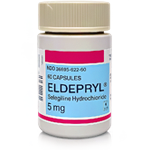
Eldepryl is the original brand-name formulation of Selegiline — one of the most established medications for treatment of Parkinson's disease. The active ingredient is Selegiline (also known as L-deprenyl), a selective monoamine oxidase B (MAO-B) inhibitor FDA-approved since 1989. Eldepryl works by preserving dopamine in the brain, supporting movement control in patients whose dopamine-producing neurons are progressively lost in Parkinson's disease.
Selegiline selectively inhibits MAO-B, the enzyme primarily responsible for breaking down dopamine in the brain. By blocking this degradation, Eldepryl increases the availability of dopamine at striatal synapses, helping to maintain motor function and reduce Parkinsonian symptoms. At standard doses (5-10 mg daily), Selegiline is highly selective for MAO-B with minimal effect on MAO-A — distinguishing it from non-selective MAO inhibitors and avoiding the dietary tyramine restrictions typical of those medications.
Eldepryl is FDA-approved for management of Parkinson's disease patients experiencing deterioration in their response to levodopa/carbidopa therapy. It is used as adjunctive therapy to extend the effectiveness of levodopa, reduce wearing-off phenomena, and prolong on-time. Beyond levodopa adjunct use, Selegiline is also widely used in early Parkinson's disease as monotherapy and considered for its potential neuroprotective properties (though scientifically debated).
The standard adult dose is 5 mg taken twice daily — at breakfast and lunch. Evening dosing is avoided because Selegiline metabolites can cause insomnia. The medication is also available as an orally disintegrating tablet (Zelapar) and as a transdermal patch (Emsam, for depression).
Important considerations include avoidance of meperidine and certain antidepressants (SSRIs, SNRIs, TCAs) due to risk of serotonin syndrome, and caution around tyramine-rich foods at higher doses. Common side effects include nausea, dizziness, orthostatic hypotension, and increased dyskinesia when combined with levodopa. Generic Selegiline is widely available globally.
Free prescription
Discrete packaging
Have questions?
Quality Assurance

- Parkinsons: Brain disorder where dopamine producing nerve cells gradually die affecting movement control;
- Movement Disorder: Neurological condition affecting voluntary motor control coordination and movement speed in patients;
- Tremor: Involuntary rhythmic shaking of hands legs jaw or other body parts uncontrollably;
- Shaking: Involuntary trembling of hands or limbs caused by neurological dopamine system dysfunction;
- Bradykinesia: Medical term for slow movement and reduced spontaneous activity characteristic of Parkinsons disease;
- Slow Movement: Difficulty initiating or executing voluntary movements with reduced speed and amplitude over time;
- Muscle Stiffness: Increased muscle tone causing rigidity and resistance to passive movement in limbs;
- Parkinsons Rigidity: Characteristic muscle rigidity affecting limbs trunk and neck in Parkinsons patients;
- Parkinsons Tremor: Resting tremor primarily affecting hands and feet when at rest position;
- Early Parkinsons: Initial disease stage with mild symptoms before levodopa therapy becomes necessary daily;
- Advanced Parkinsons: Later disease stage requiring combination therapy for adequate motor symptom control;
- Levodopa Adjunct: Add-on therapy used alongside primary levodopa to enhance and extend its effects;
- Wearing Off Phenomena: Phenomenon where levodopa effects fade before next scheduled dose causing symptom return;
- Motor Fluctuations: Unpredictable shifts between good and poor symptom control during ongoing levodopa therapy;
- On Time Extension: Lengthening period of good motor symptom control between successive levodopa doses;
- Off Time Reduction: Decreasing time when Parkinsons symptoms break through between medication doses;
- Parkinsons Apathy: Reduced motivation interest and emotional engagement common in Parkinsons disease patients;
- Dementia With Lewy Bodies: Progressive dementia with Parkinsonian features visual hallucinations and cognitive fluctuations;
- Parkinsons Plus Syndromes: Atypical Parkinsonian disorders with additional neurological features beyond classic Parkinsons disease;
- Depression: Persistent low mood loss of interest and reduced energy affecting daily functioning;
- Treatment Resistant Depression: Major depressive disorder not responding adequately to standard antidepressant medications;
- Cognitive Decline: Progressive loss of memory thinking and reasoning abilities affecting daily life activities.
- Less Shaking: Involuntary trembling of hands and body parts reduces with improved dopamine activity;
- Better Movement: Movement initiation fluidity and coordination improve through enhanced dopaminergic neurotransmission;
- Less Stiffness: Characteristic muscle rigidity affecting limbs trunk and neck reduces during treatment;
- Less Rigidity: Resistance to passive limb movement decreases improving freedom of motion;
- Less Slowness: Bradykinesia improves with faster movement initiation and execution during daily activities;
- Better Walking: Gait speed stride length and walking balance improve during ongoing therapy;
- Better Balance: Postural stability improves reducing imbalance episodes during standing and walking activities;
- Better Posture: Stooped posture characteristic of Parkinsons improves with better motor control overall;
- Less Freezing Episodes: Sudden inability to move feet during walking decreases especially in advanced disease;
- Less Falls: Improved gait balance and motor control reduces fall risk in advanced disease;
- Less Wearing Off: Fading of levodopa effects between scheduled doses decreases noticeably with treatment;
- More On Time: Duration of effective levodopa motor response extends throughout the daily medication cycle;
- Less Off Time: Total daily hours when Parkinsons symptoms break through medication reduce significantly;
- Better Motor Control: Voluntary movement coordination and execution improve through dopamine system enhancement;
- Less Apathy: Motivation and emotional engagement improve in Parkinsons patients with apathy symptoms;
- Levodopa Sparing: Lower levodopa doses become possible through enhanced endogenous dopamine preservation;
- Neuroprotection: Selegiline metabolites show potential protective effects on dopamine neurons over long term;
- Better Daily Function: Self-care dressing eating and household tasks become easier to perform independently;
- Better Mood: Mood and emotional state improve through dopaminergic system enhancement during treatment;
- More Energy: Fatigue associated with Parkinsons apathy and depression improves during ongoing therapy;
- Better Sleep Quality: When dosed correctly in morning sleep improves through better symptom control;
- Better Quality of Life: Daily wellbeing and functional capacity improve maintaining independence longer in disease.
Generic Eldepryl (Selegiline 5 mg) Medication guide:
📖 What is Eldepryl - the MAO-B inhibitor for Parkinsons disease
An oral selective monoamine oxidase B (MAO-B) inhibitor used in the management of Parkinsons disease. Selegiline (the generic name) was discovered in Hungary in 1962 and received FDA approval in 1989 - making it one of the longest-established medications in modern movement disorders neurology. Available as Eldepryl tablets, Zelapar orally disintegrating tablets (ODT), and Emsam transdermal patch (for depression).
🔍 What makes Eldepryl distinctive
- 🧠 Dopamine preservation strategy
- Unlike levodopa which replaces missing dopamine, selegiline PROTECTS existing dopamine by blocking the enzyme (MAO-B) that breaks it down. This different mechanism makes selegiline complementary to levodopa rather than redundant. The two drugs work better together than either alone.
- 🛡️ Potential disease modification (controversial)
- Beyond symptomatic benefit, selegiline may have neuroprotective effects. The DATATOP trial (1989) and ADAGIO trial (2009) both suggested possible slowing of Parkinsons progression - though the disease-modification claim remains debated. Even without confirmed neuroprotection, symptomatic benefit alone justifies use.
- ⏱️ Specific morning + lunch timing
- Selegiline metabolites include small amounts of amphetamine and methamphetamine. These cause insomnia if taken in the evening. Standard dosing is 5 mg with breakfast plus 5 mg with lunch - NOT evening. This timing rule is important and product-specific.
- 🧪 Decades of established use
- Selegiline has been in continuous clinical use since 1989 in the US (and earlier in Europe). Safety profile is fully characterised. No new safety surprises in over 35 years of use. Common knowledge among neurologists and movement disorder specialists.
Eldepryl (selegiline) is a long-established MAO-B inhibitor for Parkinsons disease. It works by preventing dopamine breakdown rather than replacing dopamine. Used either as early monotherapy in mild Parkinsons OR as adjunct to levodopa-carbidopa in advanced disease. Standard 10 mg daily split into morning and lunch doses. Decades of clinical experience plus possible disease-modification effects make it a stable part of modern Parkinsons treatment.
🕰️ Eldepryl heritage - from 1962 Hungarian invention to global use
Selegiline has an unusual development story rooted in Cold War-era Hungarian pharmaceutical research. The compound was synthesized in 1962 by pharmacologist Jozsef Knoll at the Chinoin Pharmaceutical Company in Budapest. Knoll was studying amphetamine-like compounds for their psychotropic effects. Selegiline was originally evaluated as an antidepressant - it took years of additional research before its MAO-B selectivity and Parkinsons disease application were established.
⏱️ The selegiline global timeline
Hungary has a significant pharmaceutical research tradition. Chinoin (now Sanofi Hungary) produced multiple internationally important medications. Jozsef Knoll became one of the most-cited Hungarian neuroscientists for his selegiline work. Beyond Parkinsons, Knoll explored selegiline for cognitive enhancement, longevity research, and general anti-aging effects - though these claims remained outside mainstream evidence-based medicine. The selegiline molecule itself proved to be his lasting contribution to neurology.
🧬 How selegiline works - the MAO-B inhibition mechanism
Monoamine oxidase exists in two forms: MAO-A and MAO-B. They have different tissue distributions and different substrate preferences. Selegiline at standard doses (10 mg/day) selectively inhibits MAO-B. This selectivity matters enormously - non-selective MAO inhibitors cause hypertensive crises and dietary restrictions, while selective MAO-B inhibition does not.
⚖️ MAO-A vs MAO-B selectivity comparison
Older agents like phenelzine and tranylcypromine inhibit BOTH MAO-A and MAO-B. They cause severe hypertensive crises when patients eat tyramine-containing foods (aged cheese, cured meats, fermented products). Require strict dietary restrictions and limit many drug combinations. Used reluctantly for depression resistant to other treatments.
Inhibits primarily MAO-B at standard doses. Targets the dopamine breakdown pathway in the brain. Spares MAO-A in the gut and liver that protects against dietary tyramine. No food restrictions at standard doses. Few drug interactions compared to non-selective MAOIs.
📝 How MAO-B inhibition treats Parkinsons
🧠 The dopamine deficit. Parkinsons disease destroys dopamine-producing neurons in the substantia nigra. Less dopamine reaches the basal ganglia. Motor symptoms (tremor, rigidity, bradykinesia) emerge.
🧬 Normal dopamine metabolism. Dopamine released into the synaptic cleft is broken down by MAO-B enzyme. This breakdown limits how long dopamine signals can act on the post-synaptic neuron.
🛡️ Selegiline mechanism. By irreversibly binding to MAO-B, selegiline prevents dopamine breakdown. The remaining dopamine (whether endogenous or from levodopa) stays in the synaptic cleft longer. The functional dopamine signal is amplified.
📈 Net clinical effect. Improved motor function. Reduced motor fluctuations in patients on levodopa. Possible delay in need for levodopa in early disease. Possible (controversial) slowing of disease progression.
⚠️ The selectivity threshold
At standard Parkinsons doses (10 mg/day), selegiline selectively inhibits MAO-B with minimal MAO-A effect. This selectivity is what allows free dietary intake and avoids dangerous interactions. However, at doses above approximately 10-15 mg/day, selegiline progressively loses selectivity and begins inhibiting MAO-A as well. At these higher doses, the safety profile becomes more like non-selective MAOIs - including tyramine restrictions and additional drug interactions. Standard Parkinsons dosing stays below this threshold; off-label depression dosing may exceed it requiring restrictions. Detail in section 20.
🎯 Primary indication - Parkinsons disease management
Parkinsons disease is the FDA-approved primary indication for oral selegiline (Eldepryl). The drug fits at multiple points in Parkinsons treatment - early as monotherapy for mild symptoms, mid-stage as adjunct when levodopa is started, and late-stage to reduce levodopa motor fluctuations. Approximately 1 million people in the United States have Parkinsons disease; selegiline is among the most commonly prescribed adjunctive therapies.
📋 Selegiline role across Parkinsons disease stages
🔍 Why selegiline matters in Parkinsons specifically
🧠 Targets the dopamine system specifically. Parkinsons is fundamentally a dopamine deficiency disease. Selegiline preserves remaining dopamine through MAO-B inhibition. The mechanism aligns directly with the disease pathology.
🔁 Complements levodopa rather than duplicating. Levodopa REPLACES missing dopamine. Selegiline PROTECTS existing and supplied dopamine. The two work through different mechanisms - they are synergistic rather than redundant.
📈 Reduces motor fluctuations. Patients on long-term levodopa develop wearing-off episodes (return of symptoms before next dose) and dyskinesias (involuntary movements). Selegiline smooths levodopa effect, reducing both wearing-off and motor fluctuations.
📅 Long track record. Over 35 years of established use means clinicians know what to expect. Side effect profile is well-characterised. Drug interactions are well-mapped. Patients can be educated with confidence about what to expect.
The American Academy of Neurology (AAN) and Movement Disorder Society (MDS) include selegiline in evidence-based Parkinsons disease treatment guidelines. It is recommended as: an option for early monotherapy in patients with mild symptoms, an adjunct to levodopa for reducing wearing-off, and a possible disease-modifying agent (controversial). Newer MAO-B inhibitor rasagiline has similar positioning. Both drugs achieve comparable clinical outcomes.
🧠 Understanding Parkinsons disease - the dopamine deficit
To understand why selegiline matters, you need to understand Parkinsons disease. Parkinsons is a progressive neurodegenerative disorder caused by death of dopamine-producing neurons in a brain region called the substantia nigra. As these neurons die, the brain dopamine supply decreases, leading to the characteristic motor symptoms. The disease typically progresses over 10-25 years from diagnosis, with symptoms gradually worsening despite optimal treatment.
🧠 The dopaminergic neuron loss
- 🧬 The substantia nigra
- A small region in the midbrain containing dopamine-producing neurons. These neurons send projections to the basal ganglia (a deeper brain region involved in coordinating voluntary movement). In Parkinsons disease, these neurons gradually die through mechanisms involving alpha-synuclein protein aggregation, mitochondrial dysfunction, oxidative stress, and other processes.
- 📉 Symptom threshold
- Symptoms do not appear until approximately 60-80 percent of substantia nigra dopamine neurons have already died. This means significant disease has occurred before diagnosis is possible. By the time tremor and rigidity become noticeable, much of the dopamine system has already been lost.
- 📊 Continuing progression
- Once symptoms emerge, neuron loss continues at varying rates. Some patients progress slowly over decades; others decline more rapidly. The progression cannot be stopped with current medications - all available treatments address symptoms, not the underlying neurodegeneration (though selegiline is debated as a possible exception, covered in section 11).
🔍 The cardinal motor symptoms (TRAP)
📋 Non-motor symptoms also common
Modern Parkinsons disease understanding recognises that the disease affects much more than motor function. Non-motor features often appear years before motor symptoms (the "prodromal phase") and continue throughout disease course:
- 😴 REM sleep behaviour disorder - acting out dreams; may precede motor symptoms by 10-20 years
- 👃 Loss of smell (hyposmia / anosmia) - extremely common early sign
- 💩 Constipation - decreased gut motility from gut nervous system involvement
- 😢 Depression and anxiety - mood disorders frequent throughout disease
- 💭 Cognitive changes - executive dysfunction early; possible dementia later
- 📉 Autonomic dysfunction - blood pressure changes, bladder issues, sexual dysfunction
- 😊 Reduced facial expression - "masked facies" appearance
- 🗣️ Soft speech (hypophonia) - voice volume reduction
Selegiline addresses the MOTOR symptoms by preserving dopamine. It does not directly treat non-motor features. Comprehensive Parkinsons care involves multiple medications and lifestyle interventions addressing different symptom domains - selegiline provides one component of an integrated approach. Patients should understand that improvement in tremor and rigidity does not mean the disease is cured or that non-motor symptoms will resolve. Realistic expectations support better long-term outcomes.
🌿 Other indications - depression and dementia exploration
Beyond Parkinsons disease, selegiline has been studied and used in several other neurological and psychiatric conditions. The most established off-label use is for depression. The transdermal patch formulation (Emsam) is FDA-approved for major depressive disorder. Other explored applications include cognitive enhancement, Alzheimers disease, ADHD, and longevity research - though most remain experimental.
📋 Selegiline uses beyond classical Parkinsons
🔍 The depression use in depth
🩹 The Emsam transdermal patch. Emsam (selegiline transdermal patch) was approved in 2006 for major depressive disorder. The 6 mg/24 hour patch dose maintains MAO-B selectivity. Higher patch doses (9 mg, 12 mg) require dietary restrictions because MAO-A inhibition occurs. The patch bypasses first-pass liver metabolism which is why it can achieve antidepressant effects at doses that oral selegiline cannot replicate without losing selectivity.
💊 Oral selegiline for depression - special considerations. Some clinicians use oral selegiline off-label for atypical depression. However, antidepressant doses (typically 30-60 mg/day - much higher than Parkinsons 10 mg/day) cause loss of MAO-B selectivity. At these higher doses, tyramine restriction becomes mandatory. Patients must avoid aged cheese, cured meats, fermented foods, etc. - exactly like with non-selective MAOIs. This is why the Emsam patch became preferred for depression - it achieves therapeutic blood levels without requiring such high oral doses.
🐐 The veterinary use for dogs. Selegiline (Anipryl) is FDA-approved for canine cognitive dysfunction syndrome (CCDS) and Cushings disease in dogs. The veterinary indication is well-established - aging dogs with cognitive decline (similar to human dementia) show improvement on selegiline. Some humans who learn about veterinary use ask if it implies human cognitive benefit; the evidence in humans is much weaker than in dogs.
For most patients prescribed selegiline, the indication will be Parkinsons disease - either as monotherapy or adjunct to levodopa. The depression use is established but typically via the Emsam patch rather than oral selegiline. The longevity, cognitive enhancement, and anti-aging applications popularized by some Hungarian research are not supported by mainstream evidence and should not be considered legitimate medical indications. When a patient asks "what does selegiline do besides Parkinsons?" the honest answer is "depression via the patch, otherwise nothing well-established."
💊 Standard adult dosing for Parkinsons treatment
Selegiline standard Parkinsons dosing is one of the simplest in modern neurology. Two tablets per day - one with breakfast, one with lunch. Total daily dose 10 mg. No titration required - patients can start at the full dose. The dosing has been stable for over 35 years and remains the recommended approach in 2026.
📋 Dosing by formulation
🔍 Why no dose titration is needed
🧬 Irreversible enzyme inhibition. Selegiline irreversibly binds to MAO-B enzyme. Once bound, that enzyme molecule is permanently inactivated. The drug effect builds up rapidly over the first few days as the MAO-B pool is inhibited. No gradual escalation needed because the body cannot react to incremental dose increases meaningfully - the enzyme inhibition is essentially all-or-nothing.
⏱️ Steady-state quickly achieved. Maximum clinical effect develops within 1-2 weeks of starting full dose. There is no benefit to gradually increasing from 2.5 mg to 5 mg to 10 mg over weeks - the patient can start at full 10 mg/day from day 1.
📝 Tolerability good at standard dose. Most patients tolerate full 10 mg/day from initiation. Common side effects (nausea, insomnia, lightheadedness) are dose-dependent but usually mild at standard dosing. Slow titration is reserved for patients with particular tolerability concerns.
📝 Practical administration
- 🌅 Morning dose with breakfast - 5 mg tablet at first meal of the day
- 🌞 Lunch dose with midday meal - 5 mg tablet at lunch
- 🌙 NEVER evening dose - causes insomnia from amphetamine metabolite
- 🍽️ With food preferred - reduces GI side effects; no specific food requirement
- 💧 Water swallowing - tablets swallowed whole with water
- 📝 Same time daily - consistent breakfast/lunch timing
- 📞 Tell prescriber about all other medications - critical drug interaction concerns (sections 21-23)
⏱️ The 5 mg twice daily standard - timing and rationale
The selegiline timing rule is unusual among medications - it specifically must be taken in the morning and at lunch, NEVER in the evening. This timing has a clear pharmacological basis: selegiline metabolites include small amounts of amphetamine and methamphetamine which cause insomnia if blood levels are still elevated at bedtime. Morning + lunch dosing ensures these stimulant metabolites have cleared by night.
🧬 The amphetamine metabolite question
Selegiline is metabolized in the liver to several compounds including L-amphetamine and L-methamphetamine. These are NOT the same as the abused stimulants (those are D-amphetamine and D-methamphetamine - mirror image molecules). The L-isomers have minimal abuse potential and only modest stimulant effects compared to their D-counterparts. However, they still cause sleep disturbance if present at bedtime.
A standard 10 mg/day selegiline dose produces approximately 1-2 mg L-amphetamine and 0.5-1 mg L-methamphetamine in urine. These quantities can cause false-positive urine drug screens for amphetamines - patients should inform any clinician ordering drug testing that they are on selegiline. The stimulant effect from these doses is modest but enough to disrupt sleep if taken too late in the day.
📅 Recommended timing schedule
🔍 What if a morning dose is missed
🌅 Missed breakfast dose, remembered before lunch. Take the breakfast dose as soon as remembered. Continue with lunch dose at usual time. Resume normal schedule next day.
🌞 Missed breakfast dose, remembered after 2 PM. Skip the breakfast dose entirely. Take lunch dose if not already taken AND if before 2 PM. If after 2 PM, skip lunch dose too. Resume normal schedule next day. Do not take a "make-up" dose in the evening.
🌙 Missed lunch dose discovered in evening. Skip the missed dose entirely. Do not take in evening because of insomnia risk. Resume normal schedule next morning.
🔁 Multiple consecutive missed days. Resume normal schedule when convenient. No need for restart titration since selegiline does not require titration in the first place. Some Parkinsons symptom return may occur but resolves within days of resuming.
Most medications can be taken at any time during the day if missed. Selegiline is different because of the stimulant metabolites. Taking a "make-up" evening dose to compensate for a missed morning dose causes meaningful insomnia in many patients. The timing rule is not just a preference - it is a clinically important constraint. Patients should be educated about this specifically and write down the rule somewhere visible until it becomes second nature.
🤝 Combining selegiline with levodopa-carbidopa
Levodopa-carbidopa (Sinemet, Madopar, others) is the most effective medication for Parkinsons motor symptoms. Selegiline is most commonly used as an adjunct to levodopa-carbidopa rather than as monotherapy. The combination produces complementary benefits - levodopa provides dopamine, selegiline preserves it. Together they produce better symptom control than either alone, with the added advantage of allowing reduced levodopa doses in some patients.
🤝 The combination logic
REPLACES missing dopamine. Levodopa is converted to dopamine in the brain. Carbidopa prevents conversion in the periphery (avoiding side effects). Most effective Parkinsons medication. Standard dosing 3-4 times daily. Wears off between doses producing motor fluctuations. Long-term use can cause dyskinesias.
PRESERVES existing and supplied dopamine by blocking MAO-B breakdown. Different mechanism from levodopa. Smoother effect lasting through the day. Reduces wearing-off episodes. Allows lower levodopa doses in some patients. Once-or-twice daily dosing (vs levodopa multiple daily doses).
📋 Combined dosing approaches
🔍 Practical combination benefits
📈 Smoother levodopa effect. Patients on levodopa alone experience clear "on" and "off" periods - relatively normal motor function for 2-3 hours after each dose, then return of symptoms before next dose. Adding selegiline smooths these transitions by preserving the dopamine that levodopa supplies, extending the effective time of each levodopa dose.
📉 Reduced levodopa requirement. Some patients can reduce their levodopa dose by 20-30 percent when selegiline is added without losing symptom control. Lower levodopa exposure over the disease course may reduce long-term dyskinesia risk.
📝 Delayed need for further escalation. Combination therapy may delay the point at which more aggressive interventions become needed (additional medications, deep brain stimulation). The combination represents efficient use of complementary mechanisms.
💜 Better quality of life metrics. Multiple studies show combination therapy produces better patient-reported quality of life scores than levodopa monotherapy in patients with significant motor fluctuations.
For most patients with Parkinsons disease who require levodopa-carbidopa, adding selegiline is a reasonable step when motor fluctuations emerge or when reducing total levodopa exposure is desirable. The combination is well-tolerated in most patients. Side effects to monitor are mainly orthostatic hypotension and dyskinesias (which can be worsened by adding selegiline to levodopa). Most neurologists prescribe selegiline plus levodopa-carbidopa routinely as Parkinsons disease progresses beyond the early monotherapy stage.
🧪 The DATATOP trial - delayed-start landmark evidence
The DATATOP trial (Deprenyl And Tocopherol Antioxidative Therapy Of Parkinsonism) is one of the most influential clinical trials in modern movement disorders neurology. Published in the New England Journal of Medicine in 1989 - the same year as FDA approval for Eldepryl - DATATOP established selegiline as a reasonable early Parkinsons therapy. Its findings continue to inform clinical practice in 2026, though the interpretation of those findings remains debated.
🧪 What DATATOP studied
- 📋 The design
- 800 patients with newly-diagnosed Parkinsons disease (not yet on levodopa). Randomised to four groups: selegiline alone, tocopherol (vitamin E) alone, selegiline + tocopherol combination, or placebo. Primary outcome was time until levodopa was needed for clinical reasons.
- 📊 The findings
- Selegiline patients (with or without tocopherol) required levodopa significantly later than placebo or tocopherol-only patients. Average delay was approximately 9 months. Tocopherol alone showed no benefit. Selegiline was well-tolerated overall.
- 📚 The publication impact
- Published in NEJM in 1989. Coincided with FDA approval. Established selegiline as a legitimate early Parkinsons therapy. Generated decades of debate about whether the levodopa delay represented symptomatic benefit or true disease modification.
🔍 The interpretive controversy
DATATOP findings could be interpreted two ways - and the difference matters enormously for understanding what selegiline actually does:
📝 Interpretation 1 - Symptomatic effect masking progression. Selegiline reduces Parkinsons symptoms. Patients on selegiline have milder symptoms and therefore reach the "need levodopa" threshold later. The underlying disease progresses at the same rate, but the symptoms are partially masked. Patients still need levodopa eventually; the disease has not been altered.
🛡️ Interpretation 2 - Disease modification. Selegiline slows the rate of dopaminergic neuron death (neuroprotection). Patients on selegiline reach the levodopa threshold later because their actual disease progresses more slowly. The drug modifies disease course, not just symptoms.
🤔 Why we cannot distinguish definitively. The DATATOP design cannot distinguish between these interpretations. Both would produce the observed delay-to-levodopa finding. The neuroprotection interpretation is biologically plausible (MAO-B generates reactive oxygen species - inhibiting it might reduce oxidative damage to neurons) but not proven by DATATOP.
📚 What we have learned since DATATOP
Decades of follow-up research have not resolved the interpretive question definitively. Both interpretations remain defensible. However, several points have emerged:
- 📈 The delay-to-levodopa effect is real and clinically meaningful - whether symptomatic or disease-modifying, patients benefit from later levodopa start
- 📊 Subsequent trials (ADAGIO, others) suggested possible disease-modification but did not definitively prove it
- 🧠 Biological plausibility for neuroprotection is reasonable - MAO-B inhibition does affect oxidative stress in the substantia nigra
- 📝 Modern guidelines hedge - selegiline is recommended as early monotherapy option without definitive neuroprotection claim
- 📚 Real-world cohort studies show selegiline-treated patients tend to have somewhat slower progression overall
Even setting aside the disease-modification debate, DATATOP established that starting selegiline early in Parkinsons disease provides meaningful clinical benefit. Patients on early selegiline maintain function longer and need additional treatments later. Whether this is symptomatic benefit or true disease modification, the practical outcome is the same: starting selegiline early in mild Parkinsons is reasonable and supported by evidence. The trial design questions matter for understanding what is happening biologically; they do not change the clinical recommendation to consider selegiline early.
🛡️ Neuroprotection - the controversial disease-modification question
Whether selegiline truly modifies Parkinsons disease course (neuroprotection) or merely improves symptoms (symptomatic effect) is one of the longest-standing debates in movement disorders neurology. After three decades of research, the question remains officially unresolved. However, the practical clinical recommendation is clear: even without definitive neuroprotection proof, selegiline provides enough benefit to be considered early in Parkinsons treatment.
🤔 What "disease modification" would mean
Disease modification means changing the actual rate of underlying neurodegeneration - slowing the death of dopaminergic neurons in the substantia nigra. If selegiline truly modifies disease, then patients who take it should have a slower disease progression over years and decades, beyond any symptomatic improvement. This is a much higher claim than just "improves symptoms."
🧪 Lines of evidence
📝 The ADAGIO trial - the closest we got to proof
ADAGIO (Attenuation of Disease progression with Azilect Given Once-daily) was a 2009 trial of rasagiline (a newer MAO-B inhibitor in the same class as selegiline). The trial used an innovative "delayed-start" design specifically to distinguish symptomatic from disease-modifying effects. Patients were randomised to early-start rasagiline OR placebo-then-rasagiline. If rasagiline only had symptomatic effects, both groups would catch up to each other once the placebo group started rasagiline. If rasagiline modified disease, the early-start group would remain ahead.
ADAGIO found that the early-start group was modestly ahead of the delayed-start group at the end of follow-up - consistent with disease modification but with caveats. The effect was small. The 1 mg/day dose showed the effect more clearly than the 2 mg/day dose (unusual finding). Critics argued the design did not definitively prove neuroprotection.
📋 Current consensus and practical implications
📚 Guideline language is cautious. Modern Parkinsons guidelines (AAN, MDS) typically recommend selegiline (and rasagiline) as early monotherapy options without making strong neuroprotection claims. The recommendation is based on symptomatic benefit plus possible disease modification.
👥 Most neurologists hedge. When patients ask "does this slow my disease?" most movement disorder specialists say something like "we cannot prove it does, but it might, and we know it helps symptoms." Honest about uncertainty.
📈 Practical effect on prescribing. Even uncertain disease modification is enough to consider selegiline early. The downside risk is minimal (well-tolerated, cheap generic, established safety). The upside potential (if neuroprotection is real) is substantial. Asymmetric risk-benefit favors starting early.
Selegiline may or may not modify Parkinsons disease course. Three decades of research have not produced a definitive answer. The drug definitely improves symptoms and definitely delays the need for additional medications. Even if it only does that, it provides clear clinical benefit. If it also slows disease progression, that is a bonus. For practical Parkinsons treatment decisions, the disease modification uncertainty does not change the recommendation to consider early use - the benefits are clear enough without resolving the underlying biological question.
📊 Selegiline in early vs advanced Parkinsons disease
Selegiline plays different roles at different Parkinsons disease stages. In early disease, it functions as monotherapy delaying need for levodopa. In mid-stage disease, it complements levodopa-carbidopa to smooth motor fluctuations. In advanced disease, it remains relevant but in a smaller role as more aggressive interventions become necessary. Understanding the staging helps patients and clinicians position selegiline appropriately.
📋 Hoehn-Yahr staging and selegiline positioning
🔍 Early Parkinsons - monotherapy considerations
📝 When monotherapy works. Patients with mild unilateral or early bilateral symptoms can often be controlled on selegiline alone for months to years. Tremor improves modestly. Bradykinesia and rigidity may improve. The patient feels mostly normal but with subtle improvement that becomes clear when the medication is stopped.
🔁 When to add another medication. When function becomes meaningfully impaired despite selegiline - difficulty with work tasks, dressing, eating, social activities - additional therapy is added. Options include dopamine agonist (pramipexole, ropinirole) or levodopa-carbidopa. Both are valid; choice depends on patient factors including age (younger patients often start with dopamine agonist to delay levodopa-induced dyskinesias).
📝 The "honeymoon" period. Early Parkinsons treatment often produces dramatic improvement during the first 3-5 years of therapy. This "honeymoon period" reflects relatively preserved disease that responds well to medication. Selegiline contributes to this period and may extend it (the disease modification question).
🔀 Mid to advanced Parkinsons - combination strategies
🌐 Wearing-off management. As disease progresses, levodopa effects last less time per dose. Selegiline extends each levodopa dose effect by preserving the supplied dopamine. This reduces wearing-off episodes - the most common indication for adding selegiline in established disease.
📉 Levodopa dose reduction. When dyskinesias emerge from cumulative levodopa exposure, reducing levodopa dose may help. Selegiline can be added or maintained to compensate for the reduced levodopa, preserving symptom control while potentially reducing dyskinesia severity.
👥 Multi-drug regimens. Advanced Parkinsons treatment often involves 3-5 medications working at different points in the dopamine pathway. Selegiline plus levodopa-carbidopa plus dopamine agonist plus COMT inhibitor is common. Each addresses a different aspect of the disease pathophysiology.
🏥 Late advanced disease - role contracts
🏥 When DBS is considered. Deep brain stimulation (DBS) becomes an option for selected patients with significant motor fluctuations or dyskinesias not adequately managed by medications. Once DBS is in place, medication regimens often simplify. Selegiline may be discontinued or continued depending on individual response.
👪 Caregiver burden. Advanced disease creates substantial caregiver burden. Polypharmacy becomes a challenge to manage. Some clinicians reduce medication complexity at this stage, including discontinuing selegiline if its incremental benefit is unclear. Palliative care emphasis grows.
Most Parkinsons patients who start selegiline early continue it for years or decades. The drug provides modest but real benefit at every disease stage. The role evolves - from primary monotherapy in early disease, to adjunct in mid-disease, to component of complex regimens in late disease. Some patients eventually discontinue selegiline when its incremental benefit becomes hard to identify amid multiple other medications. Others continue indefinitely as part of their established regimen. The decision to continue or stop is individual rather than algorithmic - based on what each patient and clinician perceive as the value of selegiline in that persons specific situation.
👴 Eldepryl in older adults
Parkinsons disease predominantly affects older adults - approximately 90 percent of patients are over age 60 at diagnosis. This makes "selegiline in older adults" essentially the standard clinical scenario. Several considerations matter more in elderly patients: cognitive effects, orthostatic hypotension, polypharmacy interactions, and falls risk. Most elderly Parkinsons patients tolerate selegiline well with appropriate monitoring.
🔍 Four elderly-specific considerations
💭 Cognitive effects. Older Parkinsons patients have baseline cognitive vulnerability. Selegiline can cause confusion, hallucinations, vivid dreams, and rarely psychotic symptoms - especially in patients with pre-existing mild cognitive impairment or early Parkinsons dementia. If new cognitive symptoms emerge after starting selegiline, dose reduction or discontinuation may be warranted.
📉 Orthostatic hypotension. Selegiline can worsen the orthostatic hypotension common in Parkinsons disease. Combined with levodopa-induced hypotension, total blood pressure drop on standing can be substantial - leading to dizziness and falls. Monitor sitting and standing blood pressures; counsel patients to rise slowly.
💊 Polypharmacy interactions. Elderly patients typically take multiple medications. Drug interactions with selegiline matter more in this population. Critical interactions to screen for: SSRIs/SNRIs (serotonin syndrome - section 21), tramadol, dextromethorphan, meperidine, sympathomimetics. Many primary care medications interact - thorough medication review is essential.
👨🦽 Falls risk. Parkinsons disease itself increases falls risk. Selegiline contributing to orthostatic hypotension, dyskinesias, dizziness, or confusion adds to falls risk. Comprehensive falls prevention (home safety review, physical therapy, vision check, footwear, medication review) is appropriate for older Parkinsons patients on selegiline.
📋 Common older-adult medications to review
For most older adults with Parkinsons disease, selegiline works well at standard 10 mg/day dose with appropriate monitoring. Quarterly office visits during initiation, then every 4-6 months on stable therapy. Caregiver involvement in medication management helps catch issues early. Blood pressure monitoring sitting and standing at every visit. Cognitive screening yearly. Polypharmacy review at each medication change. Most elderly patients continue selegiline successfully for many years as part of their established Parkinsons regimen.
🩺 Eldepryl in renal and hepatic impairment
Selegiline is primarily metabolized by the liver through CYP-mediated pathways and partially excreted through the kidneys. Both hepatic and renal function affect drug handling. The drug is relatively forgiving in mild-to-moderate organ impairment but severe dysfunction warrants caution or alternative therapy. Many older Parkinsons patients have age-related reductions in both organ functions.
⚖️ Renal vs hepatic considerations
Selegiline metabolites (including small amounts of amphetamine compounds) are renally excreted. Severe renal impairment causes metabolite accumulation. Mild-moderate impairment usually allows standard dosing with monitoring. Severe impairment warrants dose reduction or specialist consultation.
Primary metabolism is hepatic via CYP enzymes. Reduced liver function decreases drug clearance. Mild impairment generally allows standard dosing with monitoring. Moderate impairment warrants reduced dose. Severe hepatic impairment (Child-Pugh C) is a relative contraindication.
🎯 Dosing adjustment guidance
Before starting selegiline, baseline labs should include creatinine with eGFR, ALT, AST, bilirubin, and complete blood count. For most patients these can be repeated annually or with any new symptoms. Patients with pre-existing renal or hepatic disease need more frequent monitoring. Severe organ dysfunction (CrCl below 30 or Child-Pugh C) is uncommon among Parkinsons patients but when present warrants specialist coordination - many neurologists prefer alternative MAO-B inhibitors or non-MAO-B Parkinsons medications in these situations.
♾️ Long-term continuous selegiline therapy
Parkinsons disease is a lifelong condition, so selegiline therapy when started typically continues for years to decades. The drug is well-suited to long-term use - tolerability remains stable, safety profile is fully characterised, and treatment continuation rates are good. Most patients who tolerate selegiline initially continue it indefinitely or until other Parkinsons medication changes prompt reassessment.
🔍 What long-term selegiline therapy looks like
📅 The daily routine. Two tablets daily - one with breakfast, one with lunch - every day, indefinitely. Most patients integrate this into their morning and midday meal routine. Pill organisers help. Family caregivers can assist if cognitive changes emerge.
🏥 Office visit frequency. Neurology follow-up every 3-6 months early in treatment, then every 6-12 months once stable. Reassessment of symptoms, medication adherence, side effects, blood pressure, cognitive status. Adjustments to overall Parkinsons regimen as disease progresses.
📊 Annual monitoring labs. Creatinine, LFTs, CBC at minimum yearly. More frequent if comorbid conditions warrant. Most patients on stable long-term selegiline have unremarkable labs year after year.
🔁 Medication regimen evolution. Over years, the Parkinsons regimen typically grows more complex as disease progresses. Levodopa-carbidopa added or dose increased. Dopamine agonists added. COMT inhibitors added. Through these changes, selegiline often continues as the constant background therapy.
📋 Long-term monitoring schedule
👥 The patient experience of long-term therapy
📝 Stability with minor adjustments. Most long-term selegiline patients describe their daily routine as stable. They take their tablets, attend their appointments, and live their lives. Periodic adjustments occur as disease evolves but the selegiline itself usually stays constant.
📈 Watching for changes. Patients become attuned to their own symptoms over time. They notice when wearing-off episodes emerge, when dyskinesias appear, when cognitive symptoms develop. These observations inform medication adjustments by the neurology team.
👪 Family caregiver involvement. As Parkinsons advances, family caregivers play larger roles in medication management, appointment attendance, and symptom reporting. Selegiline being a stable component reduces complexity for caregivers managing multi-drug regimens.
Long-term selegiline therapy works best when patients understand that this is indefinite treatment rather than a temporary course. The drug provides ongoing benefit by preserving dopamine throughout the day, every day. Stopping it usually causes some return of symptoms within weeks. Most patients who have been on selegiline successfully for years continue it through the rest of their disease course. The combination of established safety, stable tolerability, and ongoing benefit makes selegiline one of the easier long-term Parkinsons medications to maintain.
🚨 Side Effects Overview - selegiline safety profile
🚨 Side Effects Overview
Selegiline has a relatively benign side effect profile at standard Parkinsons doses (10 mg/day). The most common effects are mild - nausea, insomnia, lightheadedness, dry mouth. Serious effects are rare but include important drug interactions (serotonin syndrome, hypertensive crisis at high doses) covered in dedicated sections 21-22. The Eldepryl experience for most patients is "easy to take, generally well tolerated."
Across decades of clinical experience and trials covering thousands of patients, selegiline has shown a favourable safety profile compared to most psychiatric and neurologic medications. Side effects are mostly mild and dose-related. Higher doses (above standard 10 mg/day) increase side effect rates substantially. Drug-drug interactions can be serious (sections 21-23) but are well-defined and avoidable with medication review.
📊 Severity profile
- ✅ Common, mild (15-30 percent of patients)
- Nausea, insomnia (especially if dose taken too late), lightheadedness, dry mouth, mild orthostatic hypotension, vivid dreams, abdominal discomfort. Usually manageable with timing adjustments or simple supportive measures. Rarely require treatment discontinuation.
- ⚠️ Notable, less common (3-10 percent)
- Significant orthostatic hypotension with falls risk, confusion or hallucinations (especially in elderly), worsened dyskinesias when added to levodopa, depression or mood changes, mild LFT elevation. May require dose reduction or treatment change.
- ⛔ Serious, uncommon (under 2 percent)
- Serotonin syndrome (with serotonergic drug combinations - section 21), hypertensive crisis (with high-tyramine foods at high doses - section 22), psychosis requiring hospitalization, severe orthostatic syncope, severe drug interactions. Require immediate intervention and often permanent discontinuation.
📝 What sections 17-22 cover
- ⚠️ Section 17 — common side effects and management
- 🌊 Section 18 — dyskinesia and motor complications
- ⛔ Section 19 — contraindications and warnings (ANCHOR)
- 📈 Section 20 — MAO-B selectivity loss at high doses
- 🌡️ Section 21 — serotonin syndrome (SSRI interaction)
- 💥 Section 22 — hypertensive crisis (tyramine cheese effect)
⚠️ Common side effects and management
Common selegiline side effects are mostly mild and manageable. Many resolve with continued use as the body adjusts. Others respond to simple timing changes or dose adjustments. The most important early counseling point is that nausea, insomnia, and lightheadedness are expected but usually transient - patients who push through the first 2-4 weeks typically settle into stable therapy.
📋 Common side effects with management
⚖️ Manage at home vs see provider
- Mild nausea improving with food/timing
- Mild dry mouth
- Mild lightheadedness on standing
- Brief vivid dreams
- Mild headache responding to analgesics
- Mild constipation
- New or worsening confusion or hallucinations
- Severe orthostatic episodes or falls
- Severe insomnia disrupting daily function
- Severe dyskinesias (involuntary movements)
- Severe headache (especially with high BP)
- Signs of serotonin syndrome (sections 21)
- Mood changes - new depression or suicidal thoughts
💡 Practical tips for tolerability
- 🍽️ Always take with food - reduces GI side effects significantly
- ⏱️ Strict morning + lunch timing - never evening (section 8)
- 💧 Adequate hydration - helps prevent orthostatic hypotension
- 📝 Track symptoms first 2-4 weeks - most early side effects settle as body adjusts
- 📞 Antiemetic if needed - ondansetron available for breakthrough nausea
- 📊 BP monitoring - especially elderly; sitting and standing
- 📝 Document medication list - share with every prescriber to catch interactions
🌊 Dyskinesia and motor complications
Dyskinesias are involuntary movements that can occur in Parkinsons patients - typically chorea-like flowing movements, dystonic postures, or athetoid writhing. Levodopa is the primary cause of dyskinesias. Selegiline can WORSEN dyskinesias by amplifying dopamine effects when added to existing levodopa therapy. Dyskinesia management requires careful balance between motor symptom control and minimising involuntary movements.
🌊 Understanding levodopa-induced dyskinesias
📝 What they look like. Most common pattern is chorea - irregular, flowing, dance-like movements of arms, legs, face, or trunk. Some patients have dystonic dyskinesias (sustained abnormal postures). Patients may not be aware their movements look unusual; family members often notice first.
📅 When they emerge. Dyskinesias typically develop 5-10 years after starting levodopa. Earlier in younger-onset Parkinsons patients (under 60 at diagnosis). Cumulative levodopa exposure plus underlying disease progression both contribute.
🧬 The mechanism. Pulsatile dopamine receptor stimulation from intermittent levodopa doses causes receptor sensitization over time. Eventually small dopamine increases trigger exaggerated motor responses. The patient becomes "wired" with abnormal movement patterns.
⏰ Peak-dose vs other patterns. Most dyskinesias occur 30-90 minutes after a levodopa dose (peak-dose dyskinesias). Some patients have biphasic dyskinesias (at start and end of dose). A few have off-period dystonia. Pattern matters for management.
🔍 Selegiline impact on dyskinesias
📝 Practical management when selegiline worsens dyskinesias
📉 First step - reduce levodopa. Often the levodopa dose can be reduced 20-30 percent when selegiline is added, while symptom control is maintained by the selegiline-amplified effect of remaining levodopa. This commonly resolves selegiline-induced dyskinesia worsening.
💊 Add amantadine. Amantadine is the most effective medication specifically for levodopa-induced dyskinesias. Adding amantadine can preserve selegiline benefits while reducing dyskinesias. Standard dose 100 mg twice daily.
⏰ Adjust timing strategy. Sometimes shifting levodopa doses to smaller more frequent doses (e.g., 100/25 mg five times daily instead of 250/25 mg three times daily) smooths peaks and reduces dyskinesias while selegiline continues.
🏥 Advanced options. For severely disabling dyskinesias unresponsive to medication adjustment, deep brain stimulation (DBS) provides excellent dyskinesia control. Selegiline may be discontinued or continued depending on individual circumstances after DBS.
Treating Parkinsons dyskinesias often requires accepting some compromise. Reducing levodopa enough to eliminate dyskinesias may bring back motor symptoms. Adding amantadine may help but causes its own side effects. Stopping selegiline removes a useful adjunct. The right balance is individual - some patients prefer mild dyskinesias to severe wearing-off; others prefer the opposite. Honest discussion of trade-offs with the neurology team helps each patient find their preferred balance.
⛔ Contraindications and Warnings
⛔ Contraindications and Warnings
Selegiline has a substantial contraindication list because of significant drug-drug interactions that can be life-threatening. Most contraindications relate to drugs that share serotonergic effects (serotonin syndrome risk) or affect blood pressure regulation (hypertensive crisis at high doses). Pre-prescribing medication review is critical - one missed contraindication can be fatal.
⛔ Absolute contraindications
⚠️ Relative contraindications
✅ Pre-treatment screening
- 📋 Complete medication review - prescription, OTC, supplements; identify any serotonergic drugs, MAOIs, sympathomimetics
- 📝 Serotonergic drug history - especially fluoxetine (5-week washout) and other antidepressants
- 🫀 Baseline LFTs - ALT, AST, bilirubin, alkaline phosphatase
- 🫁 Baseline renal function - creatinine, eGFR
- 📊 Baseline blood pressure - sitting and standing
- 💭 Cognitive screening - baseline mental status especially in elderly
- 📌 Patient counseling - timing rule, with food, drug interactions to avoid, sympathomimetic OTC awareness
📈 MAO-B selectivity loss at high doses - tyramine concern
The MAO-B selectivity that makes selegiline safe at standard Parkinsons doses is DOSE-DEPENDENT. At doses up to 10 mg/day, the drug essentially only inhibits MAO-B. Above approximately 10-15 mg/day, selegiline begins inhibiting MAO-A as well - and at that point the safety profile becomes more like older non-selective MAO inhibitors. The selectivity transition is the most important pharmacological concept for understanding when selegiline is safe and when it becomes dangerous.
📋 Dose-effect relationship
🔍 Why the selectivity threshold matters
🍽️ Tyramine handling depends on MAO-A. Tyramine is a compound in many foods (aged cheese, cured meats, fermented products, certain wines). The body breaks it down using MAO-A enzymes in gut and liver. When MAO-A is inhibited, dietary tyramine enters the bloodstream and triggers severe blood pressure elevation (the cheese effect). At selective MAO-B doses, this protection remains intact.
💊 Drug interaction profile expands. Non-selective MAO inhibition adds interactions with multiple drug classes - sympathomimetics, certain antidepressants, opioids - beyond the selective MAO-B interactions. The list of drugs requiring avoidance grows significantly at high doses.
📝 Practical implications. Patients on standard 10 mg/day selegiline can eat any food without restriction. Patients on higher doses (rarely used for Parkinsons; sometimes off-label for depression) need full tyramine education and dietary modification - similar to patients on classical non-selective MAOIs like phenelzine.
📋 When higher doses might be considered
🩹 Emsam transdermal patch. The Emsam patch achieves antidepressant blood levels at 6 mg/24 hour dose - which corresponds to about 6 mg/day equivalent absorbed selegiline. This stays within MAO-B selectivity at the 6 mg patch dose. The 9 mg and 12 mg patches lose selectivity and require dietary modification.
💊 Off-label oral selegiline for depression. Some clinicians use 30-60 mg/day oral selegiline for atypical depression. This requires the same tyramine restrictions as classical MAOIs. The Emsam patch is generally preferred for this indication to avoid the dietary issues.
The standard 10 mg/day Parkinsons dose is intentionally below the selectivity threshold. Patients should never exceed this dose without explicit prescriber direction. Self-increasing the dose to manage breakthrough symptoms crosses into non-selective territory and creates dangerous interactions. If Parkinsons symptoms require more aggressive treatment, the right step is adding OTHER medications (levodopa, dopamine agonists) rather than increasing selegiline beyond 10 mg/day.
🌡️ Serotonin syndrome - the SSRI interaction warning
Combining selegiline with serotonergic drugs (especially SSRIs and SNRIs) can cause serotonin syndrome - a potentially life-threatening condition characterized by autonomic instability, neuromuscular hyperactivity, and altered mental status. The combination is generally avoided in clinical practice. When essential, very cautious co-administration with intensive monitoring is required.
🧬 What serotonin syndrome looks like
Serotonin syndrome results from excess serotonin activity in the central nervous system. Clinical features develop over hours to days after the offending drug combination starts or doses change. The classic triad involves:
- 🧠 Mental status changes
- Agitation, confusion, anxiety, restlessness. Hallucinations and delirium in severe cases. Disorientation. Patient appears uncomfortable and may seem panicked.
- ✋ Neuromuscular hyperactivity
- Tremor, muscle twitching (myoclonus), increased reflexes (hyperreflexia), muscle rigidity. Clonus (sustained rhythmic muscle contractions) particularly characteristic. May progress to seizures.
- 💨 Autonomic instability
- Fever (sometimes very high - 40+ C / 104+ F), tachycardia, hypertension or hypotension, sweating, diarrhea, dilated pupils, shivering.
🔍 Drugs causing serotonin syndrome with selegiline
📝 Practical management approach
📝 Pre-prescribing review. Before prescribing selegiline, review every prescription, OTC medication, and herbal supplement the patient is taking. Anything that increases serotonin activity should be discontinued or the selegiline avoided.
⏱️ Washout periods. When switching from an SSRI to selegiline, allow at least 14 days washout for most SSRIs. Fluoxetine requires 5 WEEKS washout due to its long half-life and active metabolite. When switching from selegiline to an SSRI, allow at least 14 days washout in the other direction.
📚 Patient education. Patients on selegiline must know to inform every prescriber, every dentist, every emergency department about being on an MAOI. They should also know to avoid OTC cough medicines containing dextromethorphan and never use St. Johns wort.
🏥 If serotonin syndrome occurs. Immediate discontinuation of both serotonergic drug and selegiline. Emergency medical care. Supportive treatment (hydration, cooling, benzodiazepines for agitation). Cyproheptadine as antidote in severe cases. Most patients recover within 1-3 days with appropriate care.
- 🔥 Sudden high fever (over 38.5 C / 101 F)
- ✋ New tremors, muscle twitching, or rigidity
- 💨 Sudden agitation, confusion, or hallucinations
- ❤️ Rapid heart rate with high or unstable blood pressure
- 💦 Profuse sweating
- 💩 Diarrhea
- 👁️ Dilated pupils
- Especially if these develop within days of starting a new medication
💥 Hypertensive crisis - the tyramine cheese effect
Hypertensive crisis from tyramine (the "cheese effect") is the classic concern with non-selective MAO inhibitors. At standard selegiline doses (10 mg/day), MAO-B selectivity prevents this problem - patients can eat any food. At higher doses where selectivity is lost (above 10-15 mg/day), tyramine restrictions become mandatory. Most Parkinsons patients on standard dosing will never need to worry about this, but understanding the principle matters when doses approach the selectivity threshold.
🧬 The tyramine pathway
🍽️ Tyramine in food. Tyramine is naturally present in many foods, particularly aged, cured, and fermented products. Concentration increases with aging - fresh foods have minimal tyramine; aged cheeses can have very high amounts. Several common foods are particularly high in tyramine.
🧬 Normal tyramine metabolism. Dietary tyramine is metabolized by MAO-A in the gut wall and liver before reaching systemic circulation. Less than 5 percent of ingested tyramine normally reaches the bloodstream. This protects against the pressor effects of tyramine.
📈 The cheese effect. When MAO-A is inhibited (by high-dose selegiline or non-selective MAOIs), gut MAO-A cannot break down dietary tyramine. The unmetabolized tyramine enters circulation, where it triggers massive norepinephrine release from sympathetic nerve terminals. This causes severe hypertension - the "hypertensive crisis."
📋 High-tyramine foods to be aware of (relevant at high doses only)
🔍 When tyramine restriction applies
🟢 Standard Parkinsons dose (10 mg/day or less). NO restrictions. MAO-B selectivity is preserved. Patients can eat any food including aged cheeses and cured meats without concern.
🟡 Above 10 mg/day (uncommon for PD; sometimes off-label depression). Increasing tyramine awareness. Some restriction prudent. Discuss with prescriber.
🔴 Above 20 mg/day or Emsam 9-12 mg patches. Strict tyramine restriction mandatory. Same precautions as classical MAOIs (phenelzine, tranylcypromine). Comprehensive dietary education required.
- 🤯 Sudden severe headache (often described as the worst headache ever)
- ❤️ Rapid heart rate
- 💦 Profuse sweating
- 🤮 Nausea and vomiting
- 💫 Light sensitivity
- 📈 Markedly elevated blood pressure (often over 200/120)
- Emergency action: immediate medical care; phentolamine or nifedipine to lower BP rapidly
For the vast majority of Eldepryl patients taking the standard 10 mg/day Parkinsons dose, tyramine is NOT a concern. You can eat cheese, drink wine, eat cured meats, enjoy fermented foods - all without worry about hypertensive crisis. The selectivity threshold protects against this classical MAOI problem. The tyramine restriction story is relevant primarily for patients on higher doses (depression off-label, Emsam 9-12 mg patches). If your prescriber is dosing you at 10 mg/day for Parkinsons, no dietary restrictions are needed.
🚫 Meperidine and other absolutely contraindicated drugs
Beyond the SSRI/SNRI serotonin syndrome concerns (section 21), several specific medications must NEVER be combined with selegiline at any dose. The most famous is meperidine (Demerol) - documented fatal cases from this combination established the absolute prohibition. Patients on selegiline should keep a list of these drugs and ensure every clinician knows about the MAOI status before prescribing anything new.
⛔ Absolutely contraindicated drugs
🔍 The meperidine story
📚 Documented fatal cases. Multiple case reports in medical literature describe patients on MAO inhibitors (including selegiline) who received meperidine for pain control and developed severe serotonin syndrome leading to death. The combination is considered one of the most dangerous drug interactions in modern medicine.
🏥 Why this is a real-world problem. Meperidine is sometimes given for moderate pain in emergency rooms, post-operatively, or for procedures. Patients arriving on selegiline may not be asked about MAOI status. Without specific patient communication, this potentially fatal combination can be administered.
📋 Safe pain alternatives. Acetaminophen, NSAIDs (ibuprofen, naproxen), most opioids EXCEPT those listed above (morphine, hydrocodone, oxycodone are generally safe), local anesthetics. For surgical analgesia, anesthesiologists have multiple safe options when informed about MAOI status.
📝 Practical patient education
- 📱 Medic-alert bracelet noting MAOI status
- 📝 Carry a wallet card listing selegiline and contraindicated drugs
- 🏥 Tell every prescriber at every visit - "I take selegiline, an MAOI"
- 👻 Tell dentists, ER physicians, anesthesiologists proactively
- 🤮 Avoid OTC cough syrups - many contain dextromethorphan
- 📚 Pharmacy software flags usually catch contraindications - but do not rely on this alone
- 📞 Call neurologist if any new prescription seems concerning
⚖️ Selegiline vs rasagiline - the MAO-B alternatives
Rasagiline (Azilect) is the other available MAO-B inhibitor for Parkinsons disease. Approved by FDA in 2006 - 17 years after selegiline. Both drugs work through the same MAO-B inhibition mechanism. Both have similar efficacy in clinical trials. The choice between them often comes down to dosing convenience, side effect profile preferences, and cost rather than meaningful efficacy differences.
⚖️ Selegiline vs rasagiline comparison
Older established option. Twice-daily dosing (morning + lunch). Amphetamine metabolites contribute to mild stimulant effect and insomnia if mistimed. More extensive long-term safety data given longer use. Available as oral tablets, Zelapar ODT, Emsam patch. Generally cheaper than rasagiline.
Newer second-generation MAO-B inhibitor. Once-daily dosing (any time of day). No amphetamine-like metabolites. Cleaner side effect profile in some respects. ADAGIO trial evidence for possible disease modification. More expensive than selegiline. Available only as oral tablets.
📊 Detailed comparison
🎯 When each is preferred
Selegiline preferred when: cost is a factor (generic widely available), patient has tolerated selegiline before, longer clinical experience desired, ODT or transdermal formulation needed.
Rasagiline preferred when: once-daily dosing improves adherence, patient struggles with morning+lunch timing rule, insomnia is a concern (no amphetamine metabolites), prescriber prefers newer option.
For most new Parkinsons patients, either MAO-B inhibitor is a reasonable choice. Some neurologists default to one or the other based on personal experience and insurance coverage. Switching between them is common when side effects or tolerability concerns emerge. Both achieve similar clinical outcomes. The selegiline cost advantage in 2026 is significant for cost-sensitive patients given widely available generics.
🩹 Selegiline vs Emsam patch - oral vs transdermal selegiline
Emsam is the transdermal patch formulation of selegiline - same active drug delivered through skin absorption rather than oral intake. Approved by FDA in 2006 for major depressive disorder (not Parkinsons disease). The patch bypasses first-pass liver metabolism, achieving antidepressant blood levels at doses that the oral formulation could not match without losing MAO-B selectivity. Understanding this difference matters because the same compound has different roles depending on delivery route.
⚖️ Oral selegiline vs Emsam patch
Standard formulation for Parkinsons disease. 5 mg tablets twice daily. Heavy first-pass liver metabolism - most absorbed selegiline is converted to amphetamine-like metabolites before reaching systemic circulation. This limits how much active selegiline reaches the brain. Approved for Parkinsons only.
Skin absorption bypasses first-pass metabolism. 6, 9, or 12 mg/24 hour patches. The 6 mg patch maintains MAO-B selectivity at antidepressant blood levels. Higher patches (9, 12 mg) lose selectivity and require tyramine restriction. Approved for major depressive disorder, not Parkinsons.
🔍 Why the same drug has different roles
🧬 First-pass metabolism difference. Oral selegiline goes through the liver before reaching systemic circulation. The liver converts most of it to inactive metabolites. To achieve antidepressant blood levels orally, very high doses would be needed - exceeding the MAO-B selectivity threshold and causing tyramine restrictions.
🩹 Transdermal bypass. The patch delivers selegiline directly into systemic circulation, bypassing the liver. Modest patch doses achieve antidepressant blood levels while maintaining MAO-B selectivity. The 6 mg patch delivers approximately 6 mg/day absorbed - same total drug as oral 10 mg/day but without first-pass loss.
📝 Different therapeutic targets. Parkinsons treatment focuses on dopamine preservation in the basal ganglia - achievable with oral selegiline. Depression treatment requires effects on serotonin, norepinephrine, and dopamine throughout the brain - higher systemic exposure needed, which the patch provides.
📋 Detailed comparison
For Parkinsons disease patients, the oral Eldepryl tablet is the appropriate formulation. The Emsam patch is not used for Parkinsons because the antidepressant doses are unnecessarily high for dopamine preservation. For patients with concurrent Parkinsons disease AND depression, treatment options include oral Eldepryl plus a non-SSRI antidepressant (like bupropion or mirtazapine), OR the Emsam patch which could theoretically treat both - but this combination has limited evidence and is rarely used in practice.
🟪 The Zelapar ODT alternative - orally disintegrating tablets
Zelapar is the orally disintegrating tablet (ODT) formulation of selegiline. The tablet dissolves on the tongue without needing to be swallowed with water. This delivery method bypasses some first-pass liver metabolism, allowing lower doses (1.25-2.5 mg/day) compared to standard oral selegiline (10 mg/day). FDA approved in 2006 specifically for Parkinsons disease patients on existing levodopa-carbidopa therapy.
🟪 What makes Zelapar different
- 💧 Disintegrates on the tongue
- Tablet melts within seconds when placed on the tongue. No water needed. Patient swallows saliva normally. Useful for patients with swallowing difficulties (dysphagia) which can develop in advanced Parkinsons disease.
- 🧬 Buccal absorption
- Some drug absorbs directly through the mouth lining into bloodstream, partially bypassing the liver. This produces higher selegiline blood levels than oral swallowing at the same dose - the basis for lower dosing.
- 📏 Lower dose - 1.25 to 2.5 mg/day
- Starting dose 1.25 mg ODT once daily (before breakfast, without food, no liquid for 5 minutes after). May increase to 2.5 mg ODT once daily after 6 weeks if needed. Much lower than oral selegiline 10 mg/day.
- 📉 Less amphetamine metabolite formation
- Because liver first-pass is reduced, the amphetamine-like metabolites that cause insomnia and stimulant effects are formed less. Theoretically lower insomnia risk compared to oral selegiline.
📋 Zelapar dosing protocol
🎯 When Zelapar is preferred over oral Eldepryl
👻 Dysphagia (swallowing difficulty). Advanced Parkinsons can impair swallowing, making tablet swallowing difficult or risky. Zelapar dissolves without needing to be swallowed whole, providing an alternative.
😴 Patients sensitive to insomnia. The reduced amphetamine metabolite formation may help patients who experienced significant insomnia on oral selegiline.
📌 Once-daily preferred. Some patients prefer once-daily dosing over twice-daily oral selegiline schedule for adherence reasons.
💰 Cost considerations vary. Zelapar may or may not be cheaper depending on insurance. Generally more expensive than generic oral selegiline but cheaper than rasagiline. Check with prescriber.
For most Parkinsons patients, standard oral Eldepryl tablets remain the appropriate formulation. Zelapar fills a specific niche - patients with swallowing difficulties, those particularly sensitive to insomnia on oral selegiline, or those preferring once-daily dosing. The clinical effect is the same as oral selegiline - dopamine preservation through MAO-B inhibition. Three different selegiline formulations (oral, ODT, transdermal) exist because they suit different patient populations and indications.
🍷 Diet considerations - tyramine awareness on selegiline
Tyramine dietary restriction is one of the most-asked-about topics for patients on selegiline. The short answer for standard Parkinsons dosing is reassuring - NO restrictions apply at 10 mg/day or less. The longer answer requires understanding when tyramine matters (high doses) and when it does not (standard doses). This section provides the comprehensive view.
🔍 When tyramine matters
📋 If you ARE on a high-dose regimen requiring restrictions
For patients on Emsam 9 or 12 mg patches, or any off-label high-dose oral selegiline regimen, tyramine restriction applies. The specifics:
For the standard Eldepryl 10 mg/day Parkinsons dose - which describes the vast majority of selegiline prescriptions - there are NO food restrictions. Eat aged cheese, drink wine, enjoy cured meats, have fermented foods. None of it will cause hypertensive crisis at this dose level. The tyramine restriction is a real concern only at high doses that lose MAO-B selectivity. If your prescription is for 10 mg/day or less, you can ignore the tyramine warnings that appear in many drug information leaflets - those apply to high doses, not your regimen.
🤰 Selegiline during pregnancy and breastfeeding
Pregnancy and breastfeeding considerations for selegiline are largely theoretical for most patients because Parkinsons disease predominantly affects older adults beyond reproductive age. The few women of reproductive age with Parkinsons face limited safety data and individual specialist consultation is essential. Available data does not show clear harm but is too limited for confident reassurance.
📋 Pregnancy classification and considerations
- 📋 FDA pregnancy classification
- Selegiline was Category C (under old FDA classification system). This means animal reproduction studies have shown adverse fetal effects, but no adequate human studies exist. The drug should be used during pregnancy only if benefits clearly outweigh potential risks.
- 🧪 Animal study findings
- Rat and rabbit studies at doses above human therapeutic equivalent showed some reproductive effects. Human relevance is unclear. The amphetamine metabolites are a particular concern as amphetamine exposure during pregnancy is associated with low birth weight and other complications.
- 👥 Limited human data
- Few case reports of selegiline use during pregnancy. Most reports describe outcomes without obvious major teratogenic effects, but the sample size is too small for strong conclusions. Pregnancy registry data is limited.
- 👥 Demographics matter
- Approximately 90 percent of Parkinsons patients are over age 60 at diagnosis. Young-onset Parkinsons (under 50) accounts for the small fraction where pregnancy considerations might apply. This is rarely a clinical decision needed.
📋 Practical recommendations
For most Parkinsons patients (older adults), pregnancy considerations are not relevant. For the rare young-onset patient of reproductive age, decisions involve weighing untreated Parkinsons during pregnancy (which carries its own risks - falls, immobility, depression, inability to care for newborn) against the limited safety data on selegiline during pregnancy. Movement disorder specialists combined with maternal-fetal medicine consultation guide these individual decisions. No single right answer applies to all such cases.
🔬 Hepatic and renal monitoring during therapy
Hepatic and renal monitoring during selegiline therapy is straightforward. Baseline labs before starting, then routine repeat at 1 year and ongoing annually thereafter for most patients. Patients with pre-existing organ dysfunction need more frequent monitoring. Concerning symptoms warrant immediate labs regardless of schedule.
📅 Monitoring schedule
🔍 What to monitor besides labs
📊 Blood pressure. Sitting and standing BP at every office visit. Orthostatic hypotension common in Parkinsons and can worsen with selegiline. Symptomatic patients may need treatment (compression stockings, midodrine, salt loading).
💭 Mental status. Cognitive screening yearly. Selegiline can cause confusion or hallucinations especially in elderly with mild cognitive impairment. New cognitive symptoms warrant dose reduction or treatment change.
😴 Sleep quality. Ask about insomnia at every visit. Often resolved by checking that doses are taken before 2 PM. Persistent insomnia despite proper timing may warrant dose reduction.
🌊 Motor symptoms. Standard Parkinsons motor assessment - tremor, rigidity, bradykinesia, postural stability. Watch for dyskinesias if levodopa added. UPDRS or MDS-UPDRS scoring for systematic tracking.
- 🟡 Yellow skin or eyes (jaundice) - hepatic concern
- 📈 Sudden severe headache - hypertensive crisis at high doses
- 🔥 Fever with confusion or muscle stiffness - serotonin syndrome
- 💨 Severe lightheadedness with falls - orthostatic hypotension
- 👻 New hallucinations or psychotic symptoms
- ✋ New tremors or muscle twitching not from Parkinsons
- 💭 Sudden cognitive changes or confusion
🔄 Switching antidepressants - the washout period requirement
Switching between selegiline and serotonergic antidepressants (SSRIs, SNRIs, tricyclics) requires drug-free washout periods to avoid serotonin syndrome. The drugs cannot be co-administered safely, so transitions involve stopping one, waiting an appropriate interval, then starting the other. Most SSRIs require 14 days washout. Fluoxetine requires 5 WEEKS due to its long half-life and active metabolite.
📅 Required washout periods
🔍 Why the special fluoxetine rule
⏱️ Fluoxetine half-life. Fluoxetine itself has a half-life of 1-3 days. Its active metabolite norfluoxetine has a much longer half-life of 7-15 days. After stopping fluoxetine, meaningful drug levels persist for weeks. Starting selegiline before adequate washout risks serotonin syndrome.
📝 The 5-week rule. Five weeks provides approximately 5 half-lives of norfluoxetine clearance - generally sufficient for safe MAO inhibitor initiation. Some specialists prefer 6 weeks for elderly patients with slower drug clearance.
👥 Patient planning required. The 5-week wait creates challenges. Patients in active depression cannot easily be without antidepressant for 5 weeks. Alternative bridging strategies (lower-risk antidepressants like bupropion, or watchful waiting with close monitoring) may be needed.
📋 Practical switching strategies
📝 Stop SSRI, observe, start selegiline. Most direct approach. Stop the SSRI completely. Wait the required washout. Then start selegiline. Patient experiences SSRI discontinuation effects during washout (anxiety, dizziness, GI upset, "brain zaps").
🔁 Bridge with bupropion. Bupropion is NOT serotonergic and can be used safely with selegiline. Some clinicians switch the patient to bupropion (with appropriate cross-taper) during the SSRI washout, then start selegiline once bupropion is stable.
📅 Plan timing carefully. Schedule the SSRI stop date and selegiline start date with the prescriber. Mark on calendar. Set reminders. Patients sometimes try to start selegiline early - this is dangerous and must be prevented through clear communication.
The required washout periods apply to any concurrent serotonergic exposure, regardless of how low the doses were. Even a brief course of low-dose SSRI requires the full washout before starting selegiline. Even fluoxetine taken months earlier may have persisted at low levels worth waiting out. When in doubt, wait the full recommended period - the consequences of serotonin syndrome far outweigh the inconvenience of extended washout.
🏥 Surgery considerations - anesthesia warnings
Surgery on a patient taking selegiline requires careful anesthesia planning to avoid dangerous drug interactions. The classical teaching has been to discontinue MAOIs 2-3 weeks before elective surgery. Modern anesthesiology often recommends continuing selegiline through surgery while avoiding contraindicated agents - particularly meperidine and certain other opioids. Communication between the patient, neurologist, and anesthesia team is critical.
🏥 Pre-surgical planning
- 📝 Inform every member of the surgical team
- Surgeon, anesthesiologist, pre-op nurses, post-op nurses, pain management team. Selegiline status must be in the chart prominently. A medical alert bracelet helps. Patients in cognitive decline may not be able to inform staff themselves.
- 📚 Modern recommendation - continue selegiline
- Most current anesthesia recommendations support continuing selegiline through surgery rather than stopping. Stopping causes return of Parkinsons symptoms which complicate post-op recovery. Safe anesthesia is possible with appropriate agent selection.
- 🚫 Anesthesia agents to AVOID
- Meperidine (absolutely contraindicated). Indirect-acting sympathomimetics (ephedrine - causes excessive BP elevation). High-dose ketamine (controversial). Cocaine-containing topical agents.
- ✅ Anesthesia agents generally SAFE
- Propofol, sevoflurane, desflurane, fentanyl (most studies), morphine, hydromorphone, dexmedetomidine, direct-acting sympathomimetics (phenylephrine - careful), local anesthetics. Anesthesiologists have many options when informed about MAOI status.
📋 Pre-operative checklist
🔍 Emergency surgery considerations
🚨 Trauma or emergency operations. No time for pre-planning. The patient (or family) must communicate MAOI status to emergency physicians and anesthesiology immediately on arrival. Wallet cards, medical alert jewelry, and chart documentation help.
💨 Pain management in emergency. Acetaminophen, NSAIDs (if not contraindicated), morphine, or hydromorphone are appropriate for emergency pain. Meperidine must NOT be given. Tramadol must NOT be given. Standard ED order sets sometimes include these - alert vigilance prevents accidental administration.
Surgery and anesthesia on selegiline is safe when the team knows about it and plans accordingly. The fatal cases occur when staff are unaware. Patient communication, prominent chart documentation, medical alert jewelry, and wallet cards all serve the same purpose - ensuring that every clinician who might prescribe medication during the surgical episode knows that selegiline is on board. This redundant communication is appropriate because the consequences of missed information are severe.
💰 Cost considerations - selegiline generic availability
Selegiline became generic decades ago and is one of the most affordable medications in modern neurology. The cost difference between branded Eldepryl and generic selegiline is substantial. For patients on long-term Parkinsons therapy, the generic offers genuine accessibility without sacrificing clinical effectiveness.
📊 Annual cost comparison (selegiline 10 mg/day)
🔍 Selegiline cost positioning in Parkinsons care
💵 Among the cheapest options. Compared to dopamine agonists (pramipexole, ropinirole), levodopa-carbidopa (Sinemet), and COMT inhibitors (entacapone), generic selegiline is one of the cheapest Parkinsons medications. This makes it accessible to patients with limited insurance or living in resource-constrained settings.
🌐 Global availability. Generic selegiline is available worldwide through standard pharmacy channels. Indian generic manufacturers produce high-quality versions at very low cost. Many countries have multiple generic options.
📅 Long-term affordability. Parkinsons treatment continues for years to decades. Even modest annual cost differences compound to substantial totals over a lifetime. The selegiline cost advantage matters most for long-term therapy planning.
📝 Insurance considerations. Most insurance plans cover generic selegiline at low patient cost. Branded Eldepryl typically not covered. Zelapar and Emsam may have prior authorization requirements but can be covered when medically necessary.
Selegiline is among the most cost-effective Parkinsons medications available. The clinical benefit is well-established. The cost is minimal. The combination makes selegiline a reasonable inclusion in most Parkinsons treatment plans regardless of insurance status or financial constraints. Patients should not skip selegiline due to cost concerns - the generic version is genuinely affordable.
📉 When selegiline treatment fails - next steps
True selegiline treatment failure is uncommon - the drug provides modest but consistent benefit in most Parkinsons patients. More common scenarios are inadequate symptom control as disease progresses (requiring additional medications), intolerable side effects (requiring dose change or alternative), and concerns about long-term efficacy as patient gets older. Each scenario has a different management approach.
🔍 What "treatment failure" means in practice
📉 Inadequate symptom control. Patient on selegiline still has significant Parkinsons symptoms affecting daily function. This is usually disease progression rather than drug failure - selegiline benefits do not increase indefinitely; the disease eventually overruns single-drug therapy. Step-up to combination therapy is needed.
🤮 Intolerable side effects. Persistent nausea, insomnia, lightheadedness, or other effects despite proper administration. May require dose reduction, switch to rasagiline, or discontinuation.
🔁 Drug interaction emerged. New medication needed that interacts with selegiline (SSRI, tramadol, etc.). May require stopping selegiline if alternative cannot be found.
😴 Cognitive or psychiatric side effects. New hallucinations, confusion, or psychotic symptoms emerge. Particularly concerning in elderly with possible Parkinsons dementia. May require selegiline discontinuation regardless of motor benefit.
📋 Step-up options when selegiline alone is inadequate
🔀 Switching to rasagiline
If selegiline side effects are intolerable but MAO-B inhibition is desired, switching to rasagiline is a reasonable option. The switch is direct (no washout needed between the two MAO-B inhibitors). Stop selegiline, start rasagiline 1 mg once daily the next day. Most patients tolerate rasagiline differently than selegiline due to no amphetamine metabolite formation.
Parkinsons disease progresses despite optimal medical therapy. Selegiline contributes modest ongoing benefit but cannot stop the underlying disease. As Parkinsons advances, treatment becomes more complex with multiple medications working at different points in the dopamine pathway. Adding new medications is not selegiline failure - it is the natural progression of treatment. Most patients continue selegiline through years of expanding regimens. Discontinuation eventually occurs in advanced disease when the regimen needs simplification or when side effects become harder to manage.
⏰ If you miss a dose of selegiline
Selegiline missed dose handling is constrained by the timing rule covered in section 8. Because evening doses cause insomnia from amphetamine metabolites, late-day make-up doses are not advised. One missed dose out of fourteen weekly doses rarely affects clinical control. Patients should resume normal schedule next day.
🔍 Common scenarios
- 🌅 Missed breakfast dose, remembered mid-morning
- Take the breakfast dose now if before noon. Take lunch dose at usual time. Resume normal schedule.
- 🌞 Missed breakfast dose, remembered after lunch
- Skip the breakfast dose. Take lunch dose if not already taken AND if before 2 PM. After 2 PM skip both doses. Resume normal schedule next day.
- 🌙 Missed lunch dose, remembered in evening
- Skip the dose entirely. DO NOT take in evening - amphetamine metabolites would cause insomnia. Resume normal schedule next morning.
- 📅 Missed both doses, realized next day
- Take today scheduled doses normally. Do not add make-up doses. Continue normal schedule.
- 📅 Multiple consecutive missed days
- Resume normal twice-daily schedule when convenient (morning + lunch). No restart titration needed. Some return of Parkinsons symptoms may occur but resolves within days of resuming.
- ⚠️ Chronic pattern of missed doses
- If consistently missing doses, discuss with prescriber. Once-daily rasagiline may suit better. Family caregiver involvement helps elderly patients. Pill organisers prevent simple forgetting.
💡 Adherence strategies
- 🍽️ Anchor to meals - breakfast + lunch routine
- 📱 Phone alarms - 2 daily alarms set to typical meal times
- 📦 Pill organiser - weekly compartments make missed doses visible
- 👪 Family caregiver involvement - reminder support for elderly
- 📞 Pharmacy auto-refill - prevent running out
- 🌙 NEVER take in evening - the cardinal rule
📦 Storing selegiline safely
Selegiline storage is straightforward. Standard room temperature in a dry location works for tablets and capsules. The Zelapar ODT requires more care due to its moisture-sensitive packaging. Emsam patches need normal room temperature storage in original sealed pouches. All formulations have multi-year shelf life when stored properly.
🏠 Home storage
- 🌡️ Room temperature (15-30 C / 59-86 F)
- 📦 Keep in original container with label
- 💧 Dry location away from humidity
- 🌙 Reasonable protection from light
- 👶 Out of reach of children
- 📅 Check expiration before each use
- 🔌 Close cap tightly after each use
- 🟪 Zelapar ODT: keep in original blister until use
- 🚿 Bathroom storage (humidity)
- 🔥 Near heat sources (radiators, stoves)
- ☀️ Direct sunlight
- ❄️ Freezing temperatures
- 🔩 Transferring to unmarked containers
- 👥 Sharing with other people
- 🩹 Pre-cutting or modifying Emsam patches
📅 Shelf life by formulation
✈️ Travel considerations
📜 Original container. Keep prescription label visible when traveling. Avoids customs questions. Makes refills easier if you run out abroad.
🧳 Carry-on luggage. Never check selegiline - temperature extremes in cargo holds can degrade tablets. Carry-on keeps medication stable.
➕ Extra supply. Parkinsons treatment is continuous. Bring 25-50 percent more medication than expected trip duration to handle delays.
📱 Medical alert. Travel with medical alert bracelet or card noting selegiline / MAOI status. Critical for emergency medical care abroad.
🌐 Time zone changes. Adjust morning/lunch dosing to local meal times over a few days. Maintain the never-evening rule regardless of zone.
Selegiline is one of the simpler medications to store. Standard household conditions work fine. No refrigeration. Long shelf life. Forgiving of normal storage variations. Parkinsons patients on long-term selegiline establish straightforward storage routines that work indefinitely. The main practical concerns are availability of medication during travel and avoiding running out - both addressed by maintaining adequate supply and timely refills.
Eldepryl — Frequently Asked Questions
-
What is Eldepryl (Selegiline)?
Eldepryl is a medication containing Selegiline, an MAO-B inhibitor commonly used in the treatment of Parkinson's disease. -
How Does Eldepryl Work?
Eldepryl works by inhibiting the activity of monoamine oxidase type B (MAO-B), an enzyme that breaks down dopamine in the brain. This helps increase dopamine levels and alleviate Parkinson's symptoms. -
Is Eldepryl a Cure for Parkinsons Disease?
Eldepryl is not a cure for Parkinson's disease but is used to manage symptoms and improve the patient's quality of life. -
Can Eldepryl Be Used Alone for Parkinsons Treatment?
Eldepryl is often used in combination with other medications for a comprehensive approach to Parkinson's management. -
Is Eldepryl the Same as Selegiline?
Yes, Eldepryl is a brand name for Selegiline. Both terms refer to the same active ingredient. -
In What Forms is Eldepryl Available?
Eldepryl is available in tablet form and as an orally disintegrating tablet (ODT) for easy administration. -
Can Eldepryl Be Used for Depression?
While Selegiline is sometimes used for depression, the doses used for Parkinson's disease are typically lower than those used for depression. Consult with your healthcare provider for appropriate use.
📚 Drug Description Sources:
- FDA prescribing information for selegiline (Eldepryl, Zelapar, Emsam)
- American Academy of Neurology (AAN) Parkinsons disease treatment guidelines
- Movement Disorder Society (MDS) evidence-based recommendations for symptomatic PD therapy
- DATATOP trial (Parkinson Study Group, New England Journal of Medicine 1989)
- ADAGIO trial (delayed-start design, NEJM 2009) for MAO-B inhibitors in early PD
- Cochrane systematic reviews of MAO-B inhibitor therapy in Parkinsons disease
- New England Journal of Medicine — landmark Parkinsons disease trials
- The Lancet Neurology — movement disorders therapeutic literature
- Movement Disorders journal — clinical practice publications
- Original Knoll publications (1960s-1970s) documenting selegiline discovery at Chinoin/Semmelweis University, Budapest
🩺 Medical Expert Review:
Anthony E. Lang, MD, FRCPC
Edmond J. Safra Program in Parkinson Disease, Toronto Western Hospital, University of Toronto — Toronto, Canada
Prof. Lang is one of the most-cited movement disorders researchers globally. His clinical trial leadership and contributions to international Parkinsons disease treatment guidelines have shaped selegiline positioning in modern care across four decades of practice and research.
C. Warren Olanow, MD, FRCPC, FAAN
Icahn School of Medicine at Mount Sinai — New York, USA
Prof. Olanow led the landmark ADAGIO delayed-start trial that established potential disease-modifying effects of MAO-B inhibitors in early Parkinsons disease. His extensive research has informed selegiline use in early PD beyond purely symptomatic management.
Anthony H.V. Schapira, MD, DSc, FRCP, FMedSci
Institute of Neurology, University College London, Royal Free Hospital — London, UK
Prof. Schapira is a leading European authority on Parkinsons disease pathophysiology and treatment. His research on mitochondrial dysfunction in PD has informed understanding of why MAO-B inhibitors may offer benefits beyond symptomatic effects.
Stanley Fahn, MD
Columbia University Irving Medical Center; Founder, Parkinsons Disease Foundation — New York, USA
Prof. Fahn is considered the founder of modern movement disorders neurology. He led the DATATOP trial that defined early intervention approaches in Parkinsons disease using selegiline. His career has shaped how movement disorders are diagnosed, classified, and treated worldwide.
Joseph Jankovic, MD, FAAN
Parkinsons Disease Center and Movement Disorders Clinic, Baylor College of Medicine — Houston, USA
Prof. Jankovic has authored hundreds of publications on Parkinsons disease and movement disorders. His clinical trials and textbook contributions have informed practical selegiline use across diverse clinical scenarios from early monotherapy to advanced adjunct therapy.
More Anti-Parkinsonian Medications


