Buy Tenormin (Atenolol) Online — AstraZeneca ORIGINAL Cardioselective Beta-1 Adrenergic Blocker for Hypertension, Angina & Post-MI Mortality Reduction

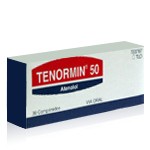
Tenormin is the ORIGINAL brand-name formulation of Atenolol manufactured by AstraZeneca (originally ICI Pharmaceuticals) — one of the most widely prescribed cardioselective beta-1 adrenergic blockers globally and a foundational antihypertensive. Created at ICI — the same company that developed Propranolol/Inderal under Nobel laureate Sir James Black — Tenormin represents the second-generation evolution: cardioselectivity that significantly reduces bronchoconstriction risk compared to non-selective Propranolol. FDA-approved in 1981, listed on the WHO Model List of Essential Medicines. Available as standalone Tenormin tablets and as Tenoretic (Atenolol + Chlorthalidone thiazide-like diuretic combination). Tenormin is bioequivalent to Atenheal (Indian generic) — same Atenolol active ingredient at premium AstraZeneca brand pricing.
The active ingredient is Atenolol, a selective beta-1 adrenergic receptor antagonist (cardioselective). Atenolol preferentially blocks β1 cardiac receptors at therapeutic doses (reducing heart rate, contractility, cardiac output, renin release) with minimal β2 effects — making it safer than non-selective Propranolol/Inderal in patients with mild asthma/COPD. Water-soluble (hydrophilic) — minimal CNS penetration (advantage: fewer CNS side effects like depression, vivid dreams; disadvantage: less effective for CNS-mediated off-label uses like migraine prophylaxis, performance anxiety vs Propranolol). Mostly renal excretion (~90% unchanged) — requires dose reduction in renal impairment. Half-life ~6-9 hours supports once-daily dosing.
Tenormin is FDA-approved for hypertension, angina pectoris (chronic stable), and post-myocardial infarction (mortality reduction). Off-label uses include atrial fibrillation rate control, migraine prophylaxis (less effective than Propranolol due to no CNS penetration), hyperthyroidism symptomatic control, and selective performance anxiety use.
Available as Tenormin 25, 50, and 100 mg tablets, plus Tenoretic 50/25 or 100/25 mg. Standard adult HTN dosing: 25-50 mg once daily start, titrate to 50-100 mg. Angina: 50 mg BID. Post-MI: 50 mg BID. Reduce dose in renal impairment (CrCl <35 mL/min).
Critical safety: boxed warning regarding abrupt withdrawal — angina exacerbation, MI risk; taper over 1-2 weeks. Caution in severe asthma, decompensated HF, AV block, severe bradycardia. Fatigue, bradycardia, hypotension, cold extremities, sexual dysfunction. Masks hypoglycemia symptoms. ⚠️ ASCOT-BPLA showed Atenolol+thiazide inferior to Amlodipine+Perindopril for CV outcomes.
Free prescription
Discrete packaging
Have questions?
Quality Assurance

- Angina Pectoris: FDA-approved for chronic stable angina pectoris;
- Chronic Stable Angina: For chronic stable angina pectoris — reduces frequency and severity;
- Post MI Mortality Reduction: FDA-approved for post-myocardial infarction mortality reduction;
- Atrial Fibrillation Rate Control: Off-label for atrial fibrillation rate control;
- Atrial Flutter Rate Control: For atrial flutter rate control;
- Sinus Tachycardia: For symptomatic sinus tachycardia management;
- Hyperthyroid Symptomatic: For symptomatic control in hyperthyroidism (palpitations, tachycardia);
- Migraine Prophylaxis Selective: Selective off-label for migraine prophylaxis (less effective than Propranolol);
- Performance Anxiety Selective: Selective off-label for performance anxiety (less effective than Propranolol, no CNS);
- Mild Hypertension: For mild hypertension (stage 1);
- Moderate Hypertension: For moderate hypertension (stage 2);
- HTN With Mild Asthma: For HTN in patients with mild asthma — cardioselective advantage over non-selective β-blockers;
- HTN With Angina: Dual treatment for HTN with concomitant angina;
- HTN With Tachyarrhythmia: HTN with tachyarrhythmia — rate control + BP reduction;
- HTN CNS Side Effect Sensitive: For patients sensitive to CNS β-blocker side effects (water-soluble advantage);
- Acute MI Early: For acute MI early management (after IV initial);
- Supraventricular Tachycardia: For SVT rate control;
- Long QT Syndrome: Off-label for long QT syndrome management;
- HTN In CKD Renal Dose Adjusted: For HTN in CKD (renal dose adjustment required — renal excretion);
- Step Up Combination Therapy: Combination therapy with ACE-i/ARB/diuretic (Tenoretic with HCTZ/chlorthalidone).
- Less Angina Symptoms: Significant reduction in angina pectoris symptoms;
- Better Exercise Tolerance Angina: Improved exercise tolerance in stable angina patients;
- Better Post MI Survival: Reduces mortality after myocardial infarction;
- Less Post MI Recurrence: Reduces recurrent MI risk in post-MI patients;
- Less AF Heart Rate: Effective rate control in atrial fibrillation;
- Less AF Symptoms: Reduces palpitations and symptoms from atrial fibrillation;
- Less Sinus Tachycardia: Effective for symptomatic sinus tachycardia control;
- Less Hyperthyroid Symptoms: Reduces adrenergic symptoms of hyperthyroidism;
- Less Migraine Frequency Selective: Selective off-label benefit in migraine prevention;
- Better Performance Anxiety Selective: Off-label symptomatic control of performance anxiety;
- Less Cardiovascular Events: Reduces cardiovascular events in high-risk patients;
- Better Daily Function: Return to normal daily activities with effective BP/cardiac control;
- Better Quality of Life: Substantial improvement in quality of life;
- Better Tolerability Mild Asthma: Better tolerability in mild asthma/COPD vs non-selective β-blockers;
- Less Bronchospasm Risk Mild: Less bronchospasm risk in mild airway disease (cardioselectivity);
- Less Peripheral Vasoconstriction: Less peripheral vasoconstriction vs non-selective β-blockers (β2 sparing);
- Less CNS Side Effects vs Propranolol: Less depression, vivid dreams, fatigue vs lipid-soluble β-blockers (water-soluble advantage);
- Better Once Daily Compliance: Once-daily dosing improves compliance vs BID alternatives;
- Brand Tenormin AstraZeneca: Original AstraZeneca/ICI brand of Atenolol — foundational cardioselective β1 blocker since 1976;
- Generic Atenolol: Affordable generic Atenolol versions expand global access;
- Tenoretic Combination: Tenoretic combination (+Chlorthalidone thiazide-like diuretic);
- Original Atenolol Brand: Original AstraZeneca brand — UK/ICI pharmaceutical heritage;
- Cardioselective Beta1 Blocker: Cardioselective β1 adrenergic antagonist — safer in mild asthma/COPD;
- Water Soluble Hydrophilic: Water-soluble (hydrophilic) — minimal CNS penetration;
- Renal Excretion Mostly Unchanged: Mostly renal excretion ~90% unchanged;
- ICI Pharmaceutical Heritage: Developed at ICI — same company as Inderal/Propranolol (Nobel laureate Sir James Black legacy);
- Beta1 Cardiac Receptor Selectivity: Selective β1 cardiac receptor blockade at therapeutic doses;
- Class II Antiarrhythmic: Class II antiarrhythmic agent — controls supraventricular tachyarrhythmias;
- Multiple FDA Indications: Multiple FDA-approved indications — HTN, angina, post-MI;
- Once Daily Convenience: Once-daily dosing convenient vs BID alternatives;
- WHO Essential Medicine: Listed on the WHO Model List of Essential Medicines;
- 45 Plus Year Clinical History: 45+ years of clinical use since 1976 — foundational cardioselective β1 blocker.
Generic Tenormin (Atenolol 50 mg) Medication guide:
🎯 What Tenormin Is and Who Should Take It
Tenormin is the brand name for atenolol, one of the most-prescribed beta-blockers of the last 40 years. It belongs to a family called cardioselective (beta-1 selective) beta-blockers, meaning it acts preferentially on the heart rather than on the lungs or blood vessels. Atenolol was developed by Imperial Chemical Industries (ICI) in the UK and reached the market in 1976; the US FDA approved Tenormin in 1981. It has been listed on the WHO List of Essential Medicines for over three decades.
Tenormin has an unusual career arc for a BP drug. For two decades it was one of the first-line hypertension therapies in Europe and North America. Then two landmark trials - LIFE (2002) and ASCOT (2005) - showed that atenolol-based regimens were less effective at preventing strokes than newer alternatives. In 2006, NICE removed beta-blockers from first-line hypertension therapy in the UK, and most other guidelines followed. Today Tenormin is still widely used - but the indication has shifted. It is a first-choice drug for angina, post-heart-attack care, and atrial fibrillation rate control, and a second-line hypertension drug when there is another good reason to use a beta-blocker.
Who is Tenormin typically prescribed for
- Adults after a heart attack - beta-blockers reduce mortality by 20-25 percent when started within days
- Adults with chronic stable angina - first-line therapy to reduce attack frequency
- Adults with atrial fibrillation where rate control (not rhythm control) is the goal
- Adults with hypertension AND another beta-blocker indication (angina, prior MI, AF)
- Adults with hypertension in younger age brackets where high adrenergic tone drives BP
- Migraine sufferers as prevention (2 or more attacks per month)
- Clients with essential tremor or performance anxiety
- Clients with hyperthyroidism to blunt palpitations and anxiety while anti-thyroid drugs work
- Clients who cannot tolerate the CNS effects of propranolol - atenolol crosses less into the brain
Tenormin is NOT the pill for: severe asthma (bronchospasm risk - Section 24), severe heart block (2nd or 3rd degree without pacemaker), heart rate below 50 at rest, cardiogenic shock, acute decompensated heart failure, or as emergency BP treatment (it is a long-term drug, not for one-off spikes). Modern guidelines do not recommend starting Tenormin for uncomplicated hypertension unless another beta-blocker indication is present.
This guide will walk you through what Tenormin does, how to take it, what to eat and drink alongside, which side effects to expect - especially the cold hands, fatigue and possible mood changes - and the three critical warnings that apply to every atenolol client: never stop suddenly, watch out with asthma, and dose down carefully if you have kidney disease. By the end you should know Tenormin the way you know a familiar tool.
🔬 How Tenormin Works - Beta-1 Selective Blockade
To understand Tenormin you need to know about beta receptors - the docking stations on cells where adrenaline (epinephrine) and noradrenaline (norepinephrine) attach. When adrenaline binds a beta receptor, the cell responds: heart beats faster and harder, airways widen, blood vessels behave differently. Beta-blockers occupy these receptors and prevent adrenaline from binding.
Step 1 - Two main beta receptor types
Beta-1 receptors live mostly on the heart. When stimulated: heart rate rises, contractions strengthen, and blood pressure climbs. Blocking them slows the heart, softens contractions, and lowers BP.
Beta-2 receptors live mostly on airway smooth muscle and blood vessel walls. When stimulated: airways dilate (helpful for breathing) and blood vessels dilate (helpful for exercise). Blocking them can narrow airways - the source of asthma trouble on non-selective beta-blockers.
Step 2 - Atenolol is cardioselective
Atenolol was designed to preferentially block beta-1 receptors and leave beta-2 receptors largely alone. This is called cardioselectivity. At doses up to 50 mg daily, atenolol blocks beta-1 about 20 times more strongly than beta-2. At higher doses (100 mg and above), this selectivity fades and atenolol starts to block beta-2 too - which is why higher doses cause more asthma trouble than lower doses.
Compared with older propranolol (non-selective), atenolol is much safer in mild asthma and COPD, but not risk-free.
Step 3 - How this lowers BP and helps the heart
- Slower heart rate means less cardiac output per minute - direct BP reduction
- Weaker contractions mean less peak pressure with each beat
- Less renin release from the kidneys reduces angiotensin II - a slow indirect BP effect over weeks
- Less myocardial oxygen demand means fewer angina attacks for a given level of exertion
- Slower conduction through the AV node means ventricular rate control in atrial fibrillation
The timeline you actually feel
| Timeframe | What happens |
|---|---|
| Hours 2-4 after first dose | Heart rate falls by 10-15 beats per minute; BP starts to drop |
| Days 1-3 | Steady state reached; effect stabilises |
| Weeks 2-4 | Full BP effect (~8-12 mmHg systolic); angina attacks reduce |
| Months 3-24 | Long-term cardioprotection measurable in trial data |
The half-life of atenolol is 6-9 hours in healthy adults but rises to 16-27 hours in advanced kidney disease. This is why renal dose adjustment matters so much - and why once-daily dosing works for most clients but the drug can accumulate to dangerous levels in someone with CKD if the dose is not adjusted.
📋 What Doctors Prescribe Tenormin For
Tenormin has five main indications with strong evidence, plus several off-label uses that are well established in specialist care. The list is much wider than for many BP drugs because beta-blockers affect the heart in multiple useful ways.
1. Secondary prevention after a heart attack (post-MI)
Beta-blockers reduce mortality by 20-25 percent when started within days of a heart attack and continued long-term. Atenolol shares this class benefit. The ISIS-1 trial in 1986 demonstrated this for intravenous atenolol in acute MI. Section 6 covers this in detail.
2. Chronic stable angina
Beta-blockers are first-line therapy for chronic stable angina. By slowing the heart and reducing contractility, they cut the heart's oxygen demand and let a client exercise further before angina appears. Section 8 has the details.
3. Atrial fibrillation rate control
In atrial fibrillation, the electrical activity is chaotic and the ventricles can beat too fast. Beta-blockers slow conduction through the AV node so the ventricular rate stays reasonable. Atenolol is one of the most-prescribed rate-control drugs. Section 7 covers this.
4. Hypertension - now second-line
Once first-line, atenolol is no longer first choice for uncomplicated hypertension after LIFE and ASCOT (Section 5). But it remains a good option when there is a coexisting indication (angina, prior MI, AF) or when other first-line drugs are not tolerated.
In some populations - younger adults with high adrenergic drive, or people with essential tremor - atenolol may still be the preferred initial hypertension drug.
5. Migraine prevention
Beta-blockers have Level A evidence for migraine prevention from the American Academy of Neurology. Propranolol is the most-used, but atenolol at 50-100 mg daily is an alternative when propranolol's CNS side effects are not tolerated. Section 9 covers this.
Off-label but reasonable uses
- Performance anxiety (public speaking, musical performance) - single dose 25-50 mg one hour before
- Essential tremor - controls hand tremor at rest and on action
- Hyperthyroidism symptom control - blunts palpitations, tremor, anxiety while thyroid treatment works
- Aortic dissection maintenance (BP + heart rate lowering)
- Marfan syndrome aortic root protection in some clients
What Tenormin is NOT prescribed for
- Rescue treatment for BP spikes - it is a long-term drug
- Acute rhythm conversion in AF (rate control, not rhythm control)
- Severe heart failure with reduced ejection fraction - bisoprolol, carvedilol or metoprolol succinate are the evidence-based choices, not atenolol
- Acute unstable angina or heart attack in someone with heart failure or shock
- Emergency treatment of any kind
If your doctor prescribed Tenormin, the reason is usually one of the top five above. Ask if you are unsure - understanding the specific reason changes how you think about the drug and what benefit you are watching for.
💊 Atenolol Explained - Cardioselective and Water-Soluble
Atenolol has two distinctive properties that separate it from the older beta-blockers (propranolol) and shape everything about how it is used: cardioselectivity and water solubility (hydrophilic). Both are worth knowing.
Where atenolol sits among the beta-blocker family
| Drug | Selectivity | Solubility | Elimination |
|---|---|---|---|
| Atenolol (Tenormin) | Beta-1 selective | Water-soluble (low CNS) | Renal (90%) |
| Propranolol | Non-selective | Lipid-soluble (high CNS) | Hepatic |
| Bisoprolol | Beta-1 selective | Moderate | Mixed 50/50 |
| Metoprolol | Beta-1 selective | Lipid-soluble | Hepatic |
| Carvedilol | Non-selective + alpha | Lipid-soluble | Hepatic |
| Nebivolol | Beta-1 selective + NO | Lipid-soluble | Hepatic |
Cardioselective - what it means in practice
At usual doses (25-50 mg), atenolol blocks heart beta-1 receptors about 20 times more strongly than lung beta-2 receptors. This means:
- Safer in mild to moderate asthma than propranolol (but not risk-free - Section 24)
- Less peripheral circulation impairment than non-selective drugs (though cold hands are still common)
- Selectivity fades at 100 mg and higher - not truly cardioselective at maximum doses
Water-soluble - what it means in practice
Atenolol is hydrophilic (water-loving). It does not cross the blood-brain barrier easily. This produces two effects:
- Much less nightmares, vivid dreams, mood changes, or fatigue than propranolol at equivalent doses
- Less useful for migraine prevention exactly because it does not reach the brain well
- Less useful for performance anxiety and essential tremor for the same reason
Renal elimination - the critical fact
Atenolol is excreted by the kidneys - about 90 percent unchanged in urine. Unlike most beta-blockers (propranolol, metoprolol, carvedilol) which are cleared by the liver, atenolol depends on functioning kidneys to leave the body.
Consequences: in chronic kidney disease, atenolol accumulates. The half-life stretches from 6-9 hours to 16-27 hours or more. Standard doses can produce dangerous bradycardia. Section 26 covers renal dosing in detail.
Available Tenormin strengths
- 25 mg tablets - starting dose in older, frail, or CKD clients
- 50 mg tablets - most common adult starting and maintenance dose
- 100 mg tablets - higher maintenance when 50 mg does not reach target (selectivity fades at this dose)
📊 LIFE and ASCOT - Why Atenolol Was Downgraded From First-Line Hypertension
Understanding why atenolol was downgraded from first-line hypertension therapy is important context for anyone taking it. The drug did not become less effective at lowering BP - what changed is that large trials showed atenolol-based regimens prevented fewer strokes and cardiovascular events than newer alternatives, at the same BP-lowering effect. Two trials in particular reshaped the guidelines: LIFE (2002) and ASCOT-BPLA (2005).
The LIFE trial in short
- Who: 9 193 hypertensive clients aged 55-80 with left ventricular hypertrophy (LVH) on ECG
- What: Randomised to losartan-based regimen vs atenolol-based regimen, with additional drugs added as needed
- Follow up: Mean 4.8 years
- BP reduction: Similar in both arms
What LIFE showed
- Losartan arm had 25 percent fewer strokes than atenolol arm
- 13 percent fewer cardiovascular deaths in losartan arm
- Total cardiovascular events reduced in losartan arm
- All at equivalent BP lowering - the extra benefit of losartan was not from more BP reduction
The ASCOT-BPLA trial in short
- Who: 19 257 hypertensive clients aged 40-79 with additional cardiovascular risk factors
- What: Randomised to amlodipine + perindopril vs atenolol + bendroflumethiazide
- Follow up: Median 5.5 years (stopped early due to clear finding)
- BP reduction: Slightly greater in the amlodipine arm (~3 mmHg)
What ASCOT showed
- Amlodipine arm had 23 percent fewer strokes than atenolol arm
- 16 percent fewer cardiovascular events overall
- 32 percent fewer new-onset diabetes cases in the amlodipine arm (atenolol/thiazide combo is metabolically bad)
- Trial stopped early because the benefit was so clear
Why the class-wide question was raised
A 2004 Lancet meta-analysis by Carlberg and a 2005 Lancet meta-analysis by Lindholm pooled all available beta-blocker hypertension trials and concluded that atenolol-based hypertension therapy was inferior to alternatives for stroke prevention - even though BP was equally well controlled.
Whether this problem is specific to atenolol or applies to all beta-blockers is still debated. Newer beta-blockers (bisoprolol, nebivolol, carvedilol) may perform better in this respect, but head-to-head hypertension trials are scarce.
The 2006 NICE guideline change - the practical fallout
In June 2006, NICE (UK) removed beta-blockers from first-line hypertension therapy. Most other guidelines followed within 2-5 years. Today:
- New hypertension diagnoses without a beta-blocker indication are started on ACE inhibitors, ARBs, calcium channel blockers, or thiazides - not atenolol
- Clients already stable on atenolol for hypertension alone are not usually switched unless there is a reason
- Atenolol remains a legitimate hypertension choice when there is a coexisting angina, prior MI, or AF diagnosis
If you were started on Tenormin recently for uncomplicated hypertension, ask your doctor whether the current guideline preference (ACE inhibitor or CCB first) applies to your case. There are often good reasons to stay on atenolol - it is not "bad" for BP, it is just not the preferred first choice in modern practice. Understanding the reasoning helps you have that conversation.
🫀 Tenormin After a Heart Attack
The evidence for beta-blockers after a heart attack is among the strongest in cardiology. Starting a beta-blocker within days of a myocardial infarction (MI) and continuing long-term reduces mortality by 20-25 percent. Tenormin has been part of this evidence base since the landmark ISIS-1 trial in 1986.
Why beta-blockers help after a heart attack
1. Reduced myocardial oxygen demand. After a heart attack, the surviving heart muscle has to work harder to compensate. Beta-blockers slow the heart and soften contractions, reducing oxygen demand and giving healing muscle a chance.
2. Reduced risk of dangerous arrhythmias. Beta-blockers stabilise the electrical system of the heart, reducing life-threatening ventricular arrhythmias in the vulnerable weeks and months after MI.
3. Reduced risk of a second heart attack. By keeping heart work down and reducing arterial pressure surges, beta-blockers protect the vulnerable coronary plaques.
4. Reduced risk of heart failure development from adverse remodelling of the heart muscle.
The trial evidence
- ISIS-1 (1986) - IV atenolol in acute MI reduced early mortality
- BHAT (Beta-Blocker Heart Attack Trial, 1982) - propranolol reduced 1-year mortality by 26 percent
- MIAMI (1985) - metoprolol showed similar benefit
- Meta-analyses combining multiple trials confirmed the class effect
Post-MI dosing on Tenormin
- Started 24-48 hours after admission, once the client is haemodynamically stable
- Typical dose: 50-100 mg daily
- Target resting heart rate: 55-65 bpm
- Continued for at least 12 months, often longer
- May be lifelong in clients with reduced left ventricular function
Modern practice - is atenolol still the right beta-blocker post-MI?
Atenolol is acceptable and evidence-based post-MI. However, if the client also has reduced left ventricular function (heart failure with reduced EF), guidelines prefer bisoprolol, carvedilol, or metoprolol succinate - the three beta-blockers with specific heart failure evidence. Atenolol is used post-MI mainly when there is no heart failure.
The stopping rule after MI
Never stop a post-MI beta-blocker suddenly. The withdrawal rebound in someone with recent coronary disease can trigger unstable angina or another MI. If stopping is needed (for a genuine intolerance), it is done under specialist supervision with a slow taper. Section 23 covers this.
🥁 Tenormin for Atrial Fibrillation Rate Control
Atrial fibrillation (AF) is a common heart rhythm disorder where the upper chambers of the heart quiver chaotically instead of contracting properly. The ventricles can then beat too fast and irregularly, causing palpitations, breathlessness, tiredness, and reduced exercise capacity. One of the two main treatment strategies is rate control - keeping the ventricular rate reasonable without trying to restore normal rhythm. Beta-blockers are among the workhorses for rate control, and Tenormin is one of the most-used.
How Tenormin controls ventricular rate in AF
In AF, electrical impulses fire chaotically at 400-600 per minute from the atria. The AV node - the electrical relay between atria and ventricles - filters these impulses. Beta-blockers slow the AV node, reducing the number of impulses that reach the ventricles. Result: ventricular rate drops from 120-160 bpm to 70-90 bpm, and the client feels much better.
Target heart rate in AF
| Situation | Target resting HR |
|---|---|
| Lenient rate control (most clients) | Under 110 bpm |
| Strict rate control (if symptomatic) | Under 80 bpm at rest and under 110 during moderate exercise |
| Reduced ejection fraction | Under 90 bpm, individualised |
Tenormin dosing for AF rate control
- Start 25-50 mg once daily
- Titrate to target heart rate - measured at rest and during ordinary activity
- Maximum 100 mg daily - beyond this, benefit plateaus and side effects worsen
- If not enough alone, digoxin can be added - the classic combination for elderly AF
- Never combine with verapamil or diltiazem - dangerous bradycardia risk
Rate control vs rhythm control
In AF, rate control means accepting the fibrillation but keeping the heart rate reasonable. Rhythm control means trying to restore and maintain normal (sinus) rhythm using drugs or electrical cardioversion. Multiple trials have shown similar outcomes for the two strategies in most clients. Rhythm control is preferred in younger clients or those with severe symptoms; rate control is preferred in older clients or those where rhythm control has failed.
Anticoagulation is separate from rate control
Tenormin controls the rate but does not prevent strokes. In AF, strokes come from clots that form in the fibrillating atria and then travel to the brain. Anticoagulation (warfarin, apixaban, rivaroxaban, edoxaban, dabigatran) is what prevents this - not the beta-blocker. Your AF care usually involves both a rate-control drug and an anticoagulant.
❤️ Tenormin for Chronic Stable Angina
Beta-blockers are first-line therapy for chronic stable angina. Tenormin has been used for this indication since the drug was launched and remains a workhorse. The mechanism is simple: less heart work equals less oxygen demand equals fewer angina attacks.
How Tenormin helps chronic stable angina
1. Slower heart rate. A slower heart uses less oxygen per minute and gives coronary arteries more time to deliver blood to the heart muscle (coronary filling happens during diastole - the pause between beats).
2. Weaker contractions. Less forceful contractions mean less oxygen demand per beat.
3. Lower blood pressure. Less pressure to pump against means less work.
Combined effect: the heart tolerates a higher workload before oxygen supply falls short of demand - which is exactly what angina is.
Practical benefits clients feel
- Fewer angina attacks per week or month
- Attacks when they happen are milder and shorter
- More exercise tolerance - walking further before chest tightness starts
- Reduced need for short-acting nitrate rescue sprays
- Better sleep - fewer overnight attacks
Angina dosing on Tenormin
- Start 50 mg once daily
- Titrate to resting heart rate 55-65 bpm
- Maximum 100 mg daily for angina
- Combined with short-acting nitrate spray or tablet for breakthrough attacks
- Long-acting nitrate or CCB may be added if beta-blocker alone insufficient
The classical anti-anginal duo - beta-blocker plus dihydropyridine CCB
Tenormin combined with amlodipine or felodipine is one of the most effective anti-anginal regimens. The beta-blocker slows the heart and reduces demand; the CCB relaxes coronary arteries and reduces afterload. The reflex tachycardia that dihydropyridine CCBs can cause is counteracted by the beta-blocker.
Warning: Tenormin + verapamil or Tenormin + diltiazem is dangerous - both slow the heart and can produce severe bradycardia or heart block.
What Tenormin does NOT do for angina
- It does not stop an acute attack - use short-acting nitrates for that
- It does not treat unstable angina - that is an emergency
- It does not open blocked arteries - only stents or bypass surgery do that
- It does not replace aspirin and statin - the two other pillars of stable coronary care
- It is not appropriate for vasospastic (Prinzmetal) angina - beta-blockers can worsen this by unopposed alpha stimulation
🧠 Tenormin for Migraine, Anxiety and Hyperthyroidism
Tenormin has three non-cardiac uses worth explaining: migraine prevention, performance-related anxiety and tremor, and hyperthyroidism symptom control. Because atenolol is water-soluble and does not cross the blood-brain barrier well, it has some advantages and some disadvantages compared with propranolol for these indications.
Migraine prevention
Beta-blockers have Level A evidence for migraine prevention from the American Academy of Neurology. Propranolol is the most-used, but atenolol is a reasonable alternative at 50-100 mg daily.
The trade-off: propranolol is more effective for migraine (it crosses into the brain) but has more CNS side effects (fatigue, mood, vivid dreams). Atenolol is less effective for migraine but much better tolerated in terms of CNS effects.
Realistic expectation: a beta-blocker reduces migraine frequency by about 50 percent in responders. Takes 6-8 weeks to see effect. Prevention, not treatment - acute attacks still need their own treatment (triptans, NSAIDs, etc.).
Performance anxiety and essential tremor
For situational performance anxiety - public speaking, musical performance, sports competitions - a single 25-50 mg dose of atenolol taken 1 hour before blunts palpitations, tremor, and sweating without producing sedation or affecting cognitive performance.
For essential tremor (a lifelong benign tremor especially in the hands, often familial), beta-blockers are first-line drug treatment. Propranolol is the most-studied but atenolol is often preferred when tolerability matters more than maximum effect.
Note: for both indications, atenolol works less well than propranolol because it does not reach the CNS. If atenolol proves insufficient, switching to propranolol is the usual next step.
Hyperthyroidism symptom control
Hyperthyroidism (overactive thyroid, Graves disease) causes palpitations, tremor, anxiety, heat intolerance, and rapid heartbeat. Anti-thyroid drugs (carbimazole, methimazole, propylthiouracil) treat the underlying problem but take weeks to work. Beta-blockers blunt the adrenergic symptoms immediately while the anti-thyroid treatment kicks in.
Typical Tenormin dose: 25-100 mg daily, adjusted to symptoms. Once thyroid function normalises, the beta-blocker is tapered off.
Atenolol is widely used for this indication; propranolol is preferred in thyroid storm (severe hyperthyroidism with fever, agitation) because it also blocks the peripheral conversion of T4 to T3.
Why atenolol not propranolol for many of these
The choice often comes down to tolerability. Propranolol is more effective for CNS-mediated conditions (migraine, tremor, anxiety) because it crosses into the brain. But that same property gives it more fatigue, mood dulling, and vivid dreams. For clients where these matter, atenolol offers most of the benefit with much less CNS baggage.
📅 The First Few Weeks on Tenormin
Starting Tenormin has a predictable rhythm. Knowing what to expect prevents unnecessary alarm about normal early effects and helps you spot the few things that need medical review.
Days 1-3
Heart rate falls by 10-15 beats per minute within hours. If your usual resting rate is 80 bpm, expect 65-70 bpm in the first days. This is the intended effect, not a side effect.
Mild fatigue is common in the first days as the body adjusts to slower heart output. Usually fades within 1-2 weeks.
Cold hands and feet may become noticeable - especially in winter.
Week 1-2
Steady state reached - blood levels stabilise within 3-5 days. Heart rate and BP settle at their new lower baseline.
Exercise tolerance may temporarily feel worse - the heart cannot ramp up as quickly as before. This usually improves within 2-4 weeks as the body adapts.
Home BP drops by 8-12 mmHg systolic on average.
Week 3-8
Full effect matures. This is when Tenormin reaches its full BP and heart-rate lowering potential.
Fatigue usually improves as the body adapts.
Exercise tolerance returns closer to baseline - though maximum heart rate on effort will be lower than pre-treatment.
Any dose adjustment happens now. If BP and heart rate are not at target, dose may be increased or a partner drug added.
Signs that ARE normal early on
- Resting heart rate in 55-65 range
- Mild fatigue in weeks 1-2
- Cold hands and feet in cool weather
- Feeling exercise is harder than before
- BP drops of 8-12 mmHg systolic
Signs that need urgent medical review
- Resting heart rate below 50 bpm with symptoms
- Severe wheeze or breathlessness (asthma trigger - stop and call for help)
- New chest pain
- Fainting or near-fainting
- Swelling of ankles that came on within days (early heart failure)
- Very cold, painful, or discoloured hands or feet (severe peripheral vasoconstriction)
- Severe fatigue that does not improve after 4-6 weeks
- New wheeze in a diabetic or COPD client
Most clients notice a slower heart rate and mildly reduced exercise capacity in the first weeks - both are the intended effect, not side effects. If the first month passes without incident, the long-term outlook is usually smooth.
⏰ When to Take Tenormin - Timing Rules
Tenormin timing is straightforward. Because the half-life is 6-9 hours and the effect is sustained over 24 hours by receptor binding, once-daily dosing works reliably. The main practical rule is consistency.
The best time to take Tenormin
Morning is most common - it anchors to waking and provides drug cover across the busiest cardiovascular hours of the day. Evening dosing is also acceptable and may benefit clients whose BP is highest overnight (nocturnal hypertension).
Once you have chosen a time, stick with it. Do not swing between morning and evening without a reason.
Practical anchors
- With breakfast - simplest for most people
- When you brush your teeth in the morning
- Right after your morning coffee (Tenormin is not affected by coffee absorption-wise)
- With your evening meal
- Weekly pillbox filled every Sunday - the single best system for consistency
Split dosing (twice daily) - occasionally used
In some clients (especially angina where end-of-day heart-rate control matters, or performance anxiety at specific times), atenolol is split into morning and evening doses. This is a specialist choice, not a self-adjustment - if your doctor prescribed once-daily, do not split it yourself.
Do not take just before intense exercise
Because Tenormin blunts your heart rate rise on exertion, taking a dose immediately before running a race or intense workout can leave you feeling exhausted. Take your dose either after exercise or at least 2 hours before. Section 30 covers exercise timing in detail.
What to do if you cannot swallow the tablet
Atenolol tablets can be crushed and mixed with a small amount of soft food or water if needed - unlike extended-release CCBs (Plendil, Norvasc SR). This makes atenolol easier to take in someone with swallowing difficulties. Talk to your pharmacist if this is a regular issue.
🍽️ Food, Drink and Tenormin
Food and drink interactions with Tenormin are much simpler than with many BP drugs. There is no grapefruit warning (unlike Plendil), no strong dairy or fibre effect, and no specific meal timing requirement. The general principles below cover almost every situation.
Food rules for Tenormin
- Take with or without food - your choice, be consistent
- Food slightly reduces absorption (about 20 percent) but this is clinically minor
- Grapefruit is FINE on Tenormin - unlike Plendil, atenolol is not affected by CYP3A4
- No specific timing around meals needed
- Salt intake still matters for BP - keep total daily salt under 5-6 grams
- Potassium-rich foods (bananas, oranges) are fine and beneficial for BP
DASH-style pattern helps BP alongside Tenormin
- Vegetables, especially leafy greens, tomatoes, root vegetables
- Oily fish twice a week - salmon, mackerel, sardines
- Beans, lentils, chickpeas - potassium and fibre
- Nuts and seeds - unsalted, moderate portions
- Whole grains rather than refined
- Fresh fruit - all safe on Tenormin
- Low-fat dairy or yoghurt
- Cut ultra-processed foods - main source of hidden salt
Herbal supplements to be careful with
- Ginseng, ginkgo - possible small BP effect; probably harmless in moderation
- Ephedra (ma huang) - avoid; raises BP and works against Tenormin
- Yohimbe - avoid; raises BP
- Liquorice root in large quantities - raises BP
- St Johns Wort - minor effect on atenolol; more concerning for CYP3A4-metabolised drugs
Overall, Tenormin fits into ordinary eating without special rules. The BP-friendly dietary pattern above helps every hypertensive client regardless of which drug they take.
🍷 Alcohol on Tenormin
Alcohol and Tenormin are generally compatible in moderate amounts, but the combination has some specific quirks worth understanding. Both alcohol and beta-blockers affect the cardiovascular system, and combining them changes how each behaves.
Three things happen when you drink on Tenormin
- BP drops more than expected. Alcohol dilates blood vessels, adding to Tenormin's effect. In someone with a resting BP of 130/80 on Tenormin, a couple of drinks can bring it to 110/65, producing dizziness or lightheadedness on standing.
- Heart rate response is different. Alcohol normally raises heart rate; Tenormin blocks this response. The net effect is a steadier but somewhat slower heart during drinking - not a cause for alarm.
- Chronic drinking raises baseline BP. Anyone drinking more than 2 units daily on average will find BP creeps up over months - working against Tenormin.
A sensible framework
- Up to 1 standard drink per day for women, 2 for men is compatible with Tenormin
- Drink water between alcoholic drinks - reduces dehydration and next-day BP swings
- Never drink on an empty stomach on Tenormin
- Skip alcohol for 48 hours after any dose change
- Do not drive after any alcohol on Tenormin
- Heavy binge drinking is dangerous - can cause BP crashes and rhythm disturbances
Situations where alcohol on Tenormin is a bad idea
- Recent starting or dose increase (first 2 weeks)
- Age 75 or older with any fall history
- Hot weather with limited water intake - triple hit of vasodilation
- Post-MI in the first 3 months
- Diabetes with insulin or sulfonylureas - alcohol raises hypoglycaemia risk, and Tenormin masks the warning signs (Section 25)
- Angina - alcohol can trigger vasospastic attacks in some clients
- Atrial fibrillation - alcohol is a well-known trigger for AF episodes ("holiday heart")
The bigger picture: for long-term BP control, lower alcohol is better. A weekly average of 5-6 units, spread across the week, is compatible with well-controlled hypertension on Tenormin. Heavier intake undermines the whole treatment.
☕ Coffee, Caffeine and Energy Drinks
Caffeine and Tenormin interact in an interesting way - caffeine normally raises heart rate and BP, and Tenormin blocks part of this response. The net effect is less caffeine-induced BP bump than in someone without a beta-blocker. Normal coffee habits are compatible with Tenormin.
Coffee on Tenormin - the practical rules
- Up to 3-4 cups of coffee per day is compatible with well-controlled BP
- Do not measure BP within 30-60 minutes of coffee - readings will be slightly high
- Drink water alongside in hot weather - caffeine is mildly diuretic
- Habitual heavy drinkers develop tolerance - BP bump is smaller than in occasional drinkers
- Coffee does not affect atenolol absorption - unlike some drugs
Energy drinks - a different story
Energy drinks combine large caffeine loads (often 200-400 mg per can) with sugar, taurine, guarana, and sometimes borderline ephedrine-type extracts. These produce a larger and longer BP spike and sometimes provoke palpitations or arrhythmias - especially in someone with AF or coronary disease.
On Tenormin, energy drinks are best kept to an occasional small can - not a daily habit, and not before exercise. Two energy drinks plus a training session on Tenormin has been a trigger for cardiac events in young athletes.
Pre-workout supplements - be cautious
Many pre-workout supplements combine 200-400 mg caffeine with stimulants that raise BP acutely. On Tenormin these can produce sudden BP swings and palpitations. If you use one, choose a caffeine-only or caffeine-plus-creatine kind, start with half a scoop, and check home BP during the session for a week to see how you respond.
Decaf, tea, chocolate
Decaf coffee (2-15 mg caffeine per cup), tea (40-70 mg per cup), and chocolate contain small amounts that do not need avoidance on Tenormin. Normal daily habits are fine.
If you notice palpitations, tremor, or unusual dizziness after coffee on Tenormin, cut back. Otherwise, your usual habit is compatible with the drug.
🩺 Home BP and Heart Rate Monitoring
On Tenormin, you should monitor both blood pressure AND heart rate at home. Unlike most other BP drugs, Tenormin's effect on heart rate is a major part of what makes it work - and a major part of what tells you if the dose is too much or too little.
What to buy
- Upper arm cuff monitor - wrist monitors are less accurate
- Validated model - BHS, ESH, or dabl accreditation
- Model that displays heart rate alongside BP - most do
- Correct cuff size for your arm
How to measure correctly
- Sit quietly for 5 minutes before the first reading
- Back supported, feet flat on floor, legs uncrossed
- Cuff on bare upper arm at heart level
- Do not talk or use your phone during measurement
- Take 2 readings 1-2 minutes apart
- Ideal: morning (before Tenormin and before coffee) and evening (before dinner)
- Do this 4-7 days out of every 2 weeks in the first months, then weekly once stable
Target ranges on Tenormin
| Metric | Target range |
|---|---|
| Home BP (average) | Under 135/85 for most adults; under 130/80 for diabetes/CKD |
| Resting heart rate | 55-70 bpm for hypertension; 55-65 bpm for angina/AF |
| Standing BP (older clients) | Should not drop more than 20 mmHg systolic from sitting |
| Symptomatic threshold | HR under 50 with symptoms or BP under 100/60 with dizziness = call doctor |
Reading the pattern
- Persistently above target after 6-8 weeks on 100 mg - review with doctor
- Resting HR below 50 with fatigue - dose may be too much
- Very variable readings - check technique, time of day, coffee proximity
- Sudden BP jump of 20+ mmHg - check for new drugs (NSAIDs, decongestants), missed doses, or new stress
Bring your recorded readings to every doctor visit - a small notebook, a monitor with memory, or a smartphone app all work. Dose decisions on Tenormin track home averages of BP AND heart rate much better than single office readings.
🚨 Side Effects of Tenormin
Tenormin has been in worldwide use for over 40 years, so its side effect profile is exceptionally well characterised. Most clients experience only mild or no side effects. A small subset has effects that are noticeable but manageable. A rare handful have serious reactions that need urgent action.
Common side effects (1-10 percent of clients)
| Effect | Frequency | Notes |
|---|---|---|
| Cold hands and feet | 10-15 percent | Signature effect - see Section 17 |
| Fatigue or reduced exercise tolerance | 5-10 percent | Usually early, often improves - Section 18 |
| Dizziness or lightheadedness | 3-8 percent | More common on standing, first weeks |
| Bradycardia (slow heart rate) | 3-6 percent | Only symptomatic if severe |
| Sexual dysfunction | 3-6 percent | Erectile difficulties, reduced libido - Section 19 |
| Depression or mood dulling | 1-3 percent | Less than propranolol - Section 20 |
| Nightmares, vivid dreams | 1-3 percent | Less than propranolol - Section 20 |
| Weight gain (small) | ~2 kg average over years | Slight metabolic effect |
Less common side effects (0.1-1 percent)
- Wheeze or shortness of breath - possible even at low doses in asthma - Section 24
- Worsening claudication (leg pain on walking) in peripheral artery disease
- Hair thinning
- Rash
- Dry eyes
- New heart block (AV block) in someone with pre-existing conduction disease
- Small rise in triglycerides, small drop in HDL cholesterol
Rare serious effects - seek urgent medical help
- Severe bronchospasm (wheeze, breathlessness) - especially with COPD or asthma
- Fainting or near-fainting
- Heart rate below 40 bpm with symptoms
- New heart failure - breathlessness lying flat, ankle swelling, weight gain
- Very cold, painful, or blue extremities - severe peripheral vasoconstriction
- Severe or worsening depression with suicidal thoughts
- Signs of low blood sugar without the usual warning in diabetics (Section 25)
If you experience any of the rare serious effects, do not stop Tenormin on your own initiative (rebound risk - Section 23). Contact your doctor urgently and take your medication list to any assessment.
🧊 Cold Hands and Feet on Tenormin
Cold hands and feet are the single most common side effect of Tenormin. Somewhere between 10-15 percent of clients notice it. It is not medically dangerous in most cases but can be uncomfortable, especially in winter, and occasionally severe enough to affect daily life.
Why Tenormin causes cold hands and feet
Even though atenolol is beta-1 selective, at any dose there is some peripheral vasoconstriction effect. Beta-2 receptors in the small arteries of hands and feet normally cause vasodilation when adrenaline binds. When Tenormin blocks (partially) these receptors, blood flow to fingers and toes is reduced, and the extremities feel colder than the rest of the body.
This is worse at higher doses (100 mg) than lower, worse in cold weather, and worse in clients with pre-existing Raynaud phenomenon or peripheral vascular disease.
Typical pattern
- Both hands and feet equally
- Worse in cool weather - most clients notice it first in autumn/winter
- Worse first thing in the morning
- Occasionally with mild colour change - pale, or bluish in the cold
- Not painful in most cases
- Better in a warm room or under blankets
What to do about it
- Warm layers - especially wool or thermal socks and gloves during cold weather
- Hand-warmers in winter - reusable ones work well
- Warm water hand-washing instead of cold
- Avoid smoking - it causes its own peripheral vasoconstriction, worsening the effect
- Avoid alcohol as a "warmer" - it causes rebound cold once the initial vasodilation wears off
- Regular light exercise - moving around raises core body temperature
When to seek review
- Severe pain in hands or feet with colour change
- Bluish or white fingers or toes that do not warm up
- Worsening claudication (calf pain on walking) if you have peripheral artery disease
- Ulcers or wounds on toes that heal slowly
- New Raynaud attacks - fingers going white then blue then red
In most cases the practical measures above solve the problem. If cold extremities become severe or disabling, alternatives include: reducing the atenolol dose, switching to a beta-blocker with less peripheral vasoconstriction (nebivolol), or switching to a different drug class entirely. Do not stop Tenormin on your own - discuss with your doctor.
🔋 Fatigue and Reduced Exercise Tolerance
Fatigue is one of the recognisable beta-blocker side effects. On Tenormin, roughly 5-10 percent of clients notice fatigue at some point - most commonly in the first weeks, often improving over 1-2 months. A subset has persistent fatigue that requires dose adjustment or switch.
Why Tenormin causes fatigue
1. Slower heart rate response. During activity, your heart cannot ramp up as quickly as before. You feel less "get-up-and-go", especially on stairs or hills.
2. Reduced maximum exercise capacity. Peak heart rate on exertion is capped, reducing maximum aerobic performance by 10-20 percent.
3. Small central effect. Even though atenolol is water-soluble, a small amount reaches the brain and contributes to a subtle "flatness" of energy.
4. Slower fat metabolism during exercise. Beta receptors help mobilise fat for fuel; blocking them shifts more energy demand onto carbohydrates, which run out faster.
Typical pattern
- Peaks in weeks 1-3 after starting or dose increase
- Improves over 4-8 weeks in most clients
- Most obvious during exercise - stairs feel harder
- Often a general "flatness" rather than sleepiness
- Sleep quality is usually normal or slightly improved - but see Section 20 for nightmares
What helps
- Give it 6-8 weeks before judging - most fatigue improves as the body adapts
- Regular light exercise - counterintuitive but effective; sedentary people feel worse
- Adequate sleep and hydration
- Iron and B12 check if fatigue persists - unrelated causes are common
- Check thyroid function - hypothyroidism can be masked
- Consider dose reduction if fatigue is severe and persistent
- Consider switching to a different beta-blocker - nebivolol produces less fatigue in some clients
A note for athletes
Endurance athletes on Tenormin will find their race times slower and their perceived effort higher. This is a genuine physiological limit, not just a feeling. If competitive performance matters and Tenormin is being used for BP or migraine (not for angina or post-MI), a switch to a non-beta-blocker alternative may be preferable.
💗 Sexual Function on Tenormin
Sexual side effects are a well-known reason for silent drug-stopping on beta-blockers. On Tenormin, roughly 3-6 percent of male clients notice reduced libido or mild erectile difficulty. In women the effect is less well-studied but reduced desire is described.
What may happen
- Reduced libido - most common effect
- Erectile difficulty in men - 3-6 percent
- Delayed or reduced orgasm - occasional
- Vaginal dryness or reduced desire in women - underappreciated
- Effect often develops gradually over months, not immediately
Why it happens
Beta-adrenergic activity plays a role in sexual arousal - not the primary role, but a contributory one. Beta-blockers dampen the sympathetic nervous system response that supports arousal and erection. The effect is modest in most people but can be noticeable in some.
Erectile dysfunction drugs on Tenormin
Sildenafil, tadalafil, vardenafil, and avanafil are all safe on Tenormin at usual doses. Both drug classes lower BP so combined effect may be a slight extra drop, but this is not clinically dangerous.
Nitrates + PDE-5 inhibitors is the contraindication - not Tenormin + PDE-5. If you also take short-acting nitrates for angina, PDE-5 inhibitors are unsafe.
Practical approach
- Give it 4-6 weeks - early sexual side effects sometimes settle
- Consider other contributors - stress, alcohol, sleep debt, depression, other drugs
- Discuss with your doctor - don't suffer silently or stop the drug alone
- Alternatives exist - nebivolol has less sexual dysfunction; non-beta-blocker classes (ACE inhibitor, ARB, CCB) often lower rates
- Do not stop Tenormin abruptly to trial off-drug - use a controlled switch under supervision (Section 23)
Sexual concerns are often unspoken in BP consultations but are a leading reason for silent drug-stopping. Talk to your doctor - solutions exist that keep BP and heart rate controlled without accepting sexual side effects.
🌙 Mood, Sleep and Nightmares
Beta-blockers have a reputation for mood and sleep side effects - depression, dulled emotion, vivid dreams, insomnia. Because atenolol is water-soluble and crosses less into the brain, these effects are less common on Tenormin than on propranolol. But they still happen in some clients.
Mood and mental effects
- Emotional flattening - a subtle "dulling" of highs and lows; described by 1-3 percent of clients
- Low mood or depression - controversial; older studies suggested a clear link, newer studies less so; ~1 percent
- Reduced concentration or "brain fog" - uncommon on atenolol
- Anxiety improvement in some clients - the intended effect for performance anxiety, welcome for others
Sleep effects
- Vivid dreams or nightmares - 1-3 percent (less than propranolol's 5-10 percent)
- Fragmented sleep - occasional
- Insomnia - rare
- Reduced REM sleep is a measured effect but rarely translates to clinical problem
Why atenolol is better than propranolol for these
Propranolol is highly lipid-soluble and reaches significant concentrations in the brain. Atenolol is water-soluble and mostly stays in the bloodstream. This translates directly to fewer CNS side effects on atenolol - which is why atenolol is often preferred for clients where mood or dream disturbance was a problem on propranolol.
What to do
- Give it 4-8 weeks - early effects often settle
- Move dose to morning if nightmares are the issue - evening dosing worsens them
- Rule out other causes of depression - Tenormin is rarely the sole cause
- Discuss with doctor - switching to nebivolol or a non-beta-blocker may be reasonable if genuinely bothersome
- Do not stop Tenormin alone - especially if it is for angina or post-MI (rebound risk)
Seek urgent help if:
- Suicidal thoughts
- Severe or worsening depression that interferes with function
- Complete withdrawal from usual activities and relationships
⚖️ Tenormin Doses and How They Are Adjusted
Tenormin dosing is simple compared to many BP drugs - three standard strengths, once-daily dosing, straightforward titration. The right dose is whichever gets your BP AND heart rate to target with tolerable or no side effects.
Standard adult dosing pathway
| Indication | Starting dose | Usual maintenance | Maximum |
|---|---|---|---|
| Hypertension | 25-50 mg once daily | 50 mg once daily | 100 mg daily |
| Angina | 50 mg once daily | 50-100 mg daily | 100 mg daily |
| AF rate control | 25-50 mg once daily | Titrated to HR | 100 mg daily |
| Post-MI | 50 mg once daily | 50-100 mg | 100 mg daily |
| Migraine prevention | 25-50 mg once daily | 50-100 mg | 100 mg daily |
| Older/frail/CKD | 25 mg once daily | Individualised | See Section 26 |
Why 50 mg is the usual maintenance dose
Fifty milligrams provides most of the achievable BP and heart-rate lowering from atenolol - about 70-80 percent of what 100 mg produces. Doubling to 100 mg adds a small extra effect but increases fatigue, sexual side effects, cold extremities, and reduces cardioselectivity (so more asthma risk). Many doctors prefer to keep atenolol at 50 mg and add a second drug rather than push to 100 mg alone.
The "start low, go slow" mindset
Do not push doses up in the first 2 weeks. It takes 3-5 days for atenolol to reach steady state and another 1-2 weeks for full effect. Judging response before 2 weeks and increasing too soon leads to unnecessary side effects.
The right rhythm: start, check home BP and heart rate for 2 weeks, review with doctor at 2-4 weeks, then adjust.
If BP is still above target on 100 mg
Add a second drug - almost always more effective than pushing atenolol higher. Common partners are ACE inhibitors, ARBs, calcium channel blockers, or thiazides. Section 34 covers combinations in detail.
⚠️ Drug Interactions You Need to Know About
Tenormin has fewer serious drug interactions than most BP drugs because atenolol is not metabolised by the liver - no CYP enzyme issues. However, there are several pharmacodynamic interactions (drugs that add to or oppose atenolol's heart effect) that matter.
Dangerous combinations - risk of severe bradycardia or heart block
- Verapamil - both slow the heart; combination is contraindicated except in specialist care
- Diltiazem - similar concern; combination requires specialist supervision
- Amiodarone - can cause profound bradycardia when combined
- Digoxin - additive AV node slowing; usable but requires monitoring
- Clonidine - if clonidine is stopped abruptly on background beta-blocker, dangerous BP surge
Common interactions worth knowing about
| Drug | Effect |
|---|---|
| Ibuprofen, naproxen, diclofenac (NSAIDs) | Reduce BP effect. Occasional use OK, daily use undermines Tenormin |
| Pseudoephedrine (decongestant) | Raises BP. Avoid on Tenormin |
| Insulin, sulfonylureas | Tenormin masks warning signs of hypoglycaemia (Section 25) |
| Adrenaline (epinephrine) for anaphylaxis | Less effective in beta-blocked clients; needs specialist emergency approach |
| Salbutamol, other beta-agonists (asthma inhalers) | Tenormin blunts their effect; asthma may be harder to treat |
| MAO inhibitors (older antidepressants) | Combined BP effects unpredictable; specialist care |
| Sildenafil, tadalafil, vardenafil | Small extra BP drop; safe at usual doses |
| Alcohol | Additive vasodilation; moderate intake OK (Section 13) |
Two habits that protect you
- Show your full drug list at every visit. Include over-the-counter and herbal.
- Ask the pharmacist about any new prescription. "I take Tenormin - is this safe together?" catches most bad combinations.
⛔ NEVER Stop Tenormin Suddenly - The Withdrawal Warning
This is one of the most important sections in this guide. Stopping atenolol suddenly - after weeks or months of taking it - can cause a dangerous rebound. In someone with coronary artery disease, this rebound can trigger unstable angina, a heart attack, or a serious arrhythmia. Every Tenormin client needs to know this.
⛔ NEVER STOP TENORMIN SUDDENLY
Beta-blocker withdrawal is a well-documented phenomenon. During weeks or months of Tenormin use, the beta-1 receptors on the heart up-regulate - they multiply and become more sensitive to compensate for being blocked. When Tenormin is stopped abruptly:
- Circulating adrenaline hits the multiplied, super-sensitive receptors
- Heart rate and BP rebound to levels higher than before treatment
- Coronary arteries can go into spasm
- Angina can worsen or new angina can appear
- Heart attacks and dangerous rhythms are described
- Effect lasts about 1-2 weeks after abrupt cessation
If Tenormin needs to stop - the correct way
Taper over 1-2 weeks minimum, guided by your doctor. A typical schedule:
- 50 mg daily - week 1
- 25 mg daily - week 2
- 25 mg every other day - week 3
- Stop
For someone on 100 mg, the taper starts one step higher and takes 2-3 weeks. For someone with coronary disease, an even slower taper is safer.
Situations where the rebound risk is highest
- Coronary artery disease or prior heart attack - risk of angina/MI rebound
- Atrial fibrillation - risk of rapid ventricular rate rebound
- Chronic angina - risk of severe attack
- Post-cardiac surgery
- Higher doses (100 mg) or longer duration
- Coexisting hyperthyroidism - beta-blocker withdrawal can precipitate thyroid storm
Common scenarios where clients accidentally stop
- Running out on a Friday evening, waiting until Monday to refill - 2-3 day gap is enough for rebound
- Travelling and forgetting supplies
- Illness with vomiting preventing tablet absorption for days
- Deciding side effects are not worth it and stopping unilaterally
- Hospital admission where the beta-blocker is missed by oversight
In each case, call your doctor promptly. A short gap with a plan is much safer than an uncorrected gap.
The single message from this section: Tenormin is a drug you commit to, not one to interrupt on a whim. If side effects are intolerable, if surgery is coming up, if you decide it is not for you - the answer is always a supervised taper, never a cold stop.
🫁 Tenormin and Asthma - The Big Warning
Tenormin is cardioselective, meaning it primarily blocks beta-1 receptors on the heart. But at typical doses it still blocks some beta-2 receptors in the lungs - the receptors that keep airways open. In someone with asthma, this can trigger bronchospasm (wheeze, shortness of breath, cough). In severe asthma this can be life-threatening.
🚩 Asthma and Tenormin - the framework
- Severe asthma (frequent attacks, oral steroids, hospital admissions) - Tenormin is contraindicated. Any beta-blocker can trigger a fatal attack.
- Moderate asthma (regular inhaler use, occasional attacks) - Tenormin best avoided; if used, only with specialist supervision and starting low (25 mg)
- Mild well-controlled asthma - Tenormin at 25-50 mg may be tolerated, but only when there is a compelling reason (post-MI, AF) and safer alternatives are not available
- Childhood asthma outgrown, no attacks for years - Tenormin usually safe
Signs Tenormin may be affecting your breathing
- New wheeze or whistling on exhalation
- Shortness of breath on exertion out of proportion to the effort
- Dry cough at night or in cold air
- Blue reliever inhaler needed more often than before
- Peak flow readings falling in someone who monitors them
Cochrane evidence - the nuance
A widely-cited Cochrane review (Salpeter, 2005) found that single-dose cardioselective beta-blockers cause only a small fall in FEV1 (about 7 percent) in stable mild-to-moderate asthma, without increased need for reliever inhalers. This has led to the position that cardioselective beta-blockers are not absolute contraindications in stable asthma - but the review does not address severe asthma, unstable disease, or long-term safety.
In practice, most respiratory physicians still avoid beta-blockers in asthma unless a strong indication exists.
COPD is different from asthma
In COPD (Chronic Obstructive Pulmonary Disease), cardioselective beta-blockers are generally considered safe and may even benefit clients with coexisting heart disease. Tenormin at 25-50 mg is usable in most COPD clients. The bronchospasm risk is much lower than in asthma.
Emergency plan if wheeze develops on Tenormin
- Use your reliever inhaler (salbutamol) immediately
- If not settled quickly, seek urgent medical help
- Tell the medical team you are on Tenormin - salbutamol may be less effective and higher doses (or ipratropium alternatives) may be needed
- Do not take your next Tenormin dose without discussion
🍬 Tenormin and Diabetes - Hypoglycaemia Masking
Diabetes and hypertension travel together in roughly two of every three cases. On Tenormin, diabetic clients face a specific and clinically important issue: beta-blockers can mask the early warning signs of hypoglycaemia. This is one of the most-important safety points on the drug for anyone with insulin or sulfonylurea use.
🚨 Hypoglycaemia masking - the critical warning
Normally when blood sugar drops, the body releases adrenaline, which produces recognisable early warning signs: fast heartbeat, shaking hands, sweating, and anxiety. These warn the client to eat before hypoglycaemia becomes severe.
Tenormin blocks the beta-1 receptors that adrenaline uses - so the tachycardia and shaking signals are dampened. The client may go from feeling fine to fainting or seizing with much less warning.
Sweating - which is mediated by cholinergic receptors, not beta - IS preserved. This becomes the main warning sign for diabetic clients on beta-blockers.
Who is most at risk
- Insulin-treated diabetes (any type) - highest risk
- Sulfonylurea users (gliclazide, glimepiride) - can also cause hypoglycaemia
- Elderly with reduced hypoglycaemia awareness - already blunted signals
- Long-duration diabetes with autonomic neuropathy
Practical steps for diabetic clients on Tenormin
- Learn to recognise sweating as your early warning sign
- Check blood glucose more often - especially before driving, exercise, or important activities
- Consider a continuous glucose monitor (CGM) if available - the alerts fill the warning gap
- Keep a fast-acting glucose source on you at all times - glucose tablets, sweets
- Tell family or workmates about hypoglycaemia symptoms and how to help
- Discuss with your diabetes team whether a non-beta-blocker BP drug is better for your case
The ASCOT diabetes finding
ASCOT-BPLA showed 32 percent fewer new diabetes diagnoses in the amlodipine + perindopril arm than in the atenolol + bendroflumethiazide arm. The atenolol/thiazide combination is metabolically unfavourable - it slightly raises glucose, worsens insulin sensitivity, and predisposes to new diabetes over years. In someone already at high diabetes risk, this is a reason to prefer other drug classes if the beta-blocker indication is only hypertension.
If Tenormin is essential (post-MI, AF, angina) and you have diabetes, the drug stays and the diabetes plan adapts around it. If Tenormin is for hypertension without another indication, discuss with your doctor whether an ACE inhibitor, ARB, or CCB might fit your diabetic profile better.
🫘 Tenormin If You Have Kidney Problems - Critical Dose Adjustment
This section is about the single most important dosing rule for Tenormin. Unlike most beta-blockers (propranolol, metoprolol, carvedilol) which are cleared by the liver, atenolol is excreted almost entirely by the kidneys - about 90 percent unchanged in urine. In chronic kidney disease, atenolol accumulates to dangerous levels if the dose is not reduced.
🚨 Renal dose adjustment - not optional
In healthy adults, atenolol half-life is 6-9 hours. In someone with eGFR under 15, half-life can stretch to 16-27 hours or more. Standard 50-100 mg daily can accumulate to double or triple the intended blood level, causing symptomatic bradycardia, dangerous BP drops, and heart failure exacerbation.
This is one of the leading reasons for admission to nephrology and cardiology wards from primary care.
Renal dosing table
| eGFR | CKD stage | Recommended Tenormin dose |
|---|---|---|
| Above 60 | Normal/Stage 2 | Full dose (25-100 mg daily) |
| 30-59 | Stage 3 | Maximum 50 mg daily |
| 15-29 | Stage 4 | Maximum 25 mg daily or 50 mg every other day |
| Under 15 | Stage 5 | 25 mg every other day, close monitoring |
| Haemodialysis | Dialysis | 25-50 mg after dialysis - atenolol IS dialysed |
Alternative beta-blockers for CKD
If a beta-blocker is needed and CKD is advanced, many doctors prefer switching to a liver-metabolised beta-blocker:
- Bisoprolol - 50/50 renal/hepatic; better than atenolol but still needs some adjustment
- Carvedilol - hepatic; no renal adjustment
- Metoprolol succinate - hepatic; no renal adjustment
- Propranolol - hepatic; no renal adjustment
Signs Tenormin is over-dosed in CKD
- Resting heart rate below 50 bpm
- Persistent fatigue and cold extremities
- Postural dizziness or faints
- New breathlessness - possible heart failure decompensation
- ECG showing PR prolongation or new heart block
If you have CKD and are on Tenormin, ensure your most recent eGFR is on file at every prescription renewal. When kidney function drops - as it often does slowly over years - the dose should follow. This is not something to catch at the once-a-year review - it is monitored at every relevant contact.
⏱️ What to Do If You Miss or Forget a Dose
Because Tenormin has a half-life of 6-9 hours and once-daily dosing, one missed dose is generally forgiving - but the withdrawal warning (Section 23) means you should not routinely miss doses. The rules below prevent both under-dosing and dangerous rebound.
The one-line rule
If you remember within about 12 hours of your usual time, take the missed dose. If more than 12 hours has passed, skip it and take the next dose at the normal time. Never double up.
Common scenarios
| Scenario | What to do |
|---|---|
| Take morning dose - remember at noon | Take it now; skip nothing |
| Take morning dose - remember late evening | Skip; take tomorrow morning as usual |
| Skipped whole day | Restart next day at normal time; watch for early rebound signs (palpitations, high BP) |
| Skipped 2-3 days | Call doctor; restart under advice. Rebound possible in coronary disease clients |
| Vomited within 30 min of dose | Take another dose (drug not yet absorbed); if more than 1 hour has passed, do not repeat |
Do NOT take double dose to catch up
A doubled Tenormin dose produces excessive bradycardia and BP drop - dizziness, faints, sometimes real falls in older clients. The BP effect of one missed day is much smaller than the harm of a doubled dose.
Systems that prevent missed doses
- Weekly pillbox refilled every Sunday - instantly shows if today was missed
- Phone alarm at the same time daily
- Anchor to breakfast, tooth-brushing, or coffee
- Keep spare tablets in a travel bag or at work
- Order the next box before running low
- Do not stop for a weekend - especially if you have coronary disease or AF
🌃 Tenormin for Night Shift Workers
Night shift work is hard on BP treatment because sleep-wake cycles are upside down. Tenormin is workable on shifts but requires planning around your dose timing and monitoring.
Two workable approaches
Option A - fixed clock time. Pick one clock time and take Tenormin at that time daily regardless of shift. Simplest to remember. BP and heart rate control remain steady across shift patterns.
Option B - anchor to your "morning". Take Tenormin when you wake, whenever that is - after night shift, "morning" might be 2 pm. Both approaches work; pick whichever fits your routine.
Night-shift specific considerations
- Fatigue on Tenormin + sleep debt from shifts is a double hit; expect the first 4-6 weeks to feel especially tired
- Heart rate is naturally lower during sleep; on Tenormin it may drop to 45-50 during sleep - usually fine
- Coffee at night shift is compatible but do not measure BP within an hour of coffee
- Cold hands and feet often worse on night shifts (cool temperatures, poor circulation)
- Water intake matters - dehydration during hectic shifts amplifies dizziness
Measuring BP and HR on shifts
Standard advice - morning and evening - does not fit a rotating shift schedule. Instead: pick 2 fixed clock times (say 9 am and 9 pm) and stick with them regardless of shift. This gives consistent data across shift patterns.
The withdrawal risk on shifts
Shift workers occasionally skip a dose because a shift ran long or because they slept through the alarm. On Tenormin this is more risky than for other BP drugs - Section 23 covers why. Keep a spare dose at work for the shift when your bag is empty. The rebound is worse than a mildly delayed dose.
Shift workers often have higher average BP over time (poor sleep, stress, irregular eating). Being on Tenormin is a step toward correcting this, but non-drug measures matter more than for day workers: daytime sleep hygiene (dark room, cool, quiet), managed caffeine, meal timing, and regular exercise on days off.
🚗 Tenormin for Drivers and Machine Operators
Tenormin affects driving more than many BP drugs because of the fatigue and slower heart rate response. The first weeks and any dose adjustment can affect concentration and alertness. If your job depends on driving or operating machinery, plan around this.
First 2-4 weeks - the caution period
- Do not drive on the first day until you know how you personally react
- Avoid long-distance driving alone in weeks 1-3
- Do not use heavy machinery in the first week
- Get up carefully from seated positions - especially after long drives
After the first month
Most clients on stable-dose Tenormin drive normally. Reaction time is not detectably affected. Long-distance haulage drivers, taxi drivers, pilots, bus drivers - all can typically continue on Tenormin once stable, once fatigue has settled and no severe side effects appear.
Job-specific rules
Commercial licences (heavy goods vehicles, buses, taxis, aviation) usually require a doctor's note confirming the medication does not impair fitness to drive. Tenormin does not usually disqualify anyone, but the paperwork is a hoop. Ask your doctor for the fitness-to-drive letter if your role requires it.
When NOT to drive
- First day on Tenormin or after a dose increase (first 24-48 hours)
- If you feel unusually dizzy, lightheaded, or fatigued
- If you have had any alcohol
- If you have fainted in the past week
- For diabetic clients: if home glucose is under 4.5 mmol/L
Report any driving incident (even a near-miss caused by dizziness) to your doctor. It may indicate the dose needs adjustment.
💪 Tenormin, Exercise and Sports
Tenormin has a bigger effect on exercise capacity than most other BP drugs. It caps maximum heart rate and reduces peak exercise performance by roughly 10-20 percent. For casual exercisers this is barely noticeable; for competitive athletes it is a real limit.
What happens to heart rate on exercise on Tenormin
Without Tenormin, maximum heart rate is roughly 220 minus your age (so 170 bpm at age 50). On Tenormin, maximum heart rate is capped 20-30 beats lower. This means the traditional heart rate zones for exercise (60-70 percent max for fat burning, 80-90 percent for high intensity) no longer apply.
Use "perceived exertion" scales instead of heart rate zones. On a 1-10 scale where 5-6 is moderately hard, aim for 5-6 for endurance work, not a specific heart rate target.
Safe exercise on Tenormin
- Walking, cycling, swimming, jogging - all fine at moderate pace
- Resistance training - fine; avoid Valsalva strains
- Yoga, Pilates - fine
- Team sports - possible but performance is capped
- Long endurance events (marathon) - discuss with doctor first
Practical exercise tips
- Warm up and cool down more slowly. The heart cannot ramp up or down as quickly.
- Drink water. Dehydration on Tenormin causes more dizziness than without.
- Do not take Tenormin immediately before intense exercise. Either take at least 2 hours before, or wait until after (Section 11).
- If pre-existing coronary disease, follow specialist exercise limits.
Competitive sports
Atenolol is on the WADA (World Anti-Doping Agency) prohibited list for certain sports where slowing heart rate is a performance advantage - archery, shooting, golf, some motor sports. If you compete in one of these, discuss alternatives with your doctor and sport governing body.
If a specific sport is central to your life - competitive running, cycling, football - tell your doctor before starting Tenormin. For BP alone, non-beta-blocker alternatives may fit your training better. For angina or post-MI, Tenormin's cardiovascular protection outweighs the performance trade-off.
🌱 Tenormin and Pregnancy
Tenormin in pregnancy is a complex issue. Atenolol has been used in pregnancy for decades but concerns exist about fetal growth restriction in first-trimester exposure. US FDA has placed it in pregnancy category D - evidence of fetal harm. Many national guidelines now recommend alternative BP drugs in pregnancy.
If you are pregnant on Tenormin
- Do NOT stop Tenormin suddenly - the withdrawal risk is real (Section 23)
- Contact your obstetrician or GP within 24-48 hours to plan a switch to a pregnancy-safe BP drug
- Typical switches: labetalol (most-used), nifedipine slow release, methyldopa
- Continue home BP monitoring during the transition
- ACE inhibitors, ARBs, spironolactone, and thiazides are also contraindicated in pregnancy
What is known about atenolol in pregnancy
- First-trimester exposure associated with lower birth weight in some studies
- Third-trimester exposure can cause bradycardia and hypoglycaemia in the newborn
- Labetalol has better pregnancy safety data and is the beta-blocker of choice in pregnancy
- Methyldopa has the longest safety record but is used less due to side effects
- Nifedipine slow release is a common alternative
If you are planning to become pregnant
Talk with your doctor before stopping contraception. A pre-conception switch to a pregnancy-safe BP drug prevents a rushed switch after a positive test. Ideally the switch is made 1-3 months before trying, so BP stability on the new drug is established.
The core message: Tenormin is a stop-and-switch drug in pregnancy, but do not stop cold on your own. Chronic uncontrolled hypertension in pregnancy causes serious problems (pre-eclampsia, growth restriction, placental abruption) - safer to bridge with a switch under supervision than to leave BP untreated.
🍼 Tenormin While Breastfeeding
Atenolol passes into breast milk in higher concentrations than most beta-blockers because it is water-soluble. This means the breastfed baby receives a meaningful dose. For this reason, atenolol is generally not the beta-blocker of choice in breastfeeding - propranolol, metoprolol, and labetalol are preferred.
What is known
- Atenolol milk-to-plasma ratio is 3:1 - baby's exposure is significant
- Reports of bradycardia, cyanosis, and hypothermia in breastfed infants exist, though rare
- Not recommended in most professional lactation resources
- Alternatives with better breastfeeding safety data: propranolol, metoprolol, labetalol (all lipid-soluble; milk transfer is lower)
Options for a breastfeeding mother on Tenormin
Switch to propranolol or metoprolol - much better breastfeeding safety data. If the indication is hypertension without another beta-blocker need, switching to an ACE inhibitor (enalapril, captopril) or nifedipine is also reasonable.
If atenolol is essential and switching is not an option (rare) - watch the baby carefully for feeding, weight gain, breathing, and drowsiness. Some paediatricians will recommend formula feeding as an alternative.
Practical points
- Tell your health visitor and paediatrician what you take
- Watch baby's feeding pattern, weight gain, alertness
- Discuss switching options with obstetrician or GP
- Premature or ill babies - be especially cautious
The decision is individual. Talk with your obstetrician, GP, and paediatrician together - a joint decision balances your BP/heart control, your baby's health, and current best evidence.
📚 Tenormin for Children and Older Clients
Tenormin at either end of the age spectrum needs specific attention. Children rarely receive it; older clients receive it commonly but with age-related adjustments.
Children and adolescents
Atenolol is not commonly prescribed in children. When used - for hypertension, arrhythmias, or migraine - dosing is weight-based, typically 0.5-1 mg per kg per day. Paediatric or paediatric cardiology specialists usually lead care.
Adolescents (16-18) generally follow adult doses. If your teenager is prescribed Tenormin for hypertension or migraine, expect a specialist to lead the initial titration and follow-up.
Storage safety at home: if children or grandchildren visit, keep Tenormin out of reach and preferably in a lockable cabinet. A 100 mg tablet in a small child can cause dangerous bradycardia. Any suspected paediatric ingestion needs urgent medical review.
Older clients (65 and above)
Older clients are a large group taking Tenormin for angina, post-MI, and AF rate control. But older bodies handle atenolol differently.
| Age-related change | Effect on Tenormin |
|---|---|
| Reduced kidney function with age | Higher blood levels for the same dose - lower starting dose |
| Reduced baroreflex | More postural BP drops |
| Reduced beta receptor density | Less response overall; sometimes lower doses work |
| More concurrent drugs | More interaction potential |
| Higher fall risk | Fatigue + bradycardia + postural BP = falls |
Dose approach in older clients
- Start 25 mg once daily in over-70s or frail clients
- Rise slowly - 4-6 weeks between adjustments
- Check standing BP at every review
- Ensure recent eGFR is on file - dose follows kidney function (Section 26)
- Do not push BP below 140/85 in over-80s unless very robust
Fall risk in older clients
Beta-blockers add a small increment to fall risk. Tenormin fatigue plus mild postural drop plus normal age-related unsteadiness can trigger falls. Preventive measures: stand slowly, use grab rails, adequate hydration, avoid alcohol, remove trip hazards. A single fall on Tenormin usually deserves a full medication review.
🔗 Combining Tenormin With Other BP Pills
Most people on Tenormin for hypertension eventually take at least one other BP drug alongside. Combinations tend to give more BP effect with fewer side effects than pushing any single drug to maximum.
Tenormin + ACE inhibitor
Examples: Tenormin + perindopril, Tenormin + ramipril, Tenormin + lisinopril.
Effective, well-tolerated combination. ACE inhibitor kidney and heart protection benefits combine with Tenormin's cardiac effects. BP drops by an average of 20-30 mmHg systolic when combined.
Tenormin + ARB
Examples: Tenormin + losartan, Tenormin + olmesartan, Tenormin + valsartan.
Similar to ACE inhibitor combination without the cough side effect. Note: LIFE trial showed losartan monotherapy better than atenolol monotherapy in LVH - a combination approach is different.
Tenormin + dihydropyridine CCB
Examples: Tenormin + amlodipine, Tenormin + felodipine.
The classic anti-anginal duo. The beta-blocker slows the heart; the CCB relaxes coronary arteries. The CCB-induced reflex tachycardia is counteracted by the beta-blocker.
Tenormin + thiazide diuretic
Examples: Tenormin + bendroflumethiazide, Tenormin + indapamide.
Historical combination - was very common before LIFE and ASCOT. Now avoided in new diabetes-risk clients because of the ASCOT diabetes finding (Section 25). Still used if already stable on this combination and BP well controlled.
Combinations to AVOID
- Tenormin + verapamil - severe bradycardia and heart block risk
- Tenormin + diltiazem - same concern
- Tenormin + digoxin at high doses - possible without care but needs monitoring
- Tenormin + amiodarone - bradycardia, monitor
- Tenormin + clonidine that is being weaned - dangerous BP surge if clonidine stopped abruptly on background beta-blocker
Do not adjust these combinations on your own. If you are getting side effects, talk with your doctor rather than stop one drug alone - especially given Tenormin's withdrawal risk (Section 23).
🛑 Contraindications - When Tenormin Must Be Avoided
Tenormin is not for everyone. Some conditions make it dangerous; others make it inappropriate. Knowing the full list matters because you may develop one of these conditions later and need to discuss whether Tenormin should stop.
Absolute contraindications - Tenormin MUST NOT be used
- Known allergy to atenolol or another beta-blocker
- Severe bradycardia - resting heart rate below 50 bpm
- Second or third degree heart block without a pacemaker
- Sick sinus syndrome without a pacemaker
- Cardiogenic shock
- Acute decompensated heart failure
- Untreated phaeochromocytoma - beta-blocker without alpha-blocker first can cause hypertensive crisis
- Severe asthma (Section 24)
- Metabolic acidosis
Relative contraindications - use with caution
- Moderate asthma or COPD (Section 24)
- Advanced kidney disease - dose adjustment critical (Section 26)
- Peripheral artery disease with severe claudication
- Raynaud phenomenon - Tenormin can worsen it
- Diabetes with frequent hypoglycaemia (Section 25)
- Vasospastic (Prinzmetal) angina - beta-blocker can worsen coronary spasm
- Severe depression
- Pregnancy (Section 31)
- Breastfeeding (Section 32)
Not a contraindication - common misconceptions
- Type 2 diabetes without frequent hypoglycaemia - Tenormin usable with monitoring
- Mild COPD - cardioselective beta-blockers are generally safe
- Stable heart failure - Tenormin OK if it is already prescribed for that (though bisoprolol/carvedilol/metoprolol succinate are preferred)
- Old age alone - just requires lower starting dose
If you develop any absolute contraindication while on Tenormin (a new severe asthma diagnosis, a heart block, pregnancy, acute heart failure), the drug will need to stop or switch under medical supervision - never suddenly (Section 23). Bring your medication list to every hospital admission - the medical team may need to make an urgent decision.
🔄 Sick Days, Surgery, Travel, Storage and Yearly Review
How Tenormin fits into your life over the long term matters as much as how it is prescribed. This closing section covers sick day rules, surgery, travel, storage, and the annual review that keeps everything on track.
Sick day rules
During illness with fever, vomiting, or diarrhoea, blood pressure often falls naturally. Continued Tenormin may drop BP too low.
- Vomiting preventing keeping fluids down - consider pausing for 24-48 hours; call doctor if uncertain
- Diarrhoea more than 3-4 times daily - similar approach
- Home BP under 100/60 with symptoms - pause and call doctor
- Warning: Tenormin has withdrawal risk (Section 23) - do not pause casually if you have coronary disease or AF; call for guidance
- Resume when eating and drinking normally for 24 hours
Surgery
Continue Tenormin through surgery including the morning of the operation. The anaesthetist will be aware. Stopping beta-blockers before non-cardiac surgery has been shown to increase perioperative cardiac events - this is well-established evidence.
Dental work: no change needed. Local anaesthetic with adrenaline is fine at usual doses.
Travel checklist
- Carry enough Tenormin for the trip plus 1 extra week
- Keep tablets in hand luggage - not checked bags
- Keep in original box with pharmacy label
- Doctor's letter (in English) with generic name and dose for long trips
- Note the generic name atenolol - available worldwide under this name
- Time zone shift under 6 hours - no adjustment needed
- Time zone shift over 6 hours - shift dose time gradually over 2-3 days
- Do not run out during travel - the withdrawal risk applies
Storage
- Store below 30 degrees Celsius, dry place
- Not in the bathroom - humidity degrades tablets
- Not on the kitchen windowsill - light and heat
- Keep in original blister until use
- Out of children's reach - Section 33
- Do not use past-expiry tablets
Your yearly Tenormin review - what to expect
- Home BP and heart rate averages - at target?
- Side effect check - fatigue, cold extremities, sexual function, mood, sleep
- Kidney function (eGFR) - critical for dose adjustment
- Full drug list review - any interactions crept in?
- Cardiovascular risk update - lipids, HbA1c if diabetic, weight, smoking
- Life changes - new job, planning pregnancy, retirement
- Ongoing need for Tenormin - if the original indication has resolved (e.g. hyperthyroidism cured), discuss controlled taper
Tenormin, for most people who take it, becomes a background part of daily life within a couple of months - one tablet, once a day. The knowledge you have built up through this guide is meant to keep it that way: to spot problems early, to distinguish the harmless from the important, and to have the language to work with your doctor when adjustments are needed. When something is not working, come back to the guide - the answer, most often, is here.
Tenormin — Frequently Asked Questions
-
What is Tenormin (Atenolol)?
Tenormin is a beta-blocker medication primarily used for treating high blood pressure, angina (chest pain), and certain heart rhythm disorders. -
How does Tenormin work?
It works by blocking the action of certain natural chemicals in the body, like epinephrine, on the heart and blood vessels, which lowers heart rate, blood pressure, and strain on the heart. -
How should I take Tenormin?
Take Tenormin as prescribed by your doctor, typically once a day. It can be taken with or without food. -
What if I miss a dose of Tenormin?
If you miss a dose, take it as soon as you remember. If it's almost time for your next dose, skip the missed dose. -
Can Tenormin be used during pregnancy?
Tenormin should be used during pregnancy only if clearly needed. Discuss the risks and benefits with your doctor. -
Does Tenormin interact with other medications?
Yes, Tenormin can interact with other heart medications, asthma medications, and certain antidepressants. -
What are the common side effects of Tenormin?
Common side effects include tiredness, dizziness, and cold hands or feet.
See all Tenormin questions (32)
📚 Drug Description Sources:
The information in this Tenormin (atenolol) guide is compiled from authoritative pharmaceutical, medical, and regulatory sources covering cardiovascular medicine, hypertension treatment guidelines, coronary heart disease management, and four decades of atenolol clinical experience spanning its 1976 introduction through the modern reassessment following LIFE and ASCOT trials.
🏛️ Regulatory and government agencies
- FDA (US Food and Drug Administration) - Tenormin (atenolol) approval 1981; original NDA for hypertension and angina; subsequent approvals for post-myocardial infarction indication; current prescribing information at DailyMed
- WHO (World Health Organization) - atenolol on WHO Model List of Essential Medicines for over three decades under cardiovascular medicines section
- EMA (European Medicines Agency) - atenolol European regulatory framework; harmonised summary of product characteristics across EU member states
- MHRA (UK Medicines and Healthcare products Regulatory Agency) - Tenormin summary of product characteristics; UK-specific safety updates
- Health Canada - Tenormin product monograph including Canadian labelling requirements
- TGA (Australian Therapeutic Goods Administration) - atenolol product information
- DailyMed (NIH/NLM) - current Tenormin US prescribing information
📚 Professional societies and clinical guidelines
- American College of Cardiology / American Heart Association (ACC/AHA) 2017 Hypertension Guideline - beta-blocker positioning as second-line for uncomplicated hypertension
- European Society of Cardiology / European Society of Hypertension (ESC/ESH) 2023 Hypertension Guideline - beta-blocker indications in modern hypertension management
- NICE (National Institute for Health and Care Excellence, UK) NG136 - hypertension in adults; June 2006 removal of beta-blockers from first-line hypertension therapy
- ESC 2023 Acute Coronary Syndrome Guideline - beta-blocker use post-myocardial infarction
- ESC 2020 Atrial Fibrillation Guideline - rate control strategies including atenolol
- American Academy of Neurology - Level A evidence for beta-blockers in migraine prevention
- Kidney Disease Improving Global Outcomes (KDIGO) - beta-blocker dosing considerations in chronic kidney disease
🔬 Landmark clinical research
- LIFE Trial (Losartan Intervention For Endpoint reduction, Lancet 2002) - 9 193 hypertensive clients with left ventricular hypertrophy; losartan-based arm had 25 percent fewer strokes than atenolol-based arm at equivalent BP; foundational trial for atenolol repositioning
- ASCOT-BPLA (Anglo-Scandinavian Cardiac Outcomes Trial - Blood Pressure Lowering Arm, Lancet 2005) - 19 257 clients; amlodipine + perindopril vs atenolol + bendroflumethiazide; 23 percent fewer strokes and 32 percent fewer new diabetes cases in amlodipine arm; trial stopped early
- ISIS-1 (First International Study of Infarct Survival, Lancet 1986) - IV atenolol in acute myocardial infarction reduced early mortality; foundational post-MI evidence
- MRC Elderly Trial (BMJ 1992) - atenolol in older hypertension
- Carlberg 2004 (Lancet meta-analysis) - questioned atenolol effectiveness as first-line hypertension therapy
- Lindholm 2005 (Lancet meta-analysis) - Should beta blockers remain first choice for primary hypertension; class-wide reassessment
- Salpeter Cochrane review - cardioselective beta-blockers in reversible airway disease
- Bangalore et al. Lancet meta-analysis - perioperative beta-blocker use in non-cardiac surgery
📖 Medical references and textbooks
- Goodman and Gilman Pharmacological Basis of Therapeutics - beta-adrenergic blocking agents chapter
- Braunwald's Heart Disease A Textbook of Cardiovascular Medicine - definitive cardiology reference on beta-blocker use
- Harrison's Principles of Internal Medicine - hypertension and coronary artery disease chapters
- Katzung Basic and Clinical Pharmacology - cardiovascular pharmacology fundamentals
- Kaplan's Clinical Hypertension - dedicated hypertension textbook including beta-blocker positioning
- UpToDate - atenolol clinical monographs
- Lexicomp and Micromedex - drug interactions, renal dosing tables, and adverse reaction data
- British National Formulary (BNF) - UK prescribing reference for atenolol dosing
Note: This information is educational and does not replace consultation with qualified healthcare providers. Individual medical circumstances vary substantially. Always follow prescriber instructions and report concerns promptly.
🩺 Medical Expert Review:
Content reviewed for accuracy by cardiovascular medicine authorities with particular expertise in hypertension, beta-blocker pharmacology, coronary heart disease outcomes, and the landmark trials that reshaped atenolol's clinical positioning. The following experts represent authoritative research and clinical practice perspectives on atenolol use within contemporary cardiovascular management.
Prof. Bjorn Dahlof, MD, PhD
Professor of Cardiovascular Medicine, Sahlgrenska University Hospital, University of Gothenburg — Gothenburg, Sweden
Prof. Dahlof led the Losartan Intervention For Endpoint reduction (LIFE) trial published in Lancet 2002, which enrolled 9 193 hypertensive clients with left ventricular hypertrophy and directly compared losartan-based against atenolol-based regimens. LIFE fundamentally reshaped understanding of comparative outcomes across antihypertensive classes and contributed to the reassessment of atenolol's first-line positioning. His extensive Nordic cardiovascular research spans four decades.
Prof. Peter S. Sever, FRCP, FMedSci
Emeritus Professor of Clinical Pharmacology and Therapeutics, International Centre for Circulatory Health, Imperial College London — London, United Kingdom
Prof. Sever was a principal investigator on the Anglo-Scandinavian Cardiac Outcomes Trial - Blood Pressure Lowering Arm (ASCOT-BPLA), published in Lancet 2005, which enrolled 19 257 hypertensive clients comparing amlodipine-perindopril against atenolol-bendroflumethiazide combinations. ASCOT's finding of superior stroke and diabetes outcomes in the calcium channel blocker arm was central to the 2006 NICE decision to remove beta-blockers from first-line hypertension therapy.
Prof. Franz H. Messerli, MD, FACC, FACP
Professor of Medicine, University Hospital Bern; formerly of Mount Sinai Icahn School of Medicine and Columbia University College of Physicians and Surgeons — New York, USA
Prof. Messerli is an internationally recognised hypertension authority who authored influential meta-analyses questioning atenolol's effectiveness as first-line therapy for uncomplicated hypertension. His scholarship has substantially informed the modern clinical view that atenolol remains valuable for specific indications (angina, post-myocardial infarction, atrial fibrillation rate control) while newer options are preferred for uncomplicated hypertension. He has authored over 1 000 peer-reviewed publications spanning cardiovascular pharmacology.
Prof. Sverre E. Kjeldsen, MD, PhD, FACC
Professor of Cardiology, Department of Cardiology, Oslo University Hospital, Ullevaal; University of Oslo — Oslo, Norway
Prof. Kjeldsen served as a LIFE steering committee member and has led or co-authored numerous pivotal cardiovascular outcome trials including VALUE and ASCOT. His research on hypertension pharmacotherapy, cardiovascular risk stratification, and comparative effectiveness of antihypertensive drug classes has directly informed European and Nordic clinical practice. He served as President of the European Society of Hypertension.
Prof. Lars H. Lindholm, MD, PhD
Emeritus Professor of Family Medicine, Department of Public Health and Clinical Medicine, Umea University — Umea, Sweden
Prof. Lindholm led the influential Lancet 2005 meta-analysis titled "Should beta blockers remain first choice in the treatment of primary hypertension?" that pooled available beta-blocker hypertension trials and concluded that atenolol-based hypertension therapy was inferior to alternatives for stroke prevention. His work directly contributed to guideline reassessment worldwide and remains a definitive reference on this specific question.
Disclosure: Expert names and credentials are cited for educational reference. This content is not endorsed by named experts. Content prepared by RXshop editorial team based on published literature and clinical guidelines.
More Blood Pressure Medications