Cholesterol Medications Guide — Statins, Ezetimibe, Fibrates, Niacin, Sequestrants
High cholesterol affects approximately 2 billion people worldwide and is a major modifiable risk factor for cardiovascular disease - the leading cause of death globally. Elevated LDL cholesterol contributes to atherosclerosis, heart attacks, and strokes. Modern cholesterol-lowering medications have transformed cardiovascular prevention, reducing cardiovascular events by 20-30 percent. This comprehensive guide covers all major cholesterol medication classes including statins (Lipitor, Crestor, Zocor, Mevacor, Pravachol, Tonact), bile acid sequestrants (Choltran (Cholestyramine)), fibrates (Lopid (Gemfibrozil), Tricor (Fenofibrate)), cholesterol absorption inhibitors (Zetia (Ezetimibe)), and niacin (Niacin (Nicotinic acid)).
🧪 What Is Cholesterol
Cholesterol is a waxy, fat-like substance essential for building cell membranes, producing hormones, making vitamin D, and helping digest fats. Despite its bad reputation, cholesterol is vital for life. The problem arises when levels become excessive or unbalanced.
The body produces about 75 percent of cholesterol in the liver, with the remaining 25 percent coming from diet. Cholesterol travels through the bloodstream in packages called lipoproteins. The two most important types are LDL ("bad" cholesterol) which delivers cholesterol to tissues, and HDL ("good" cholesterol) which removes excess cholesterol back to the liver.
Key facts about cholesterol:
- Essential substance for body function
- Liver produces 75 percent, diet contributes 25 percent
- LDL is "bad" - contributes to atherosclerosis
- HDL is "good" - protective against heart disease
- Triglycerides - another type of blood fat
- 2 billion people worldwide have high cholesterol
- Usually no symptoms until damage occurs
- Highly treatable with medications and lifestyle
- Major cardiovascular risk factor
📊 Cholesterol Statistics
| Statistic | Details |
|---|---|
| Global high cholesterol | Approximately 2 billion people |
| US adults with high cholesterol | Approximately 86 million (38 percent) |
| US adults with high LDL | Approximately 28 percent |
| Statin users worldwide | Approximately 200+ million |
| Aware of high cholesterol | Approximately 55 percent |
| Adequately treated | Only 43 percent globally |
| Statin cardiovascular event reduction | 20-30 percent |
| Familial hypercholesterolemia | 1 in 250 people |
| Cardiovascular deaths attributable | Approximately 4.5 million yearly |
| Cholesterol screening rate (US) | Approximately 76 percent |
🧬 Types of Cholesterol
LDL - Low-Density Lipoprotein (Bad Cholesterol)
- Delivers cholesterol from liver to tissues
- Elevated levels deposit cholesterol in artery walls
- Contributes to atherosclerosis
- Main target of cholesterol-lowering therapy
- Lower is generally better
HDL - High-Density Lipoprotein (Good Cholesterol)
- Removes cholesterol from tissues back to liver
- Protective against heart disease
- Higher levels generally better
- Exercise increases HDL
- Some medications increase HDL
Triglycerides
- Type of fat in blood
- From dietary calories converted to fat
- Very high levels cause pancreatitis
- Elevated levels linked to heart disease
- Affected by alcohol, sugar, weight
VLDL and Other Types
- VLDL - very low-density lipoprotein; carries triglycerides
- Chylomicrons - largest, from dietary fat
- IDL - intermediate-density lipoprotein
- Lp(a) - lipoprotein(a); genetic risk factor
- ApoB - protein on LDL, better predictor than LDL cholesterol
📏 Cholesterol Categories and Targets
| Type | Optimal (mg/dL) | Borderline | High |
|---|---|---|---|
| Total cholesterol | Under 200 | 200-239 | 240+ |
| LDL cholesterol | Under 100 (under 70 high-risk) | 130-159 | 160+ |
| HDL cholesterol (men) | 40+ | Under 40 (low) | Higher better |
| HDL cholesterol (women) | 50+ | Under 50 (low) | Higher better |
| Triglycerides | Under 150 | 150-199 | 200+ |
Target LDL by Risk Level
- Very high risk (established CVD, familial hyperlipidemia): LDL under 55-70
- High risk (multiple risk factors, diabetes): LDL under 70-100
- Moderate risk: LDL under 100
- Low risk: LDL under 130
- Targets increasingly aggressive over time
⚠ Symptoms and Diagnosis
Cholesterol Symptoms
High cholesterol typically has NO symptoms - it silently damages arteries over years or decades. First symptoms may be:
- Heart attack
- Stroke
- Angina (chest pain)
- Peripheral artery disease (leg pain)
This is why regular cholesterol screening is essential - waiting for symptoms means waiting for damage.
Rare Physical Signs (Very High Cholesterol)
- Xanthomas - yellow cholesterol deposits (elbows, knees, tendons)
- Xanthelasmas - yellow patches around eyes
- Corneal arcus - white/gray ring around cornea
- Familial hypercholesterolemia typically features these
Diagnosis
- Lipid panel blood test - measures total, LDL, HDL, triglycerides
- Fasting or non-fasting depending on test
- Screening starting age 20 (or earlier with family history)
- Frequency: every 4-6 years for low-risk adults; more frequently for higher risk
- Advanced testing may include ApoB, Lp(a), particle number
- Cardiovascular risk calculators incorporate lipids
🔬 Causes of High Cholesterol
Non-Modifiable Risk Factors
- Genetics/family history
- Age - risk increases
- Sex - risk changes with menopause in women
- Familial hypercholesterolemia - genetic condition
Modifiable Risk Factors
- Diet - saturated fats, trans fats, dietary cholesterol
- Obesity
- Physical inactivity
- Smoking - reduces HDL
- Diabetes - affects cholesterol metabolism
- Hypothyroidism
- Kidney disease
- Certain medications - some steroids, immunosuppressants, HIV drugs
- Excessive alcohol - raises triglycerides
💊 Statins - First-Line Therapy
Statins are the cornerstone of cholesterol treatment. They reduce cardiovascular events by 20-30 percent and are among the most effective medications ever developed.
How Statins Work
- Inhibit HMG-CoA reductase enzyme
- Block cholesterol synthesis in liver
- Liver increases LDL receptors
- More LDL removed from blood
- Also reduce inflammation
- Stabilize atherosclerotic plaques
Statins Available on RXshop
- Lipitor (Atorvastatin 40mg) - most prescribed statin
- Crestor (Rosuvastatin 20mg) - highest potency
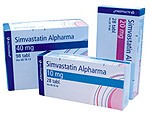
- Zocor (Simvastatin 40mg) - well-established
- Simvastatin (40mg) - generic simvastatin
- Mevacor (Lovastatin 20mg) - first statin available
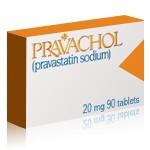
- Pravachol (Pravastatin 10mg) - fewer drug interactions
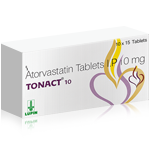
- Tonact (Atorvastatin Calcium 10mg) - alternative atorvastatin brand
Statin Potency Comparison
| Statin | LDL Reduction (typical doses) | Intensity |
|---|---|---|
| Rosuvastatin (Crestor) | 45-60 percent | High-intensity |
| Atorvastatin (Lipitor) | 40-60 percent | High-intensity |
| Simvastatin (Zocor) | 30-40 percent | Moderate-intensity |
| Pravastatin (Pravachol) | 20-35 percent | Moderate-intensity |
| Lovastatin (Mevacor) | 25-35 percent | Moderate-intensity |
Statin Uses
- Primary prevention - patients at elevated cardiovascular risk
- Secondary prevention - after heart attack or stroke
- Diabetes with risk factors
- Familial hypercholesterolemia
- Very high LDL (over 190)
- Age 40-75 with 10-year risk over 7.5 percent

Statin Side Effects
Common statin side effects:
- Muscle aches (myalgia) - 5-10 percent
- Elevated liver enzymes - usually mild
- Headache
- GI upset
- Increased blood sugar (rare cases)
- New-onset diabetes (small increased risk)
Rare but serious:
- Rhabdomyolysis - severe muscle breakdown
- Severe liver damage
- Cognitive effects (usually reversible)
- Immune-mediated myopathy
Statin Monitoring
- Baseline lipid panel
- Baseline liver enzymes
- Baseline creatine kinase (CK) if muscle concerns
- Lipids at 4-12 weeks after starting/dose change
- Then every 3-12 months
- Liver enzymes if symptoms
- CK if muscle symptoms
Grapefruit and Statins
- Grapefruit juice affects some statins
- Increases blood levels significantly
- Higher side effect risk
- Especially concerning with simvastatin, lovastatin
- Less concerning with pravastatin, rosuvastatin
- Best to avoid grapefruit with any statin

💊 Cholesterol Absorption Inhibitor - Zetia (Ezetimibe)
Zetia (Ezetimibe 10mg) is a cholesterol absorption inhibitor that works differently from statins.
How Ezetimibe Works
- Blocks NPC1L1 transporter in small intestine
- Reduces cholesterol absorption from food
- Also reduces bile acid cholesterol reabsorption
- Complements statin effects
- Reduces LDL by 15-20 percent when used alone
- Additional 20 percent reduction when added to statin
Uses
- Adjunct to statin therapy
- Alternative when statins not tolerated
- Familial hypercholesterolemia
- Combination therapy for aggressive LDL lowering
- Combined pill with simvastatin (Vytorin)
Advantages
- Different mechanism from statins
- Well-tolerated - minimal side effects
- Once-daily dosing
- Can be combined with any statin
- IMPROVE-IT trial showed cardiovascular benefit added to statin
💊 Bile Acid Sequestrants - Choltran (Cholestyramine)
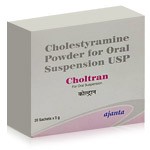
Choltran (Cholestyramine 5g) is a bile acid sequestrant with unique properties.
How Cholestyramine Works
- Binds bile acids in intestine
- Prevents reabsorption
- Liver uses more cholesterol to make new bile acids
- Cholesterol levels decrease
- Reduces LDL by 15-30 percent
- Not absorbed - acts locally in gut
Uses
- Cholesterol lowering
- Pruritus from biliary obstruction
- Diarrhea from bile acid malabsorption
- Digitalis toxicity (binds digoxin)
- Safe in pregnancy (not absorbed)
Considerations
Bile acid sequestrant considerations:
- Not absorbed - very safe
- Take other medications 1 hour before or 4 hours after
- Can bind other drugs (warfarin, thyroid, digoxin, thiazides)
- Constipation common
- May raise triglycerides
- May reduce fat-soluble vitamin absorption
- Powder form - mix with water, juice
- Grittiness can affect adherence

💊 Fibrates - Lopid and Tricor
Fibrates primarily lower triglycerides and modestly raise HDL. Useful for specific patient populations.
Fibrates Available on RXshop
- Lopid (Gemfibrozil 600mg) - older fibrate
- Tricor (Fenofibrate 200mg) - newer fibrate
How Fibrates Work
- Activate PPAR-alpha receptors
- Increase lipoprotein lipase activity
- Reduce triglyceride production
- Increase HDL synthesis
- Modest LDL effects
- Reduce triglycerides 30-50 percent
- Increase HDL 5-20 percent
Uses
- Very high triglycerides (over 500) - prevent pancreatitis
- Combined hyperlipidemia
- Mixed dyslipidemia
- Add-on to statin (with caution)
- Diabetic dyslipidemia
Fibrate Considerations
Important fibrate warnings:
- Rhabdomyolysis risk with statin combination (especially gemfibrozil)
- Fenofibrate + statin safer than gemfibrozil + statin
- Kidney function - fenofibrate can affect
- Gallstones - increased risk
- GI upset
- Rash
- Contraindicated in severe liver or kidney disease
- Contraindicated in gallbladder disease
💊 Niacin (Nicotinic Acid)
Niacin (Nicotinic acid) is vitamin B3 that at pharmacologic doses affects cholesterol.
How Niacin Works
- Reduces VLDL production in liver
- Lowers LDL 15-20 percent
- Increases HDL 15-35 percent (highest of any drug)
- Lowers triglycerides 20-50 percent
- Reduces lipoprotein(a)
- Requires pharmacologic doses (much higher than vitamin dose)
Uses
- Mixed hyperlipidemia
- Low HDL cholesterol
- Elevated triglycerides
- High lipoprotein(a)
- Statin combination (limited role now)
Considerations
Niacin side effects:
- Flushing - major limitation; skin redness, warmth
- Aspirin 30 min before helps reduce flushing
- Extended-release forms cause less flushing
- Itching
- GI upset
- Elevated blood sugar
- Gout (elevated uric acid)
- Liver toxicity - especially with sustained-release
- Recent studies question cardiovascular benefit when added to statins
💊 Combination Therapy
Multiple medications often needed to achieve aggressive LDL targets, especially in high-risk patients.
Common Combinations
- Statin + ezetimibe - most common addition
- Statin + PCSK9 inhibitor - very aggressive lowering
- Statin + fibrate - mixed dyslipidemia (careful monitoring)
- Statin + bile acid sequestrant - additive effects
- Statin + bempedoic acid - newer option
Considerations
- Combination increases side effect risk
- Requires careful monitoring
- Some combinations synergistic
- Others simply additive
- Individual response varies
💚 Non-Medication Approaches
Essential lifestyle interventions:
- Mediterranean diet - proven cardiovascular benefits
- DASH diet - blood pressure and cholesterol lowering
- Reduce saturated fats - under 7 percent of calories
- Eliminate trans fats
- Increase soluble fiber - oats, beans, fruits (5-10g daily)
- Plant sterols/stanols - 2g daily
- Nuts and seeds - 1-2 oz daily
- Fatty fish - 2 servings weekly
- Olive oil - main fat source
- Regular exercise - 150 minutes weekly
- Weight management
- Quit smoking - improves HDL
- Limit alcohol
- Stress management
Best Foods for Cholesterol
- Oats (beta-glucan fiber)
- Beans and legumes
- Nuts (almonds, walnuts, pistachios)
- Fatty fish (salmon, mackerel, sardines)
- Olive oil
- Avocados
- Fruits and vegetables
- Whole grains
- Plant sterol-fortified products
- Green tea
- Dark chocolate (small amounts)
Foods to Limit
- Fatty red meat
- Processed meats
- Butter and lard
- Trans fats (partially hydrogenated oils)
- Fried foods
- Baked goods with saturated/trans fats
- Full-fat dairy
- Egg yolks (moderate)
- Coconut and palm oils
- Sugary beverages (affect triglycerides)
👩 Special Populations
Familial Hypercholesterolemia
- Genetic condition affecting 1 in 250
- Very high LDL from birth
- Early cardiovascular disease
- Requires aggressive treatment
- High-intensity statin plus other agents
- Family screening important
Elderly
- Benefits established up to age 75+
- Individualized approach after 75
- Consider life expectancy, function
- Watch for muscle side effects
- Drug interactions common
- Lower starting doses sometimes
Pregnancy
Statins CONTRAINDICATED in pregnancy - may cause fetal harm. Ezetimibe and fibrates also generally avoided. Bile acid sequestrants like Choltran considered safest option (not absorbed). Cholesterol naturally rises during pregnancy - screening deferred until postpartum.
Children
- Screening recommended once ages 9-11 and 17-21
- Familial hypercholesterolemia may need treatment from young age
- Statins approved for children with familial hypercholesterolemia (age 8+)
- Lifestyle changes first-line
- Pediatric specialist referral
🤔 Common Myths About Cholesterol
- Myth: Dietary cholesterol matters most
- Fact: Saturated and trans fats affect blood cholesterol more than dietary cholesterol. Guidelines no longer emphasize cholesterol limit.
- Myth: Thin people cannot have high cholesterol
- Fact: Genetics play major role. Familial hypercholesterolemia affects 1 in 250 regardless of weight. Everyone needs screening.
- Myth: You can feel high cholesterol
- Fact: High cholesterol typically has NO symptoms until heart attack or stroke occurs. Regular screening essential.
- Myth: Statins are dangerous
- Fact: Statins are among most studied medications. Serious side effects rare. Benefits far outweigh risks for appropriate patients.
- Myth: Once on statins, always on statins
- Fact: Long-term treatment typical because cholesterol rises again when stopped. Not "addictive" but chronic condition requires ongoing management.
- Myth: Diet alone can always fix cholesterol
- Fact: Genetics substantially affect cholesterol. Many people need medications despite optimal diet. Combination approach best.
🚨 When to See a Doctor
EMERGENCY - call 911 for:
- Chest pain or pressure
- Signs of stroke
- Severe muscle pain with weakness (rhabdomyolysis)
- Dark tea-colored urine (rhabdomyolysis)
- Signs of severe liver problem (yellowing, severe abdominal pain)
See doctor for:
- Cholesterol screening (every 4-6 years, more if risk factors)
- Cardiovascular risk assessment
- Family history of early heart disease
- Muscle pain on statins
- Persistent side effects
- Signs of familial hypercholesterolemia
- Diabetes management
- Weight management
- Smoking cessation help
- Regular follow-up while on treatment
🌟 Key Takeaways
Essential points about cholesterol:
- High cholesterol is silent - no symptoms until damage
- Affects 2 billion people worldwide
- Major cardiovascular risk factor
- Statins are cornerstone therapy - Lipitor, Crestor, Zocor, Mevacor, Pravachol, Tonact
- Ezetimibe: Zetia - blocks intestinal absorption
- Bile acid sequestrant: Choltran - safe in pregnancy
- Fibrates: Lopid, Tricor - triglycerides
- Niacin: Niacin - raises HDL
- Regular screening essential
- Lifestyle changes complement medications
- Mediterranean diet proven effective
- Statins reduce cardiovascular events 20-30 percent
- Combination therapy common in high-risk patients
- Statins contraindicated in pregnancy
- Familial hypercholesterolemia requires aggressive treatment
Important Medical Disclaimer: This educational guide provides general information about cholesterol and cholesterol-lowering medications and does not constitute individualized medical advice. Cholesterol management requires evaluation by qualified healthcare providers with assessment of cardiovascular risk factors, family history, and comorbidities. Statin therapy decisions based on cardiovascular risk calculation, not just LDL level. High-intensity statins (rosuvastatin, atorvastatin) preferred for high-risk patients. Statin monitoring includes lipid panels, occasional liver enzymes, and creatine kinase if muscle symptoms. Statin muscle side effects range from mild myalgia to rare rhabdomyolysis - severe muscle pain with weakness or dark urine requires immediate evaluation. New-onset diabetes with statins occurs in small percentage; benefits typically outweigh risk. Statins CONTRAINDICATED in pregnancy and breastfeeding. Fibrates increase rhabdomyolysis risk when combined with statins - gemfibrozil combination particularly problematic. Ezetimibe well-tolerated addition to statin therapy. Bile acid sequestrants safe in pregnancy but affect absorption of other medications - separate timing essential. Niacin flushing limits use; recent studies question benefit added to statins. Grapefruit juice affects some statins - avoid concurrent use. Regular medical follow-up essential for all patients on lipid-lowering therapy. Familial hypercholesterolemia requires specialist care and family screening. Lifestyle modifications essential complement including Mediterranean or DASH diet, regular exercise, weight management, smoking cessation, and alcohol moderation. Cardiovascular risk factor management extends beyond cholesterol to blood pressure, diabetes, obesity, and lifestyle factors. Never stop cholesterol medications without medical guidance - cardiovascular risk returns. Information here should complement but never replace direct professional medical guidance from qualified healthcare providers.
More Cholesterol Medications