Buy Nexium (Esomeprazole) Online - Proton Pump Inhibitor Generic for GERD Acid Reflux and Stomach Ulcers

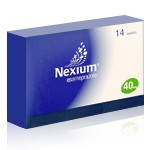
Nexium (Esomeprazole) stands as one of the most prescribed proton pump inhibitor (PPI) medications worldwide for managing acid reflux, GERD, and peptic ulcer disease. Famously known as "the purple pill," Nexium is the S-enantiomer of omeprazole — a refined version with improved bioavailability and longer duration of acid suppression. As a selective H+/K+ ATPase inhibitor, the medication works directly on stomach parietal cells to dramatically suppress acid production at its source, providing sustained healing and symptom control. The 20/40 mg oral tablets and capsules deliver consistent acid control across millions of patients globally.
Esomeprazole works by irreversibly binding to the hydrogen-potassium ATPase enzyme on the secretory surface of parietal cells, the final common pathway for stomach acid production. As the pure S-enantiomer of omeprazole, esomeprazole shows higher and more consistent bioavailability than racemic omeprazole, with less variability between patients. The binding shuts down both basal and stimulated acid secretion regardless of the trigger. The result: gastric acid secretion drops 80-95% from baseline, intragastric pH rises to therapeutic levels above 4 for 18-22 hours daily, erosive esophagitis healing rates reach 90-95% at 8 weeks, and GERD symptoms typically resolve within 1-4 days of starting treatment.
Nexium treats the full spectrum of acid-related disorders including gastroesophageal reflux disease (GERD), erosive esophagitis, maintenance of esophagitis healing, peptic ulcer disease (gastric and duodenal), NSAID-induced gastric ulcers, bleeding peptic ulcers (high-dose IV form), and Zollinger-Ellison syndrome with pathological hypersecretion. The medication also serves as essential component in Helicobacter pylori eradication therapy when combined with antibiotics. Long-term acid control may also reduce Barrett's esophagus progression and esophageal cancer risk in chronic GERD patients.
Nexium offers convenient once-daily dosing taken 1 hour before breakfast for optimal absorption and acid suppression throughout the day. The medication reaches peak blood concentrations within 1-2 hours and shows short 1-1.5 hour half-life but provides 24-hour clinical effect through irreversible enzyme binding. Generic esomeprazole from quality manufacturers including Cipla, Sun Pharma, and Torrent provides identical therapeutic effects to brand Nexium at substantially lower cost. The active ingredient remains chemically identical to original AstraZeneca formulation across both branded and generic versions of this established PPI therapy.
Free prescription
Discrete packaging
Have questions?
Quality Assurance

- GERD: Gastroesophageal reflux disease where chronic acid backflow damages esophageal lining over time;
- Heartburn: Burning chest sensation caused by stomach acid irritating esophageal lining after meals;
- Erosive Esophagitis: Inflammation and erosion of esophageal lining from chronic acid exposure visible on endoscopy;
- Erosive Reflux Esophagitis: Severe GERD with visible tissue erosion requiring potent acid suppression and maintenance;
- Esophagitis Maintenance: Long-term acid suppression to maintain healing of erosive esophagitis and prevent recurrence;
- Stomach Ulcer: Open sore in stomach lining caused by acid damage and Helicobacter pylori bacterial infection;
- Gastric Ulcer: Medical term for stomach ulcer requiring acid suppression for healing and recurrence prevention;
- Duodenal Ulcer: Open sore in first part of small intestine causing burning abdominal pain between meals;
- Peptic Ulcer Disease: Broader category covering both stomach and duodenal ulcers from acid and bacterial causes;
- Bleeding Peptic Ulcer: Acute ulcer bleeding treated with high-dose IV PPI followed by oral maintenance to prevent rebleeding;
- NSAID Induced Ulcer: Gastric ulcers from chronic NSAID anti-inflammatory medication use damaging gastric lining;
- Helicobacter Pylori: Stomach bacteria causing chronic gastritis and ulcers eradicated through PPI-antibiotic combination;
- Zollinger Ellison Syndrome: Rare condition with gastrin-secreting tumors causing extreme acid hypersecretion and severe ulcers;
- Acid Hypersecretion: Excessive stomach acid production causing chronic damage to upper GI tract;
- Barrett Esophagus: Precancerous esophageal cell changes from chronic GERD requiring long-term acid suppression;
- Reflux Related Cough: Chronic cough caused by acid reflux irritation of upper airways and larynx;
- Laryngopharyngeal Reflux: Acid reaching throat and voice box causing hoarseness throat clearing and chronic cough;
- Indigestion: Persistent upper abdominal discomfort with bloating belching and acid sensation;
- PPI Therapy: Proton pump inhibitor drug class treatment for acid-related upper GI conditions.
- Less Heartburn: Burning chest sensation from acid reflux resolves typically within 1-4 days of starting therapy;
- Less Acid Reflux Episodes: Frequency and severity of acid backflow into esophagus decrease dramatically;
- Less Reflux Chest Pain: Non-cardiac chest pain from acid reflux improves significantly with consistent PPI therapy;
- Better Erosive Esophagitis Healing: Erosive esophagitis healing rates reach 90-95% at 8 weeks of consistent treatment;
- Better Ulcer Healing: Stomach and duodenal ulcer healing rates exceed 90% at 4-8 weeks of treatment;
- Less Ulcer Recurrence: Maintenance therapy prevents recurrent peptic ulcers in high-risk patients long-term;
- Less Ulcer Bleeding Recurrence: After bleeding ulcer treatment maintenance PPI substantially reduces rebleeding risk;
- Better H Pylori Eradication: Eradication rates above 80% when combined with appropriate antibiotic therapy;
- Less Nighttime Acid Reflux: Sleep-disrupting acid reflux episodes reduce as 24-hour acid control sustains overnight;
- Better Sleep Quality: Restful sleep returns as nighttime heartburn and regurgitation episodes stop;
- Less Acid Regurgitation: Sour or bitter fluid backflow into throat and mouth decreases significantly;
- Better Bioavailability vs Omeprazole: S-enantiomer formulation provides more consistent absorption than racemic omeprazole;
- Less NSAID Ulcer Risk: Stomach ulcer development risk drops in patients on chronic NSAID therapy with PPI protection;
- Less Reflux Related Cough: Chronic cough from acid irritation of airways resolves over weeks of treatment;
- Less Throat Symptoms: Hoarseness throat clearing and globus sensation from laryngopharyngeal reflux improve;
- Better Eating Tolerance: Ability to eat varied foods returns without triggering symptoms or discomfort;
- Less Esophageal Cancer Risk: Long-term acid control may reduce Barrett's esophagus progression to esophageal adenocarcinoma;
- Once Daily Convenience: Single morning tablet before breakfast provides 24-hour acid control fitting any routine;
- Better Quality of Life: Daily wellbeing improves dramatically as constant acid-related symptoms and dietary restrictions resolve.
Generic Nexium (Esomeprazole 20 mg) Medication guide:
💊 What Is Nexium Esomeprazole PPI
Nexium is the AstraZeneca brand name for esomeprazole, the S-enantiomer of omeprazole and one of the most widely prescribed proton pump inhibitors (PPIs) in the world. The drug was approved by the FDA in February 2001, moved to OTC status in 2014 for frequent heartburn, and has accumulated over two decades of clinical experience across acid-related diseases.
🧬 What a PPI does in one sentence
Esomeprazole irreversibly binds the H+/K+-ATPase enzyme (the proton pump) in gastric parietal cells, blocking the final step of acid secretion regardless of what stimulated the cell. The result is a 90-plus percent reduction in gastric acid output lasting until the parietal cell manufactures new pump protein over the following day or two.
💊 Where Nexium fits in modern medicine
| Indication | Role of esomeprazole |
|---|---|
| Gastroesophageal reflux disease (GERD) | First-line for symptomatic and erosive disease |
| Erosive esophagitis | First-line for healing and maintenance |
| Peptic ulcer disease | First-line for healing; H. pylori eradication component |
| Zollinger-Ellison syndrome | High-dose therapy for acid hypersecretion |
| H. pylori eradication | Backbone of all modern regimens |
| NSAID ulcer prevention | Standard prophylaxis in high-risk clients |
| Barrett esophagus | Maintenance therapy to prevent progression |
| Stress ulcer prophylaxis | Selected ICU clients only |
🎯 Why Nexium specifically
Esomeprazole is the purified S-enantiomer of racemic omeprazole. The S-form is metabolized more slowly by CYP2C19, which produces higher and more predictable plasma concentrations than racemic omeprazole at equivalent doses. For most clients the clinical difference is modest; for CYP2C19 extensive metabolizers it can be meaningful. Section 12 covers this in detail.
💊 How Nexium is supplied
- Delayed-release capsules — 20 mg and 40 mg, standard oral formulation
- Delayed-release tablets — 20 mg (OTC) and 40 mg
- Oral suspension — 10 mg, 20 mg, 40 mg packets for pediatric use and clients who cannot swallow capsules
- IV solution — 20 mg and 40 mg vials for hospital use
🗺️ How this guide is organised
The next nine sections walk through each indication (GERD, erosive esophagitis, Barrett esophagus, peptic ulcer, Zollinger-Ellison, H. pylori eradication, NSAID prophylaxis, stress ulcers, functional dyspepsia). Sections 11-17 cover mechanism, pharmacokinetics, dosing, formulations and timing. Sections 18-19 compare Nexium against Prilosec and the other common PPIs. Sections 20-25 address side effects, both short-term and the long-term signals that have shaped modern deprescribing practice. Sections 26-33 cover alcohol, interactions (including the clopidogrel debate), missed doses, special populations and contraindications.
🔥 GERD Treatment with Nexium
Gastroesophageal reflux disease (GERD) affects roughly 20 percent of adults in Western populations and is the single most common indication for Nexium prescribing worldwide. The Montreal consensus definition — symptoms or complications caused by reflux of gastric content into the esophagus — frames how clinicians categorize the disease and choose treatment intensity.
🔥 The GERD symptom spectrum
Classical GERD presents with heartburn (retrosternal burning), regurgitation (acidic content returning to throat or mouth), and sometimes chest pain. Atypical or extraesophageal presentations include chronic cough, laryngitis, hoarseness, dental erosion and some asthma pictures. The symptom pattern — postprandial, worse supine, worse after fatty or large meals, worse with lifestyle triggers — usually makes the diagnosis clear.
🤔 When to use PPI empirically
The ACG 2022 guideline supports an empiric 8-week PPI trial as a diagnostic and therapeutic step in clients with classical GERD symptoms who do not have alarm features. Response to therapy supports the diagnosis; non-response triggers endoscopy and more detailed evaluation. This approach avoids immediate endoscopy in the majority of clients who will respond to standard treatment.
📊 GERD treatment hierarchy
| Severity | Approach |
|---|---|
| Mild intermittent symptoms | Lifestyle; antacids; H2 blocker PRN |
| Frequent symptoms (2+ per week) | Daily PPI; usually 8-week initial course |
| Erosive esophagitis on endoscopy | PPI 20-40 mg daily; maintenance after healing |
| PPI-refractory GERD | Dose escalation; split dose; add alginate; endoscopy; pH monitoring |
| Barrett esophagus | Long-term PPI; surveillance endoscopy |
| Complicated reflux (stricture, Barrett) | Long-term PPI; specialist management |
🛒 Standard Nexium regimen for GERD
🚨 Alarm features that trigger endoscopy
🚨 Do not treat empirically with PPI
Any of the following warrants endoscopy before or alongside PPI therapy:
- Dysphagia or odynophagia
- Unintended weight loss
- GI bleeding or iron deficiency anemia
- Persistent vomiting
- Palpable mass or lymphadenopathy
- Age over 60 with new-onset symptoms
- Family history of upper GI malignancy
🤝 Lifestyle alongside Nexium
PPI therapy works better when combined with lifestyle modification:
- Head-of-bed elevation (6-8 inches) for nocturnal symptoms
- Avoiding meals within 3 hours of bedtime
- Weight loss if BMI elevated
- Identifying and avoiding individual trigger foods (fatty meals, chocolate, caffeine, alcohol, peppermint, acidic foods vary by individual)
- Smoking cessation
- Smaller more frequent meals
🩸 Erosive Esophagitis Healing Protocol
Erosive esophagitis is confirmed endoscopic damage to the esophageal mucosa from acid reflux, graded A to D on the Los Angeles classification. Nexium is first-line therapy for both healing acute esophagitis and preventing recurrence. The 2000 Kahrilas trial established esomeprazole as the most effective PPI for this indication.
🩸 Los Angeles classification
| Grade | Finding | Severity |
|---|---|---|
| LA-A | Mucosal breaks under 5 mm | Mild |
| LA-B | Mucosal breaks over 5 mm, not continuous between folds | Mild-moderate |
| LA-C | Breaks continuous between folds, less than 75% circumference | Moderate-severe |
| LA-D | Breaks involving more than 75% circumference | Severe |
🔬 What the pivotal trial showed
🏆 Kahrilas 2000 landmark trial
Esomeprazole 40 mg daily healed 94 percent of erosive esophagitis cases at 8 weeks compared with 86-87 percent for omeprazole 20 mg. For severe disease (LA-C and LA-D), the gap widened to roughly 10 percentage points. The trial established the modern standard for erosive esophagitis treatment.
🛒 Standard healing regimen
| Disease severity | Nexium dose | Duration |
|---|---|---|
| LA-A, LA-B mild | 20-40 mg once daily | 4-8 weeks |
| LA-B moderate, LA-C | 40 mg once daily | 8 weeks |
| LA-D severe | 40 mg daily, consider BID | 8-12 weeks |
| Maintenance after healing | 20 mg once daily | Long-term for most |
🔄 Why maintenance matters
Without maintenance therapy, 80-90 percent of healed LA-C and LA-D esophagitis recur within 6 months. Maintenance PPI reduces recurrence to roughly 15-25 percent in the same timeframe. For LA-A and LA-B disease, recurrence is less inevitable and some clients can transition to on-demand or step-down therapy after healing.
🏥 PPI-refractory erosive disease
Clients with persistent erosions despite 8-12 weeks of adequate PPI deserve evaluation:
- Confirm adherence and timing (before breakfast matters — see Section 15)
- Check for CYP2C19 ultrarapid metabolizer status
- Switch PPI (sometimes effective)
- Split dose BID
- pH-impedance monitoring on and off therapy
- Esophageal manometry to exclude motility disorder
- Consider eosinophilic esophagitis
- Consider pill esophagitis or infectious causes
- Anti-reflux surgery evaluation for truly refractory cases
⚠️ Follow-up endoscopy
For LA-C and LA-D disease, repeat endoscopy at the end of healing therapy confirms resolution and screens for underlying Barrett esophagus that may have been obscured by active inflammation. Section 4 covers Barrett surveillance.
🔬 Barrett Esophagus Surveillance and PPI
Barrett esophagus is intestinal-type metaplasia of the distal esophagus in response to chronic acid exposure. It affects roughly 10 percent of chronic GERD clients and carries a modest but real risk of progression to esophageal adenocarcinoma. PPI maintenance therapy is standard and may reduce progression risk.
🔬 What Barrett esophagus is
Normal esophageal lining is squamous epithelium. Chronic acid reflux can trigger metaplastic replacement with intestinal-type columnar epithelium containing goblet cells. This metaplasia is called Barrett esophagus. It appears on endoscopy as salmon-colored tongues or circumferential segments extending above the gastroesophageal junction.
📊 Risk stratification
| Barrett category | Annual cancer risk | Surveillance interval |
|---|---|---|
| Non-dysplastic Barrett | 0.1-0.3% | Every 3-5 years |
| Indefinite for dysplasia | Variable | Repeat biopsies after optimised PPI; 6 months |
| Low-grade dysplasia (confirmed) | 0.5-1% | Endoscopic ablation OR surveillance every 12 months |
| High-grade dysplasia | 5-7% | Endoscopic eradication therapy |
| Intramucosal carcinoma | Established cancer | Endoscopic resection; staging workup |
🛒 PPI role in Barrett management
🎯 Three roles for Nexium in Barrett
PPI therapy in Barrett esophagus accomplishes three things:
- Symptom control — typical GERD symptoms often coexist
- Reduced inflammation — allows better detection of dysplasia on biopsy
- Possible chemoprevention — observational data suggest reduced progression to cancer
💊 Standard Nexium maintenance for Barrett
Standard dosing is Nexium 20-40 mg once daily indefinitely. Some centers use once-daily dosing as baseline; others use once-daily morning dosing. BID dosing is reserved for clients with persistent symptoms or incompletely controlled acid exposure confirmed on pH monitoring.
🔬 The AspECT trial
The AspECT trial (Jankowski et al. 2018 Lancet) tested whether high-dose PPI plus aspirin reduced progression and mortality in Barrett esophagus. The combination showed modest benefit over low-dose PPI alone. The data support ongoing PPI maintenance in Barrett but did not definitively establish aspirin as routine chemoprevention. Current guidelines leave the aspirin question to individualized decision-making.
🏥 Endoscopic surveillance
Non-dysplastic Barrett is monitored with surveillance endoscopy every 3-5 years using the Seattle protocol (4-quadrant biopsies every 2 cm plus targeted biopsies of visible abnormalities). Confirmed low-grade dysplasia increasingly moves toward endoscopic eradication therapy (radiofrequency ablation or endoscopic mucosal resection) rather than continued surveillance alone. High-grade dysplasia and intramucosal cancer are managed with endoscopic resection and ablation at centers with expertise.
👩⚕️ The specialist relationship
Clients with Barrett esophagus should have an established gastroenterologist managing their surveillance schedule, PPI therapy, and discussion of eradication therapy if dysplasia develops. Nexium ordering for a client with Barrett is appropriately part of ongoing specialist care rather than independent purchasing without surveillance follow-up.
🫀 Peptic Ulcer Disease Treatment
Peptic ulcer disease covers duodenal ulcers and gastric ulcers. The dominant causes are Helicobacter pylori infection and NSAID use; stress ulcers in critically ill clients are a third major category. Nexium plays a central role in healing all three types.
🫀 What a peptic ulcer actually is
A peptic ulcer is a defect in the mucosa of the stomach or duodenum that penetrates through the muscularis mucosae into the submucosa or deeper. The imbalance underlying ulcer formation is between aggressive factors (acid, pepsin, H. pylori, NSAIDs) and defensive factors (mucus, bicarbonate, blood flow, prostaglandins). Modern treatment addresses both sides — eradicating H. pylori or discontinuing NSAIDs while providing acid suppression for healing.
📊 Treatment by etiology
| Ulcer cause | Approach | Duration of PPI |
|---|---|---|
| H. pylori positive | Eradication therapy (see Section 7); then PPI healing | 4-8 weeks after eradication |
| NSAID-related | Discontinue NSAID; healing PPI | 4-8 weeks |
| H. pylori + NSAID | Both addressed sequentially | 8 weeks |
| Idiopathic | PPI healing; look for underlying causes | 8-12 weeks |
| Zollinger-Ellison | High-dose PPI long-term (Section 6) | Indefinite |
🛒 Standard Nexium regimen for peptic ulcer
Duodenal ulcer: Nexium 40 mg once daily for 4 weeks heals the majority of uncomplicated duodenal ulcers; 90 percent healing at 4 weeks and 95 percent at 8 weeks is typical.
Gastric ulcer: Nexium 40 mg once daily for 8 weeks; follow-up endoscopy at the end of therapy to confirm healing and exclude malignancy (gastric ulcers can be malignant more often than duodenal).
H. pylori-related ulcer: eradication therapy comes first with concurrent high-dose PPI (Section 7), followed by continued single-daily PPI to complete 4-8 weeks of healing therapy.
🚨 Complicated ulcer disease
🚨 Complications warranting hospital care
- Bleeding ulcer — melena, hematemesis, hemodynamic instability
- Perforation — sudden severe abdominal pain, peritonitis, free air on imaging
- Gastric outlet obstruction — postprandial vomiting, weight loss, succussion splash
- Penetration — chronic pain into pancreas, liver or other adjacent organs
🏥 Bleeding ulcer management
Acute upper GI bleeding from peptic ulcer requires hospital admission, resuscitation, endoscopy and often high-dose IV PPI. Standard protocols use esomeprazole 80 mg IV bolus followed by 8 mg/hour infusion for 72 hours after endoscopic hemostasis. This suppresses acid to pH above 6 and stabilizes the clot. Transition to oral PPI follows the acute period, typically continued for 4-8 weeks to complete healing.
🔄 Preventing recurrence
Ulcer recurrence after healing depends on the underlying cause:
- H. pylori eradicated — recurrence drops from 60-80 percent per year to under 5 percent
- NSAID continued — recurrence remains high without co-prescribed PPI prophylaxis
- Idiopathic ulcers — may need long-term PPI maintenance
- Zollinger-Ellison — lifelong high-dose PPI
🏥 Zollinger-Ellison Syndrome Rare Indication
Zollinger-Ellison syndrome is a rare but important Nexium indication. It results from a gastrin-secreting tumor (gastrinoma) in the pancreas, duodenum or peripancreatic lymph nodes that drives massive gastric acid hypersecretion. Clients present with refractory peptic ulcers, diarrhea and GERD out of proportion to lifestyle factors.
🎯 When to suspect Zollinger-Ellison
Clinical features that should prompt workup:
- Multiple peptic ulcers or ulcers in unusual locations (jejunal)
- Peptic ulcer refractory to standard PPI therapy
- Peptic ulcer plus chronic diarrhea
- Ulcer recurrence after H. pylori eradication in H. pylori-negative client
- Family history of multiple endocrine neoplasia type 1 (MEN1)
- Hypercalcemia or other MEN1 features
🔬 Diagnosis
Diagnosis requires elevated fasting serum gastrin (above 1000 pg/mL diagnostic; 150-1000 pg/mL ambiguous) with gastric pH below 2. Elevated gastrin on PPI therapy is non-specific — PPIs themselves raise gastrin. Clients with suspected Zollinger-Ellison should be off PPI for 1-2 weeks before gastrin measurement, which requires careful planning because of symptom severity during the washout.
🛒 Standard Nexium regimen for Zollinger-Ellison
📏 High-dose indefinite therapy
Starting dose is typically Nexium 40 mg twice daily, titrated to acid output below 10 mEq/hour in the hour before the next dose (measured in referral centers). Many clients require 80-240 mg daily in divided doses. Treatment is lifelong unless the gastrinoma is surgically resected. The long-term risks of high-dose PPI are accepted as the cost of acid control in this specific context.
🏥 The gastrinoma itself
About 25 percent of gastrinomas are part of MEN1 syndrome; the remainder are sporadic. Workup includes imaging (CT, somatostatin receptor imaging), endoscopic ultrasound, and localization studies to identify tumor location. Surgical resection cures the gastrin problem when the tumor can be found and completely removed; roughly half of clients can be cured surgically. Metastatic gastrinomas (most commonly to liver) are managed with somatostatin analogues, chemotherapy, and ongoing PPI acid suppression.
👨⚕️ Specialist management
Zollinger-Ellison syndrome is managed at referral centers with gastroenterology, endocrinology, surgical oncology and medical oncology collaboration. The disease is rare enough (incidence 1-3 per million per year) that most general gastroenterologists see only a few cases in their career. Nexium is central to management but is a component of a complex, specialist-directed regimen rather than a standalone treatment.
🦠 H. pylori Eradication Triple and Quadruple Therapy
Helicobacter pylori infects about half the world population and is the dominant cause of peptic ulcer disease, a major risk factor for gastric cancer and MALT lymphoma. All modern eradication regimens combine Nexium (or another PPI) with antibiotics to achieve the pH environment where antibiotics work optimally.
🦠 Why PPI is essential in H. pylori eradication
H. pylori antibiotics (amoxicillin, clarithromycin, metronidazole) require gastric pH above 5-6 for optimal activity. Normal gastric pH of 1-2 inactivates them. High-dose PPI raises pH to the range where antibiotics work, suppresses bacterial replication, and improves eradication rates substantially. Esomeprazole 40 mg twice daily is the standard PPI component in most modern regimens.
📊 Current ACG-endorsed regimens
| Regimen | Drugs | Duration | Eradication rate |
|---|---|---|---|
| Bismuth quadruple | PPI BID + bismuth 525 mg QID + tetracycline 500 mg QID + metronidazole 250 mg QID | 10-14 days | 85-95% |
| Concomitant quadruple | PPI BID + amoxicillin 1 g BID + clarithromycin 500 mg BID + metronidazole 500 mg BID | 10-14 days | 85-90% |
| Legacy triple (clarithromycin) | PPI BID + amoxicillin 1 g BID + clarithromycin 500 mg BID | 14 days | Decreasing with resistance |
| Levofloxacin triple | PPI BID + amoxicillin 1 g BID + levofloxacin 500 mg daily | 10-14 days | Salvage regimen |
🎯 Current ACG first-line choice
The 2017 ACG guideline positions bismuth quadruple therapy as first-line for most US clients, particularly in regions where clarithromycin resistance exceeds 15 percent. Legacy clarithromycin triple therapy is no longer recommended as first-line because of resistance rates. The esomeprazole component in both regimens is standard.
🛒 Nexium dosing in eradication therapy
Standard dose during H. pylori eradication is Nexium 40 mg twice daily taken 30-60 minutes before the morning and evening meals. The twice-daily dosing provides more complete acid suppression than once-daily PPI, which is essential for antibiotic activity. Standard once-daily dosing of 20-40 mg returns after the eradication course completes.
🔬 Confirming eradication
All H. pylori regimens should be followed by a test of cure at least 4 weeks after completing therapy. Options:
- Urea breath test — most common; non-invasive; requires PPI held for 2 weeks before testing
- Stool antigen test — non-invasive alternative; also requires PPI held
- Endoscopy with biopsy — reserved for clients needing endoscopy for other reasons
⚠️ Hold PPI before test of cure
Both urea breath test and stool antigen test produce false negatives when done on PPI therapy. Stopping Nexium for 2 weeks before testing (and avoiding antibiotics for 4 weeks before testing) is essential for accurate results. Many eradication failures that lead to prolonged untreated infection trace back to false-negative tests performed too soon.
🔄 Failure and rescue therapy
Eradication failure after first-line therapy occurs in 10-15 percent of clients. Rescue therapy avoids re-using the same antibiotics and typically uses a different combination:
- Failed clarithromycin triple → bismuth quadruple or levofloxacin triple
- Failed bismuth quadruple → levofloxacin triple or alternative
- Culture and susceptibility testing considered after two failures
Nexium 40 mg BID continues as the PPI component across these rescue regimens.
💊 NSAID Ulcer Prevention with Esomeprazole
NSAIDs cause gastrointestinal injury ranging from asymptomatic erosions to major bleeding and perforation. For clients requiring chronic NSAID therapy, Nexium co-prescription substantially reduces ulcer risk and is standard practice for anyone with elevated baseline risk.
🎯 Who needs PPI prophylaxis
🎯 High-risk indicators
Co-prescribe PPI with chronic NSAID if client has any of the following:
- Age over 65
- Prior peptic ulcer or ulcer complication
- Concurrent anticoagulation (warfarin, DOACs)
- Concurrent corticosteroid therapy
- Concurrent SSRI therapy (increases bleeding risk)
- High-dose or multiple NSAIDs
- H. pylori infection (should be eradicated)
- Significant comorbidities
📊 Standard prophylactic dosing
| Scenario | Nexium regimen |
|---|---|
| Chronic NSAID in high-risk client | 20 mg once daily for duration of NSAID use |
| History of complicated ulcer, continuing NSAID | 40 mg daily; consider COX-2 selective NSAID |
| Low-dose aspirin for cardiovascular protection, GI risk factors | 20 mg once daily |
| Dual antiplatelet therapy (aspirin + clopidogrel) | 20-40 mg daily; see Section 27 for interaction |
| Short-course NSAID (under 2 weeks), low-risk client | PPI prophylaxis not routinely needed |
🔬 What the trials show
Multiple randomised trials and meta-analyses demonstrate that PPI co-prescription with chronic NSAIDs reduces endoscopic ulcer incidence by roughly 70-80 percent and reduces symptomatic ulcer complications substantially. The benefit is largest in clients with multiple risk factors; low-risk clients derive proportionally less absolute benefit.
⚖️ PPI vs COX-2 selective NSAIDs
Two strategies reduce NSAID GI toxicity:
🛑 Non-selective NSAID + PPI
Standard approach. Lower cost. Ulcer reduction substantial. No cardiovascular compromise.
🟣 COX-2 selective (celecoxib)
Lower baseline GI toxicity. More expensive. Cardiovascular considerations in high-risk clients.
For highest-risk clients (prior complicated ulcer plus continuing need for NSAID), the belt-and-braces approach of COX-2 selective plus PPI reduces risk further. For most clients, either strategy alone is adequate.
🚫 Low-dose aspirin specifically
Low-dose aspirin (81 mg daily) for cardiovascular protection increases GI bleeding risk roughly 2-fold. Co-prescribed PPI reduces this. For clients taking aspirin who have additional GI risk factors, Nexium 20 mg daily is standard adjunct therapy. The clopidogrel-PPI interaction concern (Section 27) does not apply to aspirin plus PPI.
🤔 When to deprescribe
PPI co-prescription should continue as long as NSAID therapy continues. When the NSAID is stopped, PPI prophylaxis can usually be stopped too, with a brief tapering period to prevent rebound symptoms. Clients continuing NSAIDs for arthritis, chronic pain or cardiovascular protection may need indefinite PPI prophylaxis — the ongoing GI risk justifies ongoing protection.
🏥 Stress Ulcer Prophylaxis in ICU
Stress ulcer prophylaxis (SUP) is one of the most common and most overused hospital indications for PPIs. Critically ill clients can develop stress-related mucosal injury that progresses to clinically significant bleeding in a small subset. Nexium is standard SUP therapy, but current guidelines emphasize targeted rather than routine use.
🎯 What stress ulcers actually are
Stress-related mucosal injury develops within hours of critical illness onset, driven by splanchnic hypoperfusion, mucosal ischemia and acid injury on an already compromised mucosa. Endoscopic erosions appear in most ICU clients within 24 hours. A smaller fraction (roughly 1-4 percent) develop clinically significant bleeding — bleeding that affects hemodynamics, requires transfusion or needs endoscopic intervention.
📊 Risk factors
| Risk factor | Significance |
|---|---|
| Mechanical ventilation over 48 hours | Strongest single risk factor |
| Coagulopathy (platelets under 50, INR over 1.5) | Strong risk |
| Severe traumatic brain injury | Strong risk (Cushing ulcers) |
| Severe burn (over 35% body surface) | Strong risk (Curling ulcers) |
| Prior GI bleed within year | Elevated risk |
| Shock, sepsis, acute kidney injury | Moderate risk |
| Hepatic failure | Moderate risk |
| Age over 65 with other factors | Modestly contributes |
🤔 Who should actually get SUP
The 2016 Society of Critical Care Medicine guideline recommends SUP for clients with at least one major risk factor (mechanical ventilation over 48 hours, coagulopathy) or multiple minor risk factors. Routine SUP for all ICU admissions is not supported by current evidence and exposes low-risk clients to PPI complications without meaningful benefit.
🛒 Standard Nexium SUP dosing
Standard SUP regimens use:
- Nexium 40 mg IV once daily for clients who cannot take oral medication
- Nexium 40 mg orally once daily for clients with functioning GI tract
- Transition from IV to oral as soon as enteral access is reliable
- Discontinuation when ICU-level risk factors resolve
🔄 H2 blocker alternatives
H2 receptor antagonists (ranitidine, famotidine) were the historical standard for SUP and remain effective. The PEPTIC trial 2020 compared PPI with H2 blocker for SUP and found no difference in overall bleeding but a modest signal of increased mortality with PPI in the most severely ill subgroup. Current practice uses either PPI or H2 blocker depending on institutional preference, with some centers shifting back to famotidine for standard SUP.
🚨 Overuse and deprescribing
🚨 The SUP continuation problem
SUP initiated appropriately in the ICU is frequently continued inappropriately after transfer to the floor and after hospital discharge. Clients leave the hospital with new chronic PPI prescriptions that were never indicated outside the ICU setting. Discharge medication reconciliation should specifically target SUP for discontinuation unless ongoing indication is present.
🏥 Enteral feeding and SUP
Established enteral feeding itself reduces stress ulcer risk substantially. Some evidence suggests that in clients tolerating full enteral feeds, additional pharmacologic SUP provides minimal additional benefit. This has prompted some centers to deprescribe SUP once enteral feeding is established, though the practice is not universal.
🍜 Functional Dyspepsia PPI Trial
Functional dyspepsia is a common Rome IV disorder characterized by postprandial fullness, early satiety, epigastric pain or burning, in the absence of structural disease on endoscopy. PPIs have a role for a specific subset of clients, particularly those with epigastric pain syndrome and acid-related features.
🍜 The two Rome IV subtypes
| Subtype | Features | PPI response |
|---|---|---|
| Postprandial distress syndrome | Postprandial fullness, early satiety | Modest |
| Epigastric pain syndrome | Burning or pain in epigastric area | Better response |
| Overlap of both | Common clinical picture | Variable |
🔬 Evidence base
Multiple randomised trials have tested PPIs in functional dyspepsia. The Cochrane review (Pinto-Sanchez et al. 2017) concluded that PPIs improve functional dyspepsia symptoms modestly compared with placebo, with number-needed-to-treat around 8-12. Benefits are concentrated in epigastric pain syndrome subtype. Clients with pure postprandial distress respond less reliably.
🛒 A reasonable Nexium trial
🛒 4-8 week trial approach
Standard trial is Nexium 20-40 mg once daily for 4-8 weeks with reassessment at the end. Responders continue with periodic deprescribing attempts. Non-responders discontinue and shift to alternative therapy (prokinetic for postprandial distress, TCA or mirtazapine for pain-predominant disease, cognitive behavioural therapy for refractory cases).
🎯 H. pylori test-and-treat first
Current guidelines recommend H. pylori test-and-treat as the initial step in uninvestigated dyspepsia under age 60 without alarm features. A subset of apparent functional dyspepsia resolves with H. pylori eradication. The PPI trial follows if symptoms persist after eradication or in H. pylori-negative clients.
🤔 Where PPI fits in the broader approach
Functional dyspepsia management is layered:
- H. pylori test and eradication if positive
- Dietary modification — smaller frequent meals, reduced fat, trigger identification
- PPI trial (4-8 weeks) — particularly for epigastric pain subtype
- Prokinetic agent for postprandial distress subtype (where available)
- TCA (amitriptyline 25 mg nightly) or mirtazapine for pain and overlap
- Cognitive behavioural therapy, gut-directed hypnotherapy, lifestyle factors
- Reassurance about absence of structural disease
🔄 The deprescribing step
Clients on long-term PPI for functional dyspepsia who have had sustained response are candidates for deprescribing trial after 6-12 months. Many maintain symptom improvement for prolonged periods after discontinuation; others relapse promptly and resume therapy. The reassessment itself has value in avoiding indefinite PPI exposure where it may not be needed.
🧬 How Proton Pump Inhibitors Actually Work
Proton pump inhibitors irreversibly block the H+/K+-ATPase enzyme — the proton pump — in gastric parietal cells. This is the final common pathway of acid secretion regardless of what stimulated the cell. Understanding the mechanism explains why PPIs work the way they do, including the timing considerations and the predictable pharmacology.
🧬 How a proton pump works
Parietal cells in the gastric fundus and body produce hydrochloric acid through an ATP-dependent exchange: a hydrogen ion is pumped out into the gastric lumen in exchange for a potassium ion pumped in. The enzyme that catalyzes this exchange is the H+/K+-ATPase, located on the apical membrane of actively secreting parietal cells. Each pump cycle produces one proton for the gastric lumen, where it combines with chloride to form HCl.
🔬 How esomeprazole blocks it
🧪 The acid-activated prodrug trick
Esomeprazole is a weak base that enters parietal cells and concentrates specifically in the acidic secretory canaliculi. The low pH there (around 1) activates the drug by protonation, converting it to a reactive sulfenamide that covalently binds cysteine residues on the H+/K+-ATPase. The bond is irreversible — the pump is permanently inactivated until the cell manufactures new protein.
🕛 Why PPIs are taken before meals
Only actively secreting parietal cells have proton pumps on the apical membrane where PPI can reach them. Pumps sitting in cytoplasmic vesicles are inaccessible. Taking Nexium before a meal ensures that the drug is in plasma when meal stimulation activates parietal cells, allowing maximum pump exposure to the drug.
💡 Clinical consequence: taking Nexium with or after food produces substantially less acid suppression than taking it 30-60 minutes before breakfast. Section 15 covers this in practical detail.
📊 Why it takes days to reach steady effect
PPIs produce substantial acid suppression after the first dose, but maximum steady-state effect requires 3-5 days of regular dosing. Several factors explain this:
- Only actively cycling pumps are blocked by each dose — some cycle later
- Parietal cells manufacture new pump protein over 24-48 hours
- Daily dosing maintains a progressively lower baseline pump activity
- Clinical acid suppression plateaus over 3-5 days
This explains why clients often notice only partial symptom relief in the first day or two and progressive improvement over the first week.
🧬 CYP2C19 metabolism
Esomeprazole is metabolized primarily by CYP2C19 (major) and CYP3A4 (minor) in the liver. CYP2C19 is polymorphic:
| CYP2C19 phenotype | Frequency | Effect on esomeprazole |
|---|---|---|
| Poor metabolizer | 2-5% (Caucasian), 15-20% (Asian) | Higher plasma; stronger effect |
| Intermediate metabolizer | 20-40% | Modestly higher plasma |
| Extensive (normal) metabolizer | 50-70% | Standard pharmacokinetics |
| Ultrarapid metabolizer | 2-5% | Lower plasma; may need higher dose |
💡 Clinical implications of the mechanism
The mechanism explains most of the practical features of Nexium therapy:
- Dose before meals — pumps must be active for drug to bind
- 3-5 days for steady effect — progressive pump blockade
- Return of acid secretion over days — new pump synthesis after discontinuation
- Rebound hyperacidity — parietal cell hyperplasia from prolonged suppression (Section 29)
- Interactions through CYP2C19 — clopidogrel (Section 27) and others
🔄 Why Esomeprazole Differs from Omeprazole
Esomeprazole is the purified S-enantiomer of racemic omeprazole. The two drugs share the same mechanism, the same indications and most of the same side effects. The clinically relevant differences come from pharmacokinetics — esomeprazole produces higher and more predictable plasma concentrations than racemic omeprazole, which translates into modestly better clinical response for some clients.
⚗️ Enantiomer chemistry
Omeprazole has a chiral sulfur atom and exists as two enantiomers — R-omeprazole and S-omeprazole — that are mirror images of each other. Racemic omeprazole (the original Prilosec) is a 50:50 mixture. Esomeprazole is the pure S-enantiomer.
🧬 The key pharmacokinetic difference
S-omeprazole is metabolized by CYP2C19 more slowly than R-omeprazole. Giving a client pure S-omeprazole produces higher plasma concentrations and less inter-individual variability than giving the racemic mixture at the same dose. For CYP2C19 extensive metabolizers in particular, the difference is clinically meaningful.
⚖️ Head-to-head comparison
| Feature | Omeprazole (racemic) | Esomeprazole (S-enantiomer) |
|---|---|---|
| Composition | 50% R + 50% S | 100% S |
| Oral bioavailability | 35-40% | 60-90% |
| Plasma AUC at 20 mg | Lower | Higher (roughly 1.5-2x) |
| Inter-individual variability | Higher | Lower |
| Erosive esophagitis healing at 8 wks | 86-87% | 94% |
| Clinically important variation | CYP2C19 extensive metabolizers | Smaller impact of CYP2C19 status |
📊 When the difference matters
For most clients, omeprazole and esomeprazole produce roughly similar clinical results at equivalent doses. The difference becomes clinically meaningful in several specific contexts:
- Erosive esophagitis, particularly LA-C and LA-D — esomeprazole heals a larger fraction
- CYP2C19 ultrarapid metabolizers — esomeprazole provides more reliable acid suppression
- H. pylori eradication — higher plasma concentrations improve antibiotic activity
- Refractory GERD — some clients who fail omeprazole respond to esomeprazole
- Zollinger-Ellison syndrome — predictable kinetics help with titration
💰 The cost consideration
💰 Economic context
The commercial launch of esomeprazole as omeprazole was approaching generic status was criticized at the time as a patent-extension strategy by AstraZeneca. The modest clinical advantage over omeprazole was debated. Both drugs are now generic and inexpensive; the pricing concern of the 2000s has largely resolved. For most clients the choice between generic omeprazole and generic esomeprazole is driven by prescriber preference and local availability rather than cost.
🔄 Switching between them
Switching between omeprazole and esomeprazole requires no complex titration. Approximate dose equivalents:
- Omeprazole 20 mg ≈ Esomeprazole 20 mg (sometimes esomeprazole provides more effect)
- Omeprazole 40 mg ≈ Esomeprazole 40 mg
- For a client who partially responded to omeprazole 20 mg daily, esomeprazole 20 mg daily is a reasonable next trial
📏 Nexium 20 mg vs 40 mg Dosing
Dosing centers on 20 mg or 40 mg once daily for most adult indications, with twice-daily and higher doses reserved for specific scenarios. The scored tablet and the two capsule strengths provide flexibility to tailor therapy.
📏 Standard dosing by indication
| Indication | Dose | Duration |
|---|---|---|
| GERD (symptomatic) | 20-40 mg once daily | 4-8 weeks initial |
| Erosive esophagitis healing | 40 mg once daily | 4-8 weeks |
| Erosive esophagitis maintenance | 20 mg once daily | Long-term |
| Duodenal ulcer | 40 mg once daily | 4 weeks |
| Gastric ulcer | 40 mg once daily | 8 weeks |
| H. pylori eradication (component) | 40 mg twice daily | 10-14 days |
| Zollinger-Ellison syndrome | 40-240 mg daily in divided doses | Lifelong |
| NSAID ulcer prevention | 20 mg once daily | Duration of NSAID |
| Barrett esophagus maintenance | 20-40 mg once daily | Long-term |
| Bleeding ulcer (IV) | 80 mg bolus, then 8 mg/hr for 72 h | Transition to oral |
🛒 20 mg vs 40 mg: how to choose
🟦 Nexium 20 mg once daily
OTC strength. Standard for:
- Mild to moderate GERD
- Erosive esophagitis maintenance
- Barrett esophagus maintenance
- NSAID ulcer prevention
- Older adults, hepatic impairment
🟪 Nexium 40 mg once daily
Standard for:
- Erosive esophagitis healing
- Peptic ulcer healing
- Moderate to severe GERD
- CYP2C19 ultrarapid metabolizers
🕛 Once-daily vs twice-daily
Once-daily morning dosing is standard. Twice-daily (BID) dosing is reserved for:
- H. pylori eradication (always BID)
- Erosive esophagitis refractory to once-daily therapy
- Nocturnal acid breakthrough confirmed on pH monitoring
- Zollinger-Ellison syndrome
- Severe GERD with nighttime symptoms despite optimised once-daily dosing
👩⚕️ Special population adjustments
| Population | Adjustment |
|---|---|
| Severe hepatic impairment (Child-Pugh C) | Maximum 20 mg daily |
| Mild-moderate hepatic impairment | No specific adjustment |
| Renal impairment | No specific adjustment |
| Elderly | Standard doses; monitor for interactions |
| Pediatric (over 1 year) | Weight-based; see Section 31 |
| Concurrent clopidogrel | Consider alternative PPI; see Section 27 |
⏱️ Onset Duration and Steady State
Esomeprazole starts to work within hours, reaches full steady-state effect over 3-5 days, and continues to suppress acid for about 24 hours after each daily dose. The pharmacokinetic profile is favourable for once-daily dosing in most indications.
⏱️ Onset and peak
Peak plasma concentration occurs 1-2 hours after an oral dose. Acid suppression begins within the first hour as plasma concentrations rise. Clinical symptom relief for GERD typically emerges within the first 24-72 hours, with progressive improvement over the first week as steady-state develops.
📊 Pharmacokinetic parameters
| Parameter | Value | Comment |
|---|---|---|
| Oral bioavailability | 60-90% | Higher than racemic omeprazole |
| Time to peak | 1-2 hours | Faster with empty stomach |
| Elimination half-life | 1-1.5 hours | Short - but effect is longer due to irreversible binding |
| Protein binding | 97% | Primarily albumin |
| Metabolism | CYP2C19 major; CYP3A4 minor | Both to inactive metabolites |
| Steady state | 3-5 days of once-daily dosing | Progressive pump blockade |
| Duration of acid suppression | 24+ hours per dose | Despite short half-life |
🤔 Why effect lasts longer than half-life
🧬 The irreversibility advantage
Esomeprazole has a short plasma half-life (1-1.5 hours) — plasma concentrations are negligible by 6-8 hours after a dose. But because the drug irreversibly binds the proton pump, acid suppression persists until the parietal cell manufactures new pump protein. This takes 24-48 hours. The result: a drug that clears from blood quickly but suppresses acid for a full day.
📊 What steady state looks like
At steady-state on daily dosing:
- Day 1: about 30-40% maximum acid suppression
- Day 2-3: 60-70% suppression
- Day 5+: near-maximum 80-90% suppression
- 24-hour pH over 4: achieved in roughly 70% of waking hours on standard dosing
Clients should know that symptom relief in the first few days is often incomplete and that full benefit emerges over the first week. Discontinuing after a day or two of partial response is a common error.
🔄 What happens when therapy stops
Acid secretion returns gradually as parietal cells manufacture new pump protein:
- Day 1 after stopping: acid suppression substantially intact
- Day 2-3: partial return of acid secretion
- Day 4-7: near baseline acid secretion restored
In addition, chronic PPI use produces rebound hyperacidity through parietal cell hyperplasia — a transient period of acid output above pre-treatment baseline. Section 29 covers this phenomenon.
👩⚕️ Pharmacokinetic variations
Several factors affect esomeprazole kinetics meaningfully:
- CYP2C19 phenotype — ultrarapid metabolizers clear drug faster; poor metabolizers slower
- Severe hepatic impairment — AUC increases 2-3 fold; reduce dose
- Age over 65 — modestly higher plasma; standard doses usually fine
- Co-administration with CYP2C19 inhibitors — raises esomeprazole levels
- Co-administration with CYP2C19 inducers — lowers esomeprazole levels
🌅 Taking Nexium Before Breakfast Why Timing Matters
The single most important practical rule for Nexium is take it 30 to 60 minutes before breakfast. Timing matters because of the mechanism: proton pumps must be actively secreting acid for esomeprazole to bind and inactivate them. Food triggers that activity. A dose taken with food or after food meets pumps that are already past peak and misses most of the therapeutic opportunity.
🌅 The timing rule in one sentence
🌅 30-60 minutes before the first meal of the day
For once-daily dosing, Nexium works best taken 30 to 60 minutes before breakfast. Plasma peak coincides with meal-triggered parietal cell activation. Pumps are activated, drug is present, pumps are blocked. The acid suppression that results covers the rest of the day.
🤔 Why this matters so much
Clinical trials show that Nexium taken with or after meals produces 30-50 percent less acid suppression than the same dose taken 30-60 minutes before breakfast. Clients who notice inadequate response often simply have a timing problem rather than a dose problem. Correcting timing can turn a non-responder into a responder without any dose escalation.
📊 What different timing looks like
| Timing | Approximate acid suppression | Clinical outcome |
|---|---|---|
| 30-60 min before breakfast | Full effect (80-90%) | Optimal response |
| Immediately before breakfast | Reduced (60-70%) | Modest response |
| With breakfast | Reduced (40-50%) | Suboptimal |
| After breakfast | Substantially reduced (30-40%) | Poor response |
| At bedtime | Variable; depends on evening meal | Not recommended as sole timing |
🔄 BID dosing timing
For twice-daily dosing (H. pylori eradication, refractory GERD, Zollinger-Ellison), the same rule applies to both doses:
- Morning dose: 30-60 minutes before breakfast
- Evening dose: 30-60 minutes before dinner
🛒 Practical implementation
Clients establishing a routine can:
- Take the capsule immediately on waking, with a glass of water, and plan breakfast 30-60 minutes later
- Set a morning alarm 30-60 minutes before planned breakfast time
- Keep the medication at the bedside with water for first-thing dosing
- For irregular schedules, maintain the rule relative to the actual first meal of the day rather than a fixed clock time
🚫 Common timing mistakes
🚫 What to avoid
- Taking Nexium with breakfast as if it were a vitamin
- Taking after breakfast because you forgot
- Taking at bedtime because that was convenient
- Taking with coffee instead of water (modest effect but still suboptimal)
- Taking irregularly rather than daily during the healing phase
- Chewing or crushing delayed-release capsules without preparation
💡 The reason clients fail PPI therapy
A substantial fraction of apparent PPI-refractory GERD resolves with simply correcting the timing. Before escalating dose, switching PPI, or ordering endoscopy for refractory symptoms, confirm that the client is taking Nexium 30-60 minutes before the first meal of the day. This simple step resolves many apparent treatment failures.
💊 Delayed-release Capsules Tablets and Suspension
Nexium is supplied in multiple formulations to accommodate different swallowing abilities, pediatric use, and situations where oral medication is not possible. The delayed-release design is essential across all oral forms because esomeprazole is acid-labile — it would be destroyed by gastric acid without the protective coating.
💊 Available formulations
| Formulation | Strengths | Primary use |
|---|---|---|
| Delayed-release capsules | 20 mg, 40 mg | Standard adult oral; most common |
| Delayed-release tablets | 20 mg (OTC), 40 mg | OTC strength; tablet-preference clients |
| Oral suspension packets | 10 mg, 20 mg, 40 mg | Pediatric; swallowing difficulty |
| IV solution for injection | 20 mg, 40 mg vials | Hospital use; NPO clients |
🛡️ Why delayed-release matters
🧪 The enteric-coated pellets
Esomeprazole is destroyed by stomach acid — the drug that is designed to block acid is itself acid-labile. The delayed-release capsules contain small enteric-coated pellets that pass intact through the stomach and release the drug in the alkaline environment of the small intestine. Chewing or crushing the capsules destroys this protection.
🛒 How to take each formulation
Delayed-release capsules:
- Swallow whole with water
- Do not chew, crush or split capsules
- For clients who cannot swallow whole capsules, the contents can be opened and sprinkled on a tablespoon of applesauce (soft food), swallowed immediately without chewing, and followed with water. Do not store the mixture.
Delayed-release tablets:
- Swallow whole with water
- Do not chew or crush
- Can be split if specifically scored, but delayed-release design may be compromised
Oral suspension:
- Empty packet contents into 15 mL water
- Stir and allow to thicken for 2-3 minutes
- Stir again and drink within 30 minutes
- Rinse the container with more water and drink the rinse to ensure full dose
👶 Pediatric formulation considerations
The oral suspension is the primary pediatric formulation for children unable to swallow capsules. The sprinkle-on-applesauce approach also works for older children who can handle soft food but not whole capsules. Section 31 covers pediatric dosing.
🏥 Nasogastric and feeding tube administration
For clients with nasogastric or gastrostomy tubes:
- Open the delayed-release capsule
- Mix pellets with 50 mL water (do not crush pellets)
- Administer immediately through the tube
- Flush the tube with additional water
- Alternative: use the oral suspension formulation
🌍 Brand and generic availability
Nexium is the AstraZeneca brand. Generic esomeprazole is widely available in all major markets. The OTC 20 mg tablet (Nexium 24HR in the US) is dispensed in packs of 14, 28 or 42 for short-course heartburn treatment. The prescription 20 mg and 40 mg capsules are dispensed in bottles or blister packs depending on market.
💉 IV Esomeprazole in Hospital Settings
Intravenous esomeprazole is used in the hospital setting when oral administration is not possible or when very rapid acid suppression is required. The primary indications are acute upper GI bleeding, perioperative use in clients who cannot take oral medication, and stress ulcer prophylaxis in critically ill clients.
💉 When IV is required
| Scenario | IV need |
|---|---|
| Active upper GI bleeding | Standard high-dose IV protocol |
| Perioperative NPO status | IV if oral not feasible |
| ICU stress ulcer prophylaxis with no enteral access | IV until enteral access established |
| Severe nausea or vomiting precluding oral | Short IV course |
| Bowel obstruction or ileus | IV during obstruction |
🏥 The bleeding ulcer protocol
🚨 High-dose IV for high-risk bleeds
Standard protocol for high-risk bleeding ulcers (actively bleeding visible vessel, oozing or adherent clot at endoscopy) is esomeprazole 80 mg IV bolus followed by 8 mg/hour continuous infusion for 72 hours. This produces sustained intragastric pH above 6, stabilizing the clot and reducing rebleeding risk substantially.
🔬 What the evidence shows
The Lau et al. 2000 NEJM trial established high-dose IV PPI as standard adjunctive therapy after endoscopic hemostasis for bleeding peptic ulcer. Rebleeding rates fell from approximately 23 percent on placebo to 7 percent on high-dose IV omeprazole. Subsequent trials with esomeprazole confirmed equivalent benefit. The practice is now universal in hospitals managing upper GI bleeding.
🛒 Standard IV dosing by indication
| Indication | IV dose |
|---|---|
| High-risk bleeding ulcer post-endoscopy | 80 mg bolus, then 8 mg/hr x 72 h |
| Low-risk bleeding ulcer | 40 mg IV every 12 hours |
| Stress ulcer prophylaxis (ICU) | 40 mg IV once daily |
| Perioperative acid suppression | 40 mg IV once daily |
| Zollinger-Ellison exacerbation | 80 mg IV every 12 hours |
🔄 Transition to oral
IV therapy transitions to oral as soon as the client can swallow and absorb oral medication. For bleeding ulcer protocols, the typical sequence is:
👩⚕️ Administration considerations
IV esomeprazole is reconstituted and administered as a bolus over 3 minutes or as a 10-30 minute infusion. The 8 mg/hour continuous infusion for 72-hour protocols requires dilution and dedicated IV access. Compatibility with other IV medications is limited — esomeprazole should not be co-infused through the same line as calcium-containing solutions, Y-site combinations with multiple drugs, or lipid emulsions.
⚖️ Nexium vs Prilosec Comparison
Prilosec is the AstraZeneca brand name for racemic omeprazole — the drug from which esomeprazole was later developed. The two products share mechanism, indications and most clinical outcomes. The main differences are modest pharmacokinetic advantages for esomeprazole and the historical cost gap that has largely closed.
⚖️ Head-to-head comparison
| Feature | Prilosec (omeprazole) | Nexium (esomeprazole) |
|---|---|---|
| Composition | Racemic (50% R + 50% S) | Pure S-enantiomer |
| Approval year | 1989 | 2001 |
| OTC availability | 2003 | 2014 |
| Oral bioavailability | 35-40% | 60-90% |
| Standard doses | 20 mg, 40 mg | 20 mg, 40 mg |
| Erosive esophagitis healing (8 wk) | 86-87% | 94% |
| H. pylori eradication rates | Comparable in standard regimens | Comparable |
| Mild GERD response | Equivalent at standard doses | Equivalent at standard doses |
| CYP2C19 variability effect | Larger | Smaller |
| Generic availability | Yes, extensive | Yes, since 2015 |
| Cost (generic) | Very inexpensive | Inexpensive, modestly higher |
🎯 When clients notice a difference
For most clients with mild to moderate GERD, Prilosec and Nexium produce equivalent symptom control. The differences become clinically meaningful in specific contexts:
- Severe erosive esophagitis (LA-C, LA-D) — esomeprazole heals a larger fraction
- CYP2C19 ultrarapid metabolizers — esomeprazole provides more reliable acid suppression
- Clients who failed omeprazole — esomeprazole trial sometimes succeeds
- H. pylori eradication — higher PPI plasma levels modestly improve antibiotic efficacy
🔄 Switching between them
Dose equivalents are approximate: Prilosec 20 mg ≈ Nexium 20 mg; Prilosec 40 mg ≈ Nexium 40 mg. Clients can switch without complex titration. A client partially responding to Prilosec 20 mg daily is a reasonable candidate for Nexium 20 mg daily; one failing Prilosec 40 mg daily may benefit from Nexium 40 mg BID.
💰 The cost picture over time
In the 2000s, branded Prilosec was initially expensive and Nexium was more expensive still. Prilosec went generic in 2003 and became inexpensive. Nexium remained branded and relatively expensive until 2015, which drove the famous debate about whether esomeprazole was worth the price premium over generic omeprazole. Both drugs are now generic and the pricing gap is small. The clinical decision today is primarily on individual response rather than cost.
🛒 Practical choice
A reasonable approach to choosing between the two:
- Start with either generic — omeprazole or esomeprazole at the appropriate dose for the indication
- Reassess at 4-8 weeks
- If adequate response — continue with the chosen agent
- If inadequate response — try the other agent at equivalent or higher dose before concluding PPI failure
- If both fail — evaluate for alternative diagnoses, pH-impedance monitoring, consideration of surgical options
🔀 Nexium vs Protonix Prevacid and Dexilant
Beyond Nexium and Prilosec, modern PPI options include Protonix (pantoprazole), Prevacid (lansoprazole), Aciphex (rabeprazole) and Dexilant (dexlansoprazole). Clinical differences among them are modest; practical choice is often driven by cost, formulary status, insurance coverage and the specific interaction profile.
🔀 The PPI class at a glance
| Brand | Generic | Standard dose | Distinctive feature |
|---|---|---|---|
| Nexium | Esomeprazole | 20-40 mg daily | S-enantiomer of omeprazole; most predictable kinetics |
| Prilosec | Omeprazole | 20-40 mg daily | Original PPI; broadest clinical experience |
| Protonix | Pantoprazole | 40 mg daily | Lowest CYP interaction profile |
| Prevacid | Lansoprazole | 15-30 mg daily | Also available OTC; orally disintegrating tablet |
| Aciphex | Rabeprazole | 20 mg daily | Fastest onset of acid suppression |
| Dexilant | Dexlansoprazole | 30-60 mg daily | Dual delayed release; two plasma peaks |
🤔 How to choose among them
For most clients, any PPI at an appropriate dose provides acid suppression adequate for the indication. The practical factors:
- Insurance formulary — the most commonly decisive factor
- Cost — all PPIs are now generic and inexpensive
- Drug interactions — pantoprazole has the lowest CYP interaction profile; preferred when the client is on complex regimens
- Clopidogrel co-therapy — pantoprazole preferred over omeprazole or esomeprazole (Section 27)
- CYP2C19 phenotype — relevant for omeprazole; esomeprazole more consistent
- Previous response — a client who responded to one PPI usually responds to others; a client who failed one may still respond to another
🔀 Specific features worth knowing
🔅 Pantoprazole (Protonix)
Minimal CYP2C19 inhibition. Preferred PPI when drug interactions are a concern or clopidogrel is co-prescribed. IV formulation widely used in hospitals.
💥 Rabeprazole (Aciphex)
Faster onset of acid suppression than other PPIs. Less CYP2C19 dependence than omeprazole. Minor cost premium but no major clinical advantage.
🕛 Lansoprazole (Prevacid)
OTC available at 15 mg strength. Orally disintegrating tablet for swallowing difficulty. Good clinical track record.
🟦 Dexlansoprazole (Dexilant)
R-enantiomer of lansoprazole with dual delayed release producing two plasma peaks and longer acid suppression. Can be taken without regard to meals. Costs more.
🔬 What the comparative trials show
Head-to-head trials of different PPIs show mostly similar clinical outcomes at approximately equivalent doses. Some trials show modest advantages for esomeprazole over omeprazole, lansoprazole or pantoprazole in erosive esophagitis healing, but the differences are small and clinically subtle. For most clients and most indications, the specific PPI chosen matters less than appropriate dose, timing (before breakfast) and duration of therapy.
🔄 Switching between PPIs
Switching between PPIs is straightforward and does not require taper or washout. Approximate equivalent daily doses:
- Omeprazole 20 mg ≈ Esomeprazole 20 mg ≈ Pantoprazole 40 mg ≈ Lansoprazole 30 mg ≈ Rabeprazole 20 mg ≈ Dexlansoprazole 30 mg
A client failing one PPI can switch to another at the equivalent dose, with reassessment at 4-8 weeks.
😌 Common Side Effects of Nexium
Nexium is generally well tolerated at standard doses. Most clients report minimal side effects, and the common adverse effects are mild and often transient. The clinically important concerns emerge primarily with long-term use and are covered individually in Sections 21-25.
😌 Common side effects by frequency
| Side effect | Approximate rate | Pattern |
|---|---|---|
| Headache | 5-10% | Often mild; usually resolves |
| Diarrhea | 3-7% | Mild; may indicate C. difficile if persistent |
| Nausea | 2-5% | Mild; often transient |
| Abdominal pain | 2-5% | Mild; often transient |
| Constipation | 2-4% | Mild |
| Dry mouth | 1-3% | Mild |
| Dizziness | 1-3% | Uncommon |
| Flatulence | Reported | Mild |
| Rash | Under 1% | Discontinue if progressive |
| Elevated liver enzymes | Under 1% | Usually mild and transient |
📈 Long-term use concerns
⚠️ Risks that emerge with chronic use
The following concerns are small in absolute terms but important in chronic therapy decisions:
- Hip, wrist and spine fractures (Section 21)
- Hypomagnesemia on chronic use (Section 22)
- Vitamin B12 deficiency on multi-year use (Section 23)
- C. difficile infection and pneumonia risk (Section 24)
- Acute interstitial nephritis and chronic kidney disease (Section 25)
- Gastric fundic gland polyps (benign, common, no cancer risk)
- Rebound hyperacidity on discontinuation (Section 29)
🚨 When to seek attention
🚨 Signs that warrant evaluation
- Severe or persistent diarrhea (consider C. difficile)
- Severe or progressive rash, mouth sores or facial swelling
- Yellowing of skin or eyes, dark urine (hepatitis concern)
- Decreased urine output, flank pain (kidney concern)
- Muscle cramps, weakness, arrhythmia (electrolyte concern)
- Easy bruising or bleeding
- Unexplained bone fracture
- Confusion, especially in older adults
🕛 Early vs late side effects
Early side effects (first weeks): headache, nausea, mild GI upset. Usually resolve within a few weeks of continued use. If severe, trial of alternative PPI often resolves.
Late side effects (months to years): the metabolic and infection concerns listed above. These develop progressively with duration of use and are the main reason for deprescribing attempts in clients without strict ongoing indication.
💡 Managing common issues
- Headache — usually resolves; hydration and acetaminophen for breakthrough
- Diarrhea — if mild and transient, no action; if persistent or severe, test for C. difficile
- Nausea — take with small amount of food if occurring on empty stomach, though before-meal timing produces best acid suppression
- Constipation — fiber, hydration, osmotic laxative if needed
- Any rash — evaluate; usually mild drug eruption but can escalate
🔄 Switching PPIs for side effects
Clients experiencing side effects on Nexium can often tolerate a different PPI without the same issue. Switching from esomeprazole to pantoprazole, lansoprazole or omeprazole resolves the side effect in many cases while maintaining acid suppression. This is a common and reasonable step before concluding that PPI therapy is not tolerated.
🦴 Long-term PPI Use and Bone Fractures
Long-term PPI use is associated with modestly increased risk of hip, wrist and spine fractures. The 2010 FDA Drug Safety Communication highlighted this concern based on multiple observational studies. The effect is small in absolute terms but real, and it factors into decisions about chronic PPI continuation.
🦴 What the data show
The Yang et al. 2006 JAMA study first drew widespread attention to the issue, showing a 44 percent increase in hip fracture risk with chronic PPI use. Subsequent studies and meta-analyses have refined this estimate:
| Fracture type | Approximate relative risk | Context |
|---|---|---|
| Hip fracture | 1.25-1.4 fold increase | With long-term (over 1 year) use |
| Wrist fracture | 1.15-1.3 fold increase | Similar pattern |
| Spine fracture | 1.3-1.5 fold increase | Possibly largest effect |
| All osteoporotic fractures | 1.2-1.3 fold increase | Pooled estimate |
| Short-term use (under 1 year) | Minimal signal | Not clinically meaningful |
🤔 Possible mechanisms
🧬 How PPIs may affect bone
- Reduced calcium absorption — calcium carbonate requires acid for ionization and absorption
- Impaired osteoclast function — direct PPI effect on bone-resorbing cells (controversial)
- Secondary hyperparathyroidism — from reduced calcium absorption
- Reduced magnesium absorption — which affects bone homeostasis
- Vitamin B12 deficiency — indirect effect on bone health
📊 Who is at highest risk
The fracture risk is not uniform across all PPI users:
- Postmenopausal women — baseline bone loss amplifies PPI effect
- Age over 65 — higher baseline fracture risk
- Underlying osteoporosis — PPI adds to existing risk
- Concurrent corticosteroid use — additive bone effects
- Smoking, excessive alcohol — additional risk factors
- Prior fragility fracture — strongest single predictor of future fracture
- Chronic kidney disease — impairs bone metabolism
🛡️ Practical risk management
For clients needing long-term PPI who are at elevated fracture risk:
- Confirm appropriate indication continues to justify PPI
- Use lowest effective dose
- Ensure adequate calcium intake (1000-1200 mg daily; calcium citrate rather than calcium carbonate because citrate does not need acid)
- Ensure adequate vitamin D (800-2000 IU daily)
- Address modifiable risk factors (smoking, alcohol, weight-bearing exercise)
- Consider DEXA bone density screening in high-risk clients
- Treat established osteoporosis with appropriate pharmacologic therapy (bisphosphonates, denosumab)
- Periodic reassessment of PPI continuation
🔄 The deprescribing consideration
For clients on long-term PPI without strict indication (such as functional dyspepsia or empiric therapy that was never formally reassessed), deprescribing attempt is worthwhile. Many clients maintain symptom control on step-down to H2 blockers, on-demand therapy, or discontinuation entirely. The fracture risk is one of several reasons chronic PPI use deserves periodic reassessment.
💡 The balance
Fracture risk from PPI is real but small. For clients with appropriate indications — erosive esophagitis, Barrett esophagus, NSAID prophylaxis in high-risk clients, severe GERD — the benefits of ongoing PPI therapy outweigh the fracture concern. For clients on long-term PPI without clear ongoing indication, the fracture consideration tips the balance toward deprescribing attempt. Individual risk-benefit discussion with the treating clinician guides the right answer.
🧪 Hypomagnesemia on Chronic Nexium
Chronic PPI use can cause hypomagnesemia — low serum magnesium — through impaired intestinal absorption. The FDA issued a Drug Safety Communication on this in 2011 after multiple case series reported severe symptomatic hypomagnesemia in long-term PPI users. The effect is uncommon in absolute terms but can be serious when it occurs.
🧪 Why PPIs affect magnesium
Intestinal magnesium absorption occurs through two mechanisms: a saturable active transporter (TRPM6) that requires acid, and a passive paracellular route. Chronic PPI therapy may impair the active pathway through loss of acid, reducing total absorption. Dietary magnesium reaches cells less efficiently, and over months to years, serum magnesium falls.
📊 What hypomagnesemia looks like
🚨 Hypomagnesemia symptoms
- Muscle cramps, spasms, twitching
- Weakness, fatigue
- Tingling or numbness in extremities
- Tremors
- Seizures (severe cases)
- Cardiac arrhythmias (atrial fibrillation, torsades)
- Secondary hypocalcemia (low magnesium impairs parathyroid function)
- Secondary hypokalemia (resistant to potassium replacement)
🤔 Who develops hypomagnesemia on PPIs
Not all PPI users develop hypomagnesemia. Risk factors include:
- Duration over 1 year — most cases emerge after prolonged therapy
- Concurrent diuretic therapy (especially loop diuretics)
- Chronic diarrhea or malabsorption
- Poor dietary magnesium intake
- Alcoholism
- Underlying renal tubular dysfunction
- Older age
- Multi-year PPI exposure
🔬 Monitoring
| Clinical scenario | Monitoring approach |
|---|---|
| Short-term PPI (under 1 year) | Routine magnesium not required |
| Long-term PPI, no symptoms | Baseline magnesium at 1 year; periodic reassessment |
| Long-term PPI with risk factors | Baseline and periodic magnesium monitoring |
| Any symptoms suggesting hypomagnesemia | Immediate serum magnesium and electrolyte panel |
| Hospitalised clients on long-term PPI | Serum magnesium as part of admission labs |
💊 Managing hypomagnesemia
Treatment approach:
- Oral magnesium supplementation for mild cases — magnesium oxide, citrate or glycinate 200-400 mg daily
- IV magnesium replacement for severe symptomatic cases — typically in hospital setting
- Correct associated hypokalemia and hypocalcemia (both often resolve with magnesium correction)
- Consider PPI discontinuation or switch to H2 blocker if hypomagnesemia is clearly PPI-related and not easily corrected
- Address other contributing factors (diuretics, dietary deficiency)
🔄 The deprescribing consideration
🔄 When to stop PPI for hypomagnesemia
If serum magnesium remains low despite oral supplementation and other factors have been addressed, PPI discontinuation often restores magnesium levels within weeks. For clients with strict ongoing PPI indication, continue PPI with ongoing supplementation. For clients on PPI without strict indication, this is an added reason to deprescribe.
🛒 Dietary magnesium sources
Adequate dietary magnesium can help prevent PPI-related hypomagnesemia:
- Leafy green vegetables (spinach, kale, chard)
- Nuts and seeds (almonds, cashews, pumpkin seeds)
- Whole grains
- Legumes
- Dark chocolate
- Avocado
💊 Vitamin B12 Deficiency with Long PPI Use
Long-term PPI use is associated with modestly increased risk of vitamin B12 deficiency. The association emerges over multi-year exposure and is clinically important primarily in older adults and clients with other B12 risk factors.
💊 How PPIs affect B12 absorption
Dietary vitamin B12 is bound to protein in food. Gastric acid and pepsin are needed to liberate B12 from food protein so it can bind to intrinsic factor and be absorbed in the terminal ileum. PPIs reduce gastric acid and pepsin activity, which can impair food-bound B12 release over time. Supplemental or free B12 (as in multivitamins or injectable B12) does not require acid for absorption and is minimally affected.
📊 What the evidence shows
The Lam et al. 2013 JAMA study documented a modest but statistically significant association between PPI use over 2 years and B12 deficiency. The effect is dose-related and emerges with chronic use. Clinical consequences depend on baseline B12 status and dietary intake:
| PPI duration | B12 deficiency risk |
|---|---|
| Under 1 year | Minimal signal |
| 1-2 years | Modest increase |
| Over 2 years | Clinically meaningful increase (OR 1.65 in Lam study) |
| With dietary B12 deficiency risk factors | Larger effect |
🧓 Who should be monitored
🎯 Clients deserving B12 monitoring
- Age over 65 on long-term PPI
- Any client on PPI over 2 years
- Vegans or strict vegetarians on PPI
- Chronic alcoholism
- Prior gastric surgery
- Pernicious anemia or atrophic gastritis
- Metformin co-therapy (independent B12 risk factor)
- Any client with unexplained macrocytosis or neuropathy
🤔 B12 deficiency symptoms
B12 deficiency develops gradually and symptoms can be subtle:
- Fatigue — often the first symptom
- Macrocytic anemia on blood count
- Glossitis (smooth, inflamed tongue)
- Peripheral neuropathy (tingling, numbness)
- Memory and cognitive changes
- Mood changes
- Rare: subacute combined degeneration of spinal cord
Clinical consequences can emerge even with normal hemoglobin, particularly in clients receiving folate (which masks hematologic signs while allowing neurologic damage to progress).
🔬 Monitoring and management
Reasonable approach:
- Serum B12 level at baseline for long-term PPI candidates
- Repeat every 1-2 years during chronic therapy
- Methylmalonic acid or homocysteine if B12 is borderline (100-300 pg/mL)
- Oral B12 supplementation (1000 mcg daily) is adequate for most deficiencies even on PPI
- Injectable B12 reserved for severe deficiency, malabsorption, or when oral replacement fails
- Address other risk factors (dietary intake, metformin, alcohol)
💡 Why oral replacement works even on PPI
Supplemental B12 (as cyanocobalamin tablets) does not require acid for absorption — it is already free rather than protein-bound. Daily 1000 mcg oral tablets provide excess B12 that saturates intrinsic factor-independent passive absorption. This is sufficient for most clients on PPI even without stopping the PPI.
🔄 Practical management
For a client on long-term Nexium who develops B12 deficiency:
- Start oral B12 1000 mcg daily — adequate for most
- Reassess B12 level at 3-6 months to confirm response
- Continue indefinitely while PPI continues
- If no response to oral supplementation, consider injectable B12 and reassess for malabsorption
- Do not routinely stop PPI for B12 deficiency alone — replacement is simpler than discontinuation if PPI indication is strict
🦠 C. difficile and Pneumonia Risk on PPIs
PPI therapy is associated with modestly increased risk of Clostridioides difficile infection and pneumonia. Both associations emerge in large observational studies with consistent effect sizes. The mechanisms involve reduced gastric acid barrier function and alterations in microbiome and respiratory flora.
🦠 The C. difficile connection
Gastric acid provides an important barrier against ingested bacterial pathogens including C. difficile spores. PPI-induced hypochlorhydria allows more viable spores to reach the colon, where they can germinate and cause disease, particularly after antibiotic disruption of normal flora.
🚨 FDA 2012 warning
The FDA added C. difficile risk to the PPI labeling in 2012. Observational studies estimate 1.5 to 2 fold increased C. difficile risk with PPI use, with higher risk during concurrent antibiotic therapy. The effect is largest in hospitalized clients and in older adults.
📊 Who is at highest risk
| Risk factor | Significance |
|---|---|
| Hospitalization | Baseline risk already elevated; PPI adds |
| Antibiotic use (any) | Strongest C. difficile risk factor overall |
| Age over 65 | Higher baseline risk |
| Immunosuppression | Higher severity if infection develops |
| Prior C. difficile infection | High recurrence risk; avoid PPI if possible |
| Residence in long-term care | Higher exposure to C. difficile spores |
| IBD | Elevated risk and worse outcomes |
🫁 The pneumonia connection
Gastric acid also protects against aspiration pneumonia by killing bacteria that reach the respiratory tract. Reduced acid barrier may increase bacterial colonization of the oropharynx and upper airway, increasing pneumonia risk particularly in older adults and clients with swallowing dysfunction.
Meta-analyses estimate 1.25 to 1.5 fold increased community-acquired pneumonia risk with PPI use. The effect is largest in the first few weeks of PPI initiation and in older adults.
🛡️ Risk management
For most clients with appropriate PPI indications, these infectious risks are small enough that the benefits of PPI therapy still outweigh them. For specific populations and scenarios, the balance shifts:
✅ Continue PPI
- Clear ongoing indication (erosive esophagitis, Barrett, bleeding risk)
- Previous life-threatening GI bleed
- Zollinger-Ellison syndrome
- High-dose NSAID requirement with ulcer history
⚠️ Consider deprescribing
- No clear indication
- Prior C. difficile infection
- Recurrent pneumonia
- Nursing home resident with multiple risk factors
- Empiric PPI without reassessment
🤔 The appropriate indication question
The clinical lesson of the C. difficile and pneumonia data is not that PPIs are dangerous, but that PPIs used without clear indication expose clients to small risks for no benefit. Clients who truly need PPI continue to benefit. Clients on PPI for forgotten reasons — stress ulcer prophylaxis continued after hospital discharge, empiric therapy never reassessed, inappropriate functional dyspepsia prescriptions — are candidates for deprescribing.
💡 What to do
Practical approach for any client on chronic PPI:
- Reconfirm the specific ongoing indication
- Use lowest effective dose
- Reassess need annually
- Attempt deprescribing if indication is not strict
- Watch for new diarrhea while on PPI (consider C. difficile)
- Watch for new respiratory symptoms, particularly in older adults
- Maintain vaccination for pneumococcus and influenza
🫀 Kidney Disease and Interstitial Nephritis
PPI use is associated with two distinct kidney complications: acute interstitial nephritis (AIN), which is uncommon but important when it occurs, and increased risk of chronic kidney disease (CKD), which has emerged in observational studies.
🫀 Acute interstitial nephritis
🚨 Idiosyncratic hypersensitivity reaction
AIN is an idiosyncratic drug-induced immune reaction affecting the renal interstitium. It typically develops weeks to months after PPI initiation and presents with rising creatinine, sometimes with rash, fever, and eosinophilia. All PPIs can cause AIN; it is not dose-dependent. Prompt recognition and discontinuation usually leads to recovery.
🤔 AIN features
- Rising serum creatinine — often the first sign
- Low-grade fever, rash (classic triad with eosinophilia only in minority)
- Flank pain in some clients
- Pyuria without infection on urinalysis
- Eosinophilia on blood count
- Eosinophils on urine microscopy (not sensitive)
- Kidney biopsy confirms diagnosis if needed
🔬 AIN management
Approach to suspected PPI-related AIN:
- Discontinue the PPI immediately
- Monitor creatinine recovery over 1-2 weeks
- Avoid rechallenge with any PPI (cross-reactivity common)
- If creatinine does not recover, consider kidney biopsy and short-course corticosteroids
- Switch to H2 blocker if acid suppression still needed
🩸 Chronic kidney disease association
The Lazarus et al. 2016 JAMA Internal Medicine cohort study documented a modestly increased incidence of chronic kidney disease among PPI users (hazard ratio 1.17-1.25) compared with controls. Subsequent studies have broadly supported this association.
| Finding | Approximate relative risk |
|---|---|
| Any chronic kidney disease | 1.15-1.25 fold increase |
| End-stage kidney disease | 1.3-1.4 fold increase |
| Acute kidney injury | 1.3-1.5 fold increase |
| Progression of existing CKD | Likely accelerated |
🤔 Possible mechanisms
The mechanisms linking PPIs to chronic kidney disease are less well-established than for AIN. Proposed mechanisms include:
- Repeated subclinical AIN episodes accumulating
- Chronic magnesium depletion affecting renal function
- Hypomagnesemia and secondary electrolyte imbalances
- Possible direct tubular effects
- Confounding by comorbidity (observational studies cannot fully exclude this)
📊 Who is at highest risk
CKD risk from PPI appears to be:
- Dose-related (higher doses, longer duration carry more risk)
- Larger in clients with other CKD risk factors (diabetes, hypertension, older age)
- More concerning in clients with pre-existing CKD who may progress faster
- Smaller in short-term use for defined indications
🛡️ Monitoring approach
🔬 Renal monitoring during PPI therapy
- Baseline creatinine before starting long-term PPI
- Follow-up creatinine at 6-12 months and then annually
- Watch for unexplained rise in creatinine on routine labs
- More frequent monitoring in clients with pre-existing CKD or multiple risk factors
- Discontinue PPI promptly if AIN suspected
- Consider deprescribing in clients without strict indication who develop CKD
💡 The practical takeaway
Kidney concerns reinforce the general principle: use PPI when indicated, at the lowest effective dose, for the shortest necessary duration. For clients with appropriate indications, continue therapy with periodic creatinine monitoring. For clients on PPI without clear indication, deprescribing attempt is worthwhile. For clients who develop AIN, PPI is contraindicated and alternative acid suppression (H2 blocker) is appropriate.
🍷 Alcohol and Nexium
Alcohol and Nexium do not have a classical pharmacokinetic interaction. The combination is clinically acceptable at moderate drinking levels for most clients. The main considerations are that alcohol itself worsens GERD symptoms and can irritate the gastric mucosa, which the client is treating with the PPI.
🍷 What happens with the combination
Esomeprazole does not meaningfully affect ethanol metabolism, and ethanol does not meaningfully alter esomeprazole kinetics. Clients taking standard Nexium doses with moderate alcohol consumption do not experience an acute drug interaction event.
🎯 Where the combination still matters
- Alcohol worsens GERD — by relaxing the lower esophageal sphincter and directly irritating esophageal mucosa
- Alcohol increases gastric acid production — working against the therapeutic goal
- Alcohol delays gastric emptying — prolongs post-meal reflux window
- Alcohol can trigger PPI-refractory symptoms — particularly in clients with incomplete acid control
- Chronic heavy alcohol use affects liver and can modestly alter esomeprazole metabolism
📊 Practical approach by scenario
| Scenario | Approach |
|---|---|
| Social drinking, controlled GERD on Nexium | Moderation reasonable; usually tolerated |
| Clients with frequent breakthrough symptoms | Alcohol likely contributing; reduce or eliminate |
| H. pylori eradication course | Avoid alcohol during the course; many antibiotics in regimens interact |
| Peptic ulcer healing phase | Avoid alcohol for duration of healing |
| Chronic heavy drinking | Address alcohol use; PPI alone will not fully control symptoms |
| Alcoholic gastritis | PPI appropriate; alcohol cessation essential |
🚨 Specific drug combinations to watch
⚠️ Where alcohol matters more
During H. pylori eradication therapy, alcohol must be avoided because:
- Metronidazole in eradication regimens causes disulfiram-like reaction with alcohol
- Clarithromycin can cause gastrointestinal upset that alcohol worsens
- Alcohol reduces the effectiveness of acid-dependent antibiotic activity
🤔 GERD trigger counseling
Clients newly diagnosed with GERD often ask whether they must give up alcohol. The honest answer is:
- Moderate occasional drinking is usually compatible with well-controlled GERD on PPI
- Daily or heavy drinking tends to produce symptoms that outstrip even optimised PPI therapy
- Individual triggers vary — some clients are sensitive to specific beverages (red wine, beer) more than others
- Beverages with high acid or carbonation (wine, beer, prosecco) often more problematic than spirits
- Timing matters — drinking late in evening worsens nocturnal reflux
🏥 Chronic heavy alcohol use
Clients with alcoholic gastritis, alcoholic liver disease or chronic heavy drinking warrant specific considerations:
- PPI appropriate for symptomatic treatment and for ulcer healing
- Address alcohol use through specialist referral
- Severe hepatic impairment requires dose reduction (max 20 mg daily)
- Watch for upper GI bleeding risk from varices or gastritis
- Chronic PPI use in this population still appropriate when indicated
💡 The practical conclusion
For most clients, moderate alcohol is compatible with Nexium therapy without any specific drug interaction concern. The main message is that alcohol itself worsens GERD, so breakthrough symptoms often reflect alcohol intake rather than PPI failure. Reducing or eliminating alcohol often improves GERD control more than escalating PPI dose.
🩸 Clopidogrel Plavix Interaction with Esomeprazole
The clopidogrel-PPI interaction has been one of the most actively debated drug interactions of the past two decades. The theoretical concern is that PPIs that inhibit CYP2C19 can reduce clopidogrel activation and therefore cardiovascular protection. The clinical reality is more nuanced, and current guidelines largely resolve the practical question.
🩸 The mechanism of concern
Clopidogrel is a prodrug that requires conversion to its active metabolite primarily by CYP2C19. Esomeprazole, omeprazole and lansoprazole inhibit CYP2C19 to varying degrees. In vitro and some pharmacokinetic studies showed that these PPIs reduce the formation of clopidogrel active metabolite, potentially reducing antiplatelet effect.
📊 The regulatory and research timeline
| Year | Event |
|---|---|
| 2009 | FDA Public Health Advisory on potential interaction |
| 2009 | Multiple observational studies suggest increased cardiovascular events |
| 2010 | COGENT trial (Bhatt et al. NEJM) — randomized data |
| 2010 | FDA label changes recommend avoiding omeprazole/esomeprazole with clopidogrel |
| 2017 | ACC/ACG consensus statement — nuanced recommendations |
| Current | Pantoprazole preferred when PPI needed with clopidogrel |
🔬 What COGENT showed
🏆 The reassuring randomized data
The COGENT trial (3,761 clients on dual antiplatelet therapy randomized to omeprazole or placebo) found no significant increase in cardiovascular events with omeprazole co-therapy, while significantly reducing GI bleeding events. The trial was terminated early for financial reasons but provided the strongest evidence that the theoretical interaction does not translate into meaningful clinical harm at the population level.
🤔 Current practical approach
| Scenario | Approach |
|---|---|
| Clopidogrel + no GI risk factors | No routine PPI needed |
| Clopidogrel + GI risk factors (prior ulcer, over 65, concurrent NSAID, warfarin) | PPI recommended for GI protection |
| PPI needed with clopidogrel | Prefer pantoprazole over omeprazole or esomeprazole |
| Established on esomeprazole/omeprazole with clopidogrel | Switch to pantoprazole or continue with awareness |
| Acute coronary syndrome inpatient | Pantoprazole typical hospital protocol |
🔀 Pantoprazole as preferred alternative
Pantoprazole has minimal CYP2C19 inhibition compared with omeprazole and esomeprazole. For clients needing both PPI and clopidogrel, pantoprazole provides acid suppression without theoretical antiplatelet interference. Current ACC/ACG consensus recommends pantoprazole as the PPI of choice in this specific combination.
🤔 What about new antiplatelets
Newer antiplatelet agents handle this differently:
- Ticagrelor — does not require CYP2C19 activation; no PPI interaction
- Prasugrel — metabolism less dependent on CYP2C19; minimal interaction
- Aspirin — no CYP interaction; freely combinable with any PPI
- DOACs — no CYP2C19 interaction with PPIs
💡 The practical conclusion
For clients on clopidogrel who need PPI therapy:
- Confirm the PPI indication is appropriate — GI risk factors documented
- Prefer pantoprazole as the PPI of choice
- If the client is already on esomeprazole or omeprazole with clopidogrel and stable, consider switch to pantoprazole at next review
- Do not withhold PPI from a clopidogrel client with clear GI risk, even if esomeprazole is the only option
- Monitor for both cardiovascular events and GI bleeding regardless of PPI choice
The interaction, while real at the pharmacokinetic level, is clinically manageable with appropriate PPI selection.
🔗 Nexium with Warfarin Methotrexate and Digoxin
Beyond clopidogrel, Nexium has additional drug interactions that matter clinically. The most important involve warfarin, methotrexate, digoxin, antifungals, antiretrovirals and iron supplementation. Most are manageable with awareness and dose adjustment.
🔗 Interactions by mechanism
| Interacting drug | Mechanism | Management |
|---|---|---|
| Warfarin | CYP2C19 inhibition; modest INR rise | Monitor INR when starting/stopping |
| High-dose methotrexate | Reduced renal clearance of MTX | Hold PPI during high-dose MTX cycles |
| Digoxin | Reduced acid may raise digoxin levels | Monitor digoxin levels |
| Ketoconazole, itraconazole | Need gastric acid for absorption | Reduced antifungal efficacy; switch agent |
| Atazanavir (HIV) | Needs acid for absorption | Separate dosing; may need alternative |
| Oral iron (ferrous sulfate) | Reduced absorption without acid | Consider ferrous bisglycinate or IV iron |
| Mycophenolate | Possible reduced absorption | Monitor levels in transplant clients |
| Tacrolimus, cyclosporine | Modest effect on levels | Monitor trough levels |
| Diazepam, phenytoin | CYP2C19 interaction | Monitor response |
| Rifampin | Reduces esomeprazole levels | May need higher PPI dose |
🩸 Warfarin interaction
Esomeprazole inhibits CYP2C19 and can modestly raise INR in warfarin clients. The effect is typically a 15-25 percent INR increase — smaller than with metronidazole or trimethoprim but still clinically relevant for closely monitored anticoagulation.
🩸 INR monitoring approach
For clients on stable warfarin starting Nexium: check INR at 1 week and 3 weeks after starting PPI. Adjust warfarin dose if needed. When stopping Nexium: check INR at 1 week and 3 weeks after discontinuation and adjust back as needed. Clients on DOACs (apixaban, rivaroxaban, dabigatran, edoxaban) do not require this monitoring.
💇♀️ High-dose methotrexate interaction
For clients receiving high-dose methotrexate (as in some oncology regimens or ectopic pregnancy management), PPIs reduce methotrexate renal clearance and raise plasma levels. This increases methotrexate toxicity risk, particularly mucositis, bone marrow suppression and nephrotoxicity.
Standard practice is to hold PPI starting 1-2 days before high-dose methotrexate and resume several days after. For low-dose methotrexate (as in rheumatoid arthritis), the interaction is less clinically significant, though some centers still prefer alternative acid suppression.
💊 Antifungal interactions
Ketoconazole and itraconazole require gastric acid for absorption. PPI co-therapy substantially reduces plasma antifungal concentrations and may compromise therapy. Alternatives:
- Fluconazole — absorption not acid-dependent; preferred when PPI is needed
- Voriconazole and posaconazole suspension — less acid-dependent than itraconazole
- For ketoconazole or itraconazole, consider temporary PPI hold
- For chronic antifungal needs, work with infectious disease specialist on optimal combinations
🏥 HIV antiretrovirals
Several HIV drugs require acid for absorption:
- Atazanavir — significantly reduced by PPI; combination generally avoided
- Rilpivirine — absorption affected; combination avoided
- Nelfinavir — absorption affected
HIV clients needing PPI should discuss with ID specialist regarding ART regimen compatibility.
⚪ Iron supplementation
Oral ferrous sulfate requires gastric acid for absorption. On PPI therapy, oral iron absorption is reduced by about 50 percent. For clients requiring iron:
- Try ferrous bisglycinate or ferrous bisglycinate chelate — absorption less acid-dependent
- Separate iron and PPI dosing by several hours
- Take iron with vitamin C to enhance absorption
- Consider IV iron if oral replacement fails
- Watch for iron deficiency anemia development during long-term PPI
🤝 What does not interact meaningfully
Clients can take Nexium freely with: ACE inhibitors, ARBs, statins (except some), metformin, insulin, levothyroxine, SSRIs, most antihypertensives, DOACs, aspirin, acetaminophen, ibuprofen (with the GI protective rationale) and most other common medications. The interaction landscape is defined rather than diffuse.
📈 PPI Rebound Hyperacidity on Discontinuation
PPI rebound hyperacidity is a transient period of increased acid secretion after chronic PPI use is stopped, driven by parietal cell hyperplasia and elevated gastrin levels. The result is recurrence or worsening of acid-related symptoms that can look like treatment failure but is actually a predictable physiologic response.
📈 What rebound actually is
Chronic acid suppression triggers compensatory changes in the stomach:
- Elevated serum gastrin — the stomach senses low acid and secretes more gastrin
- Parietal cell hyperplasia — sustained gastrin stimulates parietal cell proliferation
- Enterochromaffin-like (ECL) cell hyperplasia — gastrin also stimulates these histamine-producing cells
- Increased acid-secreting capacity — the stomach is primed to produce more acid than before PPI started
When PPI is stopped, parietal cells synthesize new pump protein over 24-72 hours. The accumulated gastrin and hyperplastic parietal cells produce acid output above baseline for days to weeks until the physiology normalizes.
🕛 Rebound timing
🕛 What clients experience
After stopping chronic PPI (over 2-3 months use):
- Days 1-3: acid suppression largely intact
- Days 4-7: acid secretion returning, often above baseline
- Weeks 2-4: peak rebound symptoms for many clients
- Weeks 4-8: gradual normalization
- Beyond 8 weeks: baseline physiology restored in most clients
🤔 Why rebound causes diagnostic confusion
Rebound hyperacidity after chronic PPI often looks like the original GERD returning, so clients and clinicians interpret the symptoms as proving that ongoing PPI therapy is necessary. In reality, many clients who thought they needed indefinite PPI simply needed to tolerate the rebound period and taper gradually. Short interrupted-use clients (less than 2 months) rarely have significant rebound.
🔄 Deprescribing strategies
For clients on chronic PPI who want or need to discontinue:
- Step down to half-dose for 2-4 weeks (e.g., 40 mg to 20 mg daily)
- Alternate-day dosing for 2-4 weeks
- H2 blocker bridge for 2-4 weeks (famotidine 20-40 mg daily)
- On-demand antacids for breakthrough symptoms
- Lifestyle optimization during the transition
- Complete discontinuation once symptoms stabilize
💊 H2 blocker as a bridge
Famotidine (an H2 blocker) can bridge clients through the rebound period:
- Standard dose 20-40 mg BID during PPI step-down
- Covers breakthrough acid without the gastrin elevation that causes PPI rebound
- H2 blockers do not have the same rebound phenomenon
- Can be used on-demand for breakthrough symptoms indefinitely
- Switch from scheduled to as-needed as symptoms allow
🤔 Who is a candidate for deprescribing
Not every PPI client should discontinue. Clients with strict ongoing indications continue therapy. Candidates for deprescribing:
- Functional dyspepsia on long-term PPI without reassessment
- Mild GERD that was never severe
- Stress ulcer prophylaxis continued from hospital stay
- Empiric trials that were never formally reassessed
- Long-term use for symptoms that may have resolved
- Multi-year PPI with no reassessment of ongoing need
Not candidates (continue indefinitely):
- Erosive esophagitis or Barrett esophagus
- Prior complicated peptic ulcer
- Zollinger-Ellison syndrome
- Chronic high-dose NSAID with GI risk factors
- Severe GERD with recurrent complications
💡 Setting expectations
Clients attempting to stop PPI should understand that symptoms may worsen temporarily during the rebound period and that this does not mean they need indefinite PPI therapy. Working through the 4-8 week transition with H2 blocker, antacids, lifestyle modification and reassurance leads to successful discontinuation for the majority of appropriate candidates.
⏰ Missed Dose and Discontinuation Taper
Nexium is typically a once-daily medication. Missed doses are a common question, and discontinuation after chronic therapy benefits from a planned approach because of the rebound hyperacidity phenomenon described in Section 29.
⏰ Missed dose rules
For once-daily dosing:
- Missed morning dose, remembered later same day: take the dose but earlier timing may be lost (acid suppression begins later)
- Missed dose, remembered next morning: take the usual next scheduled dose; do not double
- Occasional missed doses: no clinical significance for chronic maintenance therapy
- Multiple consecutive missed doses: symptoms may return; resume normal schedule
🛑 Do not double
Taking two doses to compensate for a missed dose does not meaningfully improve acid suppression and may increase side effects. The irreversible pump binding means that each daily dose provides maximum pump blockade for the active pumps; doubling adds nothing clinically meaningful but doubles the exposure for metabolites and side effects.
📊 Missed dose by scenario
| Scenario | Approach |
|---|---|
| Chronic GERD maintenance, missed one dose | Take when remembered or skip; return to normal schedule |
| Peptic ulcer healing course, missed one dose | Take when remembered; continue course without double |
| H. pylori eradication, missed one dose | Take when remembered; try not to miss more |
| Multi-day missed dose during travel | Resume normal schedule; symptoms may return during the gap |
| Chronic use with occasional misses | No action needed; one dose makes minimal difference |
🔄 Planned discontinuation
For clients who have been on Nexium chronically and want or need to stop:
🎯 Short-course discontinuation
For clients on brief courses (under 2 months) — H. pylori eradication, acute ulcer healing, short reflux trial — no taper is needed. The parietal cell hyperplasia that drives rebound takes months to develop. Stopping Nexium cold after a 2-week course or a 4-8 week healing course produces minimal rebound in most clients.
🚨 Signs that discontinuation is not working
🚨 Resume PPI if
- Severe symptoms persist beyond 8 weeks of transition
- New alarm features develop (dysphagia, weight loss, bleeding)
- Symptoms interfere with sleep or daily function
- Evidence of complication (bleeding, erosions)
- Underlying indication was stricter than initially appreciated
💡 The patient conversation
Setting expectations before discontinuation attempt improves success:
- Expect symptoms to return partially during the first weeks
- Rebound is a predictable physiologic response, not treatment failure
- Lifestyle optimization helps during the transition
- H2 blocker and antacids are available for breakthrough
- Resuming PPI is appropriate if transition is not working
- Many clients succeed in discontinuation; some return to intermittent on-demand use
🧒 Pediatric Nexium Dosing
Nexium is FDA-approved for children aged 1 year and older for GERD and erosive esophagitis. Pediatric prescribing uses weight-based dosing and the oral suspension formulation for younger children. Specialist pediatric gastroenterology involvement is standard for all but short straightforward courses.
👶 Pediatric GERD overview
Pediatric GERD differs from adult disease in presentation and management:
- Infants: most physiologic reflux resolves spontaneously by 12-18 months; routine PPI is not recommended for uncomplicated spitting
- Older children and adolescents: presentation similar to adult GERD; evaluation and management also similar
- Pathologic reflux: features like feeding refusal, failure to thrive, recurrent pneumonia, Sandifer syndrome warrant evaluation
- Underlying conditions: cerebral palsy, cystic fibrosis, prematurity, prior esophageal surgery
📊 Pediatric dosing by age and weight
| Age / weight | Nexium dose | Duration |
|---|---|---|
| 1 to 11 years, under 20 kg | 10 mg once daily | Up to 8 weeks |
| 1 to 11 years, 20 kg and over | 10-20 mg once daily | Up to 8 weeks |
| 12 to 17 years | 20-40 mg once daily | Up to 8 weeks |
| Erosive esophagitis maintenance | Adjust by severity | Longer term with specialist |
| H. pylori eradication (adolescent) | Weight-based BID component | 10-14 days |
🛒 Formulation choice for children
🛒 Which formulation for which child
- Oral suspension packets (10, 20, 40 mg) — preferred for children under 10 years or unable to swallow capsules
- Sprinkle on applesauce — open delayed-release capsule contents onto soft food, swallow without chewing, follow with water
- Whole capsules — older children able to swallow
- Delayed-release tablets — alternative for adolescents
🤔 Pediatric safety considerations
PPI safety concerns in children largely parallel adult concerns but with some specific considerations:
- Infectious risk — some studies suggest increased gastroenteritis and respiratory infections with chronic PPI in infants
- Growth — long-term PPI does not appear to affect growth significantly in most studies
- Allergic sensitization — emerging evidence that early PPI exposure may increase food allergy risk
- Bone density — less data in children, but theoretical concern
- Microbiome effects — developing understanding of long-term implications
👶 Infant GERD specific
Routine PPI for uncomplicated infant spitting is not recommended. Most physiologic reflux resolves spontaneously. Reasonable first-line measures:
- Upright positioning after feeds
- Smaller more frequent feeds
- Thickened feeds (where appropriate)
- Reassurance that most will outgrow it
PPI is reserved for infants with documented pathologic reflux affecting growth, feeding, or respiratory function — and ideally after specialist evaluation.
👩⚕️ When to involve pediatric gastroenterology
Pediatric gastroenterology consultation is appropriate for:
- Infant GERD affecting growth or feeding
- Erosive esophagitis in any child
- GERD with respiratory complications
- Failed PPI trial
- Suspected eosinophilic esophagitis
- GERD associated with developmental, neurologic or anatomic conditions
- Children with Barrett esophagus
- Any ongoing therapy over 1 year duration
🤰 Pregnancy Category B Esomeprazole
Esomeprazole is FDA Pregnancy Category B, which supports use during pregnancy when needed. Observational data from thousands of pregnancies exposed to omeprazole and esomeprazole have not shown a consistent teratogenicity signal, and PPIs are generally considered one of the safer medication classes for pregnancy-related GERD.
🤰 GERD in pregnancy is common
GERD affects 40-80 percent of pregnancies, driven by:
- Progesterone-mediated lower esophageal sphincter relaxation
- Delayed gastric emptying
- Increased intra-abdominal pressure from the growing uterus
- Changes in dietary patterns and meal timing
Symptoms typically peak in the second and third trimesters and resolve after delivery. For many clients, GERD was present before pregnancy and worsens; for others, it emerges for the first time during pregnancy.
📊 Treatment hierarchy in pregnancy
| Approach | Pregnancy appropriateness |
|---|---|
| Lifestyle (positioning, meal timing, trigger avoidance) | First-line for all pregnant clients |
| Antacids (calcium carbonate, aluminum hydroxide) | Safe; first-line pharmacologic |
| Alginate (Gaviscon) | Safe; useful for postprandial reflux |
| Sucralfate | Not absorbed; safe in pregnancy |
| H2 blockers (famotidine) | Category B; well-established safety |
| PPI (esomeprazole) | Category B; appropriate for refractory cases |
| Metoclopramide | Category B; reserved for severe cases |
🔬 The pregnancy safety evidence
✅ Reassuring safety data
Meta-analyses of over 10,000 pregnancies with first-trimester PPI exposure (primarily omeprazole and esomeprazole) have not shown a consistent increase in major congenital malformations. The 2010 Pasternak and Hviid NEJM study of over 5,000 first-trimester exposures found no significant teratogenicity. Current obstetric guidelines accept PPI use in pregnancy when needed.
🤔 When to use PPI in pregnancy
Reasonable sequence:
- Lifestyle modification first — sleeping on left side with elevated head, smaller meals, avoid late eating, identify triggers
- Antacids and alginate on-demand — safe and often adequate
- H2 blocker (famotidine) — if lifestyle and antacids inadequate
- PPI (esomeprazole 20-40 mg daily) — if symptoms remain inadequately controlled
- Continue through pregnancy and lactation as needed
👶 Breastfeeding considerations
Esomeprazole passes into breast milk in very small amounts. The LactMed database considers it compatible with breastfeeding. Infant exposure through milk is minimal, and the drug is used therapeutically in infants over 1 year.
Nursing mothers with GERD or peptic ulcer disease can take Nexium at standard doses during breastfeeding without need to interrupt nursing. Monitor the infant for any unusual symptoms, though adverse effects are rare.
🚨 What to watch for in pregnancy
- Preeclampsia symptoms (epigastric pain can mimic GERD but may indicate severe preeclampsia)
- Severe nausea and vomiting of pregnancy (hyperemesis) — different diagnosis requiring specific therapy
- Hemodynamic changes affecting medication metabolism
- Interactions with prenatal vitamins (particularly iron absorption, Section 28)
👩⚕️ Obstetric team coordination
Clients taking Nexium during pregnancy should inform their obstetric provider:
- At the first prenatal visit
- At any medication change
- When symptoms worsen (may indicate obstetric complications)
- Before labor and delivery (anesthesia considerations)
- Postpartum when deciding on continuation vs discontinuation
🛑 Who Should Not Take Nexium Contraindications
Nexium has a relatively short list of absolute contraindications but a longer list of situations requiring caution. Understanding both helps clients and clinicians use the drug safely.
🚫 Absolute contraindications
🚫 Do not use Nexium
- Known hypersensitivity to esomeprazole, omeprazole or other substituted benzimidazoles (lansoprazole, pantoprazole, rabeprazole)
- Previous Stevens-Johnson syndrome or DRESS reaction to any PPI
- Previous acute interstitial nephritis from any PPI
- Concurrent rilpivirine (HIV drug requiring acid for absorption)
⚠️ Caution required
| Condition | Consideration |
|---|---|
| Severe hepatic impairment (Child-Pugh C) | Maximum 20 mg daily; monitor |
| Concurrent clopidogrel | Prefer pantoprazole; see Section 27 |
| Concurrent high-dose methotrexate | Hold PPI during MTX cycles |
| Concurrent itraconazole, ketoconazole | Reduced antifungal efficacy; switch |
| Concurrent atazanavir | Combination generally avoided |
| Known osteoporosis or high fracture risk | Lowest effective dose; calcium/D supplementation |
| Chronic kidney disease | Monitor creatinine; reassess need |
| Prior hypomagnesemia | Baseline magnesium; monitoring |
| Prior C. difficile infection | Risk-benefit discussion |
| Pregnancy and lactation | Appropriate; use lowest effective dose |
| Pediatric age under 1 year | Not routinely recommended; specialist if needed |
| Lupus with recent nephritis flare | Caution; PPI-induced lupus reported rarely |
🤔 Alarm features that must be addressed first
🚨 Endoscopy first
Do not start empiric PPI without first investigating any of:
- Dysphagia or odynophagia
- Unintended weight loss
- GI bleeding or iron deficiency anemia
- Persistent vomiting
- Palpable epigastric mass
- Age over 60 with new-onset symptoms
- Family history of upper GI malignancy
- Chronic NSAID use with new symptoms
💀 Serious adverse events to recognize
Any of the following during Nexium therapy warrants prompt evaluation:
- Severe or progressive rash, mouth sores, facial swelling
- Yellowing of skin or eyes (hepatotoxicity)
- Severe or persistent diarrhea (consider C. difficile)
- Decreased urine output, flank pain (AIN concern)
- Muscle cramps, arrhythmia (hypomagnesemia concern)
- Unexplained bone fracture
- Confusion, especially in older adults
- Signs of upper GI bleeding not previously present
🤝 What to tell your pharmacist
Clients being prescribed or purchasing Nexium benefit from a brief conversation covering:
- Current medications (particularly clopidogrel, warfarin, methotrexate, antifungals, antivirals)
- Previous drug reactions, particularly skin reactions
- Osteoporosis or fracture history
- Kidney function (any known chronic kidney disease)
- Previous C. difficile infection
- Pregnancy or breastfeeding
- H. pylori status if known
- Indication and expected duration of use
🔄 When to deprescribe
The current trend in gastroenterology is toward deprescribing PPIs when ongoing indication is not strict. Reasonable targets for deprescribing attempt include:
- Functional dyspepsia with sustained response (try step-down)
- Empiric trials that were never formally reassessed
- Stress ulcer prophylaxis continued after hospital discharge
- Mild GERD on long-term maintenance
- NSAID prophylaxis after NSAID discontinuation
- Multi-year therapy without recent reassessment
Clients to continue on long-term PPI:
- Erosive esophagitis maintenance
- Barrett esophagus
- Zollinger-Ellison syndrome
- History of complicated peptic ulcer with ongoing risk
- High-dose NSAID with multiple risk factors
- Chronic severe GERD with recurrent complications off therapy
💡 The overall perspective
Nexium remains one of the most widely used and well-tolerated prescription medications. For clients with appropriate indications, benefits substantially outweigh risks. The current emphasis on appropriate indication, lowest effective dose, shortest necessary duration, and periodic reassessment allows clients to continue to benefit from PPI therapy while minimizing cumulative long-term risks.
Nexium — Frequently Asked Questions
-
What is Nexium?
Nexium, containing Esomeprazole, is a proton pump inhibitor (PPI) used to reduce stomach acid. -
What conditions does Nexium treat?
It treats GERD, erosive esophagitis, Zollinger-Ellison syndrome, and prevents gastric ulcers. -
How does Nexium work?
Nexium works by reducing acid production in the stomach. -
How should I take Nexium?
Take it as prescribed, usually once a day, 1 hour before a meal. -
Can Nexium cure acid reflux?
It treats symptoms of acid reflux but doesn't cure the underlying condition. -
What are the side effects of Nexium?
Common side effects include headache, nausea, diarrhea, stomach pain, and gas. -
Is Nexium safe for pregnant women?
Consult your doctor. It's a category B drug.
📚 Drug Description Sources:
The information in this Nexium (esomeprazole) guide is compiled from authoritative pharmaceutical, medical, and regulatory sources covering gastroesophageal reflux disease, erosive esophagitis, peptic ulcer disease, Helicobacter pylori eradication, Barrett esophagus surveillance, and more than twenty-five years of clinical experience with proton pump inhibitors.
🏛️ Regulatory and government agencies
- FDA (US Food and Drug Administration) - esomeprazole first approved February 2001 under the Nexium brand (AstraZeneca); OTC approval 2014 for frequent heartburn at 20 mg strength; multiple post-marketing safety communications on bone fractures (2010), hypomagnesemia (2011), C. difficile (2012), and acute kidney injury (2014)
- EMA (European Medicines Agency) - esomeprazole approved for GERD, erosive esophagitis, peptic ulcer and Zollinger-Ellison across EU member states; 2010s label updates on long-term use risks
- WHO (World Health Organization) - omeprazole family (parent of esomeprazole) on the Essential Medicines List for acid-related disease
- FDA Drug Safety Communications 2010-2014 - specific labeling additions on fracture risk, hypomagnesemia, acute interstitial nephritis and C. difficile infection with long PPI use
- Health Canada - Nexium Product Monograph with Canadian prescribing information and warnings
- DailyMed (NIH/NLM) - current structured product labeling for Nexium capsules, tablets, IV solution and oral suspension
📚 Professional societies and clinical guidelines
- American College of Gastroenterology Clinical Guideline for GERD (Katz et al. 2022) - positions PPIs as first-line therapy for erosive esophagitis and classical GERD with specific attention to appropriate indication and dose
- American Gastroenterological Association Best Practice Advice on PPI Use (Freedberg et al. 2017) - landmark statement on reasonable duration, deprescribing where possible and avoiding use without appropriate indication
- ACG Clinical Guideline on H. pylori Infection (Chey et al. 2017) - PPI-based bismuth quadruple and concomitant therapy regimens
- Society for Hospital Medicine Choosing Wisely on stress ulcer prophylaxis - evidence-based criteria for appropriate hospital PPI initiation
- Rome IV Diagnostic Criteria for Functional GI Disorders - functional dyspepsia classification used in PPI trial decisions
- European Society of Gastroenterology (ESGE) guidelines on Barrett esophagus - surveillance and PPI maintenance
- British Society of Gastroenterology dyspepsia and reflux guidelines - UK clinical approach
🔬 Landmark clinical research
- Lindberg and Fellenius 1986 (Hassle AB) - original omeprazole development; the parent molecule from which esomeprazole was later purified
- Kahrilas et al. 2000 (Gastroenterology) - pivotal trial establishing esomeprazole superiority over omeprazole for erosive esophagitis healing and symptom relief
- COGENT Trial 2010 (Bhatt et al. NEJM) - landmark trial on clopidogrel plus PPI interaction that reassured prescribers on gastrointestinal protection without cardiovascular penalty
- Yang et al. 2006 (JAMA) - landmark observational study linking long-term PPI use to hip fracture risk, which triggered the FDA 2010 boxed warning update
- Lazarus et al. 2016 (JAMA Internal Medicine) - cohort study on PPI use and chronic kidney disease incidence
- Freedberg et al. 2017 (Gastroenterology) - AGA best practice advice synthesising long-term PPI safety
- Montreal GERD consensus (Vakil et al. 2006) - established modern diagnostic framework for GERD that anchors current treatment algorithms
- Chey H. pylori quadruple regimen research - defined where PPI-based regimens sit in current eradication therapy
📖 Medical references and textbooks
- Sleisenger and Fordtran Gastrointestinal and Liver Disease - GERD, peptic ulcer disease and acid secretion chapters
- Harrison Principles of Internal Medicine - GERD, peptic ulcer and H. pylori chapters
- Goodman and Gilman Pharmacological Basis of Therapeutics - acid-reducing agents and proton pump inhibitor pharmacology
- Katzung Basic and Clinical Pharmacology - mechanism of H+/K+-ATPase inhibition and CYP2C19 metabolism
- Yamada Textbook of Gastroenterology - acid-related disease management
- UpToDate - esomeprazole monograph and topic reviews on GERD, erosive esophagitis, peptic ulcer, H. pylori and PPI safety
- Lexicomp and Micromedex - drug interactions including clopidogrel, methotrexate, antiretrovirals and iron absorption
- Montreal GERD definition (Vakil et al.) - diagnostic framework for symptom and complication-based GERD classification
Note: This information is educational and does not replace consultation with qualified healthcare providers. Individual medical circumstances vary substantially. Always follow prescriber instructions and report concerns promptly.
🩺 Medical Expert Review:
Content reviewed for accuracy by gastroenterology and esophageal physiology authorities with particular expertise in gastroesophageal reflux disease, erosive esophagitis, Barrett esophagus, Helicobacter pylori eradication, and the long-term safety profile of proton pump inhibitors. The following experts represent authoritative research and clinical practice perspectives on esomeprazole use across more than two decades of clinical experience.
Prof. Peter J. Kahrilas, MD
Gilbert H. Marquardt Professor of Medicine, Division of Gastroenterology and Hepatology, Northwestern University Feinberg School of Medicine — Chicago, USA
Prof. Kahrilas led the 2000 pivotal trial that established esomeprazole superiority over omeprazole for erosive esophagitis healing. He has chaired or co-authored multiple ACG and AGA guidelines on GERD, defined the Chicago Classification of esophageal motility disorders, and shaped the modern diagnostic and therapeutic approach to acid-related disease worldwide.
Prof. Colin W. Howden, MD
Hyman Professor of Medicine; Director, Division of Gastroenterology, University of Tennessee Health Science Center — Memphis, USA
Prof. Howden has published extensively on proton pump inhibitor pharmacology, long-term PPI safety, and comparative effectiveness among PPIs. His editorial work and clinical trials shaped the modern understanding of where esomeprazole sits relative to omeprazole, pantoprazole and lansoprazole, and his writing on H. pylori eradication informs current ACG guideline positions.
Prof. Nimish B. Vakil, MD
Clinical Adjunct Professor of Medicine, University of Wisconsin School of Medicine and Public Health; former ACG and AGA leadership — Milwaukee, USA
Prof. Vakil chaired the Montreal GERD consensus that produced the modern symptom-based and complication-based definition of gastroesophageal reflux disease. His comparative trials of esomeprazole against other PPIs and against H2 blockers have shaped how clinicians select among acid-reducing agents.
Prof. David Y. Graham, MD
Professor of Medicine, Michael E. DeBakey VA Medical Center and Baylor College of Medicine — Houston, USA
Prof. Graham is one of the most prolific Helicobacter pylori researchers in the world. His comparative-effectiveness trials of PPI-based eradication regimens have defined how esomeprazole and other PPIs are combined with bismuth, amoxicillin, clarithromycin and metronidazole in modern quadruple therapy. He has also published extensively on NSAID-induced ulcer prevention.
Prof. John E. Pandolfino, MD
Hans Popper Professor and Chief, Division of Gastroenterology and Hepatology, Northwestern University Feinberg School of Medicine — Chicago, USA
Prof. Pandolfino directs one of the leading esophageal motility and physiology research programs in the world. His work on high-resolution manometry, impedance-pH monitoring, and the diagnosis of PPI-refractory GERD informs how clinicians select, titrate and discontinue esomeprazole in difficult reflux cases.
Disclosure: Expert names and credentials are cited for educational reference. This content is not endorsed by named experts. Content prepared by RXshop editorial team based on published literature and clinical guidelines.
More Gastrointestinal Medications