Types of Depression and Why the Difference Matters

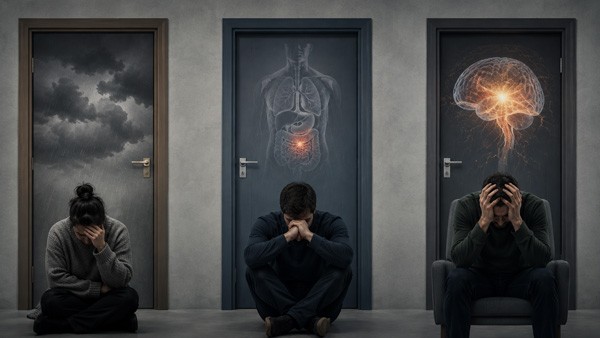

Depression is not one condition. It is a description of a state that arises from several different processes, presents in recognisably different patterns, and responds to quite different treatment depending on which pattern is present.
Most classifications of depression are academic exercises that change nothing about what happens next. This one is organised around the distinctions that do — the ones where getting it wrong means giving the wrong treatment, missing something dangerous, or treating something that would have resolved on its own.
🧠 The single most consequential distinction in this whole subject: whether a depressive episode is part of unipolar depression or of bipolar disorder. They look identical during the depressed phase. An antidepressant given alone in bipolar disorder can precipitate mania or produce rapid cycling, so the question that must always be asked is whether there has ever been a period of unusually elevated mood, reduced need for sleep, racing thoughts or uncharacteristic behaviour — including periods that felt good and were never reported to anyone.
🔬 What depression actually is
A depressive episode is defined by persistently low mood or loss of interest and pleasure, present most of the day, most days, for at least two weeks, together with a number of additional features and with genuine impairment of functioning.
The additional features cover sleep, appetite and weight, energy, concentration, psychomotor speed, feelings of worthlessness or guilt, and thoughts of death or self-harm.
Two things follow from that definition and are worth stating.
Sadness is not required. A substantial proportion of people with depression describe numbness, emptiness or nothing at all rather than sadness, and loss of interest and pleasure alone can carry the diagnosis. People frequently discount their own symptoms because they do not feel sad.
Duration and impairment matter. Feeling low for a few days after a bad week is not depression. Feeling this way for weeks, with functioning affected, is a different thing.

🗂️ The presentations that change treatment
| Type | Distinguishing features | Why it matters |
|---|---|---|
| Major depressive disorder | Discrete episodes of at least two weeks with substantial impairment | The default; responds to antidepressants and psychological therapy |
| Persistent depressive disorder | Lower-grade depression continuing for two years or more | Frequently mistaken for personality; responds to treatment despite feeling permanent |
| Bipolar depression | Depressive episode in someone who has had mania or hypomania | Antidepressants alone can trigger mania; requires a mood stabiliser |
| Atypical features | Mood lifts temporarily with good events; oversleeping, overeating, heavy limbs, sensitivity to rejection | Common, often missed, and influences drug choice |
| Melancholic features | No mood reactivity, early morning waking, worse in the morning, marked slowing, profound loss of pleasure | Responds well to medication; psychological therapy alone is usually insufficient |
| Psychotic depression | Delusions or hallucinations, typically of guilt, illness or poverty | An antidepressant alone is inadequate; needs combined treatment or ECT |
| Seasonal pattern | Recurs at the same time of year, usually autumn and winter | Light therapy has genuine evidence here |
| Perinatal depression | During pregnancy or in the year after birth | Treatment decisions involve the baby; must be distinguished from postpartum psychosis |
| Premenstrual dysphoric disorder | Confined to the luteal phase, resolving with menstruation | Can be treated intermittently rather than continuously |
| Depression secondary to physical illness or medication | Onset relates to an illness or a new drug | Treating the cause may resolve it entirely |
| Adjustment disorder | Follows an identifiable stressor, disproportionate but time-limited | Frequently resolves without medication |
⚠️ Bipolar depression
This deserves the most space because the consequence of missing it is the most serious.
The depressive phase of bipolar disorder is clinically indistinguishable from unipolar depression. The difference lies entirely in the history, and specifically in whether there has ever been a period of elevated mood.
The reason it is missed so often is straightforward: people seek help when depressed, not when hypomanic. Hypomania feels good — more energy, more confidence, more productivity, less need for sleep — and nobody books an appointment about that. Average delays to a correct diagnosis of six to ten years are commonly reported, and during that time the person is typically treated with antidepressants alone.
Features that should raise the question:
- Any past period of reduced need for sleep with increased energy — sleeping four hours and waking energised, rather than lying awake exhausted
- Episodes of unusual confidence, spending, talkativeness or risk-taking
- Depression that began before the age of twenty-five
- Multiple episodes, particularly with rapid onset and offset
- Family history of bipolar disorder
- Depression with atypical features — oversleeping and overeating
- Poor response to several antidepressants, or a switch to agitation and reduced sleep on starting one
- Postnatal psychosis in the past
🔴 If unusual energy, reduced need for sleep, faster speech or racing thoughts appear after starting an antidepressant, that is not recovery. It is a possible switch into hypomania or mania and needs reporting urgently rather than being welcomed. Family members frequently notice this before the person does, which is one reason involving them is useful.
🌜 Melancholic and atypical patterns
These two describe opposite directions of the same symptoms and both influence what is likely to help.
Melancholic depression is what the word depression evokes historically. Mood does not lift even briefly when something good happens — this loss of reactivity is the defining feature. There is early morning waking with mood at its worst on waking, marked slowing of movement and speech or the opposite agitation, weight loss, excessive guilt, and a profound loss of the capacity for pleasure that people often describe as a physical deadness.
It responds well to medication, and psychological therapy alone is usually insufficient during the acute phase, because the capacity to engage with therapy is itself impaired.
Atypical depression is not atypical in the sense of rare — it is common and the name is historical. Its features run opposite to melancholic depression:
- Mood reactivity — things genuinely lift the mood temporarily, which leads both patients and clinicians to conclude it cannot be depression
- Sleeping too much rather than too little
- Eating more, particularly carbohydrate, with weight gain
- Leaden paralysis — a heavy weighted feeling in the arms and legs
- Long-standing sensitivity to rejection that causes real social and occupational impairment
Two practical points. Atypical features are associated with an increased likelihood of bipolar disorder, so the history of elevated mood should be asked about carefully. And the mood reactivity is the main reason this presentation goes unrecognised: the person had a good evening on Saturday, therefore they conclude they are not depressed.

⏳ When it never quite lifts
Persistent depressive disorder, formerly called dysthymia, is depression of lower intensity continuing for two years or more.
Its defining problem is that it does not feel like an illness. Someone who has been mildly depressed since adolescence has no memory of feeling otherwise, and interprets low energy, pessimism, poor self-esteem and joylessness as their personality. Others frequently agree with that interpretation.
The cumulative impairment is substantial — often greater over a lifetime than that of intermittent severe episodes — and it responds to treatment. People treated for the first time in their forties, having assumed for decades that this was simply who they were, describe the change as unexpected.
Double depression describes a major depressive episode arising on top of this chronic background. Treatment brings the person back to their baseline, which is still depressed, and both patient and clinician can mistake that partial recovery for the end point.
☀️ Seasonal pattern
Some people experience depressive episodes that recur at the same time of year, typically beginning in autumn and remitting in spring. It is commoner at higher latitudes and typically shows atypical features — oversleeping, increased appetite with carbohydrate craving, weight gain and marked fatigue.
What distinguishes it practically is that bright light therapy has genuine evidence, with effects comparable to antidepressants in seasonal presentations. It involves a light box of specified intensity used for a defined period each morning, and the specification matters — ordinary room lighting is orders of magnitude too dim, and general daylight exposure, while helpful, is not the same intervention.
Starting before the usual onset, rather than after symptoms appear, works better. Antidepressants also work, and the two are combined where light alone is insufficient.
👶 Around pregnancy and birth
Depression during pregnancy and in the year afterwards is common and under-detected, partly because fatigue, disturbed sleep and appetite change are attributed to the pregnancy or the baby.
Three things must be distinguished, and the third is an emergency.
| Features | Response | |
|---|---|---|
| Baby blues | Tearfulness and emotional lability in the first days after birth, affecting most women | Resolves within about two weeks without treatment |
| Postnatal depression | Persistent low mood, guilt, anxiety, difficulty bonding, intrusive worries, lasting weeks | Treatable; psychological therapy and medication both used, several compatible with breastfeeding |
| Postpartum psychosis | Confusion, delusions, hallucinations, severe agitation or elation, usually within the first two weeks | A psychiatric emergency requiring immediate assessment |
🔴 Postpartum psychosis develops rapidly, carries substantial risk to mother and baby, and is highly treatable when recognised. It is strongly associated with bipolar disorder, sometimes as the first presentation of it. Any confusion, unusual beliefs, hallucinations, severe agitation, or a woman behaving out of character in the days after birth requires same-day assessment rather than watchful waiting. Intrusive thoughts about harming the baby are also common in ordinary postnatal depression and anxiety, where they are distressing and unwanted rather than intended — these should be disclosed, since saying them aloud usually brings relief and appropriate help rather than the consequences women fear.
📅 Premenstrual dysphoric disorder
This is depression confined to the luteal phase — the week or two before menstruation — resolving within days of bleeding starting, and recurring cycle after cycle.
It is distinct from ordinary premenstrual symptoms by severity and by the degree of impairment, and it is frequently dismissed as normal. Tracking symptoms prospectively over two cycles is what establishes it, since retrospective recall is unreliable.
The treatment feature worth knowing is that SSRIs work here differently from how they work in other depression. The response is often rapid, within days rather than weeks, and they can be taken intermittently — only during the luteal phase — rather than continuously. That is unusual for this class and makes treatment considerably more acceptable to many women.
🩺 Depression caused by something else
Before concluding that a depressive episode is primary, several contributors are worth excluding, because treating them resolves the depression rather than managing it.
| Cause | Notes |
|---|---|
| Underactive thyroid | Classic mimic; fatigue, weight gain, cold intolerance, low mood. Easily tested |
| Anaemia and iron deficiency | Fatigue and low mood; ferritin must be requested specifically |
| Vitamin B12 and folate deficiency | Mood and cognitive effects |
| Vitamin D deficiency | Common, easily corrected |
| Obstructive sleep apnoea | Produces fatigue, irritability, poor concentration and low mood, and is frequently undiagnosed |
| Alcohol | Depressogenic with sustained use; most depression in heavy drinkers lifts within weeks of stopping |
| Medication | Corticosteroids, some hormonal contraception, beta blockers, isotretinoin, interferon and others |
| Chronic illness and chronic pain | Both raise risk substantially and treatment of each improves the other |
| Neurological conditions | Parkinson disease, multiple sclerosis, after stroke |
A reasonable initial set of tests covers thyroid function, full blood count, ferritin, B12 and folate, vitamin D, glucose, and kidney and liver function.
🗣️ Grief, and where the line falls
Bereavement produces sadness, tearfulness, poor sleep, appetite loss and withdrawal, and it is not an illness. Treating normal grief as depression medicalises something that does not need it.
Features suggesting a depressive episode rather than grief alone:
- Pervasive low mood rather than grief arriving in waves triggered by reminders, with periods of ordinary function between
- Worthlessness and self-loathing, as opposed to guilt focused on the person who died
- Complete loss of pleasure, rather than pleasure being reduced but still possible
- Thoughts of dying centred on being worthless, rather than on wishing to be with the person who died
- Marked psychomotor slowing
- Persistence without any improvement over many months
The two coexist frequently, and someone with a previous history of depression is at higher risk of an episode after bereavement.
💊 What this means for treatment
Antidepressants are broadly similar in effectiveness, so the choice is usually made on side effects, interactions and other conditions present. The distinctions above shift that choice in specific ways.
| Presentation | Implication |
|---|---|
| Bipolar depression | Mood stabiliser or specific antipsychotic; antidepressant alone avoided |
| Melancholic | Medication is central; therapy alone usually insufficient acutely |
| Atypical | Screen carefully for bipolar disorder; activating agents may suit |
| Psychotic | Antidepressant plus antipsychotic, or electroconvulsive therapy |
| Seasonal | Light therapy, started before the usual onset |
| Perinatal | Options compatible with pregnancy or breastfeeding; psychological therapy first-line in milder cases |
| Premenstrual dysphoric | SSRI, potentially taken only in the luteal phase |
| Persistent depressive disorder | Longer treatment; combined medication and therapy outperforms either |
| Secondary to another cause | Treat the cause first or alongside |
| Adjustment disorder | Support and time; medication frequently unnecessary |
Among first-line options, sertraline is the most widely used worldwide, with good evidence across depression and anxiety, few interactions and a reasonable safety record in physical illness. Escitalopram is similarly well tolerated. Duloxetine suits where chronic pain coexists. Bupropion is activating and avoids sexual side effects and weight gain, which suits presentations dominated by fatigue and oversleeping. Mirtazapine is sedating and increases appetite, which suits severe insomnia and weight loss.

🔄 When it does not respond
Treatment-resistant depression is usually defined as failure to respond to two adequate trials of antidepressants at adequate dose and duration. Before accepting that label, several things are worth checking, because most apparent resistance is not.
- Was the dose adequate, or did treatment stay at the starting dose
- Was the duration adequate — six to eight weeks at full dose, rather than three weeks
- Was it actually taken, consistently
- Has bipolar disorder been excluded, since this is a leading cause of apparent non-response
- Is alcohol or another substance involved
- Is there an untreated physical cause — thyroid, anaemia, sleep apnoea
- Is psychological therapy in place, since combined treatment outperforms medication alone
- Are psychotic features present, which change the required treatment
Where resistance is genuine, options include switching class, adding lithium or a second-generation antipsychotic, electroconvulsive therapy — which remains the most effective treatment available for severe and psychotic depression despite its reputation — and newer approaches including transcranial magnetic stimulation and ketamine-based treatments in specialist settings.
✅ Why any of this matters to someone who is simply unwell: being able to describe your own pattern changes what you are offered. Whether your mood lifts when something good happens, whether you sleep too much or too little, whether it worsens at a particular time of year or of the month, whether you have ever had a period of unusual energy and little need for sleep — those four answers move treatment more than almost anything else a consultation covers, and they are rarely asked about directly.
🚨 When to seek help urgently
- Thoughts of ending your life, particularly with any plan or preparation
- Feeling unable to keep yourself safe
- Delusions or hallucinations
- Not eating or drinking, or being unable to care for yourself
- Confusion, unusual beliefs or agitation in the weeks after childbirth
- New energy and reduced need for sleep after starting an antidepressant
- Rapid worsening over days
Antidepressant treatment is stocked in the antidepressants category, including Sertafine (sertraline), among the most widely used first-line options worldwide. Which is appropriate depends on the presentation described above, and treatment requires assessment, dose titration and supervision, particularly in the early weeks.
❓ Frequently asked questions
Which distinction matters most?
Whether the episode belongs to unipolar depression or bipolar disorder. They are clinically indistinguishable during the depressed phase, and an antidepressant alone in bipolar disorder can precipitate mania or rapid cycling. The question is whether there has ever been a period of elevated mood, reduced need for sleep, racing thoughts or uncharacteristic behaviour — including periods that felt good and were never mentioned to anyone.
Can you have depression without feeling sad?
Yes, and a substantial proportion of people do. Numbness, emptiness or feeling nothing at all is common, and loss of interest and pleasure alone can carry the diagnosis without low mood being prominent. Many people discount their own symptoms for exactly this reason, concluding that since they do not feel sad they cannot be depressed.
My mood lifts when something nice happens. Does that rule out depression?
No — it points to atypical depression, which is common despite the name. Mood reactivity is its defining feature, alongside sleeping too much, eating more with weight gain, a heavy leaden feeling in the limbs, and long-standing sensitivity to rejection. It is missed precisely because a good evening on Saturday leads people to conclude they cannot be depressed. It also raises the likelihood of bipolar disorder, so the history matters.
I have felt like this for years. Is that just my personality?
It may be persistent depressive disorder — lower-grade depression continuing two years or more. Its defining problem is that it does not feel like an illness: someone mildly depressed since adolescence has no memory of feeling otherwise and interprets low energy, pessimism and joylessness as who they are. It responds to treatment, and people treated for the first time decades in describe the change as unexpected.
What is melancholic depression?
The pattern where mood does not lift even briefly when something good happens — that loss of reactivity is the defining feature. It comes with early morning waking, mood worst on waking, marked slowing or agitation, weight loss, excessive guilt, and a profound loss of the capacity for pleasure often described as physical deadness. Medication is central, and psychological therapy alone is usually insufficient acutely.
Does light therapy actually work?
For seasonal pattern depression, yes, with effects comparable to antidepressants. It requires a light box of specified intensity used for a defined period each morning — ordinary room lighting is orders of magnitude too dim, and general daylight exposure, while helpful, is not the same intervention. Starting before the usual onset works better than waiting for symptoms.
What is the difference between baby blues and postnatal depression?
Baby blues means tearfulness and emotional lability in the first days after birth, affecting most women and resolving within about two weeks without treatment. Postnatal depression is persistent low mood, guilt, anxiety, difficulty bonding and intrusive worries lasting weeks, and it is treatable. Postpartum psychosis is different again — confusion, delusions or severe agitation, usually in the first two weeks — and is an emergency.
I have intrusive thoughts about harming my baby. What does that mean?
These are common in ordinary postnatal depression and anxiety, where they are distressing and unwanted rather than intended, and they frighten women into silence. Disclosing them usually brings relief and appropriate help rather than the consequences women fear. What is different, and needs same-day assessment, is confusion, unusual beliefs, hallucinations or behaving out of character, which suggest postpartum psychosis.
Can an antidepressant be taken only part of the month?
In premenstrual dysphoric disorder, yes, which is unusual for this class. SSRIs work differently there — the response is often rapid, within days rather than weeks — and they can be taken intermittently during the luteal phase only rather than continuously. Establishing the diagnosis requires tracking symptoms prospectively over two cycles, since retrospective recall is unreliable.
Could something physical be causing this?
Several possibilities are worth excluding because treating them resolves the depression rather than managing it. An underactive thyroid is the classic mimic. Anaemia and iron deficiency, B12, folate and vitamin D deficiency, and undiagnosed sleep apnoea all contribute. So do alcohol and a number of medications including corticosteroids, some hormonal contraception and beta blockers. Basic blood tests cover most of it.
How is grief different from depression?
Grief arrives in waves triggered by reminders, with periods of ordinary functioning between, and pleasure is reduced but still possible. Depression is pervasive rather than wave-like, involves worthlessness and self-loathing rather than guilt focused on the person who died, removes pleasure completely, and any thoughts of dying centre on being worthless rather than on wishing to be with them. The two frequently coexist.
Nothing has worked. Am I treatment-resistant?
Possibly not. Most apparent resistance is not genuine. Check whether the dose was adequate rather than the starting dose, whether six to eight weeks were given rather than three, whether it was taken consistently, whether bipolar disorder has been excluded, whether alcohol is involved, whether thyroid or sleep apnoea has been checked, and whether psychological therapy is in place. Where resistance is genuine, several further options exist.
📑 Sources and editorial
- DSM-5 criteria for depressive disorders and their specifiers
- NICE guideline on depression in adults, and on antenatal and postnatal mental health
- Evidence on antidepressant-associated mood switching in unrecognised bipolar disorder
- Cochrane reviews of light therapy for seasonal affective disorder and of SSRIs for premenstrual syndrome
- Research on the melancholic and atypical specifiers and their treatment implications
- Literature on persistent depressive disorder and cumulative functional impairment
- Guidance on the management of treatment-resistant depression
- FDA prescribing information for sertraline, escitalopram, duloxetine, bupropion and mirtazapine
- Related reading: alcohol and depression, chronic pain and depression
- Related products: antidepressants category
- RXshop Editorial Team — reviewed by Thomas Walsh, MD, Psychiatry
Medical Disclaimer: The information in this article is for educational and informational purposes only and is not a substitute for professional medical advice, diagnosis, or treatment. Always seek guidance from a qualified healthcare provider with any questions you may have regarding a medical condition, and before starting, stopping or changing any medication.