How to Quit Vaping: Nicotine Withdrawal Day by Day, Step-Down Plans and How Chantix or Zyban Help Vapers

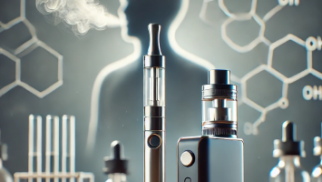
💨 Many people started vaping to get away from cigarettes, or simply because a flavoured pod seemed harmless at a party. A year later the device is in a pocket all day, it comes out in the car, at the desk and in bed, and the first attempt to stop ends after a few irritable hours. Quitting a vape is quitting nicotine, and modern pods can deliver a lot of it. 🔍 This guide explains why vapes are often harder to put down than people expect, what nicotine withdrawal feels like day by day, whether to stop at once or step down, and how the same medicines used for smoking, such as varenicline (Chantix) and bupropion (Zyban), together with nicotine replacement, can help vapers who want to be free of nicotine altogether.
💨 Why a vape is harder to drop than it looks
🤔 A cigarette has a clear start and end. You light it, smoke it for five or six minutes and it is gone. A vape has no natural stopping point, so many users take small puffs every few minutes from waking to sleep. That steady drip keeps nicotine levels in the blood topped up all day and trains the brain to expect it in dozens of situations: the morning coffee, the commute, every pause at work, scrolling the phone in bed. 📖 The smell is mild, there is no ash, and it can be done indoors, so the habit spreads into places where a smoker would never light up. When the vapour stops, each of those moments becomes a trigger.
🧪 What a vape actually delivers
🔋 An e-cigarette heats a liquid made mainly of propylene glycol and glycerine, with flavourings and, in most products, nicotine. There is no burning and no tobacco, so vapour contains far fewer and far lower levels of toxic chemicals than cigarette smoke. That is why health agencies in some countries support switching for smokers who cannot quit any other way. Lower risk is not zero risk, though. Long-term effects of breathing heated flavourings for decades are not known, metals from the coil have been found in vapour, and nicotine itself raises heart rate and blood pressure and keeps dependence going.
⚠️ The serious lung injury outbreak in the United States in 2019, called EVALI, was linked mainly to illegal cannabis (THC) cartridges thinned with vitamin E acetate, not to regulated nicotine e-liquids. Home-made, black-market and THC cartridges carry the highest risk, and anyone who vapes them should stop first.
⚡ Nicotine salts: why modern pods hook faster
🔬 Older refillable devices used “freebase” nicotine, which feels harsh on the throat at high strength. Pod systems and disposables use nicotine salts, a form that stays smooth even at high concentrations, so users can inhale much more nicotine without coughing. The nicotine reaches the brain within seconds, close to the speed of a cigarette, and that fast hit is what builds a habit quickly.
🧬 With regular use, the brain grows extra nicotine receptors. When nicotine falls, those receptors are left empty, which is felt as restlessness, irritability and craving. Every puff relieves that small withdrawal, so the vape feels calming, even though the nicotine is what created the tension in the first place.
📊 How much nicotine a vaper may be taking
📏 It is hard to compare a vape with cigarettes, because absorption depends on the device, the strength, the depth of each puff and how many puffs are taken. Still, heavy users of strong pods can take in as much nicotine as a pack-a-day smoker, and sometimes more. In the EU and UK, e-liquids are capped at 20 mg/ml, while pods sold elsewhere often contain 50 mg/ml or more.
🔍 Signs vaping has become a dependence
⏰ Time to the first puff after waking is one of the best simple markers of dependence, for smokers and vapers alike. Someone who vapes before getting out of bed usually needs more help than someone who forgets the device until lunch.
🔄 The all-day vaping loop
Nicotine level rises
Calm, focus, small reward
Within minutes
Restless, distracted
Phone, coffee, stress
Habit linked to more places
🗓️ Nicotine withdrawal, day by day
🧭 Withdrawal from a vape follows the same pattern as withdrawal from cigarettes. It is uncomfortable but not dangerous, and knowing the timeline helps people ride it out rather than taking it as proof they cannot cope without nicotine.
😤 Withdrawal symptoms and what helps each one
| 😤 Symptom | ⏱️ Usual length | ✅ What helps |
|---|---|---|
| Cravings | Strongest in weeks 1 to 2, rarer later | Short-acting nicotine (gum, lozenge), delay and distract, varenicline |
| Irritability, anger | 2 to 4 weeks | Warn people around you, exercise, adequate nicotine replacement |
| Anxiety, restlessness | 2 to 4 weeks | Slow breathing, walking, less caffeine |
| Poor concentration | 1 to 2 weeks | Plan the quit day for a lighter week, short work blocks |
| Low mood | Up to 4 weeks | Activity, support; see a doctor if it deepens |
| Hunger, weight gain | Weeks to months | Regular meals, healthy snacks, nicotine replacement delays gain |
| Poor sleep | 1 to 2 weeks | No caffeine after midday; remove a nicotine patch at night if dreams are vivid |
☕ Caffeine deserves a special note. Nicotine speeds up the breakdown of caffeine, so after quitting, the same number of coffees produces higher caffeine levels. Jitters and poor sleep in the first week are often partly a coffee effect, and cutting intake by about half can make withdrawal feel much milder.
🚬 Former smokers who now vape
🛡️ For someone who switched from cigarettes to a vape, the vape did its job: it removed smoke. The first rule when quitting the vape is not to slide back to cigarettes, which would be a step backwards for the lungs and heart. Some ex-smokers choose to stay on the vape for months or years, and that is still far better than smoking. Others want to be fully free of nicotine, and the methods in this guide work for them too, with one extra safety step.
📌 If you used to smoke:
🔹 Choose a calm period to quit the vape, not a stressful month when the old cigarette habit could return.
🔹 Keep short-acting nicotine (gum or lozenge) on hand for the first weeks, so a strong craving does not end with buying a pack.
🔹 If you do smoke a cigarette, go back to the vape or nicotine replacement the same day and try again later; one slip is not a failure.
📖 For the medicines used to stop cigarettes, see our guide to smoking cessation aids.
⚖️ Dual use: smoking and vaping at the same time
🔁 Many people end up both smoking and vaping: cigarettes at the pub, the vape at home. Dual use gives almost none of the health benefit of switching completely, because even a few cigarettes a day carry much of the heart and blood vessel risk of heavier smoking. It also keeps nicotine intake high. For dual users, the goal is to stop the cigarettes first and fully, then deal with the vape.
Smoke risk remains, nicotine intake often higher
Much lower risk, dependence continues
Full benefit, no cravings in the long run
🛑 Stop at once or step down?
📅 There are two common ways to quit: set a quit date and stop completely, or lower the nicotine strength and the number of puffs over several weeks. Both can work, and the best method is the one you will actually follow. In studies of smokers, stopping on a fixed date did slightly better than gradual cutting down, but gradual reduction suits people who have failed with abrupt quitting or feel they cannot face it.
🛑 Quit date (cold turkey)
✅ Short, clear, withdrawal over sooner
✅ Works well with varenicline or bupropion started beforehand
➖ First 3 days are harder
💡 Best with nicotine replacement for cravings
📉 Step down (taper)
✅ Milder symptoms at each step
✅ Feels more manageable for heavy users
➖ Easy to stall at a low strength for months
💡 Needs a written plan with dates
📉 A sample step-down plan
📝 A taper works only if it has dates. Lower the strength every 1 to 2 weeks and keep the same device, so you are not tempted to compensate with bigger or more frequent puffs. Disposables make this hard, because the strength is fixed; a refillable pod device with bottles of different strengths is easier to control.
12 mg/ml, no vaping in bed or car
6 mg/ml, set vape-free hours
3 mg/ml, only outdoors
0 mg/ml, then put the device away
🩹 Nicotine replacement for vapers
💊 Nicotine replacement therapy gives a slower, steadier dose of nicotine without the vaping ritual, and then tapers off over 8 to 12 weeks. The most effective approach is a combination: a daily patch for a steady background level, plus a short-acting form for breakthrough cravings. There is no exact formula to convert vaping into a patch dose. Many clinicians start daily users of strong pods on a 21 mg (24-hour) or 25 mg (16-hour) patch and adjust by symptoms: still craving all day means the dose is too low; nausea or a racing heart means it may be too high.
💡 Gum is not chewed like ordinary gum: chew until a peppery taste appears, then park it between cheek and gum, and repeat for about 30 minutes. Chewing fast releases nicotine into the stomach, where it causes hiccups and nausea instead of relief. Acidic drinks such as coffee and cola block absorption, so avoid them for 15 minutes before and during use.
💊 Varenicline (Chantix): how it helps vapers
🧠 Varenicline attaches to the same brain receptors that nicotine uses. It partly stimulates them, which eases cravings and withdrawal, and at the same time blocks nicotine from producing its usual reward, so a puff during treatment feels flat. It is the most effective single medicine for stopping smoking, and it is now also studied in people who only vape. Randomised trials in adults who wanted to quit vaping, including a trial in young adults published in 2024, found higher quit rates with varenicline than with placebo when both groups also received behavioural support.
📋 Key facts
💊 Tablet taken after food with a full glass of water
⏱️ Started 1 week before the quit date
📆 Standard course 12 weeks, another 12 weeks can be added
⚠️ Common side effects
🤢 Nausea: the most common, usually mild and settles
🌙 Vivid or strange dreams
😴 Trouble sleeping, headache
💨 Wind, constipation
🔄 A useful feature for vapers: you can keep vaping during the first week while the dose builds up. Many people find the vape becomes less satisfying by itself, which makes the quit day easier. A flexible approach is also allowed, where the quit day is set anywhere between day 8 and day 35 of treatment.
📋 The varenicline schedule step by step
🧠 Earlier warnings about mood changes on varenicline led to a very large safety trial in people with and without psychiatric illness. It did not show a significant rise in serious psychiatric side effects compared with placebo or nicotine patches, and the boxed warning was removed in 2016. Anyone who notices agitation, low mood or unusual thoughts should still stop the tablet and contact a doctor. Alcohol tolerance can also be lower on varenicline, so drink less at first.
💊 Bupropion (Zyban, Wellbutrin): another route
🧪 Bupropion is an antidepressant that acts on dopamine and noradrenaline. It reduces cravings and the low mood of withdrawal, and many people notice less weight gain while taking it. Zyban is the brand made for stopping smoking; Wellbutrin (Bupropion) contains the same drug and is used mainly for depression. Its evidence in smokers is solid; in people who only vape, it is less studied than varenicline, but the logic of treating nicotine withdrawal is the same, and doctors use it when varenicline is unsuitable or when depression is also present.
📆 The usual adult dose for quitting is 150 mg once a day for 3 days, then 150 mg twice a day, at least 8 hours apart, with the second dose no later than mid-afternoon to protect sleep. The quit date is set in the second week of treatment, and the course lasts 7 to 12 weeks. The maximum is 300 mg a day. Common side effects are insomnia, dry mouth, headache and feeling jittery.
⚠️ Who should not take these medicines
| 🚫 Situation | 💊 Medicine | 📝 Why |
|---|---|---|
| Epilepsy or past seizures | Bupropion | Lowers the seizure threshold |
| Bulimia or anorexia, now or in the past | Bupropion | Higher seizure risk |
| Stopping heavy alcohol or sedatives abruptly | Bupropion | Seizure risk during withdrawal |
| MAO inhibitor within 14 days | Bupropion, nortriptyline | Dangerous rise in blood pressure |
| Severe kidney disease | Varenicline | Needs a lower dose |
| Recent heart attack or heart rhythm problems | Nortriptyline | Can affect heart rhythm |
| Pregnancy or breastfeeding | All tablets | Behavioural support first; nicotine replacement only with a doctor |
| Under 18 | Varenicline, bupropion | Not approved for quitting in teenagers |
🩺 Bupropion can also raise blood pressure, especially when combined with a nicotine patch, so blood pressure should be checked during treatment. Both bupropion and varenicline interact with relatively few medicines, but a pharmacist should review the full list, including antidepressants and medicines that lower the seizure threshold.
🔬 Nortriptyline: an older second-line option
📜 Nortriptyline is a tricyclic antidepressant that has helped smokers quit in several trials. It is cheap and effective, but side effects and overdose risk keep it in second place. It is usually started 10 to 28 days before the quit date at 25 mg a day and raised slowly, often to 75 to 100 mg a day, for about 12 weeks. Dry mouth, constipation, drowsiness and dizziness on standing are common. It is not suitable after a recent heart attack, with some rhythm problems or for anyone at risk of overdose. Options include Pamelor (Nortriptyline) and Primox (Nortriptyline), always under a doctor.
🆚 Comparing the options side by side
| 🔍 Feature | 💊 Varenicline | 💊 Bupropion SR | 🩹 Combination NRT |
|---|---|---|---|
| Start before quit day | 1 week | 1 to 2 weeks | On quit day |
| Course length | 12 weeks (up to 24) | 7 to 12 weeks | 8 to 12 weeks |
| Main side effects | Nausea, vivid dreams | Insomnia, dry mouth | Skin irritation, hiccups |
| Weight gain | Usual | Often less | Delayed |
| Prescription | Yes | Yes | Usually not |
| Evidence in vapers | Randomised trials | Limited | Limited, widely used |
➕ Tablets and nicotine replacement can be combined. Varenicline plus a patch, or bupropion plus a patch, is used for heavy users who have failed on one method alone. This should be planned with a doctor, mainly to watch blood pressure and side effects.
🧠 Anxiety, low mood and vaping
😔 Many people vape to manage stress, and feel it calms them. In reality, nicotine relieves the tension that its own withdrawal creates, and studies of smokers show that anxiety and depression scores tend to improve a few months after quitting. In the short term, though, the first weeks can bring a dip in mood, and people with existing anxiety or depression feel withdrawal more strongly.
🧭 If you live with anxiety or depression:
🔹 Tell your doctor before quitting; medicine doses sometimes need review, because nicotine changes how some drugs are processed.
🔹 Bupropion may suit you if low mood is part of the picture.
🔹 If anxiety stays high after the first month, it may be your own anxiety returning rather than withdrawal, and it deserves treatment in its own right.
📖 More on long-term worry and its treatment: generalized anxiety: when the mind never switches off.
🍽️ Weight and appetite after quitting
⚖️ Nicotine dulls appetite and slightly raises the rate at which the body burns energy. When it stops, most people gain a few kilograms over the following months, much of it in the first three. The health gain from being nicotine free is far larger than the risk of a modest weight rise, but fear of gaining weight is a common reason people relapse.
- 📌 Plan regular meals and keep crunchy, low-calorie snacks ready for cravings
- 📌 Swap the vape break for a 10-minute walk; activity also eases cravings
- 📌 Nicotine replacement and bupropion tend to delay or reduce weight gain while used
- 📌 For people with obesity, a doctor may discuss weight medicines such as Xenical (Orlistat) alongside diet changes
🏃 The link between activity and fewer cravings is covered in detail in exercise after quitting smoking, and tips for food cravings are in how to combat food cravings.
🫁 Cough, throat and lungs after you stop
😷 Some people are surprised to cough more in the first weeks after quitting. This is often the airway lining recovering and clearing mucus, and it usually settles within a few weeks. Persistent symptoms, however, should not be blamed on quitting without a check.
💨 People with asthma often find symptoms ease once they stop vaping. Anyone who has a prescribed reliever such as Ventolin (Albuterol) should keep using it as their asthma plan says, and needing it more often is a reason to see a doctor. 📖 See asthma inhalers: preventer, reliever and technique, and for long-term smoking damage, chronic obstructive lung disease.
📱 Support that doubles your chances
🤝 Medicine handles the chemistry; support handles the habit. Combining a stop-smoking medicine with behavioural support gives better results than either alone, and the same is true for vaping. Text-message programmes designed for young vapers have improved quit rates in trials, and local stop-smoking services increasingly accept vapers too.
👨👩👧 If you are helping a partner or child to quit, our guide on how to help someone quit covers what to say and how to handle slips.
🌳 Choosing your route
🗿 Myths about quitting vaping
🛡️ Handling a slip
🔁 Most people need more than one attempt to become nicotine free. A slip is a puff or a day; a relapse is going back to daily use. The difference lies in what happens next. After a slip, work out what triggered it, whether it was alcohol, a stressful call or a friend offering a puff, and add a plan for that situation. Do not buy a new device “just for today”. If you are on varenicline or bupropion, keep taking it: the medicine still lowers the reward of each puff and makes getting back on track easier.
🚨 When to see a doctor
⛔ Get medical advice soon if:
🔹 You have chest pain, breathlessness at rest, cough up blood or have a high fever, whether you still vape or have stopped.
🔹 You have used THC or unknown cartridges and develop cough, breathlessness, vomiting or fever.
🔹 Your mood drops sharply, you feel agitated, or you have thoughts of harming yourself while quitting or on medicine. In a crisis, contact emergency services now.
🔹 You are pregnant, have heart disease, epilepsy or kidney disease and want to use a quit medicine.
🔹 You have tried several times on your own without success.
📖 A cough that lasts for months after years of smoking or vaping may be chronic bronchitis; see chronic bronchitis: the cough that does not quit.
❓ Frequently asked questions
How long does nicotine withdrawal from vaping last?
Symptoms usually peak on days 2 to 3 and fade over 2 to 4 weeks. Cravings at old triggers can return for a few months but become weaker and rarer.
Can Chantix help me quit vaping?
Yes. Varenicline treats nicotine dependence whatever the source, and randomised trials in people who vape found higher quit rates than placebo when combined with support.
Can I keep vaping while starting varenicline?
Yes, during the first week while the dose builds up. Stop on your quit day, usually day 8, or on a flexible date between day 8 and day 35.
Is Zyban or Chantix better for quitting vaping?
Varenicline has more evidence in vapers and a stronger effect on cravings. Bupropion is a good choice when low mood or weight gain is a concern, or when varenicline does not suit.
Should I quit vaping cold turkey or taper down?
Both work. A fixed quit date with medicine or nicotine replacement is slightly more successful on average, while a written taper suits people who cannot face stopping at once.
What nicotine patch strength should a vaper use?
There is no exact conversion. Daily users of strong pods often start on a 21 mg or 25 mg patch with gum or lozenges, then adjust by cravings and side effects.
Why do I cough more after I stop vaping?
The airway lining often clears mucus as it recovers, which can cause a cough for a few weeks. A cough lasting longer than 3 weeks should be checked.
Will I gain weight when I quit vaping?
Many people gain a few kilograms, mostly in the first months. Regular meals, activity, nicotine replacement and bupropion can limit the gain.
Is nicotine-free vaping a good step?
It can be a short final step of a taper, because it removes nicotine while keeping the ritual. Give it an end date so it does not become a new habit.
I quit smoking by vaping. Should I now quit the vape?
Staying on the vape is far safer than smoking. If you want to be nicotine free, quit at a calm time and keep nicotine gum handy so you do not return to cigarettes.
📑 Sources and editorial
- 📘 Prescribing information for varenicline, bupropion SR and nortriptyline
- 🔬 Randomised trials of varenicline for vaping cessation in adults and young adults
- 📊 Systematic reviews of medicines and nicotine replacement for stopping smoking
- 🧠 Large safety trial of neuropsychiatric events with varenicline, bupropion and nicotine patches
- 🧪 Public health reviews of e-cigarette vapour content, nicotine salts and nicotine delivery
- 🫁 Reports on the 2019 outbreak of e-cigarette or vaping associated lung injury (EVALI)
- 📱 Trials of text-message and behavioural support for young adult vapers
- 📖 Related reading: smoking cessation aids, exercise after quitting smoking, how to help someone quit, asthma inhalers, chronic obstructive lung disease
- 🛒 Related products: Chantix (Varenicline), Zyban (Bupropion), Wellbutrin (Bupropion), Pamelor (Nortriptyline), Primox (Nortriptyline), Ventolin (Albuterol), Xenical (Orlistat)
- 🩺 RXshop Editorial Team — reviewed by Emily Chen, MD — Internal Medicine
Medical Disclaimer: The information in this article is for educational and informational purposes only and is not a substitute for professional medical advice, diagnosis, or treatment. Always seek guidance from a qualified healthcare provider with any questions you may have regarding a medical condition, and before starting, stopping or changing any medication.