Celexa (Citalopram) for Depression: Dose Limits, Heart Rhythm Checks, Rules After 60 and Medicines to Avoid


💊 Citalopram, sold under the brand name Celexa, has been prescribed for major depressive disorder for more than twenty years. It is cheap, taken once a day, has few effects on weight and works as well as most other first-line antidepressants. What sets it apart is a set of safety rules that many patients never hear about: a firm 40 mg ceiling, a lower 20 mg limit after the age of 60, a dose-related effect on the heart rhythm called QT prolongation, and a short list of medicines that should not be mixed with it. 🔍 This guide explains those rules in plain words: why the dose stops where it does, who needs an ECG before starting, which painkillers, antibiotics, stomach tablets and anti-nausea drugs change the picture, how the first weeks feel, how long treatment lasts and how to stop safely. It is written for people who have already been diagnosed with depression and want to understand the medicine they have been offered.
🧠 Why citalopram is still a common choice
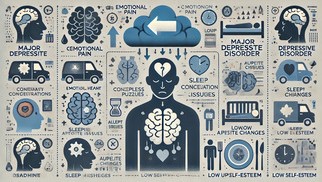
📋 Major depressive disorder is diagnosed when low mood or loss of interest lasts at least two weeks together with other symptoms such as poor sleep, low energy, guilt, poor concentration and changes in appetite. Talking therapy, medicine or both are the usual treatments. Citalopram is one of the selective serotonin reuptake inhibitors (SSRIs), the group most guidelines recommend as a first medicine for moderate or severe depression. 📖 For the full picture of how depression is diagnosed and how treatment phases work, see understanding major depressive disorder. This article stays with one medicine and the practical safety questions around it.
✅ Doctors choose citalopram for several reasons. It is well tolerated by most people, it rarely causes weight gain in the first months, it has fewer interactions than paroxetine or fluoxetine, and it often helps the anxiety that comes with depression. Its main drawback is that the heart rhythm effect grows with the dose, so the comfortable range is narrower than with some newer options. Knowing that limit from the start avoids most problems.
⚙️ How citalopram works
🔬 Nerve cells in the brain release serotonin to pass signals to each other, then pump it back in to end the signal. Citalopram blocks that pump, so serotonin stays active for longer. The block happens within hours of the first tablet, yet mood improves only after weeks. The delay reflects slow changes in receptors and in the way brain circuits adapt, which is why the first month is about patience rather than dose increases.
🧪 Citalopram is a mixture of two mirror-image molecules. The left-handed form (S-citalopram) does almost all of the antidepressant work and is sold separately as escitalopram. The right-handed form adds little benefit but contributes to side effects and to the effect on the heart rhythm, which is one reason escitalopram is often preferred at higher doses. Citalopram has a long half-life of about 35 hours, so one dose a day keeps a steady level and a single missed tablet causes no harm.
📏 Starting doses and how they are raised
📋 For most adults with depression, treatment starts at 20 mg once a day, in the morning or the evening, with or without food. If there is little improvement after several weeks, the dose may be raised to 40 mg, which is the top dose. Some doctors start at 10 mg in people who are very anxious, sensitive to side effects or older, then move to 20 mg after a week or two.
| 👤 Patient group | 💊 Usual start | 🛑 Maximum daily dose |
|---|---|---|
| Adults 18 to 60 | 20 mg once daily (10 mg if sensitive) | 40 mg |
| Adults over 60 | 10 to 20 mg | 20 mg |
| Mild or moderate liver disease | 10 mg for the first weeks | 20 mg |
| Known slow CYP2C19 metabolism | 10 mg | 20 mg |
| Taking cimetidine or another CYP2C19 blocker | 10 mg | 20 mg |
| Severe kidney disease | Specialist decision | Used with caution |
💡 Tablets come as 10 mg, 20 mg and 40 mg strengths, and the 20 mg tablet is usually scored. Raising the dose faster than every few weeks rarely speeds recovery and often brings more nausea and jitteriness. Celexa from RXshop is available in several strengths: Celexa (Citalopram).
🛑 The 40 mg ceiling: why more is not better
📈 In older practice some patients were given 60 mg a day. A careful heart rhythm study then showed that the QT interval on the ECG lengthened step by step with each dose, while doses above 40 mg did not improve depression any further. In 2011 the US regulator set 40 mg as the top dose, and European agencies made the same change. The averages below come from that study in healthy adults and are rounded.
🧭 If 40 mg for a fair period has not helped, the next step is not 50 or 60 mg. It is a switch to another medicine, an added treatment or more therapy, as explained in when the first antidepressant does not work.
❤️ What the QT interval is, in plain words
💓 Every heartbeat has an electrical phase when the heart muscle fires and a recovery phase when it resets. On an ECG, the QT interval measures the time from the start of firing to the end of recovery. When recovery takes too long, a rare but dangerous rhythm called torsades de pointes can start, which may cause fainting or, in the worst case, cardiac arrest. Doctors correct the measurement for heart rate and call it QTc.
QTc under about 450 ms in men and 460 to 470 ms in women
Needs a review of all medicines and of blood salts
Clear danger zone; citalopram is stopped or not started
💡 The important point is that torsades almost never comes from citalopram alone in a healthy person at a normal dose. It usually appears when several risks meet: an older heart, low potassium, a second QT drug, an overdose or an inherited long QT. The rest of this guide is about spotting those stacked risks early.
👵 Who gets the lower 20 mg limit
🧪 Some people clear citalopram from the body more slowly, so the same tablet gives a higher blood level and a larger QT effect. For them the ceiling drops to 20 mg a day, and at that dose most still get a good antidepressant effect.
📋 A person who turns 60 while already on 40 mg should ask the prescriber about lowering the dose. A gradual step down to 20 mg is usually well tolerated and is often done over a couple of weeks, with an eye on mood.
🩺 Before the first tablet: the heart check
📝 Most young, healthy adults do not need an ECG before starting citalopram. An ECG and a simple blood test are sensible when any heart risk is present, and they take only a few minutes in a clinic.
🚫 Who should not take citalopram
| 🚫 Situation | 📝 Why |
|---|---|
| Inherited long QT syndrome or a known long QTc | Higher chance of a dangerous rhythm |
| MAO inhibitor now or in the last 14 days | Risk of severe serotonin syndrome |
| Linezolid antibiotic or IV methylene blue | Both act as MAO inhibitors |
| Pimozide | Strong combined QT effect |
| Recent heart attack or uncontrolled heart failure | Usually avoided; safer options exist |
| Allergy to citalopram or escitalopram | Rash, swelling, breathing problems |
| Untreated bipolar disorder | An SSRI alone can trigger mania |
📖 Bipolar disorder can first show itself as depression, and an antidepressant alone may tip it into a high. Questions to ask before starting are covered in bipolar 2 or depression: how to tell. Any past period of days with little sleep, racing thoughts and unusual energy should be mentioned to the doctor.
🧂 Potassium, magnesium and the hidden risk
⚡ The heart needs normal levels of potassium and magnesium to reset after each beat. Low levels lengthen the QT interval on their own, and together with citalopram the effect adds up. These salts often drop quietly, without symptoms, so a blood test is the only way to know.
💡 If a stomach bug causes a day or two of vomiting while on citalopram, it is wise to drink fluids with salts and to seek advice if palpitations, dizziness or fainting appear. The tablet itself does not need to be stopped for a short illness in most people.
⚠️ Other medicines that lengthen the QT interval
📋 The commonest way to get into trouble with citalopram is to add a second drug with a QT effect, often prescribed by a different doctor for a short problem. Each one alone may be fine; two or three together are what raise the risk. Tell every prescriber and pharmacist that you take citalopram.
| 💊 Group | 📋 Examples | 🧭 Usual approach |
|---|---|---|
| Anti-nausea | Ondansetron, domperidone | Lowest dose, short course, or another option |
| Antibiotics | Azithromycin, clarithromycin, erythromycin, levofloxacin, moxifloxacin | Choose a non-QT antibiotic where possible |
| Antipsychotics | Haloperidol, pimozide, ziprasidone, quetiapine at higher doses | ECG and specialist choice |
| Heart rhythm drugs | Amiodarone, sotalol, flecainide | Usually avoid citalopram |
| Opioids | Methadone | ECG monitoring |
| Antihistamines and antimalarials | Hydroxyzine, hydroxychloroquine, quinine | Review the need for both |
| Other antidepressants | Tricyclics at higher doses | Rarely combined; specialist only |
📖 Ondansetron is often given after surgery, during chemotherapy or for gastroenteritis. Its own heart rhythm rules are explained in ondansetron in adults: heart rhythm risks and interactions. One standard tablet for a stomach bug is rarely a problem; repeated high doses are.
🧪 Medicines that raise citalopram levels
🔬 Citalopram is broken down in the liver mainly by an enzyme called CYP2C19, with help from CYP3A4 and CYP2D6. Medicines that block CYP2C19 raise the amount of citalopram in the blood, which acts like a higher dose. The US label sets a 20 mg limit for people taking cimetidine or another CYP2C19 blocker.
💡 A simple daily stomach tablet such as omeprazole is common and usually manageable, but it is worth a one-line mention to the prescriber when the citalopram dose is above 20 mg. Citalopram itself only weakly blocks liver enzymes, so it changes the levels of other medicines less than fluoxetine or paroxetine.
🔥 Serotonin syndrome: combinations to watch
🌡️ Serotonin syndrome happens when too much serotonin activity builds up, usually from two or more serotonin drugs together. Mild cases bring shivering, sweating, diarrhoea, a fast pulse and muscle twitching; severe cases bring high fever, rigid muscles and confusion and need emergency care. It usually starts within hours of a new drug or a dose rise.
🧭 Combinations that need care with citalopram:
🔹 Tramadol and, to a lesser degree, other opioids such as fentanyl, pethidine and tapentadol. Tramadol also lowers the seizure threshold.
🔹 Triptans for migraine. Many people combine them safely, but new shivering or agitation should be reported.
🔹 St John wort, high-dose tryptophan and some recreational drugs such as MDMA.
🔹 Lithium, other antidepressants and linezolid, which are used together only under close supervision.
💡 Over-the-counter cough syrups with dextromethorphan also have serotonin effects. Reading the label or asking a pharmacist before buying a cold remedy takes a minute and avoids most mistakes.
🩸 Bleeding risk with painkillers and blood thinners
🧬 Platelets, the tiny cells that start a blood clot, take up serotonin from the blood. SSRIs empty those stores, so platelets stick together less well and bleeding becomes slightly more likely, mainly from the stomach. The risk is small with citalopram alone, but it grows with other drugs that act on bleeding.
🧂 Low sodium in older adults
👵 All SSRIs can cause the body to hold on to water, which dilutes the sodium in the blood. This is called hyponatraemia. It is most common in people over 65, women, people with low body weight and those taking water tablets, and it usually appears in the first weeks of treatment. Many guidelines suggest a sodium blood test before and a few weeks after starting in older patients.
🔍 Early signs are vague and easy to mistake for depression itself: headache, nausea, tiredness, poor concentration, unsteadiness and confusion. Falls in an older person who has just started citalopram should always prompt a sodium check. Mild cases settle when the drug is stopped or the fluid intake is reduced; severe cases can cause seizures and need hospital care. Mirtazapine and bupropion are less likely to lower sodium and are sometimes chosen for this reason.
🗓️ The first weeks: what to expect
⚠️ In people under 25, antidepressants carry a warning about a small rise in suicidal thoughts early in treatment. A follow-up visit or call within one to two weeks of starting is standard good practice at any age. A full guide to early side effects across antidepressants is in antidepressant side effects in the first weeks.
🤔 Common side effects and simple fixes
📋 Most side effects of citalopram are mild and fade within two to four weeks. The trick is to know which ones are expected and which ones mean a call to the doctor.
🚨 Some effects are not for waiting out: palpitations, fainting or near-fainting, severe agitation, a rash with swelling, signs of bleeding, confusion in an older person, or any thoughts of self-harm. These need medical contact the same day.
💑 Sexual side effects
💬 Reduced desire, delayed orgasm and, in men, difficulty with ejaculation are common on all SSRIs, including citalopram. People often do not mention them, then stop the tablet quietly. Raising the subject early gives more options and avoids an unplanned stop. Depression itself also lowers desire, so some people find their sex life improves as mood lifts.
🌳 Is citalopram the right fit for you?
💡 Other factors matter too: previous good response to a medicine, family members who did well on one, other conditions such as chronic pain or poor sleep, and the side effect a person fears most. The best first antidepressant is usually the one the patient can take steadily for a year.
⚖️ Citalopram or escitalopram?
🧪 Escitalopram contains only the active half of the citalopram molecule, so 10 mg of escitalopram is roughly equal to 20 mg of citalopram. Both lengthen the QT interval in a dose-related way, but the effect at usual doses is smaller with escitalopram, and some comparisons suggest it works slightly faster and is a little better tolerated. Citalopram is often cheaper and has a longer track record.
| 🔍 Feature | 💊 Citalopram | 💊 Escitalopram |
|---|---|---|
| Usual dose | 20 mg, up to 40 mg | 10 mg, up to 20 mg |
| Limit after 60 | 20 mg | 10 mg in many countries |
| QT effect | Dose related, more marked | Dose related, smaller |
| Anxiety disorders | Used off-label for panic and anxiety | Licensed for generalised anxiety and panic in many countries |
| Main liver enzyme | CYP2C19 | CYP2C19 |
| Products | Celexa (Citalopram) | Lexapro (Escitalopram), Lexaheal (Escitalopram) |
🔄 Switching between the two is simple because they are so closely related: 20 mg citalopram is usually replaced by 10 mg escitalopram the next day, without a gap. More on escitalopram itself is in escitalopram: therapeutic uses and side effects.
💚 Other antidepressants when the heart is a concern
❤️ Depression is common after a heart attack and in people with heart failure, and treating it matters for recovery. Sertraline has the most study data in heart patients and is often the first choice there. Other options have their own trade-offs.
💡 Paroxetine has little QT effect but more sedation, weight gain and withdrawal symptoms, so it is less often a first pick: Paxil (Paroxetine). Older tricyclic antidepressants are generally avoided in heart disease because they affect heart conduction more strongly and are dangerous in overdose.
⏳ How long to stay on citalopram
📆 Stopping too soon is the commonest reason depression comes back. Guidelines advise continuing an antidepressant for at least six months after feeling well, and for two years or longer after repeated episodes, because the risk of relapse drops with each month of steady treatment.
Find the right dose and reach remission
Same dose, prevent early relapse
For recurrent or severe depression
Planned, gradual taper at a calm time
📖 If tiredness lingers after mood has lifted, that is a separate problem with its own causes: still tired on an antidepressant. Low energy alone is not a reason to raise citalopram above 40 mg.
📉 Stopping citalopram safely
🔄 Stopping suddenly can cause discontinuation symptoms: dizziness, electric-shock feelings, irritability, vivid dreams, flu-like aches and nausea. Citalopram has a longer half-life than paroxetine, so these effects are usually milder, but a gradual taper is still the rule.
🔍 Discontinuation symptoms start within a few days and fade within one to two weeks. A slow return of low mood weeks later is more likely to be relapse, which needs a conversation with the doctor rather than waiting.
🤰 Pregnancy and breastfeeding
👶 Untreated depression in pregnancy carries real risks for both mother and baby, so the decision is about balance, not about a simple yes or no. SSRIs, including citalopram, are widely used in pregnancy, and the large studies have not shown a major rise in birth defects. Taken late in pregnancy, they can cause short-lived jitteriness or feeding problems in the newborn, and there is a small added risk of a lung circulation problem called persistent pulmonary hypertension.
Review the medicine before conception, do not stop on your own
Do not stop suddenly; talk to the doctor or midwife soon
Passes into milk more than sertraline; often switched
🍷 Alcohol, driving and everyday life
📋 Most people live a normal life on citalopram. A few practical habits make treatment smoother and safer.
⚠️ Citalopram is more dangerous in overdose than most other SSRIs, mainly because of the heart rhythm and seizures. If there is any risk of self-harm, a smaller supply at a time and a family member who holds the tablets are sensible steps. Any suspected overdose is an emergency, even if the person feels well.
🗿 Myths about citalopram
🚨 When to see a doctor
⛔ Get urgent medical help if, while on citalopram:
🔹 You faint, nearly faint, or feel a fast, pounding or irregular heartbeat.
🔹 You develop high fever, shivering, muscle stiffness or confusion after a new medicine.
🔹 You notice black stools, vomit blood or bruise very easily.
🔹 An older relative becomes confused, unsteady or has a fall soon after starting.
🔹 You have thoughts of harming yourself, or feel much worse. Contact emergency services or a crisis line now.
🔹 You suspect an overdose, even without symptoms.
📖 If depression symptoms are new and not yet assessed, start with a general look at the condition in major depressive disorder: a snapshot. A doctor visit is also due when there is no real improvement after 6 to 8 weeks at a steady dose.
❓ Frequently asked questions
What is the maximum dose of citalopram?
For adults under 60 the maximum is 40 mg a day. For people over 60, with liver disease, slow CYP2C19 metabolism or taking cimetidine, it is 20 mg a day.
Why is citalopram limited to 20 mg after age 60?
Older people clear the drug more slowly, so blood levels and the effect on the heart rhythm are higher. At 20 mg most still get a good antidepressant effect.
Do I need an ECG before starting citalopram?
Not usually if you are young and healthy. An ECG is advised with heart disease, fainting, a family history of sudden death, low potassium or other QT-prolonging medicines.
How long does citalopram take to work?
Some benefit often shows in 2 to 4 weeks, and the full effect takes 6 to 12 weeks at a steady dose. Side effects usually ease in the first two weeks.
Can I take ibuprofen with citalopram?
An occasional dose is usually fine. Regular use raises the risk of stomach bleeding, so paracetamol is often preferred, or a stomach-protecting tablet is added.
Is citalopram or escitalopram safer for the heart?
Both lengthen the QT interval with higher doses, but the effect at usual doses is smaller with escitalopram. In established heart disease, sertraline is often preferred.
Can citalopram cause low sodium?
Yes, mainly in older people, women and those on water tablets, usually in the first weeks. Headache, confusion and unsteadiness should prompt a blood test.
Can I drink alcohol on citalopram?
It is best avoided. Alcohol worsens depression and sleep, adds to drowsiness and can lower potassium and magnesium when drinking is heavy.
How do I stop taking citalopram?
Gradually, with your doctor, usually lowering the dose every 2 to 4 weeks. Stopping suddenly can cause dizziness, irritability and flu-like feelings.
Which medicines should not be taken with citalopram?
MAO inhibitors, linezolid and pimozide must not be combined. Other QT-prolonging drugs, tramadol, blood thinners and CYP2C19 blockers need a doctor review first.
📑 Sources and editorial
- 📘 Prescribing information for citalopram, including dose limits and QT warnings
- ⚠️ Regulatory drug safety communications on citalopram dose and QT prolongation
- 💓 Thorough QT studies of citalopram and escitalopram and reviews of antidepressants and cardiac safety
- 🧪 Pharmacogenetic guidance on CYP2C19 and SSRI dosing
- 🧠 Clinical guidelines on treatment and duration of antidepressant therapy in depression
- 👵 Reviews of SSRI-related hyponatraemia and bleeding risk in older adults
- 🤰 Systematic reviews of SSRI use in pregnancy and breastfeeding
- 📖 Related reading: understanding major depressive disorder, when the first antidepressant does not work, antidepressant side effects in the first weeks, ondansetron and heart rhythm
- 🛒 Related products: Celexa (Citalopram), Lexapro (Escitalopram), Lexaheal (Escitalopram), Sertafine (Sertraline), Wellbutrin (Bupropion), Remeron (Mirtazapine)
- 🩺 RXshop Editorial Team — reviewed by Thomas Walsh, MD — Psychiatrist
Medical Disclaimer: The information in this article is for educational and informational purposes only and is not a substitute for professional medical advice, diagnosis, or treatment. Always seek guidance from a qualified healthcare provider with any questions you may have regarding a medical condition, and before starting, stopping or changing any medication.